Wine 1106
WINE #34: Understanding the Purpose and Benefits of a Wine Cooler

La Sala was in the middle of business hours when Yuri prepared a wine cooler for Natsumi. Standing before the sleek silver cooler, Yuri pondered what it was for.
"I know what this is… it’s the thing that chills wine!" she thought, and reached to fill it with ice.
Suddenly, Natsumi interrupted her. "Wait a second, Yuri."
"Yes?" Yuri replied.
Natsumi gazed at the cooler and asked, "How much do you want to chill this wine?"
Yuri paused, questioning, "How much?"
"It’s white wine, so aren’t we supposed to chill it?" she clarified.
"Yes, it’s a wine that should be served chilled," Natsumi confirmed.
"Then I’ll put ice in it…" Yuri began but was interrupted again.
"Before you do that," Natsumi continued, "how much do you want to chill it?"
"My hand stopped," Yuri thought, looking back and forth between the cooler and the wine bottle. "Isn’t it just whether to chill it or not?"
She had always believed a wine cooler merely kept wine cold, but a realization struck her. "If you chill it too much… the aroma becomes hard to detect?" Natsumi added.
"Exactly! We went over that before!" Yuri exclaimed, remembering past lessons.
White wine isn’t necessarily better when colder, and she had always viewed that as a characteristic of the wine itself. Now, she began to connect it to the wine cooler before her.
“Then…” Yuri looked at the cooler once more, contemplating. “It’s not just about cooling it down, is it?”
“Nope,” Natsumi confirmed. “Do you want to cool it more than it is now, or maintain the current temperature?”
A light bulb flickered in Yuri’s mind. Instead of seeing the cooler as merely a tool for low temperatures, she now recognized the importance of determining just how much cooling was needed for the wine at hand.
“I see!” she thought, glancing at the ice in her hands. “So what should I do with this wine?”
Natsumi smiled warmly. “Let’s think about that together again.”
“Yes!” Yuri responded, understanding that in wine service, a hasty "just do something" approach often leads to undesirable outcomes.
Key Consideration
Before using a wine cooler, one must consider:
- Do you want to chill it more than it currently is?
- Do you want to maintain the current temperature?
The approach to using the cooler changes based on the state of the wine. Always ask yourself, “How cold do I want this wine to be right now?” before reaching for the cooler.
With their newfound understanding that white wine isn’t always better cold, Yuri felt more prepared for the next step in their service journey.
Next time, Yuri’s curiosity will be piqued by a mysterious basket next to the cooler. “What is a panier used for?” she wonders.
Get Ready for the Pre-Sukkos Wine & Spirits Festival Hosted by Wine By The Case!
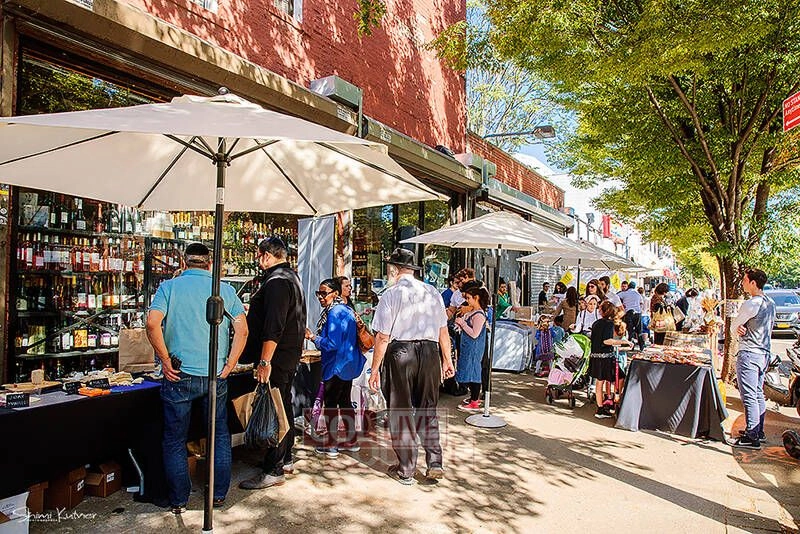
WineByTheCase.com is set to host a special Pre-Sukkos Wine & Spirits Festival on Thursday and Friday, providing a fantastic opportunity for customers to taste and purchase a selection of wines and spirits just in time for Yom Tov.
Throughout these two days, the store will offer wine tastings, highlighting a variety of select wines and spirits that are ideal for enhancing Sukkos celebrations. In addition to the tastings, customers can benefit from special pricing and promotions that will also be available for online orders at WineByTheCase.com.
This event will allow shoppers to stock up on essential wines and spirits for the upcoming holiday while taking advantage of exclusive festival offers.
California Grapes: Farmers Face Struggles Amid Declining Wine Demand
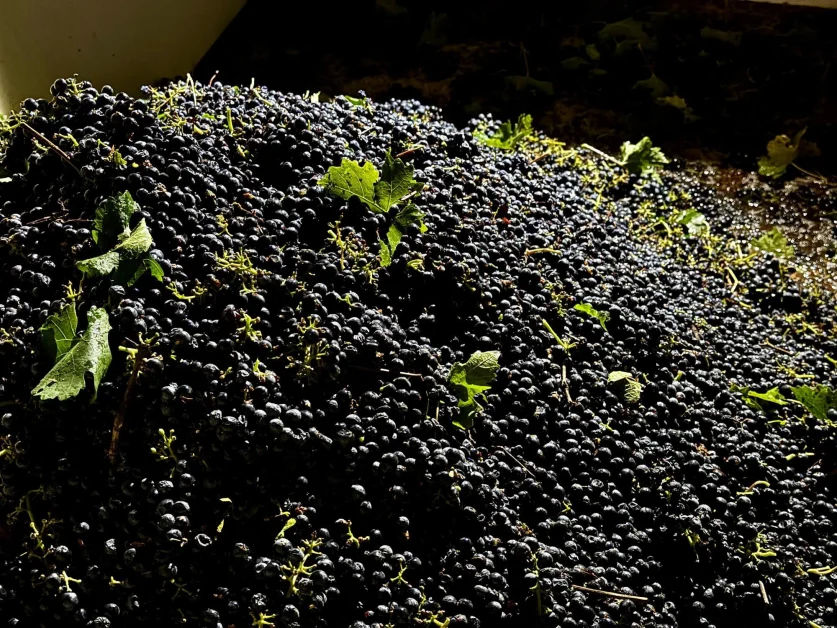
LODI, Calif. — As harvest time arrives in California’s wine country, grape growers are facing unprecedented challenges due to a significant decline in demand for wine. This downturn has forced many to consider drastic measures, including uprooting vineyards that have been in their families for generations.
Wine sales have dropped over 20% in the last five years, leading to lower grape prices and prompting farmers to take about a quarter of California’s vineyards out of production. Faced with the harsh reality of unsold grapes, many growers must choose between harvesting at a financial loss, leaving grapes on the vine, or converting their fields to other crops that are in higher demand.
Bill Berryhill, a third-generation vineyard owner near Lodi, exemplifies the struggle. With approximately 200 of his 500 acres without buyers, Berryhill lamented the waste of a potentially great vintage. “You raise a beautiful crop, and it’s really a nice vintage this year, and you drop it on the ground. It’s sad,” he said, revealing plans to remove 50 acres of vineyards after this season.
In 2021, during the pandemic, wine sales surged as people turned to home drinking, leading to an initial boom for the industry. However, the following years have seen a notable decline, with wine case sales falling from 427 million in 2020 to 329 million by 2025, as reported by First Citizens Bank.
The competitive landscape for beverages has changed as younger consumers turn to craft beer, liquor, and hard seltzers, while a health-conscious generation is consuming less alcohol overall. Additionally, tariffs and global market pressures have restricted California’s ability to export excess wine.
Despite these challenges, growers like Berryhill remain committed to their craft. He stated, “I love growing grapes. It’s in the blood.” As the industry searches for stability, many hope for a rebound in demand that would allow them to continue their legacy.
Sweet Indulgence: Top Wine and Candy Pairings at Trader Joe’s, Recommended by a Sommelier
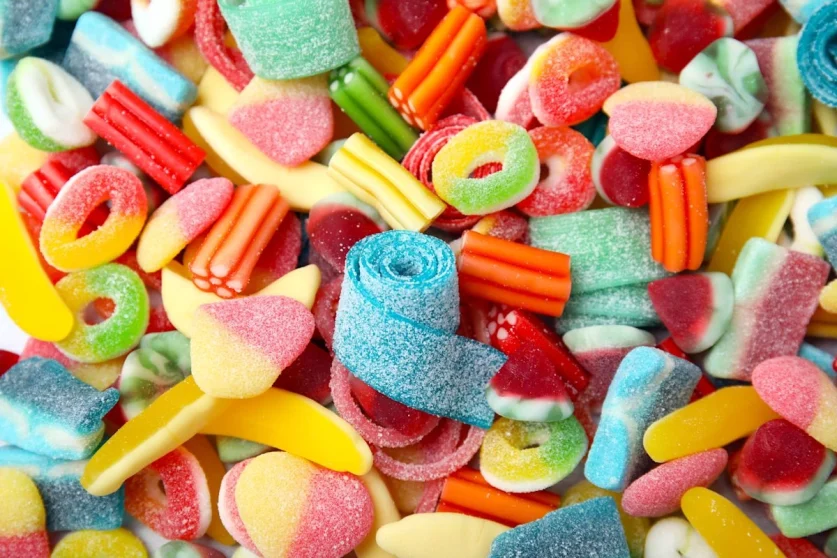
If you’ve ever browsed the candy aisle at Trader Joe’s and wondered which wine might pair well with your sweet tooth, Certified Sommelier Sam Capaldi offers some surprising suggestions that have captured attention on Instagram. Her recommended pairings step outside the conventional wine-dinner norms and delve into the delightful world of wine and candy combinations.
Pairings from Trader Joe’s
-
Emma Reichart Rosé & Sour Strawberry Candy Belts
- Capaldi loves pairing rosé with sour candies, and Trader Joe’s Sour Strawberry Candy Belts are no exception. The fruity rosé complements the candy’s sweet strawberry flavor, enhanced by its tangy finish.
-
Patroferno Appassimento Puglia Primitivo & Milk Chocolate Peanut Butter Cups
- This combination takes the already adored Milk Chocolate Peanut Butter Cups to new heights when paired with Primitivo, an Italian wine that echoes Zinfandel. The rich chocolate and peanut butter create an enticing match with the wine’s bold flavors.
-
Conegliano Valdobbiadene Prosecco Superiore & Dark Chocolate Sticks With Crispy Rice
- These unassuming treats are surprisingly delicious when paired with the bubbles of Prosecco. The crispy texture of the chocolate sticks and the sparkling wine create a refreshing experience.
-
Reggiano Lambrusco & Teensy Candy Bars
- Capaldi suggests pairing Lambrusco with Trader Joe’s miniature candy bars, akin to Snickers. The wine’s fruity notes and slight effervescence perfectly complement the chocolate and nuttiness.
-
Ca’Storica Amarone della Valpolicella & Dark Chocolate Bark
- The intensely rich flavors of Amarone pair exceptionally well with Trader Joe’s Dark Chocolate Bark, creating a decadent combination.
-
J. Lohr Estates Riverstone Chardonnay & Apple Crisp Inspired Milk Chocolate Caramels
- For those skeptical of Chardonnay, this combo might be a game-changer. The apple-flavored caramel, paired with the wine, evokes a comforting autumn vibe.
-
Sauvignon Republic Marlborough Sauvignon Blanc & Spooky Bats & Cats Sour Gummy Candies
- Perfect for the spooky season, this fruity white wine contrasts delightfully with the tangy gummy candies, making it a fun pairing.
-
Pine Ridge Chenin Blanc + Viognier & Fruity Gummy Candies
- Finally, Capaldi recommends pairing tropical Chenin Blanc with Trader Joe’s Fruity Gummy Candies. The flavors in the wine mirror those in the sweets, making for a harmonious pair.
These innovative pairings highlight how wine can turn a casual candy treat into a sophisticated experience, showcasing that the world of wine isn’t confined to fancy dinners but can also embrace playful desserts.
Michelin’s New Venture: The Controversy of Rating Wineries in the Wine World

The Michelin Guide has recently expanded its renowned rating system to wineries, leading to a mix of confusion and skepticism among wine enthusiasts and professionals. Traditionally focused on restaurants, Michelin’s new initiative assigns grape ratings to wineries, with one grape indicating a good producer, two for an excellent producer, and three for exceptional ones.
Despite the significant changes, the wine community’s response has been muted. Robin Kelley O’Connor, a prominent wine educator, noted a lack of discussion within the industry. However, social media chatter tells a different story, as many industry insiders express their incredulity—best exemplified by Adam Lee of Clarice Wine Company, who called the ratings "laughable.”
The Michelin Guide’s expansion has included regions like South Korea and South Carolina over the last decade, and as of 2024, it has also begun rating hotels. The latest ratings for wineries were released in Bordeaux, where 84 wineries received recognition. Among Bordeaux’s 7,000 producing châteaus, only a select number secured grape ratings, sparking debate about the criteria and selection process.
The guide’s approach has raised eyebrows, particularly regarding its criteria for inclusion. Many of the notable omissions—like Château Margaux and others that received lower ratings than expected—have incited questions about the evaluators’ expertise. Critics argue that the complexity of vineyard assessments and the expertise required to properly judge them is beyond what the Michelin inspectors might possess.
Jeff Leve, a wine critic, pointed out that the guide has not been transparent about its evaluation methods and that the focus on whole estates rather than individual vintages ignores the realities of wine production, where variations can change dramatically from year to year.
While some prestigious wineries celebrated their ratings, like Château Troplong Mondot, the sense among many is that the guide should stick to its culinary roots. Yet, amidst the controversies, some industry voices see an opportunity for increased visibility for the struggling wine market. The introduction of such a distinguished name like Michelin into the wine world could bring attention to lesser-known vineyards, providing a potential boost to sales despite the backlash.
Overall, the reception to Michelin’s venture into the wine sector remains mixed, with many hoping for clarity and credibility in the ratings moving forward.
Discover Albariño: The Refreshing and Affordable White Wine You Need to Try Now!
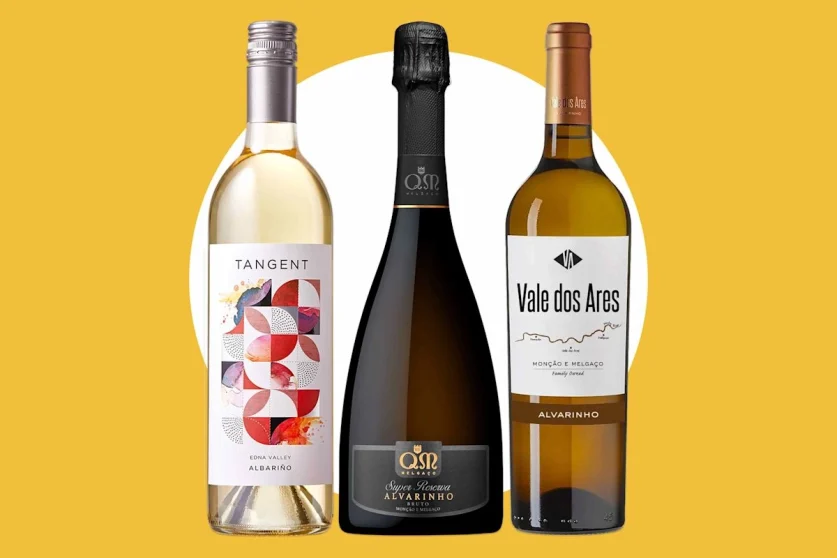
Albariño is a refreshing, high-acid white wine that is gaining recognition as one of the best values in the wine market. Originating from the Iberian Peninsula, this wine showcases its versatility through various expressions, including sparkling and still versions. Sandra Gomes Rocha, founder of Diniz Cellars, describes wine as a staple in Portuguese culture, enjoyed without a specific occasion. At a recent wine event in Los Angeles, she highlighted the Quintas de Melgaço Super Reserva sparkling Alvarinho as particularly refreshing during hot weather.
Alvarinho’s reputation is steadily rising due to its bright flavor profile and low alcohol content. It competes well with other white wines, like Sauvignon Blanc, making it suitable for various cuisines, including Thai and Italian. As the market begins to appreciate the complexity and quality of Portuguese wines, prices are slowly increasing, though many favorite offerings remain affordably priced.
While Alvarinho is often associated with Rías Baixas in Spain, Portugal proudly claims its roots in the Vinho Verde region. Winemakers in this area, such as Miguel Queimado of Vale dos Ares, produce distinct single-varietal wines that exhibit a balance of volume, texture, and freshness. The region’s unique climate and soil types contribute to the wine’s character, characterized by flavors like green apple, patisserie, and tropical fruit notes.
It’s worth trying several Alvarinho wines, such as Chapeleiro Alvarinho ($15), QM Alvarinho ($13.21), and Quintas de Melgaço Super Reserva Alvarinho ($25 – $35) to explore the variety’s range.
In the U.S., winemakers are also getting involved, particularly in regions like Oregon’s Willamette Valley and California’s Edna Valley. They strive to express the grape’s qualities through their own regional characteristics. Oregon’s Sacred Shore Wines reflects the similar climate to Rías Baixas, producing a wine with distinct saline tension.
Both Oregon and California are working towards defining their unique Alvarinho styles, balancing the grape’s potential for ripe fruit with its inherent acidity. Notable wines to sample from these regions include Sacred Shore Albariño ($27 to $40) and Tangent Albariño ($17), which showcase the grape’s potential interpreted through different terroirs.
For more information on Albariño and wine tasting, visit Food & Wine.
How Much Should You Invest in a Quality Bottle of White Wine in 2026?

Many novice wine drinkers often mistakenly believe that pricier wines are inherently superior to cheaper options. The perception that high cost equates to better quality can mislead consumers, causing them to rate a mediocre, expensive wine higher than it deserves. Fortunately, there are numerous affordable wines that offer exceptional quality, especially in the white wine category. Typically, bottles priced between $15 and $25 (with potential increases due to market trends) can provide a satisfying experience without breaking the bank.
To illustrate this point, a trip to Fine Wine & Good Spirits revealed notable entries in the budget-friendly category. Woodbridge by Robert Mondavi Chardonnay is available for around $15.99, while the Domaine Alain Geoffroy Petit Chablis 2023 and Wagner Vineyards Riesling Semi Dry Finger Lakes are priced at $22.99 and $17.99, respectively. Notably, white wines are often less expensive than red, mainly because the latter typically requires longer aging, thus increasing production costs.
When selecting a bottle, it’s essential to understand the various factors that contribute to wine pricing. Costs related to land, grape cultivation, labor, and shipping all play roles in determining the retail price. Some grape varieties, like those used in premium Burgundy Chardonnay, can demand exorbitant prices—some exceeding $10,000. Thankfully, many delicious and affordable white wine options abound.
For those looking to elevate their wine appreciation, mastering the tasting process is key. Affordable whites can be nuanced and complex, much like their expensive counterparts. To better appreciate these wines, swirl them in the glass to aerate and release aromas, then take short inhales before sipping. This method can deepen your sensory experience and help you discover what types of wines resonate with your palate.
For additional insights, explore more about wine tasting techniques and the differences between white wine types.
The Boca Raton Unveils the Third Annual Artisans of Wine & Food: Celebrating the Largest Gathering of Napa Valley Vintners Outside of Napa

The Boca Raton is set to host the third annual "Artisans of Wine & Food," a premier food and wine festival scheduled from January 14–17, 2027. This festival, in partnership with Napa Valley Vintners, will feature over 100 wineries and more than 20 prestigious Michelin-starred chefs. It aims to showcase a diverse array of culinary experiences while also focusing on philanthropy.
During this four-day event, guests will enjoy a mix of wine tastings, gourmet meals, and social interactions in a vibrant atmosphere that transforms The Boca Raton into a mini wine-country destination. Daniel A. Hostettler, President and CEO of The Boca Raton, emphasized the festival’s goal of uniting extraordinary talents in a single venue, where each culinary experience tells its own story.
The festival offers numerous highlights, such as:
-
Winemaker Series & Vintner-Hosted Dinners: The event will kick off with the "Artisans Toast" and feature exclusive dinners hosted by prominent vintners, where guests can explore unique wine pairings.
-
Daytime Activities: Activities include a "Pickleball Social," a "Vintners Mahjong Tournament," and the "Discover Napa Valley Tasting Pavilion," allowing guests to sample wines from over 100 producers.
-
Charity Gala: A highlight of Saturday evening, this gala will feature a family-style dinner curated by world-renowned chef David Burke, accompanied by a live auction to support the Selfless Love Foundation, which aids youth in foster care.
-
European Wine Tasting Pavilion: Sunday will showcase exquisite wines from notable European estates, providing a global flavor to the event.
Beyond wine and food, the festival focuses on charitable efforts, with proceeds from events directed towards improving outcomes for children in foster care through the Selfless Love Foundation.
All-Access Passes for the festival are currently available, offering priority access to all experiences. Individual event tickets will be sold starting October 1, 2026. For more information and reservations, visit Artisans of Wine and Food.
Unanimous Choice: The Best $25 Sparkling Wine According to 5 Wine Experts
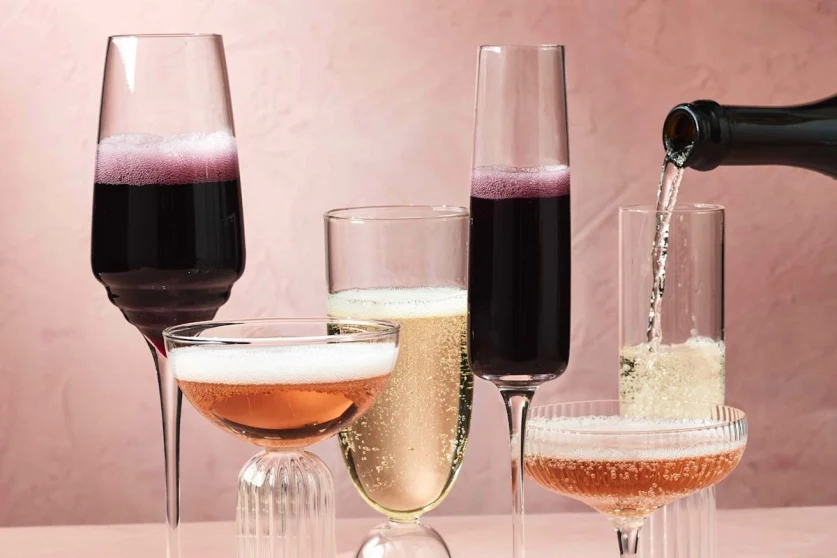
When seeking affordable sparkling wine, consider crémant as a wonderful alternative to Champagne. Not only is crémant made using the same traditional methods, but it’s often priced significantly lower. Five wine professionals unanimously recommended Pierre Sparr Crémant d’Alsace, a delightful choice at around $25, boasting vibrant fruit flavors and effervescent bubbles that rival more expensive bottles.
Many wine enthusiasts mistakenly reserve sparkling wine exclusively for special occasions, associating it primarily with costly Champagne, which can be hard to find at prices below $50. As a result, these premium bottles often remain unopened until family celebrations or holidays arise.
However, sparkling wines other than Champagne, such as crémant, are more accessible and versatile. They can pair beautifully with a variety of foods, from salty snacks and fried chicken to caviar and French onion soup, making them perfect for both casual gatherings and festive meals.
What is Crémant?
Crémant refers to French sparkling wines produced outside the Champagne region. These wines are crafted using the same labor-intensive traditional method, but because they come from different areas, such as Alsace or Bordeaux, they are more affordable. Recognized officially since 1975, crémants exemplify the distinct terroirs of their regions, allowing winemakers to showcase local grapes and techniques.
The Best Affordable Sparkling Wine
The expert consensus highlights Pierre Sparr Crémant d’Alsace as the top pick. Crafted from sustainably farmed grapes in Alsace, this crémant is celebrated for its crispness, generous flavor profile featuring apple, pear, and a hint of nuttiness, and a creamy mouthfeel that delivers a polished experience.
Master sommelier Barb Werley describes it as citrus-driven with a refreshing acidity, making it a versatile companion to a variety of dishes or simply enjoyable on a cozy patio with some snacks. Wine director Leah Matthews agrees, noting that it serves well as an apéritif and pairs excellently with foods across the spectrum.
Exploring More Options
For enthusiasts willing to explore, there are other noteworthy bottles. Costco offers affordable, authentic Champagne between $20 and $30. Additionally, Cava from Spain stands out as a solid choice, while sommeliers like Matthews and Pruitt recommend other crémants, such as Marie de Louvoy Carte Noire Crémant de Bourgogne and Arnaud Lambert Crémant de Loire, both known for their quality and reasonable pricing.
In conclusion, with many sparkling wines available for under $30, crémant asserts itself as a fantastic option that proves you don’t need to reserve bubbly only for special occasions. Whether it’s to celebrate a win or simply to savor a quiet evening, a quality sparkling wine can elevate any day.
Wine Press: Discover 3 Exceptional Box Wines You Won’t Believe!
With the ever-increasing cost of living, from gas to groceries, finding ways to save money has become crucial. This search for affordability extends to wine, where many believe that good quality comes only at higher prices. However, the reality is that one doesn’t need to break the bank to enjoy quality wines.
For over a decade, the goal has been to demonstrate that excellent wine can be found at reasonable prices, and this quest has led to the rise of box wines. Although some may dismiss them, box wines have significantly evolved in quality over the years. Here are a few compelling reasons to consider them:
-
Longevity: Unlike traditional bottles, which need to be consumed quickly after opening, box wines can last for up to a month, keeping them fresh for longer.
-
Space-saving: A single box usually contains the equivalent of four bottles, making it more convenient for storage.
-
Portion Control: Box wines allow you to pour just the amount you wish, whether it’s a small glass or more.
Here are three recommended box wines that deserve a place at your table:
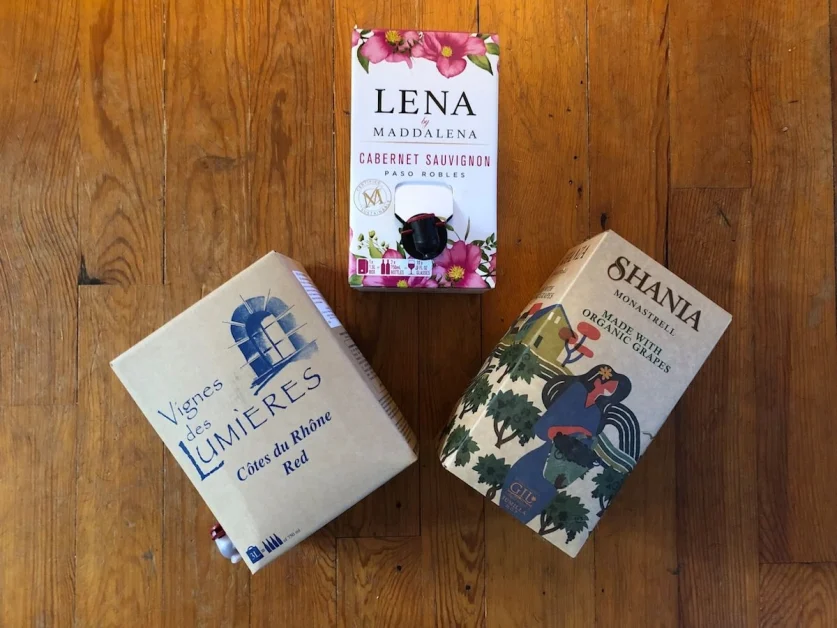
Lena By Maddalena Cabernet Sauvignon ($25 for 1.5L box)
- Region: Paso Robles, California
- Grapes: Cabernet Sauvignon
- Notes: This light, fruity wine features a bright finish with notes of cherry, plum, and blackberry, offering remarkable value for a California Cabernet.
Vignes Des Lumieres Cotes Du Rhone Red ($25 for 3L box)
- Region: Cotes Du Rhone, France
- Grapes: 70% Grenache, 30% Syrah
- Notes: Renowned for producing outstanding wines at affordable prices, this one provides dark flavors of cherry, blackberry, and dark chocolate, equating to only $6.25 per bottle.
Shania Monastrell ($18 for 3L box)
- Region: Jumilla, Spain
- Grapes: Monastrell
- Notes: From a family-owned winery famed for its exceptional wines, this easy-drinking delight features soft fruit flavors and a subtle finish with cherry, raspberry, and caramel notes.
If you’re keen to delve deeper into red wines, consider attending a wine tasting class at Holyoke Community College’s MGM Culinary Arts Institute. Set for September 24, this event is open to the public and promises to enrich your wine knowledge.
Cheers!