Wine 1106
Value Wine vs. Cheap Wine: Understanding the Key Differences
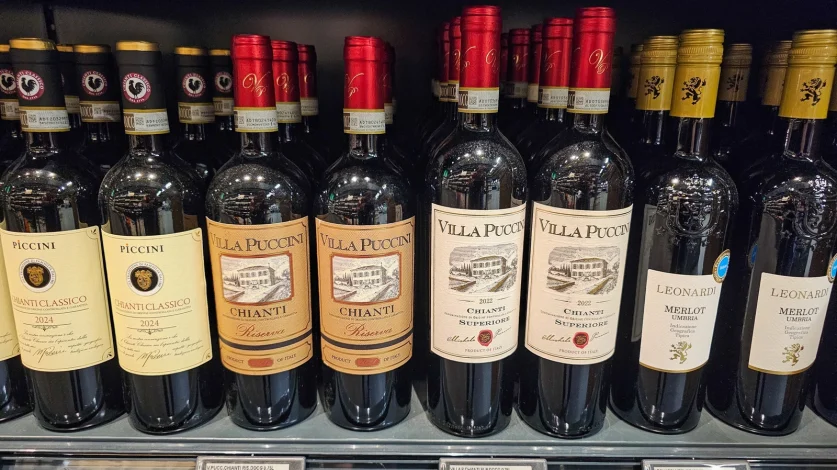
The world of wine can often feel perplexing, especially when trying to differentiate between cheap and value wines. While many shoppers want to simply enjoy a glass without delving into the complexities of tannins and oakiness, understanding the distinction between wines that are just inexpensive and those that offer true value is essential.
According to David Kravitz, the beverage director for The Group Hospitality, a value wine is characterized by its ability to deliver a tasting experience that feels more expensive than it actually is. He explains that while cheap wines are merely low-cost, value wines offer higher quality for their price. This notion of wines providing more value than their price tag has been discussed widely, with publications like The Guardian outlining factors that contribute to a wine’s value, recognizing that every wine drinker values different attributes. Pricing alone may not indicate quality, as preferences and tastes vary.
Kravitz highlights that wines produced in smaller quantities by families or individual makers are often of higher quality, whereas large-scale production can lead to more generic, lower-quality options. Producing wines with care and respect for the environment is crucial. He advises consumers to explore styles and grapes from regions that are often overlooked, which may offer delightful surprises without the hefty price tag.
It’s important to remember, as pointed out by publications like Wine Enthusiast, that value wines are not always the cheapest, and cheap wines may not provide true value. Labels with terms such as "Barrel Select" can sometimes mask inferior products. Thus, doing research and asking the right questions before purchasing can better inform decisions and lead to discovering genuinely valuable wines.
For more insights on wine selection, consider reading about cheap wines that taste expensive or the 14 questions to ask before buying wine.
Reviving History: Campo’s Vintage Wine Train Returns This Fall Featuring FDR’s Historic Rail Car
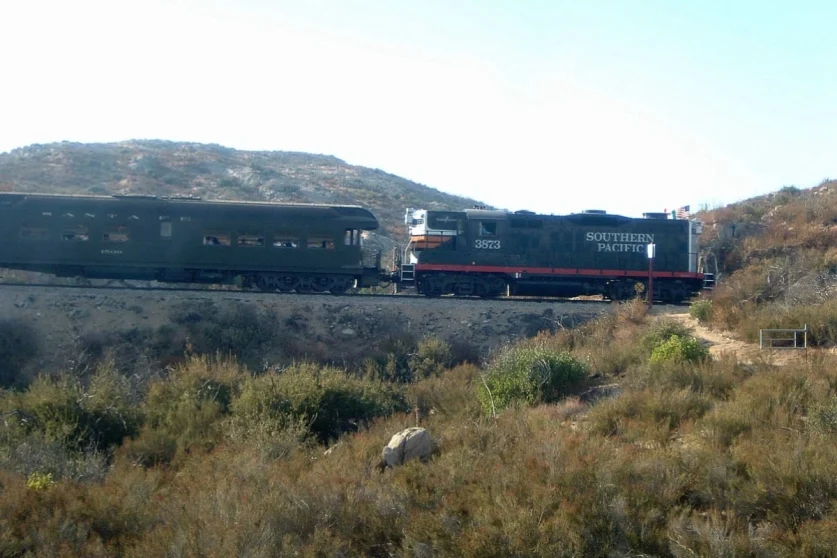
Southern California’s only wine train is making a comeback this fall, departing from the Pacific Southwest Railway Museum in Campo. The Backcountry Wine Train has two scheduled runs on October 4 at noon and 3 p.m., offering a scenic 90-minute journey through the picturesque highlands of eastern San Diego County on a restored vintage train.
During the trip, riders will enjoy a specially curated six-glass tasting flight of wines sourced from local Southern California wineries, complemented by individual charcuterie plates and macaroons from a San Diego bakery. For those who prefer not to partake in alcohol, an alternative six-glass tasting flight of handcrafted nonalcoholic beverages will be available. However, all passengers must be at least 21 years old to board.
The ticket prices reflect the luxurious experience aboard the train, with three different tiers available. The premium class is priced at $100 per person, providing access to a restored 1920s train car. The first-class option costs $150 per person, which includes two or four-person tables, an extra glass of sparkling wine or nonalcoholic cider, and access to the train’s open-air platform. The VIP tier, which grants access to the Robert Peary presidential Pullman car, is available at $250 per person, requiring the booking of the entire car for up to eight guests. This exclusive tier also features personalized tableside service by sommelier Lisa Redwine.
The Robert Peary car has an impressive past, having been used by President Franklin D. Roosevelt 34 times between 1934 and 1936 and has hosted numerous Hollywood stars and corporate executives. Now preserved by the Pacific Southwest Railway Museum Association, it is available for private charters and special events.
The train tracks themselves boast historical significance, established between 1907 and 1919 by John D. Spreckels, designed to create a direct rail link to the east. This line, known as "The Impossible Railroad," included the construction of 21 tunnels and significant trestle bridges.
The entire operation is run by the Pacific Southwest Railway Museum Association, established in 1961 and staffed by volunteers who maintain the trains and offer excursions. The museum houses an extensive collection of historical railroad equipment and works to preserve the history of train travel.
San Diego County’s wine industry is flourishing, home to 172 active wineries growing 43 grape varieties. The region’s American Viticultural Areas such as San Pasqual Valley AVA and Ramona Valley AVA enhance the credibility and marketability of local wines.
The Backcountry Wine Train is one of the limited seasonal offerings scheduled by the museum, kicking off on October 4, followed by events like the Pumpkin Express and the North Pole Limited, making it a unique addition to fall festivities in San Diego. Riders are encouraged to plan ahead and check for accessibility options concerning the trains.
Healdsburg Wine Academy Joins Forces with Commonwealth Wine School: A New Era in Wine Education

The Odyssey Wine Academy, renowned for being Sonoma County’s first in-person Wine & Spirit Education Trust (WSET) certification school, has officially merged with the Commonwealth Wine School, a Massachusetts-based institution specializing in wine, spirits, sake, and beer education. Founded in 2022 by Julie Rothberg, the academy has quickly become a destination for wine enthusiasts and aspiring professionals, offering WSET’s recognized certification programs across four levels of increasing complexity.
Rothberg emphasized that the merger was partly motivated by a desire to balance work and family life. She intends to focus on enhancing marketing efforts and expanding course offerings as she remains actively involved with the academy. Previously hosted at Bacchus Landing in Healdsburg, Odyssey’s classes will now transition to "The Friend" room at Maison Wine Bar near the Healdsburg Plaza starting this fall.
Maison co-owner Evan Hufford, a certified sommelier and veteran instructor from the San Francisco Wine School, expressed enthusiasm about the partnership, viewing it as an opportunity to promote wine education and collaboration in a space designed for industry networking. The new venue is expected to continue offering classes, including WSET Level 1 sake courses. Enrollment is currently open for the upcoming courses slated to begin this September.
For more information, visit Odyssey Wine Academy and Commonwealth Wine School.
From Muddy Beginnings to a Grand Celebration: Hudson Valley Wine & Food Fest Marks 25 Years with 15,000 Guests

In its 25th year, the Hudson Valley Wine & Food Festival evolved from a small gathering in a muddy field to a renowned event attracting up to 20,000 attendees annually. The festival originated at Greig Farm in Red Hook, New York, founded by Michael Babcock, who recalls the first festival in 1996 with an overwhelming amount of rain. Despite challenging weather conditions, attendees enjoyed themselves, showcasing the spirit and potential of the festival.
This year’s festival, held at the Dutchess County Fairgrounds, boasts a lineup that includes 42 wineries, 29 distilleries, several cideries, 24 craft beers, and 64 gourmet food producers. Over the years, the festival has transitioned from its initial struggles with weather into a lively celebration of New York’s culinary landscape, transforming it into the state’s largest gathering of wineries on that weekend.
Inspired by Babcock’s visits to food and wine festivals in Aspen, Colorado, the Hudson Valley’s inaugural gathering aimed to connect local producers with consumers. Initial years were financially tough, but the support led to a partnership with the fairgrounds, providing necessary infrastructure that significantly upgraded the festival experience.
The festival has become known for its culinary demonstration stage, emphasizing the connection between food and wine through live cooking shows by regional chefs. Notable figures, such as Marcus Guiliano and Hudson Valley’s Ric Orlando, have participated, teaching techniques using locally sourced ingredients.
Babcock notes the festival’s role in boosting local agriculture, granting access to Southern Tier markets for Finger Lakes wineries that previously lacked distribution avenues. The collaboration has fostered a thriving agritourism economy in Dutchess County, celebrating the evolution of local vineyards, which now produce award-winning wines.
As the festival’s audience expands, it retains an intimate connection with its roots. Attendees who’ve been coming for decades now bring their families, creating a shared legacy that highlights the festival’s community-centered mission. Babcock emphasizes that the event is about more than just food and wine; it’s about fostering connections and celebrating local culture.
For more information on the Hudson Valley Wine & Food Festival, visit hudsonvalleywinefest.com.
Time Travel in a Bottle: Comparing 1969 Cabernet Sauvignon to Modern Wines

We were intrigued yet skeptical when tasting a 1969 cabernet sauvignon—the 1969 Robert Mondavi, to be precise. Historically, wines from that era have been lackluster, surviving more as relics than memorable experiences. However, this particular bottle proved to be an exception. It was vibrant and astonishingly well-preserved, exuding elegance reminiscent of fine Burgundies, enriched with dried red fruits. While the tannins had mellowed over time, the wine still showcased impressive acidity and structure, much like an aging architectural masterpiece.
As we savored the wine, our minds wandered back to the late 1960s Napa Valley. At that time, the number of established wineries was limited to a few, including Beaulieu Vineyards, Louis Martini, and Beringer. The emergence of iconic producers such as Robert Mondavi and his contemporaries would soon elevate Napa’s status in the wine world. In 1969, Mondavi had already begun to carve out his legacy after a split from Charles Krug, purchasing land in To Kalon and establishing a winery in Oakville.
Backed by talented hands like Warren Winiarski, who would later establish Stag’s Leap Wine Cellars, and Mike Grgich, the 1969 cabernet marked the start of Mondavi’s mission to create high-quality wines akin to renowned Bordeaux.
Though Mondavi passed away in 2008, we spoke to Kurtis Ogasawara, the winery’s current director of winemaking, who has not tasted the 1969 vintage but is familiar with the evolution of wines since then. He noted that the alcohol content of the 1969 cabernet stands at 12%, a stark contrast to today’s offerings, which average between 14.5% and 15%. Various factors, including climate change and advancements in vineyard management, play a role in this change.
Ogasawara explained how winemakers in that era had a different approach; the picking process was more reliant on vineyard teams than on precise timing by winemakers, as is standard now. He pointed out that while the 1969 cabernet included fruit from To Kalon, it also sourced grapes from several Napa vineyards, reflecting a broader winemaking philosophy of that time.
Robert Mondavi was notable for introducing French oak barrels to the Napa Valley scene, elevating the production methodology from standard American oak, and producing wines that were likely unfined and unfiltered, a novel approach at the time.
Reflecting on his predecessors, Ogasawara admitted the weight of their legacy could be daunting but expressed his focus on continuous improvement without becoming paralyzed by comparison.
As we concluded our tasting, we pondered the future of wines today, wondering if the bold and fruit-forward styles of modern vintages would age as gracefully as Mondavi’s wines. Ogasawara remained optimistic, citing confident future outcomes based on the promising attributes of his own wines.
For those interested in experiencing Robert Mondavi’s more recent offerings, some notable selections include:
- Robert Mondavi Winery Cabernet Sauvignon 2022 ($55): A juicy blend showcasing red fruit flavors.
- Robert Mondavi Winery The Estates Cabernet Sauvignon 2022 ($105): Rich, complex with plum, black cherry, and mint notes.
- Robert Mondavi Winery The Estates Red Blend 2022 ($95): Balanced and structured, it encompasses all five noble Bordeaux grape varieties.
- Robert Mondavi Winery The Estates Fume Blanc Napa Valley 2023 ($65): This unique blend includes semillon, adding layers of dimension.
Uncork Your Perfect Pairing: Finding Your Ideal Wine Based on Birth Date and Personality Traits
According to numerology, your birth date can reveal a wine that mirrors your personality, whether you gravitate towards a bold red or a crisp white. Each day of the month corresponds to a different wine style, reflecting the influence of celestial bodies at the time of your birth. Here’s a breakdown of which wine complements your birthday:
Wine Pairings Based on Birthdays
-
1st, 10th, 19th, 28th – Energetic Drinkers: Orange WineThis complex wine, made from white grapes fermented with their skins, showcases flavors such as dried apricot and hazelnut. Known for its unique amber hue, it appeals to bold spirits.
-
2nd, 11th, 20th, 29th – Cosmic Connection: Biodynamic WineFor those born under the Moon’s rule, biodynamic wines, produced with minimal intervention and aligned with lunar phases, suit your evolving moods.
-
3rd, 12th, 21st, 30th – Forward Thinkers: ShirazOptimistic and adventurous individuals enjoy Shiraz, an Australian wine known for its rich and spicy flavor profile, perfect for sharing among friends.
-
4th, 13th, 22nd, 31st – Originality in a Bottle: LambruscoReflecting your vibrant personality, this lightly sparkling Italian red wine combines the refreshing quality of rosé with the fruitiness of red wine, creating a delightful experience.
-
5th, 14th, 23rd – Social Butterflies: Sauvignon BlancAs a sociable individual, you’ll find Sauvignon Blanc, known for its bright citrus notes and versatility in food pairing, to be a crowd favorite.
-
6th, 15th, 24th – Celebration in Every Sip: Sparkling RoséThose born under Venus’s influence adore sparkling rosé, a festive wine with vibrant notes of raspberry and citrus, perfect for social gatherings.
-
7th, 16th, 25th – Sweet and Dreamy: RieslingWith a magical essence, Riesling offers a wide range of sweetness and intense aromas, embodying the dreamy qualities of those born on this date.
-
8th, 17th, 26th – Timeless Tradition: BordeauxThe structured and age-worthy Bordeaux wine, a blend of Cabernet Sauvignon and Merlot, resonates with those who appreciate the beauty of time and maturity.
-
9th, 18th, 27th – Bold and Unique: MalbecMars-born individuals will appreciate Malbec’s adventurous character, evolving from French origins to the heights of Argentina, making it exceptional in flavor and value.
Discovering your ideal wine based on your birth date not only adds a personal touch to your selection but could also lead to delightful exploration of flavors that match your unique personality.
Carpe Wine: Embracing the Finer Sips Beyond the Stein
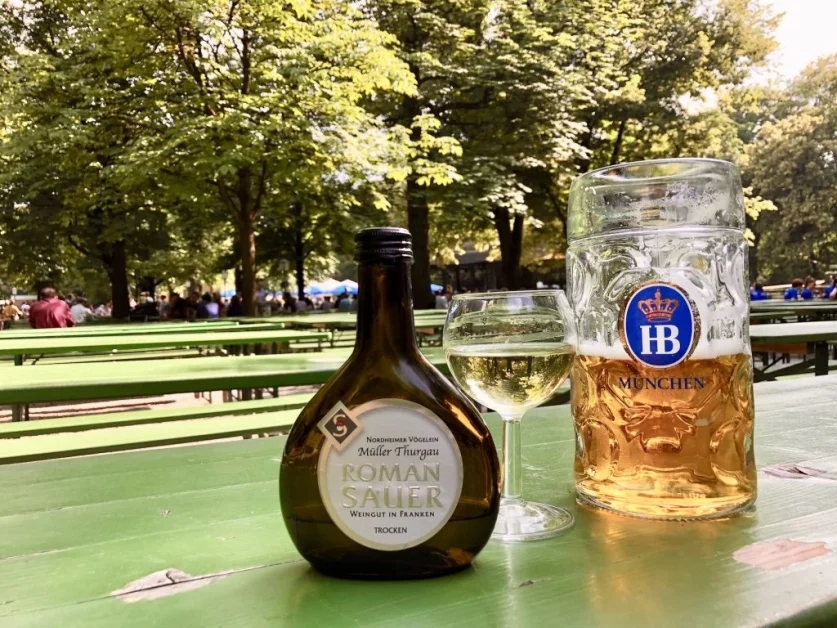
This weekend marks the start of Oktoberfest celebrations across the valley, which are primarily known for featuring German beer. However, it’s also a great opportunity to explore another of Germany’s renowned products: wine. Unfortunately, the festivals in Beaver Creek, Vail, and Gypsum won’t include German wines this year, but wine enthusiasts can still find some domestic options if beer isn’t appealing.
Germany is famous for much more than beer, especially its riesling, which constitutes nearly 25% of all wine produced in the country. While riesling often dominates, Germany also grows a significant number of red grape varieties, making the wine industry dynamic as climate changes influence viticulture.
Historically, Germany faced challenges regarding its wine quality in the 1980s due to exports of subpar, overly sweet bulk wines, like Liebfraumilch and Blue Nun. Fortunately, there has been a substantial transformation since then. With 13 officially recognized wine regions, German wines include an array of styles, from sparkling to sweet.
Riesling is at the forefront of German wines, thriving in the country’s cool climate and offering a range of flavor profiles from apple and lemon to wet slate. While most understand riesling as a sweet wine, the trend is shifting towards drier versions, gaining popularity among winemakers.
In addition to riesling, German vineyards produce other excellent white wines such as Müller-Thurgau and pinot varieties. Notably, Germany ranks as the third-largest producer of pinot noir worldwide, or spätburgunder, which has increasingly flourished due to improved farming practices and warmer climates.
Interestingly, not all rieslings are sweet. The sweetness level depends largely on whether fermentation is allowed to complete, thereby consuming all natural sugars. Labels indicating "Trocken" usually denote drier wines, which carry higher alcohol content, while those bearing lower ABV percentages tend to be sweeter.
For anyone looking to venture beyond the festivals, local spots like Ein Prosit, Alpen Rose, and Pepi’s supply a selection of German wines for sampling. When shopping at home, retailers such as Beaver Liquors offer a variety, particularly dry rieslings.
As you revel in the Oktoberfest atmosphere, consider elevating your experience with a glass of German wine. Happy sipping!
Get Savvy: Essential Wine Lingo for Aspiring Collectors with Dr. Lori
Building a wine collection involves more than just acquiring bottles; it requires understanding the language of wine. Collectors today are driven by a fascination with rare vintages, esteemed vineyards, and unique characteristics that elevate certain bottles to high value.
The landscape of wine collecting has evolved, nearly rivaling the art world in its allure. International wine auctions see bids that soar to astonishing heights, showcasing the cultural significance and investment potential of fine wines. As you embark on your own collection, it’s crucial to familiarize yourself with the terminology associated with wine.
Key Considerations for Collecting Wine
-
Labels: The wine label can reveal vital information, including alcohol content and whether it is estate bottled, a mark of quality indicating the wine was bottled on the premises where the grapes were grown.
-
Regions: Wines hail from diverse locations around the globe. For example, French wines typically name the region on the label, while American wines focus on the vineyard or winery.
-
Corks: Besides labels, corks can also offer insights into authenticity.
Learning the Lingo
Understanding wine terminology is essential for any collector. Here are some key terms:
- Tannin: Acid found in grape skins, stems, and seeds.
- Body: Refers to the weight or fullness of the wine, often related to its alcohol content.
- Depth: The complexity of flavors within a wine.
- Clarity: The visual appeal of the wine.
- Acidity: A crucial element for the structure of the wine.
- Nose: The wine’s aroma.
Evaluation Process
When evaluating wine, use a systematic approach: observe its appearance, inhale its aroma, and taste it. Developing an understanding of what you enjoy may take time but is fundamental to building a satisfying collection. Ultimately, the process of exploring and enjoying wine can be just as fulfilling as the collection itself.
For those looking to expand their knowledge or appraising abilities in collectibles, Dr. Lori Verderame advises learning the nuances of what makes a wine exceptional. With practice, you can discern good bottles that enhance both your collection and your palate.
New Wine Shop Opens Its Doors at Hartness Village Center in Greenville
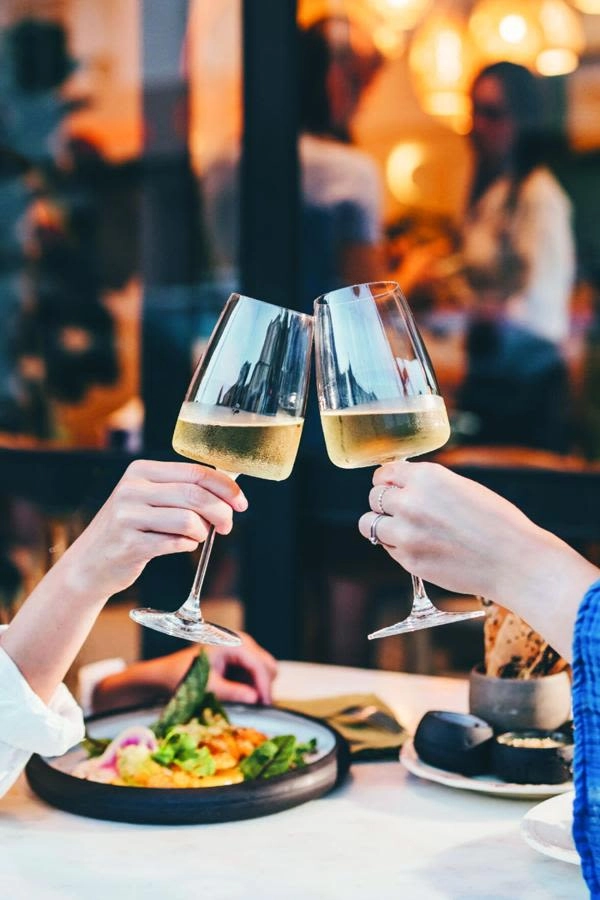
GREENVILLE — A new wine shop called Wine House has officially opened its doors in Greenville’s Hartness Village Center as of September 1. Located at 3000 Society St., the shop aims to provide a welcoming wine bar experience alongside its retail bottle shop, offering wine by the glass or bottle along with curated pairings of meats and cheeses.
The shop’s mission is to foster a local wine community, creating a relaxed environment for residents and visitors alike. Sean Hartness, President and CEO of Hartness Development, expressed excitement over this new addition, envisioning it as a gathering place that will enhance community engagement and social interaction.
Wine House’s opening coincides with the closure of its original location on Haywood Road, while they also operate another store on Main Street. The Hartness location welcomes customers every day starting at 11 a.m.
Is California Wine Ready to Embrace a $250 Cabernet Crafted Without This Essential Ingredient?
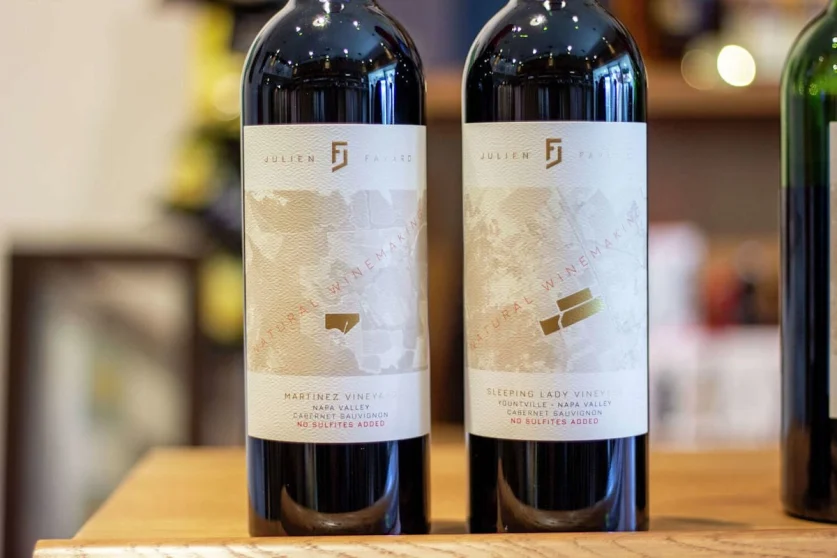
Napa Valley’s esteemed winemaker, Julien Fayard, is venturing into uncharted territory by producing high-end Cabernet Sauvignon bottles priced at $250, but without the inclusion of sulfur. This decision has raised eyebrows among wine collectors and aficionados, who consider sulfur dioxide a crucial component of winemaking.
Sulfur serves multiple essential functions: it assists in protecting wine from oxidation, preserves its freshness, and prevents spoilage. It’s particularly important for collectible wines, as it aids in the aging process. Most winemakers rely on sulfur to enhance stability and quality.
While sulfite-free wines do exist, they typically dwell on the fringes of the natural wine movement, appealing mainly to those who favor rustic and "funky" flavors. Fayard, however, is pushing the boundaries with this costly sulfur-free Cab, aiming to stimulate discussion around the definitions of luxury in the wine industry. He wants to challenge traditional norms and provoke thought about what constitutes a high-end wine.
Fayard expresses his desire for innovation and fun in his winemaking endeavors. His repertoire includes not only highbrow clients but also more experimental projects, such as a range of low-alcohol wines launched recently. He emphasizes that his motivations extend beyond the common belief that sulfites cause headaches; he offers sulfite-free options to attract health-conscious consumers.
His recent release includes two sulfite-free Cabernets sourced from top vineyards, prominently labeled to highlight their natural winemaking process. Interestingly, Fayard has also produced sulfur-inclusive versions of the same wines for comparison. He notes that the sulfite-free wines tend to be fruitier, sweeter, and more approachable, with the potential to age faster. This stance positions him uniquely among luxury winemakers: he possesses the resources and capabilities to produce high-quality natural wines that straddle the fine line between innovation and risk.
The advantage Fayard has over traditional natural winemakers lies in his access to premium vineyard locations and state-of-the-art winemaking facilities, enabling meticulous control over the production process, thus minimizing the risk of bacterial contamination or unwanted flavors.
Fayard’s bold experiment may reshape perceptions of high-end wines, inviting collectors and connoisseurs to reconsider their definitions of quality and tradition.