Recipes 384
7 Tea Cocktails to Try in Charleston Right Now
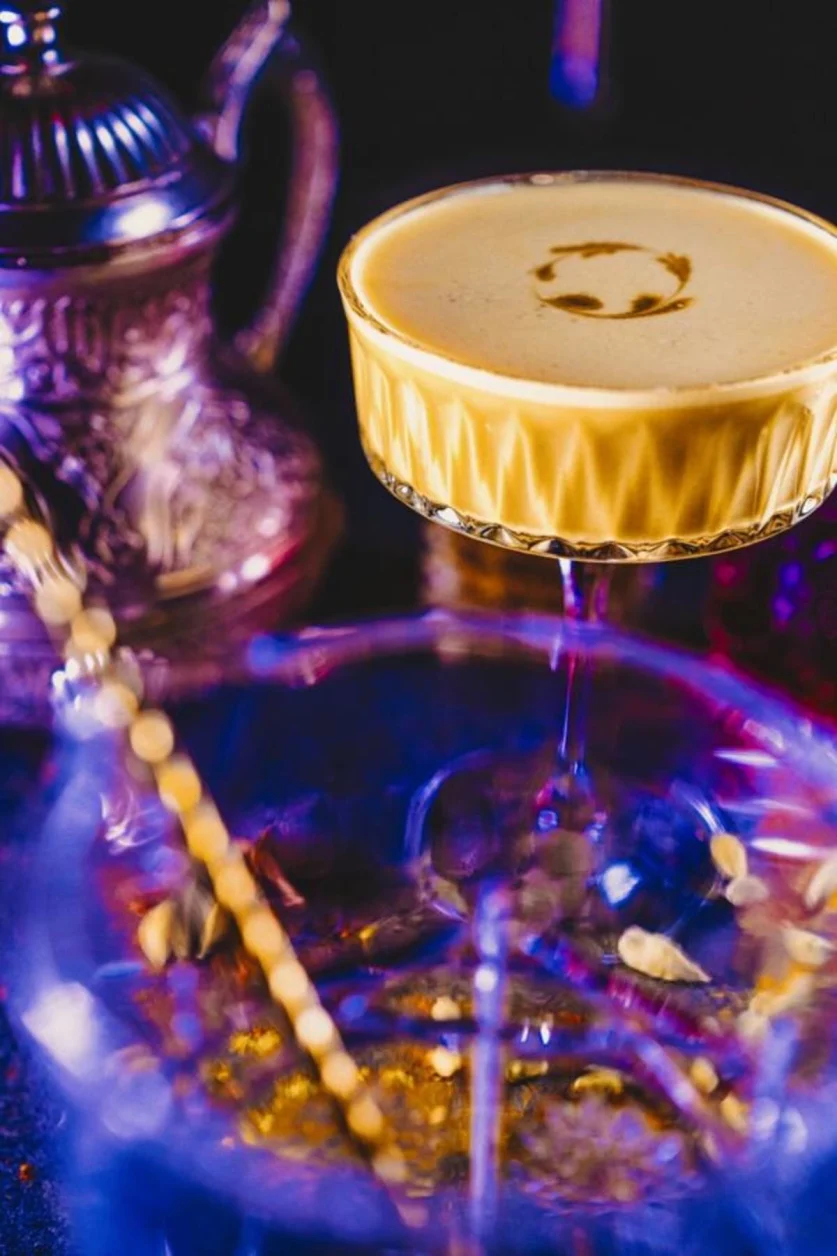
Tea is finding its way into more cocktails, adding everything from subtle floral notes to warm spice and a pleasant tannic finish. In Charleston, the trend draws on the city’s deep tea heritage and offers options ranging from spirit-forward drinks to alcohol-free sips.
Here are seven tea cocktails to try around town:
Chai No Lait at Coterie
A menu staple since Coterie opened in 2020, the dairy-free Chai No Lait combines chai-steeped gin with Angostura bitters and egg-white foam. Its creator, co-owner Jeremy Buck, designed it to bring the creamy, fragrant feel of a chai latte into a refreshing cocktail.
Coterie also serves the Laotong, made with chamomile-infused pisco.
The Mitchell at Camellias
Inspired by Southern peach tea, The Mitchell pairs English breakfast tea with bourbon. The result is a smooth, fruit-forward drink designed to be approachable. It fits naturally at Camellias, a bar inside Hotel Bennett known for its afternoon tea service.
Pluff and Proper at The Palmetto Hotel
Created with local tea company Oliver Pluff, this cocktail combines The Botanist gin with orange clove tea, lemon and bergamot notes. The tea adds warm tannins and complexity.
The hotel is also developing a Tea Tini Trio, with options that can be made using nonalcoholic spirits.
Nashpati No. 5 at Rivayat
This fall cocktail brings together reposado tequila, Earl Grey tea, black peppercorn, spiced pear liqueur, lemon, garam masala and jaggery. Beverage director Juleon Schneider drew inspiration from tea-poached pears, and says bergamot’s citrusy character pairs especially well with tequila.
Garden Fog at Sweatman’s Garden
Sweatman’s Garden offers several tea-based drinks, including the habanero fresca, which can be served as a mocktail or made with alcohol. A seasonal favorite, the Garden Fog, combines nonalcoholic fernet, pear and Earl Grey soda, topped with marshmallow fluff.
Divine Intervention at Ma’am Saab
This chai-spiced bourbon cocktail, finished with West Indies orange bitters, is Ma’am Saab’s take on an Old Fashioned. It has evolved through several versions over the years, with its current form introduced in fall 2025.
Karachi Wala at Ma’am Saab
Also built around chai, the Karachi Wala mixes vodka, warm spices and amaretto. Owner and executive chef Raheel Gauba created it as a nostalgic tribute to evenings with friends in Karachi, where cups of chai helped gatherings last a little longer. Sweeter and softer than the Divine Intervention, it’s intended as an after-dinner drink.
8 Cocktails to Toast Cooler Temperatures and Changing Leaves
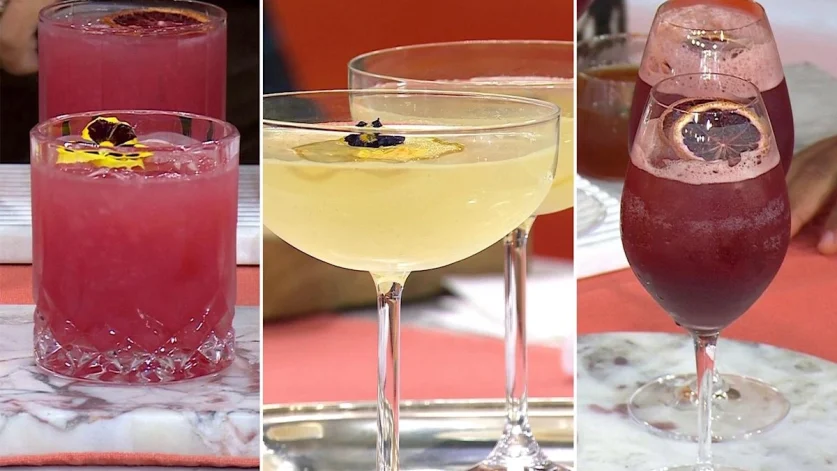
As autumn arrives, cooler weather and changing leaves offer a reason to gather over seasonal drinks. Jenny Megill, bar manager at Hudson Valley hotel and event venue Cedar Lakes Estate, shared four cocktail and mocktail recipes on TODAY, including a blood orange-pomegranate margarita.
Elevate Your Halloween Cocktails with the Intrigue of Black Vodka!
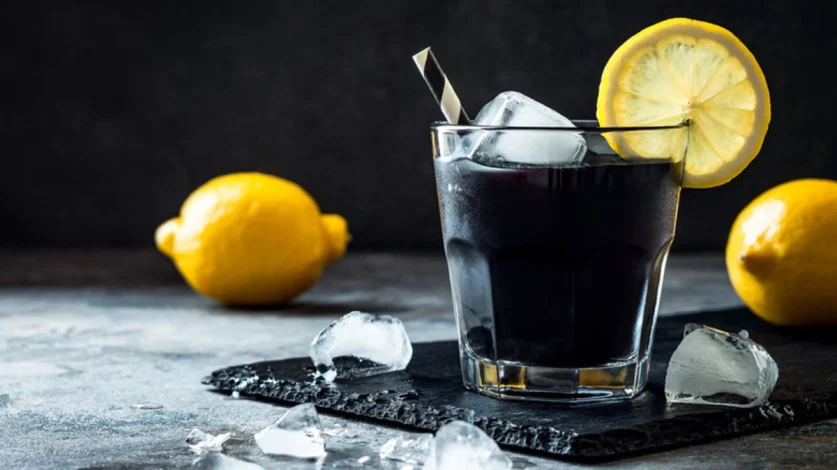
When it comes to Halloween cocktails, most mixologists reach for vibrant spirits like Midori or grenadine to craft spooky drinks. However, there’s a way to elevate your Halloween creations with a touch of mystery and elegance—homemade black vodka. This unique concoction can transform your cocktails into truly bewitching libations.
Making your own black vodka is easier than you might think. Start with a high-quality, clear vodka as your base. The secret to achieving that enigmatic black color lies in a simple pantry staple: liquid food coloring. With a mix of red, blue, and green food coloring, you can easily transform your clear vodka into a captivating dark hue.
To prepare your black vodka, add 10 drops of blue food coloring, 10 drops of red food coloring, and eight drops of green food coloring to each bottle of vodka you’re altering. Recap the bottle and shake it well to ensure the color is fully incorporated. Once mixed, your black vodka is ready to use for cocktails throughout the night without the need for frequent stirring or special storage.
Cocktail Ideas Using Black Vodka
Now that you have your black vodka, it’s time to get creative. Here are a few festive cocktail ideas that will impress your Halloween party guests:
-
Midnight Martini: Combine your homemade black vodka with a touch of dry vermouth. For a pop of contrasting color, garnish with an orange peel twist.
-
Blackberry Potion: Muddle fresh blackberries with a splash of lime juice and simple syrup. Shake this mixture with black vodka and strain it over ice for a hauntingly delicious drink.
-
Witch’s Brew Fizz: Mix black vodka with elderflower liqueur and a squeeze of lemon juice. Shake well with ice, strain into a glass, and top with sparkling water for an effervescent delight.
To add a touch of glamour to your black vodka cocktails, consider incorporating edible glitter. This enchanting addition will create dazzling elixirs that captivate your guests.
By embracing the dark allure of homemade black vodka, you can craft cocktails that range from spooky to sophisticated. Whether serving a sinister martini or a sparkling blackberry potion, your Halloween drinks are sure to enchant everyone who indulges.
Can $10 Cocktails in Houston Hold the Key to Solving America’s Drinking Problem?
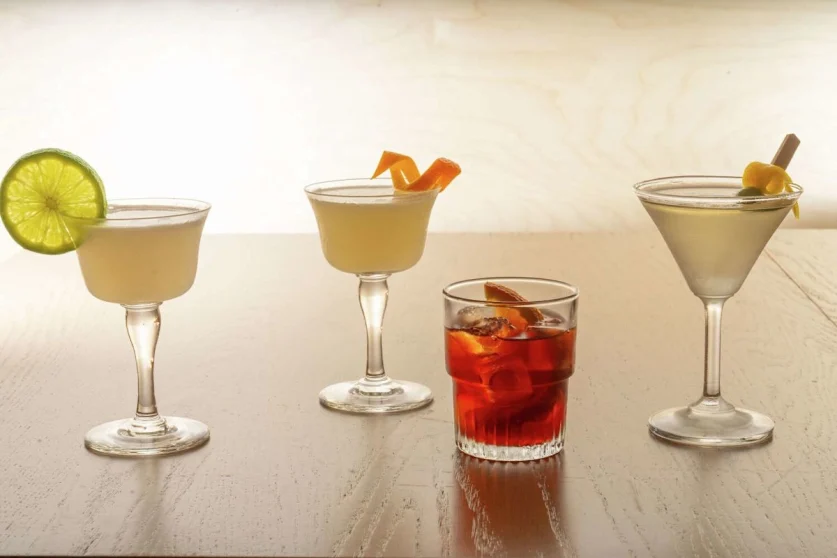
During a recent visit to Camaraderie, a restaurant in Houston’s Heights neighborhood, a delightful discovery was made—$10 cocktails dubbed "Mini Classics." As my wife and I savored our meal from the prix fixe menu, the appealing price and size of these cocktails caught our attention.
According to Chef and owner Shawn Gawle, the restaurant introduced these smaller format drinks to provide an alternative to traditional cocktails, which often come with a hefty price tag. By reducing both the drink’s volume and price, Gawle aims to create a more inviting and manageable drinking experience.
The Mini Classics, which have been offered since the restaurant opened in March 2025, allow diners to enjoy a variety of cocktails without the worry of overindulging. Each cocktail, served in a 2.75 to 3-ounce glass, is batch-made and arrives with just a few preparations by the bartender. The menu rotates with options like the boulevardier, old fashioned, vesper, and sidecar, each carefully crafted to deliver full flavors despite their smaller size.
What makes these Mini Classics remarkable is their growing popularity within the restaurant. Statistics show that at times they account for 30% to 50% of cocktail sales each month, with the vesper often being the standout favorite. Gawle has noted a significant shift in consumer behavior, as fewer diners are willing to pay upwards of $20 for cocktails—with many now opting to drink at home.
Camaraderie’s innovative approach aligns with current market trends, catering to a customer base that favors smaller, more affordable drinking options. Jonathan Horowitz of Convive Hospitality Consulting praised their strategy, suggesting it resembles the appeal of wine flights, offering variety without commitment to larger, pricier servings.
This inventive menu shift reflects a broader concern within the restaurant industry: a decline in consumer spending on drinks out. With the Mini Classics also available at half price during happy hour, they provide the perfect solution for thirsty diners looking for an affordable indulgence without sacrificing quality or experience.
For more information on this innovative cocktail concept and its role in addressing the current drinking culture, check out the full article on Chron.
VIA CAROTA Launches a Redefined Sparkling Cosmopolitan: A Craft Cocktail Experience
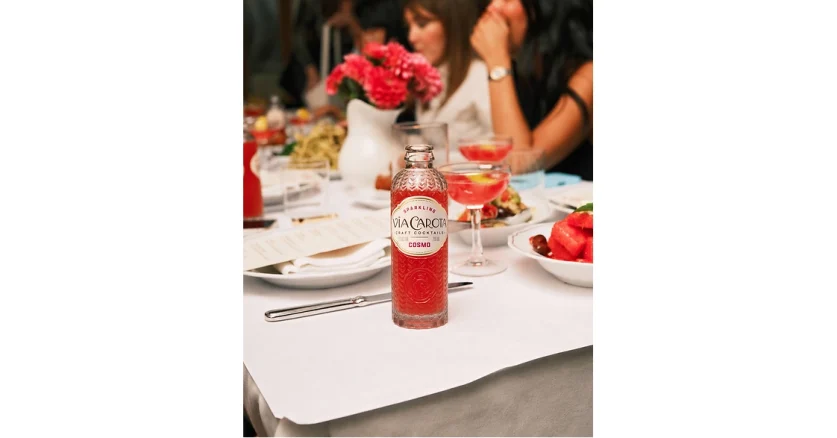
Via Carota Craft Cocktails has officially launched a new product: the Sparkling Cosmopolitan. This ready-to-drink cocktail marries the classic flavors of a Cosmopolitan—triple-distilled vodka, tart cranberry, fresh lime, and orange zest—with the refreshing twist of sparkling wine. This innovative approach aims to reinvigorate consumer interest in the iconic cocktail.
As the Cosmopolitan experiences a renaissance, Via Carota taps into the growing trend of celebratory drinks that evoke nostalgia and fun. The Sparkling Cosmo is designed for convenience: simply chill, pop, and pour from its 200mL bottles, boasting an alcohol by volume (ABV) of 11%.
Rita Sodi, co-founder and chef at Via Carota, emphasizes the appeal of the tart flavor profile of a Cosmopolitan, while Ryan Giunta, the brand president, notes the increasing demand for sparkling cocktails that do not compromise on quality. The Sparkling Cosmo aligns with the successful launch of their French 75, which gained widespread popularity on social media, showcasing the market’s enthusiasm for distinctive sparkling options.
You can find the Sparkling Cosmopolitan in a four-pack at various retailers nationwide for $23.99, or in a 10-pack online for $69. More information can be found at DrinkViaCarota.com. The sparkling cocktail collection already includes other favorites such as the Spritz and French 75, along with classic offerings like the Espresso Martini and Old Fashioned.
This new addition is part of Via Carota’s mission to combine exceptional quality with effortless enjoyment, capturing the essence of their West Village roots in every sip.
Transform Your Fall with Fizzy Caramel Apple Cocktail Classics
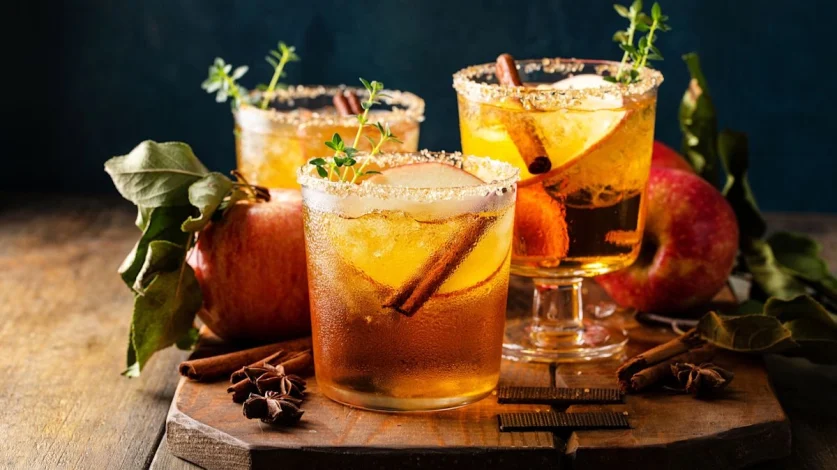
As the autumn season embraces us, caramel apple cocktails are making a comeback, and adding ginger ale can transform these classic drinks into something extraordinary. This fizzy ingredient harmonizes with the sweet notes of caramel and apple, offering a refreshing twist that lifts any cocktail.
For a delightful autumn beverage, consider crafting a caramel apple Moscow mule or a caramel apple white wine sangria. Simply mix apple cider, ginger ale, caramel vodka, and a crisp white wine. To enhance your drink, garnish with fresh apple and orange slices, a sprinkle of cinnamon sticks, and a drizzle of caramel for a visually appealing centerpiece at fall gatherings.
When mixing cocktails with ginger ale, there are a few important guidelines to follow. If the recipe requires shaking, always add the ginger ale afterward to maintain its carbonation. Opt for whiskey or vodka over rum or tequila, as these spirits marry well with apple flavors. Whiskey naturally complements caramel notes, while vodka serves as a versatile base for various flavors.
Prioritize quality when selecting ginger ale; research has identified Vernors as a top choice among brands. A splash of ginger ale could be just the ingredient missing from your favorite caramel apple concoction, so don’t overlook the benefit of a cinnamon sugar rim either. A straightforward recipe circulating on social media involves apple vodka, caramel sauce, apple juice, and ginger ale—perfect for a cozy fall sip.
For more culinary inspiration, consider subscribing to food newsletters or exploring different sources for unique recipes.
How Ready-to-Drink Cocktails Are Revolutionizing the Spirits Industry
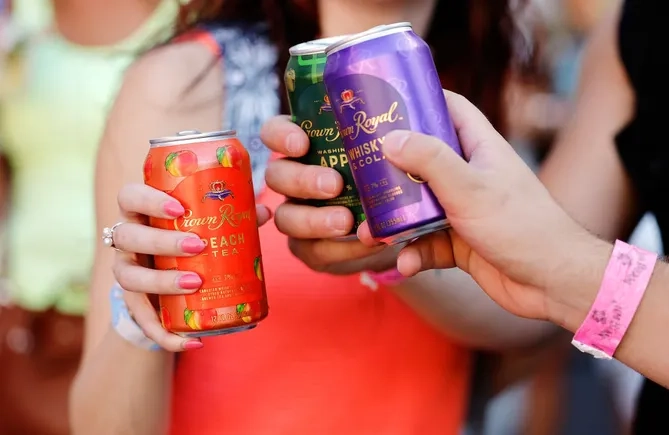
Americans are shifting their preferences away from traditional liquor bottles, increasingly opting for ready-to-drink (RTD) cocktails. During the pandemic, many consumers embraced home mixing with larger bottles of spirits, but now they’re looking for the convenience of canned cocktails that reflect their favorite mixtures, like margaritas and old fashioneds.
Scott Scanlon, EVP of alcoholic beverages at Circana, notes that this trend has led to dramatic growth in the RTD segment, which is outpacing overall alcohol consumption. Major brands like High Noon have emerged at the top of the spirits category, showing how these RTD products are displacing established liquor brands. High Noon and Cutwater experienced significant sales increases during key retail periods, showcasing the shift in consumer behavior towards convenient, pre-mixed options.
Bump Williams, CEO of Bump Williams Consulting, expressed that consumers are now drawn to affordable and portable options rather than traditional larger bottles of spirits. This sentiment is echoed by many as the convenience of RTDs offers a compelling alternative.
The revival of social drinking, coupled with the vibrancy of social media marketing campaigns, has amplified the popularity of RTD cocktails. Unlike traditional spirits, RTD brands leverage visually appealing packaging and social media engagement to attract consumers. The flavor profiles of many RTD cocktails also appeal to consumers, often surpassing what they can create at home or find in bars.
This industry evolution also presents a strategic decision point for major alcohol companies: they can either invest extensively in research and development to create their own RTDs or acquire existing brands that have proven success in the marketplace. There’s a growing trend of acquisitions as companies realize the potential in established RTD brands.
As consumer preferences continue to lean toward RTD products and away from traditional spirits, it is clear that the landscape of the alcohol industry is undergoing a significant transformation. Small, emerging brands are thriving, while legacy brands face challenges in maintaining their market share.
For more details, you can read about recent acquisitions like BuzzBallz and BeatBox as these brands further shift the dynamics in the alcoholic beverage market.
The Rising Cost of Nonalcoholic Cocktails: Unpacking the Trend
Every few months, the conversation around the pricing of nonalcoholic cocktails resurfaces, prompting debate over why these drinks often cost as much, if not more, than their alcoholic counterparts. Historically, it was understood that alcoholic beverages carried a premium due to their rarity during Prohibition, but that perception is becoming outdated.
At craft cocktail bars, the preparation of nonalcoholic drinks involves just as much time, labor, and overhead as alcoholic ones, if not more. Creating these sophisticated cocktails isn’t just about mixing juice and soda; bartenders need to consider texture and balance without relying on alcohol. As Harrison Ginsberg from Overstory explains, “We wouldn’t serve the nonalcoholic drinks we make to a kid; they’re developed for a sophisticated palate.”
Traditional cocktails benefit from established recipes and structures, but nonalcoholic drinks require innovative approaches to achieve a similar depth of flavor. With ingredients like gin or whiskey, alcohol serves as an effective extractor of flavor compounds, whereas water can only deliver a fraction of that profile. According to beverage consultant Christopher Longoria, this often means needing to use double or triple the amount of raw ingredients to create adequate flavor in alcohol-free beverages, significantly raising production costs.
Some drinks, such as those found at Vandell in Los Angeles, can involve processes like sous vide cooking and multi-day preparations. Ginsberg notes that their hojicha tonic requires high-quality ingredients and extensive preparation, making it a labor-intensive project with slim profit margins.
Moreover, many nonalcoholic spirits are priced comparably to their alcoholic counterparts. For instance, a 700-ml bottle of Seedlip nonalcoholic spirit can cost over $30, similar to mid-tier whiskey. However, using a de-alcoholized spirit in cocktails isn’t always effective since these substitutes tend to lack the bold flavors found in traditional spirits and may require additional adjustments to maintain balance.
There’s also a growing trend of combining nonalcoholic beverages with mood-altering ingredients, such as adaptogens, nootropics, and mushrooms. These alternatives are often at par price-wise with high-quality spirits, complicating the price expectations around nonalcoholic drinks.
Ultimately, the perception of nonalcoholic cocktails as being overpriced reflects broader misunderstandings about the intricacies of food and beverage service. Bartenders emphasize that their goal isn’t to overcharge patrons but rather to cover their operational costs and create inviting communal spaces. As consumer perceptions evolve and knowledge of the true costs of inclusivity in drink service grows, it is hoped that all patrons can appreciate the value and craftsmanship behind every cocktail, alcoholic or not.
Elevate Your Bourbon Cocktails with These Overlooked Fall Spices
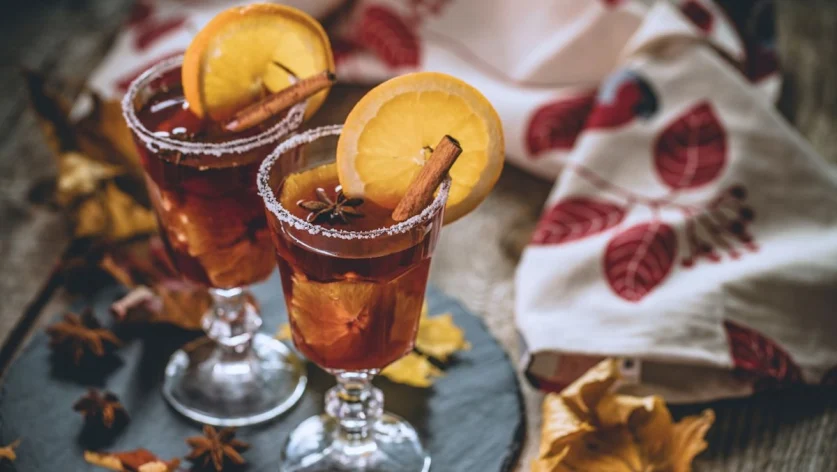
Baking spices are commonly associated with cozy fall desserts like pumpkin pie and apple cider donuts, but they can also enhance bourbon cocktails. Cocktail expert Anton Kinloch, a bartender at Lone Wolf, emphasizes the power of spices like nutmeg, clove, ginger, and allspice. Instead of relying solely on cinnamon and pumpkin, these spices can be incorporated into cocktails using homemade syrups.
To make a spiced simple syrup, simply boil water and sugar, reduce to a simmer, add whole spices, and let it steep for about ten minutes. This process draws out the flavors significantly, making it a versatile addition to a range of cocktails.
Once you’ve prepared your spiced syrup, you might wonder how best to utilize it in bourbon cocktails. Here are some creative ideas:
-
Old Fashioned Variations: Replace the traditional sugar cube with a spiced syrup infused with star anise, ginger, and cloves for a warm twist on the classic.
-
Chai Old Fashioned: Skip the spice infusing process altogether and utilize chai tea bags for an easy base filled with aromatic spices.
-
Hot Toddy: Use a honey syrup infused with nutmeg and cinnamon to enhance this warm drink.
-
Bourbon Sour: Sweeten this classic cocktail with a simple syrup made from cardamom and ginger.
-
Apple Bourbon Smash: Combine apple cider, lemon juice, and bourbon with a spicy maple syrup for a refreshing fall beverage.
-
Pumpkin Pie Cocktail: Blend pumpkin puree with a syrup spiced with allspice, ginger, clove, and nutmeg for a delectable seasonal drink.
-
Bourbon Milk Punch: For a brunch treat, create a blend with nutmeg and maple syrup, vanilla extract, bourbon, milk, and heavy cream.
These combinations showcase how spiced syrups can elevate classic bourbon cocktails into seasonal delights. For those eager to explore more culinary insights, signing up for cooking newsletters could be beneficial.
Why Spritz Cocktails Are the Year-Round Trend You Can’t Miss
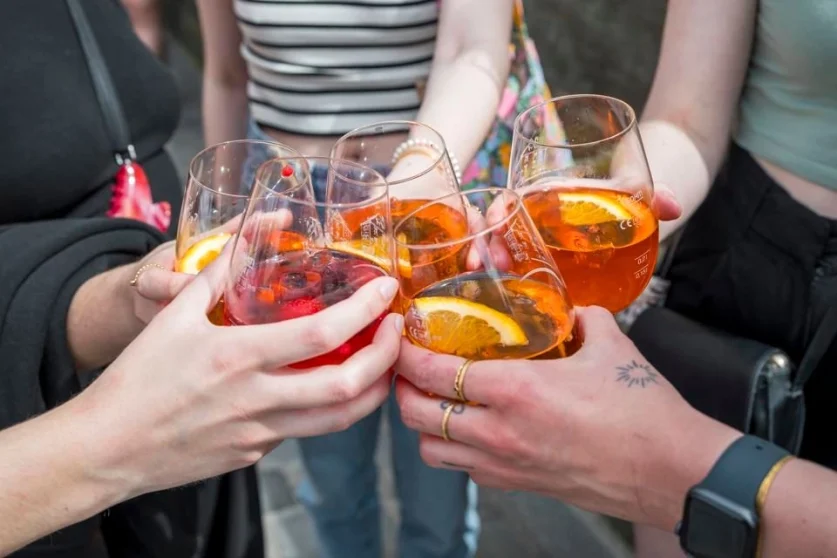
The spritz cocktail, which traces its roots back to 19th-century Northern Italy, has evolved from a summer favorite to a year-round drink. With the traditional recipe featuring Aperol, Prosecco, and soda, this cocktail is now being adapted for fall and beyond. Featuring a flexible 3-2-1 build that combines bubbly, liqueur, and club soda, it allows for creative variations perfect for different seasons.
JoJo Fletcher, co-founder of Saint Spritz, underscores the drink’s rise in popularity. People today crave light, refreshing cocktails that enhance social experiences, ideally suited for daytime gatherings or casual brunches. This shift embraces the aperitivo culture—enjoying a refreshing drink with friends before dinner—which has gained traction in the U.S. in recent years.
Marshall Dawson from Gallo Winery notes that the spritz not only offers flavor but also an experience that is less heavy on the stomach. The cultural rituals surrounding aperitif hour and socializing at home have contributed to its appeal.
The spritz has seen numerous modern adaptations, moving beyond the classic combination of Prosecco and Aperol. For instance, floral flavors are gaining popularity. Mixologist Rafaela Francisco highlights the emerging elderflower and limoncello spritzes, which provide a lighter taste compared to traditional bitters. Similarly, the Sarti Spritz, made with the fruity Sarti Rosa liqueur, is attracting attention for its distinct sweetness.
Locations such as American Social in Florida are now serving the Sarti Spritz, showcasing its refreshing fruitiness while maintaining the core spritz qualities. The cocktail’s portability is also a key factor behind its popularity; ready-made options like canned Saint Spritz serve to bring the spritz experience to more casual settings.
Since the spritz relies heavily on Prosecco, selecting a quality base is essential. Dawson recommends La Marca Prosecco for its bright notes that enhance the overall cocktail experience. Vittorio Marzotto from Santa Margherita emphasizes the balance and freshness provided by quality prosecco, which is crucial for a refreshing drink that invites repeated enjoyment.
When selecting Prosecco, the recommendation is to look for the Prosecco DOC label, as it ensures both authenticity and quality. According to Arianna Pizzolato from the Prosecco DOC Protection Consortium, choosing wines with this designation guarantees they come from specific regions and production guidelines, contributing to the cocktail’s desired freshness and effervescence.
In summary, the spritz cocktail is more than just a summer drink; it has transformed into a versatile, all-year beverage that reflects current social drinking trends. With numerous variations on the classic recipe and a focus on quality ingredients, the spritz continues to enchant aficionados and newcomers alike.