Wine 1106
To Bring or Not to Bring Wine: Expert Insights on the Etiquette of Gifting at Gatherings
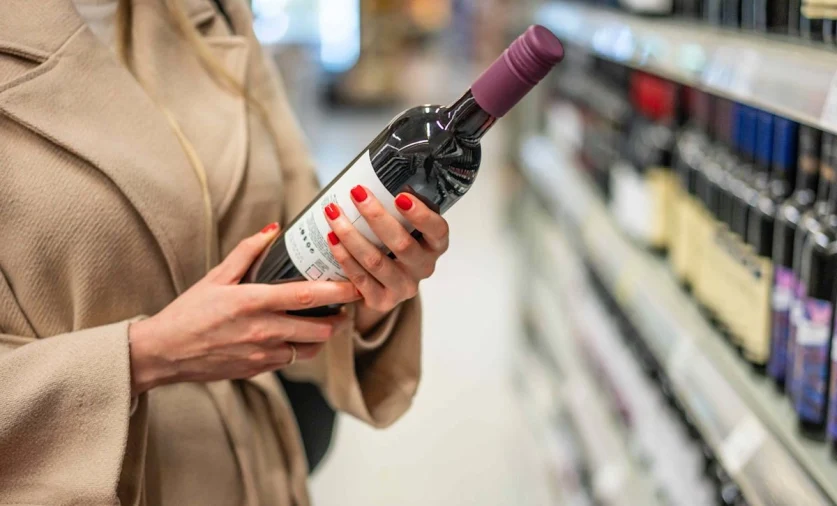
Should You Ask Before Bringing Wine? Here’s What You Need to Know
Bringing a bottle of wine to a gathering is often seen as a thoughtful host gift. However, whether it’s appropriate can be more nuanced than you may think.
The Importance of Knowing Your Host’s Preferences
Wine can be a great gift, but it’s crucial to know if the host enjoys it. According to hosting expert Sarah True, founder of True Event, there are several occasions when gifting wine may not be the best choice. For instance, if the host doesn’t drink, has specific wine pairings in mind, or if they might feel pressured to serve it, your gesture could inadvertently create more responsibility for them.
Asking the Right Questions
If there is uncertainty about whether to bring wine, it’s perfectly acceptable to ask the host beforehand. A simple query like, “I’d love to bring you something. Would you enjoy a bottle of wine, or would you prefer something else?” allows the host to guide the decision without feeling awkward.
In cases where you decide to bring a bottle, clarify that there is no expectation for it to be opened during the event. This removes any potential pressure the host might feel regarding their drink options.
Alternative Gift Options
If it seems wine isn’t the right fit, consider other gift ideas that are equally appreciated but less demanding. True suggests items like candles, kitchen towels, or even edible gifts such as specialty chocolates, pastries, or gourmet coffee. These options allow the host to enjoy your gift at their leisure instead of feeling they must incorporate it immediately into the event.
Conclusion
The goal of bringing a host gift is to show appreciation without adding to the host’s responsibilities. Thoughtful consideration of their preferences and open communication can help ensure your gesture is warmly received.
Exploring Uniqueness: The Wine Warehouse Experience in Willoughby
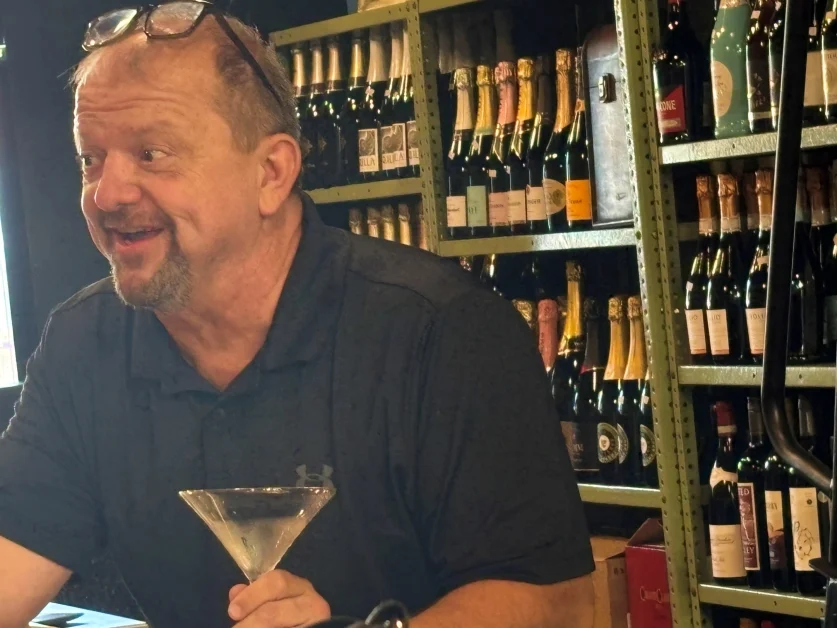
A medical emergency that resulted in surgery and a prolonged hospitalization delayed the opening of Mark Danford’s latest venture, The Wine Warehouse in Willoughby. However, Danford, a certified sommelier, views this setback as a blessing. At 56, he reports feeling healthier than ever, having adopted better lifestyle habits since his recovery.
Danford, who was certified as a sommelier in 2015, is now providing guidance to customers in selecting wines and making food pairings. His journey to opening The Wine Warehouse involved over 100 doctor visits due to a severe gastrointestinal condition, yet he persevered with the support of friends and family, transforming the location into a welcoming space situated just blocks from historic downtown Willoughby.
The Wine Warehouse offers an extensive selection of more than 300 wine varieties, each sold at state-minimum prices. Patrons can enjoy their chosen wines with a $10 corkage fee at the bar, alongside cocktails crafted from 40 different bourbons and ryes. Despite being relegated to operating alone until next year due to the store’s liquor license, Danford skillfully manages the bar, which has a cozy seating arrangement of just 10 bar seats and four tables.
Originally from Willoughby, Danford has a rich history in the hospitality industry, previously operating several local venues before spending time working at restaurants in Florida. He returned to help establish various dining spots in Willoughby, witnessing firsthand the supportive nature of local business officials.
Danford’s love for Italian wines is evident, as he recommends the dry and refreshing Soave for its pleasant flavors that pair well with seafood and pasta. His enthusiasm for wine is matched by his goal to expand the wine list to 1,000 bottles by 2028, showcasing his commitment to his craft and community.
The Wine Warehouse is located at 37812 Vine St., Willoughby, with operational hours varying throughout the week:
- Tuesday to Thursday: 4 PM – 9 PM
- Friday: 1 PM – 9 PM
- Saturday: 12 PM – 10 PM
- Closed on Sunday and Monday
For more information, Danford can be reached at 440-725-9921 or via their website.
The Rise of Nonalcoholic Wine: Why Wine Lovers Are Embracing the Trend
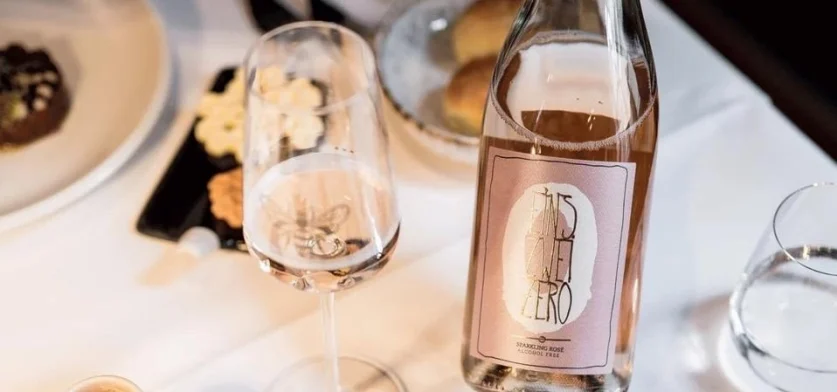
The Growing Appeal of Nonalcoholic Wine
Nonalcoholic wine has significantly evolved from being perceived as a mere sweet alternative for those who don’t drink. This segment is now embraced by established winemakers and luxury brands as a legitimate extension of wine culture.
According to a report from NielsenIQ, the nonalcoholic beverage market—including wine—reported $925 million in off-premise sales in 2025, reflecting a 22% growth year-over-year. Notably, 92% of nonalcoholic beverage purchasers also buy alcoholic products, indicating that many are simply opting for alcohol at times they choose to drink.
The Varied No Alcohol Moments
The rise in popularity can be attributed to specific occasions where traditional wine might not be suitable. For example, French Bloom originated when founder Maggie Frerejean-Taittinger, pregnant with twins, longed for refined pairing options at restaurants. Similarly, Domaine EdeM was inspired by Elena Maza of the Catena family, who sought lighter wines as age altered her tolerance to alcohol.
In Sonoma County, the creators behind Mavrique identified dissatisfaction with the quality of available alcohol-removed wines. Conversely, West + Wilder pivoted after a health crisis led one founder to abandon alcohol entirely, prompting the creation of a premium nonalcoholic alternative.
How Winemakers Are Rebuilding Wine Without Alcohol
The challenge for producers of nonalcoholic wine lies in maintaining the aroma, structure, and texture that make wine enjoyable. Since alcohol contributes to the body and aroma of wine, removing it alters the tasting experience. Sparkling wines generally have an advantage in this area; carbonation can reinstate some mouthfeel lost when alcohol is taken out.
New Zealand’s Giesen, with over 40 years in the industry, produces a range of seven Giesen 0% wines through a conventional fermentation process followed by spinning-cone technology that effectively separates and recycles aroma compounds back into the wine.
In Germany, Weingut Leitz employs vacuum distillation, which allows for a gentler extraction of alcohol at lower temperatures to minimize aroma loss.
Domaine EdeM combines dealcoholized wines with botanicals to create unique offerings, while luxury brand French Bloom, backed by Moët Hennessy, has become the first official alcohol-free sparkling wine in partnership with Formula 1.
The audience for nonalcoholic wine is diversifying, attracting not just those abstaining from alcohol but also wine enthusiasts who seek options depending on the context. As producers continue to craft enticing and quality nonalcoholic wines, this category is solidifying its place in the wine market.
Wine’s Dilemma: Everyday Relevance Versus Appeal, According to New Study
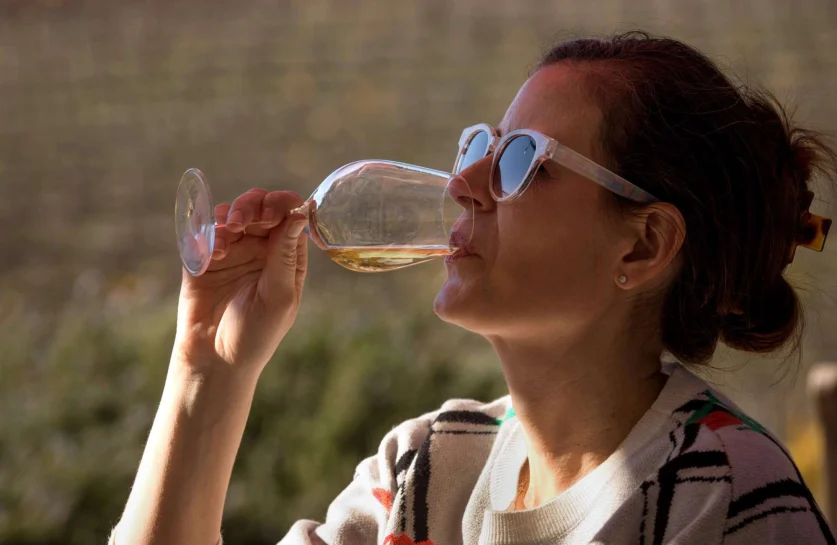
Wine is facing challenges in attracting younger consumers, not due to a lack of appreciation but rather a perceived disconnect with everyday life. This insight arises from the latest research conducted by Oakland’s consumer insights firm, Material, during a webinar presented by the Wine Market Council.
New council president, Michelle Egan, emphasized that wine’s issue is less about its image and more about its relevance in daily scenarios. While consumers view wine as enjoyable, they often associate it with traditions and special occasions rather than casual, everyday moments.
Material’s study, which targeted different consumer segments across generations, revealed that many younger drinkers—such as Generation Z and millennials—tend to drink less wine compared to older generations. Despite these younger age groups consuming more alcohol overall, they often feel uncertain about choosing wine and lack understanding of common descriptors.
The survey also demonstrated how younger consumers are experimenting with wine, incorporating it into cocktails or serving it over ice. This openness suggests a shift in how they wish to enjoy wine. The key takeaway for wineries? They need to remove barriers around wine consumption by offering simple guidance, promoting discovery, and encouraging more relaxed tasting opportunities.
Respondents expressed a desire for practical help, such as food-pairing ideas or recommendations for selecting wines, with many favoring informal tasting events over traditional winery tours or formal dinners. The research underlined that the way forward for the wine industry involves increased visibility on social media and more accessible tasting opportunities.
In summary, wineries must adapt to the preferences of younger drinkers by redefining how wine fits into everyday life and making the experience more engaging and approachable. This involves simplifying choices, securing relevant taste pairings, and fostering environments where wine can be enjoyed freely and casually.
Top Store-Bought White Wine Vinegars That Deliver Restaurant-Quality Flavor
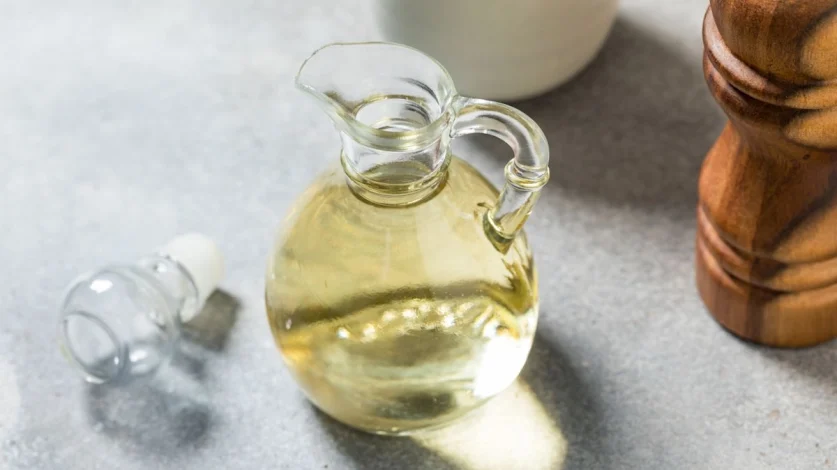
An unassuming bottle of white wine vinegar may not seem like a prominent player on grocery store shelves, yet it can significantly enhance flavors in a variety of culinary applications, from salad dressings to marinades. Among the various options available, Star Italian Kitchen’s white wine vinegar stands out, offering a taste that rivals that of high-end restaurants price at an affordable $3 to $5.
In a recent tasting of eight store-bought white wine vinegars, Star Italian Kitchen claimed the top spot, excelling in three key areas. First, it struck a perfect balance of sharpness without being overwhelmingly sour. In contrast, the Signature Select white wine vinegar from Albertsons was criticized for its excessive acidity. Second, its aroma was pleasantly subtle, avoiding the mustiness associated with some other vinegars. Finally, the flavor profile boasted complex fruity notes, making it equally suitable for both sweet and savory dishes.
Produced from a carefully selected blend of white wines imported from Spain, this vinegar’s balanced and nuanced flavor is precisely what sets it apart and makes it a must-have for both amateur cooks and professional chefs.
Star Italian Kitchen’s white wine vinegar is versatile enough to elevate a basic salad dressing or serve as a zesty marinade for chicken or fish. One satisfied Kroger shopper reported a "clean taste" perfect for pickling and also noted its effectiveness in cooking sauces like Hollandaise.
While some might consider substituting this exceptional vinegar for ordinary white vinegar, it is essential to recognize their differences. White wine vinegar is made from grapes and has a sweeter, more complex character compared to the grain-based white vinegar. Using the genuine product enhances the overall quality and depth of flavors in cooking.
For more detailed insights on the differences between the two types of vinegar, you can refer to articles that explain them.
Sipping Success: Discovering Award-Winning Wines at the Rodeo’s Wine Garden

The San Antonio Rodeo is known for its lively atmosphere, but it has a hidden gem that might surprise many: a wine garden featuring award-winning wines. Every January, this rodeo hosts an international wine competition, inviting entries from around Texas and beyond. The winning wines are then served in the wine garden during the event, allowing visitors to enjoy some of the best selections while surrounded by the vibrant sights and sounds of the rodeo.
This unique feature blends Texas culture with traditional rodeo elements, including live music and delicious food. It’s an ambiance where wine lovers can sip on medal-winning varieties while soaking in the lively rodeo atmosphere. For those who might think of rodeos as strictly beer and barbecue events, this experience offers a refreshing perspective on Texas’ diverse culinary offerings.
Despite the unexpected pairing of fine wines and the rodeo, many of the winning wines hail from Texas itself, showcasing the state’s burgeoning reputation in the wine industry. The San Antonio Rodeo’s wine garden is more than just an addition; it’s a delightful fusion of two rich Texas traditions that invites all to broaden their perceptions.
California Wine Region’s Ongoing Government Dispute Reaches Boiling Point

Napa Valley, California’s renowned wine region, is currently seeing a significant push for change as many vineyards call for a revamp of the county’s aging regulations. The Winery Definition Ordinance, established back in 1990, imposes strict limitations regarding winery operations—ranging from employee counts and production limits to visitor restrictions and permitted activities, including the ability to host weddings. These regulations aimed to preserve the agricultural landscape while curbing commercial development, yet have increasingly clashed with the evolving needs of the wine industry.
Over the years, Napa Valley has dramatically expanded, growing its winery count to approximately 500. However, the owners argue that these long-standing laws are hindering their ability to compete and innovate. Environmental advocates argue that preserving these regulations is vital for mitigating risks such as wildfires and overtaxing local water resources.
As the wine industry faces a downturn, frustrations with Napa County’s regulations have escalated, culminating in a notable legal battle involving Hoopes Vineyard. The county alleged that Hoopes was operating without the necessary permits and subsequently fined them $4 million—this prompted a federal lawsuit from three family wineries, claiming that such regulations infringe upon their constitutional rights.
In response to the constant friction, Napa Valley’s major trade organizations have united to submit a letter to the county, outlining 23 recommendations for regulatory changes. These proposals call for easing restrictions on winery operations, adjusting fees, and reforming event hosting processes. The collaboration marks a significant shift, reflecting a collective understanding that a unified approach could benefit the wine sector during these challenging times.
During a recent Board of Supervisors meeting, the Napa County planning director suggested possible regulatory adjustments aimed at simplifying the current processes. If adopted, changes such as permitting walk-in visitors at tasting rooms and adjusting production limits for smaller wineries could signal the beginning of more comprehensive negotiations.
In the context of increasing competition from more affordable wine regions and a shifting consumer landscape, Napa County’s wine industry finds itself at a crossroads. Balancing the preservation of agricultural land and the need for economic viability represents a formidable challenge, with the potential to redefine Napa Valley’s future as a leading wine destination in America.
The Chillable Red Revolution: Mastering the Art of a Transitional Wine Program
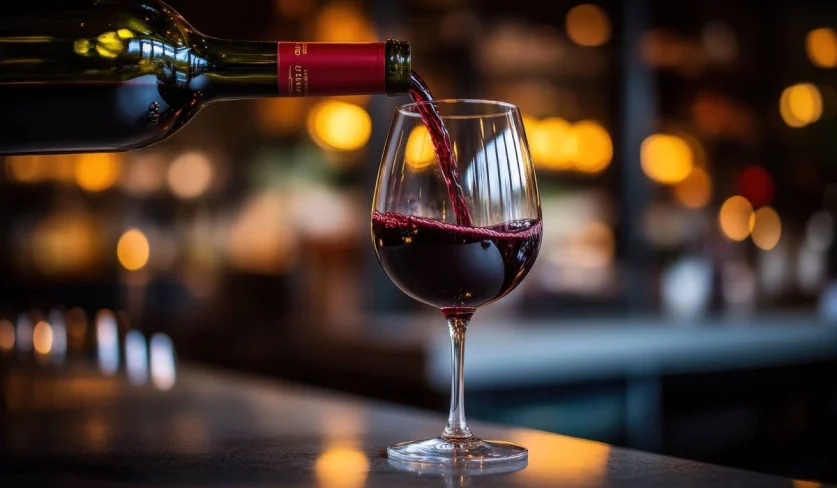
As summer transitions into fall, restaurant owners must adapt their drink offerings to meet evolving customer preferences. Guests often lean towards red wine during this change, despite warm weather that may still linger. A heavy red like a high-tannin Cabernet Sauvignon can clash with lighter fare typically offered in late summer.
In this context, "chillable reds" arrive as a solution. This category has grown from a niche concept to a crucial part of modern wine lists, offering versatility and vibrant energy. However, not all red wines can withstand chilling; selecting the right ones is essential to enhance the dining experience.
Understanding Chillable Reds
Chilling a wine affects its taste and aroma, necessitating careful selection based on structural components. Key aspects include:
-
Tannin Levels: Tannins give red wines texture, but higher levels can become harsh when chilled. Look for wines with softer tannins, generally from lighter, thin-skinned grape varietals like Pinot Noir or Gamay.
-
Acidity: A refreshing wine has good acidity, vital for a pleasant tasting experience when served cold. Wines from cooler climates tend to maintain this acidity, making them ideal for chilling.
-
Alcohol Content: Wines with moderate alcohol (around 12%-13% ABV) feel lighter and are conducive to the chillable red experience without overwhelming the palate.
Sourcing Chillable Reds
Focusing on cool-climate regions can help in sourcing the best options. Notable regions include Beaujolais in France and Oregon’s Willamette Valley. Exciting options are emerging from New York State—as seen in the Seneca Lake AVA—where varietals like Cabernet Franc can thrive, offering bright fruit flavors with a refreshing finish.
Implementation Tips
Once the right wines are selected, restaurant operators should ensure proper serving practices:
-
Serving Temperature: Aim for cellar temperature (50°F-55°F), not refrigerator cold. A good practice is to chill the bottle in an ice bucket for 15-20 minutes prior to serving.
-
Staff Education: Equip servers with the knowledge to explain the value of these wines. A simple pitch can help guests appreciate how a slight chill enhances the wine’s fruity notes.
-
Pairing Options: Chillable reds are versatile enough to accompany a range of dishes, from light salads to heartier fare, bridging the gap between summer and fall menus.
By thoughtfully integrating chillable reds into their offerings, restaurants can elevate the dining experience, aligning with seasonal shifts while enhancing guest enjoyment.
Experience Culinary Excellence: A 10-Course Omakase at This Trendy Wine Bar Near Outram Park MRT
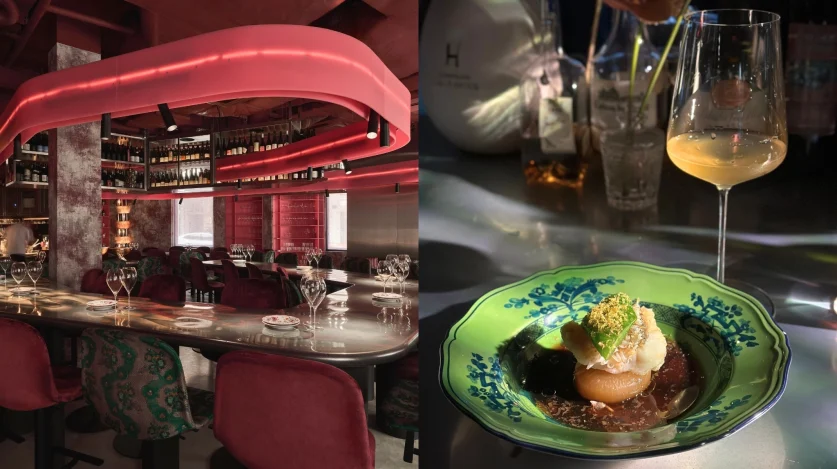
The year is 2024, and the city’s newest wine bar, Big Wine Freaks, has made its debut in a chic, redecorated shophouse on Bukit Pasoh Road. This popular venue boasts an 80-seater capacity and offers a lively atmosphere with a varied weekly schedule. Guests can indulge in a special 10-course omakase dinner every Thursday, enjoy bar snacks and guest DJs on Fridays, and participate in the monthly Wine Not? Club dinners. Occasionally, guests can experience unique events like Torotoro Night, featuring live tuna carving.
Head Chef Lim Wei Kiat, known for his work in Michelin-starred establishments, and Japanese chef Kenyoshi Ryohei lead the kitchen, offering dishes inspired by top wine bars in Europe, Japan’s omakase culture, and the vibrant food scene in San Sebastian. Each Thursday, the omakase dinner, priced at $188 per person, showcases an array of meticulously crafted seafood dishes.
The Vibe
Big Wine Freaks exudes a modern charm with vibrant magenta decor, luxe upholstery, and vintage touches throughout. The open kitchen integrates seamlessly with the dining area, allowing diners to witness culinary artistry up close. Eight coveted seats at the chef’s counter offer a front-row view of the kitchen’s action, enhanced by mood lighting that highlights each dish. Communal tables encourage a lively atmosphere while DJs spin low-key tunes to keep the energy vibrant yet conversational.
The Food
The Thursday omakase is a seafood-centric culinary adventure. Dishes are cleverly modern interpretations of traditional Japanese fare, with no meat courses to be found. The evening begins with fresh Cocollos oysters complemented by pickled yam and ikura, paired with a robust Champagne. Highlights include charred horse mackerel and a surprising Hokkaido white corn flan topped with uni and cacao. Other noteworthy plates include wild bluefin akami sashimi, silky chawanmushi lavishly adorned with Hokkaido king crab, and delectable brioche rolls served with kombu butter. Dessert features refreshing Japanese peaches paired with Earl Grey mousse, providing a perfect finale.
The Drinks
Leading the wine program is Head Sommelier Goh Kher Meng, who has experience from three-Michelin-star establishments. Big Wine Freaks showcases over 500 wine labels, focusing on exciting new-generation Champagnes and Burgundies. The by-the-glass selection boasts close to 40 rotating labels, all served in premium glassware.
Time Out Tip: Not ready for a full 10-course meal? The à la carte menu offers a variety of raw seafood, starters, and specials. The Chef’s Choice menu starts at $98 per person and allows diners to bring their own bottles with no corkage fee—an amazing feature for a wine-centric venue.
Conclusion
Big Wine Freaks is a buzz-worthy dining option with its ambitious approach to the traditional Japanese omakase. While some seasoning mishaps might keep it from being perfect, the overall experience is delightful and well worth the visit. This is the place to go for a lively atmosphere and an impressive wine list, located at 44 Bukit Pasoh Road, Singapore 089857.
Read More:
The Cheapest White Wine Vinegar: Why It’s Also the Worst on Store Shelves
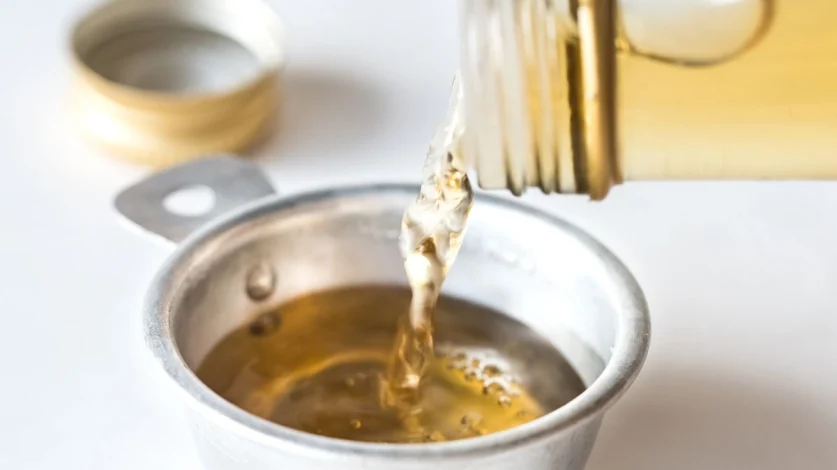
Walmart’s Great Value White Wine Vinegar has been deemed the least favorable among store-bought options, ironically holding the title of the cheapest. This vinegar is often viewed as a mild alternative to other types, making it ideal for salad dressings and sauces. However, upon tasting, it became clear that this particular brand was heavily diluted, leading to a flat taste devoid of the floral notes necessary for creating complex flavors in cooking. Enhancing dressings and marinades requires a tartness that Great Value White Wine Vinegar simply lacks.
Despite being the most economical choice at $2.32 per bottle, its poor flavor did not improve enough to earn it any accolades. Users on Walmart’s website reflected mixed feelings, with some praising its ability to flavorful prepared dishes like fish, while others complained about packaging issues and found its flavor underwhelming.
In contrast, the top contender for white wine vinegar was identified as Star Italian Kitchen White Wine Vinegar, which, despite its higher price, offered a robust flavor profile and a pleasing aroma. This vinegar provided the necessary tang and depth, making it a superior choice for culinary needs.
If finding a suitable alternative to white wine vinegar is necessary, options like rice or champagne vinegar can serve as effective substitutes, fulfilling a similar culinary role without compromising on flavor.
For further reading on better choices for white wine vinegar and cooking, you can check the original article here.