Wine 1106
Due to France’s surplus of wine, farmers are being paid $215 million to get rid of it.
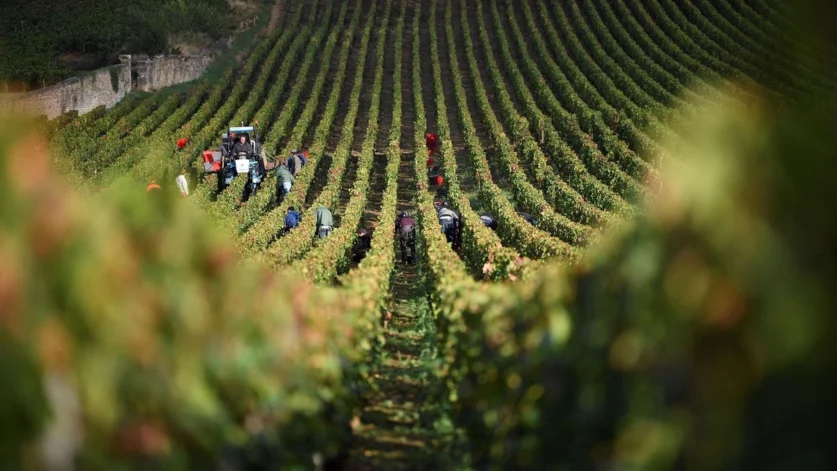
The French wine industry has been facing significant challenges in recent years, with a fall in demand, increased competition, and the ongoing effects of the pandemic. To support winemakers in the Bordeaux and Languedoc regions, the French government has announced plans to provide financial aid amounting to $215 million. This funding will enable winemakers to sell off their surplus stock and also includes provisions to help grape-growers reduce the size of their vineyards.
The money allocated for the destruction of surplus stock aims to prevent a collapse in prices and provide winemakers with alternative sources of revenue. This year, France is expecting a surplus of 3 million hectolitres of wine, which is equivalent to around 400 million bottles. By distilling the alcohol from the surplus wines, winemakers can sell the pure alcohol at a loss to industries such as hand sanitizer and perfume manufacturing.
This is not the first time the French government has implemented such programs. Overproduction has been an ongoing issue for the country’s wine industry, leading to a decline in prices. By limiting the quantity of wine produced, the government hopes to stabilize prices and support winemakers. Elizabeth Carter, a French wine market expert, explains that France has struggled with excess wine for many years, and reducing the surplus is a necessary step to prop up prices.
The decline in red wine sales has particularly impacted the Bordeaux and Languedoc regions. Over the past decade, red wine sales in France have dropped by 32%, as younger consumers increasingly turn to rosé, beer, and non-alcoholic options. The closure of restaurants, cancellation of trade markets, and restrictions caused by the pandemic have further exacerbated the challenges faced by winemakers. On top of this, the wine industry has also been affected by the ongoing climate crisis. Rising summer temperatures have caused the grape harvesting season to begin earlier each year since the 1980s.
The situation in France reflects wider issues in the European wine industry. The recent conflict between Russia and Ukraine, coupled with increases in fuel and food prices, has resulted in reduced wine consumption across the European Union. Spain has seen a 10% decrease, Germany a 22% decrease, and Portugal a 34% decrease in wine consumption this year. Additionally, the shrinking of French vineyards has become a notable trend. The government is now compensating grape growers who remove excess vines. In Bordeaux alone, plans are underway to remove almost 23,500 acres of vines.
Jean-Philippe Granier, from the Languedoc wine producers’ association, explains the need for these measures, stating, “We’re producing too much, and the sale price is below the production price, so we’re losing money.” France has a long-standing history and reputation as one of the world’s largest wine-producing countries. The wine industry holds significant cultural importance, dating back over 2,000 years. Stringent quality controls have been in place since the 1930s, ensuring the production of high-quality French wines across all varieties, including reds, whites, rosé, sparklings, and champagnes.
The French wine market is estimated to be worth around $15.6 billion, and wine and spirit exports reached $18.5 billion last year. However, consumption trends in France have changed dramatically over time. In 1961, the average person consumed 20 liters of alcoholic drinks, whereas in 2020, this had significantly dropped to only 5.6 liters per person.
France is not alone in facing challenges within its wine industry. Australia’s wine market has been severely impacted by five-year tariffs imposed by China, resulting in a surplus of 2.8 billion bottles in 2020. It is expected to take years for the industry to recover once the tariffs are lifted. The United States is also experiencing a slowdown in wine consumption, while climate change has led to decreased grape harvests in California.
As winemakers in Bordeaux and Languedoc look towards the future, they must navigate a changing market and adapt to new consumer preferences. The support provided by the French government is a step in the right direction towards revitalizing the industry and finding sustainable solutions for the challenges at hand. With their rich history and expertise, French winemakers will undoubtedly endure and find innovative ways to thrive in a competitive and evolving global wine market.
Title: Unveiling the Impact of Record Heatwaves on Europe’s Wine Industry
Introduction:
In recent news, the San Francisco Chronicle has shed light on how the record-breaking heatwaves across Europe have significantly impacted the wine industry. As we delve into this topic, we will explore how these heatwaves are posing both challenges and opportunities for wineries worldwide. Let us embark on a vinous tour de France, exploring the effects of climate change in the beautiful French wine regions.
The Unprecedented Crisis:
The global wine industry, like many other sectors, has not been immune to the effects of climate change. Reports from Forbes highlight that extreme heat and drought have been plaguing Europe, leading to potential repercussions for winemakers. The grape pickers in Domaine Guigal, located in the northern Rhône wine region of eastern France, launched their harvest season early this year due to scorching temperatures.
Struggles and Triumphs:
While the heatwaves have brought about a sense of urgency to pick grapes earlier, wineries find solace in the fact that reducing their inventory can mitigate potential price slashes in the future. Unlike U.S. wineries, which could face an overwhelming excess of inventory if demand continues to drop or a recession ensues, European wineries have an opportunity to adapt and ensure their long-term sustainability.
An Israeli Perspective:
Shira Tsiddon, a notable sommelier and head of wine at The Norman hotel in Israel, lauds the resilience of French wines even in the face of climate challenges. As she selects a bottle of French red Syrah wine 2013, she emphasizes that these wines continue to offer an exceptional wine and food experience, despite the environmental obstacles.
The Wider Picture:
The heatwaves in Europe have not only impacted the wine industry but have also influenced global agricultural trade. Forbes reports that India plans to ban sugar exports, in addition to rice, as corn, soybeans, and various crops falter under the extreme heat and drought conditions. This serves as a stark reminder that the effects of climate change extend beyond a single industry, affecting global food security and trade.
An Unconventional Wine Entrepreneur:
In a surprising twist, the world’s richest man has diversified his portfolio to include the production of French wine. This unexpected journey into winemaking by a French entrepreneur serves as a testament to the allure and profitability of the wine industry. It also highlights the global recognition and desirability of French wines.
Conclusion:
As we navigate through the challenges posed by record-breaking heatwaves, it becomes apparent that the wine industry is not exempt from the effects of climate change. However, amidst the struggles, there are opportunities for adaptation and innovation. French winemakers, in particular, are poised to balance their inventory and mitigate potential price slashes in the market. In this ever-changing landscape, collaboration between industries and nations becomes essential to address the broader implications of climate change on food security and global trade. Let us continue to explore and savor the world of wine, even as we work towards a more sustainable future.
These newlyweds find the perfect pairing when they choose to have their weddings in Oregon’s wine country.
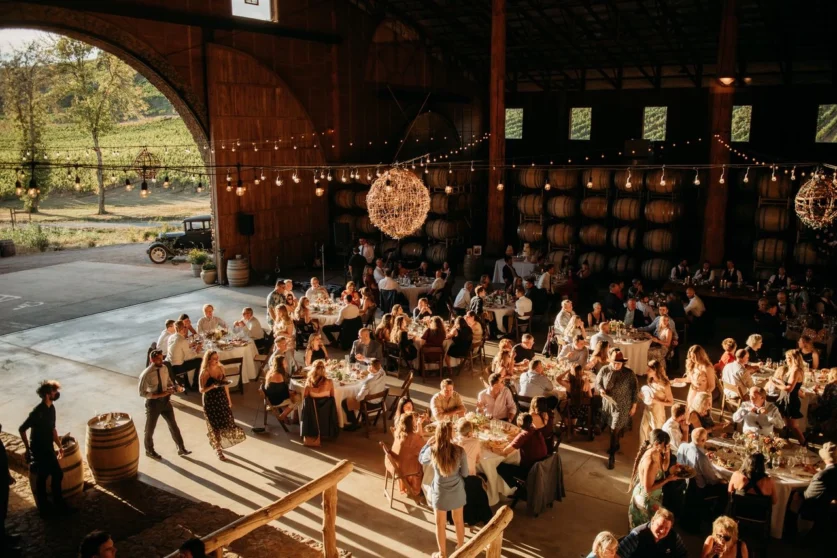
Unique Ways to Tell the Story of a Wine Country Wedding
When it comes to weddings, many couples dream of a picturesque setting surrounded by rolling hills, vineyards, and quaint small towns. That’s exactly what Jules Bianchi and Shawn Close found when they chose the Willamette Valley in Oregon as their dream wedding destination.
Jules and Shawn met through Match.com in 2015 and quickly bonded over their shared love of a computer game called Machinarium, escape rooms, and Jules’ dog Oscar. Despite living in different cities, they decided to make Portland their homebase and embarked on a long-distance courtship. Finally, in November 2021, Shawn proposed, and the couple eagerly started planning their wedding for September 2022.
However, with limited availability at their desired venue, Beacon Hill Winery in Gaston, Jules and Shawn had to push their wedding date to 2023. But this setback didn’t dampen their spirits. They were determined to find the perfect venue that matched their tastes and expectations.
For Jules and Shawn, two factors were essential in choosing their wedding location. Firstly, they wanted a venue close enough to Portland so that their friends and family could easily attend. Secondly, they fell in love with the two guesthouses on the Beacon Hill property, which allowed their families to stay nearby and be part of the entire day. Having a place to get ready and a front deck to enjoy their morning coffee while taking in the vineyard views was also a bonus, helping to calm any wedding day jitters.
Another crucial consideration for the couple was lodging options for their guests who didn’t want to drive home after the festivities. McMinville, located about a 25-minute drive from the winery, had excellent hotels and inns that accommodated their guests, such as McMenamins Hotel Oregon and 3rd Street Flats.
When their dream wedding finally arrived, Jules was overjoyed, saying, “My dream wedding was very much the wedding we had! Only close friends and family, a beautiful day, a lovely gown, my dog in the wedding, and at a beautiful winery.”
But what makes the Willamette Valley such an ideal wedding destination? According to Tyson Theese, the general manager at Beacon Hill Winery, the most popular time for weddings in the valley is from May to September, with August being the peak month. The ripe and abundant grapes during this time create a perfect backdrop for photographs. However, as any Oregonian knows, the weather can be unpredictable during these months. But at Beacon Hill, any weather concerns can be easily resolved by moving the event indoors to the tasting room and separate ballroom, provided the guest count is under 100.
Another vineyard in the Willamette Valley with its own unique story is Maysara Winery in McMinnville. The Momtazi family, immigrants from Iran, purchased a wheat farm in 1997 and started planting grapes the following year. Now specializing in Oregon pinot noirs and following biodynamic practices, the family-run business is managed by Mahmood Momtazi’s three daughters.
Hanna Momtazi, Maysara Winery’s event planner, has faced her fair share of challenges in recent years, including shutdowns caused by the COVID-19 pandemic, heatwaves, and wildfires. During a particularly challenging weekend in September 2023, with high winds and the threat of nearby wildfires, the winery received a two-day notice from the utility company about a potential power shutdown. Without skipping a beat, Hanna sprang into action, buying generators and informing coordinators and couples about the situation.
Despite the unforeseen circumstances, weddings at Maysara Winery continued as scheduled, proving that love can overcome any obstacles.
The story of Jules and Shawn’s wine country wedding in the Willamette Valley is a testament to the beauty and resilience of this region. From the stunning landscapes and vineyard views to the passionate winemakers and accommodating venues, there’s no doubt that couples seeking a romantic and unforgettable wedding experience will find their dreams fulfilled in the Willamette Valley.
Blog Post Title: A Tale of Weddings in Oregon’s Wine Country
Blog Post:
Planning a wedding is no easy task. From finding the perfect venue to selecting the right photographer, there are countless details to consider. But for these three couples, their weddings in Oregon’s wine country turned out to be unforgettable, despite some unexpected challenges.
Ally and Reggie Edwards-Collins had dreamed of their special day for years. Living in Seattle and Portland respectively, their long-distance relationship was put to the test. But after two years of courtship, they knew they were ready to tie the knot. However, finding a venue proved to be harder than they had anticipated.
Due to the backlog caused by COVID, many of the venues and vendors in the Willamette Valley were booked well into 2023. Disappointed but determined, Ally decided to explore Maysara Vineyards on a whim. The sprawling 532-acre vineyard stole her heart, and without hesitation, they booked the last available summer Saturday a year in advance.
Aside from the venue, finding the right photographer was crucial for Ally and Reggie. Luckily, they connected with Lindsay Newton of Till Death Do We Adventure. With over a decade of experience, Lindsay knew the Willamette Valley like the back of her hand and captured the couple’s special moments in stunning photographs.
Madison Campbell and Jake Gellos also faced unexpected hurdles when planning their wedding. Their original venue canceled just three months before the big day, leaving them scrambling for an alternative. Fortunately, Maysara had an opening around the same time. Serendipitously, they ended up getting married on September 4, exactly one year after their engagement.
Childhood sweethearts from Tualatin, Madison and Jake felt a special connection to the Willamette Valley. The breathtaking views, delicious food, and incredible wine made it the perfect location for their dream wedding. They wanted a destination-like feel without being too far from home, and the Willamette Valley provided just that.
For Haarika Reddy and Chris Bender, the search for the perfect wedding venue took an unexpected turn. While looking for dinner reservations, they stumbled upon Amaterra in Portland’s West Hills. Not only did the winery have breathtaking outdoor spaces, but it also had a modern indoor reception area – a combination that had proven elusive in their search.
Haarika and Chris, who met in college, were thrilled with their traditional Indian ceremony at Amaterra. Having moved to Portland for Chris’s medical residency, they knew they wanted a wedding that reflected their love for Oregon. Amaterra perfectly captured their vision and provided a stunning backdrop for their special day.
Despite the challenges and unexpected twists, these couples came out on top, creating unforgettable memories in Oregon’s wine country. From Maysara Vineyards to Amaterra, these venues provided the perfect setting for their dream weddings. And ultimately, that’s what it’s all about – celebrating love and creating lifelong memories, no matter the challenges along the way.
Portland’s West Hills is known for its stunning views, lush forests, and vibrant energy. It’s no wonder that it has become a popular destination for weddings, with couples from near and far flocking to this picturesque location to tie the knot. One venue that stands out among the rest is Amaterra, a modern winery that offers the perfect blend of natural beauty and urban accessibility.
For Haarika Reddy and Chris Bender, choosing Amaterra as their wedding venue was a no-brainer. They wanted a venue that could seamlessly blend traditional and modern aspects while being close to Portland for their relatives traveling in. With the help of their wedding planner, Katelyn Hansen, they worked closely with Amaterra’s team to plan the perfect 120-person event.
One of the challenges they faced was accommodating cultural cuisines and dietary restrictions. However, Executive Chef Jami Flatt and his staff at Amaterra were able to offer modifications to the menu, ensuring that every guest had a memorable dining experience.
On their special day, Haarika and Chris were blown away by the ambience and modern feel of Amaterra. Despite being so close to downtown Portland, they felt like they were in the middle of a forest. The breathtaking views, combined with the delicious wine, made their wedding day extra special.
Another couple who fell in love with Amaterra is Brian and Julie Cathey. Originally from Houston, Texas, they wanted an Oregon wedding to be closer to Julie’s family in the Willamette Valley. They got engaged in late 2021 and immediately started planning their wedding. However, due to long waiting lists for venues and vendors resulting from COVID, they had to push their wedding date to 2023.
Brian and Julie were drawn to Amaterra because of its easy access to the airport, which was important for Brian’s family coming from Wyoming. They also loved the modern structure of the winery’s buildings and its numerous outdoor spaces, which provided plenty of photo opportunities.
Molly Choma McMullin, a photographer who has worked with both the Gellos and the Catheys, agrees that romance and wineries go hand in hand. Having grown up in Napa Valley, Molly knows a thing or two about capturing beautiful wedding photos. She believes that Amaterra is the perfect venue for couples who want a luxury winery experience combined with Portland’s vibrant energy. The clean lines and contemporary touches of the venue play off against the backdrop of the vineyards and valley, creating a truly unique and breathtaking setting.
While Amaterra is undoubtedly a stunning venue, there are also other options available for couples seeking a romantic and unforgettable wedding in the area. Stoller Wine Group, for example, has three locations in the Willamette Valley. The Stoller Family Estate, with its rolling hills and vineyards, offers a tasting room and luxury guesthouses, making it perfect for large family weddings. The Chehalem Winery in Newberg has a tasting room and the Den, which can accommodate weddings and rehearsal dinners. There are also cozy rentals nearby. For a more extravagant experience, Black Walnut Inn & Vineyard in Dundee offers a formal dining space, stunning views, and a spacious cellar and tasting room. This location is ideal for couples with large weddings or those who want a sophisticated experience.
Beckenridge Vineyard in Dallas is another top wedding venue in the area. Surrounded by vineyards and gentle hills, it offers a picturesque backdrop for a romantic celebration.
In conclusion, Portland’s West Hills and the surrounding Willamette Valley offer countless options for couples looking to tie the knot in a beautiful and unique setting. Whether you choose Amaterra for its modern elegance, Stoller Wine Group for its stunning landscapes, or any of the other venues mentioned, one thing is for certain – your wedding will be a day to remember.
A Dream Wedding in the Countryside
Imagine a picturesque wedding in the heart of the Oregon countryside. Surrounded by majestic mountain views, Beckenridge’s event hall offers you over 3,200 square feet of space, creating the perfect setting for your special day. And if you prefer the great outdoors, there are several outdoor options available as well.
While there is no housing on the property, worry not, because Oregon-based rental company Vacasa has numerous options nearby. You can find the perfect accommodation for you and your guests, ensuring everyone is comfortable and ready to celebrate.
But let’s talk about the main highlight of your wedding venue – the stunning Laurel Ridge Winery. Founded by the visionary David Teppola in 1974, this family-owned farm spans across 240 acres in Yamhill County. It is truly an idyllic country setting for a wedding, with sprawling vineyards and breathtaking landscapes that will leave everyone in awe.
Conveniently located just a 55-minute drive from downtown Portland, this charming property can comfortably host up to 200 guests in their ranch house. The rustic yet elegant atmosphere of the winery perfectly complements the joyous celebration of your union.
What truly sets Laurel Ridge Winery apart is their special accommodation for your beloved four-legged friends. They understand that pets are part of the family and welcome them with open arms. You can have all your loved ones, two-legged or four-legged, be a part of your big day, creating memories that will last a lifetime.
At Laurel Ridge Winery, they believe in giving back to their loyal customers. That’s why if you purchase a product or register for an account through one of the links on their site, they may receive compensation. It’s their way of showing appreciation for your support.
As you explore this venue and its offerings, please be aware that your privacy is a priority. By browsing their site, they may share your information with their social media partners in accordance with their Privacy Policy.
In conclusion, if you’re looking for a dream wedding location in the serene Oregon countryside, look no further than Beckenridge’s event hall and the beautiful Laurel Ridge Winery. With their ample space, breathtaking surroundings, and pet-friendly policies, they are truly the perfect choice for your special day. Start planning now and create memories that will be cherished forever.
With some of the best dining establishments and luxury accommodations in the world, this small town stands as the crown jewel of California’s Wine Country.
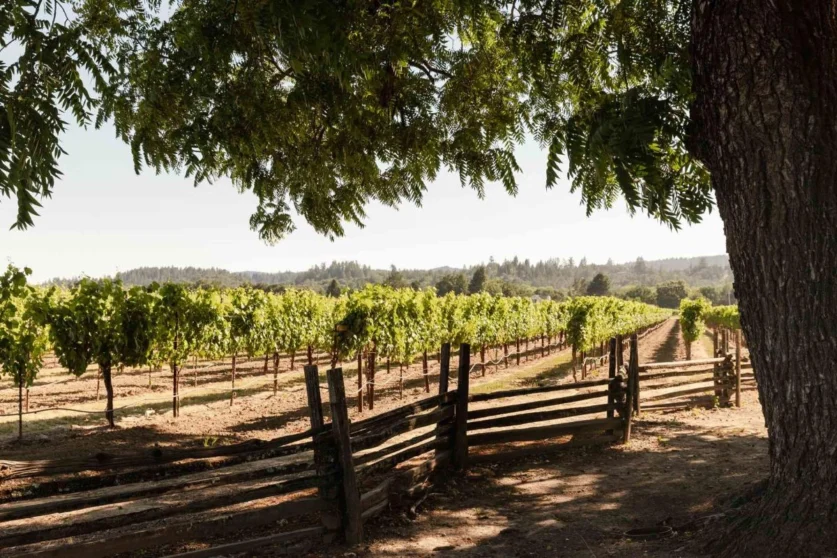
Plan the Perfect Trip to Healdsburg: A Guide to California Wine Country
Healdsburg, California, often referred to as the jewel of California Wine Country, is a must-visit destination for wine enthusiasts and food lovers alike. Located in Sonoma County, which was recognized by T+L as one of the 50 Best Places to Travel in 2021, Healdsburg offers a unique experience that combines small-town charm with a vibrant culinary and wine scene.
According to local expert Lisa Mattson, who has resided in Sonoma County for 20 years and is the author of “The Exes In My Glass: How I Refined My Taste in Men & Alcohol,” Healdsburg has it all. From indulging in delicious pastries under majestic redwoods in the morning to wine and spirits tastings in the afternoon, and ending the day with a three-Michelin-star dining experience, all without needing a car. Healdsburg is the only town in wine country that is situated at the epicenter of three different wine regions – Russian River Valley, Dry Creek Valley, and Alexander Valley – each offering unique climates and grape varietals.
With a population of just over 11,000 residents, Healdsburg is a year-round destination with an enchanting town square. The town square is surrounded by some of the best hotels, restaurants, and shops in the area, as well as approximately 40 tasting rooms. Mattson describes the culinary scene as diverse and comparable to that of a big city, with establishments like Valette, a local wine country restaurant that perfectly embodies the region’s essence.
Healdsburg’s proximity to around 80 vineyards, including renowned labels like Flowers, Jordan Winery, and Silver Oak, makes it a paradise for wine lovers. However, the natural beauty surrounding the town also beckons visitors to explore beyond the vineyards. Outdoor enthusiasts can enjoy activities such as hiking, biking, and horseback riding in the picturesque surroundings.
If you’re looking for accommodation that immerses you in the wine country experience, look no further than Hotel Healdsburg. This resort, located just eight minutes outside of town, offers a truly bucolic setting with vineyards as far as the eye can see. With its farm-fresh restaurant, beekeeping experiences, and luxurious rooms with floor-to-ceiling windows, Hotel Healdsburg captures the essence of wine country living.
For a hip and eco-friendly stay, Spoonbar is the place to be. Located across the street from two of the town’s best bars, this 36-room boutique hotel is known for its cool bar and laid-back atmosphere. Hotel Healdsburg, on the other hand, is the oldest luxury hotel in town, having been established in 2001. Its lobby lounge, Spirit Bar, is a popular spot for locals and visitors to enjoy live music and drinks.
If you’re craving a more whimsical and vibrant experience, The Madrona is the perfect choice. This 1881 estate was recently reinvented by co-owner and interior designer Jay Jeffers, resulting in a colorful and luxurious atmosphere. With 24 glamorous rooms and suites, The Madrona offers a unique blend of elegance and charm.
During your visit to Healdsburg, don’t miss the opportunity to explore three wineries recommended by Lisa Mattson. Each winery offers its own unique experience that showcases the best of Healdsburg’s wine regions. It’s the perfect way to expand your palate and appreciate the diverse wines this area has to offer.
Whether you’re a wine connoisseur, a food lover, or someone seeking a relaxing getaway, Healdsburg has something for everyone. Plan your trip now and immerse yourself in the enchanting beauty of California Wine Country.
Get ready to have your mind blown by the incredible experiences awaiting you in Healdsburg. This charming town in California’s wine country is home to some of the most respected wineries in the region, including Jordan Winery, Silver Oak, and Flowers. These producers not only offer exquisite wines but also boast beautiful grounds and first-class experiences that will leave you speechless.
But the wine tasting adventures don’t end there. Healdsburg offers limitless possibilities for indulging in vinos of all varieties. From pinot noir and chardonnay to cabernet sauvignon and zinfandel, you’ll find the perfect selection to suit your palate. Don’t miss out on visiting other highly recommended wineries like Reeve, Hawkes, Amista, Marine Layer, and Idlewild. The options are truly endless.
One of the reasons Healdsburg is such a pristine place to enjoy outdoor activities is its incredible weather year-round. With its stunning redwoods, forests, and rivers, this town offers a picturesque backdrop for exploring the outdoors. For those seeking a solo adventure, the Healdsburg Ridge Open Space Preserve is a must-visit. Its beautiful hiking trails and tranquil forest setting make it the ideal location for rejuvenating forest baths.
If you prefer a guided experience, some wineries offer unique activities. Bella Winery, for example, has Hike the Hill tours led by a local naturalist and nutritionist. Jordan’s 1,200-acre preserve hosts vineyard hikes from time to time, allowing visitors to immerse themselves in the beauty of the surroundings. And at Amista’s Morningsong Vineyard, you can take a half-mile walk that is sure to captivate your senses.
But Healdsburg has more to offer than just winemaking. The town is also a hotspot for various artistic pursuits. Visitors can try their hand at skills such as block printing, moss wall art, and Japanese sashiko mending. Crafted at Appellation is a great place to explore these creative endeavors, offering classes led by local designers paired with premium wine and delicious bites. It’s a unique and refreshing alternative to traditional arts and crafts activities.
For those seeking a mind and body connection, Healdsburg has something for you too. Imagine practicing yoga amidst the vibrant green vineyards, taking in the breathtaking scenery as you flow through your poses. Properties like Bricoleur Vineyards and Amista Vineyards offer yoga classes in truly idyllic settings. And what better way to end your yoga session than with a glass of estate-grown bubbly?
Of course, Healdsburg is not just about wine and outdoor activities; it is also a foodie’s paradise. The town is filled with pop-up restaurants and dinners that offer unique culinary experiences. Two highly recommended spots are Le Dîner at Troubadour Bread & Bistro and Second Staff at Marine Layer Wines’ tasting room. These places serve up small plates with Michelin flair, combining exquisite flavors with a relaxed and unpretentious atmosphere.
For a truly unforgettable dining experience, look no further than SingleThread. This three-Michelin-starred restaurant is not only a culinary powerhouse but also a luxury inn and regenerative farm. The husband-chef and wife-farmer duo behind SingleThread, Kyle and Katina Connaughton, create pure magic on every plate. The waitlist for reservations may be lengthy, but trust us, it’s worth it.
If you’re looking for a more casual yet equally delicious experience, The Matheson is a must-visit. Chef-owner Dustin Valette, a local talent who has made a name for himself in the culinary world, serves up generous portions and impeccable hospitality. His new restaurant, Second Story, located upstairs, offers a fine-dining experience with a focus on vegan cuisine. It’s a true gem in Healdsburg’s culinary scene.
And let’s not forget about Barndiva, a restaurant that not only offers Michelin-starred farm-to-fork cuisine but also an atmosphere that is fresh, modern, elevated, and distinctively Barndiva. Indulge in their non-alcoholic libations, like the Belly Rub Shrub, made with a turmeric spirit, turmeric-beet shrub, and ginger. It’s a dining experience you won’t want to miss.
For vegans or those looking for plant-based options, Healdsburg has you covered too. Little Saint, the town’s hottest vegan eatery, offers a unique selection of low-alcohol and no-alcohol drinks at its vibrant shrub bar. And now, its new sister fine-dining restaurant, Second Story, provides another level of culinary excellence. Led by Executive Chef Stu Stalker, previously from Copenhagen’s world-famous Noma, Second Story is set to redefine vegan dining in Healdsburg.
No visit to Healdsburg would be complete without a stop at Bravas Tapas. This beloved tapas bar, housed in an old Craftsman bungalow, serves up delightful Spanish-inspired dishes and sparkling wine in antique coupe glasses. You’ll be transported to the streets of Spain as you savor the flavors and enjoy the lively atmosphere.
The best time to visit Healdsburg is between May and August. During these months, the town comes alive with events like the weekly Tuesdays in the Plaza summer concert and picnic events. Additionally, the Healdsburg Jazz Festival in June is a must-attend for any jazz enthusiast. Keep in mind that temperatures can vary drastically, with hot, dry days and cool nights. Be prepared for temperature swings of up to 30 degrees.
Healdsburg is a town that never fails to captivate visitors with its incredible wine, culinary delights, outdoor adventures, and artistic pursuits. Whether you’re a wine lover, a foodie, an art enthusiast, or simply someone who enjoys immersing themselves in nature, Healdsburg has something to offer everyone. So pack your bags, grab your wine glass, and get ready for an unforgettable journey into the heart of California’s wine country.
Healdsburg, a charming town located just a short drive from San Francisco, is a favorite destination for foodies and wine lovers alike. While it is known for its picturesque scenery and bustling tourist season, there are certain times of the year when it is a little less crowded, making it the perfect time to visit.
One of these shoulder months is April, which offers a slightly quieter atmosphere compared to the peak summer season. The weather is pleasant, and the wild mustard blooms cover the fields, painting them in vibrant shades of yellow. It’s a beautiful sight to behold and a reminder that spring is just beginning to make its presence known.
In addition to the natural beauty, there is also an exciting event that takes place in March. Chef Charlie Palmer hosts the two-day Pigs & Pinot extravaganza at Hotel Healdsburg, where food enthusiasts can indulge in delectable dishes and fine wines. It’s the perfect opportunity to sample some of the region’s best culinary offerings while enjoying the company of fellow food lovers.
If you’re a fan of parties, then Barndiva’s Fête Blanc in August and Fête Rouge in November are must-attend events. These fabulous parties are known for their lively atmosphere and delicious food and drinks. It’s a chance to let loose, dance the night away, and create unforgettable memories.
For those looking for a quieter experience, January and February are the ideal months to visit. Despite the rain, there are plenty of indoor places to explore, such as tasting rooms, tea houses, distilleries, coffee shops, cafes, and restaurants. You can indulge in delicious food and wine while staying cozy and dry.
Now, let’s talk about getting to Healdsburg. If you’re coming from the Bay Area, a scenic 75-minute drive will bring you to this charming town. However, be aware of end-of-week congestion, as many Northern Californians escape to wine country on weekends. If you’re traveling from other parts of the country or the world, flying is the most convenient option.
You can choose to land at either San Francisco International Airport (SFO) or Oakland International Airport (OAK) and rent a car to drive the 83 miles north to Healdsburg. Both airports are equidistant from the town, so it doesn’t matter which one you choose. Another option is to fly directly to Charles M. Schultz Sonoma County Airport (STS), a regional airport located just 15 minutes south of Healdsburg. It is serviced by Alaska Airlines, American Airlines, and Avelo, making it a convenient choice for travelers.
While Healdsburg is a walkable town, it would be a shame to miss out on visiting the wineries, which require four wheels to reach. Ride-shares are not reliable transportation options in this area due to the scarcity of drivers. The best way to ensure a safe and enjoyable experience is to rent your own car and have a designated driver or book a tour guide or driver service. There are many options available, allowing you to sit back, relax, and enjoy the stunning wine country scenery.
Whether you’re a wine enthusiast, a food lover, or simply looking for a charming getaway, Healdsburg has something to offer. From its natural beauty and picturesque fields to its vibrant food and wine scene, this town is a hidden gem that shouldn’t be missed. Plan your visit during the shoulder months, and you’ll have the chance to experience a quieter side of Healdsburg while still enjoying all that it has to offer.
TikTok users recently educated the entire internet on the 5 simplest methods to open a bottle of wine, which include using hair straighteners, scissors, and even a fork and knife.
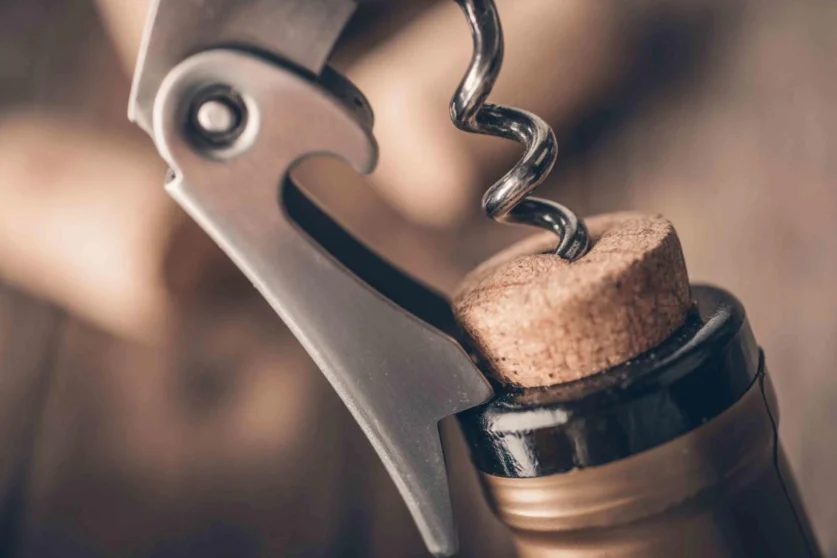
Unleashing Your Inner MacGyver: Unconventional Ways to Open a Bottle of Wine
In today’s age of life hacks and ingenious shortcuts, it’s no surprise that the internet is filled with creative solutions to everyday problems. From improving the taste of tequila with a milk frother to making sangria “aesthetic” in a French press, the possibilities seem endless. Even the daunting task of opening a bottle of wine without a corkscrew has not escaped the realm of innovation. Thanks to the ever-popular video-sharing app TikTok, we now have a treasure trove of unconventional methods to tackle this challenge. So, without further ado, let’s explore five of TikTok’s most fascinating ways to open a bottle of wine without a corkscrew, guaranteed to impress at your next gathering.
One user, @ty.ree.suh, demonstrates a technique involving just a fork and a knife. By carefully stabbing the wine cork with a regular table knife, and then using a fork to turn it around, the cork can be gently extracted. While this method requires a bit more strength than using a traditional corkscrew, the risk of damage to your silverware or the cork is minimal.
For those who dare to tread a riskier path, @doctor.cole presents a method using a house key. By inserting the key at the correct angle, you can skillfully uncork the bottle. However, be warned that this trick should only be attempted as a last resort, as it carries a higher chance of tearing the cork or damaging the bottle.
In the spirit of beauty hacks, hair straighteners enter the stage as a surprising contender for cork extraction. TikTok user @nursewholovestonom explains the science behind this method. By heating the air inside the bottle with a hair straightener, the rising hot air will gradually push the cork upwards over about fifteen minutes. Alternatively, a lighter can be used to replicate the same heat effect. This trick requires a bit more patience, but it can be a captivating process to behold.
Now, let’s venture into more adventurous territory. Using scissors to open a bottle may elicit some apprehension, but it can be done with finesse. By positioning one tine of the scissors between the cork and the bottle lip, and using the scissors as leverage while twisting the bottle, a resilient cork may grant you success. However, we must clarify that attempting to pull out the cork with your teeth, as some users have done, is not a practice we endorse. Nevertheless, it does add a touch of theatrics to the endeavor.
Finally, if you possess a level of handiness reminiscent of a skilled handyman, the nail method may be up your alley. By driving a nail halfway into the cork, and then using a hammer to gently extract both the nail and the cork, you can achieve victory in this daring quest. Take caution, however, as not inserting the nail deep enough may result in simply pulling out the nail without the cork.
While these unconventional methods are indeed captivating, it’s important to note that they should be regarded as last-resort techniques. Traditional corkscrews remain the reliable choice for opening a bottle of wine, ensuring the preservation of the cork and the quality of the wine within. Nevertheless, in moments of resourcefulness or when desiring a touch of showmanship, these TikTok-inspired approaches may prove to be the perfect party trick.
So, the next time you find yourself without a corkscrew, remember the MacGyver within you. Feel free to experiment with these extraordinary methods, but always remember to exercise caution and handle the bottle with care. After all, the art of channeling your inner problem-solving genius can elevate any occasion, transforming it into a moment of triumph and astonishment.
Do you have any unconventional methods for opening a bottle of wine without a corkscrew? Share your experiences and tips in the comments below!
Sign up for our newsletter to stay up-to-date with the latest Food & Wine news.
Original article published on Food & Wine.
His favorite pairings for serving wine with potato chips are recommended by a wine expert.
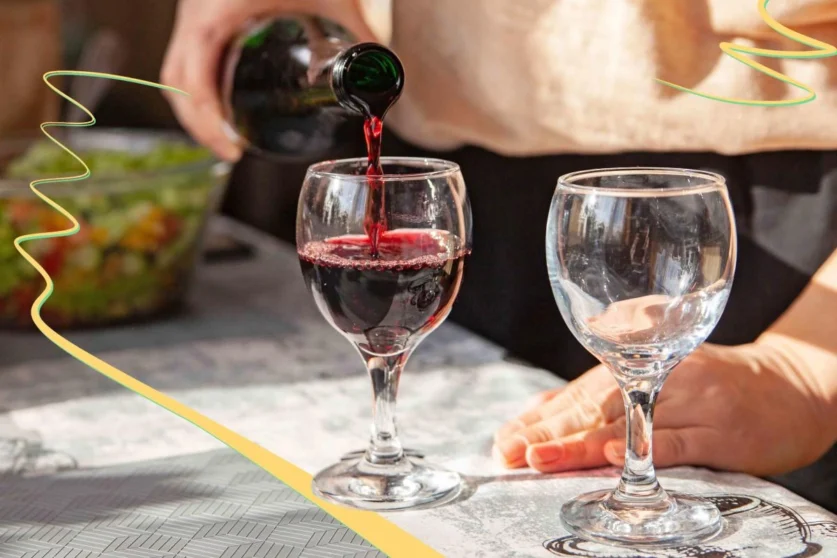
Save Your Money: Potato Chips Are the Ultimate Snack for Wine Tasting
I recently had the opportunity to attend a wine tasting event in the bustling city of New York. Hosted by none other than Ray Isle, the Executive Wine Editor of Food & Wine magazine, this event was a dream come true for any wine enthusiast. Known for his expertise in recommending wines through the glossy pages of the magazine, Ray Isle is a true connoisseur in his field.
As I walked into the event, I couldn’t help but feel a bit out of place. I am by no means a fancy wine person, more of a casual enthusiast who appreciates a good glass of red or white. However, any lingering thoughts of wine snobbery were immediately dispelled when Ray shared his view on wine. “Wine should be fun. You either like the wine or you don’t,” he proclaimed. Ah, finally a sentiment I could relate to.
Now, I must admit that I was so engrossed in the experience that I can’t recall all the intricate details Ray shared about grape varieties, growers, and the complexities of tannins. However, there was one valuable tip that stuck with me: potato chips are the ultimate snack for enjoying wine. Yes, you read that right. Forget about splurging on fancy cheese or charcuterie boards. A simple bag of potato chips from your local gas station is all you need.
I know what you’re thinking: how could potato chips possibly pair well with wine? According to Ray, the salt and fat on the chips help enhance the flavors in the wine. Just as certain foods complement specific wines, different chip varieties can enhance the tasting experience. It’s a simple and affordable snack option that requires zero preparation. Pour the chips into pretty bowls, gather your friends, and voilà – you have a wine and chip pairing party.
During the tasting, Ray introduced us to three wine-and-chip combinations that I highly recommend trying at home with your loved ones. First up, Champagne paired with original potato chips. The salt and fat coat your tongue, while the Champagne cleanses it away, creating a delightful palate cleansing experience. If Champagne seems out of your budget, a more affordable option like Cava from Spain can work just as well.
For those who prefer something a bit sweeter, BBQ chips are an excellent choice. The sweet coating pairs perfectly with a fruity and crisp Napa Zinfandel or Pinot Noir. Think of it as the same flavor profile that complements ribs brushed with real BBQ sauce. The sharp and tangy vinegar on the chips is beautifully balanced by a zingy and bright wine like Sauvignon Blanc or Albariño. The salty chips even help to counterbalance any bitterness in the wine, offering a truly harmonious taste experience.
As I savored each chip and sip, it became clear that Ray Isle was onto something. Potato chips can elevate the wine tasting experience in a unique and unexpected way. So, the next time you have friends over for a casual gathering, don’t stress about elaborate snacks. Just grab a bag of your favorite potato chips, pour them into pretty bowls, and let the flavors of the wine and chips intertwine. Trust me, you won’t be disappointed.
In conclusion, let’s embrace the simplicity and affordability of potato chips as the ultimate wine tasting snack. Leave the fancy cheese and charcuterie boards for another day. With the right chip and wine pairing, you can create a memorable and enjoyable experience for yourself and your loved ones. Cheers to that!
France and the European Union plan to allocate 200 million Euros for the disposal of surplus wine.
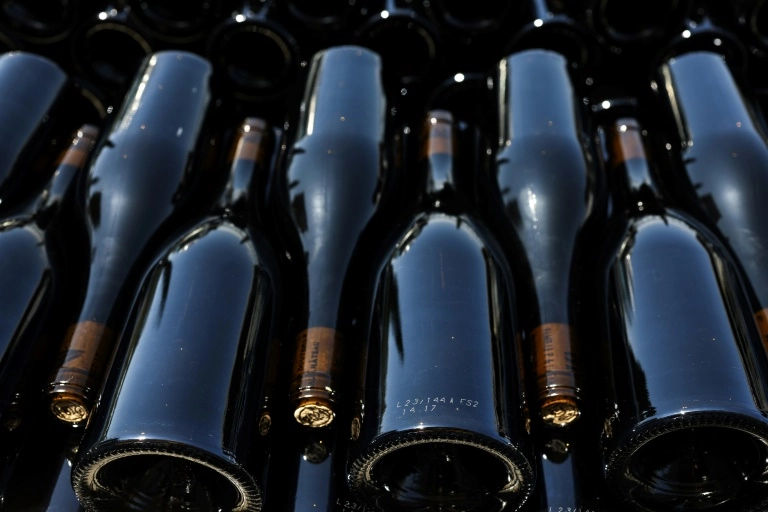
Saving the Grapes: France Allocates 200 Million Euros to Address Wine Glut
In a move to support struggling wine producers and stabilize prices, the French government has set aside 200 million euros ($216 million) for the destruction of surplus wine production. This allocation comes as several major wine-producing regions in France, including the renowned Bordeaux area, face a myriad of challenges caused by changes in consumption habits, the cost-of-living crisis, and the lingering effects of the Covid-19 pandemic.
The decrease in demand for wine has led to over-production and a significant drop in prices, resulting in major financial difficulties for up to one in three wine makers in the Bordeaux region alone, as reported by the local farmers’ association. To combat this issue, the French government has augmented the initial European Union fund of 160 million euros dedicated to wine destruction to the aforementioned 200 million euros, as announced by Agriculture Minister Marc Fesneau during a press conference on Friday. The purpose of this funding injection is to prevent further price collapses and enable wine-makers to find new sources of revenue.
Fesneau emphasized the need for the industry to adapt to consumer changes and look to the future. He urged wine producers to consider consumer preferences and adjust their strategies accordingly. This sentiment was echoed by Jean-Philippe Granier from the Languedoc wine producers’ association, who acknowledged the necessity for change, stating, “We’re producing too much, and the sale price is below the production price, so we’re losing money.”
One possible solution to the surplus wine problem lies in repurposing the alcohol from the destroyed wine. It can be sold to companies for use in non-food products such as hand sanitizers, cleaning products, or perfumes. This approach could provide an alternative revenue stream while mitigating the financial losses incurred by wine producers.
Furthermore, the agriculture ministry allocated an additional 57 million euros in June towards pulling up approximately 9,500 hectares of vines in the Bordeaux region. Other public funds are also available to incentivize grape-growers to switch to alternative products, such as olives. This diversification strategy aims to ensure the long-term sustainability of the wine industry in the face of changing market dynamics.
The wine glut crisis is not a new phenomenon for Europe. The region experienced a similar situation in the mid-2000s, prompting the European Union to reform its farm policy and address the issue of over-production fueled by subsidies. Despite these reforms, the EU still allocates 1.06 billion euros annually to the wine sector, highlighting the significance of the industry.
In addition to long-term trends of consumers shifting towards beer and other alcoholic beverages, the wine industry has been severely impacted by the Covid-19 crisis. The closure of restaurants and bars worldwide resulted in a sharp decline in sales. Moreover, recent price increases in food and fuel, linked to global energy prices and geopolitical conflicts, have caused buyers to prioritize essential goods, resulting in reduced spending on non-essential items such as wine.
The European Commission, while providing emergency aid to the wine sector in June, estimated that wine consumption for the current year has fallen by 7 percent in Italy, 10 percent in Spain, 15 percent in France, 22 percent in Germany, and 34 percent in Portugal. Despite the decline in consumption, wine production in the European Union, the largest wine-making region globally, has actually increased by 4.0 percent. The regions hit hardest by this disparity are those producing red and rosé wines in specific parts of France, Spain, and Portugal.
The allocation of 200 million euros by the French government to address the surplus wine production crisis demonstrates a commitment to supporting struggling wine producers and promoting stability in the industry. While short-term measures are essential to alleviate immediate challenges, long-term strategies that prioritize adaptability, diversification, and market positioning will be crucial for the future success of the wine industry.
France and the European Union plan to allocate 200 million euros towards the eradication of surplus wine.
Title: A Ray of Hope for the Ailing Wine Industry: French Government Allocates 200 Million Euros for Wine Destruction
Introduction:
In an effort to provide support to struggling wine producers and stabilize prices, the French government recently announced the allocation of 200 million euros ($216 million) for the destruction of surplus wine production. Famed wine-producing regions such as Bordeaux have been grappling with a multitude of challenges including changes in consumption habits, the cost-of-living crisis, and the lingering effects of Covid-19. The drastic decline in demand for wine has resulted in over-production, plummeting prices, and significant financial hardships for up to one in three wine makers in Bordeaux, according to the local farmers’ association. This move by the French government aims to prevent a collapse in prices and help wine-makers find alternative sources of revenue.
Addressing Immediate Concerns:
To tackle the ongoing crisis, the French government, in collaboration with the European Union, initially set aside 160 million euros for wine destruction. However, as the situation worsened, the French government decided to expand the fund to 200 million euros. Agriculture Minister Marc Fesneau highlighted that this funding is vital to stabilize prices and provide opportunities for wine-makers to generate income. However, Fesneau stressed that the industry must adapt to consumer changes and embrace the future in order to thrive in the long run.
Impacted Regions and Alternative Solutions:
Apart from Bordeaux, the southwest Languedoc region, known for its full-bodied reds, has also been severely affected by the decline in wine demand. Jean-Philippe Granier, an industry expert, acknowledged that overproduction and declining sale prices have resulted in significant losses. To counter these challenges, the agriculture ministry has allocated an additional 57 million euros towards vineyard removal in the Bordeaux region. Additionally, public funds are available to encourage grape-growers to transition into alternative products such as olives.
The Role of the European Union:
The European Union has had its fair share of wine-related challenges in the past. In the mid-2000s, the bloc experienced a “wine lake” that prompted the reform of its farm policy. This reformation aimed to reduce the excessive production of wine incentivized by EU subsidies. Despite these efforts, the EU still allocates approximately 1.06 billion euros annually to the wine sector, according to EU figures. In addition to long-term trends of consumers switching to other alcoholic beverages, the Covid-19 crisis further crippled the industry as restaurants and bars worldwide remained shuttered, causing a remarkable decline in sales.
The Impact of Changing Consumer Habits:
Recent hikes in food and fuel prices, stemming from global energy price surges and geopolitical tensions surrounding events like the Ukraine invasion, have also contributed to a reduction in consumer expenditure on non-essential goods, including wine. The European Commission reported alarming statistics showcasing a decline in wine consumption across countries such as Italy (7 percent), Spain (10 percent), France (15 percent), Germany (22 percent), and Portugal (34 percent). Surprisingly, wine production within the European Union rose by 4.0 percent. The Commission expressed particular concern for vineyards producing red and rose wines in certain regions of France, Spain, and Portugal.
Conclusion:
The French government’s decision to allocate 200 million euros for the destruction of surplus wine production serves as a glimmer of hope for struggling wine producers in France. As the Covid-19 crisis and changing consumption habits continue to challenge the industry, adapting to these circumstances will be crucial for long-term survival. By exploring alternative products, encouraging vineyard removal, and addressing overproduction, the wine industry can navigate these uncertain times and pave the way for a more resilient future.
August’s Wine News

The world of wine is constantly evolving, with new trends and developments shaping the industry. In a recent article on the New Zealand Stuff blog, writer Andy Brew explores the potential of artificial intelligence (AI) in winemaking. Dr. Damian Martin of the Plant and Food Research suggests that robotics and AI could revolutionize the way we tend to and manage plants. With the ability to remember and adapt to each plant’s needs, AI could provide a more efficient and precise approach to winemaking.
While the idea of machines replacing humans in winemaking is intriguing, it raises some concerns. After all, part of the charm of wine lies in the human touch, the craftsmanship, and the years of experience that winemakers bring to their craft. However, as technology continues to advance, it’s essential to explore the possibilities and find a balance between tradition and innovation.
In another wine-related news, Washington State’s wine industry faces some challenges. Ste Michelle Wine Estates, the state’s largest producer, recently announced a decrease in grape contracts by 40% over the next three years. Writer W. Blake Gray suggests that this issue stems from the sale of the 2021 SMWE brand to Sycamore Partners, a private equity firm with no prior experience in the wine industry. Other factors contribute to the wine woes, including changing consumer preferences and unsold wine inventories. Nevertheless, Seattle-based author and former economics professor Mike Veseth sees the reduction in supply as a necessary short-term action to realign demand and supply.
On a more positive note, an Italian wine region, Abruzzo, is gaining recognition as an emerging darling in the wine world. Located on the eastern coast of Italy, Abruzzo has long been known for its bulk-wine production. However, a recent review on Vinous highlights an artisanal revolution taking place in the region. Young winemakers are bringing new energy and creativity, while also embracing the local styles and identities that make Abruzzo’s wines unique.
In terms of consumer preferences, a report from industry analyst IWSR reveals that while US consumers tend to moderate their alcohol consumption, they don’t necessarily choose no or low-alcohol alternatives. Only 26% of Legal Drinking Age (LDA) drinkers opt for no-alcohol options. This finding indicates that while overall alcohol consumption may have decreased, it’s not primarily due to the low-calorie or low-alcohol sector.
Shifting our focus to the cost of wine, the First Citizen’s Bank’s recently released Direct to Consumer Wine Report presents some interesting insights. The report states that the average bottle of Napa wine now costs $108, while the average price for a tasting room visit has increased by 35% to approximately $81 per person. However, if you’re looking for a more affordable option, Sonoma provides a comparable experience at half the price, without sacrificing quality. This comparison draws parallels to the Bordeaux Right and Left Banks, where personal preferences can shape one’s wine choices.
Lastly, the Wall Street Journal highlights the versatility of Riesling in its “Take Five” feature. Despite common misconceptions, Riesling can be enjoyed as a dry wine, offering a delightful and refreshing experience for wine enthusiasts.
In conclusion, the world of wine is a dynamic and ever-changing one. From the potential of AI to the challenges faced by wine regions and the evolving preferences of consumers, there is always something new, interesting, and occasionally odd happening in the wine industry. So, let’s raise a glass and toast to the excitement and variety that wine brings into our lives!
Title: “The Power of the Liter Bottle: Party’s Ultimate Wingman!”
Introduction:
Welcome readers! Today, we want to shake things up and present a fresh take on a story that has been making waves among wine enthusiasts – the ongoing rivalry between Washington and California’s wine industries. In this intriguing “part 2” of the series, we will delve into the summer’s most coveted party “plus one,” the liter bottle, and how it continues to captivate partygoers. So grab a glass, sit back, and let’s embark on this exciting wine journey!
Rekindling the Washington v. California Wine Industry Rivalry:
In our previous blog post, we discussed the heated competition between Washington and California winemakers, highlighting their distinctive approaches, vineyards, and wine-making traditions. Today, however, we want to steer the conversation in a different direction and celebrate the liter bottle – a beloved companion at every summer soiree.
Introducing the Liter Bottle: The Ultimate Party Wingman:
When it comes to outdoor gatherings, garden parties, and warm summer nights, the liter bottle effortlessly steals the spotlight. Its larger than life presence and versatility make it the go-to choice for hosts and partygoers alike. With 33% extra liquid goodness compared to its standard-sized counterparts, this party-plus-one is here to make a statement.
The Real MVP: Convenience and Economical Marvel:
The liter bottle’s popularity can be attributed to its convenience and cost-effectiveness. Who wants to cut the fun short by constantly refilling their glass? With a one-liter capacity, this wine companion ensures that everyone has a generous pour without frequent trips to the refreshment table. Additionally, its economical nature offers great value for money, making it ideal for large gatherings or budget-conscious hosts.
Aesthetic Appeal: Breaking Free from Wine Norms:
Beyond practicality, the liter bottle’s larger size adds a dash of artistic flair to any gathering. Its robust presence demands attention and creates a talking point among guests. Moreover, its shape and label variations bring an element of surprise and novelty, reflecting the diversity and creativity in winemaking.
Democratizing Wine Culture:
Wine, often associated with sophistication, is increasingly becoming more inclusive and approachable. The liter bottle exemplifies this shift by breaking free from the traditional norms surrounding wine consumption. It encourages a laid-back and convivial atmosphere, allowing guests to savor their favorite wine without feeling constrained by convention.
A Coordinated Effort: Collaboration between Washington and California:
While our previous blog post focused on the rivalry between Washington and California wine industries, this party-centric perspective allows us to view them as harmonious partners in crafting unforgettable experiences. Wineries from both regions recognize the allure and potential of the liter bottle, embracing its meteoric rise and thriving together within the evolving wine landscape.
Conclusion:
As we conclude our journey through the Washington v. California wine industry saga, we hope to have offered a refreshing take on this epic rivalry. The liter bottle, often overshadowed by winemaking traditions and regional battles, stands tall as the summer’s most popular party “plus one.” Let us raise a glass to this unsung hero that continues to bring joy, convenience, and aesthetic delight to our celebrations. Cheers to the liter bottle, the ultimate wingman of any memorable gathering!
The heatwave in France has the potential to produce an extraordinary wine.

**Title: An Unconventional Vintner’s Battle with the Heatwave: A Silver Lining for the Wine Industry**
Have you heard about Jerome Volle, the innovative winemaker who defies convention by starting work at 3 a.m.? In the midst of scorching temperatures that are crippling southern France, Volle has found a unique way to overcome the oppressive heat that threatens his vineyard. While the heatwave will undoubtedly reduce his wine production by 10 to 20%, he sees an unexpected silver lining in this challenging situation.
As the heatwave intensifies, farmers and wine producers across the south of France are grappling with the prospect of lower wine output. This worrisome trend has prompted authorities to issue their most serious heatwave warning, a “red alert,” signifying the magnitude of the problem at hand. Even cities like Paris and Lyon are experiencing temperatures higher than what is considered typical.
However, Volle remains hopeful amidst the adversity. Over in the wine-producing Rhone Valley, where his vineyard is located, temperatures are expected to reach a sweltering 108 degrees Fahrenheit (42 Celsius) this week. While this extreme heat poses a significant challenge for the vines and the workers, Volle believes it will result in a higher concentration of grape berries, ultimately enhancing the quality of both the grapes and the wines.
Indeed, the hot weather might cause the grapes to suffer a bit, but Volle has found a remarkable strategy to preserve their precious aromas. By carefully timing overnight picking to ensure an ideal temperature, Volle can retain the grapes’ distinctive fragrance, creating something truly exceptional. He firmly believes that this delayed concentration of grape berries will adulterate the forthcoming 2023 vintage with superior quality and flavors, offering wine enthusiasts a memorable experience.
Volle’s unorthodox approach to winemaking has caught the attention of wine enthusiasts and experts alike. By combating the heatwave head-on and embracing the challenges it presents, he is not only protecting his vineyard but also maximizing its potential. The result? A decrease in wine quantity, but an increase in quality that promises to captivate the palates of wine connoisseurs for years to come.
As Jerome Volle continues to toil away in the early hours of the morning, carefully tending to his precious vines amidst the oppressive heat, he reminds us of the resilience and adaptability of human beings. Through innovation and sheer determination, he has transformed what could have been a devastating situation into an opportunity for greatness. So, whether you’re sipping a glass of wine today or planning ahead for the 2023 season, raise your glass to the winemakers like Jerome Volle, who turn adversity into artistry and craft exceptional experiences for our enjoyment.
The stunning hotel in one of California’s hidden treasures of wine country boasts over 100 towering redwood trees and an extraordinary spa.

Experience the Magic of Dawn Ranch: A Cozy Retreat in Sonoma County
When I arrived at Dawn Ranch, nestled in the heart of Sonoma County, I immediately sensed a magical aura. The sweet and spicy scent of cedarwood filled the air, hinting at the tranquility that awaited me. The resort, shaded by majestic redwoods, exuded a sense of calm and peacefulness that I hadn’t experienced before.
As I approached my cottage, painted in a crisp egg-shell white, I couldn’t help but feel like I had stumbled upon a hidden tree house. Situated between two towering redwoods, my room offered a breathtaking view of a lush forest through its white-paned windows. The tranquil breeze gently swayed the vibrant green branches, creating a captivating natural spectacle.
Inside, a seafoam green–tiled backsplash encircled a double-sided fireplace, adding to the cozy ambiance. I couldn’t wait to sink into the plush bed and take it all in. The attention to detail in the design of the cottages and cabins was evident, combining rustic charm with modern comfort seamlessly.
While Dawn Ranch may not be a new hotel, its recent reopening brought with it a refurbished spa, new cabins, and a delightful restaurant. The property has a fascinating history, previously known as Fife’s, a famous LGBTQ+ resort that played a significant role in celebrating the town’s vibrant culture.
Teach Mayer, the general manager of Dawn Ranch, described it as a place where “wine country meets the coast, and the redwoods meet the river.” This statement perfectly captures the essence of Dawn Ranch’s unique location in Guerneville. Guests have the best of both worlds, with the stunning Northern California coast just a short drive away, and award-winning wineries in Healdsburg within easy reach.
For those seeking relaxation, the resort offers an outdoor glass-enclosed infrared sauna and alfresco cedarwood soaking tubs in their spa. Additionally, daily yoga and meditation practices are available, allowing guests to find inner peace amidst the natural beauty of their surroundings. Bicycles can also be borrowed, offering the perfect opportunity to explore the area’s iconic redwood trees or visit Colonel Armstrong, a breathtaking 1,400-year-old tree.
As I settled in with a glass of pinot noir by the crackling fire pit on my first evening, I truly understood what “California cozy” meant. The warm glow of the fire, the soothing melody of staff members strumming their guitars, and the welcoming atmosphere created a sense of belonging that instantly touched my soul.
At Dawn Ranch, it’s not just about the stunning scenery and comfortable accommodations. It’s about the connection between the guests, the staff, and the rich history that intertwines with every corner of the resort. The spirit of inclusivity and celebration of diversity that once defined Fife’s lives on, welcoming all who visit with open arms.
Dawn Ranch is more than just a place to stay; it’s an enchanting retreat that embraces the true essence of Sonoma County. Whether you’re seeking a romantic getaway, a peaceful escape, or an adventure-filled vacation, this hidden gem offers an unparalleled experience that will leave you yearning to return year after year.
Discovering Sonoma’s Hidden Gem: Dawn Ranch
Welcome to Dawn Ranch, a hidden gem nestled in the heart of Sonoma County. This picturesque retreat offers an unforgettable experience for travelers seeking tranquility and luxury in the stunning California countryside. From the moment you step foot onto the 22-acre property, you will be captivated by its natural beauty and charm.
As you explore the grounds, you’ll come across a variety of accommodation options, each offering its own unique atmosphere. The cozy cottages, adorned with Le Labo products, exude a rustic elegance, perfect for couples seeking a romantic getaway. For a more adventurous experience, the seasonal glamping tents along Fife’s Creek provide a one-of-a-kind opportunity to immerse yourself in nature.
The culinary delights at Dawn Ranch are not to be missed. The restaurant, overseen by acclaimed chefs Fernando Trocca and Juliana Thorpe, offers a diverse menu inspired by both South American and new American cuisine. Each dish tells a story, and the Wild Hog pinot noir, delivered personally by the owners, is a testament to the dedication and passion that goes into every aspect of the dining experience.
Start your day off right with a visit to the breakfast buffet. The Paraguayan chiapas, a gluten-free cheesy bread, is a true standout and will leave you craving more. Trust us when we say that breakfast at Dawn Ranch is an experience to be savored.
Outdoor enthusiasts will find plenty to keep them entertained. Take advantage of complimentary kayaks and river tubes to explore the Russian River or venture into the redwoods with a retro-style Cruiser Bicycle. For a relaxing evening, unwind by the fire with a Fender Guitar or indulge in the ultimate relaxation experience on a HigherDose infrared sauna mat.
Enhance your stay with the wide range of on-site activities available. Join foraging sessions with the resort’s chefs, participate in flower-pressing workshops, or enjoy a private dinner under the twinkling lights of the Kitchen Garden. Don’t forget to take advantage of the complimentary yoga and meditation classes led by experienced instructors, providing moments of serenity and self-discovery.
Pamper yourself in the true house of wellness that is The Spa at Dawn Ranch. After a rejuvenating deep-tissue massage, indulge in a selection of teas from the tea chest, curl up on the plush green velvet sofa, and let the stresses of the world melt away. Complete the experience with a visit to the outdoor infrared sauna and, if you’re feeling adventurous, an alfresco bath in one of the cedar-wood tubs surrounded by the soothing sounds of nature.
As you explore the pathways of Dawn Ranch, marvel at the attention to detail that ensures accessibility for all guests. The wheelchair-accessible sections, made possible by mesh traction embedded beneath the rocks and gravel, demonstrate the commitment to inclusivity and a seamless experience for everyone.
Dawn Ranch is more than just a place to stay – it’s an escape from the ordinary. Immerse yourself in the beauty of Sonoma County, indulge in exquisite cuisine, and rejuvenate your mind, body, and soul. Whether you’re seeking a romantic getaway, a family vacation, or a solo retreat, Dawn Ranch offers the perfect blend of luxury, adventure, and relaxation. Book your stay today and discover the magic of this hidden gem.
A Quirky Town to Discover: Guerneville
When visiting a destination, it’s easy to get caught up in the popular attractions and overlook hidden gems residing within the town. Guerneville, a charming town in Sonoma, deserves your attention and exploration. It may not be widely known or heavily advertised, but it has its own unique offerings that will surely delight any traveler.
Located conveniently near the coast, Sonoma’s best wineries, the Armstrong Redwoods State Natural Preserve, and the Russian River, Guerneville provides a serene and picturesque setting. But what truly sets this town apart is its local flavor and commitment to sustainability.
One standout establishment is Dawn Ranch, a hotel that prioritizes accessibility and sustainability. With four ADA-compliant rooms, it ensures that everyone can enjoy their stay comfortably. In line with its commitment to sustainability, the hotel avoids single-use plastic water bottles and grows its own produce at the on-site Kitchen Garden. Emphasizing organic practices, the garden utilizes plenty of compost and zero pesticides. Moreover, the resort utilizes its own well water to irrigate the entire property, minimizing environmental impact.
Guerneville has a vibrant culinary scene that reflects Sonoma’s renowned food culture. Among the local favorites, a taco truck holds a special place in the hearts of residents. Located permanently at the Safeway parking lot, this food truck offers live music on Saturdays, creating a lively and entertaining atmosphere. Besides, the town’s various art galleries, quirky shops, and unique establishments like Nimble & Finn’s ice cream shop and Wine Vault, a wine shop with a humorous twist, add to the town’s irresistible charm.
For food enthusiasts, Guerneville boasts the highly acclaimed Boon Eat + Drink, helmed by chef Crista Luedtke. Here, you can indulge in dishes like chili-coated braised pork shoulder over whipped polenta and ricotta salata, as well as flash-fried Brussels sprouts that are memorable for all the right reasons. Luedtke’s creative prowess also extends to El Barrio, a mezcal and tequila bar she owns.
Before embarking on a coastal adventure for delectable crab sandwiches at Spud Point Crab Co. or embarking inland for a wine tasting experience at Abbot’s Passage, take a leisurely stroll down Guerneville’s Main Street. Peek into Books & Letters, an indie bookshop that celebrates the written word, and immerse yourself in the delightful small-town ambiance that Guerneville effortlessly exudes.
So, let’s go beyond the usual tourist spots and embrace the offbeat charm of Guerneville. Discover the wonders of this quirky town, savor its incredible food scene, and witness its commitment to sustainability. Guerneville proves that even the lesser-known destinations have much to offer. Sign up for our newsletter to stay updated on more exciting Travel & Leisure news!
Read the original article on Travel & Leisure.