iCohol

  • Home
  • Liquor
  • Beer
  • Wine
  • Recipes
  • Buzz
  • Contact Us

Wine 1020

How Are Greece’s Cool-Climate Wine Regions Contributing to the Industry’s Future?

It’s summertime and what better way to enjoy the outdoors than a picnic and a visit to a winery. We recently visited the stunning Kir-Yianni winery in one of Greece’s cool climate wine regions, and we weren’t disappointed!

The atmosphere was beautiful and inviting, with impeccable landscaping, and impressive rows of vineyards. We spent some time wandering through the sprawling facility where we saw some of the most fascinating wine-making operations in Greece. We indulged in a spectacular selection of wines from various wineries at the tasting room.

After the tasting room, we decided to have a picnic on the lawn. The grass was covered in beautiful flowers and plants, and it was quite pleasant. We admired the breathtaking views of the surrounding mountains and rolling hills while savoring bites of traditional Greek mezze. The combination of food, wine, and scenery was truly extraordinary.

To end our day, we popped a bottle of sparkling rose (which we tasted at the tasting room) and indulged in some of the local delicacies, like freshly baked feta pies and grilled halloumi. What a fantastic and memorable experience!

If you’re ever in the area, make sure to pay a visit to the beautiful Kir-Yianni winery. You won’t be disappointed! Warmth and dryness amid the sweeping blue of the ocean—that’s the image of the Greek wine industry that’s taken root in the American imagination. But a closer look reveals the country’s diverse topography of islands, plains, valleys, and mountains that are home to winemaking experiences of a different type—cool-climate winemaking in the hinterlands that will shape the course of the Greek wine industry in the future. The wine industry is increasingly turning towards cool-climate viticulture as a way to make wines that have nuanced flavors, that are light and balanced in taste, and that are lower in alcohol content. That’s why cool climates matter when making wine.

Grapes grown in cooler areas are able to ripen slowly and retain their natural acidity, which helps to create wines with freshness, complexity, and longevity. This is in contrast to the riper wines with higher alcohol levels and lower acidity that were more popular in the past.

Cooler climates also have the benefit of avoiding potential over-ripeness, as they often experience cooler nights which helps to keep the grapes in check and from becoming overly ripe. This ensures more even ripening and results in wines that have more balanced aromatics and flavors.

Overall, cooler climates are favored for making wines that are restrained, elegant, and have nuanced and delicate aromas and flavors. This is why winemakers are increasingly turning to cooler climates as a way to produce better-quality wines. Climate change is creating a big dilemma in the world of wine, as winemakers search for cooler sites for grape growing – while regions previously known for distinctive wine styles get too hot or mild to make certain wines.

In regions like Burgundy or Bourgogne, historically known for producing delicate, thin-skinned Pinot Noir grapes, the traditional growing cycle is set to experience an increasing shift due to rising temperatures and milder winters. This is forcing winemakers to look for colder sites to produce their grapes, making it more challenging to deliver the same quality, depth and flavor to the wines sourced from these regions.

These changes in climate present significant challenges to winemakers, who now have to grow the grapes in different locations – and make subtle adjustments to their processes – if they wish to preserve their wine style and reputation. In addition, winemakers must also determine if certain climate-resilient varietals would yield a product that’s equal to what the region is known for.

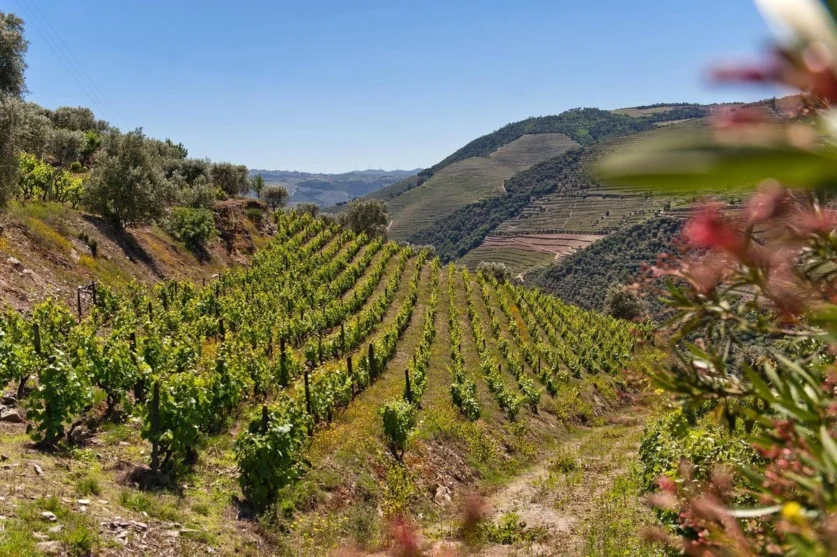
The struggle that winemakers face could have serious, long-term consequences on the quality and variety of wines we are able to enjoy. As the climate continues to change, we are closely following the progress of winemakers who are transplating their vineyards and experimenting with different grapes in response. In the world of wine, viticulturalists (winemakers who specialize in growing grapes) have found that varieties of the Vitis vinifera, or grape vine, consistently produce the finest wines. These grape vines, which are native to the Northern Hemisphere, find their ideal climatic conditions in the temperate regions lying between 30° and 50° latitudes. Hotter and cooler climates can prove unfavorable for growing grapes that will be used for fine wine. To that end, vintners locate vineyards in the narrow Goldilocks range, where the conditions are “just right” for grape vines. Kir-Yianni, located in the Amyndeon appellation in Northwestern Greece, produces some of the most acclaimed and delicious wines in the country. The area provides an unmatched view of the Macedonian Plain, with rolling hills and vineyards blanketed in bright green foliage that stretch as far as the eye can see.

Kir-Yianni offers a unique view of the Amyndeon area from its hilltop perches. Standing high above the plain, it offers incredible views of the surrounding hills and valleys, vineyards, and villages. Visitors can enjoy sweeping vistas of the highlands and the deep mesmerizing greens of the valleys. They can look out over the numerous vineyards, marveling over the many varieties of grapes growing and ripening in the sun. There are also many small villages dotting the plain, filled with people that have lived in the area for centuries.

The experience of Kir-Yianni is unique and very special, as it offers an exceptional view of the Amyndeon appellation. It’s an excellent way to appreciate one of the best wine producing regions in all of Greece, with a depth and range of scenery that can’t be experienced anywhere else. Whether it’s a peaceful stroll on a hilltop or a relaxing afternoon of wine tasting, visitors can appreciate the beauty and history of the region as seen from Kir-Yianni. Elevation plays a role in the temperature of a locale. Hilltop vineyards can bask in cooler temperatures when compared to the fruit that grows on the valley floor. Other key elements that contribute to the ambient heat are the amount of precipitation, the stickiness of the humidity, and the influence of winds and clouds on the air temperature. The temperature itself easily fluctuates from day to night, a process that is referred to as diurnal range. Greece is emerging as an ideal climate for cooler climate winemaking. With its mountainous terrain covering 85 percent of the Peloponnese Peninsula, and the northern regions of Amyndeon in Macedonia, Epirus, and Thessaly, this part of the world offers a unique opportunity for wine producers looking to benefit from the cooler temperatures.

As global warming and changing weather patterns continue to affect our planet, the cooler climate in these areas of Greece enables grape growers to produce dynamic red wines and energizing white wines. Grapes grown in cooler climates tend to maintain their acidity and structure, creating subtle yet intense flavors. For wine enthusiasts, these regional offerings provide a unique and diverse array of tastes.

Greece offers ideal growing conditions for several grape varieties such as Xinomavro, a locally-grown red varietal that is increasingly popular on the international stage for its rustic, earthy flavors. Greece is also known for producing Agiorgitiko, a red grape varietal grown primarily in the Peloponnese, and Moschofilero, a white grape variety which is lightly floral and dry.

The cooler climate of Greece provides wine growers with a fantastic opportunity to produce unique and flavorful wines that can’t be found anywhere else in the world. As temperatures continue to rise, these regions will continue to offer a respite for winemakers seeking cooler climates and the one-of-a-kind flavors it produces. In Greece, vineyard owners have long found success by planting grape varieties that suit the climate. For white wine, Assyrtiko, Malagousia, and Roditis all do particularly well, while Limnio and Xinomavro are the go-to choices for red wines. This careful selection of grape varieties has become the cornerstone of Greek winemaking today. Do you appreciate wines that are known for having a balanced acidity and flavor profile that helps them to age? If so, then cool-climate wines from some of the world’s best regions may be the perfect choice for you.

Cool-climate wines are known for the distinct crisp, vibrant acidity that enhances both the clarity and flavor of the wine. White wines tend to show citrus, mineral and herbal notes, while red wines will bring forth bright red fruits, earthiness and delicious spice flavors.

The cooler climates from which these wines originate check the growth of the vines, and encourage them to produce smaller berries with more intense flavors.

So whether you reach for a crisp white such as a cool-climate Sauvignon Blanc or a vibrant red, like a Pinot Noir or Grenache, you can be sure that you are getting a quality wine that will speak of its subtleness and elegance.

Take it from those who appreciate the nuances of refreshing acidity and bright fruit flavors that cool climate wines are one of the best choices when you are looking for an unforgettable sipping experience. There’s nothing like an outdoor picnic with a bottle of Domaine Skouras rosé! Last weekend, I gathered some friends and headed to the beach for a sunny afternoon of swimming and lounging in the sun. We packed a hefty spread of sandwiches, salads, platters of charcuterie, grilled vegetables and fresh berries for dessert.

To add to the occasion, we cracked open a chilled bottle of Domaine Skouras rosé that was perfectly suited for an outdoor party. Its bright and crisp taste was a delightful contrast to the warm sun and fresh ocean breeze. The fruity notes of melon, lime and mango were a great accompaniment to our picnic feast, and the dry finish was a nice balance in between pickles, pickled vegetables and zesty salads.

It was a great afternoon with a refreshing rosé – the ideal way to enjoy an afternoon in the sun! I’m already looking forward to my next picnic. Nemea PDO and the Peloponnese Peninsula: Domaine Skouras is a Favorite

Nestled among a group of favored wine-producing regions on the Peloponnese Peninsula in Peloponnese PGI (Protected Geographical Indication) is Domaine Skouras. The area itself is not exactly considered “cool climate” – but, some of its high-elevation vineyards offer this label. To further emphasize this point, the area might even get snowfall in the winter months.

Domaine Skouras produces many stunning red and white wines from the Nemea PDO (Protected Designation of Origin) region, including Agiorgitiko (reds) and Moschofilero (whites). These wines are light and fruity, but still boast fullness and complexity.

The area around Domaine Skouras allows for a lot of varietal diversity. Other red wines produced include Cabernet Sauvignon, Syrah, Merlot, Petit Verdot, and Lefki. And, white varieties include Chardonnay, Sauvignon Blanc, Sémillon, Assyrtiko, and Moschofilero.

The climate offers plenty of sunshine, plus cool nights with onshore wind to provide ideal conditions for grape maturation. The sheltering of the nearby mountains helps shield rain and frost. Meanwhile, the soils are a particulate limestone that drains well.

All these factors come together to offer an ideal environment for grapevines to thrive, and make Domaine Skouras a cherished spot on the map. It’s no surprise that the winery’s wines are so loved by oenophiles around the world. When it comes to making great wines, the climate and topography of the Peloponnese have been incredibly useful. The mountains in the region are beneficial for several reasons – winemakers can plant at impressive altitudes and take full advantage of the cooler temperatures while the constant ventilation from the sea keeps the region’s air fresher, making it harder for diseases to spread.

Dimitris Skouras, winemaker from Domaine Skouras explains, “The mountains here allow winemakers to plant at higher altitudes and take advantage of the lower temperatures. Also, because the sea surrounds the Peloponnese, constant airflow through the region lowers the temperature and the risk of diseases.”

The low temperatures and fresh air that the area provides create the perfect climate for cultivating the right type of grapes for a variety of different wines. This means that winemakers can achieve a high quality of wine while still managing to keep the costs down. In addition, the air from the sea also helps to minimize the potential for mold growth and other issues that can ruin a harvest.

Ultimately, the Peloponnese is an ideal area for winemakers as the climate allows for the production of exceptional wines without having to use excessive amounts of resources. Thanks to the mountains and the surrounding sea, the region allows for farmers to produce outstanding wines in an environment that is both sustainable and safe. Agiorgitiko: Know Your Greek Wines

It’s time to become acquainted with one of the key players in Greece’s wine scene: Agiorgitiko. This red grape variety, celebrated for its use in producing Nemea PDO wines, can be found in a range of styles and expressions.

Among Agiorgitiko’s many expressions, the best-known is the dry and medium-bodied wine it creates. This bottle typically has balanced acidity and ripe tannins giving it capacity for aging, and appears as a bright red in the glass. The wine carries aromas of black and red berries followed by a hint of baking spice.

Wine with Agiorgitiko at its base can range from dry to sweet and everything in between. Whether it be a semi-sweet light-bodied wine best suited for early evenings, or a rich tannic dry expression best saved for the dinner table, Agiorgitiko is popular for many reasons.

Greece’s indigenous grapes are gradually becoming more widely available across the world, so there is no better time to explore the Agiorgitiko-based wines of Nemea PDO. You’ll be pleasantly surprised by the complexity of these wines. So what are you waiting for? Let’s lift a glass (or two, or three) to the beauty of Agiorgitiko wine! The challenges of farming in a cooler climate can be an obstacle to the growth of grapes. During certain colder vintages, ripening of the grapes can slow or even stop, resulting in a lack of maturity. Though this situation is rare in Greece, it’s still possible in northern regions of the country.

Grower Pavlos Skouras explains, “Farming in a cooler climate is a problem during colder vintages. Ripening slows down, and sometimes grapes won’t reach the desired maturity. This is a rare phenomenon in Greece, but it does happen, typically in northern areas.”

As grapes need warmth during their maturation, this can lead to trouble in southern regions too. The delicacy of the climate is such that the slightest tweak in temperatures has the capacity to affect the cycle of ripening, leading to abnormal vintages, bad harvests, and droughts. This can have a long-lasting effect on the farms relying on the grapes.

Although cooler climates appear to offer certain advantages over hotter ones, the risks they bring must be taken into account before planting vines. The climate in many places may be far from ideal for grapes. Ultimately, this makes a cooler climate far from desirable for farming. Greece’s native Xinomavro grape grown at Alpha Estate in northern Greece is a versatile variety offering a deliciously eclectic range of wines. Found mainly on the slopes of the nearby Mount Vermion, Alpha Estate has managed to perfect the Xinomavro’s bold flavor characteristics, making it one of the most desirable grapes among winemakers and wine connoisseurs alike.

This red grape variety shows a lovely deep color and concentrated blackberry, raspberry, and cherry aromas, along with spicy and herbaceous notes. On the palate, the wine presents a full body with an excellent structure, full of juicy red fruits, and a mineral-tinged finish.

The Xinomavro wines from Alpha Estate often display an elegant and delicate structure with silky tannins and a balanced acidity, making them an ideal companion for seafood, poultry, pasta, and cheeses. High quality cellar-ages examples carry the hallmark characteristic of Xinomavro wines, displaying aromas of aged flowers, dried herbs, and licorice.

Alpha Estate has earned a reputation for making outstanding wines from the Xinomavro variety and continues to deliver flavor-packed wines from its amazing vineyards near Mount Vermion. This post will explore the remarkable vineyards of Alpha Estate in Macedonian PGI, Greece.

The unique soil, climate, and topography of the Macedonian PGI area in Greece has resulted in Alpha Estate producing some of the best wines in the country. The vineyards are located in the Amyndeon PDO, a region known for its excellent Xinomavro-based red wines.

The cool climate of the area—believed to be the chilliest in the whole of Greece—can be attributed to several aspects of the topography. The higher altitude of the vineyards and their location near a major mountain range allows for the cold temperatures typical of a continental climate to blanket the whole area.

Thanks to the special soil, cool climate, and the skilled and experienced vintners at Alpha Estate, this region is now one of the top destinations in Greece for high-quality Xinomavro wine. The team at the estate uses eco-friendly practices to cultivate their wines, and pays special attention to preserving the unique soil character of their vineyards for generations to come.

Alpha Estate wines are prized for their deep color, bright flavors, and rich tannins—all hallmarks of the Xinomavro grape. They are some of the most popular and sought-after wines in the country.

If you’re looking to enjoy a sunny Mediterranean getaway while indulging in some of the country’s finest wines, Amyndeon PDO—and the vineyards of Alpha Estate in particular—should be at the top of your list. Amyndeon is a beautiful mountain town nestled among spectacular lakes and breathtaking views.

At an altitude of 1,870 – 2,300 feet, Amyndeon provides residents and tourists alike with incredible scenery and a pleasant, temperate climate. For those who love to spend time outdoors, the view of the EmeraldLakeVegoritida and Lake Petron from the surrounding slopes will take your breath away.

The town is home to a range of activities, including fishing in the lakes or hiking in the nearby woods. If you’re looking for a quiet, relaxing getaway, Amyndeon is the perfect destination.

The quaint village of Amyndeon, surrounded by mountain lakes, is full of charm and character. Whether you’re looking for a weekend getaway or a permanent home, Amyndeon has something for everyone. Come see it for yourself – you won’t be disappointed! When it comes to the regulation of temperatures for growing vines in the vineyards, Alpha Estate’s winemaker, Angelos Iatridis, has a simple solution: cool breezes released by nearby lakes. During the intensive growing season, these breezes bring down the temperature surrounding the vineyards, providing a helpful relief to the vines. This natural, low-cost way of controlling temperatures is something that has been enabled by Alpha Estate’s consideration for nature and their willingness to find practical solutions on their own property and those of their neighbors.

At Alpha Estate, they understand the importance of the environment when it comes to healthy vine growth and harvest. The lakes in the area are a symbol of this strong knowledge of the effects of environment on the vines. From the cooler temperature it provides to the protection from evaporation that it offers, the lakes offer more than just a beautiful view—it’s a gateway to healthier and bigger harvests for Alpha Estate and its neighbors.

When you think of winemaking, it may not immediately involve a discussion of temperatures or environment; however, Angelos Iatridis understands the importance of both to reach the best possible results. Cool breezes released by nearby lakes is just the start of the exceptional techniques he takes advantage of to make sure that the wines of Alpha Estate are some of the best in the area. Tweet:
“The Eordea Plateau and nearby mountain ranges provide a microclimate for Amyndeon vineyards, but spring frost still threatens crops. Milder winters increase the risk.” #Amyndeon #Wine #Growers #SpringFrost Alpha Estate is producing excellent wines from the Florina PGI appellation in northwestern Greece. Their primary wine is a vibrant, aromatic white called Malagousia, which exhibits excellent acid retention. Joining the Malagousia are other white grapes, such as Assyrtiko and Sauvignon Blanc, which make great use of the climate’s cool temperatures. Florina PGI sits close to the borders of Bulgaria and Albania, and shares similar benefits and challenges to Amyndeon, the zone north of Florina. Eager winemakers have begun experimenting with other varietals including Lagorthai, Syrah, and Merlot, as they look to take advantage of the terroir of this unique area. Some say it won’t be too long until this area of Greece is considered among the top wine regions and starts producing some of the most exciting wines. Taking a trip to Macedonia is like stepping into a paradise of lakes, vineyards, and mountain vistas. Macedonia is renowned for its lakes and mountains. The most popular lake in the region is Lake Ohrid. Lake Ohrid is the deepest of Macedonia’s lakes and offers breathtaking views of the countryside. The lake is also home to several species of fish, making it a popular spot for anglers.

For a taste of the Mediterranean, head to Macedonia’s vineyards. Just outside the city of Ohrid, there are a number of vineyards in and around the region. These vineyards produce a variety of wines, and provide a great opportunity to sample some of the local produce.

For beautiful views of the Macedonian landscape, head up to Mount Vodno. The highest point in Macedonia, Mount Vodno offers a stunning and panoramic view of the region. The mountain is also a popular spot for hikers and climbers, as there are several trails that can be followed.

Macedonia’s combination of lakes, vineyards, and mountain vistas make it a great destination for anyone looking to explore the beauty of the Balkans. Whether you want to relax by one of the country’s picturesque lakes or explore the rugged terrain of the mountains, Macedonia has something to offer every type of traveler. So, when you’re in the mood for some sun, sand, and scenery, consider spending your next break exploring the beauty of Macedonia. Stellios Boutaris, winemaker and CEO for nearby Kir-Yianni, has been noticing drastic changes in the climate. Winters are much warmer than usual, and the summers are wild – long warm periods, heavy rainfall, and intense storms.

“It’s like the weather is all over the place,” says Boutaris. “The changes are making it difficult to predict how climate will fluctuate. It’s becoming harder and harder to plan for harvests.”

Boutaris is passionate about producing great wines, and he is concerned about how the changing climate will affect his business. “My industry is feeling the effects of this weather – and so is everyone else. I’m worried about what the future might hold.” After years of feeling the effects of climate change, producers in northern Greece are starting to take proactive steps to protect their future harvests. Yiannis Boutaris, a prominent winemaker in the region, is asking his peers to begin harvesting white grapes earlier, as well as making careful adjustments to the soil and vineyard management practices that may reduce the impact of hotter, drier years and boost the quality of the grapes.

Boutaris argues that rising temperatures bring challenges such as increased risk of disease and reduced cool-weather acidity—both of which can affect the taste and quality of the grapes. To help mitigate this, he suggests introducing practices like better rooting strategies, having an active leaf canopy to protect the grapes, and conserving water to information local microclimates.

In addition, Boutaris also believes that early harvesting of white grapes can help preserve the balancing flavors and aromas of the wine. Although, it can be a risk to start picking too soon and before the grapes are fully ripe. As a result, he also suggests that producers use methods for measuring the ripeness of grapes so they know the go time for harvesting.

By starting to gather grapes before the hotter months hit, producers can better protect the wine’s character. This will help keep acidity in check and also raise the pH balance—two important aspects for producing quality wines.

Overall, Boutaris advises grape and wine producers to take preparedness seriously when it comes to a changing climate. And, by using strategies to adjust their production procedures, they can find success in even the most unpredictable weather situations. Kir-Yianni, a winery in Greece, produces grapes from two regions: Amyndeon Protected Designation of Origin (PDO) and Imathia Protected Geographical Indication (PGI). While Amyndeon is known for its cold, harsh winter climate, Imathia’s temperatures are significantly cooler than the average temperatures of other Greek wine regions.

The production of grapes in Amyndeon PDO is limited to select high-quality varieties. This is thanks to its unique terroir, a combination of the specific slopes, land, climate, and soil in the area. These conditions create wines with a great depth of flavor, as well as strong aromas and intense acidity.

Meanwhile, the Imathia PGI region is ideal for producing wines with a more delicate balance between fruit and acidity. Influenced by its nearby forests, it has a milder climate and soil, which is more prone to wetness. This helps to keep acidity levels in check, while still providing the perfect environment for growing succulent grapes.

What makes Kir-Yianni stand out is that it manages to create wines that contain the very best of both regions. The intensely flavorful and aromatic vintages from Amyndeon, combined with the balanced acidity and fruit of Imathia, ensure that every bottle of Kir-Yianni has a unique and special character. As temperatures rise around the world, winemaking is becoming increasingly difficult. Lucky for winemakers, there are still places where cool climates allow the creation of premium wines with complex characters.

Winemaker Yiannis Boutaris of Amyndeon in Greece’s North Western Macedonia Region is one such winemaker who is taking advantage of this ideal climate. Boutaris, who is familiar with the effects of climate change in the area, says that the unique combination of altitude and local terroir in the region allow viticulture to exist long-term. This offers the potential to create terroir driven wines of the highest quality and character.

In order to take advantage of these special conditions and craft small-batch wines with distinct personalities, Boutaris has adapted his wine-making methodology to the climate. He focuses on hand harvesting, careful sorting, and minimal intervention in the winemaking process. Using only natural fermentation, Boutaris can capture the essence and character of the locale in his wines, making them a true expression of the terroir.

The results speak for themselves: each of Boutaris’ wines is complex, unique, and crafted with the utmost care. They offer the perfect balance between local character and modern sensibilities, making Amyndeon wines a benchmark of excellence.

By embracing the challenges and opportunities that the region offers, Yiannis Boutaris has created a remarkable wine-making experience. His wines tell the story of the Amyndeon region and its exceptional climate, conforming to the idea that cool climate winemaking presents endless possibilities. Angelos Iatridis, owner of the winery of “Alpha Estate”, spoke with Amyntaio some 180km west of Thessaloniki on December 5, 2019:

“We believe the antidote to climate change lies in cultivating Greek grape varieties. With rising temperatures due to global warming, traditional vines can no longer cope. This calls for more drought-resistant varieties that produce a richer, fuller-bodied flavor. Therefore we now focus on producing wines exclusively from Greek grapes.

The native varieties are better suited to dealing with the changing environment. They don’t require as much water and the resulting wines are extraordinary. They’re bolder, more intense and pair well with contemporary delicacies. This gives us, Greek winemakers the opportunity to produce higher quality wines, while still being mindful of the environment.

We are passionate about our work and we take great pride in producing exclusively Greek wines. The landscape is changing and we believe that this will help us to remain at the forefront of the wine industry.” Iatridis believes that Amyndeon has a bright future in terms of wine-making in Greece. He sees the cooler climate of Amyndeon as a great asset as the world continues to feel the impact of climate change. The cooler climate, he argues, can act as a buffer to the effects of extreme weather and ultimately help the winemaking industry to thrive. If you’re a fan of Greek wines and want to support cool-climate wineries, Diamond Wine Importers is your go-to. From PGI Peloponnese to PDO Nemea, PGI Macedonia, PGI Florina, PGI Imathia, and PDO Amyndeon, you can get all the best varieties of Greek wines you crave. Plus, Diamond Wine Importers will deliver them straight to your door, so you don’t even need to leave the house to enjoy them. So, why not indulge in some Greek winery goodness and support the best wineries in Greece?

July 14, 2023 Wine

Angelina Jolie alleges that Brad Pitt orchestrated a scheme to take over and plunder their profitable wine business, according to court documents.

Fox News @ Night had two legal experts, May Mailman and Bryan Rotella, on to discuss the epic ‘Brangelina’ feud over the sale of French vineyard stakes to a Russian oligarch. Mailman and Rotella discussed the legal strategies employed by each celebrity in the dispute, noting the complexities of international law and international dispute resolution.

They found that the ‘Brangelina’ feud had been handled in a most unusual manner; while celebrity-driven disputes are not unusual in the entertainment industry, the fact that it was negotiated on international soil presented unique challenges. Mailman and Rotella agreed that the outcome could have been very different had the issue not been resolved.

They both shared their views on the best way to approach such a situation, emphasizing the importance of accuracy, fairness, and mediation as important tools in settling disputes. Furthermore, they shared their perspectives on the legal implications of the ‘Brangelina’ feud, acknowledging that it may have been a factor in the U.S. government’s tightening of foreign investment restrictions to ensure that wealthy individuals, including Russian oligarchs, are not able to acquire strategic assets in the U.S.

Mailman and Rotella concluded that disputes like this are always better handled outside of court and recommended an open and honest negotiation process to settle disputes both abroad and domestically. Their advice and analysis continues to guide critical decisions in the entertainment industry, ensuring fairness and accuracy for all. The recent court documents have revealed some interesting claims against Brad Pitt, which come from Angelina Jolie’s former company. The documents indicated that Pitt allegedly stripped the couple’s former French vineyard of assets while “looting” the joint venture.

The company, Miresco SARL, purchased the former couple’s vineyard, Château Miraval, in 2019. According to the documents, Miresco claimed that Pitt took “assets, furniture and art” from the property, with him that “did not belong to him” after his divorce from Angelina.

The documents also alleged that Pitt removed computer equipment, private documents and sentimental items from their former home without permission. The documents also allege that Pitt interfered with the running of the vineyard and caused damage to the property.

Miresco is now seeking compensation for the alleged asset removal and damages. The company also requested that Pitt reimburses all funds he allegedly took from the joint venture.

As of the present, there has been no response from either Pitt or Jolie on the court documents. It remains unclear what the outcome of the case might be. It’s a story with a dramatic twist—according to newly-filed documents in Jennifer Aniston’s court case against her ex-husband, Brad Pitt, he has been accused of being behind a “vindictive campaign” to “loot” her business since she first filed for divorce in 2016. The documents were obtained by Fox News Digital and indicate a clear power play on the part of Pitt.

In the documents, Aniston’s attorney, Laura Wasser Nouvel, alleges that Pitt has “carried out a calculated campaign of disparagement” against Aniston in order to cut her off from the success of her business. The court papers also state that Pitt had knowledge of Aniston’s business dealings and was apparently attempting to control her financial decision-making.

The documents cite a ruling by a judge in a previous case in which Pitt was found to have engaged in “inequitable conduct in failing to disclose and/or improperly concealing” the ownership rights of a business related to Aniston’s.

Pitt’s actions, according to Nouvel, are a clear indication of his attempt to “loot” the profitable business Aniston created and to take away decision-making power she holds in the enterprise.

It remains to be seen how this drama will play out, but the documents are sure to fuel speculation that Pitt’s meddling in Aniston’s business life may have gone much deeper than the court papers suggest. The tumultuous divorce between actors Brad Pitt and Angelina Jolie is well-documented—and now, a financial squabble is pouring onto the pages of court docs.

In a spurt of the back-and-forth, Pitt has been accused of “hijacking” the couple’s shared business, Château Miraval, and “wasting” the company’s assets.

Jolie’s attorneys revealed in legal documents this week that Pitt reportedly spent more than $1 million on renovations of the estate, including the swimming pool—a sum that the actress’s camp claims was unnecessary, and only done in order to maintain control of Miraval.

This matter is one of many that the ex-spouses are hashing out in their contentious divorce.

The fight over Château Miraval is evidence of larger cash flow concerns that the duo are facing.

It’s been reported that Jolie’s team also thinks Pitt should pay for her lawyer fees, which have ballooned to $2 million during the couple’s drawn-out divorce battle.

At present, Pitt and Jolie are divided in their opinions of their former business arrangement; Pitt’s camp maintains that the money was spent wisely, while Jolie’s disagrees.

The judge overseeing the case will determine who is correct on this and other matters pivoting around the split.

####Video: Brad Pitt Accused of ‘Hijacking’ Château Miraval and ‘Wasting’ Assets ####

[![Brad Pitt Accused of ‘Hijacking’ Château Miraval and ‘Wasting’ Assets](https://i.ytimg.com/vi/zBg93hR9hgQ/hqdefault.jpg)](https://www.youtube.com/watch?v=zBg93hR9hgQ) A source close to the litigation has expressed to Fox News Digital that Brad Pitt has shelled out millions of dollars to his business in the last ten years, while firmly refuting the accusations of looting made by his opponent’s legal team as “absurd.” Angelina Jolie is alleging that her estranged husband, Brad Pitt, tried to silent her when she publicly accused him of physical and emotional abuse during their two-year marriage. In a statement released on Sunday, Jolie accused Pitt of “trying to impose a settlement designed to keep the truth hidden” and of attempting to “buy her silence”.

Jolie further claimed that Pitt’s “divorce tactics” had led to the sale of a vineyard she had owned on the French-Italian border for nearly seven years.

The statement reads, “Angelina is deeply saddened by the sale of the vineyard, a place she had invested in and cherished for many years. Brad Pitt’s actions to silence Angelina are hypocritical and reprehensible.”

The Maleficent star alleged that Pitt had made it clear to her and their families that if she persisted in her allegations of abuse, she would lose everything she had.

In response to Jolie’s statement, Pitt’s lawyer, Lance Spiegel, said, “Evidence contradicts each and every one of the claims that Angelina Jolie has made so far. It is time to put the children first and end the chest thumping.”

The latest accusations come several months after Jolie filed for divorce from Pitt. The couple, who was married for two years, has six children together and is still in the process of negotiating the details of their divorce settlement. A former company linked to Angelina Jolie has alleged that Brad Pitt is “hijacking” control of their former French vineyard in the South of France, and “looting” the business of its assets.

The media company, Magnum Entertainment, says that Pitt has been using his influence as a major Hollywood figure to undermine their business interests in the vineyard.

According to Magnum, Pitt has used his “stardom, publicity and influence” to freeze the company out of the most profitable contracts and interfere with its operations. They are now seeking millions of euros in compensation from the actor.

In response, Pitt’s lawyers refute the claims, saying that the actor’s actions have all been taken with Jolie’s permission and approval. They said “Mr. Pitt has acted only with the agreement of both parties and in the best interest of the vineyard and its staff.”

It remains to be seen how this case will be resolved, but it is another twist to the ongoing saga between the former Hollywood couple. Angels & Kings, the Los Angeles hospitality group which counts actress Winona Ryder and producer Mark Wahlberg among its partners, has taken umbrage at recent claims from Brad Pitt that his Miravel wine venture was “built” into a profitable company.

The management group have moved to dismiss Pitt’s statements, insisting it was Angels & Kings who financed the start-up of the business.

The group releases a statement which read: “Any suggestion that the company was ‘built’ by Brad Pitt is inaccurate and disparages the hard work of dozens if not hundreds of people who were involved in the various aspects of the business”.

The dissension comes after Pitt recently spoke about Miravel in an interview, claiming “we built a profitable company” with the help of Ryder, his partner at the time.

The controversy has now put Ryder’s involvement at odds with Pitt’s statements, as Angels & Kings have moved to defend their partner’s investment in the business.

In light of the events, the statement concluded, “We are proud to have supported Winona and her Miravel family at the time and will always stand by her side.” Pitt is a renowned actor with his work seen on screens around the world. With his Hollywood star status, it may come as a surprise to some to learn that Pitt is not a vigneron or winemaker. Documents have specified that while the actor may have briefly visited the vineyards in France, his job is illusions, not dirt and grapes.

Having filmed and appeared in numerous films within the years building up the business, he has also attended premieres, promotional events, and the many Hollywood parties. Admiration for the French laborers for their success in the winemaking process wasn’t an uncertainty, but the truth remains that Pitt is not a vigneron.

His talent lies in communicating stories through the art of film and his creations of these works speak for themselves. It is no wonder why his star continues to rise. Whether it be an actor, winemaker, or entrepreneur, Brad Pitt has already conquered everything he has put his mind to. Tucked away in the South of France, with sweeping vistas of rolling hills, stands the majestic Château Miraval. The estate is certainly one of the most picturesque in the country, and when it comes to luxury and grandeur it stands out from the crowd.

The grounds of the château are breathtaking, with green gardens, a pond, a lake, bridges, and meandering paths that lead to hidden corners perfect for enjoying the peaceful ambience. On the highest point of the estate, guests can find an Italian-style Library pavilion, surrounded by pine trees.

Within the castle walls, a grand interior awaits, featuring Murano glass chandeliers, Carrara marble fireplaces, and a state-of-the-art wine cellar stocked with some of the most exclusive vintages in the world. The property also features a large swimming pool, bars, luxurious bedrooms with lavish bathrooms, and a world-class spa.

Whether you’re looking for a romantic getaway or simply want to enjoy the beauty of the French countryside, Château Miraval is a perfect hideaway. If you’re lucky, you may even get a glimpse of the estate’s celebrity ownership – Brad Pitt and Angelina Jolie – who hold the title to the historic mansion. Jolie and Pitt Purchased Miraval

Hollywood power couple Brad Pitt and Angelina Jolie, now Brad and Angelina, recently acquired a controlling stake in France’s Château Miraval. The property, located in the Provence-Alpes-Côte d’Azur region, boasts 500 acres of vines, olive groves, and ancient ruins.

The couple originally purchased the estate in 2008, and have spent valued time at the home throughout their relationship. Reports indicate that the agreement at the time gave each of them an equal 50% stake in the property.

The buying of this exquisite estate could not have been timed better. In 2013, the couple was married at the estate. Now in their fifth year of marriage and awaiting their newest arrival, Brad and Angelina are looking up to a bright future in this new home.

Guests get to experience the estate in all its glory. Journeying through lush grounds, you’ll get to pass by ancient ruins, take picturesque views of the sprawling hills, and even visit the exclusive winery. The estate also features a very unique yoga studio settled deep in the woods that has become a popular destination for both Pitt and Jolie.

Today, the estate is seen as one of the most luxurious homes in Europe. It they have become an example to landowners around the world, inspiring their own purchases and investments.

Brad and Angelina have certainly chosen wisely in this investment. From what we can tell, Château Miraval is a purchase they will treasure for many years to come. Pitt has taken the step to formally allege that Jolie deliberately sought to cause him harm by selling her stake in the ex-pair’s vineyard. Sources familiar with the filing have revealed that the “Troy” star declared that Jolie had acted against their agreement and sold her share of the winery without his permission. This claims aims to penalize Jolie for undermining Pitt. The news of Brad Pitt suing his ex-wife Angelina Jolie accusing her of not being in the loop regarding the sale of their French estate, Miraval, emerged back in February 2022. This reported lawsuit claims that Pitt did not know of Jolie’s alleged collaboration to keep him “in the dark” about the sale.

The case surrounds Miraval, the couple’s French estate, located in Correns. Miraval was the property gifted to Pitt and Jolie by a mutual friend Marc Perrin back in 2011. The couple then renamed the property Château Miraval and later released a successful rosé, Miraval Rosé, which was reportedly the most expensive brand and became a winner of the Gold Medal award at the Gilbert & Gaillard International Challenge.

However, the epicenter of the lawsuit reportedly is when Jolie decided to put the property up for sale without informing Pitt. Despite the couple’s public split in 2016, both of them still own Miraval during the sale, as it is a joint-owned asset. According to the lawsuit, Jolie allegedly collaborated with Perrin to “secretly” put the property up for sale and did not inform the plaintiff of the same.

The lawsuit brought to the forefront the sensitive subject of the now estranged couple’s joint-assets and right now, all eyes are on the case. Two of the world’s most iconic and powerful celebrities, Brad Pitt and Angelina Jolie, have been embroiled in a legal dispute over the ownership of a French vineyard. The couple, who have been in a public battle for over a year since their split in 2016, are now fighting in a court of law over the iconic Château Miraval estate.

The contested vineyard, which spans 1,200 acres in Provence, France, was purchased by the couple in 2012 to much fanfare. In April of this year, Angelina filed legal paperwork in California requesting full ownership of the property.

In court documents, Angelina stated that she wants to keep the vineyard for her and her family, which includes their six children. She and her legal team argued that the wine produced from Miraval played an integral role in the former romantic partners’ business dealings, allowing them to take part in several lucrative wine/spirit deals.

Prior to filing the legal documents, Angelina had already contacted the estate, notifying them that Brad would no longer be participating in business decisions. In a previous statement to the press, Brad’s spokesman said that he wishes to resolve the matter “amicably and swiftly” and has not publicly commented on their dispute over the vineyard.

It is not yet known how the matter will be resolved. However, while the former couple works to resolve their legal dispute, wine-lovers all over the world can still enjoy bottles of Château Miraval—the world-famous dry rosé produced at the estate. Angelia Jolie has filed a cross-complaint in her contentious ongoing custody battle with Brad Pitt, and it is explosively accusing him of criminal child abuse. The filing, obtained by People magazine, claims that the actor “‘choked’ one of their children and ‘screamed and wildly gesticulated at the minor child.'”

The cross-complaint is a response to Pitt’s August filing that requested to establish joint custody of the children he shares with his ex-wife Jolie.

The complaint comes amidst a highly contentious battle between the pair for custody of their 6 children. The claims made by Jolie against Pitt come as a shock after the couple remained civil during the first phase of their divorce proceedings.

Despite the seriousness of the accusations, many in the legal community are casting doubt on their veracity or effect on the custody battle itself.

“It’s very clear an ongoing custody battle is being waged and both sides are attempting to gain as much leverage as they can,” explains Los Angeles-based family law attorney Robert Millard.

Time will tell how these accusations will factor into the overall custody battle but one thing is certain: this is yet another shocking development in an extremely contentious divorce. **Jolie and Pitt Reach Agreement in Château Miraval Stake**

Angelina Jolie and Brad Pitt recently reached an agreement regarding Jolie’s stake in the Château Miraval estate. According to a source close to Jolie, Pitt was given the opportunity to purchase her stake in the property.

Jolie and Pitt bought the estate in 2011, and it has been vital in shaping their family’s story. Château Miraval is where the couple wed in 2014, and it is also the home of their six children. After Jolie filed for divorce in 2016, the estate has been a source of tension between the two stars. Through their agreement, however, Pitt has the chance to own the property outright.

The estate was purchased by Jolie and Pitt as a representation of their commitment to each other. The intense memories and love they shared at the château are being harnessed as a symbol of the former couple’s ability to collaborate. This agreement shows that even after their relationship has changed, the two are still working together to make decisions in their children’s best interests.

It is unknown whether Pitt will move ahead with the purchase, but the deal itself is demonstrative of Jolie and Pitt’s mutual understanding. Although the pair’s former marital bond has been severed, it’s comforting to see the two maintain a level of respect in their dealings concerning Château Miraval. The news recently broke that Angelina Jolie and Brad Pitt refused to complete the Miraval sale until Jolie agreed to being silenced about the abuse that allegedly occurred. According to an insider, Pitt demanded $8.5 million to be withheld as a means of forcing Jolie’s silence.

It’s clear that Jolie had no desire to speak out about what happened, and feels that this is the best course of action. Though understandable, it’s unfortunately reflective of the reality that many abuse victims still feel forced to stay quiet and not to openly discuss their ordeal.

The hope that the Jolie-Pitt situation can help to demonstrate that speaking out is okay, despite the potential backlash or repercussions. The courage it takes to come forward and speak about abuse is incredible, and should be honored much more openly than it appears to be.

It’s understandable that Angelina Jolie felt it was in her best interests not to discuss her experiences, as the price for going public with her abuse was apparently holding up the completion of the Miraval sale. However, the hope is that this situation can shine light on the kind of bravery it takes to speak out about abuse, and serve as an example that – while difficult – coming forward is ultimately worthwhile for all victims. Shattering Truth about Domestic Violence System Exposed

A recent lawsuit has exposed shocking truths about the state of domestic violence in America. Per the suit, Jane Doe, a woman devoted to helping children heal after surviving domestic violence, was reprimanded by Mr. Pitt for not staying silent about his past.

In reality, Jane Doe never agreed to keep quiet in the first place and has instead dedicated her life to ensuring the mental wellbeing of abused children and pushing for an overhaul of the ineffective and inadequate domestic violence response system.

It’s only due to Mr. Pitt bringing this case to court that these heartbreaking facts have come to light—a testament to the sheer frustration of domestic violence survivors trying to get justice and healing.

It’s heartbreaking hearing about what victims have to muster up against their abusers. In this case, Jane Doe didn’t even have a chance to speak up for fear of further retribution.

The current domestic violence response system in America is sorely lacking, leaving many survivors stranded and unsupported. Jane Doe’s commitment to change is inspiring, but it’s difficult to make progress without support.

It’s time to redouble our efforts to repair the broken domestic violence response system. Victims and survivors of abuse deserve the best resources and support we can offer them. We owe Jane Doe and all those facing domestic violence enormous gratitude for their bravery and resilience. It was a star-studded evening when Angelina Jolie and Brad Pitt attended the premiere of their film “By the Sea” at the Chinese Theater in Hollywood. Glamorous and sophisticated, the couple looked happy and in-love as they made their way down the red carpet.

The excitement in the air was palpable as fans cheered and gasped when the couple got out of their limousine. Looking sharp in black tuxeds and designer gowns, Angelina and Brad turned heads as they slowly made their way to the entrance of the theater.

“It’s a surreal experience to be here with Angelina for the first premiere of our film,” said Brad. The movie, written and directed by Angelina, focuses on a turbulent relationship between a married couple played by the two stars.

The night ended with Angelina and Brad thanking the fans for their support. As they turned to leave, everyone’s heart was filled with love for the couple who make it all look so easy. After months of not hearing much about the contentious breakup between Angelina Jolie and Brad Pitt, news broke this week that Jolie is accusing Pitt of physical abuse in a complaint filed in the lawsuit. This information comes months after Jolie filed for divorce and requested full physical custody of their six children.

The complaint filed states that Pitt was “verbally and physically abusive” towards Jolie and their six children, Maddox, Pax, Zahara, Shiloh, Vivienne, and Knox. It also noted that the alleged abuse occurred during the family’s time together in June 2016.

After seeing that Jolie filed for divorce in September, many were shocked that the couple made such a sudden decision. Now, it appears they have a deeper reason for the split, as the complaint indicates a history of physical abuse.

Though there are currently no details on the specific incidents of abuse, Jolie’s complaint speaks directly to the breakdown of the relationship. This indicates that Jolie and Pitt’s separation went beyond a typical divorce for custodial purposes.

Many family law experts have already weighed in on the case, noting that physical abuse is often grounds for loss of custodial rights. The courts will likely review the complaint and investigate the allegations of physical abuse to make their verdict.

At this point, we can only wait to see what the court’s ruling will be concerning the custody agreement between Jolie and Pitt. During a 2016 altercation, Brad Pitt is accused of physically and verbally abusing Angelina Jolie and their children inside their home. Reports indicate Pitt grabbed Jolie by the head and shook her, while he also allegedly “choked one of the children and struck another in the face”. Moreover, Pitt poured beer and red wine on the children as they pleaded with him to stop. The incident was filed in the Los Angeles Superior Court. Tweets

“They were all #frightened and #crying.” #Jolie has filed for #divorce after allegations of an altercation.

Facebook Post

It is reported that Jolie recently filed for divorce following an alleged altercation. Everyone present in the situation was frightened and many were in tears. This is a difficult time for everyone involved.

Haiku

Frightened and sobbing
Divorce filed after fight night
Too much pain to heal You don’t want to miss out on the latest entertainment gossip! Sign up now for our entertainment newsletter to get the inside scoop on new movies, shows, celebrity news, and more. We promise to give you daily updates with only the most interesting stories and trends in the world of entertainment. Click the link below to subscribe to the newsletter and stay in the know!

###Sign up for our entertainment newsletter today for all your entertainment news needs! Brad Pitt has recently sued his ex-wife Angelina Jolie in February 2022, concerning a French vineyard. Pitt is reportedly seeking full ownership and control of the vineyard, which was one of the properties of their twelve-year marriage and divorce.

The former couple first purchased the Chateau Miraval estate in 2012, with Jolie and Pitt both publicly announcing their investment in the Cotes de Provence vineyard. The estate was the location for their much-publicized marriage in 2014. After their divorce in 2016, the estate has been partially leased to a Champagne house, and Pitt has been looking to capitalize on the asset ever since.

Pitt is filing for full ownership and control of the estate, citing their joint investments into the property and the continued presence of their six children in the estate. He has argued that his now ex-spouse holds no rights to the property, and has argued in court that Jolie has violated the rules of ownership by leasing the estate to a third party for commercial use.

Jolie denies Pitt’s claims and is looking to keep half of the ownership of the estate for herself. While no ruling has been made yet, experts speculate that a judge could side with Brad Pitt due to Jolie’s unilateral decision to lease the estate to a third party without Pitt’s agreement.

This case serves as a modern reminder that during a divorce, any collectively owned property must be managed in a respectful way to ensure fair and equitable outcomes for all parties. It also serves as a powerful reminder of the gravity of this process and the seriousness of the decisions made during a divorce. After a thorough investigation by the FBI, probable cause has been established to submit a statement to the U.S. attorney’s office. The statement outlines the evidence collected and the suspect’s role in the alleged criminal activity. The FBI has established that there is a reasonable basis to believe that a crime has been committed and that the suspect was involved in the crime.

The statement details the information collected by the FBI that lead them to deduce that a crime has been committed. This information includes witness accounts, surveillance results, forensic evidence, and other pertinent facts.

The probable cause statement presented to the U.S. attorney’s office will either result in criminal charges or the defendant being cleared of all wrongdoing. In either case, it will provide clarity as to the facts of the crime and evidence presented. It will also provide details as to why the FBI believes a crime was committed and a suspect was involved.

The probable cause statement is a key part of the criminal justice system and will serve to help determine the next steps in continuing to investigate the crime and prosecute any suspects. It appears a decision has been reached not to pursue criminal charges in a specific case, according to a report from the FBI. After reviewing the relevant documents, representatives from the United States Attorney’s Office discussed the merits of the case with the case agent andall parties agreed that criminal charges were not appropriate given the circumstances. It appears there are multiple factors that led to this outcome. Tweet:####
#FoxNewsDigital: Source familiar with the matter told us claims by Jolie were false. #RumoredFalse #ClaimsDebunked After recounting an event that happened six years ago, a source has revealed that the narrator has been changing details, adding false information and overall exaggerating the account each time it has been retold. This has left many questioning the reliability of the original story and the narrator’s motivation.

As more details of the story unfold, the source’s disclosure that the narrator continues to revise the narrative in a way that works to their advantage only seems to complicate matters and raises suspicions over their intent. Have they been embellishing their account of the event to receive sympathy or favours? Are they trying to intentionally mislead others to benefits them in a certain way?

It is important for readers to exercise caution and be mindful when listening to stories, no matter how emotionally compelling they might be. In today’s digital world, news travels faster and wider than ever before. Accordingly, inaccurate stories can spread like wildfire and cause a lot of harm. Therefore, it is the responsibility of the reader to stay alert and to double-check stories before sharing them. Angelina Jolie and Brad Pitt, one of Hollywood’s most beloved couples, made headlines in 2016 when they announced their split after two years of marriage. After twelve years together, the two decided to end their union legally in order to provide what was best for their family.

Since their separation, both Jolie and Pitt have been adjusting to their new normal. The actress has been navigating single-parenthood while continuing to pursue her passions in humanitarian work, and the actor is making progress in his family life as well as his career.

The divorce was a bittersweet process for both Jolie and Pitt, and their fans are still hopeful that they will eventually find their way back to each other at some point. For now, they are both maintaining positive and friendly relationships for the sake of their children’s wellbeing.

While their fans are still holding out hope, it is evident that the couple is both focused on their own paths and what makes them happiest. The split was painful, but it was necessary for the two to move forward with their lives.

Although the news was shocking and saddening for their fans, Jolie and Pitt have made it clear that there are no hard feelings between them. They have proven that two people can still have a great relationship with each other, even if they are not together.

At the end of the day, Angelina and Brad’s divorce was a painful but necessary step for both of them. The two are still managing to move on with their lives and remain friendly, which is a sign that their love for each other runs deep. Ultimately, no one knows what the future will hold for the couple, but it is evident that they still have a deep admiration for each other. Calling all Fox News fans! Get your daily news fix right at your finger tips now with the official Fox News app. Get notifications when your favorite shows are on, follow the top stories of the day, and watch your favorite segments on demand. Enjoy exclusive access to video clips from Fox Nation and watch Fox News shows live in the app. Stay up to date and never miss a beat with the Fox News app – now available for free on your mobile device. Download the Fox News app today and stay connected with the latest news and happenings from Fox News. If you remember the “Brangelina” era, you already know that Pitt and Jolie were a major Hollywood power couple for over a decade. Unfortunately, it wasn’t meant to be. In 2016, Jolie filed for divorce from Pitt, legally ending their 12-year relationship that began with their wedding in 2014. The two were officially declared single in 2019.

While it’s sad that the couple divorced, the silver lining is that they share six kids – Maddox, 20; Pax, 17; Zahara, 16; Shiloh, 15; and 13-year-old twins Vivienne and Knox – who they co-parent and care for together. Pitt and Jolie have also been vocal about setting aside their differences to ensure that their children are well taken care of.

All in all, it’s great to see Pitt and Jolie putting their kids first and ensuring that no matter what, their children receive the love and support they need. Are you looking for the latest entertainment news from Fox? Subscribe to the Fox newsletter now and stay up to date on all the must-see celebrity news.

With Fox’s curated newsletter, you’ll have access to the most current entertainment stories right in your inbox. Keep an eye out for exclusive interviews and live coverage of the biggest entertainment events. Plus, you’ll get updates on hot new Fox shows and the latest movies. With the Fox newsletter, you won’t miss a beat.

To stay up to date on all the latest entertainment news from Fox, just subscribe today. It’s fast and easy – and the best way to keep up with the latest happenings in the entertainment industry.

Stay ahead of the curve and get the best of Fox’s entertainment coverage delivered right to your inbox. Subscribe to the Fox newsletter today. Do you ever feel overwhelmed with the amount of content online but want to stay up to date on everything? Subscribing to the right content can help!

Subscribing to websites, blogs, and social media will make it easier to keep up with changes or the latest news. It also helps save time by not having to search for new updates or content.

You can even be reminded when new content is available. Websites and blogs offer the option to have email notifications and/or RSS feeds when new content is available. Social media often includes notifications for when someone you follow posts or updates their content.

Subscribing to relevant and interesting content can help create a more tailored experience when browsing online. Whether you’re looking for tips on a hobby, connection with like-minded people, or news on a particular topic, subscribing to the right content can help make that happen.

Remember to keep an eye on your subscriptions and to unsubscribe when something is no longer interesting or relevant. Too much content can add to the feeling of overwhelm, so be mindful of the number of subscriptions you have. Congratulations! You have officially become a subscriber to this newsletter. Now, you can be the first to hear news and updates about the latest products, services, and information. As a welcome gift, we have a special discount so that you can start exploring and take full advantage of all the different features the newsletter has to offer. Enjoy!

July 12, 2023 Wine

Three millennials share their thoughts on what the wine industry needs to do to appeal to them.

What do three millennials have to say about the recent wave of financial tips for young people? Zach Permutt, 39, Siena Burwell, 29, and her husband, Ben Burwell, 35, are here with their opinions.

Zach begins: “I think the best advice for millennials is to focus on the basics – make sure you have an emergency fund, don’t carry a large balance on credit cards, and make sure you save for retirement early. This can help you be better-prepared for the ups and downs of life and prevent any financial surprises that could put your plans on hold.”

Siena adds, “My husband and I are big believers in goal-setting. When we first got married we outlined our financial goals and looked for creative ways to work towards them. Sometimes that meant finding different ways to make more money and other times it was about cutting spending so we could save. Setting goals has made a huge difference in our financial stability.”

Ben, their husband, agrees: “Saving is key, but so is learning how to invest. You don’t need to be a financial whiz to do it, but it’s important to know what you’re doing and take some risks. We started investing early, and it’s been one of the best decisions we’ve ever made.”

The three of them agree that finding ways to make money and stick to a budget are essential. They also agree that it’s important to set and work towards financial goals. Finally, Ben emphasizes the importance of learning to invest wisely.

All three millennials agree that following these tips can help you on your financial journey, no matter your stage in life. It was a lively night of discussion among friends at The Matheson in Healdsburg. On the menu that night: millennial perspectives on life after college. Here are the themes that emerged from drinks with this group of friends:

– The pains of the job search: Everyone was feeling the agony of the job search process. No one knew what they wanted to do or how to get there, which left them feeling pretty helpless.

– The transition to adulthood: The move from college life to a full-time job was intimidating. Most were concerned about how they were going to manage the transition and what it was going to be like living as “adults.”

– The importance of good connections: Good connections were highly valued and everyone agreed that networking was key to getting ahead.

– The freedom to go anywhere: This group of 20-somethings was excited about the freedom they now possessed to travel and go wherever they wanted.

– The challenge of saving money: Though this was the least talked about, it was the one everyone was worried about the most. Everyone had very real fears about how to save money and make ends meet.

It was a candid talk between friends and it was obvious that everyone was experiencing the same life struggles. With that said, everyone left confident knowing they weren’t alone in their experiences and feeling inspired for the future. Wine aficionados of the millennial generation will be delighted to know that producers of their favorite vinos are beginning to offer more information on the taste of their wines. With labels on bottles that feature tasting notes, more detailed profiles, and even aromas, millennials can now explore the flavor of their favorite wines more easily and accurately. And by having access to this information in stores, through placards with tasting notes and profiles, it helps millennials feel more comfortable in taking a chance with unfamiliar wines and discovering new favorites. The more detailed information about the taste of a wine, the more motivation it gives to millennials to try something different. Ben is fed up with the way the wine industry is lacking in the information department. Wine bottles generally include next to nothing about the flavor profile of each vintage. Without this knowledge, it’s left up to the consumer to try their luck and select a noticeable wine from the shelves. Ben argues that in order to stock their grocery stores with variety, more information about the taste of the wines should be included on the bottle. Just imagine being able to select your favorite wines without having to guess or risk buying something that won’t satisfy your taste buds – the dream! From the shelves of Trader Joe’s, Siena credits these merchants for including a useful and impressive perk for customers – placards with tasting notes near bottlings of wine.

When you’re at the store, you can now recognize what to expect from a particular wine before you ever take a sip.

How great is that?

For years, buying wine has been associated with uncertainty, but with Trader Joe’s suggestion cards, the guesswork has now been removed.

Every card includes a description of what the wine embodies, with annotations of the flavor profile and even food pairing suggestions.

For the emerging wine enthusiast or the seasoned connoisseur, this service by Trader Joe’s is invaluable.

Having these placards in close proximity to the wine bottles simplifies the decision-making process, rendering wine selection a lot easier.

Siena is grateful for the suggestion cards; they make pairing with food and one’s own tastes easier and more enjoyable.

With the help of Trader Joe’s the experience of picking out wine no longer has to be a daunting task, so go ahead and pay them a visit for those precious cards! For those who are looking to mix up their wine selection while seeking something new, they may want to consider shopping at Trader Joe’s. With each wine having a description and a bit of backstory on its origins, it can be a great way to find something that will please any palate.

For the discriminating drinker who is uncertain about branching out in their selection, having more information on the taste of each bottle, instead of just its label, can be incredibly helpful in choosing something new. For example, having more insight on the dryness of a certain Sauvignon Blanc or the boldness of a Spanish Rioja can help you make an informed decision on what bottle to bring home.

At stores such as Safeway and Big John’s, this detailed information may not always be available. Those unfamiliar with the store’s selections may even feel wary of trusting their own judgement. Having more knowledge on what a certain bottle may taste like can certainly help ease the anxiety that comes with trying something new.

If you find yourself feeling stuck in your wine selection, why not try visiting Trader Joe’s and experimenting with their various offerings. With the helpful wine bios they provide with each bottle, you may just be surprised by what you find. When it comes to wine, Millennials have more options than ever before—including nonalcoholic wines. Millennials, more than any other generation, are choosing healthier options when it comes to alcohol, and this includes opting for wines with no alcohol content. This generation is increasingly interested in nonalcoholic wines, and many wineries now offer a range of these beverages for this growing market.

Nonalcoholic wines can offer an alternative to traditional wine, with the same taste and flavor, without the effects of drinking alcohol. These nonalcoholic wines can be enjoyed in moderation, allowing Millennials to enjoy a glass of wine socially without any of the health risks associated with drinking excessively.

The trend for nonalcoholic wines is growing, and the global nonalcoholic wine market is projected to reach $13.5 billion by 2025. Millennials are increasingly interested in these nonalcoholic alternatives, and many wineries are responding by offering these nonalcoholic drinks. These wines are made with grapes that have had the alcohol removed, and they can be enjoyed on their own or as part of a cocktail.

Overall, Millennials are driving the increasing interest in nonalcoholic wines, and wineries are responding by offering more options to this growing demographic. With more nonalcoholic wines to choose from, Millennials can continue to enjoy the flavor of traditional wines without the health risks associated with consuming alcohol. Siena noticed a growing trend among people in her age group. Six of her friends had decided to go sober, for reasons that weren’t necessarily related to a specific problem.

The decision to quit drinking wasn’t always easy. It involved breaking a social norm and dealing with peer pressure. But for those who quit drinking, the decision quickly proved to be a game-changer in their lives.

The excess of drinking can become detrimental to our health, both physically and mentally. It can inhibit us from having meaningful conversations or engaging in meaningful activities. Quitting alcohol gives us more time for things that have an actual impact on our lives.

Apart from the physical and mental health benefits, giving up alcohol also gives you a financial freedom. By cutting out spending related to alcohol, you’ll be able to save for yourself and get on the path to financial security.

#GivingUpDrinking: A Growing Trend Among People Our Age

Sobriety has become increasingly trendy among people in their twenties and thirties. Whether due to concern over their own drinking habits or the realization that alcohol wasn’t making their life better, many individuals are choosing to give up drinking altogether.

Though abstaining from alcohol can be difficult, especially in social settings, the benefits are tangible. Quitting drinking can improve physical and mental health, enhance relationships, and give people greater financial freedom. For struggling alcoholics or casual drinkers alike, giving up drinking can be an incredibly liberating experience. Nonalcoholic wine sales have increased significantly in the last year, according to BevAlc Insights. Sales of nonalcoholic wine on Drizly in 2022 were 24% higher than in 2021. This growth has made scanning trends in this small category worthwhile to watch. Companies like BevAlc are monitoring the situation to share insights. Nothing sets the stage for a great wine tasting experience like the atmosphere at Dutcher Crossing Winery in Geyserville. With its cozy, rustic tasting room, where the walls are adorned with antique tools and a fireplace adds to the room’s ambiance, Dutcher Crossing Winery has truly mastered the art of creating a delightful atmosphere for wine tasting. Not to mention, the warm hospitality from the staff makes the atmosphere even more inviting.

The winery specializes in Cabernet Sauvignon, Merlot, and Zinfandel, and guests have the opportunity to sample a variety of wines, from single-vineyard wines to barrel and library wines. While guests enjoy sampling the wine, they can also learn about each vintage from the knowledgeable and friendly staff.

At Dutcher Crossing Winery, it’s all about providing guests with a delightful experience, from the atmosphere to the warm hospitality and of course, the delicious wines. The next time you’re in the area, be sure to pay a visit to Dutcher Crossing Winery – you won’t be disappointed. Whether you’re a wine connoisseur or an occasional drinker, Dutcher Crossing offers something for everyone. With its magnificent scenery and plethora of activities, it’s the perfect getaway for those looking to just relax and enjoy.

The winery offers a wide variety of options no matter what your budget is – from expensive wine tastings, to more enjoyable yet inexpensive activities like cornhole. The great thing about Dutcher Crossing is that it caters to everyone’s needs, whether you’re looking to savour a fine wine or just looking to have a good time.

The picturesque setting combined with its world-class wines makes Dutcher Crossing everyone’s go-to destination. Zach totally gets it – no wonder why he prefers Dutcher Crossing. He was right when he said “You can enjoy the beautiful winery, taste the wine, play a game (like cornhole). It’s the most beautiful scenery you can get.”

At Dutcher Crossing you don’t just get world-class wines, you also get a chance to take in natural beauty of the landscape. So if you’re looking for a spot to have an unforgettable day spent wine tasting and playing cornhole, Dutcher Crossing should be top of your list. Siena didn’t hand out many good reviews, but Dutcher Crossing received great feedback! People were totally in awe of the state-of-the-art facilities, spacious grounds, and world-class amenities. The peaceful atmosphere, friendly staff, and unbeatable price tag sealed the deal for most – making Dutcher Crossing the ultimate destination for an unforgettable vacation. Exploring the beauty of a local winery

For a truly special experience, look no further than your local winery. We recently had the pleasure of visiting our hometown spot for a relaxing afternoon and were surprised at just how enjoyable the experience was. We got a beautiful bottle of wine and then sat outside in the sun. We brought our cornhole game and engaged in some friendly competition as we enjoyed the scenery.

It was great to chat with some of the staff as they heard that we were from the town and went out of their way to make sure we felt welcomed. This type of hospitality really made the day special.

In addition to the pleasant atmosphere, we were also treated to some amazing wine. With so many great local wineries popping up in our area, we’re happy to have found one that suits us perfectly.

If you’re looking for an exciting adventure and a memorable afternoon, there’s nothing better than visiting a local winery. Not only will you experience amazing wine, but the relaxed atmosphere and friendly service offers something no big corporate chain will ever be able to match. And of course, it gives you the opportunity to support smaller, local businesses.

So the next time you’re looking for an enjoyable outing, consider a local winery! Zach Permutt can’t help but marvel at the 88-step wide Wine Wall at The Matheson in Healdsburg. He takes his time surveying the array from local Sonoma County selections to wines from across the world. After some deliberation, he finally settles on a 2005 Petit Figeac Bordeaux, confident in choosing a large, full-bodied wine. Zach savors the memorable flavor of the Petit Figeac. The unique taste of dark fruit, spice, and leather takes him away.

This visit to The Matheson in Healdsburg is one that Zach won’t soon forget. Crowded with rows and rows of wine options, he not only enjoys his selection, but also the idea that all the possibilities behind the wall. With his glass of 2005 Petit Figeac, Zach feels satisfied in his selection. Whether he just wants a bottle for a special occasion or wants to develop the craft of wine tasting and collecting, this millennial is on the cutting edge of the wine industry. With countless brands, varieties, and options to choose from, he is spoiled for selection and often relies on aggregator sites and apps for recommendations and reviews.

Beyond the pairing of food and wine for the perfect combo, this savvy consumer looks for recommendations on where to find the best new wines, sommelier tastings, and unique experiences. He wants to learn more about the process of winemaking and explore new ways to enjoy and appreciate it.

Wine tasting is no longer a luxurious activity, as this generation is looking for new ways to enjoy wine for everyday enjoyment as well as special occasions. This 39-year-old millennial is aware of the power of the modern market as conversations about the best vino become accessible global talking points, with everyone wanting to sample the newest popular vintage. Zach’s generation is set to become the biggest wine-spending generation to date – edging out their parents and grandparents alike. According to recent research, nearly one quarter of all wine expenditure currently belongs to those born in the new millennium.

As it stands, the wine industry is aware of the importance of appealing to younger audiences and gaining their trust. With a highly sought-after share of the market, winemakers and industry experts have highlighted the need to focus efforts into meeting the demand of this new consumer.

The packaging, labels, and advertising of wines are likely to change to capture a younger market. Additionally, retailers may become more amenable to stocking a wider variety of wines and offering tasting experiences to appeal to millennials.

It’s no surprise that wine merchants are looking to this group to increase their revenue significantly over the next few years. Much of a winery’s success in the new decade will depend on its willingness to adapt quickly and be responsive to the needs of the buyer: the younger generation of starters. Zach, a twenty-five-year-old millennial, is passionate about the technology industry and believes that it could be improved in terms of connecting with his generation.

For Zach, the industry is missing the mark. “I want to see people my age represented more,” he says. “I want to feel like I’m being listened to, and that the industry is just as invested in me as it is in a baby boomer or a Gen-Xer.”

He believes that the tech industry needs to make a more concerted effort to include and engage younger generations. “We shouldn’t be relegated to the sidelines when it comes to the future of the tech industry. We should be a part of that conversation, and a large part of it.”

Zach suggests that the industry should seek out young voices in various ways. “Companies should make an effort to meet with young people, have conversations, and take their opinions into account. Technology is always changing, so having young people involved is crucial to staying ahead of the curve.”

Ultimately, Zach wants to see the tech industry become more youth-friendly and to do a better job of connecting with his generation. “It’s important to remember that young people are the future of tech,” he says. “The industry should be a place that welcomes and encourages us to innovate.” With an influx of new wine drinkers, understanding the preferences and opinions of millennials is key to developing targeted marketing strategies and staying relevant in the industry. To gain some insight, I recently interviewed three millennials–Jack, Christina, and Zach–at The Matheson, a Scottish-themed bar in Cambridge.

Jack is a local software engineer who likes sweet and more fruit forward wines. He prefers lighter reds such as Pinot Noir because they tend to be more versatile and food-friendly. He also enjoys sparkling and rosé wines, but prefers to purchase them when they’re on sale.

Christina works in the banking industry and is partial to bold red wines. She enjoys Cabernet Sauvignon, but doesn’t restrict her palette to just reds. She occasionally purchases a Splits, which are conveniently sized bottles of wine, for weekend gatherings.

Zach is the youngest of the three millennials and enjoys reds, whites, sparkling, and rosé–in any combination during a meal. He isn’t picky about the brands he buys, as long as he’s getting quality wine at a good price.

The key insights I gained from speaking with these millennials is that they tend to be more experiments when choosing wines. They appreciate a bargain, but also look for good quality. Price point is an important factor, but so is flavor–jackstick with sweeter wines, while Christina prefers bolder tastes. Zach was the most open to trying something new, which is a great attitude that could benefit wine bars and even wineries.

All in all, understanding the opinions of millennials could be beneficial for companies in the industry. While promoting sweeter and bolder wines may sway their decisions, appealing to their adventurous spirit could be an equally effective route to take. After all, millennials are open to trying something different, as long as it’s worth the price. Zach and Ben, both 35, and Siena, 29 are speaking out on how the industry just isn’t geared toward their generation. They say it’s old-fashioned, dull, and restrictive.

They feel there’s a disconnect between the industry and their generation because they can’t relate to it. It’s not engaging enough to capture their attention. The goal of creating a long-lasting connection between their generation and the industry is proving a difficult one.

Zach and his wife Siena think the barrier between the two is that the industry isn’t modern or dynamic enough to capture their interest. They feel that if it was more up to date, more relevant to their generation, it would be easier to bridge the gap between the two.

The couple wants the industry to refresh its image and look to the current trends that appeal to their age group. They feel if the industry reached out to their generation, they would be able to foster a stronger relationship.

In conclusion, Zach and Ben, together with Siena, feel that the industry is outdated and doesn’t understand the needs of their generation in order to create a lasting connection. They want the industry to take steps to make itself more modern and engaging in order to bridge the gap between the industry and their younger demographic. The brim of wine glasses were lightly touched as conversation with young millennials flowed freely. Aseyrtiko from Greece, Bordeaux from France and Pinot Noir from Sonoma County filled the glasses and flavorful appetizers like Wagyu beef tartare and risotto with rock shrimp, were shared. As the group discussed business and life, some major themes developed throughout the conversation.

At the heart of the discussion was the importance of self-care and never forgetting to take care of yourself. It was a recurring theme that all of us agreed on, including stockholders of a company, entrepreneurs, and those employed by someone else. All of us recognized how remembering to take care of ourselves—treat yourself to a massage, go out for a walk—was vital to our success.

We also discussed creative problem-solving. Everyone shared different ways that they had used innovative ideas and experimentation to tackle some of the hurdles they’ve faced in their careers. Listening to their stories, we all felt ready to take on the world.

As the conversation and drinks wound down, we were struck by the invaluable insight we had gianed. We agreed that getting together and talking beyond the everyday matters was an important part of staying on track and continuing to see progress in our projects.

The evening ended with an agreement to meet again soon to continue the meaningful conversations. And as everyone left, their glasses filled one last time with our favored drinks, we all felt a little lighter and a bit more inspired. Getting to Know Wine: Zach’s Perspective

When speaking to Zach, a budding wine aficionado, one thing was clear: he felt that the traditional labels, practices, and styles of the wine industry weren’t necessarily catered to his demographic. “The industry has been doing the same thing for a very long time,” he observed, “which makes it feel like it isn’t necessarily addressing our needs, despite our buying power.”

Zach’s experience highlights an issue that is being seen in the wine world right now: the longstanding structure of the industry isn’t necessarily making the highest utilization of the motivations and purchasing power of a more significant and varied base of consumers.

Despite this, there are many signs of positive change all over the industry. From innovative labels to non-traditional production methods, wine producers are putting in extra effort to ensure there is something for everyone. Moreover, as more people continue to get interested in and passionate about wine, the need for a more dynamic and in-touch industry becomes paramount.

The good news is that there is an abundance of resources out there for those who are interested in discovering more about the wonderful world of wine. Online education programs, local wineries, and even wine-tasting events are just some of the resources one can take advantage of to begin their own journey with wine. With enough knowledge and dedication, each individual can find their own, unique way to enjoy and appreciate the unique characteristics of each bottle.

Regardless of your starting point, everyone can find something to appreciate about each glass. So, as Zach suggests, perhaps it’s time to look past the traditional conventions of the industry and focus more on creating an all-inclusive experience for all. Siena and Ben were wondering how winemakers could produce a product that is both sustainably grown and good for the environment, while also effectively marketing and branding their product. In recent years, consumers have grown more aware of the need to create sustainable practices, and many winemakers are looking for ways to meet this demand.

From sustainable growing methods to water and energy conservation practices, winemakers are looking for ways to lessen the impact their wineries have on the environment and reduce their carbon footprint. Sustainable winemaking is not only a matter of environmental impact, but also the quality of the product, as healthier soils and careful growing practices can create better-tasting juices.

To successfully market and brand these products, winemakers should focus on sustainable strategies for packaging and labeling. Sustainable materials, such as paper and cardboard, will not only last longer and be more environmentally friendly, but also attract more eco-conscious customers.

In addition, eco-friendly choices can easily be integrated into the branding and labeling process. Remember, customers care about sustainability just as much as the taste and quality of the wine; so having sustainable practices in place can help winemakers reach their target audience easily.

Ultimately, winemakers need to focus on both sustainable winemaking and branding and marketing if they want to successfully reach their target audience and meet the ever-growing demand for quality and sustainability. Millennials who inhabit Sonoma County, California hail from diverse backgrounds and lifestyles, but all share a love of living in a unique wine-tasting destination.

These adventurous people have transitioned from their urban homes to take full advantage of everything Sonoma has to offer. With its world-renowned wineries, picturesque landscapes, booming craft breweries, and outdoor adventures, millennials flock to this beautiful area.

Surrounded by lush vineyards and forests, this hipster crowd takes part in the region’s culinary scenes. These fun-seekers love experiencing the diverse tastes Sonoma’s farmers markets and eateries provide.

They also can’t get enough of winery visits and tastings. Whether attending events, overlooking rolling hills, or having a picnic on the lawn, millennials savor the laid-back, yet sophisticated atmosphere of Sonoma County’s wine country.

For millennials seeking to blend a bit of city life in their rural lifestyle, Sonoma County provides ample opportunities. In addition to wine tastings and gourmet meals, this demographic enjoys jaunts to nearby metropolitan areas.

Millennials make the most of the eclectic mix of cultures, activities, and atmosphere Sonoma County provides. Whether it’s swimming in the Russian River, perusing local art galleries, or spending days on the beaches near the coastline, they have everything they need right here in Sonoma. Siena and Ben had quite the introductory story. Over a glass of Santo Wines 2022 Santorini Assyrtiko for her and Joseph Swan Dry Creek Valley pinot noir for him, they took turns recounting how they came together.

It all started about two years ago, when Ben came across Siena’s Instagram profile and was immediately drawn in by her captivating pictures of the Greek landscapes. After sending her a message, they struck up an in-depth conversation that made them both realize that one day, they had to meet.

After weeks and months of talking, their paths eventually crossed. And to commemorate their connection, the two shared the wine they were drinking – a Santorini Assyrtiko and a Dry Creek Valley pinot noir – and talked about how they got to know each other.

Siena and Ben’s friendship is a testament that not all good things have to end. It’s a reminder that sometimes, two people’s paths can come together and lead to something beautiful. Despite how they were miles apart, they found each other and made something special.

Cheers to Siena and Ben! Siena and I first crossed paths while we were both employees at a startup in San Francisco – Crew. It didn’t take long for us to hit it off and become fast friends. We shared a common passion for making a change and developing creative new ideas to do so. We also enjoyed running activities for the rest of the staff and organizing some pretty epic birthday parties for our colleagues.

It was at Crew where we first started dreaming of launching our own business together. We soon found the bravery to move forward with our mission and take a chance on something that seemed so vastly different. We’d stay up late, brainstorming and discussing our plans until the sun came up, and then get to work on making it a reality.

The road to success isn’t always an easy one. We had a lot of obstacles to overcome, but with determination and hard work, we were able to make it happen. It’s been a great adventure so far, and it’s only just the beginning. Our services are gaining traction and our rosters are growing as the word spreads about what we offer. We’ve created something unique and it’s been a pleasure to watch as more and more people experience it.

Looking back, I’m glad we decided to seize the opportunity and take the plunge. Who knew that we would find the courage to follow our dreams in a place we never expected?

-Amy Ben and Sarah can’t help but laugh as they recall the year they were laid off together from Crew. “I was employee No. 7 and she was employee No. 13,” Ben chimes in. Despite the setback, the two began to look back fondly on the experience and marveled at how far they have both come since.

Crew, the company the two were laid off from, was acquired by Square in 2018. This Fintech giant offers online business management tools to help small businesses thrive in the digital world.

Unfortunately, Ben and Sarah’s story is not uncommon. Many businesses, especially those in the technology industry, are faced with cutbacks and layoffs from time to time. However, Ben and Sarah look at their experience from Crew as one that offered them valuable lessons and growth.

In fact, thanks to the resources and knowledge they obtained from their time at Crew, both Ben and Sarah are successfully navigating their respective career paths in the Fintech industry.

Their former employer provided them with the skills, resources, and motivation needed to move forward. And for that, Ben and Sarah remain forever grateful. When COVID first struck in March of 2020, it became evident to San Francisco locals Ben and Siena that living in the Bay Area did not have the same charm it once did. In order to combat this, the newly engaged couple decided to relocate back home to Healdsburg, creating a fresh start for the two of them.

Little did they know that they were about to embark on an even greater journey, as the couple decided to get married in May of the same year!

Luckily for them, Ben’s job as an account executive for SaaS Sales and Siena’s role as a recruiter for Surf Search–a biotech medical device and healthcare company–were both able to be conducted remotely. Through this, they both continued to enjoy successful and fulfilling careers without disrupting the other’s.

Their move to Healdsburg provided the perfect backdrop to embark on new beginnings together, and the two are never unhappy that they made that fateful decision back in March last year. Ben was completely smitten with Wine Country. As Ben took a drive on Dry Creek Road, he was surrounded by a stunning landscape of vineyards – a picture-perfect view he could not help but marvel at. When asked to elaborate on his experience Ben simply said, “You drive down Dry Creek Road surrounded by vineyards. There’s really nothing like it.” Needless to say, Ben was captivated by the beauty of Wine Country and all that it had to offer. Podcast:

Welcome to my podcast. My guest today is Zach, who has recently moved back to his hometown of Santa Rosa from New York City. He and his wife, Ari, wanted to hunker down somewhere during the pandemic where they could still stay connected while living somewhere familiar.

Zach is a doctor who joined the world of commerce – he’s currently the general manager for a global medical device business under Seattle-based Fortive. We talked about their experience of returning to Zach’s hometown, what drew him to this business, and his experience so far.

So, Zach, what has been the biggest difference in returning to your hometown and what has been the most rewarding part of the transition?

Stay tuned for more and thanks for listening! Zach is taking some special time away from work to be with his family as they welcome their latest addition, 12-week-old Oren. He is also able to spend some extra quality time with his oldest, 2½-year-old Levi.

After so many big life changes and much success in the business world, Zach is grateful to have the chance to come back to his roots and focus on what really matters most to him – his family.

By taking this paternity leave, Zach knows he is setting a good example for his children by showing them the importance of family first. He’s confident that his sons will remember these moments forever and follow his example when they have children of their own.

Taking this time together, Zach and his wife are making lasting memories and cherishing every moment as the family of four grows and adjusts to their new life. Despite the sleepless nights and all the little moments that can be exhausting as a new parent, Zach is feeling blessed and fortunate to get this time with his family right now. Growing up, there was one thing that always made the salt air smell just a bit sweeter: surfing, drinking wine, and eating good food. For him, it is the culture and community built around these activities that brings him back time and time again. From the beach to the vineyard, the passion and contentment that comes with the slower pace of life amongst food, wine, and the outdoors leads him to a place of joy and relaxation. The memories made in and out of the water are classic and timeless, reminding him that a life well-lived is one with time for the simple pleasures. And that, he realizes and appreciates, is worth every sip, wave, and bite. The Millennial generation, whose members have become of legal drinking age in the past two decades, now constitute a quarter of the world’s wine drinking population. With that rising demographic in wine consumption, it’s no surprise that a younger generation of winemakers have emerged in our backyards. We interviewed a few of these avid winemakers to get their thoughts on where the industry is headed.

Mr. David Lee, a longtime wine enthusiast, discussed how millennials have an essential role in pushing the industry forward. He admits that, due to their natural affinity for social media, they’re finding success in promoting and engaging more people with wine.

Ms. Meredith Adams, who runs a small winery, remarks that millennials are elevating the industry with their technical knowledge of viticulture and winemaking. She also readdresses that the fundamentals are still important, but that digital technology has allowed vineyards much more control over their process.

Mr. Will Owen, a local winemaker, credits the new generation of wine-lovers for bringing revolutionary ideas to the scene. He says that millennials are challenging the traditional wine industry and rethinking how winemaking is done.

The conclusion from our interviews is that millennials are entirely changing the game for the wine industry. Through their enthusiasm, experimentation, and dynamism, they have created a new era in- and appreciation for winemaking. As the number of millennials in the winemaking field continues to rise, we’ll be able to see a more diverse set of perspectives in the wine industry. Cheers to that! Zach took a sip of coffee and gazed out the window. He had been in the industry for 20 years and had seen the rise in popularity. He now had the opportunity to reflect, and he was beginning to wonder why it is that the industry had changed so little in that time.

“We’re looking at an industry that’s developed long before we were interested in it, and it hasn’t changed that much,” he said.

It was true. Despite technological advances and the emergence of new products and methods, the industry still looks much the same as it did two decades ago. Zach believes that this is due to a combination of factors; industry-wide bureaucracy and regulation, loyalty to traditional methods, and fear of the unknown.

These factors have resulted in a stagnation that has prevented the industry from keeping up with the times. As a result, those within the industry have been slower to adopt newer technology, even when it promises to revolutionise the way things are done.

Zach is keen to find a way to bridge this gap, encouraging the industry to embrace the changes that are necessary for the industry to stay relevant. He believes that this will be beneficial to all involved, and will ensure that the industry remains competitive.

“We must start asking ourselves how this industry needs to evolve; the industry is stagnant due to bureaucracy and fear, and it’s time we do something to change that,” he said.

It’s clear that Zach is passionate about this issue and he is determined to do whatever it takes to move the industry forward. He hopes that his ideas will be embraced, and that his passion will be a catalyst that will lead to positive change. It’s no secret that natural wine is gaining in popularity among the younger generations. But according to Zach, a wine industry expert, the trend is still on the fringe of the industry.

Zach believes the demand for natural wines will continue to rise and expects to see more winemakers embrace the concept. Natural wines, which are made using organic grapes and minimum intervention in the winemaking process, may be gaining in popularity thanks to the sustainable-minded millennials looking for alternatives to traditional wines.

However, Zach cautioned that natural wines are still not widely available as prices can be quite high. There is still some education that needs to take place in order to encourage more people to try them. Additionally, the lack of regulation in the industry also adds to the confusion as many wines that are labeled as natural don’t follow all of the criteria for it.

That being said, Zach said there is still a lot of potential for natural wines to become mainstream. It’s clear that it is gaining traction, and with continued demand and more education on sustainable winemaking, natural wines could become a large part of the wine industry. He was a passionate wine aficionado who wanted nothing more than to experience something new in the wine world. His thoughts were: “Do I want something different from the older generation’s wine world?”

It was a hard question, but he was determined to find a new approach to wine. He searched for unique flavors and unusual varietals, scouring wineries to sample new wines and explore different styles.

He tasted different kinds of blends to discover new flavor combinations. He attended wine festivals and fairs, eager to meet wine makers and producers from all over the world.

He visited vineyards to see the process for himself and truly appreciate the artistry of winemaking. By experimenting with pairing wines with different foods, and engaging in dialogues with other wine experts, he created a new style of wine for himself, full of unique tastes and aromas.

This experience enhanced his understanding and respect for wine, and gave him a new appreciation of the beautiful world of flavor he experienced.

In the end, he found something new and different in the wine world for himself. He was able to create a world of unique flavors, aromas, and tastes, never experienced before. Zach expressed his opinion that Millennials can often feel disconnected from the wine industry, which was formed before their generation turned its attentions to wine. He pointed out that traditional practices can be intimidating to this younger demographic, leaving them feeling like they do not belong in the history-laden world of wine. To bridge the gap between Millennials and the ancient roots of winemaking, Zach suggested introducing modern technology to make the process more accessible. He believes that through personalization of the experience, Millennials will be able to connect with the liquor on a deeper level. He emphasized the parallels between microbreweries and their generations: they have come of age together. He explained that these establishments are reflective of the era, and that we can both learn and appreciate what the microbreweries stand for. He went on to say that this also speaks to the values of the generation, such as valuing independence from large corporations, and creating something that is unique and truly their own. He concluded by saying that microbrews represent that mindset, inspiring all of us to create and think for ourselves. We can all remember a beer label we were introduced to during our high school and college days. Whether it was Sierra Nevada or Green Flash, it reminded us of our youthful years. On the other hand, there are also familiar names when it comes to wine. These are names our parents probably were familiar with, and these labels haven’t changed very much over time.

In contrast, beer is much more diverse when it comes to labels. There are different craft beers available for just about any taste. With much more variety within beer, it’s no wonder it’s become a popular choice among millennials.

Though it’s still fun to catch up with old labels of wine and beer, it’s exciting to see that the craft beer market continues to expand and bring new and unique labels to the table. With ever-growing choices comes an even more personalized experience for drinkers to enjoy. Eco-Conscious Millennials on the Rise: Nielsen Study#

A recent Nielsen survey has revealed that millennials are increasingly turning towards eco-friendly lifestyles. 75% of millennials stated that they are willing to change their purchasing habits to support the environment.

The survey further revealed that brands that tout environmentally responsible practices—such as using sustainable resources and eco-friendly product packaging—experienced a greater market appeal. Furthermore, millennials are more likely to purchase from brands that have a clear environmental mission.

It is no surprise that millennials are driving the market towards sustainable practices. Many young adults are passionate about environmental protection and often use their purchasing power to encourage comprehensive corporate and governmental action. Not only are they more aware of the earth’s environmental woes, but they are also more likely to purchase eco-friendly products with the goal of protecting the planet.

These findings from the Nielsen survey suggest that, for businesses who want to reach this all-important demographic, environmental responsibility and sustainability should be a major part of their marketing and product strategy. As young adults become more and more committed to eco-friendly practices, companies will need to adjust their business models accordingly—or risk missing out on loyal customers. Siena is no stranger to the world of wine and has done extensive research into how the industry operates. But lately, she’s been asking herself a lot of questions about what it truly means to be sustainable when it comes to wine production. Does it mean sacrificing quality and/or flavor? Is it possible to make affordable, eco-friendly wine? She’s determined to make sense of it all and strive for something better in the wine industry. Siena had recently visited a number of wineries in Sonoma County and was struck by something she had heard—that 99% of them were certified sustainable. But what exactly did this mean?

She knew that certifications like these were intended to show how a business was operating in an environmentally conscious manner, but didn’t feel that this was enough.

Siena wanted to know more, and so decided to undertake some research. She discovered that certified sustainable vineyards typically employ practices that conserve soil and water, protect natural ecosystems, reduce erosion, and minimize pest and weed control.

These practices often require the use of fewer chemicals, more natural methods, and more sustainable materials. In addition to farming practices that protect the environment, sustainable vineyards have also been known to employ green techniques for their operations such as using energy efficient appliances, reducing waste and conserving water.

In the end, Siena felt that certification standards were not nearly high enough. While sustainability certifications are certainly a step in the right direction, she wanted to see a greater focus on organic and biodynamic principles, which she believed would help to further protect the environment. Having been stunned by the news of the Sonoma County Winegrowers’ decision to become the most sustainable winegrowing region, we thought it only right to learn more about how exactly that happened. We spoke with Siena Sobel of the trade organization who illuminated us on their mission and progress.

Siena explained that since 2014, more than 99% of Sonoma County’s wineries have achieved certification of sustainable practices. This commitment to sustainability works to preserve both agriculture and multi-generational family farms.

The principles of sustainability include working the land in harmony with the environment, ensuring the long-term viability of the vineyards and wineries, conservation of water, reducing pollution, and preserving historical sites. By providing one unified voice, Sonoma County has been able to promote these green values to the wine industry globally.

The Sonoma County Winegrowers understand that sustainability is not only about the land, but also about the lives and livelihood of generations of wine growers who feed off of it. By choosing sustainability, it helps to ensure that future generations of wine lovers will also be able to revel in the beauty of Sonoma County’s wine. The biggest surprise for most people when it comes to sustainable wine, is the fact that vintners are allowed to still use chemicals like Roundup, with its main ingredient, glyphosate, linked to cancer. This seems incredibly contradictory for a product aiming to be sustainable.

So why is this the case? The short answer is that Roundup has been proven to be effective for controlling weed growth, and it’s usage is required for many vintners to maintain the quality of their vineyards. It’s important to keep in mind that the usage of Roundup is subject to many restrictions, and can’t just be used freely.

According to the Sustainable Viticulture Network, while Roundup usage is allowed, there is an emphasis on strictly controlling its use. Some of the best practices according to the SVN include consistent monitoring and recording of its use, rotating different sprayers in order to reduce residue levels, and avoiding habitual use near the grapes. While this is certainly better than having no restrictions at all, the fact that the substance is even allowed has been met with criticism from some vintners and environmental activists.

At the end of the day, the decisions pertaining to the usage of Roundup are left to the discretion of individual vintners. It’s important for everyone involved to be aware of the potential risks associated with its use, and to understand that while it is allowed, it should only be utilized if absolutely necessary. Astonishment was the consensus among Siena, Farley and Brendan when presented with the information that in 2018 Sonoma County grape-growers sprayed 48,000 pounds of glyphosate on 55% of vineyard acreage in the area, according to California Department of Pesticide Regulation. Fortunately, the use of the chemical is rapidly decreasing, as evidenced by the 40,399 pounds applied in 2021; the most recent year for which records exist. Tweet: WHO classified #glyphosate as a possible carcinogen linked to #cancer, like non-Hodgkin’s lymphoma. Stay safe & avoid exposure!

Instagram Post: In March of 2015, the International Agency for the Research on Cancer, an arm of the World Health Organization, classified #glyphosate as “probably carcinogenic to humans.” Cancers like non-Hodgkin’s lymphoma have been linked to exposure to glyphosate. Stay safe and avoid exposure as much as possible! #cancercauses #avoidglyphosate #awareness #staysafe Zach has made his feeling clear regarding Roundup – he’s not a fan. He believes that the lack of information available to wine buyers when selecting a bottle of wine is unsettling and leaves too much up to chance. Zach advocates for more transparency and availability of knowledge when choosing wine so that people can make informed decisions about which bottles they wish to purchase. He believes that wine bottles should be labeled with an ingredient list, just like food items, so that buyers can determine what is or isn’t in the bottle. Zach is pushing for more information when choosing wine so that everyone can make the best choice possible for their wine-drinking needs. Jim muses on the difficulty of determining what practices are followed at wineries from the information on the bottle.

“It can be tough to know what practices individual wineries are following, even if they claim to be farming biodynamically,” says Jim. “The bottle simply doesn’t provide enough details.”

He goes on to note: “A few of the wineries I know of practice biodynamic farming, and that’s certainly a plus. But it’s hard to know, just by reading the label, what methods are actually being used.”

Jim highlights an issue that many of us face when selecting wines: relying on label information for details on farming techniques. While wineries may tout themselves as biodynamic, there can be a lack of transparency when it comes to providing the specifics of their production methods.

Perhaps an answer lies in a standard of certification; a system that allows consumers to make informed decisions when selecting wines. Until then, Jim offers a friendly reminder: “Read the label, but do your research beyond it as well.” When it comes to the wine industry, there’s a lot of confusion and misunderstanding about how eco-friendly it actually is. While it is true that many wineries now use organic practices and recycled materials, some still employ traditional methods that are unsustainable and harmful to the environment. This makes marketing an especially tricky task—many companies simply don’t know how to present their product in a way that acknowledges the environmental impact of their practices. Consequently, they miss the mark and don’t draw in as many customers as they could.

This issue is further complicated by the understanding that sustainability isn’t just about the production process; it extends to the wine’s packaging, shipping, and consumption as well. Therefore, as Siena points out, what wine companies really need is a comprehensive approach to emphasizing sustainability in all the different steps of the journey, from vine to glass.

This means that companies need to focus on creating a brand that emphasizes sustainability, educates customers about it, and offers the right solutions for environmental responsibility. For example, implementing wine delivery systems which use recycled materials and re-usable bottles, eliminating unnecessary paper packaging, or providing discounts on bulk orders. If employees are knowledgeable and proactive about sustainability, customers are more likely to remain loyal and invest in the company’s sustainability efforts.

The wine industry is an important player in the consumption-based economy and it’s time to take action. Companies need to think long-term and commit to making their product, and its production, more sustainable. It’s not just about marketing, but about changing the entire experience of drinking a glass of wine and leaving a positive footprint in the world. A beer company’s use of irreverent and playful symbols to illustrate their brand can be a very effective way of drawing in customers. Take Lagunita’s, for example- the brand is often associated with its iconic dog imagery, while also using clever wordplay on the labels such as “Simply Pavlovian” or “The Indescribable Imbibable”. When a product is presented like this, customers immediately recognize the fun and unique qualities of the brand, thus encouraging them to try it. The quirky illustrations and tongue-in-cheek wordplay helps create a memorable experience for the consumer- one they’ll be more likely to share with their friends, and that’s invaluable for any company. When I ponder wines that can be shared and enjoyed by everyone, like Kendall-Jackson chardonnay, it transports me to when my mom and her companions gathered together. However, I don’t associate any symbol with the label. This particular chardonnay is not alone in its lack of a symbol – none of the other wines in the marketplace have created such a symbol either. From my perspective, this constitutes an important gap in their marketing strategy. Zach took note of an innovative Wine Co. company, Prisoner Wine Co., located in Napa, California. This company makes use of an unique marketing strategy which appeals to millennials. Their bottles feature captivating artwork that is inspired by Francisco Goya’s 19th-century painting “Le Petit Prisonnier”. It has been successful in capturing the attention of younger generations. When talking about making a bold statement with wine labeling, Ben cited a great example – the Armida Poizin zinfandel, which is packaged in a wooden coffin and has a skull and bones on the label. The presentation is definitely far from the traditional minimalist style of other labels. The added shock-value creates an impression that is hard to miss. As the world of marketing evolves, brands are constantly looking for creative new ways to capture consumer attention. One of the latest trends to emerge, particularly aimed at reaching younger millennial consumers, is the rise of whimsical branding. Two brands exemplify this evocative form of marketing: The Prisoner and Poizin.

The Prisoner was one of the first wine brands to truly embrace the ‘whimsical branding’ approach when it launched in 2003. The wine is crafted from a variety of unique grape varietals grown in the Napa Valley, and it features a distinctively designed bottle that is said to resemble an 18th-century prison. The label also features a sketch of a jailed prisoner with a sign around his neck that reads, “Taste the Revolution.”

Likewise, Poizin, a zinfandel-based wine from the Dry Creek Valley, has also adopted a highly imaginative approach to their branding. The label features an intricately illustrated label with a fantastical story about creatures known as “poizins” that harvest the grapes from the vineyards. Both labels create a vivid sensory experience that invites consumers to explore and connect with the brands beyond what is on the label.

The whimsical notion utilized in marketing of brands like The Prisoner and Poizin allows consumers to engage with the products in a fun and creative manner. As the world of marketing continues to evolve, brands will likely continue to utilize this approach as a means to engage with their target consumers. Siena recently discussed the idea of wineries appealing to millennials. While conceding that some brands have embraced this demographic, Siena believes there is so much more than can be done.

“Millennials are a generation of strong thinkers and innovators, and the same goes for wine,” says Siena. “Wineries must continue to forge ahead and tap into millennial trends to attract the age group. Otherwise, they risk being left behind.”

Siena emphasizes the need for wineries to keep up with millennial trends, such as the emergence of craft beer and small-lot bottling.

“Wineries need to differentiate themselves by not only having quality, but by adding new flavors and varieties that will attract millennial buyers,” Siena suggests. “It’s important to stay relevant and continue to provide an exciting product line for millennials to enjoy.”

Siena implores wineries to recognize their customer base and recognize the importance of catering to this growing market.

“Wineries must stay ahead of the curve and reach out to millennials to keep them engaged,” Siena concludes. “The industry must keep up with the times and adapt to the changing tastes of its audience to remain successful.” After a long day in the office, Ben and Zach decided to cap off the night with a proper glass of wine. Gathering around the table, they each had a chance to answer the night’s burning question: What’s your favorite place to taste wine?

For Ben, the answer was simple. He loved nothing more than popping open a bottle and enjoying it at home. Sharing with friends and family, and being able to enjoy the various aromas and flavors of the wine made it the perfect place to savor his vintages.

Zach, on the other hand, heartily declared his favorite place to be an exotic one: a local winery! He went on to explain the joy of being able to taste the freshly made wines and conversation with the staff. And, the added benefit of being able to purchase his favorites if he so chose gave this location added appeal.

As the evening came to a close, we all had a good laugh over the difference in answers, each perfectly suited to the individual. But, more than that, it was an enjoyable time of discovery, of learning and savoring all the wine had to offer.

Cheers! Ben’s face lit up when he spoke of his parents’ home. “The number one place I visit for the oddest finds is my parents’ house,” he exclaimed. “No matter how much times changes, they always seem to have something new and different that I’ve never seen before!” Zach had been considering the offer for sometime now. After careful deliberation, he ultimately said yes and agreed to the proposal.

A weight had been lifted off his chest, now that he had finally come to a decision. He knew this would mean a huge change in his life but he was ready for it.

Zach took a deep breath and looked to the future with a renewed sense of hope. By committing himself to this new endeavor, he was sure to open up plenty of new opportunities and experiences. He was excited to begin this new journey. He was talking about his parents and their love of wine. They had a small wine cellar at home and they were always bringing home different varieties to try. His father was a connoisseur and his mother was the one to always uncork the bottles for them to enjoy.

It was obvious the admiration he had for his parents, as he spoke fondly about them and their shared pastime.

It was a reminder that although some traditions when it comes to wine may seem old-fashioned, there was something comforting about enjoying a bottle or two with the ones that are closest to us. It was a time to relax and enjoy the moment with loved ones, and the appreciation that comes with it.

Whether it’s parents, or close friends, sharing a bottle of wine should never be taken lightly. There’s a lot of care and thought that goes into it, and it’s something that should be enjoyed and celebrated. Are you looking for an expert in the world of wine? Look no further than Peg Melnik!

Peg is a wine writer for the Press Democrat. Her articles have been featured in multiple food and wine publications, as well as her own website,pegmelnik.com. Not only is she incredibly knowledgeable about the numerous different types of wine and their nuances, she also has a passion for capturing the unique stories behind each bottle.

You can learn more about Peg and her work on her website. You can also reach her directly via phone (707-521-5310) or email (peg.melnik@pressdemocrat.com). For quick updates and interesting facts about wine, follow her on Twitter @pegmelnik.

With Peg Melnik’s help, you’ll be a wine expert in no time! Zach, Siena and Ben are weighing in on the latest financial tips for Millennials. Here are their thoughts!

Zach:
“I think the best financial advice to Millennials is to start investing as early as possible. The earlier you start, the more time your money has to grow. You should try to invest in your future and make smart decisions when it comes to your investments.”

Siena:
“It’s important for Millennials to think long-term. We have the opportunity to do something great with our finances if we make smart decisions today. Making smarter choices with our money now can lead to bigger returns in the future.It’s essential to focus on the future and plan ahead so that you can benefit from what you do today.”

Ben:
“It’s important to be mindful with your spending. Make sure to use credit cards responsibly and have a budget that allows room for unexpected expenses. Don’t be too hard on yourself if you make a mistake, but also be aware of how your money could be better spent. A little bit of diligence can go a long way when it comes to your personal finances.” Weaver and Rhiannon, two twenty-somethings out for a night of drinks and conversation at The Matheson in Healdsburg, spoke with me about their take on the current state of the world.

The first topic Weaver and Rhiannon discussed concerned the impact of technology and social media in our lives. They both agreed that, although technology and social media have many great benefits, they have also greatly affected our ability to be present and take in the moment. Weaver added that being mindful and paying attention to our surroundings is something that can easily be forgotten or taken for granted in this digital age.

The conversation then shifted to entrepreneurial ambition. Weaver shared stories of his successful start-up, while Rhiannon discussed her desire to own a vineyard one day. They agreed that the entrepreneurial spirit is alive and well among their peers and that there is an overall confidence in taking risks.

Finally, Weaver and Rhiannon spoke about the importance of travel. They both emphasized how travel has shaped their lives in many positive ways. They noted that travel has opened their eyes to so many different cultures and ways of living, and that this has helped to make them more open-minded, globally conscious, and aware of the challenges faced today by people around the world.

At the end of the evening, Weaver and Rhiannon agreed that their generation is excited about the prospects of the future, optimistic about the possibilities, and ready to take action in order to make a difference. As millennials continue to take over the consumer force, their impact on how businesses create and market their products is undisputed. Millennials are notoriously picky customers, more likely to purchase products only after extensive research. But, when it comes to wine, this group can be particularly hard to persuade.

What’s missing due to this challenge? The winemaker’s story is falling away, as is the potential for discovering unique and enjoyable flavors. To get millennials on board, more information is needed — either on the bottle or on placards in a store — that will draw this generation’s interest and motivate them to take a chance in buying it.

These descriptions should include tasting notes — a detailed description of the experience to expect when drinking this particular wine. These notes should offer specific details, telling the consumer what to expect in terms of its complexity, texture, and flavors. Knowing whether a wine is savory, dry, oaky, smokey, etc — as well as how seamless its tannins, acidity, and alcohol levels are — can be a decisive factor in purchasing wine.

To make this easier for winemakers, the highly successful Wine Story Marketing program is chock full of resources and techniques which teach winemakers to craft their own descriptions of their wines. In the end, the goal of this program is to allow winemakers to have an edge in their marketing strategies, using interesting descriptions that capture the attention of millennials.

Wine consumers should be demanding for more descriptions — it would be beneficial for both parties, allowing wine consumers to be informed and pushing winemakers to express themselves more clearly and creatively. Adding more information about a wine’s taste could go a long way to helping millennials become passionate wine consumers. When Ben brought up the state of the wine industry, it became clear he had a point. He felt consumers were getting the short end of the stick, as bottles of wine provide almost no information on the flavor of each type of wine. The only thing you can really do is assume the store you’re buying from has picked out the best varieties. Ben believes that if a grocery store is offering a wide selection of wines, they should also provide more information on the taste of each one.

Ben’s point is a valid one. With so many people enjoying wine, it would help shoppers if there was more transparency about flavor profiles available on the shelf. It would make it easier for consumers to know which wines to pick, given the type of taste they’re looking for.

Overall, Ben believes the wine industry is missing an opportunity to better serve its customers. It would be beneficial for everyone if grocery stores were offering more information about the tastes and flavors of wines for shoppers, rather than relying on guessing alone. Siena is giving a shout-out to Trader Joe’s for providing their customers with informative descriptions of wine bottle contents. When shopping, the store offers tasting notes for each variety of wine. This allows customers to gain an idea of how the beverage will taste and what flavors they can expect to encounter. It makes decision-making easier and provides shoppers with a better overall understanding of what they’re buying.

This is a highly beneficial service by Trader Joe’s and helps their customers make a well-informed purchase. If you’re ever looking for a bottle and need to compare notes, head over to your local Trader Joe’s and check out the placards near the shelves. You’ll be thankful you did! For those looking to explore a wider variety of wines, they may feel daunted when faced with shelves full of options in the grocery store without any information about what the wines might taste like. Fortunately, Trader Joe’s helps out by offering a brief description of each bottle they offer.

It is understandable that many people wouldn’t feel comfortable sampling unknown wine varieties if they don’t know what type of taste or flavor they can expect. For those individuals, Trader Joe’s provides helpful information in the form of a brief bios about different wines to aid in the selection process.

However, many other stores like Safeway and Big John’s in Healdsburg lack such information. Without context, potential buyers looking to try something unfamiliar may find it difficult to make an informed decision. Thus, they may feel more comfortable sticking to varieties they already know, or not purchase any wine there at all.

If more grocery stores provided information on the types of wines they offer, it may encourage people to try something new without fear of ending up with a lousy bottle. Having a basic understanding of specific wine flavours and characteristics could help reduce uncertainty and allow people to try different types of wine without breaking the bank. As Millennials continue to seek out more natural and healthier food and beverage options, nonalcoholic wines have become increasingly popular across the generation. Now, Millennials are pushing for wineries to expand their alcohol-free options.

The rise of this demand among Millennials is due to various reasons. Many individuals are opting for dry January movements, or even forgoing the occasional weekend night of binging to make healthier choices. Additionally, with an ever-growing trend of designated drivers or those who simply choose to abstain from alcohol, alternative wines are perfect for pairing with meals or imbibing at dinner parties.

In response to this demand, many wineries are stepping up to the plate and adding more alcohol-free options to their menu. From alcohol-free sparkling wines to nonalcoholic rosés and reds, the options for a delicious and safe sipping experience are rapidly growing.

For Millennials, nonalcoholic wines offer a chance to feel included in the experience without having to drink. With the added bonuses of no hangovers, no calories, lower costs, and lack of intoxication, more Millennials are turning to these alcohol-free options as they grow in popularity and availability.

So it is no wonder why Millennials have been so vocal about the need for more nonalcoholic wines from wineries. The trend has taken off and wineries have risen to the challenge, providing many delicious options for those who are searching for and wanting to enjoy alcohol-free wines that are as complex and enjoyable as their alcoholic counterparts. Siena is not alone in her observation that many of her peers are decided to go sober as a growing trend. More and more young adults are now choosing to abstain from alcohol despite the fact that they have no specific problem.

As life becomes more complicated and demanding, more people in their twenties and thirties are realizing that alcohol doesn’t make their lives better. Instead, it’s become a source of health and financial risks. By the same token, sober living is offering a happier, healthier, and more fulfilling lifestyle.

Making the commitment to go sober can be daunting but its benefits are many. Scientific studies have proven that abstaining from alcohol can help with weight loss and improve overall physical and mental wellbeing. Plus, going sober means having more money to spend on experiences and travel instead of drinks.

Sober living doesn’t just impact individuals—it has a wider impact on the world around us. With each person staying sober, the world becomes a better place through more respect, tolerance, and acceptance. As a society, it’s important to make sure we are creating supporting an environment that facilitates a better understanding of sobriety.

Lots of positive changes come with sober living and it can be a great option for the younger generation. We all deserve a future where sobriety is celebrated and encouraged as a way to improve mental and physical health, save money, and build relationships. It’s official – nonalcoholic wine is becoming increasingly popular. According to BevAlc Insights’ retail data, online sales of the beverage rose 24% in 2022 compared to 2021. Although its sales are still modest when looking at the bigger picture, it’s worth taking note of this spike.

So why are nonalcoholic drinks trending? For starters, fewer people are now choosing to abstain from alcohol completely, so interest and sales are looking up. Secondly, many nonalcoholic wines are still produced in the same way that traditional wines are and can offer very similar taste experiences. It’s also a great option for health-conscious drinkers who would like a lower sugar drink.

Whether this spike continues in the future remains to be seen. However, in the meantime, BevAlc Insights is recommending that people take notice of this growth and explore what nonalcoholic wines have to offer. If you’re looking for a top-notch tasting room experience, Dutcher Crossing Winery in Geyserville is the place to go.

At Dutcher Crossing Winery, you’ll find some of the finest wines in California. Enjoy a glass of their cool-climate chardonnay from their small-production vineyards, or sample their barrel-aged zinfandel. And don’t forget to try their iconic Cabernet Sauvignon.

The tasting room itself is large and airy. A welcoming tasting bar is flanked by large windows offering beautiful views of the surrounding vineyards. The winemakers are knowledgeable and passionate about their craft, always willing to answer questions and provide recommendations.

It’s an ideal spot to relax and spend an afternoon. There are seating areas inside and out, and live music is often featured. There’s also a gift shop where you can pick up unique wines, as well as artisanal foods and local artwork, to take home.

If you’re looking for an outstanding tasting room experience, Dutcher Crossing Winery in Geyserville is the place to go. Zach loves Dutcher Crossing winery—where you can get an affordable taste of some of the best wines around, surrounded by a stunning landscape perfect for game-playing and picnicking.

If you haven’t been to Dutcher Crossing yet, Zach recommends going. Not only can you sample some of the amazing wines without breaking the bank, the property is breathtaking. The sloping hills and towering trees offer one of the most scenic views imaginable. And once you’re here, you can show off your skills with a round of cornhole (or whatever game you feel like playing).

Zach’s not the only one who is a fan of Dutcher Crossing. Many others share the same opinion, reveling in its relaxed atmosphere and incredible surroundings. With more wineries like it, everyone can get the same carefree experience that Zach gets at Dutcher Crossing. Siena had some great things to say about Dutcher Crossing!

The staff were incredibly friendly and the game play was enjoyable and engaging. Siena noted the stunning visuals and immersive story that brought the world of Dutcher Crossing to life. She praised the music that put players in an adventure mood.

Furthermore, Siena commented on the clever puzzles that tested players’ ingenuity. With secret passages and hidden clues, she found the game play stimulating and rewarding. Most of all, she appreciated the replay value of Dutcher Crossing and how it easily kept her entertained for hours.

In summary, Siena gave Dutcher Crossing high marks and described it as an enjoyable experience with great visuals and thought-provoking puzzles. It was a game she easily recommend to friends and family. Every once in a while, treat yourself to a cozy afternoon with a bottle of wine from your local winery. There’s nothing quite like sitting outside, playing a round or two of corn hole, soaking in the peaceful atmosphere, and engaging in meaningful conversation. Plus, these moments just get better when the folks at the winery find out you’re a local. That enthusiasm can curate a positive and memorable experience overall. Make sure to check out your local winery – you’ll love it!
From its origins in ancient Greece and the Roman Empire to its current renaissance as a popular recreational beverage, wine has become an integral part of our culture. It’s no surprise then, that The Press Democrat, a leading daily newspaper in Sonoma County, California, has dedicated much of its recent content to the world of wine. Whether it’s tasting notes, industry news, or in-depth pieces exploring the regions and cultures behind the bottles, you can count on The Press Democrat to give you the information you need to make an informed decision about your next purchase.

In an interview with winemaker Steve Grosjean, The Press Democrat explored the secrets of the craft and examined how California winemakers are adapting to a changing climate. With the help of winemakers and wine experts from the region, the article gained insight into how winemakers navigate the waters of environmental pressures, shifting prices, and increased competition.

Another Press Democrat piece delved deep into the changing culture of winemaker dinners. These convivial evenings bring wine lovers, winemakers, and food enthusiasts together to enjoy a carefully prepared meal and learn more about the inner workings of the winemakers offering the latest releases.

Lastly, the paper’s coverage of the local wine scene includes articles covering the community’s biggest wine events, reviews of new releases, and an in-depth look at the industry’s leading personalities. By closely examining the behind-the-scenes stories of the people behind the bottles, The Press Democrat paints a more vibrant picture of the winemaking world.

Whether you’re an avid wine drinker or simply looking for an overview of the industry, The Press Democrat is your one-stop shop for all your wine-related needs. From interviewing winemakers to covering key Oregon news, the paper provides valuable insight into the craft. As you pluck your favorite bottle from the shelf, don’t forget to thank The Press Democrat for keeping you informed about the world of wine. From the vineyards of the Napa Valley to the redwoods of the Sonoma County, Northern California is home to some of the most celebrated vineyards and winemakers in the country. From small family-owned and operated wineries to established corporate wineries, this region has it all. Whether you are a seasoned oenophile or a novice looking to learn more about the art of winemaking, this is the perfect destination to discover a new appreciation for wine.

From annual events like the Sonoma Valley Taste Passport and the Napa Valley Passport, to more intimate barrel tastings and wine seminars, Northern California is the perfect place to explore the nuances and complexities of wine making. Tour local vineyards, savor the freshest wines, indulge in wine-paired culinary delights, and soak up the local culture and history – a memorable experience of Northern California awaits.

The region is also known for its world-renowned festivals and events, such as Kendall-Jackson’s Heirloom Tomato Festival, the Calistoga Wine & Food Festival, and the Bacchus & the Barrel Tasting Tour. If you’re looking to take your wine appreciation to the next level, there are plenty of educational opportunities to experience wine like a professional. From sommelier classes to tasting room trainings, there is an opportunity for everyone to learn more about Northern California wine.

To really make the most of Northern California wine country, treat yourself to a stay at one of the many stunning boutique hotels and luxury resorts in the region. Relax, admire the beauty of the landscape, and sample some of the top wines of the area. From delightful restaurants to charming boutique shopping, there are plenty of ways to enjoy the best of what Northern California has to offer.

So join us on a journey through the glorious vineyards of Northern California and explore the world of wine. Enjoy all that it has to offer and celebrate the incredible bounty of this region.

July 11, 2023 Wine

A large-scale theft of $600,000 worth of wine occurred at an L.A. bottle shop.

Los Angeles is bustling with excitement tonight as a thief takes in the city’s nightlife. But what he’s really taking in is a nice cold beverage – probably stolen from another unsuspecting victim. The criminal is enjoying his ill-gotten gains, content with the knowledge that the law is unable to touch him. But in the back of his mind, he knows that’s only a matter of time. Until then, he’ll keep raising a glass in the city of angels. Someone made off with an estimated $600,000 worth of high-end bottles from Lincoln Fine Wines in Venice this past weekend, the Los Angeles Times reported Tuesday. Most of the shop’s cellar, home to the rarest and priciest wines, had been cleared out.

This brazen theft is the latest in a series of wine-related heists in the area. Last October, a suspected burglar was apprehended after allegedly attempting to break into a Beverly Hills residence and make off with hundreds of bottles of wine.

Police are currently searching for the perpetrator, but details are scant. The store has said little on the subject other than that management is “looking into the situation” and appreciates everyone’s patience.

No matter who is responsible for this crime, it’s yet another reminder of the threat posed by crime to wine enthusiasts and collectors alike. One can only hope that the police capture the thief and the stolen bottles are recovered. Nazmul Haque, the owner of a store, recently expressed his devastation to the L.A. Times regarding the loss of his collection that he has been building up for 10 to 15 years. He was in fear of not knowing if he will ever be able to emotionally recover from this.

Just imagine the amount of time and effort put into a 15-year project of creating a collection and seeing it dissolve into thin air. It is a heavy burden for anyone to carry, and our hearts go out to Nazmul for his experience.

We urge anyone who is in a similar situation to seek support from family and friends. It is essential to have an open dialogue and discuss what you’re feeling so that the problem can be identified and addressed.

We are sending our sincerest thoughts and best wishes to Nazmul and anyone with similar troubles. It was a rough night for Lincoln Fine Wines when, at 12:30 a.m. on Saturday, an unidentified person made their way into the store by cutting a hole in the roof. It was reported that the thief took bottles of Burgundy and Bordeaux from the store, with the most expensive being a $4,500 Chateau Petrus 2016. Other bottles taken included a 1994 vintage from the Corton-Charlemagne family, a 2008 Bonneau du Martray, a 2018 Louis Latour, a 2019 Domaine Roulot, and a 2020 Pierre-Yves Colin-Morey. These bottles ranged in price from a few hundred dollars to a few thousand.

Managers of the store, Nick Martinelle, expressed his disappointment and was deeply disturbed by the events that took place. Security measures have been taken to ensure that something similar doesn’t occur again.

This incident serves as a warning to other businesses. All these measures can be taken to prevent unwanted visitors from stealing from your store. Customers are advised to be vigilant as well and to ensure that their valuable products are secured. Do you struggle to find the motivation to get things done? Have you ever felt flat and uninspired by tasks you need to complete?

Don’t worry, everyone experiences these moments of feeling unmotivated from time to time. What’s important to remember is that motivation is a state of mind and with the right attitude and approach, you can find the motivation you need.

In this article, you’ll find 5 helpful tips to help you stay motivated and inspired.

1. Set Small Goals.

When tackling larger tasks, it can be helpful to break it down into smaller achievable goals. This helps to keep you motivated as you work towards the end goal instead of feeling overwhelmed by the daunting tasks.

2. Take Breaks.

You don’t need to be at it all day. Taking breaks gives your mind and body time to rest and restore. This can help you come back to the task with newfound energy and motivation.

3. Celebrate Your Wins.

Giving yourself a pat on the back for every little accomplishment helps to keep you motivated and inspired. Take a few moments to acknowledge your progress and celebrate any wins, no matter how small.

4. Find a Support Network.

As humans, we are social creatures, and having a support network of like-minded people helps to keep us motivated. Finding a group of people who have similar goals to you can help to create an atmosphere of motivation and inspiration.

5. Focus on Your Why.

Sometimes when we are feeling flat or uninspired, it can be helpful to take a step back and remind ourselves of the big picture and our ‘why’. This helps to re-align are our goals and reconnects us to our motivation.

Remember, motivation is a state of mind and can be cultivated if you have the right attitude and approach. With these 5 tips, you’ll be able to stay motivated and inspired no matter what! Haque Peralta and Sam Martinelle of Malibu Vino are the unfortunate victims of a wine and spirits heist. The L.A. Times reported that the duo recently experienced a 60% loss in their premium merchandise. Although the incident was a major setback for them, the thieves did not take everything as they left behind some pricier bottles, like a $9,000 1975 Glenfiddich “Rare Collection” single-malt whiskey.

To help locate the stolen items, Haque and Martinelle are working to compile a list of all the wine and spirits that were taken from them. This list can then be shared with wholesalers, buyers, and auction houses so that they can keep an eye out for these stolen goods.

The duo reported the incident to the Los Angeles County Sheriff’s Department but they have yet to locate the missing items. It remains to be seen whether this list will help them find the stolen goods. In any case, the unfortunate incident serves as a reminder that wine and spirits shops need to take extra precautions to ensure the security of their merchandise. Martinelle warns of the existence of that some buyers are willing to purchase bottles of wine without asking any questions. The savvy owner of the wine store is concerned that if anything were to come up about the provenance of the wine, they will be informed. Suspicion Lingers After Burglary At One Lincoln Fine Wines##

On Friday, Feb. 19th, the One Lincoln Fine Wines shop on 14th Street experienced a burglary in which several bottles of rare and valuable wine were stolen. No suspects have been apprehended, but there is a lingering suspicion that the perpetrator may have been someone intimately familiar with the store.

Owner Tahsin Haque said that the thief or thieves appeared to know exactly which bottles to take: all of the most expensive items. The elaborate heist was orchestrated in broad daylight without any witnesses.

While the perpetrator has yet to be identified, Haque and his co-owner Melanie Martinelle believe that the burglar had knowledge of the store’s layout. Additionally, they noted that security cameras and sensors had been disabled earlier in the week. Furthermore, some have suggested that the burglary may have been an inside job, though Haque has declined to speculate.

The investigation into the burglary is ongoing. Lincoln Fine Wines Sees Unexpected Boost Following Theft###

While the theft of $600,000 from Lincoln Fine Wines was a major setback for the Pennsylvania specialty shop, owner Ehtesham Haque is finding some silver linings. In the weeks following the event, Haque has seen a surge in customers shopping at his store. On the Sunday after the theft, Lincoln Fine Wines saw roughly double the normal number of customers.

Though the financial loss can’t be fully recovered in a single day, Haque is grateful for the outpouring of support from the local community. It is a small glimmer of hope in a trying time, and Haque encouraged other local business owners to reach out for help during this period. “If you run any small business and something like this happens to you, don’t be shy to approach your local community,” Haque said. “You would be surprised how people may be willing to lend a helping hand.”

For now, Haque and Lincoln Fine Wines are leaning on the support of their community as they strive to overcome the aftermath of the theft. For those who love delicious food, make sure to mark your calendars for Culinary Masters 2023. Held by Robb Report, it’s a one-of-a-kind food event you don’t want to miss out on.

The event highlights the most renowned chefs from all across the globe, giving participants a chance to taste worldly flavors. This is not a stuffy culinary event either – instead, it’s a melting pot of cultures and flavors. Participants will be led by Robb Report’s expert food guides for an immersive experience.

In addition to savoring the food, guests will enjoy exclusive sips at new and noteworthy wine and liquor bars throughout the event. It’s a truly unique chance to try new drinks and dishes you wouldn’t otherwise have the opportunity to explore.

If you’re ready to experience your next culinary adventure, don’t wait. Register for Robb Reports’ Culinary Masters now. You’ll be glad you did.

For more information on this and other events hosted by Robb Report, be sure to visit RR1. From luxury cars to delectable décor, Robb Report curates the best of the best. Balancing style, sophistication, innovation, and quality, Robb Report has been the arbiter of luxury lifestyle since 1976.

For the automotive enthusiast, check out the latest review of the Maserati GranTurismo Sport. This Italian masterpiece offers the optimum balance of power and elegance. From its patented exhaust system to its spectacular design, the Maserati GranTurismo Sport is sure to turn heads.

When it comes to the ideal home setting, Robb Report has you covered. From the ultimate in bedroom comforts to state-of-the-art home theaters, you’ll find helpful reviews that make the curation process easier.

In addition to automotive and home décor reviews, Robb Report also offers insight into the latest packaging and product designs. With a wide range of products from the world’s top craftsmen, you can trust the Robb Report to give you the very best.

Take your pick of the best with Robb Report! No Thanksgiving dinner is complete without a good turkey. But this year, why not opt for something unique—a heritage turkey. Not only is a heritage turkey a special treat for your dinner guests, but it’s also healthier and tastier than a typical grocery store bird. Here’s why a heritage turkey is the perfect choice for your Thanksgiving feast.

A heritage turkey is a breed of turkey that’s been around for centuries, before large scale commercial farming. These turkeys have richer, deeper flavor because they’re raised in open pastures, roaming freely and foraging for food. They’re also leaner than grain-fed birds, so they don’t become as dry during cooking. Plus, they offer incomparable flavor which is why many chefs opt for a heritage turkey.

Another big bonus is that buying a heritage turkey supports special farming practices that help preserve this classic breed. Many heritage turkey farmers take great care in protecting the breed and have worked closely with groups like the Livestock Conservancy to ensure the heirloom species remains safe from extinction.

If you decide to take the plunge and buy a heritage turkey, you’ll want to do it well in advance. Supplies are limited since they’re not as widely available as conventionally-raised birds. The American Livestock Breeds Conservancy has a list of heritage turkey farmers that you can order from, as do many local farms and farm-to-table restaurants. You can also look online for a reputable source.

Get your heritage turkey order in soon so you’re sure to have this special holiday bird for your Thanksgiving dinner. You won’t be disappointed with its flavor, and you’ll be helping to support an important cause. Are you a fan of Pinot Noir? Get ready to be tantalized by nine remarkable bottles from the sun-soaked West Coast. From Oregon to California, these Pinot Noirs prove beyond a doubt why the grape reigns as a premier varietal.

1. Hawks View 2018, Willamette Valley, Oregon – Elegant aromas of strawberry, cherry, and cranberry intermingle with nuances of forest floor and baking spice. On the palate, it delivers a fine-grained texture, juicy acidity, and a persistent finish.

2. Loring Wine Company 2018, Santa Lucia Highlands, California – Plush and deeply satisfying, this Pinot Noir beckons with aromas of dark fruit, sweet herbs, and potting soil. On the palate, it’s flavorful with dense, velvety tannins.

3. Seven of Hearts 2018, Willamette Valley, Oregon – Exude light and lifted aromas of red cherry, rose petal, and baking spice. On the palate, this wine offers up an ethereal texture and notes of cranberry, orange zest, and woodland herbs.

4. Beringer Architects 2018, Sonoma County, California – An inviting aroma of dark fruit, baking spices, and graphite set the tone for this intense Pinot Noir. On the palate, it hits its stride with rich tannins, robust flavors of raspberry and cedar, and a savory finish.

5. Long Windows 2018, Columbia Valley, Washington – Aromas of dark fruit, mocha, and nutmeg give way to an expressive palate of sweet red fruit and allspice. This delightful Pinot Noir offers up fine tannins, good balance, and a lasting finish.

6. Averaen 2018, Willamette Valley, Oregon – Aromas of blackberry, leather, and cigar box mingle on the nose. The palate is downright luxurious with dark-toned fruit, velvety tannins, and nuances of cedar, anise, and coco.

7. Sea Scape 2018, Willamette Valley, Oregon – Sweet aromas of dark cherry, vanilla, and anise inspire the senses. On the palate, the dark cherry notes continue, with a well-integrated tannin and a lingering finish.

8. Hubby 2018, Santa Barbara County, California – Charcoal and dark cherry aromas lead the way. On the palate, this one is multi-faceted with ripe black raspberry, mushroom, and cedar. Soft tannins and aplomb of acidity provide balance and drive.

9. Brewer-Clifton 2018, Sta. Rita Hills, California – Aromas of juicy pomegranate and white pepper. On the palate, voluptuous waves of black raspberry, lavender, and sweet pipe tobacco linger, with just enough lively acidity to keep it lively.

These nine Pinot Noirs prove why the varietal is beloved the world over. Cheers to these recent gems! Whether you’re grilling up steaks for your special someone or hosting your own wine-and-dine night, the perfect pairing of a steak and wine can make the entire meal truly magical. From bold reds like Cabernet and Malbec to earthy whites like Sauvignon Blanc and Chardonnay, there are plenty of excellent choices when it comes to wine and steak. To help you find the perfect wine-and-steak pairings, here are the 10 best wines to pair with steak.

– Cabernet Sauvignon: This bold, full-bodied red is perhaps the most iconic steak pairing. It can stand up to any cut of steak and brings out the best in beef’s rich flavors.

– Malbec: This full-bodied red pairs wonderfully with steak, adding a touch of sweetness to your meal.

– Merlot: This medium-bodied red is slightly fruitier and less tannic than Cabernet. Merlot pairs well with medium-bodied cuts of steak, like ribeyes and filets.

– Syrah: This medium to full-bodied red is spicy, bold, and a natural companion to grilled steak.

– Chardonnay: This full-bodied white pairs nicely with richer types of steak, like ribeyes and strip steaks.

– Sauvignon Blanc: This tangy white is a classic choice for steak, especially when the meal is accompanied by some acidic touches.

– Riesling: This semi-sweet white is a nice pairing for grilled steaks. It adds fruity notes and a touch of sweetness.

– Zinfandel: This spicy red is an excellent match for stronger-flavored cuts of steak, such as those from the chuck.

– Pinot Noir: This light-bodied red brings out the flavor of steak without overwhelming it.

– Shiraz: This bold red is a great choice for rib-eye or New York strip steaks, bringing out the steak’s succulent flavor. Do you ever feel like you are stuck in a never-ending cycle of feeling overwhelmed and increasingly stressed? We have all been there—the hours go by, the bills pile up, and all the sudden the day is gone and you didn’t get anything done. If this sounds like you, then you are not alone—a recent study published by the National Institute of Mental Health reveals that nearly one-third of adults in the US suffer from chronic stress.

Fortunately, there are ways to break the cycle of stress. From taking time for yourself to trying new hobbies, the following tips may help you deal with this overwhelming discomfort and live a calmer and more balanced life.

**1. Make Time for Yourself**

One of the best ways to reduce stress is to make time for yourself. Take a hot shower or bath, read a book, get a massage—whatever it is that will make you feel relaxed and rejuvenated. Even if you just spend 20 minutes alone in the morning to meditate, journal, or practice yoga, it will do wonders for your mental and physical health.

**2. Get Organized**

Organization is key to reducing stress. Make a list of everyday tasks and do your best to sort them by difficulty and importance. This will help you prioritize and break down overwhelming tasks into small, attainable goals.

**3. Try New Hobbies**

Trying out new activities can be an effective way to relieve stress. Join a book club, take up knitting, or learn to paint in your free time. Doing something new and enjoyable can be a great way to distract yourself from daily stressors.

**4. Talk to Someone**

One of the easiest—and most effective—ways to reduce your stress is to talk to someone about it. Whether it’s a friend, family member, or a professional, speaking openly about our worries can make us feel more in control and less stressed.

Breaking the cycle of stress does not have to be a daunting task. Take a step back, make time for yourself, and try these tips and you will be on your way to a calmer and more balanced life.

July 6, 2023 Wine

What could be the reason behind red wine’s ability to enhance libido in both men and women?

We’d like to thank you for getting in touch with us. We’ve received your request and are looking forward to seeing what possibilities there are for us to work together. Thank you for your interest and we’ll be in touch with you soon.A recent study conducted in Germany has revealed surprising news for men looking to increase their sexual performance. Researchers found that indulging in a glass of champagne (or two) can help reduce erectile dysfunction.

For the study, a group of male participants imbibed various forms of alcoholic beverages and were then monitored for erectile response. Those that drank an ounce of sparkling wine (or the equivalent of one glass of champagne) experienced increased performance in comparison to those that did not consume any alcoholic beverages.

The alcohol present in the champagne appears to relax the muscle tissues of the organ, which increases blood flow and subsequently improving erectile function. Participants also reported feeling an increased sexual desire after consuming the beverage.

The findings suggest that—in moderation—indulging in a flute of champers can help men pop more than just a cork. The pleasurable effects can be paired with other treatments for optimum results and a better sex life all around!Making strides in the field of women’s health, a new study has revealed that not only does getting regular physical activity bring many health benefits, it can also boost sexual health.

Running, cycling, going to the gym, and engaging in other forms of physical activity all have significant benefits for women. A recent study showed that increased physical activity could improve female sexual performance, and even libido.

The study, which was conducted by researchers from the Department of Exercise & Sports Science at the University of Wisconsin-Madison, explored the impact of physical activity on female sexual health. The researchers analyzed a large group of female volunteers, each of which had independent measurements of physical activity and sexual function.

The results of the study showed that the more physically active the women were, the better their sexual function scores. The study also showed that physical activity could reduce the time it took for sexual arousal in women, and even their overall satisfaction from sexual activity.

These findings are encouraging for women, as they provide additional evidence that being physically active can help improve overall health, including sexual health. Regular physical activity can help reduce stress, improve cardiovascular health, and even boost self-esteem, all of which can have an impact on sexual health.

So not only does regular physical activity have the potential to improve overall health and wellness, it seems to improve the sexual health of women, too.It’s no secret that research has long been a critical part of understanding how our world works. But for all the data and analysis that has been conducted over the years, what can we learn from it? A recent meta-analysis of nearly 30 years of research has shown some fascinating results that could be helpful for addressing today’s questions. Here are just a few of the interesting statistics from the meta-analysis.

– The prevalence of depression and anxiety among adults is on the rise, with the highest rate in those aged 18-25.
– Education and income levels are strong predictors of physical health.
– Mental and physical health are closely linked, and many chronic physical illnesses can be worse when simultaneously dealing with a mental illness.
– Stress is a major predictor of health outcomes, with individuals who experience chronic stress at greater risk for both physical and mental illnesses.
– Social support networks have a major impact on health, with a healthy support system often leading to better outcomes.

These results show that not only are physical and mental health intertwined, but that many of the factors that impact health are external and preventative. This means that by addressing the systemic issues that contribute to poor health outcomes – such as poverty, lack of education, and lack of social support – we can create more positive outcomes for individuals and populations alike.Red Wine and Health Benefits for a Healthy Sex Life

It’s no secret that red wine is a favored beverage of health-conscious individuals, but a new report published in the Journal of Clinical Medicine reveals that it also has the potential to help men and women enjoy a healthy sex life.

Researchers studied data related to the effects of red wine consumption on sexual health that had been collected from various sources. They found that drinking one to two glasses of red wine per day could benefit both genders.

For men, red wine was linked to improved semen parameters, such as semen count, semen volume and sperm motility. Women who drank red wine had higher levels of hormones related to sexual desire, such as androstenedione and testosterone. Women also experienced improved vaginal lubrication after drinking red wine.

The authors of the report suggest that the beneficial effects of red wine on sexual health may be related to the small amount of antioxidants it contains. Antioxidants play an important role in balancing hormones, which can affect libido. They also help protect cells from damage that may be caused by free radicals.

The authors also noted that red wine is a source of resveratrol, one of the most potent antioxidants found in food. Resveratrol has been linked to a number of health benefits, including improved cardiovascular health, improved cognitive function and improved skin health.

Although the authors of the report didn’t specify the exact type of red wine individuals should drink for the best results, they suggested that individuals should seek out wines that contain higher levels of antioxidants.

Overall, the findings from the report indicate that red wine has the potential to help both men and women enjoy a healthy sex life. However, it’s important to note that moderation is key. Too much alcohol can have a number of negative effects on overall health and sexual health.Red wine has always been known as the drink of romance and now scientists can explain why. A new study has revealed that polyphenols, compounds in red wine, can help raise your libido.

Polyphenols are micronutrients with antioxidant properties that can work wonders on your libido. Studies have shown that they can help increase sensitivity to sex hormones, which leads to an improved libido. Red wine has been found to contain the highest concentration of these compounds which explains why drinking the beverage can be an effective way to boost romantic energy.

Although wine can be beneficial when consumed in moderation, care should be taken not to over indulge. Too much of it can lead to negative consequences, such as impaired performance in bed for men and a decrease in libido for women.

So, next time you’re looking to add a little extra spice to your love life, why not uncork a bottle of red wine and share it with your special someone? Not only will it add to the romance, it could also increase feelings of desire and passion.

Cheers!Polyphenols are an amazing class of compounds that have been linked to many health benefits. They are found in various food sources such as fruits, vegetables, herbs, tea, dark chocolate and red wine.

Red wine, in particular, contains polyphenols that have been linked to positive effects on cardiovascular health, insulin sensitivity, and protection from cancers. Additionally, they may reduce the risk of age-related diseases such as Alzheimer’s and cognitive decline.

Dark chocolate also contains polyphenols, and has been linked to anti-inflammatory properties, improved blood flow, and improved cholesterol. As dark chocolate contains fat and calories, it should be enjoyed in moderation, and it’s important to buy dark chocolate with a high cocoa content.

Herbs such as oregano, thyme, rosemary, and cinnamon are all rich in polyphenols. These herbs are low in calories and can be consumed raw or cooked for maximum benefits.

Tea is another great source of polyphenols. Green, black, and white tea all contain different levels of polyphenols, so choose tea based on personal preference.

Finally, several fruits and vegetables are also excellent sources of polyphenols. Blueberries, apples, spinach, and tomatoes are just a few of the many fresh produce items that are rich in polyphenols.

There are many easy and delicious ways to increase your intake of polyphenols. Eating a balanced diet and including dark chocolate, red wine, tea, herbs and fresh produce is a great way to ensure you are getting the maximum benefit from this nutrient-rich class of compounds.A recent research study has shown the positive effects of polyphenols, naturally occurring chemicals found in fruits, vegetables, and certain beverages. Polyphenols provide powerful antioxidant properties that can help protect the body from oxidative stress, a major factor in the development of diseases such as cancers, cardiovascular diseases, and diabetes.

The study examined the effects of polyphenols on human body cells and found that they inhibit the activities of free radicals, which damage cells and provoke oxidative stress. At the same time, polyphenols activate powerful antioxidant enzymes that neutralize free radicals and help prevent the damage.

The research also showed that polyphenols not only offer protection from oxidative damage but can also reduce the inflammation associated with diseases. Inflammation is linked to an increased risk of many health conditions, and polyphenols can help keep inflammation levels under control.

In addition to their health benefits, polyphenols are also known to improve the taste and flavor of food and beverages. They are known to provide a unique bitterness and astringency and can act as a preservative to help keep food fresh longer.

These findings highlight the importance of including polyphenols in your daily diet. If you do not eat enough fruits and vegetables, consider adding a few servings of polyphenol-rich beverages like black tea, red wine, or coffee for a healthy boost.Oxidative stress is a nasty beast. It’s been linked to a wide range of health problems, such as cancer, heart disease, stroke, arthritis, immune disorders, emphysema, Parkinson’s disease, and more.

So how can you protect yourself from it? The key lies in knowing what oxidative stress is, how it works, and how you can combat it.

Oxidative stress occurs when there is an imbalance between the number of free radicals in your body and your body’s ability to regulate them. Free radicals are molecules produced in the body by multiple factors, including normal metabolism, environmental toxins, radiation, and stress.

The free radicals oxidize molecules, like lipids, proteins, and DNA, that can damage cells, tissues, and organs. When the body lacks the ability to regulate and protect itself from the accumulation of free radicals, oxidative stress is the result.

Fortunately, there are several ways to reduce oxidative stress. Antioxidants, including vitamins A, C, and E, play an important role in balancing free radical levels. It’s also important to make sure you’re getting enough sleep, avoiding excessive stress, exercising regularly, maintaining a healthy weight, and eating a balanced diet.

By following these simple steps you can protect yourself from the dangers of oxidative stress and maintain your health and wellbeing.The vitamins A, C and E, along with beta-carotene, lycopene and lutein, have powerful antioxidant properties that can protect cells from damage. These compounds help the body combat free radicals, preventing oxidative stress which can lead to illness or disease. Beta-carotene and lycopene are antioxidants found in colorful fruits and vegetables, while lutein is found in leafy greens. Vitamin A is in animal products like milk, egg yolks, and liver, and its precursor is found in orange- and yellow-colored fruits and vegetables. Vitamin C and E are both found in many plant-based foods, and Vitamin E is also found in certain oils.

All these antioxidants help keep cells healthy by mopping up free radicals and reducing oxidative stress. Studies have found that these vitamins and compounds can have a range of health benefits, ranging from improved heart health to protecting against certain types of cancer. They can also boost immunity, improve vision, help protect against skin damage, and more. While it’s possible to get benefits from dietary sources, many people today opt to take antioxidant supplements as well.The latest research has discovered that drinking a moderate amount of red wine can have beneficial effects on vascular health. The antioxidants found in the wine can help increase blood flow, resulting in improved erectile functioning.

The study that was conducted showed that it only takes a single glass of red wine daily to begin seeing the benefits. People who consumed moderate amounts of the beverage showed an increase in sexual response, as well as an overall improvement in cardiovascular health.

For those who suffer from erectile dysfunction, taking a daily glass of red wine may prove beneficial in finding relief. Not only can the antioxidants help regulate blood flow and minimize the risk of vascular disease, but a glass of Merlot or Rioja may also help boost mood and reduce stress.

The research concluded that while there is no substitute for healthy lifestyles such as exercising regularly and eating nutritiously, drinking moderate amounts of red wine may increase the chances of obtaining and maintaining an erection. However, it is important to remember that alcohol should be enjoyed in moderation.Red wine offers a plethora of health benefits for men and women, but particularly for individuals of the fairer sex. For men, one such benefit is that drinking red wine can improve levels of testosterone, the hormone responsible for sex drive. This is because, according to findings from the University of Copenhagen, consumption of red wine contains a compound called resveratrol, which promotes testosterone release.

Testosterone plays an important role in maintaining both men and women’s sex drive, and a decrease in libido has been linked to lower levels of the hormone. Studies have shown that, by supplementing testosterone levels, people have reported an increase in libido. Because red wine consumption can result in higher levels of testosterone, those suffering from a decrease in sex drive may just find the fix in a glass of red.

If you’re interested in reaping the benefits of red wine in terms of improving your libido, it’s important to understand the recommended amount for consumption. Current advisements suggest not to exceed 2 glasses per day per male, and 1 per day for females.

Overall, red wine has the potential to improve sex drive in both men and women, as it increases testosterone levels. However, it’s important to be mindful of the amount of wine consumed to get the most of these benefits.Women Who Drink Red Wine Moderate: Have Better ‘Sexual Function’

Moderate red wine consumption for women may have positive effects on sexual function, a new study suggests.

Researchers analyzed survey data from 230 women between the ages of 40 and 65, all of whom reported having sex in the last 30 days.

The study found that women who drank one to two glasses of red wine per day showed higher scores for sexual desire and vaginal lubrication compared to women who did not drink any red wine. Those women also had improved overall sexual function.

The team, from the University of Florence in Italy, noted that the drinkers were significantly younger, with a higher body mass index, and were more likely to take greater pleasure from drinking.

This study was published in the journal Nutrition & Diabetes.

“Fascinatingly, women consuming moderate (one to two glasses a day) red wine showed higher sexual desire scores and vaginal lubrication scores with an overall improvement in sexual function compared to teetotaler women,” the authors wrote.

The researchers said more research is needed to fully understand the potential effects of red wine consumption on women’s sexual desire and function, as well as other factors, such as age and lifestyle factors.The presence of ethanol and its interaction with polyphenols in red wine has been found to possibly affect the reproductive system. Ethanol is an alcohol consumed in the form of alcoholic beverages, such as wine. Polyphenols are chemicals found in many plants, including grapes, that can act as antioxidants.

The study looked at the effects of chronic alcohol consumption on the reproductive system in male and female adults. They found that, in comparison to some other alcoholic beverages, red wine had a protective effect.

For females, the researchers found that red wine significantly reduced the risk of polycystic ovarian syndrome (PCOS). This is a health condition that can lead to irregular periods, acne, fertility problems, pelvic pain, and other signs and symptoms. Furthermore, red wine decreased ovulatory cycle disturbances and improved the number of normal ovulations in women.

In males, the researchers found that red wine reduced the risk of erectile dysfunction. They also found that red wine’s protective effects on male fertility were likely due to its polyphenols, which have been shown to increase testosterone levels and improve sperm quality.

Ultimately, the researchers concluded that red wine can have beneficial effects on reproductive health, but that more research is needed to better understand the specific mechanisms by which this occurs. Therefore, it is important to remember that red wine should be consumed in moderation and cannot be considered a “cure” for any reproductive health issues.Red wine may have benefits for erectile dysfunction and reproductive health, according to a new report. The research, published in the journal Nutrients, found that drinking moderate amounts of red wine could help improve erectile function, and that its antioxidant properties could also affect reproductive health. The study authors concluded that red wine, if consumed cautiously, could offer potential benefits to patients with erectile dysfunction, as well as to overall reproductive health.

The report used a systematic review of various studies on the subject to reach its conclusions. The authors extracted and analyzed data on red wine consumption, and its effects on erectile dysfunction and reproductive health. They looked at how the amounts of red wine intake, along with the wine’s properties, affected the outcome. The report also highlighted the potential effects of antioxidant properties in red wine, and how those might also benefit erectile function and reproductive health.

Overall, the study’s findings suggest that red wine can be beneficial for patients with erectile dysfunction, and that its antioxidants can positively influence reproductive health. The authors of the report recommend that people who suffer from erectile dysfunction should drink red wine in moderation to gain the potential benefits of its vasorelaxant properties and its antioxidant effects. They also suggest that more research is needed to further explore the potential benefits of red wine consumption on erectile dysfunction and reproductive health.Drinking in moderation may have benefits, according to a recent study. The new research found that moderate alcohol intake may be associated with better mental and physical health, which may come as a surprise to some.

This study, recently presented at the annual meeting of the American Society of Clinical Oncology (ASCO), examined the self-reported drinking habits of over 600,000 adults from 21 countries around the world. Researchers found that moderate drinkers had better overall physical and mental health than those who drank either a lot or not at all.

The researchers found that those who consumed 1-2 drinks per day (men) and 1-1 drinks per day (women) experienced better quality of life and higher self-rated mental health than those who abstained or drank heavily. This suggests a protective role of moderate drinking, but the research team was quick to caution against excessive drinking as this has been clearly linked to a number of health risks.

The key part of those findings may be in the word “moderation.” Excessive drinking can have serious health consequences and should not be seen as a form of preventive health care. Even moderate drinking could still have its risks depending on one’s medical history or other lifestyle factors.

At the same time, this new research supports the idea that moderate drinking may be associated with better health in certain populations. Therefore, individuals looking to adopt a healthier lifestyle may take this into consideration when moderating their alcohol consumption. It’s important to discuss your drinking habits with a healthcare professional to ensure it’s safe and beneficial for you.The National Institutes of Health (NIH) have shared important guidelines for adults of legal drinking age: limit alcohol intake to two drinks or less per day for men, and one drink or less per day for women. If you are going to consume alcohol, abstaining or drinking in moderation is strongly recommended.The study on the role of both ethanol and polyphenols in male and female sexual response has produced interesting results, but more research is needed to determine the full scope of their effects. According to the authors of the study, additional research into the matter is necessary to confirm the precise influence that both ethanol and polyphenols may have on sexual arousal and performance.

Many previous studies have focused primarily on ethanol and its effects on the body, with little consideration of the potential of polyphenols to influence the process. This latest study has provided a significant contribution to the field by examining the effects of both ethanol and polyphenols on sexual arousal and performance.

The findings of the study suggest that ethanol and polyphenols do have an influence on sexual response in both men and women. However, more research is needed to better understand the exact effects of both ethanol and polyphenols in the body, and to determine the full scope of their influence.

The authors of the study note that further research into the matter is integral to confirming the exact mechanisms by which ethanol and polyphenols interact with the body to affect sexual arousal and performance. Until then, the potential role that both of these substances may have in male and female sexual response should not be overlooked.

July 4, 2023 Wine

Pécharmant – The Best Alternative to Bordeaux Wine

With a rich history spanning centuries, the Pécharmant region is renowned for producing some of the most distinctive wines in France. Nestled in the Dordogne Valley, Pécharmant’s unique terroir gives birth to robust red wines that are as enigmatic as the region itself. But amidst this wine-rich land, one name stands out – Château Beauportail. This esteemed château has played a key role in defining the Pécharmant wine scene and continues to lead the region with its exquisite offerings.

Château Beauportail, steeped in heritage and tradition, embodies the quintessence of Pécharmant wine. It is a living testament to the rich tapestry of the region’s viticulture, where each bottle encapsulates a slice of history and a taste of the extraordinary. The château’s wines are characterized by their robust structure, deep color, and aromatic complexity, reflecting the unique blend of clay, sand, and gravel soils in the Pécharmant appellation.

At Château Beauportail, quality is never compromised. The château’s winemaking process is rooted in a deep respect for nature and the traditions of the Pécharmant region. Sustainable farming practices, meticulous grape selection, and a commitment to minimal intervention allow for the creation of wines that are authentic expressions of their terroir. This commitment to quality and tradition, coupled with an innovative spirit, places Château Beauportail at the forefront of Pécharmant wine production.

But while Château Beauportail may be a beacon of excellence in the region, it is not alone in its quest to showcase the best of Pécharmant. Two other châteaux, Pécharmant Corbiac and Château de Tiregand, offer remarkable contributions to the region’s wine landscape.

Château Pécharmant Corbiac, a family-run estate, is deeply entrenched in the region’s history. The château’s wines are known for their rich, full-bodied character, bearing the hallmark Pécharmant flavors of dark fruits, spices, and earthy notes. It is a beautiful representation of the region’s potential, where the elegance and power of Pécharmant wines shine through.

Meanwhile, Château de Tiregand, with its impressive architectural heritage, adds another dimension to the Pécharmant wine scene. Its wines are marked by their elegant structure and balanced fruitiness, providing a slightly different, but equally compelling, interpretation of Pécharmant terroir.

These three châteaux, each with their own unique style and philosophy, work in harmony to shape the Pécharmant wine landscape. They share a common goal: to create wines that are true representations of their region. As they continue to innovate while respecting tradition, they solidify Pécharmant’s reputation as a region of outstanding wines.

In conclusion, while Pécharmant may be lesser known compared to its more famous French counterparts, the region offers a unique wine experience marked by the distinctive character of its red wines. In the hands of wineries like Château Beauportail, Château Pécharmant Corbiac, and Château de Tiregand, Pécharmant wines continue to evolve, reflecting the past while looking to the future.

As the world of wine becomes increasingly global, it is the unique characteristics of regional wines that make them truly stand out. And in this aspect, Pécharmant, led by the likes of Château Beauportail, is a shining example. So, the next time you’re in search of a wine that carries the soul of its region, remember Pécharmant – it might just surprise you with its depth, complexity, and enchanting qualities.

May 30, 2023 Wine

The Difference between Champagne and Sparkling Wine

What’s the Difference between Champagne and Sparkling Wine?

When it comes to special occasions, everybody likes a glass of bubbly to celebrate in style. Champagne is the first thing that comes to mind when milestones are reached and nothing evokes the image of luxury more than sound of a champagne cork popping. However, there are some misconceptions about Champagne and sparkling white wine. Ask a person on the street if there is a difference, and the typical answer will be that sparkling white wine is cheap and inferior while Champagne is the more refined beverage. This is not necessarily true, and here we will explain why.

Champagne

Champagne is a sparkling wine that comes from the French region named “Champagne”, hence the name. Standards of wine labeling in France are a little bit different than in other wine regions of the world: while other countries will use the name of the grape varietal, French wines will use the name of the region where the grapes were grown.

In almost all countries of the world, “Champagne” must be made from grapes grown in the Champagne region and fermented using a prescribed method which is based on international trademark agreements outlined in the 1919 Treaty of Versailles.

Sparkling Wine

Sparkling wine is the exact same thing as Champagne; it is simply produced in other regions of the world. Many times, the method used to produce sparkling wine is exactly the same that is used in Champagne, France. However, as mentioned above, the name or “appellation” Champagne is legally protected; hardly any other countries are allowed to call their product Champagne.

However, in the United States, due to national labeling laws, it is legal for wine producers to call their sparkling wines “champagne”.

Is There a Difference in Quality?

While at first glance, many people might say no, all sparkling wines are the same, but the truth is that quality can range from terrible to absolutely sublime. First of all, there are many reasons why Champagne is considered to be the King of All Wines. All Champagne is basically made the same way and all production is held to an incredibly high standard; furthermore, any Champagne, even one that is relatively inexpensive, will be considered to be the finest of the fine wines.

This means that no matter what bottle of Champagne you choose, you’re going to be happy; and even though the entry-level Champagnes are great, the more expensive ones simply get better the higher the price is.

On the other hand, sparkling wines, because they only need to be “fizzy” and aren’t held to the same high standards, can range from truly awful to simply beautiful. One of the reasons why some sparkling wines can taste so bad is that they are not made by the same methods as Champagne. The French product takes years to make, while imitation champagne and inferior sparkling wines only need a few months.

Therefore, in general terms, Champagne is a sparkling wine, but not all wines that sparkle are Champagne.

How do I Select a Good Sparkling Wine or Champagne?

First of all, avoid half bottles or the tiny single serving bottles of champagne or sparkling wine. They are simply not worth it; they’re usually not fresh and won’t taste good. Always get a full-sized bottle or better yet, get a magnum, which is the equivalent of two bottles. Larger bottles let the Champagne age more gently. Some of the best Champagne and sparkling wine will come in a double magnum.

Champagne comes in a range from bone-dry to super-sweet. As a rule of thumb, any Champagne with the word “Brut” on the label will mean that it is dry to extra dry; “Sec” means medium dry, while “Doux” means sweet. As mentioned earlier, due to high production standards, all Champagne will be expensive but well worth the money.

Cava is sparkling wine from Spain. Although it is very good quality, it is not produced with the same hand-made method; the process is mechanized. This means that the price will be a fraction of those of French Champagnes. Cava tends to be dry with a hint of green apples and smoke. If budget is a concern, then Cava might be the best sparkling wine for you to try.

Prosecco from Italy is a sweeter sparkling wine that is also made differently from Champagne and Cava. This is a very good wine for casual sipping, and is very affordable. Professional wine reviewers like the fruity flavors and state that this is an excellent alternative to Champagne if price is a concern.

Asti is another Italian sparkling wine that is sweet, affordable, and quite low in alcohol content. For those who like sweet wines, Asti is a balanced sparkler that is never cloying. It only contains half the amount of alcohol that Champagne has.

Crémant sparkling wine from France is the one you want to try if you can’t afford Champagne but still want something of superior quality. Basically, it is the same as Champagne, made with the same methods but the grape varietals used may be different. The average price for a bottle of Crémant is about $20 USD, an absolute bargain for the quality of wine you get.

Sparkling Wines to Avoid

A good rule of thumb is that there are plenty of good sparkling wines that are under $20 USD. You don’t need to spend a fortune to get good quality. You do however, need to spend something. Dirt-cheap sparkling wines usually have a low alcohol content and will taste like fizzy soft drinks, cloyingly sweet and pinkish in color. They are made with the lowest common denominator when it comes to quality. With all the affordable and beautiful-tasting sparkling wines on the market, there’s no reason to select something that will leave you unsatisfied and unhappy!

Tweet It! #ChampagneandSparklingWine

January 17, 2013 Featured, WineChampagne, Difference between Champagne and Sparkling Wine, Sparkling Wine, What’s the Difference between Champagne and Sparkling Wine

How To Make Your Own Wine At Home

Is Home-made Wine Any Good? How do you make Your Own Wine?

Due to high costs and/or personal preference, for centuries people have been making their own wine at home with varying results. Some home wine-makers are true craftsmen and make wines that can easily rival the best of the best that’s on the market; others just want something cheap, simple to make and not too terrible tasting. To answer the question above, the only thing that can be said is “it depends”. It depends on the person making the wine, their goals, and it also depends on personal preference. It can range from barely drinkable to fantastic. Here we’ll have a look at one of the most basic methods of home winemaking, results, and what steps you can take to dramatically improve the quality of your wine.

“Jug and Balloon” wine making

This method is the most basic and it’s inexpensive. Wine experts will turn up their nose at this method, but if you’re not too fussy, it will be worth a try.

You’ll need a sterilized gallon (4-liter) plastic jug and a large balloon that’s been rinsed out (balloons sometimes have a thin coating of powder, so don’t forget this step).

Ingredients:

1 package (0.25 ounce) package of dry active yeast (the same type you use to bake bread)
4 cups of sugar
1 can of thawed fruit juice concentrate (use any flavor except citrus)
3 ½ quarts (3.3 litres) of cold water; use more or less if necessary

Before mixing any of the ingredients, use a sterilized needle to poke a miniscule hole in the tip of the balloon: this will allow gasses to escape while preventing any oxygen from getting in and ruining the flavor of the wine.

Mix the sugar, dry yeast and fruit juice concentrate together, and pour into the sterilized jug. Fill the jug with cold water, and then fit the balloon over the opening of the jug. Use a rubber band if necessary to secure the balloon in place.

Place the jug in a cool, dark place. In a day or so, you’ll notice the balloon starting to inflate; this is due to the sugar turning into alcohol. During this process, gasses are released. When the balloon has deflated back down to its original size, it means the wine is ready to drink. It usually takes about six weeks for this to occur.

Results: This recipe for home-made wine will give you a beverage that is quite high in alcohol content and taste, according to reviewers, can range from “unbearable” to “ok to sip”. The problem with this method of wine making is that the wine doesn’t get siphoned off from the resulting sediment at the end of the fermentation process; furthermore, if the balloon doesn’t have a small hole in it, the wine will develop an “off” taste. If the hole is too big, the resulting exposure to oxygen and other microbes in the air can make the wine taste musty. However, if you’re new to winemaking and want to try something simple before running out to buy expensive equipment, this might be a good method to try.

Also working in favor of this recipe is the fact that a degree of experimentation can be done; sugar can be reduced and proper wine yeast may be used to improve flavor.

Inexpensive improvements

According to home wine-makers with years of experience under their belts, the above process can be improved tremendously by two factors: siphoning after “primary fermentation” and “aging” in a sealed sterile container in a cold place for about a month.

When the balloon has deflated, it’s a sign that the primary fermentation is complete. With plastic tubing, siphon the wine; however be careful not to disturb the sediment at the bottom. The sediment is the stuff that will make the wine taste bad. Make sure the new container is also sterile, and glass will work much better than plastic.

Tightly seal the new container once it’s been filled with the wine; no gasses will need to escape. Keep the wine in a dark cool place like a refrigerator, and let it sit for about a month. The taste will be comparable to that of an inexpensive commercial wine, but the alcohol content will still be higher.
Expensive improvements

For more professional results, it will cost more money. First of all, instead of using a fruit juice concentrate, fresh fruit can be used, but this fresh fruit will need to be processed by crushing, chopping, or boiling, depending on the variety used. This “must” will also need to be strained.

A wine kit including things like primary and secondary fermentation containers, 6 feet of food-grade tubing, thermometer, bung and airlock and straining bag can be purchased in a specialty shop, along with ingredients such as special wine yeast, campden tablets, acid blends, and pectic enzymes.

Many more steps are required to make professional-quality wine at home, and for this reason most wine drinkers simply prefer to buy a commercially available variety. In countries like Canada, there are businesses that cater to “home-made” wine makers; they have all the supplies, will mix your ingredients for you, store your wine while it ferments, and when the wine is ready, they may even siphon the wine into the secondary fermentation containers for you; some of these “U-Brew” companies will even bottle your wine so that all you have to do is pick it up when it’s ready.

The Final Verdict

Making basic wine at home with the jug and balloon method can bring mixed results. That being said, one of the best wines I’ve ever had was a home-made wine; the winemaker used a jug and balloon, fresh peaches picked at their ripest stage, very little sugar, and wine yeast. She siphoned the wine into big glass jugs, sealed them and let them age for several months in the cool basement of her home. The result was a wonderfully dry white wine that was crisp and had the aroma and flavor of dried apricots and snap peas.

The point of making wine at home is to experiment while keeping costs down. With a bit of practice, you’ll find a recipe and method that suits you and your tastes just fine.

Tweet It: #HomeWineMaking

January 12, 2013 Featured, WineHome Wine Making, Make Wine At Home. How to Make Wine At Home

Top 10 Champagnes for New Years

The Top Ten Champagnes to Ring in the New Year

New Year’s Eve is quickly approaching and the best drink to serve at your party is the classic wine that is used to celebrate special occasions: Champagne. Whether it’s the “true” Champagne from France or a delightful sparkling white wine from one of the other superior wine producing regions of the country, if you choose one of the bubblies from our list, your selection is likely to be a hit with all of your guests.

There are a few things to keep in mind when serving Champagne: it’s best served at about 460F or 7.50C and should be poured in tall flute shaped glasses so that it keeps as many of its delicious bubbles for as long as possible. Furthermore, it should be opened gently so that it keeps as much of its characteristic fizziness; popping the cork will make the beverage lose its bubbles. Finally, glasses should not be chilled; the subtle flavours will be eliminated if it gets too cold.

So, without any further ado, here are the Top Ten Champagnes for New Year’s Eve; we’ll start our list with sparkling white wines.

Freixenet Cordon Negro Brut
Price: About $10 USD
Type and Country of Origin: Sparkling white wine, Spain
Character: Dry and crisp, with citrus flavors
Serve with: Alone as an apéritif or with appetizers and seafood.

Just because this sparkling wine is inexpensive doesn’t mean it’s cheap or of inferior quality; Freixenet is a real crowd pleaser that will make wine novices and experts alike very happy.

Cordoniu Cava Brut Anna de Cordoniu
Price: About $18 USD
Type and Country of Origin: Sparkling white wine, Spain
Character: Clean, “biscuity” flavor, with a very light sweet note, yet still dry. Fruity notes.
Serve with: Alone as an apéritif or with a sweet dessert.

As far as reviews go, if you’re looking for a nice inexpensive sparkling wine that’s superior in quality to others in the same price range, you cannot go wrong with a bottle of Cava Anna.

Henkell Trocken
Price: About $10 USD
Type and Country of Origin: Sparkling white wine, Germany
Character: Crisp, with light melon and apple notes
Serve with: Alone as an apéritif cocktail or as the toasting wine to be used at midnight

A classic German sparkler that’s popular in restaurants in Canada and the U.S. when milestone events are held, if you’re looking for something affordable yet special, Henkell Trocken is a solid choice.

Hillebrand Trius Brut
Price: About $20 USD
Type and Country of Origin: Sparkling white wine, Canada
Character: Fruity aroma reminiscent of citrus with a nice long finish
Serve with: Appetizers, especially seafood or alone as an apéritif

While most wine connoisseurs may think of Canada as a producer of the heavier, sweeter ice wines, this almost surprising entry in the Top Ten list proves that this northern wine producer can more than hold its own in the sparkling wine industry.

Jansz Premium Cuvee Brut
Price: About $30 USD
Type and Country of Origin: Sparkling white wine, Australia
Character: Dry, clean, with an intriguing complexity consisting of the merest hint of fig.
Serve with: Alone or as the wine to toast the New Year at midnight.

Australia is another country that is making surprisingly good sparkling white wines. Usually known for big reds such as Cabernet Sauvignon and Shiraz, this southern hemisphere nation is giving traditional French Champagne some big competition.

And now, the French Champagnes. While they are more expensive, bottles of Champagne from the famous French wine producing region really do make special occasions even more memorable.

Krug Grande Cuvee Champagne Brut
Price: About $200 USD
Type: Champagne (white)
Character: Velvety, with hints of vanilla and exotic touches of ginger and coconut
Serve with: Food that is lighter in texture or as a sipping wine for the entire evening

In this case, price does reflect the quality; Krug Grande Cuvee Brut is perhaps THE all-round classic Champagne that is the preferred choice of wine experts. If you really want to splurge on New Year’s Eve, this is the beverage you want to serve to your guests.

Veuve Clicquot Brut
Price: About $60 USD
Type: Champagne (white)
Character: Nicely balanced and dry, with citrus and fruit notes and a delightfully unexpected soupçon of bread dough.
Serve with: Alone as a beverage before a meal, with seafood or with savory pastries.

While this drink is often served as an apéritif, there are those who claim that pairing Veuve Clicquot Brut with quiche or a pastry-based main course such as Salmon Wellington is simply divine.

Perrier Jouet Grand Brut
Price: About $50 USD
Type: Champagne (white)
Character: Golden straw color with a subtle taste and aroma of freshly cut apples; crisp on the finish.
Serve with: Alone as a sipping wine or as an accompaniment to main courses consisting of seafood or chicken.

If you want to keep your wine list simple for your New Year’s Party, then Perrier Jouet Grand Brut is the Champagne you’re looking for. Incredibly versatile, if can be an apéritif or can be paired with an incredible variety of appetizers and main courses.

Louis Roederer Brut Rose 1998
Price: About $65 USD
Type: Champagne (rosé)
Character: Flavors of plum, strawberries and cherries, very full bodied; deep golden salmon color and “biscuity” texture, lots of fine bubbles
Serve with: Salmon, lamb, veal, game, soft cheeses, and desserts featuring red fruit; can also be served as a crowd-pleasing sipping wine.

If you need a wine that will please a diverse crowd, this rosé Champagne, which is the only one on the Top Ten list, will certainly fit the bill. Like Perrier Jouet Grand Brut, it’s versatile and presents a lovely twist on the classic Champagne.

And the top Champagne to serve on New Year’s Eve…

Moet & Chandon Dom Perignon
Price: About $175 USD
Type: Champagne (white)
Character: Beautiful mineral flavors with hints of citrus; a long finish that connoisseurs describe as “toasty”
Serve with: Seafood, especially oysters or serve alone as an apéritif

If you’re going to go all out this New Year’s Eve with an exquisite meal consisting of the finest oysters and seafood delights, then you simply must have this classic French Champagne. The oldest brand of Champagne on the market, this is truly the beverage you need to drink in order to “taste the stars.”

December 31, 2012 Featured, WineChampagnes for New Years, Cordoniu Cava Brut Anna de Cordoniu, Freixenet Cordon Negro Brut, Henkell Trocken, Hillebrand Trius Brut, Jansz Premium Cuvee Brut, Krug Grande Cuvee Champagne Brut, Louis Roederer Brut Rose 1998, Moet & Chandon Dom Perignon, Perrier Jouet Grand Brut, Veuve Clicquot Brut

Sake: Japan’s Rice Brew

Sake: Japan’s Rice Brew

Everybody loves Japanese food; sushi, sashimi and countless gastronomical delights are pleasing to the palate for people all over the world. However, when you read some magazines or internet articles, some “experts” will recommend pairing western-style wines with Japanese food. While I’ve always been of the opinion that you should drink whatever floats your boat, when it comes to Japanese food, you’re probably better off accompanying your meal with a nice crisp Japanese beer or better yet, have some Sake (pronounced SAH-kay).

Basically speaking, Sake is an alcoholic beverage that is made from fermented rice. In Japanese, sake actually refers to any kind of drink containing alcohol; when the term is used in English it actually refers to what the Japanese call nihonshu or “Japanese liquor”.

Some people think that Sake is rice wine; however, it is not made with a wine-making method, sake is made from a brewing process that is sort of like the process used for making beer. In beer brewing, the starches need to convert to sugar, and then the sugar converts to alcohol; when Sake is made, everything happens simultaneously. Sake usually has an alcohol content of about 15%, higher than that of both beer and wine.

Sake has been around for well over a thousand years; originally a government monopoly, temples and shrines began to brew their own Sake in the eleventh century. In the 1860’s, laws were introduced that allowed anybody who had the brewing know-how to open their own brewery, and as a result, some 30000 breweries opened, the best of which are still open and operating today.

While Sake consumption inside Japan has been steadily decreasing since the 1970’s due to competition from other alcoholic beverages such as beer, the brewed rice beverage has increased in popularity outside the country to such an extent that Sake breweries are popping up in other countries and are using traditional, pre World War II methods of brewing.
Taste and Flavor

Sake can vary greatly, from sweet to savory and can have an extraordinary number of flavor notes. The label on a bottle of Sake will indicate the content’s general flavor characteristics. Here are some of the terms to look for when you’re considering sampling Sake.

• Nihonshu-do refers to the sugar and acid content of the liquid. If the number next to this expression is a negative, it means that the Sake is sweeter or “heavier” than water; if the number is positive, it means the Sake is drier or “lighter” than water. +10 indicates a very dry Sake, while -10 indicates a very sweet one.
• San-do is an indicator of acid concentration, determined by titration, or quantitative chemical analysis. Sweeter Sakes generally have a higher amount of acid so that they do not seem “cloying”.
• Aminosan-do can indicate savoriness. A lower aminosan-do value will indicate that the Sake will be thinner; higher values indicate more viscosity and rounder flavors. A higher number will also indicate a taste of umami.

Flavor notes can include bananas, melons, apples, herbs, rice, spices, chocolates, dry grapes, sherry and caramel sauce.
Serving Sake

Contrary to popular belief outside of Japan, Sake is not always served hot; in fact, it’s a question of personal preference; the beverage can be served chilled, warmed, or at room temperature. It all depends on the drinker, the type of Sake, and the season. Hot Sake is usually for the winter-time, and good-quality sake is never heated. Heating is good for low-quality or old sake because the heat will mask inferior aromas and flavors.

Everyday Sake is usually taken in small cylindrical cups called choko. The Sake is usually kept in a sort of flask or thermos that is made from ceramic material which is called a tokkuri. For special occasions such as weddings or ceremonies, flat saucer-like cups called sakazuki are used, and now there are special footed glasses made for use with premium-quality Sake. Box-cups called masu are also traditionally used. At some finer Japanese restaurants, as a show of generosity, a server may put a small glass inside a masu, fill it with Sake, and allow the glass to overflow to the extent that the masu also gets filled with Sake. In some cases, a masu might be placed on a sakazuki and both will be filled the same way.

Sake is almost always served straight, but some cocktails such as the Saketini and the Tamagozake can be made and are quite good.

Saketini

1 martini glass, chilled
2 ½ oz gin
½ oz sake
1 martini olive

Pour the gin and sake in a cocktail shaker with lots of ice; stir for approximately 30 seconds. Strain into the martini glass and garnish with the olive.

Tamagozake

This cocktail has been referred to as “Japanese eggnog” and is a home remedy for a cold or flu.

1 mug containing about 200 ml of hot sake
1 raw egg
1 teaspoon sugar or honey (use more or less to taste)

Whisk the raw egg and honey or sugar together, then add the mixture to the sake, whisking it. The egg will become lightly cooked; do not put the egg mixture in boiling sake as this will only serve to scramble the egg.
Other uses

Sake is also consumed during religious ceremonies, especially during Shinto rituals of purification.

The next time you go out to a Japanese restaurant or even if you just want to try something a little bit different, try some Sake, and it could very well turn out to be one of your new favorite beverages.

Tweet It!: #Sake

November 28, 2012 Featured, Winebest sake, buy sake, buy sake online, nigori sake, sake, sake alcohol content, sake bomb, sake bottle, sake bottles, sake cup, sake cups, sake reviews, sake set, sake wine, what is sake
Page 100 of 102« First«...102030...9899100101102»
Search
Footer Sidebar 1

Drop a widget on "Footer Sidebar 1" sidebar at Appearance > Widgets page.

Footer Sidebar 2

Drop a widget on "Footer Sidebar 2" sidebar at Appearance > Widgets page.

  • YouTube
  • Twitter
  • Facebook
  • RSS
Footer Sidebar 4

Drop a widget on "Footer Sidebar 4" sidebar at Appearance > Widgets page.

2026 © iCohol
Grimag theme by StrictThemes