Wine 1106
Just dumped by DA, a Central Coast company aged crates of wine on the ocean floor, containing 2,000 bottles.

Title: Ocean Fathoms: A Dive into the Depths of Wine Ecology
Introduction:
In an intriguing turn of events, the Santa Barbara County District Attorney’s Office, with the collaboration of the city of Santa Barbara and the California Department of Alcoholic Beverage Control, recently disposed of 2,000 bottles of wine produced by Ocean Fathoms. These bottles, once submerged in the ocean depths to age, were deemed unfit for human consumption by the Food & Drug Administration. In this blog post, we will explore the story and rationale behind the disposal, shedding light on the legalities and environmental impact of this unconventional winemaking process.
Beneath the Surface:
Ocean Fathoms, conceptualized by Emanuele Azzaretto and Todd Hahn, embarked on a unique winemaking venture in 2017. Their approach involved immersing cages filled with wine bottles one mile off the coast of Santa Barbara. These submerged crates remained on the seafloor for over a year, allowing vibrant reef ecosystems to thrive among and upon them. Despite the compelling ethos of their endeavor, Azzaretto and Hahn failed to obtain the necessary permits from the California Coastal Commission or the U.S. Army Corps of Engineers, according to the District Attorney’s Office.
From Ocean Depths to Legal Depths:
The legal ramifications for Ocean Fathoms came to a head when Azzaretto and Hahn pleaded guilty to a series of misdemeanor charges, including unauthorized discharging of pollutants into waterways and selling alcohol without a license. Court documents revealed that the company also engaged in investor fraud by accepting funds without disclosing their illegal operations. Furthermore, Ocean Fathoms marketed itself as an environmentally conscious enterprise, claiming to contribute to local environmental charities. However, the District Attorney’s Office found no evidence to support this claim.
The Final Gulp:
As part of their plea agreement, Ocean Fathoms had their prized sunken wine destroyed. The disposal took place at Santa Barbara’s wastewater treatment plants, while the glass bottles were appropriately recycled. Intriguingly, Azzaretto and Hahn were allowed to retain one bottle for personal use, but strictly prohibited from selling it. This move conveys the severity of their transgressions in disregarding proper business regulations.
Current Status and Social Media Presence:
Despite their recent legal troubles, Ocean Fathoms continues to maintain a presence on social media platforms. They recently posted videos showcasing their wine bottles on Instagram, though they swiftly clarified that those specific bottles were no longer available. Interested parties have inquired about acquiring a bottle of their unique wine, to which Ocean Fathoms has directed them to email for placement on a waitlist. It is important to note, however, that the company is currently prohibited from conducting any business activities.
Conclusion:
The story of Ocean Fathoms is a cautionary tale of the consequences that can arise from operating a business without the proper permits and licenses. While their innovative approach to winemaking initially generated intrigue, the legal and environmental drawbacks ultimately overshadowed any potential benefits. The disposal of 2,000 bottles of sunken wine serves as a reminder that even the most unconventional ventures must adhere to established laws and regulations. As Ocean Fathoms reflects on this episode, it is imperative that they take the necessary steps to rectify their legal standing and address the concerns raised by the District Attorney’s Office.
Disclaimer: The views and opinions expressed in this article are those of the author and do not necessarily reflect the official position of Noozhawk or any of its affiliates.
A Lemon Grove establishment has opened up, offering a cozy wine bar and eatery.

Introducing Zest Wine Bistro, a delightful family-owned establishment in Lemon Grove that brings together wine enthusiasts and food lovers in a one-of-a-kind experience. Tucked away in East County, Zest Wine Bistro is the brainchild of owner Karina Kravalis, who recognized the need for a chic and cozy wine destination in the area.
To complement the popular Italian restaurant Giardino, which she runs alongside her mother, Kravalis decided to venture into the world of wine bars. With the space next door becoming available, she saw an opportunity to create something truly unique. Thus, Zest Wine Bistro was born.
The ethos behind Zest Wine Bistro is to provide a haven where patrons can indulge in a wide variety of wines from all corners of the globe. Boasting a selection of over 50 different types of wine, visitors have the option to savor their favorite vintage by the glass, opt for a flight of wines, or even purchase a whole bottle to share with friends.
But Zest Wine Bistro goes beyond just the wine experience. The menu features an enticing array of small bites that are sure to please any palate. Charcuterie boards take center stage, showcasing a tantalizing assortment of cheeses and meats sourced from Germany, Holland, France, California, and beyond. For those seeking a more adventurous culinary journey, the rotating menu offers delectable dishes such as Spanish octopus, warmed olives, and patatas bravas.
For the true connoisseurs, Zest Wine Bistro hosts wine tastings on the last Sunday of every month. Led by Roberto Avila, the house sommelier and Kravalis’ fiancé, these tastings celebrate different wine regions and countries. Guests can indulge in a flight of six carefully curated wines accompanied by a thoughtfully selected charcuterie board.
But the offerings don’t stop there. Zest Wine Bistro also takes pride in its Zest Hour, a happy hour experience available from Wednesday to Sunday between 4 p.m. and 5 p.m. With $5 wines, beer, cocktails, and snacks, patrons can unwind and enjoy the vibrant atmosphere of the bistro.
For those looking for even more exclusive perks, Zest Wine Bistro offers a tiered wine club membership. By joining the bistro’s wine club, members gain access to a range of benefits, including discounted bottles of wine, invitations to exclusive events, and personalized recommendations from the knowledgeable staff.
With its charming ambiance and warm hospitality, Zest Wine Bistro invites visitors to unwind and savor life’s simple pleasures. Open from 4 p.m. to 9 p.m., Wednesday through Sunday, this hidden gem is the perfect place to gather with friends, enjoy an intimate date night, or simply treat yourself to some well-deserved alone time.
To learn more about Zest Wine Bistro and stay updated on their latest offerings, visit their website at zestwinebistro.com and follow @zestwinebistro on Instagram.
About the author: Roxana Becerril is a passionate freelance writer who enjoys discovering hidden culinary gems and sharing her experiences with others.
How to determine your actual wine preferences: Unraveling the mystery of wine.

Wine is often viewed as one of those things that everyone should know about. Not being knowledgeable or asking questions about wine can sometimes make people feel uncultured in certain circles. I recently had a conversation with Walter Hartman, the sommelier and founder of Walter on Wine, a membership website that helps beginners and experts discover their next favorite bottle. Hartman shared some valuable insights on wine and how to navigate the vast and often confusing world of wine.
One of the first steps on your wine journey is visiting a wine shop. While grocery store chains like Trader Joe’s offer convenient wine sections, local wine shops are staffed with knowledgeable industry professionals who can help you discover your taste preferences on a personal level. In Long Beach, you can check out Buvons Natural Wine Bar, M Wine Cheese Etc., Willmore Wine Bar, and more.
According to Hartman, people’s taste profiles can generally be divided into three categories. Knowing which category you fall into can significantly increase your chances of selecting a wine that you’ll truly enjoy. Approximately 25% of the population has a heightened sensitivity to strong flavors. These individuals may prefer sweeter beverages, like heavily sweetened tea or coffee with cream and sugar. For this group, white wines are often a safer choice than most reds. Bold red wines are typically high in tannins, which are natural compounds found in grapes that can impart a bitter taste to wine. The tannin levels in wine vary depending on factors such as climate, grape variety, and harvest time. Grapes harvested earlier tend to have more acidity. As the grapes mature and ripen, the sugar levels increase, and the acid levels decrease. For those who lean towards white wines, Hartman recommends enjoying the last of summer with a crisp sauvignon blanc by the poolside. He specifically suggests trying Greywacke’s sauvignon blanc from 2022 or 2023, or if it’s difficult to find, a Whitehaven sauvignon blanc. Prices for these bottles can range from $10 to $32.
If you’re in the 25% of the population that isn’t as sensitive to bitterness and enjoys black coffee or strong tea without sugar, you may find pleasure in bolder red wines like cabernet sauvignon, merlot, and syrah. These wines have distinct flavors and can withstand robust pairings.
For the 50% in the middle, there’s a wide range of options, and finding the perfect wine may require some trial and error. What you already enjoy drinking can offer clues about the wines you might like. Visiting a wine shop and understanding your taste profile can be a great starting point.
If you’re not only interested in drinking wine but also want to pair it with food for dinner parties, consider these tips. Pizza and beer are a classic combination, but if you’re looking for a lighter alternative, Hartman suggests pairing pizza with Chianti wine. Chianti has a high acid level that cuts through the richness of a pizza. The same applies to red meat dishes. Rich, flavorful dishes, like those featuring red meat, pair well with bold red wines, such as cabernet sauvignon. However, if the dish has earthy flavors like mushrooms, sommeliers often recommend a pinot noir as a pairing. Keep in mind that spice on the palate can enhance the sensation of alcohol in the mouth. For spicy dishes, Hartman suggests opting for an aromatic wine, like riesling.
Remember, there’s no good or bad when it comes to wine preferences. It’s all about what you enjoy. Taking the time to explore different wines, seeking guidance from professionals, and understanding your own taste profile can help you find your next favorite bottle and make your wine-drinking experiences even more enjoyable.
Welcome to a new edition of our “Demystifying” series, where we aim to unravel and simplify the intimidating aspects of the food world. Today, we’re delving into the often perplexing topic of wine pairings.
When dining out, have you ever come across a menu item that left you completely clueless? Did you feel uncomfortable asking the waiter to explain it to you? Well, fret no more! We’re here to answer all your culinary questions and help you navigate the sometimes bewildering world of food and drink.
Let’s start with wine pairing, a practice that can seem quite overwhelming to those unfamiliar with it. The general rule of thumb is to pair lighter dishes, such as chicken or seafood, with white wines. The delicate flavors of these dishes perfectly complement the crispness of a chardonnay or pinot grigio. Imagine a refreshing glass of white wine elevating the taste of your perfectly seasoned salmon or succulent shrimp.
Surprisingly, there are also instances where ice cream pairs exceptionally well with wine. Yes, you read that right – wine and ice cream! At the renowned Michelin-starred restaurant, Heritage, they serve a unique fig leaf ice cream. To enhance the flavors of this delightful dessert, they have expertly paired it with a luscious merlot. The combination of the sweet and creamy ice cream with the rich and velvety wine creates a truly decadent experience for your taste buds.
Now that we’ve uncovered the secret of wine pairings for you, we’re eager to tackle the next topic in our series: hot sauce. Ever wondered what sets one hot sauce apart from the rest? Are you curious about the different spicy flavors that can elevate a simple dish to new heights? Send us your burning questions about hot sauce or any other food-related terms or concepts at [email protected], and we’ll make sure to provide you with all the answers you need.
We hope that by “demystifying” these aspects of the food world, we can make your dining experiences more enjoyable and less intimidating. So the next time you encounter a perplexing menu item or find yourself in a wine conundrum, remember that we’re here to help. Stay tuned for more enlightening articles in our “Demystifying” series, bringing you closer to the fascinating world of food and drink.
Transitioning from employment at a prominent wine corporation to becoming a co-owner of a modest Italian wine importer marks a significant career leap.

A businessman taking the leap
When it comes to careers, Scott Ades has had an impressive journey. From his days as an investment banker to his role in overseeing human resources management software and services, he had built an impressive resume. But it was his position as the COO of a national fine wine and spirits distributor in the US that truly brought him fulfillment. Scott was content with where he had ended up professionally and had no intention of leaving.
Little did he know that sometimes, when you’re comfortable, you miss out on opportunities that could change your life. That opportunity came in the form of a small, unconventional wine and spirits importer – Dalla Terra Winery Direct. Known for specializing in small Italian wine producers and offering a portfolio of esoteric wines highly regarded by top sommeliers across the country, Dalla Terra would take Scott on a whole new path.
In the traditional wine importing industry, wines are purchased from wineries and sold to distributors, who then make placements in restaurants and retail stores across the US. Importers often mark up the wholesale price as high as possible to maximize profits. This lack of transparency can deeply bother small wine producers who have no idea how much margin each player along the distribution chain adds to their wines’ final price.
Dalla Terra, on the other hand, operates as more of a “national agent,” as Scott describes it. They represent all the wineries in the United States but have a business model built on a symbiotic relationship. The wineries sell directly to the distributors, with Dalla Terra acting as their representative in negotiations. This way, the wineries have control over their pricing, ensuring they can make as much money as possible without being priced out of the market.
Not only does Dalla Terra work with the producers to promote their wines, but it is the producers themselves who fund these promotions. This unique approach means that if the producers sell more wines, Dalla Terra also benefits through commission. Ultimately, it is in Dalla Terra’s best interest to ensure the producers make the most money while also selling out their wines. As a result, if a traditional importer were to bring in wines from the Dalla Terra portfolio, the final prices for consumers would be around 20% higher.
So, how did Scott, a man with top-level positions at big companies, end up at a small business like Dalla Terra? It all started with Brian Larky, the founder of the company. With a deep-rooted love for Italy and its wines, Brian began his career working in the wine cellars of Napa Valley wineries. It was during this time that he fell hopelessly in love with the Italian way of life and the people.
In 1990, Brian decided to start Dalla Terra with a mission to create a transparent wine import business that prioritized the well-being of wine producers. He wanted to spend significant time in Italy and be part of the Italian community, indulging in good wine, good food, and good company. Through his efforts, he ensured that there was no internal conflict within the organization, allowing for a more harmonious and mutually beneficial environment.
Scott Ades took a leap of faith by joining Dalla Terra, leaving behind the comfort of his previous positions in well-established companies. But in doing so, he discovered a world where transparency and collaboration were valued. The small importer gave him the opportunity to make a difference in the lives of wine producers while offering consumers quality wines at fair prices.
Sometimes, it’s those unconventional paths that lead us to the most rewarding experiences. Scott Ades found that out firsthand with Dalla Terra Winery Direct, where passion and transparency are the backbone of their operations.
Dalla Terra Winery Direct: A Journey of Passion, Relationships, and Authentic Italian Wines
In the vast world of wines, there are wineries that stand out for their commitment to representing the true essence of a specific wine-producing area. Dalla Terra Winery Direct is one such example. With a single producer representing each wine region in Italy, Dalla Terra has carved a niche for itself in the Italian wine world, offering something truly unique and different to distributors and wine buyers.
For Scott Ades, the Chief Operating Officer of a large distributor with an impressive portfolio of premium Italian wines, Dalla Terra was no stranger. He knew Brian, the former president of Brian’s company, and had established a strong professional relationship with him over the years. When the former president retired, Scott was approached to fill that role at Dalla Terra. However, he was content with his current position and had never considered leaving.
But as he contemplated his future, Scott couldn’t help but think about the possibility of regretting not taking the leap while he was still young enough to do so. With the prospect of turning 60, he made the decision to join Dalla Terra, but with one condition – he wanted to be a co-owner and the president of the company.
Scott’s journey with Dalla Terra began over six years ago, and it was a year of hard work and dedication. As the COO, he had been responsible for the sales and operations of a large wine and spirits company. However, his responsibilities at Dalla Terra demanded even more effort and commitment. In the face of challenging times, such as the Covid pandemic and transportation issues, Scott remained steadfast, knowing that working for Dalla Terra brought more meaning to his work.
One of the reasons Dalla Terra feels like a family is because of the genuine relationships they have cultivated with their employees and wineries. According to Scott, “We talk more about ourselves like a family.” This sense of mutual care and support extends to their wine producers as well. When Scott travels to Italy to visit them, he experiences the best kind of family reunion, where success is shared and relationships are cherished.
This strong sense of connection and camaraderie is evident in the wines Dalla Terra represents. Take, for example, the Cleto Chiarli ‘Vecchia Modena Premium’ Lambrusco di Sorbara DOC from Emilia-Romagna, Italy. This red sparkling wine has become a favorite among Italian wine enthusiasts due to the Chiarli family’s dedication to producing authentic Lambrusco. With flavors of red cherries, raspberry sorbet, and a stony minerality, it offers a delightful and seemingly dry palate experience.
Another remarkable wine is the 2021 Alois Lageder ‘Porer’ Pinot Grigio from Alto Adige, Italy. The Lageder family, with over 200 years of winemaking experience, has mastered the art of creating premium Pinot Grigio that truly reflects its terroir. The ‘Porer’ bottling is a testament to their innovative approach, combining different techniques to produce a complex expression of the grape. With notes of citrus blossom, candied apples, and a touch of Brazil nut, this wine strikes a perfect balance between weight and fresh acidity.
Last but not least, there is the 2020 Vietti ‘Derthona’ Timorasso from Piedmont, Italy. The Vietti family, renowned for their exceptional red wines, has recently ventured into the production of a captivating white wine using the native variety Timorasso. This wine offers a tantalizing blend of juicy nectarine, saffron hints, and blanched almonds, complemented by a saline minerality.
Through Dalla Terra Winery Direct, Scott Ades has found a new path in his career, one that allows him to cultivate genuine relationships with his wine family. His previous experience in the fiercely competitive wine industry has proven to be a valuable asset, enabling him to navigate the challenges and build meaningful connections. For Scott, working with Dalla Terra has brought him more than just professional fulfillment; it has brought him a sense of purpose and a true sense of family.
As you explore the lineup of Dalla Terra wines, you can embark on your own journey of passion, relationships, and authentic Italian wines. Each bottle represents not only the dedication of the winemakers but also the genuine connection between Dalla Terra and its producers. So, raise your glass and experience the taste of Italy, knowing that behind every sip lies a story of passion and care.
2020 Tenuta Tascante ‘Ghiaia Nera’ Etna Rosso DOC, Sicily, Italy: This wine takes extreme viticulture to a whole new level as it is sourced from vineyards located on one of the most active volcanoes in the world. The ‘Ghiaia Nera’ is made from 100% Nerello Mascalese, a grape variety known for its ability to thrive in volcanic soil. What sets this wine apart is that it comes from the young vineyards of Tenuta Tascante, yet it still manages to possess some of the same qualities found in their old-vine bottlings. However, it does offer softer tannins and an overall freshness that is truly delightful. On the nose, you’ll be greeted with the captivating scents of lilacs and rose petals, followed by fresh tarragon and a raspberry tart. The palate is a true treat, with silky tannins and an abundance of freshness that brings everything together harmoniously. This wine is part of the Dalla Terra Winery Direct lineup, which guarantees exceptional quality and craftsmanship.
2019 Poliziano, Asinone, Vino Nobile di Montepulciano DOCG, Tuscany, Italy: A blend of 95% Sangiovese, 5% Canaiolo, and Merlot, this wine hails from the single vineyard called Asinone. This vineyard is famous for its poor soil, which ironically creates the ideal conditions for moderate vine vigor and the production of high-quality Sangiovese grapes. The nose offers dark fruit notes such as black cherry and blackberry, accompanied by hints of crushed rose petals and upheaved earth. The tannins are well-defined, and the overall structure of the wine is lifted and balanced.
2017 Tenuta Scerscé ‘Essenza’ Valtellina Superiore DOCG, Lombardy, Italy: If you’re a fan of the Nebbiolo grape, then Valtellina is a wine region you must explore. The Tenuta Scerscé estate, with a history dating back to 804 AD, produces this delightful 100% Chiavennasca (Nebbiolo) wine. The vineyards are located on extremely steep slopes within ancient terraces, making the viticulture both challenging and rewarding. Thanks to the dedication of international lawyer Cristina Scarpellini, who is part of an association that safeguards these ancient terraces, the old ways are preserved. The wine itself enchants with brambly berries, forest floor aromas, and subtle hints of violets. It possesses an elegant body and finely etched tannins, showcasing the true essence of Valtellina.
2018 Marchesi di Grésy, Martinenga, Barbaresco DOCG, Piedmont, Italy: The Martinenga vineyard, owned by the di Grésy family since 1797, is the largest single-owned “monopole” in the Langhe region. This 100% Nebbiolo wine is a testament to the family’s dedication and love for winemaking. The red fruit aromas are incredibly intense and captivating on both the nose and the palate. The wine exudes vitality and boasts a long, elegant finish that leaves a delightful lingering taste of cherry compote and truffles.
2006 Capezzana, Carmignano, Villa di Capezzana, Carmignano DOCG, Tuscany, Italy: This wine is made from 80% Sangiovese and 20% Cabernet Sauvignon, and it hails from the smallest DOCG in Tuscany, Carmignano. The Cabernet Sauvignon vines were planted on the Capezzana estate, which has a remarkable history dating back over 1,200 years. In fact, the Cabernet Sauvignon cuttings were acquired from the famous Château Lafite Rothschild vineyard, as the Contini Bonacossi family purchased the estate from a member of the Rothschild family in 1920. The 2006 vintage of this wine is incredibly generous, bursting with flavors of blackcurrant and black cherry fruit. The aromas of fresh leather and smoldering earth add depth and complexity, making this wine a true star.
2013 Capezzana, Carmignano Riserva ‘Trefiano’ Villa di Capezzana, Carmignano DOCG, Tuscany, Italy: Blending 80% Sangiovese, 10% Cabernet Sauvignon, and 10% Canaiolo, this Riserva is only produced in the best vintages. The grapes are sourced from a 12-acre vineyard that surrounds the historic Villa di Trefiano in Carmignano DOCG. The result is a beautifully balanced wine with intriguing notes of freshly fallen autumn leaves delicately mingled with dark chocolate and baking spices. The palate offers plenty of juicy fruit, and the wine is lifted by a firm structure that leads to a flavorful finish.
2019 Capezzana, Carmignano, Villa di Capezzana, Carmignano DOCG, Tuscany, Italy: The moment you take your first sip of this wine, you’ll be struck by its graceful and enchanting qualities. Made from 80% Sangiovese and 20% Cabernet Sauvignon, it exhibits a pure, dark cherry fruit profile with delightful hints of tobacco and freshly grated nutmeg. The texture is elegant and refined, and the finish is long and expressive.
No matter which of these exceptional Italian wines you choose to enjoy, you’re bound to embark on a sensory journey that will transport you to the beautiful vineyards of Sicily, Tuscany, Lombardy, and Piedmont. Each wine tells a unique story of terroir, history, and dedication to craft, bringing the richness and diversity of Italian winemaking to your glass.
Everyone should know the five types of white wine.

Are you a fan of white wine? Whether you’re a casual drinker or an aficionado, the world of white wine can be overwhelming. With so many options to choose from, it’s easy to feel lost. That’s why we’ve tapped a beverage expert to give us the lowdown on the most popular types of white wine and what makes them special.
Meet Rick Margaritov, a certified sake sommelier and hospitality veteran with an extensive beverage background. Rick has collaborated with renowned chefs and has a deep knowledge of wines. He’s here to guide us through the world of white wines and help us find the perfect bottle.
Let’s start with sauvignon blanc. This type of white wine is known for its pronounced citrus fruit flavors, resulting in a light, crisp, and balanced wine. It has higher acidity that makes your mouth salivate for more. Some sauv blancs also feature herbal and vegetal notes, giving them a crisp and refreshing taste. If you’re looking for a dry, refreshing, and approachable white wine, sauvignon blanc is a safe bet. It’s perfect for sipping on a hot summer day or pairing with seafood dishes. We recommend trying Allan Scott Marlborough Sauvignon Blanc 2022 or Le Petit Silex Sancerre 2022 for a delightful sauv blanc experience.
Next up is chenin blanc, a light-bodied white wine that hails from France’s Loire Valley but has now expanded its production to South Africa. Chenin blanc is known for its white fruit flavors like apple and pear, making it slightly sweeter compared to sauv blanc. It pairs beautifully with seafood and is also enjoyable on its own. Chenin blanc may be a lesser-known wine, but it’s widely loved among sommeliers and wine professionals. For a taste of chenin blanc, try Mulderbosch Chenin Blanc 2021 or Sauvion Vouvray 2021.
Moving on to pinot grigio, one of the most popular and well-known white grape varieties. While it’s widely considered to be Italy’s flagship white wine, it actually originated in the Burgundy region of France, where it’s known as pinot gris. Depending on where and how it’s produced, pinot grigio can be a simple and affordable white wine or something beautifully complex and worthy of aging. Everyday pinot grigios are often zesty, light, and citrusy, making them perfect for breakfast or brunch. However, it’s important to choose pinot grigios that are made naturally and not in massive factories with added sugars and sulfites. For a good bottle of pinot grigio, try Pighin Pinot Grigio 2021 or Lucien Albrecht Pinot Gris Cuvee Romanus 2020.
With Rick’s expertise, you can navigate the world of white wines with confidence. Now you can enjoy a crisp glass of white wine on a hot summer afternoon, knowing that you’ve chosen the right bottle. Cheers to a delightful wine experience!
2021 Wine Recommendations: Exploring Easy-Drinking Whites
When it comes to white wine, there are endless options to choose from. From crisp and refreshing to bold and complex flavors, finding the perfect bottle can feel overwhelming. To help narrow down your choices, we have curated a list of some excellent options for easy-drinking white wines in 2021.
Chardonnay, the world’s most popular grape, often gets a bad rap for being too simple and lacking complexity. However, this misconception couldn’t be further from the truth. Chardonnay can be deeply expressive and bolder than you might expect. While oak-aged chardonnay tends to be rich and complex, it may not suit the preferences of those who enjoy a lighter, citrusy white wine.
For those seeking a brighter and zippier flavor profile, chablis is an excellent choice. Produced in Burgundy, the birthplace of chardonnay, chablis offers purity, crispness, and acidity. Additionally, chardonnay plays a significant role in Champagne production, making it a perfect choice for a sparkling celebration.
If you prefer a more perfumed wine, riesling is worth exploring. Native to the Rhine River region, riesling offers floral aromatics, jasmine perfume notes, and mouth-watering acidity. It pairs well with a variety of dishes from Southeast Asian cuisines, especially those with a bit of spice. Keep in mind that not all riesling wines are equally sweet, so be sure to ask for recommendations based on your preference for sweetness levels.
For those who are still unsure about which white wine to choose, sauvignon blanc and chenin blanc are excellent options. Both are incredibly easy to drink, clean, and crisp. They offer a provocative and sexy flavor profile, making them highly thirst-quenching. These styles of white wines are particularly approachable for those who are new to wine or do not regularly indulge in it.
Ultimately, the best white wine for you depends on personal preference and the context in which you will be enjoying it. Pairings with food can enhance the overall experience, and everyone’s palate is unique. If you find yourself overwhelmed by a wine list, consider taking our expert’s advice as a starting point and branch out from there.
Cheers to discovering your new favorite white wine in 2021!
Gregg Popovich and a dynasty in San Antonio were fueled by an ultra-rare, exclusive dessert wine.

Immersed in the World of Wine and Basketball
Two distinguished representatives from a renowned French institution prepare for a journey to Texas to meet with the respected leader of an equally esteemed NBA institution. Both institutions are known for their attention to detail and consistently high standards. The representatives oversee a rare and highly sought-after commodity, one with a rich history dating back to the Middle Ages. This commodity, like the glorious NBA championships won by their host, possesses a color synonymous with its success. Tonight, Lorenzo Pasquini and Mathieu Jullien find themselves at the Terrace Restaurant in the beautiful Maybourne Hotel in Beverly Hills.
As they settle into their seats, the soothing melody of a piano fills the air, accompanied by the vibrant ambiance of the busy restaurant. It is the end of a long day, during which they tirelessly promoted the release of the 2019 vintage of Chateau d’Yquem, a renowned dessert wine from the Sauternes region of Bordeaux. Pasquini serves as the estate manager at d’Yquem, while Jullien holds the position of marketing and sales director at LVMH, the company that acquired d’Yquem in 1999.
Their day was consumed with describing the wine and addressing inquiries from interested parties. However, their focus now shifts to the iconic coach they are scheduled to meet. This invitation from the coach himself has piqued their curiosity, particularly regarding his immense success throughout his nearly two-decade tenure in San Antonio. They are intrigued by the coach’s motivational strategies, his leadership style, and his ability to consistently achieve exceptional results. Pasquini acknowledges, “For us, managers like him are a true inspiration.”
Pasquini describes the dedicated team at d’Yquem, who meticulously tend to the legendary vineyards in order to produce the notoriously challenging wine. The staff meticulously guide the growth of the vines, trim leaves, position grape clusters to receive the appropriate amount of sunlight, and navigate through various weather conditions that may jeopardize the harvest. While Pasquini has never visited San Antonio, and Jullien has never set foot in Texas, their excitement soars. Their brief visit will include an arrival in the afternoon, followed by dinner and a departure to New York.
The anticipation heightens as they join a small group at a San Antonio restaurant, where they dine with Popovich and other members of the Spurs organization. Fine wines are poured, and laughter fills the air as toasts are made. Popovich, as always, shares his wisdom on leadership. He emphasizes the importance of building chemistry outside of the workplace, especially at the dinner table. His reputation for forging strong bonds over exquisite meals has become legendary in the NBA.
This evening is not only memorable for Pasquini and Jullien, but also for Popovich himself. His affinity for d’Yquem matches his passion for food and wine. The head coach’s love affair with this exquisite wine has spanned decades. For many who have had the privilege to serve him the wine, as well as some of his players and staff who have noticed his fondness for it, Popovich’s connection with d’Yquem is profoundly fitting. The parallels between his devotion to the wine and the winemakers’ dedication to their craft speak to a deep mutual respect.
As their evening unfolds, Pasquini and Jullien are reminded of the profound intersection between the worlds of wine and basketball. Both realms demand painstaking attention to detail, an unwavering commitment to excellence, and a deep appreciation for the fruits of one’s labor. Tonight, these representatives from the French institution and the NBA institution share a bond born from the pursuit of greatness. The story continues, with countless chapters yet to be written, as game recognizes game in the realms of basketball and winemaking.
Indulge in a glass of wine while you immerse yourself in a well-loved novel at this snug vintage bookshop in NY.

Tori Koch has always had a passion for books. Growing up, she frequented the Used Book Shop on Wellsville’s Main Street, finding hidden gems that would captivate her for weeks. Although the bookshop has now been replaced by Prima Salon, Koch still holds onto the memories and the longing for a cozy little bookstore.
And now, her dream is about to become a reality, with a twist.
Koch is on the verge of opening Book Cellars, located at 86 N. Main St. This unique establishment combines a vintage book shop with a wine bar and event venue. While the idea may seem unconventional, Koch believes that the wine bar and the bookshop are the perfect pair to create a one-of-a-kind experience for visitors.
The support from the community has been overwhelming. People have been donating books and expressing their excitement for a used book shop to finally open its doors again. Koch is grateful for the love and support and hopes to offer something for everyone at Book Cellars.
The space for Book Cellars is located in the historic Rockwell’s building, just across the street from the old Used Book Shop. Koch knew immediately that it was the perfect location for her venture. The space features a display area and a reading room with Main Street views, an enclosed gift shop, an open space for book sales and events, and a separate area in the back for the wine bar.
Koch has spent months collecting vintage furniture to decorate the building, aiming for a “dark and moody, academia vibe.” Her vision for Book Cellars is to create a cozy, inviting space that hasn’t been seen in the area before. She wants to combine a historic, back-in-time feel with a modern touch.
In addition to books and wine, Book Cellars will offer a light food menu with options like charcuterie boards, pizza, pasta, and sandwiches. Koch is also planning to partner with local restaurants to provide catering for events such as baby showers, bridal showers, and birthday parties.
But Book Cellars won’t just be a place to buy books and drink wine. Koch hopes to bring the space to life with events, craft workshops, and book club meetings. In fact, a romance book club is already in the works, and an author has agreed to host a book signing at the venue.
The goal of Book Cellars is to bring together a community of book lovers who often feel overshadowed by the popularity of movies and TV shows. Koch believes that there are many hidden book lovers out there, and she wants to create a space where they can connect and share their love for literature.
The grand opening for Book Cellars is scheduled for August 19th, with a soft opening for family and friends a few days prior. After the grand opening, Book Cellars will be open from 5-10 p.m. Monday through Saturday. The bookshop will accept used books for buy-sell-trade and will feature all genres except for children’s books. The gift shop will carry book and wine-themed merchandise, products from local artisans, and even dog bandanas crafted by Koch’s side business.
Koch credits her entrepreneurial spirit to her mother, who owns her own business. She has always wanted to support women-owned businesses and now has the opportunity to open her own. With Book Cellars, Koch hopes to not only fulfill her childhood dream but also provide a haven for book lovers in the community.
Book Cellars is more than just a bookstore or a wine bar. It’s a unique space that combines two passions and creates a welcoming environment for all who enter. So, if you find yourself in Wellsville, make sure to stop by Book Cellars and indulge in the joy of both literature and wine.
Introducing Wellsville’s Unique Fusion: Where Literary Bliss Meets Tantalizing Wine Adventures
Have you ever wondered what it would be like to stroll through a charming bookstore while sipping on a glass of exquisite wine? Well, look no further because Wellsville has just welcomed its newest Main Street addition, a one-of-a-kind establishment that combines the love for books with the allure of a wine cellar. Prepare to be delighted as we take you on a journey through this extraordinary fusion.
Tucked away on the bustling Main Street of Wellsville, this enchanting new spot effortlessly merges the worlds of literature and oenology, offering visitors an experience like no other. With its cozy and inviting atmosphere, it’s a haven for bookworms and wine enthusiasts alike. You might be wondering how this seemingly unlikely pairing came to be, so let’s dive into the story.
The visionary behind this innovative concept is none other than the brilliant entrepreneur, Rachel. As an avid reader and a passionate wine connoisseur, Rachel always dreamt of combining her two loves in a single space. Inspired by her belief that books and wine both have the power to transport and elevate our senses, she embarked on a mission to create a haven where these worlds could harmoniously coexist.
Walking into this haven, you’ll be greeted by rows upon rows of carefully curated books, catering to a wide range of interests and tastes. From classic literature to gripping thrillers, there’s something to satiate every reader’s appetite. The shelves are adorned with recommendations and personal notes from Rachel herself, making your browsing experience all the more engaging and personalized. As you peruse the literary gems, you can’t help but feel the enchanting allure of the written word beckoning you closer.
But that’s not all – just beyond the bookshelves lies an entirely different adventure. The scent of aged oak and the soft glow of dimmed lights invite you to uncover the hidden wine cellar, where a world of tantalizing flavors awaits. Handpicked by Rachel, the collection features a carefully selected array of local and international wines, each with its own unique story to tell. Whether you’re a seasoned wine aficionado or just starting to explore the world of viniculture, the knowledgeable and friendly staff are always ready to guide you through this thrilling journey.
Take a seat at one of the cozy tables nestled between the bookshelves, and allow yourself to get lost in the magic of the moment. With a glass of velvety red in hand or a crisp white to refresh your palate, the world around you seems to fade away as you immerse yourself in the book you’ve chosen. The fusion of literary bliss and the richness of wine creates an ambiance that elevates the senses and sparks conversations, making this haven not just a place to satiate your individual passions but also a communal space for connection and shared experiences.
Rachel’s unique establishment has quickly become a cherished gem in the heart of Wellsville. Whether you find solace in the pages of a well-written novel or delight in exploring the depths of a newly discovered wine, this fusion of a bookshop and wine cellar promises to transport you to a realm of pure bliss. So, the next time you find yourself strolling along Main Street, be sure to step into this enchanting sanctuary and let the enchantment captivate you. Cheers to literary and oenological adventures!
Pairing Wine with Exotic Cheese
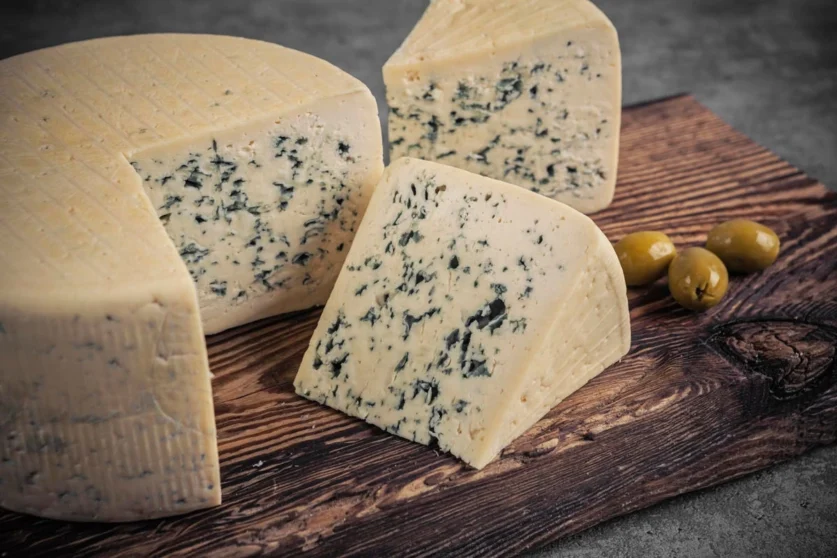
Cheese and wine are a classic pairing that has been enjoyed for centuries. When it comes to selecting the perfect wine to accompany your favorite cheeses, there are a few guidelines to keep in mind.
I had the privilege of sitting down with Marguerite Merritt, the marketing manager and cheese emissary of Rogue Creamery, a renowned cheese producer in the Rogue Valley. We discussed the art of pairing cheese with wine, and Marguerite shared her insights and expertise on the matter.
First and foremost, Marguerite emphasized that there is no one-size-fits-all approach to pairing wine with cheese. However, she did offer some general recommendations. One versatile option is Champagne or other sparkling wines, which pair beautifully with a wide range of cheeses, from Brie to Blue and everything in between.
When it comes to white wines, Marguerite suggests choosing a medium-bodied wine with a moderately fruity profile. Chenin Blanc, a white Rhône blend, or even an unoaked Chardonnay can complement a variety of cheeses. For red wines, Syrah and Oregon Pinot Noir are both known for their versatility.
In terms of pairing guidelines, Marguerite advises matching wines and cheeses of similar weight and intensity. A strong blue cheese, for example, would not pair well with a delicate Sauvignon Blanc. If you have a cheese with powerful flavors, opt for a wine with more body and fruit. On the other hand, if your cheese is subtle and nuanced, a lighter-bodied wine will be a better fit. Marguerite also highlights that contrasting pairings can be successful. For example, an earthy cheese can be beautifully accompanied by a bright and zesty wine with high acidity.
When it comes to the age-old debate of red versus white wine with cheese, Marguerite encourages an open mind. There are no strict rules, and many cheeses can work well with both types of wines. It ultimately comes down to personal preference and experimentation.
The timing of your cheese and wine pairing can also influence the choice of wine. If you’re enjoying a cheese course before dinner, Marguerite suggests white or sparkling wine as a successful pairing. Conversely, if you’re serving cheese alongside or just before dessert, red or fortified dessert wines might be more appropriate.
Accompaniments can play a significant role in enhancing the wine and cheese pairing experience. Marguerite recommends selecting complementary items that don’t overwhelm the flavors of the cheese. Something sweet, like jam, chocolate, or honey, can counterbalance the salt and bitterness of the cheese. Something salty, such as olives or salted chocolate, can accentuate subtle cheese flavors. Something savory, like salami or pate, can provide a fulfilling and fatty component. Crunchy elements like nuts or crackers add texture, while juicy options like olives or fresh fruit cleanse and refresh the palate. When it comes to selecting crackers, Marguerite advises opting for unflavored varieties or baguettes to avoid flavor clashes with the cheese and wine. The crackers should also be able to cleanse the palate between different cheeses.
Finally, we explored the common refrain that blue cheese is challenging to pair with wine due to its strong flavor. While Marguerite agrees that pairing blue cheese can be trickier compared to more subtle options like Manchego or Swiss, she notes that it’s still possible to find suitable matches. More intensely flavored blues may pose a greater challenge, but milder, cave-aged blues can be paired with complimentary wines.
In conclusion, pairing cheese with wine is an art that requires experimentation and an understanding of flavor profiles. While there are no hard and fast rules, following some general guidelines, like matching weights and intensities, can lead to successful combinations. With the right wine and accompaniments, you can elevate your cheese tasting experience to new heights. So, go ahead and explore the vast world of cheese and wine pairings with confidence and curiosity!
Rogue Creamery’s Oregon Blue, a versatile blue cheese, offers an array of wine pairings that cater to both white and red wine lovers. When it comes to blue cheese, experts have always emphasized the importance of selecting a wine with a touch of sweetness. The reason behind this suggestion lies in the fact that the sugar in the wine helps to balance out the inherent bitterness of the blue cheese.
Personally, I have discovered that a Riesling with a subtle hint of residual sugar makes for an exquisite companion to most blue cheeses. The combination of the slight sweetness in the wine and the bold flavors of the cheese create a harmonious taste experience that is simply delightful. However, if Riesling is not your cup of tea, fret not! There are other captivating options to explore.
Viognier and Chenin Blanc, for instance, can also offer splendid pairings with blue cheese. The smoothness of these white wines complements the creamy texture of the cheese while bringing out its distinct flavors. Furthermore, if you prefer red wines, there are a few selections that can equally captivate your palate.
Syrah, Tempranillo, Merlot, and Zinfandel can all be exceptional red wine choices to accompany blue cheese. These wines possess their own unique characteristics that beautifully intertwine with the rich and tangy flavors of the cheese. The result is a remarkable synergy of tastes that will undoubtedly leave you craving for more.
In conclusion, Rogue Creamery’s Oregon Blue is a cheese that truly opens up a world of possibilities when it comes to wine pairings. Whether you lean towards white or red wines, there are various options to explore and discover what works best for your palate. So step out of your comfort zone and embark on a culinary adventure, as the perfect wine and blue cheese combination might just be waiting to surprise and delight you. Cheers to the art of pairing!
Clemens is a big lover of wine.

Title: The Unseen Collaboration Behind Every Sip of Wine
When we think of winemaking, an image of a picturesque vineyard with a sixth-generation family cultivating their grapes may come to mind. However, the reality is that the wine industry is a complex web of collaboration and cooperation, bringing together large wineries, small producers, cooperatives, and négociants. Let’s delve into the world of winemaking and uncover the hidden stories behind each bottle.
In February 2023, Wine Business Monthly shared astonishing statistics about the wine industry in the United States. With a staggering 11,601 wineries, the vast majority are small producers. In fact, 83% of these wineries produce 5,000 cases of wine or less, while 49% produce 1,000 cases or less. On the other end of the spectrum, a mere half of 1% of the total number of wineries accounts for the majority of U.S. wine production.
Gallo, the behemoth of the wine industry, stands out with an annual production of approximately 100 million cases. This single winery alone produces more wine than the combined output of the next four largest U.S. wineries. Gallo’s dominance extends globally as well, contributing more than 3% of worldwide wine production, double the quantity of its closest competitors.
While the U.S. wine industry showcases this unique balance between small producers and large-scale wineries, a similar landscape can be observed in other major wine-producing countries, particularly in Europe. In these regions, co-operatives play a significant role. These co-ops bring together hundreds or even thousands of grape farmers who pool their resources to form larger-scale winemaking operations. They may produce wine under their own labels, collaborate on co-op labels, or combine leftover grapes to create co-op wines. This collaboration allows smaller growers to participate in the winemaking process while alleviating the financial burdens associated with equipment, labor, marketing, and sales.
The concept of négociants adds another layer of complexity to the wine industry. These wine merchants purchase grapes, juice, or finished wines and then vinify, bottle, or label them under their own names. A notable example is Joseph Carr Josh Cellars, a popular U.S. wine that operates as a négociant operation. Such practices ensure a diverse range of wine offerings on the market and provide opportunities for various growers and merchants to contribute to the industry.
However, it is essential to acknowledge that while the idealized image of a family-run vineyard holds true for some wines, it is not representative of the entire industry. Commercial wines like Joseph Carr Josh Cellars Chardonnay 2020, readily available thanks to abundant production and distribution, bring people together in shared enjoyment. Similarly, the Cantine Ermes Epicentro Nero d’Avola Riserva, Sicilia DOC 2016, crafted by a cooperative with an impressive 2,373 members, offers a dense and fruity expression of Sicily’s renowned red grape.
The beauty of the wine industry lies not only in the diversity of flavors and aromas found in each bottle, but also in the collaborative efforts that make it all possible. Behind every sip of wine, there is a network of cooperation, from small-scale growers to co-operatives and négociants. So, the next time you uncork a bottle, take a moment to appreciate the unseen collaboration that brings such pleasure to your palate.
Cheers to the intricate world of winemaking and the connections it fosters!
[Original source: Lubbock Avalanche-Journal – Article by Gus Clemens]
Why do we still categorize wine as Old World or New World?

Why It’s Time to Reconsider Outdated Wine Terms
Whether you’re a wine novice or an expert, chances are you’ve come across the terms “Old World” and “New World” when discussing wines. These terms have long been used to categorize wines based on their geographic origin and style. However, it’s time to question the validity and relevance of this dichotomy in today’s wine landscape.
The traditional definition of “Old World” wines refers to those from Western Europe, with lower alcohol levels and a strong connection to their terroir. On the other hand, “New World” wines are produced anywhere outside of Western Europe and are often characterized by their fruit-forward flavors. This simplistic framework paints a picture of Old-World winemakers using traditional, hands-on methods, while New-World producers rely on modern, scientific techniques.
While this distinction may have been somewhat accurate in the past, it fails to account for the many changes that have shaped the wine industry in recent years. Factors such as climate change, advancements in technology, and international trends have blurred the lines between Old and New World wines, rendering this framework outdated and misleading.
For instance, defining “Old World” based on regions where Ancient Romans planted vines is historically inaccurate. It excludes countries like Greece, which also had a long history of winemaking during that period. Additionally, recent archaeological findings suggest that the world’s first winemaking equipment was discovered in Georgia, a country that is not typically considered part of the Old World.
Dr. D. Christopher Taylor, a wine expert at the University of Houston, argues that these terms are better used as historical references rather than a classification system for wines today. He emphasizes that they no longer accurately describe wine styles in the modern marketplace and can be confusing for new wine consumers.
Instead, it is more relevant to consider the effects of climate change on winemaking and how producers adapt to these challenges. For example, Bordeaux winemakers in France have recently been allowed to use new grape varieties better suited to withstand climate change. This means that your favorite Bordeaux red could now contain not only traditional varieties but also newer ones developed in response to changing conditions.
As global temperatures rise and technology advances, winemakers around the world, including those in the so-called Old World, are adopting new practices to address later harvests and higher alcohol levels. The distinction between Old and New World styles becomes increasingly blurred when winemakers have to embrace technology to produce quality wines in changing climates.
In conclusion, it’s time to move away from the outdated terms of Old World and New World wines. They fail to capture the complexity and diversity of today’s wine industry. Instead, we should focus on the impact of climate change, technological advancements, and international trends to better understand the wines of today. By embracing these new perspectives, we can have more meaningful conversations about wine and appreciate the evolving nature of this ancient beverage.
Adige, Italy, established in 1142. The winemaker explains that temperatures have risen by 4°F in the last 30 years, resulting in the need to harvest grapes two to three weeks earlier than in the 1990s. This change in timing has led to higher sugar levels and alcohol levels in the grapes, impacting the taste of the wine. In addition to climate changes, winemakers also have to consider global marketability. Whether they are perfecting a blend in a modern California winery or sticking to traditional methods in a French valley, they must sell bottles to sustain their business. This means that consumer preferences from around the world have influenced winemaking styles for generations. In the past, winemakers in the Old World began making full-bodied, high-alcohol wines to cater to American wine critic Robert Parker’s preferences and the demands of wealthy American consumers. However, the preferences of global wine drinkers have shifted towards lighter, low-alcohol wines, leading winemakers to adapt their styles accordingly. It is no longer limited to specific regions, as winemakers outside Western Europe are also producing wines that appeal to a global market. Severine Schlumberger suggests moving away from the Old World versus New World classification and instead adopting a farming versus industrial classification. In this system, winemaking methods, rather than location, determine the characteristics and aging potential of the wine. Properly farmed wine can age, while industrially produced wine cannot. While this classification may not be as widely recognized or understood as the traditional classification, it encourages a deeper understanding of winemaking practices. Regina Jackson Jones, a wine shop owner and consultant, acknowledges the limitations of the Old World versus New World terminology. She believes that creating new terminology could make the wine world more accessible to a broader audience. The goal is to encourage more individuals to explore and appreciate wine, rather than intimidating them with complex terminology.
Can we create a more inclusive atmosphere? If we do, adaptation becomes essential. Just as evolution is necessary for the survival of species and the progression of language, so is it for the world of wine. So, if the idea of letting go of the Old versus New World classification makes you apprehensive, even though it has always been flawed, take a moment to reflect. Would you rather hold onto the romanticized past of wine, or would you rather work towards a sustainable and prosperous future?
To stay updated with the latest in Food & Wine, be sure to subscribe to our newsletter! You can also find the original article on Food & Wine’s website.