Wine 1106
The impact of the record heatwaves on Europe’s wine industry is becoming clearer.
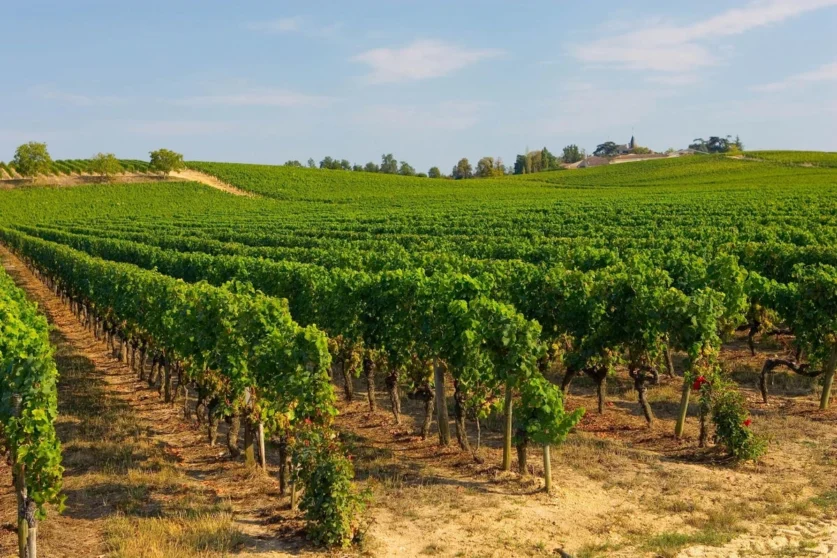
Between extreme heatwaves, heavy rains, and wildfires, winemakers in Europe have faced a series of challenges in recent years. As harvest season approaches and vineyards prepare to yield their grapes, the full extent of these issues is finally coming into focus. And the consequences of their success or failure will reach far beyond their fields.
Mediterranean viticulture, which includes Spain, Italy, France, Portugal, and Greece, accounts for more than half of the world’s wine production and exports. However, this summer’s heatwave took a toll on the region. Sicily and Sardinia experienced temperatures as high as 48.2°C (118°F), causing significant stress on vineyards and widespread wildfires. Sicilian winemakers estimate a potential 40% drop in production for the 2023 harvest due to heavy rain followed by extreme heat.
Filippo Buttafuoco, a viticulture technician at Cantine Settesoli, explains that although the quality of the grapes is excellent, the extreme heat caused a loss of 40% of the upcoming production. However, as temperatures stabilize, some grapes are regaining strength, which may lead to a lower overall drop in production. The Sicilian harvest, the longest in Italy, will begin ten days later than usual this year.
The rest of Italy is also expecting a smaller harvest in 2023 compared to the previous year. The national farming group Coldiretti predicts a decline of around 14% in wine production. Certain areas in central and southern regions could see collapses of up to 50%, while the northern region, responsible for 65% of Italy’s wine production, remains relatively stable despite recent hailstorms and storms.
Greece, who battled soaring temperatures and wildfires in July, is still assessing the damage caused to their vineyards. Heat-related issues have plagued Greek producers in recent years, leading to a 29% decrease in the 2022 harvest. It remains to be seen how this year’s harvest will be affected.
France, recovering from the 2022 wildfires caused by heatwaves, is cautiously optimistic about the 2023 harvest. While heatwaves have caused prolonged droughts, most regions report no other issues with their grapes. The French agriculture ministry expects returns slightly higher than last year’s.
The challenges faced by European winemakers in recent years have had a significant impact on the industry. It is a reminder of how vulnerable agriculture is to extreme weather events and the importance of adapting and managing these risks. As the 2023 harvest approaches, winemakers are hoping for stable conditions and a successful season that can help recover from the setbacks of the past years.
Shifting Dynamics: How Climate Change is Reshaping the Wine Industry
In the ever-evolving world of wine production, a new champion has emerged. France has vaulted ahead of Italy to claim the top spot for wine procurers worldwide. This may come as a surprise to many, considering the traditional dominance of Italian wines. However, the shift in power is not without reason.
Located on the Iberian Peninsula, Spain and Portugal are two formidable wine-making powerhouses with contrasting tales to tell. While both countries share a rich history and passion for winemaking, their recent experiences diverge significantly.
Nestled next to the Atlantic, smaller Portugal has managed to largely avoid the devastation inflicted by this summer’s scorching heatwaves. Wine-growing regions in Portugal experienced average high temperatures, with no major anomalies. Experts attribute this fortunate circumstance to the Azores anticyclone effect. Acting as a protective shield against heatwaves, this atmospheric phenomenon has shielded Portuguese vineyards from extreme weather conditions. As a result, Portugal’s wine production remains stable.
In stark contrast, Spain has faced a different story altogether. The country has grappled with reduced rainfall and above-average temperatures since spring, according to the European Commission. These rising temperatures have accelerated the maturation process of grapes, prompting Spanish winemakers to plan early harvests. The Spanish Wine Federation predicts that this year’s harvest may commence seven to ten days earlier than usual. In the Castilla-La Mancha region, Spain’s largest, the Cooperative Agro-Alimentarias anticipates a 10% decline in wine production for 2023 due to drought and heat.
Zooming out to the broader southern Mediterranean region, we find a mixed bag of outcomes. While Spain and Italy, two of the world’s largest wine producers, project declines in their harvests, France is optimistic about surpassing its previous year’s production. The effects of widespread heatwaves have been felt differently across these countries, leading to variations in their wine production outlooks.
Amidst these shifting dynamics, one underlying message prevails: quality remains a priority. Despite potential decreases in quantity, vintners across Europe are continuously adapting and innovating to maintain the high standards of their wines. As climate-related challenges loom large on the horizon, the wine industry faces the necessity of constant adaptation to ensure its long-term viability.
The story of France surpassing Italy as the leading wine procurer is not simply about numbers; it reflects the ongoing impact of climate change on the industry. As temperatures rise and natural resources become scarce, winemakers must navigate these new realities to preserve the essence of their craft. The ability to adapt and innovate will determine their success in an increasingly challenging environment.
In conclusion, the traditional power dynamics of the wine industry are being reshaped as climate change takes center stage. Portugal revels in its resilience against heatwaves, while Spain grapples with drought and high temperatures. Italy faces declines in wine production, while France surges ahead. The changing landscape serves as a stark reminder that the world of wine is not immune to the far-reaching effects of climate change. The industry must forge ahead, embracing new techniques and practices, to weather the storm and ensure the continued excellence of its offerings.
A famous wine expert had a sponsor drop them after a YouTuber made threats towards them.

Sponsorship Revoked: Tana Mongeau Faces Consequences for Controversial Rant
In a shocking turn of events, YouTube influencer Tana Mongeau finds herself at the center of another scandal. This time, her sponsorship with e-learning platform Babbel has been revoked following her highly controversial episode on her Cancelled YouTube series.
During the episode released on August 6th, Mongeau unleashed a tirade against an international wine expert, Cynthia Coutu, after a supposedly disappointing wine tour experience in France. Mongeau expressed her frustration at not being informed about the need to walk during the tour and being denied wine, among other grievances.
The situation took a dark turn when Mongeau boldly stated, “I literally, I absolutely want her dead. At the hands of me.” It goes without saying that such a statement is not only shocking but also deeply problematic.
However, Coutu quickly refuted many of Mongeau’s claims, casting doubt on the veracity of her complaints. And it seems that Babbel, too, has had enough. The e-learning platform decided to sever ties with Mongeau after she made a highly inappropriate comment about Coutu during a sponsored ad.
Mongeau’s ill-fated decision to incorporate offensive language into the ad, saying, “And with Babbel I could have told Cynthia the wine tour lady to shut the [expletive] up in her native language,” completely diverges from the values and principles that Babbel espouses.
Speaking to NBC News, Babbel stated, “This absolutely does not align with Babbel’s company values. Highlighted here, Tana is obviously not a person who understands or celebrates the differences in cultures, and we regret being in any way associated with her.”
It is clear that the consequences of Mongeau’s actions have caught up with her once again. The revocation of her sponsorship with Babbel serves as a stark reminder that such reckless behavior not only damages her own reputation but also affects her partnerships in the professional sphere.
Mongeau’s platform as a YouTuber and influencer grants her a significant level of responsibility. It is essential for public figures to exercise caution and sensitivity before expressing their opinions, particularly when it comes to cultural differences and potentially harmful language.
While controversy may attract attention and fuel online discussions, it is crucial for individuals with influence to recognize the impact of their words and actions. Tana Mongeau’s recent ordeal should serve as a cautionary tale for other influencers, urging them to prioritize empathy, understanding, and cultural appreciation.
Ultimately, this incident forces us to reflect on the consequences of our behavior, both online and offline. It reminds us that words have power and that we must be mindful of the impact they can have. As we move forward, let us hope for a more responsible and compassionate influencer culture that promotes unity rather than division.
According to experts, here are the top 9 wine glasses in 2023.
Enhancing Your Wine Drinking Experience: The Importance of the Right Wine Glass
When it comes to enjoying a glass of wine, the vessel you choose can make a difference in your overall experience. While sipping from a red Solo cup may be acceptable on certain occasions, it may not be the best choice when hosting a gathering with grown adults. So, if you’re looking to level up your stemware, you might be wondering, “Do wine glasses really matter?”
The answer is a resounding yes. The right wine glass can elevate your drinking experience, even if you’re sipping on an inexpensive bottle. On the other hand, the wrong glass can diminish the brilliance of a great wine. So, whether you’re in search of the best red wine glasses, white wine glasses, or something more versatile, we’ve got you covered.
Several factors set the best wine glasses apart, including their shape, size, and thinness. These elements can greatly affect how your senses perceive the wine, making it a matter of science. Additionally, other factors like the material and weight of the glass, as well as the length of the stem, can also impact your enjoyment of the wine.
To help you find the perfect wine glass, we’ve reached out to top sommeliers across the country for their expert opinions. According to Aldo Sohm, wine director at Le Bernardin restaurant and Aldo Sohm Wine Bar in New York City, drinking wine from a superior glass is like listening to music on an advanced speaker system rather than an inherited relic. No matter how exceptional your wine is, you may not be able to fully appreciate its nuances if it’s poured into the wrong glass.
So, what are some recommended options? One option is a set of all-purpose glasses made with patented Tritan crystal. These glasses combine durability and elegance, all at an affordable price of around $16 per glass. Sommelier Braithe Tidwell of Brennan’s in New Orleans praises these glasses for their longer stem, which enhances their appearance on the table. The taller bowl allows for the full bouquet of the wine to be appreciated, and the sturdy stem makes it easier to polish.
If you’re looking for an economical option, a set of six glasses for red and white wines is available for just $3.67 per glass. This collection is perfect for large gatherings, where you want to provide “real glasses” without breaking the bank. However, keep in mind that replacements are only available by purchasing an entire set.
For those who prefer white wines, a set of two crystal glasses is designed to enhance the drinking experience of Zinfandel, Riesling, and Chianti. The narrower bowl and smaller opening concentrate the aromas, making each sip more enjoyable. Although these glasses are a bit pricier, at around $30 per glass, their dimensions make them ideal for those with limited storage space.
Lastly, an elegant and affordable glass that works well for all kinds of red wine, including natural wines, is available for purchase individually. Aptly named “Nattie,” this glass is not only durable but also easily replaceable if one should break.
In conclusion, the right wine glass can significantly enhance your wine drinking experience. You deserve to enjoy your vino to the fullest, whether it’s a bottle of sparkling wine or the trendiest natural wine. So, consider investing in stemware that complements the flavors and aromas of your favorite wines. Cheers to finding the perfect glass for your next wine tasting!
As a lover of wine, finding the perfect glass to enhance the experience of drinking is not always an easy task. With so many options available, it can be overwhelming to choose the right one. Thankfully, there are numerous glassware options on the market that cater to different preferences and needs. In this blog post, we will explore five different types of wine glasses, all with their own unique qualities and benefits.
First on the list is the Nattie Red Wine Glass. This glass may look fragile, but it is surprisingly durable, thanks to its lead-free crystal composition. The thin rim of the glass allows the wine to seamlessly travel to the palate, enhancing the tasting experience. The tulip-shaped bowl with sloped sides is designed to optimize the aromas and flavors of various wines, from delicate whites to bold reds. While the shape may not suit everyone’s tastes, the Nattie Red Wine Glass is an affordable option, priced at around $5 per glass.
If you’re looking for a more aesthetic upgrade, the Riedel Veloce Stemware Collection is worth considering. This collection features a stunning design with a skinny stem, making it ideal for special occasions. Each glass is specifically designed to bring out the best aromas and tastes of different wine varietals. The angular design, lighter weight, and finer bowl are some of its standout features. Priced at around $34 per glass, it’s a slightly higher investment, but one that may be worthwhile for those who appreciate the artistry of wine.
For those who have experienced the frustration of accidentally knocking over their wine glasses, stemless glasses are a practical solution. The stemless glasses from Schott Zwiesel offer durability without compromising style. These glasses are sturdy enough to withstand accidents and can also double as rocks glasses for other cocktails. Priced at around $10 per glass, they offer versatility and longevity.
If you prefer to enjoy your wine outdoors or in more casual settings, plastic wine glasses can be a great option. The stemless design from Vivocci is not only unbreakable but also reusable, making it a sustainable choice. These glasses are perfect for picnics, pool parties, or patio gatherings. While they may not have the same elegance as glass, they are a practical and affordable option, priced at around $7 per glass.
Finally, for those who appreciate the finer things in life and are willing to splurge, the hand-blown crystal glass is a perfect choice. These glasses are known for their super thin and light construction, providing an unparalleled wine drinking experience. They are designed to bring out the best in a wide range of wines, and their exquisite craftsmanship makes them an ideal gift for any wine lover. However, priced at around $180 per glass, they are indeed a luxury investment.
In conclusion, finding the right wine glass is a personal choice that depends on individual preferences and needs. Whether it’s durability, aesthetics, versatility, or luxury, there is a wine glass out there to suit everyone. So, cheers to finding the perfect glass to elevate your wine drinking experience!
When it comes to choosing the perfect wine glass, there are several factors to consider. In order to compile this list, we conducted extensive research and relied on our own in-house testing. We compared over 50 different glasses, evaluating factors such as durability, thickness, stem length, height, price, and material.
One of the most important factors when choosing a wine glass is the thickness of the glass. Thin glasses have a more seamless drinking experience, allowing the focus to be on the wine itself. Crystal glasses tend to be the thinnest, as their mineral content makes them more malleable and resilient.
Durability is another key factor to consider. Glasses with a sturdy stem and a good base are preferred, as they can withstand dishwashing and being knocked around. It’s important to choose a glass with a little weight to it, especially for dining tables in restaurants.
The length of the stem is also important for functionality. A longer stem creates a physical distance between the bowl of the glass and your hand, preventing the wine from warming too quickly. However, it’s important to find a stem length that is easy to grasp and not too fragile.
The height of the glass is also a practical consideration. It’s important to ensure that the glass will fit in your cabinet and on your shelves. There’s nothing worse than purchasing a beautiful set of stemware only to find out that it’s too tall for your storage space.
Price is another factor that should be considered. While there are affordable options available, it’s important to find a glass that fits within your budget. It’s not necessary to purchase the most expensive glass, as enjoyment of wine can come from a variety of different glasses.
Finally, the material of the glass is an important consideration. Plastic glasses are shatterproof and ideal for outdoor drinking, but they don’t enhance the wine drinking experience. Glass wine glasses, on the other hand, are durable and accessible. Crystal glasses, particularly those that are machine-blown, have a finer quality and enhance the wine drinking experience with their refractive properties.
In conclusion, there are several important factors to consider when choosing a wine glass. By considering elements such as thickness, durability, stem length, height, price, and material, you can find the perfect glass to enhance your wine drinking experience. So go ahead and raise a glass to good taste!
A Guide to Choosing the Perfect Wine Glass
When it comes to wine, the glass you choose to drink it from can have a significant impact on your overall tasting experience. There are various types of wine glasses available on the market, each designed to enhance the unique characteristics of different wines. In this guide, we’ll explore the different types of wine glasses and the specific wines they are best suited for.
Firstly, let’s discuss machine-blown glasses. These glasses are a more affordable choice compared to their hand-blown counterparts. They are able to be spun very thin, achieving that coveted thin rim found in the best wine glasses, while still maintaining durability. However, machine-blown glasses do have a “factory-made” look.
On the other hand, hand-blown crystal glasses are made one at a time by skilled artisans, hence their steep price tag. These glasses have an ethereal look and unmatched sparkle, with graceful lines that reveal the artistry involved. Hand-blown crystal wine glasses are prized by many wine experts for their lightweight and super thin construction, which enhances the wine drinking experience. However, these delicate features also make them more fragile compared to machine-blown alternatives.
When it comes to the shape of the glass, there are two main types: one for red wines and one for white. While it is technically possible to use one type of wine glass for all wines, certain shapes do enhance specific varieties and make a difference in the tasting experience.
Red wine glasses typically have a more capacious bowl with a larger opening than those designed for white wine. The larger bowls in red wine glasses help to aerate the wine, allowing the flavors to open up and reveal themselves. On the other hand, white wine glasses tend to have a smaller bowl as they do not require as much aeration as their red counterparts.
Let’s take a look at some specific types of wine glasses:
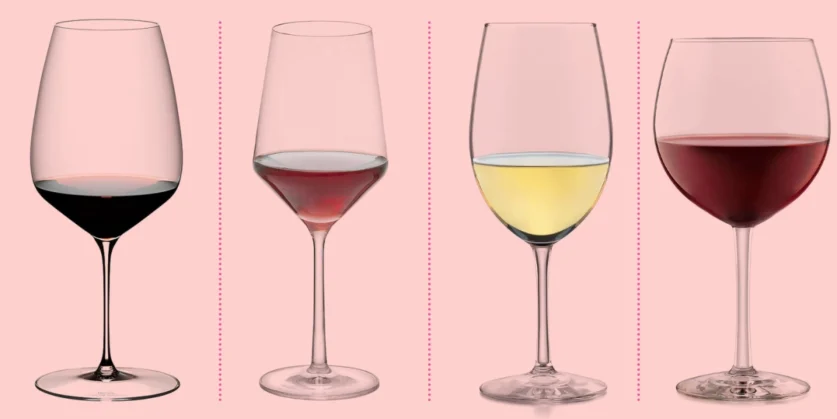
1. Burgundy (Pinot Noir) glass: This classic glass has a distinctive balloon-shaped bowl that tapers at the top. The shape is designed to capture the lovely aromas of a red Burgundy (Pinot Noir) wine. The tapering of the glass channels the wine to hit the tip of your tongue and then disperse it to the sides, balancing the fruitiness with the acidity characteristic of Pinot Noir.
2. Bordeaux (Cabernet) glass: This glass is specifically designed for Bordeaux wines, predominantly Cabernet Sauvignon and/or Merlot. The Bordeaux glass is less bulbous and tapered than the Burgundy glass, allowing more oxygen to aerate the wine inside. This aeration is crucial for Bordeaux and Bordeaux-style wines, which tend to be high in tannin and alcohol. The taller bowl provides more room at the top for swirling and decanting, softening the tannins, and evenly delivering the wine across your tongue.
3. White wine glass: While this category could be further divided by varietal (Chardonnay, Sauvignon Blanc, Riesling, etc.), the general idea is that white wine glasses tend to be smaller than red wine glasses. The shorter bowl brings the wine closer to the nose, allowing for the detection of more subtle aromas, such as delicate floral notes. White wine glasses also have longer stems than their red counterparts, keeping the hand further away from the bowl and preventing the wine from being warmed by body heat.
4. Champagne flute: The narrow shape of a flute captures the bubbles of sparkling wine and helps maintain the signature effervescence. However, one downside of the flute is that it doesn’t allow for swirling and can mute the aromas. Many wine experts recommend using a white wine glass for Champagne instead. A white wine glass allows you to pick up on all the different aromas and flavors of the Champagne. Some people are attached to Champagne flutes for their celebratory and elegant look, but many experts prefer a more versatile glass.
While having a different glass for each varietal may seem ideal, it is not feasible for most homes, nor is it necessarily required. Many wine experts adopt a more minimalist approach, selecting versatile glasses that can work well with a variety of wines. It’s all about finding a balance between functionality, aesthetics, and personal preferences.
In conclusion, choosing the right wine glass can greatly enhance your enjoyment of wine. Whether you opt for machine-blown or hand-blown crystal, understanding the specific characteristics of different glasses and their compatibility with various wines can elevate your tasting experience. So take your time, experiment, and find the glass that suits your preferences and the wines you enjoy. Cheers!
**Why You Only Need a Few Types of Wine Glasses**
When it comes to hosting a dinner party or simply enjoying a glass of wine at home, the type of glass you use may not be top of mind. However, according to wine experts like Aldo Sohm, the right glass can truly enhance your experience with wine.
While it may seem excessive to have a whole assortment of wine glasses for different varietals, Sohm believes that you only need a few key pieces to cover all your bases. He recommends having Bordeaux, Burgundy, white wine glasses, and perhaps a set of Champagne flutes if you’re a sparkling wine lover. Alternatively, you can opt for a “universal” wine glass that is suitable for all types of wine.
Sohm’s approach to simplifying your wine glass collection is similar to the decluttering advice often given for wardrobes. Take a year to observe which glass shapes you use most often. If you find yourself reaching for just a handful of glasses, then that is likely all you need.
Consider your wine preferences when choosing glassware. If you primarily drink reds, then investing in Bordeaux and Burgundy glasses will enhance the aromas and flavors of those wines. Conversely, white wine enthusiasts should opt for a glass designed specifically for that varietal.
While the price of glassware can vary, Sohm believes that investing in high-quality wine glasses is worth it. He points out that people have no problem spending a significant amount on a bottle of wine, but hesitate to invest in a good glass. To prove his point, Sohm has even conducted blind tastings at his wine bar. Guests who unknowingly try the same wine in different glasses often express a preference for the wine served in the more expensive glass. This demonstrates the impact that glassware can have on the overall wine-drinking experience.
Susan Choung, a recipe editor for Good Housekeeping, agrees with Sohm’s perspective. Choung’s previous experience working in a wine shop in Brooklyn has exposed her to the importance of glassware. She believes that having the right glass can elevate the enjoyment of wine, just like how a beer tastes different when served in a proper beer mug.
In conclusion, while it may be tempting to have a wide variety of wine glasses for different varietals, it is not necessary. Investing in a few key glasses that suit your wine preferences is a more practical approach. By doing so, you can enhance your wine-drinking experience and fully appreciate the nuances of each bottle. So the next time you raise a glass of wine, make sure it’s in the right glass. Cheers!
Sommeliers provide recommendations on how long you should save a bottle of wine.
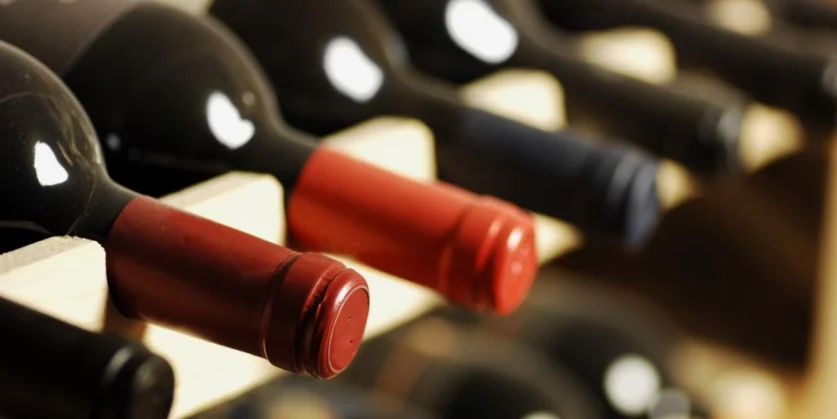
In the world of wine, there is a common association between age and value, much like vintage jewelry and home decor. We often hear the adage, “It’s aging like a fine wine.” However, this belief is not entirely accurate. Not all wines age gracefully; in fact, very few do. Sam Tuttle, the wine director at Oak Park in Des Moines, Iowa, acknowledges this reality and explains that the ability for a wine to improve with age is rare.
Tuttle oversees a 7,000-bottle wine cellar, so he is well-versed in the art of aging wine. He explains that while some wines can improve over time, it is not the norm. Most organic matter tends to slow down and lose its appeal as it ages, and wine is no exception. So, what wines do age well? How can we determine the ideal time to drink or sell a wine we choose to age? And how should we store wine properly whether we plan to consume it next week or next decade?
James Couty, the food and beverage manager at Pendry Chicago and Chateau Carbide in Chicago, Illinois, confirms that only one bottle in every 100 available is meant to be saved for more than 12 months on average. While drinking cellared wine may be romanticized in movies and television, the reality is that 99% of wines are meant to be enjoyed within a year of purchase. Most wines are at their best when consumed young and fresh, showcasing their fruity and exciting qualities.
However, there are wines that are meant to age, but these are typically aged by the wineries themselves before being released. Producers invest time and effort into storing and overseeing these wines, so they often market them as age-worthy or old wines. According to Amy Mundwiler, the national wine director of Maple Hospitality Group, wineries won’t release a wine if it isn’t ready to be enjoyed. However, there are wines with recommended drinking windows that start a few years after their release, which collectors eagerly anticipate.
But what distinguishes an age-worthy wine from the rest? Tuttle suggests that price can be a good indicator, especially for beginners. Wines under $25 retail are unlikely to have much aging potential, while wines that are $100 or more are more likely to age well. However, it’s not solely about money. Some grapes and regions are known for producing age-worthy wines due to their structural elements. These include tannins, which can come from oak barrels or the grape skins red wines are fermented alongside. Wines rich in tannins tend to age better as they become rounder and more pleasant over time. Acidity is another crucial factor, as it helps preserve the wine and contributes to its longevity. Sweet wines with high sugar content can also age well.
Ultimately, wine aging is a complex and nuanced process. It requires a careful balance of structural elements and proper storage conditions. While the association between age and value exists in both vintage jewelry and wine, it’s important to remember that not all wines age gracefully. So, if you have a bottle in your wine collection that you’ve been saving for a special occasion, go ahead and uncork it. Enjoy it now, as the vast majority of wines are meant to be savored in their youthful state.
Making a Wine Cellar-Worthy: A Guide to Aging Wines
When it comes to aging wines, there are a few key factors to consider in order to make sure you have a bottle worthy of your wine cellar. According to Katherine Sturgill, a certified sommelier, the structure of the wine plays a crucial role in its aging potential. Wines with searing acid or astringent tannins tend to age well as they have time to mellow and integrate into the wine without losing their balance.
However, it’s not just the structure of the wine that determines its aging potential. The reputation of the region or producer, as well as the grape(s) used, also play a significant role. For those seeking age-worthy wines, Bordeaux, Burgundy, Piedmont, Tuscany, Rioja, Mosel, and Napa are known for producing wines that stand the test of time.
But even the most age-worthy grapes can be affected by extreme weather conditions. Mother Nature always plays a role in the aging process, which is why vintage knowledge is crucial when selecting wines to age. Great vintages usually lead to great ageability, so it’s essential to consider the weather conditions during the harvest when choosing a wine to cellar.
Determining the right time to drink a particular wine can be challenging, as it depends on various factors. Personal preference, weather conditions, the structural elements of the wine, and storage conditions all come into play. To get an idea of when to drink a specific wine, look for a “drink through” date on the producer’s website. If that information is not available, don’t hesitate to reach out to the producer for their recommendations.
As a general guideline, most white wines are at their prime within 5 years of bottling. Thin-skinned red grapes are best consumed within 5 to 7 years, while thicker-skinned red grapes can be enjoyed with 5 to 10 years of age. However, even the most cellar-worthy wines are not recommended to be aged beyond 20 years.
If you have multiple bottles of the same wine, consider tasting them at different stages of aging to understand how the wine evolves over time. This will help you determine your preferences and avoid aging the wine beyond its prime.
Ultimately, the decision of when to drink a wine comes down to personal taste. If you prefer fresh fruit flavors, it’s best to open the bottle sooner rather than later. And if you enjoy the bright bubbles of Champagne, it’s recommended to enjoy it while it’s younger.
If you’re looking to add age-worthy wines to your collection, it’s best to consult with your local wine shop. They can provide guidance and recommendations based on their expertise, increasing your chances of making a sound investment.
Finding that rare bottle that has aged beautifully for 50 years is the ultimate goal for many wine enthusiasts. While it may be challenging to come across such bottles, the joy of the hunt can be part of the experience. Lisa suggests buying a six-pack of a potential age-worthy wine so you can try it at different ages and determine its aging potential.
Finally, storing the wine properly is crucial to ensure it ages gracefully. Keep the wine in a cool, dark place away from vibrations and maintain a consistent temperature as close to 55 degrees F as possible. Investing in a wine fridge can provide the ideal storage conditions for aging wines.
In conclusion, aging wines is a complex process that requires careful consideration of various factors. By understanding the structure of the wine, considering the reputation of the region and producer, taking into account vintage variations, and ensuring proper storage, you can create a wine cellar filled with bottles worthy of aging. So, start your collection, explore different bottles, and enjoy the journey of discovering the beauty of aged wines.
After unlawfully aging 2,000 bottles of wine on the ocean floor, a Californian wine company was obliged to dispose of them.
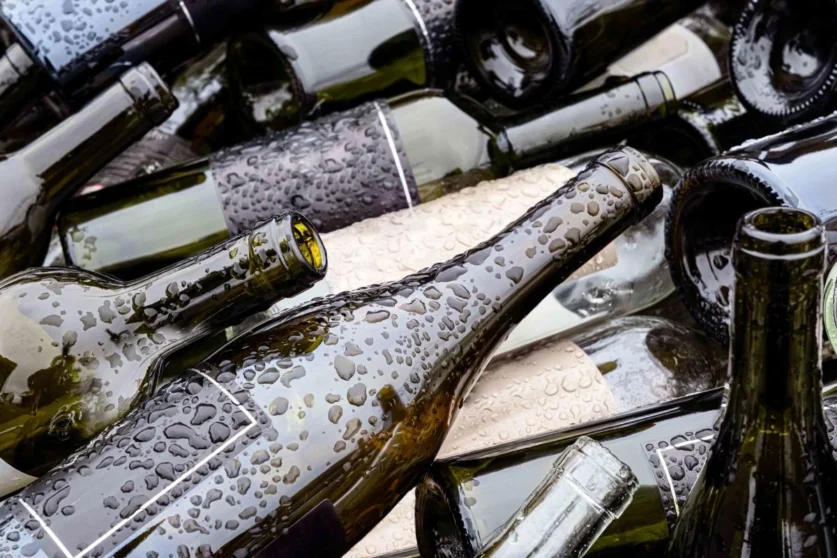
Officials have deemed the wine produced by Ocean Fathoms as “not fit for human consumption.” The California wine company claimed that the Santa Barbara channel provided the perfect environment for ageing its wines, boasting about the unique characteristics of the Channel Islands’ environment and the abundance of underwater flora and fauna that attached themselves to each bottle. In 2017, Ocean Fathoms started submerging specially designed crates of its wine in the channel, retrieving them after 12 months and selling them for up to $500 each. However, the company did not obtain the necessary permits from the California Coastal Commission or the U.S. Army Corps of Engineers, rendering their actions illegal.
Not only did Ocean Fathoms lack the required permits, but they also sold their wine without a business license and an ABC alcohol sales permit. Additionally, the company collected taxes from each purchase but failed to pay the required taxes to the state. The U.S. Food and Drug Administration (FDA) deemed the wine “adulterated and not fit for human consumption.” Consequently, the Bureau of Alcoholic Beverages Control seized approximately 2,000 bottles of wine from Ocean Fathoms and destroyed them at a wastewater treatment plant in Santa Barbara. The glass bottles adorned with underwater flora and fauna were taken to a recycling center.
Ocean Fathom’s founders, Emanuele Azzaretto and Todd Hahn, reached a plea agreement to resolve the legal consequences. They pleaded guilty to three misdemeanors, including illegally discharging material into U.S. waters, selling alcohol without a license, and aiding and abetting investor fraud. As part of the agreement, they were required to pay $50,000 in restitution to an investor.
Santa Barbara County District Attorney John T. Savrnoch highlighted the complete disregard for consumer and environmental laws displayed by the individuals involved. The case involved multiple violations, leading to investigations by five state and local agencies. Savrnoch emphasized the importance of collaboration between different agencies and the commitment to holding companies and individuals accountable for violating consumer and environmental laws.
Despite the legal repercussions, Todd Hahn remains hopeful that Ocean Fathoms can make a comeback. He stated that the demand for their wine has never been higher, and with the proper permits, they could continue ageing their wines in the ocean. Hahn also mentioned the allure of Santa Barbara as a day trip destination. The perfect environment, as they had believed it to be, awaits their return.
To conclude, the story of Ocean Fathoms’ illegal wine production highlights the consequences of disregarding permits and licenses required by regulatory authorities. It serves as a reminder of the importance of accountability and the enforcement of consumer and environmental laws. The hope for a future comeback reflects the passion and determination of individuals in the wine industry.
The Petaluma Gap Wine Region in Sonoma County is greatly admired by sommeliers.
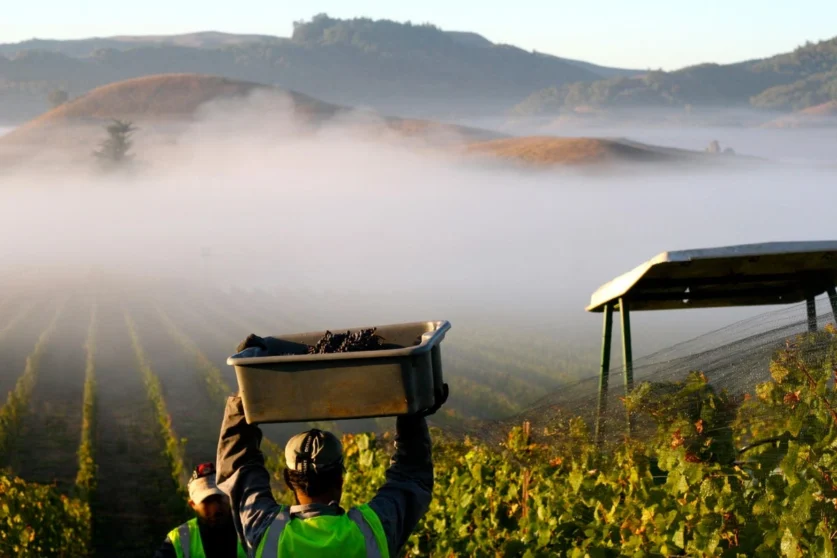
Grape Harvest in the Foggy and Windy Petaluma Gap Wine Region
When it comes to unique wine regions, Sonoma County, California takes the cake with the Petaluma Gap GPS – the first wine appellation in the world based on wind patterns. This area earned its name due to the peculiar gap in the coastal mountains along the cold and wild section of the Pacific Ocean. The gap allows for the cool wind and fog to sweep inland towards the charming town of Petaluma, thus making it one of the windiest and foggiest places for growing wine grapes in the entire United States.
Tonya Pitts, Sommelier and Wine Director at One Market Restaurant in San Francisco, vividly recalls her visit to the Petaluma Gap. “I stood on top of a hillside and the wind was so strong that it was whipping the vines from side to side,” she said during an online interview. Surprisingly, it is this very wind, combined with the cooling fog, that creates the perfect conditions for growing chardonnay, pinot noir, and cool-climate syrah grapes in the Petaluma Gap. The wind causes the grape skins to thicken, resulting in more concentrated fruit flavors, tannins, and a beautiful layered texture in the wines. Simultaneously, the cooler climate and fog maintain the wines’ bright acidity and freshness.
Thanks to these unique factors, the wines from the Petaluma Gap AVA have not only distinctive flavors but are also exceptionally food-friendly. Celebrated by both wine enthusiasts and sommeliers, these Gap wines pair harmoniously with various cuisines and ingredients. To explore the opinions of notable sommeliers on Petaluma Gap wines and food pairing tips, I had the opportunity to interview six experts in the field.
Each of the consulted sommeliers had experienced tasting Petaluma Gap wines by either visiting the region or receiving wine samples. Among the six sommeliers, a unanimous star of the Petaluma Gap was pinot noir, and they all shared their impressions and recommended food pairings for this grape variety.
Master Sommelier David Glancy raved about the pinot noir’s mouthwatering acidity and suggested pairing it with seared duck breast with pomegranate reduction. Eumi Lee from Florida agreed, describing the pinots as possessing masculinity and elegance. She recommended pairing them with uni sushi, emphasizing that seafood and red wine pairings should no longer be overlooked. Tonya Pitts joined the seafood pairing camp, suggesting roasted stuffed sardines with tomato, zucchini, green olive, and parsley as her favorite pairing for Petaluma Gap wines.
Andrea Morris from New York highlighted the freshness and intensity of flavor found in Petaluma Gap pinot noirs. She recommended pairing them with savory dishes that include a sweet element, such as duck with cherries, emphasizing the wine’s ripe fruit and signature acidity. Devon Jesse from Arizona praised the elevated tannin structure of the pinot noirs and suggested pairing them with dishes like dry-aged duck breast with huitlacoche tamale and mulberries, complementing the wine’s fruitiness and richness. Chris Sawyer, a local to Petaluma, also favored pairing Petaluma Gap wines with duck breast, suggesting roasted Liberty duck with pomegranate au jus.
While pinot noir dominates the Petaluma Gap, two other grape varieties also thrive in this region: chardonnay and cool-climate syrah. Devon Jesse and Eumi Lee commented on these varietals, praising their unique qualities that stem from the Petaluma Gap’s wind and fog. With their fresh perspectives and diverse wine experiences, these sommeliers shared valuable insights into the exciting world of Petaluma Gap wines.
In conclusion, the Petaluma Gap in Sonoma County, California, is much more than just a windy and foggy region. It is a wine paradise that embraces the forces of nature, resulting in exceptional wines that captivate both the palate and the imagination. So the next time you’re looking for a wine that pairs effortlessly with a range of dishes, turn your attention to the Petaluma Gap and be prepared to be whisked away on a gust of wind and flavor.
The Petaluma Gap, located just 30 miles north of San Francisco, is a wine region that is gaining recognition for its unique and distinct wines. The Gap, as it is known, is characterized by its cool and foggy climate, which creates ideal growing conditions for chardonnay and syrah grapes.
Recently, a group of expert sommeliers from around the nation gathered to taste and evaluate the wines produced in the Petaluma Gap. Their opinions shed light on the distinctiveness of these two varieties in the region.
Devon Jesse noted that many of the chardonnay producers in the Petaluma Gap utilize minimal new French oak in their winemaking process. This approach allows the fresh and savory aromas of true chardonnay to shine through. The result is a creamy and ripe wine on the nose, but with a Chablis-like palate.
On the other hand, the syrahs in the Petaluma Gap display dark fruit characteristics. The cooler climate, influenced by the coastal fog, adds flavors and aromas of black pepper and cured meat to these wines. Eumi Lee described the syrahs as sultry and sexy, with a twang of acidity that seduces the palate. These wines strike a balance between power and elegance, and exhibit hints of spearmint, dill, and fennel.
According to Chris Sawyer, wines produced in the Petaluma Gap are the Goldilocks of California viticulture. They offer a unique combination of young energetic flavors that evolve into deeper, richer flavors with true vintage characteristics as they mature.
The sommeliers had the opportunity to attend the annual ‘Wind to Wine Festival’ held in the Petaluma Gap. This event showcased the wines of around 30 wineries in the region, allowing wine enthusiasts to sample the diverse offerings. Local food vendors, such as Point Reyes Cheese Company and Bert’s Dessert, provided delicious food pairings, while classical guitarist Mark Taylor provided the perfect ambiance.
It is worth noting that although there are around 20 wineries in the Petaluma Gap, many others source their grapes from this region to produce award-winning wines. With its proximity to San Francisco and its unique climate, the Petaluma Gap has established itself as a prominent wine region.
As a resident of the Petaluma Gap, it was fascinating to gain insight into the opinions of these expert sommeliers from across the nation. Their observations highlight the distinctiveness and quality of the wines produced in this region. Whether you prefer a creamy chardonnay or a sultry syrah, the Petaluma Gap has something to offer every wine lover.
The manufacturer of Penfolds claims that a less expensive wine could experience a rapid return in China.
Bloomberg Surveillance: Early Edition with Anna Edwards, Matt Miller & Kailey Leinz starts the day with a live broadcast from London, Berlin, and New York, providing essential insights on global markets and the top business stories of the day. Meanwhile, Bloomberg Daybreak, anchored from New York, Boston, Washington DC, and San Francisco, offers listeners a comprehensive update on the latest economic, business, and market news, as well as global, national, and local news.
Innovation in the field of technology, software, engineering, and science doesn’t only happen in Silicon Valley. Ashlee Vance explores these innovations in various locations worldwide.
Unfortunately, retail giant Target has been experiencing continued difficulties. Their struggles are worsening, and it seems like there is no end in sight for their challenges.
Emerging markets are in need of a substantial stimulus to drive growth, especially since losses are increasing.
On a positive note, South Africa’s jobless rate has fallen to its lowest level in two years. This is a welcome development for the country’s economy.
In Germany, the investor outlook is improving, although some struggles still persist.
The strong Franc is causing problems for companies like Shoemaker On, which is backed by Roger Federer. Sales growth is being weighed down due to the unfavorable currency exchange rates.
The oil market is steadily pushing towards $90, with the boost coming from physical markets all over.
Beijing is attempting to regulate China’s AI sector without stifling its growth potential. Striking the right balance is crucial for the country’s technological advancement.
Tesla has recently launched new base models of its Model S and Model X at a reduced price of $10,000. This move aims to make their electric vehicles more accessible to a wider consumer base.
In an effort to transition away from gas-powered rides, Ola is now offering e-motorbikes and cheap e-scooters as alternative transportation options.
Hackers have found a way to trick AI systems using “bad math” to expose flaws and biases. This highlights the ongoing challenges in AI development and highlights the need for rigorous testing and improvement.
Google’s Waymo and Cruise have received clearance to expand their robotaxi services in San Francisco. This represents a significant step forward in autonomous vehicle technology.
Alibaba’s chief executive has warned of potential constraints as China focuses on training AI. The rapid development of this sector necessitates careful consideration of potential limitations.
The winner of Thailand’s election has ruled out support for a property tycoon’s bid for prime minister. This decision indicates a commitment to independent governance and fair competition.
Italy’s Deputy Prime Minister Tajani reportedly seeks changes to bank tax, which could have significant implications for the country’s financial sector.
Global household wealth has experienced a drop for the first time since the 2008 financial crisis. This underscores the fragility of the global economy and the need for continued vigilance.
Despite calls to get rid of them, Europe’s golden visa programs are booming. This raises concerns about the potential for abuse and the need for stricter regulations.
Ares, a private equity firm, is considering loosening its ties to Crystal Palace to focus on Chelsea. This reevaluation reflects the ever-changing dynamics of the sports industry.
Hollywood studios are offering writers a new deal in response to demands pushed by Netflix. This move signifies the increasing influence of streaming platforms in the entertainment industry.
Donald Trump’s ownership of the GOP and its future is a topic of much discussion and debate. The current state of American politics is heavily influenced by the actions and decisions of the president.
The departing Alexa boss at Amazon never found the reason behind the voice assistant’s success. Sometimes, even within the tech industry, certain phenomena remain elusive.
Taiwan’s upcoming election is centered around the issue of war and the country’s relationship with China. The outcome of this election could have significant geopolitical implications.
Private equity firms are taking a cautious approach to selling their holdings amidst higher interest rates. This reflects a sense of uncertainty and the need to carefully navigate the evolving financial landscape.
Next week, NYC’s Randall’s Island migrant facility is set to open. This underscores the ongoing challenges and complexities surrounding immigration policy.
Two Danny Meyer restaurants in NYC will close their doors as their spaces will be repurposed as migrant shelters. This decision reflects the urgent need to address the immigration crisis.
Can Sweden’s visionary wood city outrun its real estate crisis? A unique approach to urban development is being tested in Sweden, with the aim of creating sustainable and affordable housing solutions.
Gabon has successfully completed a $500 million debt-for-nature swap. This innovative approach aims to protect the country’s natural resources while addressing its financial burden.
A university in Boston has added a striking sculpture to its skyline, symbolizing the importance of education and knowledge. This artistic addition serves as a reminder of the institution’s commitment to learning.
America’s fastest-growing city is experiencing a surge in tourism due to the popularity of the TV show “Yellowstone.” The impact of popular culture on travel trends is undeniable.
On the 50th anniversary of its birth, hip hop is once again gaining momentum in the Bronx. This cultural movement continues to shape and influence music and society as a whole.
Ex-FTX executive Salame has chosen not to testify, invoking his right to remain silent. This legal maneuver reflects the complexities and challenges of legal proceedings.
Celsius intends to poll its customers on the possibility of launching a new user-owned company. This innovative approach embodies the principles of decentralized finance and community involvement.
Despite the recent SEC decision to decline ruling on Bitcoin ETFs, more decisions on this matter are looming in the near future. This ongoing debate highlights the growing interest in cryptocurrency investment.
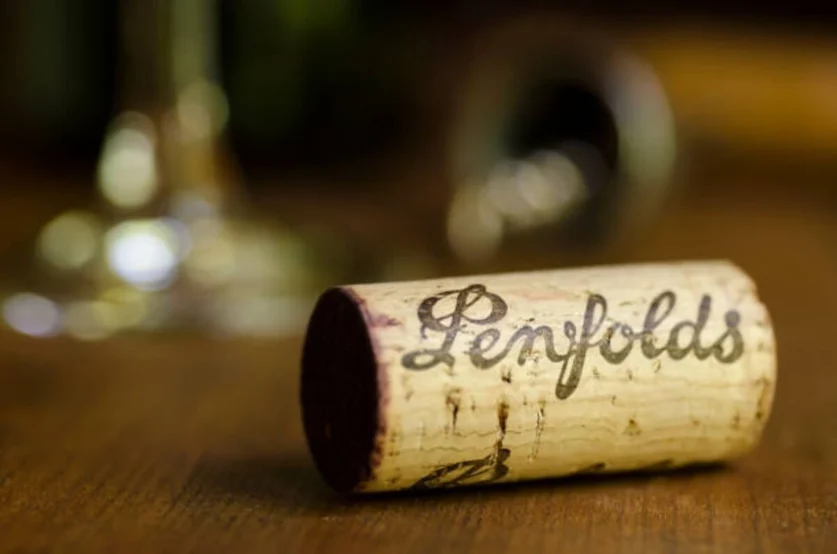
Treasury Wine Estates Ltd. has expressed optimism about the Chinese market. If Beijing decides to remove the tariffs on Australian imports, cheaper bottles of the Penfolds brand could make a comeback. This would be a welcome development for the company’s financial performance.
The unsung savannah of Brazil produces exceptional wine that leaves a lasting impression.
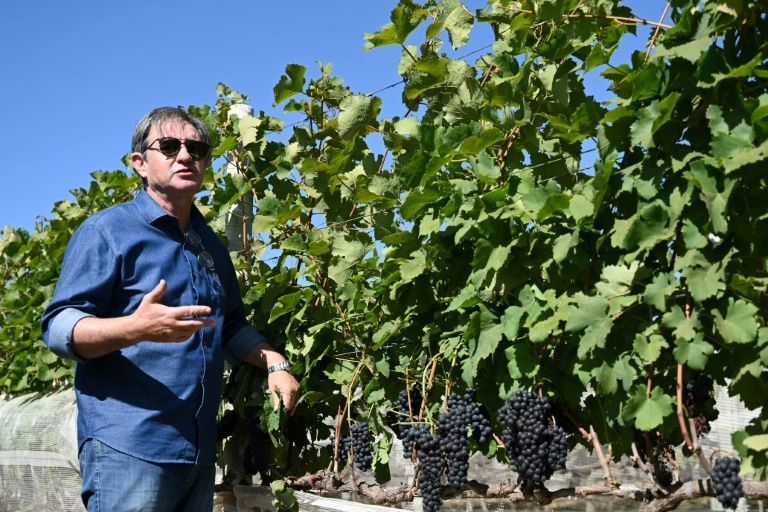
Unearthing Hidden Gems: Wine-Making in the Heart of Brazil’s Savanna
When it comes to wine, few would think of the tropical savannah surrounding Brazil’s architectural marvel, Brasilia, as the ideal terroir. But French enologist, Jean-Michel Barcelo, brushes aside conventional notions as he bites into a succulent ruby-red grape and exclaims, “This land has untapped potential!” While Brazil may not share the same prestige as South American counterparts Argentina and Chile or the revered vineyards of France, a groundbreaking production technique developed by Brazilian researchers in the 2000s has revolutionized winemaking in the Brasilia region.
Barcelo, a distinguished silver-haired connoisseur, praises the unique approach utilized by winemakers in this area, proclaiming it unlike anything seen before. The high-altitude vineyard, Villa Triacca, located a 50-minute drive from Brasilia’s imposing white structures, boasts favorable conditions for grape cultivation. Situated 1,000 meters (3,280 feet) above sea level, the vineyard enjoys a dry climate and experiences a significant temperature difference of up to 15 degrees Celsius between daytime and nighttime during the mild Brasilia winters. These factors create the perfect environment for cultivating grapes that gradually ripen to perfection.
Visitors partaking in a wine tasting at Villa Triacca are left astounded by the quality of the wines. Luciano Weber, a local resident, expresses his surprise, stating, “I had no idea they were producing something of such high caliber here.” However, the decision to grow grapes in central-western Brazil, the heartland of the country’s soybean, corn, and beef industries, was not an obvious one. The success lies in a technique known as “double pruning.” By pruning vines twice a year, once in winter and once in summer, winemakers can shift their grape-picking season from autumn, when heavy rains threaten the harvest, to July and August, the winter months of the southern hemisphere. Moreover, a synthetic hormone regulates the vines’ growth, keeping them dormant until the ideal picking time arrives. Producers assure that the hormone leaves no trace in the final product, although some remain skeptical without proper scientific studies to back these claims.
Suzana Barelli, a resident wine expert at Estado de Sao Paulo newspaper, acknowledges the lack of research but commends the region’s wines for their exceptional quality. Despite having only ten vineyards in the Federal District, known as the Brasilia region, the wine industry is burgeoning. Farmland dedicated to wine production more than doubled from 45 hectares (111 acres) in 2018 to 88 hectares (217 acres) last year. Ronaldo Triacca, the owner of Villa Triacca, embodies the spirit of ambition and resilience. Having launched his vineyard just six years ago, Triacca began with a mere dream of producing “table wine.” However, after learning about the innovative inverted pruning technique, his perception changed. Today, on six hectares of land alongside his corn and soy fields, he cultivates Syrah, Cabernet Sauvignon, and Cabernet Franc grape varieties. Triacca now sells an impressive 15,000 bottles annually and is a valued member of Vinicola Brasilia, a collective of regional winemakers.
Presently, the majority of their production finds its way to specialty stores and restaurants in the capital. However, they are steadily gaining attention and recognition. Felipe Camargo from the regional agricultural agency, Emater, declares, “Many still believe that a wine must hail from Argentina, Portugal, or France to be considered excellent. We are determined to change that perception swiftly.”
Indeed, the wine landscape is evolving, and Brazil’s Brasilia region is emerging as a formidable player in the industry. With innovative techniques, favorable climate conditions, and a shared passion for producing exceptional wines, these winemakers are rewriting the narrative and showcasing Brazil’s hidden gems to wine enthusiasts worldwide. The journey has just begun, and the future holds promising results as this unique terroir continues to thrive and captivate the palates of wine lovers across the globe.
The untapped savannah of Brazil produces a remarkable wine that has gained an unexpected popularity.
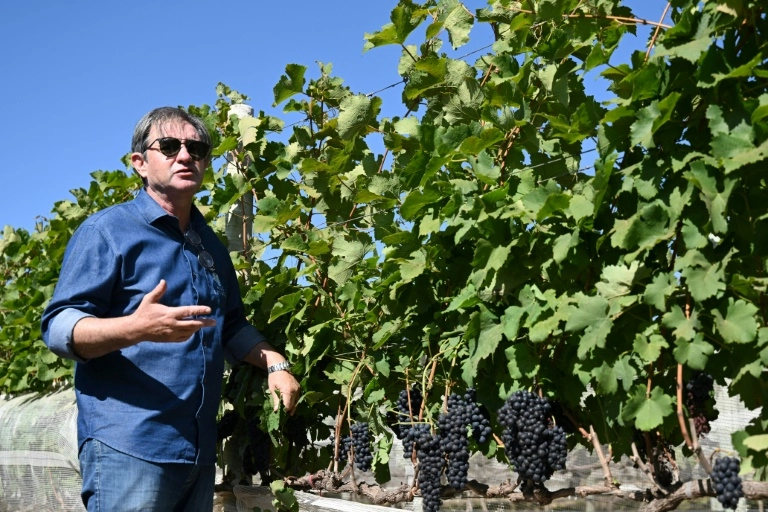
Unlocking the Potential: Brazilian Wines Making a Splash
When you think of wine country, the tropical savannah around Brazil’s modern capital of Brasilia may not be the first place that comes to mind. However, the innovation and ingenuity of Brazilian winemakers are beginning to change that perception. French enologist, Jean-Michel Barcelo, known for his love and appreciation of wine, recently visited Villa Triacca vineyard in central Brazil and was left astonished by the quality and potential of the region’s wines.
Unlike its neighboring South American producers, Argentina and Chile, as well as the esteemed French vineyards, Brazil has not traditionally been recognized as a prominent wine-producing country. However, a new production technique developed by Brazilian researchers in the early 2000s has enabled winemakers in Brasilia to overcome the challenges posed by the predominantly tropical climate and create wines that are garnering international attention.
At the heart of this technique lies a radical approach known as “double pruning.” By pruning the vines twice a year, in winter and summer, producers can extend the grape-picking season to the winter months, specifically July and August. This move away from the usual autumn harvest is crucial in avoiding the heavy rains that could otherwise damage the grapes. Additionally, the vineyards utilize a synthetic hormone to regulate the growth of the vines and keep them dormant until the ideal time for harvest. While skeptics question the potential effects of this hormone on the final product, producers assure consumers that no traces remain in the wine.
Visitors who embark on a wine tasting at Villa Triacca and other vineyards in the Brasilia region cannot help but be impressed by the quality and complexity of the wines. Luciano Weber, a resident of Brasilia, admits to being pleasantly surprised by the hidden treasure that lies in his own backyard. He had no idea the region was capable of producing such outstanding wines.
Such unprecedented success in the heartland of Brazil’s agricultural industries, namely soybean, corn, and beef, has left many wondering how this region has emerged as a powerhouse in the wine industry. The owner of Villa Triacca vineyard, Ronaldo Triacca, confesses that he had always dreamed of producing wine but assumed he could only make table wine. That is until he discovered the concept of inverted pruning, which opened his eyes to the possibility of making high-quality wine. Triacca now cultivates Syrah, Cabernet Sauvignon, and Cabernet Franc grapes alongside his corn and soy fields, resulting in an annual production of 15,000 bottles.
While the wine industry in Brasilia is still in its infancy, it is rapidly gaining momentum. The number of vineyards in the region has increased significantly in recent years, with farmland devoted to wine production more than doubling from 45 hectares in 2018 to 88 hectares in 2020. Vinicola Brasilia, a collective of regional producers, has quickly emerged, connecting winemakers and establishing a presence in specialty stores and restaurants in the capital. However, the true breakthrough lies in changing the perception that only wines from Argentina, Portugal, and France can be deemed exceptional. Felipe Camargo of the regional agricultural agency Emater believes that, with time, Brazilian wine will disprove this notion and win over wine enthusiasts worldwide.
Brazil may not be the typical destination for wine aficionados, but the region’s unique and exceptional wines are poised to make a splash on the international stage. With its innovative techniques and commitment to quality, the Brasilia region is set to challenge the dominance of traditional winemaking countries. So, next time you’re seeking a new and exciting addition to your wine collection, consider looking beyond the usual suspects and exploring the vibrant and evolving world of Brazilian wine.
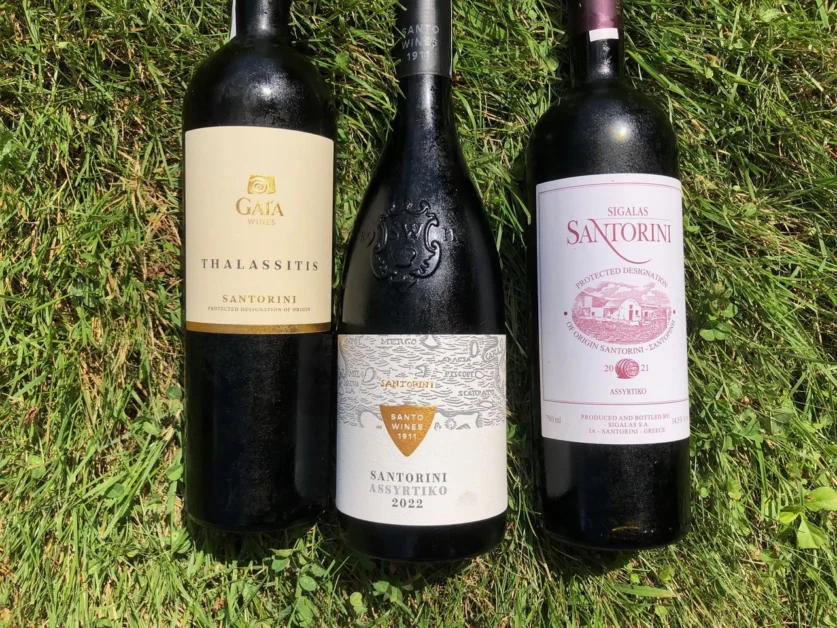
3 Greek wines, made using assyrtiko grapes from Santorini, are showcased in the Wine Press.
Discovering the Hidden Gem: Greek Island Wines
The allure of the Greek islands is undeniable. From ancient times to the present day, these captivating isles have captured the hearts of travelers, writers, and artists alike. But amidst the beauty of crystal-clear waters and sun-kissed cliffs, there lies a hidden gem that many people overlook – the outstanding wines of Greece.
In the epic poem “The Odyssey,” Odysseus spent a decade traveling the Greek islands on his way back home. Inspired by the enchanting beauty of these islands, even great figures like Jacquelyn Kennedy, Joni Mitchell, and Leonard Cohen found solace in their embrace. But what they might not have realized is that Greece is also home to exceptional wines.
This week, we invite you to delve into the history of winemaking in Greece and discover one of its most popular wine grapes – assyrtiko. All three white wines we recommend are made with assyrtiko grapes and range in price from $28 to $44 per bottle. Coming from Santorini, the captivating Greek island known for its iconic white buildings perched on steep cliffs, these wines embody the spirit and essence of the region.
According to “Wine Grapes” by Jancis Robinson, Julia Harding, and Jose Vouillamoz, nearly 70% of wines from Santorini are made with assyrtiko grapes. These vineyards bear witness to Greece’s winemaking heritage, as some assyrtiko grape vines on Santorini date back almost 500 years. It is this rich history and age-old tradition that infuses these dry white wines with their distinct and elegant flavors.
Ancient Greece, unsurprisingly, has been making wine for millennia. Archaeological records suggest that winemaking in Greece dates back to at least 6,000 BC. While the country of Georgia often claims the title of being one of the first places in the world to create wine, I am inclined to bet on the ancient Greeks. After all, what better accompaniment is there to philosophy and Greek tragedies than a glass of wine?
Greece boasts an abundance of wine-producing regions, and if there is an island or an expanse of land in Greece, chances are someone is growing olives or wine grapes there. For the purpose of this article, let’s focus on the islands renowned for producing outstanding Greek wines. According to “The World Atlas of Wine” by Hugh Johnson and Jancis Robinson, some of these islands include Crete, Rhodes, Samos, and Santorini.
When it comes to Greek wines, white varieties tend to dominate over reds, as verified by Wines of Greece. However, the most widely planted red wine grape in Greece is agiorgitiko. Other popular wine grapes include moschofilero, xinomavro, and malagousia.
Now, let’s dive into the tasting notes of the three assyrtiko wines from Santorini that we recommend:
1. 2021 Gaia Wines Thalassitis Santorini Assyrtiko ($43 Suggested Retail Price)
This crisp white wine immediately captivates the senses with hints of sea salt and lime. As you continue to savor it, you’ll notice a slightly tart, mineral-like finish accompanied by hints of lemon and green apple. It is a beautifully balanced wine that is sure to please.
2. 2022 Santo Wines Santorini Assyrtiko ($28 SRP)
In this particular assyrtiko wine, citrus flavors take center stage, with notes of lemon and lime. Similar to the previous wine, it transitions into more tart flavors intertwined with hints of sea salt and minerals. A refreshing and delightful choice, especially when paired with shellfish and seafood.
3. 2021 Sigalas Santorini Assyrtiko ($44 SRP)
Out of the three assyrtiko wines, this one stands out, claiming the crown of excellence. From its expressive and soft flavors, starting with subtle hints of lemon, to its harmonious medley of sea salt, green apple, and peach, this wine takes you on a journey of finesse. Its smooth, mineral-like finish adds the perfect touch. It is no surprise that wines like this have been enjoyed for thousands of years.
In conclusion, Greek island wines are a treasure waiting to be uncovered. As you explore the enchanting landscapes of the Greek islands, don’t forget to indulge in the flavors of their exceptional wines. Yamas! (Cheers in Greek)
Disclaimer: This article contains affiliate links. If you make a purchase or register through these links, we may receive compensation. By browsing this site, you agree to our Privacy Policy, and we may share your information with our social media partners.