Wine 1106
Global Traveler Reveals Winners of the Annual Wines on the Wing Airline Wine Survey

Global Traveler has revealed the winners of its 20th annual "Wines on the Wing" airline wine competition, taking place during a blind tasting event in New York City. Expert judges sampled a variety of wines served in premium airline cabins, with winners selected in several categories.
British Airways emerged as the top winner for International First-Class Wines, while Korean Air took the title for International Business-Class Wines. The top white wine among first-class offerings was the Leeuwin Estate Art Series Margaret River Chardonnay 2021, represented by Qatar Airways, while the best business-class white wine was Lionel Osmin & Cie ‘Clos Cancaillü’ Le Denier Carré Jurançon 2015 from Air Tahiti Nui.
Cathay Pacific Airways claimed both the top spots for sparkling wines, winning first-class with Krug Vintage, Champagne, France 2004, and business-class with Taittinger Brut Reserve, Champagne, NV. For red wines, British Airways was again successful, winning in both first-class with Alta Mora, Contrada Guardiola Etna Rosso 2020 and in business-class with Château de La Liquíere, Faugéres 2023.
In the premium economy category, due to a lack of complete submissions, there was no overall winner, but individual accolades went to Cathay Pacific Airways for sparkling and red wines, as well as Air Tahiti Nui for white wine.
American Airlines stood out in the North America category, winning Top North America Premium Class Wines and sweeping three subcategories for its sparkling, red, and white wines.
SkyTeam was celebrated as the Best Alliance Wines on the Wing, marking their win for the 12th consecutive year.
For detailed results and other insights, visit Global Traveler’s official website.
Is It Acceptable to Serve Red Wine Chilled? Exploring the Norms and Benefits

Many people have long believed that red wine should be served at room temperature, while white wine is best chilled. However, this guideline is somewhat outdated. In fact, serving red wine slightly chilled can enhance its flavor. A warm red wine may feel heavy or excessively alcoholic, while a mild chill can bring out its brightness and make it more enjoyable.
Why the Misconception?
The tradition of serving red wine at room temperature stems from historical practices when wines were stored in cool, underground cellars. During that time, "room temperature" referred to cooler conditions, typically between 60°F and 65°F. In modern homes, temperatures can range from 72°F to 75°F, which can cause red wine to taste overly alcoholic or heavy. Additionally, some people fear that chilling red wine may mute its flavors and aromas.
Understanding "Room Temperature" for Red Wine
In the wine industry, "room temperature" is better understood as cooler than what most of us consider normal today. Most red wines are best enjoyed between 55°F and 65°F. Thus, many bottles may actually be too warm when taken straight from the kitchen.
Which Red Wines Benefit from Chilling?
Not all red wines respond the same way to chilling. Lighter reds tend to benefit more from being served cooler, while bolder reds typically require just a slight reduction in temperature. Here’s a breakdown:
- Light-bodied reds: Wines like Pinot Noir and Beaujolais have higher acidity and lower tannins. These wines can be more refreshing when slightly chilled.
- Medium-bodied reds: Varietals like Merlot and Zinfandel find balance and smoothness when served slightly lower than room temperature.
- Full-bodied reds: Heavier wines such as Cabernet Sauvignon and Malbec don’t need substantial chilling but can still taste better at a slightly lower room temperature.
Avoiding Over-Chilling
While a gentle chill can be advantageous, over-chilling red wine can hinder its flavor, rendering it flat and diminishing the perception of tannins. If you inadvertently chill the wine too long, allowing it to sit at room temperature for a while can help restore its flavors.
Tips for Chilling Red Wine
There are various methods to chill red wine before serving:
- Refrigerator: For full-bodied reds, chill for about 10 minutes, while lighter reds may benefit from 15 to 20 minutes.
- Freezer: If you’re in a hurry, place the bottle in the freezer for just 5 to 10 minutes. Be careful to remove it promptly.
- Ice bucket: An ice water bath, occasionally rotated, can chill the wine in about 5 to 10 minutes, enhancing the cooling process.
In summary, serving red wine chilled is not only acceptable but can also improve the drinking experience, especially during warmer months or outdoor dining. So, don’t hesitate to experiment with the chill factor and discover the delightful nuances it brings to your red wines.
Unveiling the Charm: Southern California’s Hidden Wine Region Gets a Stunning Makeover

Ninety minutes from Los Angeles and an hour from San Diego, Temecula’s wine country is evolving into a vibrant destination ideal for weekend getaways, far beyond just a day trip.
Visitors to the region are often greeted with a glass of Espumosa at Danza del Sol Winery. Following the tasting, guests can embark on a unique off-road vineyard tour called Grapes & Gears. This 90-minute experience, available for groups of up to 10, takes participants on a UTV ride through vineyards, providing tastings of various wines, including an old block of Sauvignon Blanc planted in 1972.
The climate of Temecula, which includes hot days and cool nights, is conducive to growing premium grapes like Sangiovese and Vermentino. The valley has garnered attention, boasting 3.4 million visitors in 2024 and a significant economic impact with one billion dollars in tourism spending.
For those considering an overnight stay, Temecula Creek Inn has recently updated its facilities, offering a charming retreat with golf amenities set amidst oak groves. The inn has undergone a multimillion-dollar renovation, introducing modern decor and a refined culinary experience under the leadership of executive chef Jonathan Alcala.
New establishments have enriched the local landscape. Truffle Pig Winery has transformed the old Avensole estate into a vibrant wine campus complete with a lakeside chophouse. Similarly, the Cilurzo speakeasy at Bella Vista Winery, named after the founder of Temecula’s first commercial vineyard, offers wine-based cocktails and live music, extending the nightlife options in the valley.
At Pamec, visitors can savor minimal-intervention wines in a small bar setting, appealing to a younger clientele that previously sought experiences in other established wine regions. Further enriching the cultural fabric, the Temecula Valley Fine Art Museum & Gallery has opened, showcasing regional artistic talent.
In addition to wine, the area offers diverse attractions such as the Pechanga Resort & Casino, which hosts notable performances and features a sprawling pool area. Hendo’s Barrel House, a unique venue by UFC fighter Dan Henderson, combines a brewery, steakhouse, and fitness facility under one roof, reflecting the region’s approachable vibe.
As Temecula’s wine country continues to flourish, it emerges as a noteworthy travel destination, ensuring guests have plenty to explore both during and after their vineyard visits.
Mastering Wine Lists: Expert Tips from a Sommelier for Confident Ordering
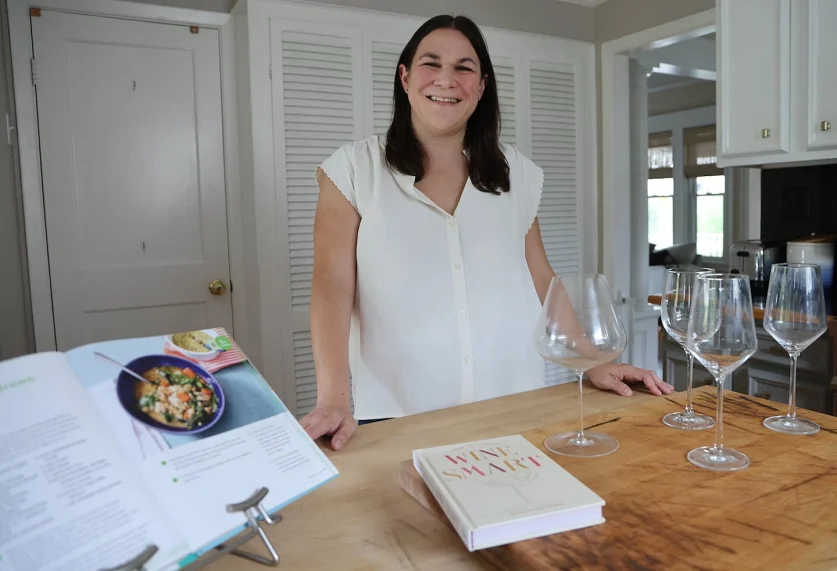
You’re in a restaurant, and the server presents you with a daunting wine list. Each label blurs together, and you wonder if ordering wine is really meant for experts. Maryse Chevriere, a sommelier with extensive experience, aims to change that perception with her new book, How to Sound Wine Smart. She utilizes relatable humor and illustrations to demystify the world of wine, making it accessible for everyone.
Chevriere’s career has taken her through prestigious roles in New York City, San Francisco, and Boston. Her passion for making wine approachable shines through her social media presence, where she translates complex wine terminology into engaging cartoons. In her book, she encourages readers to embrace their personal preferences rather than succumb to the pressure of trying to sound knowledgeable.
During an interview, Chevriere shared that many people feel “wine dumb” due to a combination of industry pressure and self-expectations. She asserts that drinking a variety of wines is the best way to become comfortable discussing them.
She advises that when ordering wine in a restaurant, patrons should feel free to specify their budget and express what they’ve bought or not enjoyed before, rather than trying to use sophisticated jargon. This approach can lead to better suggestions from the sommelier.
One misconception Chevriere addresses is the confusion around the term "sweet." Many assume fruit-forward wines are sweet due to their flavors, but Chevriere clarifies that sweetness is not just about taste; it can also involve aroma.
She also highlights the term "minerality," explaining its complexity in wine discussions. People often recognize it when they taste it but struggle to define it. Chevriere recommends considering the physical characteristics of rocks to better understand the term.
Chevriere believes varieties like Riesling, often labeled as “too sweet,” deserve a second chance, along with Cabernet Franc, which she feels is underappreciated in wine shops and restaurants.
On what constitutes an excellent wine list, Chevriere suggests a clear point of view, diversity in offerings, and adventurous selections by the glass. She points out that some Boston restaurants have made strides in these areas but emphasizes the need for more variety beyond popular choices like Chardonnay and Cabernet Sauvignon.
Living in Massachusetts, Chevriere notes that Boston’s wine culture could benefit from being less conservative and more innovative. She wishes that servers would encourage diners to try lesser-known varieties that might appeal to their tastes.
How to Sound Wine Smart ultimately serves as a guide for anyone feeling intimidated by the wine selection process, proposing that the journey to wine literacy can be enjoyable and light-hearted.
Wine Discoveries: Uncovering Virginia’s Standout Vintages After Frost’s Fury | COMMENTARY

A recent gathering of professional wine judges in Virginia featured over 620 wines from across the state, culminating in awards for 113 wineries. Notably, one winery won the prestigious Governor’s Cup Case. However, this celebration was short-lived as an unexpected frost devastated the vineyards. Warm temperatures prompted early bud breaks, which were then followed by cold snaps that fell 20 degrees below normal, resulting in extensive and irreparable damage.
Various vineyards across Virginia, Maryland, Pennsylvania, and New York faced significant losses, with promising young shoots frozen within the plant cells. This year of harsh conditions means East Coast wines will be in short supply, but several noteworthy Virginia wines currently available for tasting deserve recognition. Producers excel in both red cabernet franc and white petite manseng. Here are some standout selections:
- Glen Manor Vin Rouge 2023 ($37): A Bordeaux-style blend with vibrant red fruit characteristics and solid tannins.
- Woodbrook Farm Vineyard Petit Manseng 2024 ($28): A charming white wine, featuring a delightful combination of tropical fruit aromas and flavors, perfect for pairing with oysters.
- Pollak Vineyards Monticello Reserve Merlot 2023 ($60): A surprise standout for the merlot varietal, with notes of black cherries and red currants, well-balanced for meat pairings.
- Valley Road Vineyards Reserve Cabernet Franc 2023 ($42): Characterized by floral aromas and dense cherry flavors, this wine delivers a lingering finish.
- Barboursville Vineyards Reserve Vermentino 2024 ($24): Offers bright citrus characteristics with a rich mouthfeel and balanced acidity.
Virginia is a prime destination for wine enthusiasts, boasting over 300 wineries rich in history related to early America and the Civil War. Many wineries provide insights into winemaking and tasting experiences.
Barrel Oak Winery and Brewery in Delaplane is known for its family-friendly atmosphere and wide array of wines. Some of their highlighted offerings include:
- Chardonnay Middleburg Virginia 2022 ($30): An unoaked chardonnay with appealing lemon and peach notes.
- Sauvignon Blanc Paeonian Springs 2024 ($35): A lighter take on the varietal, with dominant lime and tropical fruit notes.
- Seyval Blanc Estate Middleburg Virginia 2024 ($30): A hybrid excellent for cool climates, offering aromatic and fruity characteristics.
- Rosé Middleburg Virginia 2024 ($31): A delightful blend with hints of citrus and strawberries.
In celebration of the 50th anniversary of the Judgment of Paris, Chateau Montelena has released limited editions, including a 2023 Blanc de Blanc and a unique distilled Brandy Release #1. The winery is also hosting a blind tasting event to mark the occasion.
A new documentary titled “Stem & Barrel: Napa Valley” is presently airing, showcasing various Napa Valley wineries and their winemakers, incorporating insights from harvest season activities.
In terms of global offerings:
- Carmen Delanz Carmenere D.O. Apalta Colchagua Valley 2022 ($30): This red wine is noted for its elegance and balance, making it a crowd favorite.
- La Casaccia Franceschi Brunello di Montalcino Il Poggione 2019 ($75-100): A classic expression of brunello with aging potential.
- Azienda Agricola Le Ragose Amarone Della Valpolicella Classico DOCG 2021 ($65-75): A complex wine with rich and concentrated fruit flavors.
For the wine enthusiast, these highlights from Virginia and beyond offer a glimpse into this year’s promising selections despite the challenges faced within the region.
How Many Servings Are in a Bottle of Wine? Tips for Perfectly Optimizing Your Pours

When it comes to wine, a common inquiry is about the number of servings in a standard bottle. The typical wine bottle contains 750 mL (25 ounces), suitable for various occasions, from casual dinners to large parties. For events that require multiple bottles, you may need to consider larger formats or calculate your wine needs ahead of time.
A standard serving of wine is 5 ounces. However, depending on how much wine is poured and the preferences of the guests, the actual number of servings can vary. The important questions to consider include:
- Who is pouring? Someone who pours generously may skew the numbers.
- Are you serving other drinks alongside the wine?
- Do your guests prefer wine over different spirits?
If you pour 2-ounce servings, you can extract about 12 servings from a 750 mL bottle. This serving size is often used in wine tastings to ensure guests can sample multiple varieties without consuming too much.
In contrast, if you pour 6-ounce glasses, a single bottle would yield approximately 4 servings. This is a common practice when sharing a bottle during a meal, allowing for a more indulgent experience without excessive pouring.
For smaller gatherings or intimate settings, you might encounter half bottles, which hold 375 mL (around 13 ounces), offering about 2.5 servings of wine. These smaller bottles can be a cost-effective solution when you want to enjoy a variety of wines without committing to a full bottle.
For those who prefer even less, "piccolo" bottles, which are equivalent to a single 6-ounce serving, can be a great option for personal enjoyment or gift-giving occasions.
Understanding these serving sizes and bottle options is essential for making informed choices about wine, helping you to enjoy your experience responsibly, whether at home or out with friends.
For further details, visit Silver Oak Winery.
Uncorking Excellence: Exploring The French Laundry’s Unique Wine Selection Process for Every Guest
Nestled in Yountville, California’s Napa Valley, The French Laundry has established itself as one of the world’s premier fine-dining destinations since Chef Thomas Keller acquired it in 1994. Celebrated for its three Michelin stars, the restaurant offers a unique dining experience that extends beyond its culinary masterpieces to an exceptional wine program tailored for each guest.
Every guest’s wine journey is personally crafted by the sommelier team, moving away from fixed pairings to a more bespoke experience, adjusting selections based on individual tastes, experiences, and special occasions. The head sommelier, Andrew Adelson, emphasizes the importance of understanding each patron’s preferences, aiming to balance familiar elements with the thrill of discovery.
Adelson’s journey to lead such a renowned wine program started in Los Angeles, where he was first introduced to the world of fine wine. His pivotal career moment happened while working at the Grand Del Mar Resort, leading him to Thomas Keller’s Restaurant Group and eventually to The French Laundry as head sommelier during the pandemic in 2020.
The restaurant boasts one of the world’s most comprehensive wine cellars, featuring thousands of selections from California, France, and other notable regions. This extensive collection is complemented by strong relationships with global producers, providing rare access to wines typically unavailable at other establishments. Each pairing is conceived through a dialogue between the sommelier and the guest, focusing on comfort and enjoyment rather than intimidation.
The collaboration between the culinary and sommelier teams enhances the dining experience, especially during special events like producer dinners. Chefs and sommeliers work together to refine menus and pairings, emphasizing the seamless integration of wine and food. For example, adjustments to dishes can significantly enhance how a specific wine expresses itself, demonstrating the fluid nature of both culinary and beverage arts at The French Laundry.
Seasonality plays a crucial role in both the kitchen and the wine program, as the wine list adjusts to align with the rhythm of seasonal ingredients. For instance, lighter wines pair with fresh spring vegetables, while robust reds complement autumn’s hearty fare. This farm-to-table philosophy is reflected in the evolving wine selections that accompany the menu throughout the year.
While wine is central to the beverage program, The French Laundry also features an impressive collection of vintage spirits and innovative beverages like premium sake, which enrich the guest experience beyond traditional offerings. Ultimately, what sets The French Laundry’s wine program apart is its focus on personalized service: every pairing process starts with attentive listening, develops through collaborative effort, and culminates with a selection made specifically for the individual rather than merely the dish. This attention to detail transforms a remarkable meal into an unforgettable experience.
Can a £100 Wine Cooler Outperform My £16 Classic? A Temperature Test!

Beyond just wanting a cold glass of white or rosé, opinions on wine serving temperature were once mainly discussed among enthusiasts and sommeliers. However, this has changed, largely due to a growing trend of drinking red wine chilled and a series of heatwaves prompting people to find solutions for maintaining the ideal temperature for their bottles.
The Caso VinoCase aims to meet this need. This compact table-top cooler features a cooling element that plugs into a mains power source and can hold one bottle at a time. It allows users to set the temperature in one-degree increments between 5°C and 18°C, offering a more technical approach compared to traditional stainless-steel coolers. Intrigued by its promises, I decided to put the VinoCase to the test against my more basic John Lewis steel cooler, which costs just £16.
The Importance of Wine Serving Temperature
Wine professionals typically use low-tech methods for chilling their bottles at home. For instance, Helen McGinn, a Saturday Kitchen expert, employs a Corkcicle—an icicle-like stick that can be frozen and inserted into the neck of the bottle. Many of my colleagues opt for simple wine sleeves or the fridge for chilling their wine before serving.
The serving temperature of wine can significantly affect its taste. A warm wine may taste overly soupy, while proper chilling can find a balance that enhances flavor without sacrificing warmth for complexity. Different wines have their unique optimum temperatures, so the goal is to maintain those ideal conditions.
Testing Methodology
For ten days during warm weather, I used the two coolers to assess their effectiveness. I monitored the wine temperature every 30 minutes after pouring from each bottle. I also conducted tests to see how well the Caso managed different levels of fullness, while utilizing wines that matched in shape and alcohol content.
During casual dinners, I took note of how well each cooler performed amidst temperatures fluctuating between 23°C and 31°C.
Evaluating the Caso VinoCase
Pros:
- Operates quietly and is user-friendly.
- Actively cools the wine.
- Adjustable for various serving temperatures.
Cons:
- Less effective with nearly full bottles.
- Requires a mains connection.
- Temperature readings can be inaccurate, especially for full bottles.
The Caso wine cooler was straightforward to use, allowing temperature adjustments easily up or down. However, it must be near a power outlet, limiting its use in outdoor situations. While it efficiently maintained the temperature of partially filled bottles, its performance dropped with full bottles, leaving warmer areas near the neck.
Comparing to the Classic Steel Cooler
Pros:
- Compact and space-saving.
- Affordable.
- Insulates wine well to retain chill longer.
Cons:
- Lacks a cooling function; will not chill wine once it warms up.
The stainless-steel cooler is efficient for short-term use but simply slows the warming process without actively cooling. Initial testing showed a significant difference in temperature retention between the VinoCase and the steel model. Although the Caso performed moderately well, it failed to maintain a consistent temperature as effectively as expected when the bottle was close to full.
Conclusion
While the Caso Wine Cooler serves its purpose, it did not perform well enough to replace my classic cooler, especially during extreme heat. The John Lewis option is practical for routine use but requires frequent returns to the fridge for optimal enjoyment during heat waves. Therefore, while both coolers have their benefits, a dedicated cooling solution may be necessary for truly hot summer days. The VinoCase shines during moderate conditions but falls short in prolonged warmth scenarios.
FAQs
-
What temperature should I set my wine cooler to?
In a warm environment, adjust the temperature lower than your preferred drinking temperature. In cooler settings, keep it around your desired drinking temperature. -
Where should I place a freestanding wine cooler?
Keep it away from heat sources, ensuring it is near a power outlet for models like the Caso. -
Can standard champagne bottles fit in a wine cooler?
Yes, the Caso accommodates bottles up to 9cm in diameter, including standard sparkling wines. -
Can wine coolers chill a warm bottle of wine?
While the Caso is intended for maintaining cold wine, it can somewhat chill warmer bottles if they are not too full.
By considering both products and their performances, wine enthusiasts can determine which cooler best suits their needs and circumstances for optimal wine enjoyment.
Rising Challenges: The Ongoing Pressure on Italy’s Wine Exports
Italy’s wine producers are facing ongoing challenges in export markets, with sales continuing to decline in early 2026. Data from the ISTAT government agency, shared by the trade association Unione Italiana Vini (UIV), indicates that sales fell by 6.8% year-on-year, totaling €2.34 billion ($2.66 billion) through April, while volumes decreased by 3.7% to 641 million liters.
UIV President Lamberto Frescobaldi remarked on the industry’s struggles, stating, “These results confirm the difficulties of the wine market and its trade, which is contracting across all producing countries." He emphasized the necessity for Italian wine to increase its presence in emerging markets and reduce production to enhance its market value.
The first quarter of 2026 did not offer much relief for Italian wine exporters, following a notable decline in 2025 where export sales dropped by 3.7% to €7.78 billion, largely due to US tariffs. Although sales to the US saw a slight uptick of 1.6% in April, a more significant decline was observed over the first four months, where sales fell over 15%.
Germany and the UK—Italy’s second and third-largest markets—reported sales decreases exceeding 6%. While Canadian sales remained stable, there was a more than 12% decline in sales to Switzerland. On a positive note, sales to Brazil and China exhibited growth of 17.8% and 9.7% respectively.
Frescobaldi highlighted the need for a balanced supply and demand to protect Italian wine’s value, sustain business income, and enhance sector competitiveness. In response to the market’s challenges, UIV has introduced measures to minimize production, including a temporary halt on new plant permits and reductions in production yields, affecting both PDO and PGI wines.
Despite maintaining stable production levels of approximately 44.4 million hectolitres in 2025, cellar inventories surged by 6% to 61 million hectolitres, reaching a total of 68 million with musts included. According to the International Organisation of Vine and Wine (OIV), Italy retained its title as the world’s leading wine-producing country in 2025, but domestic consumption plummeted by 9.4%, dropping to 20.2 million hectolitres.
Wine Pairings for Grilled Delights: Exploring New Flavors in Outdoor Dining

Many people are excited about grilling during the weekends, as it brings together friends and family over sizzling food. This popular cooking method, ideal for meals like smoked ribs, steaks, or barbecue chicken, influences wine choices tremendously.
When pairing wine with grilled foods, one should consider the sauces and seasonings rather than just the main ingredients. For instance, if you’re not grilling beef, it’s better to set aside bold tannic cabernet sauvignons and explore fruit-forward wines that might even have a touch of sweetness, particularly to complement those tangy ketchup-based sauces that often accompany grilled meats.
Here are some excellent wine recommendations for your next grill session:
- Rosé: A versatile wine that pairs wonderfully with various foods, from cheese and fresh vegetables to chicken and fish. It’s a great starter wine to set the mood for your gathering.
- Zinfandel: Its fruity characteristics make it an excellent choice for sweet barbecue sauces.
- GSM (Grenache, Syrah, Mourvèdre): This blend offers fruitiness, acidity, and is easy to drink; it complements burgers, pizza, chicken, and pulled pork, especially when grilled.
- Sauvignon Blanc: Known for its grapefruit, citrus, and herb flavors, it’s particularly delightful with chicken.
- Pinot Gris/Grigio: Light and crisp, it’s a refreshing option that pairs well with many outdoor foods.
- Sangiovese: This grape from Tuscany is fruitful and goes well with grilled pork, beef, or chicken with rich sauces.
Here’s a quick look at some grill-friendly wines recently tasted:
- Quinta Nova Unoaked Red Blend 2022 ($28): Features luscious plum and black cherry flavors, making it great for grilled meats.
- Cattleya “The Initiation” Syrah 2024 ($70): Offers a floral nose complemented by blackberry and sweet cherry flavors, ideal for pairing with grilled dishes.
- Table Wine California Red 2025 ($30): This blend of malbec, cabernet franc, and merlot is bright with cherry notes, perfect for casual summer grilling.
- San Felice Chianti Classico 2022 ($16-$24): A sturdy sangiovese that pairs well with smoky flavors like burgers and ribs.
- Cline Family Cellars Ancient Vines Zinfandel Contra Costa 2022 ($22): Notable for its strawberry and raspberry notes enhanced by a hint of vanilla.
Additionally, the journey of many winemakers begins as a dream. Mike and Sandy Davis, who transitioned from successful tech careers to wine production, operate a family-run estate in Napa Valley. Here are some of their remarkable offerings:
- Davis Estates Cabernet Franc Napa Valley 2023 ($115): Features aromatic notes of violets and raspberries with a palate enriched by blackberry and cherry.
- Davis Estates Zephyr 2022 ($135): A Bordeaux-style blend that showcases deep fruit flavors with hints of dark chocolate.
- Davis Estates Rutherford Cabernet Sauvignon 2022 ($155): Recognized for its earthy character, it delivers concentrated flavors of black cherries with a mix of earthy finishes.
For a lighter option, consider Cambria Txiki 2025 ($22), a low-alcohol chardonnay with refreshing white peach notes, perfect for a summer sip.
As you fire up the grill this weekend, remember that the right wine can enhance your barbecue experience, making your gatherings even more enjoyable.