Wine 1106
Elevating Luxury Travel: Private Tours of Spain Joins Forces with Wine Tourism Spain
Travelers opting for private tours in Spain will now enjoy exclusive access to specialized wine experiences thanks to a new partnership formed between Private Tours of Spain and Wine Tourism Spain. The arrangement aims to enhance luxury travel by integrating curated wine tours into broader, customized itineraries.
Private Tours of Spain, known for its bespoke travel offerings across Spain and Portugal, will collaborate closely with Wine Tourism Spain, a leading entity specializing in wine and food travel. This partnership permits Private Tours of Spain to provide an elevated level of specialization and exclusive wine-related experiences, while granting Wine Tourism Spain the opportunity to attract travelers seeking memorable wine days as part of their journeys.
Olivia Nuñez from Private Tours of Spain emphasizes the importance of relationship-building in providing authentic experiences, stating, “The best wine tours in Spain are built on relationships that take years to earn.” By joining forces with Wine Tourism Spain, they aim to ensure a higher standard of these specialized offerings.
Luis Lechuga of Wine Tourism Spain highlights the potential for wine tours to become key highlights within broader travel experiences. With this collaboration, clients can expect enriched tours that intertwine wine education and appreciation with cultural exploration across regions connected by fine wines, such as between cities like Madrid and Barcelona.
Both companies recognize the increasing reliance on technology within the tourism industry but assert their belief in the value of personal connections in delivering genuine travel experiences. They plan to focus on maintaining a human-centered approach in tourism, emphasizing the need for knowledgeable locals to guide travelers rather than using generic services.
The collaboration is effective immediately, allowing luxury travelers to inquire about tailored packages that include specialist-led wine experiences.
For more information, visit:
Is a Dehumidifier Essential for Your Wine Cellar? Here’s What You Need to Know

If you’re a wine enthusiast, having a home wine cellar allows you to savor the appropriate bottle for any occasion. This is particularly beneficial for those who intend to store multiple unopened wines for over a year. The cellar serves as a dedicated space to grow your collection while safeguarding your investment. The first step towards this goal is selecting a stunning cellar design, followed by ensuring it maintains a dark and cool environment for your wines.
Experts recommend that the ideal temperature for a wine cellar is between 53 to 59 degrees Fahrenheit. Humidity is equally critical, with optimal levels around 60% to 70%. This range is essential to prevent wine corks from drying out which can lead to spoilage or evaporation of the wine if humidity drops below 50%. Conversely, humidity exceeding 70% can cause bottles to leak and become susceptible to bacteria contamination.
To maintain appropriate humidity levels, a humidity gauge is advisable. This device helps you monitor the conditions and take action when necessary. If humidity readings exceed 70%, it may be time to use a portable dehumidifier until the levels return to the ideal range. Once you’ve achieved the desired humidity, it’s important to turn off the dehumidifier to avoid excessively drying the air, which can damage the corks of the wine bottles.
In cases where the humidity levels are consistently below the recommended range, using a humidifier can help raise the moisture levels. For optimal results, consider investing in a wine cellar-specific humidifier and remain vigilant regarding the humidity readings to avoid unnecessary use of these devices.
Maintaining the correct humidity in your wine cellar is vital for preserving the integrity of your wine collection. Adjusting humidity levels as necessary can significantly extend the lifespan of your valuable bottles.
The Best-Selling Wine Brand in the U.S.: A Familiar Label Everyone Recognizes

It’s always a delight to indulge in a splendid bottle of wine, but sometimes, the best options are those familiar and beloved brands. When selecting affordable yet tasty wines, American choices can often surprise you, and one particular name stands out above the rest: Barefoot.
Barefoot, originating from California vineyards, has established itself as the best-selling wine brand in the U.S. It has received accolades including the title of the 2025 American Winery of the Year from Wine Enthusiast. Additionally, the American Association of Wine Economists recognized Barefoot as the leading U.S. wine brand, selling over 19 million cases in 2023. Since its inception in 1965, Barefoot has curated a wide variety of delicious and budget-friendly wines.
Typically, a bottle of Barefoot ranges from $5 to $12, which makes it accessible for any occasion, whether for a gathering, dinner, or even cooking. They offer a diverse lineup across different wine types including white, red, and bubbly options. However, not all varieties are created equal, so here are some recommendations.
Among Barefoot’s offerings, the Barefoot Moscato stands out, renowned for its sweet flavor and smooth finish, making it an excellent match for spicy dishes. Fans of this wine have passionate sentiments, even humorously stating desires to be buried with it. The Barefoot Riesling has also gained popularity, lauded for its refreshing fruity notes and winning accolades like top honors at the San Francisco International Wine Competition in 2024. On the contrary, some consumers have criticized the Barefoot Merlot, suggesting it lacks a pleasant taste throughout, although serving it at the proper temperature might improve the experience.
Barefoot demonstrates that quality does not have to come at a high cost, and its widespread availability ensures that you can find a bottle practically anywhere. With its notable achievements, serving Barefoot may even impress the most discerning wine aficionados.
For those looking to expand their culinary knowledge, signing up for a food newsletter can offer tips and insights to elevate your cooking and dining experiences.
Cool Off This Summer: The Best Whites and Reds to Beat the Heat

With summer in full swing and heat intensifying, it’s time to switch up your wine choices. While strong tannic wines like cabernet sauvignon may pair well with grilled meats in air-conditioned spaces, outdoor summer gatherings call for something lighter and more refreshing.
While many gravitate towards chardonnay, it’s easy to fall into a repetitive rut of the same varieties. To break free, we’ve compiled a list of 15 delightful wines—excluding chardonnay and sauvignon blanc—that can serve as great aperitifs or complement summer dishes such as seafood, cheese, and veggie platters.
White Wines
-
Big Salt Oregon White Table Wine 2025 ($19): An intriguing blend of riesling, gewurztraminer, muscat, and pinot blanc, this wine bursts with fresh acidity, citrus, and stone fruit notes, finishing with a mineral essence.
-
La Crema Monterey Pinot Gris 2024 ($20): Lively and fresh, this pinot gris is ideal as a summer sipper or with grilled shrimp.
-
Ehlers Estate Sylviane Napa Valley 2024 ($50): A captivating wine combining sauvignon blanc with semillon, offering aromatic orange blossom, apricot, and peach flavors with a zesty lemon and mineral finish.
-
Alma Rosa El Jabali Pinot Blanc Sta. Rita Hills 2024 ($40): This unique varietal presents melon and citrus flavors with refreshing acidity.
-
Bouchaine Alsatian Blend 2024 ($50): A stunning mix of Alsatian grapes, resulting in textured wine brimming with floral notes and stone fruit flavors.
-
Tablas Creek Vineyard Esprit Blanc de Tablas 2024 ($70): This Rhone-style blend showcases exceptional roundness and acidity, making it a perfect partner for spring fare.
-
Bodegas Shaya Verdejo Rueda 2024 ($15): A crisp organic wine from Spain’s Rueda region, ideal for light summer pairings.
-
Latitud 42 Blanco 2021 Rioja ($13): Spunky and refreshing, with notes of pear and pineapple.
-
Tenuta Olianas Vermentino 2025 ($21): An excellent choice for cheese pairings, with fresh citrus notes.
-
Vale do Bomfim White 2023 ($15): Aromatically vibrant, this Portuguese blend is citrusy and refreshing.
-
A to Z Pinot Gris 2024 ($16): A bright, easy-drinking option.
-
Priest Ranch Grenache Blanc 2024 ($30): A light and aromatic wine to complement grilled meats.
-
Pasqua Passione Sentimento Veneto Bianco 2023 ($20): A delightful vinification of garganega with vibrant peach and citrus notes.
-
Brassfield Estate Pinot Gris 2024 ($22): Apples and stone fruit dominate this beautifully textured wine.
-
Early Mountain Petit Manseng Virginia 2023 ($65): Exemplifies Virginia’s winemaking prowess with floral and peach nuances.
Red Wines
For those who prefer red, choose light- to medium-bodied varieties that can be mildly chilled:
-
Tenuta Olianas Cannonau 2024 ($23): This grenache variant is perfect for warm days and pairs beautifully with lighter fare.
-
Mezzacorona Dinotte Red Blend Vigneti delle Dolomiti IGT 2022 ($16): An engaging northern Italian blend with freshness.
-
Tablas Creek Vineyard Cotes de Tablas 2024 ($40): A versatile blend reminiscent of Cotes du Rhone, showcasing fresh red fruit.
-
Avignonesi Vino Nobile di Montepuliciano DOCG 2022 ($26): A lovely sangiovese that is a delicious embodiment of southern Tuscany.
-
Pasqua Passione Sentimento Romeo & Juliet Rosso Veneto IGT 2021 ($15): A fruity blend with a unique drying process that enhances intensity and texture.
Wine Picks
-
Penfolds Bin 311 Chardonnay South Eastern Australia 2020 ($40): Though not a recent vintage, this wine is rich in peach and apple notes.
-
Garofoli Piancarda Blu Rosso Conero DOC 2023 ($21): Simple yet well-crafted, showcasing steady red fruit flavors.
-
Bodegas Juan Gil Vino Silver Organic Monastrell 2026 ($18): A great value with deep red fruit notes layered with spice.
-
H&B Rosé Coteaux d’Aix-en-Provence 2025 ($25): This refreshing blend features white peach and vibrant citrus notes.
This summer, expand your wine horizons while enjoying the warm weather with these recommendations that promise to refresh and delight.
Discovering Flavor: The Surprising Similarities Between Shopping for Olive Oil and Wine

Wine and olive oil are staples in Western cuisine, especially in Europe. While you’re likely familiar with the intricacies of wine shopping—like considering vintages, regions, and grape varieties—you might not put the same thought into selecting olive oil. However, choosing olive oil can be just as nuanced as selecting wine.
Decoding Labels
Both wine and olive oil require careful label reading. Wine labels provide crucial information about the variety, region, and vintage, while olive oil labels indicate the origin of the olives and processing dates. For olive oil, look for oils harvested in regions known for quality, such as Tuscany, and those bottled with special certifications like PDO (Protected Designation of Origin). The best quality olive oils are labeled “extra virgin,” which means they are made from fresh olives without chemicals or heat treatment.
Utilizing Your Senses
Tasting is essential in both wine and olive oil shopping. With wine, you assess aroma, complexity, and color, while with olive oil, you need to pay attention to smell, taste, and texture. A high-quality olive oil should have a fresh, grassy aroma. To enhance flavor perception, slightly warm the olive oil in your hands before tasting. Look for a balance of viscosity and brightness, along with a nice freshness with a slightly peppery finish.
Consider the Purpose
When selecting wine, pairing it with food is often a key consideration. The same applies to olive oil. For lighter dishes, a delicate olive oil with buttery notes is perfect, while bolder dishes call for oils with a more intense, peppery character. Whether you’re drizzling oil over food or using it for cooking can also influence your choice; while frying is possible with olive oil, reserve the finest extra virgin varieties for dressings or finishing dishes.
For further insights on food knowledge, you can explore more resources available on various culinary websites.
Chilling Red Wine: Why Gen Z’s Summer Sip is Socially Acceptable
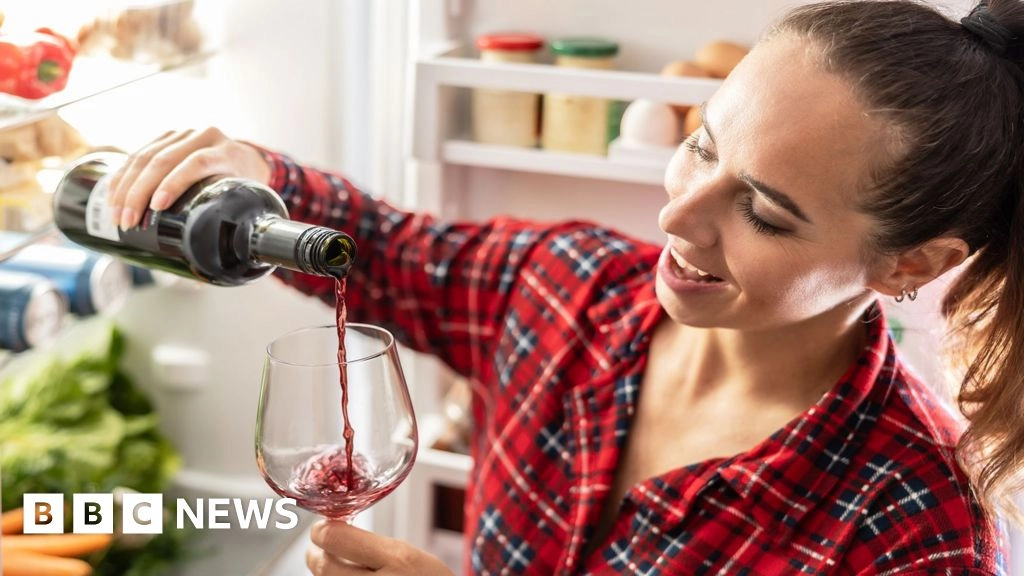
On a recent Wednesday evening, wine enthusiasts convened in south Manchester for a unique tasting event dedicated to chilled red wine, defying traditional norms that insist red wine must be served at room temperature. The event, priced at £44 per ticket, featured wines that were all served straight from the fridge.
Henry Alassane, owner of Cru Manchester, noted that he has been enjoying chilled red wine for years and recently observed a significant rise in customers requesting it. Holly Willcocks, who owns Half Cut wine bar in London, echoed this sentiment, stating younger drinkers are showing a growing interest in chilled red wines, reminiscent of last year’s trend toward orange wines.
Interestingly, many have started popping red wine in their fridges at home. Notably, searches for chilled red wine surged on Ocado compared to the previous year, and Aldi introduced a red wine with a label that changes color when chilled properly.
Miles Beale, CEO of the Wine and Spirit Trade Association, remarked on the summer’s hot weather and a shift away from outdated wine myths as key factors driving this trend. According to an Ocado survey from June, 56% of Gen Z and young millennial respondents reported having chilled red wine or red wine with ice during summertime.
Dominic Lee, a 26-year-old, was introduced to chilled red wine in trendy London bars and has since embraced it at home, finding it smoother and less heavy—ideal for hot days. Emma Moore, who conducts wine tastings in York, also advocates for chilled reds. She describes them as “rosé for grown-ups” and includes them in her tastings to the surprise of her clients.
As temperatures rise across Britain, chilled red wine is increasingly appealing. Willcocks emphasized that this might be the easiest way to enjoy red wine during a heatwave, a sentiment shared by Alassane, who prefers it over typical white or rosé wines as they tend to carry more flavor.
Sam Colenutt, who first experienced chilled sparkling red wine at an Australian vineyard, initially hesitated but found it much smoother when chilled. He now believes chilling is the best way to enjoy red wine in the heat.
Experts suggest cooling red wine for about 20 minutes to an hour before serving, rather than keeping it in the fridge overnight. According to wine connoisseur Filippo Bartolotta, if the wine becomes too cold, body heat will help warm it back up, but if it’s too hot, there’s little to be done. He also advises that a quick fix to lower the temperature is to add a large ice cube for a minute and then remove it.
When selecting a red to chill, lighter-bodied and fruitier varieties with lower tannins are preferred. Moore recommends options like Pinot Noir, Zweigelt, and Gamay for chilling, while Dominic favors reds from cooler climates such as Austria or Germany, as well as English wines which can be tart.
The age-old belief that red wine must be served at room temperature is being challenged as wine experts recognize that this tradition stems from the cooler conditions of cellars. Temperatures above 18°C can spoil finer wines, prompting Willcocks to suggest chilling reds for at least ten minutes before serving. As such, it seems chilling red wine is becoming more recognized as the "correct service" for certain wines rather than simply a trend.
Exploring Culinary Delights: A Food and Wine Lover’s Journey Through Bilbao, Bordeaux, and Beyond

Traveling through northern Spain and southwestern France offers a delightful experience, especially for food and wine enthusiasts. The vibrant culture and rich history of this region entice visitors to explore its culinary gems.
A visit to Bilbao, known for its stunning architecture and the iconic Guggenheim Museum, is a great start. The city is famed for its Basque cuisine, inviting visitors to enjoy pintxos — bite-sized snacks traditionally served with drinks. Culinary delights can also be found in nearby San Sebastián, where the picturesque La Concha Beach and vibrant atmosphere enhance the dining experience.
Crossing into France, Bordeaux awaits with its lush vineyards and world-renowned wines. The region offers various wine tours, allowing you to sample some of the finest varieties and enjoy beautiful landscapes.
Throughout this journey, travelers can indulge in diverse local dishes, learn about the history embedded in the cuisine, and immerse themselves in cultural landmarks. This corner of Europe promises to be a feast for both the palate and the senses, creating unforgettable memories for any visitor.
Sales Surge: Mondavi and The Prisoner Wine Maker Reports Growth Across Wine and Spirits Portfolio

Constellation Brands has recently announced a significant decline in its wine and spirits division, which includes prestigious names such as Robert Mondavi and The Prisoner. For the first fiscal quarter ending May 31, the company experienced a staggering 47% drop in net sales for this division, totaling $149.2 million. This downturn follows the sale of numerous lower-priced labels in June 2025, which has led to a reduction in shipment volumes by 64.1% compared to the previous year.
In stark contrast, the organic sales of its remaining brands showed a positive trend, with an 8% increase to $149.2 million from $138.5 million a year earlier. Shipment volumes for these organic brands rose by 7.7%, reflecting a 6.6% increase in distributor sales to retailers.
Constellation noted that their premium wine and spirits brands outperformed the broader market, making them the second-largest gainer by dollar share in the overall wine category, thanks largely to brands like Kim Crawford and The Prisoner. The division also reduced its operating loss to $1.1 million from $6 million in the same quarter last year, thanks to increased organic shipment volumes and reduced marketing expenses.
Overall, Constellation Brands’ total net sales for the first quarter were $2.43 billion, marking a 3% decrease from the previous year, although organic sales excluding divested brands actually increased by 3%. Furthermore, operating income climbed 18% to $845 million, while earnings per share rose by 31% to $3.79.
Despite these challenges, beer continues to dominate the company’s revenue, with $2.28 billion coming from this sector, which represents more than 94% of total sales. For the upcoming fiscal year, the company expects essentially flat organic net sales growth, while projecting that wine and spirits sales will also hover around stable levels.
Constellation previously sold various mainstream wine brands to focus on high-end products, aiming to concentrate on labels priced above $15 per bottle. Shares in Constellation traded at $136.88 following the earnings report, reflecting a slight decline in value amid fluctuating stock prices over the past year.
The Unexpected US Wine Region Ready to Challenge California’s Dominance

In a surprising development within the wine industry, Idaho’s Snake River Valley is gaining recognition as a viable wine-producing region, showing promise to rival more established areas like California. The state, long known for its outdoor activities and potatoes, is now producing award-winning wines that have recently outperformed offerings from recognized wine regions such as Washington and Oregon at prestigious competitions.
Will Wetmore, owner and winemaker at Veer Wine Project, is at the forefront of this Idaho wine renaissance. Wetmore’s unique winemaking techniques include low-toast oak aging, which contribute to the distinctive character of his wines. While tasting a complex Rhône-style red named Mataro, he showcased the potential of Idaho vineyards to produce exceptional wines with flavors reminiscent of more famous wine regions.
Idaho currently supports around 65 wineries, and in just a decade, the economic impact of wine production in the state has grown to approximately $314 million. Greg Koenig of Devil’s Bedstead Winery echoed this sentiment, emphasizing that the state is still discovering its identity in the winemaking world but has the potential for growth. He believes that the ideal climatic conditions, including well-drained volcanic soils and significant temperature swings between day and night, are essential for producing quality grapes.
During a visit to the region, the charm of Idaho’s up-and-coming wine scene was palpable. Tasting rooms in Garden City adjacent to Boise, like Cinder Wines, reflect the creative energy of local winemakers, with diverse offerings including a vibrant tempranillo that showcases similarities to Spain’s Ribera del Duero region.
Idaho’s wine landscape is continuously evolving, with varietals like viognier beginning to emerge as standout options. At venues like Scoria Vineyards, winemakers are tapping into the unique terroir for distinctive Rhône varietals. The ongoing exploration of grape varieties keeps the region dynamic and ensures that wine enthusiasts can look forward to new experiences.
As Idaho continues to build its reputation, new ventures like Gem 73 are part of the growth narrative, providing stunning tasting experiences directly overlooking the valley. Despite lacking extensive accommodation options, the warmth and friendliness of Idaho wineries offer an appealing and intimate atmosphere for visitors, making each wine tasting a memorable discovery.
In terms of logistics, visitors can fly into Boise and explore local accommodations or embark on wine tours that highlight the breadth of Idaho’s wine offerings, making it a fascinating destination for those eager to uncover the next great American wine region.
Study Reveals Consumers Willing to Pay Premium for Climate-Proof Wine
What should winemakers do in the face of a warming planet? Climate change poses significant risks to viticulture globally, prompting a rethinking of practices. In Chile, winemakers are grappling with prolonged droughts affecting irrigation strategies. California’s vintners are dealing with the dual challenge of wildfires and smoke, which can alter grape flavors. Meanwhile, severe frosts in Champagne are impacting grape acidity and flavor, leading some growers to adapt.
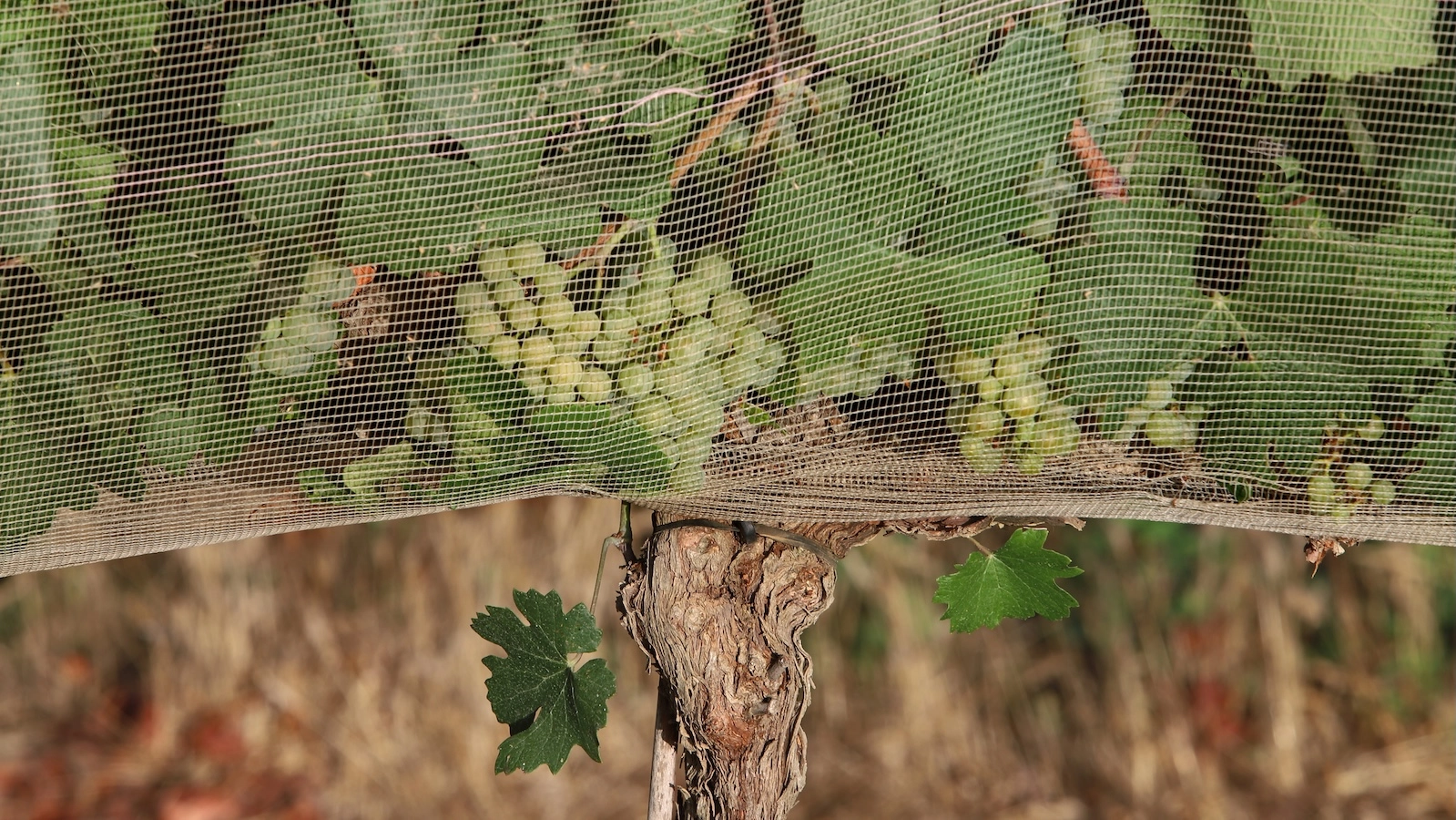
A recent study from Cornell University explored three strategies for winegrape producers to cope with rising temperatures: installing shade cloths for grape protection, planting new heat-resilient grape varieties, or relocating to cooler climates. The research discovered that consumers are willing to pay a premium for wines produced using these methods, even if it means sacrificing some brand recognition associated with regions like Napa Valley.
This market study aims to inform growers of available adaptation strategies, associated costs, and consumer perceptions. According to Alex Susskind, a co-author of the study, a producer’s efforts are futile if consumers do not appreciate or understand them.
Among the strategies considered, only two—switching grape varieties or relocating—are readily apparent to consumers. For instance, if a California vineyard adds shade cloths, most consumers would remain uninformed unless noted on the label. Conversely, if a renowned Cabernet Sauvignon vineyard transitions to growing Carignane grapes or relocates to a cooler region, consumers are likely to notice the change.
The study found that consumers were least willing to pay more for wines produced from relocated grapes. However, they still showed a willingness to pay extra for wines made with heat-resilient techniques.
While the study offers valuable insights, it has limitations. It focuses solely on adaptation for winegrape growers, not on mitigation strategies aimed at reducing carbon impact. The survey involved only 300 participants, mostly eco-conscious college graduates under 40, which may not accurately reflect the broader public’s preferences. Researchers noted that consumer enthusiasm for climate-resilient wine could diminish over time.
Despite these limitations, industry experts find the study results promising. Jimena Balic, a winemaking researcher in Chile, highlighted the importance of documenting the economics of climate adaptation. She believes that growers are unlikely to adopt these strategies unless they show clear financial benefits and suggested that adaptation might be implemented gradually.
Greg Jones, an experienced wine climatologist, echoed that educating consumers about viticulture processes and climate impacts is critical. He remains optimistic, hoping the study will spur further research into adaptation strategies and consumer preferences.
Ultimately, the fate of winemaking amidst climate change may depend on how effectively the industry communicates its adaptations and engages consumers in understanding the evolving landscape of wine production.
For more information on the effects of climate change on viticulture, check out the detailed study from Cornell University here.