Wine 1106
Napa County Considers New Policies to Bolster Wine Industry Amid Economic Challenges

Amid ongoing economic challenges within the wine industry, Napa County is exploring potential short-term zoning code amendments designed to streamline its permitting processes to better support local wineries and grape growers.
This review follows a request from four prominent wine industry groups—Winegrowers of Napa County, Napa Valley Vintners, Napa Valley Grapegrowers, and Napa County Farm Bureau—who recommended both immediate and longer-term actions to alleviate regulatory pressures on the industry.
During a recent Board of Supervisors meeting, various proposed amendments to the current regulations governing wineries and grape growers were discussed. Key suggestions include:
- Granting winery permit holders more flexibility in hosting marketing events without increasing overall visitation; easier adjustments to employee counts; removing the need for permits for electric vehicle charging stations; and allowing expansions of permitted commercial kitchens with only county staff review.
- Streamlining hearings managed by the county’s zoning administrator, adding a "notice of intent" to minimize formal public hearings when there is insufficient public interest.
- Considering changes to the county’s micro-winery ordinance, such as possibly doubling production and visitation limits.
- Evaluating the extension of a pilot program related to outdoor tasting experiences permitted by Assembly Bill 720 to include winery properties.
- Revisiting the land use appeal process, which reportedly requires a significant amount of staff and legal resources to manage.
The county’s planning director, Brian Bordona, emphasized the aim of improving efficiency while maintaining environmental reviews and public participation protections established by the Board.
Public feedback during the meeting was largely supportive, with Supervisor Anne Cottrell highlighting the importance of minimizing regulatory burdens to facilitate compliance while still allowing the county to monitor adherence effectively.
However, discussions around potential long-term amendments, such as modifications to the Winery Definition Ordinance, elicited some concerns. Supervisor Liz Alessio noted that today’s visitors desire diverse experiences, fearing that stringent regulations might stifle economic growth.
Industry representative Deborah Dommen stated that innovative culinary experiences are increasingly sought after by consumers, emphasizing that such activities could rejuvenate interest among younger wine enthusiasts.
Conversely, Board Chairperson Amber Manfree cautioned about potential environmental impacts from expanded uses and stressed consistency with the Agricultural Preserve zoning regulations. Concerns were raised regarding the implications of categorizing activities like yoga as agricultural.
The dialogue also touched upon the land use appeals process, with some supervisors advocating for structural adjustments while others felt the current system was generally effective, even if slow.
Overall, Napa County aims to navigate the challenges of the current economic landscape while ensuring sustainable growth and compliance within the wine industry.
Steak and Wine Pairing: 3 Sommeliers Share Their Surprising Top Picks!
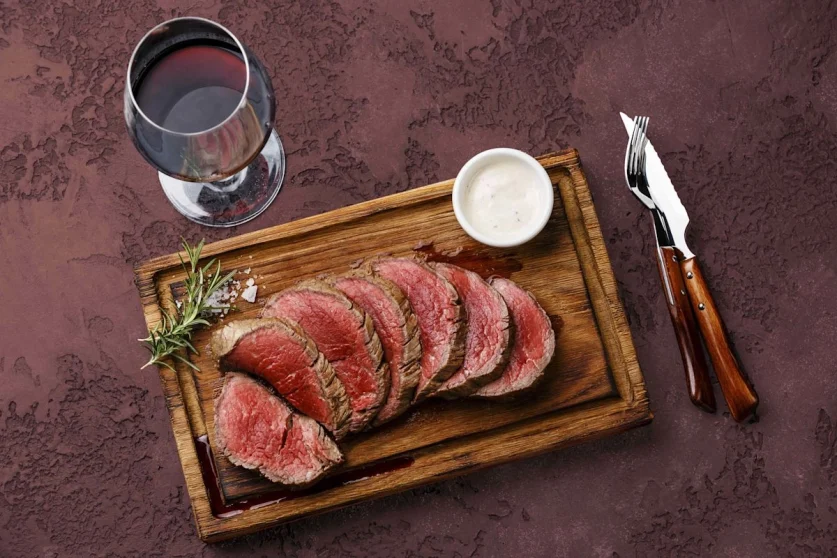
When selecting a wine to pair with steak, many automatically think of red wines, but experts suggest breaking out of this norm. While red wines, particularly bold varieties, have long been regarded as the top choice for beef dishes, sommeliers today assert that many wines can complement steak beautifully, even champagne.
Key Considerations for Pairing Wine with Steak
-
The Cut of Meat and Cooking Method:
- Rich cuts like ribeye benefit from high-tannin reds such as Cabernet Sauvignon. For leaner options like filet mignon, a lighter wine like Pinot Noir is ideal. Grilled steaks typically call for bolder wines due to their rich flavors.
-
Sides and Sauces:
- The accompanying dishes can greatly influence your choice. Heavier sides like creamy polenta may require a wine with higher acidity to balance the richness, while lighter vegetable sides won’t significantly alter your wine selection. If serving a cream-based sauce, consider an oaked Chardonnay which has sufficient body to complement the creaminess.
-
Expanding Beyond Red Wines:
- If red isn’t your preference, feel free to experiment. According to sommeliers, dry rosé or even vintage champagne can offer exciting pairing options. A bubbly can refresh the palate, especially on a warm day or with rarer steak preparations.
Recommendations for Specific Steak Types
-
Leaner Cuts (Filet Mignon, New York Strip):
- Best Wine: Pinot Noir or Brunello di Montalcino, known for their high acidity that complements these refined cuts.
-
High-Flavor Dishes (Pepper-Crusted or Barbecue Steak):
- Best Wine: Syrah or Shiraz pairs well with heavily seasoned meat. For barbecue flavors, a Zinfandel can enhance the dish’s spice.
-
Fattier Cuts (Skirt Steak, Ribeye):
- Best Wine: Bold wines such as Barolo or Amarone della Valpolicella work well with rich cuts, while Malbec or Cabernet Sauvignon can complement grilled meats effectively.
Conclusion
When it comes to wine pairings with steak, don’t feel restricted to the conventional red wines. With thoughtful consideration of the cut, cooking method, and sides, you can discover a variety of wines—both red and white—that create delightful pairings with your steak meals. Trust your palate, and enjoy the experimentation!
For more in-depth guidance, check out the original article on Real Simple.
Beer, Wine, or Liquor? New Study Uncovers Which Alcohol May Lower Death Risk

Recent research has highlighted the impact of different types of alcohol on mortality rates, particularly focusing on wine, beer, and spirits. A study examining data from over 340,000 participants in the UK Biobank found a connection between wine consumption and lower mortality rates compared to beer and spirits, which were linked to higher death risks.
The research, which followed participants from 2006 to 2022, revealed that those who consumed alcohol at moderates levels were less at risk of death from cardiovascular issues. Specifically, moderate wine drinkers experienced a 21% lower risk of cardiovascular death when compared to non-drinkers. Conversely, beer and spirits were associated with a 9% higher risk of cardiovascular death among low drinkers.
Participants were categorized based on their reported alcohol intake, with high consumption defined as more than 40 grams per day for men (about three drinks) and over 20 grams per day for women (approximately 1.4 drinks). Findings indicated that high alcohol consumption resulted in a 24% greater risk of all-cause mortality and a 36% increased risk of cancer-related deaths.
Dr. Zhangling Chen, the study’s lead author, emphasized that while these findings highlight the differential risks tied to various alcoholic beverages, it does not suggest that everyone should partake in daily alcohol consumption, especially for those with pre-existing health conditions.
Wine’s potential protective effects may stem from its polyphenols and antioxidants, which could contribute positively to cardiovascular health. However, experts offer caution that individuals with histories of substance misuse should avoid alcohol altogether, as responses to alcohol can greatly vary among individuals.
The study, while revealing important correlations between alcohol types and health outcomes, also acknowledges its limitations. It is observational, meaning it cannot definitively prove causation, and relies on participants’ initial reports of alcohol intake which might not account for changes during the follow-up period.
Further high-quality research is needed to validate these observations and understand the complexities of alcohol consumption’s effects on health.
What Your Wine Choice Says About Your Personality: More Than Just a Taste Preference
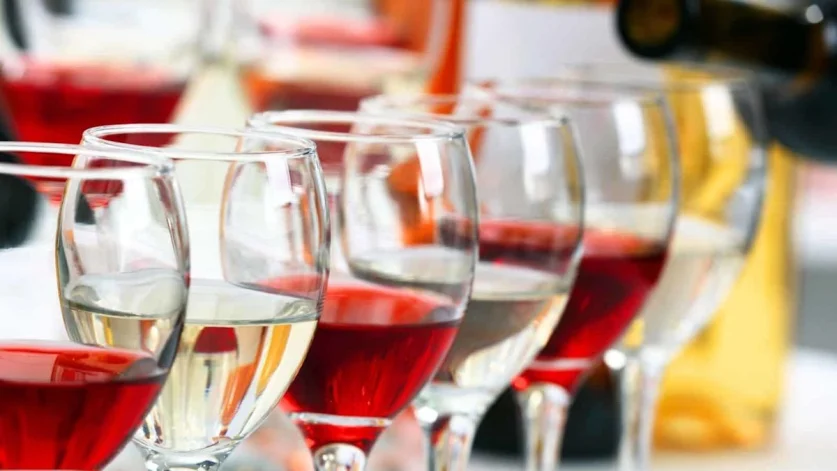
Grabbing a bottle of wine before heading to a dinner party often feels like a game of chance—should one choose a bold red or a safe white? Recent research indicates that these selections may reflect deeper aspects of our personalities, based on how we relate to the wine we choose.
Psychologists utilizing the Big Five personality traits framework investigated the relationship between personality and wine preference. A study involving nearly 10,000 wine reviews examined the language used by shoppers, using AI to identify personality traits among the reviewers. The analysis aimed to discern whether personality influences wine selection.
Key Findings of the Study
The study revealed that four of the five personality dimensions (openness, agreeableness, extraversion, and neuroticism) were significant in determining wine preferences. Shoppers with traits indicating higher openness and agreeableness tended to favor higher ABV (alcohol by volume) wines, which are bolder and more intense. Conversely, individuals exhibiting traits of extraversion and neuroticism showed a preference for lighter, more approachable wines. The trait of conscientiousness did not significantly affect wine choices.
Interestingly, the type of wine chosen does not strictly dictate personality. While a preference for a bold red wine suggests certain traits, it does not define an individual completely. Researchers believe these findings can serve as a basis for developing wine recommendations aligned with personal psychological profiles.
Perceptions of Wine Labels
In another facet of the research, a survey assessed how the country of origin of a wine influenced consumer perception. Wines from France were deemed the most sophisticated and prestigious, while American wines were seen as competent but lacking polish. The benefits of understanding these biases could lead to crafting more effective marketing strategies and selection advice for consumers.
Ultimately, the research highlights that our wine choices might reflect more about who we are than just our taste preferences. As we browse through the store aisles, taking a moment to consider our selections could offer insights into our personalities—and perhaps even create a more enjoyable shopping experience.
Modesto Wine Industry Struggles: 66 Layoffs at Local Manufacturer of Caps and Corks
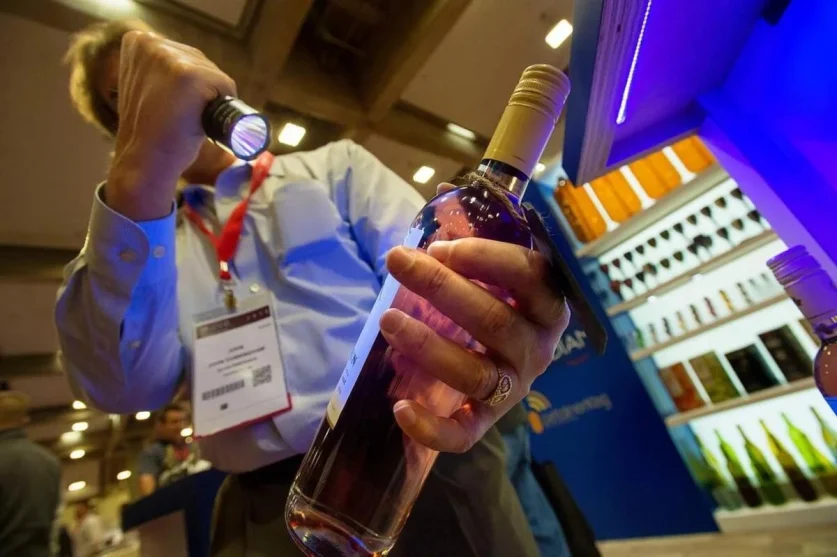
G-3 Enterprises, a manufacturer of wine closures in Modesto, is set to lay off 66 employees due to a downturn in the wine industry. The layoffs, which take effect on October 6, were confirmed by Laura Bream, the company’s Vice President for Human Resources. While she did not disclose the exact number of remaining employees at G-3 facilities, she emphasized that it would still be one of the area’s larger private employers.
The company’s operations include producing natural and synthetic corks, screw caps, as well as labels and bottling for various beverage producers. Founded by members of the Gallo family, G-3 maintains a close relationship with the Gallo Winery, which currently employs around 7,000 people across four states.
This announcement follows broader challenges in the wine industry, including a decline in demand particularly among younger consumers who are gravitating toward alternatives or abstaining altogether. The Wine Institute reported a decline in vineyard acreage in California, falling from a peak of 469,790 acres in 2013 to 424,032 acres last year.
This is not an isolated event, as the wine industry continues to face considerable obstacles. Notably, Bronco Wine Co., based near Ceres, laid off 227 of its 750 employees last year. Gallo also made cuts, laying off 20 workers in June from its Turner Road plant and 93 from various locations in Napa and Sonoma counties earlier this year.
Bream highlighted that the restructuring at G-3 is reflective of larger market trends impacting the wine sector, citing decreased consumer demand, inflationary pressures, and heightened competition. As a response to the layoffs, affected workers can seek support for new job placements through Stanislaus County Workforce Development.
Wine, Beer, or Spirits? A Groundbreaking Study Reveals Health Impacts of Alcohol Choices

A recent study conducted over a decade involving over 340,000 adults has revealed significant differences in the health impacts of various alcoholic beverages at low-to-moderate levels of consumption. While heavy drinking is universally linked to increased mortality, the effects of consuming beer, cider, spirits, and wine differ markedly at lower consumption levels.
The research, presented at the American College of Cardiology’s Annual Scientific Session, found that while heavy drinkers (defined as those consuming more than 40 grams of pure alcohol daily for men and 20 grams for women) had a 24% higher risk of death from all causes, a startling distinction emerged for moderate drinkers. Moderate wine consumption correlated with a lower risk of cardiovascular death—21% less—compared to non-drinkers. In contrast, even low levels of beer, cider, or spirits consumption led to a 9% increase in cardiovascular death risk.
These findings were drawn from data collected through the UK Biobank study between 2006 and 2022, where participants were categorized based on their self-reported alcohol intake. Interestingly, the study revealed that spirits, beer, and cider were linked to a higher mortality risk, while wine was associated with benefits, suggesting that the type of alcohol consumed plays a crucial role in dictating health outcomes.
Various factors may explain the differing health implications of these beverages. For one, wine, particularly red wine, is rich in polyphenols and antioxidants that could support heart health. Additionally, wine is often consumed with meals, which may encourage healthier eating behaviors, unlike spirits, which tend to be consumed in social settings that may not promote a balanced diet.
Despite the strengths of the study, including its large sample size and prolonged follow-up, it is important to note that it was observational. This means it cannot definitively establish causation between types of alcohol and health outcomes. Changes in drinking habits over time or selection bias within the study’s notably healthier UK Biobank participants could also influence the results.
The study underscores the necessity for re-evaluating public health guidelines concerning alcohol consumption, emphasizing not only the quantity but also the type of alcohol consumed.
The Ultimate Ranking of Every Trader Joe’s Coastal Wine
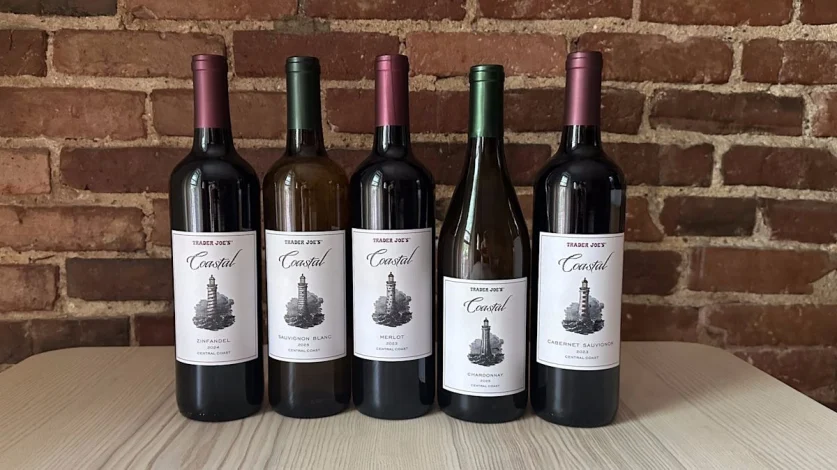
Trader Joe’s is well-known for providing a diverse selection of affordable wines, and their Coastal wines line is often regarded as a step above the iconic "two-buck Chuck" (Charles Shaw). These wines are slightly pricier than the budget options but offer a more complex tasting experience. Here’s a review and ranking of Trader Joe’s Coastal wines based on flavor and overall quality:
5. Cabernet Sauvignon
While not the best representation of cabernet, it features notable black fruit flavors, with an intense oak presence that’s somewhat overpowering. It’s decent for those seeking a red that’s not too light, but there are better options in the lineup.
4. Zinfandel
This Zinfandel surprised with its plush mouthfeel, despite being generally heavy. However, the flavor is marred by bitterness and aggressive tannins that overshadow the fruit. Nonetheless, it’s an acceptable choice considering its price.
3. Chardonnay
This unoaked Chardonnay showcases brighter notes of green apple and lemon but is ultimately an unremarkable offering. It’s inoffensive and can serve as a base for drinks like homemade white sangria.
2. Sauvignon Blanc
A popular choice for its refreshing and zesty flavor, this Sauvignon Blanc is accessible and offers pear and stone fruit notes, making it a reliable option for warm days. While it may not be the highest quality, it remains solid for its value.
1. Merlot
Topping the list is the Coastal Merlot, which brings excellent value for the quality it delivers. The wine features a medium body with hints of green bell pepper, slight oakiness, and acidity. It’s versatile and a good choice for both red wine enthusiasts and novices alike.
Conclusion
These rankings reflect personal tastes and experiences, but they can guide your next buying decision when you visit Trader Joe’s. Whether you’re a seasoned wine drinker or starting to explore this world, there’s a Coastal wine suitable for your palate and budget.
Exploring Unique Estates: Where Wine, Wheat, and Art Flourish Together

Very much off the beaten path, productive farms and vineyards around the world are evolving into cultural hubs that blend agriculture with contemporary art. While often situated far from typical cultural circuits, these sites offer unique experiences for art lovers willing to make the journey.
Tippet Rise Art Center in Fishtail, Montana
Located on a 10,260-acre working sheep and cattle ranch, Tippet Rise showcases monumental sculptures against the stunning backdrop of the Rocky Mountains. Open to the public since 2016, the center features works by renowned artists including Alexander Calder and Mark di Suvero. The ranch was once the home of Modernist painter Isabelle Johnson and is now owned by Cathy and Peter Halstead, who have seamlessly integrated art into the landscape.
Kultivator in Färjestaden, Sweden
Nestled on the island of Öland, Kultivator merges organic farming with visual art through collaborative projects with local artists and farmers. Established in 2005 by artists and local farmers, Kultivator has hosted nearly 40 exhibitions focused on sustainability and ethics in food production. The dairy farm setting has welcomed over 80 artists and researchers who contribute to creative dialogues.
Donum Estate in Sonoma, California
Launched in 2011, Donum Estate has transformed the Sonoma landscape by marrying art, wine, and land stewardship. The estate is home to over 60 outdoor sculptures, making it one of the largest private collections of its kind. The estate continues to evolve, showcasing contemporary art while enhancing the wine experience.
Quinta do Quetzal in Vidigueira, Portugal
Founded by Dutch art collectors Cees and Inge de Bruin, Quinta do Quetzal sits on diverse microclimates ideal for winemaking. Their estate, launched in 2006, is both a vineyard and an art gallery, featuring rotating exhibitions of contemporary works alongside traditional winemaking techniques.
Hauser & Wirth Somerset in Bruton, England
Set in an 18th-century farm, Hauser & Wirth Somerset combines contemporary art with agricultural heritage. The venue includes galleries and restaurants within a renovated farming complex, offering visitors exhibitions as well as locally-sourced dining experiences.
Paradise Ridge Winery in Santa Rosa, California
Since 1994, Paradise Ridge has showcased sculptures in its gardens, including installations created for the Burning Man festival. This winery has become a venue for large-scale artistic expressions that reflect the surrounding landscape.
Château La Coste in Le Puy-Sainte-Réparade, France
This 500-acre estate features biodynamic vineyards alongside artworks from renowned contemporary artists. Each year, Château La Coste invites artists to create permanent installations among the vineyard’s lush gardens, enhancing its status as a cultural destination.
Castello di Ama in Tuscany, Italy
Blending wine production and contemporary art, Castello di Ama offers a seamless experience in the Chianti region. Curator Philip Larratt-Smith describes the estate as capturing the essence of the land, hosting installations that change regularly to reflect the beauty of the surroundings.
These unique estates prove that art and agriculture can harmoniously coexist, enhancing cultural appreciation in breathtaking settings. For those willing to explore beyond traditional venues, these sites present rich opportunities to engage with both the land and contemporary creativity.
Uncorking the Benefits of Dry Low-Alcohol Wine: Discover the Best Grapes for a Lighter Sip
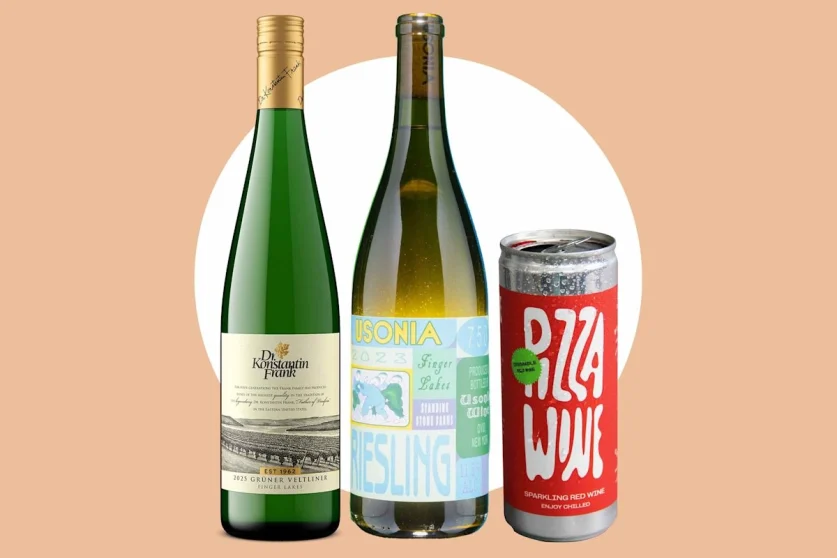
Low-alcohol wine is enjoying a surge in popularity, particularly during warm weather when refreshing drink options are in high demand. This article explores the rise of dry low-alcohol wines, which are typically defined as those with an alcohol content of 12% ABV or lower and up to 10 grams of residual sugar per liter. Sommeliers praise these wines for their crisp, clean flavors that harmonize well with various foods.
Experts emphasize that low-alcohol wines, while rewarding in complexity for those who wish to delve deeper, can also be enjoyed casually. They are seen as an excellent choice for social gatherings, as they allow for prolonged sipping over meals without overwhelming the palate.
Grapes for Dry Low-Alcohol Wines
Several grape varieties stand out for producing exceptional low-alcohol wines:
Riesling
Riesling is renowned for its bright acidity and can range from dry to sweet. In its dry form, it is light-bodied, making it perfect for warmer weather. Look for labels that specify "dry" or "trocken" to ensure you’re getting the less sugary versions.
Grüner Veltliner
This Austrian variety delivers racy wines characterized by spicy notes and vibrant citrus flavors. Like Riesling, it thrives in cooler climates, which help retain acidity while minimizing sugar levels.
Pét-nat (Pétillant Naturel)
Pét-nat wines undergo natural fermentation in the bottle, producing a lightly sparkling, easy-drinking wine. They can be made from various grape varieties, offering exciting flavor profiles.
Lambrusco
While often associated with sweet wines, dry Lambrusco options can showcase diverse flavors like sour cherry and earthy notes. These wines are excellent when slightly chilled, making them a great pairing with Italian dishes.
Recommendations
If you’re looking to explore dry low-alcohol wines, consider trying:
-
Rieslings:
- 2023 A. Christmann Gimmeldinger Kapellenberg Pfalz Riesling Trocken (Germany)
- 2023 Usonia Wine Standing Stone Farms Finger Lakes Riesling (New York)
- 2022 Left Foot Charley Terminal Moraine Old Mission Peninsula Riesling (Michigan)
-
Grüner Veltliners:
- 2025 Dr. Konstantin Frank Finger Lakes Grüner Veltliner (New York)
- 2025 Illahe Estate Willamette Valley Grüner Veltliner (Oregon)
- 2023 Loimer Lois Grüner Veltliner Niederösterreich (Austria)
-
Pét-nats:
- 2025 Sinor-LaVallee San Luis Obispo Coast Ancestrale Pét-Nat of Pinot Noir (California)
- 2024 Grosgrain Les Collines Vineyard Walla Walla Valley Sparkling Sémillon Pétillant Naturel (Washington)
- 2024 Quady North Chelsea Rose Applegate Valley Pet-Nat Sparkling Vermentino (Oregon)
-
Lambruscos:
- 2025 Cleto Chiarli Lambrusco di Sorbara Metodo del Fondatore Brut (Italy)
- 2025 Medici Ermete Lambrusco Reggiano Concerto Organic (Italy)
- Pizza Wine Sparkling Red Wine (New York)
Embracing low-alcohol wines not only aligns with social drinking trends but also opens up new avenues for enjoyment without the heavy weight of traditional high-ABV wines. Whether at a casual get-together or during a quiet evening at home, these selections provide a refreshing alternative for wine lovers.
Azamara Partners with American Wine School to Offer Wine Certification Onboard
Azamara Cruises is excited to announce a new collaboration with the American Wine School, which will provide an opportunity for guests to earn the WSET Level 1 Award in Wines during select sailings starting December 2026.
This immersive course, led by Marianne Frantz, the founder of the American Wine School and a certified educator, will feature expert instruction alongside guided tastings. The price for this certification is $275 per person, with a limit of 24 participants per sailing. Reservations will be available in advance.
Wayne Fannon, corporate director of food & beverage operations at Azamara, expressed that their goal is to enhance destination immersion through culinary experiences that connect guests to the local culture. The program aligns with Azamara’s commitment to offer enriching experiences that make travel both enjoyable and educational. Guests can deepen their wine appreciation while earning an internationally recognized qualification.
The first courses will take place aboard:
- Azamara Quest during the Panama Canal Holiday & New Year’s Eve Cruise on December 18, 2026
- Azamara Journey on the South America Cruise starting March 10, 2027
Participants will explore major grape varieties, various wine styles, proper service and storage methods, and food pairing techniques, culminating in the official WSET Level 1 Wine exam onboard.
In addition to the certification course, there will be destination-inspired wine programming, including curated tastings and food pairing experiences to complement the flavors and traditions of the regions the cruises will visit.