Wine 1106
The Hottest Summer Pick: Shoppers Can’t Get Enough of This Rosé at Total Wine!

The summer season brings a surge in popularity for rosé wine, known for its bright and fruit-forward flavor profile. Recently, Adam Lapierre, a master of wine at Total Wine, highlighted a notable newcomer: the Celesia Côtes de Provence rosé. This wine, priced at $17.49 per bottle, comes from France’s esteemed Estandon wine cooperative and embodies the traditional Provence characteristics—pale, dry, crisp, and refreshing.
Lapierre emphasized the versatility of this rosé, stating it pairs wonderfully with seafood, salads, and grilled chicken. To enjoy it at its best, serving temperatures between 46 and 50 degrees Fahrenheit are recommended, which may require refrigerating it for up to three hours beforehand.
The appeal of rosé is also influenced by environmental factors such as regional weather conditions and terroir. The Côtes de Provence region, situated along the Mediterranean coast, is ideal for grape growing, producing primarily rosé wines. As summer temperatures rise, interest in rosé increases particularly in the Northeastern U.S., as consumers seek wines that complement outdoor dining experiences and seafood dishes.
In contrast, wine preferences in warmer regions like the South and West Coast also gravitate towards refreshing whites and sparkling wines year-round, aligning with a lifestyle of outdoor entertaining.
This summer, the Celesia Côtes de Provence rosé is expected to be a popular choice among wine enthusiasts, thanks to its affordability, quality, and flavor profile that embodies the essence of summer. For ideas on pairing food with this delightful wine, explore some favorite wine and snack combinations.
Exploring Georgian Wine: A Deep Dive into Its Rich Cultural Heritage

Georgia is often credited as the birthplace of wine, with its winemaking tradition dating back 8,000 years. The country’s unique method involves using clay vessels called qvevri, which are buried underground and serve as fermentation containers. Iago Bitarishvili, the founder of Iago’s Wine, exemplifies this ancient practice, stating that Georgia is the only nation that has maintained this tradition without interruption over the millennia.
The qvevri method is distinctive. Unlike conventional winemaking, where the grape juice is separated from the skins, Georgian winemakers ferment whole grapes—including skins, stems, and seeds—in the qvevri. This results in a wine that is amber-colored and tannic, offering a unique flavor profile that is often surprising to those new to it. However, only about 5% of Georgian wine production utilizes this method; the majority is made using modern techniques, making it more palatable to global markets.
Georgia boasts a rich diversity of over 500 native grape varieties, far surpassing countries like Italy and Portugal. Saperavi and Rkatsiteli are among the most notable, with the former being a robust red grape and the latter a versatile white that can transform into an amber wine when crafted in the qvevri.
Central to understanding Georgian wine is the culture that surrounds its consumption. Wine is rarely enjoyed outside the context of a supra, a traditional feast where food and wine are abundant, and toasts are carefully orchestrated by a tamada, or toastmaster. This cultural practice emphasizes sharing and community over casual drinking.
In addition to the fascinating methods of production, Georgian wines also carry significant cultural weight. For many, wine is not just a beverage; it is sacred and intertwined with personal and community history. As Lado Uzunashvili from Vazisubani Estate notes, tasting both European-style wines and traditional qvevri wines side by side illustrates the depth of the cultural heritage behind each glass.
As Georgia continues to face geopolitical challenges, its wine culture remains a symbol of resilience and identity. The practice and heritage surrounding Georgian winemaking are not just about producing a drink—it’s about preserving an ancient art form that remains vibrant in the modern world.
The Rise of Japanese Wine: Everything You Need to Know About This Emerging Trend
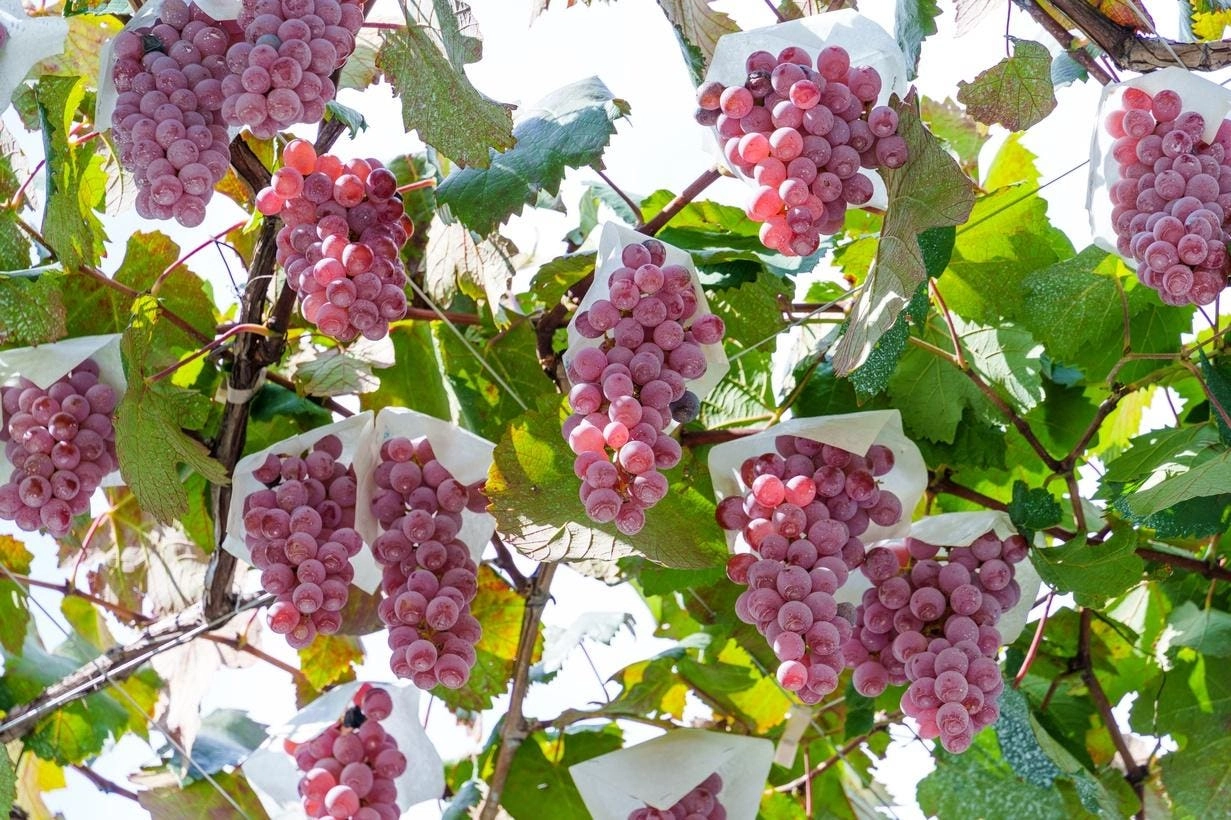
Japanese wine is undergoing a remarkable transformation, with its wineries increasing from 238 in 2008 to 551 by 2025, marking a 2.3-fold growth over 17 years. This surge in quantity is paralleled by an international recognition of quality, as Japanese wines have begun to earn prestigious awards at global competitions.
The success of Japanese wine comes despite its unique challenges. Japan’s climate, characterized by hot, humid summers and typhoons, impacts viticulture significantly. To counter these, winemakers employ labor-intensive practices, such as covering grape bunches with bags to protect against rain and growing vines high above ground level to minimize humidity effects.
Historically, Japanese winemakers sought to replicate French wines, but they are now carving out their unique identity. Movements toward producing natural wines and a deeper exploration of local grape varieties, like the native Koshu and Muscat Bailey A, are reshaping the industry. Regulatory reforms, including the abolition of minimum farmland requirements and the establishment of "Special Wine Zones," have lowered barriers for small wineries, allowing a diverse array of production styles to emerge across nearly all prefectures.
Despite a rising domestic consumption of 27% between 2006 and 2023, exports remain modest, making up just 1.4% of Japan’s total alcohol exports in 2025. The main markets for Japanese wine are China, the U.S., and Hong Kong.
Looking forward, experts like Nick Rowan envision Japanese wine maintaining a niche status rather than reaching blockbuster levels akin to New Zealand’s Sauvignon Blanc or California’s Cabernet Sauvignon. He notes that the fragmented nature of vineyard holdings and Japan’s limited agricultural land pose formidable challenges for large-scale production.
However, the unique appreciation for individual growers in Japan, combined with a burgeoning younger generation of winemakers experimenting with styles, suggests a vibrant future for Japanese wine. This burgeoning scene is compared to early performances by iconic bands, emphasizing that while it might not yet be polished or widely recognized, it offers a glimpse into a luxurious and distinct flavor journey waiting to be explored.
For additional insights about the burgeoning Japanese wine scene, you can refer to Nick Rowan’s book, Japanese Wine.
Revolutionary Experimental Wine Bottle Tracks Oxygen Flow Through the Cork
Most people think of a cork in a wine bottle as simply a seal that keeps the liquid contained. However, a recent study published in Science Advances by a team of French scientists reveals that corks play a crucial role in regulating oxygen transfer, functioning almost like an additional ingredient in the wine.
Thomas Karbowiak, a chemist at the University of Burgundy, emphasizes the importance of understanding how oxygen diffusion through cork stoppers affects wine oxidation and aging. Oxidation is a key factor in the aging process, allowing wine to mature and develop a complex aroma while avoiding excessive oxygen exposure, which can render the wine stale.
To study these dynamics in a simplified manner, the researchers developed a "miniature bottle system." This experimental rig consisted of small glass vials mimicking the shape of standard wine bottles, sealed with scaled-down cork stoppers ranging from 6 to 42 millimeters. This setup allowed the scientists to monitor real-time oxygen kinetics and chemical reactions within the wine without the interference of external air.
The study identified four distinct phases of oxygen transfer through the cork starting from the moment it is inserted. The first phase involved equilibration between the gas and liquid phases in the first 15 days. Surprisingly, during the next six months, the researchers found that most of the oxygen entering the wine was coming from the cork, rather than the external environment, as it began to outgas oxygen from its cellular structure.
Around four months into the experiment, the cork began to chemically interact with the wine, extracting phenolic compounds such as gallic acid and ellagic acid. These compounds acted as scavengers, consuming the oxygen released by the outgassing cork and thereby lowering the overall oxygen content in the wine.
After 15 months, the team observed a long-haul phase where oxygen gradually permeated through the cork from the outside. By the end of the 18-month experiment, they found that vials with longer corks experienced reduced rates of oxygen transfer, making changes nearly imperceptible.
Though tasting tests were not conducted in this study, Karbowiak acknowledged that understanding oxygenation is essential for flavor and has already drawn interest from winemakers and cork manufacturers. Their future work aims to quantify the interplay of the four oxygen transfer mechanisms, and also investigate how cork properties evolve over time. Ultimately, this research could enable winemakers to choose appropriate corks for each vintage, maximizing the potential of the wine when it reaches optimal tasting conditions.
For more details, you can refer to the study published in Science Advances.
Bridging the Gap: Understanding the Wine Industry’s Divide Beyond Market Forces
Silicon Valley Bank’s 2026 Direct-to-Consumer (DTC) report has highlighted a notable divide in the wine industry. The data shows a stark contrast in performance between successful and struggling wineries, revealing that this disparity is driven by strategic outlook rather than market conditions.
In 2025, high-performing wineries achieved a remarkable 22% revenue growth, while their lower-performing counterparts experienced a 13% decline. The median winery found itself stagnant, with no growth at all. This widening gap raises the question of what differentiates thriving wineries from those that are struggling.
According to Rob McMillan, EVP and founder of Silicon Valley Bank’s wine division, the key difference lies in their focus. Successful wineries concentrate on outward relationships, customer engagement, and brand building, whereas struggling ones focus primarily on internal costs and operational efficiencies. This fundamental shift in mindset impacts all aspects of business strategies, including pricing, event coordination, and marketing.
Price strategies illustrate this gap further. High-performing wineries are more inclined to increase their prices, with a focus on maintaining perceived value, while lower-performing brands often resort to steep discounts, communicating a sense of decline to premium buyers. Regulatory shifts in tasting fees have compounded the problem for those in the lower tier, with many using price cuts as a compensatory strategy without a clear plan for brand positioning.
Another aspect of concern is the decreasing foot traffic in tasting rooms, which has seen a consistent decline of about 2% year over year. Lower-performing wineries tend to overspend on renovations in hopes of attracting visitors, yet this approach does not address the core issues. The once-reliable tasting room model for attracting customers is evolving as consumers shift their preferences.
Wine clubs, which represent a significant revenue stream, show stagnation with membership growth flatlining and attrition rates high. The challenge is compounded by demographic shifts, as older, more loyal members cycle out, and younger members show less loyalty. The profitability remains a critical issue; nearly half of wineries report not being profitable, even with rising bottle prices.
Looking ahead, the wine industry faces increased competition, with the number of U.S. wineries ballooning from about 7,500 in 2019 to 11,000 in 2026. As such, advertising and new customer engagement strategies are becoming essential.
McMillan predicts that the industry could experience no growth conditions by 2027 or 2028, following a potential consolidation phase. Innovative strategies, such as virtual tastings and direct engagement with customers beyond traditional tasting rooms, could lead the way forward.
In summary, the ongoing transformations in the wine industry reflect a need for wineries to adapt to contemporary consumer behaviors while diversifying their revenue strategies. This pivot is crucial for achieving not just survival, but thriving in an increasingly complex marketplace.
Read the full report here
Explore further insights from Silicon Valley Bank’s wine division
Learn about the latest trends in the wine industry
Breaking Tradition: How Wine Brands Are Adapting to Captivate a New Generation of Drinkers
Forget traditional pairings; today’s wine marketers are facing quirky challenges that defy convention. Questions like which vintage pairs with Shark Week or whether a bold cabernet suits an evening of humorously naming deceased rodents after exes illustrate the wine industry’s struggle to adapt to a younger demographic’s taste. Sales in the wine sector are declining, compelling brands to shed the "fuddy-duddy" image that has historically defined them.
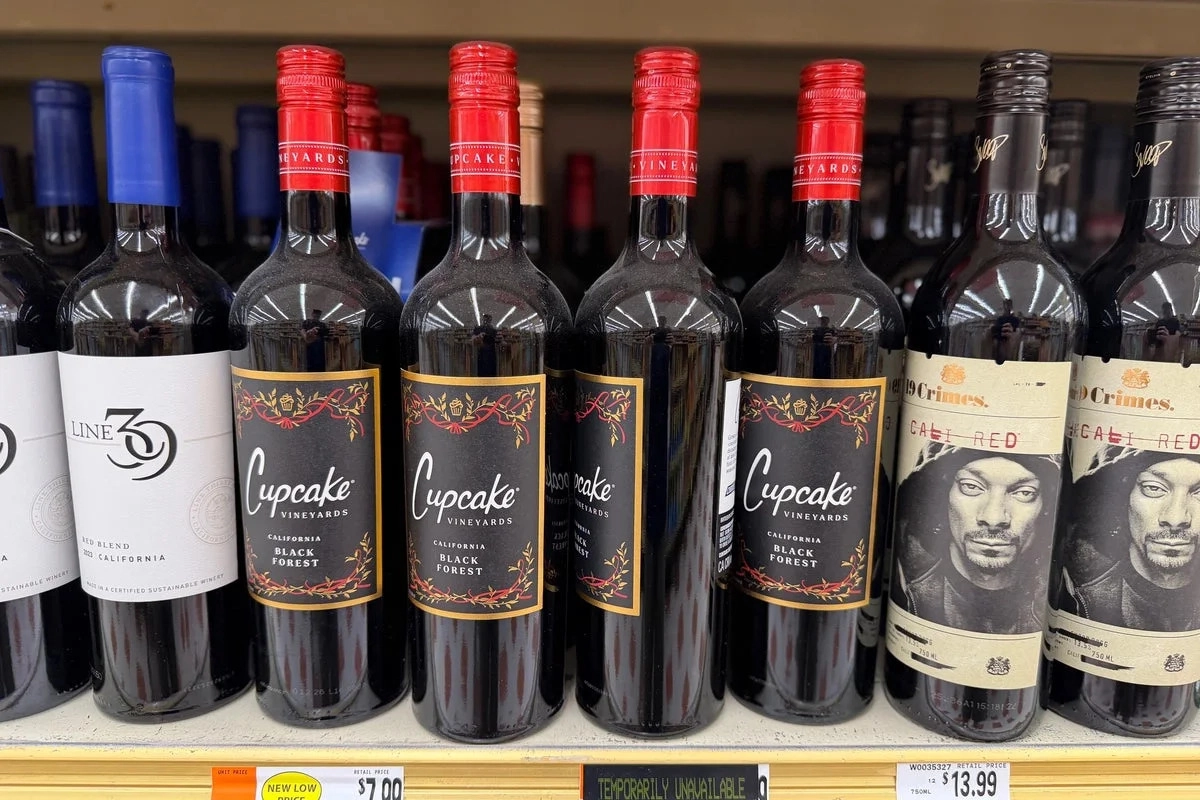
Helen Kurtz from The Wine Group emphasizes a shift toward a more approachable image, focusing on gaining the favor of a generation accustomed to easy-drinking products. Their brands, like Cupcake Vineyards, aim for less seriousness while tapping into unconventional partnerships—like linking MD 20/20 with World Wrestling Entertainment or Fuel by Franzia with NASCAR.
This downturn isn’t isolated; overall alcohol consumption is declining, particularly amongst Gen Z who are leaning towards low- and no-alcohol options as well as alternative products like cannabis. Older generations, like Boomers, are also prioritizing healthier lifestyles, exerting downward pressure on traditional wine consumption.
Navigating the complexities of wine can be daunting for newcomers, especially younger drinkers. A significant barrier is wine’s often pretentious image, filled with esoteric descriptors and high price points. It’s reported that fewer than 33% of Gen-Z households own a corkscrew, showcasing a disconnect with the traditional wine consumption model. The industry is responding with simpler messaging and price points in the $8 to $20 range that emphasize drinkability.
Brands like Bogle’s Juggernaut Wines are innovating with bold labels featuring aggressive animals and engaging in non-traditional marketing venues like tough mudder races or even partnerships with Discovery’s Shark Week. This approach aims to resonate with consumers in meaningful contexts rather than expecting them to engage on traditional platforms.
Communication style is another battleground. Younger consumers are dismissive of the elaborate marketing language typically associated with wine, opting instead for straightforward and relatable phrases. Brands like Bread & Butter Wines emphasize candor with taglines like “Don’t overthink it,” appealing to a new generation seeking ease and enjoyment in their wine experience.
As the industry attempts to bridge the generational divide, the goal is clear: to move away from the elitist connotations of drinking wine and create an inviting atmosphere. Strategies that leverage pop culture and direct messaging are emerging as vital components for capturing the attention of younger drinkers in the evolving beverage landscape.
East Bay Fine Wine Importer Makes Exciting Move to Marin County
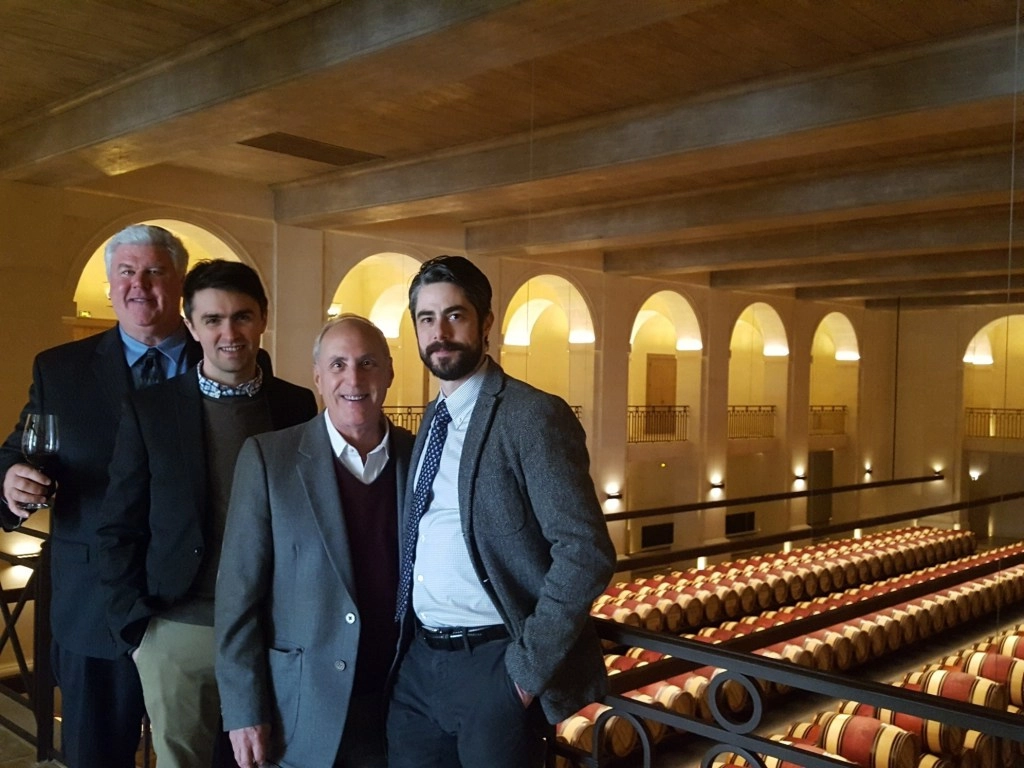
European Wine Resource Inc., a fine-wine importer based in the Bay Area, is relocating its main operations from Point Richmond to a new facility in Novato, Marin County. Co-owner and CEO Michael Scianamblo Jr. noted that this move not only connects him back to his roots in Marin but also aims to improve customer service for their widespread clientele across Northern California.
For the last 20 years, the company has been nestled in Point Richmond, operating out of a 5,300-square-foot facility with an additional 5,000 square feet dedicated to temperature-controlled storage. The new site in Novato is larger at 5,655 square feet and is strategically located near the intersection of Highways 101 and 37, which simplifies access for customers, many of whom prefer to pick up their wine orders directly due to the unique handling requirements of this product.
Scianamblo described the challenges of recent years, which include navigating tariffs and shipping delays that pressure the company’s margins. Although a 15% tariff may be manageable, he expressed concern about proposed higher tariffs, particularly a threatened 100% tariff on French wines, which could severely disrupt import operations. His business model relies on maintaining physical inventory, often valued at several million dollars, providing a buffer against economic trade uncertainties.
The company’s sales approached single-digit millions annually, and it has evolved its operations since launching in 2006, including a successful period as Amazon’s largest international wine seller. The firm prides itself on a strict "cold chain" importing process, ensuring that all wines arrive via refrigerated containers to maintain their quality.
As the wine industry adapts to post-pandemic realities and shifts in trade policies, Scianamblo remains passionate about his work, embracing the daily challenges that come with operating a unique business in a fluctuating environment.
13 Must-Try American Cabernet Francs to Elevate Your Wine Collection
Cabernet Franc is transforming from an insider’s choice to a mainstream favorite among wine enthusiasts. Known for its bright red fruit, herbal notes, and lively acidity, this versatile grape is gaining traction, especially as people seek out lighter, food-friendly wines suitable for various occasions.
In recent years, American Cabernet Franc has gained prominence, driven by campaigns like New York’s "Cab France Forward," which showcases the grape’s adaptability and appeal. This recognition has piqued the interest of consumers eager to explore wines that are perfect for every season, especially during warmer months when Cabernet Franc can be enjoyed slightly chilled.
Over the course of tasting over 40 different Cabernet Francs from across the United States, we’ve narrowed down 13 standout selections that perfectly capture the varietal’s unique characteristics.
Baily Winery (California): This 2021 bottling from Temecula Valley offers a spicy kick with notes of cracked black pepper and jalapeño. Its complexity and balance of fruit deliver a distinct and memorable experience.
Barrel Oak Winery and Brewery (Virginia): The 2022 Cabernet Franc from Virginia showcases blackberry and cherry flavors intertwined with white pepper and smoke, creating a rich yet refreshing profile.
Boundary Breaks (New York): A fruit-forward option, this 2024 Cabernet Franc features a polished essence of cherry. It’s perfect for casual summer enjoyment, ideally paired with charcuterie or light salads.
Corey Creek Tap Room (New York): Known for its unconventional take, the White Cabernet Franc from 2025 emphasizes bright fruit and fresh herbs, making it an excellent companion to summer dishes.
Cor Cellars (Washington): The 2023 offering presents vibrant red fruit with subtle herbaceous notes, delivering a lively drinking experience with appealing tension and fresh acidity.
Early Mountain Vineyards (Virginia): The 2021 Quaker Run Cabernet Franc displays elegance and complexity with aromas of red fruit and dried herbs, balanced with refined tannins that enhance its freshness.
Kalasi Cellars (Texas): Taking a light and herb-driven approach, the 2022 Cabernet Franc highlights notes of bell pepper and mint. Its savory qualities make it ideal for pairing with light fare.
Lamoreaux Landing (New York): This 2023 T23 Cabernet Franc exemplifies the varietal’s potential, showcasing vibrant fruit and fresh herbs layered with enough tannin to create a well-rounded wine.
Milea Estate Vineyards (New York): The structured 2023 Reserve Cabernet Franc is elegant, with dark fruit and spice woven seamlessly together, showcasing the aging potential of New York’s offerings.
Macari Vineyards (New York): Featuring raspberry and cherry, this 2022 Cabernet Franc holds hints of bay leaf and thyme, making for an approachable yet complex summer wine.
Monte de Oro (California): This 2021 vintage presents an earthy profile, emphasizing dried berries and cedar. While it may lack the complexity of others, it pairs well with hearty meals.
Paumanok Vineyards (New York): The 2023 Cabernet Franc delights with floral aromatics and a fruit-forward palate, providing a distinctive and flavorful experience for fans of aromatic reds.
Wölffer Estate Vineyard (New York): A quintessential example, the 2023 Cabernet Franc showcases blackberry and cassis with a structured palate, appealing to both newcomers and seasoned enthusiasts.
These selections highlight the impressive versatility and character of Cabernet Franc, making it a must-try for both seasoned wine drinkers and those new to the varietal.
Don’t Let Your Cleanskins, Bulk Wine, or Excess Inventory Gather Dust: Take Action Now!
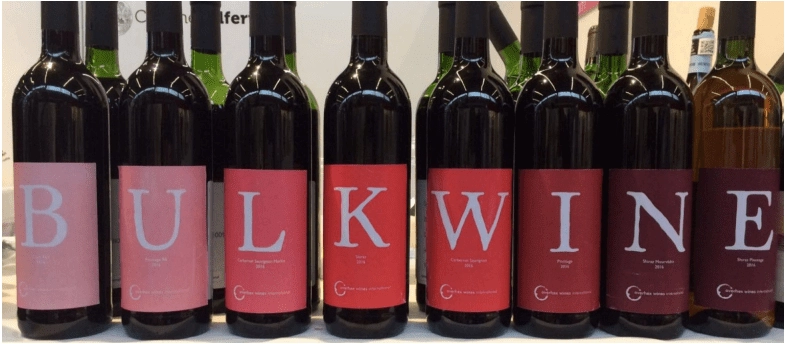
For many in the wine industry, including wineries, bulk wine suppliers, and beverage manufacturers, 2026 is marked by slower sales, higher inventory, and pressure to sell stock. Many producers find themselves with filled tanks and stagnant warehouse supplies, while buyers are increasingly selective. A significant opportunity to engage with serious U.S. buyers is presenting itself at the upcoming International Bulk Wine & Spirits Show (IBWSS) in San Francisco on July 28–29, 2026.
The IBWSS is a vital platform for companies seeking to sell bulk wine, move excess inventory, and establish private label partnerships. This year, the event will bring together a range of industry players, including importers, distributors, retailers, and beverage companies, all actively seeking producers and partners. Attending IBWSS could be crucial, as missing this buying cycle may mean waiting another year for similar opportunities.
Prominent companies already registered to attend include ALDI USA, Walmart, Total Wine & More, and Constellation Brands, among others. The event will feature presentations from notable sourcing leaders and managers from various sectors discussing retail trends, hospitality beverage strategies, and bulk supply opportunities.
Exhibitors at the show will receive a two-day conference pass and an invitation to a networking cocktail party with potential buyers. If your company deals with bulk wine, private label wine production, or custom crush services, this could be one of the few chances left in 2026 to present your offerings directly to interested buyers.
For more details and to register for the event, visit the IBWSS website.
America’s Top Wines Revealed: Highlights from the Decanter World Wine Awards
The Decanter World Wine Awards (DWWA), widely recognized as a premier global wine competition, recently showcased an impressive performance from American wineries in 2026. With their best medal tally to date, U.S. producers secured 466 medals—nearly double their previous high and making a strong statement on the world stage.
Highlights from the event include two "Best in Show" awards, five Platinum medals, and thirty-two Gold medals. Clos du Val from California earned Best in Show for the third year running with its Yettalil, Stags Leap District 2023, achieving a score of 97 points. Other notable winners included the AvinoDos Blanc de Blanc Extra Brut, which became only the second American sparkling wine to receive a Platinum medal at DWWA, and the Hacienda Sequoia Pinot Noir from the new producer Brashley.
Oregon also made headlines with Domaine Serene’s Aspect, Pinot Noir, Dundee Hills 2023 claiming Best in Show and matching Clos du Val’s score of 97 points. The state showcased a burgeoning reputation for high-quality Pinot Noir, further established by Alexana’s Platinum-winning Estate Pinot Noir.
In a first for Texas, several wineries received Gold medals, impressively showcasing Iberian and Mediterranean varietals like Sousão and Tannat. This achievement marks Texas’s evolving identity in the wine industry, as its producers move beyond traditional grape names.
Virginia and Pennsylvania continued to accumulate Gold medals, illustrating remarkable growth in regions that were once unlikely contenders. The DWWA’s results convey a vital message: American wineries are producing some of the best wines in the world, solidifying their place in the global wine community.
Overall, the outcomes of the 2026 DWWA are not only a testament to the talent emerging from American vineyards but also a clear depiction of the U.S. wine industry’s ascension onto the global stage. For a comprehensive list of all medal winners, refer to Decanter’s official publication.
For further details, visit Decanter World Wine Awards.