Wine 1106
The Uncertainty of Wine: Why Consumers Struggle to Predict Its Taste, Researchers Reveal
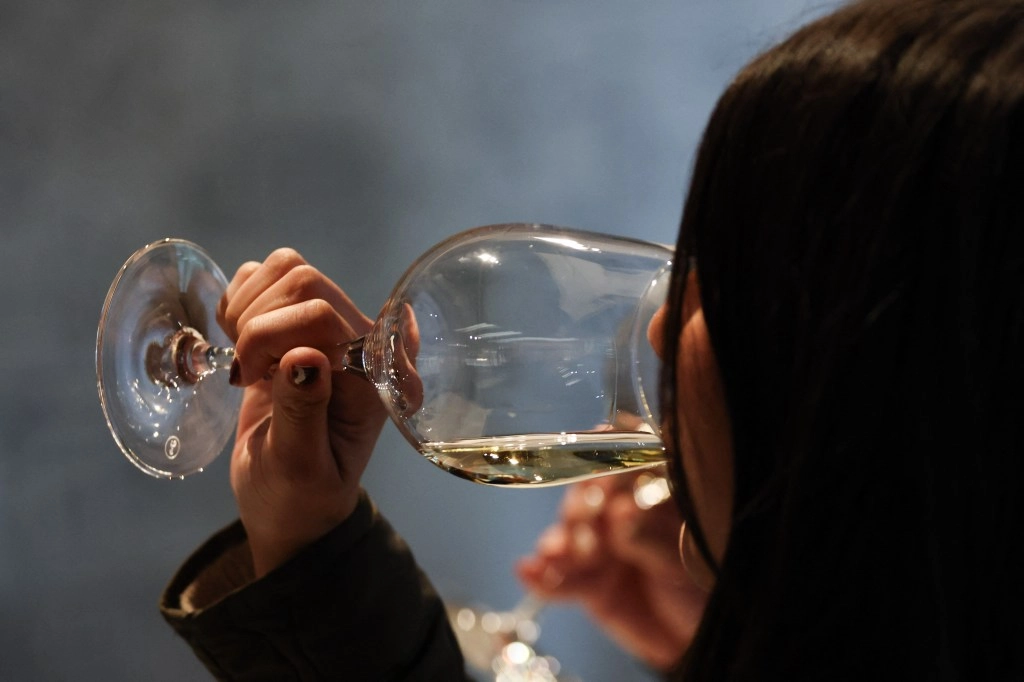
Fresh research reveals that the wine industry is facing challenges in attracting new and younger consumers, largely due to their inability to predict the taste of wines before purchasing. Instead of an inherent flaw in wine itself, experts suggest that the primary issue lies in communication failures.
During a recent webinar by the Wine Market Council, findings based on a national survey indicated that the experiences of "wine-hesitant" consumers—those who are wary of trying wine—are pivotal. Many consumers tend to abandon wine after only a few unsatisfactory tries. Christian Miller, the research director, emphasized that these mismatches in expectations and taste are not a reflection of wine quality, but rather a disconnect in understanding consumer preferences.
The council’s study showed that the overwhelming majority of wine hesitant individuals have tasted fewer than ten wines in the last decade. Repeated disappointment leads them to develop negative perceptions, which discourages future attempts. In fact, about 23% of respondents reported occasions where they bought a wine expecting a certain flavor only to find it unpalatable.
Additionally, consumers struggle with predicting wine flavors compared to other beverages like beer and cocktails. Only 11% indicated that they can accurately guess the flavor of wine, while nearly half feel confident about other drinks.
Quini, a wine tasting technology company, conducted structured tastings with approximately 3,400 evaluations from infrequent wine drinkers. Their research uncovered that the "finish" or aftertaste of a wine greatly influences consumer satisfaction. Long and complex finishes in white wines correlated positively with overall enjoyment. Sweetness also played a role, but not simply in terms of sugar content; balance appears to be key.
Quini’s findings suggest that interactions between different flavor components—such as balancing sweetness with acidity—are crucial in shaping positive consumer experiences. For example, while high astringency might deter some drinkers, it can be acceptable if balanced with low acidity and sweetness.
The research advocates for clearer communication regarding wine taste profiles, suggesting that consumers respond well to straightforward labeling that highlights attributes like sweetness and acidity rather than more technical terms. Simplifying how wines are presented could help overcome market barriers.
In summary, the path to growing wine’s appeal among hesitant drinkers may lie in understanding their preferences better and improving how wine is marketed and explained to them, focusing on intuitive taste descriptions rather than complex identifiers.
The Ultimate Bargain: Why This Costco Wine is a Must-Try, According to a Wine Expert
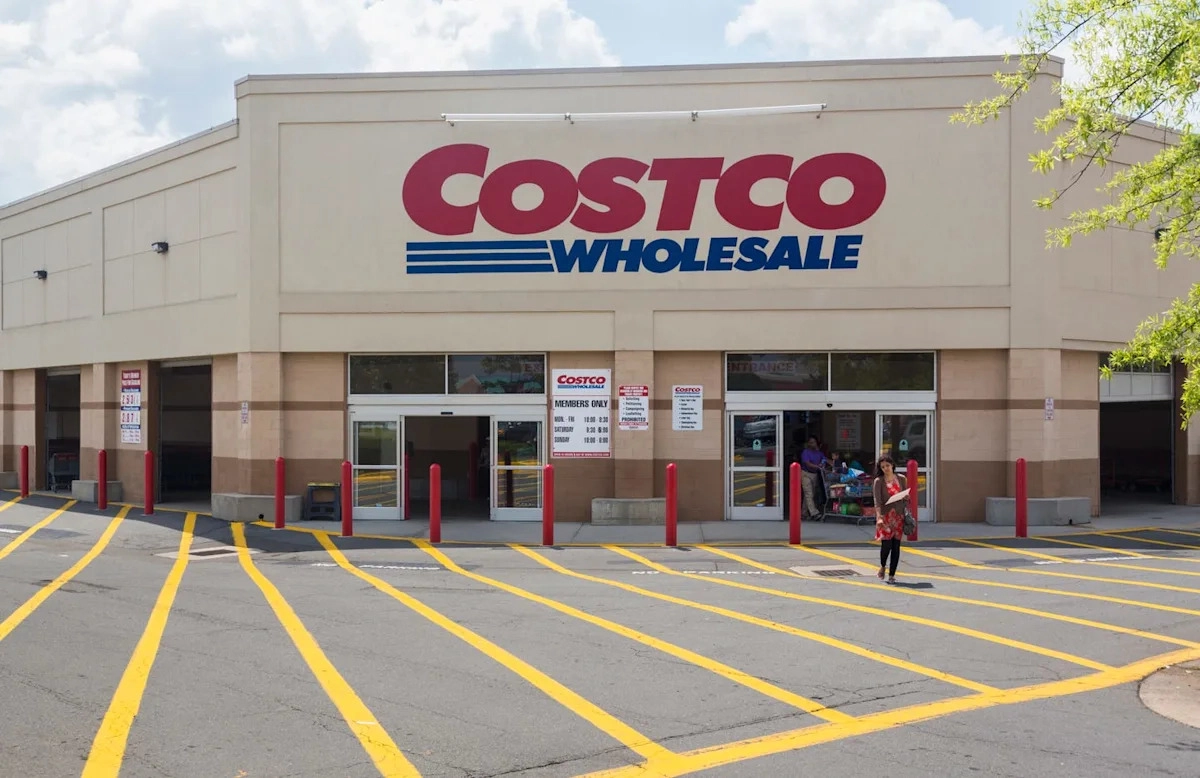
Whenever a non-wine expert shares their latest “amazing wine discovery,” skepticism is a natural response. This was certainly the case when a well-meaning father proclaimed that the Kirkland Champagne from Costco was the best he’d had in years, all for under $30. It’s easy to question how any Champagne at this price could deliver a satisfying experience.
However, after tasting it, I was pleasantly surprised. The Kirkland Champagne stood out with its fruity notes of green apples and citrus, accompanied by light brioche hints and a subtle creaminess, resulting in a clean and lively fizz. Overall, it offered a drinking experience that was elegant and complex for an entry-level Champagne.
While it may not rival the truly elite Champagnes with their depth and finish, Kirkland Signature Champagne offers a significantly better quality than most of its category competitors, which typically start at around $40.
Quality Behind the Label
What’s interesting is that Costco doesn’t make its Champagne but sources it from reputable producers. The Kirkland brand was launched in the 1990s and has since gained a reputation for partnering with established producers. The in-house Champagne is frequently associated with Manuel Janisson, a highly regarded producer from Verzenay, a Grand Cru village in Champagne. This relationship ensures that the Kirkland Champagne not only meets, but is often rooted in, the stringent production standards of the Champagne designation.
The Cost Factor
Costco’s purchasing power is unparalleled due to its vast scale. By buying in bulk, the company negotiates better prices and passes those savings onto customers. The retailer also restricts its selection, encouraging high volume sales of fewer product types, which further enhances their cost efficiency.
Unlike typical wine retailers that rely heavily on marking up the prices of bottles for profits, Costco operates differently, generating substantial income from membership fees. This allows the company to offer lower prices on its products, including wines, without relying on high markups. Additionally, Costco does limited advertising, which reduces marketing costs and allows them to provide better prices to their customers.
Food Pairing Advice
Kirkland Signature’s Champagne pairs beautifully with a wide range of foods. Its bright acidity complements rich dishes, cutting through the briny flavors of oysters and shellfish while also enhancing creamy cheeses. It is particularly effective with fried foods—my favorite being French fries—because its richness balances perfectly. Moreover, its versatility makes it suitable for heartier dishes like roast chicken and duck.
The Ideal Celebration Bubbly
This Champagne is especially suitable for gatherings. It provides an authentic and delightful sip, making it the ultimate party Champagne without breaking the bank. While it may not be hailed as the absolute best by all, its value for cost cannot be overlooked, making it a favorite among many wine enthusiasts.
A Culinary Celebration: The 16th Annual Hawaii Food & Wine Festival is Back!
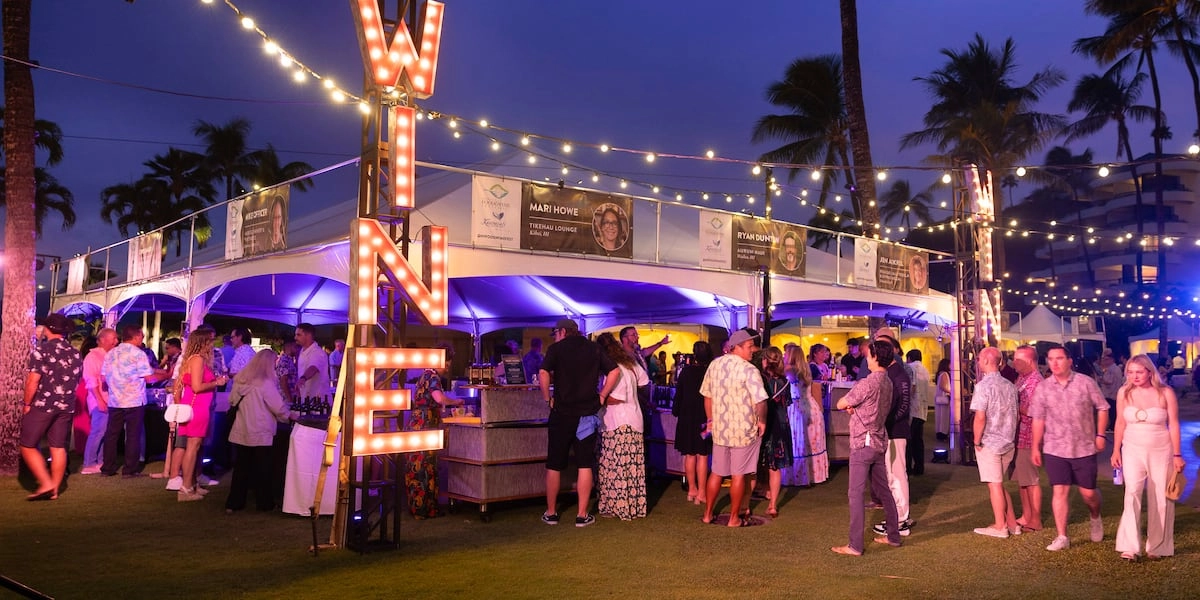
The 16th annual Hawaii Food & Wine Festival is set to celebrate “Traditions & Heritage” from October 16 to November 8, spanning three islands: Hawaii Island, Maui, and Oahu. Boasting nearly 100 chefs from the U.S. and abroad, the festival raises funds for culinary education, local agriculture, workforce development, and sustainability initiatives, having collected over $5.2 million since its inception in 2011.
This year, the festival will feature a lively lineup of events, with 18 new chefs joining many returning culinary leaders. Guests can look forward to a wide range of activities including brunches, gala dinners, grand tastings, golf events, and a professional development conference. Every chef participating will highlight local ingredients, reflecting Hawaii’s rich culinary and agricultural heritage.
Key scheduled events include:
Hawaii Island
- Cuisines of the Sun Golf Classic
October 16, Mauna Kea Golf Course - Smoked, Shucked & Cured
October 17, Mauna Kea Beach Hotel
Maui
- Roy Yamaguchi Golf Classic
October 23, Ka’anapali Golf Course - Caviar, Pearls & Aphrodisiacs
October 24, Sheraton Maui Resort & Spa
Oahu
- FEAST Summit
November 5, Sheraton Waikiki Beach Resort - Culture in AgriCULTURE
November 6, Kāko‘o ‘Ōiwi - 24K Magic
November 6, Alohilani Resort Waikiki Beach - The Greatest Hits
November 7, Kapiolani Community College - The Breakfast Club
November 8, Hyatt Regency Waikiki Beach Resort and Spa
Tickets are available now for purchase on the Hawaii Food and Wine Festival’s website. More information regarding the festival lineup, chefs, and events is accessible online.
Assessing the Impact of the Wine Industry Slump on Local Winery and Vineyard Values
The North Coast wine industry is currently facing one of the most significant downturns in decades, causing a ripple effect on vineyard values, grape demand, and the overall market structure. Analysts and appraisers at a recent conference painted a stark picture of an industry reset rather than a quick recovery.
Mario Zepponi, a merger-and-acquisition expert, indicated that the U.S. wine market could shrink to about a third of its peak size during this correction. He reassured attendees that despite the downturn, wine as a category isn’t collapsing; rather, it is undergoing necessary changes. The industry may see many vineyard acres removed and struggles in selling larger wine production facilities.
Zepponi predicts a long recovery, with any significant improvement possibly not appearing until 2028. He tied the downturn to a combination of factors, such as shifting health perceptions about alcohol, economic pressures on younger consumers, and increased competition from cannabis-related expenditures. Younger demographics, particularly millennials, are veering away from wine, which they often consider a discretionary purchase.
Despite the downturn in wine consumption, seen as peaking around 2020, the industry has pushed for "premiumization," encouraging consumers to spend more per bottle, although this strategy may alienate younger buyers.
The supply side remains troublesome, with California still oversupplied. Many vineyards intentionally limited their production levels to manage stock, yet the expected reductions in supply haven’t manifested quickly enough to stabilize the market.
Distribution channels have also experienced turmoil, with the collapse of a major distributor causing significant upheaval, forcing wineries to navigate new distributor relationships while dealing with increased costs.
Interestingly, small luxury wineries that sell under 20,000 cases annually still find success through direct-to-consumer sales. Some wine categories such as Prosecco and ready-to-drink wine products are gaining traction, even amid broader woes in the wine industry.
However, the landscape for mergers and acquisitions has transformed. Valuations have dropped sharply compared to the peak of the market in 2021-22. Wineries that were once viewed as priceless have seen their worth diminish, while many independent wineries are reevaluating their positions, choosing to wait for more favorable conditions to sell.
Vineyard values across the North Coast are under immense pressure, particularly for regions outside prime areas. Counties like Mendocino and Lake are experiencing dramatic declines in vineyard values, while some investments in Sonoma are also feeling the strain.
Even the once-defensive Napa Valley isn’t immune, with only top-tier vineyards managing to hold their value. Many growers face impending financial pressure, leading to potential distressed sales that could further devalue the market.
In conclusion, the upheaval being experienced in the wine industry signifies a period of introspection and adjustment. While signs of stability are anticipated, stakeholders must adapt to a changing consumer landscape and market dynamics to navigate the ongoing challenges.
Celebrating 50 Years of the Judgment of Paris: A Guide to Wine Enthusiasts
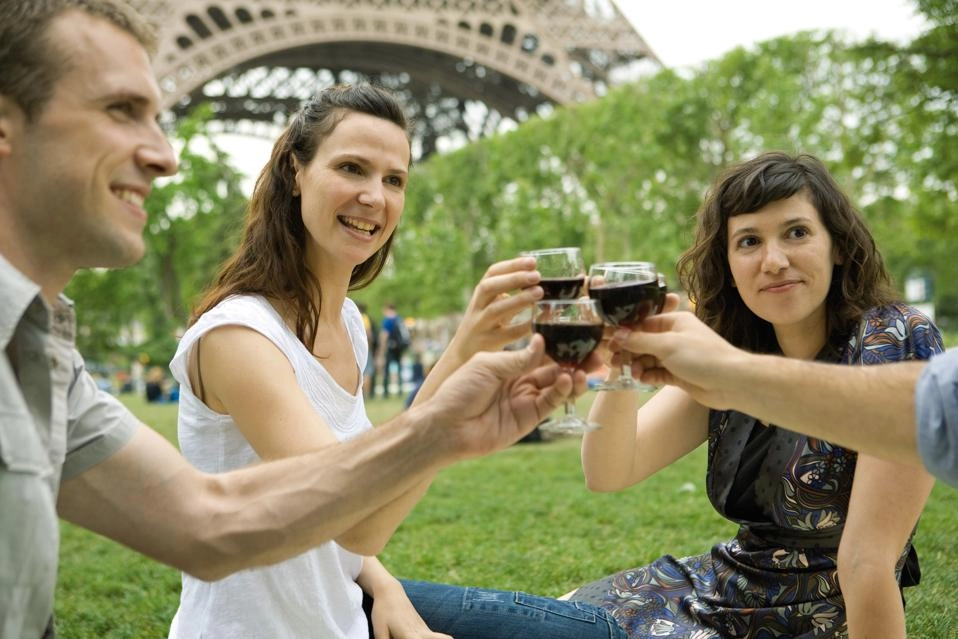
This year marks the 50th anniversary of the renowned Judgment of Paris wine competition, a pivotal event for American wine enthusiasts. The competition, held in 1976, featured a blind tasting of some of California’s finest wines against those from France, judged solely by French wine professionals. The unexpected outcome, where both the 1973 Chateau Montelena Chardonnay and the 1973 Stag’s Leap Wine Cellars Cabernet Sauvignon claimed the top spots, revolutionized the global perception of American wines.
The competition was documented by George Taber of Time magazine, who famously dubbed it "the wine shot heard ’round the world." This event not only elevated California wines to international fame but also encouraged other New World wine regions to seek recognition.
With the anniversary falling on May 24, 2026, wine lovers are organizing celebrations, including reenactments of the original blind tasting. Here are some ideas to create your own Judgment of Paris celebration:
-
Classic Blind Tasting (4 Bottles): Purchase two bottles of Chardonnay (one from California and one from France) and two bottles of Cabernet Sauvignon (also one from each region). For authenticity, try to find wines from the original winners, or select recent vintages. Cover the bottles and have a tasting event where guests rank the wines.
-
Wine Enthusiast Blind Tasting (12 Bottles): Expand your tasting by selecting six bottles of Chardonnay (three from each region) and six Cabernet Sauvignon wines using the same blind tasting format.
-
Luxury Blind Tasting Option: If you know someone with original vintages from the original winners, organize a high-end blind tasting. These rare bottles can cost tens of thousands of dollars.
-
California Road Trip: Schedule a visit to California wineries this year. Many who participated in the competition are hosting celebrations and special events for their visitors.
-
France Road Trip: Plan a trip to France to visit some of the wineries that were part of the original tasting, taking the time to enjoy guided tours and tastings.
Insights from winemakers at both participating wineries reinforce the impact of the event. Matt Crafton of Chateau Montelena highlights how winning the Judgment of Paris was a turning point for American wines, pushing them towards a focus on innovation. Marcus Notaro from Stag’s Leap noted that it established Napa Valley as a serious player in the wine industry, promoting balance and elegance in wine production.
Upcoming celebrations at both wineries include unique tastings and events commemorating the milestone. For instance, Stag’s Leap Wine Cellars is offering curated tastings and a special immersive experience featuring original Judgment of Paris participants. Meanwhile, Chateau Montelena is showcasing a unique visitor experience tracing its history through innovative presentations.
As the 50th anniversary approaches, these celebrations promise to honor a transformative moment in the wine world. To explore more about this event, you can learn about the competition’s historical impact here.
Introducing the Next Generation of Canned Wine: A Refreshing Revolution in Convenience and Flavor
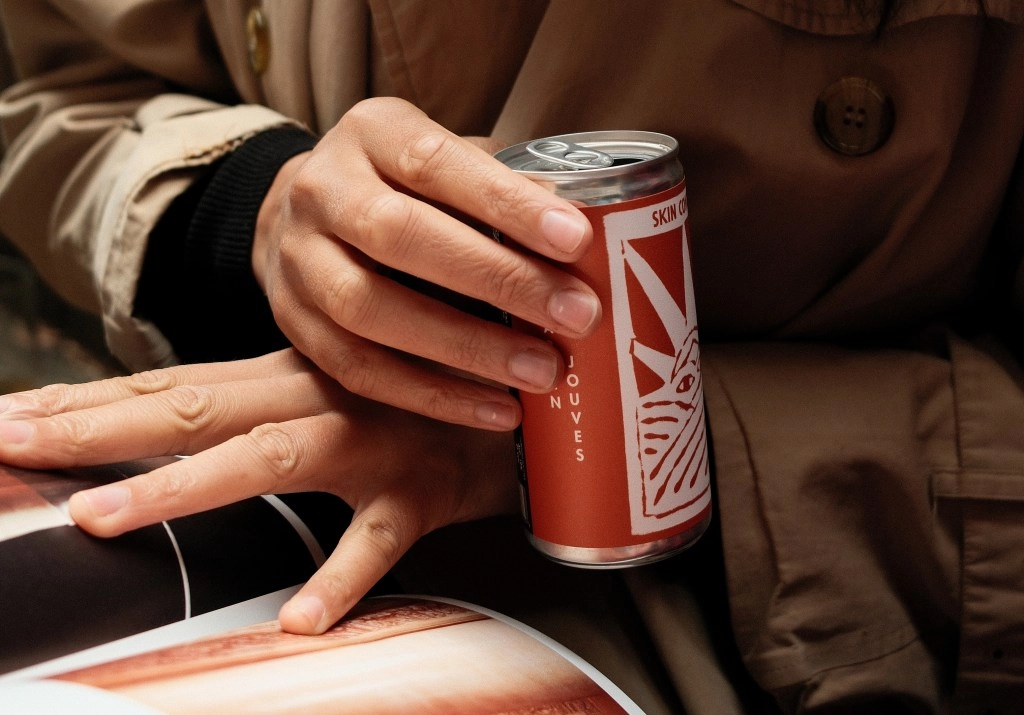
Canned wines, once considered a casual choice for outdoor gatherings, are experiencing a renaissance, capturing the attention of even the most discerning wine enthusiasts. Traditionally associated with a lack of sophistication, the format has evolved to showcase unique producer-focused wines, making them increasingly difficult to overlook.
Despite a downturn in global wine sales, canned wines have seen a remarkable annual growth of 14% in the U.S. since 2019. This surge in popularity is indicative of a broader shift toward more convenient and accessible wine consumption.
Andy Pates, founder and partner of Cream Wine & Spirits, notes that the appeal of canned wines lies in their portability and the lessened commitment of a single serving. This new wave of canned wines is not only fun but also centers on quality and distinctive flavors. Independent winegrowers are embracing this format, moving beyond generic blends to offer high-quality options that reflect specific origins and better farming practices.
Another factor contributing to the resurgence of canned wines is the shift towards smaller serving sizes. Initially, 12-ounce cans were popular, which contained roughly half a bottle of wine. Today, most canned wines are available in 250 ml portions, which equate to a third of a standard bottle and align well with casual drinking occasions.
Retailer Melissa Zeman observes that customers appreciate the convenience of canned wines for various settings, from lakeside outings to BYOB restaurant visits. The market now includes offerings from serious wineries that had already established their reputations before venturing into cans, often utilizing estate-grown fruit and innovative vineyard practices.
Some of the standout choices in the canned wine scene include Gulp Hablo from Bodegas Parra Jiménez, which embodies organic and biodynamic farming methods, and Prisma wines from Chile which offer fruity yet mineral-driven profiles. Emerging brands like Djuce are collaborating with small-scale European producers to create distinctive offerings, further enriching the market landscape.
For those looking to explore the best canned wines currently available, options such as Gulp Hablo’s chilled red blend and Prisma’s varietal packages prove to be popular choices. These wines are priced above $10 per can but deliver quality that makes them worth considering.
Overall, canned wines are transforming into a respected segment within the beverage industry, offering a new frontier for both casual drinkers and connoisseurs alike. The progressive evolution of this format hints at a promising future, adding depth and variety to the way wine is consumed and enjoyed.
For more about canned wine and to discover some recommended brands, you can visit links related to wine innovations and market trends.
Sip and Savor: The North Coast Wine and Food Festival Celebrates Gold Medal Winners
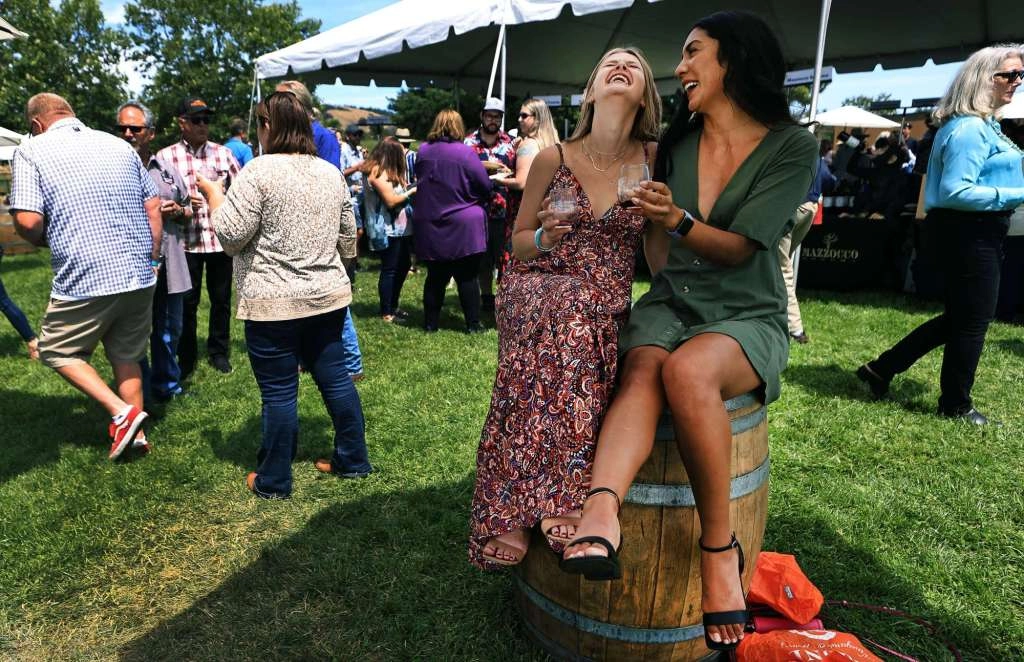
The North Coast Wine & Food Festival is set to return on Saturday, June 13, at the Luther Burbank Center for the Arts in Santa Rosa. This event will showcase some of the best wines and culinary talents from the region, highlighting gold and double gold winners from the 2026 North Coast Wine Challenge.
This annual festival is presented by The Press Democrat and will feature over 100 of the highest-scoring wines, with the spotlight on Grey Stack Cellars’ 2023 Grenache, recognized as the Best of Show winner. In addition to the drinks, attendees can enjoy seasonal dishes from 17 restaurants, including unique offerings such as grilled Tamales Bay Oysters, herbed smoked trout dip, and shrimp and grits.
The North Coast Wine Competition, which took place earlier this year, involved a panel of 30 judges who evaluated more than 1,000 wines from 220 wineries. Only wines produced from fruit sourced within the North Coast appellation regions—Sonoma, Napa, Mendocino, Lake, Solano, and Marin counties—were considered.
Festival-goers can expect excellent wines, including the Amazing AMPL’s Proprietary Red Blend, as well as Ektimo Wines’s 2023 Cabernet Franc. Noteworthy whites include Deodora Estate’s dual-time Best of Show winner, the 2023 Sonoma Coast Riesling, and Ra Ra Wine Co.’s sweepstakes-winning Dry Gewurztraminer.
The festival runs from 1 to 4 p.m. with VIP entry beginning at noon. Ticket prices are $78 for designated drivers, $143 for general admission, and $237 for VIP access. For more details and to purchase tickets, visit northcoastwineandfood.com. Use code CHARDONNAY to receive a $20 discount on your ticket.
From Family Dream to State College Hot Spot: The Evolution of University Wine Company
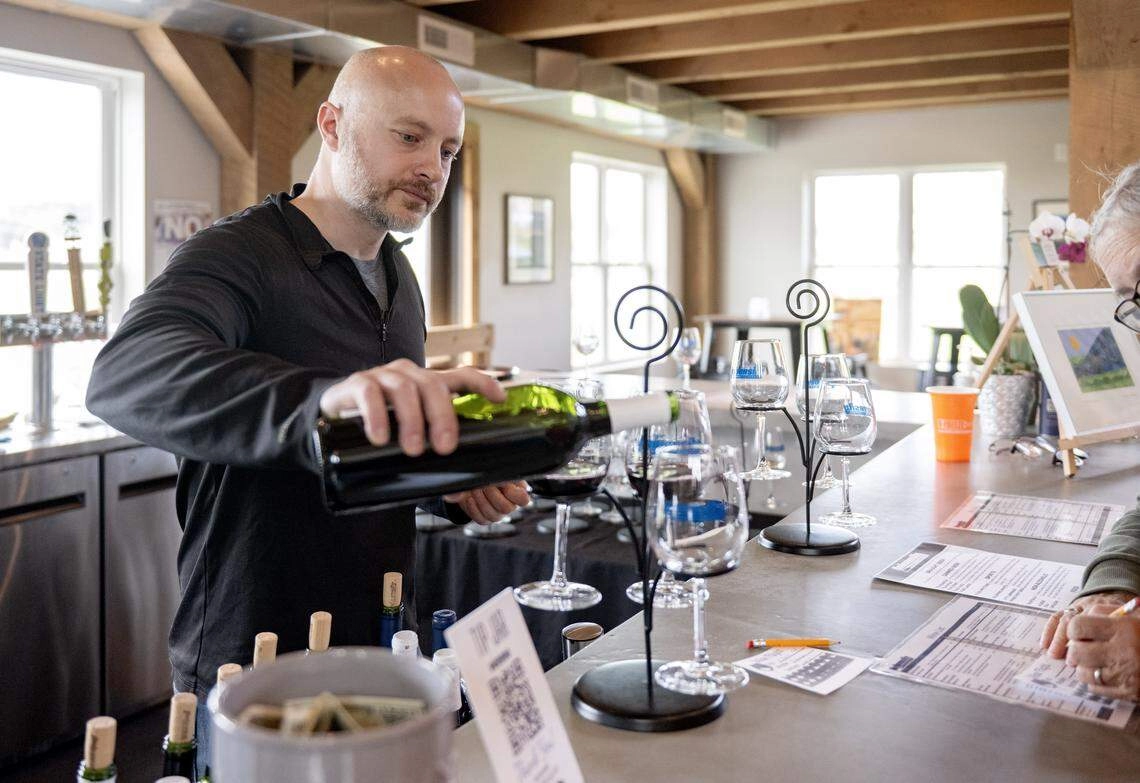
Wednesday afternoons at University Wine Company bustle with activity as groups of mahjong players gather to enjoy their games paired with glasses of wine. The backdrop of rolling countryside framed by grapevines adds a nostalgic charm, yet this year’s weather has posed challenges, with frost blighting the early growth of the vines, leaving winemaker Jeff Proch a bit unsettled. Despite obstacles from nature, Jeff finds solace in the assurance that he can produce quality wine.
Perched on a rise along Tussey Mountain, University Wine Company is a blend of family legacy and budding success. Jeff, whose parents have roots in viticulture, grew up surrounded by wine culture. His father, Jinx, managed Mount Nittany Winery, and from such beginnings, Jeff unearthed his purpose. After earning a business degree from Bucknell University and spending years in New York City in a high-pressure financial job, he returned to Central Pennsylvania in 2009, seeking fulfillment and a life grounded in his roots.
Collaborating with his father, Jeff experimented with wine products, leading to the birth of University Wine Company in 2011—initially starting in his parents’ garage. The flagship product, U-Freeze Wine Slush, garnered instant popularity at festivals, drawing a loyal customer base. Within years, the winery transitioned to producing bottled wines, eventually acquiring their own property, where they established a vineyard.
In 2017, they took a significant step forward, purchasing land and planting various grape varieties, although not all thrived. But with persistent dedication, they cultivated successful plants, leading to the winery’s official opening in October 2020, despite the pandemic challenges.
Today, the vineyard offers a selection of wines that include local Pennsylvania grapes, grown alongside their estate, and supports a diverse line-up of social events—from trivia nights to music sessions and food trucks, attracting community engagement. As Jeff embraces each aspect of the winery, from selecting grape sources to overseeing production, he stands ready to provide joy through quality wines, maintaining the family’s dream.
For those seeking an escape, University Wine Company offers both a serene environment and vibrant community events, proving to be a delightful alternative to more distant wine destinations.
Why Restaurant Diners Are Choosing to Skip Wine Bottles at the Table
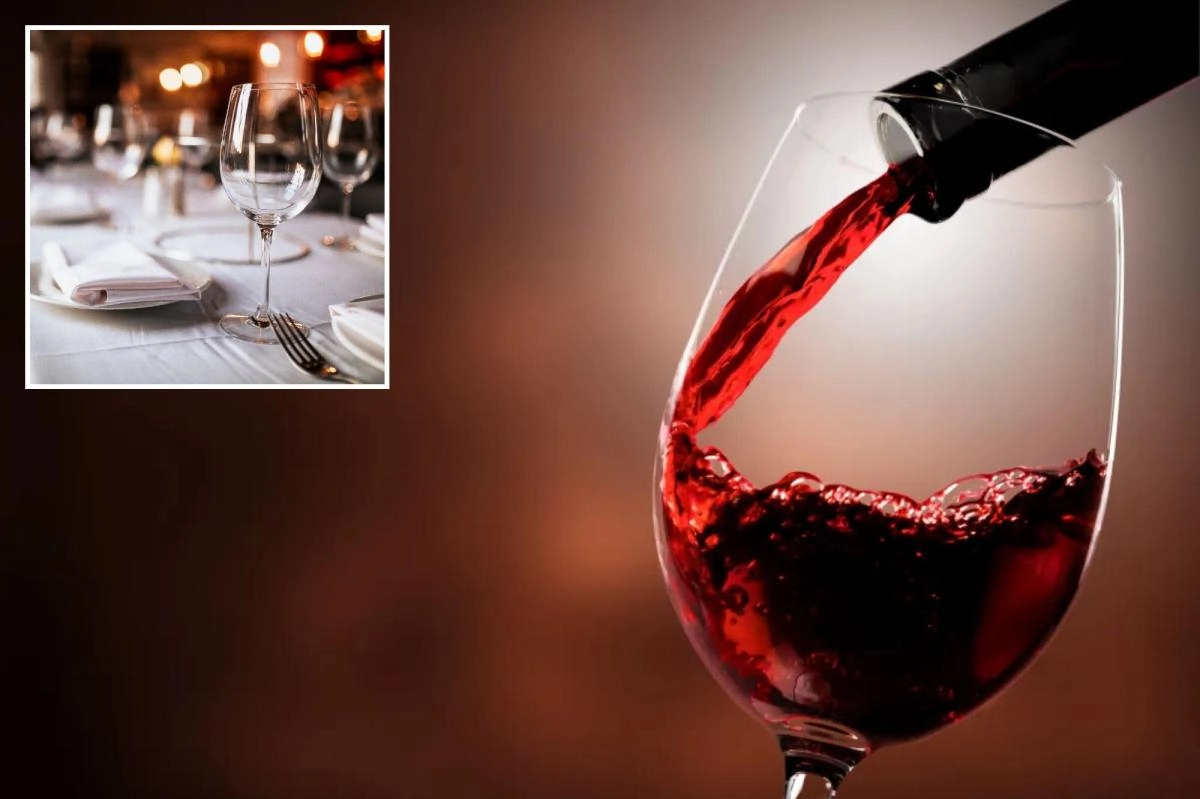
In recent trends, diners are actively shifting away from ordering wine bottles at restaurants, significantly altering their eating habits. According to Liberty Wines, a UK-based distributor, this transition marks a movement from traditional group orders of shared bottles of wine to individuals customizing their beverage choices during meals.
Experts attribute this change to a range of factors, primarily focusing on healthier living preferences, a growing focus on culinary diversity, and a heightened sensitivity to costs. The U.S. wine industry is facing substantial challenges as younger generations curb their alcohol consumption, while aging baby boomers are exiting the market.
To counterbalance the decline in wine sales, many restaurants are adjusting their pricing strategies. They are increasingly offering non-alcoholic spirits and zero-proof alternatives that align with the pricing of craft cocktails. Sri Divel, a marketing and brand strategist, notes that the complexity of these modern mocktails—often featuring various ingredients and intricate preparations—justifies their higher price points, thus maintaining profitability without compromising guest experience.
Furthermore, patrons are likely to revert to consuming less at restaurants, preferring to drink moderately at home before dining out, which diminishes the perceived pressure of committing to a bottle. As the market evolves, the traditional practice of ordering a bottle resonated as a common choice for tables of four is becoming less typical.
Instead of feeling penalized for choosing not to drink, diners are now presented with intricate mocktails that can stand on par with alcoholic beverage offerings. This change reflects a broader movement in the dining experience—providing genuine value and engagement for all guests, regardless of their drinking preferences.
Restaurant-goers are encouraged to explore alternatives such as bringing their own bottles and paying corkage fees to continue enjoying wine during meals while mitigating costs. Overall, the dining landscape is adapting to these new consumer behaviors, leading to sustained innovation within the beverage offerings at restaurants.
Mastering the Art of Ordering Wine by the Glass: Tips for a Better Experience
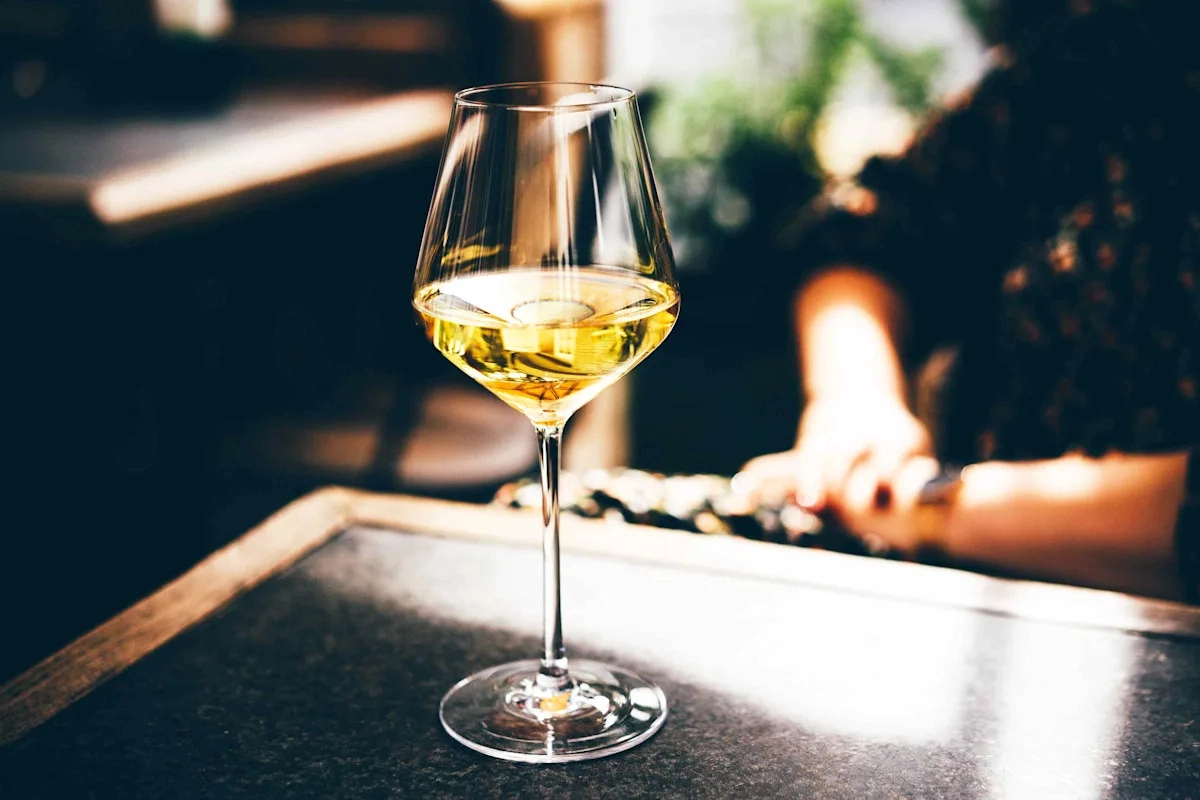
When you order a bottle of wine at a restaurant, you’re likely accustomed to a specific ritual: the bottle is presented to you, the cork is removed, and you are offered a taste. This moment not only signals quality service, but it also enhances your wine experience. However, when it comes to ordering wine by the glass, this ritual can often be omitted. The wine typically arrives already poured, leaving you without the opportunity to see the label or taste before you commit.
For a more engaging experience when ordering wine by the glass, ask for the wine to be poured tableside. This practice not only adds transparency—allowing you to see exactly what you’re drinking—but it also builds a connection to the wine and the story it represents. Albert Señor, head sommelier at Quirat in Barcelona, emphasizes this approach stating that it fosters trust between guests and the restaurant.
Seeing the wine bottle informs your understanding of the wine’s heritage—it’s not just fermented juice, but a product influenced by regional practices and vineyard choices. Experts like Andy Fortgang, co-owner of Canard and Le Pigeon in Portland, Oregon, believe that the label offers more than just marketing; it’s part of the wine’s story, enhancing your connection to it.
The experience can also change depending on whether you see the bottle being poured or not. Kristina Hayden Bustamante, wine director at Rosewood Inn of the Anasazi in Santa Fe, New Mexico, points out that seeing the bottle can alter your perception of the wine’s value. If wine is poured out of sight, you might not fully appreciate what you’re drinking.
So, should you sample the wine before committing to a full glass? If the wine is presented before you, it makes sense to offer a small taste. This helps confirm that it meets your expectations. The chance to taste allows you to fully enjoy the experience or consider a different option if necessary.
Despite the obvious benefits of tableside pours, logistical challenges often prevent this practice from being standard. Efficiency and temperature control can impact the service, leading some restaurants to avoid it. However, it’s acceptable to politely ask if tableside service is possible; a straightforward request may yield positive results.
In conclusion, ordering wine by glass doesn’t have to lack ceremony. By requesting a tableside pour, you invite a richer experience, transforming the simple act of drinking wine into a memorable occasion.