Wine 1106
The New Era of Downtown Napa: Embracing Wine Tasting Without Reservations
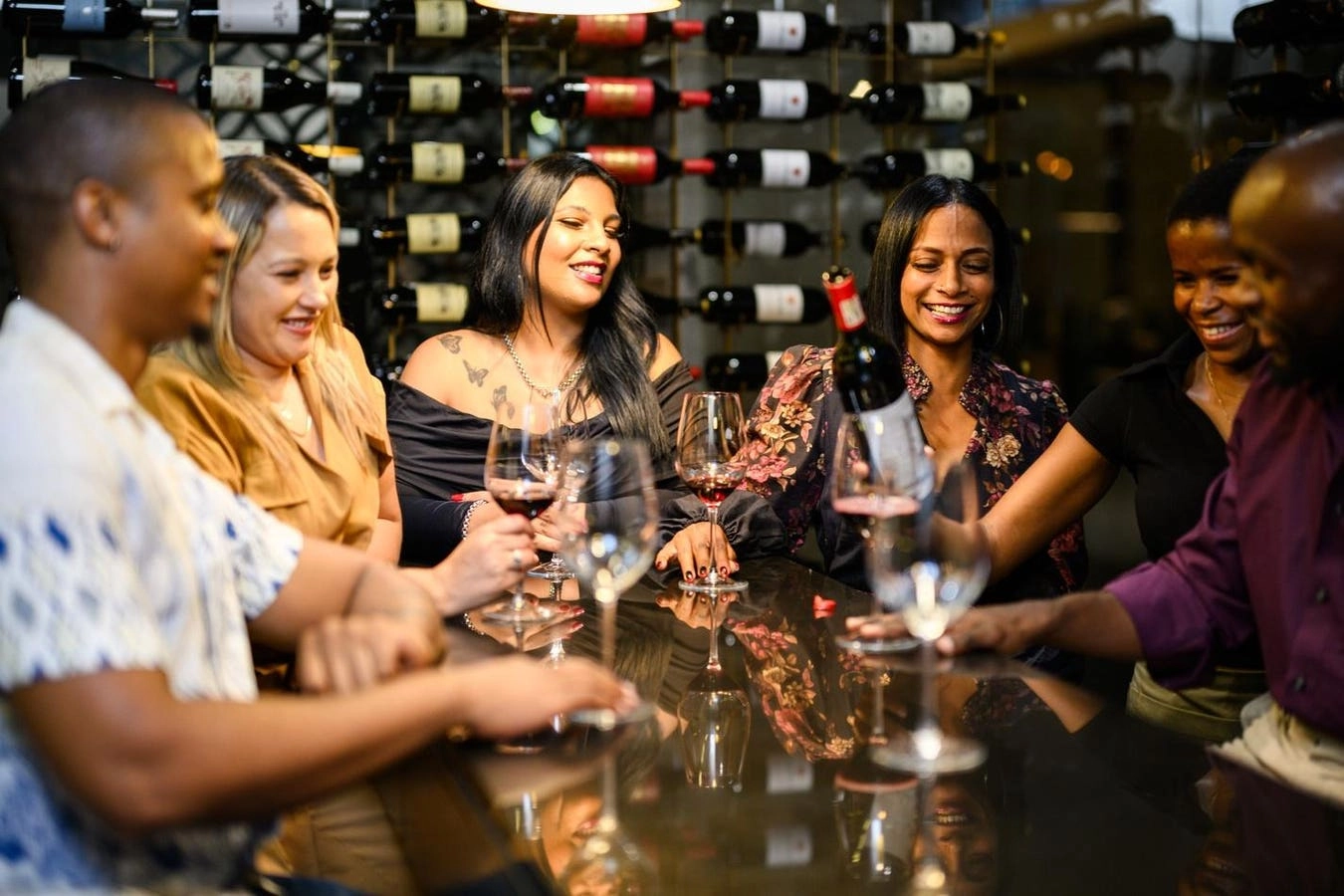
Downtown Napa is undergoing a transformation that promises to redefine the traditional wine experience in Napa Valley. Shifting away from the standard model of exclusivity and reservation-only tastings, Downtown Napa now offers a walkable wine scene that allows visitors to explore without the need for appointments or transportation.
For decades, Napa Valley has symbolized American wine prestige, characterized by its elaborate tasting rooms and curated experiences. However, this exclusivity has become a barrier for younger consumers and casual visitors. As the U.S. wine industry faces declining sales and changing preferences, Downtown Napa is emerging as a novel approach that might be key to its future.
The allure of Downtown Napa rests in its simple premise: visitors can enjoy wine without the hassle of cars or reservations. This new model contrasts sharply with the traditional Napa experience that demands extensive planning and significant investment, which many consumers no longer find appealing.
The current landscape shows a notable decline in wine consumption, particularly among younger adults. Reports indicate a slowdown in premium wine growth and a shift towards alternative beverages such as canned cocktails and non-alcoholic options. This trends suggest that the wine industry is facing structural changes, compelling producers to rethink their consumer engagement strategies.
Generational shifts are evident, as Millennials and Gen Z prioritize experiences that are authentic, inclusive, and flexible. Traditional wine tastings, often rigid and high-priced, can fall short of these expectations. In contrast, Downtown Napa provides a vibrant setting where visitors can casually explore tasting rooms and eateries without the formalities typical of traditional wine tourism.
The layout of Downtown Napa enhances this experience. As a compact area, it encourages visitors to walk between various tasting rooms, restaurants, and cultural venues, many of which welcome walk-ins, bypassing stringent reservation requirements.
Prominent venues in Downtown Napa exemplify this shift. The Vintner’s Collective showcases wines from small producers, while Azur offers a contemporary, speakeasy-style environment aimed at younger audiences. Additionally, The Bungalow by Gentleman Farmer combines wine, food, and live music in a relaxed atmosphere, breaking away from the formality of traditional tastings.
Culturally, the Rail Arts District nearby adds a new dimension to Napa’s identity, featuring a diverse range of food experiences and cultural spaces. It emphasizes community, creativity, and a laid-back vibe over the past’s exclusive focus on wine.
As Downtown Napa defines a new path, other renowned wine regions across the U.S. are likely to follow suit, acknowledging the necessity for adaptability in a changing market. This new model emphasizes the integration of wine into broader cultural experiences that involve food, music, and social engagement. By prioritizing accessibility and enjoyable experiences, Downtown Napa not only caters to the preferences of the current consumer base but also charts a promising future for the wine industry as a whole. The absence of reservations and cars signifies an evolution in how wine culture is perceived and experienced today.
California Wine Festival 2026: A Sparkling Celebration Kicks Off in Dana Point!
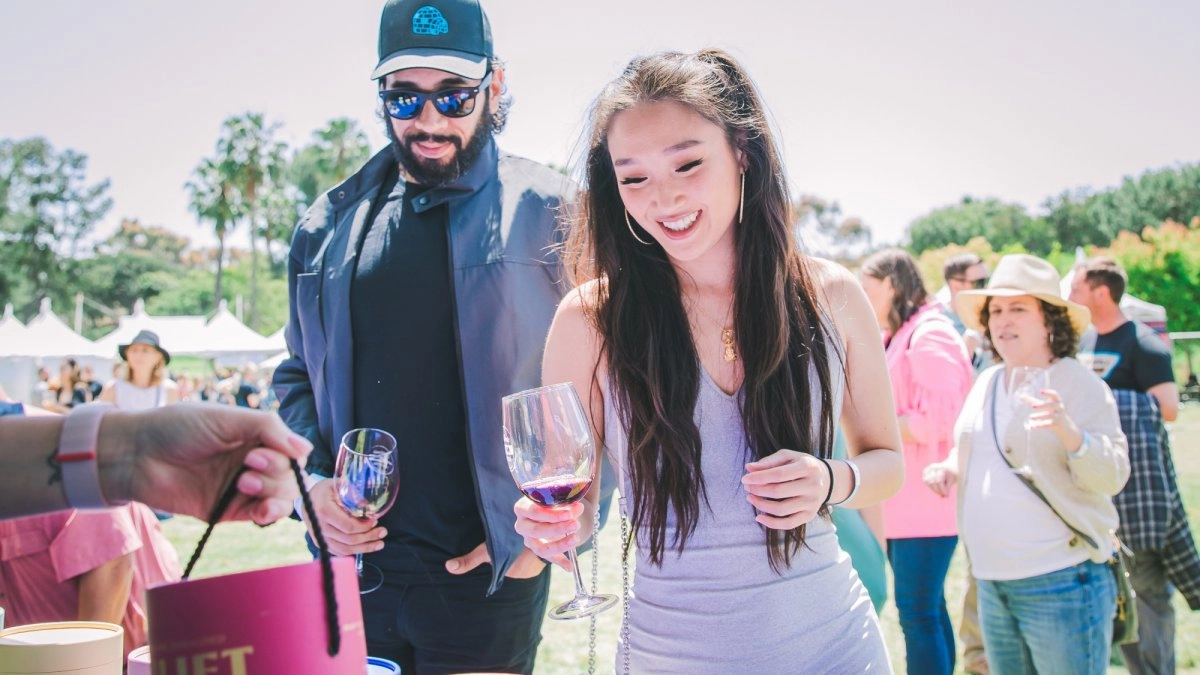
California’s famous wineries are set to shine at the California Wine Festival 2026, taking place in three picturesque cities: Dana Point, Santa Barbara, and Huntington Beach. The festivities will kick off in Dana Point on April 24 and 25, offering attendees a chance to explore a wide variety of wines and culinary delights.
The main event on Saturday, dubbed the Beachside Wine Festival, promises hundreds of fine wines, regional craft brews, and an enticing assortment of foods including artisanal cheeses, breads, olive oil, and chocolates. Each ticket covers all wine and food samples, and attendees will receive a commemorative glass. This year’s event takes place at Sea Terrace Park, a spacious venue perfect for the bustling atmosphere.
For those arriving a day earlier, the Sunset Rare & Reserve Tasting at the Laguna Cliffs Marriott Resort & Spa offers an exclusive experience. Tickets for both events can be purchased through the official event site, where visitors can also find more details about the festivals in Santa Barbara and Huntington Beach, scheduled for mid-July and October, respectively.
The California Wine Festival, which recently celebrated its 20th anniversary, remains committed to supporting local nonprofits. For more information on their charitable efforts and this year’s beneficiaries, visit the California Wine Festival’s website.
Unveiling the Best Value Wines: Top Bargains from the 2026 North Coast Wine Challenge
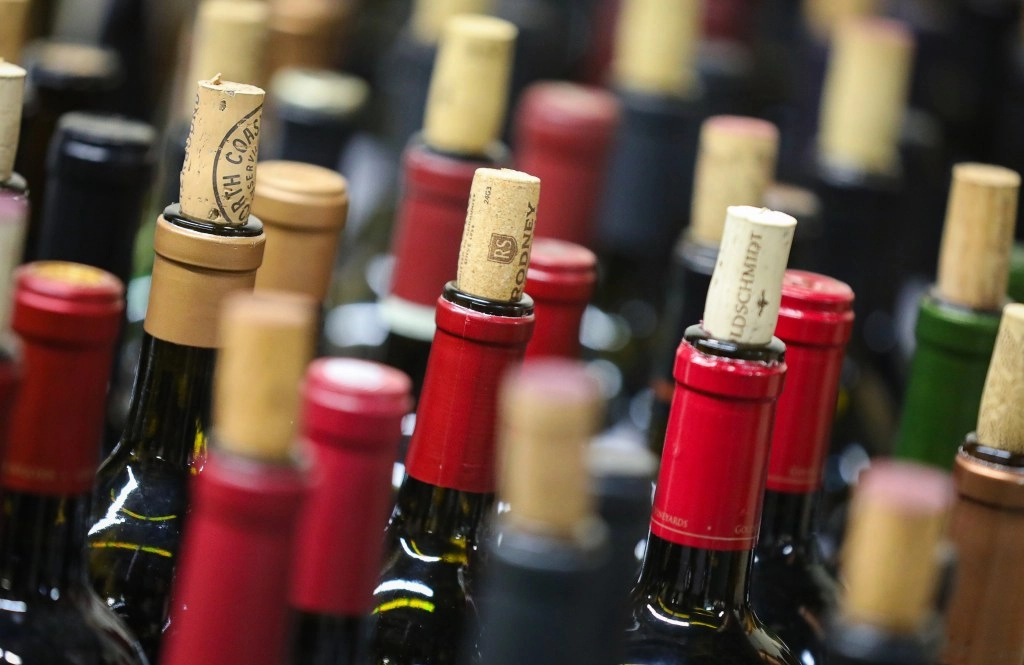
The 2026 North Coast Wine Challenge showcased an impressive array of entries, with over 1,000 wines submitted from 220 different wineries. Among these, several stood out as exceptional value choices worth considering.
Top Picks for 2026
Sparkling Wine
- Breathless Wines: NV Méthode Champenoise Brut (54% Chardonnay, 38% Pinot Noir, 6% Pinot Meunier, 2% Pinot Blanc) from Sonoma County – 98 points, priced at $29.
White Wines
- St. Francis Winery & Vineyards: 2025 Sauvignon Blanc from Sonoma County – 97 points, priced at $17.
- Husch Vineyards: 2024 Chardonnay from Mendocino County – 96 points, priced at $18.
- Enotria: 2024 Arneis from Mendocino County – 97 points, priced at $18.
- R Vineyards: 2024 Viognier from Lake County – 94 points, priced at $18.
Rosé
- Grey Stack Cellars: 2025 Rosé (89% Pinot Noir, 11% Grenache) from Four Brothers Vineyard, Sonoma Mountain – 99 points, priced at $25.
Red Wines
- Barn Raiser: 2023 Pinot Noir from Trecini-John’s Vineyard, Russian River Valley – 93 points, priced at $15.
- Carol Shelton Wines: 2023 Wild Thing Zin from Mendocino County – 94 points, priced at $20.
- Wines for Lunch: NV Red Wine (50% Cabernet Sauvignon, 25% Merlot, 25% Syrah) from North Coast – 96 points, priced at $14.
- De Négoce: 2023 Cabernet Sauvignon from Sonoma County – 94 points, priced at $18.
These selections not only highlight exceptional quality but also offer great value for wine enthusiasts looking to explore the best of what the North Coast wine region has to offer. For more details on this year’s challenge and winners, visit North Coast Wine Challenge.
Experience Creativity: Join the LIVE Art & Wine Tour Supporting Downtown Improvement!

The Downtown Santa Barbara Improvement Association (DSBIA) has announced details for the upcoming 24th Annual LIVE Art & Wine Tour, scheduled for Thursday, April 30, from 5:30 p.m. to 9:30 p.m. The evening will kick off with check-in at the Santa Barbara Historical Museum, where attendees will receive a commemorative wine glass, plate, and a map to navigate the featured tasting locations.
As the primary fundraiser for DSBIA, the proceeds from the Art & Wine Tour will support various initiatives aimed at revitalizing downtown Santa Barbara. These include projects like the Vacant Window Beautification Program, the 1st Thursday Art Walk, new art installations, and enhancements for maintenance and security.
From 5:30 to 8 p.m., guests can stroll through downtown, where participating venues will transform into pop-up galleries and tasting rooms. Notable venues include the Jeff Shelton Architect Studio, Silver Wines, and Jessica Risko Smith Interior Design Studio.
Local restaurants will offer wines and signature bites during the tour, along with live art experiences. The evening will culminate back at the Santa Barbara Historical Museum for a final party from 7:30 to 9:30 p.m., featuring more local culinary delights, spirit tastings, a silent auction, and live music by The Groove Collective.
This is a 21+ event, and tickets for this all-inclusive experience can be purchased here.
Participating wineries and restaurants promise a vibrant evening, making it a highlight for both locals and visitors alike.
Discover 4 Must-Visit North American Wine Regions in the West: From Oregon to Mexico
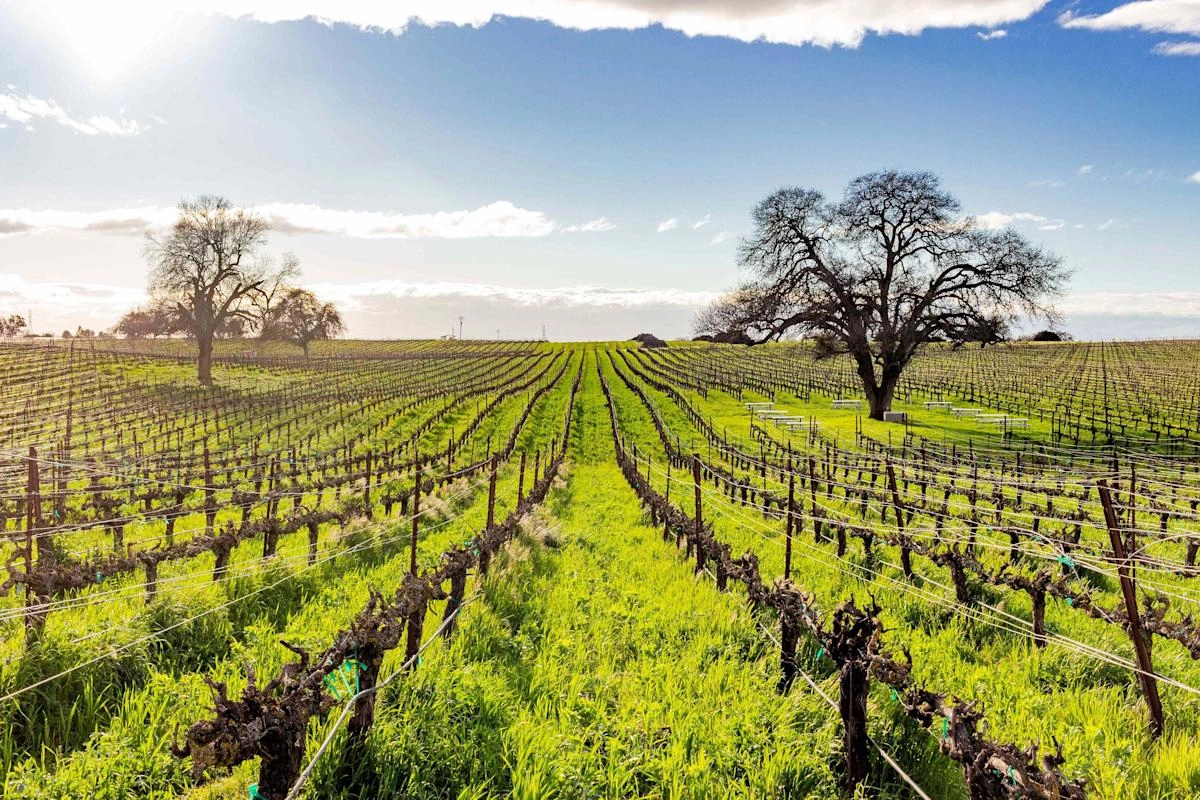
The western edge of North America offers an abundance of wine regions not just confined to the well-known Napa Valley. With its sunny climate and nearby Pacific breezes, places like Oregon, Washington, and Baja California in Mexico yield impressive wineries just waiting to be explored. Here are four standout locations for a wine-focused getaway:
Walla Walla, Washington
Once a sleepy agricultural town, Walla Walla has transformed into a charming wine destination. The area boasts numerous tasting rooms, top-notch restaurants, and delightful hotels. Local actor and winery owner Kyle MacLachlan frequently visits and recommends dining at favorites like Saffron Mediterranean Kitchen for Mediterranean flavors and Hattaway’s on Alder known for delicious fish dishes. High-end accommodations can be found at the Inn at Abeja and quirky touches at The Finch.
Wine enthusiasts can explore MacLachlan’s own label, Pursued by Bear, and partake in an exquisite experience at wineries like Rasa Vineyards and Vital Wines, where sales benefit vineyard workers’ healthcare.
Lodi, California
Often overshadowed, Lodi is a hidden gem in California’s wine country. Spring and early summer reveal stunning cherry blossoms, while kayaking down the Mokelumne River presents a picturesque view. Winemaker Tegan Passalacqua of Sandlands recommends a visit to Bokisch Vineyards for Spanish varietals and Michael David Winery for a delightful café. Don’t miss a visit to Guantonio’s for pizza and Ruby’s Bakery for top-tier pastries.
The premier destination here is the Appellation Lodi Wine & Roses Resort and Spa, offering a refined yet relaxed atmosphere with excellent dining options.
Columbia Gorge, Oregon and Washington
Located east of Portland, this stunning canyon area features a rich array of vineyards. With new waves of ambitious winemakers emerging, the region brews excitement. Notable recommendations include the weekend winemaker lunches at Buona Notte and Hiyu Wine Farm, which offers magical culinary experiences. Across the river, Loop de Loop and Savage Grace Wines showcase fantastic wines in striking architectural settings.
Stay at The Society Hotel Bingen for a unique experience in a converted schoolhouse, then enjoy breakfast at White Salmon Baking Co..
Valle de Guadalupe, Mexico
About 90 minutes south of San Diego, Valle de Guadalupe is an up-and-coming wine destination. The region is vibrant with experimentation and young winemakers, boasting over 200 independent labels. Winemaker Maryam Hariri notes how the valley serves as an incredible launchpad for creativity. At her winery, Azizam Wines, natural wines like sparkling orange pet-nat are highlights.
For a different experience, visit Adobe Guadalupe for horseback riding through the vineyards. Noteworthy establishments also include vineyard restaurants like Bruma Wine Resort, known for its excellent tasting menus at Fauna.
Each of these wine regions provides a unique experience away from the well-trodden paths of Napa Valley, promising wonderful wines, delightful meals, and picturesque landscapes.
Houston’s Wine Market Suffers $67 Million Decline Amid 90-Year Low in Alcohol Consumption
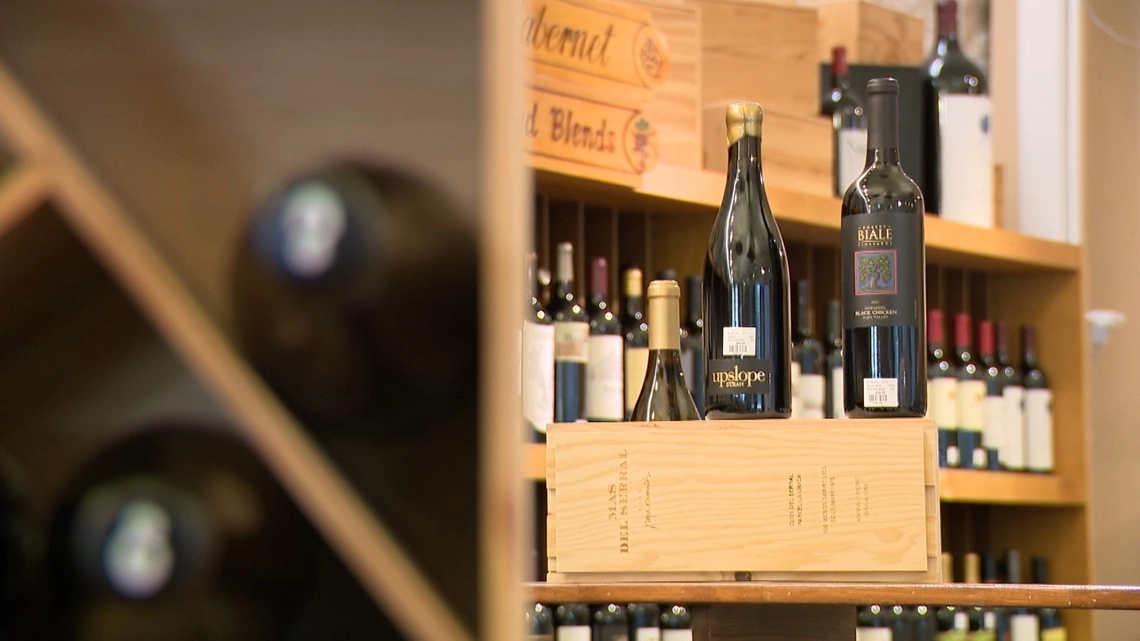
Houston’s wine market is experiencing a significant decline, with alcohol consumption dropping to its lowest levels in 90 years. This shift in consumer behavior has already cost the Houston economy an estimated $70 million, as wine brands struggle to attract buyers despite having plenty of stock available.
At the Houston Wine Merchant, manager Antonio Gianola notes that the store receives hundreds of bottles weekly, reflecting current drinking trends. Despite this overflow, sales are down. Reports from Silicon Valley Bank indicate that the wine market faced a staggering loss of $1.3 billion in 2025. In Houston specifically, the Texas Restaurant Association reports a 3.4% decrease, translating to a $67 million loss in the Houston and Harris County area.
Younger generations, particularly Gen Z, are drinking far less than previous cohorts, with only about 25% admitting to consuming alcohol. This trend is forcing restaurants to creatively adapt their offerings to maintain customer engagement. Gianola mentions that the level of wine in bottles might look different, but they are all handmade, showcasing the craftsmanship behind them.
To combat the decline, educational initiatives are being taken at establishments like the Texas Wine School, where classes are offered to teach patrons about wine. Brandon Kerne from the school emphasizes that while the demand might be shifting, there remains hope for higher-end wines as collectors seek bottles for special occasions.
As wineries plan production years in advance, they are now facing surplus issues, realizing they may have overproduced given the current market conditions. However, some believe a wine shortage could arise in the future if demand rebounds. The market’s dynamics are continuously evolving, influencing both supply and consumer preferences in the wine industry.
Unveiling History: The Ultra-Rare 1870 Wine from Brush Creek Ranch Expected to Fetch Over $50K at Auction

The sommelier at Brush Creek Ranch, a luxurious resort in Wyoming, is preparing for the auction of two prestigious bottles of 1870 Chateau Lafite, expected to sell for over $50,000 each. These rare magnums were found in Glamis Castle in Scotland, which is famous not only for its haunted history but also for its impressive wine cellar.
Sydney Werry, the wine director at Brush Creek Ranch, expressed the rarity and historical significance of these wines, stating, “This wine is in the category of never-to-be-seen-again.” She anticipates significant interest from collectors at the Sotheby’s auction, with the potential for bids to exceed expectations due to the wine’s legacy.
Glamis Castle has a storied past, once being home to Mary, Queen of Scots, and known for inspiring Shakespeare’s "Macbeth." The 13th Earl of Strathmore acquired the Lafite bottles and laid them down in the cellar in 1878, only to be forgotten for decades. It wasn’t until 1971 that the wines were rediscovered by Michael Broadbent during a visit intended for the auction of "The Finest and Rarest Wines From Private Cellars." His subsequent tasting of the wines revealed their remarkable quality as they matured over the years.
Werry’s experiences with various vintages of Lafite reveal a complexity that transcends simple descriptions. She characterizes the flavor profiles as evoking not just specific fruits but also a sense of place and experience, making each sip an exploration of depth and nuance.
Wine auctions are known for their energetic environments, often much livelier than anticipated. Werry noted that participants might sample from lots during bidding, promoting a spirited atmosphere as people enjoy the wine and show off their personal collections.
The interest in the 1870 vintage is heightened by its status as a pre-phylloxera wine, crafted before the devastating vine disease prompted substantial changes in vineyard practices in the late 19th century. This historical significance, coupled with its status as a first-growth wine, adds to its celebrated reputation.
While Brush Creek Ranch continuously seeks to enhance its extensive wine collection, Werry does not foresee purchasing at this particular auction, focusing instead on maintaining a diverse inventory that appeals to varying tastes and budgets.
The auction of such a remarkable wine collection serves as a reminder of wine’s rich history and the extraordinary stories that accompany each bottle. This fascination with aged vintages, as noted by Werry, encompasses not just the appreciation of the wines themselves but the tradition and storytelling woven into their production and legacy.
Mondavi Owner Reveals Challenges Ahead: Premium Wine Market Faces Flat Sales Growth

Constellation Brands, the parent company of Napa Valley’s Robert Mondavi Winery, has announced a more challenging outlook for its wine and spirits sector despite ongoing success in its beer division. The company reported these findings during its fourth-quarter earnings release for fiscal 2026.
As part of its strategic shift, Constellation has been focusing on higher-priced wine brands like Mondavi, Schrader Cellars, and The Prisoner Wine Co., after divesting lower-priced labels such as Simi from Healdsburg last year. Nevertheless, the wine and spirits division is still grappling with weakened consumer demand and various industry challenges.
Chief Financial Officer Garth Hankinson highlighted several factors negatively impacting profit margins, including ongoing pressures within the category, challenges in distribution channels, and a need to rebalance distributor inventory. He noted that the anticipated growth in high-end U.S. wine has shifted to a scenario of slight declines, while high-end spirits have slowed from moderate growth to stagnant figures.
Additionally, the company has seen a decline in both winery visitations and international demand, specifically citing challenges in Canada, its largest market, where a ban on U.S. wines and spirits is still in effect.
In a recent report, Constellation recorded a net sales figure of $9.14 billion, reflecting a 10% decrease overall and a 4% decline for the remaining portfolio. The wine and spirits segment now represents only 9% of total revenue after various sales, and shipments in this area plummeted by 62% year-over-year.
The landmark Robert Mondavi Winery in Oakville is set to reopen on April 20 following a significant renovation. A temporary tasting room was operational in downtown Napa during this time.
Despite these challenges, Constellation’s beer segment remains strong, particularly its Mexican beer brands. The company aims to adjust inventory levels with distributors to navigate the current slower sales environment and anticipates eventually returning to profitability, although it may take longer than expected due to existing market headwinds.
In contrast, Constellation’s beer division continues to thrive, showcasing solid momentum even amidst a tough economic backdrop, largely due to the success of popular brands like Modelo Especial, which holds the title of the top beer brand in the U.S. by dollar sales.
For more information on Constellation Brands and its operations, visit Constellation Brands.
Napa Valley Wine Leader Advocates for Expansion of Controversial Trump Policy to Protect California Vineyards

Jeff Bitter, president of the Allied Grape Growers, is advocating for a revival of protective tariffs on imported wines to support California’s struggling wine industry. Despite many business owners in the past claiming that tariffs hurt their bottom line, Bitter insists that heightened tariffs could help domestic producers compete against the influx of cheaper imported wines.
As Bitter pointed out, approximately one-third of the wine consumed in the United States is imported, attributing the challenges faced by local growers to their inability to compete with lower-priced foreign products. He stated, "It’s hard for us to compete on price. Our costs in California are significantly higher than in most wine-producing countries."
The California wine industry has been experiencing a downturn as younger generations move away from traditional wine consumption. Reports indicate that in recent years, around 40,000 acres of vineyards have been removed to adjust to falling demand. Bitter shared, “The last two years, we’ve seen about 40,000 acres in the state pulled out each year, of wine grapes.”
The industry faces a significant challenge as wine is often viewed as a luxury product. This perception and the current economic climate have pushed many consumers towards cheaper alternatives. Bitter elaborated, “Wine isn’t a cheap product to buy… it’s not cheap regardless of the price point.”
However, not everyone agrees with Bitter’s perspective. Some producers argue that imposing tariffs on foreign wines will not lead to a shift in consumer preference. They highlight that American wine cannot easily replace popular international varieties like Sancerre, Chianti, or Barolo. Moreover, 97% of the wine produced in California is consumed domestically, with only a small fraction exported, signaling that tariffs may not be the panacea Bitter envisions.
As the strategy continues to unfold under the scrutiny of the marketplace and consumer trends, the effectiveness of tariffs as a solution to save California’s wine industry remains uncertain.
Exploring the Top 5 Global Regions for Wine Lovers: Unique Blends, Stunning Landscapes, and Rich Culture
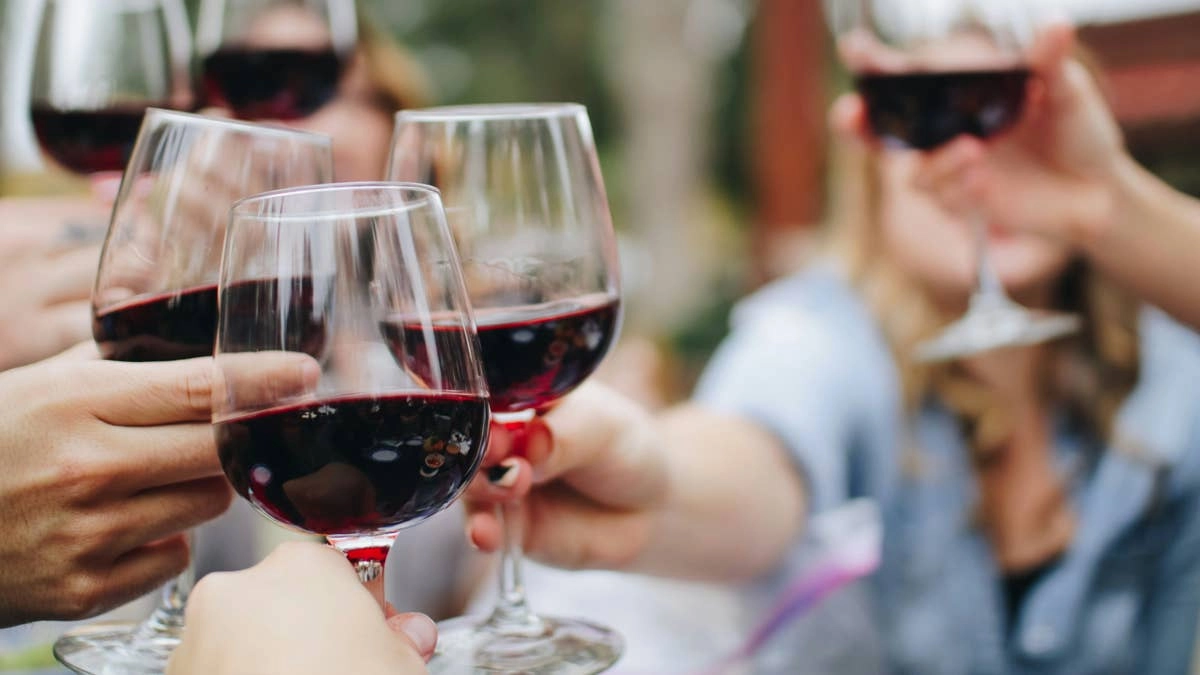
If you’re planning a wine-focused getaway, the shortlist for the Wine Travel Awards 2025–2026 provides an excellent starting point. These awards not only assess wines but also the complete travel experience, including sustainability, culture, and innovation.
How the Rankings Work
The Wine Travel Awards utilize a two-step evaluation process. First, wine lovers and travelers worldwide vote for their top destinations. Then, industry experts review the leading contenders, considering factors like wine quality, tourism infrastructure, and eco-friendly practices. This combination offers a valuable resource for choosing your next travel destination.
The Top 5 Wine Regions to Explore
Here are five regions that wine enthusiasts should consider:
Burgenland, Austria
Known for its blend of tradition and modernity, Burgenland boasts a unique microclimate near Lake Neusiedl, producing notable sweet wines and elegant reds such as Blaufränkisch. The region prioritizes sustainability, featuring eco-friendly vineyards and numerous wine tourism opportunities.
- What to try: Blaufränkisch or a noble rot sweet wine.
California, USA
California Wine Country, including Napa Valley and Sonoma County, stands out as a major wine destination. Its diversity is complemented by a strong farm-to-table culinary scene and scenic drives, making it a popular choice for wine travelers.
- What to try: Napa Cabernet Sauvignon or Sonoma Pinot Noir.
South Africa
With stunning landscapes and rich history, South African wine regions like Stellenbosch and Hermanus offer breathtaking views and a commitment to sustainability, blending tradition with innovation.
- What to try: Pinotage or Chenin Blanc.
Romania
Emerging as a wine travel hotspot, Romania introduces visitors to indigenous grape varieties and modern winemaking. The “Wines of Romania” initiative promotes cultural storytelling, offering unique wine routes.
- What to try: Fetească Neagră or Fetească Albă.
Valpolicella, Italy
Near Verona, Valpolicella is famous for celebrated wines like Amarone and Ripasso. With its rolling hills and historical villages, it offers a perfect blend of wine, culture, and tourism experiences.
- What to try: Amarone della Valpolicella or Ripasso.
A New Way to Experience Wine Travel
These regions excel in providing more than just wine tasting; they focus on creating connections with the land, people, and culture behind each bottle. This evolving perspective on wine travel emphasizes sustainability and immersive experiences, whether cycling through Austrian vineyards or enjoying the views along the South African coast.
The Wine Travel Awards recognize this shift, making it clear that exceptional wine regions today encapsulate far more than just wine.