Wine 1106
Celebrating 50 Years of the Judgment of Paris: California Wine’s Journey to Self-Discovery and Recognition
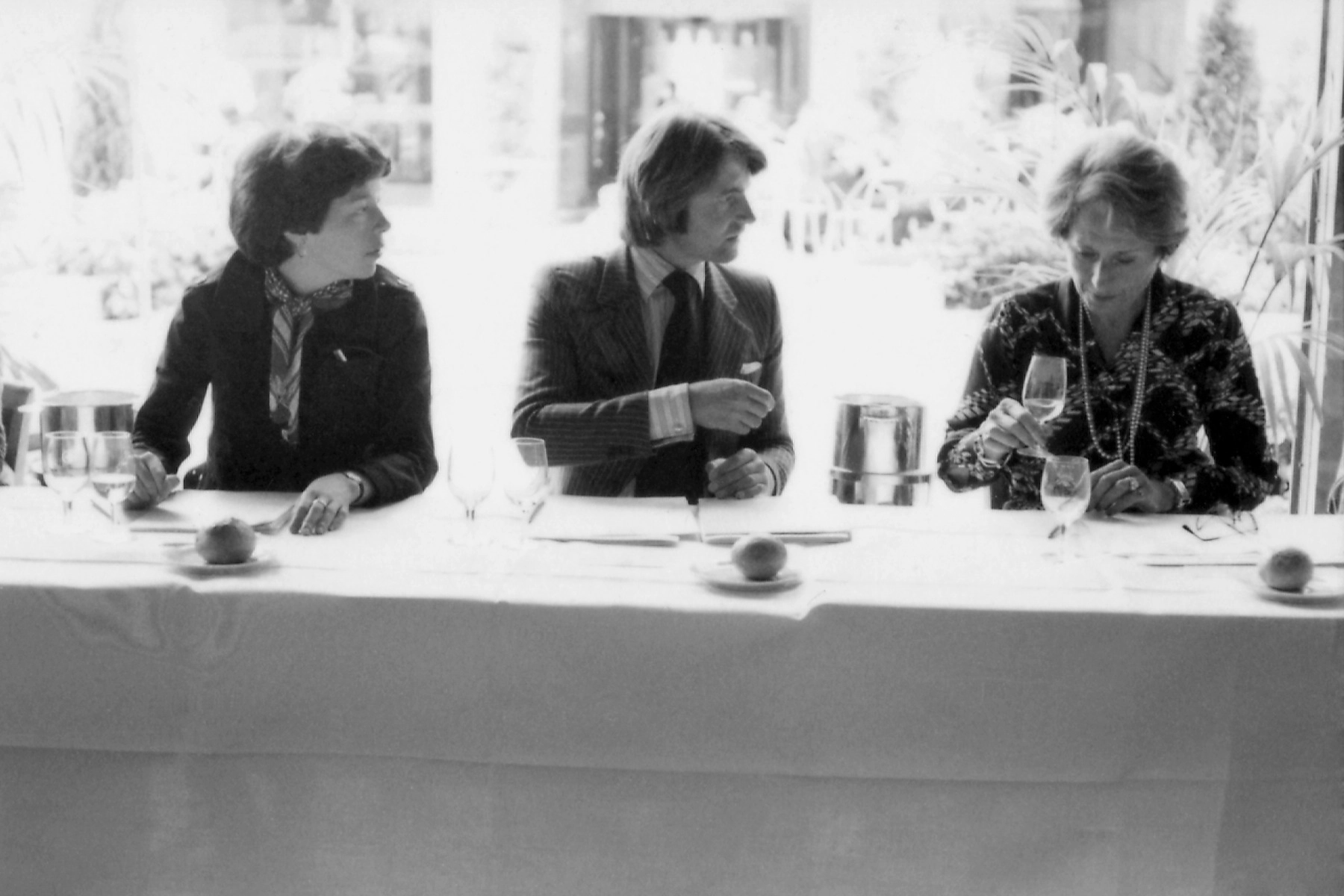
Down a picturesque driveway lined with palm trees and vibrant flower beds lies La Quinta Resort, reminiscent of a 1926 hacienda. Within its walls, a private room celebrates the legacy of Miljenko “Mike” Grgich, a pivotal figure in the California wine industry. As the winemaker for Chateau Montelena, Grgich produced the renowned 1973 Chardonnay, which was crowned the best in the Judgment of Paris blind tasting in 1976, propelling Napa Valley into the global wine conversation.
Grgich’s influence extended beyond this singular victory. After the competition, he founded Grgich Hills Estate, buying land in Rutherford that was once affordable. Even after his retirement at 95, he passed down his winemaking legacy to his nephew, Ivo Jeramaz, who reflects on the Judgment’s profound impact on their family and the wine industry. "Mike most likely would’ve never had his own winery without the Judgment of Paris," Jeramaz states, highlighting how the historic tasting bolstered Grgich’s confidence and solidified Napa’s reputation.
The Judgment of Paris was more than just a win for American wine; it transformed perceptions on a global scale. The competition featured French judges who, believing themselves to be tasting the best wines, inadvertently crowned American wines. This moment altered the trajectory of wine appreciation worldwide, proving California could produce wines that rivaled the long-esteemed regions of Europe.
To commemorate the 50th anniversary of the Judgment, Grgich Estate hosted a dinner at La Quinta, where Jeramaz shared memorable moments tied to their wines, including the final vintage enjoyed by his uncle. The dinner celebrated not only Grgich’s legacy but also the broader implications of the Judgment for the New World.
The legacy lives on, as seen in wineries like Stag’s Leap Wine Cellars, which also shone during the Judgment with its 1973 Cabernet Sauvignon. Winemakers continue to embrace the recognition that the Judgment provided, using it to push boundaries and cultivate exceptional wines. Luis Contreras from Stag’s Leap speaks to the historical significance of the event, emphasizing its role in affirming the quality of Napa wines.
Chalone Vineyards, another notable competitor in the Judgment, reflects on how the tasting positioned California’s central coast as a significant wine-producing area. Winemaker Mari Wells Coyle points out that the event helped demonstrate Monterey’s potential, furthering recognition of varied terroirs within the state.
Fast forward to today, the ethos of nurturing the land and cultivating wine with care continues to shape the industry. Jeramaz, mindful of Grgich’s wisdom, emphasizes the importance of sustainable practices and regenerative farming, ensuring the growth of exceptional grapes while adapting to current challenges.
Fifty years after the Judgment of Paris, the California wine industry stands resilient, grounded in a values-driven approach, merging tradition with innovation, ready to embrace future challenges while honoring its rich past.
Discover the Affordable Mixed Wine Bundle: Enjoy Quality at Under $5 a Bottle!
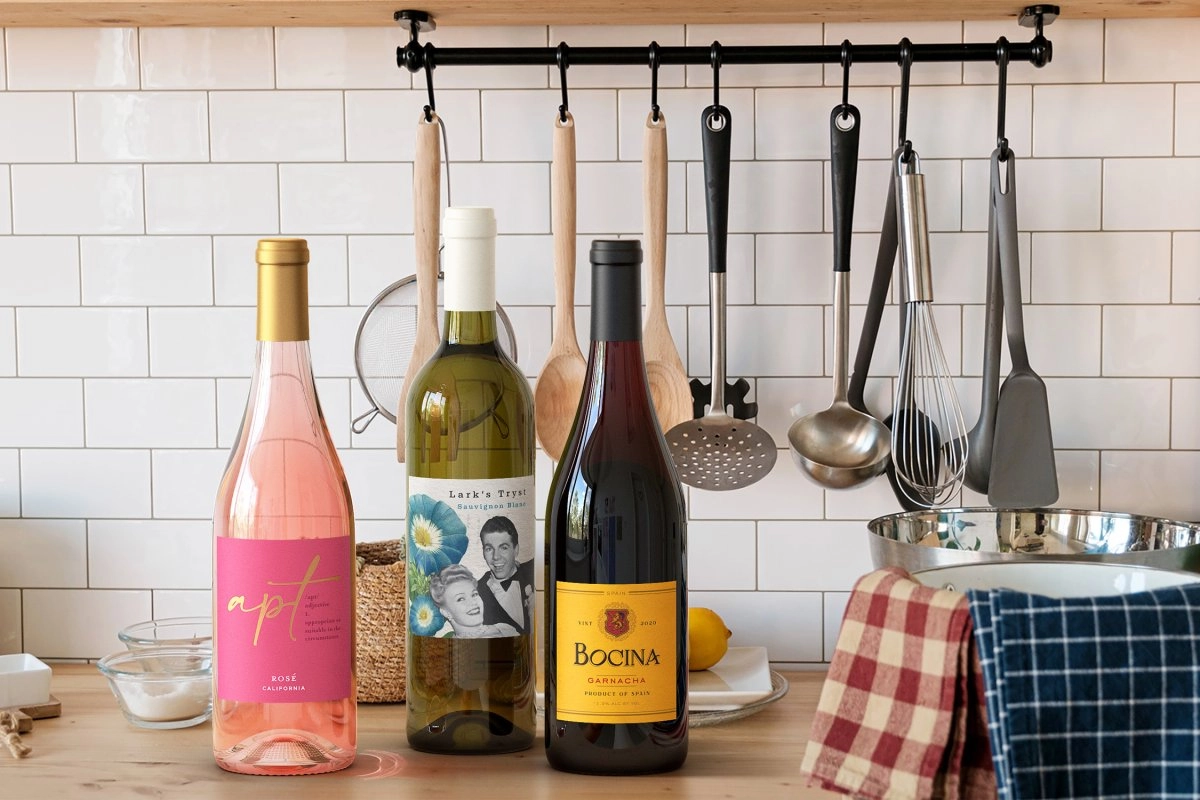
Shopping for wine can often leave one feeling overwhelmed, especially when trying to navigate terms like "tannins" and "fruit-forward." A new solution has emerged in the form of an 18-bottle wine bundle from Swirl Wine Shop, available for a limited time for $79 (regularly priced at $280), plus shipping. This collection simplifies the purchasing experience by offering a variety of easy-drinking wines directly to your doorstep.
The bundle allows for a choice between three collections: 18 bottles of red, white, or a mixed set that includes a selection of rosé. Each bottle is a standard 750ml, ensuring that you receive a full case. The red wine selection features fruit-forward flavors like cherry and dark chocolate, sourced from well-known wine regions such as Spain and South Africa. Similarly, the white collection offers lighter options like Chardonnay, perfect for warm weather or casual gatherings.
Notably, the wines included in the bundle are designed to be approachable, meaning you don’t need extensive wine knowledge to appreciate them. Many of these selections have even received accolades in blind tasting events, promising both quality and enjoyment.
Highlighted wines from the lineup can include a Garnacha Tempranillo blend with raspberry and vanilla notes, a Chilean Cabernet Sauvignon with hints of cranberry and pomegranate, and a Columbia Valley wine featuring a sweet finish.
It’s important to note that the bundle purchase comes with a discounted voucher to be redeemed on the Swirl website. With bottles priced at under $5 each, this presents a great opportunity to explore different varietals without the usual intimidation of wine shopping.
To grab the Swirl 18-bottle wine bundle for $79, head over to Swirl Wine Shop and enjoy this limited-time offer.
Daniel Johnnes: The Visionary Behind La Paulée’s Transformation into Wine’s Most Joyful Power Event
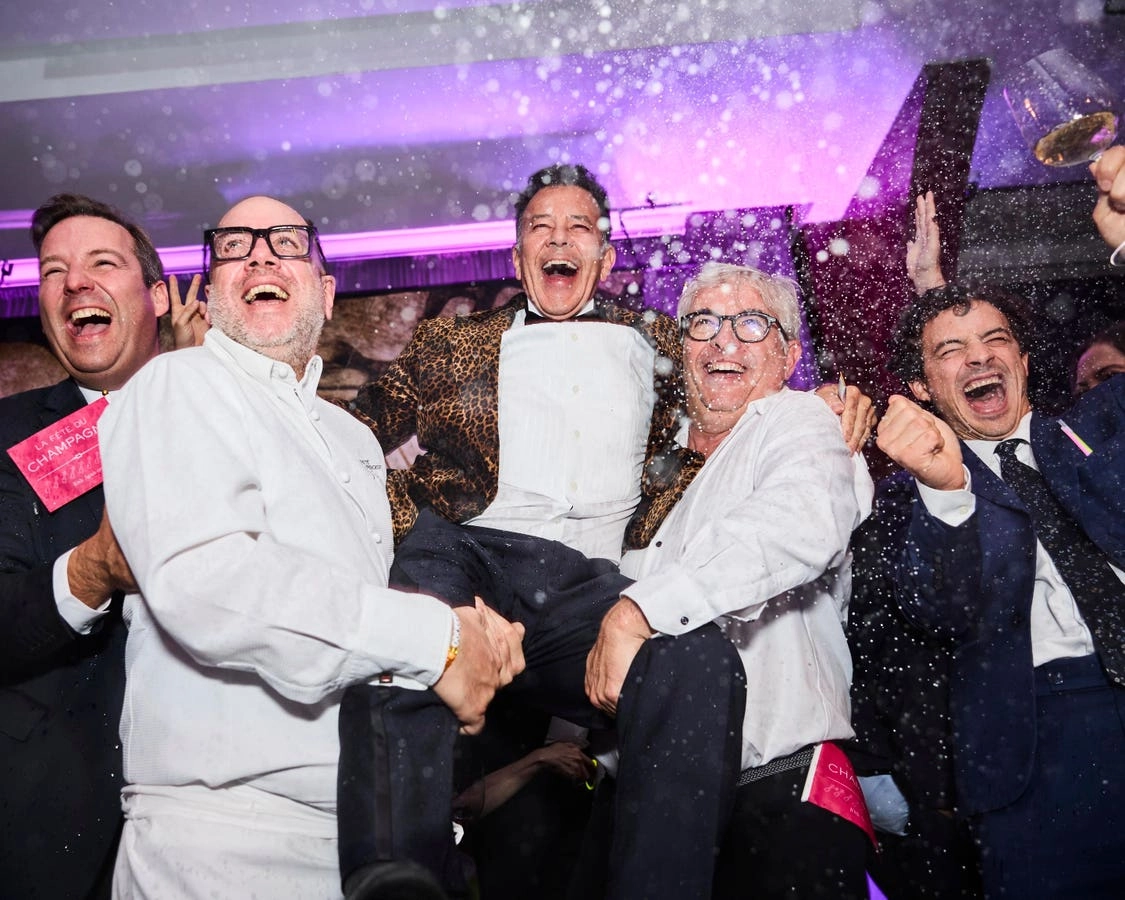
Daniel Johnnes has transformed the experience of fine wine, making it joyful and accessible over decades through immersive events. He understands that to attract younger audiences, the wine industry must embrace hospitality and storytelling rather than intimidation and complexity.
Johnnes’s journey began in 1974, inspired by a trip to a small village in France, sparking a deep appreciation for French culture. He honed his skills alongside chefs in renowned French kitchens before establishing himself in New York, where he learned to blend high-quality wine with genuine hospitality. His work at Montrachet illustrated that fine dining could be relaxed yet sophisticated.
The creation of La Paulée, inspired by a traditional Burgundian harvest celebration, represents his vision of wine appreciation as a communal experience. This event combines elements of food festivals, cultural gatherings, and celebratory concerts while emphasizing connection over elitism. Johnnes highlights the importance of allowing consumers to engage with producers, chefs, and sommeliers, making wine feel alive and memorable.
La Fête du Champagne, another of Johnnes’s major contributions, aims to reframe Champagne as a versatile food wine rather than just a celebratory drink. He sees parallels between Champagne and the evolution of Burgundy, advocating for its appreciation in daily contexts, not just special occasions.
Johnnes recognizes that young wine enthusiasts seek experiences more than ownership; they desire participation and storytelling. He emphasizes the significance of authenticity and personal connection, insisting that the producers behind each wine must be present at his events, which adds emotional depth to the experience.
His commitment extends to educational initiatives, such as the Sommelier Scholarship Fund, which provides aspiring sommeliers with access to benchmark wines. By doing so, he helps build a bridge between the producers and the next generation of consumers, ensuring a knowledgeable and welcoming community.
The essence of Johnnes’s philosophy lies in warmth and kindness. He hires his team based not just on qualifications but on their character, stating, “You can’t learn to be a nice person.” This approach contributes to a welcoming atmosphere that encourages exploration rather than defensiveness.
Johnnes’s legacy in the wine industry will be defined by his ability to remove pretension, foster connections, and promote a deeper understanding of wine as part of everyday life. His vision of hospitality champions the concept that sharing meaningful experiences is what truly enriches the enjoyment of wine.
In a world where interaction often feels impersonal, Johnnes’s dedication to genuine human connection is a beacon for the modern hospitality landscape, pointing towards a future where wine is not merely a luxury but a beloved part of life’s celebrations.
Galiano Wine Bar & Restaurant: A New Culinary Gem Opens in St. James!
Galiano Wine Bar & Restaurant has recently opened its doors in St. James, offering an enticing pairing of boutique wines and exquisite cuisine. This cozy establishment aims to become a culinary landmark not just for the neighborhood but for all of Long Island.
Vinny Galiano, the owner, has a rich history in the hospitality industry that traces back to his childhood in Commack, where he began his career at Filetto’s pizzeria in East Northport. Despite a successful stint in web development, his passion for serving others remained strong. A birthday gift in 2017—wine-making equipment—sparked his journey into winemaking. By 2020, he and his wife, Stephanie, had their own winery, sourcing grapes from California to create exclusive wines for their club.
Recognizing the need for a physical space to promote his products locally, Vinny seized the opportunity when the former Bean’s Bagels space on Lake Avenue became available. He sought to establish a dining venue that would shift the culinary focus toward Lake Avenue, an area often overshadowed by establishments along North Country Road.
As fate would have it, Vinny found the perfect chef when Roger Martinez, an experienced culinary artist and fellow St. James resident, spotted a "help wanted" sign at the restaurant’s location. Martinez, the former executive chef at New York City’s acclaimed Il Buco, brings a wealth of experience from notable kitchens, including those of David Bouley and the legendary Ferran Adrià at El Bulli in Spain. After his lengthy commute to the city, the prospect of working closer to home was appealing.
The two quickly discovered they complemented each other’s visions. Martinez was eager to craft a seasonal menu that would pair beautifully with the wine selections from Galiano. Every dish on the menu is thoughtfully designed to enhance the nine original Galiano wines, complemented by an additional 30 international bottles—most of which can be enjoyed by the glass—alongside specialty cocktails and a curated selection of beers.
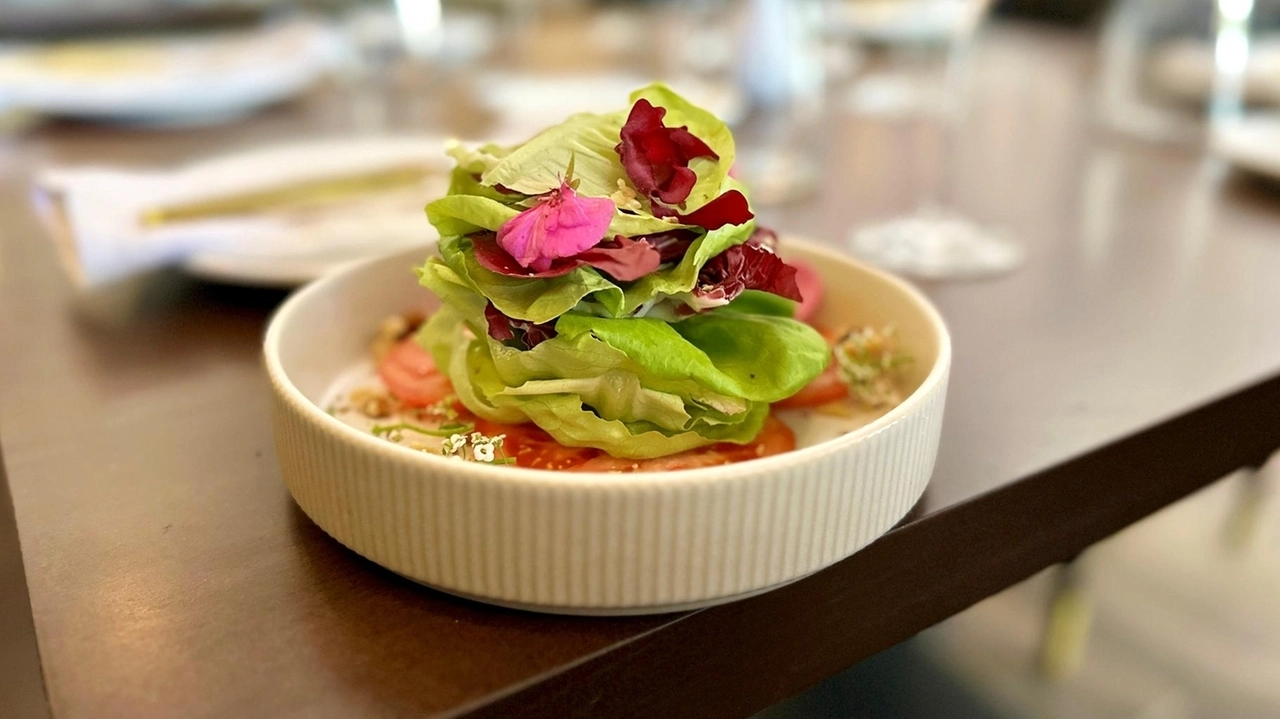
The spring menu presents a variety of flavorful plates, transitioning from light offerings like a Bibb-radicchio salad and scallops in an herb-infused broth to heartier dishes such as Wagyu sirloin, half a chicken with ramps, and braised lamb shank. With prices predominantly under $30 and select main courses between $46 and $52, the dining experience is accessible yet upscale. Desserts feature Valrhona chocolate ganache and seasonal fruit tarts, among other delights.
The charming restaurant, which accommodates fewer than 30 guests, boasts a wall of windows providing a serene view of Lake Avenue. For Vinny, the venture represents not only a business opportunity but a chance to enjoy more family time, especially with two young daughters at home. “I’ve realized that almost everything good in life starts with a glass of wine and a ‘Cheers,’” he reflects, eager to contribute to significant moments for patrons at Galiano Wine Bar & Restaurant.
For more information, visit galianowine.com. Galiano Wine Bar & Restaurant is located at 410 Lake Ave., St. James, and operates Wednesday and Thursday from 4 to 9 p.m., Friday and Saturday from noon to 10 p.m., and Sunday from noon to 9 p.m. They are closed on Monday and Tuesday.
New Wine Bar in Chesco Celebrates Pennsylvania’s Finest Vintages with Regional Focus

A new wine bar named Proximity Wine Bar is set to open in Unionville, Chester County, focusing exclusively on showcasing wines and food sourced from within a 100-mile radius. Spearheaded by Corey Krejcik, a veteran in the wine industry, the bar will occupy the former Catherine’s Restaurant location on Doe Run Road.
Krejcik aims to create a modern "enoteca," a concept inspired by Italy’s communal wine bars. This establishment exemplifies the evolution of Pennsylvania’s wine scene, which has matured significantly over the past 20 years. With Krejcik’s experience managing Chaddsford Winery and consulting in wine hospitality, he recognizes the potential for a localized wine experience.
Proximity plans to collaborate with regional wineries, including Penns Woods Winery, Casa Carmen Farm & Winery, Stony Run Winery, and Waltz Vineyards. All wines served will be made from 100% Pennsylvania-grown grapes, enhancing the connection between the producer and the consumer. Krejcik intends for the wine offerings to highlight the state’s diversity and quality, with an "open door" policy for other local wineries meeting the sourcing criteria.
Currently, Proximity is in its developmental stage, aiming to raise $600,000 to establish their physical location. Once they reach this goal, they plan to sell wines through online platforms and temporary pop-up events. They expect to feature 20 to 30 wines by the glass, including a variety of styles such as sparkling, dry whites, and rosé.
In addition to a rich wine selection, the bar will utilize a full kitchen to create an array of food options, including charcuterie boards and artisan sandwiches. Krejcik is collaborating with culinary consultant Steve Forte, a former executive chef, to curate the menu offerings.
Krejcik reflects on the growth of Pennsylvania’s wine industry since wineries were allowed to produce wine within the state in the late 1960s. He emphasizes the commitment of local winemakers to produce high-quality wines, believing in the cultural and community significance of wine as more than just a beverage.
For updates on Proximity Wine Bar, you can follow them on their journey as they aim to bring the best of Pennsylvania’s wine culture to Unionville.
Discover What’s New at Wine Village in Baltimore This Year!

The Wine Village in Baltimore is returning to the Inner Harbor this year, offering a selection of international wines and beers. This annual event promises an exciting array of new features to delight attendees.
As part of the Wine Village experience, guests can expect to find a variety of local and international drinks to sample. The event not only showcases different wines and beers but also enhances the overall atmosphere with live entertainment and gourmet food options.
This year, organizers have introduced several new elements aimed at elevating visitor engagement. This includes interactive tastings and exclusive offers, providing attendees with a unique experience that marries quality beverages with enjoyable activities.
The Wine Village event is a great opportunity for wine lovers and casual drinkers alike to explore the diverse offerings in a lively and social setting. With its enhanced features and vibrant atmosphere, it is set to be a highlight for locals and visitors in the Baltimore area.
For more details about the event and what to expect, check out the Wine Village information through Baltimore Sun’s article.
Why Costco Shoppers Can’t Get Enough of These Wine Storage Racks

Costco has become a go-to destination for wine enthusiasts looking to balance quality and affordability. Among its offerings, the Neatfreak 24 Bottle Stacking Metal Wine Rack stands out as a popular solution for those in need of efficient wine storage. Priced around $60, this metal rack is designed for durability and convenience, enabling shoppers to stack multiple racks and create their own DIY wine cellar.
One shopper shared their experience of assembling the rack in a small closet, praising its compact design that doesn’t occupy unnecessary space. With each rack capable of holding 24 bottles, even a single unit can significantly improve storage organization. Users have noted the peace of mind that comes from how securely the wine bottles are stored, and many appreciate the aesthetic appeal of the rack as well.
The Neatfreak wine rack offers practical features with a straightforward design. Each bottle has its designated slot, and the rack even includes an adjustable top shelf to display favorite labels. Assembly is simple, requiring only minor screw tightening as per the provided instructions.
Additionally, the flexibility of the Neatfreak rack allows it to serve purposes beyond just wine storage; it can also be repurposed for kitchen organization, accommodating cookbooks or other items.
Overall, for wine lovers visiting Costco, the Neatfreak wine rack is an excellent investment that combines functionality and style.
For more details about the rack, visit Neatfreak’s product page on Costco.
Read the original article on Chowhound.
Eccentric Pioneer Square Wine Bar Sets Sights on World Cup Takeover
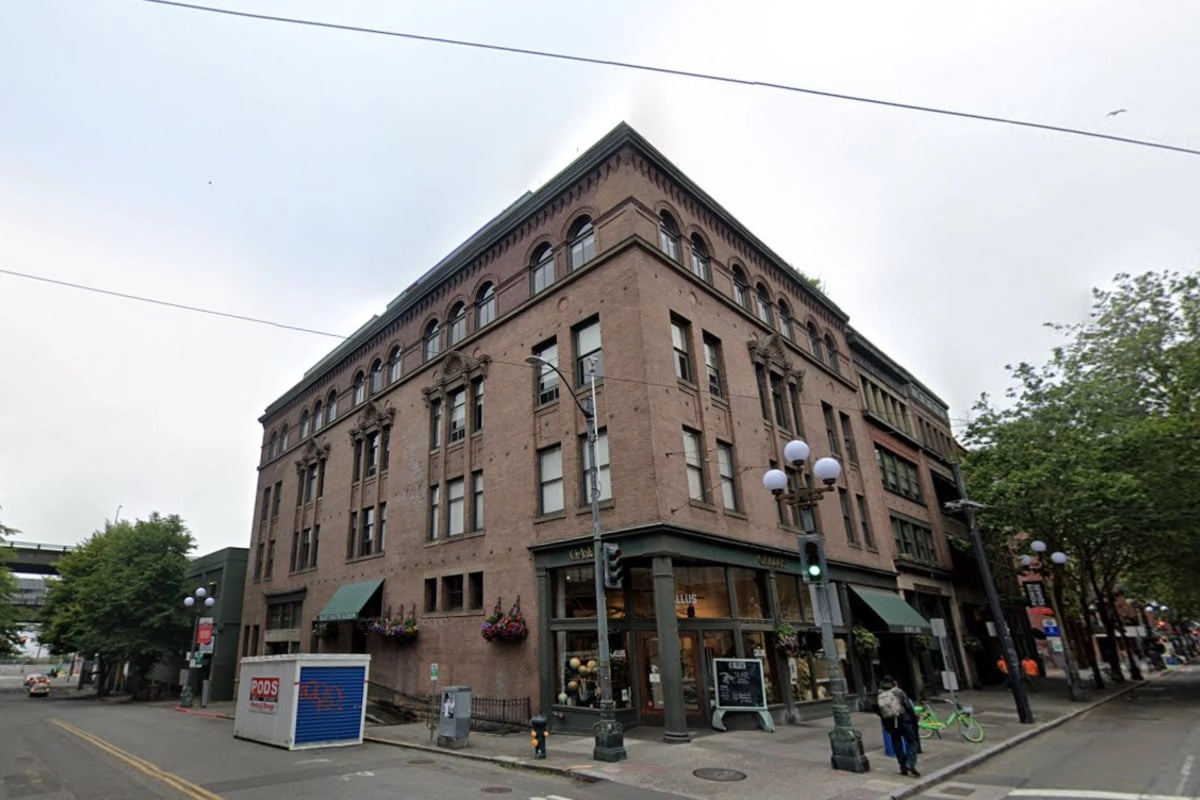
A vibrant new wine bar named Wine Darling is set to open in Seattle’s historic Pioneer Square, specifically in the ground floor of the Crown Hotel. This establishment aims to create a unique atmosphere by emphasizing a music-first approach, featuring ticketed performances and DJ nights.
The Crown Hotel, established in 1900 and located within the Pioneer Square historic district, has recently been undergoing changes to attract new tenants. The bar’s operators envision a cozy and eccentric space that resonates with local culture and aesthetics. Although a firm opening date hasn’t been disclosed yet, the venue’s design will be in vibrant colors, aimed at offering a welcoming experience.
With Seattle preparing to host six matches during the 2026 World Cup, the location is strategically positioned to capitalize on the influx of sports fans. Plans are in place to temporarily transform the wine bar into a sports-themed space for the matches in June, aligning with ongoing neighborhood initiatives for watch parties and community events.
Presently, the ground-floor retail space of the Crown Hotel remains available for leasing, indicating that the operators may conduct pop-up events to gauge community interest prior to a grand opening. Updates regarding events and operating dates will be made available as plans progress.
For more details about Wine Darling, you can check out the Puget Sound Business Journal.
Decoding the House Wine: When It’s Safe to Take the Plunge
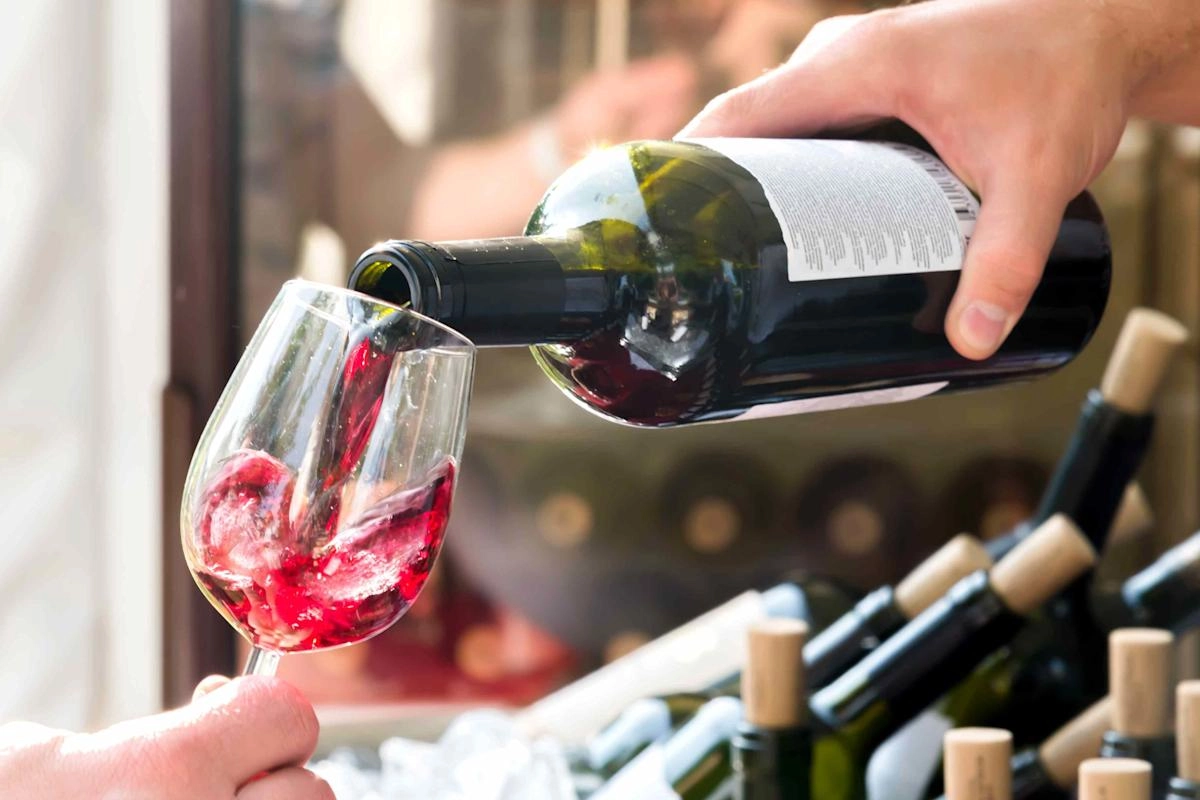
We’ve all faced the dilemma of whether to order house wine when dining out—sometimes it’s an affordable option, and other times, it can lead to regret. So what should you consider before taking the plunge?
According to Ryne Hazzard, the wine director at Casa Teresa in Washington, D.C., house wines can offer great value if selected thoughtfully. However, they can also be a catch-all for low-quality stock. When considering a house wine, look for certain indicators that might reveal its worth.
Key Indicators of Quality
-
Menu Details: If the house wine includes specific details like the producer’s name and region, it’s likely been chosen with care. Conversely, vague descriptors like "house red" can sometimes indicate a lack of thought put into the selection.
-
Reputable Regions: Joe Beziek, a sommelier from Ellerman House in Cape Town, suggests wines from Italy and France as safer choices, as even lower-tier wines from the EU must meet certain quality standards. Similarly, regions known for decent wine like Portugal, South Africa, and Austria can also be worth considering.
Red Flags to Avoid
- Low Prices: Alarmingly cheap house wines often signify bottles that are either poor quality or not selling well.
- Storage Practices: If the house wine isn’t treated with the same care as other wines—like being stored properly—this could be a sign of neglect.
- Uninformed Staff: If the restaurant staff can’t provide details like the wine’s region or year, it’s likely best to look for alternatives.
Gauging Quality QuicklyIf deciphering the menu feels tedious, a simple question can help: “What is your house wine, and why was it chosen?” A knowledgeable staff member’s enthusiasm can indicate a quality selection.
When to Consider House WineHouse wines are often best selected in casual dining settings, such as pizza places or burger joints, where they contribute to a relaxed experience. They may also be a solid choice at family-run restaurants that prioritize thoughtful selections within tight budgets.
Final ThoughtsIf the house wine comes with detailed information or the staff can confidently justify its place on the menu, it’s worth sampling. However, if it feels like an afterthought or lacks enthusiasm, consider exploring different options.
For more information on wine quality and selections, visit Food & Wine.
The Timeless Allure of Pinot Noir: A Vineyard Cherished by California Wine Producers

Quail Hill Vineyard, nestled in the picturesque Russian River Valley, has long been revered by esteemed winemakers for its remarkable Pinot Noir grapes. Lynn Fritz, an entrepreneur with a vision for this captivating land, solidified his connection to the vineyard on an unforgettable day in 1980. While admiring the rolling hills and ancient oak trees surrounding his newfound property, he encountered Merry Edwards, a respected figure in the wine industry. Upon inspecting his grapes, she declared, “These are the best grapes in the Russian River Valley.”
Despite not initially planning to cultivate grapes, Lynn felt compelled to protect this invaluable vineyard from corporate interests. Recognizing its potential, he began selling its fruit to other winemakers before eventually establishing Lynmar Estate, his own winery, with the help of his wife, Anisya Fritz.
Anisya’s background as a professor in international humanitarian aid enriched their venture. She shifted her focus to entrepreneurship, driven by her desire to empower local wine producers, many of whom lacked business acumen. By teaching them essential skills, she aimed to foster a sustainable community that would thrive for generations.
Under Anisya’s leadership, Lynmar Estate has expanded to over 100 acres, with 45 acres cultivated with 14 different Pinot Noir clones. This diverse planting preserves not only the vineyard’s essence but also the region’s wildlife. Their estate includes a wildlife sanctuary where orphaned owls are cared for, adding another layer of commitment to conservation.
The Fritz family also prioritizes the well-being of their employees, offering fair wages, health benefits, and unique learning opportunities within the wine industry. Each year, they take employees on educational trips to renowned wine regions to inspire and enhance their skills.
With a focus on producing exceptional wines, Lynmar Estate emphasizes quality over quantity, producing only 12,000 cases annually. They utilize a meticulous winemaking process, including block-by-block harvesting and creating numerous small lots to maintain high standards.
Lynmar’s hospitality experience is equally noteworthy, featuring an inviting ambiance, exquisite cuisine, and an enchanting guest house. This approach not only enhances customer experiences but also fosters lasting relationships with patrons and the community.
As customers savor their wines, they are fortunate to enjoy a taste from one of the region’s most legendary vineyards. While the estate is recognized for its superb hospitality, the true gem remains Quail Hill Vineyard, a treasure of the Russian River Valley that mirrors the revered Grand Cru sites of Burgundy—prized and celebrated among local aficionados but yet to attract widespread fame.
The story of Lynmar Estate demonstrates a commitment to exceptional winemaking, community empowerment, and environmental stewardship, ensuring that the legacy of Quail Hill Vineyard endures for future generations.