Wine 1106
Revolutionizing the Wine Industry: The Rise of the Futuristic AI Grape Ripeness Detector

Scientists in the UK have developed an innovative AI-powered device called RipenAI, designed to assess grape ripeness for winemaking. This handheld sensor utilizes advanced machine learning and optical technology to give winemakers immediate and precise information regarding when grapes are ready to be harvested.
Traditionally, determining grape ripeness involves labor-intensive sampling and testing methods that can slow the process down significantly. With RipenAI, the sensor can analyze how grapes absorb and reflect different wavelengths of light, which changes as the grapes mature. This allows for rapid, real-time assessments right on the vine, significantly enhancing efficiency in the grape harvesting process.
Xuechun Wang, a post-doctoral researcher at Queen Mary University of London, explains that the technology is capable of estimating grape ripeness without causing any harm to the fruit. The device can be handheld or installed across vineyards to continuously monitor grape ripeness and overall crop health.
Nick Edwards, director of Saffron Grange Vineyard, emphasized the importance of timing in grape harvesting for producing high-quality wine. Proper monitoring of parameters such as sugar content and acidity is critical to selecting the optimal time to pick grapes, which varies based on multiple factors including weather and vine location.
The introduction of RipenAI promises substantial advantages for winemakers. By providing constant, non-destructive insights into grape ripeness, the device aids in careful planning for labor and winery preparations. This potentially minimizes the need for additional interventions during the winemaking process, leading to a production of higher-quality sparkling wines.
The research team is actively seeking vineyards, agritech firms, and fruit orchards to test a prototype of RipenAI during the upcoming harvest season. Given the growth of the wine industry in the UK, the tool is poised to be a game-changer, signaling a future where precision agriculture plays a larger role in winemaking.
For more information about the US wine industry, refer to Wine Enthusiast’s recent recognition of the Finger Lakes as the American Wine Region of the Year.
AI Revolution: How Technology is Set to Transform the Wine Industry
Scientists at Queen Mary University of London (QMUL) have developed an innovative AI-powered device called RipenAI, designed to enhance the efficiency of wine production by determining grape ripeness. This handheld optical sensor provides real-time information on whether grapes are ready for harvest, employing advanced machine learning techniques.
Traditionally, determining grape ripeness involved manual sampling and slow destructive testing, which can be time-consuming. With RipenAI, researchers utilize optical sensors to detect various wavelengths of light absorbed and reflected by the grapes. As grapes ripen, their chemical makeup changes, affecting their optical response. The sensors analyze these spectral patterns to gauge ripeness without harming the fruit.
Post-doctoral researcher Xuechun Wang, who specializes in intelligent sensors, highlighted the device’s practical utility. It allows grape pickers to quickly assess ripeness on-site, supporting better decision-making in the vineyard. Additionally, it can be permanently set up in vineyards to monitor grapes continually, offering insights into crop health.
The team at QMUL is collaborating with Extend Robotics and Saffron Grange Vineyard in Essex to integrate this technology into robotic grape pickers, further enhancing harvesting efficiency.
Nick Edwards, director at Saffron Grange Vineyard, emphasized the critical nature of timing in grape harvesting for producing high-quality wine. The RipenAI technology promises significant advantages for winemakers, enabling precise harvesting aligned with the optimal balance of sugar and acidity needed for desired wine styles. With RipenAI, growers will be able to repeatedly monitor ripeness throughout the ripening process, leading to better harvest decisions that can improve wine quality while reducing the need for interventions like de-acidification.
Early field trials have yielded promising data, and the research team is now looking to expand its collaboration with more vineyards and agritech companies in the upcoming harvest season. They believe that widespread adoption of this technology could significantly impact the wine industry, particularly in regions looking to optimize their production methods.
Moreover, the technology is adaptable for various other crops, such as apples and berries, showcasing its potential beyond viticulture. As the U.K.’s wine industry continues to grow, advancements like RipenAI play a crucial role in supporting winemakers in achieving success through improved practices.
Sonoma County Grenache Takes Center Stage: A Historic Win at the North Coast Wine Challenge
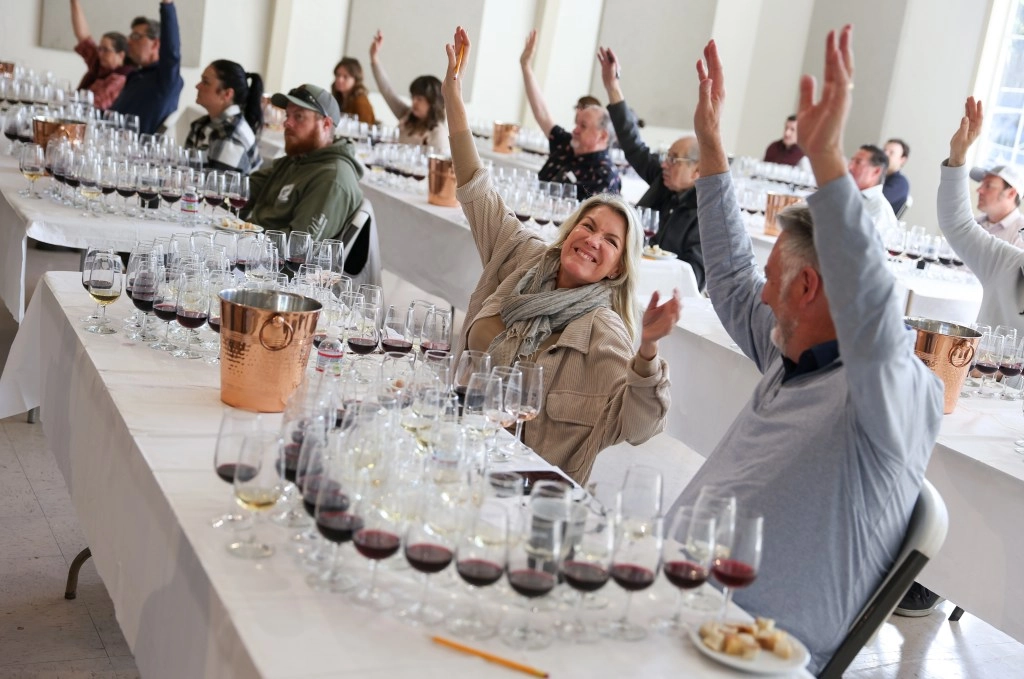
A remarkable achievement unfolded recently for Sonoma County when a Grenache from Grey Stack Cellars clinched the top honor at the 14th annual North Coast Wine Challenge. This prestigious award marks the first time a Grenache has won the “Best of the Best” title in this notable wine competition, which gathered more than 1,000 entries from across the region.
The event took place on April 8, 2026, at the Sonoma County Fairgrounds in Santa Rosa, with Grey Stack’s 2023 Grenache from Sonoma Mountain not only winning the overall best prize but also taking home awards for Best Red and Best Sonoma County wine. Additionally, its 2025 Rosé of Pinot Noir and Grenache garnered the title of Best Rosé.
Deodora Estate’s Sonoma Coast Riesling secured the title of Best White for the second year in a row, marking a historic consecutive win. Other notable winners included Breathless Wines’ NV Brut for Best Sparkling and Navarro Vineyards’ Late Harvest Riesling for Best Dessert.
Daryl Groom, the chief judge of the competition, expressed enthusiasm over the outcomes, particularly the triumphs of Grenache and Riesling. Traditionally, varietals like Chardonnay or Bordeaux blends often took the upper hand, so this shift in preference highlights evolving consumer tastes, leaning towards lighter wines.
The competition brought together 30 local judges who blind-tasted wines sourced from 220 wineries within the North Coast AVA, which encompasses Sonoma, Napa, Mendocino, Lake, Solano, and Marin counties. Only a select 42 wines moved on to the final sweepstakes round, including various categories such as reds, whites, and sparkling.
Among the notable mentions, the “other white varietals” category, which includes less common varietals, saw significant growth, indicating a rising consumer interest in unique white wines. While Chardonnay remains the most entered varietal, many wineries are expanding their selections to include crisper options to attract a wider audience.
The tasting event not only showcases the diversity of wines produced in the region but also highlights the ongoing commitment of local wineries to elevate their craft. Looking ahead, wine enthusiasts can look forward to savoring the award-winning selections at the North Coast Wine & Food Festival on June 13 at the Luther Burbank Center for the Arts in Santa Rosa. For further details, visit northcoastwineandfood.com.
Top Winners of the 2026 North Coast Wine Challenge
- Best of the Best, Best Red, and Best Sonoma County: Grey Stack Cellars 2023 Grenache, Four Brothers Vineyard, Sonoma Mountain
- Best Sparkling: Breathless Wines (NV) Brut, Sonoma County
- Best White: Deodora Estate Vineyards 2023 Riesling, Sonoma Coast
- Best Rosé: Grey Stack Cellars 2025 Rosé of Pinot Noir and Grenache, Four Brothers Vineyard
- Best Dessert: Navarro Vineyards 2025 Late Harvest Riesling, Anderson Valley
- Best Napa County: AMPL 2023 Proprietary Red Blend, Howell Mountain
- Best Mendocino County: Ra Ra Wine Co. 2025 Dry Gewürztraminer, Redwood Valley
- Best Lake County: R Vineyards 2023 Reba Red, Lake County
- Best Solano County: Moshin Vineyards 2024 Chenin Blanc, Solano County
The Viral Wine Cork Trick: Does It Really Live Up to the Hype?
I know we’ve all been there—you’re cooking something on the stove or you just pulled a pan from the oven, and you instinctively reach for the hot handle without thinking. A few seconds later, the heat reminds you that it was just simmering at high temperatures. We learn this lesson the hard way, but we keep making the same mistake.
Recently, I stumbled upon a wine cork hack that serves as a simple, effective reminder that your pot lid or handle is hot. This trick allows you to grab it without burning your fingers, and what’s more, it gives a second life to an otherwise discarded cork.
Los Angeles-based creator Sidney Raskind, known for his engaging content on TikTok and Instagram, shared this gem in his series "Things I Didn’t Know Until I Was in My 30s." Intrigued by the idea, I decided to test it out myself.
How to Use a Wine Cork as a Heat-Resistant Handle Extension
In his quick video, Sidney demonstrated how to position a wine cork between your hand and the hot handle of a pot or pan. This technique minimizes your chances of burns by providing a buffer.
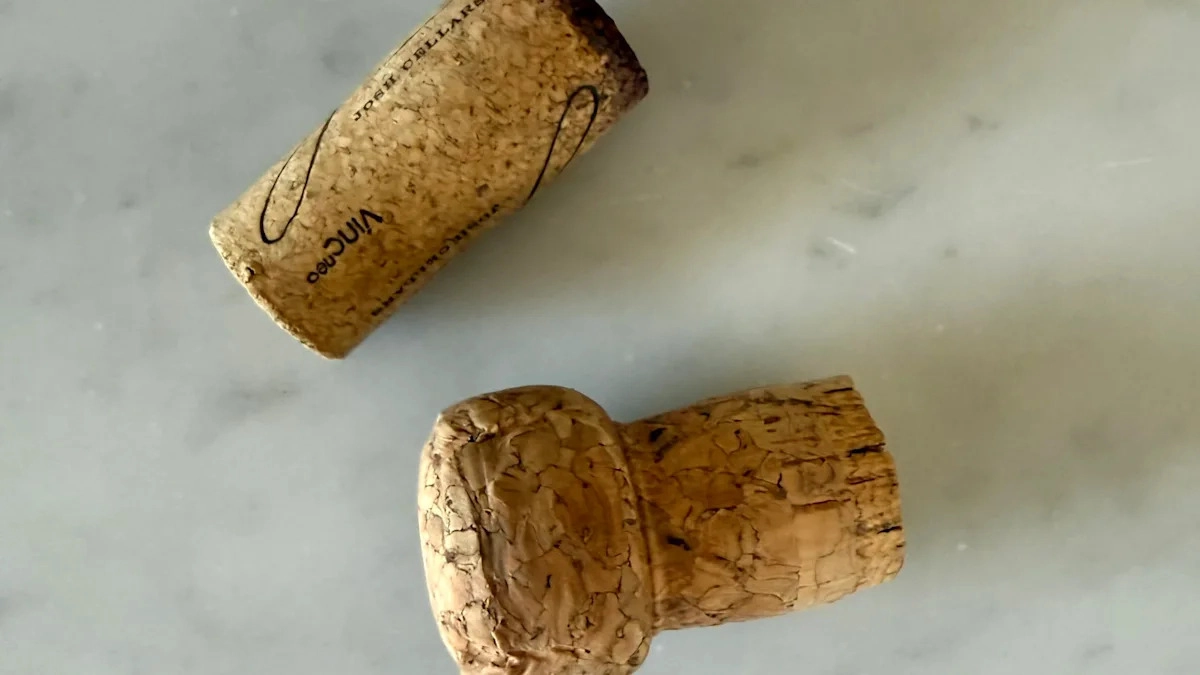
On my own kitchen trial, I didn’t have the precise corks he used, but I experimented with a regular red wine cork and a cork from a sparkling Italian wine. I wanted to see how well they fit and whether they could help with heat insulation.
What I Discovered
Overall, the concept does have merit, but its effectiveness highly depends on the type of cork and the shape of your cookware. Some combinations felt secure and stable, but others were too loose to provide reliable protection.
The regular wine cork did not fit well at all, whereas the larger sparkling wine cork had a decent fit. However, while lifting the pan, it tilted, and I faced a slight burn from the escaping steam.
Tips for Using a Cork to Prevent Burns
-
Choose a Larger Cork: The wider the cork, the better. Corks from champagne bottles, which have a mushroom-like top, provide a more stable grip.
-
Opt for Shorter Handles: This hack works best on pots with handles that are closer to the pot itself. The shorter handles tend to hold the cork securely in place.
-
Test the Fit: Don’t wait until your pot is hot to try this out. Always ensure that the cork fits securely on a cool pot before using it.
-
Use with Caution: While the cork can serve as a visual indicator, don’t rely solely on it for heat protection. It’s wise to keep a kitchen towel nearby for added safety.
Final Thoughts
While this wine cork trick has a lot of creativity behind it, in practice it offers mixed results. It’s certainly worth trying if you love kitchen hacks and already have corks handy. Just remember to be cautious and keep other heat protection methods in reach.
For those curious about other useful culinary hacks, you might also enjoy this article on how to clean a dirty pan with a potato.
7 Sneaky Traps in Restaurant Wine Lists That Could Be Draining Your Wallet
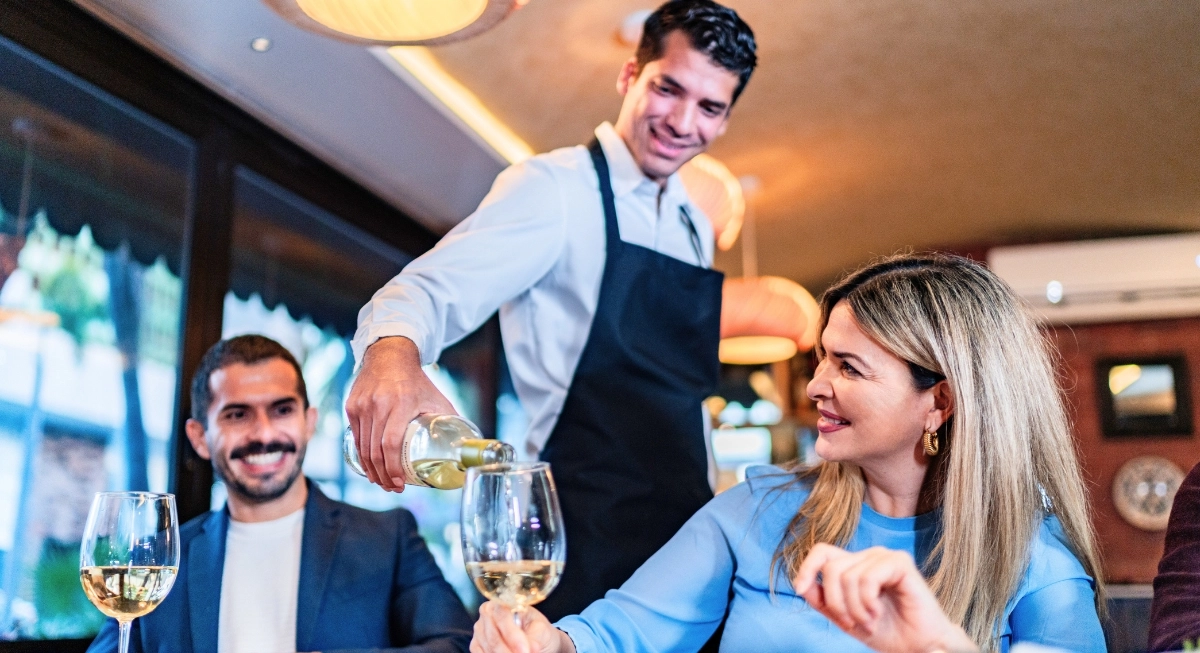
Restaurants often rely on their wine lists for significant profit, manipulating how wines are presented to influence customer choices. The structure of these lists is meticulously designed, from pricing to placement, guiding diners towards selections that boost the restaurant’s bottom line.
Entry-Level Wines and Their Markups
Interestingly, the least expensive wines typically feature the highest markups. While premium wines might be priced just above their wholesale costs, the cheapest bottles can be marked up 300-400%. For instance, a wine that retails for $12 may be listed at $45 in a restaurant, as diners often neglect to compare prices with retail during their meal.
The Allure of the Second-Cheapest Bottle
Many people avoid the cheapest wine on the list, leading them to select the second-cheapest option, which often has high profit margins. This strategic placement allows restaurants to profit from a choice perceived as more sensible by the diner, despite possibly costing the restaurant less than nearby offerings.
Psychological Anchoring with Luxury Wines
Wine lists frequently contain extraordinarily expensive bottles that few customers will purchase. These luxury wines serve as psychological anchors, adjusting the perception of what is considered normal pricing. With an ultra-high-priced Bordeaux listed, a nearby $120 bottle seems far more reasonable by comparison.
Menu Placement and Its Impact
The layout of wine lists is crafted with psychological insights, emphasizing certain areas that catch the eye, referred to as "menu sweet spots." Wines placed in these spots often yield the highest profits due to their enhanced visibility.
Concealing Spending Through Formatting
Some wine lists omit the dollar sign from prices, making the costs feel less tangible. Research shows this trick can lead to increased spending, as diners might not fully register the amount they are about to spend.
Premium Markups for Recognizable Regions
Wines from well-known regions, such as Bordeaux or Napa Valley, often carry inflated prices due to their familiarity. Diners prefer these established names, which allows restaurants to charge higher prices for them compared to lesser-known but similar options.
The Cost Trouble with By-the-Glass Pricing
While ordering wine by the glass seems appealing, it can result in higher overall costs. A standard bottle contains about five glasses; hence, purchasing multiple glasses can quickly exceed the price of buying a full bottle, leading to unexpected expenses for diners.
Awareness of these tactics can help diners make more informed choices and potentially save money during their dining experiences.
Infographic: Unveiling the True Cost of Tariffs – A Scholarly Investigation into Wine Pricing
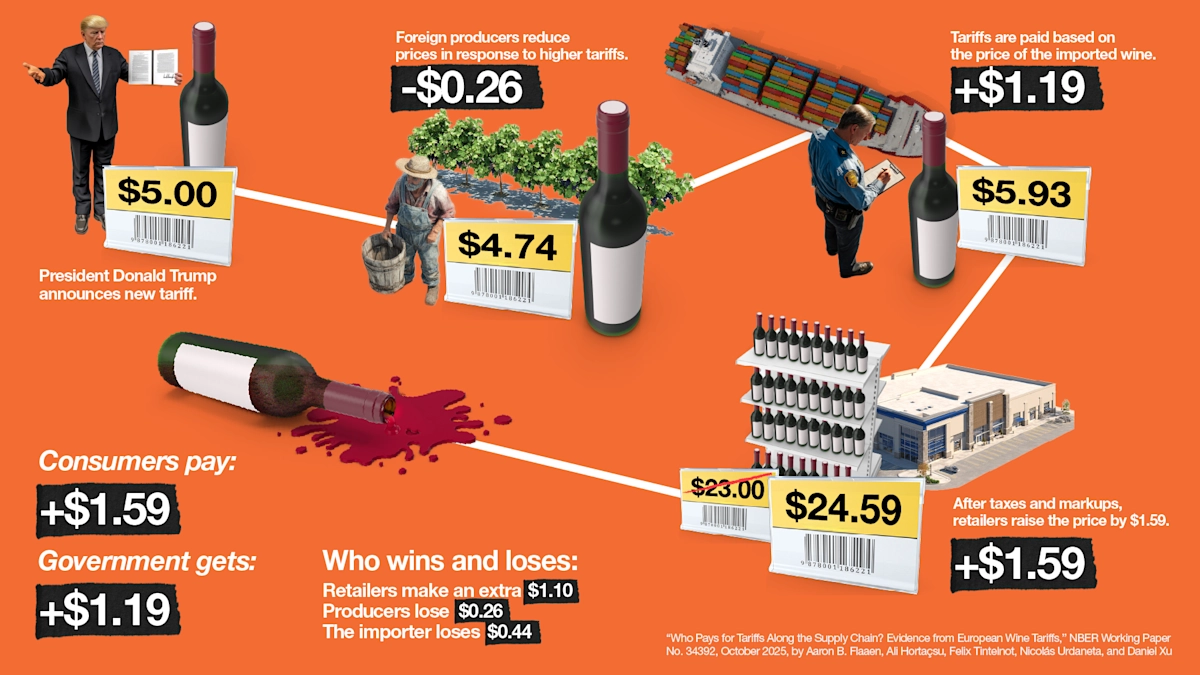
As many Americans have learned in the past year since "Liberation Day," tariffs can disrupt supply chains in numerous ways, primarily by increasing costs for consumers. A recent study by the National Bureau of Economic Research found that consumers essentially bear the full financial burden of tariffs and often more.
The study detailed the movement of a single bottle of imported wine through the global supply chain, essentially offering a contemporary twist on the classic economic concept illustrated in Leonard Read’s essay, "I, Pencil." The authors uncovered that while foreign producers may lower their prices to absorb some tariff costs, this is not enough to keep consumer prices from rising significantly.
For instance, a bottle of wine that originally would cost $5 to export and $23 to purchase in an American store experienced changes when a 25% tariff was implemented. It was found that exporters reduced their prices to about $4.74, reflecting a loss of 26 cents per bottle. Once imported to the U.S., the price was affected by the imposed tariff, resulting in the government collecting $1.19 per bottle.
After accounting for various taxes and fees that remained unchanged due to the tariff, the retail price increased by an average of $1.59. Consequently, consumers ended up paying an astonishing 134% of the total tariff increase, even though foreign producers had attempted to reduce their prices.
This situation highlights a critical issue with tariffs—nearly everyone involved in the transaction ends up worse off. Producers lose out on revenue from lowered export prices, and consumers face elevated retail costs. The only entity profiting seems to be the government due to the accrued tax revenue from the tariffs.
The findings underscore a fundamental economic lesson: tariffs often do not accomplish their intended goal of protecting domestic industries. Instead, they tend to create a burden on consumers while benefiting the government financially.
For additional details, refer to the full study published by the National Bureau of Economic Research and background discussions on the relationship between tariffs and pricing dynamics.
Unveiling the Costs: Who Really Bears the Burden of Tariffs on Wine? An Infographic Analysis
In recent discussions about tariffs in the United States, a study published by the National Bureau of Economic Research has shed light on the true costs associated with these trade policies. The researchers traced the journey of a single bottle of wine through the supply chain, demonstrating how tariffs ultimately burden consumers.
Before tariffs were implemented, a bottle of wine priced at $5 would retail for approximately $23 in the U.S. When a 25% tariff was introduced, foreign exporters began to react by lowering their prices to remain competitive. As a result, the same bottle of wine was exported at an average price of $4.74, indicating a loss of 26 cents per bottle for the producers.
However, once the wine arrived in the U.S., the 25% tariff added $1.19 to its cost. This amount didn’t disappear; instead, it was absorbed along with existing taxes and markups, leading to an increase in retail price, which rose by an average of $1.59. Consequently, consumers found themselves paying significantly more: overall, they bore an expense equivalent to 134% of the tariff increase, even with foreign producers lowering their prices.
The authors of the study concluded that tariffs do not provide relief but instead negatively affect all stakeholders except the government, which benefits from the increased revenue generated by the tariffs. This insight emphasizes a critical economic takeaway—tariffs distort market dynamics, often leading to an overall loss for producers and consumers alike while enriching government coffers.
The findings reason that while the intent behind tariffs might be to protect domestic industries, the ripple effects can lead to heightened prices and reduced market efficiency, questioning the overall effectiveness of such trade barriers.
A Toast to Change: Celebrating 50 Years of Wine Culture as a Boston Legend Retires
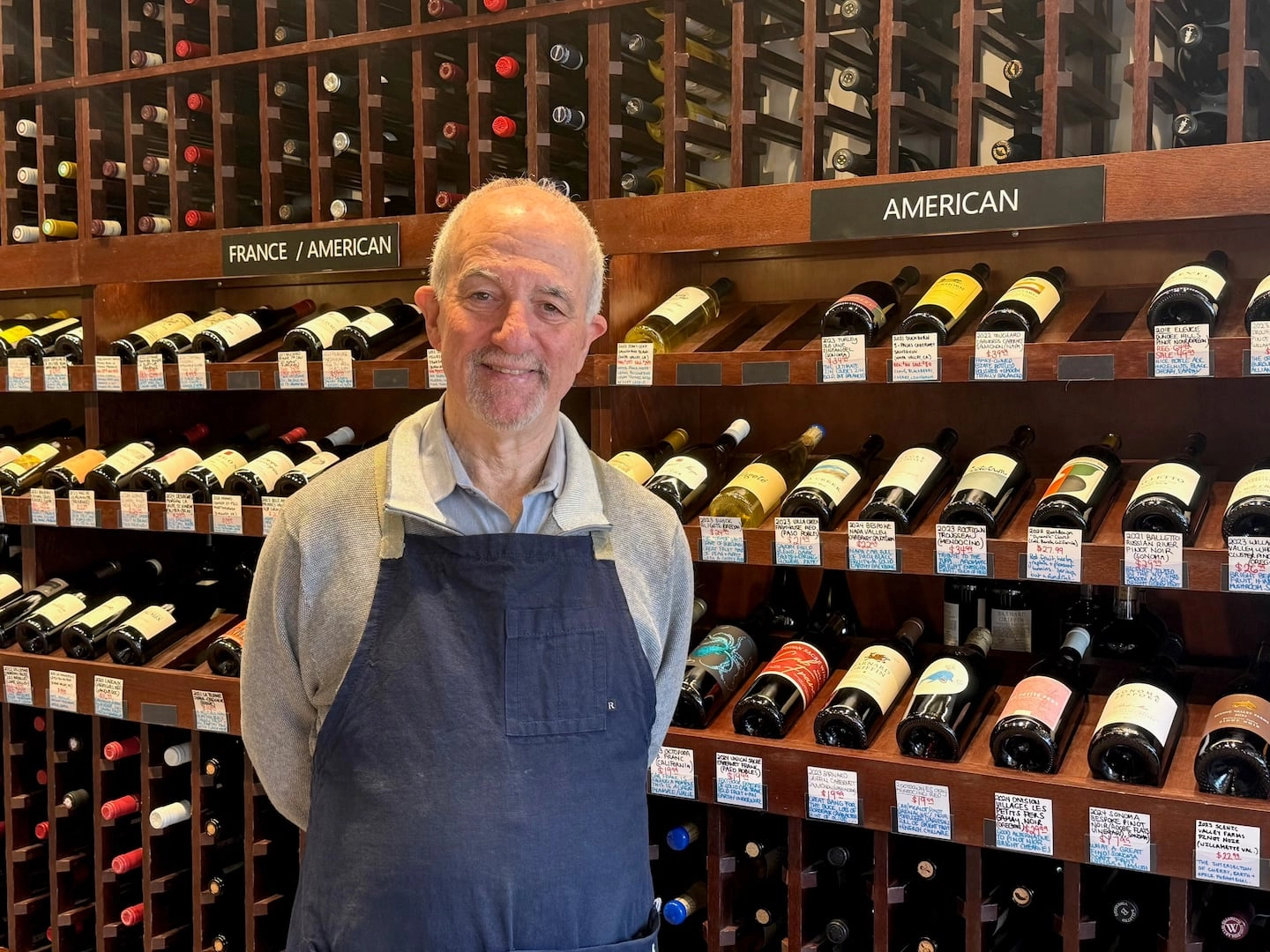
Howie Rubin, a prominent figure in Boston’s wine scene, reflects on his remarkable 50-year journey in the industry as he prepares for retirement. Rubin started his career managing Bauer Wine & Spirits on Newbury Street for 43 years, where he served a diverse clientele ranging from young adults to Boston’s elite.
In the 1990s, he became a well-known voice in the wine community, appearing regularly on WFNX radio. More recently, he transitioned to a role at Vin Fromage, a wine and cheese shop in Wenham, where he has influenced a new generation of wine enthusiasts on the North Shore.
As he looks ahead, Rubin notes his upcoming retirement is about embracing leisure and enjoying wine for pleasure rather than work. He describes the North Shore’s burgeoning food and drink scene, highlighting the rise of local farms and artisanal producers. This area is seeing an influx of people moving from Boston, seeking a vibrant, community-oriented lifestyle.
Reflecting on how he fell into wine, Rubin recounts his unexpected entry into the industry after a humorous incident in a San Francisco restaurant led to a job at America’s first wine bar in 1975. His subsequent experiences included grape-picking at Mayacamas Vineyards and working as a sommelier at the famous Breakers Hotel in Florida, where he honed his knowledge of European wines.
Over the years, Rubin has worked closely with notable families and celebrities, sharing wines that fit their tastes while navigating the unique demands of high-profile clients. He reminisces about the camaraderie he found in Boston’s restaurant scene, particularly with chefs and fellow sommeliers who shared his passion for quality wines.
Rubin observes a shift in drinking habits, noting that while overall consumption may be decreasing, younger generations are still eager to learn about wine. They are particularly intrigued by natural and organic wines, reflecting a broader trend toward authenticity in food and beverages.
As he closes this chapter of his life, Rubin shares his recommended wines for future dinner parties, favoring sparkling ones to start, followed by rich white Burgundies and hearty Tuscan reds. He suggests newcomers to wine should explore unique varietals outside the mainstream, such as Albariño or Gamay, to find their preferences.
In his personal life, Rubin expresses love for local restaurants like Feather & Wedge and Machaca, highlighting the diverse culinary scene on the North Shore. As he prepares to step back from his career, Rubin looks forward to enjoying the fruits of his labor in a region that continues to thrive with new food and beverage offerings.
5 Tuscan Food & Wine Experiences That Will Make You Feel Like You’re Living in a Movie
In Tuscany, food and wine are woven into the very fabric of life, creating a vibrant culture and remarkable culinary traditions. This enchanting region, known for its rustic trattorias and breathtaking landscapes, captivates travelers looking for a perfect escape from the chaos of city life.
One notable figure inspired by this atmosphere is Hollywood producer Will Packer, who frequented Pienza—a town celebrated as the “Ideal City of the Renaissance.” Its captivating scenery, delectable offerings, and quaint village charm encapsulate the essence of Tuscany.
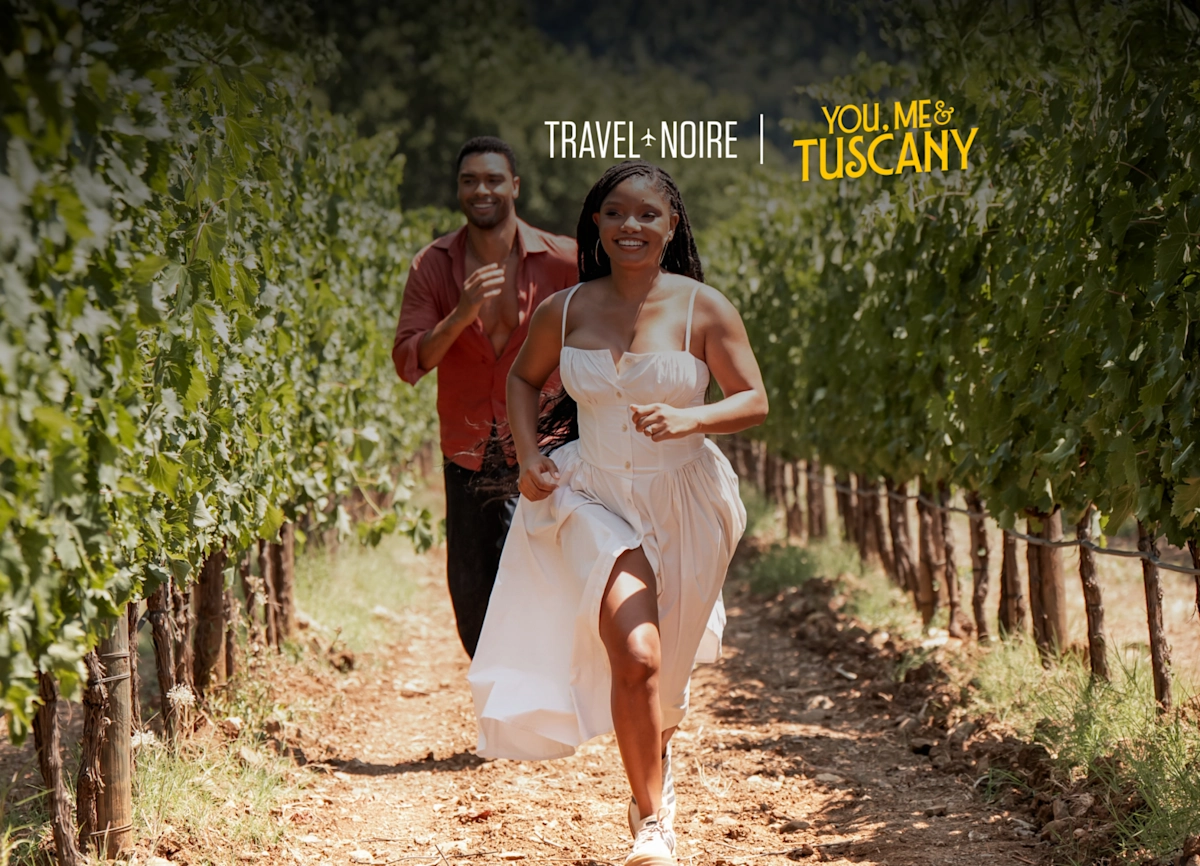
These elements are beautifully portrayed in the upcoming romantic comedy You, Me & Tuscany, which releases on April 10, 2026. This film follows a young chef named Anna, played by Halle Bailey, who travels to a picturesque Italian villa after losing her job, where she finds both herself and a potential romance with Michael, played by Regé-Jean Page. The movie not only explores the joy of love but also highlights Tuscan landscapes and culinary delights that have long entranced viewers.
For those dreaming of experiencing Tuscany, whether through travel or recreating the flavors at home, here are five must-try food and wine experiences inspired by You, Me & Tuscany.
Osteria Del Borgo
Situated in Montepulciano, Osteria Del Borgo offers stunning views and a slow travel experience characterized by exquisite traditional dishes. Known for its handmade ravioli and Bistecca alla Fiorentina, this restaurant pairs perfectly with Brunello di Montalcino, creating a dreamy fine dining experience under the Tuscan sun.
Olivina
Located within the luxurious Castelfalfi Resort, Olivina pairs modern Italian cuisine with the rustic charm of the countryside. Guests can enjoy seasonal dishes crafted from locally sourced ingredients, all while soaking in panoramic views. The open-kitchen concept makes for a captivating and immersive dining experience.
Trattoria Dall’Oste
In Florence, Trattoria Dall’Oste is renowned for its legendary Bistecca alla Fiorentina, showcasing the flavorful Chianina beef. The restaurant elevates the dining experience into an event, perfect for savoring rich conversations and delightful meals paired with robust Tuscan wines.
All’Antico Vinaio
For a more casual yet authentic experience, All’Antico Vinaio in Florence is famous for its oversized schiacciata sandwiches. Offering fresh, local ingredients, the vibe here is lively and spontaneous. The La Favolosa sandwich, filled with salami and pecorino cream, is a must-try while wandering through the city’s charming streets.
Castello Banfi Winery
Located in Montalcino, Castello Banfi is a Michelin-starred winery known for its exquisite Brunello di Montalcino. Visitors can indulge in vineyard tours and curated wine tastings amidst the estate’s magnificent medieval architecture and picturesque views, turning any visit into a romantic getaway.
Tuscany: A Destination for Stories of Love and Discovery
The essence of You, Me & Tuscany is not just romantic escapades but also a journey of self-discovery. Tuscany invites travelers to slow down, indulge in culinary delights, and embrace the beauty of their surroundings. It’s a destination that continues to inspire both fictional and real-life adventures.
As You, Me & Tuscany premieres on April 10, 2026, these highlighted experiences will undoubtedly resonate with audiences, encouraging them to explore Tuscany’s magic for themselves.
Historic Sale: 1945 French Wine Fetches $812,500 at Auction, Breaking Records
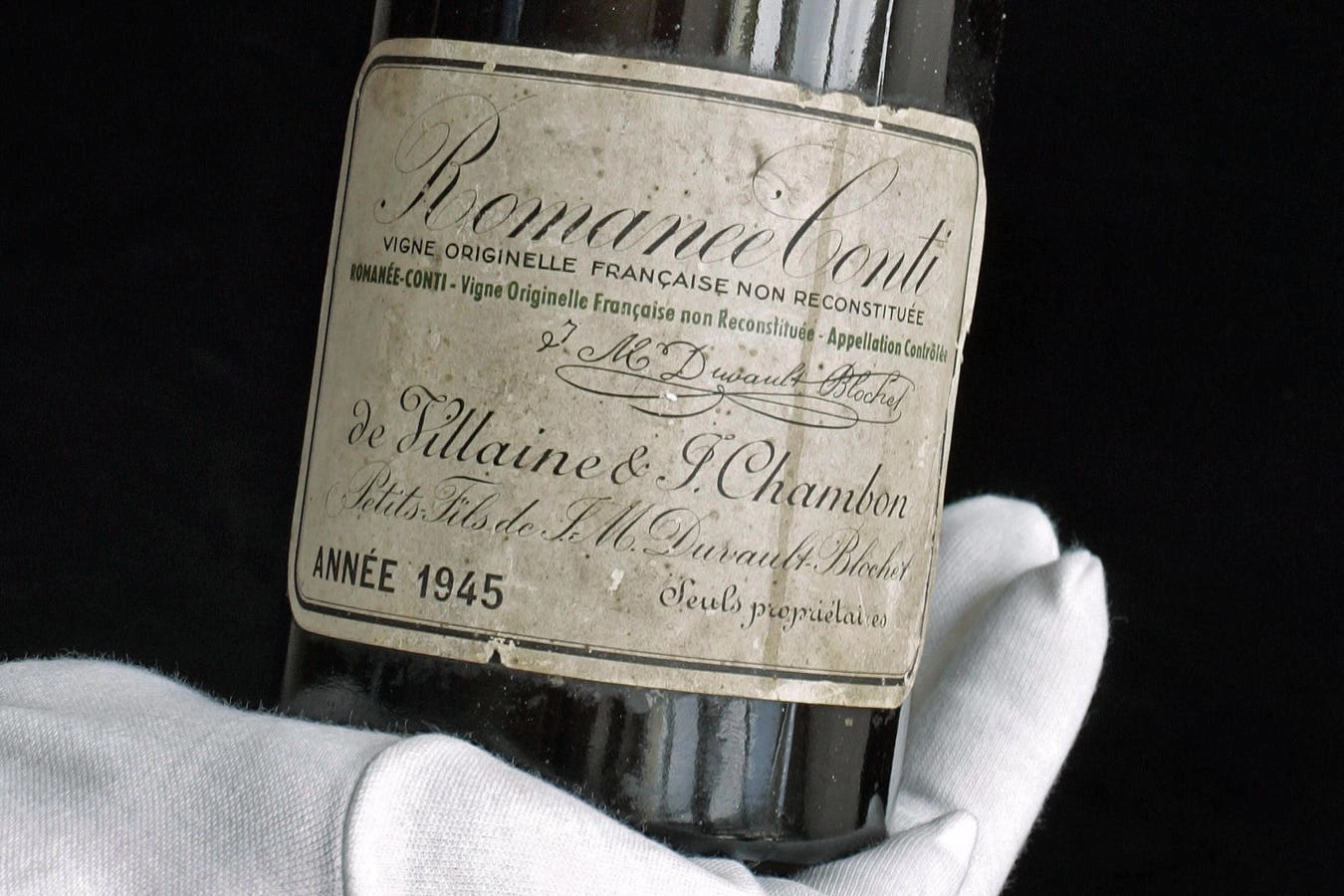
A bottle of 1945 Domaine de la Romanée-Conti—the crown jewel of French wines—has shattered records by selling for an astonishing $812,500 at auction, according to New York wine seller Acker. This particular vintage is part of an incredibly limited production, with only about 600 bottles made.
This recent sale marks a nearly 50% increase from the previous record, set by another bottle of the same vintage in 2018 for $558,000. Acker emphasized that the 1945 vintage is now considered the most sought-after collectible in wine history.
The historic bottle originated from the personal cellar of Robert Drouhin, distinguished for his nearly 50-year leadership of Maison Joseph Drouhin, a prominent French wine house. Drouhin played a key role in shaping the Oregon wine industry as well.
Domaine de la Romanée-Conti, located in Burgundy, consists of eight vineyards and is renowned for its exceptional red wine, primarily sourced from the pinot noir grape. This estate is one of the most prestigious in the realm of wine collecting, with Romanée-Conti alone producing between 5,000 and 6,000 bottles annually. However, the 1945 vintage’s scarcity and its extraordinary pedigree enhance its allure.
This vintage’s fame is partly due to the fact that it was the last produced before Romanée-Conti replanted its oldest vines, which had survived through two world wars and represented nearly a century of viticultural history. Moreover, wine produced from pre-phylloxera vines—those that had not been genetically altered resistant to the destructive phylloxera insect—tends to possess an unmatched complexity, further driving up its desirability.
Domaine de la Romanée-Conti has consistently dominated auction sales, accounting for a whopping 17% of Sotheby’s wine sales volume last year, significantly outpacing its closest competitor, Pétrus, which held only 7%. The vineyard also holds the record for the highest price achieved for a lot at any auction house in 2025, with a 12-bottle lot of Romanée-Conti 1990 fetching $449,890 in Hong Kong.
For those who wish to explore further into the world of fine wines, here are some noteworthy articles: