Wine 1106
Boxed vs. Bottled Wine: Why You Might Be Choosing the Wrong Option, According to Experts
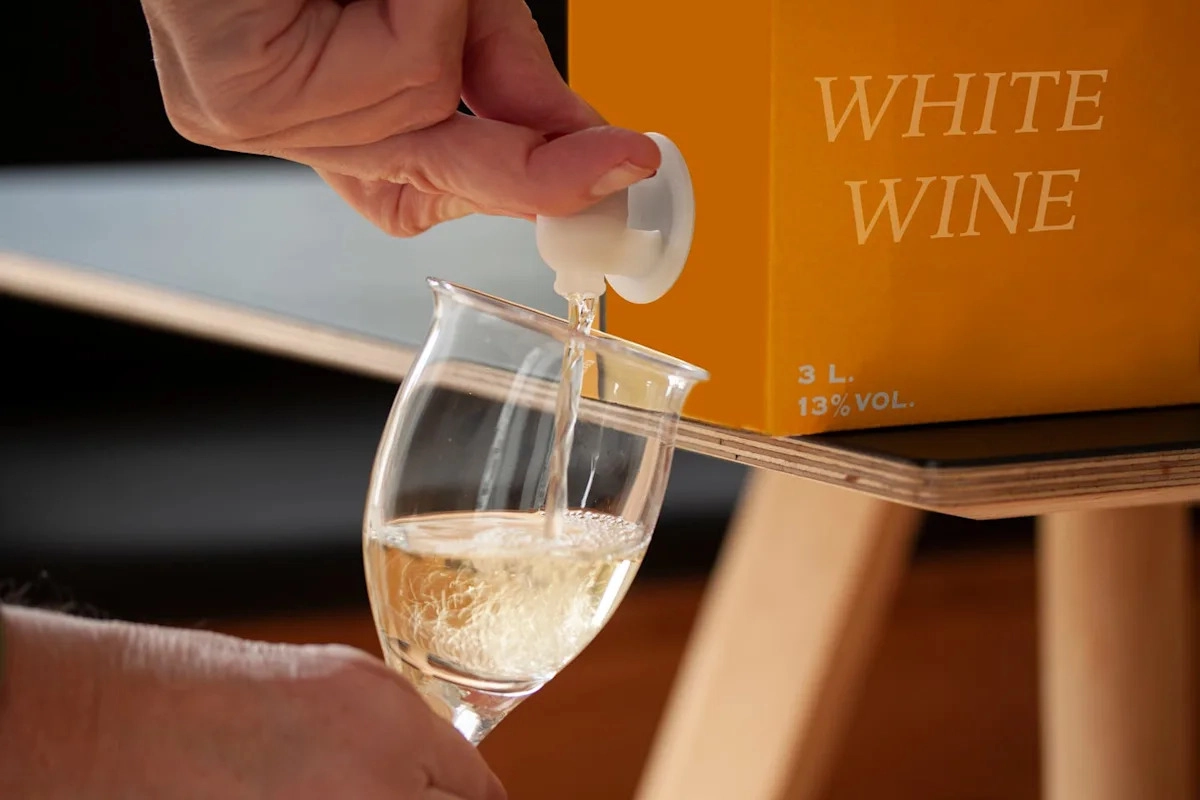
Boxed vs. Bottled Wine: Experts Say You’re Probably Buying The Wrong One
Experts have recently listed the advantages of boxed wine over its bottled counterpart, debunking the myth that all boxed wine is inferior. Beverage professionals Cody and Camille Goldstein, Master of Wine Adam Lapierre, and Certified Sommelier Luis Rojas discuss the evolving perception of boxed wines.
Is Bottled Wine Always Better Than Boxed?
According to the experts, the answer is no. The stigma against boxed wine often stems from past associations with cheap options. However, today, serious winemakers are embracing this format, resulting in wines that are both of high quality and well-crafted. The box, in fact, does not detract from the wine’s quality; it merely alters the container.
Benefits of Boxed Wine
-
Value for Money: Boxed wine typically offers better value since production costs can be lowered—spending less on bottles and corks allows funds to go toward better winemaking practices.
-
Sustainability: Boxed wine has a smaller carbon footprint and uses less packaging, making it a more environmentally friendly choice.
-
Longer Shelf Life: Once opened, boxed wine remains fresh for weeks due to its oxygen management system, which collapses the bag as wine is poured, preventing oxidation.
Drawbacks of Boxed Wine
While boxed wine is perfect for casual drinking, it’s best consumed young, unlike some bottled wines that improve with age. Moreover, options in boxed formats may be limited when compared to bottles, particularly with more nuanced varietals.
When to Choose Boxed vs. Bottled Wine
The experts recommend bottled wines for special occasions and wines intended for aging. Boxed wines are great for relaxed settings like backyard gatherings or vacations. For boxed options, spending around $10–$15 per liter generally yields better quality, particularly from regions like California and Argentina.
Recommendations for Boxed Wines
Some highly recommended boxed wines include:
- Pour Haus: Known for classic varieties.
- Ropiteau: Offers wines rooted in a rich French tradition.
- Bota Box: Noted for its widely recognized quality.
- Nighthawk: Also praised for its solid offerings.
- Tablas Creek Vineyard: Focuses on high-quality wines.
- From The Tank: Specializes in organic wines designed for bag-in-box formats.
Overall, experts seem to agree that there are excellent boxed wine options available that can rival traditional bottled selections for everyday enjoyment.
A Wake-Up Call: Climate Change Threatens the Future of Wine Production
The future of wine is under threat from climate change, impacting its production globally, including in India, where the wine industry is still emerging. The warming planet is causing significant disruptions in weather patterns, which is already reshaping grape harvests and threatening wine quality.
Wine has historically been a secondary option for Indian drinkers, but recent trends show that it is rapidly gaining popularity, especially among younger generations in urban areas. The Indian wine market was valued at $229 million in 2024 and is projected to grow to $892 million by 2033, fueled by rising incomes and an increasing interest in domestic wines. Major cities like Delhi, Mumbai, and Bengaluru are leading this growth.
Despite this promising trend, the very regions that are driving this wine boom are becoming increasingly vulnerable to climate disruptions. Unpredictable weather, such as erratic rainfall and rising temperatures, poses a risk to the entire winemaking process. Unique to India’s climate, winemakers harvest before summer, which means they have a narrow window for grape ripening. Any temperature spikes or delayed monsoons can ruin the entire yield, and this risk is growing.
As global temperatures increase, the ripening cycle of grapes accelerates, leading to wines that are higher in sugar and alcohol but lacking in flavor. The already challenging conditions in India’s tropical vineyards mean that even slight warming can push grapes beyond their optimal harvest time.
One prominent wine-growing region, Nashik in Maharashtra, has been a key player in India’s wine industry thanks to its favorable climate and soil. However, it is now facing the reality of extreme drying conditions and the need to adapt to new grape varieties that can withstand heat, which could severely affect production.
Globally, wine regions are at risk – studies indicate up to 90% of traditional coastal and lowland wine areas could become unsuitable for grape growing by the century’s end. For India, the implications of climate change on its tropical wine regions are profound, necessitating urgent action to ensure the industry’s survival as the landscape of winemaking continues to evolve.
Unveiling the Mystery: The Real Reason Behind Tasting Wine Before Serving
Ordering wine in a restaurant can often feel intimidating, especially for those unfamiliar with the ritual. This process includes scanning the wine list, selecting a bottle, and, when the server provides a sample, swirling, sniffing, and taking a small sip. While this might seem like a mere formality or a chance to confirm your selection, there’s a deeper purpose: it allows you to check if the wine is actually good to drink.
The Importance of Tasting Before Pouring
When you’re served a wine sample, you’re primarily checking for faults, most commonly corked wine, caused by a compound known as trichloroanisole (TCA). This contamination can occur during the cork’s production, the wine-making process, or even while shipping. If a bottle is "corked," it might emit a musty odor reminiscent of damp cardboard.
On average, around 1% to 7% of bottles can be affected by cork taint. Knowing how to identify this flaw—by its distinct smell and taste—is essential for an enjoyable dining experience. A corked wine won’t pose health risks, but it certainly detracts from the overall enjoyment of what should be a delightful experience.
Recognizing Corked Wine
Experts suggest that a corked wine typically smells off, exhibiting musty scents similar to wet cardboard or a damp basement. Tasting it reveals muted flavors typically expected in a well-aged bottle. Courtney Cheney, a beverage operations manager, indicates that if a wine lacks fruitiness and has a noticeably flat taste, it is likely corked.
If the wine presents poor aromas, it may not require a sip to identify the problem; you can rely solely on your sense of smell. A quick swirling sniff can often suffice, and it’s advisable to inform your server if you detect something off.
What to Do If Your Wine Is Corked
Should you find yourself with a corked bottle, a courteous approach is best. Simply inform your server or sommelier that the wine seems off. They are trained to handle these situations and should replace the bottle with no offense taken. It’s also common practice for servers to sample the wine themselves before providing a replacement, ensuring they maintain the quality of the dining experience.
It’s important to remember that quality verification is just a part of the process. Sharing experiences as trivial as sending back a corked wine bottle shouldn’t evoke embarrassment; it’s an important step toward ensuring a flawless evening.
Conclusion: Enjoying Your Wine Experience
While it can be disappointing to discover a corked bottle, most establishments are willing to replace it without further question. A good dining experience should not be marred by potentially flawed wine, and it’s perfectly reasonable to insist on a product that meets your expectations. Enjoy your wine tastings without worry, knowing you can address any issues with confidence.
For more insights on wine selection and handling, expert recommendations are always available. Remember that even the best winemakers can have the occasional off bottle, and open communication with your dining staff is key to a pleasurable experience.
Alcohol Exodus: How Millennials and Boomers Are Reshaping Wine Country
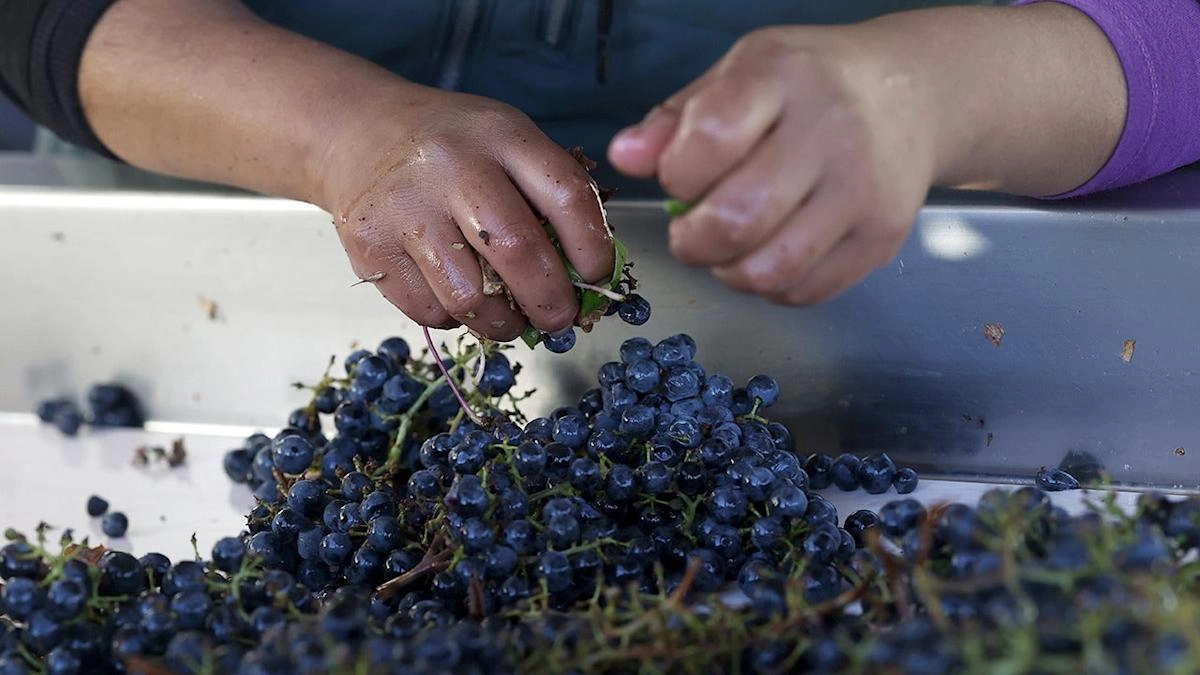
America’s wine industry is currently facing significant challenges as both millennials and aging baby boomers are decreasing their alcohol consumption. This shift has led to more than $1 billion in lost wine revenue last year and a production drop of roughly 6 million cases.
In California, the crisis is particularly acute, with numerous majors and family-owned wineries closing their doors. Reports highlight that Jackson Family Wines has stopped production at its Carneros Hill facility, resulting in the layoff of 13 workers. Similarly, E&J Gallo has shut its Ranch Winery in St. Helena, affecting around 100 jobs in Napa and Sonoma counties. Additionally, Mission Bell Winery is set to close by the end of March, which will result in over 200 employee layoffs.
The downturn affects the entire industry, with weaker wineries reporting sales declines of about 10% in 2025. Conversely, the stronger wineries are still managing to grow their sales. As of 2025, California’s vineyard area is estimated to be at 477,475 acres, a decline from previous years, with around 20% of the state’s wine grape production left unharvested.
Experts attribute these declining numbers to changing consumer habits. Older generations who have traditionally bought wine are aging out of the market without being replaced at the same rate by younger drinkers. A notable decrease in alcohol consumption within the critical mid-20s to late-30s demographic has been identified. Many younger consumers prioritize health and wellness over drinking, often opting for fewer drinks or dining out less frequently.
A Gallup poll indicates that only 54% of U.S. adults currently drink alcohol, which is the lowest figure recorded in decades. This trend is influenced by various factors, including health concerns and a lifestyle shift that sees fewer courses ordered when dining out.
Recent research suggests that medications like GLP-1, associated with weight loss and reduced cravings, may also play a role in the ongoing changes in alcohol consumption, although more studies are needed to understand their broader impact fully.
Moreover, the wine industry’s post-pandemic corrections have also contributed to the decline, as wine sales, which surged during COVID-19 lockdowns, have dipped again, resulting in excess inventory.
To counteract these challenges, wineries are increasingly focusing on direct-to-consumer sales and enhancing tasting-room experiences to sustain their businesses. The long-term survival of these wineries may depend on their ability to adapt swiftly to shifting consumer preferences.
In light of these changes, some industry leaders remain optimistic, believing that while current trends are concerning, the market may eventually rebound as consumer behaviors evolve.
Snoop Dogg Unveils ‘2 of Amerikaz Most Wanted’ Wine to Celebrate Tupac’s Legacy

Snoop Dogg has unveiled a limited-edition wine called "2 of Amerikaz Most Wanted," inspired by his iconic collaboration with Tupac Shakur from 1996. This release marks 30 years since the debut of the song and serves as a tribute to Tupac’s lasting legacy.
Part of Snoop’s Cali by Snoop wine line, this bottle honors their friendship and the cultural significance of their collaboration. The wine is accompanied by a tribute film featuring Snoop reflecting on his memories with Tupac, including a poignant moment where he pours out a little wine in Tupac’s memory, a gesture symbolizing remembrance.
The wine’s name pays homage to their notable track, which was part of Tupac’s celebrated album All Eyez on Me. Snoop expressed that the release is a fitting way to celebrate their joint impact on the music scene and acknowledges the incredible partnership they shared. He remarked, "It’s hard to believe it’s been 30 years since Pac and I got together to make ‘2 of Amerikaz Most Wanted.’ Nobody did it like us, and I can’t think of a better way to honor his legacy than with a drink."
The wine bottle’s design reflects an important moment in their career, with imagery from their appearance at the 1996 MTV Video Music Awards and a heartfelt tribute from Snoop to Tupac. Both artists were under Death Row Records during a transformative period for West Coast hip-hop, and this collaboration is a defining moment in their histories.
Developed in partnership with Treasury Wine Estates, the wine is crafted to celebrate the cultural imprint of both artists. The limited-edition red blend is primarily made from Petite Sirah, boasting tasting notes of toasty oak, dark fruit, toffee, and spice. Winemaker Michael Garrison describes it as well-structured, featuring integrated tannins with a long finish.
Offered at a suggested retail price of $14.99, the wine is available nationwide at major retailers, including Kroger, Total Wine & More, and through delivery services like Instacart and DoorDash.
For fans of Snoop Dogg and Tupac, this wine represents a special tribute, capturing a nostalgic moment in their careers that continues to resonate today, celebrating friendship and shared memories through music.
Gen Z’s Wine Dilemma: How Young Professionals Are Reviving the Wine Industry
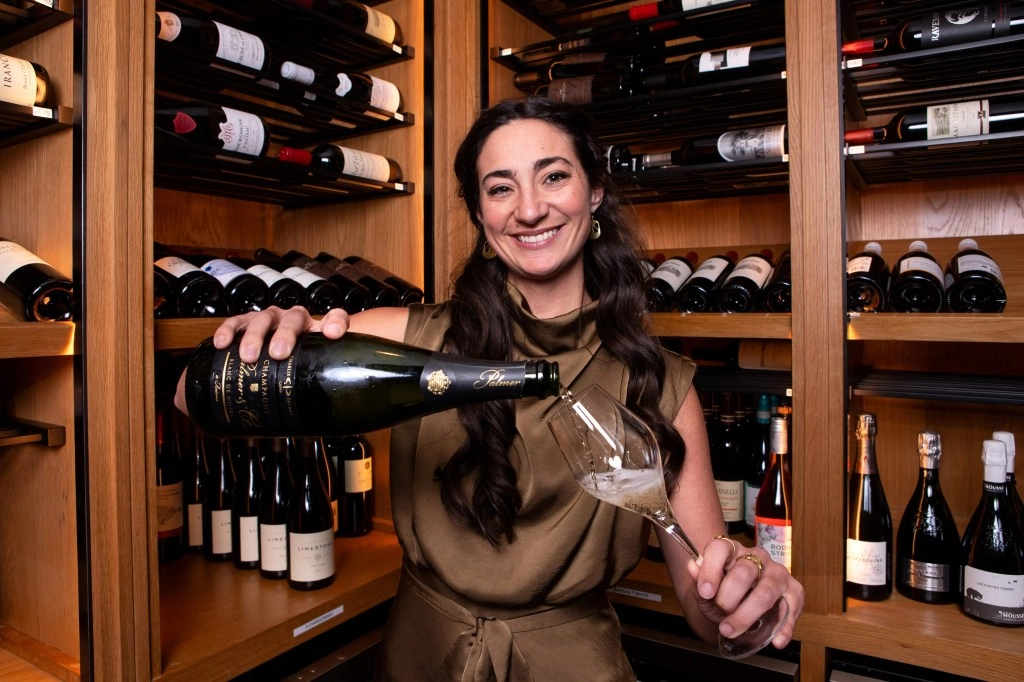
At just 23 years old, Darriene Marks stands out in the wine industry, which faces challenges in appealing to Generation Z. Raised in Hawaii, wine was not part of her upbringing, yet her interest flourished after her first job as a server at the Four Seasons Resort Hualalai. Inspired by the sommelier’s passion, Marks sought to understand wine deeply.
Her journey continued with a visit to the Napa Valley Wine Academy for the WSET Level 3 exam, which ignited her passion further. Now, as the lead hospitality ambassador at Merriam Vineyards in Healdsburg, she’s pursuing the WSET Level 4 Diploma, aspiring to work in wine production. Marks acknowledges that many her age view wine as an “old person’s drink” and emphasizes the need for education about the wine world.
Statistics reveal that only 14% of wine consumers belong to Generation Z—half of whom are under legal drinking age. Many young people are shifting towards convenient alcoholic drinks like hard seltzers and canned cocktails. Whereas earlier expectations suggested a decline in alcohol consumption among Gen Z due to health concerns, recent data indicate that the number of Gen Z adults reporting alcohol consumption jumped significantly from 46% to 70% within two years.
Tess Housholder, a Gen Z sommelier at Folia Bar & Kitchen, also sees a gap in understanding wine’s diversity among her peers. Although budget constraints influence purchasing decisions, Housholder believes that educating her generation on wine’s varied offerings could cultivate a stronger interest.
Meanwhile, Addie Dearden, who grew up in Napa Valley and now manages her father’s winery, has transitioned her love for science into a wine career. She recognizes that the wine industry has made strides toward being more inclusive and approachable for younger audiences but notes that more needs to be done to demystify it.
As these young professionals seek to change the perception of wine among their peers, they strive to emphasize that enjoying wine should be about connection and pleasure without intimidation.
The Perfect Pizza Wine: What 5 Sommeliers Recommend for Your Next Slice
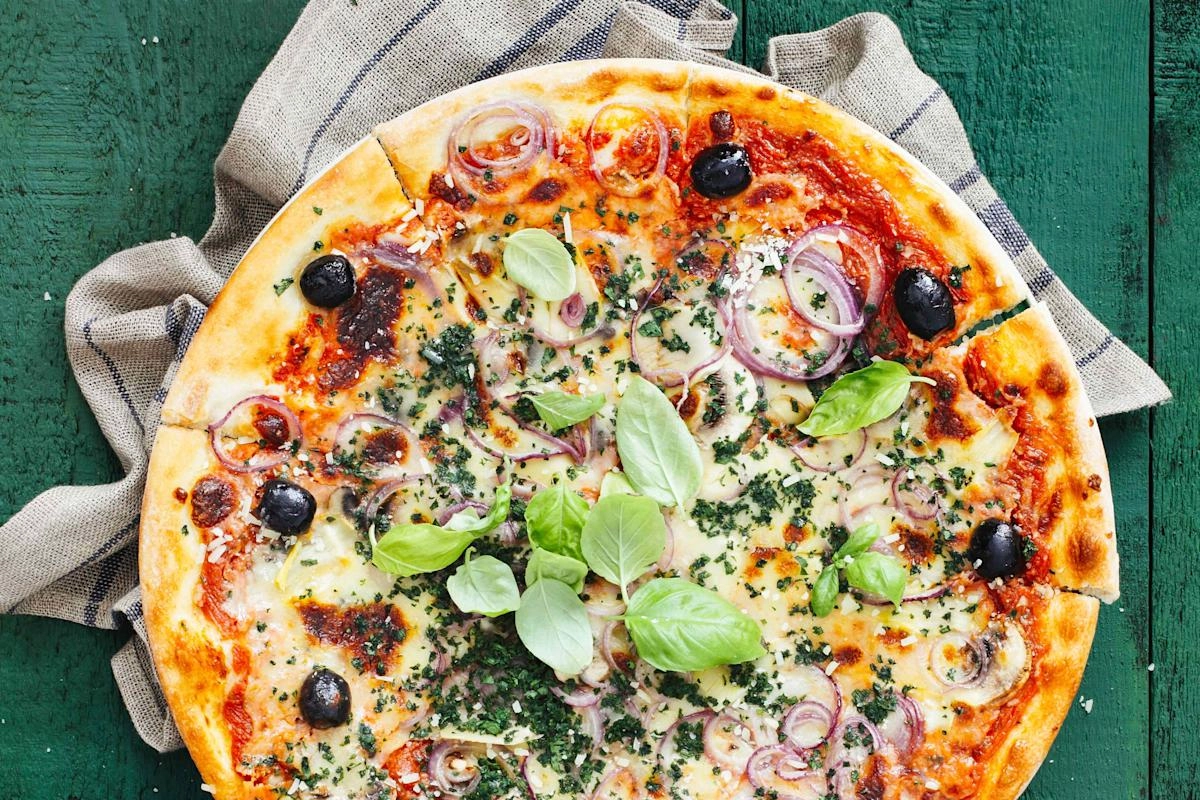
When it comes to pairing wine with pizza, there’s a notable consensus among experts: sparkling wine is the ultimate companion for this beloved dish.
Pizza is undoubtedly a favorite worldwide, whether enjoyed as delivery, crafted in an artisan pizzeria, made at home, or even from a freezer. The delicious combination of crust and toppings is hard to beat. To enhance the experience, I consulted a variety of wine professionals including sommeliers and chefs about their ideal wine pairings, and they all gravitated towards one category: sparkling.
Why Sparkling Wine?
Tim Bodell, an executive chef at Rustic at Francis Ford Coppola Winery, emphasizes sparkling wine’s versatility. He notes that its fruitiness and slight sweetness perfectly balance the acidity and sweetness found in tomato sauce, which can conflict with many other wines. Additionally, chef Pablo Ranea explains that the effervescence of bubbly helps cut through the richness of cheese and refreshes the palate with each bite.
Top Sparkling Recommendations
The experts consistently favor Italian or Italian-style sparkling wines when it comes to pizza. Some standout selections include:
-
Lambrusco: A red sparkling wine from the Emilia-Romagna region, praised by both Ranea and wine expert Wanda Mann. Its acidity and fruit character complement bold toppings like pepperoni or truffle oil mushrooms.
-
Prosecco: With its lively bubbles, Prosecco is another favorite. Mann encourages its use, noting that its lightness pairs well with hearty slices. She also recommends trying rosé Prosecco for its red fruit flavors that enhance both tomato-based and white pizzas.
-
Franciacorta: This Italian bubbly, made similarly to Champagne, is Bodell’s choice for Margherita or cheese pizzas due to its refreshing qualities.
-
Sparkling Rosé: Belinda Chang, a celebrated sommelier, suggests sparkling rosé for pizzas with meats or briny toppings, balancing the bitter elements with its fruit flavors.
For those who might not prefer bubbly, several alternative wine pairings come highly recommended:
-
Trivento’s White Malbec: An Argentinian wine that offers freshness and acidity, ideal for pizzas topped with fresh tomatoes and basil.
-
Côtes du Rhône: A lighter French red that pairs well with pizza featuring more robust ingredients like gamey sausage.
For a delightful pizza night, the choice of sparkling wine stands out as the top recommendation from experts, showcasing a perfect blend of flavors that elevate the dining experience.
A Sommelier’s Warning: The 6 Places You Should Never Store Your Wine
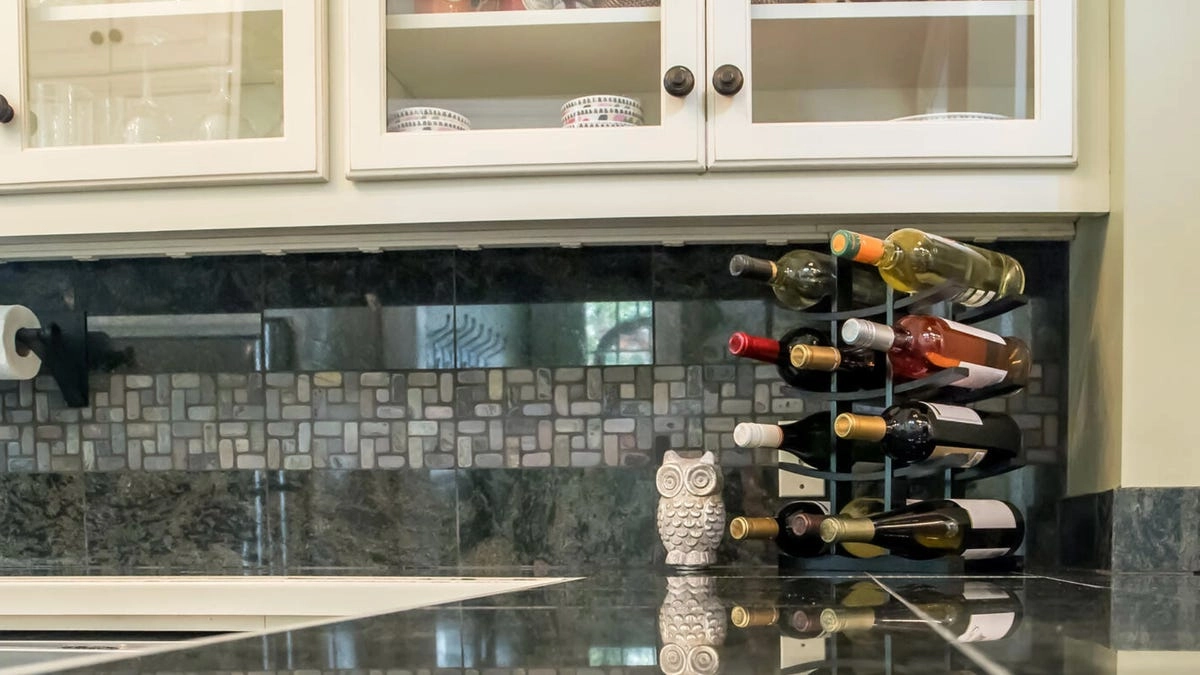
A Sommelier’s Warning: Never Store Wine in These 6 Places
If you’re keeping wine on top of the fridge, experts advise against it. Storing wine is not just about having space; it’s about creating the right environment to preserve its quality. A wine fridge can provide the ideal conditions, but there are common places in the home that can harm your bottles.
Many people know the basics of wine storage—keeping them out of direct sunlight and in a cool, dry place—but they may be making mistakes unknowingly. Here’s what experts suggest about common storage faux pas:
-
On Top of the Fridge
The heat emitted from the top of your fridge can negatively impact wine in just days. Sommelier Beki Miller explains that refrigerators generate heat and vibrate, which accelerates the aging process and degrades quality. She suggests placing wine in an interior closet or even under the bed, where it remains dark and stable. -
Kitchens Are Off Limits
Contrary to popular belief, kitchens are not good wine storage areas due to frequent temperature changes caused by various appliances. Liz Martinez, another sommelier, points out that heat from stoves and dishwashers can lead to detrimental temperature spikes. Garages can similarly fluctuate and are often too unstable for proper wine storage. -
In Your Car
The journey from the store to home poses a risk for wine quality. During transport, especially in warm weather, temperatures can quickly rise, cooking the wine before it’s even opened. Wine should always be the last stop when running errands, and insulated bags can help mitigate heat during the drive. -
Myth About Aging
Not all wines are meant to be aged. In fact, many are best enjoyed young. Understanding which wines require aging is crucial, as prematurely aging a wine can lead to loss of its intended flavor profile. Full-bodied reds may benefit from some age, while lighter whites and everyday wines do not. -
The Garage
Similar to kitchens, garages can experience fluctuating temperatures which are detrimental to wine. While a wine fridge can be beneficial if placed in a garage, simply using the garage for traditional storage is not advisable. -
Wine Fridge Makes a Difference
While not strictly necessary, investing in a wine fridge can simplify proper storage. If you decide to forgo a wine fridge, cool, dark locations are still ideal—like a closet or the basement—provided it is not too humid.
Storage Temperature
Wine should ideally be stored at consistent temperatures between 50 and 59 degrees Fahrenheit. More delicate wines like Champagne should be kept cooler, around 45 degrees Fahrenheit.
Overall, creating a suitable storage environment is essential for maintaining the quality of your wine. As long as you avoid common pitfalls, your wine bottles can stay in peak condition, ready for enjoyment.
Beaujolais: The French Wine That Captures Hearts and Palates with Its Simplicity

Beaujolais has long been known for its festive and approachable Beaujolais Nouveau, enjoyed every November. However, there’s a growing appreciation for the region’s ten Crus—distinct appellations that showcase the flavors of their unique granite soils and primarily feature the Gamay grape. These wines are currently gaining traction as some of the best and most affordable options in the wine market today.
As prices for many wines climb to an unaffordable level, Beaujolais emerges as a refreshing alternative. While Gamay wines are often lower in alcohol and rich in red and dark fruit flavors, they typically avoid oak aging, making many bottles available for under $30, providing great value. The Crus of Beaujolais are currently at the forefront of discovery for wine enthusiasts.
Understanding Beaujolais Cru
The Beaujolais region spans about 55 kilometers, nestled between the Massif Central and the Saône river, with around 13,500 hectares cultivated mainly with Gamay grapes. Two main narratives exist within this region: the southern part, with its clay and chalky soils producing easy-drinking wines such as Beaujolais Nouveau; and the north, featuring ten Crus defined by their unique granite soils and distinct identities.
The ten Crus offer a straightforward classification due to their singular focus on one grape variety, Gamay. These wines can be enjoyed with minimal aging as they typically do not undergo extensive oak maturation.
A Spectrum of Styles
The ten Crus represent a range from the lighter, aromatic wines found in the southern Crus like Régnié and Chiroubles to the fuller-bodied, structured wines found in the north, particularly in Moulin-à-Vent—often regarded as the king of the Crus due to its aging potential and complexity. As you journey through these Crus, you’ll discover their diverse personalities shaped by local geography.
For instance, Fleurie balances accessible fruitiness with minerality, making it an ideal exploratory choice. At the northern end, Moulin-à-Vent showcases depth and structure perfect for aging, similar to fine Pinot Noir.
The Chillable Red Trend
The rise of "chillable reds" has significantly benefitted Beaujolais. Wines like Fleurie and Chiroubles are often served slightly chilled, highlighting their summer drinking appeal, while still conveying a respectable profile suitable for sophisticated dining. Many of these wines remain affordably priced between $20 and $30, making them a reliable choice for restaurant wine lists across major US cities.
Building Trust in Beaujolais
Behind the success of Beaujolais’ Crus lies a deeply rooted philosophy of cooperation based on trust between the Duboeuf family and a network of over 300 small growers. This collaboration allows for a rich tapestry of flavors while maintaining the character of individual vineyards, bartering labor and grapes over formal contracts. This commitment illustrates the transition of Beaujolais from its inexpensive image to being recognized for its genuine character and quality.
Getting Started with Cru Beaujolais
To explore this fascinating segment of the wine world, newcomers are encouraged to try a selection from lighter styles like Chiroubles to more complex options such as Morgon or Moulin-à-Vent. This tasting journey promises to reveal the variety embedded in Beaujolais’ offerings, further inviting all wine drinkers to appreciate the distinct characteristics of the region’s Crus as they indulge in excellent wines that offer value without compromise.
How Social Media Reshaped the Food Festival Landscape: A Tale of Stars Made and Lost
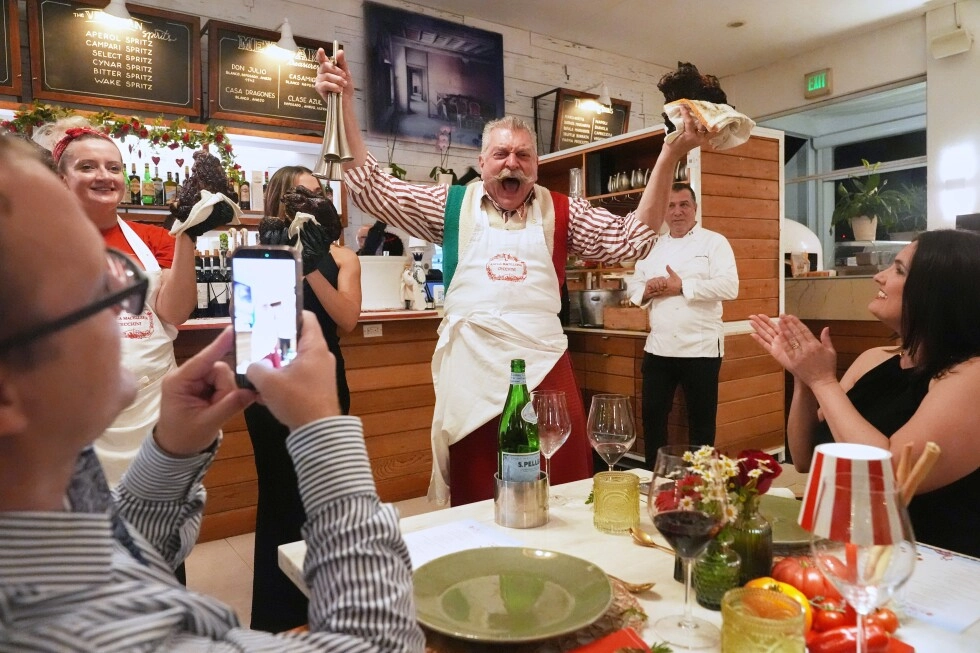
How social media killed the food festival stars. And created others
MIAMI (AP) — For nearly 10 years running, Lesley VanNess never missed the South Beach Wine & Food Festival, an extravagant celebration of culinary talent that attracted tens of thousands eager to interact with celebrity chefs. This annual event transformed into a must-attend experience for food lovers, filled with opportunities to meet stars like Rachael Ray and Bobby Flay.
Initially, the festival served as a key platform for chefs aspiring to gain recognition. However, the rise of social media altered that landscape dramatically. Fans quickly learned they could engage directly with their favorite chefs through platforms like Instagram and Twitter, eliminating the need to attend large festivals. "I’d rather see them on social media or go to their restaurant," VanNess stated, noting she hasn’t returned to South Beach since at least 2020.
As the South Beach Wine & Food Festival recently celebrated its 25th anniversary, it stands alongside the New York City Wine & Food Festival as one of the long-standing giants in the festival scene. While these major events continue to thrive, many smaller festivals have struggled to survive amid the impact of the pandemic, rising costs, and changing consumer preferences.
A Shift Toward Local Connections
With the need for chefs to reach a wider audience diminished, a growing preference for smaller, more intimate food events has emerged. Mike Thelin, a founder of the now-defunct Feast Portland festival, emphasizes the importance of local culinary traditions and relationships over large-scale gatherings. “People want to know what makes that region special; they don’t want to be in a giant tent devoid of geography,” he shared.
This shift has led to a rise in niche festivals that highlight specific cultures or cuisines, like the AAPI Food & Wine festival, which celebrates Asian American and Pacific Islander culinary influences. “Creating a different narrative and community where you can connect with people is crucial,” explained Lois Cho, a co-founder of the AAPI event.
The Southbound Food Festival, which focuses on Birmingham, Alabama’s vibrant food scene, demonstrates how festivals can innovate. Launched in 2022, this event not only showcases culinary talent but also includes regional arts and music, providing a fuller cultural experience.
The Endurance of Iconic Festivals
Despite the challenges faced by smaller festivals, the South Beach Wine & Food Festival and its New York counterpart remain strong. Tickets for over 110 events are popular and regularly sell out. Organizer Lee Schrager noted that while smaller festivals may struggle, the established giants can afford to take risks, hosting events that may be financially challenging but bolster community engagement.
“I love talking to people, being with people, having people climb all over you,” Ray reflected on her continued participation in these festivals. For many chefs, the in-person dynamic is irreplaceable, providing a personal touch that differs from digital interactions.
As the culinary festival landscape evolves, the South Beach Wine & Food Festival remains a unique and thriving event, blending big-name chefs with local flavors and experiences, ensuring its relevance in a world shaped by social media.