Wine 1106
Is This Common Storage Mistake Ruining Your Wine Collection?
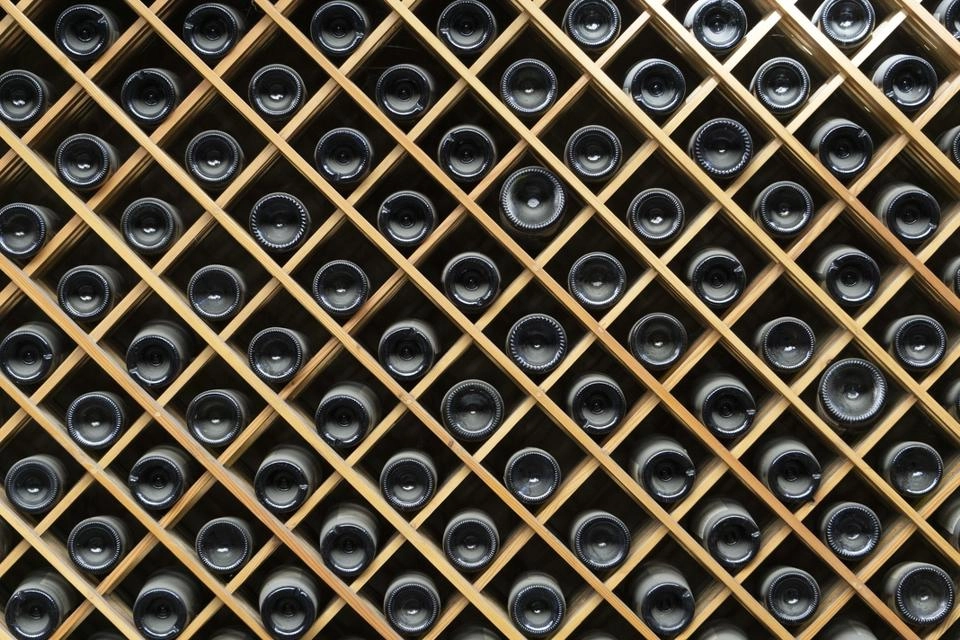
From the moment a bottle of wine is sealed, it begins to change. Chemical reactions inside affect its flavor, softening tannins and adding complexity over time. Proper storage is crucial; neglecting it can lead to damage before the bottle is ever opened.
Many collectors focus solely on the wine itself, overlooking the storage environment. According to Robb Denomme, founder and CEO of Genuwine Cellars, the appearance of a wine cellar doesn’t guarantee quality. The key lies in controlling temperature, humidity, and light.
Temperature Control
Temperature plays a significant role in how wine ages. Ideal long-term storage temperatures range between 55°F to 59°F, with 55°F being optimal. Temperatures above 70°F can damage the wine, while freezing conditions risk pushing corks out, introducing oxygen into the bottle. Consistency in temperature matters just as much. Fluctuations can cause the wine to expand and contract, loosening corks and letting oxygen penetrate.
Humidity Management
Humidity protects the cork, which is essential for keeping oxygen out. The ideal humidity range is between 60% and 70%. Levels below 50% can dry out corks, leading to oxidation, while above 80%, mold can develop. A dry cork can compromise the wine, allowing oxygen to seeping over time without immediate detection of the fault.
Limiting Light Exposure
Light, particularly UV light, is detrimental to wine quality over time. It’s best to store wine in darkness, and if lighting is necessary, low-UV LED options are recommended. Storing wine under kitchen spotlights or in glass-front cabinets exposes it to harmful frequencies that degrade its quality.
Additional Storage Details
Once the key variables of temperature, humidity, and light are managed, other elements like bottle position and airflow come into play. Storing bottles horizontally helps keep corks moist, while proper airflow prevents mold and keeps odors at bay.
Common Storage Mistakes
Many at-home storage solutions fall short. For example, kitchen racks might expose bottles to heat from appliances; standard refrigerators can be too cold, affecting humidity; and garages might introduce significant temperature swings. A misunderstanding of proper storage can lead to serious degradation of valuable wines.
Building a dedicated wine cellar allows for control over these environmental factors, ensuring that wine ages as intended. Denomme summarizes it well: "The bottle doesn’t know what you paid for it. It only responds to its environment." By controlling that environment, wine enthusiasts can better preserve their collections and enjoy the fruits of proper storage.
Innovate or Languish: Navigating Wine’s Growth Amidst Cautious Consumer Trends

Innovation, alignment with consumer preferences, and disciplined execution have emerged as essential strategies for growth in a contracting U.S. wine market, as highlighted by industry experts at the Wine Market Council’s annual research conference held in Napa on March 25, 2026.
Liz Thach, president of the Wine Market Council, noted that amidst declining sales, businesses must either gain market share or innovate to thrive. Recent data showed a 6% decrease in off-premise and direct-to-consumer sales over the last year. Despite this, overall U.S. wine sales managed a 3% increase.
Thach illustrated how brands across the industry, from global suppliers to startups, are adapting. For instance, Treasury Wine Estates has developed an “Innovation Engine” by teaming up with a technology firm to utilize AI and consumer feedback for product creation, thus speeding up development cycles and enhancing repeat purchases by up to 20%. The rise in demand for canned spritz-style beverages and lower-alcohol options also indicates a shift toward casual consumption. One brand, Saint Spritz from Puerto Rico, notably grew from zero to 2.5 million cases sold in a year.
The conference revealed evolving demographics among luxury wine consumers. Thach shared insights indicating that younger generations, particularly millennials (ages 30-45), now dominate the wine-buying segment, with Gen X (ages 46-61) driving fine wine purchases as boomers’ spending wanes. The gender balance is also changing, with 57% men and 43% women in this consumer category. These luxury buyers tend to see wine as a treat for any occasion and are more engaged in food pairings and social settings.
Health concerns and competition from alternative beverages represent new challenges. Around 46% of consumers have not heard the World Health Organization’s warning that no level of alcohol consumption is safe. Furthermore, 12% are reducing alcohol intake due to weight-loss medications, and 27% of wine consumers are using recreational cannabis, opting for THC or CBD-infused drinks on some occasions.
Industry analyst Danny Brager highlighted the structural difficulties for wine sales, noting a decline in foot traffic to tasting rooms and limited retail shelf space. Despite these challenges, approximately 30% of brands are still witnessing growth, particularly those focusing on health-oriented marketing and strategic retailer partnerships. Ready-to-drink beverages are increasingly popular, accounting for 27% of spirits sales volume, signaling a shift in consumer preferences toward convenience and innovative flavors.
Research from the Wine Market Council also pointed out a fundamental issue — around 77 million Americans rarely or never drink wine, often citing taste as the primary reason. Simplified labeling to convey flavor profiles could help convert some of these non-drinkers, as indicated by consumer preferences for clearer communication regarding sweetness, acidity, and other taste attributes.
Lastly, industry executives stressed the importance of adapting marketing strategies. Jackson Family Wines is exploring partnerships, including a venture to become the NBA’s first official wine partner, while Domaine Serene is expanding its international membership models for enhanced consumer experiences. Smaller producers are leveraging AI to optimize targeting and efficiency, showcasing that technology can enhance productivity and customer engagement in the evolving landscape of the wine industry.
A Sweet Escape: Exploring Punta Gorda’s Chocolate and Wine Delights
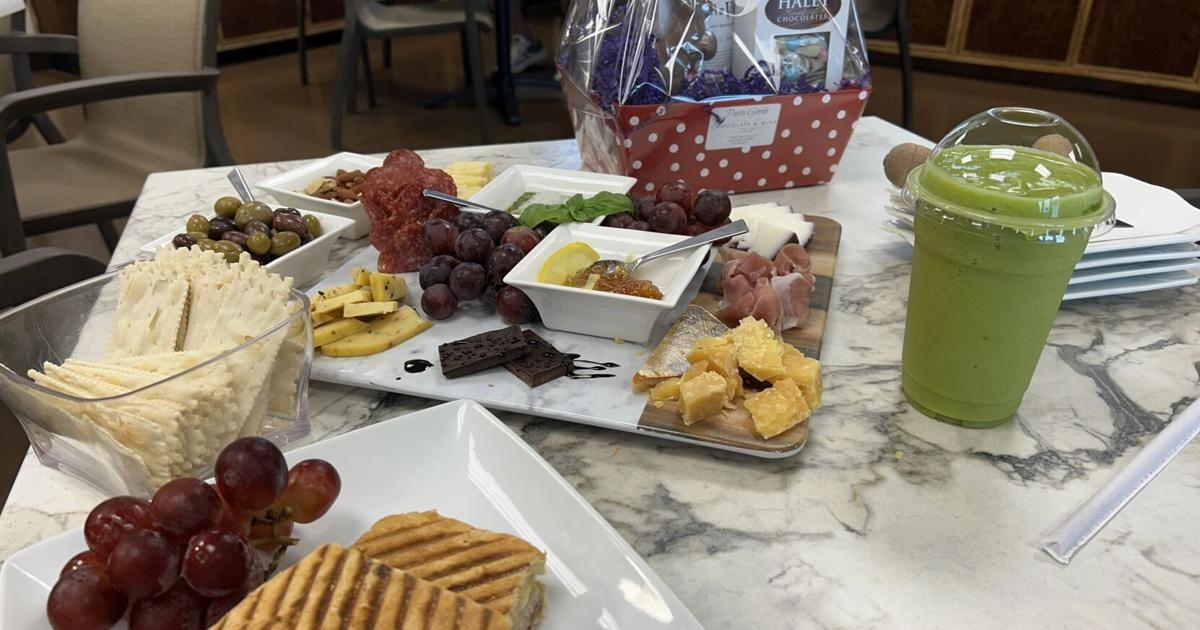
PUNTA GORDA, Fla. — Imagine a place where you can indulge in handmade chocolate, savor imported wine, enjoy a hand-brewed coffee, and explore an expertly crafted charcuterie board—all under one roof. Welcome to Punta Gorda Chocolate & Wine, a unique destination for those seeking an array of delightful treats.
As you step inside, you’ll find it feels more like an “adult playground” rather than a typical shop, according to owner Steph Herndon. “It’s all your favorite tasty treats,” she shares. However, the journey to establishing this beloved community hub hasn’t been without challenges. After three hurricanes wreaked havoc on their former location, the owners faced a tough decision: to close down or try again. They chose resilience. “When we reopened, the community rallied around us and even thanked us for coming back. We do this because we love it. Wine and food are an experience, and we want to share that with people,” Herndon recalls.
The experience begins early in the day. With doors opening at 7 a.m., the coffee and tea bar offers a variety of flavors from around the world. Seasonal drink flights change regularly, and this spring features delightful options like strawberry cheesecake matcha and lavender lemonade hibiscus tea. Fresh pastries are also available for those leisurely mornings.
However, the real star is the chocolate, meticulously handcrafted in-house. Co-owner Pattie Haley-Herndon has dedicated years to perfecting their recipes, resulting in a stunning array of European-style chocolates that grace their display cases. “I hand-make all the chocolates using the best quality chocolate without any preservatives. Every chocolate is unique,” says Haley-Herndon.
In addition to the delectable sweets, the shop boasts a curated collection of wines sourced from boutique wineries worldwide, providing options not found in larger retail shops. As a certified sommelier, Haley-Herndon assists guests in selecting the perfect wine, whether they’re seeking something bold or refreshing. The shop also hosts wine tastings on Saturdays, creating an opportunity for guests to unwind and explore new favorites.
For those looking for a full experience, Punta Gorda Chocolate & Wine offers artisanal cheeses and cured meats, ideal for crafting a charcuterie board or enjoying a fresh panini. The vision for the business is clear: to cultivate a space where there is something for everyone.
Herndon’s journey into this business was inspired by family encouragement, particularly from his father, who, after being diagnosed with pancreatic cancer, urged him to pursue his dreams without delay. “If you’re going to do it, don’t wait,” were the words that motivated Herndon to open the store.
This sense of family continues to resonate throughout the business. The name of the chocolates, “Haley’s Chocolates,” pays homage to Haley-Herndon’s father, ensuring that his legacy lives on with every handcrafted piece. “I know he would be proud of me,” she expresses.
Now, what started as a leap of faith has blossomed into a cherished part of the community—an inviting place where every visit tells a story, featuring coffee in the morning, chocolate in the afternoons, and wine in the evenings—all available in one delightful location.
Innovate or Languish: Navigating Wine’s Growth Challenges in a Cautious Consumer Market
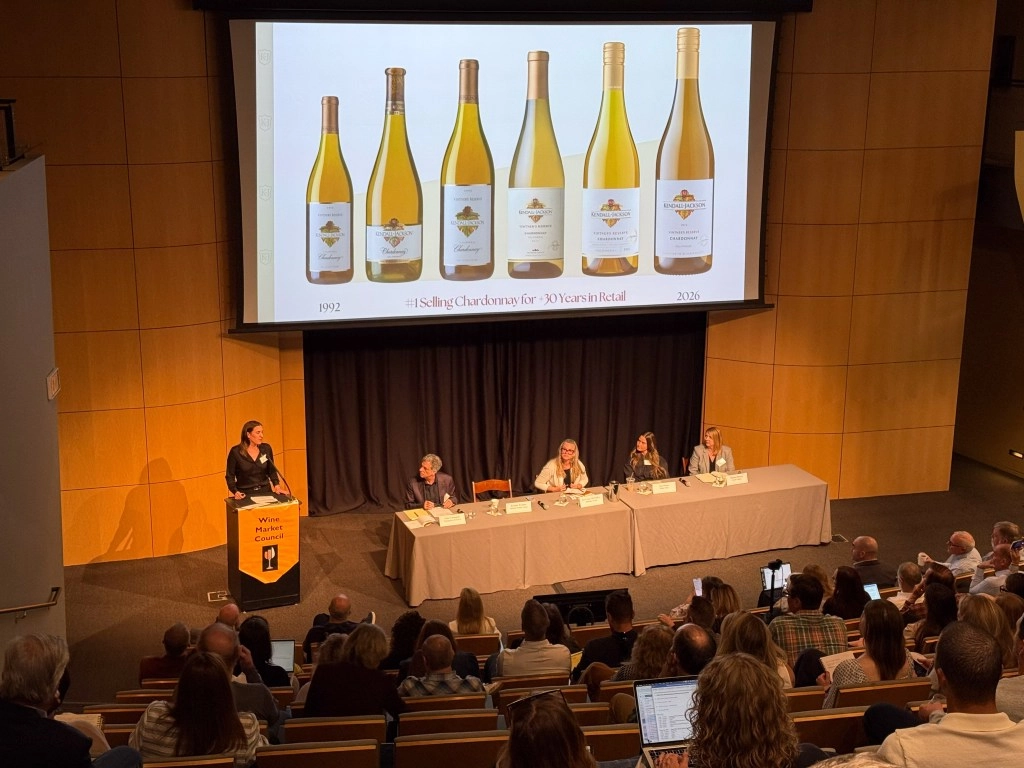
Innovation, sharper consumer alignment, and disciplined execution have become essential for growth in the contracting U.S. wine market, as highlighted by experts during a recent conference held in Napa on March 25, 2026.
Liz Thach, president of the Wine Market Council, emphasized that in times of declining sales, businesses must either steal market share or innovate to succeed. She presented data from WineBusiness Analytics indicating a 6% drop in off-premise and direct-to-consumer sales in the past year, contrasting with only a 3% increase in overall U.S. wine sales during the same period.
The council’s annual research conference, which celebrated its 30th year, showcased new research findings alongside case studies from brands exploring product development, alternative formats, and digital engagement.
Thach illustrated how various companies are navigating market declines with innovative strategies. For instance, Treasury Wine Estates created an “Innovation Engine” by partnering with a tech firm to use artificial intelligence and consumer feedback for new product development, significantly improving purchase rates.
An emerging trend highlights the growth of spritz-style canned beverages, as seen with the brand Saint Spritz, which jumped from zero to 2.5 million cases sold in just 52 weeks, reflecting a demand for casual consumption.
In addressing high-end buyers, the Wine Market Council’s research indicated a demographic shift. The report included individuals purchasing wine priced at $50-$99 and $100-plus, revealing that although luxury purchases are infrequent, they remain significant. Millennials, now the largest wine-buying cohort, have succeeded boomers, with Gen X playing a vital role in the fine wine segment.
Notably, luxury consumers are increasingly treating wine as a treat for various occasions, and their income levels typically exceed $100,000, with many holding college degrees.
However, the industry faces challenges from health concerns and the rise of alternative beverages, such as cannabis-infused drinks. Thach noted that 12% of consumers are already reducing alcohol due to new weight-loss medications, and 27% of wine consumers use recreational cannabis, occasionally opting for these alternatives over wine.
Industry analyst Danny Brager pointed out the tightening retail conditions impacting new product placements and the importance of focusing on successful products that drive sales. He noted that around 30% of brands are experiencing growth through targeted marketing and retailer partnerships, particularly in the ready-to-drink category, which is now outpacing spirits sales like vodka and whiskey.
In exploring consumer preferences, research director Christian Miller revealed that many individuals do not enjoy the taste of wine—approximately 77 to 79 million people in the U.S. rarely or never drink wine, often due to previous negative experiences. He suggested that clearer communication and simplified flavor descriptions on labels could appeal to non-drinkers and help them make selection decisions.
The conference also featured discussions about leveraging AI to enhance efficiency and customer engagement within the wine industry. Executives from companies like Jackson Family Wines shared strategies that broaden their reach by entering mainstream partnerships, and smaller producers detailed how AI innovations increased targeting and operational efficiency.
Industry professionals concluded that while the wine market is currently compressed, opportunities for selective growth exist for brands willing to embrace innovation and adapt to changing consumer preferences.
Honoring Gérard Basset: The Enduring Legacy of Wine Education Worldwide
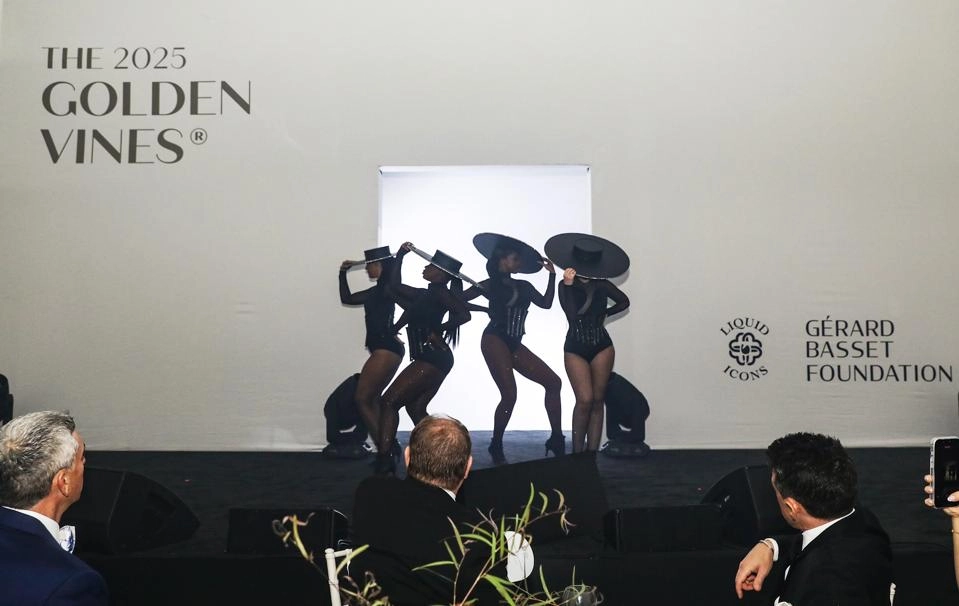
The Gérard Basset Foundation is significantly impacting the wine industry through its scholarship program, honoring the legacy of the late Gérard Basset, a prestigious figure in the world of wine. This foundation gives budding talents in the wine sector opportunities that are often inaccessible, especially for those from less privileged backgrounds.
At a recent reception in Miami ahead of the Golden Vines Awards, which serves as a major fundraiser for the foundation, Romané Basset, Gérard’s son, shared insights about the foundation’s mission. He emphasized the support provided to promising individuals striving to enter the wine industry, which aligns with his father’s own mentorship philosophy.
Gérard Basset, known for being the only person to simultaneously hold the titles of Master Sommelier, Master of Wine, and World’s Best Sommelier, had a humble beginning. His journey into wine was unconventional, originating from a series of odd jobs and personal struggles. His story inspires the foundation’s mission to find and nurture talent in the wine industry.
Notable scholarship recipients include Leila Killoran, who faced bullying and significant personal challenges growing up. Despite these difficulties, she pursued her passion for wine and saw the scholarship as a "golden pass" to opportunities in the industry that would otherwise have been closed to her.
Sera Svitlana Karamshuk, another scholarship recipient, transitioned from a career in chemistry to wine. After experiencing dissatisfaction in her previous roles, she recognized that wine combined her scientific expertise with a human touch. She now uses her platform as a Ukrainian wine ambassador to promote the country’s emerging wine identity.
Meanwhile, Michael Juergens and his wife are pioneering wine production in Bhutan, aided by the foundation’s support for education in wine. They aim to build an industry from the ground up, emphasizing educational initiatives to empower local people in Bhutan’s fledgling wine sector.
The stories of these scholars reflect the core values of compassion and support inherent in the Gérard Basset Foundation’s approach to wine education. The foundation not only provides financial assistance for studies but also facilitates connections within the wine industry, ultimately aiming to foster a more inclusive and diverse community in the sector.
The legacy of Gérard Basset is not just about individual accolades but about creating lasting change in the wine world through mentorship, education, and the belief that everyone deserves the opportunity to succeed, no matter their background.
Hawley Winery Unveils Unique Falconry & Wine Experience in Dry Creek Valley

Hawley Winery Launches Unique Falconry & Wine Experience
Hawley Winery, a family-operated vineyard located in the picturesque Dry Creek Valley of Sonoma County, is introducing an exciting new weekly Falconry Experience starting on April 3, 2026. This unique event is designed to educate guests about falconry while allowing them to taste high-quality estate wines.
Participants will have the chance to join John Hawley, the winery’s founder and an experienced falconer with 67 years of practice. The experience combines a guided walk through the organically farmed vineyard with expertise on the significance of birds of prey, particularly in relation to viticulture and the Hawley family’s rich history.
In addition to the educational aspect, guests will enjoy tasting a selection of Hawley’s wines. The cost for this experience is $85 per person, with a discounted rate of $65 for wine club members. Reservations are available on the winery’s website.
Falconry: A Family Legacy
John Hawley’s passion for falconry dates back to his teenage years, long before he became a renowned winemaker. After a successful career, including tenures at notable wineries like Clos du Bois and Kendall-Jackson, John returned to falconry as his sons, Paul and Austin, took over the winery’s operations. He believes that the patience and respect for nature required in falconry mirrors the art of winemaking.
As a licensed falconer, John has rehabilitated various birds, including Kestrels and Peregrine Falcons, which also serve an important role in vineyard management by controlling harmful bird populations during harvest.
Commitment to Conservation
Hawley Winery has consistently supported raptor conservation and rehabilitation initiatives throughout California, donating over $15,000 to various organizations, including:
- Bird Rescue Center of Sonoma County
- California Foundation for Birds of Prey
- California Raptor Center at UC Davis
This Falconry Experience extends the winery’s long-standing commitment to environmental stewardship and education.
Founded in 1996 by John and Dana Hawley, the winery continues to uphold values of creativity, craftsmanship, and sustainable farming, now led by John and his two sons. The family is actively involved in various artistic endeavors, with Dana being a painter, and Austin and Paul pursuing their passions in furniture making, filmmaking, and photography.
Experience Details
Falconry & Wine at Hawley Winery
- When: Every Friday at 11:00 AM starting April 3, 2026
- Where: 6387 W Dry Creek Road, Healdsburg, CA 95448
- Price: $85 per guest | $65 for wine club members
- Reservations Required: Hawley Winery Falconry Experience
Guests will engage in:
- A guided vineyard tour
- Insights into falconry practices
- Wine tastings featuring estate offerings
- A connection with a family-run winery steeped in tradition
This experience marks an innovative addition to the hospitality offerings at Hawley Winery, inviting guests to appreciate the intertwining worlds of falconry and fine wine.
The Surprising Benefits of Sipping Whiskey from a Wine Glass

National parks attract millions of visitors each year, but some tourists often neglect the rules designed to protect both themselves and the environment. Recent incidents in parks like Yellowstone underscore the risks associated with ignoring these guidelines, where visitors have faced immediate consequences after disregarding safety protocols.
For instance, cases of tourists getting too close to wildlife have led to dangerous situations, reminding everyone that “being foolish in nature has consequences.” Wildlife experts emphasize that proximity to animals can provoke them, resulting in injury to tourists. The park rangers frequently have to enforce regulations that forbid feeding or approaching animals to preserve their natural behavior and ensure visitor safety.
Additionally, park rules regarding staying on designated trails are essential for environmental conservation. Straying from these paths can damage delicate ecosystems and increase the risk of accidents. National park officials urge visitors to respect closures and observe all guidelines to safeguard both their safety and the integrity of the natural habitat.
Ultimately, these incidents serve as a stark reminder that adhering to park rules is crucial. Tourists should prioritize their safety and the well-being of wildlife while enjoying the beauty of these natural spaces. For additional information on national park guidelines and safety measures, visit National Park Service.
Sip and Savor: Spring Wine Events from Pebble Beach to Half Moon Bay, with a Delightful Detour in Saratoga

Spring marks the onset of a vibrant wine event season across California, with notable gatherings set from Pebble Beach to Half Moon Bay. The highlight will be the Pebble Beach Food & Wine event from April 9-12, sponsored by Palo Alto Networks. This wide-ranging tasting experience will showcase wineries from various regions, including Oregon, France, and Sicily, alongside culinary contributions from 40 renowned chefs. The opening night, hosted by Jonathan Waxman of NYC’s Barbuto, promises a festive atmosphere reminiscent of a family reunion, featuring prominent culinary talent.
Attendees should not miss the elegant seated dinners, such as the "50 Year Judgment of Paris," and themed evenings exploring diverse cuisines, including Peruvian and Asian dishes.
Following this, the Santa Cruz Mountains Grand Tasting is scheduled for March 29 at the Mountain Winery in Saratoga. This event offers a wonderful opportunity to experience local wine country, with an exclusive early entry featuring caviar and artisanal delicacies. An intriguing seminar on Chardonnay will also be part of the proceedings.
On May 9, the Half Moon Bay Wine & Jazz Festival will delight visitors with a mix of 50 California wineries and jazz performances, alongside various local food vendors and a craft beer garden.
Competing for accolades, local wineries, including Papapietro Perry, have seen success in competitions like the LA Wine Competition, where their Pinot Noir earned the Best in Show title against strong contenders.
However, the season is marked by the closure of two iconic California wineries, Chalone and Talbott. Despite these closures, the Chalone wines will still be available at their Carmel Plaza tasting room, albeit under uncertain circumstances for Talbott.
In contrast to these closures, Vino Locale in Palo Alto remains a pillar of community spirit, celebrating its 25th anniversary with a diverse menu and selection of wines, continuing the tradition of great food and local music.
For more details on upcoming events and ticket information, visit the respective event pages:
New York State Greenlights Limited Retail-to-Retail Wine and Liquor Purchases: A Step Towards Common Sense Reform
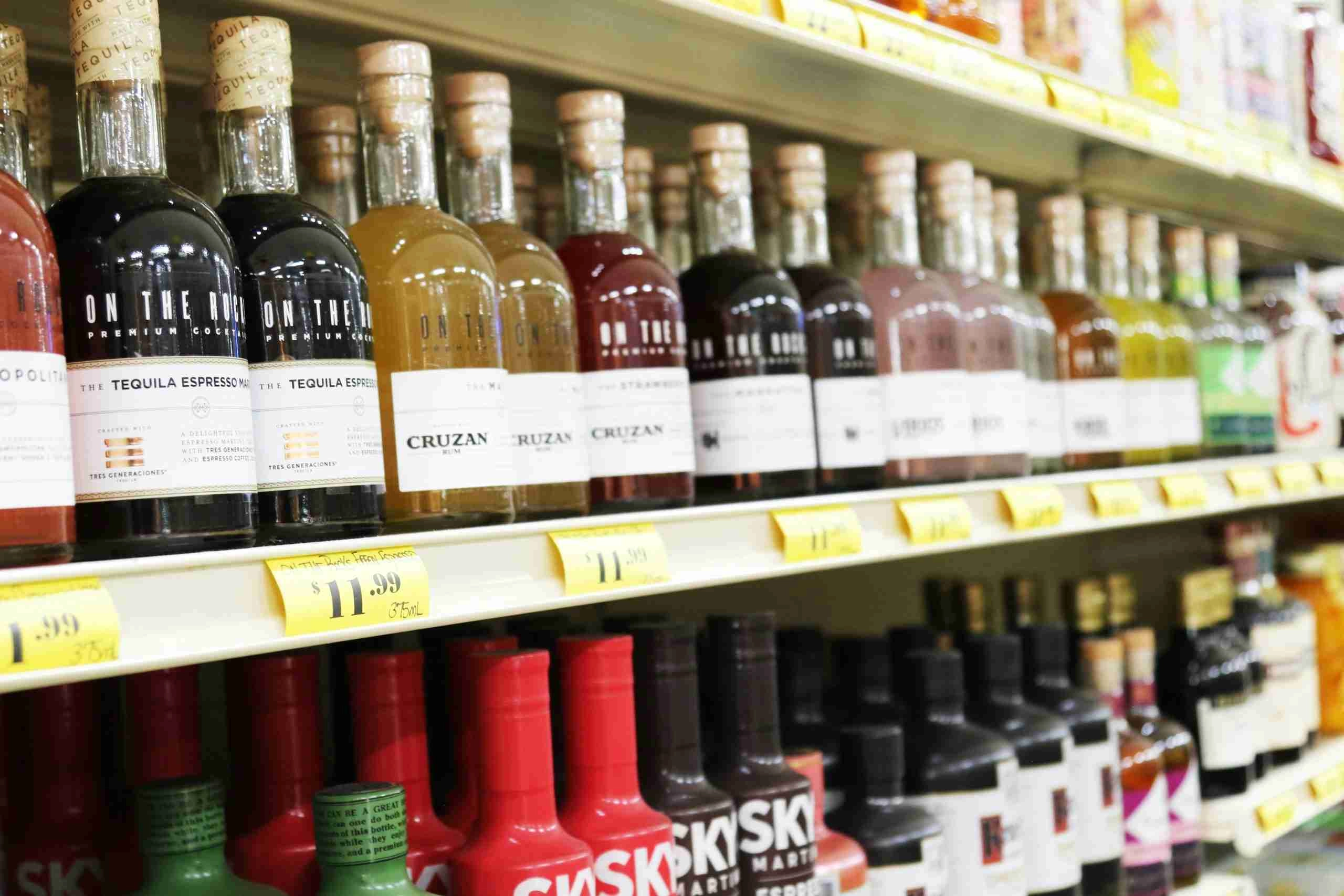
Common-sense reform in New York State has recently introduced new regulations allowing bars and restaurants to purchase limited quantities of wine and liquor directly from retailers. Previously reliant on wholesalers for their inventory, establishments now have the flexibility to buy up to six bottles of wine or liquor per week from local stores. This change, which aims to support local businesses, was signed into law by Governor Kathy Hochul on December 5, 2025, and took effect on March 5, 2026.
New York State Liquor Authority (SLA) Chair Lily M. Fan emphasized the significance of this reform, pointing out that it allows taverns and bars to maintain service despite inventory challenges. The reform is designed to benefit both the hospitality industry and local retailers by creating additional sales opportunities.
Both on-premises and off-premises licensees are required to keep detailed records of each transaction for compliance checks.
State Senator James Skoufis noted the importance of supporting small business owners, stating that restaurants are vital to the economic landscape and community character. Assemblymember Al Stirpe reinforced this sentiment, highlighting the removed barriers for local establishments.
Melissa Fleischut, President and CEO of the New York State Restaurant Association, underscored the need for continuous law updates to alleviate red tape for the hospitality sector. Scott Wexler from the Empire State Restaurant and Tavern Association expressed gratitude for the law’s passage, praising its practical benefits for small businesses.
This legislative change is a key step in modernizing New York’s alcoholic beverage control laws, facilitating better operational efficiency for bars and restaurants while improving local economic conditions.
In addition to this reform, there are slated proposals allowing grocery stores to sell New York-produced wines, which is poised to ignite further discussions between liquor store owners and supermarkets about the regulation landscape in the state.
For more information regarding the guidance for retailers, visit the SLA Website.
Get Ready for a Sparkling Experience at the Bubblier Lodi Wine Festival!

The upcoming Lodi Wine Festival on March 28 promises to be an exciting event with new features aimed at attracting more attendees. Grape Festival Manager Mark Armstrong announced the introduction of a "Bubble Lounge," where visitors can indulge in sparkling wines from local wineries. This addition is intended to enhance the festival experience, as sparkling wines have seen a surge in popularity.
Guests in the Bubble Lounge, which will admit a maximum of 150 attendees, can enjoy tastings of various sparkling wines alongside light dessert bites. The lounge will operate from 1 to 3:30 PM, and tickets are priced at $120 if purchased in advance, or $135 at the door.
In addition to the Bubble Lounge, there will be a VIP tasting that features light hors d’oeuvres and early access to tastings from nearly 40 wineries, costing $80 in advance and $90 at the event. General admission tickets are available for the Grand Tasting from 2 to 5 PM, priced at $50 in advance and $60 at the door, which include access to artisan vendor booths.
Returning favorites like Klinker Brick Winery and Michael David Winery will be present, alongside newer participants such as Baker Family Wines and Squeakywheel, known for its innovative wine-based cocktails.
The festival will also feature entertainment from Funky Tim & the Merlots, along with amenities such as RV parking and the Ultimate Wine Collection lottery, which allows guests to win over 100 bottles of wine for a $20 ticket donation.
For designated drivers, tickets for the VIP or general tasting are available at $30 and $20, respectively, and options to participate in the Ultimate Wine Collection are also available for $20.
Tickets can be purchased online at www.grapefestival.com or at various local retailers, ensuring that this year’s event continues to build upon its successful attendance from previous years. Armstrong noted that attendees come from across the region, reflecting the festival’s growing appeal.