Wine 1106
Exploring Seattle: The Top 15 Wine Bars You Must Visit

Sustainable, funky, charming, chic, and slightly hipster. Seattle offers a blend of everything in its continuously evolving wine landscape. Known as the Emerald City, Seattle sits in Washington, the second-largest wine-producing state in the U.S., home to over 1,000 vineyards. Although trekking east across the mountains to visit Washington’s vineyards is rewarding, wine enthusiasts don’t need to leave Seattle to satisfy their palate.
As a Seattle native and a devoted wine aficionado, I’m constantly engaging with the diverse aspects of Seattle’s wine culture. For those preferring local flavors, many of Seattle’s wine bars specialize in wines from Washington’s vineyards, while some also showcase regional selections from Oregon’s Willamette Valley. If you’re enthusiastic about natural wines, Seattle boasts numerous small wine bars focusing on the trend of minimal intervention wines. Alternatively, if your taste leans towards Old World wines, you can explore the city’s French-inspired wine bars. Rest assured, wine lovers will find their thirst well catered to in Seattle.
Read more: The Best Meat For Your Charcuterie Board Isn’t One You’d Expect
In South Seattle’s South Park neighborhood, Left Bank stands as a central figure in the city’s natural wine movement. This cozy, tucked-away bar is a favorite of mine for a peaceful retreat while delving into new and exciting wines. Left Bank excels in offering delightful small-batch, minimal-intervention wines from a dynamic menu. Whether you’re a veteran natural wine drinker or just beginning to learn why you should drink natural wine, Left Bank is the go-to place.
This beloved local spot is celebrated as the tiniest and oldest natural wine shop and bar in South Park. Known for its eclectic charm, warm atmosphere, and dedication to community support, the venue passionately backs local causes like the Seattle Coalition on Homelessness and Black Lives Matter Seattle. Although Left Bank does not offer a food menu, patrons are encouraged to bring their own snacks to pair with their wine.
leftbankseattle.com (206) 257-5052
8526 14th Ave S, Seattle, WA 98108
For a delightful natural wine experience, head over to Light Sleeper located in Capitol Hill’s Chophouse Row, a hub of top-tier dining and nightlife in Seattle. At Light Sleeper, wine enthusiasts can engage with the terroir bar and indulge in a selection of fine wines reflective of the trendy local vibe. When I visit alone, I often choose a flight to explore a variety of wines on their constantly changing list.
Visiting with friends usually means settling in at a table for the evening, gradually enjoying the distinctive wines on offer and partaking in seasonal small dishes. Light Sleeper is also known for its collaborative pop-up chef events. The indoor bar is stylishly adorned with plants, making it cozy, but on sunny days, the outdoor seating is the perfect spot to relax and observe the diverse activities of Capitol Hill. Nearby Wide Eyed Wines is an excellent choice for purchasing bottles to take home.
lightsleeperseattle.com(206) 333-04661424 11th Ave, Seattle, WA 98122
If you’re a fan of French wines, make your way to Le Caviste, a cozy wine bar and bistro in Belltown. It’s the perfect spot for sipping away the Seattle chill with a variety of French wines from Beaujolais to Burgundy, and from Vouvray to Châteauneuf-du-Pape. Le Caviste is celebrated locally for its diverse selections and serves as the ideal place to explore the wine regions of France. They offer a varying menu of wines available by the glass, advertised on a blackboard, ensuring there’s something to suit all tastes.
Indulge in the authentic tastes of France with their array of charcuterie, cheeses, salads, and daily specials, all perfect complements to their wines. The setting is intimate with just a few small tables and a bar, ideal whether you’re flying solo or mingling with fellow wine enthusiasts. During my visit, I enjoyed a glass of Beaujolais at the bar, lost in a good book and engaging conversations. For those interested in taking a bottle home, Le Caviste also features a bottle shop.
lecavisteseattle.com(206) 728-26571919 7th Ave, Seattle, WA 98101
The perfect spot for innovative, earth-loving winos, Footprint Wine Tap elevates the sustainable wine game — and might just make you stop and think about what sustainable means when it comes to wine. This Capitol Hill wine bar is dedicated to reducing its carbon footprint wherever possible.
The main focal point in waste reduction is wine packaging. The solution: eliminate bottles, which produce extraordinary waste everye year. Over 2.5 billion wine bottles end up in landfills annually. Footprint pours its wines from keg taps instead of bottles and is the only spot in the city ot do so. The innovative business also offers a fill-up growler program.
When it comes to the wine itself, Footprint keeps it local, featuring a couple dozen Washington and Oregon wineries that regularly rotate. Should you work up an appetite, Footprint serves flatbreads, boards, and dips.
footprintwine.com(206) 485-71751222 E Madison St Ste C, Seattle, WA 98122</rilableetAddress.
Another popular venue on Capitol Hill joins the roster, showcasing the local flair for exceptional food and wine. La Dive has quickly become a vibrant hot spot, thanks to its captivating decor featuring vibrant artwork and shimmering swivel chairs. This popularity spurred the opening of a second outlet in Seattle’s Queen Anne neighborhood. The wine selection at La Dive is curated with a focus on minimal intervention wines, alongside some more well-known offerings for those new to the scene of natural wines. The menu regularly includes a selection of favorites like pet nat, cava, Vinho Verde, and chilled red wines.
La Dive is an ideal choice for a happy hour gathering, a leisurely mid-afternoon drink, or a spirited late-night outing with wine service extending until 2 am on the weekends. For those feeling particularly parched, La Dive offers a generous pour of house wine. Patrons can also enjoy beer, cocktails, and non-alcoholic beverages. The food menu adds to the charm, with offerings such as cheese boards, deviled eggs, gourmet sandwiches, lavash quesadillas, and tinned fish.
ladiveseattle.com Located at 721 E Pike St, Seattle, WA 98122
In the verdant Madrona neighborhood of Seattle, Bottlehouse offers a serene atmosphere for enjoying wine, best experienced in its enchanting garden. For cooler days, the cozy interior of a craftsman house from the early 20th century provides a charming retreat. Bottlehouse prides itself on a diverse wine selection that prominently features unique wines from small-scale, boutique vineyards and natural or minimal intervention winemakers.
The rotating selection features regional and global wines. Bottlehouse offers wine by the half and quarter glass as well as full servings, ideal for those wanting to explore various vintages. Located in the Magnolia neighborhood, it’s a great place to enjoy light bites like baguettes with honey butter or more substantial dishes such as heirloom tomato and burrata, shaved asparagus salad, tuna crudo, and various sandwiches. For those not inclined towards wine, there are local beers, ciders, and house-made sodas available.</ bottlehouseseattle.com (206) 708-7164 1416 34th Ave, Seattle, WA 98122
In Madison Park close to Lake Washington, Parlour Wines is run by a husband-wife team previously managing a wine shop in Brooklyn. Their focus is on offering quality wines that tell a story. The venue serves as both a wine bar and a bottle shop, offering a curated assortment of fine wines in a cozy setting.
The quaint brick structure houses wines predominantly crafted from both estate and organic sources, with the same dedicated team overseeing the cultivation and wine-making processes. These artisanal wines, both delightful and unique, are sure to draw visitors back. On sunny days, enjoy your wine on the terrace, taking in the vibrant scenes of Madison Park. While Parlour Wines does not offer food, guests are encouraged to bring their own meals.
parlourwinesmp.com (206) 710-4632 1803 42nd Ave E, Ground Fl, Seattle, WA 98112
In Seattle’s bustling Capitol Hill area, L’Oursin, which translates from French to “sea urchin,” presents a stylish retreat. Serving as both a wine bar and a restaurant, it offers dishes inspired by northwestern France and serves as an ideal venue for an evening outing or a casual meet-up. It’s a personal favorite spot within the locale.
The wine selection at L’Oursin primarily features natural wines from France. Each wine on their menu is tagged as either traditional or adventurous, aiding patrons in their selection process. The wine list includes everything from pet nat to gamay, and from chenin blanc to cabernet franc, showcasing some of the lesser-known wine regions of France. After exploring the wine offerings, patrons can indulge in a variety of seafood-oriented small plates, including Alaskan scallops and raw albacore tuna.
loursinseattle.com(206) 485-71731315 E Jefferson St, Seattle, WA 98122
Itto’s Vino, a fresh addition to West Seattle, infuses the area with Mediterranean charm. Weekly, Itto’s showcases an ever-changing collection of wines available by the glass. Their unique selection emphasizes lesser-known wine regions and innovative, low-intervention wines from across the Iberian Peninsula. Patrons can explore wines from places like the Basque Country, Morocco, Georgia, and Portugal at this welcoming local venue. For those indecisive about their wine choices, Itto’s Vino offers curated wine flights. Guests pick a country or wine style, and the bartenders prepare a personalized flight of three wines. In addition, the bar crafts exquisite cocktails and provides options for non-alcoholic wine drinkers.
In addition to its wine offerings, Itto’s Vino presents a dynamic and flavorful Mediterranean-inspired menu. Visitors are encouraged to arrive with an appetite to enjoy the full array of Spanish-inspired tapas. Delicious offerings include Basque cheeses, various cured meats, sardines, spicy mackerel, and piquillo peppers stuffed with tantalizing fillings.
ittosvino.com4158 California Ave SW, Seattle, WA 98116
Few places capture the essence of Seattle like an airport-themed bar. Flight Wine and Chocolate pays homage to the city’s rich aviation history and its ties to Boeing Airplanes. Located in Capitol Hill, this unique wine bar is all about celebrating Washington’s finest wines, served in what else but wine flights.
While you’re welcome to enjoy a single glass, the highlight here is the curated wine tasting experience. It’s best to make a reservation, though walk-ins are also accepted. At Flight Wine and Chocolate, the aim is to showcase Washington’s vinicultural achievements with tastefully selected flight options. You can choose from First Class and Business Class flights featuring local Washington and Oregon wines, or opt for the International Flight that includes a selection of mainly French wines.
Enhance your wine flight with a selection of chocolates that perfectly complement the wines. Chocolate offerings change regularly, with previous selections including unique flavors like raspberry lemongrass, hibiscus pink peppercorn, chocolate cream, and lavender. Those with a penchant for sweets will relish pairing their flight with dessert wines at Flight Wine and Chocolate.
flightwineandchocolate.com (206) 712-6919
1300 E Pike St, Ste 103, Seattle, WA 98112
At Princess and Bear, a wine bar nestled in South Park, there’s a commitment to a finely curated theme. Unlike other establishments that may feature a broad range of French wines, this bar dedicates itself exclusively to those from the Languedoc Roussillon area, drawn by its rugged landscapes and old vine artisan wines. It was the passion of owners Carol Bailey and Steve Medwell, who perceived a shifting American palate and provided a niche for more refined tastes. Spanning from Provence to the Pyrenees along the southern border of France, the Languedoc region is replete with untouched vineyards and boutique winemakers. Many local producers favor crafting blends rather than focusing on single-varietal offerings.
A visit to Princess and Bear almost feels like a journey to the picturesque Languedoc itself. Though it’s physically located far from the Pyrenees, the bar boasts an exquisite assortment of artisan wines that embody the old-world charm, innovation, and distinct terroir of one of France’s most overlooked wine locales. It stands as an exceptional guide to Languedoc wines. Additionally, Princess and Bear enriches its patrons’ experience with monthly activities like French Conversation nights, Paint and Sip sessions, and winemaker series.
For more details, visit theprincessandthebear.com(206) 323-4757309 S Cloverdale St, Suite A1, Seattle WA 98108.
The local wine scene experienced a seamless transition when Fable All Day sprung up in the location once occupied by Petite Soif wine bar during the summer of 2023. Situated in Beacon Hill, south Seattle, the newly opened establishment continues the legacy of its precursor, focusing on natural wines with minimal intervention, all set within a beautifully designed, light-filled environment.
Beyond its delightful range of wines, Fable All Day also serves as a day-long café and has become a top pick for those who work remotely. It’s one of my preferred spots within the city for writing. Just find a spot, set up your laptop, and perhaps enjoy a glass of wine to spark your creativity.
For those who aren’t into wine, there’s a selection of local beers, coffees, and non-alcoholic drinks available. Make sure to try the daily variety of freshly baked goods or treat yourself to the extensive brunch and dinner offerings available throughout the week. Fable All Day additionally organizes winemaker evenings roughly once a month, providing a unique opportunity to learn more about the production of your favorite wines.
fableallday.com 3309A Beacon Ave S, Seattle, WA 98144
Seattle’s Fremont neighborhood is renowned as a prime location for exploring the city’s vibrant food and wine scene. Among the many esteemed wine bars in Fremont, Esters Enoteca offers a distinctly nostalgic vibe with its black and white tiled floors and a diverse collection of artwork that add to its charm.
While Esters isn’t solely a wine bar, it offers daily selections of red, white, and rosé wines at competitive prices. The wines are unique and enjoyable, complemented nicely by a delicious food menu featuring tapas, paninis, and pasta for lunch. Esters is also known for crafted sangria and vermouth spritz, as well as other cocktails and an array of non-alcoholic beverages. Consider visiting during the evening happy hour or on Thursdays when a wine purchase includes a complimentary scoop of paella.
estersenoteca.com (206) 295-1903 3416 Fremont Ave N, Seattle, WA 98103
The Ballard area in northern Seattle offers a serene retreat from the city’s hustle. Close to the Ballard Locks and Puget Sound, Ballard has a noticeable maritime influence, reflected in many of its local businesses. One such place is the new Halfseas Wine and Bottle Shop, which embraces this nautical theme. Inspired by the timeless connection between wine and the sea, Halfseas promotes community, joy, and the unique experiences wine offers.
Halfseas started as a monthly wine club during the pandemic, which evolved into a pop-up shop, and finally, a brick-and-mortar wine bar and shop. Visit this cozy venue to enjoy a glass of wine, possibly alongside engaging conversations, featuring wines that are not typically found in regular grocery stores. The shop hosts monthly tastings and offers a patio perfect for enjoying wine in good weather.”+
halfseaswine.com 5413 6th AVE NW, Seattle, WA 98107
An appealing and distinctive location in Seattle’s Phinney Ridge area, Chez Phinney draws its inspiration from the time spent by Julie and Andrew Goldstein in European wine bars. Situated on the vibrant Greenwood Ave, this self-service venue features 24 wines available for sampling by the ounce. Guests can try a variety of wines with a one-ounce taste before selecting their preferred quantity, whether a half or a full glass.
The selection of wines changes frequently, featuring both local varieties from the Pacific Northwest and classics from established Old World regions. If you are interested in sparkling wines, Chez Phinney offers a robust selection including Prosecco, cava, crémant, and pet nat. For those preferring non-alcoholic options, the bar provides mocktails, non-alcoholic wines, spritzes, and sparkling waters. To complement the wines, Chez Phinney offers traditional wine bar snacks such as cheese, dips, olives, bruschetta, and tapenade, enhancing your tasting experience.
chezphinney.com(206) 656-7400 7400 Greenwood Ave N, Seattle, WA 98103
As a resident and enthusiastic follower of the local wine scene in Seattle, I have intimately explored the wine offerings of the area time and again. I have a passion for discovering local bars that champion lesser-known vineyards and vintners, presenting wines that one wouldn’t typically find in regular dining spots or supermarket aisles. While Seattle boasts countless excellent wine bars, the ones listed here are particularly notable to me, places to which I find myself continuously returning.
My personal explorations have taken me to various noteworthy spots including Left Bank, Fable, L’Oursin, Le Caviste, La Dive, Esters Enoteca, Light Sleeper, Princess and Bear, Bottlehouse, and Footprint Wine. Additionally, I continually seek out promising new establishments, often identified through diligent research, local word-of-mouth, and online critiques. These venues have all garnered high praise and share a commitment to serving exceptional, memorable wines with unique backgrounds.
Read the original article on Tasting Table
Dolly Parton’s Busy Schedule: From Sipping Her New Wine to Watching Her Broadway Show Debut

Well hello, Dolly. It’s so nice to have you in so many different spaces these days.
The iconic country singer on Thursday announced her latest project, Dolly Wines.
“I’m very excited to officially launch @dollywines today!,” she posted on social media. “Crafted with love, these wines are the perfect addition to spending time with family and friends. So let’s raise a glass together!”
The announcement comes soon after news that Parton is also developing an autobiographical Broadway musical.
“Hello, I’m Dolly! I’ve been writing my life story as a Broadway musical for several years and I’m proud to announce we are finally developing ‘Hello, I’m Dolly – An Original Musical’ for the Broadway stage,” she earlier posted.
“Hello, I’m Dolly” is also the title of Parton’s first studio album.
The show’s score will feature music and lyrics by Parton and a book by Parton and Maria S. Schlatter, who co-wrote Parton’s holiday film, “Christmas on the Square.”
A new attraction, The Dolly Parton Experience, recently opened at her theme park, Dollywood, in Pigeon Forge, Tennessee.
Carmelo Anthony Partners with Robert Mondavi for Exciting New Wine Release
WINE DOWN
Managing Editor, Commerce
Scouted selects products independently. If you purchase something from our posts, we may earn a small commission.
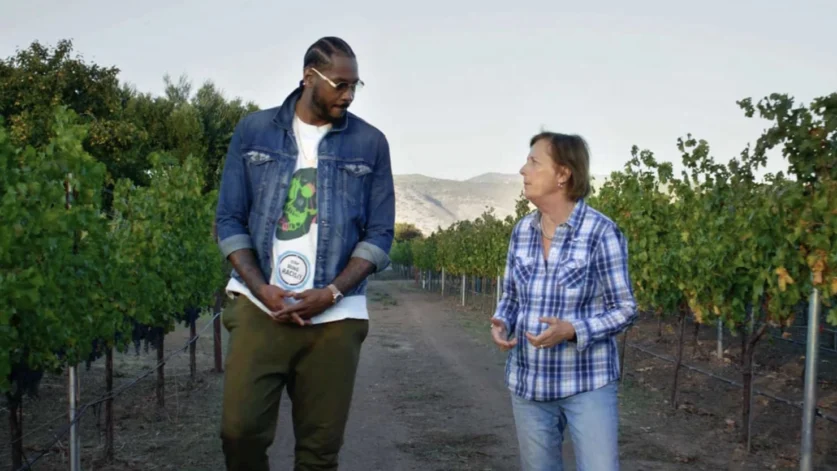
Retired 10-time NBA star Carmelo Anthony has traded the court for the vineyard in his new career endeavor: wine. The former Los Angeles Lakers forward quietly launched VII(N) The Seventh Estate with business partner Asani Swann back in 2022, which may come as a surprise to some of the iconic basketball player’s fans. Now, Anthony and Swann are growing the brand by partnering with legacy Napa Valley winemaker Robert Mondavi. The new multi-year collaboration between the two wine brands kicked off this week with their inaugural joint offering, Ode to Soul, a premium-tier proprietary red wine featuring a blend of Cabernet Franc, Cabernet Sauvignon, and Petit Verdot.
Ode to Soul
“We are thrilled to launch our partnership with VII(N) The Seventh Estate by bringing the special limited release Ode to Soul to life,” said Euming Lee, Brand Director of Robert Mondavi Winery, in a press release for collaboration. “We look forward to expanding our collaboration in the future with new wine offerings, rich experiences, and forward-thinking cultural collaborations, with the goal of welcoming more people to the beautiful world of Napa Valley fine wine.” The Ode to Soul label can be purchased online for $275 a bottle and in the Robert Mondavi tasting lounge in Napa Valley.
5 Summer-Perfect Wine Pairings Recommended by a Miami Sommelier
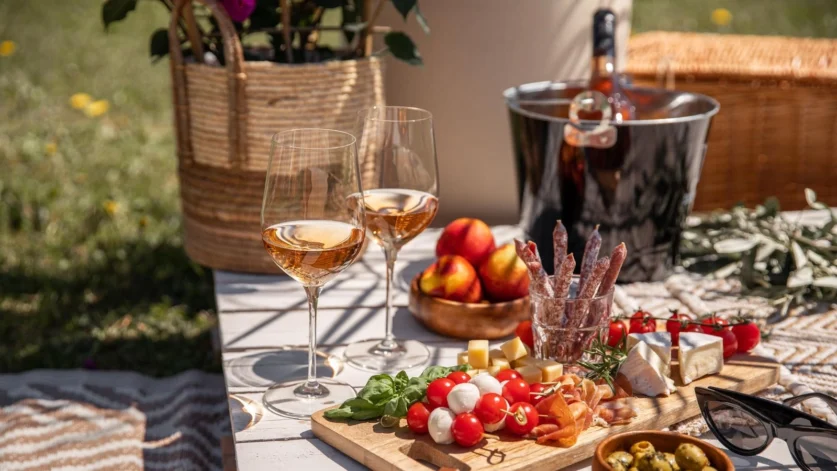
Jacqueline Pirolo shares her favorite summer wine pairings
Summer has arrived, and it’s the perfect time for enjoying backyard barbecues and leisurely dinners with loved ones, ideally with a glass of fine wine in hand.
You might be contemplating enhancing your hosting prowess or simply spicing up your outdoor dining and poolside appetizers. If so, it’s a good idea to think about your essential summer wine pairings.
No need to be a wine expert to master these combinations — however, having access to one certainly helps. Luckily, Miami’s Jacqueline Pirolo has taken a moment from her hectic schedule to share some of her top food and wine pairings for the upcoming warm months.
As the beverage director at one of Miami’s beloved dining spots, Macchialina, Pirolo possesses deep expertise in the world of wine. She manages Macchialina alongside her brother, Mike Pirolo. This Italian eatery has been a popular fixture in South Beach for over a decade, recently expanding into a larger venue that was once the Miami Hostel next door. The new space boasts a garden patio, an enlarged bar, and a vast open-plan kitchen — making Macchialina 2.0 a realization of its team’s and avid visitors’ dreams.
Amidst the challenges of designing and overseeing the creation of this impressive new venue, Pirolo has also developed a beverage program at Magie, an innovative self-service wine bar set to debut in the Little River area at the old Sherwood’s Bistro location on June 13th.
Seasonal dishes such as succulent tomatoes, crisp zucchinis, and perfectly grilled pizzas are elevated when paired with the proper wines. If you’re seeking some culinary inspiration, continue on to learn about the essential summer wine pairings that should be on your radar.
Don’t overlook making pizza on the grill this summer
“Fortunately, my brother has perfected his pizza dough recipe, so I can usually convince him to save me some extra dough after his famous home pizza parties. I love throwing it on the grill with my favorite toppings: his tomato sauce (which I also take), anchovies, and a dusting of dried oregano,” says Pirolo. “For this pizza, I prefer Lambrusco Salamino. Made in Italy’s Emilia-Romagna region, this varietal gets its name from the shape of the grape clusters, which resemble a salami! The versatility of Lambrusco is what makes it so special – it’s perfect for pizza, but also great with charcuterie or a bowl of Bolognese. Lambrusco Salamino’s bright acidity and rich, fruity flavor profile offer a bit more complexity and sometimes even a touch of earthiness. One of my current favorites comes from producer Fondo Bozzole, available at Macchialina for dining in or retail.”
Pirolo says this is her favorite pasta salad
“Growing up, this dish was a summer staple. We cooked penne and simply tossed it with good extra virgin olive oil. While the pasta was still hot, we added uncooked, halved cherry tomatoes and chopped fresh mozzarella, then topped it with basil – the heat would soften the tomatoes, breaking them down for a chewy texture,” shares Pirolo. “I always called it our pasta salad, although some people may disagree since it’s not cold – I’m unsure of the official pasta salad guidelines. For me, this pairs perfectly with a light, chilled, crushable red wine. Some fun ones I’m loving at the moment include Bbirbiciu’s ‘Brasì’, a Catarratto and Pignatello co-fermented red from Sicily or Fatalone’s ‘Teres’ Primitivo from Puglia which could technically be considered a full-bodied Rosé. Both are available at Macchialina for dining in or retail.”
Canned wines are a vibe
“This is a total beach staple for me: dress heirloom tomatoes with good extra virgin olive oil, a bit of red wine vinegar, red onion, and oregano on a quality baguette. I think the canned wine game has significantly improved in a short amount of time,” says Pirolo. “At Magies, our entire by-the-glass program features canned wine! I’ve been loving La Lata Rebujito, a refreshing canned beverage from Sevilla, Spain that honors the popular Andalucian cocktail by blending dry sherry with lemon/lime soda for a crisp and tangy taste that’s perfect for warmer days.”
Zucchini and Eggplant alla Scapece
“Zucchini and Eggplant alla Scapece is a new dish on the menu at Macchialina. It features grilled zucchini and eggplant after having been marinated with garlic and olive oil, finished with pine nut butter and shaved ricotta salata. I’m pairing this dish with Josef Fischer Riesling Federspiel, ‘Ried Steiger’, which we highlighted in Macchialina’s wine club during our Austria theme,” says Pirolo. “This dry, crisp Austrian Riesling cuts through the richness of the marinated vegetables and pine nut butter, balancing the dish so incredibly well.”
Varnelli Punch Fantasia
“Just in time for summer, Macch 2.0 has officially added gelato to their menu, and I’m really enjoying experimenting with different liqueurs to pour over it,” says Pirolo. “Right now, my favorite is Varnelli Punch Fantasia. It’s crafted with a sugarcane distillate from Martinique and a special blend of secret spices and botanicals. This liqueur adds a hint of cherry sweetness to the flavor profile and leaves a nutty flavor lingering afterward.”
One Community. Many Voices. Create a free account to share your thoughts.
Our community is about connecting people through open and thoughtful conversations. We want our readers to share their views and exchange ideas and facts in a safe space.
In order to do so, please follow the posting rules in our site’s Terms of Service. We’ve summarized some of those key rules below. Simply put, keep it civil.
Your post will be rejected if it appears to include:
User accounts will be blocked if it is noticed or suspected that users are participating in:
So, how can you become a power user?
Thanks for reading our community guidelines. Please read the complete list of posting rules found in our site’s Terms of Service.
Top 10 Cabernet Sauvignons to Celebrate Father’s Day: A Special Selection

Every year, we delve into Napa Valley’s finest red wines to offer recommendations ideal for Father’s Day gifts. These selections might be pricier, but we believe this special day deserves an exceptional wine.
You might consider sharing the expense with your siblings to keep it within budget. Just don’t expect to get a taste — June 16 is dedicated to Dad.
If these are out of your price range, we have several excellent alternatives. Below are our top 10 cabernet sauvignons for Father’s Day:
Chappellet Hideaway Cabernet Sauvignon 2021 ($175). Originally designated for chenin blanc, the Hideaway vineyard shifted in 2007 when six blocks of cabernet sauvignon were planted over the 13-acre secluded terrain. Since this change, the wine produced from this mountain vineyard has been consistently exemplary. Phillip Titus, the winemaker, remarks, “Mountain-grown cabernet, when cultivated correctly in suitable soils, delivers increased complexity, power, and tannins.” This wine is notable for its deep concentration of black fruit, complemented by herbal and peppery undertones.
Flora Springs Napa Valley Trilogy 2021 ($100): After selling their historic St. Helena winery in 2019, the founding family retained 20 acres of prime vineyards. They focused on reducing production to enhance quality. The Flora Springs Trilogy, a blend of cabernet sauvignon, petit verdot, and malbec, is crafted from these vineyards, particularly the illustrious Komes Ranch in Ruthford. This nearly four-decade old label features rich black fruit flavors accompanied by undertones of mint, coffee, and cola.
Turnbull Amoenus Vineyard Cabernet Sauvignon 2021 ($145): Although most vineyards managed by this esteemed Napa Valley winery are located in the Oakville AVA, the Amoenus Vineyard lies within the rolling landscapes of Calistoga. It produces a cabernet sauvignon characterized by floral and spicy scents leading to a lush profile of ripe blackberry and cherry, all framed by silky tannins.
Beringer Private Reserve Cabernet Sauvignon 2020 ($175): Renowned for wines that mature beautifully over the years, Beringer’s 2020 vintage upholds its legacy. It exudes aromas of flowers and blueberries, alongside a robust palette of dark cherry, plum, currant, with a touch of vanilla and spice. These elements make it an ideal pairing for a hearty grilled steak.
Beaulieu Vineyards Georges de Latour Private Reserve Cabernet Sauvignon 2020 ($160): Since its first release in 1940, BV’s private reserve has been a must-have for collectors. Having enjoyed various vintages since the 1980s, including some that were aged for decades, this wine consistently impresses. Its profile is rich and intricate, dominated by dark cherry and plum flavors typical of Napa Valley’s exceptional offerings.
Double Diamond Cabernet Sauvignon 2021 ($90). A compelling yet accessible wine produced by Schrader, characterized by bold black fruit and cassis scents with flavors of plum, black cherry, and nuances of tea, soil, and vanilla.
Acumen Mountainside Cabernet Sauvignon 2021 ($85). This Napa Valley wine features a remarkable selection of cabernet sauvignons, extending from this particular wine to the rich and luxurious PEAK Edcora Vineyard. Regarded as a relatively good value, the Mountainside is notable among its competitors.
This wine exhibits a more pronounced character compared to the more traditional PEAK variants, reminiscent of the durable cabernets from the 1970s known for their aging potential. The Mountainsie showcases a fruit-driven approach enhanced by merlot and malbec to soften the tannins. Flavors of ripe plum combine with notes of chocolate and mocha, alongside floral and violet aromas accenting the black cherry profile.
Ehlers Estate Jean Leducq Napa Valley Cabernet Sauvignon 2021 ($160). Influenced by the French philanthropists Jean and Sylvia Leducq, this high-caliber wine from St. Helena represents power delicately encased in sophistication. Only crafted in exceptional years, this wine promises longevity but is also enjoyable presently. It was tasted in conjunction with the concentrated 1886 Cabernet Sauvignon ($120) of the same year, with the 1886 marking the establishment year of the winery by Bernard Ehlers, which was later acquired by the Leducq Charitable Trust in 1996.
Sullivan Coeur de Vigne Cabernet Sauvignon 2021 ($100). Located at the historic Sullivan Rutherford Estate, this impressive wine showcases the essence of Napa Valley. Comprising 80% cabernet sauvignon, with the remainder merlot and petit verdot, it presents a harmonious and structured taste. The flavor profile includes blackberry, black cherry, and blueberry. It’s ready to drink now, offering immediate enjoyment without the need for further aging.
Priest Ranch Napa Valley Cabernet Sauvignon 2021 ($60). This wine is highlighted by its abundant red cherry scent, along with dark fruit flavors, licorice, and mocha notes.
Affordable alternatives include:
Hahn Family Wines California Cabernet Sauvignon 2022 ($16). Known for its good value, this wine features cherry scents, a touch of leather, and mature black fruit tastes.
True Myth Paso Robles Cabernet Sauvignon 2021 ($24): This affordably priced cabernet sauvignon from California offers a good daily drinking option. It’s approachable and features lush, smooth red fruit flavors.
Tenuta Luce Lucente 2021 ($29): Consistently a top pick, this super-Tuscan combines merlot and local sangiovese grapes, creating a luscious wine with rich berry notes that pairs well with meats like ribs and burgers.
Domaine Bousquet Cabernet Sauvignon 2022 ($13): Offering exceptional value, this wine impresses with its vibrant, juicy red berry tastes and gentle tannins, making it a great choice for pairing with grilled beef. Produced in Argentina, this wine represents some of the best value available today.
Querciabella Chianti Classico DOCG 2019 ($32): A superb example of Tuscan red, featuring flavors of plum and dried cherry wrapped in soft tannins. It drinks well now and promises potential for aging.
Quinta da Fonte Souto Branco White 2022 ($27). Originating from the Alentejo region in Portugal, this wine showcases the quality associated with Symington. Predominantly crafted from arinto grapes, it undergoes fermentation and lees stirring, enhancing its soft texture and showcasing the fruit flavors that might otherwise go unnoticed. It offers a notable complexity.
J. de Villebois Sancerre Rosé 2023 ($30). This semi-dry rosé from Sancerre is filled with the essences of strawberry and raspberry. It suits those who prefer a slightly sweeter wine.
Garofoli Podium Anniversario Verdicchio dei Castelli di Jesi 2021 ($30). Hailing from Italy’s Marche region, this verdicchio is both enjoyable and drinkable, featuring refined citrus flavors.
Tom Marquardt and Patrick Darr have been crafting a weekly, syndicated wine column since 1985. For more insights, visit their blog at moreaboutwine.com. They can be contacted at marq1948@gmail.com.
Unveiling the Secrets: Factors That Determine Alcohol Levels in Wine
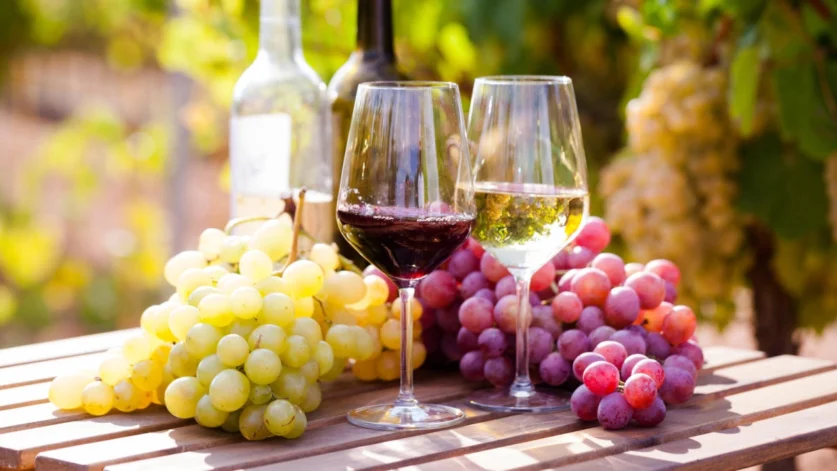
Most individuals select wine based on the type of grape, as personal preference determines whether someone enjoys Riesling more than Pinotage. However, the alcohol content of the wine is equally significant, especially when pairing it with food. Generally, table wines have an alcohol by volume (ABV) of around 12% to 14%, although there are exceptions like fortified wines which can have much higher ABV. The winery determines the desired alcohol level during production, as this affects the wine’s flavor profile significantly. Wines with higher alcohol content usually exhibit fuller bodies and bolder flavors, traits typically seen in red wines, whereas wines with lower alcohol content are often lighter-bodied, a characteristic commonly associated with white wines.
The process by which a winery achieves a specific ABV involves careful technique management. The primary factors in this calculation are the sugar and the yeast used during fermentation. The sugar present is converted by the yeast into alcohol. Different strains of yeast are selected based on their properties; generally, wine yeasts have a high tolerance for sugar and can survive in relatively high alcohol concentrations until they reach a threshold and die, setting the maximum possible ABV via natural fermentation.
Read more:13 Liquors Your Home Bar Should Have
Thus, the choice of yeast strain is crucial. If a winemaker aims for a higher ABV, they would opt for a yeast that can withstand higher alcohol levels for an extended period. However, alcohol production can continue only as long as there is sufficient sugar for the yeast to ferment. This is another area where the choice of grape varietal plays a significant role.
Wine grapes are specifically cultivated to possess a higher sugar content compared to those available in grocery stores for regular consumption. This is not necessarily because wine producers prefer sweet wines, but because higher sugar levels in grapes enable the production of more alcohol. There are other methods to increase alcohol content such as chaptalization, essentially adding sugar to the wine, although this technique is considered a last resort.
This higher sugar concentration is responsible for the elevated alcohol levels in wine compared to beer. There are beers that exceed 14% ABV, but they are exceptions. Techniques employed stretch the definition of beer. We previously discussed fortified wines, which are more alcoholic than regular wines. Fortified wines such as sherry and port are produced using unique methods aside from regular winemaking. They undergo distillation, a process that intensifies the wine to significantly boost its alcohol levels. However, following distillation, the product diverges from what is traditionally recognized as wine, although still referred to as fortified wine.
Refer to the original article on Tasting Table for more information.
Exploring Wine Country as a Sober Traveler: Finding Joy Beyond the Glass
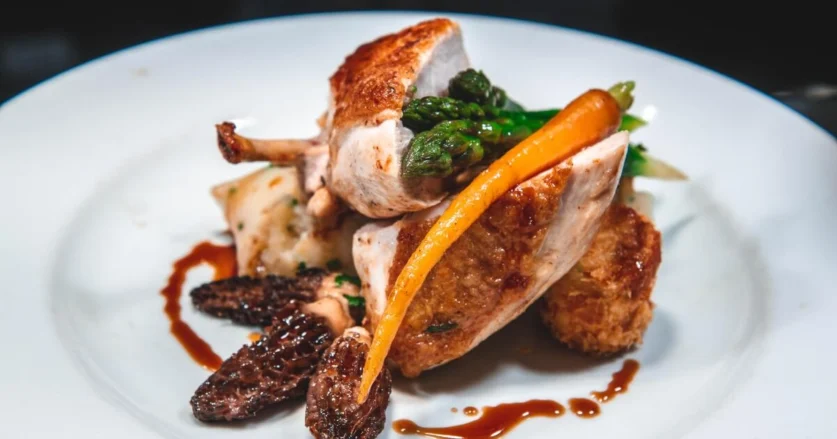
Amy Snook possesses an extensive knowledge about wine that surpasses that of an ordinary globetrotter. Hailing from California, she presently resides in Portugal’s Douro Valley and her significant other is engaged in the wine business. Snook has journeyed to 47 countries, many revered for their wine culture. However, it was seven years ago during her visit to Mendoza, a wine-producing area at the base of the Andes in Argentina, that she chose to forgo alcohol—a choice she would uphold in subsequent travels.
“Traveling such a long distance to Argentina and only staying for 10 days influenced my decision,” mentioned Snook, a 34-year-old publishing expert. “Understanding the impact of alcohol on my body, I decided to focus on feeling great each day rather than coping with hangovers.”
While in Mendoza, Snook cycled between vineyards, enjoyed the stunning views, indulged in spa treatments, and interacted with sommeliers and winemakers. These experiences left her with a newfound respect for sustainable and regenerative farming practices.
“There’s an inevitable question when you mention not drinking: ‘Why visit a wine region of all places?'” she explained. “For me, it’s perfectly logical since these areas offer everything luxury travel entails—wellness facilities, gorgeous landscapes, and exquisite cuisine.”
With 41 percent of Americans aiming to cut down on their alcohol consumption, a consumer sentiment analysis by NCSolutions in January highlights a growing trend: the adoption of sober-curious or mindful drinking habits. Sober travel, while not a novel idea, is gaining renewed interest, especially among the younger demographics, prompting significant changes in the wine industry. The 2024 State of the U.S. Wine Industry report, prepared by wine-business analyst Rob McMillan, indicates that 52 percent of consumers aged 21 to 34 think that drinking alcohol, even sparingly, can be harmful to health.
This shift is transforming how travelers engage with top-tier wine regions such as Sonoma County in California, Tuscany in Italy, and Mendoza. These areas, known for their mild weather, long growing seasons, fertile lands, rich histories and stunning landscapes, are diversifying their attractions to appeal to both drinkers and non-drinkers alike.
The following highlights some establishments like restaurants, tour operators, and wineries in these areas that are adapting their services to welcome those who are sober-cured and accommodate diverse traveler needs.
If wine is considered a unique reflection of its terrain, capturing the essence of its earth, climate, and the detailed labor of its producers, is it possible to appreciate this connection without partaking in wine drinking?
At Cyrus, a Michelin-starred culinary gem in Geyserville, California, culinary excellence is paramount. In expansive Sonoma County, which is twice the size of its neighbor Napa, there is a strategic commitment to maintaining a diversified usage of its lands, fostering both grapevining and agriculture. Douglas Keane, the chef and proprietor of Cyrus, prides himself on utilizing local harvests by sourcing ingredients from local farms and providers. Ingredients such as Crosnes from the gardens at Alexander Valley Vineyards, yuzu and finger limes from citrus cultivator David Levine, and dairy products from Andante Dairy have graced Cyrus’ menu.
The offerings at Cyrus also include Kally, a non-alcoholic beverage alternative crafted from organic housemade verjuice and ingredients from Northern California. Kally is popular in over 15 Michelin-starred dining establishments, featuring varieties like Early Chardonnay, which exhibits a crisp and lively profile with evolving flavors, the tart and zestful Golden Sparkler with overtones of jasmine and citrus, and a floral Rosé Sparkler with nuances of strawberry and hibiscus.
“The aim is to provide exact non-alcoholic pairings for dishes that have been designed to accompany sophisticated beverages, not merely carbonated water,” explained Scott Mitic, the co-creator of Kyal along with his wife, Katie.
According to Scott, patrons value the availability of such options, and he shared that many of Kally’s most devoted consumers are, in fact, wine aficionados. “We are not endorsing abstinence, but rather moderation,” he remarked.
Cyrus Schultz, the wine director and sommelier at Cyrus, is dedicated to crafting beverages that ensure sober guests feel as celebrated, if not more, than those who partake in alcoholic wine pairings. His unique nonalcoholic offerings include an effervescent Rosé Champagne made from coconut, white sesame, cherry blossom, and lime, alongside an Apple Martini that blends the sweetness of pink lady apples with the rich flavors of fennel and mint olive oil.
“Our goal isn’t merely to replicate alcoholic beverages but to approach these pairings with the same care a chef would apply to a menu—considering different textures, temperatures, and flavors,” Schultz explained.
This initiative extends beyond his own establishment. According to Chris Vomvolakis, senior manager of consumer public relations at Sonoma County Tourism, the movement is gaining momentum across bars, restaurants, and wineries throughout the area.
In Healdsburg, a new Mocktail Trail featuring eight restaurants has been established, and Meadowcroft Wines in Sonoma offers a collection of innovative zero-alcohol cocktails. David Messerli, the winery’s marketing and strategy director, encourages visitors to explore the aromas, flavors, and subtleties of these drinks as one would with traditional wines.
“We recognized a need to better cater to guests who don’t drink alcohol,” he explained. “Everyone has their reasons for not drinking, and it’s important that they don’t feel left out because of it.”
Known for its vibrant malbec wines and breathtaking views of the Andes, Mendoza has traditionally been associated with opulence. Recently, however, there’s been a noticeable rise in demand for alcohol-free experiences. “Over the past few years, there’s been a clear increase in the number of guests requesting options without alcohol,” stated Victoria Stiles, sales manager at Cavthem Wine Lodge. This exquisite hotel, nestled in a sprawling 55-acre vineyard, offers just 18 luxurious rooms.
While wine is a central feature at Cavas, the lodge provides a range of alternative activities. Guests have the opportunity to indulge in spa treatments that incorporate local vine and grape-seed, practice yoga on a private terrace with views of the Andes and vineyards, or embark on day-long hikes to Aconcagua Provincial Park—known for its challenging terrain and as the location of Mount Aconcagua, the tallest mountain in South America.
Emphasizing inclusivity, Wild Terrains, a certified B-Corp that creates travel experiences specifically for women, has dedicated three days out of a 10-day itinerary to be alcohol-free in Mendoza. The tour features visits to female-led enterprises and includes accommodation at Entre Cielos, horseback riding through the Andean foothills, a locally-sourced asado at Estancia Los Chulengos, and an exclusive dinner at the Michelin-starred Zonda Cocina de Paisaje. This dining experience is enhanced with unique mocktails that incorporate flavors such as lemon verbena, beets, and burro, a local herb renowned for its use in digestive teas.
“Our journey in Mendoza is centered around the pioneering work of female winemakers who are challenging norms in a sector traditionally dominated by men,” stated Lauren Bates, the founder of Wild Terrains. “Although our itinerary features wine tastings, it’s important to us that non-drinking travelers also feel genuinely welcomed and catered to.”
“While the dining experience at our vineyard primarily showcases our wines, we ensure that it remains enjoyable for those who prefer not to drink,” mentioned Sofia Pescarmona, who runs Bodega Lagarde vineyard and Zonda Cocina de Paisaje.
“We are committed to providing a top-tier experience for non-drinkers by focusing on the other quality seasonal produce from our farm,” she added.
Tasting wines is a hallmark of luxury, particularly in the lush regions of Tuscany, where one can enjoy endless sips of Chianti, Brunello di Montalcino, and Vino Nobile di Montepulciano. Salvatore Ferragamo Jr., the CEO of Il Borro wine estate and descendant of the renowned designer, also suggests finding alternative pleasures.
“The olive harvests in the autumn produce the region’s spicy, piquant ‘green gold,'” Ferragamo said.
Il Borro, located in Tuscany’s Valdarno, is a beautifully restored medieval village that features 58 suites, three holiday villas, two eateries, stables, along with active vineyards and olive groves. Olive oil production was initiated in 1996, revitalizing long-abandoned olive varieties such as Frantoio, Moraiolo, and Leccino. Now, visitors can explore approximately 80 acres of organic groves and participate in tastings of two unique olive oils – one being full-bodied with floral, fruity, and grassy notes, and the other strong, peppery, and intense.
Another venture, Tuscan Organic Tours, provides comprehensive daylong excursions focused on local wine and olive oil, but also covers other vital agricultural products. These enjoyable tours, which include private transport, allow participants to taste and explore items like Pecorino di Pienza, a top Italian cheese, as well as saffron and fresh pastas, featuring visits to organic farms, lunches, tastings, and hands-on opportunities such as cheese making and saffron collection.
Chitnis is a freelance writer. This article appeared in The New York Times.
Preserve Your Wine: The Genius Bottle Swap Trick to Keep Leftover Wine Fresh for Days
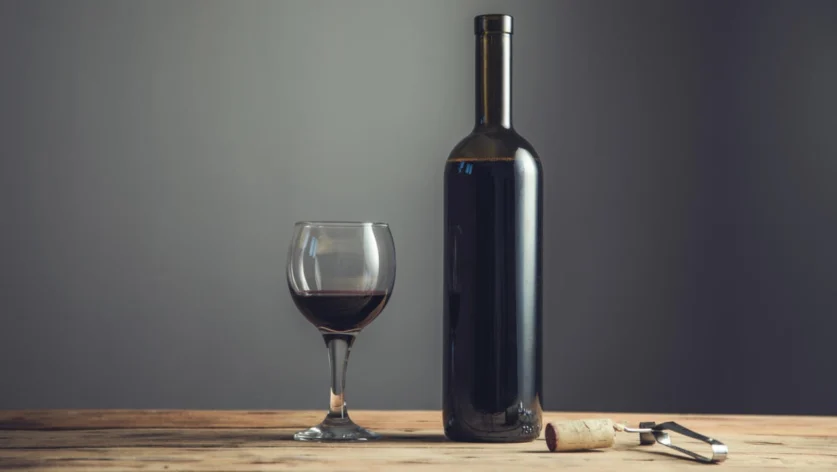
For some people, finishing an entire bottle of wine in one sitting has never been a problem. However, there are any number of reasons even a wine lover can end up with some leftover wine. Unfortunately, once a bottle of wine is open, the clock starts ticking on its limited shelf life. And while you can put the cork back in that bottle of wine (assuming you still have it and it’s intact) or screw the top back on (if it’s a screw-top bottle), there’s a better way to store an open bottle of wine. All it takes is a simple bottle swap for a smaller bottle.
When it comes to keeping your wine fresh, the key is to minimize its exposure to oxygen because too much contact can cause oxidation, which may cause a loss of flavors and eventual transformation into vinegar. The more surface area of the wine that interacts with oxygen, the quicker it degrades. If you’ve poured out half a bottle of wine to drink, then the remainder of the wine in that bottle is now exposed to half a bottle’s worth of air. If you were to transfer the remainder of that wine into a smaller container, however, then you would limit the amount of air that can come into contact with it, which will help keep your wine fresher for longer.
Read more: The 40 Absolute Best Cocktails That Feature Only 2 Ingredients
For half of a standard bottle of leftover wine, the perfect swap would be to use an empty 375-milliliter half bottle of wine (also known as a demi or split bottle). If you have less wine left over then one or more 187-milliliter mini bottles (also known as quarter or piccolo bottles) would be ideal. What if you don’t have any empty smaller wine bottles handy? While you can purchase empty mini bottles for this purpose, you won’t have to if you already have another smaller container that you can use, like a mason jar, an old jam bottle, a beer bottle with a crown cap, or even a small juice or water bottle.
Whatever smaller bottle you choose, ensure it is thoroughly cleaned. Utilize a funnel to transfer the remaining wine into the smaller bottle, filling it nearly to the brim to minimize the exposure to air and reduce oxidation. Securely tighten the cap to make it airtight, then store the bottle upright in the refrigerator. This method will keep your wine fresh for an additional one to two weeks.
Read the original article on Tasting Table
Uncorking the Secrets: Wine Writing Lessons from Legendary Travel Writers

The sun sets over the Parthenon
Never before have so many aspired to explore vineyards and devote their writings to the enchanting topic of wine. And yet, this profession—or should one call it a calling?—finds itself in a troubling predicament. It seems it always has. As wine publications wrestle with declining revenues and large digital platforms squeeze their visibility and traffic, the splintering of authoritative voices persists. What follows is a diminishing pool of invested readers. With the shadow of Artificial Intelligence growing more formidable, elevating quality has become essential for enduring.
The circumstances prompt us to contemplate perhaps an overly lavish engagement with early 20th century British travel literature. To dwell on the eloquent expressions of well-educated men, who wrote comfortably about the masterpieces of antiquity, seems almost too luxurious amidst the constant hum of notifications, emails, and the imperative to sustain content and manage finances.
However, this situation offers a marvelous chance for wandering into the more scholarly and polished works within this literary field. Often these writings recount benign, bumbling journeys, brimming with a charisma that renders the prose timeless. Therefore, categorizing my venture as both research and brief diversion, I turned to Robert Bryon’s esteemed Road to Oxiana.
Published in 1937, it charts his journey through the Levant and across the Middle East. Byron’s self deprecating tone will inevitably strike a more pertinent chord with the British reader, but it is universally acknowledged a masterpiece for its balance of witty memoir and poignant observation. Sensual prose bring exotic scenes to life, capturing the essence of people and place.
The author’s primary interest lies in the great monuments of Islam, but his deep knowledge is administered carefully, diluted with engaging journal entries that document the trials and tribulations of a colorful and unpredictable journey. Clearly, he is well versed in his field and able to braid scholarly comment, but it remains a backdrop, and a device for maintaining order lest his more comedic characters infringe on the intended atmosphere. For Byron, architecture (we may read wine) is a reason for travel, but it is certainly not the story.
Henry Vollam Morton is another outstanding travel writer of a bygone era, despite suggestions of appalling character. Over the last few days I’ve found it difficult to put down A Traveller in Southern Italy (1969). Although less poetic, the format is similar. Enthralment with the lives of the Saints provides motivation for his expedition, but his writing draws from the well of knowledge modestly – skillfully aware of the importance of peeling back the curtain and standing clear.
Inevitably, the subject of wine provides rich material for the writer and there are many enclaves in which to develop a specialism. For me, the most alluring wine writing, and the most age-worthy, provokes and evokes in a way that the best travel writing does. It connects on an emotional level and makes one long for experience. Put simply, the best books about wine are often not really about wine – at least, not entirely.
Paul Theroux, the great American writer noted that, “travel writing begins in journalism, slides into fiction, and ends in autobiography”. When I think back to those bright and elegant columns by Hugh Hohnson or Michael Broadbent, I am reminded of a note by Hemingway. “If a writer knows enough about what he is writing about, he may omit things that he knows. The dignity of movement of an iceberg is due to only one ninth of it being above water.”
One Community. Many Voices. Create a free account to share your thoughts.
Our community is about connecting people through open and thoughtful conversations. We want our readers to share their views and exchange ideas and facts in a safe space.
In order to do so, please follow the posting rules in our site’s Terms of Service. We’ve summarized some of those key rules below. Simply put, keep it civil.
Your post will be rejected if we notice that it seems to contain:
User accounts will be blocked if we notice or believe that users are engaged in:
So, how can you be a power user?
Thanks for reading our community guidelines. Please read the full list of posting rules found in our site’s Terms of Service.
Discovering a Non-Chardonnay White Wine That’s Making Waves in Burgundy

Drone footage of a village in southern Burgundy.
On a warm June afternoon, Sylvain Pataille inspects a cluster of white grapes under the sun. He carefully examines the green-skinned fruit for development and signs of disease, declaring them good. This is a relief for him as he practices chemical-free farming. Feeling satisfied, he proceeds to the horse-plowed vineyard of La Charme Aux Prêtres to continue his assessment.
Pataille is a farmer who operates small organic and biodynamic vineyards in the commune of Marsannay-la-Côte, located within the larger Marsannay appellation in the northern part of the Côte de Nuits in Burgundy, France. Marsannay is known worldwide to wine enthusiasts for its affordable Chardonnay or Pinot Noir. However, for Pataille, it’s the captivating wines of old vine Aligoté Doré that keep him tied to this region.
“When I established the Domaine, I could only afford Gamay and Aligoté vines; they were difficult to sell and nobody wanted them,” Pataille tells Hemispheres. In a region known for its high prices, Pataille’s family didn’t own vineyards, so he bought what he could. In 2001, Pataille bottled his first Aligoté, pronounced “al-uh-GO-tay.”
Fast-forward two decades and his bet on “golden” Aligoté has paid off. This all-but-forgotten white grape, long shunned in favor of nobler Chardonnay, has found favor anew, both from sommeliers to open-minded drinkers seeking affordable alternatives in Burgundy.
The church of Saint-Germain de Fuissé.
Not all Aligoté is created equal, however. Blame for the wine’s poor reputation of the past falls on the ubiquitous “green Aligoté” or Aligoté Vert, a high-yielding modern clonal selection responsible for simple wines. Aligoté Doré, on the other hand, hardly bears a familial resemblance with its nervy, electric energy comparable to Riesling or Chenin Blanc.
“Sylvain was a catalyst in the popularity of Aligoté” says Paul Wasserman of Becky Wasserman & Co., the importer of Pataille’s wines. In 2013, Pataille called the Wasserman team to announce a “silly idea” recalls Paul. “I have these single-vineyard Aligotés that I make and age separately, but I blend them before bottling, and I think it is a shame’” Pataille told them. A shame because Aligoté evangelists believe in the grape’s capacity for transparency and expressiveness.
Pataille isn’t the only winemaker who cultivates Aligoté grapes separately by vineyard. A short 30-minute drive south from his location, beyond well-renowned Pinot Noir regions of Gevrey-Chambertin and Nuits-Saint-Georges, one would find Domaine Chanterêves. This winery is fondly nestled in Savigny-lès-Beaune, a little outside Beaune city in the lush landscapes of the Côte-d’Or. It’s run by a Franco-American couple, Tomoko Kuriyama and Guillaume Bott, who proudly produce five different Aligotés.
Kuriyama expresses her fondness for working with Aligoté, stating that it lends a distinct terroir definition to the wines. Other appealing characteristics include resilience to climate fluctuations and resistance to diseases.
Paul, an importer of the Chanterêves wines, gives his two cents regarding the charm of these wines. According to him, Kuriyama and Bott are crafting wines that align with their personal preferences, coincidentally hitting the right chords with both traditional Burgundy connoisseurs and the new-age natural wine enthusiasts.
90 minutes northwest from Chanterêves near Chablis, in a town called Courgis, Alice and Olivier De Moor passionately safeguard the environmental preservation of their vineyards. The fervor they display is often compared to a mother bear protecting her cubs. They are known for producing Aligotés with remarkable longevity, and they celebrate their bottled masterpieces with Olivier’s handcrafted labels. Recently, Olivier authored an open letter to the winemaking fraternity in Burgundy, highlighting a dire need for creating ecological passages to help shield the viticulture sector from the ravages of climate change.
Les Aligoteurs, a group of French producers devoted to Aligoté’s renaissance, shares the De Moor’s progressive ethos of organic farming and minimalist winemaking. The fact that Aligoté tolerates climate change due to its slower ripening and acid retention furthers their cause.
“There were always great Aligotés, but it took a sizeable group of them for the world to notice” says Wasserman of Les Aligoteurs. “Now Aligoté’s having a party, and everyone is invited” he says.
Vineyards in Chablis.
For an Aligoté Road Trip, Here’s Where to Stay
Dijon is a historical city that is a true architectural palimpsest, covering the spectrum from medieval to modern designs. One of the city’s central features is the five-star, 88-room Grand Hotel La Cloche, which is situated in the heart of the city.
Just nearby is Beaune, where the authentic Burgundian house, Hostellerie de Levernois, is situated. This Relais & Châteaux property is nestled within 14 acres of gardens and forest, offering 26 rooms and suites for guests. A visit allows for a leisurely stroll or bike ride post-lunch to enjoy signature dishes like garlic snails and parsley ham paired with Aligoté, courtesy of the Bistrot du Bord de l’Eau on-premises.
For a more contemporary experience, Chablis houses the design-forward Château de la Resle. This compact hotel houses just nine rooms and is known for encouraging guests to engage in discussions about climate change. The venue further demonstrates their commitment to environmental sustainability through the use of organic cleaning products and reducing the quantity of meat served in meals.
Join our community and encourage diverse voices by creating a free account to share your thoughts!
Our community is about connecting people through open and thoughtful conversations. We want our readers to share their views and exchange ideas and facts in a safe space.
In order to do so, please follow the posting rules in our site’s Terms of Service. We’ve summarized some of those key rules below. Simply put, keep it civil.
Your post will be rejected if we notice that it seems to contain:
User accounts will be blocked if we notice or believe that users are engaged in:
So, how can you be a power user?
Thanks for reading our community guidelines. Please read the full list of posting rules found in our site’s Terms of Service.