Wine 1106
Uncorking History: The World’s Oldest Wine and Its Connection to a Cremated Roman Aristocrat
By Andrew Paul
Posted on Jun 18, 2024 3:19 PM EDT
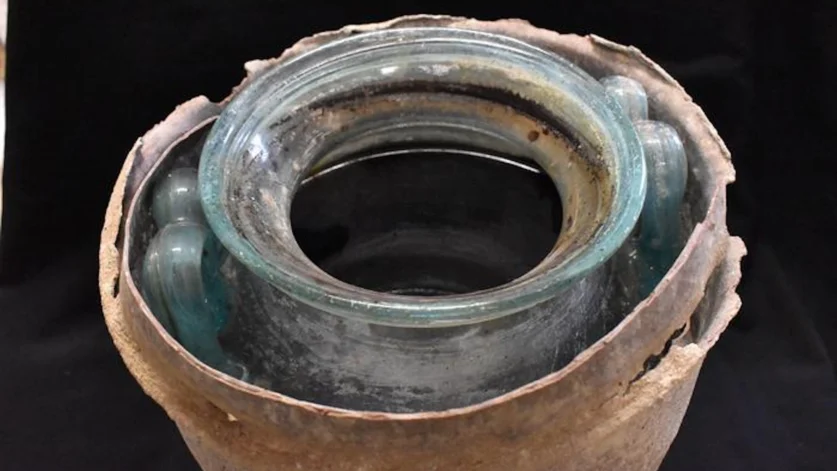
Although wine dates back to the earliest human societies, actual samples from ancient cultures are rare to find. Thanks to a well-preserved tomb and a little luck, however, a team of archeologists and chemists from Spain’s University of Cordoba recently announced what they believe to be the oldest known wine ever discovered. At over 2,000-years-old, the vintage libation also contains a macabre additive—the skeletal remains of a Roman aristocrat.
Back in 2019, archeologists uncovered two glass funerary urns while excavating a six-person tomb from the first century CE near Carmona, Italy. Inside one of them, the cremated bones of a man named Senicio were immersed in a red-tinged liquid that researchers believed was wine.
[Related: Ancient, surprisingly well-preserved purple dye uncovered in Greece.]
Interring bones inside an urn with wine was a popular burial ritual among the Roman elite, but the custom was largely reserved for men due to societal prohibitions on women drinking alcohol. Just how rigidly women upheld this standard is likely up for debate, but when it came to a final resting place, Roman men were solely those receiving a boozy trip to the afterlife. Women—such as Hispana, who occupied the tomb’s other glass urn—were traditionally accompanied by jewels, perfumes, and fabrics like silk.
According to their paper published in Journal of Archeological Science Reports, the fact that any liquid remained inside the urn for over 2,000 years initially surprised researchers. But because the mausoleum remained fully intact and sealed for millennia, conditions barred the chance for evaporation, leaks, exposure to the elements, or even graverobbing. That said, it was possible the wine turned to vinegar long ago—if that were the case, the title of “oldest wine ever recovered” would still belong to a fourth century CE bottle currently stored in Germany’s Historical Museum of Pfalz.
With a taste test out of the question, the team conducted multiple analyses to determine traits like the liquid’s pH level and chemical composition. Researchers also focused on a set of compounds present in all wine known as polyphenols. Using a technique called high-performance liquid chromatography-mass spectrometry, the team identified extremely low amounts of seven polyphenols also present in the surrounding region’s Montilla-Moriles, Jerez, and Sanlúcar wines.
Organic chemists noted that the lack of one polyphenol called syringic acid, as well as with the liquid’s mineral salt composition, indicate Senicio’s remains were soaked in white wine. While some degradation over time was inevitable, the team are still confident the wine is now officially the oldest ever found in its original liquid state. And if anything deserves a toast it’s a new archeological world record.
Top Gift Ideas for Wine Lovers to Make Every Sip Special
“Hearst Magazines and Yahoo may earn commission or revenue on some items through these links.”
Searching for a gift for the connoisseur in your life — whether they be grilling gurus, travelers, or coffee snobs — can be daunting. These experts know all of the ins and outs about super niche specialties and can be relatively intimidating, but perhaps the most intimidating of them all is the wine-o. Surely, you’re aware of how hard it is to find the best gifts for wine lovers when you, yourself, might not be the most knowledgeable on the subject. No worries, though. Our expert gift finders came up with a foolproof list that’ll impress everyone from the sommelier of the friend group to the person who’s always buying two-buck-chuck.
Our wine lovers’ gift guide includes everything from automatic bottle openers (a lifesaver), to tiered and rotating serving platters (complete with wine glass and bottle holders) to hilarious custom face cork stoppers (that are painstakingly designed to look just like your giftee — it’s wild).
Read on below for the best gifts for wine lovers. Everything is under $100, and some of our favorite finds are under $10. Cheers!
First thing first: If you’re looking for a wine gift you can give anybody from casual sippers to serious wine-o, this electric wine opener is it. It’s on sale for under $10 and makes opening a bottle so seamless.
Senior Editor Summer Cartwright owns this cheap gadget and says, “It’s so simple to use and makes wine nights easy, breezy, beautiful. Simply plop it on top of your bottle, press a button, and the cork is removed in seconds.”
Head’s up: If you’re gifting this, include a pack of AA batteries — it requires four of ’em and they’re not included.
Electric Wine Opener
$9.96
This serving set is the perfect gift for wine lovers who also love to host. The set of three bamboo serving platters fit perfectly atop empty (or full) bottles of wine to create a gorgeous set-up that’ll wow guests and help spread out the space.
When your loved one uses these, they’ll be able to fit more munchies underneath the platters to expand their offerings. Also, for just $20 more, you can customize the platters with names or initials of whatever you’d like.
Wine Bottle Topper Serving Set
uncommongoods.com
$50.00
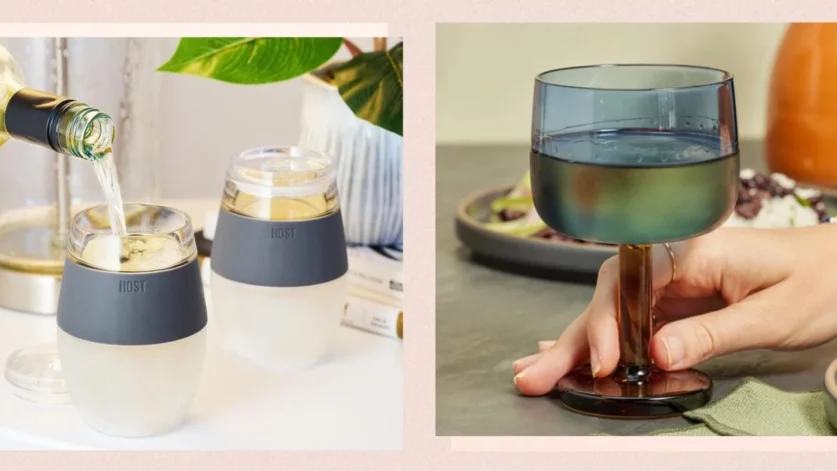
If your giftee enjoys a chilled glass of white, rosé, or orange wine (especially during the summertime), gift them this cooling wine cup designed to keep their favorite beverage as crisp as possible. The cups come in sets of two, each featuring a 360-degree comfort grip.
Cooling Wine Freeze Cup
amazon.com
$19.99
You know those things you see that make you think, “Wow, humanity really is evolved?” This is one of them. The set of wine glasses is designed to aerate as you pour in your vino. No extra stuff is necessary. Just pour it in and watch as it aerates in a few seconds.
Stemless Aerating Wine Glass
amazon.com
$50.00
Think about how hilarious it’d be to gift a wine stopper to your friend who looks exactly like them. This Etsy seller crafts personalized wine stoppers designed to look exactly like who you please — from your puppy to your best friend.
Personalized Wine Cork Stopper
$38.40
If you’re racking your brain trying to think of the best gift for a wine lover you know but not well enough to know whether they’ll like something quirky, stick to the basics. You can never go wrong with a gorgeous set of new wine coupes. This foursome is stackable, making it a great gift for those who live in an apartment or are tight on space. A total win.
Party Coupes
fromourplace.com
$76.00
Think of this as a lazy Susan — but for happy hour. The rotating carousel fits a whole bottle in the center, six glass holders, plus space at the bottom for snacks.
Wine & Cheese Carousel
uncommongoods.com
$130.00
If you’re looking to gift the perfect pour, these things work wonders. They fit into wine bottles and act as spouts so that when you or your giftee starts pouring a cabernet out, it’ll land precisely where you’re aiming. A pack of 50 sells for under $10, so it’s a stellar gift box addition or stocking stuffer.
50 Pieces Silver Wine Pourers
amazon.com
$7.99
Breaking news: We’ve found the cutest pair of earrings ever created and your giftee will love you so much if you gift these to them. The BaubleBar gems are a cute accessory that’ll spice up any outfit they wear.
Nothing to Wine About Earrings
$48.00
We’ve all been there — you buy a fabulous bottle of white and want to drink it ASAP but have to wait a half-hour so it can chill in the fridge. Or, you bring it to a picnic, and by the time you set everything up outside, the bottle is no longer cold. Enter this iceless wine chiller. You freeze the thing and plop it into your wine when you’re ready to drink.
It works in just 15 minutes to chill the whole bottle, acts as an aerator thanks to its clever pouring spout, and functions as a stopper.
4-in-1 Iceless Wine Chiller
amazon.com
$24.89
This isn’t the sexiest of wine gifts, BUT it will certainly be the most used. Help your giftee survive accidents on their clothes, couches, and everything in between with this best-selling stain remover. (While wine’s in the name, it also works magic on other hard-to-remove coffee, dye, and ink stains.)
Red Wine Stain Remover
amazon.com
$19.99
If your giftee is a dapper dude who loves to look as such, gifting them these cuff links will be a hit. He’ll be able to wear it to the next happy hour to show off to the crew.
Wine and Bottle Cuff Links
nordstrom.com
$85.00
Does your giftee love to camp, or do you two bond over outdoor sips? This outdoor wine table would be a great present for them. It’s basically like a stake, so you can push it into grass or sand to make it stick. The table holds a bottle and two glasses and has a flat surface for snacks. Pretty stellar.
Outdoor Wine Table
$62.00
Is your friend the pretentious type who thinks they know more about wine than actual sommeliers? Gift them this wine trivia game and get the whole friend group to play together to see who really reigns supreme. It includes questions about grapes, wine storage, tasting, cork culture, and so much more. Oh, and it’s meant to be paired with a lot of wine. Duh.
“`html
Wine Wars: A Trivia Game for Wine Geeks and Wannabes
amazon.com
$24.84
“`
You Might Also Like
The Paris Hilton Housewares Collection Brings ‘That’s Hot’ Energy to Your Kitchen
16 Best Noise-Canceling Headphones Perfect for Rocking Out in Quiet Bliss
Beyoncé Uses This $26 Amazon Product for Her Glossy Blonde Hair
14 Expert-Approved Wine Pairings Perfect for Your Picnic Favorites
“`html
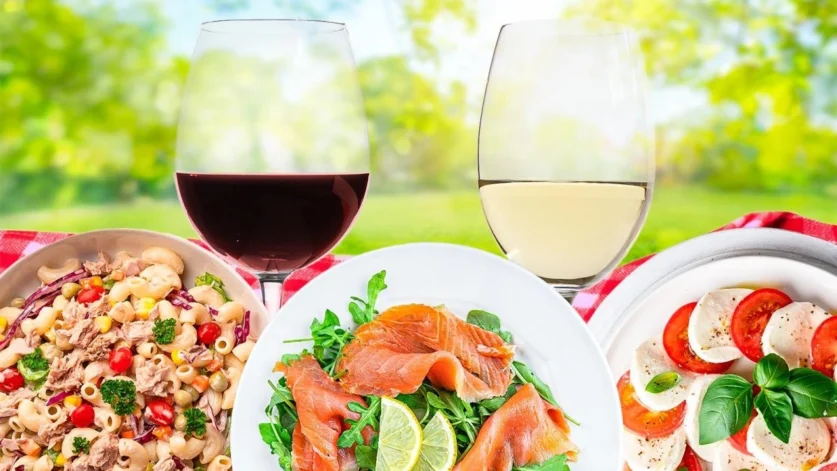
Eating outside is one of the benefits of warmer weather, and summer is the time to fine tune your outdoor dining habits. Choosing the right recipes for a perfect picnic is part of that mission, of course, but so is selecting a wine to pair with your go-to picnic dishes. After all, the right wine can lift any outdoor meal from ordinary to extravagant with minimal effort.
While al fresco dining isn’t necessarily the moment to bring out a rare vintage and tote along your finest wine glasses, that doesn’t mean you have to resort to a bottle of Two Buck Chuck or equivalent when planning a picnic menu. Whether your setup is a simple blanket on the grass, or you’ve scored a table at the park, any occasion is right for a good wine.
As a Certified Specialist of Wine and former winery employee on four continents, I’ve put together a selection of wine recommendations to complement your favorite picnic foods. If you’re looking for the right celebratory bottle to pop open with your spread or something to pair with a selection of fine meats and cheeses, I’ve got you covered. Read on to discover the ideal bottle of wine to pair with your favorite go-to picnic dishes and complete the meal.
Read more: 13 Simple Tricks To Pick The Best Fresh Fruit Every Time
“`
You don’t need to limit yourself to serving Italian red wines with a saucy pasta dish or cheesy pizza. While some bolder styles warrant heartier fare, a bottle of chianti pairs well with a versatile selection of foods. The variety of charcuterie, of course, makes it a must at any picnic with meat eaters. More than that, the dish’s flavor-packed options — such as smoked ham, bresaola (air-dried beef), pancetta, prosciutto, and cured sausages like chorizo or salami — make it an excellent match for this wine.
Chianti wine is medium-bodied and produced primarily with the sangiovese grape. It has a moderately high acidity and notable tannins, which provide a palate cleanser for fatty meats. Whether you’re serving charcuterie solo or with bread or crackers, the herbaceous and fruity notes of the wine marry well. Look for plum and cherry aromas, as well as an earthy leather note that highlights chianti’s elegant rusticity. For a classic example from a reputable producer, try San Felice’s Chianti Classico, which displays red fruits and violets on the palate, along with smooth tannins and a refreshing finish.
Pinot grigio might seem like a basic white wine option — and some simpler, one-note versions certainly lack a bit of nuance. But the grape flourishes in the right place and can hold its own when paired with a wide range of foods. In fact, thanks to its freshness and light fruit flavors, pinot grigio makes a great pairing with a cheese board, cleansing your palate with every sip. It’s especially suited to richer options, like an unctuous Brie or tangy goat cheese, though it pairs well with a salty cheddar or Parmesan, too. Reach for jellies and chutneys with pear, lemon, and apple notes to complement the wine’s aromas.
Castelfeder winery produces an excellent bottle, Mont Mès, that is sure to match your cheesy spread. Additionally, if you’re looking for something more interesting than the usual citrusy palate, try a pinot grigio from South Tyrol in Northern Italy. The region’s Dolomite mountains offer prime terroir for the grape variety, allowing the wines to display more complexity and retain a refreshing acidity.
Chicken salad is great for picnics, where you can eat it by the forkful, load it between two pieces of bread, or wrap it with a large lettuce leaf for a fresh bite. Not to mention, the recipe itself is incredibly versatile, whether you’re going for a creamy curried chicken salad or something with a fruity element, like a cranberry and pecan chicken salad. Regardless of the specifics, sparkling wine is sure to wash it all down smoothly. But instead of the usual suspects, seek out a bottle of pignoletto for a novel twist on Italian bubbly.
Made with the grechetto grape in the northern region of Emilia Romagna, pignoletto is a delightful alternative boasting a range of aromas and a fresh finish. Although it’s not as ubiquitous as prosecco stateside, you can track down a bottle by Fattoria Moretto. Crisp and dry, it features delicate notes of white flowers, citrus, and fresh herbs on the palate, making it a tasty match for a creamy chicken salad.
Smoked salmon is a perfect accompaniment for cheese or charcuterie boards, salads, and bread. It infuses your meal with a salty note and keeps better than other types of seafood thanks to the smoking process. There are countless ways to serve it, as well, from a simple open-faced smoked salmon sandwich (with a layer of sour cream or cream cheese and fresh herbs) to classic salmon rillettes. You’ll want a zesty, aromatic white wine that complements the salty smoked fish without getting lost behind the bold flavors, like a bottle of torrontés wine.
Torrontés is a group of white wine grapes primarily grown in the Salta province in Argentina. With its proximity to the Andes, the region’s vineyards are found at high altitudes, producing fruit with developed aromas and a refreshing acidity. Brimming with fragrance yet usually vinified in a dry style, this wine’s characteristics make for a delicious pairing with smoked salmon — no matter how you serve it.
Zuccardi is a third-generation, family-owned winery in Argentina and a reliable source for the country’s wines. Try a bottle of its Torrontés Serie A for a vibrant smoked salmon pairing brimming with citrus, peach, and floral notes.
Pasta salad gets a bad rap at times from people who’ve never made the dish themselves. But the carb-heavy side has far more potential than many sad deli options would have you believe. It’s all about choosing the ingredients you want to include, so arm yourself with tips for making the ultimate pasta salad, and you might find a new mainstay of all your picnics — one that pairs well with a bright white wine like aligoté.
Whether you’re going for a creamy and decadent pasta salad or a zingy variation, aligoté wine is a great match. Burgundy, France might be famous for its elite chardonnay and pinot noir wines, but aligoté is a lesser-known local variety that will suit your needs. Green apple notes with hints of white flowers and fresh herbs mingle with a backbone of acidity that serves as an excellent palate cleanser.
The wine works alongside a Southwest pasta salad with mayo and sour cream, or a Caesar chicken pasta salad with mayo, Parmesan, and the usual salad add-ins. Try a different take with a veggie antipasti Italian pasta salad featuring a tangy vinaigrette and add grilled chicken or chickpeas for extra protein. However you make your pasta salad, Albert Bichot winery is a prime producer, so consider picking up a bottle of Bourgogne Aligoté for a top-notch version.
“`html
Bread and dip is a winning combination — and when there’s pillowy focaccia in the picture, it’s that much better. You can bake an easy homemade focaccia loaf or stop by a bakery en route to your picnic destination. Regardless of the focaccia and dip combo, be sure to pair this comforting duo with another Italian star: pecorino wine (not the cheese).
This grape variety comes from central and coastal provinces in Italy and produces medium- to full-bodied white wines. Pecorino wine has an herbal, floral, and mineral character with nutty notes and a crisp acidity that goes well with any number of options. Rosemary and sea salt focaccia makes a good foundation for flavorful dips, as well as whatever cheese and charcuterie selection you bring along. Keep the dip basic with a garlic and herb-packed olive oil or opt for something more elevated like a whipped feta dip or simple creamy hummus recipe.
As for the wine, consider picking up a bottle of Pecorino Colline Pescaresi by Cirelli Wines to wash down the doughy focaccia. Brimming with stone fruit, citrus, almonds, and salinity, it will complement an assortment of dips, too.
Depending on the menu, picnics might require a bit of prep work. Then again, while making Vietnamese summer rolls may take some extra effort, it’s worth it once you’re able to relax and enjoy the spread. This go-to picnic item isn’t as hard to make as it looks, either, and you’ll get to pack in all your favorite ingredients, like with these vibrant rainbow summer rolls (with mango, avocado, cucumber, bell peppers, carrots, fresh herbs, and more). On that note, when you’re looking for a wine to pair with the crunchy rolls, a dry riesling will do the trick.
“`
Now, most rieslings feature a zingy acidity with a fruit presence to round it out. Lime, white floral notes, and a mineral essence shine in every sip, offering an excellent accompaniment for the fresh vegetables in Vietnamese summer rolls and a palate cleanser for the typically rich dipping sauce (like peanut or almond). Eden Valley in Australia is a great place to seek out a bottle. Pewsey Vale Vineyard exclusively grows riesling grapes, so if you’re looking for a stellar example of the regional style, you can’t go wrong with one of the winery’s products.
A well-rounded mixed salad will add plenty of pizzazz to your picnic meal, particularly if you incorporate some easy hacks to make a better salad. Of course, fresh greens and vibrant veggies pair beautifully with an equally zesty wine. Since sauvignon blanc has an herbaceous character with notes of tropical fruit, it will elevate any salad — whether you’ve added seeds or nuts for some crunch, sprinkled on crumbled cheese, or tossed in some grilled chicken.
Be sure to chill the wine well and pack it in a cooler for optimal freshness. Also, unless your picnic destination is close and you’re planning to dig in the moment you arrive, store any salad dressing separately and add it right before serving.
Additionally, there are countless sauvignon blanc producers to choose from in Marlborough, New Zealand — which has been recognized as a prime spot for this grape variety since the ’80s — but a bottle of Tinpot Hut sauvignon blanc will win you over. Notes of fresh herbs, grapefruit, and melon mingle on the palate, balanced by a bold acidity that can stand up to any vinaigrette.
When tomatoes are in season, it’s almost foolish to dress them up with elaborate ingredients. On that note, simplicity reigns in a classic Caprese salad with tomato slices, fresh mozzarella, fresh basil, and olive oil. You can whip up a cherry tomato Caprese salad with mozzarella balls and a drizzle of balsamic vinegar, then serve it with a crusty baguette or pack the ingredients between two slices of bread to make a tasty sandwich (just be sure to assemble it on-site to prevent the bread from getting soggy). As for a refreshing drink to pair with these simple ingredients, go with vinho verde wine.
There are plenty of light and easy vinho verde bottles available on the market, typically featuring varying amounts of six Portuguese grapes. The wines are fruity, with notes of citrus and flowers, as well as a gentle spritz on the palate. These flavors will complement the sweetness and acidity of the tomatoes and work well with the herbal characteristics of the basil in your picnic-ready Caprese salad.
For a reliable expression of the wines, pick up a bottle of Aveleda Fonte Branco, or elevate your tasting experience by trying a regional wine made with only one of the grape varieties. Anselmo Mendes is a prime producer, and its Pássaros Loureiro wine displays tropical fruits and a salty essence.
Picnics and rosé go hand in hand — so much so that you might forget the food part and just enjoy sitting in a park with a glass of chilled wine (avoid drinking alcohol on an empty stomach, though). Since rosé is a super versatile wine, it deserves to be paired with an assortment of dishes — like potato salad — to savor the combination.
Any well-planned picnic needs a potato salad, after all, and there are endless variations to try out for every taste. You could go heavy on the herbs with a creamy dill potato salad, amp up the protein and crunch with a classic Southern potato salad, or make it extra salty with a bacon and egg ranch recipe. Whether you go for a rich and luscious rendition or a tart one with a zingy vinaigrette, a crisp rosé from Southern France is an excellent match. The acidity makes for the perfect palate cleanser between bites and prevents the wine from being washed out by a vinegary sauce.
Although the pretty pink color might mislead you into thinking the wine is sweet, French rosé is more commonly dry. Guigal is an iconic producer in the Rhône Valley, and a bottle of its rosé is a fantastic choice for casual and serious wine drinkers. With notes of red fruit and citrus on the palate, this elegant wine will elevate your potato salad in no time.
Vegetable quiche makes a chic addition to your picnic spread. It can be served cool or at room temperature once baked, making it a suitable option for an open-air picnic (though the custardy filling won’t last forever on a warm day). Try a spring quiche recipe packed with greens like leeks, spinach, and arugula with goat cheese, or make a loaded vegetarian quiche with mushrooms, bell peppers, zucchini, and onion. Whether you opt for a store-bought pie crust or make your own, wash down the flaky dough and creamy filling with a crisp glass of chablis wine.
This style of chardonnay is made in Northern Burgundy and is sure to win over any self-reported chardonnay haters. Delightfully fresh with high acidity and chalky notes, these wines typically have citrus and apple aromas with a bone dry finish. Chill a bottle of chablis by Domaine du Colombier to pair with your vegetable quiche.
Any celebratory picnic (or any picnic, really) is instantly elevated with bubbly wine like prosecco. Another fail-safe option for an al fresco meal is a plate of deviled eggs. Pair the two together for a successful duo that will please all your dining companions. Everyone should have an easy deviled egg recipe in their repertoire, but you don’t have to stick to classic versions. Countless ingredients will seriously upgrade your deviled eggs, such as bacon, honey, olives, pesto, and avocado. Add crispy toppings to contrast the rich filling, and pair them with prosecco for an enjoyable match.
Make sure to cool the bottle sufficiently before heading out and bring a cooler with ice to keep it extra cold. Alternatively, invite a handful of people and you won’t have to worry about the bottle having time to warm up. Sample a bottle of Corazza Prosecco made with the local glera grape, which offers a balance between sweet and dry notes and displays pear aromas on the palate.
Salads are an obvious winner when it comes to picnic food, because you can add your choice of ingredients with relatively low effort. Since a bean salad is packed with protein and fiber, it’s a popular option to serve to vegetarians and meat-eaters alike. When serving a bean salad at the picnic, go with an aromatic white wine made with the gewürztraminer grape.
This wine gets its name from its heavily perfumed and spiced notes, which make it a total stand out in the glass. Notes of rose, lychee, ginger, orange blossom, and Turkish delight are often present, living up to its name. No matter how you customize your bean salad — with spice and color in a jalapeño-lime three bean salad or focused on one legume with a limey black bean couscous salad — gewürztraminer will mesh well.
Although the grape is most commonly grown in France and Italy, wineries around the world are producing it. Try a bottle from Gundlach Bundschu on the Sonoma Coast for a dry and spiced pairing.
You can’t forget to bring a fruit salad to your picnic to showcase the season’s bounty. Chopped tropical fruits, berries, and fresh herbs are a timeless way to finish off a meal, after all. But just because the main course is over, it doesn’t mean you have to miss out on a wine pairing. While some people stick to serving bubbles as an aperitif, who’s to say you can’t enjoy them as a digestif? Make it extra special by opting for a bottle of sparkling rosé.
As for options, crémant is a high-quality French sparkling wine made following the same method as Champagne but in different regions of the country with various grapes. Rosé crémant is a dazzling accompaniment for a fruit salad, with its berry aromas and crisp finish. Try a bottle of Crémant de Bourgogne by Henri Champliau, made primarily with pinot noir grapes. The pale pink hue hints at the wine’s elegance and fine mousse, which is complemented with notes of red berries and flowers.
Read the original article on Tasting Table.
Break Out of Your Wine Drinking Rut: Attend the Festival of Forgotten Grapes!
Courtesy of Please The Palate
Allison Levine, president of Please the Palate, and Chris Kern, founder of The Forgotten Grapes Wine Club, welcome you to the inaugural Festival of Forgotten Grapes, taking place on Saturday, June 29th at Frankie Los Angeles in Los Angeles’ downtown Arts District. The event will run from 1:30pm – 5:00pm, with VIP access & seminar beginning at 11:30am.
Founded on the principle that there are hundreds of unique, unknown, and delicious wine grapes grown in California, despite the fact that just nine grape varieties make up 93% of the total wine production in the state, the Festival of Forgotten Grapes exalts the passionate winemakers and producers of these uncommon wines and introduces wine lovers to a diverse array of wines in a fun, casual, intimate environment.
The inaugural Festival of Forgotten Grapes will feature over 30 wineries from wine regions across California, including the Sierra Foothills, Lodi, Napa Valley, Sonoma County, Paso Robles, Santa Barbara, Ventura, and Los Angeles Counties. Wineries will be pouring only their “Forgotten Grape” wines—this means no Cabernet Sauvignon, Merlot, Syrah, Zinfandel, Pinot Noir, Petit Sirah, Chardonnay, Sauvignon Blanc, or Pinot Grigio will be served. Instead, wine lovers will have the opportunity to taste Cinsault, Counoise, Nebbiolo, Marsanne, Roussanne, Grüner Veltliner, and other rare “underdog” grape varieties from all over the world, grown right here in California.
“`html
The reason that the majority of winegrapes grown in the state of California focus on plantings of varieties like Cabernet Sauvignon and Chardonnay is because land in our state is very expensive, and farmers can sell the standard varieties for more dollars per ton than other obscure grapes like Cinsault or Grüner Veltliner. It makes sense that other varieties are forgotten, but not for this group of passionate winemakers, who do it simply because they love it. They want to keep things interesting in a world of growing monotony across most consumable sectors,
says Levine, who is co-founder of the Festival of Forgotten Grapes, and also produces wine events globally and has an LA-based wine blog, found at www.PleasethePalate.com.
Attendees of the Festival will have the opportunity to select the Forgotten Grape wines they enjoy the most for purchase and have them delivered to their door for a single low delivery rate. Delivery is for Southern California residents only (Ventura, Los Angeles, Orange County, Riverside, and San Bernardino counties.)
The Festival of Forgotten Grapes will be held on Saturday, June 29th at Frankie Los Angeles, located at 300 South Mission Road in downtown LA. General Admission tickets are $59 and available on the Festival website at festivalofforgottengrapes.com. GA tickets give the attendee access to all 30+ wineries and the wines they are pouring from 1:30pm – 5:00pm, plus delivery of any wines purchased at the festival from as many wineries as they select for one low flat delivery fee.
A limited number of VIP tickets are also available at www.festivalofforgottengrapes.com for $75 plus fees. VIP access includes an extra hour of tasting time from 12:30pm – 1:30pm before general admission, access to a pre-tasting seminar entitled, “Why Forgotten Grapes Became Forgotten” hosted by California winemaking legend Wes Hagen, and free delivery of any wines purchased at the Festival from any of the wineries.
“`
“`html
Food vendors will be on-site with food available to purchase. Enjoy Argentine sandwiches from Gaucho Bites and pizzas from Hi Fi Pizza Pi.
A portion of ticket proceeds will benefit Minds Matter Southern California. Minds Matter connects driven and determined students from low-income families with the people, preparation, and possibilities to succeed in college, create their future, and change the world.
For more information, visit www.festivalofforgottengrapes.com.
“`
Exploring Wine Wonders: Inside L.A.’s Most Exciting New Wine Shop
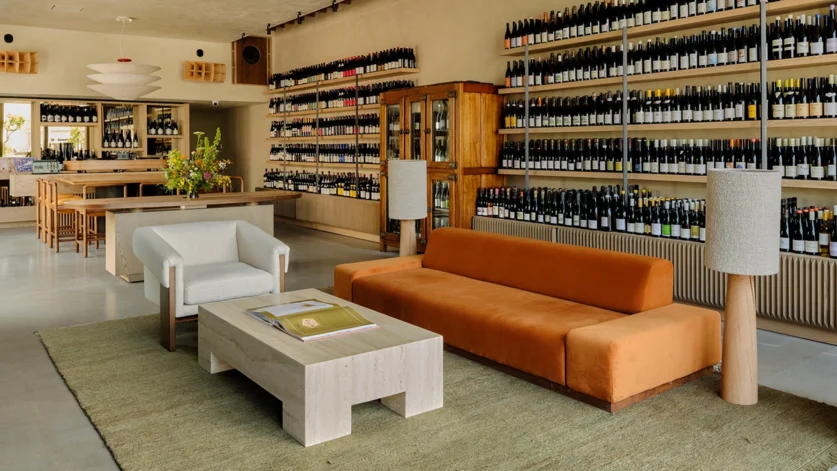
Thatcher Baker-Briggs is hoping that his new wine store in Los Angeles will take some of the intimidation out of shopping for your next bottle.
Thatcher’s Wine Brentwood, which opened Friday, is the first physical location for Baker-Briggs, the wine-world wunderkind who has more than 16 years of experience in Michelin-starred restaurants. As the go-to guy for oenophiles around the world, he’s been helping them build out their collections for years. Now he’s bringing his expertise to the neighborhood he calls home.
More from Robb Report
This Century-Old SoCal Home Was Built for a Telephone Industry Pioneer
A Lloyd Wright-Designed Home Is Up for Grabs Again in L.A. at $3.6 Million
A Wine-World Grifter Gets Two Years in Prison for Scamming N.Y.C. Oenophiles Out of $7 Million
“I want to create this experience where anyone can sort of walk in and get all of the good things about luxurious shopping but make it so that whether you’re buying a $20 bottle or a $2,000 bottle, you feel comfortable in that space,” Baker-Briggs told Robb Report.
Those two ends of the wine spectrum are represented here, with the front of the store highlighting more affordable bottles, in the $20 to $75 range. The back cellar, meanwhile, will have high-end and rare bottles for special occasions or serious drinkers. Whichever section you end up in, though, the experience is built with luxury at the forefront.
In particular, Baker-Briggs is bringing his Michelin experience to the retail world, with Thatcher’s Wine being billed as a “Michelin-style” wine shop. Some of the other employees also come from that rarefied fine-dining world, and while many associate Michelin with high prices, Baker-Briggs said that it’s really more about the service and level of care. Whether you’re popping in for five minutes and running out with a bottle, or sticking around for half an hour and leaving with a case, your experience will include the same attention to detail.
“I’m really quite excited for the entire west side of Los Angeles to be this place where there’s wine culture,” Baker-Briggs said. “People can walk in and learn something or find something that they’ve never heard of, take it home, open it, drink it, love it, and then get excited about it.”
The space, featuring warm wood tones and couches that invite you to take a seat and stay a while, will also host tastings and events. A custom hi-fi sound system will be put to good use, spinning soul, jazz, and Motown tracks. Eventually, Baker-Briggs would love to collab with people in the worlds of art, sports, and fashion. LeBron James and other celebs have homes in Brentwood, so the store is certainly well positioned to connect with those sorts of A-listers.
For now, though, Baker-Briggs is just excited about introducing unique people to unique wines—in a space that beckons you to step inside and have a drink.
Best of Robb Report
Why a Heritage Turkey Is the Best Thanksgiving Bird—and How to Get One
9 Stellar West Coast Pinot Noirs to Drink Right Now
The 10 Best Wines to Pair With Steak, From Cabernet to Malbec
Sign up for Robb Report’s Newsletter. For the latest news, follow us on Facebook, Twitter, and Instagram.
Hidden Gems: These Exceptional Rieslings Will Win Over Any Wine Lover
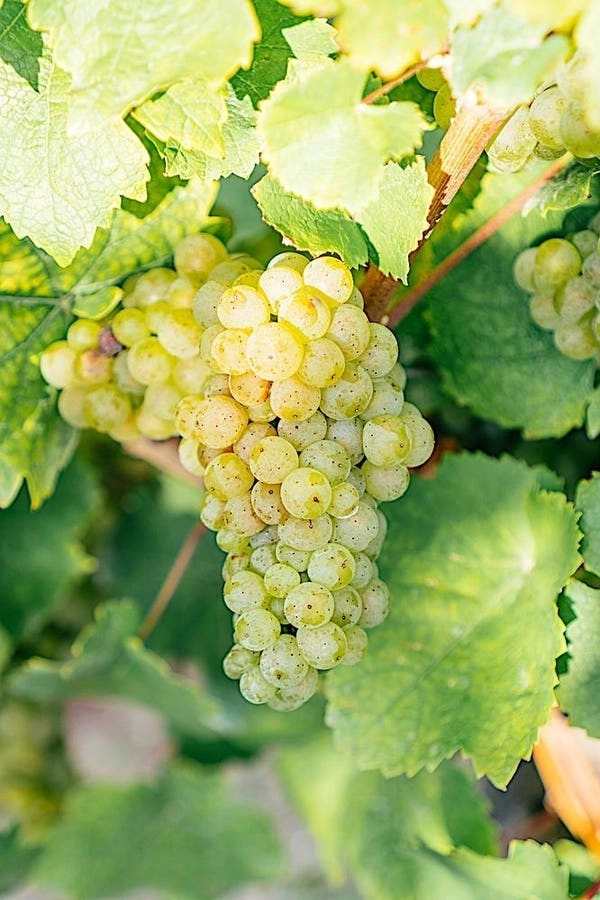
The Riesling grape originated in Germany and was usually vinified sweet.
For a grape that is planted in so many countries worldwide, few wine lovers rank Riesling as among their favorite varietals, instead naming whites like Chardonnay, even Pinot Grigio and Sauvignon Blanc ahead of it. Once appreciated for the very qualities that distinguished Riesling—its sweetness, richness and acid—today the sale of sweet wines (usually for dessert), even French Sauternes, has decreased in favor of what many perceive as more sophisticated dry varietals.
Those, like myself, who love Riesling claim the very expensive, caramel-sweet Germanic styles like Trockenbeerenauslese or American Late Harvest Rieslings are among the world’s greatest wines. The lighter, dry styles, called Trocken, introduced in the 1970s, have improved appreciatively as a white wine to be enjoyed with seafood. In Italy, California, New York, Oregon, Washington, Michigan, Texas, New Zealand, and Canada, there are some excellent dry examples.
KAYSERSBERG, FRANCE – OCTOBER 9: A worker selects the best grapes during the Riesling harvest in … [+] Domaine Weinbach winery’s Grand Cru Schlossberg vineyard on October 9, 2019 on the slopes above the village of Kaysersberg in the Alsace region of eastern France. Alsace has some 16,000 hectares (over 39,500 acres) of vineyards in 119 villages with over 2,000 growers producing their own wine and includes 51 Grand Cru AOC (Appellation d’Origine Contrôlée) on the steep foothills of the Vosges mountain range. The Alsace AOC rules require that variety-labelled wines be only a single type of grape from any of the Riesling (21.9% of overall production), Pinot Blanc (21.2%), Gewurztraminer (19.4%), Pinot Gris (15.4%), Sylvaner (7.5%), Muscat d’Alsace (2.3%) and other white grapes (2.4%) as well as the Pinot Noir (9.9%) red grape. (Photo by David Silverman/Getty Images)
Riesling probably originated in Germany’s Rhine Valley, and since Austria and Alsace were for so long German territory, it was natural for vignerons to plant the grape in their similar, dry, cool climates, where it is still the principal varietal grown. Some of the best known and best-selling German Rieslings estates (called Weinguts) include Trimbach; Albert Mann; Sclumberger; Hugel: Marcel Deiss: Robert Weil; Dr. H. Thanisch Bernkasteler; Joh. Jos. Prum Graacher Himmelreich; and Boxler.
I’ve enjoyed all of these, as well as American West Coast Rieslings. Those from California’s Mendocino Valley and Monterey are some of the best, including Kendall-Jackson and Jekel, and Washington State’s Château Ste. Michelle and Bonny Doon.
This line of wines from Oregon’s Willamette Valley is made by the German Loosen family.
New to me is Appassionata GG 2018 ($50) from the esteemed German Mosel Valley winegrower Ernst Loosen. The “GG” is Dr. Loosen’s term Grosses Gewächs (“great growths”), signifying a dry-style wine made with grapes from vines planted back in 1976 in the Chehalem Mountains in Oregon’s Willamette Valley. “Appassionata” means passion, and Loosen developed a powerful one when he saw Oregon’s future 30 years ago and opened a collaborative estate in 2005 with J. Christopher Wines, creating an epical line of wines under this label. The wine spent a long time on the lees and was fermented in a German oak cask for 12 months before bottling at 13% alcohol. The age of the wine is all to its benefit, creating harmony and nuance, mild spice, good for lake fish, shrimp, and cheeses.
I am among many who believe New York State makes some of the finest Rieslings in the world. Aldo Sohm, wine director at New York’s Le Bernardin and co-owner of Aldo Sohm Wine Bar, told me, “I do think it’s remarkable how the Finger Lakes wines of New York State have achieved such quality in so short a time, when Germany and Alsace have had hundreds of years’ experience with Riesling.”
Fred and Meaghan Frank are celebrating the late Dr. Konstantin Frank’s 125th birthday at the winery…
The prime examples come from New York’s beautiful Finger Lakes district, not least the pioneering wines of Dr. Konstantin Frank, an estate this year celebrating what would have been Frank’s 125th birthday on July Fourth. Frank brought Riesling to the region in the 1950s at a time when the varietals were mostly native labrusca or hybrids, usually fairly sweet. Dr. Konstantin Frank 2023 Dry Riesling ($18.99) is still made from the original vines, and current vintages are better than ever, certainly an option when you are tired of Sauvignon Blanc. In all those years this has been his signature Riesling, the very essence of the Finger Lakes style in its fine balance of fruit and citrus and ginger. I drank this the other night with pasta with wild mushrooms, and it was a glorious match.
Morten and Lisa Hallgren, from Denmark, founded Ravines winery on Keuka Lake in New York’s Finger Lakes.
I also recommend other Finger Lakes examples like Ravines Dry Riesling 2020 ($18) made by Morten and Lisa Hallgren. Morten, from Denmark, worked on his family’s French wine estate and later with Dr. Konstantin Frank. The winery is on Keuka Lake, with a 59-acre White Springs Vineyard whose soil is composed of loam over limestone. They are proud of the dryness of this Riesling, whose fermentation and aging occurs in stainless steel tanks, using only ambient yeasts. An excellent choice with trout or salmon.
Like most Finger Lakes wineries, Fox Run has tasting and store facilities.
Fox Run Vineyards 2022 ($18) has a lovely lemongrass component, using five different yeast strains. It was a small but intense vintage with the sugars built up during a hot summer, so ripening provided the fruitiness while the acids took time to counter them with refreshing mineral flavors. Winemaker Craig Hobadh was able to achieve a tonality very much in the Finger Lakes style. Good to drink as an apéritif or with vegetable dishes, even asparagus.
From Long Island’s North Fork I’m impressed by the estates Paumonok, Martha Clara Vineyards, and Wolffer. Paumonok, located on the north shore of Long Island, NY, sells its wines online, and the Semi-Dry Riesling 2022 ($24) is a perennial favorite. It has sweet fruit flavors but enough acidity to make it ideal with spicy Asian foods with the same components, like Peking duck, Gen Tsao’s chicken, and barbecue with a glaze. It’s 9.5% alcohol.
Messina Hof is an award-winning Texas winery whose Riesling is one of many varietals produced.
Messina Hof is an award-winning Texas winery that produces a wide variety of wines. Paul Vincent and Merrill Bonarrigo founded the estate in 1977, using Texas grapes when other state wineries shipped theirs in from other regions. The current production is over 200,000 gallons and can even be bought in Japan. Their Off-Dry Riesling 2023 ($25), with its labels annually created by Texas artists, is made in the Texas High Plains. It is indeed semi-dry (rather than semi-sweet), but the hint of sweetness makes it a good choice to enjoy with desserts like apple pie or mild cheeses like Gouda.
One Community. Many Voices. Create a free account to share your thoughts.
Our community is about connecting people through open and thoughtful conversations. We want our readers to share their views and exchange ideas and facts in a safe space.
In order to do so, please follow the posting rules in our site’s Terms of Service. We’ve summarized some of those key rules below. Simply put, keep it civil.
Your post will be rejected if we notice that it seems to contain:
User accounts will be blocked if we notice or believe that users are engaged in:
So, how can you be a power user?
Thanks for reading our community guidelines. Please read the full list of posting rules found in our site’s Terms of Service.
How a U.S. Couple Rescued a Small Champagne House and Created Stellar Bubbles
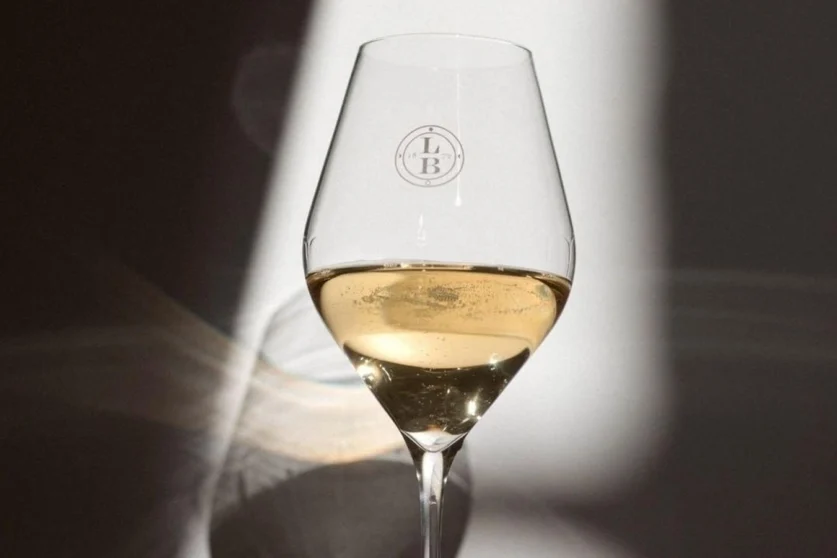
Cover Glass of Champagne Leclerc Briant
Soft light started to brighten the enchanting snow-covered slopes, causing them to shimmer with hints of sparkles that were seen throughout the entire majestic landscape. Even though children can imagine magical worlds in the most common places, this little girl living within this winter wonderland, who grew up on her family’s ski resort in Seven Springs, Pennsylvania, didn’t have to imagine magic as she witnessed it every day. She understood the valuable lesson of working to create the ideal escape for her family’s guests who needed refuge from the daily grind of their lives.
Ski village
The girl, Denise Dupré, grew up wanting to find her own way, first going through the rigors of higher education by attending Dartmouth College and later Cornell University; despite studying hospitality management, she carved out an independent way by going into advertising. Fate had other plans for her though, as she was assigned to a major restaurant chain and it only intensified her passion for hospitality and her intense drive to give people “life-changing” moments created by places, food and wine. She then worked for a hotel consulting firm and taught hospitality management at prestigious universities such as Boston University and Harvard.
Denise Dupré and Mark Nunnelly
Denise Dupré married Mark Nunnelly, who is not only the former managing director of the private equity firm Bain Capital but also has the same passion for the unwavering dedication to hospitality that Denise had built her life on. He also shares her love for incredibly soulful wines that can transport one to a better world.
It is not surprising that if Denise and Mark were drawn to wines that could transport the drinker, they would adore Burgundy wines. That adoration led them to buy the Clos de la Commaraine estate in the Burgundy village of Pommard, with a historic monopole vineyard around nine acres. But they also have great affection for the bubbles of Champagne and were in a position to purchase a tiny, pioneering Champagne house, unknown to the U.S. as it was mainly consumed in France. It was in danger of being taken over by a large conglomerate company that would most probably disregard the name of the Champagne house – a family name that has made Champagne wines for over a century, since, in global marketing terms, it had very little worth.
But the house’s name, Champagne Leclerc Briant, has tremendous value to Denise, who understands what a family sacrifices to build a business whose sole purpose is to give life-altering experiences, assuring there is no compromise on quality. As she delved into the history of Leclerc Briant, she realized that the fourth generation of the estate, Bertrand Leclerc, had been employing organic practices since the 1960s, which was extremely rare in Champagne during that time, and even further, he produced single vintage, single vineyard bottlings of Champagne in the 1970s, another unorthodox choice. His son, Pascal Leclerc, was one of a few pioneers in the Champagne region to use biodynamic practices, starting in 1990.
“`html
Hervé Jestin
Pascal Leclerc passed away in 2010, and the transition was complicated with the next generation as considerable taxes were due and his children did not have the financial resources. Of course, they knew that a much bigger company would swoop in as they were desperate – so desperate that they would be forced to end their family’s legacy. But fate was on their side as Denise and Mark completely fell in love with Champagne Leclerc Briant, and they would do everything in their means to not only live up to the Leclerc legacy of generations before but allowed the estate to live up to its full potential, beyond the family’s wildest dreams. And so, Frédéric Zeimatt was brought on as general manager, having 20 years of experience at one of Champagne’s top houses, and Hervé Jestin became chief winemaker, a man described as “one of Champagne’s best winemakers” by wine critic and Champagne expert Peter Liem.
Champagne Leclerc Briant vineyards
Hervé Jestin’s theories about biodynamics can even seem mysterious to other winemakers who practice it as it is challenging to understand concretely how he is getting such brilliant results in the bottle. Pierre Baptiste Jestin, Hervé Jestin’s son, who is the director of operations at Champagne Leclerc Briant, talked about his father’s focus on “bioenergy” in terms of considering how it relates to biodynamic practices and the concept is to recognize that nature is perfect and people feel the power of that perfection when they are in nature. And so, Hervé Jestin’s aim, according to his son, is to “wake up a deep emotion” when the Champagne wines from Leclerc Briant are drunk because it evokes an all-consuming feeling that transports the drinker to the experience of being surrounded by such perfection. But there is no training manual for producing bioenergetic wine, and he has been on a mission to carve out a road that doesn’t exist.
“`
Champagne Leclerc Briant bottles being taken out of the sea
Significant work was being done in the vineyards of Leclerc Briant when it came to growing grapes containing a tremendous amount of bioenergy. Still, Hervé knew there needed to be a lot more work in the winery to increase this energy from Mother Nature. Despite biodynamic practices being mainly rooted in the vineyards, Hervé Jestin has spent over a quarter of a century working with biodynamic principles in the winery and he is considered to be a leading expert when it comes to using the practices in this way. For example, he has been aging Champagne Leclerc Briant bottles in the sea, below, around 200 feet deep, and since there is “a permanent water dynamization,” he claims, the energy in the bottle is 30% more than the same bottle that has been aging in their cellar. He also used a stainless steel barrel lined with gold to increase solar influence during the first fermentation. And there have been many experiments and many more to come.
Glass of Champagne Leclerc Briant
Denise Dupré has already laid down an impressive legacy with her incredible career but it was far from complete; if anything, it was a new beginning as she and her husband not only purchased two historic wine estates but she also founded Champagne Hospitality, a design and development venture dedicated to redefining luxury travel, incorporating sustainability and innovation as she understands that needs to be the future for European wine regions that do not have the hospitality infrastructure such as a Napa Valley. She has also ensured that each hotel and vineyard contributes to their local communities by uplifting the people and economy as well as protecting the environment.
And she couldn’t find a better chief winemaker than Hervé Jestin who has four decades of working with Champagne wines, the first half with a big house and the second half on his own as one of the most respected specialists of biodynamic winemaking working with a range of Champagne houses. But with Champagne Leclerc Briant, he has been able to reach for the stars as Denise and her husband always tell their team that their ideas are not big enough, that they shouldn’t be afraid to think beyond what they didn’t think is possible. And so, a historic Champagne house about to fade into obscurity is now one of the most exciting projects watched closely by Champagne experts and connoisseurs alike.
An excellent partnership between two extraordinary people who, instead of thinking that their time shaping the world has ended and stepping to the side, decided to come more front and center with their wealth of experience and knowledge. “Transformative power,” as Denise states, comes from the combination of passion, power, and perseverance, and the wines of Leclerc Briant are already starting to transform how consumers and experts view the multifaceted potential of Champagne.
NV Champagne Leclerc Briant
Champagne Leclerc Briant owns 24.7 acres of vineyards that are all organic and biodynamic. They are situated between the Premier Cru villages of Cumières, Hautvillers, Mareuil-sur-Aÿ, Bisseuil in the Vallée de la Marne, Villers-Allerand and Rilly la Montagne in Montagne de Reims, and the Grand Cru village of Le Mesnil Sur Oger in the Côte des Blancs. Leclerc Briant also holds long-term contracts with another 19.7 acres of organically farmed vineyards.
NV Champagne Leclerc Briant, Réserve Brut: Even though they label this Champagne as a Non-Vintage Réserve Brut, it is entirely from the 2018 vintage with only 4.5 grams per liter of residual sugar (g/l rs), technically making it an Extra Brut as it has less than 6g/l rs making it drier than a typical Brut. But they want it to be positioned in the market as a Non-Vintage Brut since that is the most popular category. Hervé Jestin has chosen only a single vintage for all their selections since he wants the bioenergy from a particular moment in time to be captured from the vineyards. 40% Pinot Noir, 40% Pinot Meunier and 20% Chardonnay. An exquisite array of aromas with blood orange zest, strawberry tart mingled with hazelnuts and crushed limestone with gentle bubbles that caress the palate with a touch of creaminess.
2017 Champagne Leclerc Briant, Le Clos des Trois Clochers
2017 Champagne Leclerc Briant, Le Clos des Trois Clochers Single Vineyard, Brut Zéro: 100% Chardonnay with only 1g/l rs from the Le Clos des Trois Clochers vineyard located in the Premier Cru village of Villers Allerand. This vineyard is located in the red grape dominant area of Montagne de Reims, and so, a 100% Chardonnay, a.k.a. Blanc de Blancs, is very rare, and Hervé Jestin wanted to show the expression of this terroir, sense of place, through the Chardonnay grape. This is a wonderfully voluptuous wine with expansive, rich stone fruit flavors intermixed with baking spices and hints of croissant laced with an intense minerality that brings elegance to this richness with a fierce vibrancy along the highly expressive finish.
2018 Champagne Leclerc Briant, Les Monts Ferrés
2018 Champagne Leclerc Briant, Les Monts Ferrés Single Vineyard, Extra Brut: 100% Chardonnay with only 1.4g/l rs from the Les Monts Ferrés vineyard located in the Premier Cru village of Vertus. This 100% Chardonnay is from the cooler area of Côte des Blancs, which is known for mainly Chardonnay plantings, unlike Montagne de Reims. This vineyard is located in a particular area named the “Iron Hills” because the soil is chalky like much of the Champagne region but it contains a large amount of iron. Lots of tension and electric energy with lots of saline minerality with very fine notes of white flowers and lemon confit with a touch of pastry cream that has a great drive along the extraordinarily long and expressive finish with mouthwatering, racy acidity.
NV Champagne Leclerc Briant, Extra Brut Rosé
NV Champagne Leclerc Briant, Extra Brut Rosé: 93% Chardonnay from Chouilly and Montgueux and 7% Pinot Noir from Les Riceys in the Aube, entirely from the 2019 vintage with 3.5g/l rs. Bursting with so much delicious life as raspberry coulis, white cherries and orange blossom intermingled with almond cookies and a creamy body that turned the fine bubbles into silky ribbons with lively acidity and lots of vitality.
One Community. Many Voices. Create a free account to share your thoughts.
Our community is about connecting people through open and thoughtful conversations. We want our readers to share their views and exchange ideas and facts in a safe space.
In order to do so, please follow the posting rules in our site’s Terms of Service. We’ve summarized some of those key rules below. Simply put, keep it civil.
Your post will be rejected if we notice that it seems to contain:
User accounts will be blocked if we notice or believe that users are engaged in:
So, how can you be a power user?
Thanks for reading our community guidelines. Please read the full list of posting rules found in our site’s Terms of Service.
Modesto Monastery Wins Top Prize for Exceptional Wine: Insights from a Local Columnist
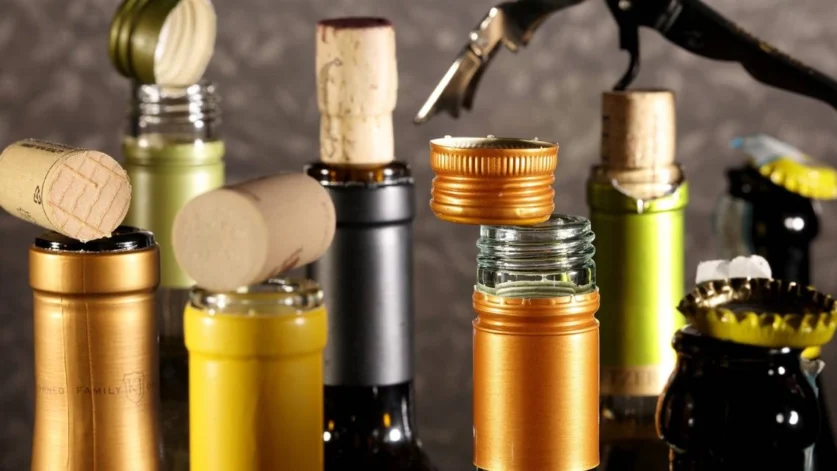
New Clairvaux Vineyards, situated in the small town of Vina, is the premier Trappist-Cistercian Monastery in America to cultivate and produce its own wine. Teaming up with the local Sunseri family, they planted vineyards in 2000, with the inaugural wine debuting in 2003.
This year, at the California State Fair Wine Competition, New Clairvaux Vineyard was honored with a Golden Bear award for their 2023 James Block Moschofiero, which scored 99 points and received Double Gold, Best of Show White. They achieved the same Best of Show White last year, plus their initial Golden Bear with another Greek variety, Assyrtiko.
A second Golden Bear was awarded to their 202 corresponding to their 2023 Poor Souls Block Barbera Rose, which won Best of Show Pink, along with 99 points and Double Gold. Additionally, the vineyard claimed four more Double Gold medals with 99 point scores each. Due to these consistently high scores, New Clairvaux Vineyards was named “Golden State Winery of the Year” receiving their third Golden Bear award.
The other three Best of Show/Golden Bear awards were picked up by: Best Sparkling Wine going to NV Extra Dry Korbel; Best of Show Red by San Simeon 2020 Cabernet Sauvignon; and Best of Show Dessert by the Rancho de Philo Triple Cream Sherry. In sum, out of nearly 2,000 wines entered, three of the six most prestigious awards went to the Trappist-Cistercian Monastery at Vina in Tehama County. A toast to New Clairvaux Vineyards! The winery welcomes visitors daily from 11 a.m. to 5 p.m. without the need for an appointment. For more details, visit www.newclairvauxvineyard.com.
The Navigator and I have been proud members of ZAP, which means Zinfandel Advocates and Producers, for over 30 years. As part of this group, we actively support the preservation and celebration of Zinfandel, an essential part of our wine culture. Through our membership, ZAP can continue its valuable work in Zinfandel research, education, and the conservation of historic vineyards. Each member receives a one-year Passport to Zinfandel granting complementary tastings at numerous ZAP wineries and discounts on event tickets. We stay informed with regular updates about activities and educational content on Zinfandel. Don’t miss out on the Summer Zinfandel Celebration taking place on July 13 at Peachy Canyon Winery in Paso Robles. Memberships start at only $50 annually. Consider joining before the ZinEx Celebration in San Francisco this January, an event that highlights the remarkable qualities of Zinfandel – it’s what initially inspired us to join in the 1990s. With your support, Zinfandel continues to thrive as a globally recognized wine across all major Californian viticultural areas. For more details, visit www.zinfandel.org.
Living remotely limits our access to a wide variety of wines, often restricted to what’s available on our local supermarket’s wine shelves. Here are some exceptional values and award-winning wines from the 2024 California State Fair. Look out for SEAGLASS’s 2021 Cabernet Sauvignon and 2022 Sauvignon Blanc. Another notable mention is the Best of Show NV Korbel Extra Dry Sparkling. Bogle Family Vineyard also impresses with their 2022 Sauvignon Blanc, 2021 Cabernet Sauvignon, and 2021 Pinot Noir. You should consider seeking out the 2021 Matchbook Red Gravel Cabernet Sauvignon, and Coppola’s 2021 Claret and 2022 Pinot Noir. Stay tuned for more top picks in the next Wine Line. Cheers!
Questions? Comments? You can reach me at rgwinton@yahoo.com.
Uncorking the Versatility: Why Sparkling Wine is the Perfect Pair for Any Dish
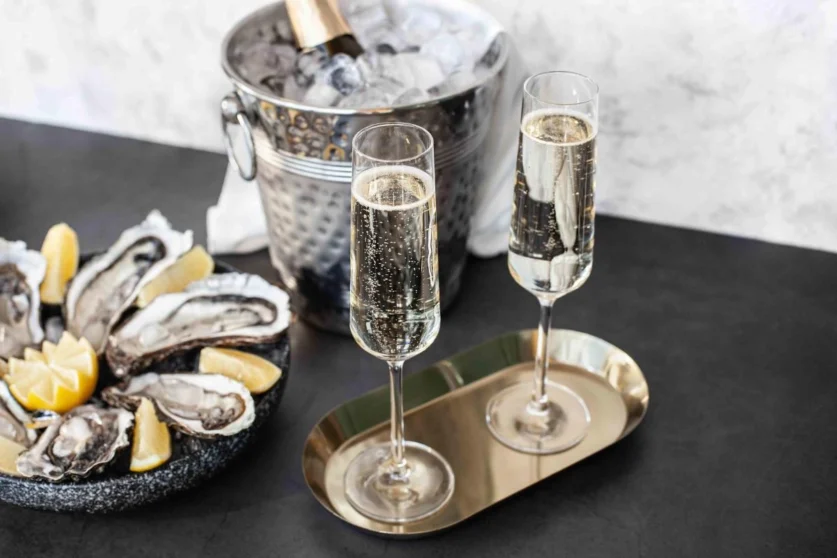
Versatile and food-friendly, pop the bubbly for any occasion.
Shvaygert Ekaterina / Shutterstock
Sparkling wine is far more versatile and food-friendly than conventional pairing wisdom lets on. Have you ever had a blanc de blanc Champagne with crispy fried chicken, washed down Italian mortadella with a frosty glass of Prosecco, or paired your New York slice with a sparkling ruby-hued Lambrusco?
Amanda McCrossin, a sommelier and host of the Wine Access Unfiltered podcast, is a keen advocate for popping corks when considering food pairings.
Related: A Case for Pairing White Wine With Beef
“Sparkling wine isn’t a one-size-fits-all category,” says McCrossin. “Like any other category of wine, sparkling wine is made all over the world and laden with choices that can work with various facets of our lives.” McCrossin will be hosting a session on pairing sparkling wines with everything at the Food & Wine Classic in Aspen this year, and pouring a variety of bubbles to help make her case.
McCrossin likens picking out a sparkling wine to planning out an outfit.
“You’ll quickly discover that Prosecco and Champagne, like pajamas and a cocktail dress, were destined for different things. Treat them accordingly,” she says. “You wouldn’t wear a cocktail dress to a football game or don pajamas to a work event.”
“[Prosecco] is the ultimate aperitivo wine — easy to drink and lovely to sip with food, especially the snacky kind,” continues McCrossin. “It isn’t built for long aging so it’s meant to be consumed in the moment. It isn’t meant to be taken seriously.”
McCrossin points to at the ancestral home of Prosecco, the Valdobbiadene region of Italy, and how the sparkling wine is enjoyed there. “Prosecco is consumed like water,” she says.
Pour Prosecco in carefree situations, alongside weekend lunches and seasonal salads, with snack dinners and grazing platters, or paired with Italian dishes like farinata or crispy gnocchi. Have a few glasses left in the bottle? Lend the leftovers to your pre-dinner aperitivo or post-dinner digestivo.
“Champagne demands a higher degree of attention when it comes to serving,” explains McCrossin.
She often matches Champagnes with more complex dishes. “Due to its complex aromatics and flavor profile, along with its aging potential, Champagne pairs well with a range of foods—from various cheeses to sophisticated dishes like scallops and lobster,” she details.
Similar to the overall category of sparkling wines, Champagne exhibits a wide range of variety, defying a uniform serving strategy.
Extra brut wines are a delightful match for salty or briny dishes like oysters, sushi, or even crispy, fried foods. The distinct mineral quality of a blanc de blancs shines when partnered with traditional favorites like caviar or crispy fried chicken. Older Champagnes, featuring notes of yeast, hazelnuts, and crème brûlée, complement foods like slices of Comté cheese or mac and cheese. McCrossin also enjoys pairing brut rosé Champagne, especially from Laurent-Perrier, with hearty, rich meat dishes.
If Champagne is beyond your budget, consider Cava and corpinnat. These Spanish sparkling wines are produced in the traditional method of Champagne and often share its characteristics but are more economical.
“The acidity of the wine should match or exceed that of the food it accompanies. Given Champagne’s high acidity, it’s nearly impossible to find a dish with which it doesn’t pair beautifully.” —Amanda McCrossin, sommelier and host of the Wine Access Unfiltered podcast“
McCrossin emphasizes one crucial principle in pairing sparkling wines with dishes. The wine’s acidity needs to be as intense as, or more so than, the food it’s intended to pair with. Considering the high acidity of Champagne, it’s a versatile choice that aligns well with virtually any dish.
However, McCrossin does advise to not overthink it too much. “Pairings don’t have to be fancy,” she says. “I love Champagne with potato chips — high fat and salt content goes brilliantly with sparkling, and even just a handful of nuts.”
Beyond stalwarts like Champagne and Prosecco, excellent bubbles can be found around the world. In England, producers like Wiston, Chapel Down, and Hattingley Valley lean into the region’s signature chalky soil, similar to those found in Champagne. Pair these bottles with fish and chips or British cheeses.
In South Africa, producers leverage the traditional méthode cap classique process to make Champagne-like wines that showcase South African terroir. Open a bottle to cut the costly fat of fried food — croquettes, arancini, or Southern-fried mushrooms.
Lambrusco, a deep red frizzante produced in Italy is perfect for pizza or anything covered with tomato sauce.
Then there’s pétillant naturel, made using the ancestral method, meaning, it’s bottled during the first fermentation, and one of the oldest styles of sparkling wine. Pét-nats are made all over the world from any grape variety, so there’s no typicity — many are wild and slightly fizzy, but beyond that, they can be bready, savory, and golden orange. This style of wine can also be cloudy, acidic, and the color of sunshine, or rich and rosy. Pairings can range from roast chicken to tinned fish or spicy Thai dishes.
But the most fun way to find out what works best? Try everything you can.
For more Food & Wine news, make sure to sign up for our newsletter!
Read the original article on Food & Wine.
Harmony Wine Walk: A Toast to Community and Support for the Local Library

HARMONY — Cool drinks, a light breeze and summer sun shined on the sold-out Harmony Wine Walk on Saturday, June 8, making it a successful fundraiser for the Zelienople Area Public Library.
With 14 alcohol vendors and several others selling food and other items, event coordinator Bekah Regan said they were expecting a fun, friendly evening around the historic town.
“The town of Harmony is really lovely to walk around, I think that’s the allure,” she said, saying they sold 450 tickets for the event. “And it’s all for the library, I think that’s a big draw for people.”
Regan said they raised around $19,000 during the eighth annual event.
Groups of people mingled together, exploring the towns streets in search of the boozy booths.
The walk is a yearly outing for sisters Stephanie Gordon, of Harmony, and Heather Tatton, of Pittsburgh, who confessed they arrived to the event later than expected.
“We actually bought the extended tickets, but forgot to come early,” Gordon laughed. “We both said, ‘It’s OK, it’s a donation.’”
Both said they were happy to support Zelienople’s library.
“We’re huge readers,” Tatton said. “It’s a great idea, I hope it (raises) a lot of money. It’s such a cute town.”
Vickie Dellaquila, of Jackson Township, said she and her friends are part of a neighborhood wine club, and were excited to attend the walk together.
“I would say we’re kind of connoisseurs,” she said. “We get together and try wines and cheese once a month while our husbands play poker.”
Donna Weston was part of the group, and said she was excited to be there.
“I’m a frequently at the library, so I feel this is a positive thing to give a contribution in support of them,” she said.
Stacie Schneider, of Zelienople, said she was eager to support the library since her nephew is always taking part in their programs.
“My sister has an 18 month-old, he’s into all the books and programs there, so I’m happy to be supporting it.”
She added that she was impressed by a jalapeno wine she tasted.
“I came last year,” she said of the walk. “It’s just a great selection, lots of vendors.”
Overall, Regan said the fundraiser does just as much for the borough as it does for the library.
“Our goal is to sell out tickets and have a good time, and introduce people to the town of Harmony,” she said.