Wine 1106
Now, get acquainted with one of the world’s leading water sommeliers after being familiar with a wine sommelier.

Victoria, British Columbia, is a city that defies categorization. Nestled on the southern tip of Vancouver Island, this tranquil harbor town is a sanctuary for those seeking refuge from the relentless march of time. Its rich history, a blend of indigenous roots and colonial influences, is evident in its Victorian-era architecture and timeworn streets. But don’t be fooled by its venerable façade – Victoria is a city that constantly reinvents itself, a hub of innovation and culture.
Delta Hotels by Marriott Victoria Ocean Pointe Resort, located on the downtown waterfront, is a prime example of Victoria’s ability to embrace the new while honoring its past. As part of the Marriott Bonvoy portfolio, Delta Hotels by Marriott offers a grand and charming experience for guests, with a focus on delivering the essentials while eliminating unnecessary clutter. Recently, the hotel partnered with waterdrop, a hydration brand based in Vienna, Austria, to introduce a complimentary hydration program aimed at promoting healthier, longer, and more sustainable lives.
Waterdrop offers sugar-free, flavored cubes that dissolve in water, infusing it with fruit and plant extracts and essential vitamins. With a variety of options to choose from, such as Boost, Focus, and Glow, waterdrop caters to the discerning palates of its customers. But it’s not just about taste – these cubes are designed to enhance the water-drinking experience while minimizing packaging and reducing CO2 emissions during transport by an impressive 98%. As an added bonus, waterdrop has teamed up with Plastic Bank, pledging to collect one plastic bottle for every 12-pack sold.
To further elevate the experience of water, waterdrop has partnered with renowned water sommelier Candice Jansen. With a passion for education and a mission to change people’s perceptions of water, Jansen is on a quest to make water more interesting and create a community where water is a topic of conversation.
In a recent interview with Jansen, she shared her journey to becoming a water sommelier and the importance of water education. Growing up, she felt the pressure to have her life figured out by the age of twenty, but soon realized that no one truly has it all figured out. It was her realization that water was often overlooked and regarded as uninteresting, despite its vital importance, that led her to pursue a career in water education.
While many are familiar with wine sommeliers, the role of a water sommelier is less known. Jansen explains that while wine is selective, water is universal. A wine sommelier educates on the nuances of different wines and helps customers find the perfect pairing, while a water sommelier focuses on the complexities and intricacies of water itself.
Victoria, with its blend of old-world charm and new-age innovation, is the perfect setting for a program like waterdrop’s hydration initiative. By embracing the simple act of drinking more water and making it an enjoyable experience, Victoria continues to revel in its delightful absurdity – a place that defies categorization and invites exploration.
The pressing issue of water conservation is something that needs to be addressed urgently. As a water sommelier, it is my duty to educate people about the importance of water and how it can change the world. Water is often taken for granted, especially when it comes to dining. However, the choice of water can greatly impact the overall dining experience, and it is important for diners to pay more attention to it.
Restaurants usually offer a variety of cocktails and alcoholic beverages, but only one type of water. This needs to change. Water should be embraced as more than just a basic necessity. By understanding the taste and quality of different waters, diners can elevate their dining experience to a whole new level. Just like wines and foods, different waters can be paired to enhance the flavor profiles of other beverages and gastronomy experiences.
Designing a water menu is a unique challenge for chefs and sommeliers. It requires drawing inspiration from various sources and considering the context of the dining experience. A water menu is curated to provide a unique experience for diners. Different tasting natural waters are sourced for their unique mineral profiles, and tasting notes are provided for each option. Recommended foods and pairings are also included to enhance certain dishes. The origin of each water is highlighted, adding to its story and value. Pricing is set based on rarity, source, and production costs. It is crucial to train the waitstaff on everything water-related, so they can introduce the water menu and answer any questions diners may have.
Certain types of water pair particularly well with specific cuisines or dishes. Low mineral waters can be paired with more subtle flavored foods, while higher mineral waters can be paired with saltier dishes. The possibilities are endless, and water can even be contrasted with certain dishes. Dessert wines can be paired with effervescent waters, creating a unique and delightful combination. Through my experience, I have had the opportunity to impress clients with food and water pairings where nobody feels like the wine is missing.
To educate people, clients, and restaurant staff about the nuances of different waters, it is important to organize water tastings. This allows individuals to experience the taste of water for themselves and realize that it actually has flavor. Water tastings are always met with delight, shock, and enthusiasm. Restaurants and chefs can book water master classes with me to explore this world and enhance their dining experience for their guests.
While offering diverse water options is important, it is also crucial to balance it with sustainable practices. I always recommend that restaurants have a local water option, or multiple options, that are sourced sustainably. This can be supplemented with other tasting waters for a unique experience. By incorporating eco-friendly water choices and promoting water conservation, restaurants can make a positive impact on the environment.
In conclusion, water is not just a basic necessity, but a vital element that can enhance dining experiences and change the world. By educating people about the nuances of different waters and promoting water conservation, we can create a more sustainable future. It’s time to make water matter in our lives and in the dining industry.
Diving into the World of Water in Business Operations
Water wastage is a significant concern in today’s environment, and it’s not just limited to the water itself. This issue applies to every aspect of business operations. Let’s explore some strategies to minimize water wastage and how the quality of water impacts the dining experience.
One common practice in many restaurants is serving water without the patron asking for it. Unfortunately, this often leads to leftover water being thrown away. A simple solution to this problem is to only serve water when requested. By adopting this approach, we can significantly reduce water wastage right from the start.
Now, let’s talk about filtration and purification. The quality of water, including its mineral content and purity, plays a crucial role in determining the taste and texture of a dining experience. In some countries, the terms filtration and purification are used interchangeably, while in others, they have distinct meanings. Personally, I believe that filtration and purification are different processes.
Filtration involves removing chlorine, contaminants, and sediment from water while keeping the essential minerals intact. On the other hand, purification aims to eliminate all possible contaminants and minerals, resulting in water with zero nutritional value unless remineralized. Bottled water, for instance, undergoes filtration to remove sediment while preserving its mineral composition.
When it comes to tap water, filtering it is ideal to enhance taste, eliminate chlorine, and ensure safer water. The removal of chlorine from water prevents it from interfering with the flavors served by the restaurant. Filtering tap water before using it for making ice or serving customers is a good practice to ensure better tasting tap water.
As for bottled water, I recommend that restaurants offer only natural water options. Natural water from different sources provides unique tastes and mineral contents. These waters are not only flavorful but also nutritious due to their mineral content. Flavored water, on the other hand, is technically not water. These beverages are artificially created, unlike natural water, which retains its original mineral composition, flavor, and taste.
In recent times, there has been a trend towards sparkling, still, and flavored waters. However, a water menu should always focus on natural water selections. However, for a more varied and innovative experience, a sober bar can experiment with adding flavors to water to create unique water-based cocktails and experiences. It’s worth noting that some waters are naturally carbonated, where both the water and CO2 are naturally present at the source.
Looking ahead, as we explore new culinary horizons and sustainable practices, the role of water in dining will continue to evolve. It encompasses various components such as education, relativity, new experiences, acceptable water practices, and changing ideas. Ultimately, they all come together to give water emotional value.
Water is not just the responsibility of a few; it is everybody’s business. We must protect and appreciate water, even if we don’t fully understand its complexities. Let’s make conscious choices in our businesses to ensure sustainable water practices that benefit both the environment and the dining experience.
With simple ingredients that you already possess, you are able to create red wine vinegar.

Discover the Magic of Homemade Red Wine Vinegar###
Vinegar is an unsung hero in our pantry, often overlooked but incredibly versatile. It adds a bright acidity to dishes and is an essential ingredient in many recipes. While it’s easy to pick up a bottle from the store, making your own red wine vinegar is a rewarding and simple project that allows you to have complete control over the ingredients.
Contrary to popular belief, you don’t need any fancy equipment or spend extensive amounts of time. All you need is a jar and a bit of patience. To start, you’ll need red wine and a small amount of unpasteurized vinegar. The name “vinegar” itself comes from the French words “vin” (wine) and “aigre” (sour), reflecting its origins in fermented alcoholic beverages. Various types of vinegar, like red wine vinegar, champagne vinegar, and rice wine vinegar, are named after the alcohol they begin with. For instance, apple cider vinegar is made from hard cider, while distilled white vinegar is derived from flavorless grain alcohol. Acetic acid bacteria, naturally present in the alcohol, transforms it into vinegar. When vinegar isn’t pasteurized, the bacteria remain in the bottle, ready to start a new batch.
To start your homemade red wine vinegar journey, you’ll need a bottle of unpasteurized vinegar and a good-quality bottle of red wine. Look for unpasteurized vinegar labeled “contains the mother” at your local store. It’s important to choose a wine that you would enjoy drinking since its flavors will contribute to your final vinegar. While there are many great affordable wines available, you want to ensure the wine is not poor quality.
Once you have your supplies, clean a half-gallon jar thoroughly. Pour the wine into the jar, along with two cups of water and half a cup of vinegar. The addition of water brings down the alcohol percentage to a level conducive to bacterial activity. Shake or whisk the mixture to introduce enough air for the bacteria to thrive. Loosely cover the jar with a paper towel and secure it with a rubber band to prevent contamination while still allowing air circulation. Now, you let nature work its magic. Keep the jar at room temperature and let the starter from the vinegar do its thing.
After about eight weeks, you can give your homemade vinegar a taste. If you’re happy with the flavor, transfer it to a pretty bottle for storage. If you prefer a more sour taste, you can let it sit for another two weeks. If you want to add some extra flair, you can infuse your finished vinegar with a sprig of rosemary, black peppercorns, or crushed berries.
One interesting aspect of making your own vinegar is the solid piece of vinegar mother that is left behind in the jar. This “mother” is an accumulation of acetic acid bacteria and can be used as a starter for your next batch of vinegar. Simply add wine and water to the jar, and let the magic happen again.
By making your own red wine vinegar, you not only have full control over the ingredients and flavor but also gain a deeper appreciation for this underappreciated pantry staple. So why not embark on this easy and rewarding project? Your taste buds will thank you.
(Source: Adapted from Tasting Table)
Instead of selecting wine based on its taste, one may opt for choosing it based on its origin.
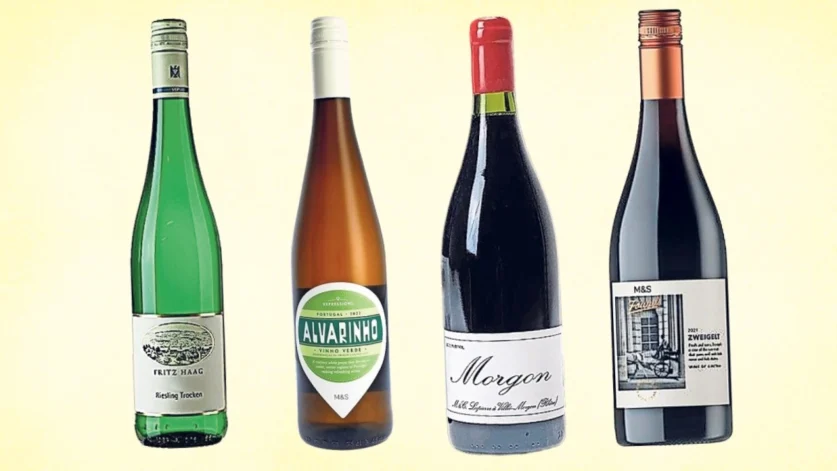
it is produced. This idea of terroir has long been a fascination for wine enthusiasts, as it adds another layer of complexity and individuality to the drink.
But what if I told you that there is a wine that encompasses all of these elements – taste, sustainability, and terroir – without breaking the bank? Enter natural wines.
Natural wines, for those who may not be familiar, are wines that are made with minimal intervention. This means using organic or biodynamic grapes, allowing wild yeasts to ferment the juice, and avoiding the use of added sulphites or other chemicals.
The result? Wines that not only taste delicious but also have a distinct sense of place. When you take away the additives and manipulations, you are left with a wine that truly reflects the unique characteristics of the vineyard and the surrounding environment.
For those who value sustainability and the health of our planet, natural wines are a no-brainer. By choosing wines made with organic or biodynamic grapes, you are supporting farmers who prioritize the health of their land and work towards a more regenerative agriculture system. Additionally, by eliminating the use of added sulphites and other chemicals, you are reducing your carbon footprint and minimizing the impact on the environment.
But what about taste? Can a wine that is made naturally really compete with its conventional counterparts? The answer is a resounding yes. Natural wines have gained a reputation for their vibrant flavors, unique aromas, and overall drinkability. Because they are made with minimal intervention, the flavors of the grapes and the terroir are allowed to shine through, resulting in wines that are alive and expressive.
So, next time you find yourself in need of a recommendation for a “nice wine”, why not give natural wines a try? Not only will you be supporting sustainable and environmentally-friendly practices, but you will also be treated to a wine that truly embodies the essence of its origin. Cheers to that!
Tasting Table Readers Will Decide Whether You Would Prefer Drinking Wine in a Napa Vineyard or a Paris Vineyard.
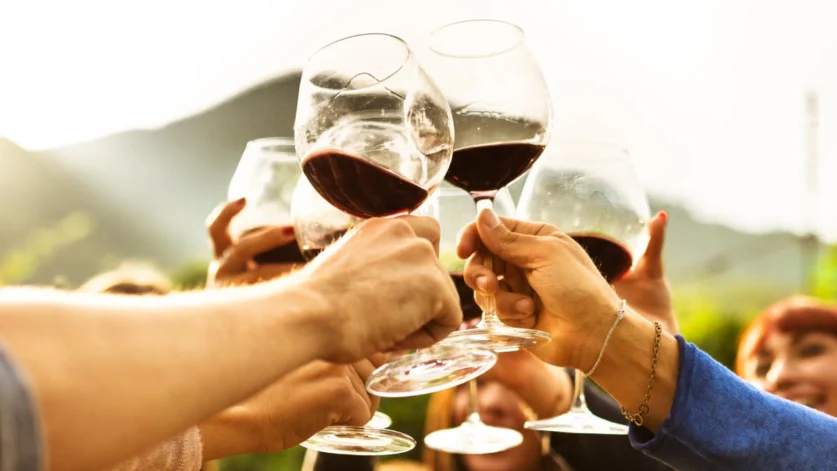
In 2018, there were approximately 3.85 million visitors who travelled to Napa Valley, making it one of the top wine destinations in the world. Not only that, but it played a significant role in helping California recover its tourism levels in 2022 to pre-pandemic levels. Clearly, Napa Valley is a popular spot for wine enthusiasts in the U.S. However, despite its reputation, it’s not the oldest wine region around. That title goes to Paris, where winemaking dates all the way back to 276.
To get a better understanding of people’s wine preferences in 2023, we decided to poll our Facebook followers and asked them whether they would rather enjoy wine at a vineyard in Napa or Paris. The results may come as a surprise. Out of the respondents, 64% voted for Napa, while 27% chose Paris. Interestingly, the remaining 9% preferred other vineyards outside of these two options. Some mentioned Italy as their favorite, while others pointed to the Yakima Valley in Washington state.
Examining the responses, it’s clear that location bias played a role in the results, considering the majority of our respondents are likely based in the United States. Napa holds a special place in the hearts of those who have lived or currently live in California, as it carries a sense of proximity and nostalgia. One reader stated, “Definitely Napa. It’s close to where I used to live in California. I miss it!” On the other hand, one person living 35 miles from Napa Valley favored Paris due to its unfamiliarity. They saw it as an opportunity for exploration and the chance to experience different vineyards.
Those who voted for Paris had compelling reasons for doing so. One person mentioned the joy of sightseeing and being able to visit multiple vineyards in the city. Another cited the potential affordability of visiting vineyards in Paris compared to Napa, noting the high fees for tastings and the lack of fee waivers when purchasing bottles in Napa. They humorously remarked, “It’s almost cheaper to go to Paris!” However, some commenters were unaware of wineries within the city limits of Paris, assuming that the “good” vineyards were only found in the countryside.
While it’s true that France offers incredible wineries throughout the country, it’s worth noting that there are approximately 150 vineyards in or near Paris, with some hidden gems in stunning landscapes. Whether Paris is truly a cheaper place to indulge in wine than Napa is a matter of ongoing debate.
Ultimately, the choice between Napa and Paris for wine enthusiasts boils down to personal preferences and experiences. Each destination offers its own unique charm and flavors to explore. So, whether you find yourself sipping wine in the vineyards of Napa or strolling through the vineyards of Paris, you’re sure to have an unforgettable wine-tasting experience.
Note: This blog post was inspired by an original article published on Tasting Table.
Wine lovers will find this advent calendar to be the perfect holiday gift, with its twelve nights of wine.

Looking for the perfect holiday gift for the wine lover in your life? Look no further than Vinebox’s advent calendar. While advent calendars traditionally feature chocolate or beauty products, Vinebox has taken it up a notch with their sommelier-curated wine advent calendar.
This advent calendar is not like your typical calendar; it offers a unique and exciting experience for each night leading up to the holidays. With 12 different wines from premier regions such as Italy, France, Spain, and California, this calendar is sure to please even the most discerning wine connoisseur.
Vinebox has reimagined their popular calendars with new designs and added features. The calendars now come in two options: Cozy, featuring red wines, and Chill, a mix of white, rose, and chilled red wines. You can even order both boxes for an extended 24-night experience. The packaging itself is gift-worthy, with a magnetic closure that adds an extra touch of excitement when opening each window.
Inside each box, you’ll find 12 wines, each in a 100 ml bottle. This allows for the perfect tasting portion, whether you want to try a new wine each night or host a wine tasting at home. To enhance your wine experience, the box also includes a wine guide with tasting notes and pairing recommendations. But it doesn’t stop there – each wine is accompanied by sommelier-led virtual tasting videos, giving you a deeper understanding of the flavors and characteristics of each wine.
As an added bonus, you’ll also receive a 12 Nights of Wine art print, with a different one included in each box. These prints are so charming, you’ll want to frame them and display them proudly in your home.
I recently had the pleasure of trying the Chill Collection from Vinebox, and I was blown away by the variety of wines and the attention to detail in the packaging. The opportunity to sample new wines without committing to a whole bottle was a game-changer for me. Whether you’re a seasoned wine lover or just beginning your wine journey, this advent calendar is sure to delight.
Vinebox’s advent calendars are available for pre-sale now and will ship in mid-October, just in time for the holiday season. The 12 Nights of Wine calendar is priced at $129, while the extended 24 Nights of Wine calendar is priced at $199. So why not treat yourself or a loved one to a unique and memorable wine-tasting experience this holiday season? Cheers!
Around the world, there are eight exceptional wine tour holidays available.
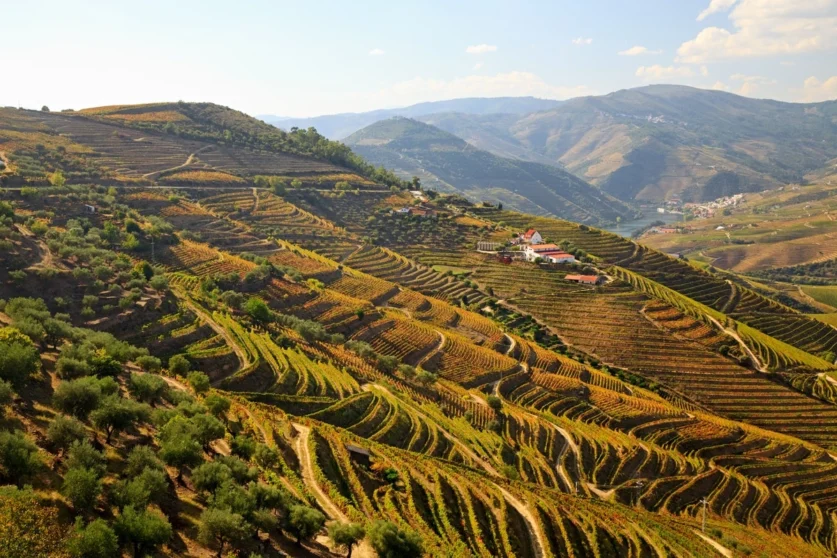
Sun-soaked days lounging by the pool, Christmas markets filled with spicy mulled wine, and milestone celebrations accompanied by bubbly sparklings – these are the images that come to mind when we think of our ideal getaway. For those of us who appreciate a good glass of wine, sampling the offerings at an all-inclusive hotel may not be enough to satisfy our craving for complex, full-bodied wines. That’s why a trip into the heart of the world’s renowned wine regions is the perfect way to quench our oenophile thirst.
Imagine cruising down the Danube, sipping on vintage grüners and taking in the picturesque vineyards along the way. Or cycling through the Champagne region, stopping at charming champagne houses for a glass of the famous fizz. These wine tour holidays offer more than just tastings and vineyard tours – they provide an immersive experience that allows us to truly appreciate the art and culture of winemaking.
If English sparkling wine is your preference, a long weekend exploring the Cotswolds with Smooth Red is the ideal choice. With a privately chauffeured tour of local vineyards and time to relax in a country house spa, you’ll have ample opportunity to enjoy the region’s award-winning wines.
For chardonnay enthusiasts, a trip to Chile’s Casablanca Valley is a must. Abercrombie & Kent’s “Classic Chile” tour combines the vibrant cities of Santiago and San Pedro de Atacama with personalized wine tastings and a chance to leisurely lounge by the pool at the La Casona at Matetic wine lodge.
If it’s champagne you desire, Cycling for Softies offers a dream wine holiday with a two-wheel tour through the Champagne region. Pedal your way through Epernay, Conde-sur-Marne, and Reims, and indulge in the finest champagne along the way.
For lovers of merlot and cabernet sauvignon, Trailfinders has a California wine tour that takes you through the renowned valleys of Sonoma and Napa. With visits to historic wineries and a cruise on the iconic Napa Valley Wine Train, you’ll experience the best of California’s wine culture.
Portugal’s Douro Valley is a haven for wine lovers, and Exodus offers a walking tour that takes you through this picturesque region. Led by expert guides, you’ll explore ancient cellars and some of the finest wineries, all while enjoying the beauty of the Douro Valley.
Audley Travel’s self-drive tour of Cape Town’s Winelands combines a visit to South Africa’s vineyards with historic lessons on apartheid. From a cable car ride to the top of Table Mountain to a visit to Robben Island, this trip offers a perfect blend of culture and wine.
And finally, for those with a thirst for Chianti, Responsible Travel’s walking and wine tasting tour of Tuscany is a must. Explore the medieval towns of Siena and Florence, visit the Tuscan Wine School, and indulge in wine tastings at the Fonterutoli estate.
No matter your wine preference, these wine tour holidays offer a unique opportunity to explore new grapes, learn about the winemaking process, and indulge in the world’s finest wines. So why not raise a glass and embark on a wine-centric holiday? After all, it’s always five o’clock somewhere.
Looking for a unique and exciting way to indulge in your love for wine? Look no further than Villa Il Palagetto in Tuscany and Ama Waterways’ wine cruise on the Danube. These two incredible experiences offer wine enthusiasts the opportunity to explore beautiful regions while enjoying some of the finest wines available.
At Villa Il Palagetto, located in the heart of Tuscany, guests can immerse themselves in a week-long wine journey. For only £2,075 per person, you can enjoy eight days of accommodations, round-trip flights from the UK, three wine tastings, and a visit to the renowned Tuscan Wine School. The lush landscapes of Tuscany provide the perfect backdrop for savoring each sip of your favorite wine. Whether you prefer a crisp white or a full-bodied red, Villa Il Palagetto has something to please every palate.
If cruising is more your style, Ama Waterways’ “Magna on the Danube” wine cruise is the perfect choice. Embark on a seven-night adventure from Budapest to Vilshofen, Germany, and experience the stunning Wachau Valley in Austria. Along the way, you’ll have the opportunity to visit the historic Burg Clam village, where you can take tours and sample the finest wines the region has to offer. In addition to the wine festivities, there’s even a chance to celebrate Oktoberfest in Vilshofen, adding a unique twist to your wine-centric vacation. Prices start at £3,007 per person, and include onboard accommodations and all wine-related activities.
Both Villa Il Palagetto and Ama Waterways offer wine lovers the chance to experience the best of what Europe has to offer. Whether you choose the charm of Tuscany or the adventure of cruising along the Danube, one thing is certain: you won’t be disappointed. So, grab a glass, raise a toast, and let your wine adventure begin. Cheers!
From boogie nights to brunchy afternoons and beyond, discover the most sought-after tickets still available at the New York City Wine and Food Festival.
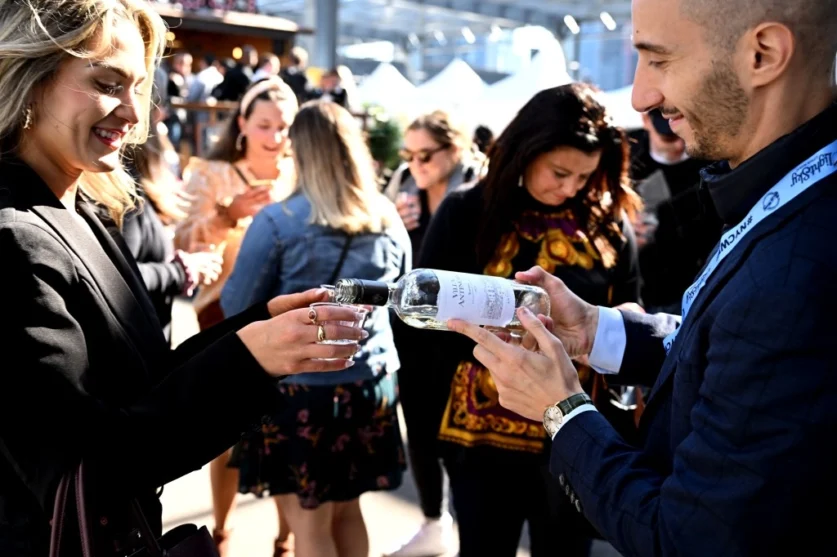
The New York City Wine & Food Festival is just around the corner, and while some events have already sold out, there are still plenty of exciting options available. From tastings to parties, this festival has something for everyone. Here are a few highlights that you won’t want to miss.
On Thursday, October 12th, Chefs Alex Guarnaschelli and Gabriele Bertaccini will kick off the events on Pier 86 outside the Intrepid Museum. They will take festival-goers on a culinary tour of Italy, showcasing the diverse and delicious cuisine of the boot-shaped nation. Join them and sample dishes from a variety of talented chefs, including pizza masters Michael Ayoub and Chef Antonio, and baking duo Nicole and Carly Di Lena.
If you’re looking for a burger experience like no other, make sure to attend the festival’s signature “burger off” competition hosted by Rachael Ray on Friday, October 13th. This event, which has been a staple of the festival for years, will feature 25 different iterations of the classic beef burger. Accompanied by side dishes, desserts, and drinks, this is a burger lover’s dream come true. Competing chefs will vie for the Judge’s Choice Award, and attendees will also have the chance to vote for their favorite burger for the People’s Choice Award.
For those who enjoy dancing and sampling delicious drinks and appetizers, head to the Harbor NYC Rooftop on Friday, October 13th. Hosted by Ben Soffer and Claudia Oshry, this new rooftop venue will provide an evening of fun and entertainment. Sip on cocktails and enjoy stunning views while dancing the night away.
On Saturday, October 14th, join Bryan Cranston and Aaron Paul of “Breaking Bad” for the “Tacos & Tequila” extravaganza on Pier 86. While they won’t be cooking, they will be there to enjoy the night filled with tacos stuffed with a variety of fillings. Wash it all down with tequila from 10 different brands. The event will also feature live music and tacos prepared by cast members of the Food Network’s “The Kitchen.”
If you’re in the mood for a night of snacking and salsa, join host Ana Navarro at the Harbor NYC Rooftop on Saturday, October 14th. Cocktail specialists from Bar Lab, along with seven hand-picked Latino mixologists, will create fruit-infused cocktails that you won’t want to miss. Try the creations and indulge in a cornucopia of Latin cuisine from countries such as Argentina, Colombia, Cuba, and Peru.
On Sunday, October 15th, head to The Venue on Music Row at the Hard Rock Hotel NYC for a one-of-a-kind brunch. Hosted by Neil Patrick Harris and his husband David Burtka, this brunch will feature performances by some of the nation’s greatest drag queens. Hosted by “Orange Is the New Black” star Lea DeLaria, the event will showcase talented queens from RuPaul’s Drag Race as well as popular queens from New York City.
For a French bistro experience, join chef Geoffrey Zakarian and his wife Margaret on Sunday, October 15th at The Standard Highline. Take a tour of France through farm-to-table dishes, including the iconic Croque Madame topped with a fresh farm egg. This walk-around event is perfect for those looking for a more relaxed and intimate dining experience.
These are just a few of the incredible events happening at the New York City Wine & Food Festival. Don’t miss out on this opportunity to indulge in delicious food and drinks, and make sure to check the festival’s main site for more information and to secure your spot.
Get ready to mark your calendars because there is an event coming up that you don’t want to miss! On Sunday, October 15th from 4-7 p.m., Pier 86 will be hosting a celebration of 50 years of hip-hop music. This event will bring together several talented hip-hop artists who will be putting on a show that you won’t soon forget. But this event isn’t just about the music – it’s also about the food!
That’s right, alongside the amazing musical performances, there will also be award-winning chefs serving up delicious barbeque. This is the perfect opportunity for foodies and fans alike to come together and enjoy some amazing food while jamming out to incredible beats. And to top it all off, this event is sponsored by Bacardi, so you can expect some tasty cocktails to be flowing as well.
But the festivities don’t stop there. On Saturday, October 14th and Sunday, October 15th from 12-5 p.m., Pier 76 at Hudson River Park will be hosting its own culinary extravaganza. This event will feature culinary demos, meetups with renowned chefs, and even free cookbooks for attendees. And of course, there will be plenty of food and drink available to satisfy your cravings. So make sure to come hungry and ready to indulge in some delicious treats.
With these two events happening at the same time, you’ll have plenty of opportunities to experience the best of both worlds – amazing music and mouthwatering food. Whether you’re a hip-hop enthusiast, a foodie, or just someone looking for a fun way to spend the weekend, these events are guaranteed to deliver an unforgettable experience. So mark your calendars for October 14th and 15th and get ready to have a blast at Pier 86 and Pier 76 at Hudson River Park. We can’t wait to see you there!
Following his house arrest, Bobi Wine, also known as Uganda’s ‘People’s President,’ speaks to Nat Geo.
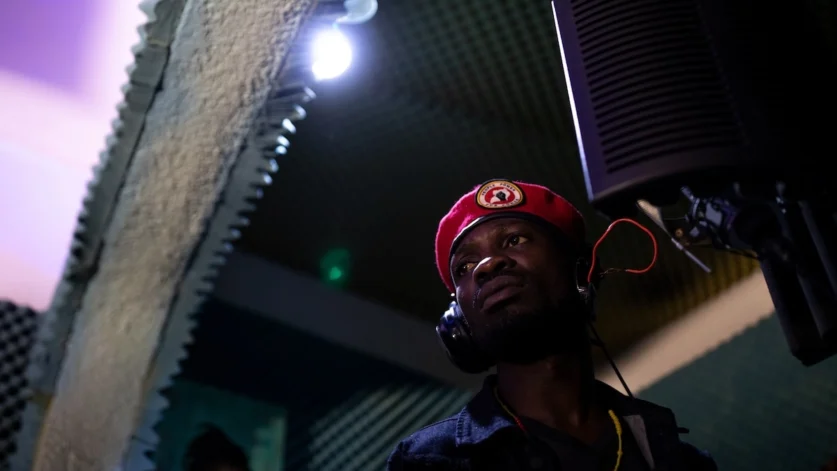
Pro-democracy leaders often face hardships in authoritarian societies. On Thursday, musician-turned-politician Bobi Wine returned to his home in Uganda, only to be met with police presence. Videos circulating online show plainclothes men forcibly grabbing him and placing him under house arrest, although authorities claim they were merely escorting him home. The incident occurred shortly after Wine lost a disputed election in 2021 for Uganda’s presidency, and amid authorities’ efforts to prevent a march in support of Wine from taking place at the airport. This led to the arrest of supporters and the aggression of journalists, who were pepper-sprayed and beaten by security forces, according to Wine.
Wine’s journey from the music industry to political leadership is the subject of a newly released National Geographic documentary titled “Bobi Wine: The People’s President.” Following the incident, Wine safely arrived at his residence later on Thursday, as confirmed by his wife, Barbie Kyagulanyi, in a brief conversation with Nat Geo. In a video, Wine can be seen urging government security personnel to leave his property. The United States, along with other nations, has condemned the opposition leader’s house arrest and expressed its support. Kyagulanyi stated that international solidarity has provided them with some solace during this difficult time.
This is not the first time that Wine has faced detention. Since his election to Parliament in 2017 and throughout his recent presidential campaign, he has been subjected to periodic detainments. Wine’s motivation for his activism stems from his belief that injustice anywhere is a threat to justice everywhere, and he has consistently protested against the 37-year rule of Yoweri Museveni. In a statement shared on X (formerly known as Twitter), Wine described living under a “criminal regime” where everyone becomes a victim.
The detention of Wine and hundreds of his supporters on Thursday has prompted concerns from the U.S. State Department. They stated that such actions signify a reduction in democratic space within Uganda. The harassment of opposition voices and human rights abuses not only hinder Uganda’s progress but also damage its partnership with the international community. These developments raise serious doubts about the future prospects for democracy in the country.
In the face of these challenges, it is crucial for international bodies and governments to continue amplifying their support for pro-democracy activists like Bobi Wine. Upholding the principles of democracy and human rights should remain a top priority, and collective efforts are needed to ensure that the voices of the oppressed are heard and respected. The struggle for a fair and just society requires unwavering determination and solidarity, and the world must stand united in this pursuit.
The importance of pouring your beer and wine into a glass
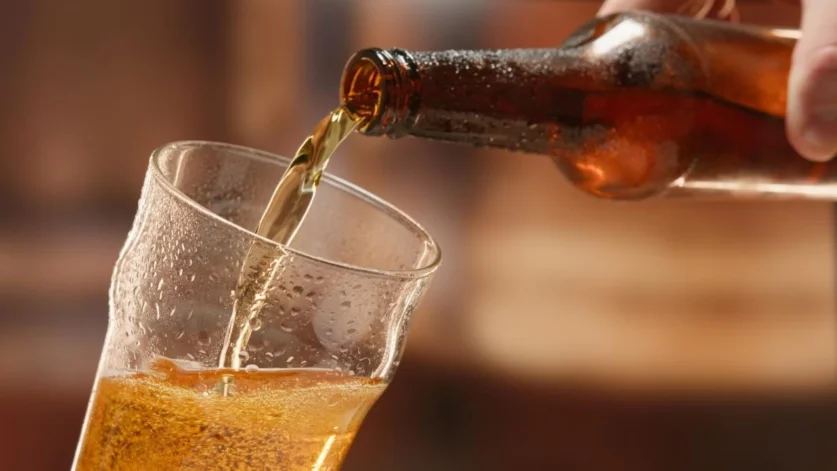
Enhancing Your Beer and Wine Drinking Experience: Why Pouring Matters
Have you ever wondered why beer on tap at a bar tastes so much better than the ones you drink from cans and bottles at home? The answer lies in a simple action that many of us overlook: pouring our drinks into a glass. While it may seem unnecessary when we have a ready-to-drink container, we’re actually missing out on the full flavor and aroma of our favorite beverages.
To understand the science behind this, we reached out to Mandy Naglich, a renowned food journalist and Advanced Cicerone, as well as the author of “How to Taste: A Guide to Discovering and Savoring Life.” According to Naglich, the shape of the drinkware itself isn’t the crucial factor. However, pouring your beer or wine into a glass is still essential because it allows the aromas to fully develop, enhancing your overall sensory experience.
Naglich emphasizes the importance of aroma in our perception of taste, stating that it is responsible for up to 80 percent of what we actually taste. Drinking straight from a bottle or a can obstructs this crucial element, thereby dampening the flavors within the beverage. By simply pouring out our drink into a glass, we unlock a whole world of hidden aromas.
But how does pouring actually affect the flavor? When beer is poured into a glass, the act of pouring and the wider top of the glass cause some of the carbonation bubbles to burst, creating a foamy head. These bubbles carry an abundance of scents, enriching the air around your beverage. As a result, you become more attuned to the nuances and complexities of the beer, ultimately heightening its taste.
While wine is typically not carbonated, pouring it into a glass still offers significant benefits. The act of pouring agitates the wine, exposing it to oxygen. This oxidation process softens the tannins and unlocks additional layers of aroma, truly enhancing the flavors of the wine.
Moreover, the shape of the glass contributes to the overall tasting experience. Wine glasses are designed to be only partially filled, leaving room at the top to capture and collect scents. The wider top of the glass allows your nose to fully appreciate the bouquet as you take each sip. Similarly, pint glasses for beer also have a wide top, ensuring that your nose is close to the aroma of the drink, intensifying its flavors.
It may seem like a trivial step, but pouring out your beer or wine truly does make a difference. By taking that extra moment to transfer your drink from its container to a glass, you unlock a wealth of aromas and sensations that would otherwise go unnoticed. So, next time you reach for your favorite beer or wine, grab a glass and enjoy the full potential of your drink.
Original article published on Tasting Table
The issue with ‘Mommy Wine Culture’ does not lie in the wine itself.

Understanding the True Consequences of “Mommy Wine Culture”
There seems to be an ongoing debate surrounding the concept of “mommy wine culture.” The question remains: where do we draw the line between a mother enjoying a glass of wine and the underlying implications of using alcohol as a crutch for parenting? It is crucial to define the term before diving into the discussion.
When referring to “mommy wine culture,” we are addressing the societal narrative that suggests mothers require wine to cope with the challenges of raising children. This issue goes beyond simply enjoying a drink; it revolves around blaming our children for our need to drink and substituting wine for the necessary support struggling mothers truly need.
Some may argue that it’s all just a joke, a way to relieve the stress of parenting. Parenting is undeniably challenging, and it’s understandable that we all seek solidarity during this exhausting phase of life. However, this particular joke comes at a cost – the expense of both mothers and their children. It distracts us from the core problem: moms need better support. Ultimately, the beneficiaries of this joke are alcohol companies and the patriarchal system. Allow me to elaborate.
The problem with mommy wine culture lies in its dangerous implications. It places the blame for our struggles and frustrations on our children. Expressions like “my kids are the reason I drink” or “my kids whine so mommy wines” inaccurately convey that children are the root cause of our stress, which is unfair and damaging. Furthermore, it diverts attention from the urgent need for support systems for mothers who are genuinely struggling. Making light of this issue, suggesting that wine is the answer, is not only hurtful but also insensitive to those who are silently crying out for help.
This culture wrongly implies that alcohol can be a helpful and healthy coping mechanism, when, in reality, it is far from it. Multiple studies have proven that there is no safe amount of alcohol consumption, especially considering the fact that alcohol is a depressant. For mothers who are deep in the trenches of parenting, or even experiencing postpartum depression, this perspective becomes a dangerous temptation. Moreover, it sets a poor example for our children by modeling unhealthy coping mechanisms.
Another crucial point to address is the addictiveness of alcohol. Allowing alcohol to act as a crutch for coping with parenting responsibilities is irresponsible. It can lead to a state where effective parenting becomes impossible or even non-existent. Suggesting such an approach is not only negligent but also has the potential to cause irreparable harm.
It is essential to note that discussing mommy wine culture is not an attack on mothers or anyone who indulges in wine. Rather, it is an expression of frustration with the underlying message that alcohol can solve broader societal issues that hinder the progress of parents, particularly mothers. Mothers deserve better than this. Our children deserve better as well.
In essence, mommy wine culture trivializes significant societal issues that are far from a laughing matter. By making light of them, we are doing ourselves a disservice. Instead of suggesting that mothers resort to wine for solace, we should be advocating for better pre- and postnatal support, guaranteed paid maternity leave, affordable childcare, equal distribution of household labor, and relief from the mental load they carry. Only then can we truly reach a point where mothers don’t feel the need to rely on wine to cope, because they will have the support they have always needed.
Celeste Yvonne, a writer and certified recovery coach, sheds light on these pertinent issues in her book, “It’s Not About the Wine: The Loaded Truth Behind Mommy Wine Culture.” As a sober mother with over five years of sobriety, Celeste advocates for struggling mothers who are battling addiction and mental health challenges. Her book offers healthy solutions and coping strategies during the beautiful but demanding years of motherhood.
In conclusion, we need to challenge the harmful narrative of mommy wine culture and strive for a society that uplifts and supports mothers in meaningful ways. It is high time we recognize that mothers don’t need wine; they need a system that values their well-being and provides the necessary resources for them to thrive.
“Stay Connected: Join the SheKnows Community”
Hello there, fellow knowledge seekers and social media enthusiasts! We have some exciting news to share with you today about how to keep up with the latest updates from SheKnows. But before we dive into the story and all the juicy details, let’s take a moment to appreciate the power of staying connected in this digital age.
In a world where information is constantly at our fingertips, staying in the loop has never been easier. Whether it’s following our favorite brands on social media or signing up for newsletters, we have become conditioned to crave the latest news and updates. And at SheKnows, we understand the importance of catering to this innate desire.
Now, let’s get to the good stuff! We are thrilled to introduce our newsletter, a curated collection of stories that will keep you informed, entertained, and inspired. By signing up for our newsletter, you’ll gain exclusive access to a wealth of valuable content, catered specifically to your interests. From lifestyle and entertainment to health and wellness, our newsletter has got you covered.
But that’s not all – we understand that not everyone is a fan of newsletters. Some prefer to engage with us on their favorite social media platforms. If you’re one of those individuals, fear not! SheKnows is also active on Facebook, Twitter, and Instagram. By following us on these platforms, you’ll receive daily doses of valuable information, updates on the latest trends, and be part of a vibrant community of like-minded individuals.
So, how can you join the SheKnows community and ensure you never miss out on our latest stories? Well, the options are plenty! If you’re a newsletter lover, simply sign up through our website and start receiving our specially crafted content right in your inbox. If social media is your preferred choice of interaction, hit that follow button on Facebook, Twitter, and Instagram to embark on a visual and textual journey through the world of SheKnows.
Let’s face it – life is busy, and our time is precious. By staying connected with us, you can rest assured that you won’t miss out on any exciting news or valuable insights. We want to be your go-to source of information, inspiration, and entertainment. So whether you choose to absorb our content through newsletters or catch up with us on social media, we promise to keep delivering the stories and knowledge you crave.
Don’t miss out on the opportunity to join the SheKnows community and gain access to a world of valuable content. Sign up for our newsletter or follow us on Facebook, Twitter, and Instagram today to embark on an exciting journey of discovery. We can’t wait for you to join us!