Wine 1106
These scientists are working towards preventing wildfires from imparting an ashy taste to your red wine.
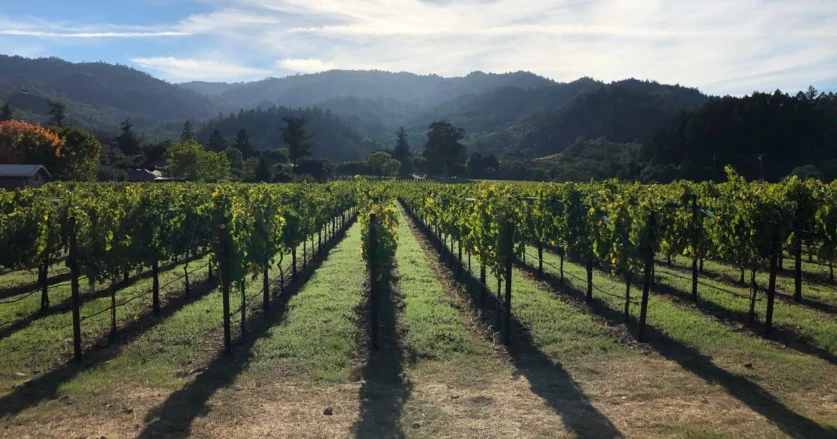
When it comes to wine, the U.S. West Coast is a dominant player, producing over 90% of America’s wine. However, this thriving industry is facing a significant threat – wildfires. In 2020, wildfires wreaked havoc on the region, causing devastating losses for winemakers. Scientists are now working diligently to find ways to protect the industry from this combustible combination.
A group of wine experts from three West Coast universities are partnering to address this growing concern. Their efforts include developing spray coatings to safeguard grapes, identifying the compounds responsible for the undesirable ashy taste that smoke can impart, and deploying smoke sensors in vineyards to gain a better understanding of smoke behavior. The U.S. government is providing millions of dollars in funding to support this critical research.
Wineries themselves are also taking proactive steps to protect their products and brands. With climate change exacerbating drought and increasing the risk of wildfires, these premier wine-making regions are under constant threat. Grapes are the highest-value crop in the United States, with 96% of grape-bearing land situated on the West Coast. The losses caused by wildfires in 2020 amounted to billions of dollars, making it crucial to find solutions to mitigate this ongoing risk.
Winemakers worldwide are already adapting their practices to cope with climate change. This includes relocating vineyards to cooler zones and cultivating grape varieties that thrive in drought and heat. However, wildfires present an additional and more immediate danger that requires urgent attention. Scientists from Oregon State University, Washington State University, and the University of California, Davis are at the forefront of tackling this issue.
Tom Collins, a wine scientist at Washington State University, emphasizes the significance of addressing the threat smoke exposures pose to wine production. He highlights that the ability to continue making wine in areas with higher chances of smoke exposure is at stake. Consequently, it is essential to understand the chemistry behind the compounds that contribute to the ashy flavor and find effective ways to eliminate them.
Research conducted by Elizabeth Tomasino, an associate professor at Oregon State University, and her team revealed the presence of sulfur-containing compounds called thiophenols in smoke-impacted wine. Alongside volatile phenols, previously identified by Australian researchers as contributing to the ashy taste, these compounds play a significant role. The challenge lies in understanding how thiophenols, undetectable in wildfire smoke, appear in smoke-impacted wine and finding methods to eliminate them.
The consequences of using grapes tainted by smoke can be detrimental to winemakers’ reputations. Wine made from such grapes is often so unpleasant that it cannot be marketed. Even if it does make it onto shelves, the risk of tarnishing a winemaker’s reputation is not worth taking. In 2020, during the record wildfires, some California wineries refused to accept grapes unless they were tested for smoke exposure. However, the overwhelming demand for laboratory services left many growers unable to analyze their grapes.
The industry suffered significant losses, with California alone experiencing a staggering $3.7 billion in damages, according to an analysis conducted by Jon Moramarco of the consulting firm bw166 for industry groups. The majority of these losses were a result of wineries having to forgo future wine sales. The impact was particularly severe in Napa Valley, known for its high-priced grapes and wines. Losing just one ton of cabernet sauvignon grapes can amount to approximately 720 bottles of wine valued at $100 each, making the losses add up rapidly.
The 2020 wildfires left between 165,000 and 325,000 tons of California wine grapes abandoned on the vine due to either actual or perceived smoke exposure. The situation highlighted the urgent need for solutions to better protect the industry from this ever-present threat.
In conclusion, the U.S. West Coast’s wine industry faces a perilous combination of being the primary wine producer in the country while being prone to wildfires. Climate change exacerbates the situation, as drought and overgrown forests increase the risk of fires. However, scientists and winemakers are working tirelessly to find ways to neutralize this threat. With significant research initiatives and proactive measures being taken, there is hope that the industry will be able to adapt and withstand the challenges posed by wildfires, ensuring the continuation of America’s premier wine production regions.
The impact of wildfire smoke exposure on the wine industry in California, Oregon, and Washington is becoming increasingly evident. According to Natalie Collins, president of the California Association of Winegrape Growers, many winegrowers are struggling to obtain insurance due to the high fire risk in their regions. And even if they manage to secure coverage, the rates are exorbitantly high.
As a result, winemakers are exploring various techniques to mitigate the effects of smoke on their wines. Some are passing the wine through a membrane or treating it with carbon, but these methods can potentially strip the wine of its unique flavors and nuances. Another approach is blending smoke-affected grapes with unaffected ones, which helps reduce the concentration of smoke flavor compounds. Additionally, making rosé wine instead of red can also minimize the impact of smoke by limiting skin contact during the winemaking process.
However, more innovative methods are being developed to address this issue. Collins, together with the researchers at Washington State University, has been experimenting with spraying fine-powdered kaolin or bentonite, clays mixed with water, onto wine grapes. This coating would absorb the smoke-related materials, which can then be washed off before the harvest. Oregon State University is also working on developing a spray-on coating as a potential solution.
To aid in this research, dozens of smoke sensors have been installed in vineyards across the three states, thanks to a $7.65 million grant from the USDA. Anita Oberholster, who leads the efforts at UC Davis, explains that these instruments will be used to measure smoke marker compounds and help develop mitigation strategies to determine smoke exposure risk.
Greg Jones, director of the Oregon Wine Board and owner of Abacela winery, appreciates the efforts of these scientists. He believes that their research is integral in finding ways to quickly identify if a vineyard’s fruit contains compounds that could lead to smoke-impacted wine. Jones is hopeful that with the combined efforts of scientists, a set of effective strategies can be developed to combat this issue.
Collins shares Jones’ optimism and predicts eventual success in finding solutions to reduce the impact of smoke on wine production. While there may not be a magical fix, it is increasingly clear that a range of strategies will emerge to safeguard the wine industry from the detrimental effects of wildfire smoke exposure.
Scientists are working frantically to find solutions for the repulsive impact of wildfires on California’s wine industry.
ALPINE, Ore. (AP) — The U.S. West Coast, known for producing more than 90% of America’s wine, faced a significant threat to its wine industry in 2020 due to wildfires. The combination of the region’s wine production and the increasing occurrences of wildfires created a disastrous situation that scientists are urgently trying to address. The impact of smoke on grapes can drastically affect the taste of wine, transforming it into an unpleasant ashy flavor. To combat this issue, wine experts from three West Coast universities are collaborating to develop solutions, such as spray coatings to protect grapes, identifying the compounds responsible for the undesired taste, and utilizing smoke sensors to monitor vineyards and understand smoke behavior. The research is being supported by substantial funding from the U.S. government, recognizing the importance of mitigating this threat. Wineries themselves are also taking steps to protect their products and brands.
The risk to the West Coast’s premier wine-making regions, where wildfires caused billions of dollars in losses last year, is escalating due to climate change exacerbating drought and creating overgrown forests that serve as fuel for fires. The U.S. Department of Agriculture reveals that grapes are the highest-value crop in the United States, with a staggering 1 million acres of grape-bearing land, 96% of which is located on the West Coast. Winemakers worldwide have been adapting to the effects of climate change by relocating vineyards to cooler regions and cultivating grape varieties that are better suited to drought and heat. However, they are now facing an additional immediate threat posed by wildfires, which is being tackled by scientists from Oregon State University, Washington State University, and the University of California, Davis.
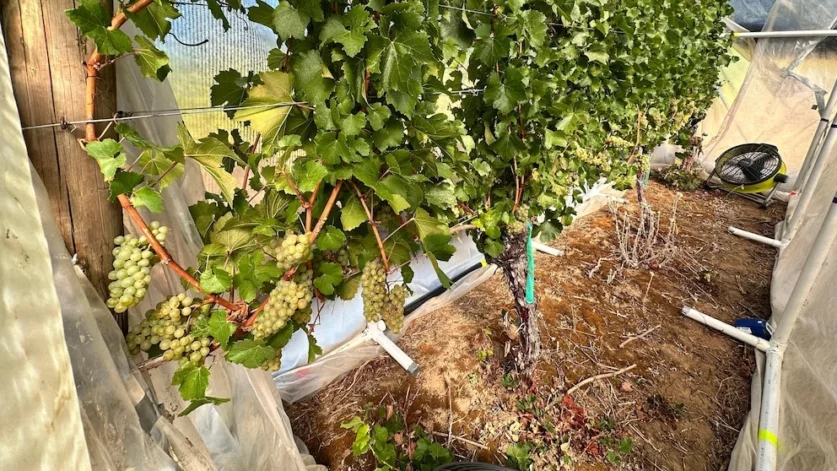
The ability to continue producing wine in areas where smoke exposure is more common is at stake, according to Tom Collins, a wine scientist at Washington State University. The scientists’ work involves conducting experiments to understand the impact of smoke exposure on grapes and wine production. For instance, researcher Cole Cerrato conducted an experiment at Oregon State University’s vineyard, using a fan and a dryer vent hose to blow smoke from a Weber grill onto a row of grapes enclosed in a makeshift greenhouse. Research led by Elizabeth Tomasino at Oregon State University identified sulfur-containing compounds, known as thiophenols, in the smoke-affected wine, which were found to contribute to the ashy flavor. The presence of “volatile phenols,” previously identified as smoky flavor contributors by Australian researchers over a decade ago, was also observed.
Collins confirmed the presence of these sulfur compounds in wine exposed to smoke in the Oregon vineyard, while samples without smoke exposure did not contain them. The researchers aim to understand how thiophenols, which cannot be detected in wildfire smoke, appear in smoke-affected wine and find ways to eliminate them. Cerrato emphasizes that there is still much to learn, explaining that there is ongoing chemistry and research to explore in relation to these new compounds. The quality of wine made from tainted grapes is often so poor that it cannot be sold. Additionally, winemakers risk damaging their reputation if they release wine made from smoke-affected grapes. During the record-breaking wildfires in 2020, some wineries in California refused to accept grapes unless they were tested for smoke exposure. However, most grape growers were unable to find laboratories to analyze their grapes due to the overwhelming demand.
According to an analysis conducted by Jon Moramarco of consulting firm bw166 for industry groups, the damage to the wine industry in California alone amounted to $3.7 billion in losses. The majority of these losses resulted from wineries having to forgo potential wine sales. The impact was particularly severe in Napa Valley, known for its high-quality and high-priced grapes and wines. Moramarco explains that if a ton of cabernet sauvignon grapes is ruined, it equates to approximately 720 bottles of wine. If each bottle is valued at $100, the financial losses escalate rapidly. In 2020, anywhere from 165,000 to 325,000 tons of California wine grapes were left to wither on the vine due to the actual or perceived effects of smoke exposure.
The imperative to protect the West Coast’s wine industry from the ongoing threat of wildfires is clear. The collaborative efforts between universities, the government’s financial support, and the proactive measures taken by wineries signal a commitment to finding solutions to the challenges posed by smoke exposure. While there is still much research to be conducted and many answers to uncover, the determination of scientists and wine experts alike bodes well for the future of the West Coast’s wine production. The hope is that the efforts being made today will allow winemakers to continue producing exceptional wines for years to come, despite the growing risks associated with wildfires and a changing climate.
Title: Navigating the Challenges Faced by Winegrowers in Wildfire-Prone Regions
Wildfires have become a recurring nightmare for winegrowers in California, Washington, and Oregon. The far-reaching implications of these natural disasters are exposing the wine industry to unprecedented challenges. Natalie Collins, President of the California Association of Winegrape Growers, recently highlighted the difficulties faced by growers in securing insurance. Many winegrowers have been forced to contend with exorbitant rates, reflecting the heightened fire risks in their respective regions.
In their tireless efforts to combat the impact of wildfire smoke on their crop, winemakers have adopted various techniques. However, these interventions can sometimes compromise the distinct flavors that wine enthusiasts have come to cherish. Some winemakers are resorting to passing the wine through membranes or treating it with carbon to minimize smoke impact. Nevertheless, this approach can deprive the wine of its inherently nuanced characteristics.
Blending smoke-affected grapes with unaffected ones presents another feasible option. By creating rosé wines instead of red, winemakers can significantly reduce the concentration of smoke flavor compounds. Furthermore, Natalie Collins of Washington State University has taken an innovative approach by experimenting with spraying fine-powdered clays, such as kaolin or bentonite mixed with water, onto wine grapes. This technique aims to absorb smoke-related materials, which can later be washed off before harvesting.
Oregon State University is also contributing to the evolving landscape by developing a spray-on coating as a preventive measure. Simultaneously, vineyards in the three states have installed smoke sensors, funded in part by a $7.65 million USDA grant. These sensors play a crucial role in measuring smoke marker compounds, a vital step toward developing effective mitigation strategies and assessing smoke exposure risks.
The ongoing research in this area has earned accolades from Greg Jones, director of the Oregon Wine Board and owner of Abacela winery in the Umpqua Valley. Jones believes that this comprehensive research has significantly contributed to identifying potential compounds that lead to smoke-impacted wine. While a definitive solution may remain elusive, winegrowers are optimistic that a combination of strategies will eventually triumph.
As winegrowers continue to tackle this formidable challenge, it is essential to recognize and appreciate their resilience in the face of adversity. They are persevering in their pursuit of creating exceptional wines while mitigating the risks posed by wildfires. The collaboration between industry experts and academic institutions is a testament to the unwavering determination to protect the integrity of one of the world’s most beloved beverages.
If you possess any information that could assist HuffPost reporters in shedding light on this issue, we encourage you to share it with us. By providing your email and clicking Sign Up, you not only allow us to send you personalized marketing messages about our organization and advertising partners but also agree to our Terms of Service and Privacy Policy. Together, let us navigate these challenges and create a safer and more resilient wine industry.
Why does your California red wine have an ashtray taste? Find out the reasons and the actions being taken.
ALPINE, Ore. (AP) — The U.S. West Coast is renowned for its wine production, supplying over 90% of America’s wine. However, this region also faces the constant threat of wildfires, a dangerous combination that proved disastrous for the wine industry in 2020. Scientists are now racing against time to find solutions to this problem and prevent further damage.
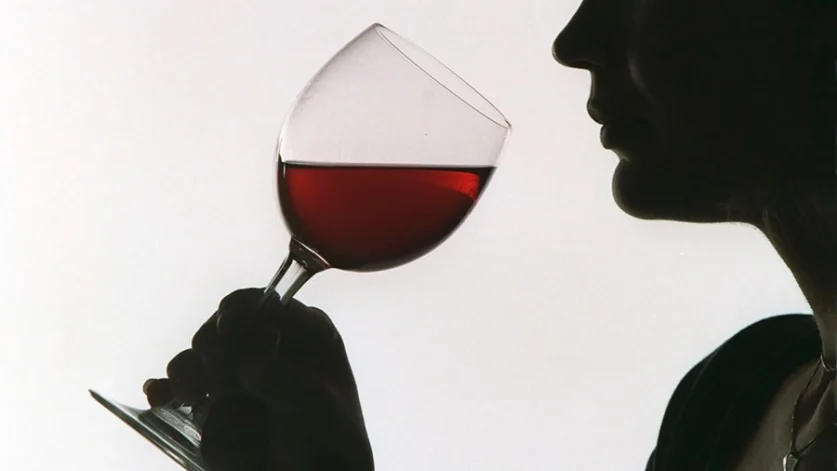
When you savor a good wine, you might notice hints of oak or red fruit. But if you were to taste wine made from grapes that have been exposed to smoke, it could leave you with a bitter and unpleasant taste, almost like someone emptied an ashtray into your glass. This ashy flavor is a result of compounds present in the grapes after they have been penetrated by smoke. Researchers from three West Coast universities are collaborating to combat this issue. They are developing spray coatings to shield grapes, identifying the elusive compounds responsible for the undesirable taste, and placing smoke sensors in vineyards to gain a deeper understanding of smoke behavior. The U.S. government is providing millions of dollars in funding to support their research.
Wineries are also taking proactive measures to safeguard their products and maintain their brands. The risk to America’s premier wine-making regions, which suffered billions of dollars in losses due to wildfires in 2020, is escalating. Climate change has led to severe droughts and the proliferation of overgrown forests, creating ideal conditions for wildfires. Grapes are the highest-value crop in the United States, with 96% of the 1 million acres of grape-bearing land located on the West Coast, according to the U.S. Department of Agriculture. Winemakers worldwide are already adapting to climate change by relocating their vineyards to cooler areas and cultivating grape varieties resistant to drought and heat. However, wildfires present an immediate and additional danger that requires scientific intervention.
Tom Collins, a wine scientist at Washington State University, emphasizes the significance of being able to continue wine production in areas where smoke exposures are more likely. Cole Cerrato, a researcher, conducted an experiment at Oregon State University’s vineyard in the village of Alpine. Cerrato used a fan and a dryer vent hose to push smoke from a Weber grill into a row of grapes enclosed in a makeshift greenhouse made of plastic sheets. The researchers then turned the smoke-impacted grapes into wine and discovered the presence of sulfur-containing compounds known as thiophenols, which contribute to the ashy flavor. These volatile phenols were previously identified by Australian researchers more than a decade ago. Australia’s wine industry has long been affected by bushfires.
Collins further confirmed the presence of sulfur compounds in wine associated with smoke exposure in the Oregon vineyard but absent in samples without smoke exposure. The researchers aim to understand how these previously undetectable thiophenols appear in smoke-impacted wine and find methods to eliminate them. Cerrato acknowledges that there is still much more research needed to unravel the chemistry behind these new compounds.
Wine made from tainted grapes is often of such poor quality that it cannot be sold. Even if it does make it to store shelves, a winemaker’s reputation may be irreparably damaged. In the wake of record wildfires in 2020, some California wineries refused to accept grapes unless they were tested for smoke exposure. However, many growers faced challenges finding laboratories to analyze their grapes due to overwhelming demand. Industry analyst Jon Moramarco estimates that the damage to California’s wine industry alone amounted to $3.7 billion, primarily from the loss of future wine sales. The most significant impact was felt in Napa Valley, an area known for its high-priced grapes and wines. Moramarco explains that the loss of a ton of ruined cabernet sauvignon grapes equates to approximately 720 bottles of wine, valued at $100 per bottle. The financial impact can accumulate rapidly under such circumstances.
In 2020, between 165,000 to 325,000 tons of California wine grapes were left unpicked due to the wildfires. The urgency to address this issue stems from the critical importance of the wine industry, not only as an economic asset but also as a cultural symbol and source of pride for the West Coast. Scientists, researchers, and winemakers continue to collaborate in their pursuit of solutions to protect this cherished industry from the escalating threat of wildfires.
Title: Navigating the Challenges of Wildfire Smoke in Winemaking
Introduction:
The devastating impact of wildfires on vineyards and winemakers cannot be undermined. With the rising prevalence of wildfires, vineyard owners and winemakers are facing unprecedented challenges. From difficulty in securing insurance to the risk of producing smoke-impacted wine, the industry is in desperate need of innovative solutions. In this article, we will delve into the efforts being made to mitigate the effects of wildfire smoke exposure on wine grapes and the potential strategies to preserve the art of winemaking.
The Growing Concern:
According to Natalie Collins, president of the California Association of Winegrape Growers, securing insurance has become a major hurdle for many vineyard owners due to the high risk of wildfires in their regions. Even for those able to obtain insurance, the rates have skyrocketed. Despite these obstacles, growers are persevering and seeking effective ways to minimize the impact of smoke on their wine production.
Innovative Techniques:
Winemakers are exploring various techniques to combat the effects of smoke exposure. Some employ methods such as passing the wine through membranes or treating it with carbon to reduce smoke impact. However, these techniques can also compromise the intricate flavors of the wine. Another option is blending impacted grapes with unaffected grapes, which can help dilute the concentration of smoke flavor compounds. Additionally, making rosé wine instead of red can minimize the amount of skin contact, thereby reducing smoke flavor compounds.
Exploring Scientific Solutions:
Researchers at Washington State University, led by Collins, have been experimenting with innovative methods to combat smoke exposure. They have found promising results by spraying fine-powdered clays, such as kaolin or bentonite, mixed with water onto wine grapes. These clays absorb the smoke-related materials, which can then be washed off before the harvest. Meanwhile, Oregon State University is developing a spray-on coating as another possible solution. Multiple vineyards across California, Oregon, and Washington have also installed smoke sensors, thanks to a $7.65 million USDA grant. These sensors will measure smoke marker compounds and aid in developing mitigation strategies and assessing smoke exposure risk.
The Winemakers’ Perspective:
Greg Jones, a winery director from Oregon and an advocate for the industry, has praised the ongoing research efforts by scientists. For winemakers, it is crucial to identify potential compounds that can lead to smoke-impacted wine. With the help of scientific advancements, winemakers will be better equipped to make informed decisions and tackle the challenges posed by wildfires.
The Path Ahead:
While there may not be a single solution to combat the impact of wildfire smoke on vineyards and winemaking, the collective efforts of researchers, winemakers, and industry organizations are paving the way for future strategies. Natalie Collins asserts that success lies in finding a combination of effective methods rather than relying on a “magic bullet.” The dedication and perseverance of the wine industry ensure that, despite the challenges, the art of winemaking will continue to thrive.
Conclusion:
The threat of wildfire smoke exposure looms large over the wine industry, but the resilience and determination of growers and winemakers create a sense of optimism. Through innovative techniques, scientific research, and proactive measures, the industry is working towards minimizing the impact of smoke on wine grapes and ultimately preserving the art of winemaking. While challenges persist, the collective efforts of all stakeholders hold the promise of success.
Scientists are racing to find a solution to the unpleasant impact of wildfires on California’s wine industry.
ALPINE, Ore. (AP) — The U.S. West Coast boasts a thriving wine industry, responsible for over 90% of America’s wine production. However, this region’s susceptibility to wildfires has proven to be a significant threat to the industry, and scientists are urgently seeking solutions. A sip of good wine often reveals delightful notes of oak or red fruit. Conversely, a wine made from grapes exposed to smoke may taste as if someone emptied an ashtray into your glass. To combat this issue, researchers from three West Coast universities have joined forces to tackle the challenge head-on. Their collaborative efforts include developing spray coatings to protect grapes, identifying the elusive compounds responsible for the unpleasant ashy taste, and deploying smoke sensors in vineyards to gain a better understanding of how smoke behaves.
The U.S. government recognizes the critical nature of this research and has invested millions of dollars in funding. Wineries, too, are taking proactive measures to safeguard their products and maintain their brand reputation. The risk to America’s premier wine regions, which experienced billions of dollars in losses due to wildfires in 2020, continues to grow. Climate change has exacerbated drought conditions, while overgrown forests have become dangerous tinderboxes. The U.S. Department of Agriculture reports that grapes are the highest-value crop in the United States, with 96% of the 1 million acres of grape-bearing land located on the West Coast. Winemakers worldwide are already adapting to climate change by relocating their vineyards to cooler zones and cultivating grape varieties that fare better in drought and heat. However, the immediate threat of wildfires requires additional attention, which is why scientists from Oregon State University, Washington State University, and the University of California, Davis are focusing on this urgent issue.
Tom Collins, a wine scientist at Washington State University, emphasizes the importance of addressing the potential impact on wine production in regions prone to smoke exposures. Researchers like Cole Cerrato are actively exploring solutions at Oregon State University, where they have used a makeshift setup to expose grapes to smoke. By analyzing the resulting wine, they discovered the presence of sulfur-containing compounds, known as thiophenols, that contribute to the undesirable ashy flavor. Australian researchers had previously identified “volatile phenols” as additional factors influencing the taste more than a decade ago, as the wine industry in Australia has long grappled with the effects of bushfires.
In Washington state, Collins confirms the presence of these sulfur compounds in the smoke-exposed wine from the Oregon vineyard, while samples without smoke exposure did not contain them. The scientists aim to understand how thiophenols, undetectable in wildfire smoke, appear in smoke-affected wine and develop methods to eliminate them. Cerrato emphasizes that there is still much to learn, stating, “There’s still a lot of very interesting chemistry and very interesting research, to start looking more into these new compounds. We just don’t have the answers yet.”
Wine made with tainted grapes often becomes undrinkable and cannot be sold in the market. The reputation of winemakers is also at stake, making it a risk few are willing to take. During the record wildfires that consumed the West Coast in 2020, some California wineries refused to accept grapes without prior testing. However, the overwhelming demand for testing facilities left many growers with no viable options. According to Jon Moramarco, an analysis conducted for industry groups revealed that the damage to the California wine industry alone amounted to $3.7 billion. This substantial loss primarily resulted from wineries having to forfeit future wine sales. Moramarco explains, “But really what drove it was, you know, a lot of the impact was in Napa (Valley), an area of some of the highest priced grapes, highest priced wines in the U.S.,” adding, “If a ton of cabernet sauvignon grapes is ruined, you lose probably 720 bottles of wine. If it is worth $100 a bottle, it adds up very quickly.” In 2020, between 165,000 to 325,000 tons of California wine grapes were left to wither on the vine due to actual wildfires or smoke exposure.
In conclusion, the threat posed by wildfires to America’s wine industry cannot be overstated. The collaborative efforts of researchers from key West Coast universities, combined with government funding and proactive measures by wineries, highlight the urgency of finding solutions. As climate change continues to exacerbate the risk, it is essential to understand and address the compounds responsible for the ashy taste caused by smoke-exposed grapes. By doing so, the industry can better protect its reputation, product, and the livelihoods of those involved.
Title: Battling Wildfire Impacts: Innovations in Wine Production
Introduction:
The devastating effects of wildfires have significantly impacted the wine industry in California, Oregon, and Washington. Growers and winemakers are facing several challenges, including securing insurance, dealing with high premiums, and finding ways to mitigate the smoke flavor compounds that adversely affect the quality and taste of wine. However, innovative techniques and research are offering a glimmer of hope in overcoming these obstacles.
Insurance Woes:
The wine industry is experiencing hardships due to the increased risk of wildfires in the region. Growers are finding it increasingly difficult to secure insurance, and those who do often face exorbitant premiums. The high rates have become a significant burden for many, threatening their livelihoods. These challenges have prompted the search for alternative approaches to safeguard vineyards and prevent fire-related losses.
Mitigating Smoke Impact:
Winemakers are tackling the issue of smoke flavor compounds through various approaches. Some techniques involve passing wine through a membrane or treating it with carbon, but these methods can sometimes strip the wine of its unique characteristics. Blending impacted grapes with unaffected grapes is also an option that vintners are exploring. Additionally, limited skin contact during the winemaking process by producing rosé instead of red wine can help reduce the concentration of smoke flavor compounds.
Novel Approaches:
Researchers are working tirelessly to find new and innovative solutions to combat the effects of wildfire smoke exposure on grapes. Natalie Collins, president of the California Association of Winegrape Growers, reports an ongoing experiment at Washington State University where wine grapes are sprayed with a mixture of fine-powdered clays, such as kaolin or bentonite, combined with water. This approach aims to absorb smoke-related materials, which can then be washed off before harvesting. Similarly, Oregon State University is developing a spray-on coating that could provide an additional layer of protection for vineyards.
Smoke Sensor Technology:
To better understand smoke exposure risks and develop mitigation strategies, researchers have deployed a network of smoke sensors in vineyards across the three states. A USDA grant has helped finance this initiative, which aims to measure smoke marker compounds. Anita Oberholster, leading UC Davis’ efforts, emphasizes the importance of these measurements in developing effective strategies to address smoke exposure risks.
Positive Outlook:
Industry leaders, such as Greg Jones of Abacela winery in Oregon’s Umpqua Valley, commend the efforts of scientists and researchers. Their work is crucial in identifying potential compounds that contribute to smoke-impacted wine. While the search for a magic solution continues, there is optimism that a combination of strategies will ultimately provide a path forward for growers and winemakers.
Conclusion:
The wine industry’s struggle with wildfire impacts is undeniably challenging, with growers facing insurance obstacles and winemakers grappling with smoke flavor compounds. However, ongoing research and innovation are providing hope for a brighter future. By implementing various techniques, such as blending grapes, limiting skin contact, and experimenting with novel approaches like clay sprays and coatings, the industry is working toward mitigating the effects of wildfire smoke exposure. Collaboration between researchers, growers, and winemakers is crucial in finding a comprehensive set of strategies to address these challenges and ensure the continued excellence of wines from California, Oregon, and Washington.
Mark these 8 Memphis food events on your calendar for October, from wine dinners to a BBQ contest.
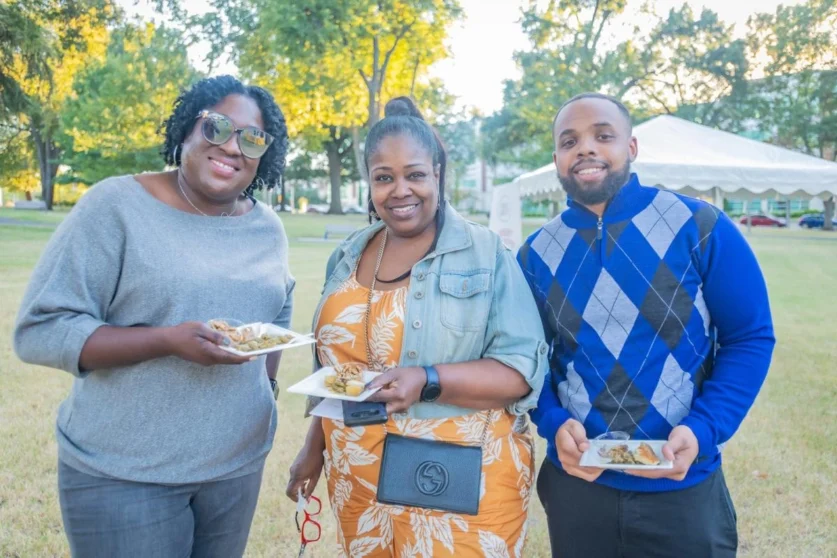
Want to experience the best of Memphis food and drink this October? Well, you’re in luck because there are several exciting events happening in the city that you won’t want to miss. From wine dinners to whiskey pairings and even a junior barbecue competition, there is something for everyone’s taste buds.
One event that should be on your radar is the Taste of the District. This annual event, put on by the Memphis Medical District Collaborative, celebrates the local economy by promoting intentional local purchasing from independent, minority- and women-owned businesses. Not only will you get to sample delicious food from various restaurants in the Medical District, but you’ll also have the chance to connect with the community and enjoy music by DJ RMZI. The event takes place on October 3rd at Health Sciences Park and admission is free.
If you’re a wine lover, you won’t want to miss the Fall Wine Dinner hosted by the Memphis Zoo. This fine dining experience, taking place at the Teton Trek Lodge on October 5th, will feature a chef-inspired four-course meal paired with wines from Gamble Vineyard. With dishes like Slow Roasted Pork Belly and Cumin Encrusted Swordfish, this is definitely an event for food and wine enthusiasts. Please note that this event is only open to those 21 and older, and tickets can be purchased on the Memphis Zoo website.
For a taste of Sicilian cuisine, head over to Catherine & Mary’s on October 11th for their October wine dinner. Wine director Ryan Radish will guide you through the evening, introducing you to the wines and flavor profiles for each course. The price includes a welcoming glass of wine, four courses with wine pairings, and a sweet bite to end the night. To make a reservation, you can email reservations@enjoyam.com after noon on October 2nd.
If you’re more of a whiskey enthusiast, be sure to mark your calendar for the three-course whiskey dinner at Celtic Crossing Irish Pub on October 12th. Owner DJ Naylor will be on hand to share his knowledge about each whiskey selection, while chef Reny Alfonso creates delicious pairings like Balvenie Caribbean Cask Scotch with Yellowtail Ceviche. And don’t forget to try a sneak peek of Bog & Barley’s first barrel selection. Tickets for this event can be purchased on Eventbrite.
Restaurant Iris will be hosting a special luncheon on October 14th with the theme of Bourbon and Butternut. You’ll enjoy a three-course meal, along with a cooking demo and a cocktail. This is a great opportunity to experience the culinary expertise of Restaurant Iris. To make a reservation, simply call (901) 590-2828.
On October 18th, Bishop will be hosting an October wine dinner focusing on the wines of the Loire Valley. Once again, Ryan Radish, the wine director, will guide you through the evening, providing insights into the wines and flavor profiles. The price includes a welcoming glass of wine, four courses with wine pairings, and a sweet bite to finish off the meal. To make a reservation, email reservations@enjoyam.com after noon on October 9th.
Last but not least, mark your calendars for the 2023 World Junior BBQ League Championship, happening in Memphis. This event brings together BBQ teams from all over the United States, Guatemala, and the Cayman Islands to compete for the 2023 title. Founded by Melissa Cookston, owner of Memphis Barbecue Co., this event aims to teach the next generation of pitmasters the art of BBQ. Along with the competition, there will be main-stage demos, music, activities for the whole family, and of course, mouth-watering food.
So there you have it, a lineup of exciting food and drink events happening in Memphis this October. Whether you’re a wine lover, whiskey enthusiast, or BBQ fanatic, there is something for you to enjoy. Don’t miss out on the opportunity to indulge in the best of Memphis cuisine and make lasting memories.
Experience a Unique Dining Adventure at Andrew Michael Italian Kitchen
Are you ready to embark on a culinary journey like no other? Look no further than Andrew Michael Italian Kitchen, where the talented chefs prepare a completely off-menu, four-course dinner on the last Wednesday of each month. This extraordinary dining experience allows the chefs to experiment with the freshest seasonal ingredients and showcase their latest ideas in the kitchen.
What sets this dining experience apart is the element of surprise. From the moment you step into Andrew Michael Italian Kitchen, you have no idea what delicacies await you. The menu is kept secret until after the meal, adding an air of anticipation and excitement to the evening. As you savor each course, your taste buds will be delighted by the creativity and skill of the chefs.
Upon completion of the meal, you will receive a handwritten, signed menu from the chefs as a memento of your unforgettable dining adventure. This personalized touch adds that extra special touch and allows you to relive the experience long after it’s over.
The next off-menu dinner at Andrew Michael Italian Kitchen will take place on October 25. The cost for this exclusive dining experience is $75 per person, which includes the dinner and access to the bar. Taxes, tips, and optional wine pairings are not included in the base price.
To reserve your spot for this unique culinary experience, call (901) 347-3569 or visit resy.com. Spaces are limited, so make sure to secure your reservation as soon as possible.
If you’re a food enthusiast who loves to keep up with the latest news and events in the Bluff City, sign up for our Eat Drink Memphis weekly newsletter. It’s your one-stop source for everything related to restaurants, recipes, and the tastiest happenings in town. Don’t miss out on the stories that make Memphis a food lover’s paradise.
In conclusion, if you’re looking to elevate your dining experience and indulge in a one-of-a-kind adventure, join Andrew Michael Italian Kitchen for their off-menu dinner on October 25. Prepare to be amazed by the creativity and passion of the chefs as they take you on a culinary journey like no other. Make your reservation today and get ready to savor the unexpected.
A billionaire who possesses an amount of wine that cannot be consumed in a lifetime is planning to sell 25,000 bottles valued at $50 million.

Auctioning Off an Unparalleled Wine Collection: Pierre Chen’s Staggering Offer
In a move that has the wine world buzzing with excitement, Taiwanese billionaire Pierre Chen has announced the auctioning of his extensive wine collection. Considered to be the largest and most expensive wine collection ever to be offered at auction, this remarkable sale is estimated to fetch up to $50 million.
Sotheby’s, the renowned auction house organizing the sale, has expressed awe at the sheer volume and range of Chen’s collection. George Lacey, Head of Sotheby’s Wine for Asia, describes Chen’s wine knowledge as the stuff of legend, placing him in a league of his own. The collection, amassed over four decades, is said to be staggering in both its size and diversity.
Although Sotheby’s refrains from disclosing the exact extent of Chen’s collection, a spokesperson has revealed that it amounts to well over a hundred thousand bottles. This auction represents only a fraction of his holdings, implying that the Taiwanese billionaire has amassed an extraordinary assortment of wines.
Chen’s journey as a wine collector began in the 1970s when he started acquiring wines from Bordeaux. However, his passion later expanded to include the lesser-known wines from the Burgundy region. It is the latter that are expected to steal the show at the auction, with rare vintages from the prestigious La Tâche vineyard, particularly coveted. Two “methuselahs” (six-liter bottles) from 1985 are valued at a staggering $120,000 to $190,000 each. Another 1999 vintage from the same vineyard is estimated to fetch $100,000 to $130,000, while a 1971 three-liter “jeroboam” (double magnum) holds an astounding value of $110,000 to $140,000.
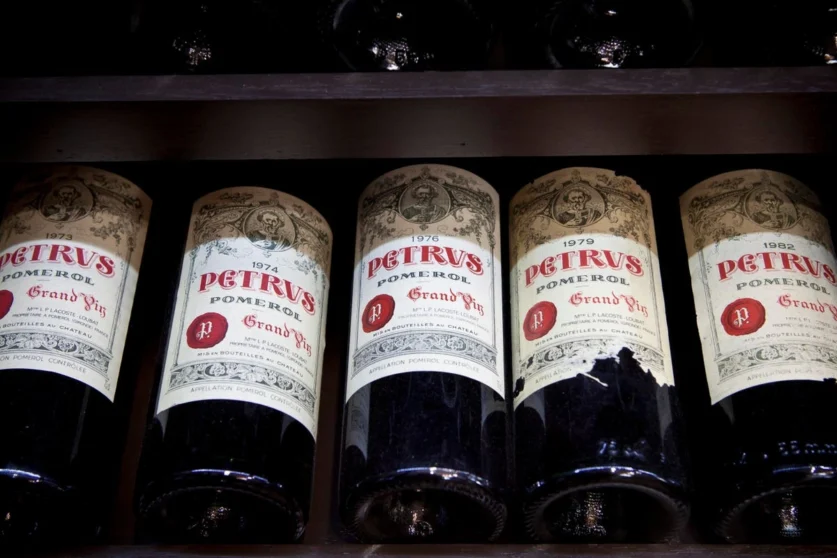
Among the remarkable wines on offer, a 1982 Château Pétrus, described by Sotheby’s as a wine with “legendary status amongst wine collectors,” is anticipated to reach up to $65,000. The sale will also feature exceptional white burgundies and Champagnes from renowned houses such as Dom Pérignon and Krug, adding variety to an already outstanding collection.
The auction, known as “The Epicurean’s Atlas,” will be conducted over the course of a year, comprising five different sales, each with a focus on specific regions and types of wine. The first sale will take place in Hong Kong in November, followed by auctions in Paris, New York, and Beaune, Burgundy. Coincidentally, Chen will soon be opening his first restaurant, Le Restaurant Blanc, in Paris, which will exclusively serve wines from his collection. Chen himself will assume the role of chief sommelier, adding a personal touch to the dining experience.
Interestingly, the billionaire is not just a collector; he is also a vintner. In 2015, he acquired a parcel of land in the renowned Grand Cru Musigny vineyard, where he continues to produce his own wine. This reveals Chen’s commitment to the art of winemaking, adding another layer to his status as a wine connoisseur.
It is worth noting that this is not Chen’s first foray into the world of auctions. Just five years ago, he auctioned off a staggering $15 million worth of wine through Sotheby’s. In addition to his passion for wine, Chen is also an avid art collector, proudly owning works by famous artists such as Pablo Picasso, Gerhard Richter, and Francis Bacon.
As wine enthusiasts eagerly await the start of “The Epicurean’s Atlas,” Pierre Chen’s auction promises to redefine the limits of both quality and value in the wine world. With a collection of this magnitude, it’s no wonder that collectors and aficionados alike are prepared to pay astronomical sums for the chance to become custodians of these exceptional wines.
Pierre Chen’s extensive wine collection will go up for auction at Sotheby’s.
The wine world is abuzz with excitement as Pierre Chen, also known as Chen Tai-Min, the contemplative and knowledgeable chairman of Yageo based in Taiwan, prepares to sell a portion of his illustrious wine collection. Over the span of four decades, Chen has amassed a truly impressive assortment of wines that are revered for their quality and rarity. And now, in a series of five auctions taking place around the globe, wine enthusiasts will have the opportunity to acquire these extraordinary bottles of liquid history.
Beginning on November 24-25 in Hong Kong, the first auction will kickstart this extraordinary wine-selling journey. However, this is just the beginning of the adventure, as subsequent auctions will take place in various prestigious locations. In July of 2024, Paris will be the next host, followed by the wine city of Beaune in the same month. New York will join in the festivities in September 2024, and finally, the curtain will fall on this remarkable series of auctions with a grand finale in Hong Kong in November 2024.
What sets Chen’s collection apart is not only its remarkable scale but also the unparalleled quality and provenance of the wines within it. Many of these vintages are exceedingly rare, but what truly astounds wine connoisseurs is the foresight and discerning taste that Chen possessed to collect them in such abundance.
The collection is a veritable treasure trove inhabited by the crème de la crème of winemakers. From Romanée-Conti to Henri Jayer, Château Pétrus to La Tour, the list is seemingly endless, with each renowned winemaker represented by their finest offerings. Jéroboams are plentiful, but it is the unparalleled beauty of the larger formats, such as the Methuselahs and Imperials, that will undoubtedly leave oenophiles salivating in eager anticipation.
It is rare to witness such an extraordinary collection of wines come to auction. The sheer magnitude of the offerings and the impeccable reputation of each bottle have the wine world in awe. As wine enthusiasts and collectors prepare to partake in this once-in-a-lifetime opportunity, the world waits to see who will become the fortunate stewards of these remarkable bottles and the custodians of their remarkable stories.
In the aftermath of looting, Fine Wine & Good Spirits stores in Philly will be closing.
Title: Wine and Spirits Store Closures in Philadelphia: A Reflection on Employee Safety and Community Unity
Introduction:
In recent events, Philadelphia witnessed a series of looting incidents that affected various local businesses, including the Fine Wine & Good Spirits stores. The aftermath of these events led to the temporary closure of all state liquor stores in the area, prompting concerns over employee safety and the need to assess the extent of the damage caused. This blog post aims to shed light on the situation while highlighting the unity within the community that emerged amidst these challenging times.
The Unfortunate Circumstances:
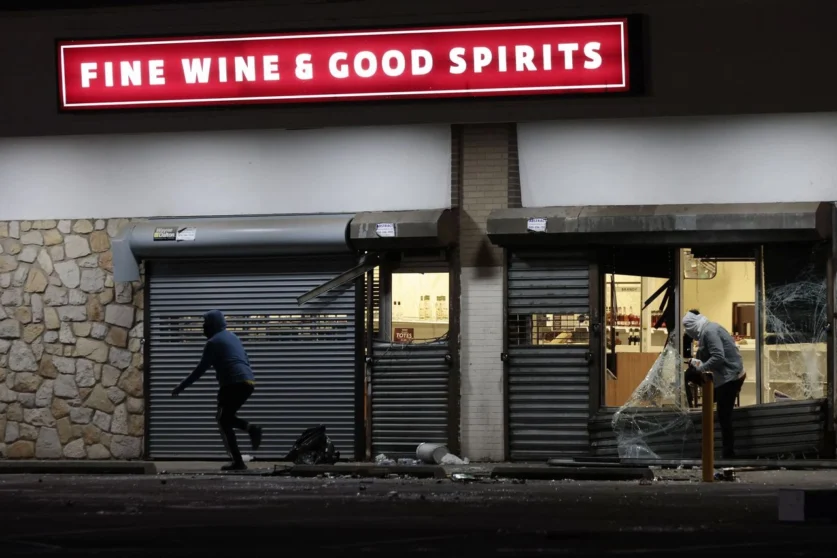
On a fateful evening, a coordinated attack took place across Philadelphia, as groups of teenagers stormed into businesses, including the Fine Wine & Good Spirits stores. Indiscriminately grabbing merchandise, they swiftly filled plastic bags before fleeing the scene. This unprecedented wave of looting unfolded following a peaceful protest, unrelated to the criminal activities that transpired.
Prioritizing Employee Safety:
As a response to this wave of looting, the Pennsylvania Liquor Control Board made the decision to temporarily close around four dozen Fine Wine & Good Spirits stores in Philadelphia, along with another store in Cheltenham Plaza. The paramount concern in this challenging situation was ensuring the safety of the employees working in these establishments. While no staff members were harmed during the incidents, taking prompt action was necessary to evaluate the resulting damage and losses.
Assessing the Damage:
Closing the stores allowed a thorough assessment of the impact caused by the looting. Storefronts needed to be inspected, inventories checked, and the emotional well-being of the employees preserved. This necessary evaluation will enable the authorities to determine an appropriate reopening timeline, ensuring that the stores can resume operations as soon as possible.
Unity in the Community:
During these trying times, it is crucial to recognize the unity and support within the Philadelphia community. While acts of looting and vandalism may have cast a shadow over the city, it is important to remember that these incidents were not representative of the initial peaceful protest that aimed to address a separate issue. The community’s commitment to peaceful cooperation and justice should not be overshadowed by the actions of an isolated group.
Conclusion:
The temporary closure of the Fine Wine & Good Spirits stores in Philadelphia and the broader community, in response to the recent wave of looting, underscores the priority placed on employee safety and the assessment of damages. By standing together, Philadelphia can emerge stronger and show that acts of violence and vandalism will not undermine the unity and harmony that it strives to uphold. As the healing process continues, the affected businesses and the resilient community shall move forward, demonstrating their indomitable spirit and commitment to justice.
Three fundamentals of wine tasting are put to the test in a taste test.
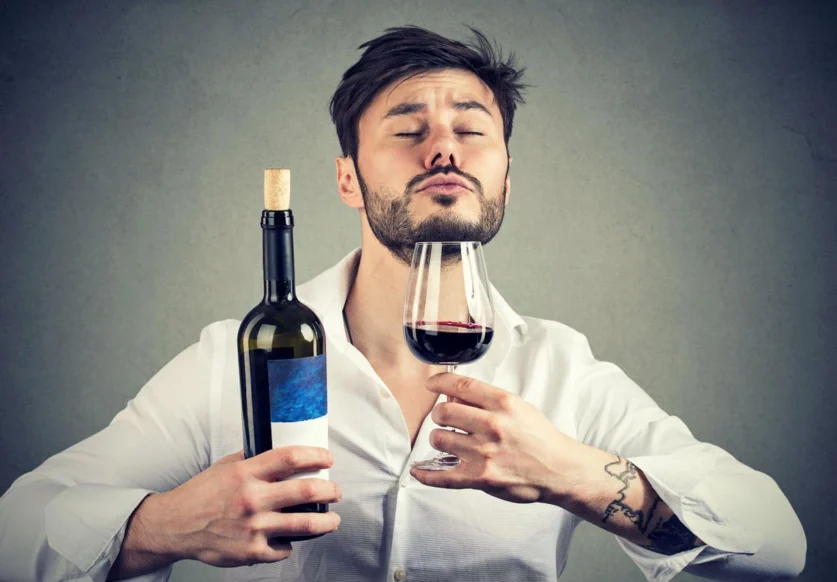
often overlooked, but it can greatly enhance your overall wine tasting experience. Texture refers to the physical sensations you feel when you take a sip of wine. Is it smooth and velvety, or is it rough and tannic? Is it heavy and full-bodied, or light and crisp?
When it comes to texture, there are a few key factors to consider. One of the most important is tannin, which is found mainly in red wines. Tannins are compounds that come from the grape skins, seeds, and stems, as well as from aging in oak barrels. They create a drying sensation in your mouth and can add structure and complexity to a wine. When you drink a wine with high tannins, you may notice a slight bitterness or astringency.
Another factor to consider is acidity. Acidity is what gives wine its freshness and liveliness. It adds a tartness and can make your mouth water. Wines with high acidity are often described as crisp or zesty, while wines with low acidity can taste flat or flabby.
Body is another important aspect of texture. It refers to the weight and richness of a wine on your palate. Wines can range from light-bodied, like a delicate Pinot Noir, to heavy-bodied, like a full-bodied Cabernet Sauvignon. Each style of wine has its own unique characteristics and can pair well with different foods.
Finally, there is the aspect of effervescence. Some wines, like Champagne or Prosecco, have bubbles that add a lively and refreshing quality to the texture. These wines can feel fizzy on your tongue and can be great for celebrations or as an aperitif.
Understanding the texture of a wine can help you better appreciate its flavors and aromas. For example, a light-bodied, crisp white wine might pair well with light seafood dishes, while a full-bodied red with high tannins would pair well with a rich, fatty steak.
Don’t be intimidated by the technical terms or the snobbery surrounding wine tasting. Start with the basics and build your knowledge and confidence over time. Pay attention to the aromas, flavors, and textures of the wines you try, and soon you’ll be able to navigate the world of wine with ease. Cheers!
The Connection Between Wine and Fabric Sensations###
When we think of wine, we often associate it with the textures of various fabrics. It’s like experiencing the silky smoothness of satin, the plushness of velvet, the warmth of wool, or the earthy feel of flax or linen-like fibers. But have you ever wondered how winemakers create these tactile sensations in the wines we enjoy?
It all comes down to the decisions made by the winemakers themselves. They have the power to influence the texture of the wine by carefully handling the grapes during the production process. For instance, the decision to include or exclude the stems, and how long to macerate the juice on the grape skins, can significantly impact the final texture.
Another important factor is the choice of aging vessel. Whether it’s wood, stainless steel, concrete, or clay, the vessel plays a crucial role in integrating or eluding tannins. These tannins come from the stems, pits, and skins of the grape, and contribute bitterness and astringency to the wine. Additionally, the barrels themselves impart their own unique flavors, such as spice, char, fruit, or sweetness, which ultimately contribute to the wine’s structure and complexity.
But here’s an interesting twist: there are some critics out there who simply don’t like wine. They don’t appreciate the textures, flavors, and aromas that wine has to offer. However, on the other end of the spectrum, there are textures that can be quite jolting and invigorating. Take, for example, high-acid white wines like dry Rieslings from Alsace and Germany, Assyrtiko from Santorini, or Chablis and some Sauvignon Blancs. These wines have a zesty freshness that is both vibrant and food-friendly. They showcase a purity of fruit and often reflect the skillful craftsmanship (or slight of hand) of the winemaker.
When it comes to describing the texture of a wine, there are numerous terms that come into play. Some wines are described as racy, indicating a lively and energetic texture. Others are referred to as round, mouth filling, or creamy, suggesting a more luxurious and smooth sensation in the mouth. Yet some wines can be described as waxy, tense, taut, or even nervous, reflecting their unique and sometimes challenging textures.
In our next installment of Taste Test, we will delve deeper into these texture descriptors and explore tried and true methods for honing your wine tasting skills. Remember, each wine tells a story through its texture, and understanding the connection between wine and fabric sensations can truly enhance your appreciation of this ancient and beloved beverage. Cheers to discovering a whole new world of wine textures!
Discover the ultimate combinations of wine and chips for an idyllic evening at home with our curated list of the top 10 options.

Welcome to the ultimate guide on sipping and snacking! We all love lounging on the couch with a glass of wine and a bag of chips, right? It’s a classic combination that brings us joy and comfort. But why settle for ordinary when we can elevate these pairings and take snacking to new heights?
We’ve got some expert tips from Sande Friedman, the beverage program manager at Di Bruno Brothers in Philadelphia. She knows a thing or two about pairing wine with everyday snacks for maximum enjoyment. And for some added inspiration, we’ve also picked up “Big Macs & Burgundy: Wine Pairings for the Real World” by sommelier and writer Vanessa Price.
According to Sande, when it comes to regular potato chips, go wild with whatever unique wine strikes your fancy at that moment. Or if you want to jazz up your palate, try a skin-contact pétillant-naturel (or “pét-nat”) from Bloomer Creek in upstate New York. These unfiltered sparkling wines are dry, earthy, and have lively bubbles that elevate the snacking experience. On the other hand, Vanessa Price recommends pairing classic potato chips with champagne, because who needs an excuse to drink the good stuff, right?
Now, let’s talk about BBQ chips. Sande suggests pairing them with a medium or fuller red wine, like a soft Merlot-based red. But for those who want to be more adventurous, she recommends Mariotti Smarazen Bianco dell’Emilia, a fizzy blend of Trebbiano and Malvasia grapes that has a peachy flavor reminiscent of peach barbecue sauce. Vanessa Price agrees and suggests Central Coast Pinot Noir as another excellent pairing with BBQ chips.
When it comes to vinegar chips, Sande admits it’s a challenging pairing. The strong vinegar flavor requires a wine that can handle the intensity. She recommends a still rosé made with Gamay grapes, like Edmunds St. John Bone-Jolly Gamay Noir Rosé. If you can’t find Gamay, a dry rosé will also do the trick.
Now, let’s indulge in some splurging. Sande loves Bichi’s Pet Mex Tecate, a rosé pétillant made from a wide blend of grapes. It balances the cheddar flavor of Doritos with its delightful sweetness and frothy-peachy taste. Sande also suggests off-dry wines like Riesling, Muscat, or Gewurztraminer-based wines as alternatives to balance the cheddar goodness.
Lastly, the junkiest of chip options, Cheetos. Sande recommends pairing them with a chilled light red wine like Fossil & Fawn’s annual ‘Do Nothing’ red blend. It’s a casual pairing that never disappoints. Vanessa Price also mentions Cheetos in her book and suggests pairing them with Sancerre, a crisp and dry white wine made with Sauvignon Blanc grapes from the Loire Valley.
So there you have it, fun tips on sipping and snacking from the pros. Remember, don’t be afraid to experiment and let your taste buds guide you to your perfect pairing. Whether you’re indulging in classic potato chips, BBQ chips, vinegar chips, Doritos, or Cheetos, there’s a wine out there that will enhance your snacking experience and take it to the next level. Cheers!
When it comes to snacks, we all have our favorites. Whether it’s a bag of sour cream and onion chips or a can of Pringles, there’s nothing quite like enjoying a salty treat while kicking back and watching a movie. But have you ever thought about what wine would pair best with these delectable snacks? Well, wine expert Sande has some suggestions for you.
Let’s start with the classic sour cream and onion chips. Sande recommends pairing these with a French Chardonnay. Look for one that is unoaked and medium weight, as this will provide the perfect balance for the bright lemon profile of the chips. The sour cream dust that coats the chips calls for a fairly substantial white wine, so something too light won’t do the trick. This pairing would also work well with salted potato chips and French onion dip.
Next up, Pringles. These iconic potato chips call for a fairly neutral palate, so Sande suggests going with a Chenin Blanc. This honeyed white grape from the Loire Valley in France is a favorite among wine geeks and complements the all-American chip perfectly. Specifically, Sande recommends Hobo Wine Co.’s Folk Machine Chenin Blanc.
Now, let’s talk about pretzels. The instinct might be to go with a red wine, but Sande recommends trying a Zweigelt-based wine instead. This will bring a little peppery flavor to the malty and wheaty taste of the pretzels. Sande also suggests experimenting with something funky, like a Jura white wine. These wines have an oxidative and aromatic profile, similar to sherry, and could be a unique and delicious pairing with a hard dark rye-style pretzel.
Moving on to sweet potato anything, Sande believes Pinot Noir is the red grape of choice. Whether it’s a sweet or savory sweet potato dish, Pinot Noir is the way to go. For a fancy option, Sande recommends Amelie Berthaut’s entry-level Bourgogne Hautes-Côtes de Nuits. If you’re looking for something with a bit more spice, the Copper Pot Pinot Noir from Thorne & Daughters in South Africa is a great choice. It has brambly and spicy notes but still maintains elegance and grace.
Finally, we come to the catch-all fun pairing for chips – Champagne. It’s not wrong to pair chips with Champagne, but Sande thinks if you’re splurging on real Champagne, you should also indulge in a luxury-flavored chip. Sande’s dream splurge includes Moussé Fils ‘Spécial Club’ Brut Champagne paired with Torres Truffle Chips. And why stop there? Sande suggests dunking the chips in some really ripe Harbison or Amontillado cheese for the ultimate indulgence.
So, the next time you’re craving a snack and a glass of wine, consider these expert recommendations. Who says chips and wine don’t go together?