Wine 1106
Regulators Take Action as Wastewater Treatment Issues Plague Major Hopland Wine Production Facility

HOPLAND ― Besides the millions of cases of wine bottled each year at Ray’s Station Winery off Highway 175, the massive facility has been producing something else in recent years, to the chagrin of its neighbors.
An aroma of raw sewage and rotten eggs, with notes of hot garbage and sweaty feet, permeates the air much of the time going back five years and, this year, pretty much constantly since early spring, residents say.
It’s a stench described as that of “rotting teeth” or a “pig farm” or “fecal matter”― an odor so foul it’s ruined parties, driven neighbors to shut their windows and stay indoors and has, they are sure, degraded their property values along with their quality of life―especially when the weather is warm.
“There have been moments where, like, you walk outside and you gag physically,” said one resident, Taylor Macri. “It’s so strong that you have to hold your breath and run to the car.”
And this year, “it’s gotten so much worse ― exponentially worse,” she said.
The source is wastewater from wine production and bottling activities that have expanded tremendously on the site since 2012. That’s the year that what had been Weibel Winery ― the last of several smaller operations there― was snapped up by Vintage Wine Estates amid a period of rapid acquisition that saddled it with debt and since has pushed it to the brink of bankruptcy.
At the time Vintage Wine Estates bought the property about four miles east of Highway 101, then-president Pat Roney said he planned to crush 400,000 cases of wine at the facility in the coming year.
Roney also told The Press Democrat that having a bulk processing facility in Mendocino County was advantageous because “there are no use permits required, so we can continue expanding to unlimited production up there.”
As much as 11 million cases of wine may now be bottled each year at Ray’s Station, much of it made by fast-growing Josh Cellars, though Vintage Wine Estates, whose operational offices are in Santa Rosa, owns close to three dozen brands, including at least one cider.
A call to Ray’s Station Winery bottling manager Scott Wallace was not returned. Operations head Rodrigo de Oliveira said he would find a company representative to answer questions but did not call back. A second call to his office was unanswered.
According to the North Coast Regional Water Quality Control Board, it appears the winery’s swift expansion may have overwhelmed its wastewater treatment facilities, which regulators say are poorly designed, in disrepair and lack adequate capacity, though the system is intended to handle an average daily flow of 91,100 gallons at peak production.
The problems go beyond wretched odors and have repeatedly put groundwater and surface water connected to the Russian River at risk of contamination, in addition to violating the winery’s permit and general requirements, regulators said.
After a series of actions over several years, including four formal notices of violation, the water quality agency has issued several new orders over the past month intended to force the company to bring its wastewater treatment system under control at last.
A Draft Cease and Desist order issued Tuesday is the latest attempt by water quality regulators to bring order to a situation that, since June 17, has included a torn or punctured liner in one wastewater treatment pond and the risk of rupture and leakage in the second.
The Cease and Desist Order must be approved by the board’s six members in order to be enforceable. A hearing will be held on the matter in the first few days of October.
A Cleanup and Abatement Order and Investigative Order issued June 20 is enforceable now, however. It requires Vintage Wine Estates to develop an urgent corrective plan by Friday and provide information to regulators necessary to oversee improvements.
The most urgent problem apparently arose when wastewater somehow accumulating underneath the pond liners, backed up underground drains, though they were capped five years earlier, said Jeremiah Puget, senior environmental scientist with the water quality agency’s enforcement unit. The backed-up fluid put upward pressure on the liners so they ballooned outward and, in one case, ruptured, though regulators are still awaiting a full explanation, Puget said.
The agency’s actions go back years and are based, in part, on inspections and findings related to odor complaints raised since January 2019, as well as evidence of problems associated with the wastewater treatment system, which includes two lined aeration ponds for wastewater treatment, one treated wastewater storage pond and five rapid infiltration basins used to dispose of treated wastewater.
At least twice in recent years, an aerator has broken, including this spring, when repairs were delayed because a particular component was unavailable, winery representatives told regulators.
The aerator failure, which persisted for more than a month, happened to coincide with Mother’s Day and Memorial Day, creating havoc for neighbors who had planned to host events. It was reportedly repaired May 29, but the odor has not abated.
An earlier series of violations, from October 2022 to April 2023, involved workers found to be disposing of excess treated wastewater on green and landscaped areas around the property, a practice prohibited since the organization removed a 12-acre vineyard that once grew there, according to water quality board documents.
Staffers informed regulators that the facility’s five quarter-acre rapid infiltration basins, designed for the disposal of treated effluent, were not percolating at the expected rate. This required an alternative disposal route that regulators say threatened contamination of groundwater and surface water resources through commingling with stormwater drainage, according to board documents.
Some treated wastewater has also ended up in stormwater structures that drain to a vineyard pond across the highway, from which it can reach the Russian River, regulators say.
Other issues arose from grape pomace left over from wine production, which was stored in a corner of the property about 150 feet from the nearest home after the facility managers could find no other disposal option.
“That ended up stinking really badly,” said Ken Richter, a neighbor who plans to sell the ranch house he shares with his wife off the north edge of Highway 175.
Richter, a vineyard manager, says there’s no way the wastewater aeration ponds and other facilities are sufficient to “handle the amount of wastewater they push through,” and with only about 35 acres, 10 of them built, it seems unlikely they’ll be able to, he said.
“It’s criminal as far as I’m concerned,” Richter said. “I don’t know how they can get away with it …. Every county agency we’ve talked to has just done nothing for us.”
“It really has affected us,” said Marie Kong, one of a handful of others with rural homes just east of the winery.
Vintage Wine Estates, in a public video touting the site’s tremendous capacity and function as “the primary workhorse” for its bottling operation, said in addition, “We’re proud to be good neighbors and supporters of our community.”
But neighbors say their dreams of living in a beautiful, rural valley and enjoying time outdoors with family have been destroyed.
“They did construction for years and years and years and years and moved a whole lot of dirt for years, and for years and years and years we had construction noise,” said Kong, who, with her husband Todd, built their home in 1991. “They kept adding tanks, and it’s huge, and even that, I was like, ‘OK.’”
“… And then the smell started,” she said.
Russian Riverkeeper Executive Director Don McEnhill said the recent regulatory notices had gotten his organization’s attention, which is now looking into the matter.
“It’s pretty easy to control that environment unless you’re not trying,” he said. “This is not rocket science. It’s about making sure you have the capacity to treat the volume you have, and you have the appropriate protocols and treatment systems.
“It’s pretty simple stuff, and they shouldn’t be getting it wrong, but if you under-invest in your treatment systems or you’re undersized, that’s a real problem.”
You can reach Staff Writer Mary Callahan (she/her) at 707-521-5249 or mary.callahan@pressdemocrat.com. On X (Twitter).
Discover Napa Valley’s Next Great Cult Wine Gem
This story is from an installment of The Oeno Files, our weekly insider newsletter to the world of fine wine. Sign up here.
When we recently tackled the idea of how to spot Napa Valley’s next cult wine, two concepts stood out: winemaking talent and fruit sourcing. That’s simple in theory, but it’s not easy to ascend to the rarefied air of sought-after labels like Harlan, Bond, Promontory, Screaming Eagle, and Opus One. That doesn’t stop wineries from trying. In addition to the roughly 1,000 wine brands from Napa that are already in existence, we are constantly in touch with producers who state that the first vintage of their new wine is sure to be the next big thing. It’s fair for us to be skeptical, but that doesn’t mean our eyes—and palates—aren’t always open to the possibility.
More from Robb Report
“`html
Seriously, Boxed Wine Is Really Good Now
Watch: How to Make a Perfect French Omelette at Home, According to a Michelin-Starred Chef
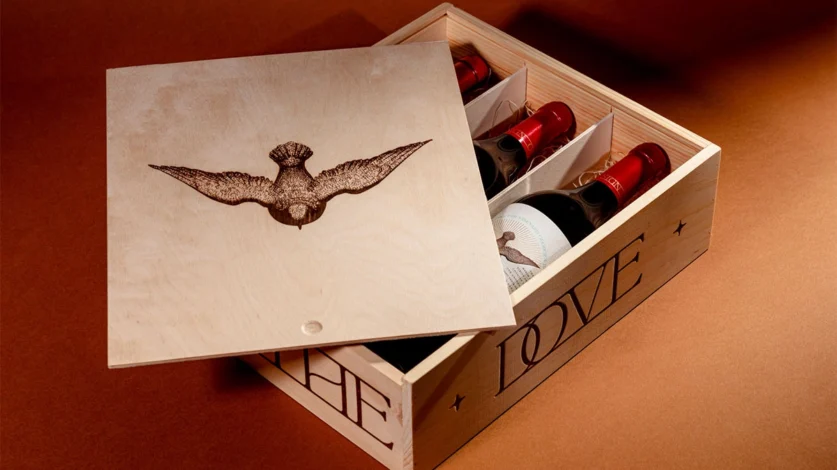
Then came along Sign of the Dove, a Napa Valley Cabernet Sauvignon produced from historic vineyards under the hand of Sonoma winemaker Jesse Katz. The father-and-son team behind the brand, Marc and Jake Taub, chose Katz—whose Devil Proof, Aperture, and the Setting Wines have earned him a reputation as one of the most accomplished young winemakers in the world—to lead their new project using fruit sourced from a pair of Napa’s most sought-after plots, Beckstoffer Vineyard Georges III Vineyard and Beckstoffer Missouri Hopper Vineyard. Talent, meet fruit sourcing. After tasting first vintage and digging deeper into its story, we can boldly state this is Napa Valley’s next great cult wine.
Katz and Jake met at the Aspen Food & Wine Classic five years ago, and Jake was immediately impressed with Katz’s winemaking style. They also hit it off because Jake and Katz grew up in and around the wine industry. The fourth generation of his family in the wine and spirits business, Jake is director of business development at Palm Bay International, a powerhouse in wine importation. As a child, Katz traveled the world visiting vineyards with his father, noted photographer Andy Katz. A few weeks after Jake’s initial encounter with Katz, he and his father headed to Healdsburg to check out Katz’s Aperture Cellars winery, which was under construction at the time. Blown away by facility’s design and state-of-the-art technology, the Taubs signed a deal that day for Katz to start making small lots of Napa Valley Cabernet Sauvignon for them.
“`
They put themselves in good hands, as 11 of Katz’s wines have received a combined 17 perfect 100-point scores from a variety of publications, with his Devil Proof 2018 Farrow Ranch Malbec earning top marks from The Wine Advocate, The Wine Independent, and JebDunnuck.com. And in 2021, a six-liter bottle of Katz’s Cabernet Sauvignon fetched $1 million at a charity auction in New Orleans, setting the world record for most expensive bottle of wine ever sold. Katz says the fruit sourcing for Sign of the Dove was a collaborative effort; the Taubs had been contracting some grapes from these sites for another project, but Katz was able to leverage his relationship with one of the vineyard managers to access what he considers the two best blocks in the vineyard. He also teases a potential upcoming release, telling Robb Report, “We have some other world-class sites that might be coming into the portfolio in the future as well.”
The Taubs were drawn to the Beckstoffer sites in Oakville due to their provenance and proven track record. “These two vineyards offer such distinct profiles of different parts of the valley that we have always loved,” Jake tells Robb Report. “We felt they were the perfect wines to begin our project together.” He explains that Katz put his own touch on the farming through trellising techniques that provide an optimal shade-to-light environment for the grapes to allow for slow, even ripening and overall balance.
“The Beckstoffer team are some of the most talented farmers in the world,” Katz says. “I collaborate with them to drive style in the vineyard so we can fine-tune it in the winery. I make all harvesting decisions, but we collaborate on all other elements of viticulture throughout the year as a team.” Once grapes have been harvested, they are subject to a sophisticated infrared optical sorter to select only the best of the best. “This level of sorting gives us the purest expression of the fruit, without extremes, and allows us to remove underripe green berries, stems, leaves, and overripe raisins,” Katz says. He also uses an automated pump over system with air injection “to make the most concentrated and expressive wines, because we can extract when we want and how we want.” He points out that this helps him to preserve wine aromas and build texture during the entire fermentation process. Both wines matured for 22 months in the cellar: Beckstoffer Vineyard Georges III in 80 percent new French oak and Beckstoffer Missouri Hopper Vineyard in 100 percent new French oak.
Sign of the Dove 2021 Beckstoffer Vineyard Georges III Vineyard is inky violet to the eye and has aromas of Luxardo cherry, raspberry, and menthol with a touch of earthiness. A cloak of elegant tannins wraps around flavors of cassis, blackberry, dark chocolate, and a hint of tobacco leaf that lingers into the long finish. Sign of the Dove 2021 Beckstoffer Vineyard Missouri Hopper Vineyard is deep garnet in color with a purple rim. It offers a bouquet of blackberry, caramel, and crushed violet that leads to a gorgeous opening note of butterscotch on the palate. Flavors of black cherry, purple plum, milk chocolate, fennel, and lavender are set into a layer of velvety tannins that endure into a floral-scented finish. If drinking now, decant for 30 minutes before serving. Both wines will age gracefully for another 20 years or more.
The Taubs and Katz really want to keep this an “insider” offering. Besides Jake holding a private tasting for Robb Report at Carbone Privato in New York City, the wines were only submitted to one scoring publication, JebDunnuck.com, whose following is more focused than many of the more mass-market wine magazines and sites. The George III received 97 points, while the Missouri Hopper garnered a score of 97+, a solid showing for a first release.
There are several other high-profile first vintage drops this season, but as we said up front, this is the one we really have our eyes on for the fast track to success. The owner and winemaker are both young—Jake is 27, while Katz is 40—and they will be introducing Sign of the Dove through private tastings around the country and in Napa and Sonoma. While Jake lets Katz “drive the farming and winemaking,” they taste the wines together as they evolve and work on the overall profile. The Taubs chose the name because “taub” means “dove” in German, but Jake also points out that the long-gone New York City restaurant Sign of the Dove was his grandfather David’s favorite. The mosaic-inspired dove on the label is in homage to the restaurant’s mosaic floor. Sign of the Dove packs a lot of history into its vineyard sourcing, label imagery, and bottle design (which has the same shape as David’s favorite wine, Haut-Brion) and we are here to tell you it has a lengthy future as well.
Do you want access to rare and outstanding reds from Napa Valley? Join the Robb Report 672 Wine Club today.
Best of Robb Report
Why a Heritage Turkey Is the Best Thanksgiving Bird—and How to Get One
9 Stellar West Coast Pinot Noirs to Drink Right Now
The 10 Best Wines to Pair With Steak, From Cabernet to Malbec
Sign up for Robb Report’s Newsletter. For the latest news, follow us on Facebook, Twitter, and Instagram.
America’s Finest Red Wine: Top Choice at the Decanter World Wine Awards
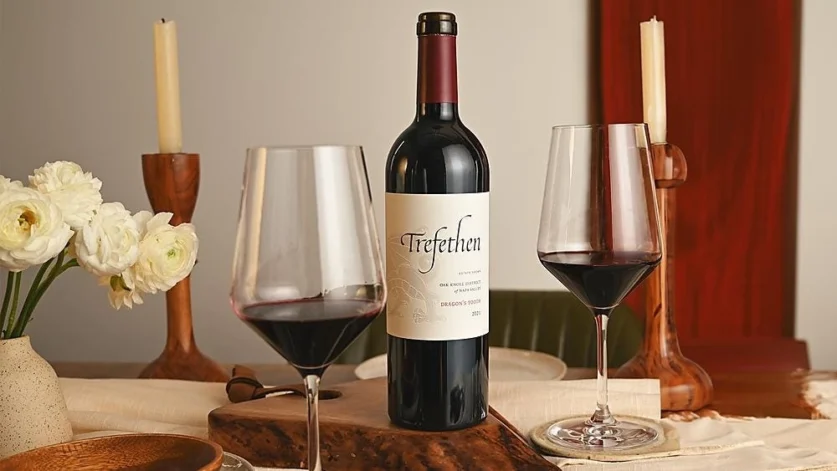
Trefethen Family Vineyards, Dragon’s Tooth Red Blend 2021, 14.2% ABV, 750 ml
The Decanter World Wine Awards is among the most prestigious and largest wine competitions in the world. The 2024 judging saw more than 18,000 wines submitted. Just .64%, only 117 of these entries were recognized with Platinum medals as among the world’s best. Among the more than 1,000 American entries, only 106 medaled, and only two took Platinum medals. The sole North American producer to claim the honors for the top red wine varietal blend, with a score of 97/100, is Trefethen Family Vineyards.
Trefethen Family Vineyards is a prominent and historic winery located in the Oak Knoll District of Napa Valley, California. Established in 1968 by Eugene and Catherine Trefethen, the winery has remained family-owned and operated, now in its third generation, embodying a deep commitment to quality, sustainability, and the expression of Napa Valley’s terroir.
The property had a winemaking history dating back to the late 19th century. The Trefethens restored the original 19th-century winery building and replanted the vineyards. They focused on creating estate-grown wines that showcased the unique characteristics of their land.
The winery adheres to an “estate-grown philosophy”– all their wines are made from grapes grown on their property. This approach ensures full control over the quality and consistency of their wines. The vineyards are farmed sustainably, with a focus on environmental stewardship, including water conservation, soil health, and biodiversity.
Located in the heart of Napa Valley, the Oak Knoll District is known for its moderate climate, which is ideal for growing a wide range of grape varieties. The district’s diverse soils contribute to the complexity and depth of Trefethen’s wines.
Dragon’s Tooth is a signature red blend inspired by Trefethen Family Vineyard’s commitment to producing bold and distinctive wines. Named after the volcanic rocks found in the vineyard, which resemble dragon’s teeth, this wine is crafted to reflect the strength and uniqueness of its Oak Knoll volcanic soil terroir.
The wine is typically a blend of Malbec, Petit Verdot, and Cabernet Sauvignon. The 2021 vintage was 49% Malbec, 37% Petit Verdot, and 14% Cabernet Sauvignon. The exact proportions may vary slightly between vintages, but the focus remains on creating a robust and balanced wine.
These three varietals blend well together. Malbec adds deep color, ripe plum and blackberry flavors, and soft tannins. Petit Verdot contributes intense color, floral notes, robust tannins, and structure. While Cabernet Sauvignon provides backbone, structure, and complexity with flavors of blackcurrant, cedar, and spice.
Blends of Malbec, Petit Verdot, and Cabernet Sauvignon showcase the versatility and complementary characteristics of these grape varieties. Regions like Bordeaux, Napa Valley, Mendoza, Cahors, South Australia, Colchagua Valley, and Tuscany are renowned for their ability to craft exceptional wines that highlight the best qualities of these varietals, offering wine enthusiasts a diverse range of flavors and styles to explore. Outside of Argentina and to some extent Cahors, however, it is unusual to find blends that feature such a high percentage of Malbec.
Trefethen’s Historic Winery
Trefethen Family Vineyards, Dragon’s Tooth Red Blend 2021, 14.2% ABV, 750 ml
The wine exhibits a deep, dark ruby color, with a slight purple hue.
On the nose, there is a profound aroma of ripe blackberries, dark cherries, and plums. There are also hints of violets, cocoa, and a touch of vanilla and spice from the oak aging.
On the palate, Dragon’s Tooth is a dense, full-bodied and well-structured wine. The initial burst of dark fruit flavors of blackberry and black cherry are followed by layers of dark chocolate, espresso, and a subtle, dusty minerality. The tannins are firm yet velvety and well-ripened, giving the wine a noticeable backbone.
The finish is long and smooth, with lingering notes of dark fruit, spice, and a hint of smokiness. Although readily drinkable now, the wine’s structure and fruit forward character make it an ideal candidate for extended aging. At an average retail price of $45, it also represents excellent value.
The Decanted World Wine Awards Judging Panel described the wine as featuring:
Intrepid aromas of richly peppered blue and black fruit with a sheen of minty refreshment. Structured, polished and densely textured, with indulgent tannins and a penetrating bead of fine acidity. Built for the long haul.
Trefethen Family Vineyards is a testament to the enduring legacy and commitment to quality in Napa Valley winemaking. Their dedication to sustainable practices and estate-grown wines is evident in the character and complexity of their offerings. Dragon’s Tooth is a standout example of their craft, showcasing the bold and unique qualities of their vineyard’s terroir. Whether enjoyed now or cellared for future enjoyment, Dragon’s Tooth offers a rich and rewarding wine experience.
One Community. Many Voices. Create a free account to share your thoughts.
Our community is about connecting people through open and thoughtful conversations. We want our readers to share their views and exchange ideas and facts in a safe space.
In order to do so, please follow the posting rules in our site’s Terms of Service. We’ve summarized some of those key rules below. Simply put, keep it civil.
Your post will be rejected if we notice that it seems to contain:
User accounts will be blocked if we notice or believe that users are engaged in:
So, how can you be a power user?
Thanks for reading our community guidelines. Please read the full list of posting rules found in our site’s Terms of Service.
Experience the ‘World’s Most Dangerous Wine’ at Exclusive Dinner Event Near Los Angeles
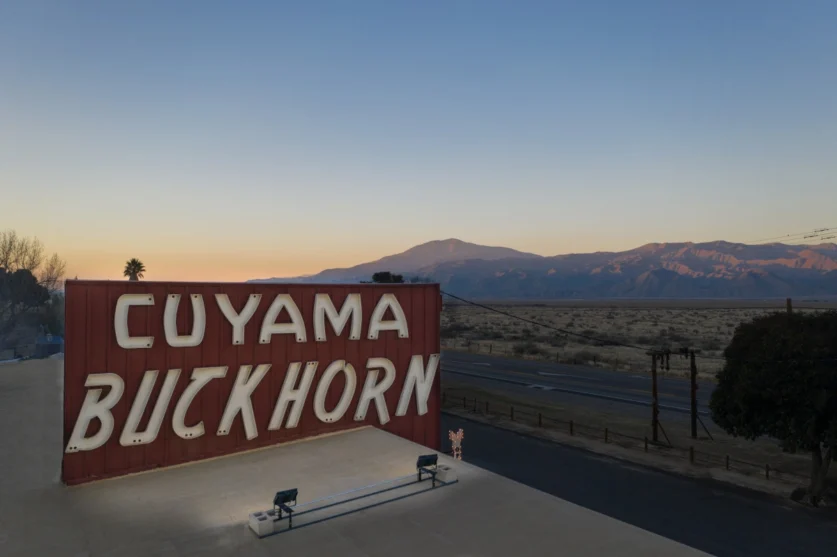
Courtesy of Cuyama Buckhorn
The post-covid world has us exploring our ‘backyards’ in ways we never have before. Finding excitement in unexpected places just a hop, skip, and a jump from our homes is one of the greatest discoveries. If you’re based in Southern California and looking for a new haunt to joyride to, do not miss Cuyama Buckhorn. The 1950s revamped roadside resort stands just an hour north of Ojai and 2 hours from Los Angeles. This year they won a Wine Spectator Award and they have a new chef who hails from Mexico City with quite a pedigree. There has never been a more exciting time to venture out to Cuyama.
Courtesy of Cuyama Buckhorn
Cuyama Buckhorn—recent winner of a Wine Spectator Award of Excellence—is honored to present a truly special opportunity to connect with one of the most interesting winemakers in the world, Vahe Keushguerian, who was recently the subject of the documentary, SOMM: Cup of Salvation. Cuyama Buckhorn’s Chef Hugo Vera has designed a six-course dinner influenced by the wines to help tell the story of these special grapes. Keushguerian and his daughter, Aimee are revitalizing vines from the oldest winemaking culture in the world (more than 10,000 years of wine making) and bringing the traditions of their heritage into the modern day at their wineries, Keush and Zulal, respectively.
Courtesy of Molana Wines
In addition to growing Armenian grapes on Armenian soil, Keushguerian smuggled indigenous wine grapes out of Iran, where winemaking has been outlawed since 1979, and re-established the vines in Armenia to make Molana Winery—essentially Iranian winemaking in exile. Molana is the first Iranian wine that has been produced in fifty years, and is unlikely to ever be produced again. This is a rare chance to taste this wine, with the winemaker himself, and partake in history. To honor the collaboration between Cuyama Buckhorn and Keushguerian, Chef Vera’s menu will help tell the winemaker’s incredible story with unique Cuyama flavor and locally-sourced ingredients.
Courtesy of Cuyama Buckhorn
On Saturday morning guests are encouraged to attend a screening of SOMM: Cup of Salvation followed by a Q&A with Keushguerian.
This dinner comes amid a summer of Wine Weekends at Cuyama Buckhorn. Other recent wine dinners have featured Condor’s Hope, Marbeso, and Presqu’ile. On August 3rd, Sonja Magdevski of Clementine Carter will be the featured winemaker and September 7th, Austin Hope of Hope Family Wines will be pouring.
WHEN: July 19, 2024
PRICING: Dinner tickets are $250 per person including wine pairings. Book a room for the weekend starting at $285/night.
WHERE: 4923 Primero Street, New Cuyama, CA 93254
Cuyama Buckhorn is located 1 hour east of Santa Maria, and 2 hours north of Los Angeles.
INFO: Call (661) 766-2825 or visit cuyamabuckhorn.com to reserve
Courtesy of Cuyama Buckhorn
Lawsuit Erupts Over Controversial Ownership Claims at Nantucket Food and Wine Festival
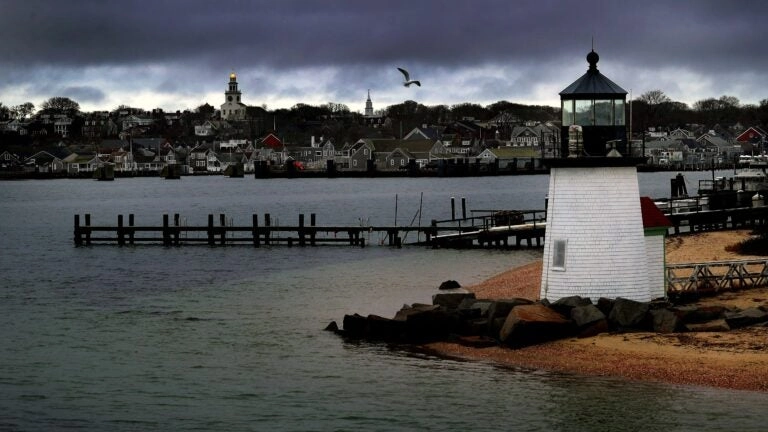
By Thomas Lee, The Boston Globe
Chances are, there will be some kind of food and wine festival in Nantucket May 14-18 next year. We just don’t know which version yet.
That’s because two parties are laying claim to the annual event at the same date and venue. On one side, there’s Nancy Bean, who has owned the Nantucket Wine & Food Festival since 2013. The festival, which draws about 3,000 people each year, has been a popular event on the island for over a quarter of a century. The White Elephant hotel has hosted the festival for about a decade.
But in a lawsuit filed in US District Court in Boston, Bean is accusing David Gordon and the Gordon Companies in Waltham, a family-owned chain of liquor stores, of stealing her business. Indeed, the Gordon Companies have set up a website promoting the Nantucket Food & Wine Experience at the White Elephant Hotel on the same dates in 2025 as Bean’s annual event.
Compounding the confusion is a recent press release issued by the Gordon Companies in which it claimed to have purchased the event. But then the company issued another statement saying that it did not buy Bean’s festival and was starting something new.
“Most people learn by kindergarten that you don’t say something belongs to you when it belongs to someone else,” Barry Pollack, an attorney representing Bean, told the Globe.
Neither David Gordon, CEO of Gordon Companies, nor White Elephant returned calls seeking comment.
According to court documents, Bean declined a proposal by Gordon to take over management of the festival. But on June 17, the Gordon Companies issued a press release in which it claimed that it purchased the festival.
“The Gordon Companies, owners of Massachusetts’ Gordon’s Fine Wine and Baker’s Best Catering, has acquired ownership of the Nantucket Food and Wine Experience, one of the longest running food and wine events in the U.S.,” the statement said.
“The rebranded event, in partnership with Nantucket’s iconic White Elephant harborside hotel, will take place on the island from Wednesday, May 14 through Sunday, May 18, 2025, and will feature the world’s top vineyards and culinary minds during wine dinners, seminars, galas, thematic receptions, wellness events, and celebratory brunches.”
But the company soon backtracked from the claim.
On the website Gordon Companies created for its festival contains “an announcement correction.”
“The Gordon Companies have partnered with White Elephant Resorts in a deal to produce a new event titled the Nantucket Food And Wine Experience. Gordons has not purchased, acquired, or rebranded the previously existing Nantucket Food & Wine Festival which has been operated by a still operating entity which is not affiliated with The Gordon Companies in any way. The Nantucket Food And Wine Experience is also not affiliated with the Nantucket Food & Wine Festival.”
Weiss, the attorney, said Bean still plans to host the festival next May as planned. But where in Nantucket remains up in the air.
Be civil. Be kind.
Chelsea Wine Store Owner Makes Stylish Court Appearance Amid Allegations of Stealing Own Vintage Stock

Thanks for contacting us. We’ve received your submission.
Thanks for contacting us. We’ve received your submission.
The dapper-dressed owner of the Chelsea Wine store made his second appearance in Manhattan Criminal Court on Wednesday after being arrested for allegedly stealing vintages from his own posh shop.
Michael Gancarz, who was cuffed last Father’s Day at the popular wine store at 60 Ninth Ave., wore a bespoke striped blue suit as he dodged questions from The Post’s photographer about the bizarre case.
He faces charges for burglary, petit larceny and trespassing, according to court records.
Gancarz was released without bail and is next scheduled to appear in court on Aug. 14.
Chelsea Wine, located across from the Chelsea Market, no longer belongs to Gancarz and his wife Amelia, according to the criminal complaint.
The new owner of the store, Bobby Khorram, told the arresting police officer that Gancarz did not have permission or authority to take items from the store and entered it despite it being locked up, the complaint said.
It remains unclear what items were taken from the store.
Gancarz and his lawyer did not respond to a request for comment.
Khorram did not comment.
The 25-year-old business was once located in the Chelsea Market. The couple assumed ownership of it from Amelia’s father, Daniel Barteluce, an architect who designed luxury retail stores around the world.
Gancarz made headlines last year when customers from his wine storage business in Midtown – Chelsea Wine Storage – began complaining that they couldn’t get access to their pricey vintages, as The Post exclusively reported.
Longtime customers couldn’t get anyone on the phone and when they visited the storage facility – which moved out of its former location in the Chelsea Market without informing customers – they were rebuffed.
Photos obtained by The Post last year showed hundreds of cardboard boxes sitting on wooden pallets in the unfinished basement in Midtown.
The storage business was quietly moved to the basement of a former TGI Friday’s off of Times Square at 777 Seventh Ave.
“With no response, I am afraid my wines in storage are gone for good,” a CWS customer posted on Yelp on Oct. 23.
Another posted, “I cannot get them to answer emails or phone calls, and I am extremely worried about my collection…some of my most prized bottles somehow no longer appear in my inventory.”
Gancarz’s has the same landlord at both the store and the storage facility – Michael Shah – who sued him for not paying his rent and initiated eviction proceedings.
The New York State Liquor Authority initiated an investigation last year.
How Full Glass Wine Co. Is Revitalizing Struggling Wine Brands

Bright Cellars
Similar to the proliferation of meal kit startups a few years back, the wine industry saw a surge in the creation of novel wine clubs aimed at attracting the adventurous palates of millennial and Gen Z consumers.
And just like the meal kits came the reckoning for direct-to-consumer (DTC) wine startups.
DTC wine refers to the sale of wine directly from wineries to consumers, bypassing traditional distribution channels like wholesalers and retailers. This model often involves online platforms, wine clubs or direct shipments from wineries, offering consumers a more personalized and convenient experience. DTC wine experienced a period of rapid growth several years ago, fueled in part by the COVID-19 pandemic, but has since faced challenges in not just maintaining momentum but staying afloat. Several major startups in this field have filed for bankruptcy and shuttered. But some have been picked up, mostly by Full Glass Wine Co.
Founded in Los Angeles in 2023, Full Glass Wine Co. is a brand acquisition and management firm focused on revitalizing the DTC wine market. Co-founded by entrepreneur Neha Kumar, the company has acquired wine brands such as Winc, Wine Insiders and Bright Cellars. The company is focused on taking these brands and optimizing operations and enhancing market presence while maintaining each brand’s unique identity.
In April, the startup confirmed it had raised a $14 million Series A round to continue acquiring more of these online wine marketplaces.
Kumar recently shared more with Forbes the shift in changing consumer expectations and the need for more personalized and engaging experiences.
Neha Kumar
Before co-founding Full Glass Wine Co., I served as the COO & CFO of Create & Cultivate, a platform that empowers women in business. In addition to my role at Full Glass Wine Co, I continue to teach finance at UCLA and am deeply involved in the Women’s Abundance Collective, where I focus on teaching high-net-worth women to invest – with the ultimate goal of closing the gender gap in financial decision-making. My journey has always been driven by a passion for strategic growth and empowering others, which naturally led to the creation of Full Glass Wine Co.
The initial surge in the DTC wine market was driven by the novelty and convenience of having quality wines delivered directly to consumers’ doorsteps, especially during the COVID-19 pandemic, which saw a significant spike in demand.
However, this rapid growth changed projections and didn’t fully account for the post-pandemic market dynamics. As the market evolved, customer acquisition strategies had to adapt.
Today, consumers are looking for more than just convenience; they seek high-quality, unique offerings that cater to their specific tastes and preferences. They want personalized recommendations, engaging storytelling and seamless online shopping experiences. It’s not just about buying wine—it’s about connecting with the brand and enjoying a curated experience.
Winc
The inspiration behind Full Glass Wine Co. stemmed from a desire to create a platform that redefines the DTC wine category. We envisioned a one-stop-shop where consumers could find a diverse portfolio of wine brands, each offering curated, convenient and high-value wine offerings.
Our mission is to acquire and elevate beloved brands, providing them with the resources and expertise needed for long-term success while maintaining their unique identities and loyal customer bases. This approach allows us to deliver exceptional quality, variety and value to wine enthusiasts nationwide.
When evaluating potential acquisitions, we look for brands with strong, distinctive identities and loyal customer bases. We prioritize brands that align with our values of authenticity, quality and consumer engagement, and have the potential for growth with the right support. The turnaround process involves integrating these brands into our portfolio, optimizing their operations and enhancing their market presence while maintaining the unique qualities that make each brand special.
Our goal is to ensure these brands flourish and continue to delight their customers, ultimately driving growth and success for each acquired brand.
The future of the DTC wine market will be shaped by increasing consumer demand for curated, high-quality and convenient wine offerings. We anticipate continued growth in online wine sales, driven by a preference for personalized shopping experiences and the ease of home delivery. Full Glass Wine Co. aims to lead this trend by providing a diverse portfolio of exceptional wine brands tailored to various tastes and preferences, making it easy for consumers to discover and enjoy their perfect bottle.
One Community. Many Voices. Create a free account to share your thoughts.
Our community is about connecting people through open and thoughtful conversations. We want our readers to share their views and exchange ideas and facts in a safe space.
In order to do so, please follow the posting rules in our site’s Terms of Service. We’ve summarized some of those key rules below. Simply put, keep it civil.
Your post will be rejected if we notice that it seems to contain:
User accounts will be blocked if we notice or believe that users are engaged in:
So, how can you be a power user?
Thanks for reading our community guidelines. Please read the full list of posting rules found in our site’s Terms of Service.
Savor the Fourth: 6 Perfect American Red Wines for Your Independence Day Celebration

Many classic American holidays have a specific feel and certain rituals about them.
Thanksgiving’s all about the midday family feast and lazy afternoons on the couch.
Christmas can be a frenetic, exciting extravaganza, especially when there are children and presents involved.
Halloween’s all about the candy and the crisp, creepy, cool night air.
New Year’s Eve? Anticipation, excitement, then the kiss.
And for many of these holidays – with the exception of Halloween perhaps – wine often plays a role in many of them for many people. (That being said, I did write a Halloween candy wine pairing story last year.)
New Year’s Eve is easy.
But what about all the other holidays? You can’t have champagne all the time, although it would be fun to try.
Opinions vary from one person to the next. Some people prefer big, bold red wines like cabernet sauvignons or malbec on certain holidays. Others prefer more subtle white wines like sauvignon blanc or pinot grigio.
But what about the Fourth of July? What wines go great with Independence Day?
For some people, nothing. Go to many backyard barbecues and you’ll likely find hamburgers, hot dogs, grilled chicken and beer.
This week, I want to make a case (and not the beer kind) for adding American red wines to this annual celebration.
Don’t freak out hop heads. I’m not trying to take away your beer. Believe me. I love an ice-cold beer on a hot summer afternoon just as much as anyone.
I’m simply suggesting serving some great red wines to go with all that great food that often gets grilled in backyards across the country.
So here are six suggested American red wines for Independence Day. And if you can’t find these specific wines, don’t worry. You can’t go wrong with many California cabernet sauvignons, malbecs and red zinfandels – all of which go great with many grilled meats and other hearty holiday foods.
Hope you enjoy.
Wine Tasting Notes
2021 Franciscan Estate Cabernet Sauvignon ($19 Suggested Retail Price)
Region: Various vineyards, California
Grape: Cabernet sauvignon
Tasting notes: One of the reasons why I’m recommending several California cabernet sauvignon wines is because they’re perfect for summer barbecues, where the flavors of many foods (especially grilled meats) can be big and bold – two words that perfectly describe many California cabs. This particular one has a plush, velvet-like finish with hints of roasted cherries, caramel and toasted almonds.
2021 Textbook Cabernet Sauvignon Paso Robles ($27 SRP)
Region: Paso Robles, California
Grape: Cabernet sauvignon
Tasting notes: Put down your pencils and pay attention, class. This Paso Robles red wine is, well, a textbook example of why cabs from this part of central California can hold their own with many better-known wines from Napa Valley. Paso Robles has mineral-rich soil, which gives its wines a nice structure and density. Flavor-wise, this one’s filled with hints of black cherry and plum notes along with a few dashes of vanilla, pencil shavings and chalkboard erasers… OK, I’m kidding about the last two, but you get my point. This wine gets top marks. Class dismissed.
2021 Markham Napa Valley Vineyards Merlot ($30 SRP)
Region: Napa Valley, California
Grape: Merlot
Tasting notes: Easily one of the most overlooked California wine grapes is merlot. It’s mellower than many of the other wines on this list, especially some of the cabernet sauvignons. But that’s why I think merlots deserve a seat at any holiday table. Not everyone loves an over-the-top red wine. Sometimes, understated is better. Here, the fruit flavors (especially plum and raspberry) are subtle, delicate and linger after each sip, like a great conversation with a cherished old friend beside a bonfire long after all your other guests have slipped away into the night.
2022 The Vice The House Cabernet Sauvignon Napa Valley ($36 SRP)
Region: Napa Valley, California
Grape: Cabernet sauvignon
Tasting notes: What’s so nice about this vice? The price? Perhaps. Its spice? Maybe. Suffice it to say, anyway you slice it, this wine is twice as nice, especially without ice… Ok, I did my best but there’s only so many things I can say about this delightful wine that ends in “ice.” Not really a big fan of cheeky wine names like The Vice. But I’m willing to look past that since this California cab has a vibrant finish with a wonderful blend of subtle fruit flavors and aromas, especially cherry and blackberry.
2021 Louis M. Martini Cabernet Sauvignon ($55 SRP)
Region: Napa Valley, California
Grape: Cabernet sauvignon
Tasting notes: If you’re looking for a big, bold yet elegant California cabernet sauvignon, I definitely recommend these last two wines on the list. This one has a robust yet velvet-like texture with a hints of smoked cherries, cedar, vanilla, pepper, and black licorice. Give this wine a little time to open up before serving it to family and friends. It’s worth the wait and goes great with many hearty barbecue staples, especially grilled steaks.
2020 Beaulieu Vineyard Tapestry Reserve Red Wine ($65 SRP)
Region: Napa Valley, California
Grape: Blend of cabernet sauvignon, merlot, malbec, cabernet franc, and petit verdot
Tasting notes: If you love big, elegant wines, this blended red wine from California’s Napa Valley should hit the bullseye for you. I’ve long been a fan of this well-established California winery that nowadays sometimes unfairly gets overlooked. This particular wine weaves a wonderful array of complex flavors in each glass – from hints of blackberry and raspberry along with dashes of dark chocolate and roasted cherries. No wonder this Bordeaux-style blended red wine is called tapestry. It’s a work of art in a glass.
Sports viewing recommendation for wine lovers
On Friday, July 5 starting at 6:30 a.m., Stage 7 of the Tour De France bicycle race makes its way through some of the most gorgeous wine villages and vineyards in Burgundy, France. This day’s race starts in Nuits-Saint-Georges (which you can read more about soon in this column), finishes in Gevrey-Chambertin and passes through Chambolle-Musigny. Each cyclist will leave one at a time so you’ll have plenty of opportunities to see the winding, stonewall-lined roads in this charming part of France throughout the morning. Television coverage is available streaming online on .
Cheers!
Wine Press by Ken Ross appears on Masslive.com every Monday and in The Republican’s Weekend section every Thursday.
If you purchase a product or register for an account through a link on our site, we may receive compensation. By using this site, you consent to our User Agreement and agree that your clicks, interactions, and personal information may be collected, recorded, and/or stored by us and social media and other third-party partners in accordance with our Privacy Policy.
Discover the Unique Flavors: Winery of the Month

I’m breaking from tradition for this column to feature a winery, not a single wine, of the month. And for good reason: Masciarelli Tenute Agricole itself breaks tradition with a female leadership consisting of the Belgrade-born Marina Cvetić and her daughter, Miriam Lee Masciarelli. The mother-daughter team took over operations after founder Gianni Masciarelli’s death in 2008.
Founded on less than 2.5 acres in 1981 in Abruzzo, the winery has risen through the ranks and gained respect, putting on the map a region better known for its rusticity than its fine wines. Though, that is sure to change, with more consumers embarking on a road of exploration of lesser-known regions and native grapes—a journey for which Italy, with its 400+ grapes, is a solid tour guide, and Abruzzo a most promising emerging star.
From the start, Gianni Masciarelli focused on quality and particular parcels, taking his cue from quality regions such as Burgundy and convinced that the same rigor would pay off in Abruzzo.
And it did. Gambero Rosso, the Italian magazine of gastronomy, awarded Masciarelli’s Villa Gemma Montepulciano d’Abruzzo 1995 “Best Wine in Italy”—the first Montepulciano to be so recognized.
In the United States, look for the winery’s widely available “Linea Classica” line. And for your upcoming July 4 barbecue (or, in my house, my Sunday evening salmon dinner), look for these two reds that straddle seasons and climates.
Two reds from Abruzzo
Masciarelli “Villa Gemma” Cerasuolo d’Abruzzo Superiore DOC. Very light garnet in color, this is a lithe and light-bodied red, even for the 14% alcohol. Cerasuolo means “cherry red” and that informs this wine, which is cherry-fruit forward. There’s a bit of earthy spice on the finish. This is a good swap out for Pinot Noir—a lighter interpretation that goes well with red-sauce pasta dishes, charcuterie, pizza and roasted salmon.
Keeping it in the family, this Marina Cvetić Montepulciano Riserva San Martino Rosso DOC (2019) shows tart red fruit, fresh raspberry and strawberry. Like its sister wine, there’s a little earthy afternote and spice, but it’s a well-made wine that delivers a direct line of fruit. If the winemaker had a hand in this, I can’t taste it: it’s unadulterated by heavy oak or wood spice, though it spent 13 months in barrique. Not a heavy wine, this is a red to accompany the grill.
One Community. Many Voices. Create a free account to share your thoughts.
Our community is about connecting people through open and thoughtful conversations. We want our readers to share their views and exchange ideas and facts in a safe space.
In order to do so, please follow the posting rules in our site’s Terms of Service. We’ve summarized some of those key rules below. Simply put, keep it civil.
Your post will be rejected if we notice that it seems to contain:
User accounts will be blocked if we notice or believe that users are engaged in:
So, how can you be a power user?
Thanks for reading our community guidelines. Please read the full list of posting rules found in our site’s Terms of Service.
New Crop Insurance to be Tested in California: Wine Grape ‘Smoke Taint’ Coverage

In a major development for the wine industry, the U.S. Department of Agriculture’s Risk Management Agency this summer plans to try out new crop insurance coverage in California to protect growers against losses from wildfire smoke exposure.
The “fire insurance protection smoke index” will be available as an optional add-on to individual grape crop insurance policies starting in the 2025 crop year, an agency official said at the West Coast Smoke Damage Task Force summit earlier this month.
The pilot program will launch initially in 32 counties where crop insurance is available in the Golden State, with plans to potentially expand to other smoke-prone regions in the future.
“We want to develop something really simple, something that can quickly respond to smoke events or smoke damage at the end of the insurance period, and provide indemnities quickly without minimal interaction,” said Jeff Yasui, agency regional director.
Wildfire smoke compounds can be absorbed into wine grapes and be released during the winemaking process, leaving smoky, ashen or muted flavors that result in wines that can be unfit for sale. In 2020 alone, an estimated 165,000 to 325,000 tons of California winegrapes were lost due to actual or perceived smoke damage, with financial losses of over $600 million.
The smoke-taint add-on or endorsement is designed as an area-based plan, meaning payouts will be triggered if the required number of “eligible smoke days” are recorded in the insured county during the coverage period, rather than requiring individual growers to document losses, Yasui explained during the task force online summit.
The extra insurance is meant to cover the liability for smoke damage between the grape policy’s coverage level and 95% of the crop price. Most of the premium costs will be subsidized by the government.
“The nice thing about it, too, growers don’t have to do lab tests. They don’t have to prove they had losses. It’s just whether or not the area had a loss,” Yasui said. “Indemnities can be issued under either or both policies.”
This new insurance option aims to provide a straightforward way for growers to be compensated for smoke-related damage without extensive documentation requirements. It comes after years of advocacy by the wine industry and research efforts to better understand and mitigate the impacts of wildfire smoke on winegrapes.
“We’re hoping the program is popular and resolve some issues,” Yasui said. “It was a big group collaborative effort, it was a big success.”
The smoke taint coverage rollout, announced amid other coverage changes for other crops from the USDA agency Thursday comes just over a year after the introduction of a House bill (H.R. 4801) that seeks to study and develop such coverage for California, Oregon and Washington.
“Winegrapes are essential to California’s economy,” Rep. Mike Thompson, D-St. Helena, one of the bill sponsors, said in a statement Thursday. “Yet growers in our state have been struggling to recover after smoke exposure damages their winegrapes. I’ve long advocated for strengthening crop insurance for winegrowers to better capture the risks associated with growing in smoke- and wildfire-prone regions. RMA’s announcement is an essential step toward that goal.”
Natalie Collins, president of California Association of Winegrape Growers, called smoke-damage coverage a “critical need” to the “significant threat” of wildfires.
“This new policy is a significant step forward in protecting the livelihoods of growers and the industry as a whole,” Collins said in a statement Thursday.
Policy coverage for smoke “became a top federal priority” in public policy advocacy for trade group Napa Valley Vintners.
“Today’s announcement that the Department of Agriculture will begin offering smoke insurance policies is a huge win for the Napa Valley wine Industry,” said Rex Stults, vice president of industry relations for the Napa Valley Vintners on Thursday.
Additional details on the pilot program will be released later this summer, according to the Department of Agriculture.
Jeff Quackenbush covers wine, construction, and real estate. Reach him at jquackenbush@busjrnl.com or 707-521-4256.