Sip into the Holiday Spirit: 3 Must-Try Red Wine Blends

As the chilly season approaches, it’s the perfect time to indulge in full-bodied red wines. For gatherings and entertaining friends with diverse tastes, blended wines can be an excellent choice. While many wine enthusiasts often favor single varietals, blended wines—particularly popular in regions of France—are making waves globally. These blends can offer a wonderful balance, creating a harmonious experience for your guests.
Recommendations for Red Wine Blends
-
Château Peybonhomme Les Tours Côtes de Blaye Bordeaux
This Bordeaux blend is notable for its complexity and richness. The wine is a standout with its bold character, perfect for sipping by a cozy fire. It represents a traditional winemaking style that emphasizes the nuances of blended varietals. -
Pionero Cosecha Selecta
This wine pays homage to its heritage with a warm profile that excites the palate. It’s crafted to be enjoyed casually or on special occasions, showcasing both innovation and tradition in winemaking. -
Ashes & Diamonds Rouge No. 6
A captivating option, this blend is designed for those who enjoy a dynamic tasting experience. Its layered flavors are crafted to evoke the essence of the holidays, making it an ideal choice for festive gatherings.
These red wine blends are not just beverages but invitations to share memorable moments with family and friends this holiday season.
Michelin Guide Unveils Exciting New Wine Rating System

Michelin, renowned for its influential guide to restaurants, has introduced a new rating system aimed at wineries called the Michelin Grape. This initiative marks the company’s expansion beyond dining, highlighting its commitment to the wine industry.
The Michelin Guide has evolved significantly since its inception in 1900, when it was first released to assist French motorists with maps and listings for restaurants and gas stations. Over the years, it gained fame for its restaurant ratings, particularly the revered Michelin Stars awarded based on a chef’s expertise, flavor profile, and overall dining experience.
This new rating system seeks to recognize and elevate wine estates globally, utilizing a three-Grape scale based on five key criteria:
- Quality of Agronomy: Evaluating the health of the soil and vine care, which directly affects wine quality.
- Technical Mastery: Assessing winemaking techniques that yield high-quality, terroir-expressive wines.
- Identity: Focusing on the individuality and cultural representation of the wines.
- Balance: Judging the interplay of acidity, tannins, and sweetness within the wine.
- Consistency: Requiring wines to perform well across various vintages to affirm their quality over time.
Producers will receive ratings of one to three grapes, with three grapes indicating exceptional quality and reliability. Additionally, a "Selected" category recognizes wineries that consistently produce enjoyable wines.
The Michelin Grape ratings will debut in France’s Burgundy and Bordeaux regions, with more areas to follow. However, there is uncertainty about when California wines might be included, sparking discussions about possible conflicts or collaborations with other wine rating systems already established by Michelin.
As the wine landscape awaits further details on the Michelin Grape, the company’s history of integrity in its restaurant ratings lends hope that the new venture can similarly provide trustworthy assessments in the world of wine.
For more information, visit the official Michelin Guide.
Unveiling the Future: A Look at a 2025 Wine That Defines Modern Viniculture
It is uncommon for me to have dinner without wine, which makes tasting wine solo even rarer; it feels similar to testing a car in a garage, as a wine’s qualities must be appreciated alongside food. I don’t meticulously note every wine I taste throughout the year because the market is flooded with both extraordinary and average wines from around the world.
I don’t hide wines in bags to guess blindly. I select wines in accordance with my meal, ensuring there’s harmony between the dish and the varietal. Most times, I possess a reliable expectation of how the selected wine will taste. For instance, if I opt for a Pinot Noir, I anticipate its typical flavor profile, even if that expectation doesn’t always hold true.
Recently, I encountered a delightful surprise when a sweet Beaumes-de-Venise paired beautifully with roasted chestnuts, showcasing how a wine can sometimes exceed the norm.
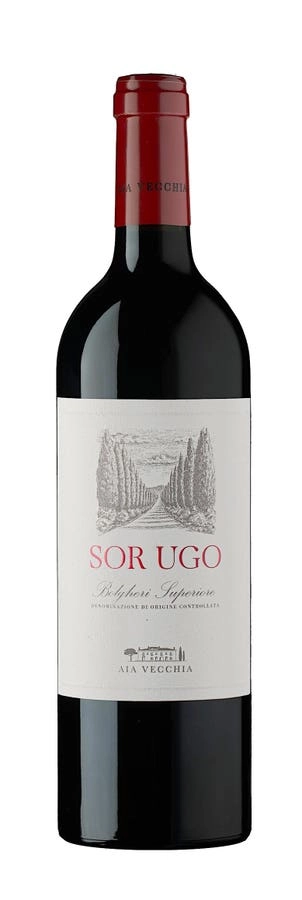
The standout wine for me was Aia Vecchia’s 2022 Sor Ugo, a Bolgheri DOC Superiore. With an alcohol content of 15%, which traditionally might throw a wine’s balance off, this wine instead delivered an impressive experience. I reacted audibly with a "Wow!" upon my first sip—not because it was overly robust but due to its harmony of terroir expression, acidity, fruit, tannin, and alcohol.
Aia Vecchia, established in 1995, has evolved into a leading name among Tuscan producers. The Sor Ugo is a Bordeaux-style blend of Cabernet Sauvignon, Merlot, Cabernet Franc, and Petit Verdot, crafted with respect to the legacy of Ugo Pellegrini, who first grew grapes over a century ago. The estate spans 112 acres in the cooler coastal Bolgheri and Maremma regions, reminiscent of Bordeaux’s climate.
Collaborating with agronomist Daniel Schuster, the Pellegrini family sourced rootstock from Bordeaux. Alongside renowned Hungarian winemaker Tibor Gal, formerly of Ornellaia, they crafted the current blend, which has 50% Cabernet Sauvignon, 30% Merlot, 13% Cabernet Franc, and 7% Petit Verdot. The vines, now 23 years old, undergo malolactic fermentation in both new and used barriques for 18 months, followed by an additional six months of aging in bottles. Approximately 33,000 bottles are produced annually, and the 2022 is their second offering.
What makes Sor Ugo distinct is its readiness to drink without the long aging period often required for Bordeaux. I savored it alongside a hearty veal chop and roasted potatoes, making it a suitable companion for festive meals, such as Christmas dinner.
With three weeks remaining in December, other exceptional wines may still cross my path, but for now, Sor Ugo stands as a benchmark for exquisite winemaking in 2025.
Indulge in the Holidays: 8 Deliciously Boozy Eggnog Recipes to Try This Season

Eggnog, a holiday classic that graces store shelves for just a brief season each year, is making its much-anticipated return. Its basic recipe has endured since medieval Europe, typically comprising beaten eggs mixed with sugar, milk or cream, and a spirited kick from elements like rum, bourbon, or Scotch, often garnished with cinnamon and nutmeg. Variations of eggnog can be found globally, with distinct takes from cultures such as Peru and Mexico.
Sales of eggnog have exhibited significant fluctuations over the years, peaking in 2016 and facing downturns by 2022. However, it generally remains a stable product in the market, with U.S. sales reaching 152 million pounds in 2024, an increase from the previous year, according to the USDA.
For those eager to enjoy this timeless beverage, here are eight delightful eggnog recipes to try this holiday season.
Aberfeldy’s Eggnog
This Scotch-infused eggnog highlights honey, spice, and fruit flavors.
Ingredients (Serves about 6)
- 1 cup Aberfeldy 12
- 4 large eggs
- ½ cup sugar
- 1¼ cups whole milk
- 1 cup heavy cream
- ½ tsp nutmeg
- ¼ tsp cinnamon
- Pinch of salt
- Optional: 1 tsp vanilla or a strip of orange zest
Whisk together the eggs and sugar thoroughly. Heat the milk, cream, salt, nutmeg, and cinnamon until steaming, then gradually whisk it into the egg mixture to temper. Return to the pan and cook on low until thickened (around 170°F). Cool before stirring in Aberfeldy 12 and refrigerate for at least 4 hours or overnight. Serve chilled with fresh nutmeg on top.
Kraken Eggnog
For a thrilling take, this recipe combines eggnog with The Kraken Black Spiced Rum.
Ingredients:
- 1 part The Kraken Black Spiced Rum
- 4 parts Eggnog
- Garnishes: Grated Cinnamon, Grated Nutmeg
Combine in an eggnog or highball glass and stir, finishing with a sprinkle of cinnamon and nutmeg.
Basil Hayden Eggnog
This recipe offers a rich and decadent spin this holiday season.
Ingredients:
- 1 x 750ml Basil Hayden Kentucky Straight Bourbon Whiskey
- 1 quart milk
- 1 quart heavy cream
- 2 dozen eggs
- 1½ cups sugar
- Nutmeg
Separate the eggs and beat yolks until creamy. Mix in sugar, then whip the whites until stiff peaks form, adding extra sugar if desired. Combine yolks with bourbon, fold in the whites, and then incorporate whipped cream and milk. Garnish with nutmeg.
Second Sip Eggnog
This lighter version uses low-proof London dry gin.
Ingredients:
- 160 grams egg yolks
- 5 grams grated cinnamon
- 1 whole nutmeg, grated
- 100 grams sugar
- 600 ml heavy cream
- 1200 ml milk
- 240 grams egg whites
- 200 grams sugar
- 1 liter Second Sip Gin
- 80 ml Frangelico
Whip yolks with spices and sugar. Whip the cream to soft peaks and make a meringue with the egg whites and sugar. Combine everything and whisk lightly with the milk mixture.
Templeton Rye Nog
Enjoy this delightful blend of rye whiskey, rum, and brandy.
Ingredients:
- ¾ cup Templeton Rye
- 3 oz Zaya Rum
- 3 oz Brandy
- 1 qt Eggnog
Mix all ingredients in a punch bowl, serving with grated nutmeg on top.
La Mar’s Peruvian Eggnog
This modern Peruvian twist adds vibrant floral notes.
Eggnog Ingredients:
- 6 large egg yolks
- ½ cup granulated sugar
- 1 cup heavy whipping cream
- 2 cups milk
- ½ tsp ground nutmeg
- Pinch of salt
- ¼ tsp vanilla extract
- Ground cinnamon for topping
Whisk yolks and sugar until creamy. Heat cream, milk, nutmeg, and salt until simmering, then temper the egg mixture. Whisk constantly until thickened, then stir in vanilla and chill.
Peruvian Eggnog Ingredients:
- 2 oz eggnog base
- 1.5 oz Vinas de Oro Pisco Brandy Reserve
- 0.75 oz Ancho Reyes Verde Chile Poblano Liqueur
- 0.5 oz Demerara Syrup
Shake all ingredients with ice and serve in a coupe garnished with cinnamon and a chili pepper.
Polar Expresso
Transform the classic espresso martini with a festive twist.
Ingredients:
- Polar Expresso Infusion Kit
- Eggnog
- Whiskey, Bourbon, or Vodka
- Heavy Whipping Cream
- Baileys or RumChata
Infuse the spirit in the Polar Expresso kit for up to three days. Shake with eggnog and serve, garnished with a cinnamon stick.
Coquito
This Puerto Rican coconut eggnog brings tropical vibes to the table.
Ingredients:
- 2 oz Woodford Reserve Bourbon Whiskey
- 3 oz Coconut Cream
- ½ oz Rich Brown Sugar Simple Syrup
- 1 dash Vanilla Extract
Mix ingredients in a glass with ice, strain into a coupe, and garnish with grapefruit peel.
These varied recipes offer different flavors and styles to enjoy this beloved holiday drink, ensuring there’s something for everyone to savor throughout the festive season.
Exploring Sonoma County: A Beer and Cider Lover’s Ultimate Guide

Sonoma County, known primarily for its wines, is also home to a vibrant craft beer and cider scene. This guide explores noteworthy breweries and cideries that beer and cider enthusiasts should not miss on their next trip to the region.
Notable Breweries
Sonoma County boasts a surprising number of unique breweries for its size. Starting with Russian River Brewing in Windsor, this brewery is celebrated nationwide for its iconic beer, Pliny the Elder. Santa Rosa hosts multiple breweries, including Cooperage, Fogbelt, and HenHouse, alongside the original Russian River brewpub.
In Rohnert Park, you can find Old Caz and Parliament, while The Barlow in Sebastopol showcases breweries such as Crooked Goat and Seismic Brewing. Moving up north to Petaluma, Lagunitas is a well-known name and offers various locations to explore, including the Palace of Barrels. Other breweries can be found as far north as Cloverdale’s Wolf House and in Guerneville with Stumptown.
Cidermakers: From Orchard to Glass
Sonoma County has a rich apple history dating back to when early settlers first introduced the fruit. Although many orchards have transformed into vineyards, over 2,000 acres of heirloom apple varieties still flourish, preserving the county’s cider-making legacy.
Ace Cider, founded in 1993, is recognized as the oldest cidery and is popular for its sweet options and seasonal varieties. Tilted Shed Ciderworks, based in Windsor, creates a diverse range of ciders from over 120 heirloom apple varieties, both from their orchards and local sources.
At Golden State Cider, located at The Barlow, visitors can sample seasonal ciders. Additional cideries in the Sebastopol area include Dutton Estate, Ethic Ciders, Eye Cider, and Horse & Plow. There are also a few cideries throughout the county, such as Goat Rock Cider in Petaluma and Preston Farm in Healdsburg.
Insights from Local Breweries
Interviews with the owners of prominent breweries like Russian River Brewing and Old Caz Brewing provide insight into the unique experience of brewing beer in Sonoma County. For instance, Natalie Cilurzo from Russian River emphasizes the strong sense of community, not just in brewing but also in the regional maker culture encompassing wine, chocolate, and produce.
Tom Edwards of Old Caz highlights the importance of local tourism fostered by the nearby wineries, benefiting their brewery despite being in a wine-centric region. Both owners express deep gratitude for the support from local patrons, showcasing the collaborative spirit of Sonoma’s craft beverage scene.
Whether you’re a connoisseur or just beginning your exploration of beer and cider, Sonoma County offers a rich variety of flavors waiting to be discovered.
5 Easy Yet Impressive Holiday Cocktails to Wow Your Guests This Season

Cocktails can often seem more intimidating than they really are, but by breaking them down into three simple categories—shaken, stirred, or stacked—you can easily craft impressive drinks that are both delicious and visually appealing.
Here are five easy cocktails to master this holiday season, requiring minimal effort yet offering maximum enjoyment:
Paper Plane
A refreshing bourbon-based drink that is surprisingly light and approachable.
Recipe:
- ¾ oz bourbon
- ¾ oz Aperol
- ¾ oz Amaro Nonino
- ¾ oz fresh lemon juice
Instructions:Add all ingredients to a shaker with ice, shake well, and strain into a chilled coupe glass. No garnish needed; the vibrant color will impress.
Bee’s Knees
This cocktail combines gin, honey syrup, and lemon juice for a floral and zesty experience.
Recipe:
- 2 oz gin
- ¾ oz honey syrup (1:1 honey and hot water)
- ¾ oz fresh lemon juice
Instructions:Shake all ingredients with ice until chilled, then strain into a coupe. Garnish with a lemon twist or a sprig of thyme for an elegant touch.
Rosita
A stylish twist on the Negroni that blends tequila instead of gin, delivering a smooth and herbaceous mix.
Recipe:
- 1 oz tequila
- 1 oz sweet vermouth
- 1 oz dry vermouth
- ½ oz Campari
Instructions:Stir all ingredients with ice and strain into a rocks glass filled with fresh ice. An orange peel garnish adds a lovely aromatic finish.
Caipirinha
Brazil’s national cocktail, known for its simplicity and refreshing zing.
Recipe:
- 2 oz cachaça
- ½ lime, cut into wedges
- 2 tsp white sugar
Instructions:Muddle lime and sugar in a rocks glass, fill with ice, add cachaça, and stir. A lime wheel garnish can enhance its presentation.
Rum Old Fashioned
Reinventing the classic old fashioned with rich aged rum makes for a cozy, luxurious drink perfect for winter.
Recipe:
- 2 oz aged rum
- ¼ oz demerara syrup or 1 tsp brown sugar
- 2 dashes Angostura bitters
Instructions:Add all ingredients to a mixing glass with ice, stir until chilled, and strain over a large ice cube. An orange peel garnish enhances the flavor.
The essence of great cocktails lies not in precision but in confidence and choosing quality ingredients. With these five simple recipes, you’ll impress your guests and elevate your hosting skills this holiday season.
Unlocking Flavor: The Essential Rule for Cooking with Beer
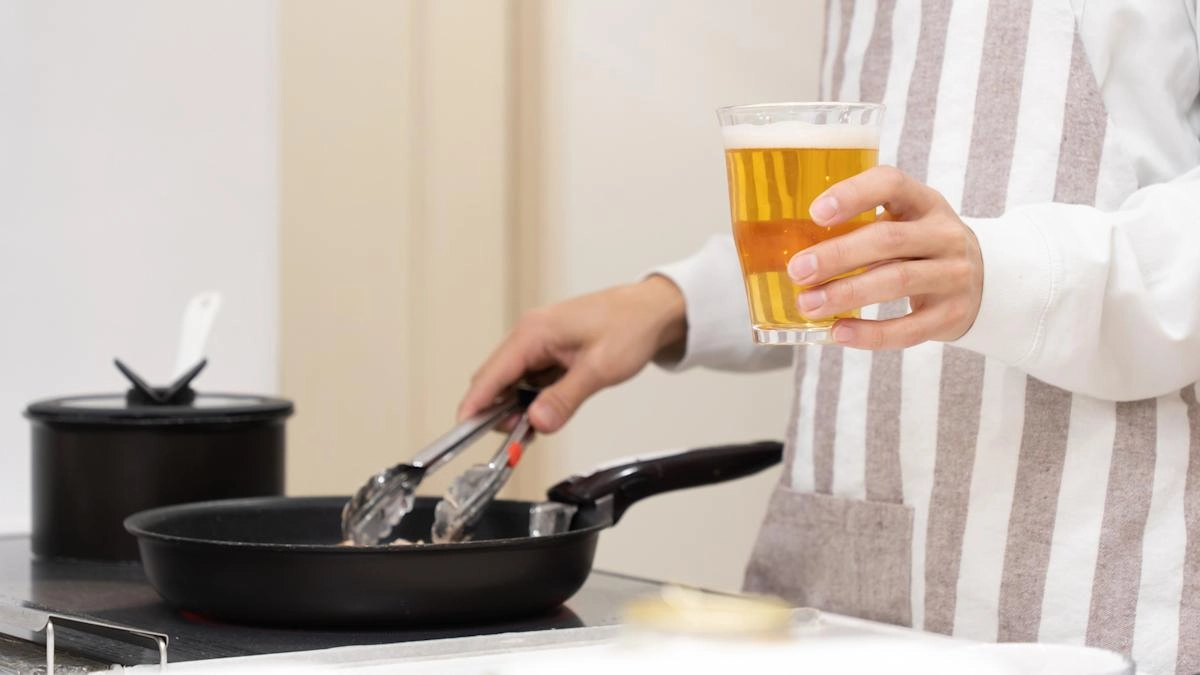
A splash of beer in your cooking can transform a variety of dishes, adding layers of flavor and a lighter texture. From steak and omelets to bread and cookies, there’s no shortage of culinary options. The key to successfully cooking with beer, according to Karen Malzone, co-owner of Odd Bird Brewing in New Jersey, is to move beyond traditional recipes and embrace creativity. Cooking should be an enjoyable and communal activity, allowing us to express our culinary artistry to others.
To inspire your own beer-infused cooking adventures, look for inspiration everywhere—from farmer’s markets to restaurant menus. Engaging with friends or chefs who utilize beer in their cooking can spark new ideas. Additionally, resources like ‘The American Craft Beer Cookbook’ by John Holl provide fantastic insights and recipes.
If you’re excited to experiment, consider starting with some popular beer-infused recipes. You might find that incorporating beer into your dishes can reignite your passion for cooking and sharing meals with those you care about.
The Ultimate Guide to the Best IPAs of 2025: Winners from Top Beer Competitions
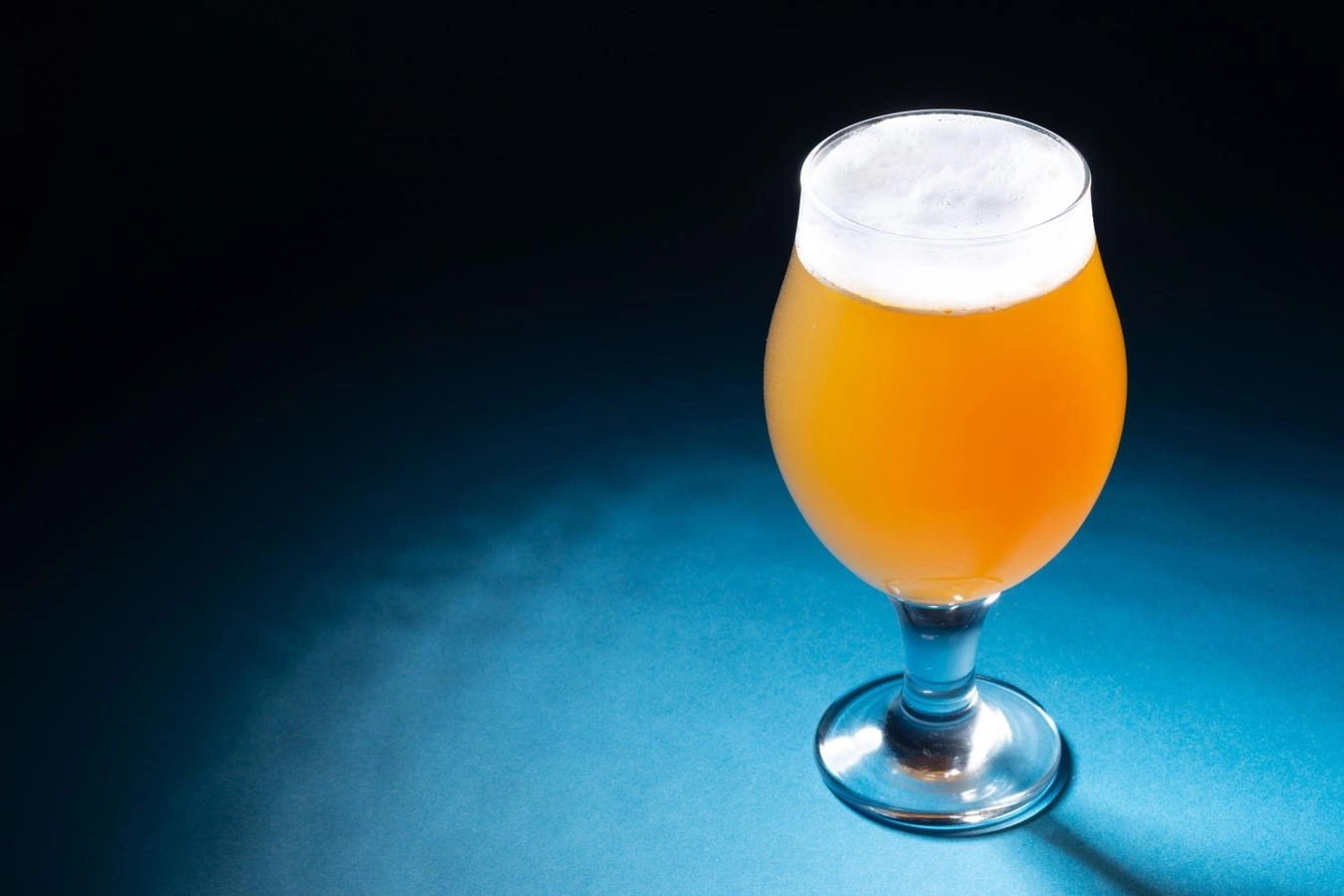
Hazy IPAs dominated the craft beer scene in 2025, despite headlines claiming the decline of the craft beer industry. Many breweries are still thriving, and young drinkers are actively enjoying these beverages. The hazy IPA, often a favorite among craft beer enthusiasts, continues to lead both sales and competitions.
At the prestigious World Beer Cup, "Shifted Visions" from Everywhere Brewery in Orange, California, triumphed in the hazy IPA category, competing against 290 entries. This IPA features a blend of pilsner malt and hops, including Nectaron, Motueka, Simcoe, and Citra, solidifying its elite status.
The Great American Beer Festival saw "TourBus Double Dry Hopped Hazy IPA" from Destihl Brewery take the top prize, showcasing a 7.4% ABV with Citra and Mosaic hops. This beer is part of a Grateful Dead-inspired series and has been successful in previous competitions, reflecting its consistent quality.
In the U.S. Open Beer Championship, "Planet Pulp" from Triple C Brewing Co. in North Carolina won gold in the hazy category. Known for its juicy flavors reminiscent of pineapple and peach, this beer is brewed with Mosaic, Citra, and El Dorado hops.
Across the Atlantic, "Turtle Town" from Hodad’s Brewing Co. in San Diego earned a gold medal in the hazy IPA category at the European Beer Star. This beer has low bitterness and a juice-forward flavor, establishing a strong reputation with multiple awards.
These winners illustrate that, contrary to negative narratives, the craft beer scene, especially for hazy IPAs, is thriving and full of competitive spirit.
Discovering the Best Vodkas: A Guide to Top Picks and Tasting Notes

Vodka is among the most widely consumed spirits globally, yet its appreciation seems muted, particularly in the U.S. In the quest to identify the best vodkas, individuals often struggle to find resources or specialty bars dedicated solely to this spirit. Historically, the legal definition of vodka created a view of it lacking distinctive character, aroma, taste, or color. However, a recent tasting of 15 different vodkas revealed a surprising variety of options, including a briny martini-friendly vodka, a rich sweet option, and an all-purpose creamy vodka that complements any home bar.
The Best Vodkas
Kirkland Signature American Vodka
Kirkland Signature American Vodka emerged as the top pick. Priced at around $15 from Total Wine & More, testers found it to be the cleanest, creamiest, and most versatile vodka. With soft citrus and rose aromas, it’s enjoyable on its own or in various cocktails. The only downside is its size, as it comes in a large 1.75-liter bottle.
- Base Ingredient: Corn
- Best For: All cocktails
- Made In: USA
Smirnoff No. 21 Vodka
For those unable to acquire Kirkland vodka, Smirnoff No. 21 Vodka is a solid alternative at approximately $11. Historically significant, Smirnoff became the first vodka distillery in the U.S. and ultimately the world’s best-selling vodka. Its crisp and clean profile makes it suitable for various cocktails, from Bloody Marys to martinis.
- Base Ingredient: Grain
- Best For: Cocktails requiring a versatile vodka
- Made In: USA
Pinnacle Vodka
For a unique option, Pinnacle Vodka is noted for its savory and salty profile, priced around $15. Its briny flavor makes it particularly suitable for savory cocktails, like martinis and Bloody Marys.
- Base Ingredient: Grain
- Best For: Savory cocktails
- Made In: France (bottled in the USA)
Stolichnaya Vodka
At $21, Stolichnaya Vodka is favored for those who prefer a mild taste that blends well in cocktails. With light notes of aloe and lime, this vodka is ideal for mixed drinks where one prefers to mask the alcohol flavor.
- Base Ingredient: Grain
- Best For: Drinks where one prefers a light presence of alcohol
- Made In: Latvia
Tito’s Handmade Vodka
Tito’s Handmade Vodka stands out for its richer, sweeter profile, available at approximately $20. Its notes of butterscotch and honey allow it to shine in citrusy or savory cocktails.
- Base Ingredient: Corn
- Best For: Citrus or savory cocktails
- Made In: USA
The Competition
Vodkas such as Svedka and Hangar 1 were considered but didn’t match the flavor quality of the selected picks. Brands like Absolut and Grey Goose were dismissed due to harsh alcohol burn and thinning characteristics when diluted.
Why You Should Trust Us
The guide was informed by extensive research and interviews with food scientists and industry experts. The testing involved multiple rounds of tastings across diverse cocktail recipes to ensure a well-rounded understanding of each vodka’s flavor profile and versatility.
Conclusion
Vodka may often be overlooked compared to spirits like whiskey or gin, but the right vodka can elevate any cocktail experience.Preference can vary widely based on personal taste, but the options outlined here provide a excellent basis for exploring the world of vodka and finding what suits your palate best.
The 25 Most Loved Cocktails by Food & Wine Readers in 2025
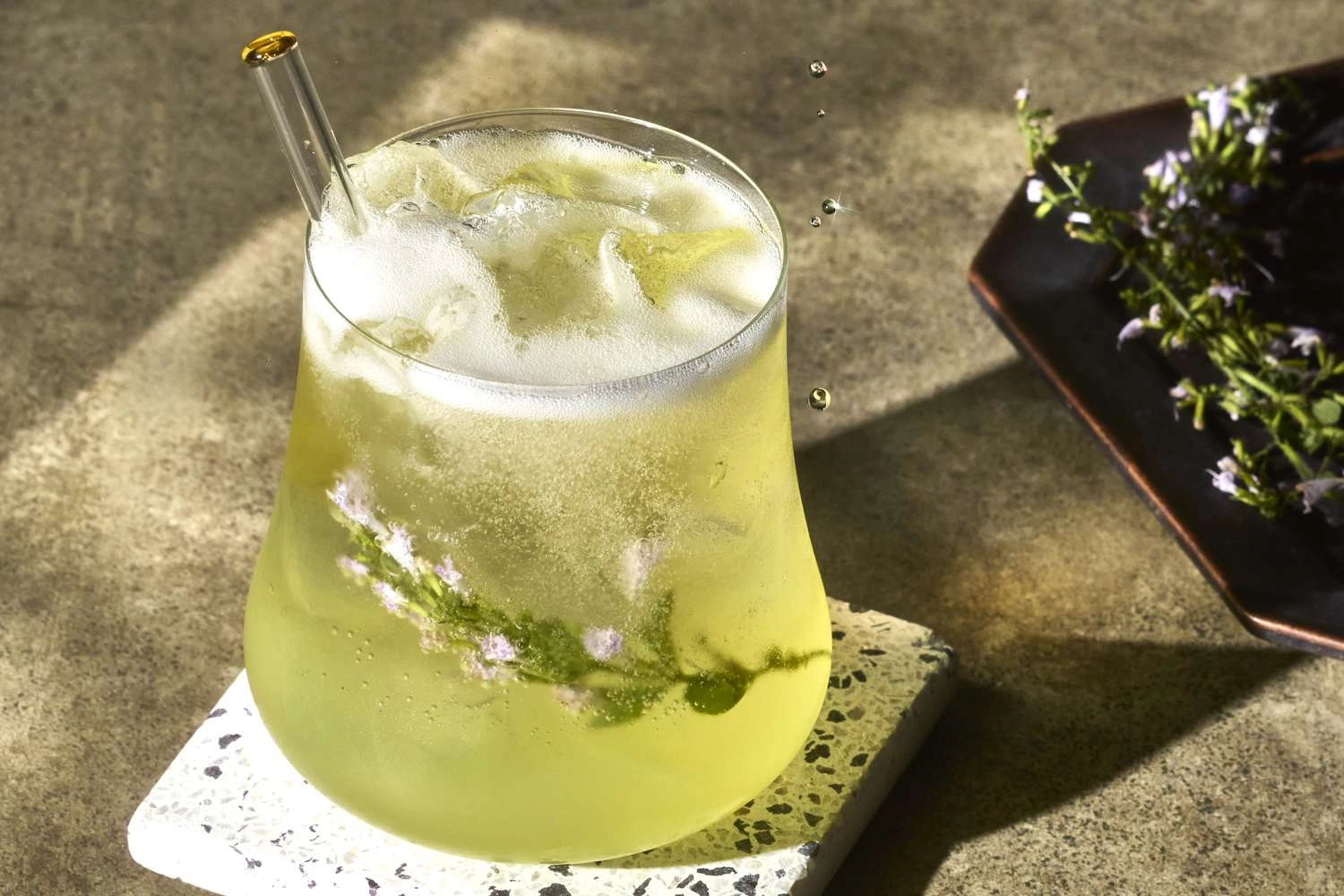
In 2025, cocktail enthusiasts reflected a strong affinity for nostalgia, gravitating toward drinks that evoke romance and the allure of tropical escapes. The line-up showcases a blend of classic concoctions and vibrant innovations, catering to readers yearning for the comforting familiarity of the past amid a rapidly digitizing world.
The list includes timeless favorites like the Rusty Nail, a simple yet rich mixture of Scotch whisky and Drambuie—Frank Sinatra’s favorite—surging to popularity this year. This trend is complemented by modern classics such as the Gin Blossom and the Tommy’s Margarita, which highlight a creative twist on traditional recipes, captivating an audience eager for both familiarity and fresh experiences.
Equally trendy were the Limoncello Spritz and Ranch Water, representing the indulgent escapism many are seeking through their drink choices. This journey into the past reflects a broader cultural revival of mid-century drinks, with classic cocktails making a notable comeback.
Here are the top cocktails that made a splash this year:
-
Rusty Nail
- This classic blend shines with its two-ingredient simplicity.
- Get the Recipe
-
Gin Blossom
- A fruity twist on the Martini, beloved for its aromatic profile.
- Get the Recipe
-
Tommy’s Margarita
- A modern favorite that replaces triple sec with agave nectar.
- Get the Recipe
-
Limoncello Spritz
- An invigorating sparkler made with limoncello and sparkling wine.
- Get the Recipe
-
Pegu Club
- A classic sour cocktail blending gin, orange liqueur, lime juice, and bitters.
- Get the Recipe
The report further highlights tropical sensations like Daiquirí Clásico and Singapore Sling, which take drinkers on delicious journeys to sun-drenched locales. Ultimately, these choices reflect a craving for connection and comfort, showing that sometimes, the best recipes are those that blend tradition with the promise of a good time.
For additional cocktail recipes, visit Food & Wine.