Introducing Emmer: A Unique Whiskey Crafted from Ancient Grains Grown in Wyoming
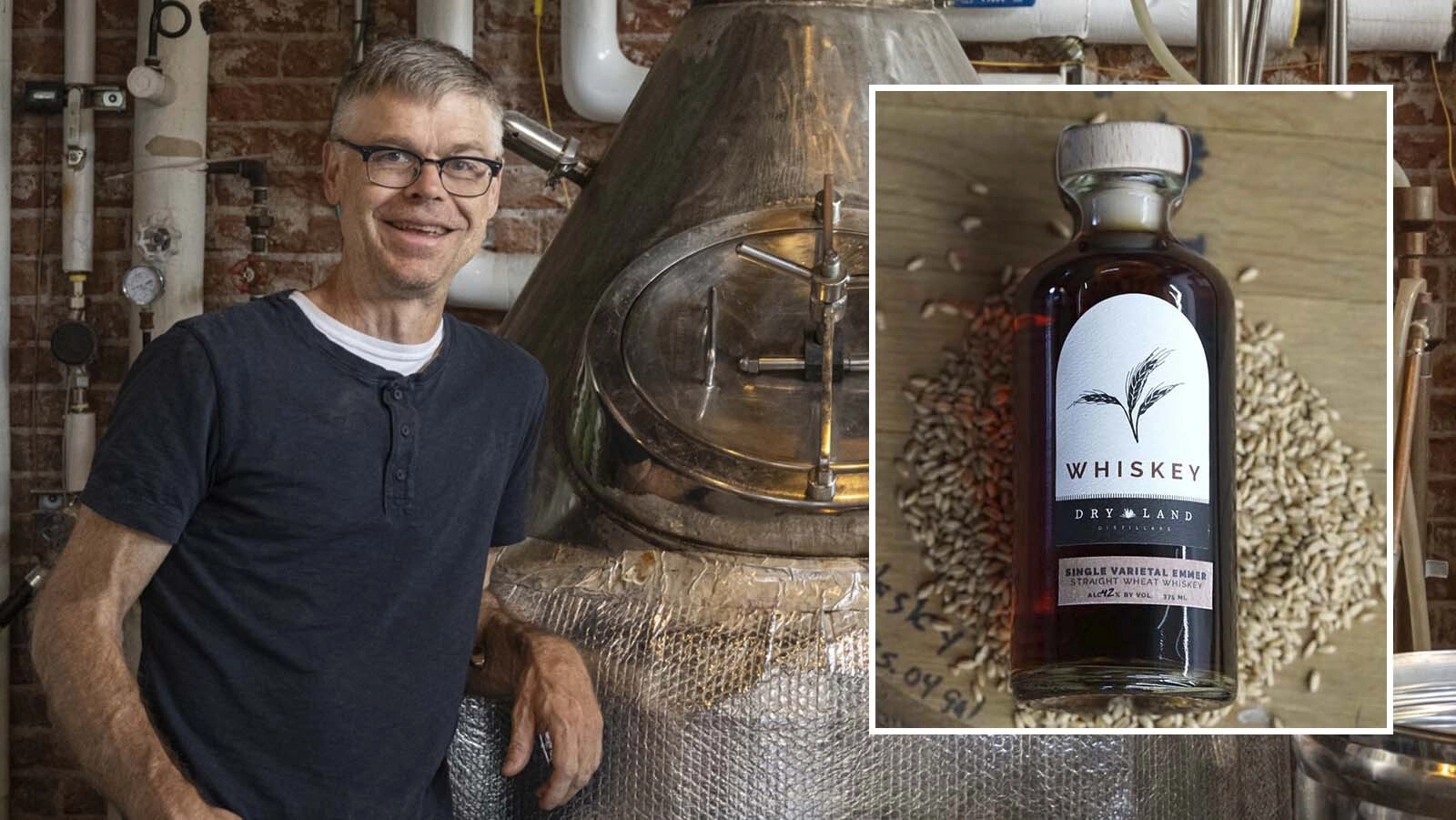
A new whiskey made entirely from emmer wheat, cultivated in Powell, Wyoming, has recently made its debut. Nels Wroe, the owner of Dry Land Distillers and a Douglas native, claims that they are the only company in the world producing a true 100% emmer whiskey.
Emmer wheat, one of humanity’s oldest grains, dates back over 12,000 years and is a precursor to modern bread and pasta wheats. Despite its historical significance, it is now mainly cultivated in Italy, where it is known as farro. The introduction of this whiskey aims to revive interest in the grain, providing family farmers in Wyoming and the Rocky Mountain West with a premium crop alternative.
In collaboration with the University of Wyoming’s Neolithic brand, Dry Land Distillers crafted this whiskey to showcase the unique qualities of the emmer wheat. While whiskey is a popular commodity in the American West, using emmer as the main ingredient is rare. There is only one other whiskey product using emmer, a bourbon that fetches $3,000 per bottle, whereas Dry Land’s version is priced at $129.
Wroe emphasizes the uniqueness of their product, noting the distinction between their 100% emmer whiskey and bourbons, which must be made with at least 51% corn by law. He expressed pride in creating a whiskey that genuinely captures the flavor of this ancient grain, reflecting its origins in Wyoming.
Wroe’s personal ties to the area play a significant role in the whiskey’s story. With his mother living in Powell and his connections to the state running deep, the project is profoundly meaningful to him. He expressed a dedication to finding local ingredients that honor the history and landscape of the West.
While exploring craft distilling, Wroe was motivated by authenticity in production. He noted that many distilleries source alcohol from places like Kentucky, which contradicted his passion for local, place-based products. This insight drove him to establish Dry Land Distillers with a commitment to utilizing indigenous ingredients suitable for the region.
The emmer whiskey presents flavors that Wroe describes as "gorgeous," with notes of cocoa, coffee, leather, and a finish that hints at caramel. He enjoys it neat, appreciating its richness and complexity.
Beyond the whiskey itself, Wroe is enthusiastic about contributing to the local agricultural economy. He has recognized the challenges faced by farmers due to fluctuating commodity prices and aims to support the community by promoting specialty crops.
The First Grains project at the University of Wyoming, which seeks to uplift local farmers by developing high-value crops, aligns with Wroe’s vision. With ancient grains like emmer and spelt ideally suited to the region’s microclimate, Foulke, the project director, has been advocating for their cultivation as a means of economic development.
Wroe’s collaboration with Foulke ultimately resulted in the emmer whiskey, which offers growers a lucrative alternative product. The process has faced challenges, particularly in malting the grains, but the unique flavor and potential to enhance local agriculture make it worthwhile.
As Wroe and Foulke explore the market for emmer, they also recognize its potential health benefits. Ancient grains often have superior nutritional profiles compared to modern varieties, leading to greater interest among health-conscious consumers.
With a focus on sustainability, both environmentally and economically, this whiskey stands as a testament to history and innovation. Wroe is hopeful that it can help revitalize Wyoming’s agricultural sector while offering a taste of cultural significance.
Creamy Beer and Cheddar Soup: A Perfect Comfort Food Recipe

Chef Jonathon Erdeljac, owner of Jonathon’s Diner and Jonathon’s Forestwood in Dallas, has gained local popularity for his comforting scratch breakfast dishes. One standout item he serves is a rich and flavorful Beer and Cheddar Soup, perfect for chilly days. This creamy concoction features a blend of jalapeños and smoky bacon, enhancing its heartiness.
The soup begins with a savory base built from bacon, onion, celery, jalapeño, and garlic. Reducing the beer before mixing with broth and cream intensifies its malty notes, while a mix of sharp and smoked cheddar contributes a creamy depth to the dish. To elevate the experience, the soup is complemented with garlic toast, which can be made soft or crunchy, depending on personal preference.
When crafting this dish, selecting the right beer is crucial. A light to medium-bodied lager is recommended, as it complements the flavors of the cheddar and spices without overwhelming them. It’s advisable to avoid hoppy beers like IPAs to prevent excessive bitterness in the soup.
Ingredients
- 1/2 pound slab bacon, diced
- 1 celery rib, finely chopped
- 1 small onion, finely chopped
- 1 large jalapeño, seeded and chopped
- 2 large garlic cloves, minced
- 1 tablespoon chopped thyme
- 1 (12-ounce) bottle lager, divided
- 2 1/4 cups low-sodium chicken broth
- 4 tablespoons unsalted butter
- 1/4 cup all-purpose flour
- 1 cup heavy cream
- 1/2 pound sharp yellow cheddar cheese, coarsely shredded
- 4 ounces smoked cheddar cheese, coarsely shredded
- Kosher salt, to taste
- Freshly ground black pepper, to taste
- Garlic-rubbed toasts, for serving
Directions
- In a large saucepan, cook the bacon over moderate heat until crisp. Transfer to a bowl and set aside.
- In the same saucepan, add celery, onion, jalapeño, garlic, and thyme, cooking until softened.
- Introduce half of the beer and cook until reduced by half, then add the chicken broth and bring to a simmer.
- In a small skillet, melt butter and mix in the flour, cooking until lightly browned.
- Whisk the roux into the soup and cook until thickened.
- Stir in heavy cream, cheddar cheeses, and the remaining beer, simmering until creamy.
- Mix in the bacon and season as needed. Serve hot with garlic toasts.
Make Ahead
This soup can be refrigerated overnight and reheated gently. Thin with additional broth if necessary before serving.
For those interested in further enhancing their culinary skills or experimenting with sous-vide recipes, a detailed guide can help elevate your cooking experience.
Madison Beer Rocks the Jacket Trend That Elevates Basic Jeans and Boots to Chic Status

After the much-anticipated 2025 Victoria’s Secret Fashion Show, where stars like Gigi and Bella Hadid made headlines, Madison Beer was spotted in a strikingly different outfit in New York City. Known for her glamorous presence on the runway, she swapped her dazzling pink bodysuit for a more laid-back look consisting of an oversized leather bomber jacket, baggy jeans, and black heeled boots.
This transformation highlights the versatility of bomber jackets, making them a great investment for fall. Beer’s choice of outerwear can effortlessly upgrade basic wardrobe essentials. For those looking to replicate her style, there are several options available, from faux leather bomber jackets to oversized designs that maintain a chic yet comfortable vibe.
Explore similar oversized black leather bomber jackets available online to embrace this trend this season.
When Fast Food Went Boozy: The Story of a Popular Chain’s Audacious Beverage Venture

In 2021, Arby’s made headlines by introducing two unconventional vodka flavors inspired by their famous fries: crinkle-cut and curly fry vodka. Partnering with Minnesota-based Tattersall Distilling, they aimed to creatively market both fry options, highlighting their value to Arby’s menu.
The venture generated buzz, especially since many might find the idea of fry-flavored vodka unusual. However, potato vodka is a known category, and Tattersall, a respected distillery, emphasized quality in the production. To promote their new product, Arby’s enlisted celebrity chef Justin Sutherland to develop a Bloody Mary recipe featuring both vodkas, incorporating menu items like mozzarella sticks.
For a limited time, the unique vodkas were available on a designated website, where fans had to verify their birthdates to purchase. The overall reception of the fry vodkas was mixed, with many reviews praising their savory complexity, particularly in cocktails such as Bloody Marys, often idealized with Arby’s Horsey sauce.
This bold move into the alcohol market marked one of the more bizarre yet intriguing attempts by a fast food chain to expand its brand beyond traditional offerings.
For more details, read the original article on Tasting Table.
10 Must-Try Vodka Cocktails from Around the World: Expert Recommendations

There are numerous aspects of life that connect humanity, including a shared passion for cocktails. Cocktails hold a significant place in global culture, particularly vodka, a spirit appreciated for its versatility. Vodka’s neutrality allows it to be combined with various flavors from around the world, creating unique drinking experiences.
To deepen our understanding of this beloved spirit, we consulted several experts in the field: Claire Mallett from Catch One LA, Mark Simmonds from Broken Shed Vodka, Jennifer Jackson from Thompson Hotels, Ross Hensley from Aspen Vodka, and Sean Kenyon from Blue Collar Cocktails. They shared insights on vodka cocktails that have gained popularity across different cultures, highlighting drinks that every cocktail enthusiast should try.
One such drink is the Gimlet. Traditionally made with gin, it swaps the base spirit for vodka to showcase the spirit’s rich taste. Simmonds notes that the vodka gimlet allows for an appreciation of quality vodka, making this variant increasingly popular.
The Kamikaze is another notable cocktail, originally served as a shooter but easily adapted into a traditional cocktail. It features vodka, lime juice, and orange liqueur. By reinterpreting the kamikaze as a more sophisticated drink, you can enjoy it as a martini-style cocktail.
The Dirty Martini exemplifies the embrace of vodka in American cocktail culture, thanks in large part to the influence of James Bond’s favored drink. Mallett emphasizes its simplicity, recommending a chilled vodka martini with a rinse of dry vermouth and a splash of olive juice.
For those wanting a taste of India, the Kukur Tihar cocktail combines vodka with olive juice, grapefruit juice, and cardamom bitters, showcasing aromatic flavors of the region.
Australia’s beloved Espresso Martini takes the traditional espresso cocktail up a notch with local coffee liqueur, resulting in a sweeter and creamier drink.
The Scottish Pete’s Martini pays homage to the spirit’s regional adaptations, using Scotch whisky in place of vermouth, creating a depth of flavor while maintaining vodka’s spirit.
The classic Cosmopolitan, made famous by "Sex and the City," combines vodka with Cointreau, cranberry juice, and fresh lime juice, solidifying its status as a cocktail staple around the globe.
The brunch classic, the Bloody Mary, originally created in Paris, has become a beloved fixture in brunch menus worldwide, featuring vodka and a savory tomato juice blend.
Lastly, the Vesper Martini mixes gin with vodka, creating a luxurious twist on the traditional Martini, inspired by James Bond.
Each of these cocktails represents the unique way vodka has been embraced and adapted around the world, serving as both a cultural touchstone and a blank canvas for creativity in mixology.
Sip Your Way Around the Globe: 10 Must-Try Vodka Cocktails Recommended by Experts

There are many factors that connect us as a global community, such as books, music, and movies. Cocktails also play a significant role in this connection, and vodka, in particular, serves as a universal spirit that can enhance flavors from various cultures. Its versatility makes vodka a favorable choice for cocktail enthusiasts around the world.
Experts like Claire Mallett (Catch One LA), Mark Simmonds (Broken Shed Vodka), Jennifer Jackson (Thompson Hotels), Ross Hensley (Aspen Vodka), and Sean Kenyon (Blue Collar Cocktails) shared insights on popular vodka cocktails that deserve a spot on your drink list. If you haven’t sampled these cocktails yet, now is the perfect time to explore.
-
Vodka Gimlet: Initially a gin cocktail, the vodka variation highlights the richness of quality vodka. Mark Simmonds noted the growing popularity of this drink as vodka gains appreciation worldwide.
-
Kamikaze: Originally a shooter, this sweet and sour cocktail made with vodka, lime juice, and orange liqueur has become popular as a classic cocktail. Simmonds recommends serving it like a martini for a sophisticated twist.
-
Dirty Martini: Once gaining traction in the U.S. largely due to James Bond’s influence, the dirty martini is simple yet elegant, emphasizing the quality of the vodka. Claire Mallett suggests shaking until ice chips appear for the perfect chill.
-
Kukur Tihar: Inspired by India’s Festival of Dogs, this cocktail combines vodka, olive juice, grapefruit juice, and cardamom bitters, reflecting the bold flavors of South Asia.
-
Aussie Espresso Martini: A favorite in Australia, this variation of the classic espresso martini incorporates local coffee liqueur and vanilla vodka to create a uniquely smooth texture.
-
Scottish Pete’s Martini: Utilizing Scotch whisky instead of vermouth, this cocktail celebrates a creative historical adaptation that offers a unique depth of flavor with a simple olive juice addition.
-
Cosmopolitan: A quintessential cocktail in the U.S., it gained worldwide fame through popular media, notably "Sex and the City." Featuring vodka, Cointreau, cranberry juice, and lime, it remains a staple in cocktail menus globally.
-
Bloody Mary: A brunch classic, this cocktail combines vodka with a spiced tomato juice blend. Originating in Paris, it has since become a worldwide staple at brunches everywhere.
-
Vesper Martini: This sophisticated drink, made famous by James Bond, features both gin and vodka, creating a complex flavor profile that has garnered global popularity.
-
Vodka Martini: This foundational cocktail is adaptable worldwide, easily made with quality vodka to suit varied tastes and palates.
These vodka cocktails not only showcase the spirit’s versatility but also demonstrate how it transcends borders, embodying the creativity and diversity present in global bartending cultures. Each cocktail tells its story through the ingredients and the traditions it carries from its origin to your glass.
How the Romans Established Wine Dominance: A Legacy That Endures Today

From the Palatine Hill to the Atlantic coast, the Romans didn’t just expand their empire; they spread vines that are integral to modern winemaking. The tale of wine in Europe is intricately linked to Roman history. Roman soldiers carried vine cuttings with them as they conquered new territories, planting grapes wherever they established camps, which laid the foundation for today’s wine routes and regions.
Wine held a special place in Roman society; it was used in sacrifices to Bacchus, the god of wine, and served at daily meals. This staple not only sustained the Romans but also became a cultural connector across the empire. Amphorae containing wine were transported across the Mediterranean, and later, barrels rolled down the Via Appia.
The Romans were pioneers in winemaking literature, with works like Columella’s De Re Rustica and Pliny the Elder’s Naturalis Historia, which function as ancient guides to viticulture, covering topics from pruning to soil management. They pioneered techniques such as blending and aging wines and established a system for classifying vineyards by quality, still relevant in today’s cru and DOC systems.
A noteworthy remnant of Roman winemaking is Monte Testaccio in Rome, an artificial hill made from discarded amphorae that once transported wine and olive oil. This site is a testament to the organized wine trade during the empire, each amphora acting like a modern shipping label, marked with details about origin and merchant codes.
Throughout the Middle Ages, the Trastevere district in Rome became known for its accessible wine culture, where commoners and craftsmen enjoyed its bounty. This area is still home to historic winemaking guilds, such as the vignaioli. In contrast, the affluent enjoyed opulent wine-filled banquets, like those held in the Piazza Farnese.
Today, while the central parts of Rome have seen vines disappear, they are beginning to reappear in the surrounding Lazio region. The Vigna Barberini, located on the Palatine Hill, showcases this resurgence. Protected within the Archaeological Park of the Colosseum, this vineyard produces Bellone wine in collaboration with the Lazio winery Cincinnato. Although symbolic, it reflects the enduring connection between Rome and its vinous heritage.
Across Europe, remnants of Roman winemaking, such as amphorae and frescoes, continue to surface, reinforcing the idea that Roman influence on the wine industry created a legacy that endures to this day. Exploring the vineyard on Palatine Hill is a step back in time, illustrating how the Romans forged a cultural connection through wine that has shaped landscapes and traditions for centuries.
Why Orange Wine Might Not Be Your Best Choice: Exploring the Downsides

Orange wine, with its origins tracing back to ancient Georgia and traditional methods of winemaking, has been embraced by enthusiasts seeking authenticity and a deeper connection to terroir. Yet, what started as a genuine exploration into low-intervention winemaking seems to have morphed into a somewhat cult-like obsession—one that celebrates wines with peculiar qualities often perceived as faults.
In recent experiences, I found myself persuaded to try these unconventional wines by sommeliers with distinctly expressive appearances, who brought an air of both conviction and challenge. These wines often appear alongside avant-garde dishes served in trendy umbra-lit settings, presenting themselves with bravado despite occasionally evoking memories of unrefined flavors like barnyard odors, which can make for an uninviting tasting experience.
The pursuit of orange wine can feel like an elaborate façade hiding the reality that many choose to reject crucial elements of traditional winemaking, such as filtration and stability. This cavalier attitude transforms murkiness into a misguided badge of honor, undermining the essence of what wine can and should be.
True wine is an art form—refined through centuries, shaped by the soil and the sunlight, translating humanity’s dedication into something celebrated. It stands as a testament to the brilliance of tradition, where each craft, overseen by skilled winemakers, contributes to a rich culture of flavors, aromas, and experiences.
Natural wines, by contrast, often lack the ability to complement food harmoniously. Their erratic nature defies pairing conventions, leading to unpredictable tasting experiences that can detract from cherished culinary moments. A wine’s purpose extends beyond its individual quality; it is ideally crafted to enhance the dining experience, complementing meals and improving with them.
In the realm of natural wines, flaws are often romanticized as expressive characteristics: volatile acidity, and oxidation which would normally signal failure are glorified as stamps of authenticity. This analogy doesn’t hold; labeling poor qualities as unique failings is akin to misnaming things that do not merit such reverence.
Wine, in its essence, should elevate the experience of drinking, not assault the senses with overpowering or displeasing flavors. The reality is, there is no honor in the sensory devastation akin to being assaulted by an unfortunate flavor.
Instead of perpetuating a cycle of unbearable experimentation, the focus should shift toward celebrating and protecting the essence of quality wine. This is not an elitist stance but rather a recognition and respect for the dedication that has shaped winemaking into what it is today.
So the next time you find yourself offered an orange wine—a concoction that might remind you of silage—keep in mind that this celebration of imperfect taste may not warrant your appreciation. Sometimes, it deserves a place of forgotten memory instead.
Knicks Make a Splash: Donovan Mitchell Signs with New York!

The New York Knicks have announced the signing of Donovan Williams to an Exhibit 10 contract, according to Tommy Beer. This contract type typically allows teams to convert a player to a two-way contract, which can be beneficial for young athletes aiming to establish themselves in the NBA. The news reflects the Knicks’ ongoing efforts to bolster their roster and develop talent in the lead-up to the new season.
For further information, you can check the original report on Hoops Hype.
Frogs Drink for Free: Lardo Hosts Beer Bash for Inflatable Protesters This Saturday

Protesters are gearing up for a significant event in Portland this Saturday, October 18, as multiple locations will host demonstrations under the banner of "No Kings," opposing the Trump Administration. Activists are asserting that "the power belongs to the people," as detailed on their website.
In a unique twist to encourage participation, a local eatery, Lardo, is offering $3 beers to anyone who shows up in an inflatable costume, and notably, free drinks to those dressed specifically as frogs. This initiative appears to be a lighthearted take amidst the ongoing protests against U.S. Immigration and Customs Enforcement (ICE) in South Portland, which have notably featured demonstrators donning inflatable animal costumes, including frogs and Mr. Potato Head.
Lardo’s offer of complimentary refreshments for "frogs" was shared through their Instagram post, inviting participants to enjoy both drinks and food while they support the cause.
The combination of advocacy and community engagement highlights the creative ways in which citizens are coming together to express their political views and foster a sense of camaraderie amidst the protests.