Liquor-articles 2100
Create the Extraordinary with New Empress 1908 Vodka

Empress 1908 has introduced a vodka in British Columbia and Alberta, marking the brand’s move beyond gin. The new spirit was developed by Victoria Distillers, a long-established artisan distillery based in Victoria, B.C.
Bottled at 42.5% alcohol by volume, Empress 1908 Vodka is distilled four times using Canadian-grown corn and Canadian water. The company describes it as smooth, crisp and clean, with a light sweetness. It is intended for cocktails such as Vodka Martinis, Espresso Martinis and Dirty Vodka Martinis.
Victoria Distillers’ master distiller said the launch reflects the distillery’s history of making a range of spirits, including vodka. The company’s president and CEO said the new release extends the Empress 1908 portfolio, which includes several gins and a non-alcoholic spirit.
The 750 ml bottles are now available in British Columbia and Alberta, with a suggested retail price of C$48.99.
More details are available on the Empress 1908 Vodka product page.
Rumble (RUM) Stock Gets a Modest Fair Value Boost as Analysts Support Its AI Strategy

Analysts have raised Rumble Group’s fair value estimate from US$22 to US$23.50, citing the company’s growing focus on AI infrastructure and services. Their updated outlook also reflects a major AI services agreement that provides a potential foundation for future revenue.
Lake Street and Texas Capital have both initiated coverage with Buy ratings. Lake Street set a price target of US$25, while Texas Capital’s target is US$15.
Why analysts are optimistic
Both firms point to Rumble’s evolution beyond its video platform as an important factor in their assessments. Lake Street highlighted Rumble’s acquisition of 250 megawatts of power from Northern Data and a six-year, US$13.7 billion AI contract, reportedly with Anthropic. It views these developments as evidence of the company’s emergence as a contracted AI data-center operator and “neocloud.”
Texas Capital also cited the six-year agreement, saying it supports Quake AI’s services and could make future revenue more predictable.
Risks and valuation changes
The analyst outlook remains limited, with the available research based on early coverage from just the two firms. Investors therefore have relatively few independent assessments of the execution challenges involved in Rumble’s AI expansion and its ability to meet contract commitments.
Alongside the fair value increase, the updated assumptions include:
- Revenue growth rising from about 100% to about 150%
- Net profit margin increasing from roughly 1.3% to around 9.1%
- Future price-to-earnings multiple falling from 896.4x to about 89.0x
- Discount rate rising from 8.60% to approximately 9.13%
Investors will also be watching how Rumble’s partnerships, international payments and creator-monetization efforts develop, as well as the costs and risks associated with its AI and cloud investments.
Ohio-Made Whiskey to Benefit Military Families
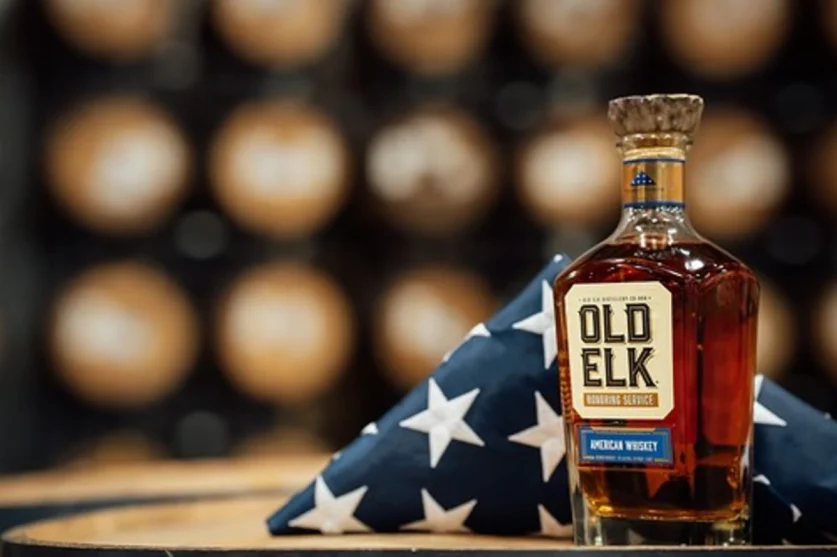
An Ohio distillery is launching a whiskey nationwide to raise support for military families and first responders.
Middle West Spirits says its Old Elk brand developed Folds of Honor Blended American Whiskey in partnership with the nonprofit Folds of Honor. The organization provides scholarships to the spouses and children of people who have died or been disabled while serving their country or communities. Since its founding in 2007, it has awarded more than 62,000 scholarships valued at about $290 million.
The whiskey blends American whiskey with Old Elk High Malt Bourbon and Old Elk Rye. Old Elk describes its flavor as featuring toasted oak, leather and vanilla, with notes of cherry and baking spices.
The bottle is expected to retail for about $49.99. Visit Old Elk’s website for more information and to find a retailer.
Absolut Vodka Teams Up With KAWS on a Limited-Edition Bottle—Here’s Where to Find It
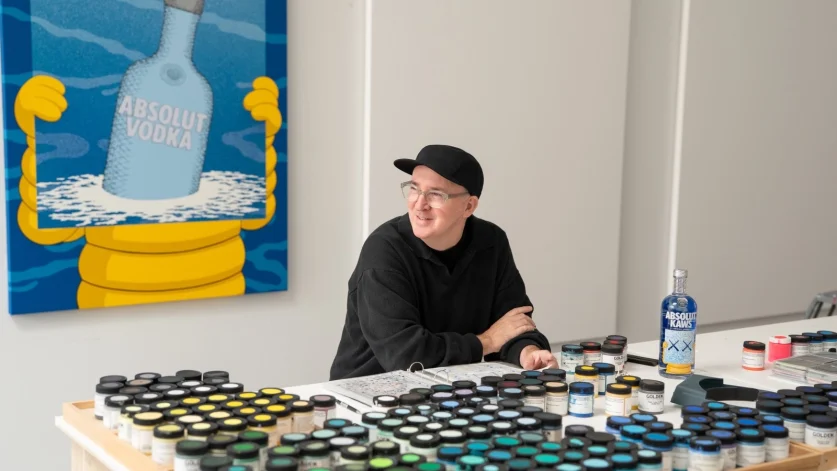
Absolut Vodka has released a limited-edition Artist Edition bottle created with contemporary artist KAWS, also known as Brian Donnelly. The design gives the brand’s iconic bottle a pop-art makeover, blending graffiti, fine art, and popular culture.
The bottle is wrapped in ocean blue and features KAWS’ signature “XX” motif and CHUM character on the front. The back displays an image of an original Absolut painting by the artist. Its blue-and-white palette nods to the brand’s original logo, while a flash of yellow references the Swedish flag.
The collaboration is now available at select liquor stores and online through Total Wine. It costs $19.99, the same as a standard bottle, though the limited release is already selling out online.
KAWS said he welcomed the chance to join a line of artists who have worked with Absolut and to bring art beyond galleries. The brand described the bottle as a collectible designed to sit on a shelf or be shared at a gathering.
The release follows another Absolut partnership earlier this year: a collaboration with Tabasco that created a sweet-and-spicy vodka.
Maker’s Mark Bourbon, Tested Three Ways: A Bartender’s Take on Red Wax, Lemon, and a Whiskey Sour
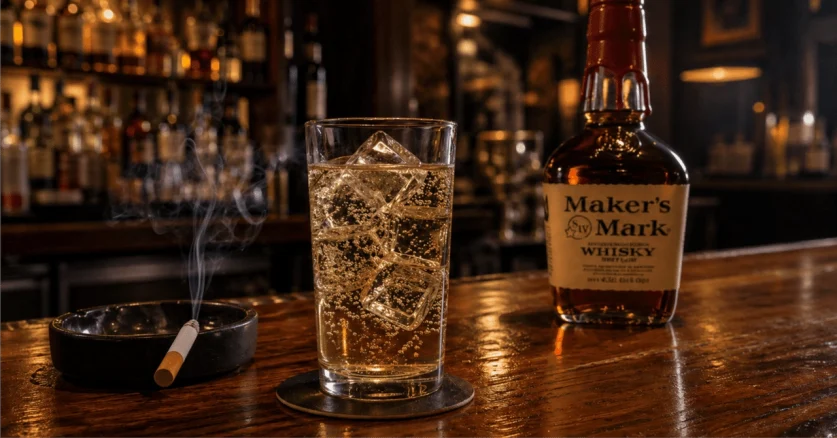
A customer in her twenties recently showed me a whiskey bottle she had bought simply because she loved its design: a square bottle with red wax dripping down its neck. She was curious about whiskey but unsure how to drink it.
That bottle was Maker’s Mark, a Kentucky bourbon. I compared it neat, on the rocks, and with soda. My favorite way to serve it is in a Whiskey Sour—lemon and a little sweetness make the bourbon approachable without hiding its character.
What makes Maker’s Mark distinctive
Maker’s Mark was developed in 1953 by Bill Samuels Sr., who wanted to create a smoother bourbon. The family’s old whiskey recipe, passed down for generations, was reportedly burned after he settled on a new one.
Bourbon is made primarily from corn, and rye is often used to add a spicy edge. Maker’s Mark uses winter wheat instead of rye, giving it a softer, sweeter profile. The grain choice was reportedly tested by baking bread with different combinations.
The bottle’s familiar look came from Bill’s wife, Margie Samuels. She chose the name, the handwritten label, the square bottle, and the red wax seal. Bottles were first dipped by hand in 1958, and the wax still varies slightly from bottle to bottle.
The standard bottle is 700ml at 45% ABV. Maker’s Mark is known for a smooth, full-bodied taste with gentle sweetness.
Three ways to drink it
Neat
Rating: 4/5
The first aromas are caramel and vanilla, with a hint of nuttiness reminiscent of baked goods. It tastes mellow for a 45% bourbon, with a touch of honey-like sweetness and a lingering nutty finish. The softness of the winter wheat comes through especially clearly when served neat.
The alcohol may still feel strong for beginners, so start with a small pour and keep water nearby. A few drops of water can soften the alcohol and open up the caramel aroma.
On the rocks
Rating: 4/5
A large ice cube gradually softens the alcohol and makes the bourbon easy to sip. The vanilla and caramel become more tightly knit, and as the ice melts, the aroma opens up again.
Its strength helps the flavor hold up as the ice melts. The trade-off is that the nutty, baked-goods character becomes less prominent than it is neat.
For best results, chill the glass with ice first, discard any water that forms, then add about 30ml of whiskey. Stir slowly around ten times. A twist of orange peel is a nice addition.
With soda
Rating: 4/5
Mixed with soda, Maker’s Mark releases soft vanilla and caramel aromas. The result is mellow and sweeter than many dry-tasting bourbon highballs. Its flavor holds up well in the mix, and it works especially nicely with hearty food such as fried chicken or hamburger steak.
Use one part whiskey to three or four parts soda. Chill a glass full of ice, add the whiskey, then pour the soda gently to preserve its bubbles. Stir once.
My recommendation: a Whiskey Sour
A Whiskey Sour combines whiskey with lemon juice and sweetness. With Maker’s Mark, the winter wheat’s softness rounds out the lemon’s acidity, making a balanced drink without sharp edges. Its 45% strength also helps the caramel and vanilla notes remain present rather than disappearing beneath the citrus.
It’s a welcoming option for someone who finds whiskey intimidating. The lemon makes the drink refreshing, while the bourbon’s aroma is still easy to recognize.
Maker’s Mark Whiskey Sour
Ingredients
- 45ml Maker’s Mark
- 20ml lemon juice, preferably freshly squeezed
- 10–15ml sugar syrup
- Ice
Method
- Add the whiskey, lemon juice, and syrup to a shaker.
- Fill it with ice and shake for about 10 seconds.
- Strain into a glass, either over fresh ice or into a chilled glass.
No shaker? A clean, tightly sealed jam jar or water bottle can work. Shake the ingredients with ice, then strain through a tea strainer.
Start with less syrup and add more to taste. A twist of lemon peel adds a bar-style finish, and a maraschino cherry makes a cheerful garnish.
Snack pairings
- Neat: dried figs or caramel nuts
- On the rocks: bitter chocolate
- Highball: fried chicken or hamburger steak
- Whiskey Sour: prosciutto or cheese
A few things to keep in mind
Maker’s Mark’s appeal is its mellow sweetness. If you prefer a spicy, forceful bourbon or smoky Scotch, you may find it too gentle. And although it drinks smoothly, the standard version is still 45% ABV, so take your time and have water nearby.
There are also other expressions, including Maker’s Mark 46 and Cask Strength. Check the label to make sure you’re buying the standard 45% ABV, 700ml bottle if that’s what you want.
The customer who first bought the bottle for its red wax later tried a Whiskey Sour made with fresh lemons. She was surprised that the drink was delicious and could still detect the bourbon’s sweetness beneath the citrus. A couple of weeks later, she told me she was making them at home in an empty jam jar—and displaying the bottle prominently in her kitchen.
Maker’s Mark’s story is one of careful choices: a new family recipe, winter wheat selected for its softness, and a bottle sealed by hand. Whether it’s your first whiskey or a familiar favorite, a squeeze of lemon can be a gentle place to start.
Alcohol is for adults of legal drinking age. Never drink and drive. Drink responsibly and in moderation.
Maine Company Turns Discarded Lobster Shells Into Lobster-Flavored Vodka
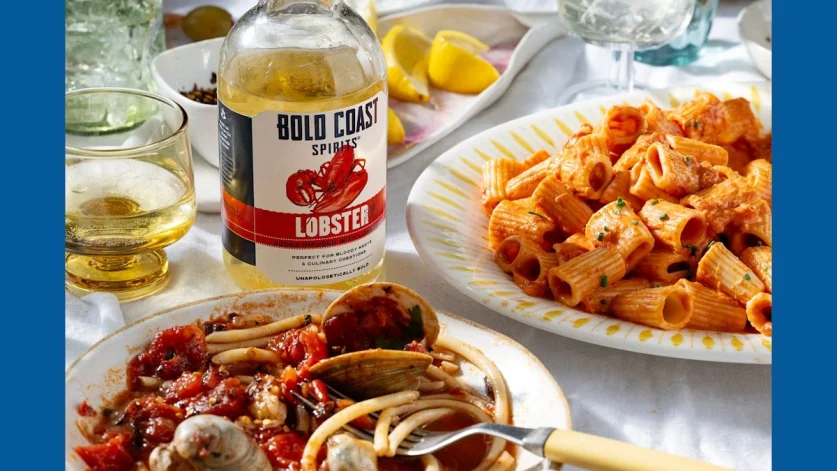
A Maine distillery is preparing a limited release of vodka made with reclaimed lobster shells.
Bold Coast Spirits says its 80-proof Lobster Vodka uses shells supplied by Portland seafood company Luke’s Lobster. The savory spirit, with buttery notes, is intended for cocktails and cooking—including Bloody Marys, chowders and sauces.
The company says the shells retain flavor after the meat is removed, giving them a second use rather than sending them to waste. The release follows Bold Coast’s Oyster Shell Vodka, made with reclaimed shells from Maine oyster farms.
Only 600 bottles are planned for the initial release. The 355-milliliter bottles cost $29.99 and are available for preorder through Bold Coast Spirits. Maine residents may face restrictions on direct-to-consumer alcohol shipments, but the vodka is expected to arrive in stores in November.
A Little Rum, a Lot of Imagination: Inside the Barbados Food and Rum Festival’s Cocktail Creations
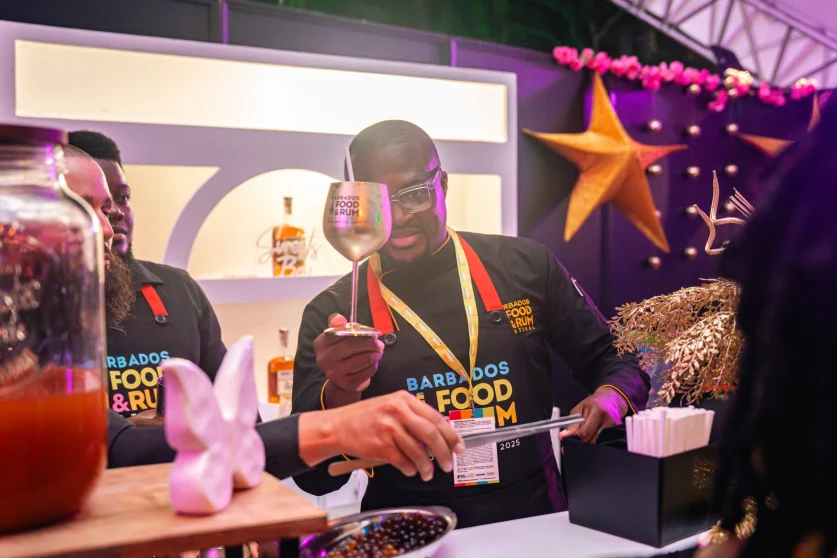
Jamaal Bowen, lead mixologist for the Barbados Food and Rum Festival, is bringing local ingredients and unexpected flavour combinations to this year’s cocktail programme. Festival guests can sample the creations at Rise and Rum on 7 November and Liquid Gold Feast on 8 November.
The festival’s mystery-basket challenge assigned each participating mixologist two ingredients at random—one for each event. Moringa, tamarind, grapefruit, rosemary, cucumber, soursop and mauby bark were among the possibilities. The goal, Bowen says, was to push mixologists beyond their usual choices and show how creatively Barbados’ produce and products can be used.
Linseed proved a surprise for newcomers Rohan Broomes and Orwin Findlay. Broomes, who will mix at Rise and Rum, is pairing it with fruit, warming spice and vanilla. Findlay, appearing at Liquid Gold Feast, is taking a more savoury direction with notes of sweet spice.
Bowen says the process begins by finding flavours that complement the assigned ingredient, then deciding what character the finished cocktail should have. The result needs to be original, he says, but still inviting enough to make guests want another taste.
One cocktail to look out for at Liquid Gold Feast is Natasha Jules’s A Lil Thing. It combines Mount Gay Silver Rum with locally made Kaiso Carambola Liqueur, green mango, cinnamon, Claytons Kola Tonic and lime. Carambola—known locally as five finger—brings sweetness, while green mango adds tartness and cinnamon gives the drink warmth.
Bowen describes a fragrant aroma, with kola tonic and lime evoking Bajan ackee. He says the rum’s fruit and cane notes carry through to a creamy finish without overpowering the other ingredients.
The festival’s wider cocktail lineup draws on ingredients including hog plum, pumpkin, bell peppers and jamoon. These will appear in forms such as juices, purées, infused syrups and garnishes. Bowen sees potential to make greater use of familiar local produce, and points to opportunities for farmers and processors to develop juices and concentrates that bars can use beyond harvest time.
Rise and Rum, a breakfast beach party themed around Bridgetown early on a Saturday morning, begins at 4 a.m. on 7 November at Copacabana on Bay Street. Liquid Gold Feast takes place on 8 November at CARIFESTA House in Waterford, with the theme “These Fields and Hills” highlighting local ingredients and the people who bring them to the table.
Tickets are priced at BBD $250 for Rise and Rum and BBD $350 for Liquid Gold Feast, and are available through Ticketnation and official box offices.
The Last Drop Releases an Ultra-Limited Barbados Rum
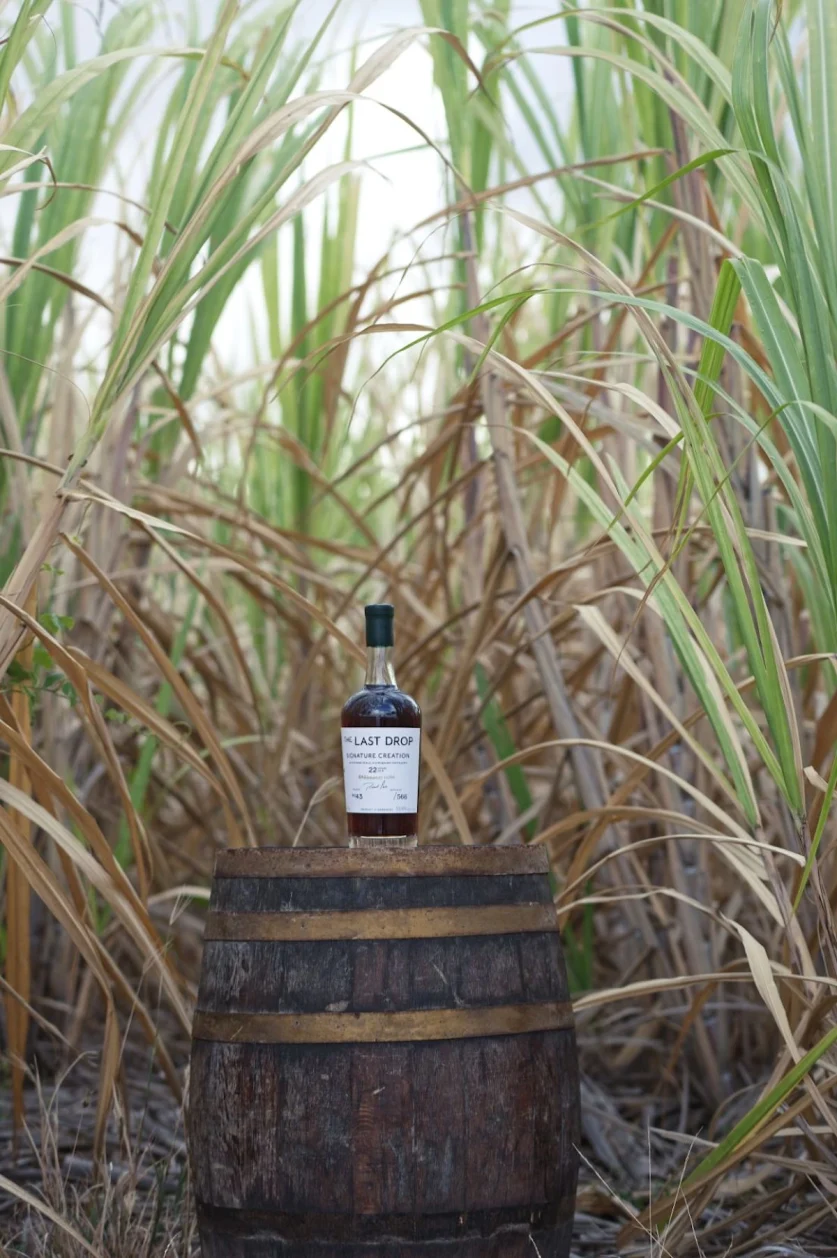
The Last Drop has unveiled Release No. 43, a limited-edition 22-year-old Barbados rum made with Richard Seale of Foursquare Distillery. It is the oldest rum Foursquare has released and the label’s first rum Signature Creation.
Seale selected a blend distilled in 2004 and aged it in a series of casks, including ex-bourbon barrels, before finishing it for three years in very old Port pipes. Bottled by hand at Foursquare in April 2026 at 106 proof, the release consists of 566 individually numbered bottles, each signed by Seale. Every bottle comes in a handcrafted wooden case with a bottling certificate, tasting book, and 50-milliliter miniature.
Foursquare, located on the site of a former sugar factory in Barbados, has been distilling since 1996. The Seale family has worked in the island’s rum trade for generations. Richard Seale is also known for advocating rum made without added sugar or coloring and with clear age statements.
The rum’s age is especially notable because tropical conditions cause more evaporation from casks than cooler climates do. As a result, 22 years of aging in Barbados leaves less spirit than the same period in a Scottish warehouse.
Release No. 43 is expected to reach U.S. retailers, bars, and restaurants through Sazerac distributors this month. Its suggested retail price is $1,700.
Wine, Whiskey, and Chili Festivals Are Coming to the Tri-Cities
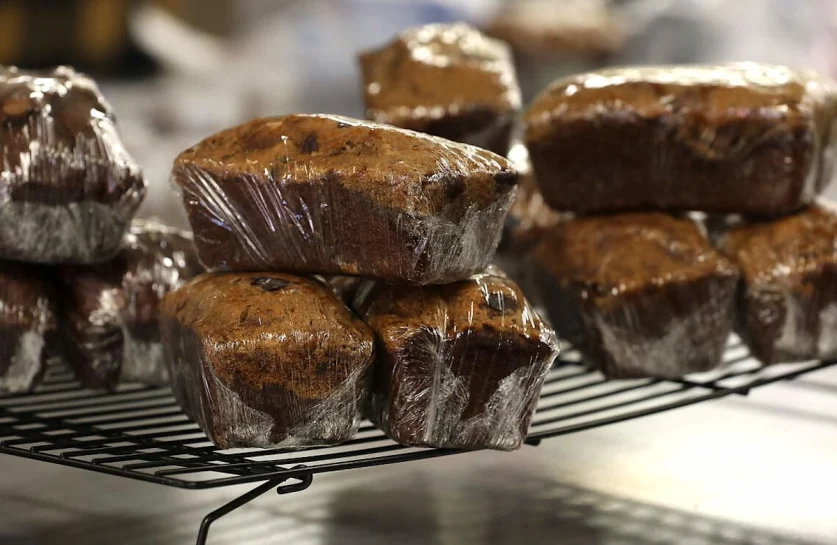
The Tri-Cities has several food and drink events coming up this fall, from a community chili cook-off to whiskey and wine tastings.
Griggs Cookin’ on the Columbia Chili Cook-Off
801 W. Columbia St., Pasco
Local vendors and chili cooks will gather Saturday, Oct. 17, from 1 to 3 p.m. at this free, family-friendly event. Attendees can sign up at the welcome tent to judge the chili. Vendors include Aub’s Bananza Bread and Porky’s Tri-Cities BBQ.
Winners will be announced at 3:30 p.m., with prizes for the top three recipes. Event details.
Tri-Cities Whiskey Festival
1500 S. Oak St., Kennewick
The 21-and-over festival runs Saturday, Oct. 24, from 5 to 9 p.m. Guests can sample more than 70 spirits and enjoy music and food trucks. A souvenir shot glass is included. Last call is at 8:15 p.m., and organizers ask attendees to avoid wearing cologne or perfume so they can better smell the spirits.
Tickets cost $125 for VIP admission, $60.54 for general admission, or $28.52 for the safe-driver package, which includes access to a nonalcoholic bar. Get tickets.
Harvest Bazaar
2901 Southridge Blvd., Kennewick
The 35th annual Harvest Bazaar takes place Friday, Nov. 13, and Saturday, Nov. 14. Browse handmade goods and other vendors; food trucks, including Nana’s Kitchen, will be outside the Carousel of Dreams. Children get in free, while adult admission is $5. Event details.
Tri-Cities Wine Festival
7016 W. Grandridge Blvd., Kennewick
The 45th annual festival is scheduled for Saturday, Nov. 14, from 7 to 10 p.m. It will feature wine tastings, hors d’oeuvres and live entertainment. Participating wineries include Elk Haven, J. Bookwalter, Heron Bluff and Goose Ridge.
Tickets cost $60 in advance or $65 at the door. Festival information.
Skip Vodka: Try the World’s Bestselling Spirit in Your Next Cocktail
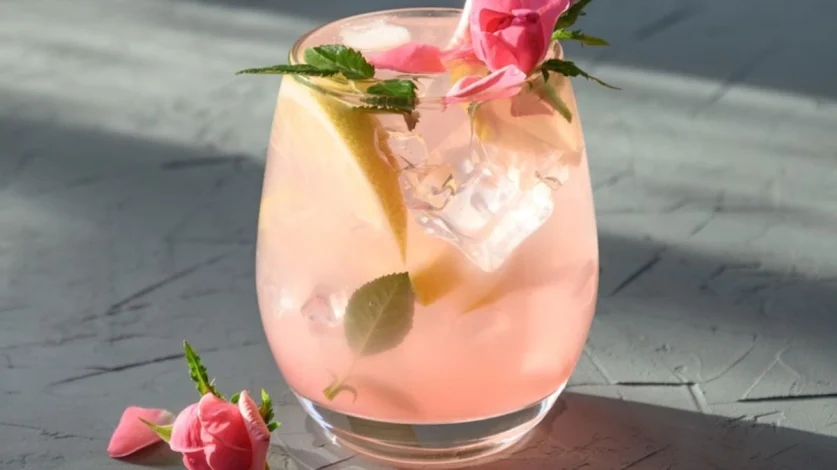
Vodka is a familiar, versatile choice for cocktails, but it isn’t the world’s top-selling spirit. That title belongs to baijiu, a traditional Chinese spirit whose popularity in China drives its enormous global sales.
Baijiu is made from grains such as sorghum, rice, wheat, corn, and millet. Its ingredients and production methods vary by region, creating a range of styles commonly described as strong aroma, light aroma, and sauce aroma—the last named for savory notes reminiscent of soy sauce. An estimated 10 billion liters are consumed each year, and baijiu production exceeds that of vodka and whiskey combined.
Traditionally, baijiu is served at room temperature and drunk neat, often in small shots shared after a toast. But bartenders are increasingly mixing it into cocktails. Milder versions can stand in for vodka, while more aromatic varieties bring a distinctive flavor to drinks such as an orange crush, lemon drop, Michelada, or Long Island iced tea.
Baijiu is made using solid-state fermentation: steamed grains ferment in a relatively dry mixture with a yeast-and-mold starter, then are steam-distilled. This differs from vodka production, which generally ferments ingredients in a liquid mash. Baijiu is matured and blended before bottling.
The spirit is becoming easier to find in the United States, with some national liquor retailers, Chinese grocery stores, and Asian specialty shops carrying it. Well-known producers include Moutai, Wuliangye, and Yanghe. If vodka cocktails are starting to feel repetitive, baijiu offers a distinctly different option—and an authentic taste of a spirit that leads the world in sales.