Liquor-articles 2100
Svedka Vodka Debuts in the UK with a Dazzling Svedbot Parade Through London Landmarks

The popular American spirit brand, SVEDKA Vodka, has officially launched in the UK with an extravagant event featuring a procession of vibrant “Fembots” through London. This eye-catching celebration kicked off in Soho and concluded at Borough Yards, passing notable landmarks including Trafalgar Square and Waterloo Bridge.
The Fembots carried signs inviting Londoners to partake in free martinis and introduced the brand’s charismatic robot mascot, who advocates for in-person gatherings over messaging. The event culminated at an impressive four-meter-high illuminated martini tower at Borough Yards, designed as a meeting point for friends to enjoy a drink together.
Visitors aged 18 and over can indulge in complimentary SVEDKA Vodka martinis, with options including:
- The Timeless: A classic SVEDKA Vodka martini
- The Glitch: A variant inspired by the Dirty Martini
- The Reboot: SVEDKA Vodka mixed with passionfruit, presenting a fruity twist
The martini tower is available from September 30 to October 1, from 5 PM to 9 PM, with the first 200 guests eligible for a free beverage each day (subject to age verification).
SVEDKA Vodka will be readily available for purchase starting September 28 at select Tesco Supermarkets and online at Tesco.com, priced at £25 for a one-liter bottle.
For more details, visit the official SVEDKA Vodka website.
Koloa Rum Appoints New Head of Distillery Operations: A Toast to New Beginnings!

Koloa Rum Company, renowned for its premium, small-batch Hawaiian rum, has named Duke Yadao as the new Head of Distillery Operations. A native of Kalaheo, just a short distance from the distillery, Yadao has spent nearly a decade immersed in the art of craft rum production. Joining Koloa Rum in 2018, he gained extensive hands-on experience, working across various stages of production and developing a deep understanding of the company’s brand and values.
Excited about his new role, Yadao expressed gratitude for the support from his family and colleagues. “I’m grateful for the opportunity to carry that experience forward,” he said, emphasizing his goal to create a rum that reflects the unique heritage of Hawaii, encapsulating the essence of ‘The Spirit of Aloha.’
Yadao’s journey to this leadership position is a return to his roots. Growing up on a family farm fostering an appreciation for local ingredients and agricultural traditions, he had a connection to the land that would later inform his work at Koloa Rum. Encouraged by a friend already employed at the distillery, Yadao applied for an opening, viewing it as a perfect opportunity to enter the beverage industry.
Starting his career on the bottling line and transitioning to blending, Yadao gained increasing responsibilities and was mentored by seasoned members of the distillery team. He further honed his craft through professional development experiences, including training at Moonshine University and participation in industry trade shows.
Now overseeing distillery operations, Yadao merges his near-decade of practical experience with his strong ties to Kaua‘i, guiding production while ensuring Koloa Rum maintains its commitment to quality and craftsmanship. The company, founded in 2009, values the rich agricultural heritage of Kaua‘i, using pure rainwater and cane sugar for its rums, and collaborating with local farms for ingredients in their flavored rums.
Koloa Rum is known for its dedication to sustainability and authentic representation of Hawaiian culture, with a portfolio that includes various expressions like White, Gold, Dark, Spice, Coconut, and Coffee rums, each celebrated for its unique taste. Available in 36 states and select international markets, Koloa has established itself as the first licensed distillery in Kaua‘i since the end of Prohibition.
For more information about Koloa Rum and to find a retailer, visit KoloaRum.com.
Indulge in Fall Flavors: Blue Chair Bay Rum’s Pumpkin Spiced Rum Cream
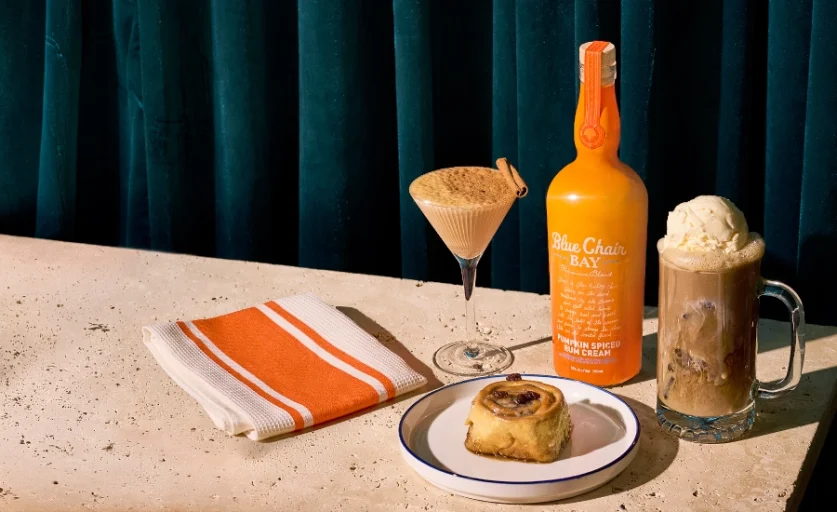
Blue Chair Bay Rum has introduced a limited-edition Pumpkin Spiced Rum Cream, marking the brand’s first seasonal release since its inception by Grammy-winning artist Kenny Chesney. This new flavor is designed to expand Blue Chair Bay’s acclaimed range of premium rums and is the first innovation in three years.
The Pumpkin Spiced Rum Cream features a rich and buttery profile with hints of warm baking spices, sweet cream, and caramel. The brand claims that it offers a lighter, smoother version of the traditional fall flavor, distinguishing itself in the cream liqueur market, which is often dominated by Irish and bourbon creams.
Anthony Moniello, CEO of Next Century Spirits, stated that the new rum cream is crafted with real spices, pumpkin, and cream, providing a fresh twist for effortless entertaining without the heft of traditional options.
Packaged in a 750 ml bottle with an alcohol by volume (ABV) of 15%, Blue Chair Bay Pumpkin Spiced Rum Cream is priced at $19.99 and available at national retailers and through direct orders from their website.
For more information, visit Blue Chair Bay Rum.
Meet Siren’s Tale Vodka Founder Brad Starkey on iHeartRadio’s “Bar Cart Friday” with KGB

Siren’s Tale Vodka has gained recognition for its premium quality and unique branding, inspired by the legends of the sea. Brad Starkey, the Founder and CEO, will make a special appearance on iHeartRadio’s KGB "Bar Cart Friday" on September 25, 2026, at 9:00 AM PT. The show, sponsored by Keg N Bottle and Fast Moving Consumer Goods Inc., aims to highlight the brand’s growth and engaging backstory.
Starkey expressed excitement about sharing the Siren’s Tale story with a broader audience, emphasizing the brand’s commitment to quality and craftsmanship. Siren’s Tale Vodka, made from premium French grain, is designed for those who appreciate an exceptional vodka experience.
The brand has recently achieved significant milestones, including a Gold Medal recognition at the San Diego Spirits Festival, which reinforces its quality and appeal within the competitive spirits market. Notably, Siren’s Tale Vodka will sponsor the upcoming San Diego Spirits Festival, which presents an opportunity for direct engagement with consumers and industry leaders.
Sandro Piancone, CEO of Fast Moving Consumer Goods, highlighted Siren’s Tale Vodka as a next-generation premium spirits brand, noting that its combination of quality, recognition, and participation in industry events positions it well for future growth. The brand is part of Fast Moving Consumer Goods’s national ecosystem that helps emerging brands with development, marketing, and distribution.
Listeners can tune in live to "Bar Cart Friday" on 105.3 KGB FM or via the iHeartRadio App to learn more about Siren’s Tale Vodka’s exciting journey.
For more information about Siren’s Tale Vodka, visit www.sirenstalevodka.com or to order online, check www.kegnbottle.com.
For further details about Fast Moving Consumer Goods, visit www.fmcgstock.com.
The Go-To Rye Whiskey for Beginners Making the Perfect Old Fashioned
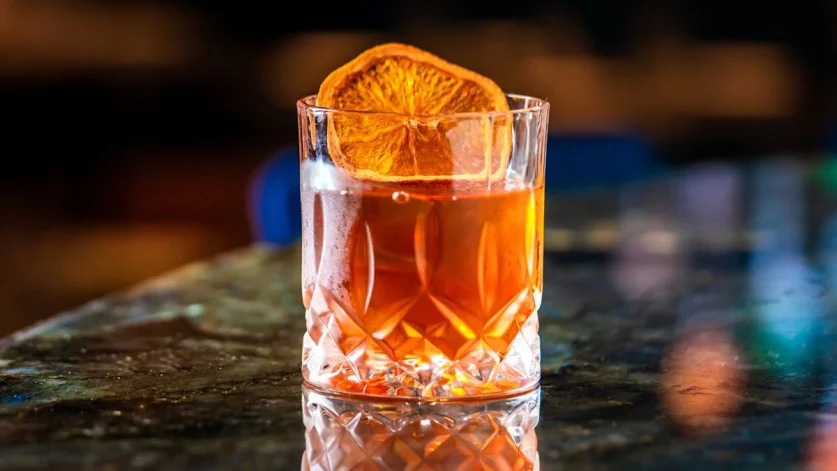
The Old Fashioned cocktail is a classic that combines simplicity with a depth of flavor, making it a favorite among cocktail enthusiasts. The key element of this drink is the choice of whiskey, where Rittenhouse Rye is often recommended for newcomers to the world of whiskey. Its mash bill consists of at least 51% rye, giving it a distinctive, spicy character that distinguishes it from sweeter bourbons.
As noted by Simran Bakshi, co-owner of INDN in New York City, Rittenhouse provides a robust flavor that complements the other ingredients in an Old Fashioned—sugar, bitters, and a fruit garnish. The 51% rye content ensures that the spicy notes are pronounced without being overwhelming for those unfamiliar with the spirit.
Rittenhouse Rye isn’t just favored for its flavor; it’s also budget-friendly, priced under $30 for a 750-milliliter bottle, and it meets the bottled-in-bond criteria, which ensures quality and consistency. This is achieved through strict regulations that require it to be produced in a single distillation season by one distiller, aged for at least four years, and bottled at 100 proof.
Historically, rye whiskey was the original choice for the Old Fashioned, particularly in the 19th century when rye was more prolific than bourbon. As you explore making different variations of this cocktail, you can also consider alternatives like Wild Turkey 101 for a more robust flavor or more niche options like High West Midwinter Night’s Dram for uniqueness. However, Rittenhouse stands out as both an entry-level choice and a solid building block for crafting an exceptional Old Fashioned.
For more information, discover the classic Old Fashioned recipe and explore the best whiskeys for making your next Old Fashioned.
How Much Should You Budget for a Quality Bottle of Vodka in 2026?
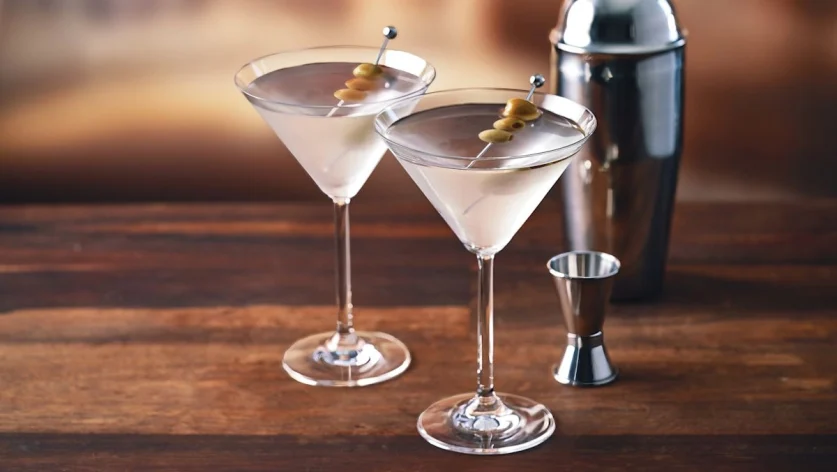
Vodka is often recognized for its versatility as a neutral spirit, foundational in many cocktails and mixed drinks. However, many overlook its unique flavor characteristics, which depend heavily on the base ingredients and water used in its production. Vodka can be distilled from grains such as wheat, rye, and corn, or even potatoes, resulting in variations in taste and texture.
For a quality vodka experience, you don’t need to break the bank; bottles in the range of $20 to $30 can provide excellent value. A popular choice like Tito’s Handmade Vodka, priced around $21.99, is frequently cited for its smooth drinkability, making it ideal for cocktails. For those looking to enjoy vodka neat, Grey Goose is a favorable option at approximately $29.99. Known for its distinctive hints of pepper and citrus, it features prominently on expert-approved lists for straight drinking.
The choice of ingredients has a significant impact on flavor. While many vodkas are grain-based, potato starters tend to yield a smoother product with a richer mouthfeel. However, potato vodkas can be pricier due to the larger quantities of potatoes required for production compared to grains.
Water quality also plays a critical role, as vodka comprises mostly water. High-grade water results in a superior tasting spirit; if distilled with hard or heavily mineralized water, vodka may develop harsh flavors. Brands that invest in quality water sourcing and filtration processes typically produce better-tasting vodka, though at a higher price point.
For further insights into vodka quality and selections, check out additional resources:
Why You Should Sell RUM: 3 Compelling Reasons and 1 Stock to Consider Buying Instead

RUM Group has seen significant stock price growth recently, soaring by 69.1% to $8.93 per share over the past six months. However, investors may want to proceed with caution regarding this stock.
Reasons for Concern
-
Declining Earnings Per Share (EPS): RUM Group’s EPS has been in a downward trend, with losses deepening over the last three years at an alarming rate of 167% annually. This could indicate concerning underlying market trends and changing consumer preferences.
-
Excessive Cash Burn: The company’s free cash flow margin has averaged a negative 111%, indicating that for every $100 in revenue, it has burned roughly $110.73 in cash. This unsustainable burn rate restricts RUM Group’s ability to return capital to investors and raises serious questions about its financial health.
-
High Levels of Debt: With $501.8 million in debt and only $203.3 million in cash, RUM Group’s cash position is precarious. Having burned through $153.1 million of cash in the last year signals that the company might need to raise capital to sustain operations—a move that might dilute current shareholder value.
Investment Position
Despite the recent stock rally, the valuation of RUM Group at 48.7× forward EV-to-EBITDA suggests that the potential upside is limited compared to its risks. Investors are advised to consider alternative stocks that may offer a better risk-reward profile. For instance, a promising option mentioned is a rapidly-growing restaurant franchise known for its exceptional ranch dressing, which could provide more consistent returns.
Conclusion
While RUM Group is not a failing business, its financial structure poses significant risks. Until it can generate stable free cash flow or improve its financing strategies, it may be wise for investors to stay cautious about this stock.
American Whiskey vs. Canadian Whisky: Understanding the Key Differences
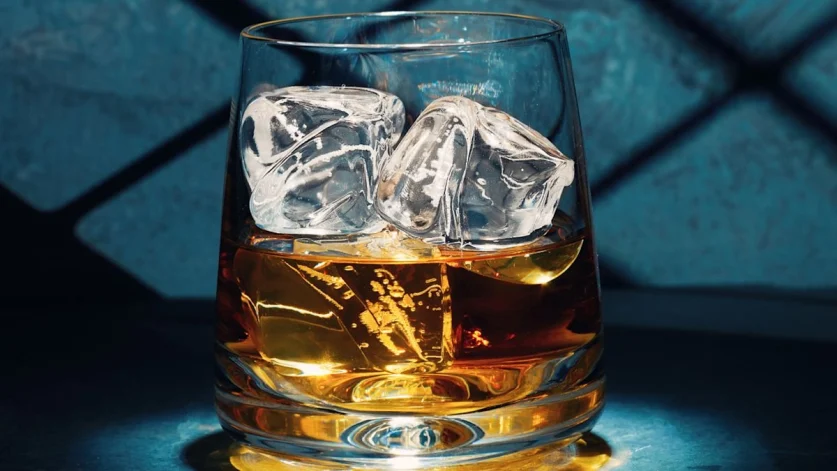
Americans have long cherished whiskey, notably consuming an astounding average of 90 bottles per adult annually during the 1800s. Despite the plethora of high-quality whiskey brands in the U.S., a significant amount of whiskey enjoyed today is imported from Canada, with over 168 million liters shipped to the U.S. in 2020. This affinity suggests a perfect pairing for the American palate, yet the distinctions between American and Canadian whiskey are significant.
One of the noticeable differences is the spelling, with Canada dropping the “e,” similar to Japan and Scotland. However, beyond this triviality, the production methods differ greatly, resulting in varying flavor profiles. Canadian whisky tends to offer a smoother experience, while American whiskey is known for its bolder character.
The laws governing whiskey production are also different. In the U.S., strict guidelines for different whiskey types define ingredients and production methods. For example, bourbon must consist of at least 51% corn, while Tennessee whiskey has its own distinctive rules. In contrast, Canada’s regulations are relatively relaxed; the only requirements are that whisky is made from Canadian grains and aged in barrels for three to eighteen years.
The Diverse Expressions of American Whiskey
American whiskey is characterized by a strict adherence to mash bill guidelines, which dictate the specific mix of grains used. A mash bill determines the type of whiskey; bourbon, for instance, requires a mash bill that must consist of at least 51% corn. While these regulations might seem limiting, they actually facilitate a rich diversity in flavors.
Each distiller may create signature flavors within the confines of these laws. For example, Bulleit bourbon’s flavor comes from a mash bill of 68% corn, 28% wheat, and 4% barley, while Jim Beam uses 75% corn, 13% wheat, and 12% barley. The variations in aging techniques contribute further to the unique profiles of American whiskies, inviting enthusiasts to explore from products like Elijah Craig Straight Rye to Four Roses Yellow Label Bourbon, both priced under $50.
The Focus on Blends in Canadian Whisky
In Canada, distilleries often blend three separate whiskies to create their final product: one base whisky commonly made from corn and two flavoring whiskies derived from grains such as rye and barley. Each component is fermented and distilled independently before being combined and barrel-aged, making the blending process crucial for flavor. Due to typically using used barrels for aging, whose flavor contributions are subtler, the aim is to create a smooth, harmonious whisky ideal for cocktails.
While Canada produces different whisky types, blended whisky remains the most popular. For those new to Canadian whisky, Crown Royal serves as a notable introduction, created to honor the visit of King George VI and Queen Elizabeth in 1939.
For a deeper dive into whiskey options and variety, consumers can venture into the spirited world of these North American beverages, discovering the nuances and unique characteristics each has to offer.
Mahomes Sparks Curiosity: Fans React to QB’s Mysterious Drink During Colts Game

Patrick Mahomes, quarterback for the Kansas City Chiefs, sparked a wave of speculation among NFL fans when a clip surfaced of him appearing to take a mysterious drink before the game against the Indianapolis Colts. In the video, Mahomes tilts his head back for a quick swig, leading many to humorously suggest he might be drinking vodka prior to kickoff.
As the Chiefs geared up for Week 2, aiming to build on their first victory, Mahomes’ peculiar pre-game ritual quickly became a trending topic online. Fans flooded social media, trying to pinpoint the beverage in question. Some viewers, who noticed the incident live, expressed their disbelief, with one stating, “Knew I wasn’t tripping when watching that LMAOOOOOOO”, and another admitting, “I had to do a double check.”
The playful banter escalated, with fans joking about needing to ease their nerves due to the Chiefs’ wide receivers’ performance, with comments like, “With those WR’s he’s throwing too, I would’ve been downing shots like a Friday night.” Others speculated on more plausible drink options, suggesting it might be pickle juice to prevent cramps or a refreshing lemon cello shot. The creativity of the comments continued as fans cheered him on, urging him to chug “whatever works.”
However, amidst the lighthearted theories, one fan dismissed the vodka idea, stating emphatically, “That’s not no damn vodka.” In fact, the drink in question was later identified as pickle juice, a known remedy used by the Chiefs to stave off muscle cramps.
This incident serves as a reminder of how a brief video can incite speculation and humor when it involves a superstar like Mahomes. For him, it was simply another part of his pre-game routine.
What British Sailors Added to Their Rum in the 1700s: The Secret Ingredients Behind the Nautical Beverage
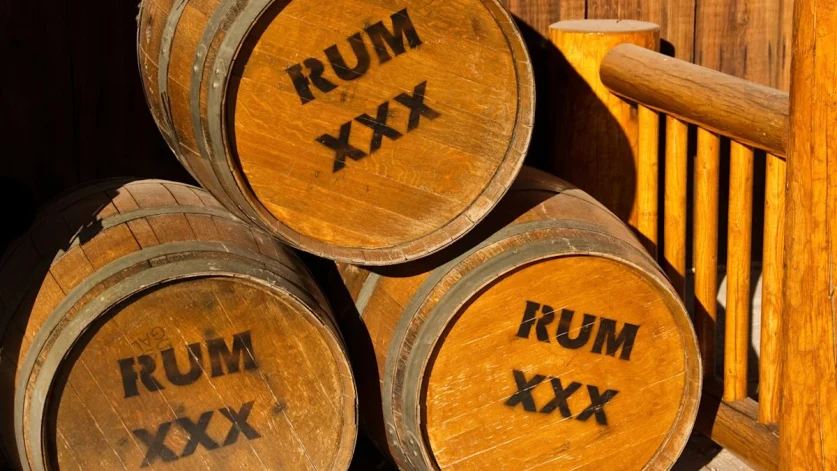
In the 18th century, British sailors relied heavily on rum as a crucial part of their rations, receiving a pint daily from the Royal Navy since the 1650s. However, as time went on, sailors began to mix their rum with three other ingredients: water, sugar, and lime juice, leading to what some consider the earliest version of a cocktail.
The transition from beer and wine to rum was influenced by Britain’s establishment of a colony in Jamaica, which made rum more readily available. Despite its popularity, the higher alcohol content of rum often led to problematic behavior among sailors, who sometimes saved their rations to drink multiple servings at once, risking their ability to perform their duties.
In 1740, Vice Admiral Edward Vernon recognized the need for moderation. He mandated that sailors dilute their rum with water and permitted the addition of limes and sugar for flavor. This concoction soon became known as "grog," derived from Vernon’s nickname, which referred to his grogram-fabric cloak.
Interestingly, while citrus was used in grog, it wasn’t initially for health reasons. The connection between citrus and scurvy prevention was not established until later. It wasn’t until 1747 that James Lind’s experiment aboard the HMS Salisbury demonstrated that citrus could combat scurvy, a disease caused by vitamin C deficiency. Lemons, not limes, became a required supply on ships in 1795, long after the adoption of grog.
For those curious to experience the traditional drink of 18th-century British sailors, recreating grog is straightforward. The traditional mixture involves four parts water to one part rum, with sugar and lime juice added to taste. Pusser’s rum is noted as a practical choice for this classic drink, resembling the rum served by the Royal Navy until its official ration was discontinued in 1970.
Today, sailing and naval life have evolved significantly compared to the 1700s. Modern conditions are vastly improved, eliminating the necessity of the limited diets that sailors once faced, such as dried fish and hardtack. Nevertheless, the basic ingredients of water, sugar, and lime in rum echo through the cocktails enjoyed by some contemporary sailors.