Liquor-articles 2100
RUM Stock Jumps Premarket as Analyst Sees 200% Upside from Undervalued AI Shift
Rumble Group (RUM) shares rose nearly 4% in Wednesday premarket trading after gaining 3% the previous day. The move followed Lake Street’s initiation of coverage with a Buy rating and a $25 price target, which implies 226% upside from Tuesday’s close.
Lake Street argues that investors may not yet have accounted for the company’s shift from a video platform toward AI infrastructure and cloud services. The analyst pointed to contracted demand, expanding power capacity and Rumble’s entry into the neocloud market as factors that could reshape how the company is valued.
Rumble entered the AI infrastructure business in June through its roughly $767 million, all-stock acquisition of German cloud company Northern Data. It now operates the Rumble media platform alongside Quake AI, its infrastructure unit.
The acquisition also gave Rumble access to 250 megawatts of power, which Lake Street views as an important resource for building out data centers as demand for AI computing grows. The company has also signed a six-year Anthropic agreement valued at $13.7 billion. The deal provides long-term revenue visibility and supports the view that Rumble is developing into a contracted AI infrastructure provider.
Despite the analyst’s optimistic outlook, retail sentiment on Stocktwits was described as bearish. Some users highlighted the scale of the Anthropic agreement and speculated about potential future cloud contracts, while others questioned why the shares remained near $7 despite higher analyst price targets.
RUM shares were up 21% year to date.
The Reasons Behind Ongoing Trade Wars Impacting Your Whiskey Supply
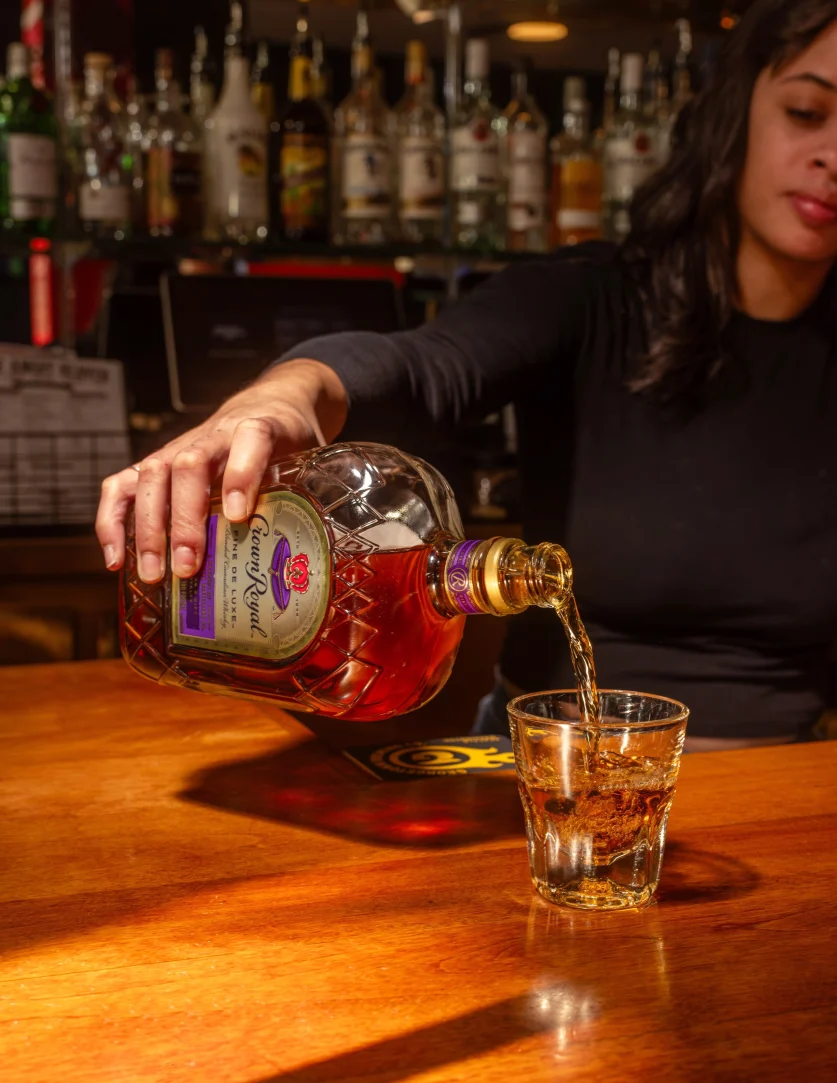
Whiskey has found itself at the center of trade tensions between the United States and Canada, drawing unexpected scrutiny amid ongoing trade disputes. While the total goods traded across the border exceeds $870 billion annually, whiskey represents less than a third of one percent of that volume. Nevertheless, it has become emblematic of escalating trade conflicts, particularly since the Trump administration’s tariffs spurred retaliatory actions from Canada.
In early 2025, eight Canadian provinces instituted bans on American whiskey, prompting the U.S. to respond with a hefty 50% tariff on Canadian whiskey. Recently, the Trump administration escalated the situation further by issuing a complete ban on Canadian whiskey imports, effective soon. However, the ban carries a significant loophole: Canadian whiskey imported in bulk and bottled in the U.S. is exempt, ensuring brands like Crown Royal remain untouched for consumers.
This peculiar focus on whiskey raises questions about its role in trade negotiations. While steel and aluminum may be critical for the economy, whiskey serves a symbolic function. Price changes in whiskey are more perceptible to consumers compared to broader economic metrics, making it an effective tool for political messaging.
Americans are clearly attuned to the implications of these tariffs. Bar owners report that their customers are very invested in discussions surrounding the availability and pricing of Canadian spirits. This stakes a claim on national identity, as whiskey production is bound to geographical restrictions—only bourbon can carry the name if made in the U.S., while Canadian whiskey must be produced in Canada.
As the trade dispute unfolds, it affects not only American consumers but also the Canadian liquor industry. The American bans have reportedly slashed U.S. exports to Canada by nearly 70%, translating into significant financial losses for distilleries on both sides. Canadian importers and distributors have also faced challenges, with anticipated increases in domestic sales failing to materialize.
Experts have noted that major distilling companies might circumvent the ban by moving bottling operations closer to the U.S. market, enabling them to continue selling without disruption. This presents a complex picture of trade where political proclamations can often mask underlying economic realities.
As the situation progresses, both governments continue to navigate a landscape where tariffs on whiskey not only influence commerce but also serve broader political narratives aimed at a domestic audience.
Boo-tiful Brews: Elevate Your Halloween Cocktails with Black Vodka
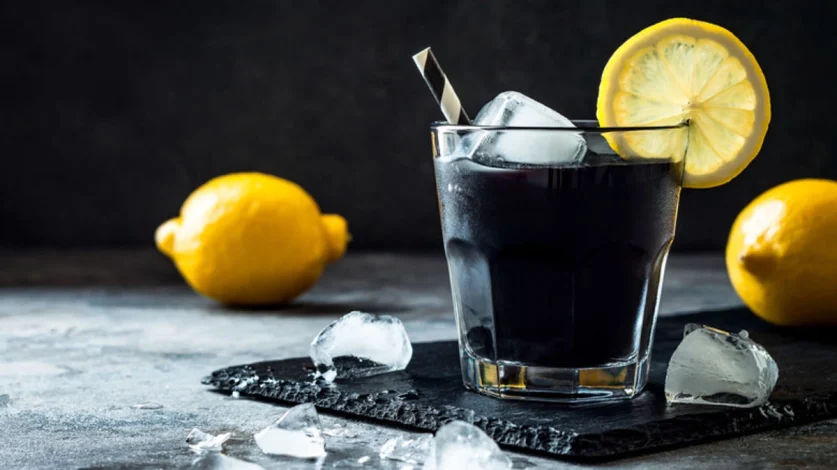
When it comes to Halloween cocktails, many mixologists opt for bright spirits and colorful liqueurs like Midori or grenadine to craft their spooky drinks. However, there’s a way to incorporate an enigmatic touch and sophistication into your Halloween beverages: homemade black vodka.
Creating black vodka may seem daunting, but it’s quite straightforward. Start with a high-quality, clear vodka as your base. The secret ingredient for achieving that stunning black color is likely lurking in your pantry: liquid food coloring. By blending red, blue, and green drops, you can transform your clear vodka into a deep, dark elixir.
To make your black vodka, add 10 drops of blue food coloring for every bottle you’re preparing. Follow that with 10 drops of red food coloring and eight drops of green. Shake the bottle vigorously to ensure the colors mix well. Once mixed, your black vodka is ready to elevate your cocktails all night long without any special storage needs.
With your homemade black vodka prepared, it’s time to dive into creative cocktail concoctions. You can use this versatile spirit in any vodka-based recipe, but consider a few festive options to match the Halloween theme.
-
Midnight Martini: Combine your black vodka with a dash of dry vermouth and garnish with an orange peel twist to add a splash of contrasting color.
-
Blackberry Potion: Muddle fresh blackberries with lime juice and simple syrup. Shake together with your black vodka and strain over ice for a deliciously eerie drink.
-
Witch’s Brew Fizz: Mix black vodka with elderflower liqueur and a squeeze of lemon juice. Shake over ice, strain into a glass, and top with sparkling water for a refreshing fizz.
For an added layer of visual appeal, try using edible glitter in your cocktails. Adding a sprinkle will mesmerize your guests, turning your drinks into dazzling potions suitable for any Halloween gathering.
Homemade black vodka is an intriguing ingredient that can transform your cocktails from mundane to magical. Whether conjuring up a spooky martini or a sparkling blackberry potion, these drinks are sure to enchant all who partake.
Chattanooga Whiskey Launches ‘Full Proof’ Tour Featuring a 4K-Gallon Barrel Experience
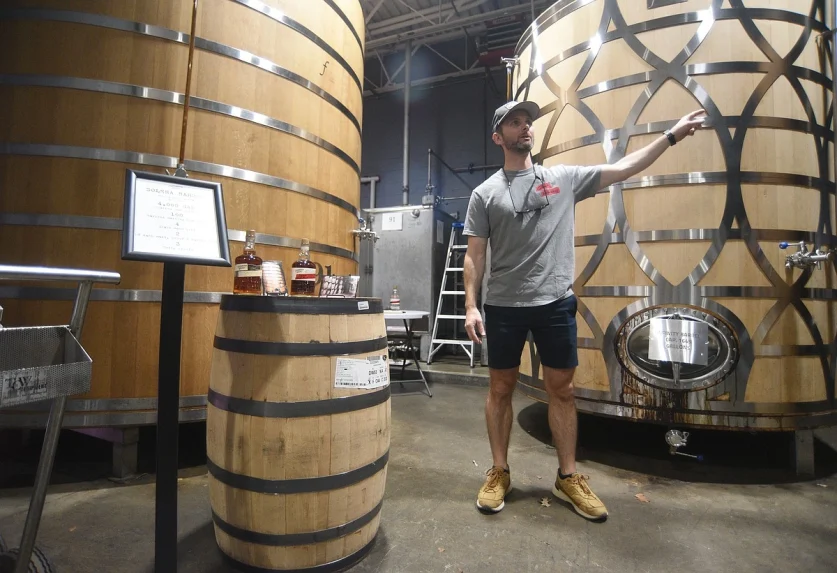
Chattanoogans have the opportunity to take a two-hour guided tour at the Chattanooga Whiskey distillery, an establishment that has gained significant recognition for its distinctive bourbons. The tour offers a behind-the-scenes look at the distillation process, showcasing how the distillery has built a reputation for its complex, toasty flavors.
With the recent opening of a new 4,000-gallon barrel, visitors can expect a thorough understanding of the craftsmanship involved in producing their beloved whiskey. The full-proof tours not only highlight the intricacies of whiskey-making but also celebrate the local craftsmanship that has put Chattanooga on the whiskey map.
For those interested in experiencing this unique production process firsthand, more information about the tours can be found here.
Unveiling the Maker Behind Costco’s Kirkland Signature Irish Whiskey: A Deep Dive
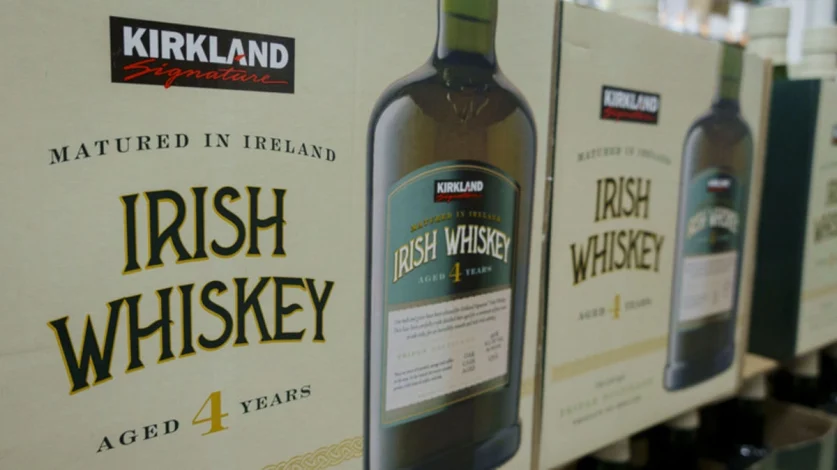
Kirkland Signature Irish Whiskey has gained a reputation for being an affordable and decent option for home mixes and parties. Priced around $28 for a 1.75-liter bottle, it costs just 72 cents per 1.5-ounce serving, offering excellent value for cocktail enthusiasts. While not intended for sipping neat, many agree it performs well in mixed drinks like whiskey sours or hot Irish coffees.
Recent investigations suggest that this whiskey is produced by Terra Spirits and Liqueurs, based in Bailieborough, County Cavan, Ireland. The Kirkland label claims it has aromatic notes of licorice, caramel, orange, and toffee, coupled with a sweet caramel taste and a spicy finish. Reviewers, including The Irish Whiskey Lad, noted its complexity, finding hints of vanilla and citrus along with its distinctive spicy kick.
For a whiskey to be classified as Irish, it must be distilled from grain mash and aged for a minimum of three years in wooden casks. Typically, Irish whiskey undergoes triple distillation, resulting in a smoother flavor compared to its Scottish counterparts. Before bottling, producers may add water and caramel coloring, but the whiskey must still have at least 40% alcohol by volume.
Although Kirkland’s version may not rival premium brands, its consistent performance in mixers solidifies its place in the hearts of whiskey drinkers seeking quality at a reasonable price. Many users on platforms like Reddit praised its value, highlighting its suitability for mixed drinks despite it’s burn, affirming that it’s indeed a good quality option for casual consumption.
Exploring the Differences Between American Whiskey and Japanese Whisky: A Detailed Guide
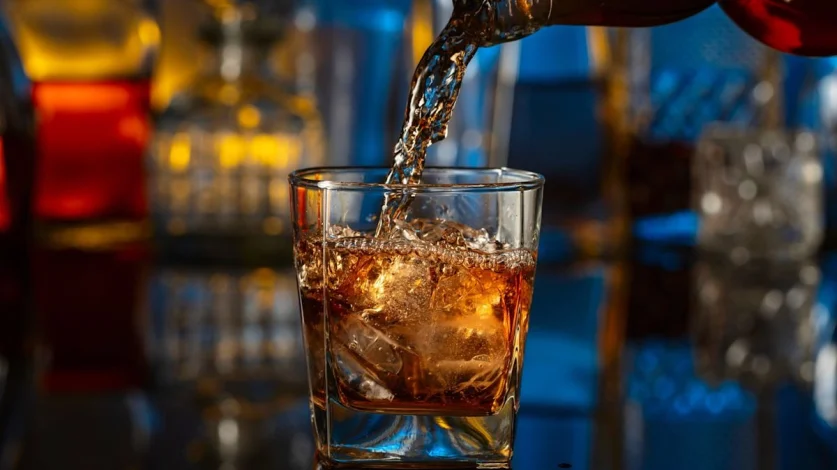
From the Americas to Asia, whiskey is enjoyed worldwide, yet many misconceptions exist about the spirit. A notable distinction between American whiskey and Japanese whisky lies in their spelling—American producers typically use "whiskey" while Japanese distillers opt for "whisky." This subtle difference indicates various traditions and origins.
Japanese whisky has roots in Scotch production, owing to Taketsuru Masataka, who introduced authentic distilling methods to Japan after learning from Scottish distillers. While similar in using malted barley, Japanese whisky has evolved to cater to local tastes; it tends to be fruitier and less peaty, offering a softer smokiness compared to its Scottish counterpart.
When it comes to grain mash, American whiskey incorporates a variety of grains including corn, rye, and barley, with specific regulations dictating the proportions. For instance, bourbon is required to have at least 51% corn in its mash. On the other hand, Japanese whisky primarily uses barley with occasional additions from other grains.
Distilling methods also play a crucial role in defining these two spirits. Japanese whisky is crafted using pear-shaped copper pot stills, suited for small batches and allowing for meticulous control during distillation. In contrast, American whiskey is often made in tall column stills, which are more efficient and can produce a higher-proof spirit by filtering out heavier fusel oils, resulting in a cleaner mouthfeel.
Regulatory frameworks differ considerably as well. The U.S. has a long-standing history of whiskey production regulations, which have developed since the late 18th century. The Japanese whisky industry, while established in the early 20th century, only formalized its regulations in 2021, standardizing definitions of quality and production similar to those in other countries.
Taste-wise, American whiskeys are generally bolder, with sweeter notes from the high corn content in bourbon, whereas Japanese whisky is characterized by gentler flavors and floral, fruit-forward profiles. This contrast is heightened by the different distillation techniques used, with pot stills contributing richer flavors that linger on the palate while column stills lead to a lighter texture in American varieties.
Elevate Your Whiskey Sour: A Sweet Twist with Blended Scotch and Jam
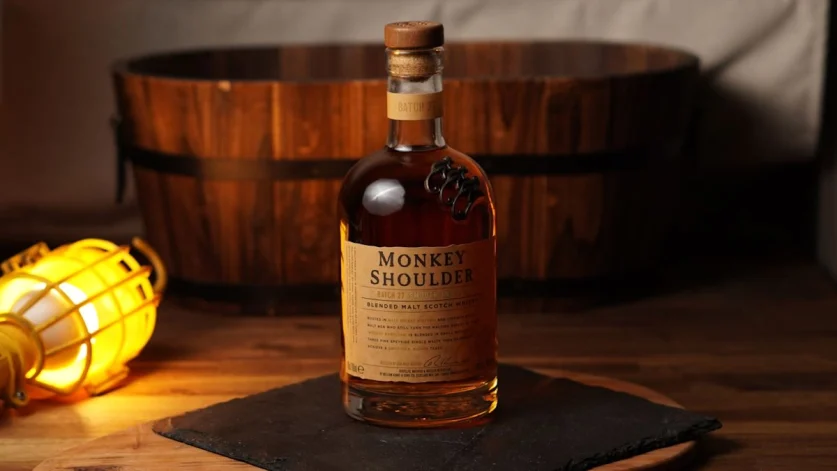
The whiskey sour is a beloved cocktail, yet even the classics can become mundane over time. Fortunately, there’s a fun twist to invigorate this traditional drink: the Monkey Jam Sour, which combines blended Scotch with jam for a sweet and modern take.
At its core, a standard whiskey sour is a mix of whiskey, sugar, and lemon juice, often enhanced with simple syrup and sometimes egg white, providing a silky texture. If you’re worried about altering such an established recipe, remember that cocktail enthusiasts have been experimenting since the very beginning.
The Monkey Jam Sour brings both jam and Monkey Shoulder blended malt Scotch into the mix. Monkey Shoulder is a fantastic introduction to blended malts, featuring a smooth, fruity flavor with hints of vanilla. To create this new concoction, you can modify the classic whiskey sour recipe by replacing the standard whiskey with Monkey Shoulder and adding a few teaspoons of your chosen jam into your cocktail shaker, along with the other ingredients. You can decide whether to include egg white, omit it, or substitute it with aquafaba, and after a vigorous shake—first without ice, then with ice—you’ll have a refreshing drink ready to enjoy.
Tips for Crafting the Perfect Monkey Jam Sour
Making a twist on the whiskey sour with jam is a delightful choice as it adds a unique burst of flavor. While popular variations exist, such as pineapple whiskey sour, the jam inclusion provides a deeper taste. You can use your favorite store-bought jam or, for a personal touch, try making your own.
Some enthusiasts find that marmalade complements the orange notes in Monkey Shoulder nicely, but feel free to experiment with different flavors like apricot, peach, or fig to find what you like best.
When making this cocktail, you don’t have to stick rigidly to the traditional 3-2-1 ratio for the ingredients, as the jam makes it sweeter. If desired, you can enhance the drink with a few dashes of orange bitters or top it up with soda water for a refreshing fizz. Typically, you can serve the Monkey Jam Sour in either a rocks glass or a sour glass, which will help maintain the cocktail’s chill and add an elegant touch to your drink presentation.
For additional culinary insights and recipes, you can follow Tasting Table.
Bern’s Steak House in Tampa Launches Exclusive 10th Anniversary Whiskey Dinner Series

Bern’s Steak House in Tampa is set to celebrate the tenth anniversary of its Whiskey Tampa Foxtrot event, a six-night extravaganza dedicated to exceptional whiskey and culinary craftsmanship, taking place from November 9 to 14, 2026. The event will feature some of the most esteemed names in American whiskey, including Booker’s, Willett, Rare Character, Garrison Bros., and WhistlePig, the latter taking the spotlight on the final two evenings with exclusive dinners highlighting their Boss Hog and Bern’s Private Selects offerings.
This year’s program promises an impressive lineup of master distillers and whiskey innovators, offering guests a chance to delve into curated selections of highly allocated releases, limited editions, and rare aged expressions. Each dinner will pair a specially crafted multi-course menu by Chef de Cuisine Brent Hunt, showcasing the culinary talents of the entire Bern’s team, alongside unique whiskey selections. Menu highlights include Whiskey-Aged Japanese Wagyu Tenderloin, Foie Gras, Chilled Lobster, and a Chocolate and Malt Tart.
Proceeds from the 2026 Whiskey Tampa Foxtrot will benefit Operation Healing Forces and the Navy SEAL Foundation, furthering the philanthropic mission of the Laxer Family Foundation. Alongside the dinner series, there will also be an online auction featuring exclusive offerings, including a VIP tour of the Buffalo Trace Distillery and unique Bern’s Private Selects lots.
David Laxer, owner of Bern’s Steak House, emphasized the significance of the event, stating, "We’re proud to create memorable experiences for our guests while supporting Operation Healing Forces and the Navy SEAL Foundation and the important work they do for our veteran community."
Tickets will be available starting October 3, 2026, emphasizing their intimate and popular nature. Guests can expect to experience a series of one-of-a-kind whiskey pairings crafted to enhance the dining experience, making Whiskey Tampa Foxtrot a must-attend event for whiskey enthusiasts and food lovers alike.
For more details and ticket purchases, visit the Laxer Family Foundation’s Eventbrite page.
Analyst Highlights Underrated Rum Stock Worth Considering

An iframe is dynamically loaded into a specified container on the webpage. To ensure a smooth user experience, the iframe's height is adjusted based on messages received through the `postMessage` API. If the height is below a minimum threshold of 350 pixels, it will default to this minimum value.Upon the document's readiness, the function `loadSVSIframe` is called to handle the iframe loading. Additionally, a full-width container is utilized, featuring multiple subdivision layouts that permit flexible content arrangement.For further assistance, options such as account access and contact links are available in the footer, along with information about Schaeffer's business hours, educational programs, and promotional offers.Explore the following important links for more details:- [Schaeffer's Sitemap](https://www.schaeffersresearch.com/sitemap)- [Privacy Policy](https://www.schaeffersresearch.com/privacy-policy)- [Trading Services](https://store.schaeffersresearch.com/)- [Contact Us](https://www.schaeffersresearch.com/contact-us)Absolut Vodka Unveils Daring New Creative Era with KAWS Artist Edition Bottle and Artwork
Absolut Vodka has launched a new collaboration with renowned contemporary artist KAWS, introducing the ABSOLUT KAWS Artist Edition bottle. This unique edition transforms the iconic apothecary-shaped bottle using KAWS’ distinct visual style, known for its vibrant graphics and cultural commentary.
Unveiled on October 1, 2026, in New York, the partnership marks a continuation of Absolut’s history of innovative artistic collaborations that aim to inspire fresh perspectives through various cultural intersections including art, fashion, and music. KAWS, whose real name is Brian Donnelly, expressed his excitement at joining the ranks of celebrated artists who have collaborated with the brand over the years, aiming to make art accessible in everyday settings.
The design of the ABSOLUT KAWS bottle features KAWS’ signature "XX" motif and his CHUM character prominently on the front, while the back showcases a commissioned painting that inspired the bottle’s artwork. This collaboration not only highlights KAWS’ role in bridging the gap between fine art and popular culture but also aligns with Absolut’s mission to promote art in a manner that is approachable for everyone.
Caroline Begley, U.S. Vice President of Marketing for Absolut, commented that this limited-edition release redefines the traditional vodka bottle as a piece of collectible art, celebrating creativity and the connections that art fosters among people. The ABSOLUT KAWS Artist Edition will be available for pre-order on Absolut’s website and in select U.S. retailers for a limited time.
The launch continues Absolut’s legacy of artistic collaborations, beginning with Andy Warhol’s involvement in the 1980s, and showcases how the brand integrates art into its identity. KAWS, known for his impactful works that resonate with diverse audiences, further enriches the brand’s artistic narrative.
For more information, visit Absolut.com.