Liquor-articles 2100
Appleton Estate’s 26-Year-Old Hearts Collection Is the Best Rum of the Year So Far
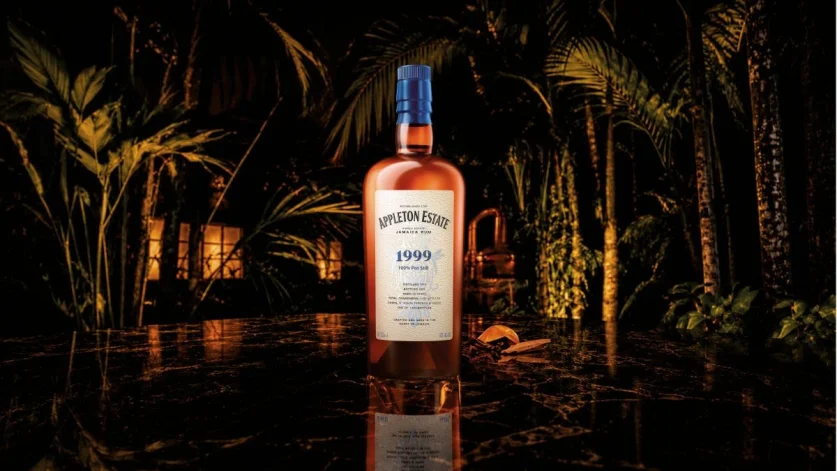
Appleton Estate’s latest Hearts Collection release is a 26-year-old Jamaican rum distilled in 1999—and a standout for both rum enthusiasts and whiskey drinkers exploring aged spirits.
The Hearts Collection debuted in 2020, with vintages selected by master blender Joy Spence and rum expert Luca Gargano. This release revisits the 1999 vintage, extending its aging by five years. It spent 26 years in ten ex-bourbon casks, was distilled on a Forsyth pot still, and bottled at 63% ABV.
A long tropical aging period intensifies the interaction between rum and oak. The result is a complex profile featuring caramel, banana, grilled pineapple, licorice, cinnamon, apple pie, brown sugar, and molasses. Despite its high proof, the rum’s warmth is described as controlled rather than overpowering. Its Jamaican “hogo”—the distinctive funky, savory character often associated with pot-still rum—may particularly appeal to longtime Jamaican rum fans.
Only 1,406 bottles are available worldwide, with a suggested price of $500. The limited release can be found at specialty retailers, though its price may rise on the secondary market.
Uncle Nearest Whiskey Brings Fall Cocktails to Newfields’ Harvest Nights
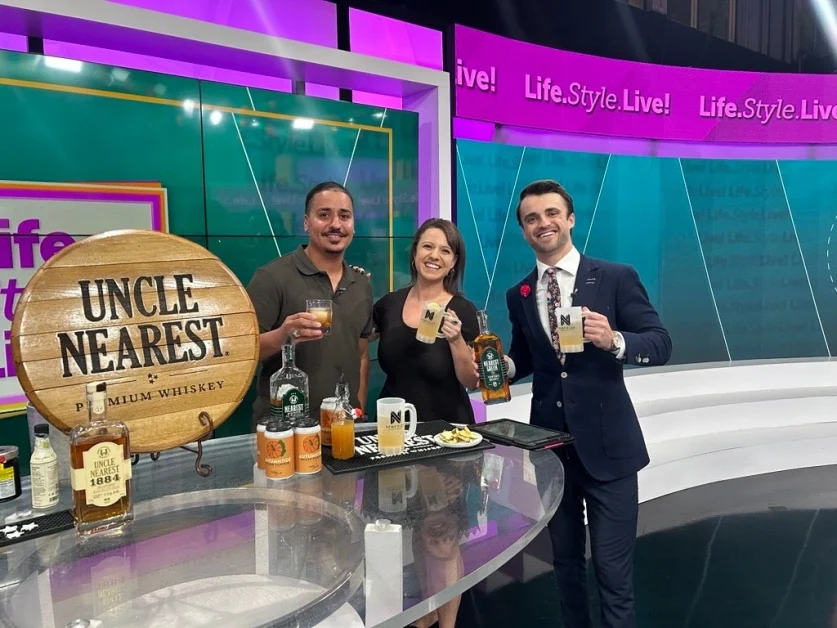
Uncle Nearest Premium Whiskey is bringing Tennessee whiskey and autumn cocktails to Newfields’ annual Harvest Nights celebration in Indianapolis.
At the event, Uncle Nearest’s director of emerging markets, Andrew Stein, and Newfields’ associate director of culinary arts, Lindsay Jo “LJ” Whirley, shared the brand’s history and demonstrated two seasonal drinks.
The whiskey honors Nearest Green, recognized as the first known African American master distiller in the United States. Since launching in 2017, the brand has grown nationally while highlighting Green’s legacy and contributions to Tennessee whiskey.
A partnership between Uncle Nearest and Newfields began with sponsorship of the venue’s Garden Party and later expanded to Harvest Nights. Stein, an Indiana native who lives in Fishers, said his local ties helped bring the collaboration together.
One popular offering is the Uncle Nearest Apple Jack, made with Nearest Green Tennessee Whiskey, apple cider and Autumn Tide beer from Ash and Elm Cider Co. About 1,500 were served during the event season by the time of the segment. Whirley said it’s simple to make at home and well suited to fall gatherings.
Stein also demonstrated a seasonal old-fashioned with Uncle Nearest 1884 Small Batch Whiskey. The recipe calls for 2 ounces of whiskey, ½ ounce of demerara syrup and a couple of dashes of black walnut bitters. Stir and strain into a glass, then garnish with a maraschino cherry and orange peel.
Harvest Nights allows Newfields to feature local and regional brands alongside seasonal food and drinks. The event draws tens of thousands of visitors throughout the season. Guests can find the Apple Jack in the beer garden near the large, light-decorated purple tree.
Harvest Nights runs through Nov. 1 at Newfields. Tickets are available through Newfields; members receive a 20% discount, and children under 5 are admitted free.
Ja Rule Delays 238-Store Whiskey Rollout to Strengthen His Team

Ja Rule and his Amber & Opal co-founders are holding off on a potential 238-store rollout while they build the team and resources needed to support the whiskey brand.
In an interview with Inc., Ja Rule said the brand could expand into those stores now. But the four founders decided to concentrate on seven markets where they can personally visit retailers and help drive sales.
Co-founder Herb Rice said a nationwide launch could spread the team too thin. Store tastings and bar visits require time, and retailers may stop carrying bottles that do not sell. Ja Rule described the workload as “17 hats” that the founders are trying to divide among themselves.
The business began in 2021, when Ja Rule and Rice invested in barrels of whiskey they planned to sell after the liquor aged. As other members of their investment group began bottling whiskey for themselves, the pair saw an opportunity to create a brand. They later partnered with Rice, Sandy Sandiford and Kelvin Barton to launch Amber & Opal.
The whiskey from their original investment was not used in the brand’s blend. After consulting distillers, the founders chose Maryland rye for the recipe instead. The blend was developed to suit both Ja Rule, who was new to whiskey, and his more experienced partners, who paid close attention to details such as its smoky finish.
The team experimented with honey, spices and tea before settling on a blend featuring orange blossom honey, fig, ginger, cinnamon and lapsang souchong black tea.
Ja Rule has also promoted the whiskey in person. In early 2025, he visited a Miami Beach store to sign bottles, take photos and offer tastings. He said these appearances gave him a chance to connect with fans beyond his music.
The founders are seeking $5 million to $7 million in funding, which Ja Rule said would help them hire staff and expand into more markets over the next year or so.
DEC Tells Moriah Whiskey Producer It Needs an Air Permit

New York’s Department of Environmental Conservation says a whiskey-aging facility in Moriah must apply for an air emissions permit by the end of October.
The DEC’s decision concerns WhistlePig Whiskey’s warehouses in the Mineville hamlet, where residents have reported gummy black deposits on nearby homes and businesses. The substance is a fungus known as Baudoinia compniacensis, which can grow on surfaces exposed to ethanol vapor released during the whiskey-aging process. The DEC says it does not believe the deposits pose a health hazard.
In a letter to Moriah Ventures LLC, a WhistlePig subsidiary, DEC Regional Engineer Yuan Zeng said the company operates at least 11 aging warehouses at the site and has approval to build three more. Based on the company’s estimate of 14,000 barrels per warehouse, the facility could hold at least 154,000 barrels. The DEC estimates its potential ethanol emissions at about 531 tons a year—well above the 50-ton threshold for a major source of volatile organic compounds.
The permit, known as an Air Title V permit, is issued jointly by the DEC and the U.S. Environmental Protection Agency. Zeng said the EPA has determined that emissions of volatile organic compounds from spirit-aging facilities can be regulated.
WhistlePig has previously denied that its Mineville warehouses caused the deposits. As a gesture of goodwill, it agreed to pressure-wash homes within 900 feet of the facility. Filtering the emissions could reduce the deposits, but distillers say filtration may also affect the whiskey’s taste.
WhistlePig ages and stores its whiskey in Moriah and bottles it in Shoreham, Vermont.
Vodka Encyclopedia, Part V: Chapter 28
When vanilla smells sweet or lemon peel suggests freshness, aroma is shaping the way we imagine taste. Yet vanilla aroma contains no sugar, and lemon-peel aroma is not the same as the citric acid in lemon juice. We experience aroma, taste, and texture separately, then blend them into a single impression.
Vodka is no different. A drink may seem sweet, citrusy, syrupy, or smooth, but those impressions do not identify specific ingredients. Sweetness does not prove that sugar was added, and a thick mouthfeel does not prove the presence of glycerol. To understand what is in a bottle, it helps to distinguish what we perceive from what analysis or production records can establish.
What carries over from the raw material?
The raw material alone does not determine the character of the finished vodka. Fermentation transforms sugars into alcohol and other substances; starchy ingredients must first be converted into fermentable sugars. Distillation then separates components according to how readily they enter the vapor. Sugars and glycerol generally remain in the still, while some volatile compounds formed during fermentation may pass into the distillate. Rectification can remove some of those compounds, while others may remain depending on the product’s design.
So “made from grapes” does not necessarily mean that grape sugar remains in the bottle.
The stage at which an ingredient is used also matters. Lemon juice contributes acids, sugars, water, and other juice components. Macerating lemon peel extracts aromatic compounds from the peel. Redistilling with the peel favors compounds that travel with the vapor. Although each method might be described as “using lemon,” each produces a different liquid.
Even finding a compound in a bottle does not establish its source. For example, detecting citric acid cannot reveal whether it came from fruit juice or was added separately. That requires evidence from production records and ingredient information.
Sweetness: sugar and aroma are not the same
“Sugar” can refer to different substances, including sucrose, glucose, and fructose. Their sweetness differs, and the impression also depends on concentration, temperature, acidity, aroma, alcohol content, and the liquid’s overall composition. A small sweetness adjustment and a liqueur built around sweetness serve different purposes.
A sweet-smelling aroma can also affect how sweet a drink seems. Research has found that vanilla aroma can increase sweetness ratings in samples containing sugar, though the effect depends on the conditions and the person tasting it. It is not a universal rule for vodka. Research on the interaction between aroma and sweetness
Tasting notes become more useful when they separate these experiences. For example:
- The aroma suggests vanilla sweetness.
- The sweetness on the palate is restrained.
- Fruit aroma returns in the finish, prolonging the sweet impression.
This is more informative than simply calling a vodka “sweet.” Alcohol, water, trace compounds, temperature, and irritation all contribute to taste, so perceived sweetness should not automatically be equated with high sugar content.
Acids: sourness, aroma, and pH
Citrus aroma and citrus sourness come from different sources. Volatile compounds in the peel create much of its aroma, while citric acid in the juice contributes to sourness. Adding acid does not recreate the aroma of the peel.
Acids also differ from one another. Citric acid and acetic acid, for example, have different properties and do not behave identically in alcohol. And pH is not a direct measure of the total acid in a liquid or of how sour it tastes. Two liquids with the same pH can taste different because of the type and amount of acid and the presence of other ingredients. Titratable acidity offers a different kind of information.
Comparisons of vodka pH also need consistent conditions, including alcohol concentration, temperature, measurement method, and dilution. An acid adjustment may change the balance or perceived sharpness, but its effect depends on the acid, the amount, and the drink. It does not reduce the amount of ethanol, even if the burn feels different.
Glycerol and mouthfeel
Glycerol, also called glycerin, is a sweet, viscous substance that mixes readily with water. It can be produced during fermentation, but it does not readily evaporate during ordinary distillation and generally remains in the residue. Its presence in a fermentation liquid therefore does not tell us how much, if any, will be present in distilled vodka.
Nor does glycerol’s viscosity as a pure substance mean that a small amount in a drink will necessarily feel syrupy. The perceived texture depends on concentration and on the other components in the liquid. A study of dry white wine found that adding glycerol did not increase perceived mouth viscosity under conditions where sweetness was controlled. That finding does not directly establish how vodka behaves, but it cautions against assuming that any viscous additive will make a drink feel thicker. Research on glycerol and perceived viscosity in white wine
Vodka’s mouthfeel is also affected by alcohol concentration, temperature, and the properties of the water-ethanol mixture. “Smooth,” “thick,” or “oily” are not enough to prove that glycerol was added. Whether its use is permitted is a separate question, governed by the rules applying to the product and market.
How botanicals and flavorings reach the liquid
Maceration extracts compounds from plants, but the process does not transfer every component at the same rate or in the same proportion. The results depend on alcohol strength, temperature, time, the size and condition of the plant material, and agitation. Along with aroma, extraction can draw out color, bitterness, or astringency. Longer soaking does not automatically produce a better aroma.
Redistillation with botanicals works differently. It emphasizes components that travel into the vapor and reach the condensate. Plant color, sugars, and acids generally remain in the still, while aromatic compounds transfer according to the equipment and distillation conditions. As a result, macerated and redistilled versions of the same plant can differ in color, aroma, taste, and texture. A clear appearance does not mean botanicals were not used.
Producers may also use extracts or flavorings made separately. These can help shape aroma and maintain consistency between batches, but quality depends on the materials, formulation, storage, and quality control—not simply on whether something is labeled “natural.” An aroma reminiscent of coffee, chocolate, or fruit does not mean the drink contains the nutritional components of those foods. EFSA: Types and evaluation of flavorings
Bison grass and coumarin
Bison-grass vodka illustrates how plant aromas can suggest sweetness without sugar. Polish producer Żubrówka describes the grass and its coumarin content as part of the drink’s aromatic character. Coumarin is associated with hay-like aromas that some people connect with honey or vanilla. That impression is distinct from sweetness supplied by sugar, and the plant’s aroma cannot be explained by coumarin alone. Żubrówka: Grass and aroma
It is also important to distinguish using a plant from adding isolated coumarin. Regulations may treat those cases differently. EU rules prohibit adding coumarin as such to food while addressing its presence from plant-derived sources separately. US rules also require careful interpretation: the FDA addresses coumarin and tonka-bean sources, while TTB materials distinguish naturally occurring coumarin in plants and refer to bison grass. The applicable rules depend on the plant, production method, product category, and market. EU Regulation 1334/2008, Annex III · US FDA coumarin regulation · US TTB coumarin materials
A strong grassy aroma does not prove a high concentration of coumarin. Other plant compounds, alcohol strength, and temperature influence how the aroma appears. Confirming a compound’s concentration requires targeted analysis.
Product names and legal categories
“Plain” is a common description for vodka without prominent fruit or herbal flavors, but it does not prove that no finishing adjustments were made. What is permitted depends on the relevant regulations. Similarly, “flavored” does not necessarily mean sweet: some products emphasize aroma with little sweetness, while others combine fruit, sugar, and acidity. Color is not a reliable guide either; flavored vodka can be clear, and plants or fruits can give a product color.
The boundary between vodka, flavored spirits, and liqueurs also varies by country. In the EU, categories can depend on factors such as flavor, alcohol strength, and sugar content. US and Japanese rules use their own criteria. A fruit aroma does not by itself make a drink a liqueur; transparency does not prove it is plain vodka; and sweetness does not mean a product receives the same legal classification everywhere.
Rules also distinguish between what may be used, what category the product falls into, and what must appear on the label. In Japan, vodka is generally classified as a spirit, while the distinction between spirits and liqueurs involves extract content as well as ingredients and production methods. Extract content measures non-volatile substances and is not simply a measure of sugar or perceived sweetness. Japan National Tax Agency explanation of liquor categories
For specific products, the rules in the market where they are sold matter. For example, EU rules set limits on sweetening adjustments for vodka and define requirements for flavored vodka and liqueurs. US standards allow limited sugar and citric acid in vodka, while other flavoring materials may affect the product’s category. These requirements should not be compared as if their units or definitions were interchangeable. EU Regulation 2019/787 · US vodka standard · US flavored spirits standard · US liqueur standard
In Japan, labeling rules also distinguish ingredient information from additive declarations, with exceptions and specific naming conventions. A short label cannot necessarily reveal the full aroma formulation or production method. Japan National Tax Agency materials on alcoholic-beverage labeling
Separate what is permitted, used, detected, and perceived
Ingredient claims become clearer when divided into four questions:
- Permitted: Is the ingredient allowed for this product category in this market?
- Used: Did the producer actually use it?
- Detected: Does analysis show that it is present?
- Perceived: Can a taster sense an effect?
Permission does not mean every product contains the ingredient. Detection does not reveal when or why it was introduced. And a sensation such as smoothness cannot prove that a particular substance is present. Testing an ingredient’s effect requires controlled comparisons that keep alcohol content, temperature, and other conditions consistent.
Terms such as “smoothing agent” are not universal ingredient names or guarantees of a smooth result. Likewise, “additive-free” needs context: it may refer to the absence of particular sugars, flavorings, or other substances. The claim should be checked against the producer’s information and the applicable rules.
The work done in a clear glass is invisible. A producer might create a sweet impression through aroma without adding sugar, balance fruit with a small amount of acid, extract botanicals by maceration, or select aromatic components through redistillation. Understanding those choices makes tasting more precise: “sweet” can be separated into sugar and aroma, “refreshing” into acidity, citrus notes, and coolness, and “smooth” into texture, alcohol bite, and finish.
Chemistry does not diminish the pleasure of drinking. It helps explain what we are sensing—and what the producer may have done to create it.
Food & Rum Festival Celebrates Home-Grown Flavours

Local farmers, fishers and Barbadian ingredients are at the heart of this year’s Food & Rum Festival, with organisers sourcing produce from across the island.
Lead chef Henderson Butcher said the festival team is working with farmers and fishers throughout Barbados to build local ingredients into the menu. The event was launched on Saturday at Stade’s Rum Visitors Centre, where guests got an early taste of the programme.
The festival will also welcome guest chefs from Trinidad and Africa, who will join Barbadian chefs in combining international techniques with local flavours.
Returning chef Tremaine Reece said he enjoys working with local produce, sometimes adding an international influence. At the launch, he presented updated versions of familiar dishes, including a ham cutter with carambola chutney and scotch bonnet emulsion. His mahi-mahi and chips came with matchstick-cut potatoes, traditional tartar sauce and a citrus salsa made with local grapefruit, oranges, cilantro and onions.
Why You Should Never Put Vodka in the Freezer
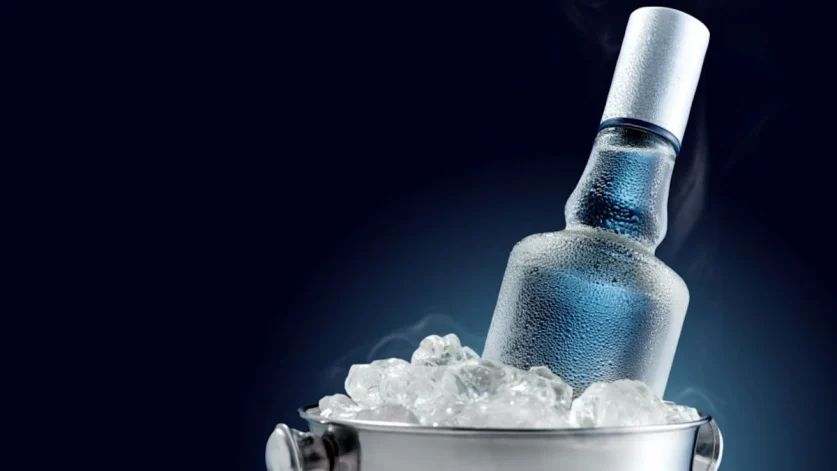
Freezing beverages can seem like a quick way to cool them, but vodka is better kept out of the freezer. While the article’s accompanying video explains the reason, the available text doesn’t provide the details. It does warn that freezing can cause problems with some drinks: soda cans, for example, may burst and make a mess.
How Much Should You Spend on a Good Bottle of Vodka in 2026?
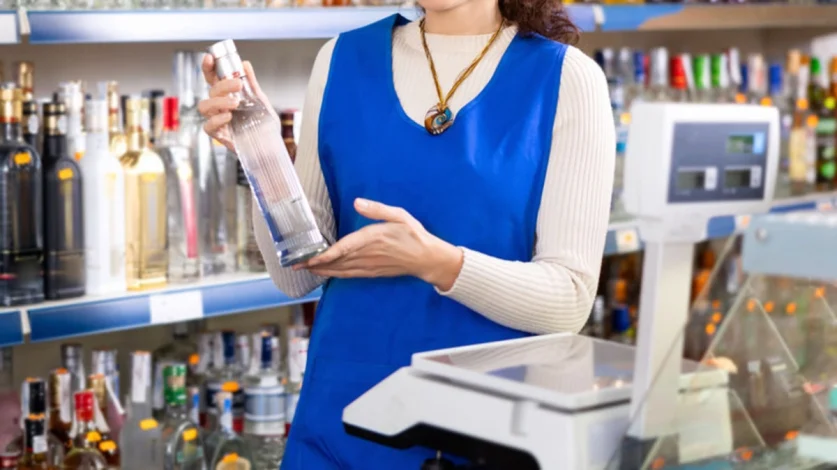
Vodka prices don’t necessarily predict quality. Blind tastings have found that expensive bottles don’t always taste better, and several highly rated options cost less than $30.
At the 2025 USA Spirits Ratings, ALB Vodka scored 98 out of 100 and costs about $20 for a 750-milliliter bottle. Smirnoff No. 21 and Wildrye Premium Vodka each scored 92; they cost around $10 and $29 per liter, respectively. In Tastings’ 2026 rankings, Elit and Tigerfire took the top spots at roughly $39 and $40, while Absolut placed third with 94 points and costs about $18.
Other rankings point to similar value. Reyka, which costs around $23 per 750-milliliter bottle, topped Tasting Table’s list of the best vodka brands. Cîroc came in fourth at about $32. Some bottles cost much more: Crystal Head is nearly $60, and St. Johnsbury Vermont Vodka—made from local maple syrup—costs about $100.
What to look for in a bottle
The ingredients and production details can help you judge whether a vodka’s price makes sense. Vodka can be made from a range of fermentable ingredients, not just potatoes. Grain-based vodkas are common, while potato vodkas—traditionally associated with Eastern Europe—may have a more earthy flavor.
Labels may also say how many times the vodka was distilled and how it was filtered. Multiple distillations or extensive filtering can be signs of care, though neither guarantees that you’ll prefer the taste. More detail about the process gives you a better basis for evaluating the price.
Ultimately, paying more doesn’t ensure a better bottle. Consider the ingredients, production information, and your own taste—and be skeptical of a premium price the label doesn’t explain.
Prices are approximate and may vary by region.
4 Ways to Use Up Whiskey You Don’t Want to Drink
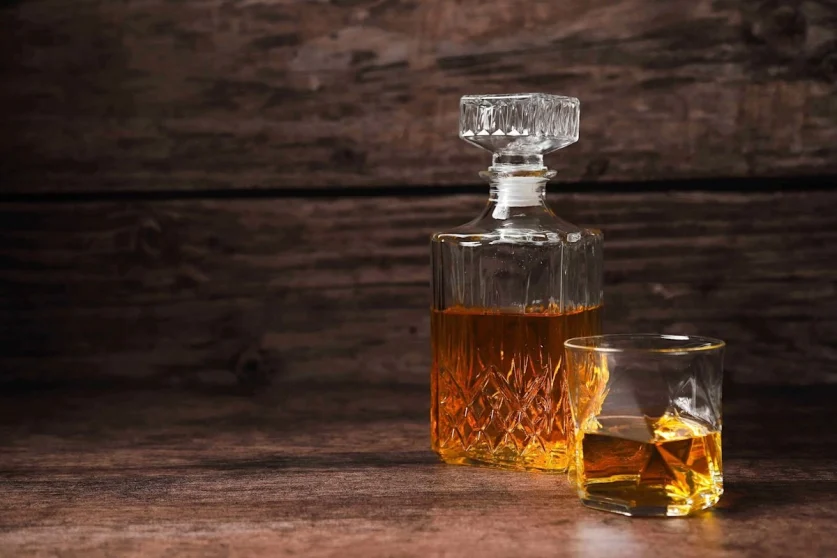
An open bottle of whiskey you don’t enjoy sipping doesn’t have to go down the drain. You can still put it to good use in the kitchen, in cocktails, or by sharing it with someone who might appreciate it.
Cook with it
Whiskey can add flavor to glazes, sauces, cakes, and even ice cream. Cooking changes its taste, so a whiskey you don’t like on its own may work well as an ingredient. Try it in a bourbon-glazed ham or a whiskey cola cake.
Mix it into cocktails
Other ingredients can balance whiskey’s flavor and make it more enjoyable. Options range from classics like an Old-Fashioned or Mint Julep to richer drinks such as an espresso martini.
Make an infinity bottle
Pour the remaining whiskey into a shared bottle along with leftovers from other bottles. The blend may produce a new combination you like. This works best when you have smaller amounts rather than a large quantity to use up.
Share it with friends
Bring the bottle to a gathering or bourbon night and let others try it. Someone else may enjoy a whiskey that wasn’t to your taste.
There’s no need to force yourself to finish a bottle you don’t like. Cooking with it, mixing it into drinks, or passing it along are all better alternatives to pouring it away.
Oregon Restaurant Celebrates Anniversary with Specials and Whiskey Cocktails
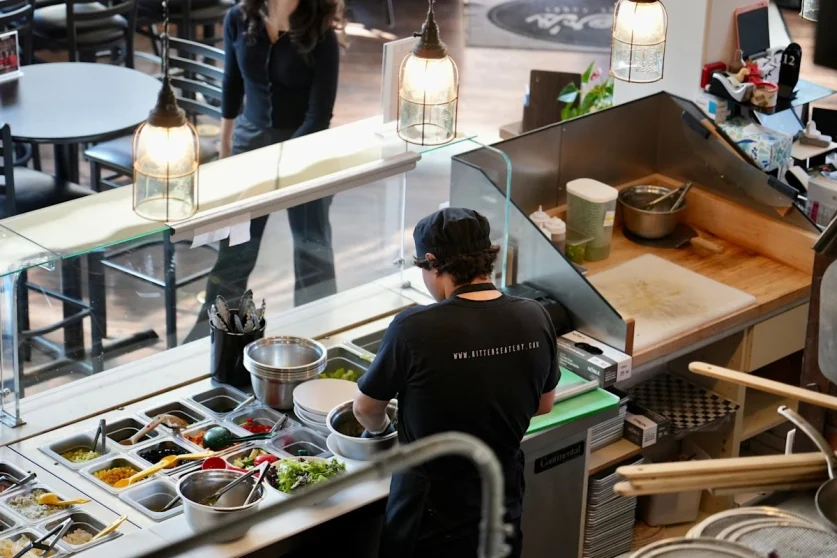
Ritter’s House Made Foods is marking its 10th anniversary with tastings and special dinners at its downtown Salem location. The restaurant opened in September 2016 in the former Gayle’s Italian Market space.
Anniversary events run from 6 to 8 p.m. through Oct. 10. Tastings are free for guests 21 and older, available on a first-come, first-served basis, and do not require a purchase. The restaurant remains open for regular dining and its usual menu.
The celebrations have included whiskey and wine tastings, cheese pairings, and fried fish tacos. On Oct. 8, Mi Casa Tequila will offer specialty tequilas alongside fish tacos. Durant Vineyards will host a wine tasting with an optional cheese pairing on Oct. 9.
The anniversary concludes Oct. 10 with a four-course dinner in the Reserve Room. Dinner with a guided Woodford Reserve whiskey flight costs $120, including a $20 gratuity. A four-course dinner without the flight is available for $80.
The menu begins with Italian sausage and sage-and-parmesan-stuffed mushrooms, followed by roasted beet and blue cheese salad. Guests can choose Angus prime rib roast or roasted salmon for the main course. Dessert is an apple and English Cheddar crostata.
Tickets are nonrefundable but may be transferred to another guest with advance notice. A branded whiskey snifter is also available for $12. For details, visit Ritter’s website.