Raise a Glass: Creative Cocktails to Celebrate Día De Los Muertos Inspired by the Phases of the Moon

Richard Sandoval Hospitality is celebrating Día de los Muertos with an innovative culinary event called Sacred Moon. This initiative transforms the phases of the moon into unique cocktail-and-plate pairings, showcasing the rich traditions of the holiday.
Chef Richard Sandoval, recognized for his passion for Latin American cuisine, is launching Sacred Moon at over 60 restaurants globally. The event features a month-long immersive experience with special menus, decorations, and drinks inspired by the lunar cycle. The culinary highlight includes an intimate tasting dinner that presents three distinct dishes paired with eight cocktails, known as the Lunar Beverage Collection.
The tasting event, designed to deepen the appreciation of Día de los Muertos, will be led by Sandoval along with Chef Giancarlo Sandoval and mixology expert Riesler Morales from Casa Lumbre, a renowned Mexican spirits company. Each cocktail in the collection is inspired by a phase of the moon. For instance, the Lunar Goddess cocktail uses tequila and fig-infused honey, while the Moon’s Embrace features Mexican whiskey and rose water.
For those unable to attend the tasting event, a selection of these specially crafted cocktails will be available at select Richard Sandoval restaurants across the U.S. until November 3. Additionally, certain locations internationally, such as Cayao at the Four Seasons Resort in Cabo San Lucas and Toro at The St. Regis Kanai Resort in Riviera Maya, will also feature the holiday-inspired menu.
Chef Sandoval is sharing a couple of cocktail recipes from the Lunar Beverage Collection for those looking to celebrate at home. The recipes include a cocktail inspired by the New Moon, featuring mezcal and pumpkin, and another inspired by the Waxing Crescent, which mixes tequila with tamarind and black salt.
These curated cocktails not only honor Mexican culinary traditions but also invite guests to experience the vibrant spirit of Día de los Muertos through delightful flavors and artisanal craftsmanship.
Judge Grants Burglar Time to Locate £24K Wine Heist Stash

A pedicab driver, Iuliu Kubola, has been involved in a series of burglaries that targeted several restaurants in London, including Piazza Italiana where he stole wine valued at nearly £24,000. On June 6, Kubola used a wheelie bin to transport 73 bottles of wine from the restaurant’s cellar to his pedicab.
During a hearing at the Old Bailey, his lawyer, Daisy Kell-Jones, claimed that Kubola, 61, was eager to return the stolen wine to the police. Consequently, Judge Mark Lucraft KC postponed his sentencing to November 3 to allow Kubola the chance to fulfill this promise.
Kubola had previously pleaded guilty to the June 6 burglary and admitted to committing three additional thefts. These included taking approximately £6,000 worth of wine and £200 from the till at Comptoir Cafe and Wine in Mayfair on May 10, alongside smaller thefts from Oliveto restaurant and Piazza Italiana.
He was apprehended on June 22 near Piazza Italiana, discovered with an array of tools and stolen alcohol in his possession. In a police interview, when questioned about his intentions with the stolen wine, he remarked, "Wine is to drink, no?"
Kell-Jones noted that Kubola had worked for two of the establishments he targeted and claimed he stole the wine due to unpaid wages. Prosecution lawyer Matthew Jolliffe sought £31,393.20 in compensation for the restaurant to cover the stolen goods and damage incurred. The judge expressed hope that Kubola’s cooperation in recovering the wine would allow for some of the compensation amount to be recouped.
Kubola is scheduled to return to court on November 3 for sentencing.
Navigating Challenging Times: Insights from Chappellet CEO on the U.S. Wine Industry Downturn

Cyril Chappellet, the CEO of Chappellet Winery located in Napa Valley, shares insights on navigating a challenging period in the U.S. wine industry, where sales have recently declined. After moving to Napa Valley as a child, he witnessed his family’s struggle to establish a winery, which has now emerged as a respected name in the sector. Despite this success, Chappellet expresses concern over the significant changes affecting small, family-run wineries across the country.
According to Chappellet, the growth seen in the wine industry over the past 25 years has now shifted. There are numerous contributing factors to this downturn, including a growing focus on health and wellness post-pandemic, an influx of non-alcoholic alternatives, rising prices due to inflation, and tariffs affecting exports. This culminated in a 9.1% drop in U.S. wine sales by the end of 2024.
Despite these hurdles, Chappellet believes in the importance of the wine industry to the economy and cultural landscape of the U.S. He cites the need for wineries to adapt and thrive, emphasizing a shift towards enhancing customer relationships and maintaining quality wines at fair prices.
To combat declining sales, Chappellet focuses heavily on customer engagement. His winery engages directly with wine enthusiasts by participating in wine dinners across the country to build connections. He believes the stories behind wines and the relationships formed with customers are vital for loyalty and sales.
Quality remains a priority for Chappellet as well. They maintain reasonable pricing for their wines despite the increasing costs of production, ensuring their products are rated highly by critics while remaining accessible to consumers. For instance, their Chappellet Mountain Cuvee, which blends several varietals, showcases this philosophy, providing exceptional quality at about $60 per bottle.
Chappellet has chosen not to expand vineyard plantings amid the current market landscape, emphasizing the need for strategic planning. The winery aims to adapt by selecting varietals that appeal to modern consumers and are suited for their specific growing conditions. This approach is echoed by experts, who advocate for vineyards to reconsider their holdings in light of consumer demand.
Furthermore, Chappellet emphasizes the significance of succession planning. Maintaining a family-run business requires a keen focus on governance and bringing in outside expertise. For them, ensuring the family legacy continues means preparing the next generation, even if they are not directly involved in winery operations.
Looking ahead, Chappellet predicts a more concentrated wine industry landscape, where brands must work harder to retain their existing customers. Nonetheless, he expresses confidence that the industry will endure, attributing this resilience to family-driven brands that prioritize customer care and maintain high quality.
In this rapidly evolving marketplace, Chappellet continues to adapt, illustrating how family wineries can navigate turbulent waters by focusing on relationships, quality, and strategic foresight.
Get Ready for the Traveling Beer Circus at City Center Bishop Ranch in San Ramon!

On October 26, 2025, City Center Bishop Ranch in San Ramon will host a unique event combining fun and fitness with the "Beer City Half Northern California Series" featuring a beer circus. The festivities will kick off at 8:30 a.m. as runners embark on a half marathon, 10K, and 5K across picturesque routes around Annabel Lake and along parts of the Iron Horse Trail. Participants in the half marathon will compete for the coveted Golden Growler, with $5,000 in prize money up for grabs.
Following the race, runners will head straight to the Beer City Festival, described as a "traveling beer circus." Here, attendees can enjoy craft beers, live music, food, and interactive games, offering a festive atmosphere to celebrate the completion of their run. The pre-race party will start on Saturday, October 25, from 4 p.m. to 7 p.m. at Fieldwork Brewing, featuring music from Radio Veloso and, of course, plenty of beer options.
On the same day, another entertaining event, the "Howl-O-Ween Costumed Pet Parade," will commence at 2 p.m. This family-friendly activity encourages pet owners to showcase their furry friends in Halloween costumes while navigating fun challenges such as haunted obstacle adventures and a sniff patch, creating an engaging experience for attendees of all ages.
According to Jeff Dodd, senior vice president at Sunset Development, events such as the Beer City Run and Howl-O-Ween illustrate the joy of community gatherings and the creation of shared memories.
Event Details:
- Date: Sunday, October 26, 2025
- Time: 8:30 a.m. to 5 p.m.
- Location: City Center Bishop Ranch, San Ramon
- More info: beercityfest.com
Samuel Adams Unveils Its Strongest Beer Yet: Why It’s Banned in 15 States
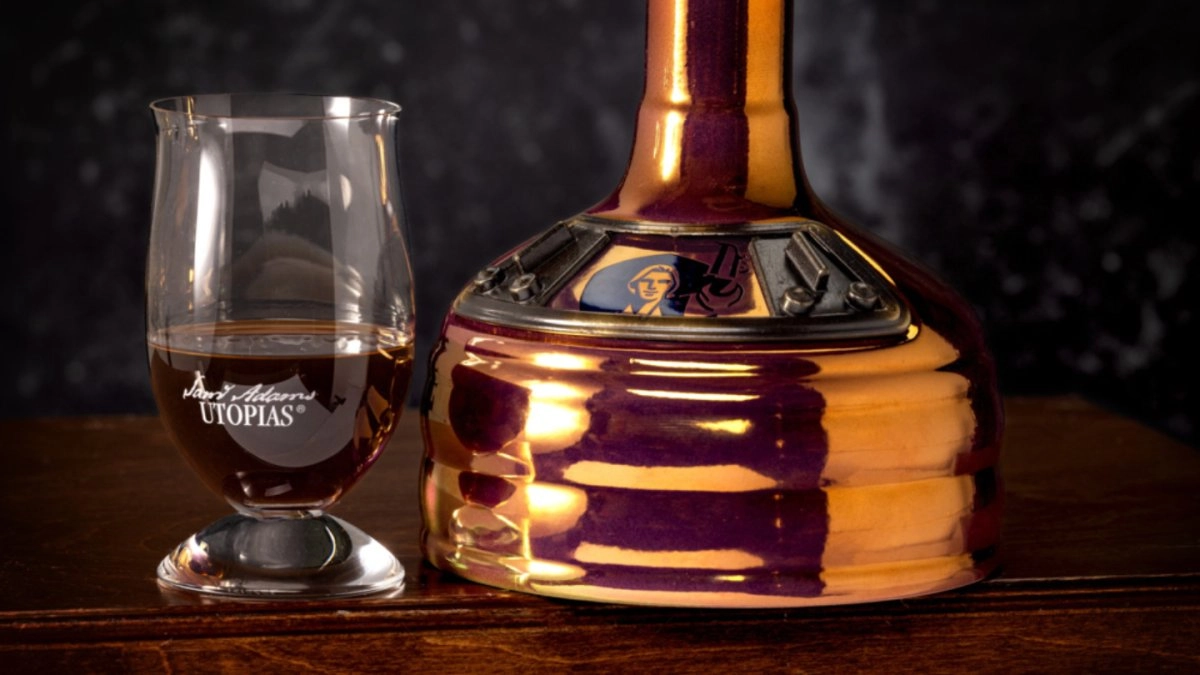
Boston’s Samuel Adams brewery has unveiled its strongest beer yet, named Utopias 2025, which boasts a staggering alcohol content of 30% by volume. This potent brew comes with a price tag of $240 per 24.5-ounce bottle and is not available in 15 states due to its high alcohol content.
Utopias has been a hallmark of Samuel Adams since its first release, with each vintage pushing the boundaries of beer crafting. Founder Jim Koch expressed pride in reaching this milestone, emphasizing that this release represents the culmination of over thirty years of experimentation and innovation in brewing.
The latest version of Utopias is a unique blend, utilizing barrel-aged beers that range up to 30 years old and matured in casks including Irish whiskey, Amarone, and Cognac. These aging processes impart a complex flavor profile featuring notes of caramel, oak, dried fruit, smoke, and citrus.
The beer is legalized for sale in 25 states, but if you’re in Alabama, Arkansas, Georgia, Idaho, Missouri, Mississippi, Montana, New Hampshire, North Carolina, Oklahoma, Oregon, South Carolina, Utah, Vermont, or West Virginia, you won’t find it on the shelves. Interested drinkers can look for it in select specialty stores starting this Tuesday.
For more details, visit Samuel Adams Utopias.
Berkshire County Winery Transition: Keeping the Legacy in the Family

The owner of Nejaime’s Wine Cellars in Berkshire County, Joe Nejaime, is selling the family business to his daughter, Lily. This transition, set to occur by the end of the year, ensures that the storied business remains within the family.
Lily has been managing the Lenox store for three years and has played a significant role in expanding the wine shop’s offerings. The store recently introduced a cheese section and a range of food selections to complement its wine offerings. Additionally, in response to growing consumer interest, Nejaime’s has added a variety of mocktails and non-alcoholic beverages. The wine cellars also provide beverage services for weddings and special events.
For more information, visit Nejaime’s Wine Cellars.
13 Whiskey Tasting Mistakes You’re Probably Making and How to Avoid Them

Whiskey tasting can often be overwhelming, especially for newcomers. However, by avoiding common mistakes, you can enhance your tasting experience significantly. Here are some important tips to keep in mind for a successful whiskey tasting:
Letting Whiskey Breathe
One essential step before tasting is to let the whiskey breathe. According to John Campbell, master distiller at Sespe Creek Distillery, you should let it sit at room temperature for about an hour. This allows the aromas to develop, preparing your palate for the experience. Even a brief moment of breathing can make a noticeable difference in flavor.
Choosing the Right Glass
Using the wrong glass can adversely affect your tasting. A tulip-shaped glass is recommended, as it concentrates the whiskey’s aromas. If comparing multiple spirits, ensure you use the same type of glass for accuracy. Each glass shape impacts the flavor and aroma, so consistency is key.
Blind Tasting
Whenever possible, try to taste whiskey blind. This method eliminates preconceived notions related to the brand or packaging, allowing for a more authentic evaluation of the spirit. As Stephen Julander from Woody Creek Distillers states, tasting without prior knowledge can lead to discovering unexpected favorites.
Tasting Order
If you’re sampling several whiskeys, the order is crucial. Start with lower-proof spirits and lighter flavors, gradually moving to more robust options. This prevents your palate from becoming desensitized and ensures you appreciate each whiskey’s unique characteristics fully.
Avoiding Price Assumptions
Just because a whiskey carries a higher price tag doesn’t guarantee it will be better. Taste ultimately relies on personal preference, so explore different options regardless of cost. Some affordable whiskeys can surprise you with their quality.
Adding Water
There’s a common misconception that adding water to whiskey is a mistake. In reality, a few drops can enhance certain flavors, especially in high-proof options. Experiment with adding water after tasting the whiskey neat to see how it transforms the experience.
Temperature Matters
Temperature plays a vital role in how you enjoy whiskey. Aim for a serving temperature of around 60–65°F. Avoid serving whiskey too cold, as ice can mute flavors and aromas. Instead, consider using whiskey stones or chilling in the fridge for lighter drinks.
Proper Sniffing Technique
When it comes to smelling your whiskey, avoid deep inhales that can lead to ethanol burn. Instead, take gentle breaths with your mouth slightly open to appreciate the full range of aromas.
Neutralizing Strong Scents
Wearing strong fragrances can hinder your ability to fully enjoy the whiskey’s aromas. Opt for neutral or light scents to ensure nothing distracts your tasting experience.
Paced Tasting
Slow down and savor each sip. Tasting whiskey isn’t just about the flavors; it’s about the journey. Take the time to explore how the whiskey develops in your glass.
Resetting Your Palate
After tasting multiple whiskeys, reset your palate with water, plain bread, or crackers to cleanse your taste buds. This step ensures you can accurately assess each spirit’s characteristics without lingering flavors affecting your judgment.
Avoiding Common Terminology
Using terms like "smooth" can reveal inexperience. Instead, describe what you genuinely feel and smell. Use all your senses to form your impressions, and don’t hesitate to express your unique tasting experience.
Enjoying the Process
Finally, remember that whiskey tasting is a personal journey. Embrace the process without succumbing to pressure or judgment.
By keeping these tips in mind, your next whiskey tasting can be a delightful exploration rather than a daunting task. Enjoy responsibly!
Savor the Flavors: Highlights from the 18th Annual NYC Wine and Food Festival at South Street Seaport
The 18th annual NYC Wine and Food Festival took place at the South Street Seaport, highlighting the effects of rising costs that both restaurant owners and customers are currently facing. Kristie Keleshian from CBS News New York interviewed the festival’s founder about these challenges during the event. The festival showcased a variety of wine and food experiences, reflecting the vibrant culinary scene of the city while serving as a platform for raising awareness of these economic pressures impacting the industry.
Decoding Spanish Wine Labels: The True Meanings of Crianza, Reserva, and Gran Reserva
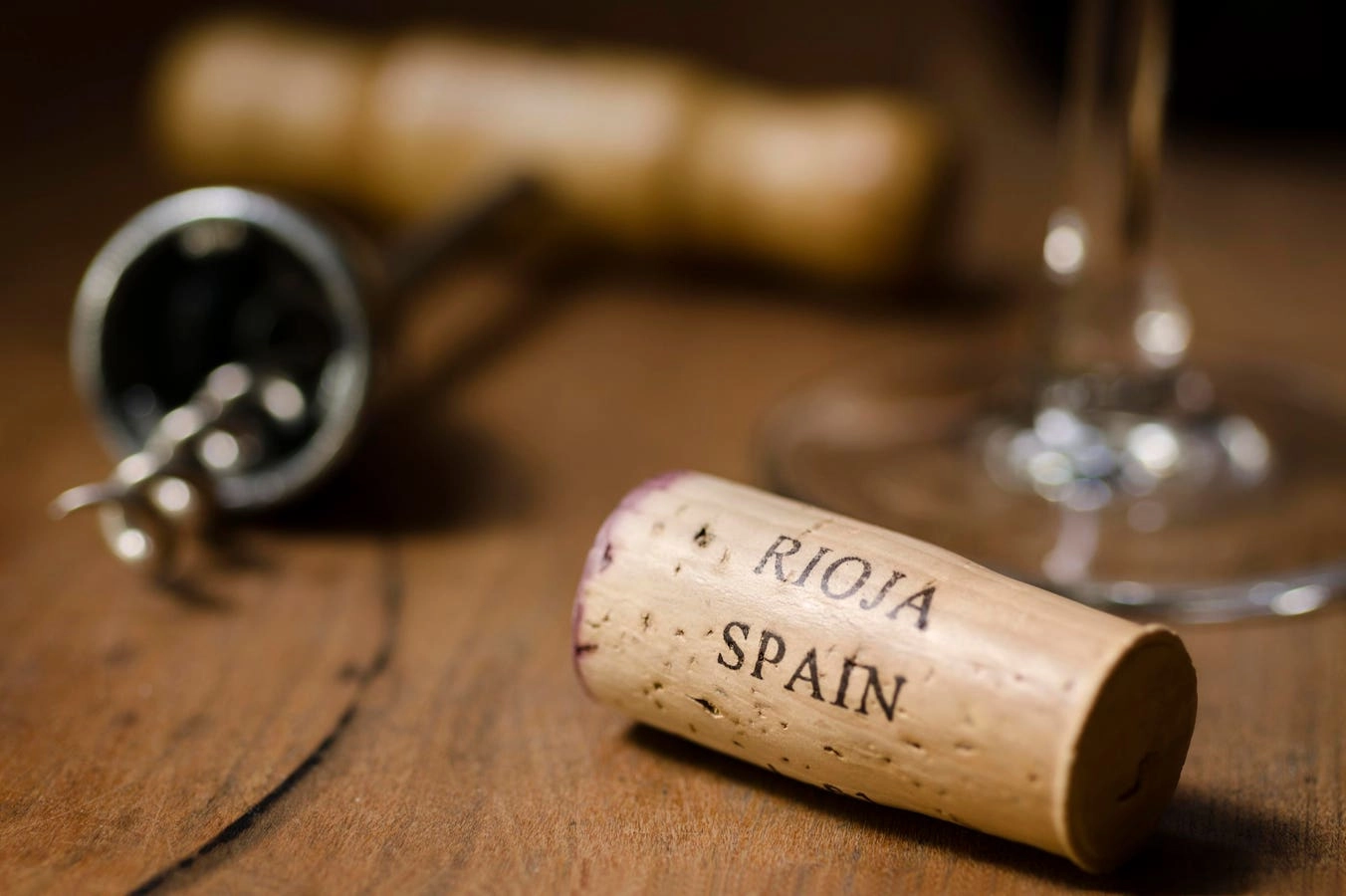
If you’ve ever found yourself confused by the terms Crianza, Reserva, or Gran Reserva on a Spanish wine label, you’re not alone. These labels indicate the aging process of the wine, which can provide valuable insight into what to expect from the bottle.
The Spanish System: Tradition in a Bottle
Spain goes beyond merely indicating where wines are produced; its regulations are tied to how long wines must age before release, all governed by the Denominación de Origen (DO) system. This not only serves as a guarantee of quality but also helps preserve the unique character of each region. The DO system stipulates grape varieties, production methods, and aging times, ensuring a consistent expression of each area’s climate, soil, and craftsmanship.
The hierarchy of aging for red wines typically follows this format: Joven (young wines), Crianza, Reserva, and Gran Reserva, with each designation reflecting more time and complexity in the wine’s development.
Crianza: Fresh and Approachable
A Crianza wine is aged for a minimum of two years, with at least six months spent in oak (one year in Rioja). These wines are designed to be enjoyed young, bursting with fruit-forward flavors like cherry and plum, and often feature gentle spices and smooth tannins. They pair well with everyday meals such as roasted chicken or chorizo pasta.
Reserva: Balance and Complexity
Reserva wines are aged for at least three years, including a year in oak and additional time in the bottle. This aging process allows them to develop a more complex flavor profile, characterized by notes of blackberry, leather, vanilla, and tobacco. They strike a balance between freshness and maturity, making them a smart choice for discerning wine lovers seeking value.
Gran Reserva: Time and Elegance
The top tier, Gran Reserva, consists of wines that have aged for a minimum of five years—two in oak and three in the bottle. Typically produced only in exceptional vintages from the finest grapes, these wines unfold rich aromas like dried fig and cedar, embodying sophistication and a sense of history.
What About Whites and Rosés?
While less common, the terms Crianza, Reserva, and Gran Reserva also apply to white and rosé wines, but with shorter aging requirements. For example, a white Reserva from Rioja may age for just two years total, six months of which is in oak, resulting in rich, nutty flavors akin to some fine Burgundian Chardonnays.
The Takeaway
Understanding these aging terms is akin to learning a second language within the context of Spanish wine. It can illuminate expectations around style and drinkability. Whether you’re enjoying a vibrant Crianza with tapas or savoring a refined Gran Reserva during a special occasion, knowing the story behind your wine enhances the experience and highlights the importance of patience in Spain’s winemaking journey.
What’s Cooking, Key West? The ‘Rum Revelation’ Adds a New Flavor to Fantasy Fest Festivities!
Since its inception in 1979, Fantasy Fest has evolved into Key West’s premier celebration, drawing in visitors eager to shed their everyday personas. The festival began as a modest two-day event aimed at boosting the local economy, featuring a food fair and parade. Thanks to support from local businesses, it has blossomed into a ten-day extravaganza, renowned for its creativity and unique charm.
Each year, Fantasy Fest adopts a distinct theme—in 2025, attendees will enjoy “Bedtime Stories & Magical Monsters” from October 17 to 26. The festival showcases a variety of highlights, including the vibrant Goombay Festival, a whimsical Pet Masquerade, the Headdress Ball, a Masquerade March through historic Old Town, and a flashy parade filled with impressive floats and intricately costumed marchers.
A cornerstone of this celebration is the vibrant nightlife and libations offered, especially at Bar 1, which is featuring “Rum Revelation” mixology classes during the festival. On Tutu Tuesday, October 21, master mixologist Brad Rouge will lead participants through cocktail crafting sessions that delve into the history of rum, particularly its Caribbean roots and the legacy of Captain Morgan.
Classes will occur at noon and 2 p.m., where attendees will not only learn how to create rum cocktails like the Painkiller but will also taste various rum selections. Each participant will leave with a unique Fantasy Fest “swag bag.” While costumes are encouraged, participants must dress appropriately, avoiding body paint and glitter.
Reservations for the classes are necessary and can be made via KeyTix.
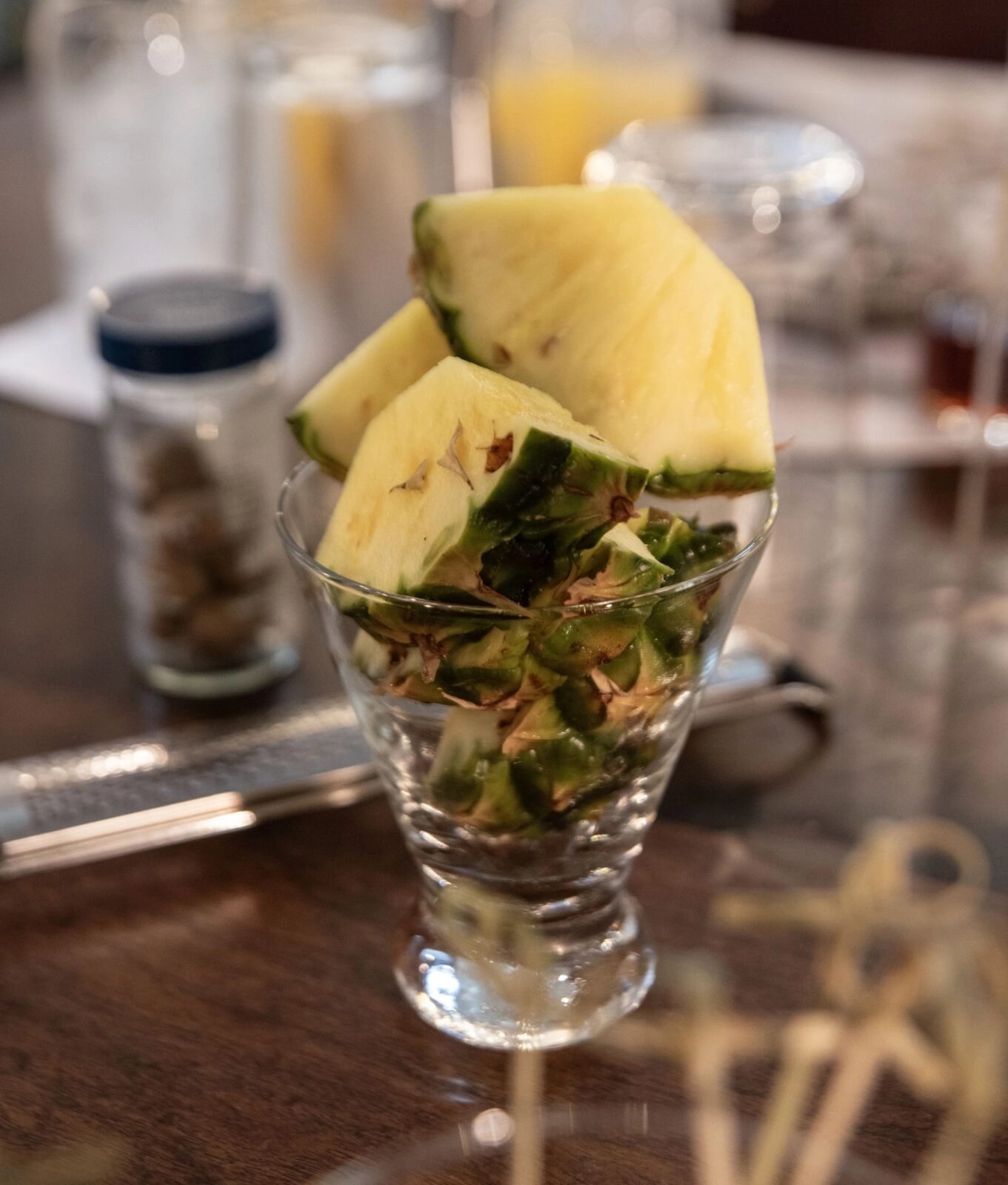
Drink of the Month: Goombay SmashToast to the Bahama Village Goombay Celebration with this sweet cocktail. To prepare it, mix classic rum, coconut rum, apricot liqueur, pineapple juice, and cherry syrup. Shake with ice, strain over ice in a glass, and garnish with a pineapple wedge and cherry.
For more information, visit Key West Cooking Show or call 305-294-COOK.