Texas Roadhouse’s Unique Beer Policy: Keeping Your Brew Ice Cold Every Time
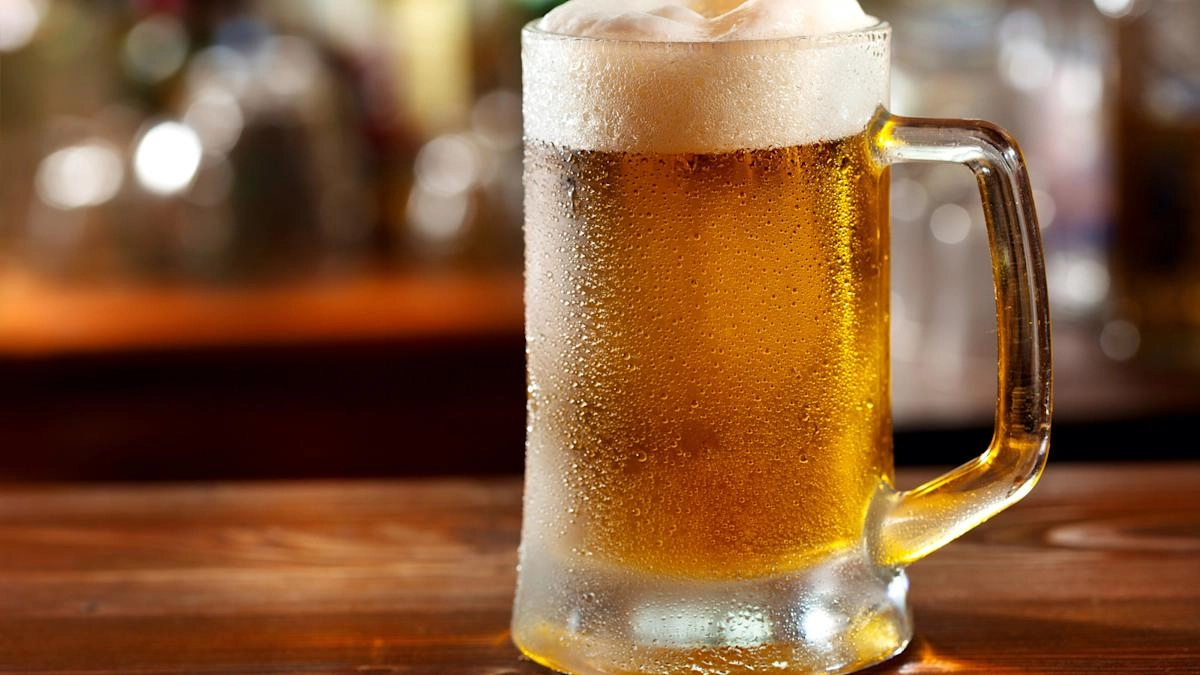
At Texas Roadhouse, enjoying a cold beer with dinner is a cherished experience for patrons, especially as many fast-food establishments have phased out alcohol options. Texas Roadhouse stands out by serving a selection of 14 beers globally, each adhering to a strict requirement of being served at 36 degrees Fahrenheit, deemed the perfect temperature for draft beer.
This commitment to cold beer is not merely a suggestion; it’s an integral part of the dining experience, much to the delight of its customers. While some may find their beers slightly below the ideal temperature, the thin layer of icy foam that forms is appreciated for enhancing the refreshing quality of the drink throughout the meal.
Temperature can significantly influence the taste and experience of beer. Most American light lagers are best enjoyed between 33 and 40 degrees Fahrenheit. However, specific beers, such as dark lagers and stouts, benefit from being served at warmer temperatures ranging from 45 to 55 degrees. This suggests that while Texas Roadhouse’s emphasis on colder beers may not suit every beer variety, it aligns perfectly with the preferences of many American beer drinkers, especially for their lighter offerings.
The restaurant ensures that customers can consistently enjoy their beer cold and refreshing, making it a staple of their dining experience.
Cheers to the Bills: Snow-Crafted Beer for the Final Game at Highmark Stadium!

Bill Wolcott from the Rochester Democrat and Chronicle reports that fans of the Buffalo Bills will have the chance to enjoy a unique beer crafted from snow collected at Highmark Stadium. This limited-edition “Blizzard Brew” is a collaboration between Bud Light and the Bills, recognizing the dedication of fans who tirelessly shovel the stadium over the years.
The specially brewed beer will be available at the stadium and in local retailers for the Bills’ final home game of the regular season against the New York Jets on January 4, 2026. Bud Light collected snow after the first snowfall of the season and transported it to the Anheuser-Busch brewery in Baldwinsville, where it was integrated into the brewing process.
Hall of Fame wide receiver Andre Reed will be on hand at the final game to celebrate alongside Bills fans. Todd Allen, Bud Light’s Senior Vice President of Marketing, expressed the strong connection between the passionate Bills fans and their unwavering support for the team, highlighting how Blizzard Brew reflects that commitment.
For a last taste of the infamous Bills Mafia spirit, fans can grab their Blizzard Brew during Week 18 of the NFL season, marking a fitting tribute to an iconic fan base.
14 Delightful and Festive Cocktails to Savor This Christmas Season

The holiday season brings a unique blend of celebrations, and what better way to enjoy the festivities than with creative cocktails? Here’s a list of delightful drinks to savor during this time of merriment.
Under The Mistletoe
At The Chandelier Bar in Las Vegas, this bright cocktail features cranberry punch enhanced with bubbly rosemary and Douglas Fir foam. A mix of Belvedere 10 vodka, Uncle Val’s botanical gin, herbaceous Genepy, and Suze Gentian Liqueur, it offers a sweet-tart balance, perfect for the holidays.
Velvet Noel
At Powder at Waldorf Astoria Park City, indulge in this concoction of Rumple Minze, Tempus Fugit Creme de Cacao, Grand Marnier, and hot chocolate, creating an elevated yet nostalgic experience reminiscent of classic hot cocoa.
Peppermint Espresso Martini
A festive twist at Tommy’s Tavern + Tap, this cocktail combines Absolut Vanilla Vodka, fresh espresso, Kahlua, and Monin Peppermint Syrup, delivering a rich and refreshing celebration of winter flavors.
Tis’ The Season
At EDGE Steakhouse in Las Vegas, this bourbon-driven Old Fashioned features house-made Christmas Demerara syrup and aromatic bitters for a warm, inviting cocktail experience.
Tree Topper
At Foxtail in New York City, the Tree Topper is a festive blend of gooseberry, Lillet Rouge, and elderflower combined with Champagne, culminating in an effervescent and celebratory drink.
Navidad en la Riviera
Mixologist Ricardo Colli at Banyan Tree Mayakoba in Playa del Carmen offers a tropical take on Christmas with tequila, Aperol, Tulum strawberries, and coconut, culminating in a vibrant, fruity cocktail topped with a pink foam and chocolate Christmas tree.
Bananas de Noel
At Assembly Food Hall, this delightful drink features Old Forge’s Bananas Foster Moonshine mixed with Amaretto Rum, Butterscotch Liqueur, and cream, served in an "ugly sweater" glass topped with a torched marshmallow.
Gingersnap Old Fashioned
Sixty Vines presents a Gingersnap Old Fashioned that blends Benchmark Bourbon with St. Elizabeth Allspice Dram, Gosling’s Dark Rum, and gingerbread syrup, creating a warm and spiced holiday classic.
Merry Maker Marg
Chili’s offers the Merry Maker Marg, featuring Lunazul Blanco Tequila and festive flavors that bring holiday cheer with a fun Santa straw.
Cranberry & Fig Hot Toddy
At ART SoHo, this warm cocktail combines fig and cranberry with rye for a comforting drink perfect for sipping in a cozy teacup.
Elf’d Up
Santa Saloon at Palms in Las Vegas presents this festive cocktail made with Casamigos Reposado and a medley of citrus and ginger flavors.
Old Fashioned Christmas
At Velvet Bar in Westgate Las Vegas, the Old Fashioned Christmas features Crown Royal Chocolate Whisky and roasted chestnut cordial for a picturesque drink.
Naughty But Spiced
Bitter & Twisted Cocktail Parlour in Phoenix serves a warm concoction of Patrón Reposado, coffee, and winter spices, finished with oatmilk eggnog foam and cinnamon, evoking holiday nostalgia.
These festive cocktails are sure to add joy and warmth to your holiday celebrations.
10 Festive Holiday Cocktails That Outshine Eggnog

These holiday cocktails elevate December gatherings with a delightful variety of flavors, spices, and garnishes that go beyond traditional eggnog. There’s something for everyone—from the cocktail novice to the seasoned bartender.
The perfect drink for Christmas parties would ideally come from a pitcher, allowing hosts to serve guests efficiently. A refreshing mix can be made with chilled sparkling white wine, cherry brandy, and dry ginger ale, creating a deliciously festive beverage.
In December, two types of people emerge: those who eagerly await their first holiday cocktail, and those who become impromptu bartenders at every event. The holiday season transforms familiar drinks into festive treats, with rosemary, cranberries, and spices adding a creative touch. Whether hosting a dinner, a casual gathering, or needing a cozy drink to unwind, these cocktails bring joy and character to any occasion.
Notably, the cocktails on offer range from classic adaptations to innovative seasonal creations. For instance, there’s a rosemary-infused martini reminiscent of a walk through a winter herb garden and a mezcal-tequila blend that adds a unique smoky flavor with a festive twist. For a taste of the tropics, the spicy mangonada, featuring frozen mango, spices, and a fresh ginger beer topping, embraces the holiday spirit with a bright kick.
Among the array of drinks, nostalgia reigns with flavors like maple and cocoa, while bright citrus accents enhance the palate. A comforting hot toddy makes its debut for those needing a moment of relaxation. Each cocktail promises to delight, making them perfect additions to holiday celebrations.
Cocktail Recipes
Rosemary-tini
Ingredients:
- 2 1/4 oz Staple Gin
- 3/4 oz dry vermouth
- 1-2 dashes of orange bitters
- splash of olive brine
- 1 sprig of fresh rosemary
Directions: Muddle rosemary leaves with olive brine in a shaker. Add gin, vermouth, and bitters, then stir with ice. Strain into a chilled martini glass and garnish with rosemary and a lemon twist.
Oy to the World
Ingredients:
- 0.5 oz Ilegal Mezcal
- 1.5 oz Patron Silver Tequila
- 0.75 oz lime juice
- 1 oz Cheeky Hot Honey or Apricot Syrup
Directions: Shake all ingredients with ice and fine strain into a rocks glass. Garnish with a gelt chocolate coin bag.
Spicy Mangonada
Ingredients:
- 2 fl oz Captain Morgan Sweet Chili Lime
- 4 oz frozen mango
- 0.5 fl oz agave
- 0.5 fl oz fresh lime juice
- Chamoy sauce and Tajín for garnish
Directions: Blend all ingredients and rim a glass with chamoy and Tajín. Pour in the blended cocktail.
Holiday Blizzard
Ingredients:
- 0.5 oz Mijenta Tequila Blanco
- 0.25 oz white crème de cacao
- 1 oz roasted coconut cream
- 0.25 oz cinnamon syrup
- 2 bar spoons soursop pulp
- 2-3 dashes of chocolate bitters
Directions: Shake with ice and serve in a highball glass with crushed ice.
Holiday Humbug Sour
Ingredients:
- 0.75 oz DEWAR’S 12 Year Old
- 0.75 oz fresh lemon juice
- 0.75 oz cherry juice
- 0.5 oz maple syrup
- 1 pipette Miracle Foamer or egg white
Directions: Shake all ingredients with ice and double strain into a glass.
Cranberry Bourbon Mule
Ingredients:
- 1.5 oz bourbon
- 0.5 oz cranberry syrup
- 4 oz ginger beer
- Rosemary sprig and cranberries for garnish
Directions: In a mule mug filled with ice, mix bourbon, cranberry syrup, and ginger beer. Stir and garnish with a rosemary sprig and cranberries.
With these recipes in hand, you’re ready to stir up some holiday magic. Cheers to merry moments and delightful sips!
Are Justin Herbert and Madison Beer Wedding Bound? Exploring Their Relationship Timeline

Justin Herbert and Madison Beer have been dating for less than six months, but they have already sparked significant interest among fans and online sleuths. Beer has been frequently seen supporting Herbert at Chargers games and attending various events together, indicating that she is fully embracing the role of a WAG (wife and girlfriend of an athlete). The enthusiasm surrounding their relationship has led many to speculate that she might already be considering wedding gowns and engagement rings.
In a recent appearance on the podcast Call Her Daddy, Madison expressed her happiness in the relationship, stating that Herbert makes her feel safe and supports her in overcoming past trauma. This indicates that their romance is deepening, despite its relatively short duration. They first attracted media attention in August 2025, and their romance became more apparent when they were spotted kissing on the sidelines in October.
While Madison has shied away from public discussions about wedding plans, some fans believe they may have found a Pinterest board attributed to her that features wedding dresses. However, it remains unclear if the board actually belongs to her, as the account’s name does not directly connect back to her. Meanwhile, Madison’s mother, Tracie, has been actively engaging with comments suggesting she’s entering her "mother-in-law" phase, which fans interpret as approval of Madison’s relationship with Herbert.
Although the couple is still relatively new, there are signs that both Madison and her family are hoping for an even more serious commitment in the future.
The Ultimate Guide to the Best Wine Openers: Tested and Reviewed

Best Wine Openers Tested and Reviewed
A great bottle of wine can elevate an occasion, but nothing dampens the mood quite like struggling with a cork. With a multitude of wine openers available—from electric models to classic hand types—the choice can be overwhelming. To simplify the selection process, a variety of wine openers were tested to recommend the best options for different needs.
Top Picks
Best Wine Opener: Le Creuset One-Step Waiter’s Friend Corkscrew Opener
The Le Creuset corkscrew is compact, versatile, and features a built-in bottle opener and foil cutter. Its design allows for easy removal of corks and is pocket-friendly, making it ideal for gatherings.
Best Rabbit-Style Wine Opener: Rabbit Original Lever Corkscrew
This opener utilizes a lever system that removes corks in one smooth motion, ensuring ease of use and reducing the risk of cork damage. It is perfect for larger gatherings where multiple bottles may need to be opened swiftly.
Testing Methodology
To determine the best wine openers, each was evaluated on:
- Cork Extraction: Effectiveness in removing corks, from fresh to fragile types.
- Leverage and Control: Force required for operation and ease of use.
- Consistency: Reliable performance across multiple uses.
- Design and Ergonomics: Comfort, weight balance, and intuitive operation.
- Value for Money: Price versus performance.
Multiple bottles were opened using each opener to ensure thorough assessments.
Additional Recommendations
- Rabbit Vertical Lever Corkscrew: A solid option but can be cumbersome for some users.
- Cuisinart Electric Wine Opener: Although convenient, struggles with certain corks and requires frequent charging.
- Williams Sonoma Signature Twist Wine Opener: Elegant design but can be awkward and less practical for regular use.
FAQs
How do you open a wine bottle without a corkscrew?
Try using the hard-soled shoe method or push the cork into the bottle using a sturdy handle as alternatives.
How long does wine last after opening?
Most wines last 2-3 days after opening and should be stored in the fridge. Sparkling wines typically last only a day or two.
How do you use a wine key?
Cut the foil below the bottle’s lip, insert the corkscrew’s tip into the cork, twist it nearly all the way in, and leverage the double-hinge on the bottle’s rim to pull the cork free cleanly.
Expert Insights
Insights were provided by wine professionals like Adrienne Cooper and Torrey Grant, who emphasize the reliability and efficiency of traditional wine keys for both amateur and expert wine drinkers.
By focusing on ease of use, comfort, and efficiency, this comprehensive guide aids in selecting the right wine opener tailored to different preferences and occasions.
Introducing Still Austin Whiskey Co.’s New Bourbon: The Ultimate Complement for Cigar Enthusiasts

Still Austin Whiskey Co. has unveiled its latest creation, the Tanager Cigar Blend Bourbon Whiskey, designed for those who appreciate the rich pairing of bourbon with cigars. This limited-edition whiskey boasts a strength of 107.5 proof and is crafted from a unique blend of blue, red, and white corn.
With a maturation period of at least six years in charred American oak barrels, this bourbon stands out due to its meticulous selection of ingredients, overseen by Master Blender Nancy Fraley and Master Distiller John Schrepel. Unlike many cigar blends that are finished in distinct barrels such as cognac or sherry, the Tanager Cigar Blend emphasizes the quality of its whiskey and the local Texas terroir.
The tasting experience begins with an inviting nose filled with notes of manuka honey, toasted coconut, marzipan, herbal tea, and cherries. On the palate, drinkers will encounter flavors of dried cherries, butterscotch, and candied grapefruit, rounded off with spice and herbal accents in the finish.
Released on December 6, 2025, the Tanager Cigar Blend Bourbon Whiskey is priced at $150 for a 750ml bottle. It’s available for purchase directly from Still Austin’s distillery and select retailers across Texas. This whiskey is expected to be a delightful addition to holiday gatherings for those who enjoy fine spirits.
Bartender Tips: Choosing the Best Alcohol for Your Eggnog

Nothing embodies the holiday spirit like eggnog, a rich, creamy cocktail infused with spices and often elevated with a splash of alcohol. For many, homemade eggnog surpasses store-bought varieties, but selecting the right alcohol can be daunting. Traditionally, whiskey, rum, brandy, and Cognac are popular choices, but bartenders suggest that a combination of spirits can lead to a more complex and flavorful drink.
Liz Kelley, the lead bartender at New Orleans’ Cure, creates an eggnog with bourbon and chicory liqueur. The bourbon adds depth while the chicory provides a unique twist. She emphasizes the importance of balancing flavors in eggnog and recommends experimenting with different spirit blends.
For those looking to craft the perfect eggnog this Christmas, here are eight bartender-recommended spirits:
-
Teeling Small Batch Irish Whiskey
This whiskey is versatile and combines ages in ex-bourbon barrels and rum casks, producing notes of caramel and toffee that complement eggnog beautifully. -
Boann Single Pot Still Irish Whiskey Marsala Cask
Aged in bourbon barrels and finished in Marsala casks, this whiskey introduces a blend of honey, vanilla, and subtle spice, making it ideal for rich eggnog. -
Santa Teresa 1796 Rum
Known for its depth, this rum is triple-aged, offering elegance and subtle flavors of cacao and spices that balance out the creaminess of eggnog. -
Reposado Tequila
While often overlooked, reposado tequila brings warm notes of vanilla and caramel, elevating the traditional eggnog flavor profile. -
Gonzalez Byass Sherry Vermouth
Adding sherry vermouth introduces a beautiful texture and spice, enhancing the flavors of whichever spirits are combined with it. -
Macallan 12-Year Single Malt Scotch
This Scotch has complex flavors of cinnamon and gingersnap, adding a malt backbone and rich taste to your eggnog. -
Pierre Ferrand 1840 Cognac
This cognac enhances eggnog with its fruity, velvety qualities, bringing richness and brightness to the mix. -
Valdespino Tio Diego Amontillado Sherry
Adding this sherry provides nutty undertones and complements the spices typically found in eggnog, contributing to a well-rounded flavor experience.
With these expert suggestions, you can switch up your eggnog game this holiday season and impress your guests with a personalized twist on the classic drink.
Celebrating 25 Years: Special Offers for the South Beach Wine & Food Festival

The South Beach Wine & Food Festival (SBWFF) is poised to celebrate its 25th anniversary in February 2026, offering a unique discount for Local 10 viewers. Founder Lee Schrager reflects on the festival’s humble beginnings, inspired by a visit to the Aspen Food & Wine Classic. Initially catering to just 6,000 attendees without any substantial preparation, the festival has evolved into a Miami staple, bolstered by the involvement of notable chefs like Alain Ducasse and Emeril Lagasse, who helped establish its credibility.
Today, the festival has raised approximately $50 million for student scholarships in the culinary arts, supporting Florida International University’s Chaplin School of Hospitality & Tourism Management. The upcoming event promises to be extravagant, featuring a Diplo concert, Burger Bash, and performances by other artists such as Ja Rule and Fat Joe.
Scheduled for February 19-22, 2026, the festival not only showcases Miami’s vibrant culinary scene but also significantly boosts the local economy by filling hotel rooms and attracting visitors.
Local viewers can enjoy a 15% discount on select events using the code WPLG10 until Sunday. Some of the featured events include:
- A Taste of Italy presented by Pasta Rummo hosted by “The Pasta Queen” Nadia Caterina Munno
- Haute Potato hosted by Foodgod
- Las’ Lap Link Up: A Celebration of Afro-Caribbean Cuisine hosted by Kwame Onwuachi and Nina Compton
- Let Them Eat Cake! A Sweet Celebration of 25 Years hosted by Duff Goldman
- Steak and Whiskey presented by Florida Beef Council hosted by Michael Symon
- Chew on This: A Live Podcast Series presented by iHeart Radio
- FoodieCon® hosted by Andaz Miami Beach
- Sip & Swirl: A Wine Happy Hour hosted by Katie Lee
- Sunset Feast sponsored by Grove Bay Hospitality Group & Friends hosted by Jeremy Ford and Gio Gutierrez
- The Cookout hosted by JJ Johnson presented by Sonrisa Rum with a special performance by Fat Joe
- Late Night Pizza Party hosted by Ashley Graham, Michael Pirolo, and Marc Vetri
- 25 Years of Legendary Bites & Iconic Sips hosted by Andrew Zimmern with a performance by DJ Cassidy
For more details on purchasing tickets, visit SBWFF’s official website.
Michigan Country Store’s ‘Sellin’ Beer on Christmas’ Video Takes the Internet by Storm
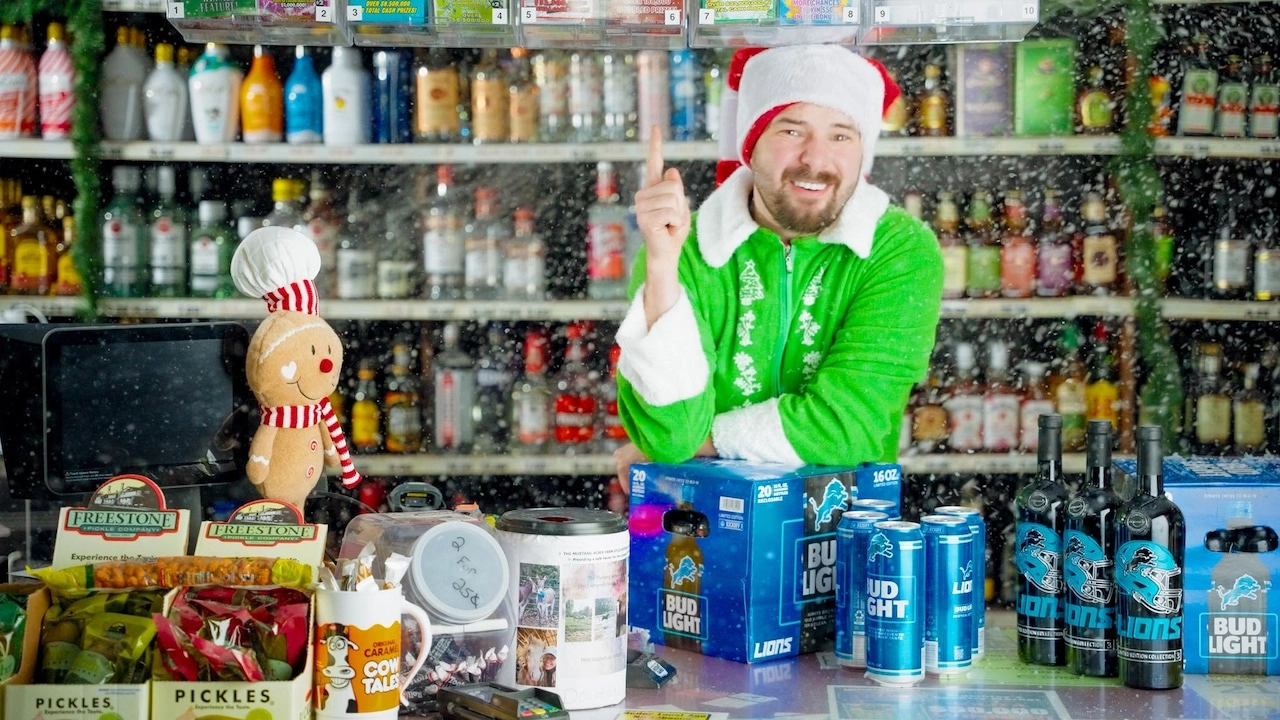
EMMETT TWP, MI — A rural Michigan market is making waves with a unique approach to ensuring that residents don’t run out of beer on Christmas. Trombley’s Country Market, located in Emmett Township, has released an original music video titled “Sellin’ Beer on Christmas,” featuring a lighthearted country tune performed by Ethan Trombley, one of the family members affiliated with the store.
Opened by Trombley’s grandparents in 1974 as a small produce stand, the family-owned business has expanded over the years to include a variety of food items such as handmade pizza and sandwiches. The store maintains its spirit of community service, opening for a few hours on Christmas Day to cater to local needs while humorously emphasizing its beer sales.
Ethan Trombley, who also manages the market, recorded the music video over three days in November. In it, he dons an elf costume while family members and friends join in, underscoring the market’s community roots. “It was a fun process that represents our personality and mission,” Trombley remarked, highlighting the welcoming atmosphere that characterizes the market.
The family aims to foster connections within the community, reflecting the store’s growth from a roadside stand to a local hub over the past 51 years. Despite facing loss with the passing of Ethan’s father, James, in 2019, he is committed to continuing the family legacy while utilizing modern promotion methods like a YouTube channel named Small Town Market.
“Sellin’ Beer on Christmas,” released on December 6, follows a previous music video Trombley created for another original song titled “Ain’t Nothin Like The USA.”
As part of its holiday offerings, Trombley’s Country Market will be open from noon to 3 p.m. on December 25, complying with state laws that prohibit alcohol sales during the early hours of the holiday.