Sip the Season: Celebrating Holiday Drinks that Celebrate Diaspora History and Heritage

During the holiday season, communities from the African, Caribbean, and Latin American diasporas come together to celebrate with various drinks that promote joy and connection. These beverages, such as creamy coconut punches and vibrant hibiscus infusions, not only provide holiday cheer but also carry significant historical and cultural meanings tied to migration and resilience through generations.
Here are some key festive drinks cherished within these communities:
Puerto Rican Coquito
Coquito is a creamy coconut rum punch that has become a staple during the holidays in Puerto Rican culture. Originating from Puerto Rico, it is now enjoyed across the Caribbean and U.S. diaspora regions. This drink symbolizes home and cultural heritage, often shared at festive gatherings known as parranda.
Caribbean Sorrel
Known for its ruby-red color, Caribbean Sorrel is made from the Hibiscus sabdariffa plant and is typically infused with ginger, cloves, and cinnamon, with some variations adding rum and sweeteners. While popular throughout the year, it holds significant importance during Christmas and New Year celebrations, connecting diasporic communities through its African culinary roots.
Haitian Crémas
Haitian Crémas is a sweet, creamy beverage made from coconut, evaporated and condensed milks, spices, lime, vanilla, and Haitian rum. It is commonly enjoyed by Haitian families during their year-end festivities, particularly in regions such as Miami, New York, and Boston, and is known for evoking warm memories of Haiti’s heritage.
Trinidadian Ponche de Crème
This Caribbean cream punch resembles eggnog and consists of milk, eggs, sugar, rum, nutmeg, and citrus notes. Trinidad and Tobago, along with broader Caribbean cultural celebrations, embrace Ponche de Crème as a delicious holiday staple.
Caribbean Ginger Beer
Widely consumed across English-speaking Caribbean nations, Caribbean Ginger Beer is a spicy, fermented drink made from ginger, water, sugar, lime, and cloves. Although classified as non-alcoholic, it delivers a zing, making it a beloved choice for holiday gatherings among Black diasporic communities.
Caribbean Peanut Punch
A favorite among families and vendors, Caribbean Peanut Punch blends peanuts or peanut butter with milk, condensed milk, sugar, nutmeg, and cinnamon. Sometimes, a splash of rum or stout beer is included. It is often served on special occasions and during holidays, providing a comforting, energizing taste that highlights Caribbean culinary traditions.
These diasporic holiday drinks encapsulate the spirit of celebration, cultural heritage, and community bonding during the festive season.
Related Content:
Warm Up with This Velvety Hot Buttered Rum Cocktail Recipe
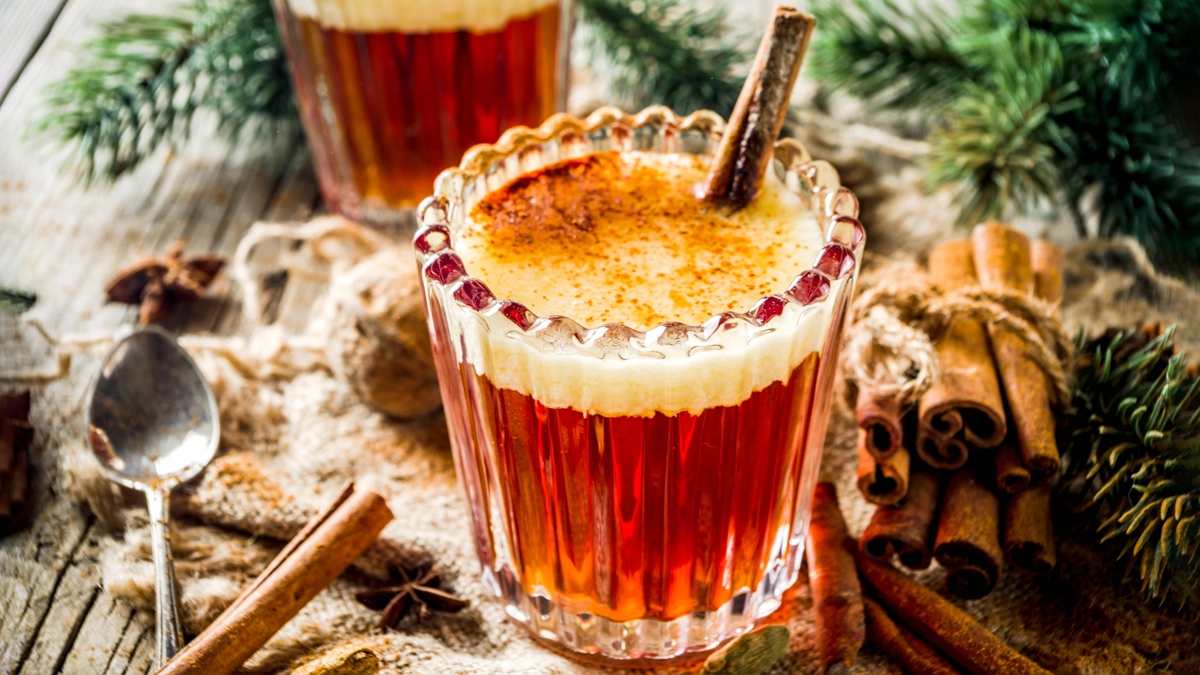
Hot Buttered Rum is a drink that resonates with comfort and warmth, especially during the chill of winter. While the combination of hot water and rum may seem typical, the addition of butter brings a surprising richness that transforms it into a velvety experience.
For newcomers, the idea of including butter in a drink can be puzzling. However, this unconventional ingredient significantly enhances the overall flavor, similar to how milk or cream in coffee adds depth. Once stirred, the butter integrates into the mixture, but it’s perfectly acceptable if it floats on top for a while; just give it a stir when you’re ready to sip.
The origins of Hot Buttered Rum trace back to early American settlers who combined rum with warming spices, creating a hearty beverage meant to stave off the cold. This drink not only gives warmth but also comfort, making it a historical staple during long, dark winters.
Most recipes suggest creating a "compound butter" well in advance, which can be a cumbersome process. Luckily, you can craft a delightful version of Hot Buttered Rum with common ingredients found in your kitchen, combined in a single serving without any fuss.
Recipe for Hot Buttered Rum
-
Ingredients:
- 2 oz. aged rum
- 1 tbsp. butter
- 2 tsp. brown sugar
- Pinch of ground cinnamon
- Half-pinch of ground cloves
- 6 oz. hot water
-
Instructions:
- Pre-warm your mug by filling it with hot water for about 30 seconds before pouring it out.
- Add the butter, rum, brown sugar, and spices directly into the mug.
- Pour hot water over the mixture and stir well to combine.
- Optionally, garnish with a cinnamon stick or a touch of freshly grated nutmeg.
Additional Notes
- The rum should be aged for a rounder flavor. While variations using whiskey might work, rum typically complements the buttery richness better.
- The use of brown sugar enhances the drink’s depth, though other sugars can be experimented with.
- Feel free to add other flavors, such as honey liqueur or walnut liqueur, for a twist on the classic.
Hot Buttered Rum not only warms the body but also serves as a reminder of the simple joys throughout history, embodying comfort and indulgence in every sip. So next time the winter chill sets in, don’t hesitate to whip up a batch and enjoy this velvety, spiced delight.
NFL Fans React to Madison Beer’s Cellphone Case Reveal in Selfie – Could It Upset Justin Herbert? [PHOTO]

Justin Herbert’s girlfriend, Madison Beer, recently sparked a buzz among NFL fans when a selfie revealed her unique cellphone case. The case features a photo of Herbert from his senior year at the University of Oregon, showcasing her support and admiration for the young quarterback.
Herbert, who plays for the Los Angeles Chargers, is navigating a challenging season as he aims to lead his team back to the playoffs for the second consecutive year under Coach Jim Harbaugh. Off the field, his relationship with Beer has also caught fans’ attention. Upon noticing the photo on her phone case, Chargers supporters reacted with a mix of opinions. Some fans humorously claimed that "she ain’t special," while others admired her affection, with comments like "Bro she loves herb so much man."
As the Chargers currently hold a strong 10-4 record, Herbert is performing impressively, completing over 65% of his passes with 23 touchdowns against 12 interceptions, despite facing obstacles like a struggling offensive line. He and his girlfriend will be cheering together as the Chargers aim for a playoff berth in their upcoming game against the Dallas Cowboys. Fans continue to follow every moment of this power couple’s journey both on and off the field.
For more about Justin Herbert and the Los Angeles Chargers, visit here and here.
America’s Test Kitchen Launches ‘Cocktails Illustrated’: Your Ultimate Guide to Cocktails and Mocktails

America’s Test Kitchen has released "Cocktails Illustrated," an extensive guide featuring over 400 cocktail and mocktail recipes. This book not only provides delicious recipes but also delves into the science and history behind mixed drinks, making it a comprehensive resource for both novice and experienced mixologists.
Joe Gitter, a senior editor with American Test Kitchen and host of the YouTube show "The Cocktail Lab," is one of the contributors to the book. He shared some insights on cocktail preparation with host Indira Lakshmanan. The book emphasizes inclusivity, ensuring that everyone can enjoy crafted beverages regardless of their experience level.
For cocktail enthusiasts, here are a couple of recipes highlighted in "Cocktails Illustrated":
This guide stands out for its educational approach, providing readers not just with recipes, but with the knowledge to understand the art and science behind cocktail making.
Madison Beer Opens Up: “Being Misunderstood and Bullied Can Hurt

Madison Beer has recently opened up about her experiences with online bullying and the emotional toll it takes on her. In an Instagram Story, she responded to a fan question regarding how she copes with hate and negative comments.
She acknowledged that dealing with such negativity can be quite painful, especially when her mental health is not at its best. Beer emphasized the importance of personal well-being, stating that on good days, it’s easier to ignore the criticism and focus on personal growth. However, she noted that not every day is perfect, and she still struggles with feelings of hurt when confronted with harsh opinions about her.
In her candid response, she expressed a wish for kinder interactions, urging people to be aware of the impact their words can have on others. She reflected on the shared humanity of everyone, suggesting that not all opinions need to be aired publicly.
Ultimately, Madison Beer reminded her followers that it’s normal to feel affected by negativity, and she does not guilt herself for feeling sad about it—even years later.
For more insights, you can read the original reporting on Reality Tea.
Ritz Combines Sweet and Salty Flavors While Stoli Elevates Vodka with New Spices

Leftovers is our exploration of the latest product ideas, blending creativity and uniqueness in the culinary world. While some concepts captivate our imagination, others leave us questioning their viability. Here are a few noteworthy highlights emerging from recent trends.
Salty and Sweet Fusion with Ritz
Ritz has joined the growing trend of combining sweet and salty flavors with the introduction of its new Drizzled Mini crackers. These innovative snacks feature the classic buttery flavor of Ritz, enhanced with drizzles of either fudge or caramel on both sides. This development aligns with findings from Global Growth Insights, indicating that nearly two-thirds of consumers favor snacks that blend these contrasting profiles.
Madeline Vincent from Mondelēz noted, "With innovations like Drizzled Minis, we’re building on that signature taste while engaging with the sweet-and-salty trend that many consumers love." The new crackers are designed for those seeking a more indulgent and portable snack option during their daily routines, catering to the rising demand for such treat-like formats.
In 2026, Ritz plans to continue innovating while remaining faithful to its foundational flavors. The brand has recently introduced adventurous offerings, including Ritz Hot Honey and Ritz Toasted Chips Sweet Habanero, as part of a broader strategy to enhance its status in the savory snack market.
Stoli Vodka’s Bold New Flavor
Stoli is set to launch its latest flavor: Halapeño Pepper Vodka, specifically crafted to enhance Bloody Mary cocktails. This product, produced in Louisiana, embodies the region’s vibrant food culture known for its spicy, robust flavors. Stoli aims to tap into the increasing consumer interest in spicy flavors as the cocktail scene evolves.
Marina Troyanovskaya, Stoli’s CMO, stated, "With the rising demand for spicy cocktails, STOLI Halapeño Pepper was developed to be the ultimate spicy vodka for a next-level Bloody Mary." This introduction marks Stoli’s return to innovation following recent challenges, with the brand looking to capitalize on consumer preferences for bold tastes.
Laird Superfood’s Renewed Focus
Laird Superfood is reformulating its liquid creamers to include organic ingredients, such as organic coconut milk and vanilla extract, along with its signature Lion’s Mane mushroom known for its health benefits. The launch coincides with new flavors of hydration powders, which incorporate nutrient-rich red marine algae to provide added health benefits.
The company’s recent moves signify a response to the increasing consumer demand for functional foods that complement healthier lifestyles. Laird’s sales have grown, illustrating a successful shift toward health-conscious product offerings that resonate well with today’s market trends.
These product introductions reflect a broader shift in consumer preferences towards innovative, health-driven, and flavorful options, highlighting the dynamic nature of the food and beverage industry.
Elevate Your Holiday Cocktails: Try This Easy Cookie Rim Idea!

The holiday season is perfect for indulging, and what could be more festive than garnishing your cocktails with cookie rims? This fun twist adds flavor, texture, and a visual pop to your drinks. By using crushed cookies, you not only elevate your beverages but can also creatively use up any leftover or imperfect cookies.
How to Create a Cookie Rim
To start, choose a variety of cookies—graham crackers, chocolate chip, or sugar cookies work wonderfully. The key is to crush them into fine crumbs, resembling the texture of salt. Using a zip-top bag, crush the cookies gently with a rolling pin or heavy object until they’re finely ground.
Next, you need an adhesive for the cookie crumbs to stick to the glass. Simple syrup, honey, or melted chocolate work effectively. Moisten the rim of your glass with your chosen liquid, then roll it in the cookie crumbs laid out on a plate. This technique ensures that the crumbs stick evenly, providing a delightful crunch with every sip.
Ideal Drink Pairings
When choosing the drinks to pair with your cookie-rimmed glasses, avoid overly sweet options. Instead, select drinks that complement the flavor of the cookie rim. For example, a chocolate chip cookie rim goes beautifully with an espresso martini, while lemon cookies work well with lemon drop martinis. For a comforting option, consider eggnog with a gingerbread cookie rim.
Conclusion
Integrating cookie rims into your holiday drinks can transform standard cocktails and mocktails into something festive and unique. It’s a perfect idea for parties, allowing you to add a personal touch while making good use of any leftover holiday cookies. So go ahead, impress your guests with these fun and delectable cookie-rimmed cocktails this season!
For more tips on festive cocktails, visit Real Simple.
Watch Cody Cannon of Whiskey Myers with a Stunning Acoustic Cover of “Merry Christmas From The Family” by Robert Earl Keen

It’s hard to believe Christmas is just around the corner. The approaching holiday season often comes with its fair share of stress, as individuals scramble to find last-minute gifts, plan family gatherings, and deal with the onslaught of holiday expectations. For many, a way to alleviate this tension is through the soothing sounds of classic Christmas music.
Country music has produced some timeless holiday tracks, like Dolly Parton’s "Hard Candy Christmas," Merle Haggard’s poignant "If We Make It Through December," and Tyler Childers’ lesser-known gem “Luke 2:8-10.” Yet, one standout in this genre is Robert Earl Keen’s "Merry Christmas from the Family," which has defined Christmas in Texas since its release on his 1994 album, Gringo Honeymoon.
Keen’s song presents a hilarious and somewhat chaotic portrayal of a dysfunctional family gathering during the holidays. Captured in vivid detail, the lyrics recount the antics of family members sharing awkward moments, including a drunken Christmas party and unexpected guests. It serves as a comedic commentary that many can relate to, echoing the beloved themes found in festive classics like Christmas Vacation.
This cherished track gained even broader recognition when Montgomery Gentry covered it in 2000, introducing it to a wider audience.
Recent fans of Keen’s work can discover a remarkable acoustic rendition by Cody Cannon, the frontman of Whiskey Myers. Released on the band’s YouTube channel, Cannon’s cover showcases his versatility, making it a delightful listen for anyone looking to embrace the holiday spirit through the lens of country music.
For those who appreciate both the original and its cover, this rendition offers a refreshing take on a classic, underscoring the timeless nature of Keen’s storytelling.
Tanduay Expands Global Reach: Enters Denmark Through Strategic Distribution Partnership with Bastard Spirits

Tanduay Distillers Inc., a prominent name in the Philippines’ liquor industry, has taken a significant step towards expanding its presence in Europe by entering into a distribution agreement with Bastard Spirits, a Danish boutique distributor. This partnership aims to increase Tanduay’s market share in Denmark by utilizing Bastard Spirits’ extensive customer network which includes specialty wine and spirits shops, online retailers, and various on-trade channels.
As consumer preferences shift, the brand is keen to tap into the rising interest in rum among younger Danish consumers, particularly as gin consumption is reportedly declining. Tanduay’s approach aligns with these trends, making their products particularly appealing to women and younger demographics who are increasingly embracing the rum category.
Bastard Spirits, established in 2021, operates within Denmark’s regulated alcohol market and is focused on premium spirits. Jesper Kjaer, an international sales manager at Bastard Spirits, noted that Tanduay’s offerings stood out for their diversity and pricing. He highlighted the potential of Tanduay’s 10-Year-Old Rum to engage a wide range of consumers, while the Overproof variant is expected to attract seasoned rum enthusiasts.
This strategic move marks another step in Tanduay’s goal to widen its international footprint, responding to growing global interest in rum and diversifying its audience within Europe.
Mai-Kai Launches Its Own Rum: Now Available for Purchase!

Mai-Kai, the iconic Polynesian dining destination in Oakland Park, has expanded its offerings with the launch of its own rum, named Mai-Kai Old Style Special Rum Number 1. This new spirit can be purchased at the restaurant’s gift shop, bringing a unique twist to their already vibrant experience.
Pia Dahlquist, the restaurant’s public relations director, shares how this venture began after the previous rum they used, Dagger Rum from Jamaica, was discontinued. The Mai-Kai was known for its signature cocktails that utilized this rum, leading to a noticeable shift in flavor when they had to find a replacement. The team embarked on a multi-year quest to create a rum that would closely replicate the taste of its predecessor, and they finally succeeded with the new Mai-Kai Rum.
Available for $75 per liter or $400 for a case of six, the rum is a full-bodied 100 proof that makes for both excellent mixers and enjoyable shots. The tasting notes reveal a complex profile, featuring aromas of banana and toasted oak, with a finish reminiscent of fruit cake and brown butter.
This release follows a significant renovation worth over $20 million, aimed at revitalizing the Mai-Kai experience, complete with a redesigned venue, new stage shows, and updated menus. For more details, customers can contact the Mai-Kai at 954-563-3272 or visit maikairum.com.