Mondavi Owner Reveals Challenges Ahead: Premium Wine Market Faces Flat Sales Growth

Constellation Brands, the parent company of Napa Valley’s Robert Mondavi Winery, has announced a more challenging outlook for its wine and spirits sector despite ongoing success in its beer division. The company reported these findings during its fourth-quarter earnings release for fiscal 2026.
As part of its strategic shift, Constellation has been focusing on higher-priced wine brands like Mondavi, Schrader Cellars, and The Prisoner Wine Co., after divesting lower-priced labels such as Simi from Healdsburg last year. Nevertheless, the wine and spirits division is still grappling with weakened consumer demand and various industry challenges.
Chief Financial Officer Garth Hankinson highlighted several factors negatively impacting profit margins, including ongoing pressures within the category, challenges in distribution channels, and a need to rebalance distributor inventory. He noted that the anticipated growth in high-end U.S. wine has shifted to a scenario of slight declines, while high-end spirits have slowed from moderate growth to stagnant figures.
Additionally, the company has seen a decline in both winery visitations and international demand, specifically citing challenges in Canada, its largest market, where a ban on U.S. wines and spirits is still in effect.
In a recent report, Constellation recorded a net sales figure of $9.14 billion, reflecting a 10% decrease overall and a 4% decline for the remaining portfolio. The wine and spirits segment now represents only 9% of total revenue after various sales, and shipments in this area plummeted by 62% year-over-year.
The landmark Robert Mondavi Winery in Oakville is set to reopen on April 20 following a significant renovation. A temporary tasting room was operational in downtown Napa during this time.
Despite these challenges, Constellation’s beer segment remains strong, particularly its Mexican beer brands. The company aims to adjust inventory levels with distributors to navigate the current slower sales environment and anticipates eventually returning to profitability, although it may take longer than expected due to existing market headwinds.
In contrast, Constellation’s beer division continues to thrive, showcasing solid momentum even amidst a tough economic backdrop, largely due to the success of popular brands like Modelo Especial, which holds the title of the top beer brand in the U.S. by dollar sales.
For more information on Constellation Brands and its operations, visit Constellation Brands.
Discover the Tennessee Hotel with a Whimsical Whiskey Keep Housing 250 of the World’s Finest Bottles

The Harpeth Hotel in Franklin, Tennessee, has reinvented its lobby bar, lovingly called "Franklin’s Living Room." This cozy space is designed for comfort, featuring plush couches and a warm fireplace, making it perfect for guests looking to unwind with a cocktail. As a testament to its location in Tennessee whiskey country, the hotel has developed an impressive whiskey program.
At the heart of the hotel’s dining experience is the Whiskey Keep, a dedicated bar holding over 250 different whiskeys and bourbons. This is not just any whiskey collection; it is thoughtfully curated, reflecting Tennessee’s rich distilling traditions and inviting both seasoned whiskey connoisseurs and newcomers to enjoy this spirit through guided tasting experiences.
Thomas Tuggle, the hotel’s director of food and beverage, emphasizes the intention behind the Whiskey Keep, stating, "We wanted it to be more than just a bunch of bottles at a bar." The selection ranges from well-known brands like WhistlePig to exclusive local offerings from nearby Leiper’s Fork Distillery, which created a special blend for the hotel after an extensive tasting process.
The Whiskey Keep also features a rotating selection of sought-after, allocated bottles like Pappy Van Winkle, available through a community of loyal patrons. Guests can join the Cask Club, providing them with a personal locker to store their selected bottles and access to exclusive events throughout the year.
For whiskey enthusiasts and casual drinkers alike, there are plenty of opportunities to taste the hotel’s offerings. Complimentary whiskey tastings occur nightly, and every Wednesday, the hotel presents a special pairing of a rotating whiskey with its signature burger. A new $10 pour option allows guests to sample high-demand bottles at a reasonable price, making the experience accessible.
Tuggle affirms the hotel’s stance on whiskey as a central element of its culture. "We’re steeped in whiskey," he states, capturing the essence of Tennessee’s rich heritage reflected in every sip.
Discover the Tennessee Hotel with a Whiskey Keep Housing 250 Exceptional Bottles

The Harpeth Hotel, located in Franklin, Tennessee, has made a mark with its lobby bar, affectionately called "Franklin’s Living Room." Styled with plush couches and armchairs around a cozy fireplace, it’s an inviting space perfect for sipping cocktails. The hotel, with 119 rooms, has developed an impressive whiskey program that truly reflects Tennessee’s rich distilling tradition.
At the heart of the hotel is the Whiskey Keep, an elaborate bar filled with over 250 whiskeys and bourbons. This is more than just an ordinary collection; it’s a curated selection meant to celebrate Tennessee’s distilling heritage and offer a guiding experience for whiskey newcomers and aficionados alike. Thomas Tuggle, the hotel’s director of food and beverage, emphasized the importance of thoughtful selection: “We think there are some special whiskeys out there, and we put a lot of thought into who we invite into the Keep.”
The whiskey selection includes renowned brands like WhistlePig alongside high-quality local producers, such as the nearby Leiper’s Fork Distillery, which collaborated on an exclusive Harpeth blend. This particular blend was selected through an enjoyable blind-tasting process, ensuring that guests could enjoy a unique and well-crafted product, available by the glass, in cocktails, or stored in private lockers for dedicated whiskey lovers.
The Whiskey Keep is known for occasionally featuring rare allocated bottles such as Pappy Van Winkle and Weller William Larue, which are distributed based on loyalty and timing. Regular visitors can join the Cask Club, an annual membership that offers perks like a personal locker and access to exclusive curated experiences centered on spirits, food, and live music in Nashville. Members are also the first to know about new bottle arrivals, creating a connection reminiscent of a local bar.
Every evening at the hotel, complimentary whiskey tastings are held in its library, and on Wednesdays, guests can partake in "Whiskey Wednesday," where a rotating selection pairs with the hotel’s signature burger. Additionally, a new $10 pour program invites guests to sample some of the Keep’s most sought-after bottles, making high-end whiskey accessible to all.
As Tuggle puts it, "We’re steeped in whiskey,” highlighting that it’s an integral part of their offerings and a celebration of Tennessee culture.
Pabst Blue Ribbon Unveils Unique Brew: Taste the Flavor of Pickles in Every Sip!

Less than a week after launching its beer-infused sausage line, Pabst Blue Ribbon has introduced a new pickle-flavored beer. This collaboration with Grillo’s Pickles results in a 4.7% ABV lager that pays tribute to a Midwestern bar tradition involving a pickle spear. While the beer does not contain an actual pickle spear, it promises a "crisp, dill-forward punch" that complements PBR’s classic taste.
The limited-edition lager is available in six-packs at major retailers like Walmart and Total Wine for $7.99. To promote this release, Pabst is also showcasing a co-branded car in the NASCAR Cup Series Jack Link’s 500 at Talladega Speedway, with fans expected to see the PBR X Grillo’s paint scheme on April 26.
Pabst Senior Brand Director Rachel Keeton noted the unexpected yet exciting nature of this innovative blend, likening it to a longstanding tradition of putting pickles in beer. Grillo’s Chief Creative Officer, Mark Luker, expressed enthusiasm for the collaboration, describing it as a refreshing mix of both brands.
Pabst Blue Ribbon is known for its adventurous seasonal releases. Recently, the brand caught attention with a 99-pack of beer themed around Japanese kaiju. Other notable releases have included a gigantic 180-pack honoring Pabst’s anniversary and unique themed packs over the years.
Napa Valley Wine Leader Advocates for Expansion of Controversial Trump Policy to Protect California Vineyards

Jeff Bitter, president of the Allied Grape Growers, is advocating for a revival of protective tariffs on imported wines to support California’s struggling wine industry. Despite many business owners in the past claiming that tariffs hurt their bottom line, Bitter insists that heightened tariffs could help domestic producers compete against the influx of cheaper imported wines.
As Bitter pointed out, approximately one-third of the wine consumed in the United States is imported, attributing the challenges faced by local growers to their inability to compete with lower-priced foreign products. He stated, "It’s hard for us to compete on price. Our costs in California are significantly higher than in most wine-producing countries."
The California wine industry has been experiencing a downturn as younger generations move away from traditional wine consumption. Reports indicate that in recent years, around 40,000 acres of vineyards have been removed to adjust to falling demand. Bitter shared, “The last two years, we’ve seen about 40,000 acres in the state pulled out each year, of wine grapes.”
The industry faces a significant challenge as wine is often viewed as a luxury product. This perception and the current economic climate have pushed many consumers towards cheaper alternatives. Bitter elaborated, “Wine isn’t a cheap product to buy… it’s not cheap regardless of the price point.”
However, not everyone agrees with Bitter’s perspective. Some producers argue that imposing tariffs on foreign wines will not lead to a shift in consumer preference. They highlight that American wine cannot easily replace popular international varieties like Sancerre, Chianti, or Barolo. Moreover, 97% of the wine produced in California is consumed domestically, with only a small fraction exported, signaling that tariffs may not be the panacea Bitter envisions.
As the strategy continues to unfold under the scrutiny of the marketplace and consumer trends, the effectiveness of tariffs as a solution to save California’s wine industry remains uncertain.
Stunned by the Price: Viral Beer Receipt from The Masters Takes Social Media by Storm [PHOTO]
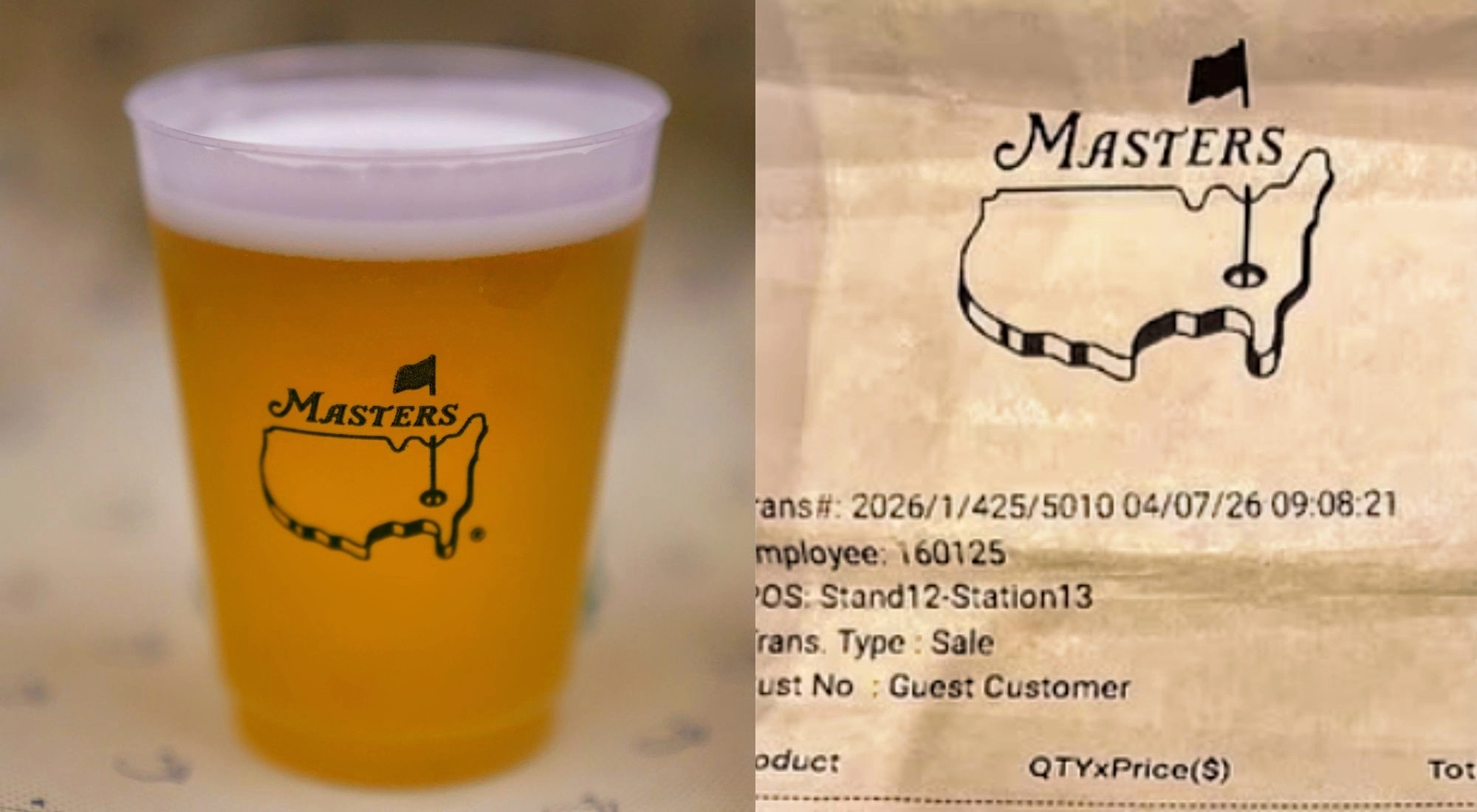
Fans attending The Masters were taken aback by the surprisingly low prices for beer at Augusta National Golf Club. A receipt shared on social media showed that two "Crow’s Nest" beers, each 16 ounces, cost only $6 each, totaling $13.02 after tax. This revelation surprised many, as the cost of food and drinks at major sporting events is often exorbitantly high.
Approximately 40,000 spectators flock to the tournament daily, and while they typically anticipate steep prices, Augusta stands out by maintaining some of the most affordable prices in sports. In fact, no item on their menu exceeds $6, with the entire menu available for around $78.75. New offerings like the Masters candy bar are priced at just $2.25, while classic sandwiches, such as egg salad and pimento cheese, remain in the very affordable range of $1.50.
This pricing structure inspired a wave of positive reactions on social media, where fans compared the costs with those at other venues. One user pointed out that a beer at the Masters was cheaper than water at many NFL stadiums. Some commended Augusta for valuing tradition, while others urged Major League Baseball teams to adopt similar pricing strategies.
The affordability of concessions at Augusta National is not merely a coincidence but part of a deliberate strategy. Former chairman Billy Payne emphasized the club’s commitment to making the fan experience exceptional and accessible. This philosophy continues to make The Masters a unique event in the sports world—fans leave not just with memories of world-class golf but also with stories about their wallet-friendly purchases.
Exploring the Top 5 Global Regions for Wine Lovers: Unique Blends, Stunning Landscapes, and Rich Culture
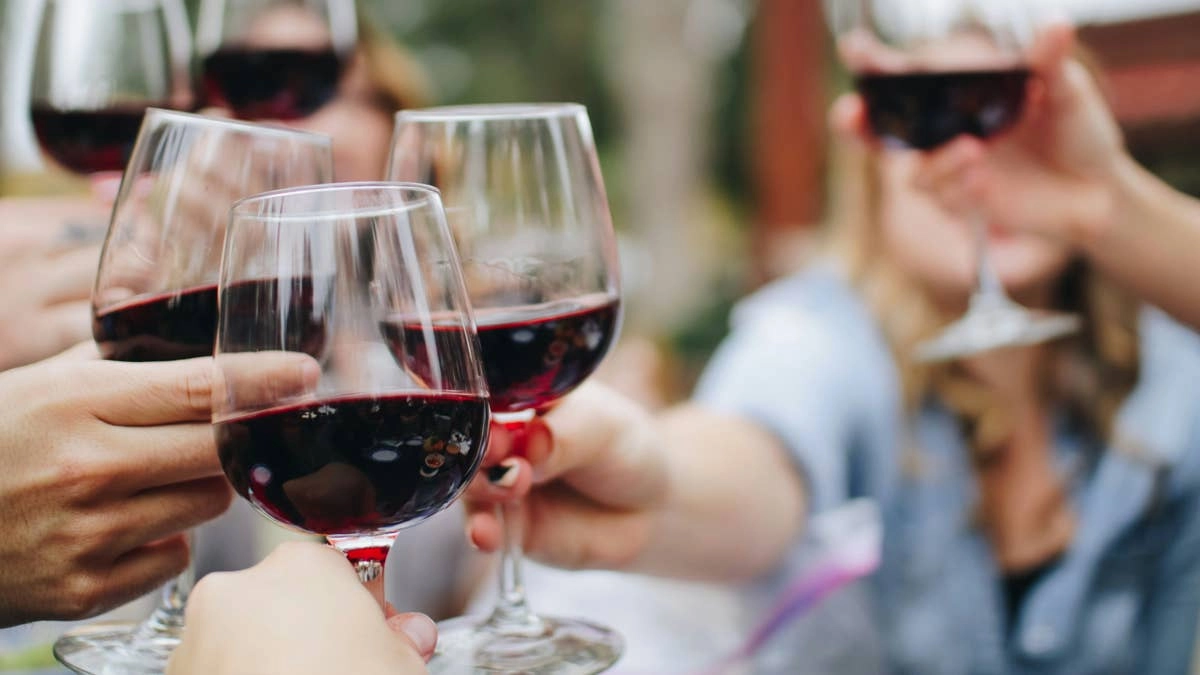
If you’re planning a wine-focused getaway, the shortlist for the Wine Travel Awards 2025–2026 provides an excellent starting point. These awards not only assess wines but also the complete travel experience, including sustainability, culture, and innovation.
How the Rankings Work
The Wine Travel Awards utilize a two-step evaluation process. First, wine lovers and travelers worldwide vote for their top destinations. Then, industry experts review the leading contenders, considering factors like wine quality, tourism infrastructure, and eco-friendly practices. This combination offers a valuable resource for choosing your next travel destination.
The Top 5 Wine Regions to Explore
Here are five regions that wine enthusiasts should consider:
Burgenland, Austria
Known for its blend of tradition and modernity, Burgenland boasts a unique microclimate near Lake Neusiedl, producing notable sweet wines and elegant reds such as Blaufränkisch. The region prioritizes sustainability, featuring eco-friendly vineyards and numerous wine tourism opportunities.
- What to try: Blaufränkisch or a noble rot sweet wine.
California, USA
California Wine Country, including Napa Valley and Sonoma County, stands out as a major wine destination. Its diversity is complemented by a strong farm-to-table culinary scene and scenic drives, making it a popular choice for wine travelers.
- What to try: Napa Cabernet Sauvignon or Sonoma Pinot Noir.
South Africa
With stunning landscapes and rich history, South African wine regions like Stellenbosch and Hermanus offer breathtaking views and a commitment to sustainability, blending tradition with innovation.
- What to try: Pinotage or Chenin Blanc.
Romania
Emerging as a wine travel hotspot, Romania introduces visitors to indigenous grape varieties and modern winemaking. The “Wines of Romania” initiative promotes cultural storytelling, offering unique wine routes.
- What to try: Fetească Neagră or Fetească Albă.
Valpolicella, Italy
Near Verona, Valpolicella is famous for celebrated wines like Amarone and Ripasso. With its rolling hills and historical villages, it offers a perfect blend of wine, culture, and tourism experiences.
- What to try: Amarone della Valpolicella or Ripasso.
A New Way to Experience Wine Travel
These regions excel in providing more than just wine tasting; they focus on creating connections with the land, people, and culture behind each bottle. This evolving perspective on wine travel emphasizes sustainability and immersive experiences, whether cycling through Austrian vineyards or enjoying the views along the South African coast.
The Wine Travel Awards recognize this shift, making it clear that exceptional wine regions today encapsulate far more than just wine.
Master the Art of Batched Cocktails: Follow This Simple 3-Ingredient Formula for Perfect Balance Every Time!
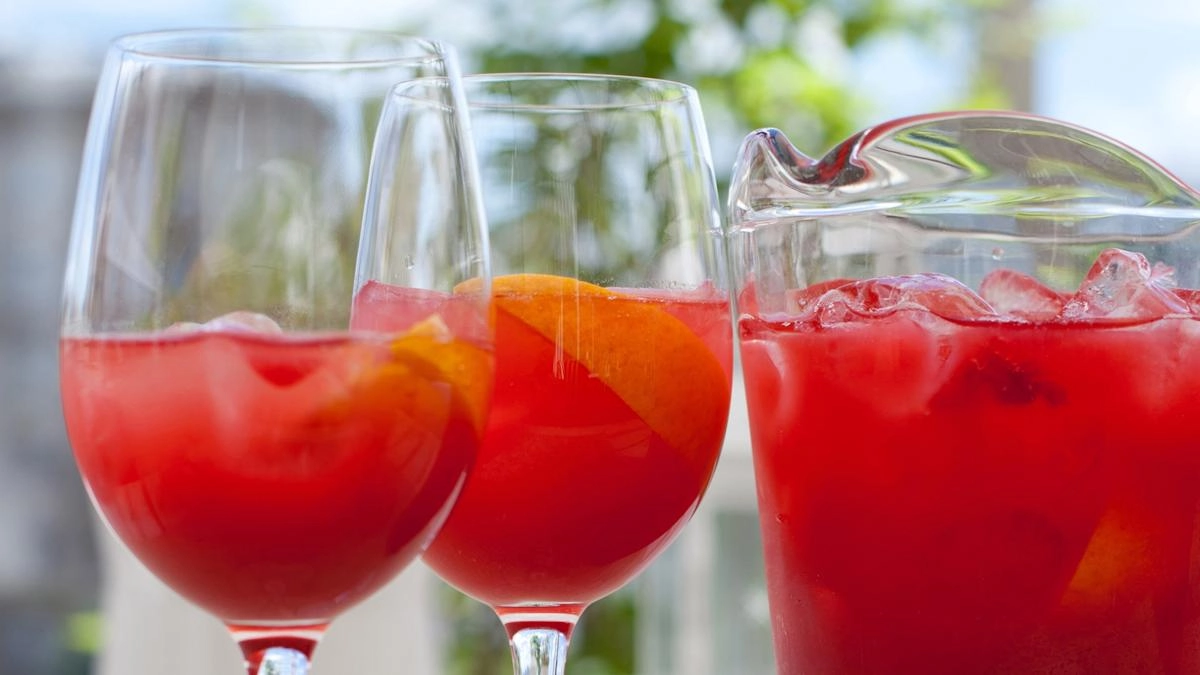
Planning a drink menu for events doesn’t have to be a hassle. Moving away from the typical wine and beer, you can create unique signature cocktails effortlessly. A helpful approach is the 3:2:1 ratio, which combines three parts strong liquor, two parts sour (like citrus juice), and one part sweet element, such as simple syrup. This ratio is versatile and applies to many classic cocktails like whiskey sours, daiquiris, margaritas, and gimlets.
While traditional cocktails are a great starting point, this method leaves room for personalization. Enhancing your drinks with flavored simple syrups or substituting with liqueurs can introduce exciting flavors. You can also experiment with fresh herbs for added complexity.
When preparing batch cocktails, it’s important to factor in dilution. Avoid adding ice directly into your pitcher, as it can dilute your drinks too much. Instead, incorporate water into your batch—about 25% of the total volume—to maintain balance. Chilling the batch in the refrigerator before serving ensures your cocktails are ready to enjoy without excess dilution.
Using the simple 3:2:1 ratio as a foundation and adding your creative touch will ensure your event features delightful, memorable cocktails.
9 Inspiring Cocktails That Sparked Their Own Unique Drinkware
Crafting a cocktail encompasses not only the drink’s composition but also its presentation, particularly through the choice of drinkware. The right glass can elevate the sipping experience by enhancing aesthetics, preserving temperature, and highlighting flavors. Below are nine iconic cocktails and the unique vessels they inspire.
-
Martini
The martini is often served in a V-shaped, long-stemmed glass, designed to keep the drink chilled without the warmth of the hand affecting its temperature. This design also enhances the aroma, maximizing the drink’s fragrant notes. The glass’s wide rim allows garnishes to be enjoyed without sinking and helps maintain a sophisticated allure. -
Old Fashioned
Traditionally served in an old fashioned or rocks glass, this cocktail’s sturdy design accommodates the cocktail’s simple yet effective mix of whiskey, bitters, and sugar. The glass’s wide base allows for the use of large ice cubes, keeping the drink cool while slowly diluting it as one enjoys the richness of the flavors. -
Margarita
The margarita glass, characterized by its wide, shallow bowl and a thin stem, is designed to keep the drink cool and allow space for a salted rim, enhancing the cocktail’s tartness. This unique shape also makes it easier to garnish with lime wedges or other toppings. -
Mint Julep
Traditionally served in a metal julep cup, this cocktail’s presentation is steeped in Southern tradition. The metal cups effectively keep drinks cold and frosty, enhancing the experience of sipping this refreshing mix while adding a touch of elegance. -
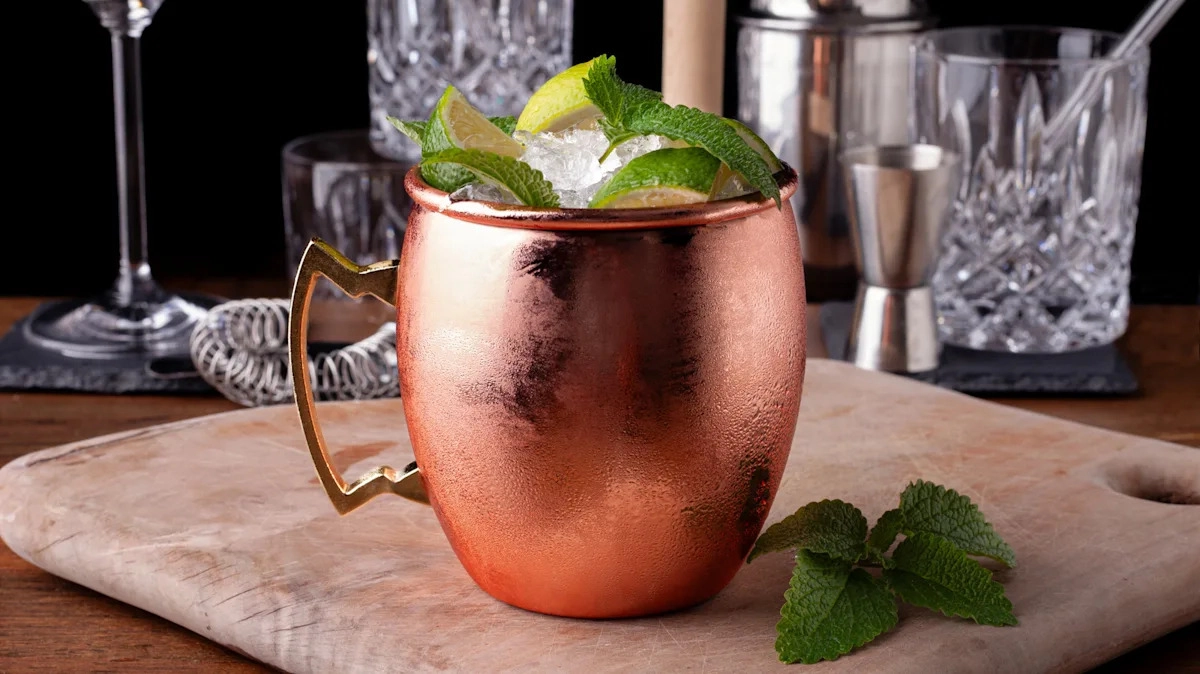
Moscow Mule
This classic cocktail is instantly recognized in its signature copper mug, designed to keep the drink’s contents cool. The copper not only provides thermal benefits but is also visually appealing, making it a staple at bars and gatherings alike. -
Irish Coffee
Served in a tall, clear glass with a handle, the Irish coffee emphasizes its rich layers of coffee and whipped cream. This glass allows for the drink’s beautiful presentation, highlighting its distinct layers while providing a comfortable grip. -
Collins
The Collins glass, tall and slender, is perfect for cocktails that blend spirits with lemon juice, soda water, and simple syrup. Its shape maintains carbonation and allows for a neat arrangement of ice, ensuring every sip remains refreshing. -
Zombie
Characterized by a tall and narrow glass, the Zombie cocktail showcases its vibrant colors and garnishes. This glass provides the necessary space for its complex mix of fruits and spices while maximizing visual appeal. -
Highball
Common for simple mixes of spirits and sodas, the highball glass mirrors the Collins in shape but is generally shorter and slimmer. This design helps preserve carbonation while presenting the drink stylishly.
By selecting the appropriate drinkware, consumers can truly enhance their cocktail experience, marrying function with aesthetic. Don’t underestimate how a well-chosen glass can transform your drinking experience into an elevated event with every sip.
Unveiling the World’s Best-Selling Rum: Discover the Top Contender
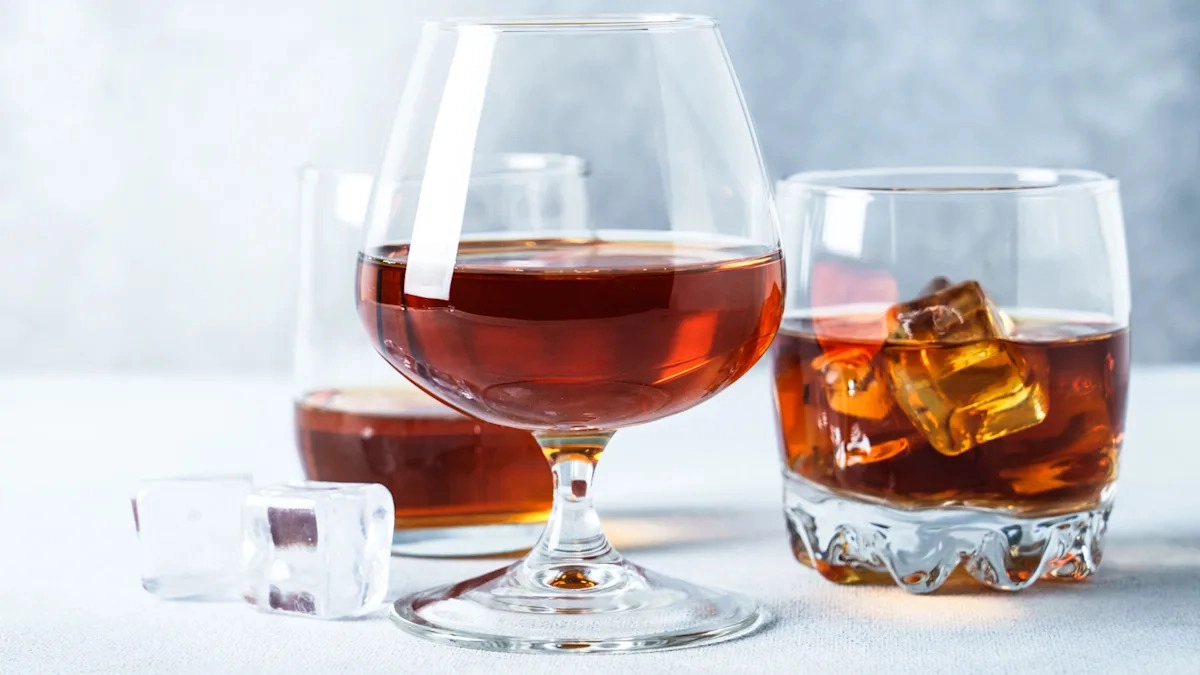
When it comes to rum, many people think of Caribbean brands like Bacardi, Mount Gay, and Appleton Estate. However, the title of the best-selling rum in the world belongs to Tanduay, a brand from the Philippines. In 2024, Tanduay sold an impressive 23.8 million cases, surpassing Bacardi, which came in second.
Tanduay was founded in 1854 and gained industry recognition just 22 years later when it won its first award for rum. However, it wasn’t until 2013 that Tanduay began exporting to the United States, reaching only four states: New York, Florida, Illinois, and California. Its foray into Europe happened six years later, making it relatively new to Western consumers.
Primarily popular in the Philippines, Tanduay has made strides in countries like the United States, Belgium, Ukraine, and the United Arab Emirates. Its growing popularity in the U.S. can be attributed partly to its sponsorship of the Golden State Warriors, alongside Jollibee, a well-known Filipino fast-food chain.
Unlike other rums, Tanduay is made with Grade A molasses, which lends it a lighter and sweeter profile. For those interested in trying Tanduay, it’s versatile enough to be mixed with traditional options like Coca-Cola or fruit juice. Those looking to get creative can try classic cocktails like the Mai Tai or Hemingway Daiquiri, or even explore unique recipes like Caribbean rum cake.
For further exploration of this unique rum, you can look into tips for making various rum cocktails. Whether you’re a fan of sweet drinks or classic cocktails, Tanduay presents an exciting option for rum enthusiasts.