Simple and Refreshing: 3-Ingredient Vodka Gimlet Recipe
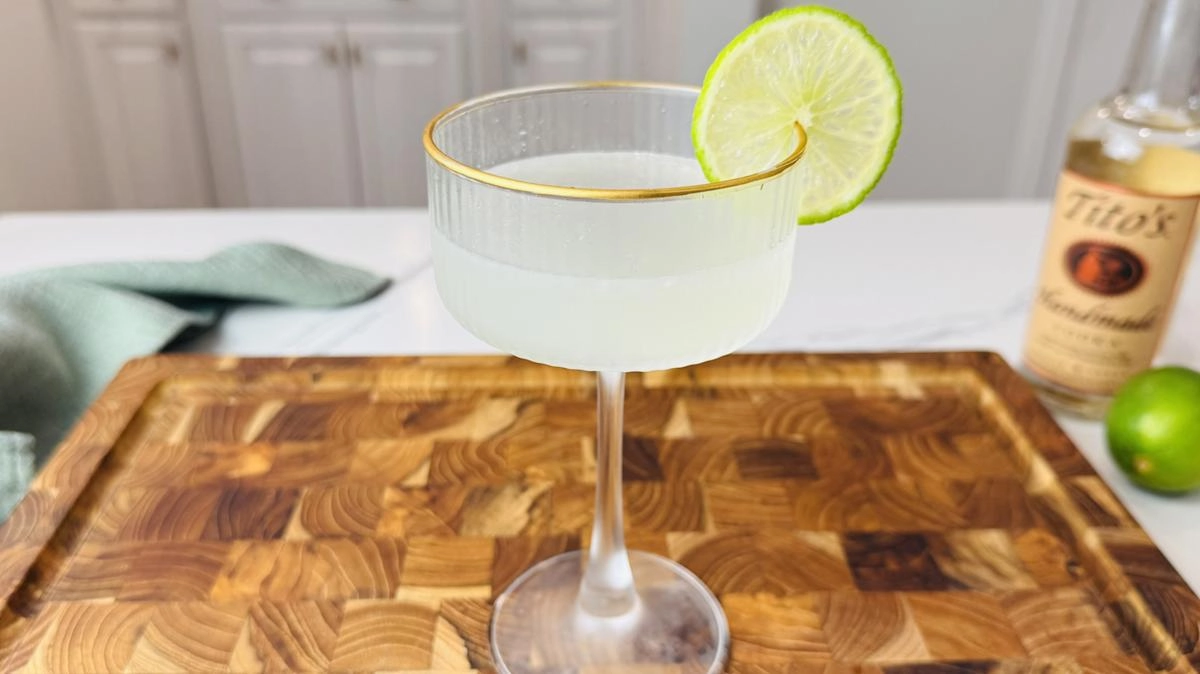
The vodka gimlet is a refreshing and straightforward cocktail that deserves a spot in your drink repertoire. This three-ingredient beverage is bright and citrusy, making it ideal for warm weather gatherings or casual sipping on the porch.
What You Need to Know
The vodka gimlet balances sweetness, tanginess, and the boozy smoothness of vodka. The sweetness comes from homemade simple syrup, complemented by the tartness of fresh lime juice. Substituting gin for vodka creates a milder and smoother twist on the classic gin gimlet. Its simplicity is one of its charms—no specialty mixers, complicated techniques, or long ingredient lists are necessary. All the ingredients are shaken with ice and then strained into a chilled glass.
Ingredients For a 3-Ingredient Vodka Gimlet
- Granulated Sugar: Used to create simple syrup, which adds sweetness and helps balance the tartness of the lime.
- Fresh Lime Juice: Adds zesty freshness and is a key flavor component.
- Vodka: The neutral base spirit that allows the lime’s flavor to shine.
How to Make It
-
Prepare Simple Syrup: Pour sugar into a heatproof cup and add a tablespoon of boiling water. Stir until the sugar is fully dissolved, then chill the syrup for about 5 minutes.
-
Shake the Cocktail: Fill a cocktail shaker ¾ full with ice. Add the juice of one lime (reserve a thin slice for garnish), vodka, and the cooled simple syrup.
-
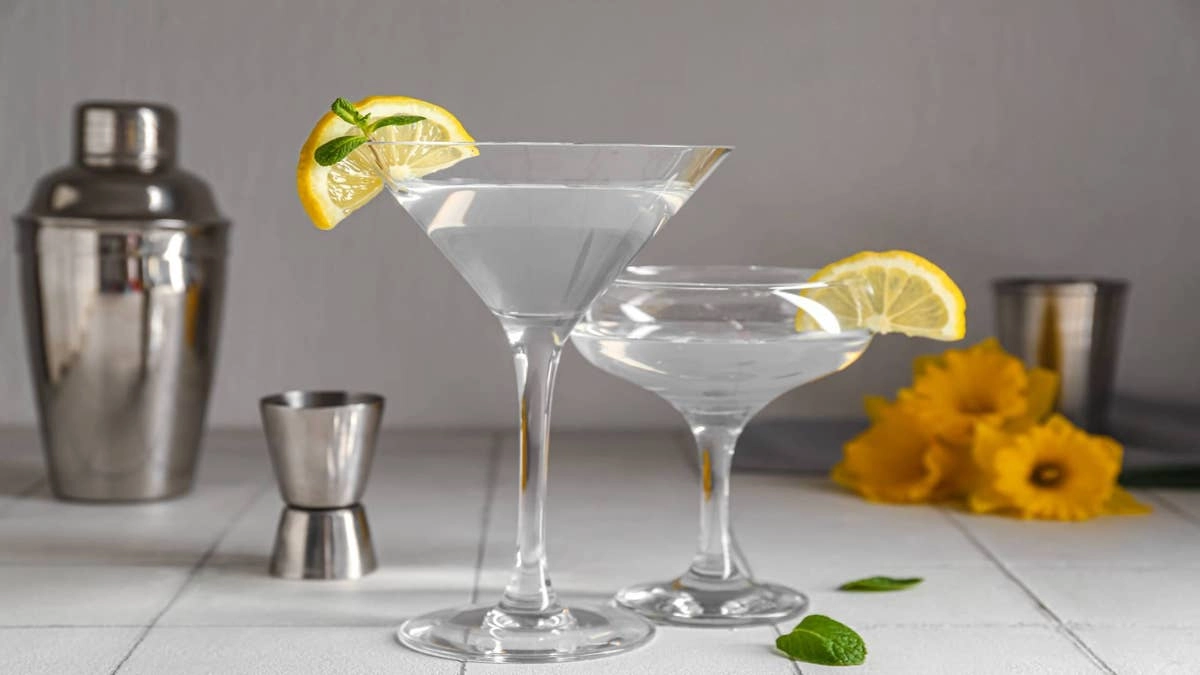
Combine and Serve: Cover the shaker and shake for 10-15 seconds until cold. Strain the mixture into a chilled glass, garnish if desired, and enjoy your vodka gimlet.
Customization Ideas
Customize your gimlet by adjusting the sweetness of the simple syrup. You can infuse the syrup with herbs like basil or mint for an additional flavor twist. Flavored vodkas can also be used instead of plain vodka, allowing for a unique take on the classic. Additionally, feel free to substitute lime juice for other citrus like lemon or grapefruit for a different flavor profile.
Choosing the Right Vodka
Since a vodka gimlet is a simple drink, the choice of vodka matters more than in cocktails with complex flavors. Opt for a smooth and neutral vodka to ensure a balanced flavor. You do not need to pick the most expensive option; a decent quality vodka is sufficient for a refreshing drink.
For recipe guidance or additional ideas, you can explore other drink recipes to complement your vodka gimlet.
Mastering the Art of High-Proof Liquor in Cocktails: Tips and Tricks for Perfect Mixology
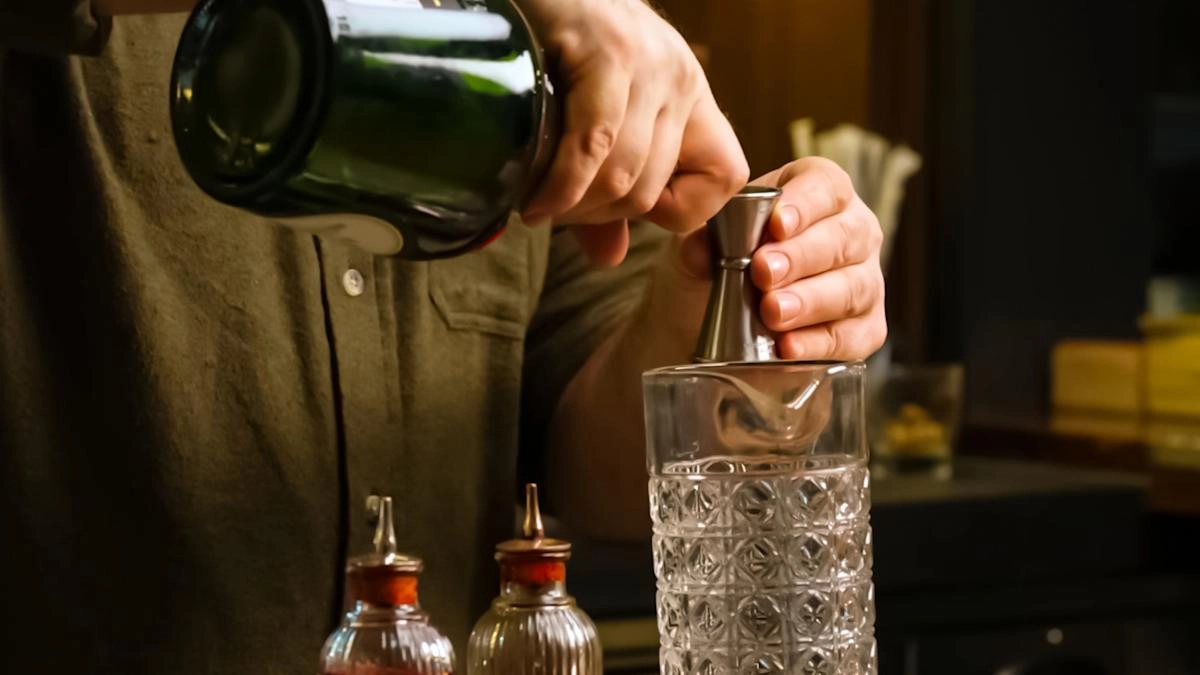
If you’re interested in mixing cocktails at home, you might be curious about incorporating high-proof liquors into your drinks. While many may think that using higher-proof spirits simply means creating stronger cocktails, the truth is that these liquors can enhance flavors and elevate the overall drinking experience. The key to successful mixing with high-proof alcohol lies in understanding its potential and finding the right balance.
Sarah Becan, author of "Let’s Make Cocktails!," emphasizes that high-proof spirits can be used effectively in small amounts to add depth and complexity to a cocktail without overshadowing the primary ingredients. For instance, incorporating overproof rum can enhance the flavor of a piña colada or even play a significant role in hot beverages like Irish coffee and hot toddies.
To start experimenting, a good approach is trying high-proof bourbon in classic cocktails. Becan cites a local bar in Chicago, Billy Sunday, which makes an old fashioned using a small quantity of Willet 4-year Bourbon (around 125 proof). This subtle addition imparts a concentrated bourbon flavor that complements the other ingredients beautifully. As you hone your skills in balancing flavors, keep in mind that achieving the right mix will require some practice, especially with high-proof spirits.
However, not every cocktail is suited to the boldness of a high-proof ingredient. Becan advises against using stronger spirits in cocktails that rely on delicate flavors, such as an aviation or clover club. In these instances, it may be better to stick with low-proof liquors to maintain the drink’s intended balance.
If you’re eager to learn more about mixing, consider signing up for Tasting Table’s free newsletter for ongoing culinary tips and guidance.
For additional insights, check out the original article on Tasting Table.
A Rare Find: Collector Snags Exclusive Appleton Estate 51-Year-Old Cask Rum
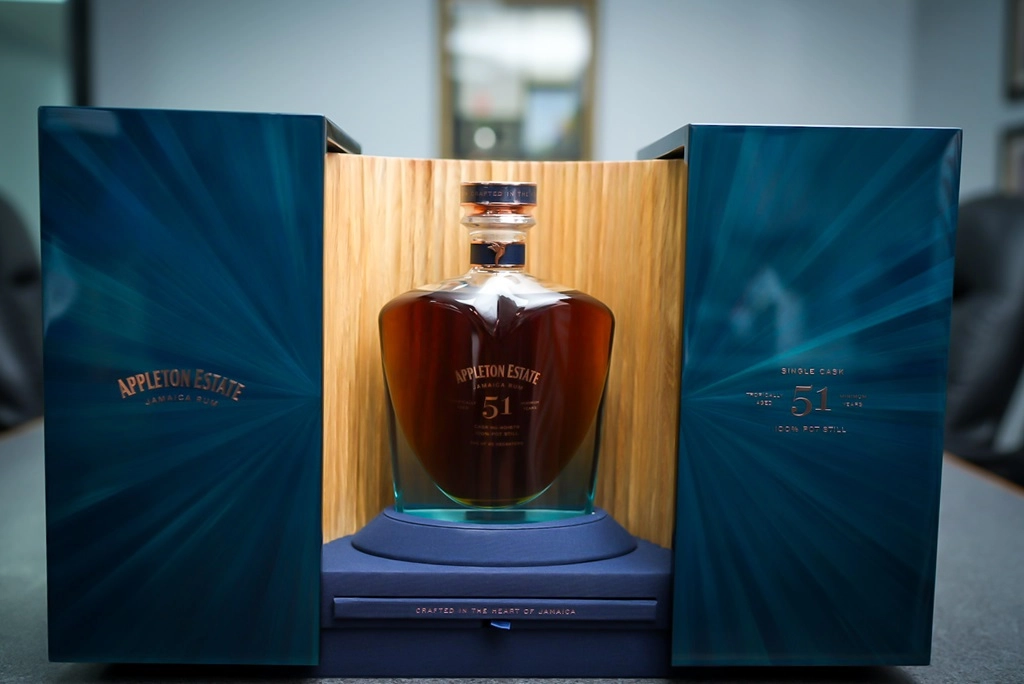
On April 20, an avid collector took possession of the highly sought-after Appleton Estate 51-year-old cask rum, renowned as one of the rarest spirits in the world with only 25 bottles available globally. Following its acquisition, the collector received the rum directly, marking a notable milestone in the heritage of Jamaican rum.
Enhancing the experience, the collector was later joined by the esteemed Master Blender Dr. Joy Spence. She elaborated on the intricate rum-making process that contributed to this exceptional spirit and discussed the deeper meanings behind its design. The rum, distilled in traditional copper pot stills and aged in Jamaica’s warm climate since July 31, 1973, stands as the oldest tropically-aged rum ever sold.
The rum’s striking aquamarine color references Appleton Estate’s renowned water source, while copper accents symbolize the distillery’s pot stills. The design also honors Jamaica’s national bird, the Doctor Bird, showcasing how every feature is rooted in cultural significance.
The tasting experience is nothing short of extraordinary. Each sip reveals a complex profile: from smoky orange notes to dried fig, honeyed raisins, spiced fruit, cinnamon, maple, and warm vanilla, all culminating in a refined finish with lingering oak.
This 51-year-old expression is not just a collector’s item; it embodies the craftsmanship and passion of the people at Appleton Estate, serving as a timeless treasure that reflects a relentless pursuit of perfection and heritage within the world of rum.
For further details, visit:
Busch Revives Apple Light Beer: How Long Will This Seasonal Favorite Stick Around?
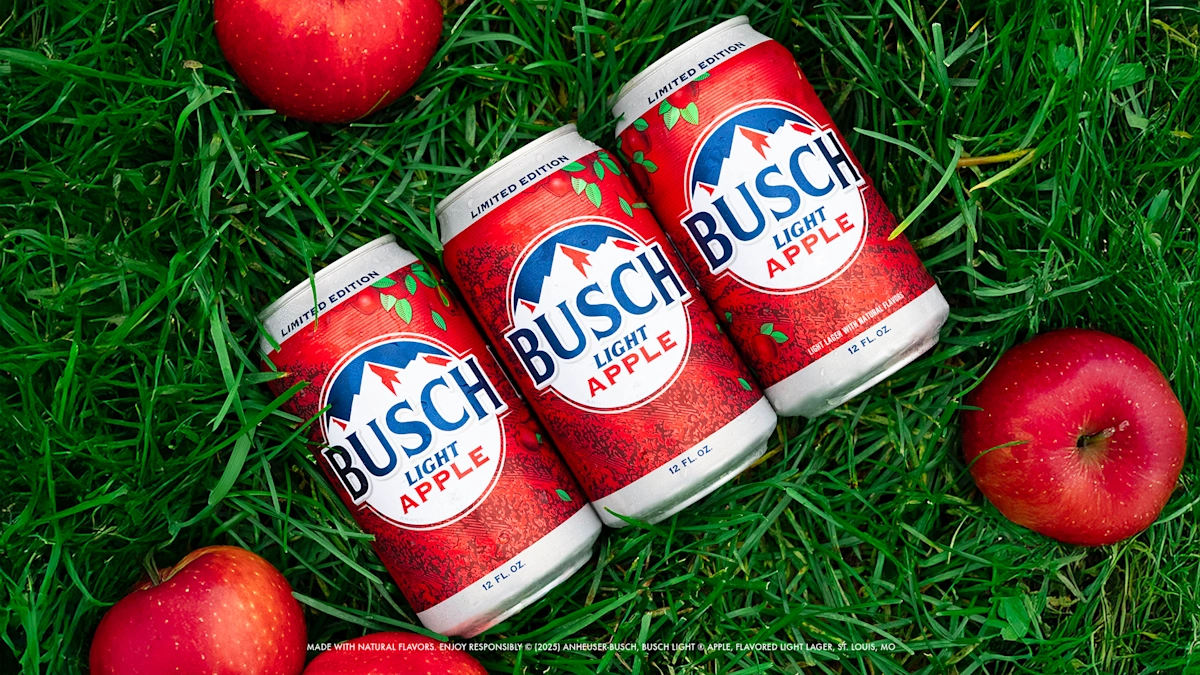
Busch Light has made a highly anticipated return of its fan-favorite apple-flavored beer, Busch Light Apple, or "bapple." This beloved beverage, launched initially in 2020 by Anheuser-Busch, is now available nationwide as of April 20, 2026. Retailers across the country will have it in stock while supplies last.
The apple-flavored beer garnered substantial popularity since its debut, with limited releases in 2021 and 2022. However, surprisingly, it was absent from the shelves in 2023 and 2024. In 2025, following a successful comeback that saw 1.2 million cases sold within just a month, it earned accolades as the No. 1 beer of innovation according to Anheuser-Busch.
Krystyn Stowe, head of marketing for Busch Family & Natural Family, expressed the company’s excitement to bring the drink back this year, noting that fans had clearly missed its refreshing apple taste. The latest release was announced on April 13, and it is available in various package options, including six packs of 16-ounce cans and larger packs.
To celebrate this comeback, Busch Light is also launching a drawing in collaboration with Trackhouse Racing. This contest gives fans the exciting opportunity to win a one-day "contract" with the racing team, complete with a trip to their shop in North Carolina and a signing bonus.
For those looking to find Busch Light Apple in Michigan, Anheuser-Busch provides a handy locator tool to help fans discover nearby grocery and party stores that carry it.
For more information on the return of Busch Light Apple, visit Busch’s official website.
The Daily Brew: Experts Reveal the Effects of Drinking Beer Every Day
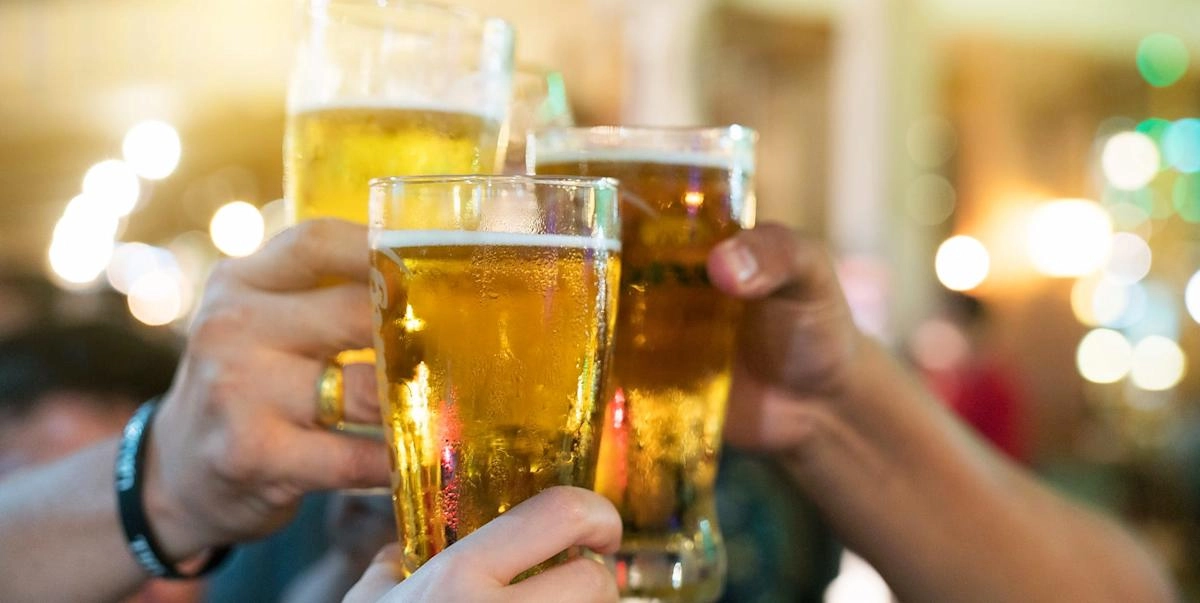
One of the most common ways to unwind after a long day is by enjoying a cold beer. While we’ve often explored the health effects of daily wine and alcohol consumption, what about beer? Since humans have been brewing and consuming beer since ancient times, it raises the question—can drinking beer be good for us?
Research indicates that moderate beer consumption may support heart health by boosting good cholesterol levels. According to Destini Moody, R.D., a dietitian and expert on health, moderate drinking for women is defined as one drink per day, while for men, it’s two. However, exceeding this moderate range can negate any health benefits and lead to serious issues such as an increased risk of cancer, weight gain, and liver disease. The U.S. Surgeon General stated that alcohol is a leading preventable cause of cancer in the U.S., associated with nearly 100,000 cancer cases annually.
The Health Perspective on Daily Beer Consumption
Drinking beer regularly may fit into a balanced lifestyle but should be approached with caution. Dietitian René Ficek emphasizes that while moderate consumption is generally acceptable, daily drinking may not be suitable for everyone, particularly those with specific health conditions or medications that interact negatively with alcohol. Moody refrains from categorizing daily beer drinking as strictly "healthy," pointing out that while there may be some health benefits, alcohol holds no nutritional value.
Potential Benefits of Beer
Certain beers, particularly darker ales and stouts, can provide benefits due to the presence of antioxidants from hops and grains. These antioxidants may contribute to heart health. Additionally, beer contains small amounts of B vitamins and essential minerals, like magnesium and potassium.
Health Risks Linked to Drinking Beer Daily
Regular alcohol consumption brings with it genuine health risks. The U.S. Surgeon General’s Advisory warns that even minimal consumption can heighten the risk of alcohol-related cancer and other health complications, such as high blood pressure and weight gain due to extra calories. Daily beer drinking could also interfere with sleep and lead to dehydration if adequate water intake is neglected.
Moreover, if individuals struggle to moderate their drinking, alcohol dependence may pose an additional concern.
Choosing Healthier Beer Options
When it comes to beer, those with lower alcohol content and added sugars are typically better for your health. Light beers are often lower in calories and alcohol, which may help mitigate some negative health impacts. Craft beers, particularly certain ales and stouts, may have higher levels of beneficial polyphenols.
It’s crucial to note that much of the research on alcohol’s benefits has centered on drinks with an alcohol by volume (ABV) of 5% or lower. Craft beers can frequently exceed this threshold, leading to more significant health risks.
Beer and Post-Exercise Recovery
While you might see runners enjoying a beer after a marathon or hikers relaxing with a cold drink, experts advise against it as an effective recovery method. After exercising, it’s vital to prioritize rehydration, electrolyte replenishment, and protein-carbohydrate intake for optimal recovery. Although a post-exercise beer can provide some carbohydrates, it cannot replace essential hydration or a balanced post-workout meal.
In summary, while moderate beer consumption could potentially offer some minor health benefits, experts warn that the risks often outweigh these advantages, especially with daily consumption. Moderation and mindful choices remain pivotal for maintaining a healthy lifestyle.
Mastering the Art of Cocktails: How to Use High-Proof Liquor Effectively
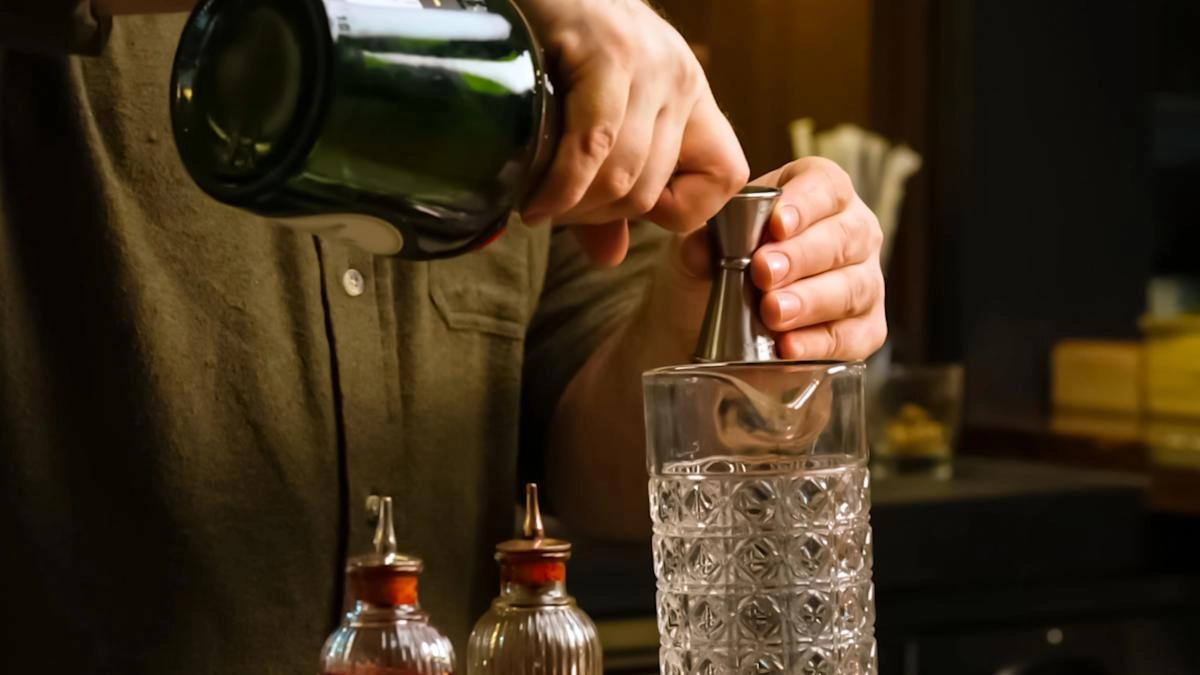
If you’re venturing into the world of cocktails, the idea of incorporating high-proof liquor might seem both thrilling and daunting. High-proof spirits are not solely about creating the strongest drinks; they can enhance flavor and elevate the cocktail experience overall. Experts agree that using a higher-proof alcohol can intensify the taste, adding a layer of richness that compliments rather than overwhelms a drink.
According to Sarah Becan, author of Let’s Make Cocktails!, incorporating higher-proof spirits in small amounts can serve as an accent in your cocktails. By doing so, you add complexity and depth to the flavor profile. For instance, higher-proof rum can enrich a piña colada, while the same principle applies to warmer drinks such as Irish coffee or hot toddies.
For beginners looking to experiment, Becan suggests starting with higher-proof bourbons, which often deliver a more profound flavor. An example is a cocktail bar that features a house old fashioned made with a small amount of 125 proof Willet Bourbon, enhancing the bourbon notes without dominating the drink. Achieving the perfect old-fashioned cocktail requires a balance that may take some practice, especially with high-proof liquors.
However, it’s essential to remember that not all cocktails benefit from stronger spirits. For delicate drinks, such as an aviation or clover club, higher-proof alcohol can overpower the subtler flavors. In such cases, it’s wise to stick with lower-proof options to maintain the intended taste.
Whether you’re just starting or refining your mixology skills, understanding when and how to incorporate high-proof liquors can lead to more satisfying and flavorful cocktails.
Breaking Barriers: Women Leading the Charge in the Whiskey Industry
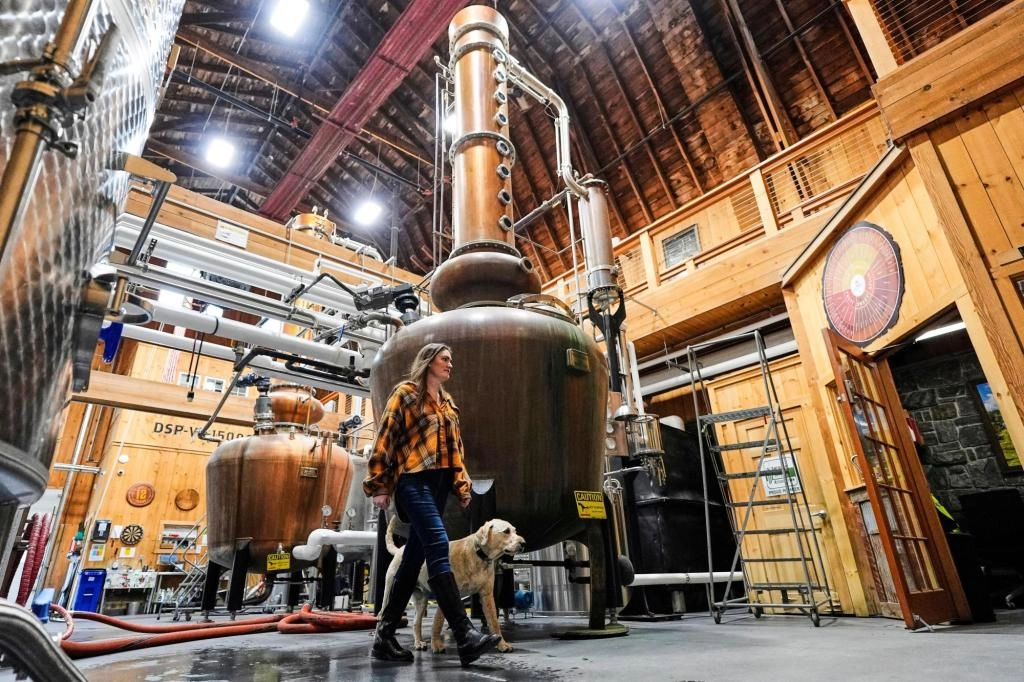
Female distillers and blenders are reshaping the whiskey industry, traditionally dominated by men. As more women start to enjoy whiskey, female leaders are emerging, bringing innovation and creativity to the field. Among them is Meghan Ireland, the chief blender at Vermont’s WhistlePig distillery, who discovered her passion for whiskey through a connection to a female chemical engineer who became a master distiller.
Despite the progress, women in the industry often face skepticism regarding their authenticity as whiskey drinkers. Becky Paskin, a whiskey journalist and founder of the OurWhiskey Foundation, recounts being asked if she even liked whiskey during a tasting event, highlighting the unique scrutiny women face in a male-centric environment.
Historically, women have played a significant role in whiskey production since its inception. From Mary Hebraea, an alchemist credited with creating the first distilling tool, to women managing distilleries in 19th-century Kentucky, their contributions have been pivotal. Susan Reigler, a bourbon expert, notes that many female figures in whiskey have worked behind the scenes, yet their influence remains profound.
Today, women like Judy Hollis Jones, co-founder of Buzzard’s Roost, are breaking into the industry, previously dominated by male executives. With a background in the food industry, Hollis Jones leverages her experience to navigate the complexities of whiskey production. She observes a growing presence of women at tastings and events, underscoring that whiskey enjoyment transcends gender norms.
These women change not only the perception of whiskey but also its future, demonstrating that whiskey is a product for everyone. As Ireland states, their involvement signifies that whiskey can be enjoyed by all and is now being crafted by women as well.
Award-Winning Vodka and Whiskey Brand Files for Chapter 11 Bankruptcy: What It Means for the Spirits Industry
In a challenging year for the distilled spirits industry, sales have taken a downturn, declining by 2.2% to approximately $36.4 billion in 2025. The industry faced significant challenges that led to the closure of some distilleries and a surge in bankruptcy filings. Despite this backdrop, leaders in the sector expressed optimism, citing a continued consumer interest in innovative spirits, such as ready-to-drink cocktails.
Amidst these changes, The Alton Distillery, known for its whiskey and vodka, has filed for Chapter 11 bankruptcy protection. This marks the second bankruptcy filing for the parent company, SVG 26 LLC. The initial filing in September 2025 was dismissed, and a subsequent request for reconsideration was denied in April 2026. The most recent petition was submitted on April 15, 2026, in the U.S. Bankruptcy Court for the Eastern District of New York, where SVG 26 aims to restructure its debts and continue operations.
The first Chapter 11 filing had raised concerns due to a lack of legal representation, resulting in an order to dismiss the case in February 2026. SVG 26 initially reported assets and liabilities ranging from $1 million to $10 million.
The Alton Distillery, which has been operational since 2010, produces a variety of spirits, including its Peace Vodka and various whiskeys. The distillery has garnered several prestigious awards, including a gold medal for its 5-year-old New York Straight Bourbon Whiskey and accolades for its rye whiskey and vodka.
Despite the difficulties, The Alton Distillery remains a notable player with a reputation for quality, as demonstrated by its award-winning products.
For more information:
Experience Creativity: Join the LIVE Art & Wine Tour Supporting Downtown Improvement!

The Downtown Santa Barbara Improvement Association (DSBIA) has announced details for the upcoming 24th Annual LIVE Art & Wine Tour, scheduled for Thursday, April 30, from 5:30 p.m. to 9:30 p.m. The evening will kick off with check-in at the Santa Barbara Historical Museum, where attendees will receive a commemorative wine glass, plate, and a map to navigate the featured tasting locations.
As the primary fundraiser for DSBIA, the proceeds from the Art & Wine Tour will support various initiatives aimed at revitalizing downtown Santa Barbara. These include projects like the Vacant Window Beautification Program, the 1st Thursday Art Walk, new art installations, and enhancements for maintenance and security.
From 5:30 to 8 p.m., guests can stroll through downtown, where participating venues will transform into pop-up galleries and tasting rooms. Notable venues include the Jeff Shelton Architect Studio, Silver Wines, and Jessica Risko Smith Interior Design Studio.
Local restaurants will offer wines and signature bites during the tour, along with live art experiences. The evening will culminate back at the Santa Barbara Historical Museum for a final party from 7:30 to 9:30 p.m., featuring more local culinary delights, spirit tastings, a silent auction, and live music by The Groove Collective.
This is a 21+ event, and tickets for this all-inclusive experience can be purchased here.
Participating wineries and restaurants promise a vibrant evening, making it a highlight for both locals and visitors alike.
Savoring Luxury: Celebrity Chef Brings $295 ‘Wyoming Night’ Pop-Up Experience to New York
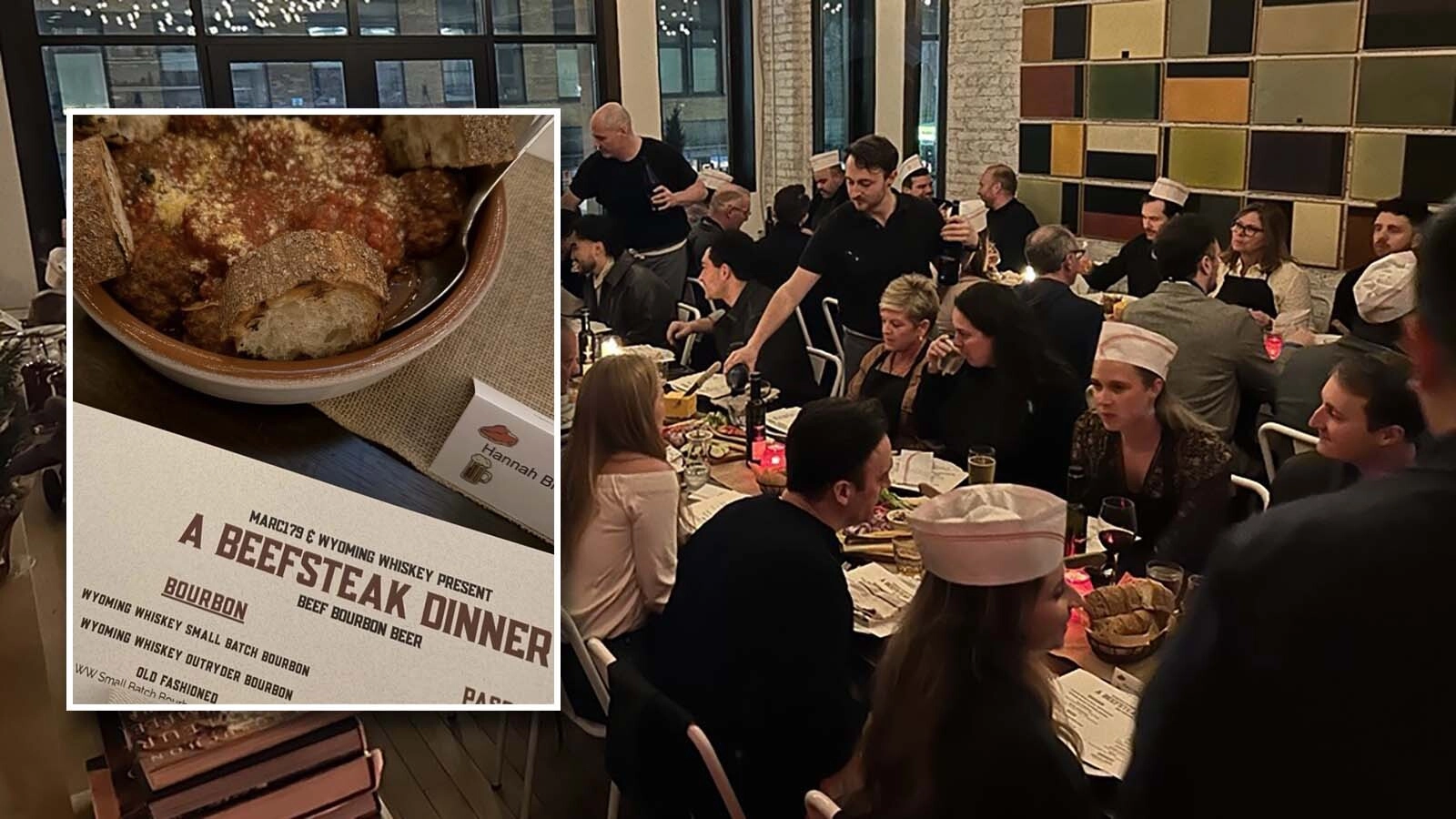
On a Friday night in Manhattan, celebrity chef Marc Murphy hosted a sold-out "Wyoming Night," showcasing Jackson Beef and Wyoming Whiskey to an eager audience. The dinner, priced at $295 per plate, featured a variety of Wyoming delicacies, including ribeye and hanger steak sourced from Mead Ranch in Jackson. Diners, some donning cowboy boots, reveled in the experience that brought a taste of the Cowboy State to New York City.
Murphy, who has a history of organizing beefsteak dinners—a tradition dating back to the 19th century—infused his events with a modern twist, offering a welcoming atmosphere for all, complete with utensils. “It’s always a blast,” he remarked on the gatherings, emphasizing their gluttonous nature filled with good food, drink, and socializing.
The idea for this Wyoming-themed feast was sparked by Fatima Asis, the brand manager for Wyoming Whiskey. During a conversation with Murphy, she proposed the event coincide with an annual Professional Bull Riders competition at Madison Square Garden. This led to a unique collaboration, enabling guests to enjoy premium beef flown in from Wyoming, signifying a strong connection between the state’s rich cattle ranching heritage and New York’s storied steakhouse reputation.
David DeFazio, co-founder of Wyoming Whiskey, highlighted the importance of showcasing Wyoming’s offerings. He was present at the event, embodying the spirit of Wyoming hospitality among the New Yorkers curious about the event. “It was a really fun and very social evening where we featured Wyoming in every way possible,” he shared.
As the evening unfolded, many guests who initially had limited awareness of Wyoming began to appreciate its culinary gems, further bolstering Wyoming Whiskey’s recognition across the nation. DeFazio noted that it’s invigorating to see the brand available in bars and restaurants throughout the country.
As the evening drew to a close, Murphy anticipated the impact of the event in terms of winning over the discerning palates of New Yorkers. “If it’s good they’re going to change their minds,” he said, noting that the whiskey received positive feedback throughout the night, demonstrating that the allure of the Cowboy State has a universal appeal, even in one of the world’s most iconic cities.