Wine 1106
Sulfur Dioxide’s Significance as an Ingredient in Wine

In the vast world of winemaking, there is a humble ingredient that holds the key to its preservation: grapes. Throughout history, wine production has evolved from a simple process of fermenting crushed grapes to a refined and technical industry. As the demand for wine grew on a global scale, the need for additional ingredients became evident.
One such ingredient is sulfur dioxide, commonly referred to as SO2. This compound plays a crucial role in winemaking as a preservative. Its antimicrobial and antioxidant properties help protect the wine from oxidation and spoilage, ensuring a longer shelf life. While sulfites naturally occur during fermentation, the addition of sulfur dioxide provides an extra layer of protection.
However, not all winemakers rely on sulfur dioxide. Some organic growers and producers choose to make wine without this additive, resulting in a different taste experience. For example, a Cabernet Franc may have a distinct flavor profile depending on the presence or absence of sulfur dioxide. Nevertheless, sulfur dioxide remains a vital ingredient in commercial wine production.
Scientifically, sulfur dioxide is composed of one sulfur atom and two oxygen atoms, denoted as SO2. In winemaking, the specific form used is potassium metabisulfite, a granular salt added at various stages of the process. Winemakers regularly monitor the concentration of sulfur dioxide throughout fermentation and aging. The total concentration is measured as “bound SO2,” which has bonded with the yeasts and sugars, and “free SO2,” which has not.
The desired concentration of sulfur dioxide in wine ranges between 0.5 and 0.8 milligrams per liter. This level is sufficient to prevent oxidation and bacterial growth without overwhelming the wine’s flavor. A concentration higher than 0.8 milligrams can result in a strong, burning sensation in the nostrils when smelling the wine.
The amount of sulfites in wine varies between different types, such as red, white, rosé, and sweet wines. Generally, sweet wines contain a higher concentration of sulfites than others. Strict regulations ensure that the levels of sulfites in wine remain within safe limits, eliminating the risk of consuming toxic amounts of sulfur dioxide.
For those who prefer to avoid sulfites altogether, natural wines offer a great alternative. However, it’s worth noting that the majority of wines found in liquor stores adhere to regulated limits and are safe for consumption.
In conclusion, while wine is fundamentally made from grapes, the addition of sulfur dioxide has become an essential aspect of winemaking. This ingredient provides the necessary protection against oxidation and spoilage, ensuring a longer shelf life for wines. Whether sulfur dioxide is present or not, it undoubtedly shapes the taste and characteristics of the final product.
The 2024 Charleston Wine + Food Festival tickets are now available for purchase.

**Experience the Ultimate Foodie Celebration at the 2024 Charleston Wine + Food Festival**
Calling all foodies! Hold onto your taste buds because the 2024 Charleston Wine + Food Festival is here, and it promises to be an epic culinary extravaganza like no other. Get ready for 100+ boozy brunches, unforgettable dinners, late-night bashes, and so much more, spread across the vibrant Holy City. With culinary field trips, hands-on classes, and a lineup of over 300 top chefs, wine connoisseurs, and cocktail experts, this festival is not to be missed.
Starting from March 6 through 10, prepare yourself for a five-day journey into the world of delectable food and drink. The recently announced schedule has us drooling in anticipation. Alyssa Maute Smith, the Executive Director, couldn’t contain her excitement, saying, “We’re incredibly proud and excited for the festival ahead. Every year we aim to grow and develop unique and interesting events that marry the beauty of the Lowcountry and the foodways that unite us.”
One of the festival’s highlights is the Culinary Village, where you will experience a food-sampling heaven. This year, the Village will feature the beloved rosé garden, an abundance of food for purchase, an expanded selection of wines, and even a dedicated non-alcoholic zone, ensuring that there’s something for everyone. Indulge in a diverse range of flavors and savor the culinary delights from renowned chefs.
And that’s not all! The festival’s Signature Events will leave you craving for more. Street Eats, in partnership with Saveur magazine, offers a gastronomic adventure of international street food. The Bowens Island Catch of the Day brings you the freshest seafood, showcasing Charleston’s coastal charm. For families, the Wine + Food Street Fest caters to both young and old, providing a fantastic day out with delicious food and drinks, and it’s absolutely free!
Adventure awaits at ¡Sabor!: A Taste of Spain, where you’ll sample the vibrant flavors of Spanish cuisine. And for all the BBQ and whiskey enthusiasts, The Smokeshow is a mouth-watering ode to smoky flavors and hearty libations.
Prepare to be star-struck! The festival will be graced by more than 300 culinary rockstars, including celebrity chefs, wine experts, and other culinary talents. Their expertise will be displayed through captivating live cooking demonstrations, wine pairings, and insightful discussions, leaving you with a wealth of gastronomic knowledge.
Tickets for the 2024 Charleston Wine + Food Festival are now available for purchase on their website, starting from today, October 19th. However, if some events are sold out, don’t fret. Waitlists will be available, ensuring that no foodie is left behind.
Immerse yourself in the culinary wonders that await you at the 2024 Charleston Wine + Food Festival. It’s time to tantalize your taste buds, expand your palate, and indulge in the ultimate foodie celebration. For more information and to secure your spot, visit the official Charleston Wine + Food website.
Are you ready for a life-changing culinary experience? Get your forks and wine glasses ready, because the 2024 Charleston Wine + Food Festival is calling your name!
Learn about tickets, parking, and the beverages at the Carousel Center Beer and Wine Festival.

Calling all wine enthusiasts and beer lovers! We have an exciting event coming up that is sure to satisfy your taste buds. The Carousel Center Beer and Wine Festival is back again this year, and it’s bigger and better than ever. Hosted by Lighthouse Beer and Wine, this festival is not to be missed.
But that’s not all – this year, we have a special treat for you. The Voracious & Rare Beer and Wine Festival will be held the day before, on Friday, Oct. 27, right in downtown Wilmington. So mark your calendars for a weekend filled with delicious drinks and good times.
Now, let’s talk about why this festival is so important. Not only is it a fantastic opportunity to indulge in your favorite beverages, but it also plays a crucial role in supporting the Carousel Child Advocacy Center. This organization provides vital services to child survivors of abuse and their families, and the funds raised from the festival go directly towards helping those in need. So by attending this event, you are not only treating yourself, but you are also making a difference in someone’s life.
The festival will take place from noon to 5 p.m. at the Live Oak Bank Pavilion in Riverfront Park, located at 10 Cowan St. in Wilmington. Rain or shine, the festivities will go on. And trust us, they are worth it.
To add to the ambiance, we have lined up three fantastic local bands to keep you entertained throughout the day. The Swellians, Billy Heathen, and Soul on Fire will be performing live, creating the perfect atmosphere to enjoy your drinks and mingle with fellow enthusiasts.
Speaking of drinks, get ready to be amazed. We have over 100 beer, wine, and food vendors who will be showcasing their finest offerings. As you enter the festival, you will receive a tasting cup, allowing you to sample the wide variety of beverages available. And if you want to try something extra special, you can purchase tasting tokens that give you access to exclusive drinks not included in your ticket.
Now, let’s go over a few logistics. Coolers, bottles, or drink containers are not allowed inside the festival grounds. But don’t worry, we have everything you need right there for your enjoyment. As for parking, the venue itself does not offer parking spaces, so we recommend parking anywhere in downtown Wilmington, making sure to follow the parking rules and regulations.
We kindly ask that you leave your beloved pets at home for this event, as they are not permitted. Additionally, no large bags will be allowed, so please plan accordingly.
Tickets for the festival start at $35 for designated drivers ($70 for general admission) and can be purchased online at The Beer and Wine Festival – Lighthouse Beer & Wine. We want to remind you that there are no refunds, and once you leave the festival, re-entry is not permitted.
So, mark your calendars, gather your friends, and get ready for a weekend filled with delectable drinks and a great cause. Join us at the Carousel Center Beer and Wine Festival in Wilmington, and let’s make a difference together.
This article was originally published on Wilmington StarNews: What to know about Carousel Center Beer and Wine Festival in Wilmington.
Ending wine tariffs is contingent upon China’s requirement of a steel deal.

Title: Navigating a Complex Trade Stand-Off: Australia and China’s Tariff Dispute
Introduction:
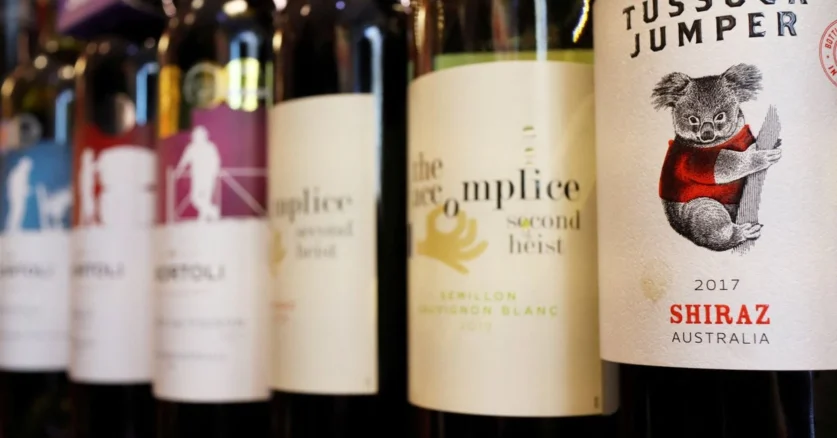
In recent times, negotiations between Australia and China have been testing the resilience of their trade relationship. An impasse has emerged, with both sides insisting on a resolution that favors their respective interests. At the center of this standoff are Australia’s anti-dumping tariffs on Chinese steel products and China’s retaliatory tariffs on Australian wine exports. This blog post explores the challenges and potential solutions to this complex trade dispute.
Background:
Australia, concerned about the impact of cheap Chinese steel flooding its market, had imposed anti-dumping tariffs. However, this move ignited a trade war, with China retaliating by imposing punitive tariffs on Australian wine exports worth $1.2 billion. The dispute has reached an impasse, with both countries demanding a resolution that addresses their concerns.
The Importance of Anthony Albanese’s Visit:
Efforts to resolve the trade issues have been complicated by the upcoming visit of Anthony Albanese, Australia’s representative, to Beijing. This visit carries significant symbolic weight, as it marks the 50th anniversary of Gough Whitlam’s historic visit, laying the foundation for strong bilateral ties. However, both sides fear that the trade dispute may overshadow the intended purpose of the visit, turning it into a public relations battle.
Efforts for Resolution:
Australia, recognizing the need for a mutually beneficial resolution, has offered a face-saving approach to China, similar to the one that led to the removal of barley tariffs. The proposal suggests suspending the ongoing World Trade Organization (WTO) challenge regarding wine tariffs while China reviews and voluntarily removes the tariffs. However, China, determined to address its own concerns, has linked the resolution of wine tariffs to Australia’s anti-dumping tariffs on Chinese-made wind towers, kitchen sinks, and railway wheels.
Challenges and Domestic Fallout:
China argues that the removal of wine tariffs must consider the domestic repercussions it may face within its nascent wine industry and other countries that have stepped in to fill the void left by Australian exports. This has placed Australian officials in a difficult position, as they push for individual dispute resolution while China insists on a bundled approach, citing earlier eased restrictions on other goods as a precedent.
The Way Forward:
Australia remains firm in its approach, emphasizing that the same pathway used for the lifting of barley tariffs should be employed to address the wine dispute. Trade Minister Don Farrell reaffirms Australia’s commitment to securing an expedited outcome for its wine producers and expresses confidence in a positive outcome through WTO proceedings.
Conclusion:
The ongoing tariff dispute between Australia and China presents substantial challenges, but both sides are hopeful for a resolution that protects their respective interests. As negotiations continue, it is imperative for the two nations to find common ground and chart a way forward that promotes a balanced and mutually beneficial trade relationship. With key diplomatic visits on the horizon, the significance of reaching an agreement cannot be overstated.
As the deadline approaches, Australia remains hopeful about a potential breakthrough in the China wine industry.
Title: Navigating the Uncertainties: Hope for Resolution in Australian Wine Trade Dispute with China
Introduction:
The ongoing trade dispute between Australia and China regarding wine tariffs has created significant impediments for the Australian wine industry. With the World Trade Organization (WTO) set to publish its ruling on the matter, Australian Prime Minister Anthony Albanese remains optimistic about the potential for a breakthrough. This blog post explores the complexities of the dispute, shedding light on the importance of finding a resolution and the hopeful signs for a positive outcome.
Background:
In 2020, China imposed tariffs on Australian wine exports, abruptly halting a billion-dollar trade relationship. In response, Australia lodged a complaint with the WTO, initiating an investigation into China’s actions. However, it was not until a year later, in 2021, that the dispute panel extended its investigation. These tariffs severely impacted Australia’s wine industry, which had previously enjoyed substantial export volumes to China.
The Hope for a Breakthrough:
Albanese expressed his optimism and hope for a favorable resolution, acknowledging the significance of removing the current trade barriers. Australia’s wine industry has faced considerable challenges since the imposition of tariffs, and a breakthrough in the dispute would provide a much-needed boost.
WTO Dispute-Resolution Process:
In accordance with the WTO’s dispute-resolution process, each involved party is provided with a report before it becomes public knowledge three weeks later. Australia temporarily suspended its complaint over Chinese barley tariffs at the WTO, allowing China to review the 80.5% duties imposed in 2020. China eventually removed these duties. Despite the limitations on public commentary until the WTO report is published, Trade Minister Don Farrell expressed confidence in the case.
Australia’s Firm Stance:
Australia recently rejected China’s proposal to link the wine dispute with the issue of duties on Australian imports of Chinese steel. Minister Farrell emphasized Australia’s commitment to pursuing the case until China lifts its tariffs. This resolve underscores Australia’s determination to protect its trade interests and foster a fair and mutually beneficial trade relationship.
The Path Ahead:
Albanese’s planned visit to China, the first by an Australian leader since 2016, signifies a willingness to engage in dialogue and seek resolution. The lifting of curbs on numerous Australian exports by China during a diplomatic dispute demonstrates a thawing of tensions between the two trading partners. However, the challenges remain significant, and the Australian wine industry continues to bear the brunt of the trade dispute’s consequences.
The Diminished Wine Exports:
China was once Australia’s top wine export market, with trade volumes peaking at an impressive A$1.2 billion ($770 million) for the 12 months leading up to January 2020. However, as the COVID-19 pandemic hit, exports plummeted to just A$8.1 million ($5.2 million) in the year to June. These figures highlight the urgency of finding a resolution to revive the once booming trade relationship.
China’s Interest in the CPTPP:
China, despite the ongoing trade dispute, has expressed interest in joining the Comprehensive and Progressive Agreement for Trans-Pacific Partnership (CPTPP). This free-trade agreement incorporates WTO rules and obligations. China’s pursuit of membership signifies its recognition of the benefits of regional cooperation and trade integration.
Conclusion:
The Australian wine trade dispute with China has reached a critical juncture, with the WTO ruling expected to be published soon. Prime Minister Albanese’s optimism and commitment to finding a breakthrough offer hope for the future of Australia’s wine industry. As both countries navigate the complexities of the dispute, a resolution is crucial to restore the once-thriving trade relationship and foster a mutually beneficial trade environment.
New followers in the US are embracing ancient natural wine-making traditions.

Introducing: The Natural Wine Revolution
The wine industry is experiencing a shift, as wine made in ancient ways gains new fans. Natural wine, which embodies sustainability and minimal processing, is capturing growing interest in the United States. Surprisingly, this surge comes at a time when overall wine consumption has been declining since 2015, according to IWSR Drinks Market Analysis, a reputable research firm. Although natural and other sustainable wines accounted for less than 1% of sales in 2021, their demand was outpacing the entire wine category, as reported by alcohol delivery site Drizly.
So, what makes natural wine different? Natural wine is crafted from hand-picked organic grapes that have not been exposed to herbicides or pesticides. Following the ancient practices of the Romans, these grapes are gently crushed — sometimes using the winemaker’s own feet, embracing tradition. Then, the natural fermentation process takes place, with no addition of water, yeast, or other ingredients. Some natural winemakers opt to add sulfites, a naturally occurring chemical found in grapes, as a preservative, while others refrain. Additionally, some filter their wines, while others leave them unfiltered, resulting in a cloudy appearance and sediment. The end product is wines that are earthy, savory, and less predictable compared to those mass-produced by large wine producers.
Naturally, a trend as promising as natural wine is not without its challenges. Unlike organic wine, which requires government certification, natural wine lacks a formal definition in the United States. It is also challenging to find in stores, as most natural wines do not explicitly label themselves as such. “Natural” may sound appealing, but Anita Oberholster, a professor at the University of California, Davis, suggests that “conventional wine is pretty natural too.” Therefore, defining and researching natural wine will be crucial for its growth.
One winemaker who has taken up the mantle of championing natural winemaking is John Keller, the owner and winemaker at Neu Cellars in Northern Michigan. Armed with a biochemistry degree, Keller previously worked for a large winemaker in California but became disillusioned by the heavy chemical manipulation involved in ensuring consistency in each bottle. In 2019, Keller and his father opened Neu Cellars with a singular focus on producing natural wines. Last year, they proudly produced 3,000 bottles. Keller describes natural winemaking as a nerve-wracking process, as he can only practice once a year and cannot resort to additives if something goes wrong. It’s a process that requires trust in the natural elements and the conditions for the best outcome.
While natural wine may seem like a recent fad, Erin Coburn, owner of Minimo, a natural wine bar in Oakland, California, explains that it is more akin to a return to tradition. In countries like Georgia, winemakers never ceased producing natural wine; they continue to ferment grapes in egg-shaped clay pots that have been used for thousands of years. However, drawing a line between natural and conventional wines can be challenging, particularly when it comes to high-quality wines made with exceptional grapes. Many additives commonly used in winemaking, such as yeast for fermentation, are natural substances found in vineyards. Moreover, many conventional wines are crafted without the addition of additives.
To address the need for distinction, some in the industry advocate for adopting standards for natural wine, as seen in France. The French wine industry approved the “vin méthode nature” label and certification process in 2020. Since then, over 430 vintages have proudly displayed this label, according to the Union for the Defense of Natural Wines. Brian Gelb, Vice President of Wine for Total Wine, a major retail chain with stores across the United States, has been responding to the growing demand by introducing natural wines onto their shelves over the past two years. However, Gelb acknowledges the difficulty in determining how much of their inventory already falls under the “natural” category. Thus, having consistent terms and phrases that are universally understood would greatly benefit both consumers and retailers.
In conclusion, the rise of natural wine represents a revolution within the wine industry. As consumers become increasingly conscious of sustainability and minimal processing, the demand for natural wine continues to grow, defying the overall declining trend in wine consumption. Although obstacles remain, such as the lack of a standardized definition and limited availability, the passion and commitment of winemakers like John Keller are driving the movement forward. Natural wine is not just a passing fad; it symbolizes a return to tradition and an appreciation for the individuality and character that can be found in a bottle. So, the next time you raise your glass, consider indulging in the flavors and stories woven into a natural wine, and join the natural wine revolution.
The fascinating world of wine is one filled with complexities and nuances. From the grape varieties to the aging process, every aspect of winemaking adds to the final product. But in recent years, there has been a growing concern about the use of natural imagery by wine brands without clear transparency about what “natural” really means.
Anthony Zhang, the co-founder and CEO of Vinovest, a wine investment company, has highlighted this issue. He believes that some wine brands are taking advantage of the lack of standards surrounding the term “natural” and using it as a marketing tool. This can mislead consumers, who are often willing to pay a premium for wines made by smaller producers using natural methods.
One example of this is Absentee Red, a natural California red blend that costs around $26 per bottle. Vivino, an online wine merchant, states that similar conventional wines start around $14. This significant price difference suggests that consumers are willing to pay more for wines labeled as “natural.”
However, not all winemakers are enthusiastic about the idea of standards. While Keller, a winemaker who uses organic grapes, supports the concept, he feels that the cost and rules associated with certification are not justifiable. Furthermore, Cheryl Stanley, a food and beverage management lecturer at Cornell University, raises questions about what truly defines a “natural” wine. With so many different perceptions, she wonders if any wine can truly be considered completely natural, considering the human intervention involved throughout the winemaking process.
Despite these challenges, there is hope for greater transparency in the future. Starting in December, wines sold in the European Union will be required to carry ingredient labels and nutrition information. This change can empower consumers by providing them with more information about the wines they purchase. It is expected that the United States will follow suit in the coming years.
Pax Mahle, the proprietor and winemaker at Pax Wine Cellars, is an advocate for natural winemaking. He crushes his grapes by foot, showing his dedication to traditional methods. However, he also believes in the freedom to make small adjustments, such as adding sugar or acid if necessary. Mahle’s approach emphasizes the importance of making high-quality wine, rather than adhering to strict absolutes.
In the end, the natural wine movement is not about absolute rules but rather about producing exceptional wines. While standardized definitions and labeling can help consumers make more informed choices, it is crucial to remember that the true value of a wine lies in its taste and quality. So, the next time you raise a glass of wine, take a moment to appreciate the craftsmanship behind it and savor the unique experience it offers.
In the Bay Area and beyond, the ancient methods of natural wine are gaining popularity among new enthusiasts.

title: The Growing Popularity of Natural Wine: Embracing Ancient Traditions
Introduction:
In recent years, there has been a notable shift in the wine industry, with natural wine gaining traction among wine enthusiasts. Despite an overall decline in wine consumption since 2015, the demand for sustainable and minimal processed wines has been steadily rising. This shift raises questions about what sets natural wine apart and the challenges it faces as it seeks to carve its niche in the market.
The Essence of Natural Wine:
At the core of natural wine is a focus on sustainability and minimal intervention. Natural winemakers primarily use hand-picked organic grapes that have not been subjected to herbicides or pesticides. Following ancient methods, these grapes are often crushed by foot, paying homage to ancient Roman traditions. The fermentation process is kept pure, without any added water, yeast, or other artificial ingredients. While some natural winemakers use sulfites, a naturally occurring chemical in grapes, as a preservative, others forgo this addition. The result is a distinct type of wine that showcases earthy and savory flavors, offering a unique and less predictable experience when compared to mass-produced wines.
The Challenges Faced by Natural Wine:
Despite its increasing popularity, natural wine encounters several hurdles that impede its growth. Unlike organic wine, which must receive government certification, there is no formal definition of natural wine in the United States. Furthermore, natural wines often lack explicit labeling, making it difficult for consumers to identify them on store shelves. Anita Oberholster, a professor at the University of California, Davis, suggests that research and a clear definition are necessary to strengthen the natural wine industry. By establishing standards, natural wine can overcome these obstacles and gain wider recognition.
Returning to Tradition:
For many, natural wine represents a return to traditional winemaking methods. In countries like Georgia, winemakers have continued producing natural wine throughout history, fermenting grapes in clay pots, a practice that has endured for thousands of years. Nevertheless, critics argue that the line between natural and conventional wines is thin, particularly for high-quality wines made from excellent grapes. Many additives found in conventional wines, such as yeast, are naturally occurring substances already present in vineyards. Therefore, some argue that natural winemaking may not be as distinct as it seems.
The Importance of Standards:
France has taken steps towards standardization in the natural wine industry. In 2020, the wine industry approved the “vin method nature” label and certification process, enabling consumers to identify natural wines more easily. Over 430 vintages have utilized this label since its inception. Brian Gelb, the vice president of wine for Total Wine, a leading retail chain, believes that adopting consistent terms and phrases will benefit consumers and help navigate the complexities of the market. However, winemakers may have mixed feelings about adopting standards due to associated costs.
Conclusion:
Natural wine is not merely a passing fad but rather a movement that draws inspiration from ancient winemaking traditions. Although its growth may be hindered by the lack of a formal definition and inconsistent labeling, the demand for natural wine is undeniably on the rise. As the industry continues to evolve, establishing clear standards and definitions will contribute to the growth and success of natural wine. Ultimately, natural wine offers wine lovers an exciting alternative, embracing sustainability and offering a connection to age-old winemaking practices.
An Unconventional Take on the Natural Wine Movement
The natural wine movement has gained significant momentum in recent years, as consumers show a growing interest in wines made with minimal intervention and additives. However, as the movement gains popularity, questions arise about what truly defines a natural wine.
One winemaker, Keller, has been using organic grapes for his wines but has chosen not to pursue the organic certification due to the high cost of repeated inspections. This raises an important point – if a wine is made with organic grapes, but not certified as organic, can it still be considered natural?
Cheryl Stanley, a food and beverage management expert, argues that standardizing the term “natural” in the wine industry would be a challenge. This is because there are various perceptions and interpretations of what constitutes a natural wine. After all, from the way grapes are trellised to the date they are harvested, there is human intervention at every step of the winemaking process.
Transparency in labeling is one way to address this issue. Starting in December, wines sold in the European Union will be required to carry ingredient labels and nutrition information. This move towards greater transparency will make it easier for consumers to identify wines that are made without additives. It is expected that the United States will also adopt ingredient labeling in the coming years.
Pax Mahle, a winemaker who is devoted to natural winemaking, offers a thought-provoking perspective. While he crushes his grapes by foot and strives to minimize intervention, he believes that the natural wine movement should not be bound by absolutes. He expresses that the addition of small amounts of sugar, acid, or sulfur can sometimes be necessary to refine the quality of the final product. For Mahle, the focus should be on making good wine rather than adhering strictly to arbitrary rules.
This alternative viewpoint challenges the conventional understanding of natural wine. While purists argue that any intervention disqualifies a wine from being considered natural, Mahle asserts that the true measure of a wine’s quality lies in its taste, not its adherence to rigid guidelines.
In conclusion, the natural wine movement finds itself at a crossroads. The lack of consensus on what defines a natural wine, combined with the practical considerations faced by winemakers, necessitates a nuanced understanding of this growing phenomenon. Greater transparency through labeling can provide consumers with the information they need to make informed choices. Ultimately, the goal should be to encourage the production of exceptional wines while maintaining a commitment to sustainability and minimal intervention.
In the tomb of an Egyptian queen, an ‘exciting’ find was made: a 5,000-year-old wine has been unearthed.

Hello there! We are thrilled to have received your submission. Today, we have an incredible story to share with you. Picture this: sealed jars of wine dating back 5,000 years have been unearthed in the tomb of what is believed to be Egypt’s first female pharaoh. Fascinating, isn’t it?
This extraordinary discovery was made by a German-Austrian archaeological team, led by Christiana Köhler from the University of Vienna. While conducting an excavation in Abydos, they stumbled upon these well-preserved wine jars. Some of them were even still sealed in their original state. Talk about aged to perfection!
Now, the interesting part is that the wine inside these jars isn’t in liquid form anymore. In fact, it’s a mystery whether it was red or white. However, the team did find organic residue, grape seeds, and crystals, possibly tartar, which are currently undergoing scientific analysis. This finding is believed to be the second oldest direct evidence of wine, with the oldest also originating from Abydos.
Although the identity of the tomb’s occupant remains unknown, the tomb itself is truly remarkable. It belonged to a woman called Meret-Neith, who had the honor of having her own monumental burial chamber in Egypt’s first royal cemetery at Abydos. From what researchers deciphered from tomb inscriptions, she was in charge of various government agencies, including the treasury, around 3,000 BC. Meret-Neith preceded Queen Hatshepsut from the 18th dynasty.
According to Köhler, these new excavations have shed light on the life of this remarkable woman and the era she lived in. The tomb complex of Meret-Neith, situated in the desert, encompasses not just her own burial chamber but also the tombs of 41 courtiers and servants. Built using unbaked mud bricks, clay, and wood, these tombs were constructed in multiple phases over an extended period of time.
Interestingly, this discovery challenges the commonly held belief that human sacrifices accompanied royal burials during the 1st Dynasty. It’s amazing how historical findings can turn theories on their heads.
So, what do you think about this incredible story? We are delighted to bring you exciting news like this, as it reminds us of the rich history and mysteries of our world. Stay tuned for more intriguing updates!
Wine quality on the Azorean Island of Pico reaches new heights.

An Enchanting Journey Through the Vineyards of Pico Island, Azores
It was a blazing summer day when I first set foot on the mesmerizing island of Pico, located in the vast expanse of the Atlantic Ocean. The golden sun bathed the island in its warm embrace, casting a magical glow upon the enchanting landscape. As I navigated through the rugged terrain, I couldn’t help but feel a sense of awe at the breathtaking sight that unfolded before me – the vineyards of Pico Island.
These vineyards hold a significant place in the heart of the Azorean culture, and it is easy to see why. Uniquely non-trellised and nestled within charming walled enclosures, the vineyards possess an otherworldly beauty that is unlike anything I have ever witnessed. These stone walls not only shield the delicate vines from the unforgiving Atlantic winds but also absorb and radiate warmth, nurturing the grapes to perfection.
As I delved into the rich history of these vineyards, I couldn’t help but marvel at the sheer magnitude of the effort put forth by the islanders. The construction of these walls was a Herculean task, spanning generations and reflecting the unwavering determination and spirit of the people. It is no wonder that the UNESCO World Heritage designation bestowed upon these vineyards is a testament to their uniqueness and historical significance.
Returning to Pico Island after seven years, I was thrilled to witness the marked progress that the wine industry has made. The vineyards now bask in the glory of international recognition, with white wines taking center stage. Arinto, Verdelho, and Terrantez do Pico – the three local grape varieties – continue to captivate with their exquisite quality. The Frei Gigante white wine and Terras de Lava red wine remain a firm favorite among locals and visitors alike, boasting a remarkable balance between taste and affordability.
One of the driving forces behind this wine revolution is Paulo Machado, a visionary winemaker and one of the founders of the esteemed Azores Wine Company. Drawing upon his deep-rooted love for vineyards and years of experience, he has created a masterpiece – the ‘Sea Wine Volcanic Legacy.’ His winery, Tito’s Adega, located on the northern and western shores of Pico, is a sanctuary where innovation and tradition intertwine seamlessly.
Paulo Machado’s passion for winemaking resonates in every drop of wine produced at Tito’s Adega. With grapes sourced from both the north and south sides of the island, he weaves a tapestry of flavors that pays homage to Pico’s volcanic heritage. His story is a testament to the enduring bond between man and nature, as he seamlessly combines local traditions with modern techniques.
But the wine revolution on Pico Island does not stop at Paulo Machado’s doorstep. Another young and talented winemaker, Lucas Lopes Amaral, has embarked on a journey to redefine the winemaking scene on the island. With his unconventional techniques and keen sense of adventure, Lucas is pushing the boundaries of tradition. From a supple white wine crafted from Merlot, Syrah, and Cabernet Sauvignon to a rosé that blends Agronómica and Gewürtztraminer, Lucas’s wines are a true testament to his daring spirit.
Lucas’s adoration for his homeland is evident in every aspect of his winemaking process. His adega, perched on the southern/western edge of Pico, offers stunning ocean views that serve as a constant source of inspiration. Here, locals and tourists alike can savor his exquisite wines while indulging in a culinary journey of local delicacies.
As I raise a glass of A Cerca Dos Frades White Wine to my lips, I am transported to a world of flavors and sensations. Made from the Verdelho grape, nurtured by the Pico terroir, this wine envelops my senses with its aromas of fresh lime and gooseberries. The marriage of salt and honey dances on my palate, creating a symphony of taste that is nothing short of extraordinary.
Next, I venture into the realms of A Cerca Dos Frades Verdelho. Partially fermented in French oak barrels, this magnificent wine entices me with its enchanting aromas of fresh bread, melon, and lime. The delicate flavors of mint and honey intertwine with the vibrant zest of grapefruit, culminating in a bright, acidic finish that lingers on my tongue.
Finally, I am captivated by the Garrafeira Arinto Dos Açores. A true masterpiece, this wine showcases the unique characteristics of Arinto, a grape renowned for its acidity. Soft tropical aromas of grapefruits give way to a surprising note of marshmallows. The silky smooth texture caresses my palate, leaving behind a memorable finish.
As I bid farewell to Pico Island, I cannot help but be amazed by the profound impact that these vineyards have had on the local community and the world of wine. The journey from obscurity to international recognition has been arduous, but the passion, resilience, and innovation of winemakers like Paulo Machado and Lucas Lopes Amaral have paved the way to a brighter future.
Pico Island, with its lagoons and volcanic peaks, is not just a feast for the eyes – it is a testament to the harmonious relationship between man and nature. The vineyards that adorn its rugged landscape tell a story of dedication, perseverance, and the timeless pursuit of excellence.
As I set my sights on new horizons, I carry with me the taste of Pico’s wines and the memories of a land where the ocean and the vineyards merge, creating a symphony of flavors that lingers in my soul.
Exploring the Wines of Pico, Azores: A Taste of Authenticity and Passion
In the world of wine, there is often a tendency to focus on the well-known grape varieties and regions that have gained international acclaim. However, there is a growing movement towards rediscovering and celebrating the unique and lesser-known wines produced in small, passionate communities. One such hidden gem can be found on the volcanic island of Pico in the Azores archipelago, where winemakers Lucas Amaral and Paulo Machado are making waves with their exceptional creations.
Both Amaral and Machado have dedicated themselves to preserving their local traditions and the native grape varieties that have been nurtured by the distinctive terroir of Pico. The island’s rich volcanic soil and Atlantic maritime climate create the perfect conditions for producing wines that are truly special and reflective of their origin.
One of the standout wines from Machado’s Insula label is the Cerca Dos Frades Terrantez Do Pico. Made from the almost extinct Terrantez do Pico grape, this wine is a testament to Machado’s skill and determination. It showcases tropical aromas of mandarin and delicate floral notes of violets. The wine’s balanced acidity and fruitiness are complemented by a creamy length, resulting in a delightful and intense experience.
Amaral’s Adega Vitivinícola Lucas Amaral also produces remarkable wines that capture the essence of Pico. The Cadmarvor Bianco is a white wine made from a blend of international red grape varieties, including Merlot, Syrah, and Cabernet Sauvignon. Aged only in steel, this wine surprises with its aromas of orange peel, apricots, and mandarins. Its supple and precise acidity leads to flavors of green apples and nectarines, creating a truly unique and refreshing experience.
Both winemakers share similar traits – they are attentive, modest, and passionate about their craft. They also have a deep appreciation for their home island and the locally available foods that pair perfectly with their wines. From rich cheeses to sardines, beef, and fish, the diversity of Azorean flavors enhances the experience of tasting their exceptional wines.
These winemakers and their dedication to their craft are part of an emerging international wine trend. While there was once a focus on commercially successful “international” grape varieties, there is now a growing interest in rediscovering and promoting the native grape varieties that showcase a distinct sense of place. The wines of Pico are a true embodiment of this movement, offering an authentic taste of a terroir that is both unique and captivating.
If you have the opportunity to taste these exquisite wines from Pico, you will discover a world of flavors and aromas that will transport you to this remote and enchanting island. From the delicate acidity of Machado’s rosé to the rich, flinty aromas of Amaral’s Verdelho, each sip tells a story of passion, dedication, and a deep connection to the land. So, raise a glass to Pico and the winemakers who continue to champion the island’s rich winemaking heritage.
Wine, oh wine! Is there anything more delightful than indulging in a glass of this heavenly elixir? Whether it be on a beautiful summer day, sipping a crisp and refreshing white wine, or cozying up by the fireplace with a robust red, wine has the power to transport us to another world. But have you ever considered how the location where you drink your wine can enhance the overall experience?
Picture this: rolling hills in California, drenched in golden sunlight, with rows upon rows of vineyards stretching out as far as the eye can see. Or perhaps the rugged coastline of Oregon, where vineyards cling to cliffs, almost kissing the roaring waves below. And then there’s the surreal sight of vines thriving in the shadow of Mount Etna or the majestic Mount Ararat. Switzerland’s Valais region offers a breathtaking view of vines against the backdrop of the towering Swiss Alps, while New Zealand’s Wanaka serves up a spectacle with its vineyards framed by snow-capped peaks.
But let’s not forget about the hidden gem nestled in the mid-Atlantic – the volcanic island of Pico. This enchanting island is not just a feast for the taste buds, but also a visual wonderland for wine enthusiasts. Imagine standing amongst the vines on Pico, surrounded by the dramatic landscapes shaped by centuries of volcanic activity. The island’s crater lake, Lagoa Seca, adds an ethereal touch to the scenery, tantalizing the senses.
Pico is a place that cherishes its heritage and embraces innovation. Local grape varieties like Grillo from Sicily or Albariño from Portugal take center stage here, with producers proudly blending them with international grapes to create unique and exciting flavors. It’s not uncommon to find white wines made from red grapes or blends that boast an impressive array of over eight different grape varieties. This blending of tradition and innovation only adds to the allure of Pico as a wine destination.
As wine lovers, what truly matters to us is the taste. But let’s not overlook the magic that surrounds us as we raise our glasses. The setting in which we enjoy our wine can elevate the experience, turning a simple pleasure into a memorable moment. So, whether you find yourself captivated by the vineyard-dotted hills of California or the awe-inspiring beauty of Pico and its volcanic landscapes, let the surroundings enhance the flavors on your palate and create cherished memories that will last a lifetime.
And if you find yourself on Pico, don’t miss the opportunity to explore other wonders of the Azores. The island is not just a haven for wine enthusiasts, but also a paradise for those seeking adventure, with activities like whale boat racing that will make your heart race. Immerse yourself in the unique culture and natural beauty of Pico, and let this hidden gem in the mid-Atlantic leave an indelible mark on your wine journey. Cheers!
Serving wine over ice is only acceptable in certain circumstances.

Why Wine with Ice Might Not Be Such a Bad Idea
When it comes to serving wine, connoisseurs around the world would probably scoff at the idea of adding ice. However, there are a few instances where this unconventional pairing might just work. Ramon Manglano, the wine director of the renowned Michelin-starred restaurant The Musket Room in NYC, believes that serving wine over ice can actually enhance certain drinking experiences.
According to Manglano, there are specific occasions when adding ice to wine can be quite beneficial. One such instance is when using wine as a mixer, like in a refreshing white wine spritz. This chilled beverage is typically made by filling a glass halfway with wine and then adding club soda or lemon-lime soda. To garnish, a lime is placed on the rim, creating a burst of citrus flavor.
Interestingly, in some regions of Spain, a popular drink called Kalimotxo is made by pouring Coca-Cola over a cheap table wine. This unique combination dates back to the 1920s in Algorta, and it remains a beloved choice among locals. It just goes to show that experimenting with wine and ice can lead to unexpected and delightful flavor combinations.
Manglano also suggests that adding ice to wine can be a practical choice in hot environments. The ice helps to keep the wine at a refreshing temperature and prevents it from becoming warm too quickly. However, beyond these specific situations, adding ice to wine is generally discouraged.
“If you’re drinking a more sophisticated wine, adding ice will only dilute or potentially damage the flavors,” Manglano warns. So, if you prefer your wine to have an extra cold kick, it’s best to consume it quickly before the ice has a chance to melt. Manglano also advises adding only a small amount of ice to minimize dilution.
Interestingly, some individuals actually enjoy their wine slightly diluted, especially those who experience stomach discomfort when consuming highly acidic beverages. Fortunately, there are alternative methods to chill your wine without the need for ice.
For example, you can place your bottle in a cooling sleeve or add frozen grapes to your glass before drinking. Another option is to insert a chill stick into the bottle to reduce its temperature when a cooler or freezer is not readily available. If you find yourself camping or in an outdoor setting, dipping your bottle in a river or running water can effectively cool it down. And in the simplest method of all, you can wrap your bottle in cool, wet paper towels.
In conclusion, while the idea of serving wine with ice might be met with skepticism by many traditionalists, there are situations where this unconventional pairing can be surprisingly enjoyable. Just remember to consider the type of wine and the specific occasion before deciding to add ice. Cheers to embracing new possibilities in the world of wine!
Read the original article on Mashed.