Wine 1106
The Gurjaani Wine Festival in Georgia is a celebration of the birthplace of wine.
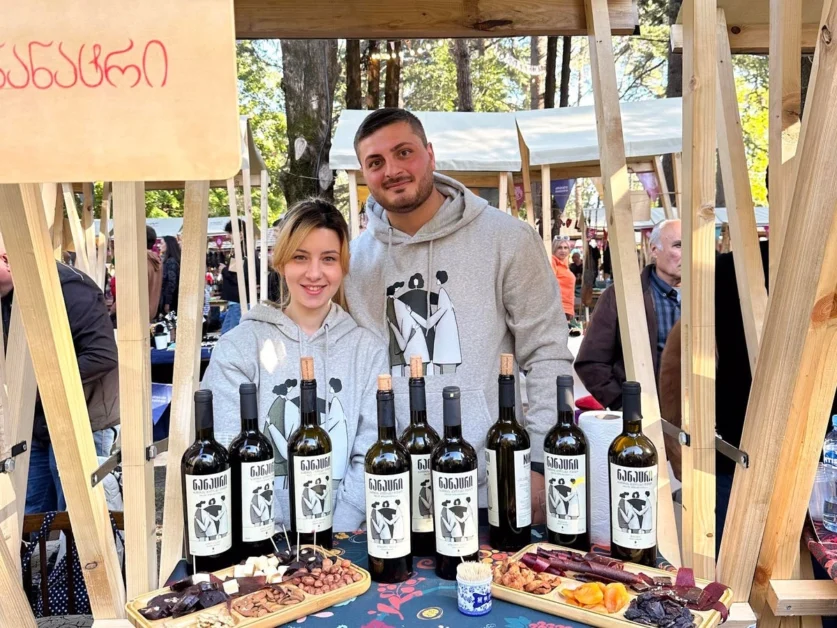
of life in Georgia, deeply rooted in its culture, history, and traditions. The country’s long-standing love affair with wine has not only survived but thrived, even under the Soviet regime that lasted over six decades.
Visiting Georgia and attending the Gurjaani Wine Festival provided me with a firsthand understanding of the integral role wine plays in Georgian society. It was an opportunity to immerse myself in the local customs, experience the vibrant atmosphere, and truly appreciate the connection between the people and their wine.
Unlike simply visiting wineries, the festival offered a more comprehensive insight into Georgian culture. It was akin to attending a county fair, where one can observe everyday life, witness interactions between people, and get a taste of the traditional foods and wines that define the region. It was a feast for the senses, allowing me to witness the artistry of winemaking and sample some of the best wines from local producers.
As a guest of the Georgian National Tourism Administration, I had the privilege of being part of the Gurjaani Wine Festival, which celebrated the rich heritage and diversity of Georgian wine. With over 500 indigenous grape varieties, Georgia offers a playground for wine enthusiasts seeking to expand their repertoire. The festival was a perfect platform for those ambitious enough to join the Wine Century Club, where one aims to taste at least 100 different grape varieties.
The festival took place in Akhtala Park, a sprawling forested area that served as a backdrop for cultural exhibitions, musical performances, art and handicraft vendors, and culinary pavilions. It was a melting pot of Georgian traditions, where locals and tourists alike could come together to celebrate their shared love for wine.
Wandering through the festival, I indulged in not only the wines but also traditional Georgian delicacies. From the churchkhela, a candied walnut treat dipped in grape must and flour, to the freshly baked Kakhetian shoti bread, every bite was a testament to the country’s culinary creativity and heritage.
At the festival, there was a wide range of wines, from small homemade productions to those ready for export. However, the focus was not solely on assessing the quality of the wines but rather on embracing the overall experience. It was about savoring grilled meat, sampling local cheeses, engaging in conversations with fellow wine enthusiasts, and surrendering to the lively energy that permeated the event.
As the night drew to a close, I found myself drinking wine from a traditional khantsi, an ornamental goat horn, alongside the designated tamada, the toastmaster responsible for leading the festivities. While I may have paid the price the next morning with a throbbing headache, the joy and warmth of Georgian hospitality made it all worth it.
Georgia’s claim to being the birthplace of wine is backed by scientific evidence, including fossilized grape pips and ancient Qvevri remains dating back thousands of years. The tradition of winemaking, coupled with the unique Qvevri vessels used in the fermentation process, has earned Georgia the prestigious UNESCO title of Intangible Cultural Heritage.
In conclusion, my visit to the Gurjaani Wine Festival gave me a profound appreciation for the deep connection between wine and Georgian culture. It reinforced the notion that experiencing a place firsthand, engaging with its people, and embracing its traditions are essential to truly understanding and appreciating its essence. Georgia’s wines may not be mainstream in America yet, but they have undoubtedly made a lasting impression on those fortunate enough to taste the rich heritage and passion behind each bottle.
Step into Gurjaani, a vibrant town nestled in the heart of the picturesque Kakheti region of Georgia. Known for its rich winemaking heritage, Gurjaani offers a unique experience for wine enthusiasts seeking a deeper connection to the local culture. And what better way to delve into this world than by attending the renowned Gurjaani Wine Festival?
Picture this: a sunny day, the air filled with the sweet aroma of grapes, and the streets buzzing with excitement. As you step foot in Gurjaani, you can feel the energy and passion that radiates from every corner. This is a place that takes great pride in its winemaking traditions, and the Wine Festival is the perfect embodiment of that.
The festival itself is a magnificent celebration of all things wine. Vineyards and wineries, both big and small, gather to showcase their finest vintages. As you stroll through the festival grounds, you’ll be captivated by the myriad of flavors and aromas that waft through the air. From crisp whites to bold reds, there is a glass for every palate.
But the Gurjaani Wine Festival is not just about sampling exceptional wines. It’s a journey that will immerse you in the history, culture, and traditions of winemaking in Georgia. Take a moment to appreciate the craftsmanship that goes into every bottle. Learn about the unique qvevri method, an ancient winemaking technique that involves fermenting wine in clay pots buried underground.
As you explore the festival, you’ll have the opportunity to engage with local winemakers and hear their stories. Their passion for their craft is infectious, and you’ll find yourself drawn into conversations that go beyond mere tasting notes. They will regale you with tales of generations-old winemaking secrets handed down through their families, a true testament to the deep-rooted winemaking heritage of the region.
One highlight of the festival is the traditional Georgian feast, known as supra, where you’ll have the chance to experience the famous tamada. The tamada is like the conductor of a symphony, leading the toasts and keeping the spirits high. This ancient tradition of toasting is ingrained in Georgian culture, and it’s a beautiful way to bond with new friends over a glass of wine.
As the festival draws to a close, and you bid farewell to the picturesque town of Gurjaani, a sense of enchantment lingers. The memories made, the connections forged, and the flavors experienced will stay with you long after you leave. And you’ll find yourself already planning for more toasts in the year ahead, eagerly anticipating your next journey to this wine lover’s paradise.
So, if you’re a wine enthusiast seeking more than just a taste, make your way to Gurjaani and immerse yourself in its truly unique winemaking culture. Join the Gurjaani Wine Festival and let the spirit of Georgia’s winemaking heritage enchant your senses. Cheers to a memorable experience that will leave you with a newfound appreciation for the art of winemaking.
This acquisitive player in the wine industry aims for market leadership by adding to its offerings before the gifting season in Q4.

Join Splash Wines on its mission bringing wine to every door by investing in them here!
EAGLE, ID / ACCESSWIRE / October 25, 2023 /
In the vast landscape of the wine industry, one company is making huge strides towards becoming a market leader – Splash Wines. With a strategy of acquiring key competitors, Splash Wines aims to solidify its position as a dominant force in the industry. The current wine market is fragmented, with no clear leader, which presents an opportune space for Splash Wines to consolidate its presence and emerge as a frontrunner.
Founded in 2014, Splash Wines is a family business with three generations of experience in the wine industry. Over the past 15 years, the company has been at the forefront of the internet wine industry, establishing itself as a prominent player in the Direct-to-Consumer (D2C) space. By selling directly to consumers, Splash Wines eliminates the need for middlemen and offers wines at competitive prices.
With a customer base of over 800,000 and exceptional TrustPilot ratings, Splash Wines prioritizes customer satisfaction and loyalty. The company distinguishes itself from others by providing exceptional customer service. It values personal interactions and does not rely on chatbots or automated messages when communicating with customers.
Splash Wines has experienced significant growth in recent years, tripling its revenue in just three years. In 2022, the company reached $30 million in revenue and has set an ambitious goal of reaching $50 million by 2025.
In its quest for market consolidation, Splash Wines made its first major move by acquiring Wine Awesomeness last year. This acquisition not only added $1.5 million in annual revenue but also expanded Splash Wines’ reach into new markets, creating fresh opportunities for growth and innovation.
Building upon this success, Splash Wines recently announced the acquisition of Vine Oh!, a company specializing in wine gifting. This strategic partnership enhances Splash’s offerings by tapping into the lucrative gift subscription box space. With Vine Oh!’s expertise and connections, Splash can leverage its consumer-facing approach and integrate it with its operations, enhancing areas such as ready-made gifting.
Another significant acquisition by Splash Wines is JA Imports. By acquiring JA Imports, a company that is an importer, national wholesaler, and holder of a California Winery License, Splash Wines strengthens its compliance position and gains the flexibility to expand its production facilities within the United States. This highlights the company’s commitment to domestic growth in the upcoming year. Additionally, the acquisition unlocks various partnership opportunities, including potential collaborations with QVC and other partners, further expanding Splash’s network.
These acquisitions mark significant milestones in Splash’s journey towards becoming an industry leader. By integrating companies like Wine Awesomeness, Vine Oh!, and JA Imports, Splash aims to unlock new synergies, tap into untapped markets, and elevate its offerings to a wider customer base. The company’s commitment to making acquisitions a key focus of its Start Engine raise further emphasizes its vision for growth and innovation as it solidifies its position within the industry.
Splash Wines is trailblazing a path in the wine industry with its strategic acquisitions, consolidating the market, and positioning itself as a leading player. Each acquisition contributes unique value to the company, whether it’s in terms of revenue generation, market expansion, compliance strength, or the ability to unlock key partnerships. As Splash Wines integrates these companies into its operations, it strengthens its position as an innovative force in the wine industry.
If you’d like to be a part of Splash Wines’ growth journey, bringing wine directly to the doorstep, click here to invest in Splash Wines.
Featured photo by Hermes Rivera on Unsplash.
Contact:
Garrett Imeson
garrett@splashwines.com
SOURCE: Splash Wines, Inc
View source version on accesswire.com: https://www.accesswire.com/796258/consolidation-in-the-wine-industry–this-acquisitive-player-has-added-to-its-offerings-ahead-of-q4s-gifting-season-as-it-aims-for-market-leadership
You have the opportunity to purchase this Wine Advent Calendar at a discounted price, and it consistently sells out every year.
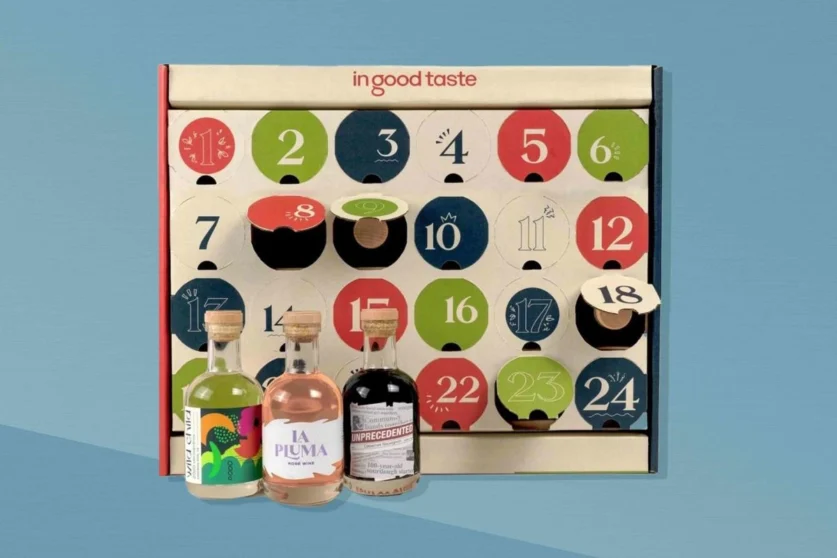
Are you looking for a fun way to count down to the holidays? Advent calendars are not just for kids anymore. Forget about the traditional ones filled with candy or toys. This year, why not try something a little more sophisticated? How about a wine advent calendar?
If that sounds appealing to you, then you’re in luck because the popular In Good Taste 2023 calendar is back in stock. And to make it even better, it’s currently on sale. With the code SPOOKYDEAL, you can get $18 off the regular price. But you need to act fast, as the sale only lasts until October 28.
What sets this advent calendar apart is the variety it offers. Each night, you get to try a different wine sourced from France, Italy, Spain, Portugal, or California. The regional differences and grape varieties make it a fun and educational experience. From light and crisp whites like Sauvignon Blanc to rich and dark varieties like Montepulciano, there is something for every palate.
Each bottle in the calendar contains 187 milliliters of wine, which is just a bit over a 6-ounce glass. And at just over $5 per bottle with the discount, it’s an affordable way to try a variety of wines. You can sip on them as a nightcap or even split them with loved ones for a daily tasting.
To enhance your tasting experience, the calendar also provides a daily email with information about each wine. This can help you pair the wines with snacks or meals or simply learn more about their characteristics.
Customers who have purchased the calendar in the past have raved about their experience. It’s a cute and fun way to try different wines during the holiday season. Some even gave it as Christmas gifts and it was a big hit with their friends and family. In fact, it was such a hit that everyone requested the calendar again this year.
So don’t miss out on this perfect 24-day wine tasting experience. Get your hands on In Good Taste’s advent calendar now while you can still take advantage of the discount. Not only will you secure your calendar before it sells out, but it will also ship out the first week of November, just in time for the holidays.
Cheers to a festive and delicious countdown to Christmas!
This wine connoisseur can’t get enough of the Sonoma Crest cabernet, according to Phil Your Glass.
An Affordability Surprise: A Wine That Keeps You Coming Back for More
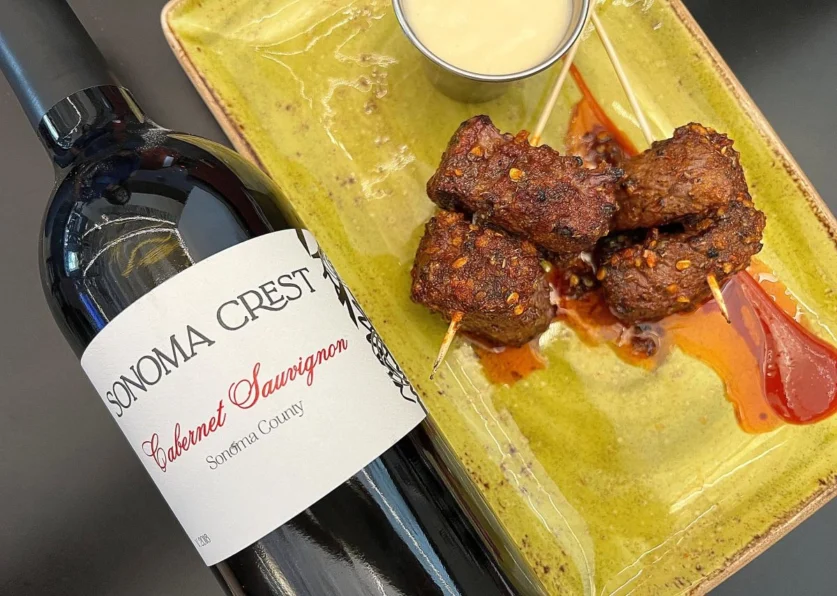
In my recent quest to explore the world of wines, I stumbled upon a pleasant discovery that shattered my preconceived notions about price dictating quality. It all started when I had the chance to revisit the Sonoma Crest cabernet at the renowned Crave in downtown Akron.
A month ago, I had a taste of this wine at a trade show in Cleveland, and its flavors lingered in my memory. Intrigued, I wanted to witness if it was truly as delectable as I had imagined. To accompany the wine, I opted for the $14.50 steak skewer appetizer, accompanied by an unbelievably delicious manchego cheese fondue dip.
While the fondue elevated the pairing experience, it was the wine itself that truly captivated me with its beautiful black raspberry flavors. And the best part? This remarkable cabernet only costs $16.99. It’s no secret that Sonoma delivers some incredible values, and this bottle is a testament to that fact. In a different setting, with the grapes sourced from the other side of the Mayacamas Mountains, it could easily command a price tag of $25 or more.
Keen on taking my taste test a step further, I conducted another round of sampling at my home office. I discovered that the rich, buttery flavor of Castelvetrano olives provided the perfect accompaniment while I sliced a few pieces of Parma Brand chorizo from the Market District in Cuyahoga Falls. Additionally, the Prairie Breeze cheese from Milton Creamery emerged as a delightful partner to this wine, especially if you managed to grab a chunk from Western Reserve Wines in Solon, as I recommended last week.
Feeling adventurous, I decided to experiment with the wine further. I fired up the barbecue and grilled a couple of cowboy chops from Al’s Quality Meats. To my delight, this combination emerged as the perfect encore pairing for the night, further enhancing my appreciation for the Sonoma Crest cabernet.
For those intrigued to try this wine themselves, you can find it at various locations, namely Crave in downtown Akron, Beau’s Market in Copley, Krieger’s Market in Cuyahoga Falls, Cornerstone Market in Munroe Falls, Mustard Seed Market in Montrose, Western Reserve Wines in Solon, Fishers Foods on Fulton Drive NW in Canton, and Buehler’s in Canton.
As a bonus, I have exciting news for wine enthusiasts in the area. The 7th annual Feast of the 7 Delicious wine tasting event will take place from 6-9 p.m. on December 7th at the Fairlawn Hilton. Chef Beau Schmidt will be creating small plates to perfectly complement the seven special wines featured. Attendees will also have the opportunity to sample Great Lakes Christmas Ale and explore 40 other select wines, along with a cash bar. The cost for this experience is $45, and more details will be available soon.
In conclusion, the Sonoma Crest cabernet has proven to be a delightful surprise. Its affordable price tag combined with its captivating flavors make it a wine worth revisiting time and again. I urge you to give it a try and discover the joys of a quality wine that doesn’t break the bank.
For more wine recommendations and insights, feel free to reach out to me at philyourglass@gmail.com or follow me on Instagram @pmasturzo_philyourglass.
More: [Sardinian Vermentino is perfect for shrimp boil and clambake season | Phil Your Glass](link)
More: [A great Hungarian red wine? You bet your sweet Tokaji | Phil Your Glass](link)
This article originally appeared on [Akron Beacon Journal](link): Sonoma Crest cab elevates a meat-and-cheese combo | Phil Your Glass
A wine that is 5,000 years old has been discovered in the tomb of an Egyptian queen.

**Unearthing the Secrets of Queen Meret-Neith’s Tomb: A Wine Lover’s Paradise**
Getty Images
Over a century ago, archaeologists stumbled upon the tomb of Queen Meret-Neith, a powerful Egyptian royal who may have been the first female pharaoh. However, even after all these years, mysteries still surround the queen and her burial site. Thanks to a team of German and Austrian archaeologists from the University of Vienna, we are now closer to unraveling some of these mysteries as they continue to excavate her extensive and intricate tomb. And what they have discovered so far has been truly surprising – an abundance of wine.
Just recently, the team unearthed a vast collection of grave goods that were buried with Queen Meret-Neith. Among these treasures were hundreds of well-preserved wine jars. What is even more remarkable is that many of these jars were still sealed, and some even contained remnants of the 5,000-year-old wine. It is simply astonishing to think that we are able to catch a glimpse into the lives and actions of people from five millennia ago by examining these meticulously preserved artifacts.
Christiana Köhler, the lead archaeologist from the University of Vienna, expressed her astonishment at the detail they have encountered during their investigations. The perfectly preserved grape seeds, crafts, and footprints in the mud have all contributed to painting a vivid picture of what life was like in ancient times. It is an opportunity for us to connect with the past and appreciate the rich history that lies within these intriguing finds.
Not only is this discovery significant in shedding light on the ancient Mediterranean and North African wine production, use, and trade, but it also has the potential to enhance our understanding of the flavors and ingredients of the wine from that era. Emlyn Dodd, a researcher from the Institute of Classical Studies, emphasizes the impact that analyzing the residues left inside the jars could have on revealing the chemical composition and flavor profile of the wine.
While the inscriptions found in Queen Meret-Neith’s tomb suggest her involvement in leading the treasury and other central government offices, her true identity still remains unconfirmed. Nonetheless, we can only imagine that she possessed a great appreciation for wine, considering the abundant evidence of wine in her burial site.
As the archaeological team continues to explore and excavate the vast expanse of Queen Meret-Neith’s tomb, we eagerly await further revelations and discoveries. Each artifact brings us closer to unraveling the enigma of this ancient queen and her significance in history.
For more intriguing stories related to food and wine, don’t forget to sign up for our newsletter!
Original article by Food & Wine.
According to the International Wine and Spirits Competition, the best wines in the world are…

Savoring the Essence of Excellence: The IWSC Wine Trophy Awards
Step into the world of luxury and indulge in the finest wines from around the globe. Every year, the International Wine and Spirits Competition (IWSC) gathers the crème de la crème of wine winners from various categories to determine the best of the best. Think of it as a captivating all-star edition of the most exceptional vintages, all competing for the highly coveted Wine Trophy Awards.
The IWSC follows a dual judging approach to connect with the ever-evolving wine world. The first is a traditional event where producers ship their wines for a panel of international judges to taste. The second facet of the competition is the unique “in situ” judging. Teams of judges are dispatched to the field to taste wines on-site, uncovering hidden gems in unlikely places. Every year, the selection of regions for “in situ” judging changes, adding an element of surprise to the competition.
In 2023, the IWSC embarked on a journey through Turkey, Argentina, South Africa, Georgia, and Australia, with a particular focus on the prestigious Margaret River appellation. Among the 7,000+ wines tasted, gold, silver, and bronze medals were bestowed upon remarkable bottles. These accolades alone are a cause for celebration for many wineries. However, only the gold medal winners advance to the final round of tastings to compete for the ultimate honor – a Wine Trophy.
This year’s lineup of twenty-four trophy-winning wines is truly diverse. Among them are five sweet/fortified wines, fourteen still wines (including five white, eight red, and one orange), and five sparkling wines. Wine enthusiasts and collectors should make haste in seeking out these exceptional bottles, as they represent the pinnacle of winemaking expertise.
Several regions excelled in the competition, with Australia and South Africa leading the way, securing four and three trophies respectively. Of particular note was Turkey, which, for the first time in the IWSC’s 54-year history, claimed a well-deserved trophy. The IWSC applauded the exceptional quality of the wines tasted this year, declaring it one of their finest selections in recent memory.
Without further ado, let’s unveil the twenty-four trophy winners:
Sparkling Wines:
– De Saint-Gall Orpale Grand Cru Blanc de Blancs Brut 2008
– Rare Champagne Rosé Brut 2012
– Piper-Heidsieck Brut 2014 (Magnum)
– Carpenè Malvolti 1868 Rive Di San Pietro Di Barbozza Brut 2021
– RAIMES English Sparkling Classic Brut 2018
Sweet/Fortified Wines:
– D’Oliveiras Tinta Negra 1995
– D’Oliveiras Malvazia 2009
– Bodegas Fundador Palo Cortado Medium Blend VORS NV
– González Byass Noé VORS Pedro Ximénez NV
– Inniskillin Icewine Riesling 2021
Red Wines:
– Clairault Estate Cabernet Sauvignon 2020
– Passel Estate Lot 71 Reserve Syrah 2018
– Evans & Tate Redbrook Estate Cabernet Merlot 2020
– A.G. Oatley Wines Robert Oatley The Pennant Cabernet Sauvignon 2018
– Bodegas Bianchi Gran Famiglia Corte 2020
– Antigal Winery & Estates Aduentus Cabernet Franc 2019
– Corporation Georgian Wine Akido Mukuzani 2021
– Akberg Wines Akberg Lethe Ercis Karasi 2021
White Wines:
– Leo Buring Leonay Mature Release Riesling 2017 from Eden Valley
– Mont Rochelle Miko Chardonnay 2018
– Capensis Wines Capensis Silene 2021
– Distell Limited Durbanville Hills The Tangram White Blend 2020
– Weingut Johann Schneeberger Kittenberg Sauvignon Blanc 2021
Orange Wine:
– Chelti Winery Qvevri Kisi 2020
These wines represent the epitome of craftsmanship and excellence in winemaking. Each bottle is a masterpiece, meticulously crafted to capture the essence of its origin and delight the senses of those fortunate enough to indulge.
The IWSC Wine Trophy Awards not only celebrate exceptional wines but also highlight the ever-evolving nature of the wine world. With its “in situ” judging approach, the competition unearths remarkable wines from unexpected locations, promising delightful surprises for wine connoisseurs.
Raise a glass to the remarkable journey that each wine took to claim its trophy. These wines are not merely liquid in a bottle but rather the embodiment of passion, skill, and dedication. Let them transport you to the beautiful valleys, rolling vineyards, and sun-kissed landscapes from which they hail.
As you savor each sip, remember that you are experiencing the pinnacle of winemaking artistry – a taste of perfection. Cheers to the IWSC Wine Trophy Awards and the wineries that have achieved the highest honor in the wine world.
Is there truly a desire among American consumers for ingredient and nutrition labeling on wine?

Searching for ingredients and nutrition information on a wine label has not been a legal requirement in the United States. However, there is growing speculation about whether similar regulations to those enacted by the European Union will be introduced in the U.S. In order to determine consumer attitudes towards wine ingredient and nutrition labeling, the Wine Market Council conducted a study in partnership with Merrill Research. The survey gathered responses from 1,005 U.S. wine consumers in November 2022.
According to Christian Miller, Research Director for the Wine Market Council, the study revealed that a significant percentage of consumers believe that ingredient lists should be included on wine labels. Specifically, 38% of respondents felt that wine should have ingredient lists, while 42% believed that beer should have them. Hard seltzers and RTD (ready to drink) cocktails garnered even higher percentages, with 57% and 60% of consumers advocating for ingredient lists, respectively. Interestingly, consumers perceived wine to have the fewest ingredients compared to beer, with RTD cocktails being perceived as having the most ingredients.
The study also explored consumers’ views on nutrition labeling for wine. Currently, only 25% of U.S. consumers think that nutrition information should be included on wine labels. However, this percentage rises to 33% among consumers below the age of 40. When asked about the specific nutrition information they were interested in, respondents prioritized calories, followed by the amount of sugar and carbohydrates in the wine. Surprisingly, nearly 50% of consumers believed that wine contained high levels of added sugar. In reality, most wines do not have any added sugar. During the fermentation process, yeast consumes the naturally occurring sugar in grapes, leading to a dry wine. Even semi-sweet and sweet wines derive their sweetness from natural grape sugars or grape concentrate.
The study also highlighted consumers’ confusion regarding the number of calories in wine. Approximately 38% of respondents estimated a “typical restaurant serving of wine” to be between 100 and 149 calories, while 23% believed it to be 200 calories or more. Contrary to these estimations, a 5-ounce glass of dry white wine typically contains around 120 calories, and red wine averages 125 calories, with both having approximately 4 grams of carbohydrates, as per the USDA Food database.
These findings underscore the need for the wine industry to improve its communication about the absence of added sugar in most wines, as well as the lower calorie and carbohydrate content compared to consumer perceptions. The push for ingredient and nutrition labeling in the alcohol industry is primarily driven by the increasing demand for health-conscious products and transparency, particularly among younger consumers. Additionally, there have been legal actions against wineries that use ingredients potentially causing allergic reactions or violating specific diets, such as veganism. For instance, some wineries still employ egg whites for fining, which may pose an allergen risk and is incompatible with a vegan diet. Lawsuits have been filed to demand the listing of ingredients.
Alcoholic beverages are exempt from ingredient and nutrition labeling requirements, as they fall under the jurisdiction of the TTB (Tax, Trade & Bureau) rather than the FDA (Food & Drug Administration). However, given the mounting consumer pressure and the new E.U. regulation mandating such labeling for wine, experts predict that the U.S. could see a change in its regulations soon. Although incorporating ingredient and nutrition information on wine labels would present logistical challenges, updating labeling practices would align with the industry’s evolving landscape and consumers’ increasing interest in transparency and health-related information.
Why Wine Labeling Matters: The Pros and Cons of Providing Ingredient and Nutrition Information
For many years, the United States has allowed labels and packaging on food and beverages, including wine, to include information about their ingredients and nutritional content. However, despite this allowance, most wineries have chosen not to provide this information on their labels. In this blog post, we will explore the reasons behind this decision and discuss the potential benefits and drawbacks of providing ingredient and nutrition labeling on wine packaging.
One of the main reasons why wineries have been hesitant to include this information on their labels is the added cost and administrative burden. Redesigning labels and packaging to meet the requirements of including ingredient and nutrition information can be expensive and time-consuming. Additionally, any label changes must be approved by the TTB (Alcohol and Tobacco Tax and Trade Bureau), further adding to the time and effort needed for compliance. Even though QR codes have been suggested as a possible solution, a study conducted by the Wine Market Council revealed that older consumers (aged 60+) were less in favor of this technology compared to younger consumers (aged 21-29). This highlights a potential technology gap between generations, making QR codes less reliable as a universal solution.
Another concern is the need to document all the ingredients added to wine. While most small wineries only add a few ingredients, such as grapes, yeast, yeast food, and sulfur dioxide as a preservative, there are instances when approved additives may be required due to challenging weather conditions during the grape-growing process. Currently, the TTB allows around 75 additives in wine. However, some consumers may find it distressing to see a longer list of additives than they expected, potentially affecting their perception of the wine’s quality.
Despite these drawbacks, there are several positive aspects to providing ingredient and nutrition labeling on wine packaging. A major advantage is the ability to correct consumer misconceptions about added sugar and high-calorie content. Many consumers are concerned about their health and want to make informed choices about what they consume. By including this information on labels, consumers can feel more comfortable and safe knowing that most wines have no added sugar, are relatively low in calories and carbs, and are made primarily with a few simple ingredients, mainly grapes. For example, Scheid Family Wines, the maker of “Sunny with a Chance of Flowers,” decided to provide nutrition labeling on their wine brand to satisfy the curiosity of today’s consumers and build brand loyalty.
Another benefit is the increased safety for consumers with allergies or dietary restrictions. By including information about fining agents such as albumen (egg whites), casein (skim milk), and Isinglass (fish) on the label, consumers who are allergic to these ingredients can avoid wines that may cause adverse reactions. Similarly, consumers on strict vegetarian or vegan diets can be made aware of any animal-derived substances used in the winemaking process. Early adopters of ingredient labeling, such as Bonny Doon Vineyard, have emphasized the ethical obligation to accurately represent the wine’s contents for individuals with medical, personal, or religious reasons to avoid certain additives.
Moreover, providing ingredient and nutrition labeling on wine packaging can potentially lead to increased sales. The wine industry has been facing market share losses to spirits, especially to ready-to-drink (RTD) cocktails that often include information about their calories and carbs. By providing this information on wine labels, consumers can feel more confident about their purchases and make choices that align with their health goals. It’s worth noting that wineries hoping to export their products to the European Union (EU) will need to comply with ingredient and nutrition labeling regulations anyway. Therefore, implementing this labeling practice could be seen as a proactive strategy to align with international requirements and potentially capture a larger market share.
Fortunately, the TTB is aware of the industry’s concerns and has announced the opening of an online public comment forum on the topic of ingredient labeling for distilled spirits, wines, and malt beverages. This forum will provide an opportunity for consumers and industry professionals to share their opinions and perspectives on this issue. According to Tom Hogue, TTB Spokesperson, the forum will remain open for several months to ensure comprehensive data collection.
In conclusion, providing ingredient and nutrition labeling on wine packaging is a topic that has both pros and cons. While there are administrative costs and challenges associated with implementing this practice, it offers numerous benefits such as correcting consumer misconceptions, improving allergen safety, and potentially increasing wine sales. As the TTB opens the discussion through the online comment forum, it will be interesting to see how consumers and the wine industry perceive and respond to this issue. Whether or not wineries decide to adopt ingredient and nutrition labeling, the focus should ultimately be on meeting consumer demands for transparency and empowering them to make informed choices about the products they consume.
Introducing the Crucial Phases of Rulemaking: Embracing Uncertainty in the Pursuit of Better Regulations
Embarking on the arduous journey of rulemaking is akin to navigating through a maze with hidden twists and turns. Often, the path to implementing effective regulations is fraught with unexpected challenges, making it impossible to predict the exact timing of its completion. As we delve into the captivating world of rulemaking, let us unravel the intricate process and acknowledge the various factors that influence the timeline of this intricate dance between policymakers, stakeholders, and unforeseen events.
Phase 1: The Call to Action
Every rulemaking effort commences with a pressing societal need or a significant policy change. This catalytic moment propels lawmakers into action, igniting the spark of change. Whether it be environmental protection, consumer safety, or financial regulation, the call to action sets the stage for an intricate process of transforming ideas into tangible policies that ensure the greater good.
Phase 2: Crafting the Blueprint
With the mission defined, policymakers dive deep into research, consultation, and crafting a comprehensive blueprint. This phase involves engaging with subject matter experts, conducting thorough investigations, and analyzing potential impacts. As the puzzle begins to take shape, the scope of the rulemaking endeavor begins to crystallize, leading to the creation of draft proposals that undergo a rigorous evaluation process.
Phase 3: Public Involvement
Inclusivity is key when it comes to shaping regulations that affect a wide range of stakeholders. This phase invites public involvement, enabling individuals, businesses, organizations, and experts to contribute their perspectives. Public comments, open forums, and public hearings play a vital role in refining proposed regulations, ensuring that all voices are heard and considered. This intricate dance ensures that the final outcome reflects the collective wisdom of those most affected by the rule.
Phase 4: The Challenging Timeline
Much like the tides of the sea, the timeline of rulemaking is subject to ebbs and flows. The interplay between competing priorities, budgetary considerations, and unforeseen events can significantly impact the speed at which regulations are finalized. While it is human nature to yearn for a fixed timeline, embracing the uncertainty inherent in this process is vital. By doing so, we acknowledge the unpredictable nature of this journey and pave the way for meticulous deliberations that lead to robust and effective regulations.
Phase 5: Navigating Unforeseen Events
Life often throws unexpected curveballs, and the world of rulemaking is no exception. Budgetary constraints, changes in political climate, legal challenges, or emergencies can throw a proverbial wrench in the machinery of rulemaking. As we sail through these unforeseen events, adapting and recalibrating becomes imperative. While they may cause delays or deviations, these events present opportunities for reassessment, ensuring the regulations are equipped to address a changing landscape.
Phase 6: Moving Forward
After countless hours of research, consultation, revision, and adaptation, a final rule emerges from the labyrinth of rulemaking. While the exact timing of this moment may remain elusive, the process is designed to safeguard the interests of all stakeholders and to produce regulations that enact positive change. The final rule represents the culmination of collective efforts, where compromises are made, and the greater good is pursued.
Phase 7: Embracing Continuous Improvement
Regulatory work is fluid and never truly concludes. Even after a regulation is finalized, it remains open to evaluation, learning, and improvement. Periodic reviews and assessments ensure that regulations stay relevant, effective, and responsive to the needs of society. By adopting an open mindset and embracing the potential for evolution, we affirm our commitment to pursuing better regulations and creating lasting positive impacts.
In conclusion, the process of rulemaking is a complex and intricate dance, subject to the whims of competing priorities and unforeseen events. While we may yearn for fixed timelines, accepting the inherent uncertainty allows for meticulous deliberations that lead to well-informed regulations. By embracing this uncertainty as a catalyst for continuous improvement, we can navigate the ever-changing landscape of rulemaking and ensure the harmonious coexistence of policies and progress.
According to wine experts, these are the absolute best wine glasses.

Elevate Your Wine Drinking Experience with the Best Wine Glasses
When it comes to enjoying a good bottle of wine, the vessel you drink from can make all the difference. Sure, any old goblet or tumbler can do the job in a pinch, but if you truly care about the wine you drink, investing in the best wine glasses is a must.
Not only do the best wine glasses enhance the aroma and flavor of full-bodied reds and dry whites, but they also add a touch of luxury to your drinking experience. Whether you prefer red, white, or sparkling wine, there is a wide variety of wine glasses available to match your taste and decor preferences.
According to sommelier Art DeCaro, director of training and cellar master for Waters Edge Wineries, choosing the right wine glass can emphasize the aspects and personality of a specific style of wine. Some glasses are universal, while others are designed for specific varietals like bordeaux, chardonnay, and champagne. It’s essential to select the correct wine glass style that will allow your favorite varietal to be enjoyed to its fullest potential.
Consider factors like durability, price, and size when selecting wine glasses. To help you make the right choice, we’ve compiled a list of the best wine glasses recommended by top wine experts:
1. Gabriel-Glas One for All Crystal Wine Glass
– Material: Lead-free crystal
– Capacity: 16 ounces
– Dishwasher safe: Yes
– This elegant and durable glass is suitable for a wide range of varietals. It enhances the beauty of everything from champagne to bordeaux, making it a favorite amongst wine experts.
2. Riedel Vinum Crystal Cabernet Wine Glass
– Material: Crystal
– Capacity: 21.5 ounces
– Dishwasher safe: Yes
– Riedel’s Vinum line is known for its grape varietal-specific collection. Made from crystal, the Cabernet glass is perfect for full-bodied reds like bordeaux and merlot.
3. Zwiesel Tritan Crystal Stemmed Wine Glass
– Material: Tritan crystal
– Capacity: 13.8 ounces
– Dishwasher safe: Yes
– Designed for white wines like sauvignon blanc, pinot gris, riesling, soave, and chablis. This glass’s sleek design allows the aromas to be captured and delivers a refreshing wine drinking experience.
4. Riedel Glass Wine Tumbler
– Material: Glass
– Capacity: 11.3 ounces
– Dishwasher safe: Yes
– Perfect for everyday use, these wine tumblers offer a durable alternative to traditional stemware. Riedel is known for its functional wine glasses, and this tumbler set is no exception.
Upgrade your wine glassware and enhance your wine drinking experience with these top recommendations from the experts. Cheers!
**Thinking Outside the Glass: A Unique Take on Wine Glass Options**
When it comes to enjoying a glass of wine, the vessel you choose can greatly impact your overall experience. From enhancing the flavors and aromas to providing the perfect pour, the right wine glass can make all the difference. But why settle for conventional options when there are so many unique and innovative choices available? In this blog post, we will explore some alternative wine glass options that will elevate your wine-drinking experience to a whole new level.
Let’s start with a stunning option from Mark Thomas. This handblown Double Bend Allround glass is made from lead-free crystal and features a modern design that enhances the characteristics of any wine. Not only does it allow full-bodied reds and dry whites to express their complex flavors and aromas, but it also serves as a handy measuring tool for the perfect pour. With its double-bend design, the first bend is for wine tasting, while the second bend is for a standard pour. This glass truly embodies elegance and functionality.
If you frequently indulge in prosecco or other sparkling wines, crystal flutes are a must-have. The tulip flute, in particular, is a great choice as its long stem allows you to avoid warming up the chilled wine. The wider middle of the tulip helps create more surface area for the bubbles to form and express the wine’s aromatics. For a more professional option, the angular Stolzle Lausitz Quatrophil Champagne Glass is a perfect choice. Its elegance and durability make it a top pick for wine enthusiasts.
For those who love their red wine, Crate & Barrel offers an oversized glass that can hold an impressive 31 ounces. This large red wine glass not only adds a touch of regality to your wine-drinking experience, but its capacity also saves you from frequent refills. And when the party’s over, simply pop it in the dishwasher for a hassle-free cleanup.
If you’re looking for an eye-catching glass that adds a pop of color to your wine-drinking routine, Estelle Colored Glass has got you covered. Handblown by artisans in Poland, each piece in this collection comes in a beautiful jewel tone. Whether you prefer stems or stemless, Estelle offers sets of six glasses that are guaranteed to make a statement at any celebration. Just remember, these pieces are not dishwasher safe, so a little extra care is required.
For the ultimate wine connoisseur, a comprehensive set of glasses is a must. Riedel, known for their quality stems and glasses, offers a 12-piece set that covers all the bases. With four red wine, four white wine, and four champagne glasses made from fine crystal, this collection is not only dishwasher friendly but also a fantastic entry-level option for any home.
Sometimes, enjoying a glass of wine is all about convenience and relaxation. For those care-free occasions, a lightweight plastic wine glass is the perfect choice. Made from BPA-free plastic, this popular set of four comes in both 12- and 20-ounce sizes and is dishwasher safe. It’s the ideal companion for picnics in the park or lazy days by the pool.
And last but not least, for those wine lovers constantly on the go, BrüMate offers an insulated tumbler made from stainless steel. With a 14-ounce capacity, this tumbler can hold up to half a bottle of wine and keep it at the perfect temperature for hours. Say goodbye to worrying about your wine getting warm while you’re out and about.
In conclusion, the options for wine glasses are endless, and thinking outside the box can lead to a truly unique and elevated wine-drinking experience. Whether you prefer lead-free crystal, fine crystal, glass, plastic, or stainless steel, there is a wine glass out there to suit every preference and occasion. So next time you pour yourself a glass of your favorite varietal, why not choose a glass that adds a touch of character and enhances every sip? Cheers to thinking outside the glass!
Introducing the Ultimate Travel Companion: A Water Bottle That Defies the Laws of Leakage!
Have you ever experienced the dreaded water bottle leakage in your bag? You know, that moment when you reach for your trusty hydration companion, only to find a pool of water ruining everything inside? We’ve all been there, and it’s not a pleasant experience.
But fear no more! We have discovered the holy grail of water bottles – one that comes with a leakproof lid for easy transport. Yes, you read that right: leakproof. This innovative design ensures that not a single drop of precious hydration escapes, no matter how bumpy your journey may be.
What sets this water bottle apart from the rest is not just its leakproof lid, but also its remarkable variety of colors and patterns. Say goodbye to boring, monotonous water bottles and hello to a vibrant, personalized accessory that reflects your unique style. With an array of options, you can find the perfect match for any outfit or occasion.
And that’s not all! This incredible water bottle brand is so confident in the quality of their product that they offer a limited lifetime warranty. Yes, you heard correctly – a warranty that lasts a lifetime. This commitment to customer satisfaction and product durability truly sets them apart from the competition.
Imagine a world where you can confidently carry your water bottle in your bag, knowing that it will never leak and ruin your belongings. Picture yourself sipping on refreshing hydration from a bottle that perfectly matches your personal style. Envision the peace of mind that comes with a lifetime warranty, knowing that your investment is protected.
Say goodbye to water bottle woes and embrace the revolution of leak-free hydration. Don’t settle for mediocre bottles that fail to meet your needs and expectations. Upgrade to the ultimate travel companion today and experience the difference for yourself.
Remember, hydration is essential, but why not make it a stylish affair while ensuring utmost convenience? Choose the brand that offers the perfect blend of functionality, fashion, and peace of mind. Choose the water bottle that defies the laws of leakage. Your bag, thirst, and style will thank you.
Retailer Total Wine is sued by the FTC for records in an industry pricing investigation.

Sensational Legal Battle: FTC Sues Total Wine & More in Investigation of Southern Glazer’s
In a surprising turn of events, the Federal Trade Commission (FTC) has taken legal action against national wine and spirits retailer Total Wine & More. The FTC is seeking sales and other records for an investigation into Southern Glazer’s, the largest distributor of alcoholic beverages in the United States.
The FTC has filed a lawsuit in a U.S. court, asking a federal judge in Alexandria, Virginia, to compel Retail Services & Systems Inc, better known as Total Wine & More, to hand over business records in response to an agency subpoena. The investigation is focused on whether Southern Glazer’s has unlawfully given price preferences to large chains like Total Wine, while withholding them from smaller retailers.
Total Wine, based in Maryland and operating over 250 stores in nearly 30 states, has faced accusations from the FTC of obstructing and delaying the probe of Southern Glazer’s. FTC lawyers argued in court that Total Wine has been uncooperative, making it difficult to gather necessary information.
Stephen Weissman, a lawyer representing Total Wine from Gibson, Dunn & Crutcher, has not provided an immediate comment in response to the recent developments. In a statement issued by Total Wine, the company denies being the subject or target of the FTC probe. Total Wine claims to have made substantial efforts to cooperate with the FTC’s investigation, responding in good faith to most of their data and document requests.
Southern Glazer’s, however, has not yet responded to requests for comment regarding the ongoing investigation.
The subpoena issued by the FTC seeks information from Total Wine, including sales and purchase data, as well as “formal and informal agreements” with suppliers and details about its negotiation process for rebates and discounts. The FTC’s price discrimination probe revolves around the Robinson-Patman Act, a federal law enacted during the Great Depression that prohibits larger suppliers from engaging in certain price-related practices that may harm smaller businesses.
Interestingly, this probe has brought the Robinson-Patman Act back into the spotlight after years of being dormant. Until last year, the 1936 antitrust law had not received significant attention. Now, the FTC is determined to investigate potential violations and enforce the law.
Over the past few months, Total Wine and the FTC have been at odds, ever since the agency issued the initial subpoena in February. Total Wine attempted to limit the scope of the information demand through an administrative challenge at the agency, but their efforts were unsuccessful. The company accused the FTC of embarking on a “fishing expedition” and subjecting them to relentless and heavy-handed demands.
In response, Total Wine’s attorneys defended their client, noting that they are only one of many retailers served by Southern Glazer’s. They have questioned the relevancy of the records the FTC is seeking and argued that the agency’s investigation of a target company should not give them unfettered access to innocent third parties.
As the legal battle unfolds, it remains to be seen how the court will rule on the FTC’s demands for Total Wine’s records. This case, identified as Federal Trade Commission v. Retail Services & Systems Inc d/b/a Total Wine & More, is being closely watched by the legal community.
To stay updated on this and other legal news, be sure to subscribe to The Daily Docket and receive top legal news right in your inbox. At a time when the world is grappling with uncertainty, it is essential to stay informed. Trust in the Thomson Reuters news source, guided by our rigorous standards and commitment to quality reporting.
Disclaimer: This blog post is based on a Reuters news article. The story and logic have been preserved while presenting the information in a different format.
Italian cities may be a slow slog due to tourists, but the food and wine remain as good as ever amidst the invasion of barbarians.

Title: The Struggles Italy Faces in Managing Overtourism
Introduction:
In recent years, Italy has experienced a significant increase in international tourism. The appeal of its diverse natural beauty and rich cultural heritage has drawn millions of visitors annually. However, the surge in tourist numbers has brought with it a host of challenges, particularly in popular destinations like Rome. In this blog post, we will explore the issues surrounding overtourism in Italy and its impact on the country’s infrastructure and local communities.
The Overwhelming Influx of Tourists:
Italy’s tourism industry has seen unprecedented growth, with a 15 percent increase in international arrivals compared to the previous year. The number of visitors is expected to reach a staggering 68 million this year alone. The main attractions, such as Rome’s historic sites and idyllic coastal areas, are being inundated with tourists, causing strain on infrastructure and local ecosystems.
Damage to Ecological Sites:
Thailand’s decision to close beaches due to ecological destruction caused by tourists serves as a valuable lesson. Similarly, Italy has witnessed irreversible damage to its coral reefs and ecosystems due to irresponsible tourism practices. Authorities have been forced to close certain beach areas to protect the delicate marine life.
Preserving UNESCO World Heritage Sites:
Venice, a UNESCO World Heritage site, has taken a stand against overtourism by banning large cruise ships from docking. However, Rome has struggled to implement effective measures to handle the influx of tourists. The lack of proper waste management and cleanliness has tarnished the cultural experience for visitors and created public health and environmental concerns.
Loss of Charm and Authenticity:
The effects of overtourism can be felt in even the most charming Italian towns. Once-peaceful destinations like Amalfi have transformed into tourist hubs dominated by cafes, pizzerias, and souvenir shops. Residents are increasingly displaced by tourism-driven businesses, and local culture is being diluted.
Negative Impact on Local Communities:
The overcrowding caused by overtourism has affected the quality of life for residents. Housing prices have soared, and the cost of living has become unaffordable for many locals. The constant influx of visitors disrupts daily routines and puts a strain on public transport and services. Furthermore, tourist behavior, such as graffiti on historical buildings, has eroded the cultural fabric of these communities.
Seeking Solutions:
To address these challenges, Italy must adopt sustainable tourism practices. This includes implementing crowd control measures, promoting off-the-beaten-path destinations, and supporting local businesses and initiatives. Collaboration between government agencies, communities, and tourism stakeholders is crucial to strike a balance between economic growth and environmental preservation.
Conclusion:
While Italy continues to attract millions of tourists, the country must confront the consequences of overtourism. By prioritizing sustainable practices and preserving its cultural and natural heritage, Italy can ensure a more authentic and enjoyable experience for both visitors and locals alike. With careful planning and collaborative efforts, Italy can reshape its tourism industry into one that is economically viable, socially inclusive, and environmentally responsible.
Experiencing Italy: Navigating the Tourist Crowds, Finding Culinary Delights
As someone who has traveled extensively to Italy over the span of fifty years, I must admit that the experience has evolved into something quite different than what it used to be. In the past, I would leisurely sit on the Spanish Steps, savoring a cup of gelato, and reminisce about that iconic moment in the movie “Roman Holiday” when Audrey Hepburn and Gregory Peck did the same. However, now the Steps are off-limits to tourists due to constant damage inflicted upon this historical monument. The irony lies in the fact that while the influx of tourists may be detrimental to certain aspects of Italian culture, it has inadvertently helped sustain the country’s renowned food and wine scene.
Many tourists arrive in picturesque destinations such as Capri or Venice in the morning and depart in the late afternoon, offering only a limited influence on the local economy. This behavior benefits souvenir shops and pizzerias, while leaving traditional Italian restaurants devoid of their presence. Locals and discerning travelers are the ones who truly reap the rewards. They have the luxury of sitting down for a fine lunch or indulging in a leisurely dinner, savoring a plate of pasta accompanied by a perfectly paired glass of wine.
During my recent visit to Rome, this phenomenon was particularly evident at Al Moro, a venerable restaurant that traces its roots back to the 1920s, and once frequented by the likes of Federico Fellini and his entourage. Despite its enduring popularity and outstanding culinary offerings, my wife and I found the restaurant nearly empty during lunchtime. A stark contrast presented itself just around the corner, where throngs of tourists crowded around the Trevi Fountain, making it difficult to reach Al Moro. It became clear that these hordes of tourists opt for quick and convenient options like pizza or Italian sandwiches, leaving the authentic Italian dining experience to those in the know.
Over the course of two weeks, I embarked on a culinary journey throughout Italy, from Rome to Sorrento, and indulged in some of the most splendid meals of my life. I encountered no compromise in terms of quality or an attempt to cater solely to the tourist crowd. From the shimmering display of fresh seafood upon entering a restaurant, to the abundant use of autumn’s prized funghi porcini in pastas and risottos, every meal was a gustatory delight.
Even more impressive was the fact that prices had remained unchanged compared to pre-Covid times. At a trattoria, one could enjoy a generous serving of rigatoni alla carbonara or tagliolini cacio e pepe for 12€ to 14€, while a more upscale ristorante might charge 16€ to 20€ for the same dish. A carafe of good house wine could be savored for 12€, and wine lists offered plenty of options under 30€. Additionally, these culinary establishments provided an ambiance of refined elegance with starched tablecloths, soft lighting, comfortable and spacious seating, and a refined noise level. The service charge was already included, so there was no need to worry about tipping.
While I have grown weary of navigating crowds on the streets of Italy, I cannot express how content I feel when I pass through the doors of a restaurant – whether it be one I am familiar with or a newfound gem. It is in the confines of these eateries that I find solace, away from the madding crowd, and immerse myself in the grandeur that still resonates throughout Rome. The eternal city may require more time and patience to truly appreciate, but the sense of time standing still when faced with a steaming bowl of spaghetti all’amatriciana makes it all worthwhile.