Wine 1106
According to an expert, the ideal wine to pair with apple pie is the best one.

Autumn is a season that is often associated with warm and comforting flavors, and there is perhaps no better representation of this than a delicious apple pie. The combination of sweet apples, cinnamon, and brown sugar creates a dessert that is both nostalgic and satisfying. But when it comes to choosing the perfect wine to accompany this American classic, the decision can be a difficult one. Should you opt for a red wine to complement the warm spices, or a white wine to balance the sweetness of the apples?
To help solve this culinary mystery, we turned to Catherine Fallis, a Master Sommelier at Bright Cellars. She shared her expert advice, stating that “If you enjoy red wines with apple pie, go for it! In general, I think the lightly sweeter whites are the way to go to really make the dish shine.” It’s great to know that there are no hard and fast rules, and that we have plenty of options to choose from.
So, if we decide to go the white wine route, what type of wine should we select? Fallis suggests thinking outside the box and trying the Stigma Grand Reserve Aromica Blanc de Blancs from Columbia Valley, Washington. This wine is made with the gewürztraminer grape, which is known for its aromatic and perfumed qualities. It offers a bold personality, light sweetness, and a delightful blend of flavors including baked apples, spices, and pastry. This unique pairing is a great way to elevate the classic apple pie experience.
But what exactly is gewürztraminer? This wine grape variety is grown in Germany and the Alsace region of France, which borders Germany. It can appear in pink or white hues and is typically used to create semi-sweet white wines. The name translates to “spicy Traminer,” which refers to another grape varietal called the Traminer. However, despite its name, gewürztraminer is not actually spicy. It is sweeter than a sauvignon blanc but not as sweet as a moscato. It is often compared to other demi-sec wines like riesling.
Choosing a wine to pair with apple pie is all about enhancing the sweetness and flavors of the dessert. While a red wine can certainly work, it may draw attention to the spicier and more bitter notes of the apple pie. So, if your goal is to highlight the delightful sweetness of the apples, opting for a wine that brings out the brightness of the fruit while complementing the decadence of the sugar and cream is a better approach. This is where the gewürztraminer shines.
In conclusion, apple pie is undeniably a dessert that captures the essence of autumn. And while there are various wine options available, a lightly sweet white wine like the gewürztraminer can truly elevate the apple pie experience. So, the next time you indulge in this quintessentially American treat, consider uncorking a bottle of gewürztraminer to take your dessert pairing to a whole new level. Cheers to the perfect taste of autumn!
This luxury hotel aims to offer you a taste as Thai wine is set to become popular.

Magical Thailand: A Hidden Wine Paradise
When you think of Thailand, images of pristine beaches, lush tropical landscapes, and delectable cuisine probably come to mind. But what about wine? Surprisingly, Thailand has a burgeoning grape-growing scene, particularly in and around Hua Hin, located along the northwest coast of the Gulf of Thailand. And now, one luxury hotel in the region is teaming up with a local winery to introduce these unique flavors to a global audience.
V Villas Hua Hin recently launched its Monsoon Valley Wine package, offering guests a chance to indulge in a grand tasting and private vineyard tour at the award-winning winery. The package also includes a four-course dinner at Villazzo Restaurant, where guests can experience how the wine perfectly complements traditional Thai dishes. And let’s not forget, this is not just any winery. Monsoon Valley has earned numerous accolades since its founding over 20 years ago, including a gold medal at the International Wine Challenge in Vienna.
The secret to Monsoon Valley’s success lies in its unique microclimate. The combination of loamy-sand and slate soil, as well as the constant ocean breeze from the south, create the perfect conditions for grapes to flourish. Signature varieties grown on the property include Shiraz, Colombard, and Merlot. And it’s not just the grapes that appreciate the stunning landscape. Visitors are treated to breathtaking views of coastal peaks, making a tour of the vineyard a truly remarkable experience. Whether you choose to explore on bicycle or via Land Rover, you’ll find yourself immersed in a world where even elephants roam freely on the expansive 270-acre property.
But how does the wine taste? The star of the show is undoubtedly the Merlot. Bursting with bright, fruity flavors and boasting a full body and soft tannins, this wine is the perfect accompaniment to rich, protein-based dishes like chicken wings or pork larb, dressed in fish sauce. And if you’ve booked the hotel package, you’re in for a treat. The talented chefs at Villazzo will work their magic to create the perfect pairing for your taste buds.
Speaking of the hotel, V Villas Hua Hin offers 19 luxurious standalone suites, each with its own private pool and 24-hour butler service. With regular room rates starting at around $600 per night, it’s no wonder that this retreat is a favorite among weekend holiday-goers from Bangkok. But the appeal of Hua Hin is spreading, attracting a global audience who are discovering the region’s hidden gems, including its world-class wines.
The “V Villas x Monsoon Valley” package includes a one-night stay in a private pool suite with the option of enjoying a floating breakfast. Transportation to and from the winery is also provided, along with tastings, jungle biking, and a vineyard jeep tour. The experience culminates in a sumptuous four-course Thai dinner and wine pairing at Villazzo. Whether you choose to visit during the February grape harvest season or any other time of the year, this package promises an unforgettable experience.
So, next time you think of Thailand, remember that there’s more to this enchanting country than just beaches and cuisine. Take a detour to Hua Hin and discover its hidden wine paradise. Trust us, your taste buds will thank you.
Wilmington restaurants have 13 November events ranging from food fests to wine dinners.

As the holiday season approaches in the Wilmington area, there are plenty of exciting events to look forward to in November. From delicious food festivals to wine dinners, there’s something for everyone on the calendar.
On November 1st, a downtown Wilmington restaurant is celebrating its 13th anniversary with a special event. Located at 123 Princess St., this Australian Barbie will feature a four-course meal paired with five wines from Brad Hickey of Brash Higgins Wine. Tickets for this culinary experience are priced at $150.
From November 3rd to 5th, the popular Greek Festival Drive Thru will be held at the St. Nicholas Greek Orthodox Church on 608 College Road. This drive-thru event allows you to pick up homemade Greek cuisine and experience Greek culture without leaving your car. The hours for this event are 11 a.m. to 6 p.m. on Friday and Saturday, and 11 a.m. to 4:30 p.m. on Sunday.
November 4th marks the 10th anniversary of the Taste of Wrightsville Beach, a beloved event that showcases the restaurant scene in this beach community. This event raises money for Weekend Meals on Wheels of New Hanover County and offers more than 35 local cuisine, beer, and wine tasting booths. General admission tickets are priced at $100 and include all samples. Children under 21 years old can attend for $25, and children under 5 get in for free.
Also on November 4th, the Polish Festival at St. Stanislaus Catholic Church is celebrating its 23rd year at 4849 Castle Hayne Road in Castle Hayne. This festival promises a variety of food, baked goods, beer, and music, and will be held from 11 a.m. to 5 p.m.
For beer and cider enthusiasts, the inaugural Applearchy Cider Festival will take place on November 4th at Brunswick Beer and Cider on 1313 S Dickinson Drive in Leland. This festival will feature live music, apple pressing, apple cider doughnuts, Mimi & Papa’s Gourmet Popcorn, and local produce. Tickets for the event range from $30 to $35 and include a tasting glass for sampling beers and ciders from across the Carolinas.
The Veg-Out Festival, originally scheduled for an earlier date, will now take place on November 4th. This festival focuses on green living and healthy eating and offers vendors, cooking demonstrations, and vegan and vegetarian food options. The event will be held from 11 a.m. to 4 p.m. at 10 Cowan St. in Wilmington, and admission is free.
On November 8th, the Lumina on Wrightsville Beach Holiday Inn Resort will host a wine dinner at its recently renovated restaurant, Solstice Kitchen + Cocktails. This five-course dinner will feature Spanish-meets-Southern dishes paired with wines and will begin at 6:30 p.m.
Exciting news for coffee lovers! The new Scooter’s Coffee location in Wilmington will have its grand opening on November 10th. This event will feature special deals, such as buy one drink, get another free with their mobile app, and free stickers. Be sure to stop by starting at 5:30 a.m. at 6851 Market St., Wilmington.
If you’re a fan of Italian cuisine, don’t miss the wine dinner at Ciana Ristorante Italiano on November 13th. Located at 4724 New Centre Drive in Wilmington, this dinner will have a “Taste of France” theme and will feature a delicious four-course meal. Tickets for this event are $79 per person, and you can reserve your spot by emailing jackie@cianarestaurant.com.
On November 15th, the Carolina Beach Bar Club will host Cranksgiving, a food drive/bike ride starting at Good Hops Brewing on 811 Harper Ave. in Carolina Beach. This event aims to support Martha’s Kitchen by stocking their kitchen. While the race is free to participate in, each team is encouraged to spend around $20-30 on groceries.
Carrabba’s Italian Grill in Wilmington, located at 15 Van Campen Blvd., will be hosting special dinners in November, including a Friendsgiving Bourbon Pairing Menu on November 15th. This chef-crafted four-course dinner will feature bourbons and bourbon cocktails. The dinner will start at 6:30 p.m., and tickets are available for $65.
For an artistic dining experience, head to the Cameron Art Museum and its CAM Café on November 16th for The Art of Food event. This five-course dinner will feature dishes inspired by the artwork at the museum and will cost $95 per person. To make a reservation, call 910-777-2363.
Last but not least, mark your calendar for November 28th, when Blue Surf Arboretum West at 414 Arboretum Drive in Wilmington will host a wine dinner featuring wines from Napa. To attend this dinner, please inquire about tickets at the restaurant.
Stay connected with the latest food news in the area by signing up for the Port City Foodies newsletter and following them on Facebook and Instagram. For more information, reach out to Allison Ballard, the food and dining reporter at the StarNews, at aballard@gannett.com.
There you have it – a rundown of all the exciting wine dinners and food festivals happening in Wilmington, NC, this November. Don’t miss out on these incredible culinary experiences and the chance to support local businesses and organizations!
Designers will raise a glass to these 10 wine-inspired paint colors.

Introducing the Perfect Wine-Inspired Paint Colors for Your Home
When it comes to choosing the perfect paint color for your home, why not draw inspiration from one of life’s most enjoyable indulgences? Wine lovers rejoice, as we bring you a curated collection of wine-inspired paint colors that will infuse your living space with warmth and sophistication.
According to interior designer Cara Newhart, using wine as a muse for choosing paint colors allows you to create a parallel between elements you love and the desired ambience of your space. Imagine the cozy connected feeling you experience during a meaningful conversation over a glass of red wine. By incorporating deep merlot-like colors, you can establish a sense of soothing depth and comfort in gathering areas like family rooms or dining rooms.
But let’s not forget about the light, bright, and bubbly tones inspired by champagne. Newhart suggests experimenting with light, warm neutrals, such as sauvignon blanc, to create an inviting environment. If you’re looking to add sophistication and femininity to your space, consider incorporating rosé-inspired pastel pinks. These colors not only tell a story but also serve as conversation starters, adding an extra layer of charm to your home.
Now, let’s delve into the specific wine-inspired paint colors that deserve a spot on your walls.
1. Vintage Wine by Benjamin Moore: This intoxicating hue combines the comfort of brown with the elegance of violet. It acts as a neutral backdrop for various textures and patterns, making it ideal for high-traffic areas like mudrooms or family rooms.
2. Wine Pairing by Behr: A misty pink shade that effortlessly harmonizes with other light colors. It adds interest and a whimsical vibe to any space, making it an excellent choice if you’re new to experimenting with color.
3. Red Red Wine by Glidden: If you crave a moody interior, this dark, dusty wine shade is for you. Perfect for rich dining rooms, wine-tasting rooms, theaters, or bedrooms. Pair it with dark furniture and deep charcoal/black tones for added drama.
4. Rare Wine by Valspar: A complex and luxurious hue with a red undertone that evokes images of aged wine bottles. Layer it with black or drench a small space, such as a mudroom or powder room, for a dramatic effect.
5. Champagne Wishes by Glidden: Soft, subdued, and reddish-brown, this shade is a perfect fit for any room in your home. It pairs beautifully with warm neutrals, subdued blues, and greens, creating a friendly and inviting atmosphere.
6. Chilled Wine by Behr: Add a splash of this Chardonnay-inspired shade to an accent wall or a thrifted piece of furniture for an instant refresh. The crisp amber-gold color exudes comforting warmth and pairs well with blues and natural wood tones.
Whether you prefer the richness of a full-bodied red or the elegance of a sparkling glass of champagne, these wine-inspired paint colors offer a range of options for transforming your home. So, raise your glass and toast to the perfect paint color for your space – cheers!
Unveiling the Hidden Gems: An Exploration of Wine-Inspired Paint Colors
Interior designers are constantly on the lookout for unique and captivating paint colors that can transform a space. One such hidden gem in the world of interior design is the Benjamin Moore Cabernet. This deep, full-bodied violet hue with hints of warm brown has been a favorite among designers for its ability to create a striking focal point in any room. When paired with creamy off-whites or soft pastels like Soft Fern, Cabernet can spark the creative mind and add a touch of vibrancy to the space. On the other hand, when layered with black and navy hues, Cabernet sets the tone for a dark and glamorous feel.
If you’re seeking a more soothing and neutral option, Napa Dawn by HGTV Home by Sherwin-Williams is the perfect choice. Inspired by the picturesque vineyards of wine country, Napa Dawn is a soft, pink-toned neutral that invokes the promise of a new day. By pairing it with mid-tone woods, crisp white trim, and glass accents, you can bring out its refreshing and calming feel, reminiscent of the morning sun rising over the vineyards.
For those looking for a fun and playful hue, Champagne Pink by Valspar is an excellent option. This subtle and gentle pink with coral undertones works beautifully with brass accents, crisp white trim, and rich fabrics like velvet. Unlike its redder counterparts, Champagne Pink brings a soft energy to a space, creating a fun and engaging atmosphere.
To add a touch of elegance to your space, consider the pale orange hue of Champagne Ice by Glidden. This color, reminiscent of a glass of sparkling wine, possesses a copper-like undertone that exudes sophistication. Champagne Ice is perfect for dining areas, kitchens, or lively living spaces. To enhance its charm, pair it with warm neutrals or mid-tone greens and blues for accent colors.
When it comes to selecting paint colors, designers are always on the lookout for unique and eye-catching options. The Benjamin Moore Cabernet, Napa Dawn by HGTV Home by Sherwin-Williams, Champagne Pink by Valspar, and Champagne Ice by Glidden are just a few examples of the hidden gems that can add character and style to any space. Whether you’re seeking vibrancy, serenity, playfulness, or elegance, these colors can bring your vision to life. So, channel your inner designer, and explore the wonderful world of wine-inspired paint colors.
Discover the exceptional wines from four excellent wine estates in Tuscany.

Discovering the Hidden Gems of Tuscan Wine
When it comes to red wine, Tuscany is a name that instantly springs to mind. Known for producing world-renowned wines like Chianti Classico and Brunello di Montalcino, this region is a treasure trove for wine enthusiasts. While these famous wines take the spotlight, there are other lesser-known regions in Tuscany that also produce exceptional reds. Today, let’s explore the wines from four Tuscan territories: Bolgheri, Chianti Classico, Montalcino, and Montecucco, and discover the hidden gems within each.
Grattamacco, Bolgheri – Nestled in the central eastern sector of the Bolgheri appellation, Grattamacco stands as one of Bolgheri’s Big Three wine estates, alongside Tenuta San Guido (Sassicaia) and Ornellaia. Located in a remote site, Grattamacco offers breathtaking views of the area. What sets this estate apart is its higher elevation, situated on one of only two hills in the Bolgheri zone. This unique positioning creates an ideal environment for growing Sangiovese, an exceptional Tuscan varietal. While many producers in the area focus solely on Bordeaux varietals like Cabernet Sauvignon and Merlot, Grattamacco shines a spotlight on Sangiovese. Their most famous wine, simply labeled Grattamacco, is a Bolgheri Superiore. The recently released 2020 vintage is a blend of 65% Cabernet Sauvignon, 25% Merlot, and 15% Sangiovese. Known for its power and structure, this wine can age gracefully for 15-25 years. With its excellent acidity, thanks to the significant percentage of Sangiovese, the wine retains its freshness over the years. Grattamacco’s Bolgheri Superiore is not only celebrated for its longevity but also for its refinement and finesse. The 2020 vintage, with its perfect harmony, is delightful now but promises to continue enchanting palates for another two decades. Grattamacco also produces other noteworthy wines, such as the lighter-bodied Bolgheri Rosso, which shares similar characteristics with the Bolgheri Superiore and offers excellent value. Additionally, their Vermentino is a vibrant and appealing white wine that shines both upon release and with a few years of aging.
Gagliole, Chianti Classico – With over 200 estates in Chianti Classico, it’s easy for some to fly under the radar, no matter the exceptional quality of their wines. Gagliole is a perfect example of a hidden gem in this illustrious region. Situated in the heart of Chianti Classico, Gagliole boasts approximately 50 acres of vineyards, divided between Castellina in Chianti and Panzano. The latter area, with its picturesque rolling hills, is considered prime land within the appellation. Gagliole produces several outstanding examples of Chianti Classico, each showcasing the unique characteristics of their terroir. From the approachable Rubiolo to the beautifully styled Chianti Classico Riserva, Gagliole’s wines are a testament to their commitment to quality. The 2020 vintage of the Riserva is particularly noteworthy, exemplifying the authentic essence of Chianti Classico and earning a well-deserved 92 points. Gagliole’s Gran Selezione, labeled Gallule, is a standout in the lineup. Made exclusively from Sangiovese, it represents the pinnacle of the Gran Selezione category. Combining perfectly balanced fruit flavors, excellent acidity, and impeccable harmony, this wine has the structure to age gracefully for over a decade. The 2019 vintage, which received a score of 95 points, stands as one of the best Italian wines of the year. Gagliole is a winery that deserves more recognition for its exceptional wines, and wine enthusiasts should keep an eye out for their impressive offerings.
Poggio di Sotto, Montalcino – Montalcino is a region renowned for producing exceptional wines, and within this sea of excellence, Poggio di Sotto stands at the pinnacle. Adhering to traditional winemaking practices, Poggio di Sotto produces Brunello di Montalcino exclusively aged in large Slavonian oak casks. The estate was founded in 1989 by Piero Palmucci and was later acquired by Claudio Tipa of Colle Massari in Montecucco in 2011, who continues to uphold the winery’s philosophy and commitment to excellence. Several factors contribute to the brilliance of Poggio di Sotto’s wines. Take their Rosso di Montalcino, for example. This wine perfectly embodies the essence of the region and showcases the exceptional quality of their Sangiovese grapes. However, it is their Brunello di Montalcino that truly steals the show. With its aging potential and timeless elegance, Poggio di Sotto’s Brunello epitomizes the pinnacle of Montalcino’s winemaking. Each bottle tells a story of tradition, showcasing the unique characteristics of the Sangiovese varietal and the terroir of Montalcino. Poggio di Sotto stands as a beacon of excellence in a region overflowing with greatness.
In conclusion, while Tuscany’s fame may be primarily associated with Chianti Classico and Brunello di Montalcino, there are many other regions that contribute to the rich tapestry of Tuscan wine. Bolgheri, Chianti Classico, Montalcino, and Montecucco all offer unique expressions of this exceptional terroir. Grattamacco, Gagliole, and Poggio di Sotto are just a few examples of the hidden gems waiting to be discovered within these regions. Their commitment to quality winemaking and their passion for showcasing the unique characteristics of their respective territories make them deserving of recognition. So, as you explore the world of Tuscan wine, don’t forget to venture beyond the well-known names and savor the treasures hidden in its lesser-known territories.
Exploring the Hidden Beauty of Tuscany: Collemassari Estate in Montecucco
Tuscany, renowned for its picturesque landscapes and exceptional wines, is a treasure trove for wine enthusiasts seeking new discoveries. While most people have heard of the famous Brunello di Montalcino, there is another hidden gem tucked away in the region – the Collemassari estate in Montecucco.
Founded in 1999 by Claudio Tipa and Maria Iris Pertarelli, Collemassari may not be as well-known as its counterparts in Tuscany, but it certainly holds its own when it comes to producing outstanding wines. Boasting nearly 300 acres of vineyards and 225 acres of ancient olive trees, this estate is a testament to the dedication and passion of its owners.
One of the highlights of the Collemassari estate is their signature wine, the Collemassari Montecucco Rosso Riserva. Blending 80% Sangiovese, 10% Cabernet Sauvignon, and 10% Ciliegiolo – a local indigenous varietal – this medium-full-bodied red wine offers beautifully ripe morel cherry fruit with subtle Mediterranean spices. With its impeccable balance and complexity, it is no surprise that this wine can age gracefully for at least ten to twelve years.
Another standout from Collemassari is the Colle Massari Poggio Lambrone Sangiovese Riserva. Bursting with varietal purity and richness, this wine can easily be mistaken for a more expensive Brunello di Montalcino. The 2017 vintage, in particular, showcases great complexity and pairs exceptionally well with steak and other red meats.
While the quality of the wines speaks for itself, a visit to the estate is an experience on its own. The guest rooms are spacious, well-designed, and exude a warm and inviting atmosphere. The beds, in particular, are huge and extremely comfortable, ensuring a restful stay. The resort’s dining room offers a curated wine list featuring only wines from Colle Massari properties, including esteemed names like Poggio di Sotto and Grattamacco. The cuisine is truly exceptional, surpassing the offerings of many renowned restaurants in larger cities in Tuscany.
Situated west of Montalcino, the Montecucco area is often overlooked by wine enthusiasts. However, those who venture into this lesser-known region are rewarded with the quiet beauty of the Collemassari estate. Surrounded by rolling hills and untouched landscapes, it is truly a haven for those seeking a tranquil escape.
Aside from the vineyards, the estate is also home to ancient olive trees – some of which are more than 1000 years old. This juxtaposition of history and nature adds further allure to this already captivating destination. As you meander through the vineyards and olive groves, you can’t help but feel a deep connection to the land and the incredible wines it produces.
Whether you are a dedicated wine aficionado or simply someone who appreciates the finer things in life, a visit to the Collemassari estate in Montecucco is an experience not to be missed. Discover the harmonious balance, remarkable typicity, and stunning beauty that define the wines of this hidden gem. Allow yourself to be captivated by the understated elegance and serenity of this remarkable piece of Tuscany.
An expert provides insights on the most effective way to match wine with vegan cuisine.

When we think about wine pairings, most of us immediately think about the classic combination of wine with meat, seafood, or cheese. But what about vegans? Can they also enjoy the perfect wine pairing with their meals? The answer is yes, and it’s actually simpler than you might think.
We spoke to Ramon Manglano, the Wine Director of the renowned NYC Michelin-starred restaurant, The Musket Room, to get some insight into the art of wine pairing. According to him, while there may be a slight difference between pairing wines with vegan foods and meat/dairy-centric dishes, his approach to pairing food is always the same.
When Manglano selects a wine for a specific meal, he first looks for the heavier components of the dish. If there is dairy or meat involved, he considers the dish to have heavier, fattier properties. On the other hand, vegan dishes are often not as rich in texture or style, so he approaches them differently.
For vegan dishes, Manglano believes that the wine pairing should be focused on the cooking technique used to prepare the meal. For example, mushrooms can be paired with both white and red wines, but the style of cooking (steamed, roasted, or crispy) will determine whether a lighter white or a red wine is more suitable.
Manglano also offers some advice for those who frequently eat asparagus. He explains that asparagus can be extremely challenging to pair with wine due to its unique composition.
So, while there may be some nuances when it comes to finding the perfect wine for vegan meals, it is certainly possible to achieve a delicious and animal byproduct-free pairing. It just requires some consideration of the cooking technique and the individual components of the dish.
In conclusion, vegans can also enjoy the pleasure of wine pairing with their meals. By understanding the principles of wine pairing and considering the specific characteristics of vegan dishes, it is possible to create harmonious and flavorful combinations. Cheers to that!
Is there cork in your wine? Use a coffee filter to remove it.

The Stress of Opening a Bottle of Wine: A Unique Solution
For wine enthusiasts, few things are as anxiety-inducing as mishandling the uncorking of a new bottle. The added worry of dry corks crumbling upon removal only compounds the fear of potential disaster. We’ve all experienced that moment when our prized bottle ends up full of cork dust. While using the best wine bottle openers can make the task easier, there’s always the dreaded possibility of encountering a brittle cork. Fortunately, a simple trick involving a common kitchen item can save your wine when cork particles accidentally find their way into it.
As it turns out, coffee filters are remarkably effective at keeping granulated powder out of your morning cup of joe. So, it stands to reason that they would be equally effective at keeping tiny cork fragments out of your wine. To rid your wine of these unwanted particles, you can employ the help of a high-quality wine decanter. If you don’t have one on hand, a jug or a punch bowl can suffice. Simply place the coffee filter over the opening of the decanter or vessel and pour the tainted wine through it. The filter will strain out any undesired solids, leaving you with a clean and enjoyable beverage. Moreover, this method can also be used to filter out unpleasant sediment present at the bottom of well-aged bottles, ensuring a smoother mouthfeel while drinking.
Even if you find yourself without a coffee filter and end up with particles from wine aging or broken corks, there’s no need to panic. Consuming these particles is not harmful to your body. Nonetheless, serving wine to others with debris floating in their glasses is far from ideal from an aesthetic standpoint. To avoid this situation altogether, consider exploring wines sealed with alternatives to the classic cork stopper.
Screw caps, once perceived as inferior to corks, have proven to be equally effective in preventing oxygen from entering the bottles. They also eliminate the need for special tools to open. So, if you’re looking to avoid dealing with corks, wines sealed with screw caps are a viable solution. Another option to consider is boxed wine. While there may be a misconception that all boxed wine is mediocre, there are high-quality options available at varying price points. Just like screw caps, boxed wine eliminates the risk of cork taint and the packaging prevents the wine from oxidizing.
If you’ve been fortunate enough to avoid the disappointment of experiencing cork taint, consider yourself lucky. This spoilage, caused by a contaminant present in some corks, can render a bottle undrinkable. However, most retailers are willing to exchange the bottle for you if this unfortunate situation arises.
In the end, whether you choose to employ the coffee filter hack, opt for wines sealed with screw caps, or explore boxed wine options, the goal is to savor every sip of your favorite bottle without any unwanted surprises. Wine drinking should be a pleasurable experience, and with the right knowledge and techniques, you can ensure that every glass is flawless and enjoyable.
Original article published on Mashed.
Prairie Fumé played a crucial role in rescuing a winery and igniting a wine revolution in Wisconsin.

Wollersheim Winery, located in Prairie du Sac, Wisconsin, is a beloved destination for wine enthusiasts. Every year, over 350,000 people visit the winery to savor its exquisite wines. However, the winery’s success may not have been possible if it weren’t for a pivotal moment in 1988.
The story begins with Philippe Coquard, a winemaker from Beaujolais, France. Coquard had initially planned to pursue his wine education in California but ended up in Wisconsin instead. There, he became an apprentice to Bob Wollersheim, who had purchased the winery in 1972. During his time there, Coquard fell in love with Wollersheim’s daughter, Julie.
Wollersheim Winery has a rich history dating back to the 1800s when the first grapes were planted by Agoston Haraszthy, a Hungarian pioneer often referred to as the father of California wine. Before settling in California, Haraszthy spent some time in Wisconsin, planting grapes and living in the region.
However, in 1988, Wollersheim Winery was facing significant challenges. Coquard recalls, “We might have gone back to France – there was not enough money to grow anything.” It was during this difficult period that Coquard and Julie realized they needed to come up with a winemaking idea that would help keep their family winery afloat.
One evening, while dining out, Coquard tried a Fumé Blanc and had a realization. He decided to create something similar but using Seyval Blanc grapes instead of Sauvignon Blanc. Coquard wanted to capture the aromatic profile of the delicious grapes in the resulting wine. Determined to make this idea a reality, he immersed himself in research, even seeking guidance from his father, an experienced winemaker in France.
Coquard employed cold crashing to stop the fermentation process and retain the desired flavors and aromas. The wine resulting from this technique was named Prairie Fumé, paying homage to the winery’s location in Prairie du Sac. Released in 1989, the very first vintage of Prairie Fumé quickly garnered numerous accolades at wine competitions.
Prairie Fumé possesses a natural sweetness due to the halted fermentation, which also gives it a 10 percent alcohol by volume, providing complexity and weight. Today, Wollersheim Winery produces over two dozen different wines, including Scarlet Fumé, a semi-dry red wine, and Prairie Blush, a semi-dry rosé. Prairie Fumé became Wollersheim’s flagship wine, attracting visitors from near and far.
Coquard and his daughter, Celine, who will be the 14th generation winemaker in their family, work together to craft exceptional wines. Coquard expresses his pride in her talent, saying, “She has it. We taste the same way. She has the (natural born) talent.”
As Prairie Fumé approaches its 35th anniversary next year and Coquard celebrates 40 years of winemaking at Wollersheim, one thing remains constant: a commitment to quality. Coquard asserts, “Quality has always been the driving factor in our wines.”
Wollersheim Winery and Distillery have become an agritourism hotspot, attracting visitors from neighboring states like Illinois, Iowa, Minnesota, Indiana, and beyond. With its storied past, exceptional wines, and a dedication to quality, Wollersheim Winery continues to flourish, thanks to one winemaker’s “eureka” moment.
A dream for wine and food enthusiasts, this 12th-century Tuscan castle is a storybook experience.

Experience the Magic of Tuscany: Castello Banfi Wine Resort
Close your eyes and imagine the ultimate trip to Tuscany. What do you envision? Rolling vineyards, mouthwatering cuisine, and breathtaking views? Look no further than Castello Banfi Wine Resort, a destination that embodies the essence of Tuscany like no other.
Nestled on 7,000 acres of picture-perfect vineyards near Montalcino, Italy, Castello Banfi is a wine-lover’s paradise. The resort is set on a hill, overlooking undulating vineyards and olive groves, dotted with cypress trees. At the heart of this idyllic hamlet stands Banfi’s enchanting castle, a fairytale-like structure dating back to the 12th century, complete with a crenelated tower.
But Castello Banfi is more than just a beautiful facade. It is renowned for its world-class Brunello and Montalcino Super Tuscan wines. Founded in 1978 by Italian-American brothers John and Harry Mariani, Banfi is now headed by President and CEO Cristina Mariani-May, representing the winery’s third generation. The company is celebrated for its dedication to blending winemaking traditions with modern innovation.
Castello di Poggio alle Mura, the historic estate where visitors can now sip, dine, and stay, has centuries of rich history. Developed between the 9th and 13th centuries, the complex boasts artifacts that date back to the ancient Etruscans. However, after suffering damage during World War II, the estate fell into disrepair. In 1982, the Mariani family purchased the property and embarked on an ambitious restoration project. Today, Castello Banfi presides over 7,000 acres of land, making it the largest wine estate in Montalcino. With a third of the estate dedicated to vineyards and the rest encompassing groves of olive, plum, and other fruit trees, Banfi showcases its award-winning Brunellos, Super Tuscans, Pinot Grigio, and Chardonnay.
To fully immerse yourself in the magic of Castello Banfi, book a stay at the luxurious Il Borgo Hotel. Each of the 14 elegant rooms and suites is uniquely designed with sumptuous furnishings and decor by renowned Italian architect and interior decorator, Federico Forquet. I was lucky enough to stay in the exquisite Poggio all’Oro Suite, a 1,200 square-foot sanctuary housed in an 18th-century farm building. Featuring a spacious bedroom, a separate living room, and two oversized bathrooms with walk-in rain-fall showers, the suite exudes comfort and elegance. The shuttered windows in every room offer stunning views of the Tuscan countryside, while an exclusive list of rare vintages from the Poggio all’Oro Riserva collection allows guests to indulge in the region’s finest wines.
When it comes to dining, Castello Banfi spoils its guests with two exceptional restaurants. La Taverna serves traditional Tuscan fare, including Florentine steak and pinci pasta with wild boar ragu, in the atmospheric setting of the castle’s former wine cellar. For a truly refined culinary experience, visit the Michelin-starred La Sala dei Grappoli. Its serene dining room, adorned with wood-beamed ceilings, tiled floors, and frescoes featuring grapevines, showcases the best of Italian and Mediterranean cuisine. In the warmer months, guests can savor their meals on the picturesque terrace, surrounded by the beauty of the Tuscan landscape.
Castello Banfi Wine Resort offers more than just a luxurious escape; it invites visitors to explore the very essence of Tuscany. From its world-class wines and remarkable dining experiences to its panoramic views and rich history, the resort promises an unforgettable journey into the heart of Brunello country. So, if you’re ready to experience the magic of Tuscany, Castello Banfi Wine Resort awaits you.
Tucked away amidst the enchanting scenery of a bygone era, lies a majestic medieval castle. Here, amidst the rolling hills of Italy, guests have the extraordinary opportunity to embark on a unique adventure – horseback riding through the sprawling vineyards of the Banfi estate.
Picture yourself, perched atop a noble steed, as you meander through endless rows of lush green vines, basking in the warm glow of the Tuscan sun. The fragrant scent of ripe grapes permeates the air, evoking an intoxicating blend of excitement and tranquility.
But that’s not all that awaits you at Castello Banfi. After an exhilarating horseback riding experience, indulge in the culinary delights that the castle has to offer. From tantalizing wine tastings to mouthwatering meals, each bite tells a story of tradition and passion.
For those seeking a more immersive experience, consider extending your stay at the magnificent Castello Banfi Wine Resort. Immerse yourself in luxury as you awaken to breathtaking views of the vineyards from your window. Let the serenity of the surrounding countryside wash over you as you sample world-class wines and indulge in divine culinary creations.
To ensure an unforgettable visit, be sure to book your wine tasting, meal, or stay in advance at Castello Banfi Wine Resort. Whether you’re a wine enthusiast, a history buff, or simply someone seeking a unique and unforgettable experience, Castello Banfi is destined to captivate your heart and soul.
So come, wander with us in the shadow of medieval grandeur, where centuries of history and the art of winemaking harmoniously intertwine. Unleash your spirit of adventure, embrace the enchantment of the Italian countryside, and create cherished memories that will last a lifetime.
If you’re striving to become a connoisseur of French wine, make sure to check out these 14 wineries worth visiting.
Do you love wine? Do you want to experience the magic and history of one of the world’s great wine-producing nations firsthand? Well, look no further than France! Whether you’re a casual wine lover or a serious collector, France offers countless opportunities to indulge in their amazing wines.
Let’s start our journey in the charming village of Eguisheim, where one producer stands out from the rest. They offer tastings, tours, and even a 90-minute introduction course to wine analysis. And if that’s not enough, you can also enjoy a delicious lunch in town. Trust me, once you’ve experienced the wines of Alsace, you may never want to leave.
Next, let’s head to a producer that offers free tastings to visitors. But if you’re willing to spend a little more, they also offer affordable tours that range from a basic visit to a thrilling adventure. Imagine driving through the vineyard in a 4×4 vehicle, visiting the cellar, and tasting 11 different wines. It’s a truly enlightening experience that showcases why their Riesling, Pinot Gris, and Gewurztraminer are so special.
Now, let’s move to Bordeaux’s Left Bank, where we find a standout Château that was ranked a Third Growth in the famous 1855 classification. Today, they offer a variety of options for visitors, including classic tours with tastings, guided blind tastings, and even blending workshops where you can create your own wine. It’s an opportunity to immerse yourself in the rich history and tradition of Bordeaux wines.
On the Right Bank of Bordeaux, we find another esteemed producer that specializes in Merlot-driven wines. From classic tours to exclusive tastings of legendary vintages, they offer a range of experiences for wine enthusiasts. Just make sure to book in advance as these experiences are highly sought after.
If you’re a fan of Chablis, then you have to visit Domaine Laroche. They offer unique experiences such as e-bike tours, guided tastings followed by lunch at a local restaurant, and even a two-day immersive experience called “The Magic of Chablis.” It’s an opportunity to explore the history and heritage of this renowned wine region.
For a truly unique experience, visit Europe’s first wine theme park, Le Parc du Hameau Duboeuf. With exhibits on winemaking, interactive rides, and of course, wine, this park is a wine lover’s dream. Don’t miss the chance to enjoy classic French dishes at the Café des Deux Horloges, housed in a recreated early-20th-century train station.
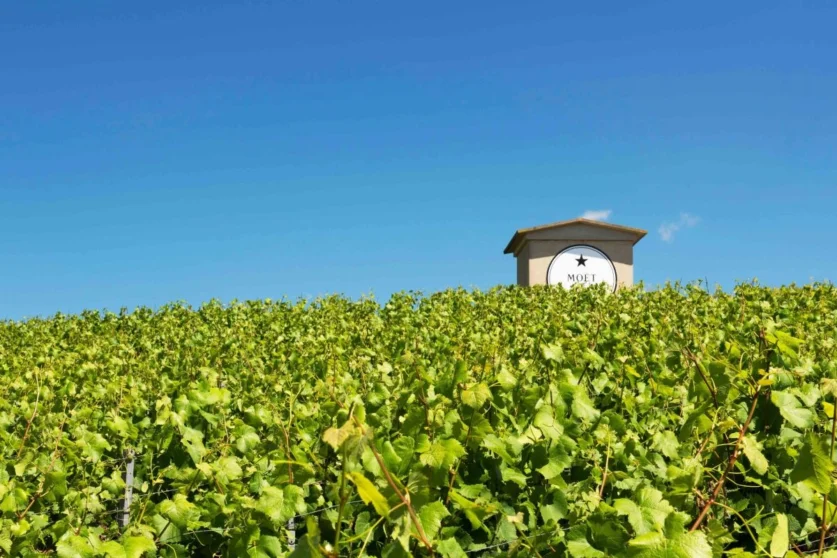
If you’re a fan of Champagne, you can’t miss a visit to Moet. With a range of experiences to choose from, you can taste their sparkling wines and even witness the disgorging process. It’s an opportunity to indulge in the finest Champagne and immerse yourself in the luxury of the estate.
Finally, we have Billecart, known for their iconic rosé Champagne. But they also offer a variety of other fantastic Champagnes to satisfy every palate. A visit to the estate includes tastings, a tour of the vineyard and gardens, and a glimpse into their rich history.
So, whether you’re a wine aficionado or just starting your wine journey, France offers the best trips filled with wine. With these incredible producers and their unique experiences, you’ll truly appreciate the magic and history of French wine. Cheers!
Discover the Hidden Gems of French Wine Country
When it comes to French wine, there is no shortage of breathtaking destinations to explore. From centuries-old cellars to picturesque châteaux, the country offers a plethora of wine experiences that are sure to leave a lasting impression. And the best part? Many of these experiences are absolutely free!
One such hidden gem can be found in the Loire Valley, a region known for its stunning châteaux and exceptional wines. If you find yourself in the area, a visit to the magnificent Chateau de Sancerre is an absolute must. Immerse yourself in the region’s rich history as a knowledgeable sommelier guide leads you through the château’s vineyards and wine production process. And for a truly unique experience, rent an e-bicycle and explore the beautiful grounds at your own pace. As you indulge in a tasting of their exquisite wines, savor the perfect pairing of regional cheeses, ham, and charcuterie.
Another renowned producer in the Loire Valley is Domaine Huet. While a visit to this prestigious winery requires booking in advance, it is well worth the effort. Their comprehensive tours offer a glimpse into the full range of Huet wines, from sparkling to still, dry to sweet, and even include older vintages. To arrange a more in-depth cellar tour, simply reach out to them at contact@domainehuet.com.
Venture further south and you’ll find Gérard Bertrand, not only the largest biodynamic grape grower in France but also an incredibly hospitable wine professional. Take your pick from a range of experiences, including 90-minute tours, half-day excursions, and wine master classes. To truly immerse yourself in the world of Gérard Bertrand wines, consider booking a stay at the luxurious Château l’Hospitalet, a wine resort fit for royalty.
In the famous Châteauneuf-du-Pape appellation, wine enthusiasts flock to one particular stalwart: Château de Beaucastel. Here, visitors have the option of a self-guided tour, providing essential grape education, followed by a tasting led by a knowledgeable team member. If you’re looking for a more guided experience, a tour and tasting can be arranged for just 10 euros. Whichever option you choose, you’re guaranteed to come away with a deeper appreciation for this beloved region among collectors and sommeliers.
If you’re eager to stay updated on the latest Food & Wine news, be sure to sign up for our newsletter. And remember, the world of French wine is waiting to be discovered – so start planning your journey today!