Wine 1106
How the Romans Established Wine Dominance: A Legacy That Endures Today

From the Palatine Hill to the Atlantic coast, the Romans didn’t just expand their empire; they spread vines that are integral to modern winemaking. The tale of wine in Europe is intricately linked to Roman history. Roman soldiers carried vine cuttings with them as they conquered new territories, planting grapes wherever they established camps, which laid the foundation for today’s wine routes and regions.
Wine held a special place in Roman society; it was used in sacrifices to Bacchus, the god of wine, and served at daily meals. This staple not only sustained the Romans but also became a cultural connector across the empire. Amphorae containing wine were transported across the Mediterranean, and later, barrels rolled down the Via Appia.
The Romans were pioneers in winemaking literature, with works like Columella’s De Re Rustica and Pliny the Elder’s Naturalis Historia, which function as ancient guides to viticulture, covering topics from pruning to soil management. They pioneered techniques such as blending and aging wines and established a system for classifying vineyards by quality, still relevant in today’s cru and DOC systems.
A noteworthy remnant of Roman winemaking is Monte Testaccio in Rome, an artificial hill made from discarded amphorae that once transported wine and olive oil. This site is a testament to the organized wine trade during the empire, each amphora acting like a modern shipping label, marked with details about origin and merchant codes.
Throughout the Middle Ages, the Trastevere district in Rome became known for its accessible wine culture, where commoners and craftsmen enjoyed its bounty. This area is still home to historic winemaking guilds, such as the vignaioli. In contrast, the affluent enjoyed opulent wine-filled banquets, like those held in the Piazza Farnese.
Today, while the central parts of Rome have seen vines disappear, they are beginning to reappear in the surrounding Lazio region. The Vigna Barberini, located on the Palatine Hill, showcases this resurgence. Protected within the Archaeological Park of the Colosseum, this vineyard produces Bellone wine in collaboration with the Lazio winery Cincinnato. Although symbolic, it reflects the enduring connection between Rome and its vinous heritage.
Across Europe, remnants of Roman winemaking, such as amphorae and frescoes, continue to surface, reinforcing the idea that Roman influence on the wine industry created a legacy that endures to this day. Exploring the vineyard on Palatine Hill is a step back in time, illustrating how the Romans forged a cultural connection through wine that has shaped landscapes and traditions for centuries.
Why Orange Wine Might Not Be Your Best Choice: Exploring the Downsides

Orange wine, with its origins tracing back to ancient Georgia and traditional methods of winemaking, has been embraced by enthusiasts seeking authenticity and a deeper connection to terroir. Yet, what started as a genuine exploration into low-intervention winemaking seems to have morphed into a somewhat cult-like obsession—one that celebrates wines with peculiar qualities often perceived as faults.
In recent experiences, I found myself persuaded to try these unconventional wines by sommeliers with distinctly expressive appearances, who brought an air of both conviction and challenge. These wines often appear alongside avant-garde dishes served in trendy umbra-lit settings, presenting themselves with bravado despite occasionally evoking memories of unrefined flavors like barnyard odors, which can make for an uninviting tasting experience.
The pursuit of orange wine can feel like an elaborate façade hiding the reality that many choose to reject crucial elements of traditional winemaking, such as filtration and stability. This cavalier attitude transforms murkiness into a misguided badge of honor, undermining the essence of what wine can and should be.
True wine is an art form—refined through centuries, shaped by the soil and the sunlight, translating humanity’s dedication into something celebrated. It stands as a testament to the brilliance of tradition, where each craft, overseen by skilled winemakers, contributes to a rich culture of flavors, aromas, and experiences.
Natural wines, by contrast, often lack the ability to complement food harmoniously. Their erratic nature defies pairing conventions, leading to unpredictable tasting experiences that can detract from cherished culinary moments. A wine’s purpose extends beyond its individual quality; it is ideally crafted to enhance the dining experience, complementing meals and improving with them.
In the realm of natural wines, flaws are often romanticized as expressive characteristics: volatile acidity, and oxidation which would normally signal failure are glorified as stamps of authenticity. This analogy doesn’t hold; labeling poor qualities as unique failings is akin to misnaming things that do not merit such reverence.
Wine, in its essence, should elevate the experience of drinking, not assault the senses with overpowering or displeasing flavors. The reality is, there is no honor in the sensory devastation akin to being assaulted by an unfortunate flavor.
Instead of perpetuating a cycle of unbearable experimentation, the focus should shift toward celebrating and protecting the essence of quality wine. This is not an elitist stance but rather a recognition and respect for the dedication that has shaped winemaking into what it is today.
So the next time you find yourself offered an orange wine—a concoction that might remind you of silage—keep in mind that this celebration of imperfect taste may not warrant your appreciation. Sometimes, it deserves a place of forgotten memory instead.
Drew Bledsoe’s Boston Bound: Join Him for a Wine-Tasting Experience!
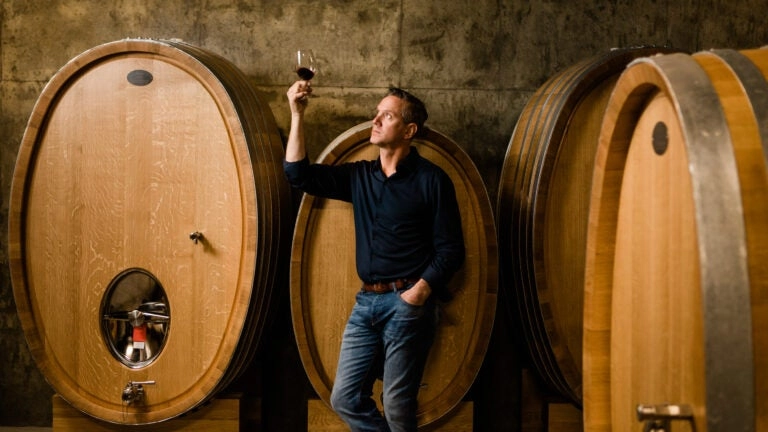
When contacted at his cabin in Whitefish, Montana, Drew Bledsoe was in the midst of dog chaos, courtesy of his parents and their pets. This picturesque lodge often served as his retreat during his days as quarterback for the New England Patriots.
The nostalgia of his past simmered as he recounted memories from his football career and his pivot to a life of winemaking. Known for his humor, Bledsoe recently found unexpected success as a comedic roastmaster during Netflix’s "The Roast of Tom Brady," showcasing his sharp wit alongside his wife Maura, who contributed jokes that landed perfectly. One of the highlights was a quip about Tom Brady’s penchant for looking at himself in the mirror, which drew many laughs.
Bledsoe is now inviting locals to join him for a ticketed dinner on October 15 at Davio’s Seaport in Boston, where attendees can enjoy a meal paired with his own wines from the Bledsoe Family Winery. This dinner promises a selection of five courses, ranging from lobster puffs to Australian wagyu ribeye, each complemented by their wines.
His passion for winemaking led him to found Doubleback Winery in Walla Walla, Washington two decades ago. Bledsoe’s enthusiasm for the craft is evident as he explained the region’s unique volcanic soil, which he considers crucial to producing quality grapes. Unlike typical celebrity brands, he initially kept his name off the wine label to combat the stigma associated with "jock wine."
In a conversation that meandered through various topics, Bledsoe reflected on his career and relationships, discussing everything from his connection with former Patriots teammates to the surprising shift of Bill Belichick into coaching college football.
Though he declined a role in the film "There’s Something About Mary," the experience remains a light-hearted anecdote in his life story. As he continues to build a name in the winemaking industry, Bledsoe hinted at future possibilities in entertainment, perhaps bridging the worlds of football and viticulture.
His connection to the Boston area remains strong, particularly his affection for its Italian cuisine, which he misses living in the Northwest.
For more information about the dinner at Davio’s, visit Davio’s Seaport or Bledsoe Family Winery.
Miss Manners: When Sharing Wine While Traveling Takes an Unexpected Turn

Dear Miss Manners: While on a group tour abroad, I invited three travel companions to share a bottle of wine, and they accepted. However, when the waiter poured, one lady opted for a soda instead. Am I required to pay for her drink? I did, but what if she had chosen a cocktail instead?
Gentle Reader: "Obligation" is a strong term. It’s reasonable to assume that you were treating your companions to a round of drinks, not just that particular bottle. Your friend’s deviation from the original plan isn’t as significant as you believe. Paying for her soda, which she might have ordered for various reasons—perhaps she had a pending work call or is sensitive to that type of wine—was a gracious act.
If she had wanted a cocktail, it would have still been considerate to cover it, though she might have felt inclined to contribute to the higher cost. Ultimately, the cost of accommodating her choice is trivial compared to the value of maintaining amicable relations and avoiding grudges. Trust that they will reciprocate your generosity during the next round.
Top Wine Picks for 2026: The Best Overall Choices
Wine has long been a symbol of joy, artistry, and celebration, and the current vintages continue this rich tradition by showcasing bold flavors and craftsmanship. Ranging from the sunlit vineyards of California to the scenic Andes foothills, a variety of wines have captured the attention of tasters for their quality and character. The following selections represent some of the most prominent choices available today, whether you prefer crisp whites, sophisticated rosés, or rich reds.
Featured Wines for 2026
-
Austin Hope Cabernet Sauvignon
- A flagship from Paso Robles, this wine is known for its robust character, featuring ripe blackberry, cherry, and plum with additional flavors of chocolate and spice from oak aging. Its velvety texture makes it a popular choice.
-
2023 AVIVO White
- Crafted entirely from Vermentino, this Italian white highlights clean winemaking principles, presenting crisp citrus and herbal notes without added sugar or artificial ingredients. Perfect for seafood or fresh salads, it embodies modern preferences for joyous and authentic wines.
-
Beaulieu Vineyard Cabernet Sauvignon
- Renowned in Napa Valley since 1900, Beaulieu Vineyard’s Cabernet Sauvignon balances power and finesse, offering layers of dark fruit, cedar, and complex spices. This elegant yet approachable wine suits both special occasions and everyday enjoyment.
-
2021 Bogle Reserve Chardonnay
- Aged in oak, this Chardonnay offers aromas of green apple and pear, accompanied by a creamy finish. Its richness and acidity make it suitable for a variety of dishes, from seafood to creamy pastas.
-
Bota Box Chardonnay
- This eco-friendly boxed wine delivers quality at a great value. With flavors of apple and citrus and a medium body, Bota Box provides convenience for gatherings without sacrificing taste.
-
2024 Crios Torrontés by Susana Balbo
- An accompaniment to Argentinian heritage, Torrontés delivers floral aromas and a refreshing palate. This wine is perfect for warmer weather and pairs well with spicy cuisine.
-
DAOU Rosé
- Inspired by Provence styles, DAOU’s rosé is aromatic with strawberry and peach notes and a balanced finish. It works well with light dishes or can be enjoyed on its own.
-
Emeritus Vineyards Hallberg Blanc Pinot Noir
- This unique offering showcases a fresh take on Pinot Noir, highlighting floral and citrus aromas. Made using sustainable practices, it reflects a celebration of craftsmanship.
-
Gruet Winery NV Rosé
- A sparkling option from New Mexico, Gruet’s bright rosé combines notes of strawberry and tropical fruit with fresh acidity. Ideal for celebrations, it offers quality with an approachable price tag.
-
Hosmer Cabernet Franc
- Sourced from New York’s Finger Lakes, this medium-bodied wine exudes herbal and fruity aromas with balanced acidity, making it a versatile match for various dishes.
-
2022 JUSTIN Isosceles
- This bold blend from Paso Robles is crafted primarily with Cabernet Sauvignon, showcasing deep fruit flavors complemented by silky tannins, making it a favorite among collectors.
-
Meiomi Pinot Noir
- Known for its fruit-forward style, Meiomi’s Pinot is approachable with flavors of cherry and mocha, making it a straightforward choice for casual wine drinkers.
-
Star Hill Winery Sexy Beeaches
- This Moscato-style blend is sweet, fruit-forward, and lightly effervescent, making it an enjoyable option for new wine drinkers or as a dessert pairing.
Other Notables
- 2021 Terragena Carneros Pinot Noir
- 2021 Unánime Malbec
This year’s selections offer a rich tapestry of flavors and styles, perfect for various occasions. Votes for the best overall wine can be cast daily until November 6, 2025, with the winners to be announced shortly thereafter. For more information about casting your vote, refer to the official Readers’ Choice rules.
How Long Can You Keep an Open Bottle of Wine? Here’s What You Need to Know!
Opening a bottle of wine does not mean you must finish it immediately; it won’t spoil overnight. With a few simple techniques, you can keep your wine tasting fresh for several days. The key is to seal the bottle tightly, store it upright, and yes—even refrigerate it.
Longevity of Different Wine Types
- Whites and Rosés: These can last about five days in the fridge if properly sealed.
- Reds: Most red wines stay good for around three to five days. Wines with higher tannin levels, like Cabernet Sauvignon, may even last longer than lighter reds like Pinot Noir.
- Sparkling Wines: These have the shortest lifespan, usually only three days before they lose their carbonation.
Storage Tips for Various Wine Styles
- Red Wine: Best kept in the fridge to slow oxidation. Remove it about 10 minutes before serving to let it warm slightly.
- Full-bodied White Wine: Should also be refrigerated and can last around 2-3 days.
- Sparkling Wine: Use a sparkling wine stopper to preserve its fizz. Traditional methods of sparkling wine can last longer than others.
- Light Whites and Rosés: These can last up to five days if stored correctly.
General Guidelines for Wine Preservation
- Invest in a wine preserver: These tools can remove air from the bottle or refill it with inert gases, extending its lifespan significantly.
- Keep wine in the fridge: Whether it’s red or white, cold storage slows down the oxidation process.
- Avoid sunlight and heat: Try to keep wine away from direct sunlight or heat sources to maintain its quality.
Ideal Serving Temperatures
- Sparkling Wines: Best served at 40-45°F.
- Light Whites and Rosés: Ideal temperature is 45-50°F.
- Heavier Whites: Should be served between 48-56°F; adjust according to personal preference.
- Medium-bodied Reds: Serve at around 55°F, which also corresponds with ideal cellar temperature.
- Full-bodied Reds: Best enjoyed at 59-68°F.
By following these simple storage practices, you can savor every last drop of your wine rather than letting it go to waste. Cheers!
Revitalizing History: Medford Wine and Cheese Bar Transforms Downtown Landmark

MEDFORD, Wis. — Just two years ago, a historic building on Medford’s main street was in disrepair. Now, it has been transformed into The Prickly Pear, a vibrant wine and cheese bar that opened last year after two years of restoration work.
John Gasek, a Missouri native who moved to Medford in 2020, is the owner of this new establishment. He and his husband had the idea of opening a wine bar after finding that the community lacked such a venue. “We started doing some research and started thinking maybe a wine bar would be cool because that’s something that Medford didn’t really have,” Gasek explained. “Then we just kind of tossed it all together where we have some wine and cheese and books.”
Originally, the building served as a bank and still features its original vaults. It has a rich history, having also been home to a newspaper and an immigration office that assisted many German immigrants in the area. Gasek noted that visitors occasionally mention their family history, recalling how their ancestors learned English in the upper floors of the building.
However, by the time Gasek purchased the property in 2022, it was in a state of disrepair. “Oh boy, it was horrible,” he recalled. “I mean the windows were falling out onto the sidewalks and you could stand in the basement and see through the whole building and see the sky.” The structure, approximately 140 years old, had suffered fire damage, water damage, and was infested with pests.
Transforming the building into a functioning wine and cheese bar took intense effort over a two-year period. Gasek now offers local and international wines, a selection of cheeses, a small menu, and a cozy reading nook. He believes that wine and books complement each other perfectly, saying, “There is nothing quite like sitting down with a book and a good glass of wine and just relaxing and forgetting about the world for a bit.”
10 Best Substitutes for Red Wine Vinegar: Enhance Your Cooking with These Flavorful Alternatives

Determining which types of vinegar to keep in your pantry can feel overwhelming due to the wide variety available, each with a distinct flavor profile that can significantly impact your recipes. Among these, red wine vinegar is particularly essential for those who regularly prepare dressings and marinades.
Red wine vinegar is derived from fermented red wine, aged to a specific acidity—typically around 7%. This tangy, slightly fruity vinegar enhances the flavors of red meats, vegetables, beans, soups, and gazpachos. Although it is a staple found in most grocery stores, it’s important to know that you can find various substitutes if you run out during cooking.
Here are some suitable alternatives to red wine vinegar that can still bring that needed acidity and flavor to your dishes:
-
White Wine Vinegar: This is the easiest swap as it’s similar in acidity and density. Use a 1:1 ratio, keeping in mind it won’t add the same color as red wine vinegar, but it maintains a comparable flavor.
-
Red Wine: Although not a perfect substitute due to the lack of acidity, red wine can provide a deep flavor. Use half the amount of red wine compared to what you would use for red wine vinegar and adjust to taste.
-
Sherry Vinegar: A complex flavor from fermented sherry wine, sherry vinegar can add a depth similar to red wine vinegar. Substitute at a 1:1 ratio, but consider reducing other sweet ingredients in your recipe.
-
Balsamic Vinegar: A sweeter option that works well in salads and marinades. Use the same amount as red wine vinegar, but reduce other sweet components in your recipe to balance the flavors.
-
Mix of Red Wine and White Vinegar: Combine equal parts red wine and white vinegar for a quick homemade alternative.
-
Apple Cider Vinegar: While fruitier, apple cider vinegar can substitute in dressings. Use three parts apple cider vinegar to one part red wine for the best effect.
-
Lemon or Lime Juice: These citruses can add acidity to your dish but should be used carefully as they can easily overpower flavors. Start with a small amount and adjust as needed.
-
Rice Vinegar: Milder than red wine vinegar, it can be suitable for certain recipes, especially those with strong flavors. Replace it in equal parts but be ready to add more if needed.
-
Champagne Vinegar: Slightly milder, champagne vinegar can work in light dressings or sauces. Substitute at a 1:1 ratio.
-
Tamarind Paste: With its sour flavor, tamarind paste can be a strong alternative for marinades. Use sparingly, as it can be overpowering.
These substitutions will help maintain the essence of your dishes, ensuring you never miss out on flavor – even when your red wine vinegar runs out.
Major Airline Now Offers Free Beer, Wine, and Snacks for All Economy Passengers!

Air Canada has recently announced a significant upgrade to its in-flight services, now offering complimentary beer, wine, and snacks to all economy class passengers on every flight. This initiative, which initially began on select routes within the U.S. and Canada, has now expanded to cover all destinations, including the U.S. and Mexico.
Scott O’Leary, the Vice President of Loyalty & Product at Air Canada, expressed enthusiasm about the upgrades, emphasizing a commitment to enhancing the customer experience. The airline’s new offerings include not only beverages but also a selection of snacks that reflect Canadian brands, allowing passengers to enjoy elevated meal options while flying.
On morning flights prior to 10 am, passengers can expect to be treated to MadeGood Mornings Cinnamon Bun Soft Baked Oat Bars. After 10:30 am, the offering includes Greenhouse Ginger Defence Wellness Shots, as well as various Canadian snacks such as Summer Fresh Hummus & Crackers and Quaker Maple & Brown Sugar Oatmeal Cups.
Additionally, Air Canada introduces the non-alcoholic beer Heineken 0.0, becoming the only North American airline to offer such a beverage on board. This decision aligns with the airline’s goal to provide a wider range of options for all travelers.
Overall, these enhancements aim to create a more enjoyable and memorable travel experience for Air Canada’s passengers, reinforcing the airline’s dedication to quality service and commitment to Canadian products.
What the World of Wine Reveals About Climate Change: Lessons from the Vineyard

Wine has emerged as a significant symbol of resilience in the face of climate change. Wineries, along with other businesses, hold the responsibility to adapt their practices to foster a long-term vision that positively affects both people and the environment. The Penedès region in Spain, which boasts a winemaking heritage dating back to the 7th century BC, now faces existential threats from climate change. Historically, it rebounded from the Phylloxera epidemic in the 19th century, but today, it stands at the precipice of potential devastation akin to a “Phylloxera of the 21st century,” if immediate action isn’t taken.
Recent research indicates that up to 70% of current wine-producing regions may become inhospitable for grape cultivation if global temperatures increase by more than 2°C above pre-industrial levels. Alarmingly, around 90% of traditional wine regions, especially those in coastal and lowland areas like parts of Spain and California, could face extinction by the century’s end due to droughts and heatwaves.
The wine industry has sensed this urgency. Vines are particularly sensitive to climate variations and have historically served as indicators of environmental changes, making them a “canary in the coal mine.” While the Spanish wine sector has been slow to adopt adequate responses to these climate threats, a shift toward sustainability is now crucial, influencing not only vineyard management and wine production but also reimagining the future of winemaking.
A pioneering move in Penedès established the area as the first to exclusively use organic grapes for all its wines. Moving beyond organic practices, regenerative viticulture is gaining traction, focusing on enhancing soil health, nurturing ecosystems, and improving biodiversity. These practices are helping to create resilient vineyards that can better capture atmospheric CO₂.
Rising temperatures are forcing changes in grape harvest timings, affecting the balance and quality of wines. Consequently, vineyards are being relocated to higher altitudes and grape varieties are being swapped for those better suited to warmer, drier environments. Enhanced irrigation systems are becoming vital for maintaining yields.
Wineries are also innovating to reduce their carbon footprints. Transitioning to lighter bottles decreases CO₂ emissions, and a significant portion of Spain’s electricity—over 56%—is now sourced from renewables. Other measures include implementing carbon capture technologies and opting for trains instead of trucks for distribution, thus lowering emissions further.
To combat atmospheric greenhouse gases, the wine industry is investing in tree planting initiatives. For instance, over 100 hectares of trees have been planted in Chile, with nearly double that amount of managed forest in Spain, helping to absorb significant amounts of carbon while supporting biodiversity.
Nevertheless, the transition to sustainability must tackle the root of climate change: humanity’s dependence on fossil fuels. With global oil consumption at record levels and inefficient subsidies continuing to support fossil fuel industries, the focus should shift toward comprehensive energy reform.
Plastic also exacerbates climate change issues and pollution, with notable environmental research highlighting the dire impacts of plastic waste. From microplastics in the ocean to potential health risks from ingested plastics, the urgency to minimize plastic use in packaging—especially in food and beverages—is reinforced.
Addressing climate change effectively requires collaborative efforts from producers, consumers, and policymakers. The establishment of the International Wineries for Climate Action (IWCA) illustrates the response to this challenge, bringing together more than 170 wineries dedicated to collectively reducing carbon emissions.
Ultimately, the future of winemaking is intrinsically linked to broader societal choices about energy, consumption, and environmental responsibility. A unified approach is essential to prevent catastrophic temperature rises and safeguard future generations. Through determination and urgency, the potential for positive change remains.