Wine 1106
Uncorking Victory: Inside Sergei Bobrovsky’s Postgame Wine Raffles with the Florida Panthers

SUNRISE, Fla. — The night after Sergei Bobrovsky recorded one of his five shutouts during the 2024-25 Florida Panthers season, a notable interaction unfolded between him and teammate Nate Schmidt. Bobrovsky approached Schmidt, expressed gratitude, and surprised him with a handwritten note alongside a bottle of wine. This heartfelt gesture is part of Bobrovsky’s unique tradition following each shutout.
Every time Bobrovsky achieves a shutout, the Panthers’ trainer selects two players’ jersey numbers from a box held by him. The lucky recipients win a bottle of wine and a personalized note. Bobrovsky considers his wine gift a small token of appreciation for the hard work his teammates put in to support him during games.
The first raffle for the 2025-26 season took place after Bobrovsky’s shutout against the Vegas Golden Knights, where he made 17 saves in a 3-0 win. Over the past two seasons, he has recorded an impressive 11 shutouts, ranking behind only Connor Hellebuyck of the Winnipeg Jets, who recently clinched prestigious awards.
Bobrovsky’s wine gifting tradition was inspired by former New York Rangers goaltender Henrik Lundqvist, known for having his wine lottery during his playing days. Since Bobrovsky adopted this practice nearly three years ago, it has become a cherished custom among his teammates.
While the raffle covers all players, Bobrovsky’s selected wines have included brands like The Prisoner and Caymus Vineyards, both highly regarded names from Napa Valley. Teammates appreciate the thoughtfulness behind the gesture, noting that it fosters camaraderie and enhances team spirit.
Bobrovsky’s wine tradition mirrors his continued excellence on the ice. After a rocky start to his time with the Panthers, where he struggled to achieve shutouts early in his tenure, Bobrovsky’s performance has drastically improved. He played a pivotal role in the Panthers’ back-to-back championship victories, securing five shutouts in six playoff series.
His growing success has made him a beloved figure in the locker room. Teammates praise Bobrovsky’s generosity and the fun he adds to team culture through his wine raffles. Even though the coaching staff isn’t included in this tradition, the team recognizes the thoughtful nature behind Bobrovsky’s choices.
As he continues to solidify his legacy in the NHL, his gifts are effectively stocking teammates’ cellars, cementing even deeper relationships within the Florida Panthers organization.
Vintners Race Against Time: Wrapping Up North Coast Wine Grape Harvest Before the Rain Hits

The 2025 North Coast wine grape harvest is nearing its close, marked by a challenging season due to late rains, cooler temperatures, and a sluggish grape market. Vintners across Napa, Sonoma, Mendocino, and Lake counties are reporting mixed results: while some vineyards yield high-quality fruit, others face disease pressures. The current climate resembles the difficult 2011 vintage, with persistent rain impacting fruit quality and ripening.
As the harvest continues, Christian Klier from Turrentine Brokerage notes that the majority of white varietals have been harvested, leaving little hope for those remaining. Early varieties such as Pinot Noir and Sauvignon Blanc have been collected, while red grape picking—including Cabernet Sauvignon and Malbec—persists amidst a looming storm.
Weather conditions have played a significant role this year. After a mild spring and a cool summer stunted ripening, a series of rains arrived just as harvesting ramped up. Growers are witnessing issues like botrytis and other mold growth, complicating the quality of the fruit. Brix levels, which measure the sugar content in grapes, are lower than desired, creating frustration among wineries eager for optimal harvest conditions.
By mid-October, many wineries found themselves in a “triage mode,” hastily deciding which grapes to harvest. Though total yields are projected to be average, potential changes in vineyard management may arise from this season’s difficulties. Many vintners are grappling with weak demand, especially for white varietals. Some vineyards have left fruit unharvested, while others are exploring price discounts or alternative sourcing strategies.
Amid these challenges, the market for luxury wines shows resilience. Collectible wines continue to perform well, with the top tier of California wines appreciating significantly in value. Many wineries are adapting to these market forces by re-evaluating production strategies and focusing on high-quality, age-worthy wines.
Despite the uncertainty, some winemakers express optimism about the vintage. Cool growing conditions have preserved the freshness of the grapes, contributing to promising quality in wines expected to be balanced and elegant. As the harvest season draws to a close, industry professionals acknowledge the contrasts of 2025—a year defined by both difficulties and unexpected strengths.
Ultimately, as new storms approach, the prevailing sentiment holds a mix of concern and hope. Many believe this could signify a return to classic Napa vintages, with well-structured wines emerging from a testing and tumultuous year.
Beachwood Celebrates the Legacy of the ‘Father of Wine Country Cuisine’ in Huntington Beach
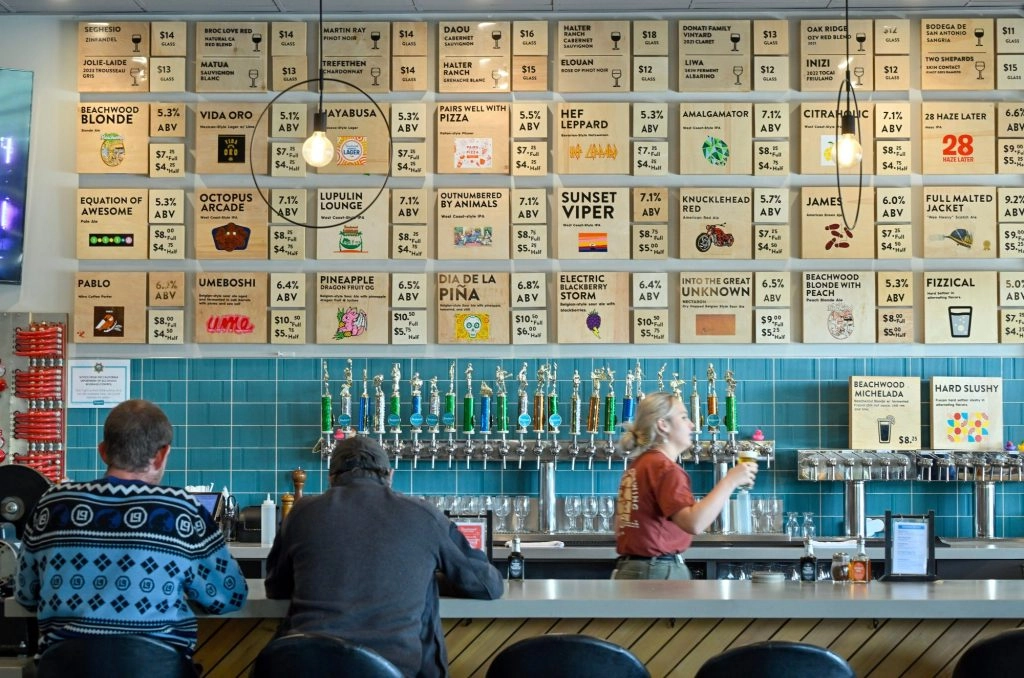
Beachwood Pizza & Beer, located in Huntington Beach, is celebrating the legacy of the late Chef John Ash, often regarded as the ‘father of Wine Country cuisine’. To honor his contributions, the restaurant will feature a limited-time menu from October 23 to November 2, inspired by Ash’s celebrated cookbook “From Earth to Table.”
The temporary menu includes three distinctive dishes: an Earth To Table Sourdough Pizza, a wine-braised chicken Orecchiette, and a Spiced Wine Poached Pear dessert. Chef Ashley Arias, who created these dishes, noted how Ash’s focus on seasonal, local ingredients heavily influenced her culinary approach. The pizza combines Bechamel sauce, mozzarella, Dutch brie, Canadian bacon, portabella mushrooms, and caramelized onions, aiming to capture the essence of a charcuterie board.
The chicken dish features creamy, wine-braised chicken served with herbed Shiitake mushrooms, sun-dried tomatoes, and parmesan, described as "super herbie" and "savory." The dessert utilizes the same type of wine mentioned in Ash’s cookbook to poach the pears, achieving a tender texture while retaining firmness.
Beachwood’s owner, Gabriel Gordon, reflected on Ash’s impact on his career, highlighting Ash’s influence as a mentor and friend during his formative cooking years. This tribute not only showcases the flavors and philosophies of Ash’s cooking but also reinforces the continued relevance of his work in contemporary cuisine.
Location: Beachwood Pizza & Beer, 5205 Warner Ave., Huntington Beach
Event Duration: October 23 – November 2
More Information: Beachwood Brewing
Where Wine Meets Creativity: Bella Union Winery’s Inspiring Artist-In-Residence Program
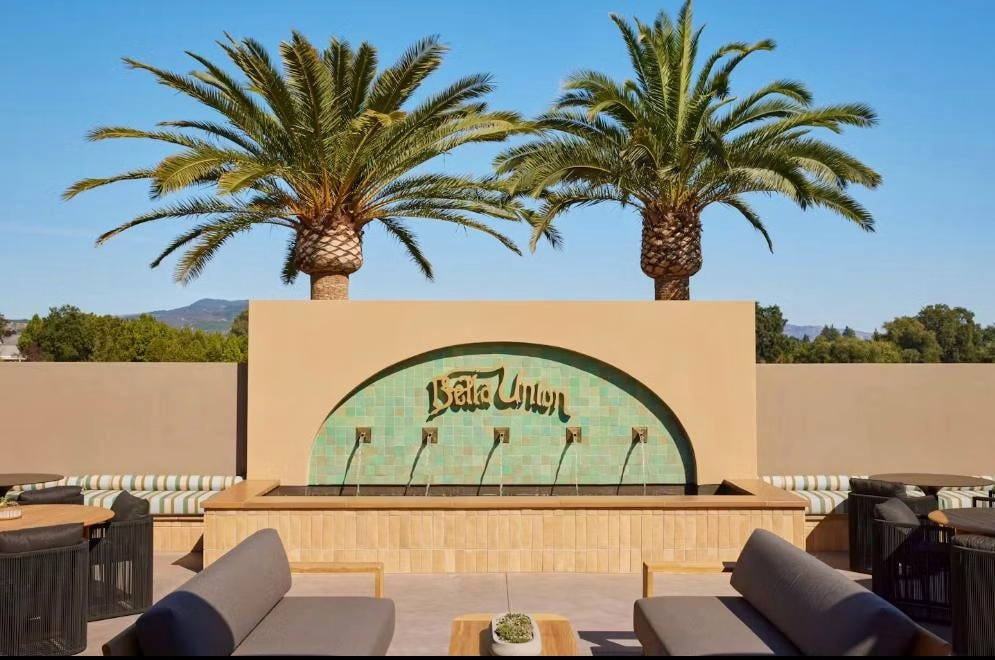
Bella Union winery, which opened in Napa Valley in autumn 2024, has successfully attracted over 10,000 visitors by offering unique tasting experiences and hosting an Artist in Residence program. This initiative encourages collaboration between wine and art, making it a highlight of the winery’s offerings.
The winery features a variety of tasting experiences, with pricing options designed to accommodate guests of all demographics. One notable aspect is the Bella Union Salon Series, which features quarterly events where visitors can meet the Artist in Residence. The program was established to highlight the connections between winemaking and the arts, particularly cultural contributions from the Hispanic community.
Harold Mendez, the first artist selected for the residency, focused on creating a piece that reflects the essence of Bella Union while also exploring his mixed heritage as a first-generation American. His artwork, “A Moment’s Notice,” incorporates the colorful lees—sediment leftover after fermentation—from the winemaking process, showcasing a fusion of winemaking and artistic expression.
Following Mendez, Eduardo Sarabia, an artist known for his interdisciplinary approach and based in Guadalajara, will take on the next residency starting November 2025. Sarabia will also engage with guests during Artist Salon experiences, continuing the tradition of marrying artistry with the winemaking process at Bella Union.
To learn more about the Bella Union Artist in Residence program and their experiences, visit Bella Union Winery and the Artist in Residence program.
Winemaker Sounds Alarm: ‘Really Scary’ Ingredients Found in American Wine Bottles
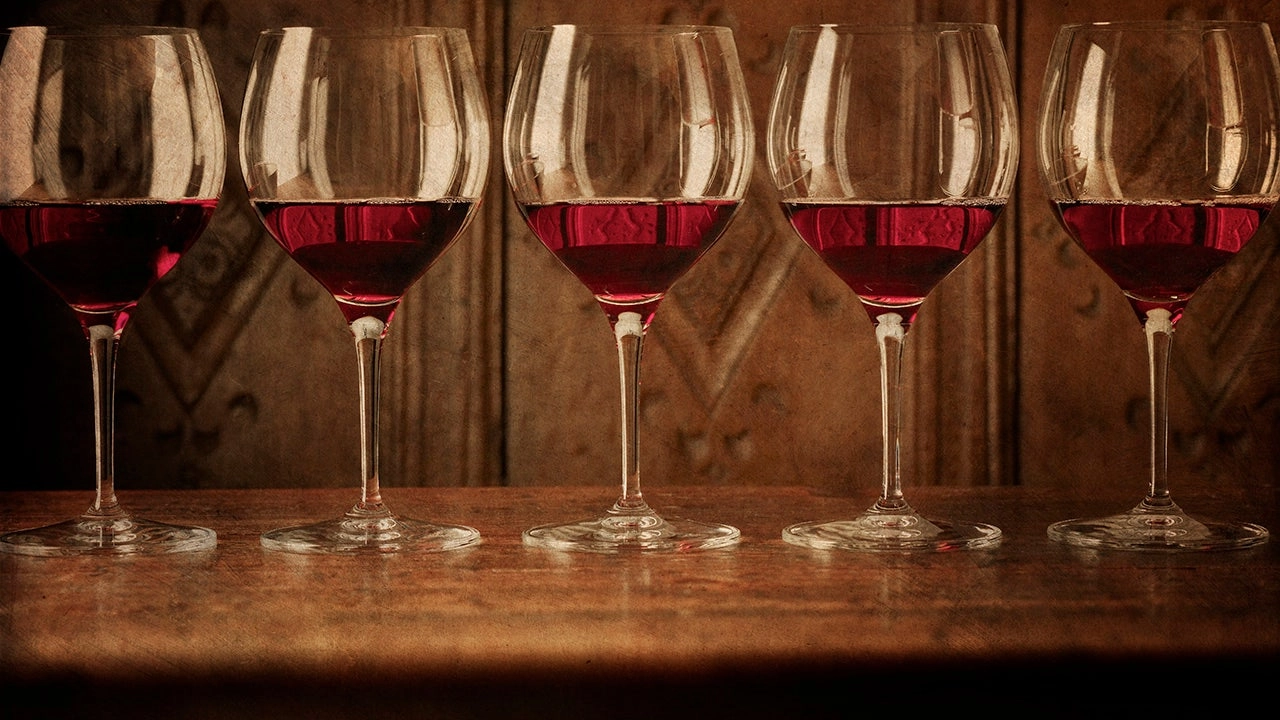
U.S. winemaker Charles Smith raises concerns about the lack of transparency regarding the ingredients in American wines. During an interview with FOX Business’ Stuart Varney, he revealed that there are more than 70 additives that can be included in these wines without being labeled, which leads many consumers to mistakenly believe that wine is made purely from grapes.
Smith argues that it is essential for consumers to know what they’re drinking, advocating for the legal requirement to list all ingredients on wine bottles, whether on the label, via a QR code, or online. He stated, "You don’t know if you happen to be susceptible or even allergic to any of these because you don’t know what’s in the wine."
His own brand, Real Wine, takes a different approach by providing complete transparency with a simple label that states, "Ingredients: grapes." He stands out as the only North American producer that uses only grapes in his wine.
Despite changes in drinking trends, particularly among younger adults gravitating towards spirits or beer, Smith maintains optimism for the wine industry’s future, emphasizing that wine should be a fun and relaxing experience. Recent surveys indicate a decline in alcohol consumption among U.S. adults, with the lowest levels recorded since 1939, highlighting potential shifts in generational preferences.
Ultimately, Smith’s message underscores the importance of ingredient transparency, suggesting it’s just as vital as taste in the wine industry.
Judge Grants Burglar Time to Locate £24K Wine Heist Stash

A pedicab driver, Iuliu Kubola, has been involved in a series of burglaries that targeted several restaurants in London, including Piazza Italiana where he stole wine valued at nearly £24,000. On June 6, Kubola used a wheelie bin to transport 73 bottles of wine from the restaurant’s cellar to his pedicab.
During a hearing at the Old Bailey, his lawyer, Daisy Kell-Jones, claimed that Kubola, 61, was eager to return the stolen wine to the police. Consequently, Judge Mark Lucraft KC postponed his sentencing to November 3 to allow Kubola the chance to fulfill this promise.
Kubola had previously pleaded guilty to the June 6 burglary and admitted to committing three additional thefts. These included taking approximately £6,000 worth of wine and £200 from the till at Comptoir Cafe and Wine in Mayfair on May 10, alongside smaller thefts from Oliveto restaurant and Piazza Italiana.
He was apprehended on June 22 near Piazza Italiana, discovered with an array of tools and stolen alcohol in his possession. In a police interview, when questioned about his intentions with the stolen wine, he remarked, "Wine is to drink, no?"
Kell-Jones noted that Kubola had worked for two of the establishments he targeted and claimed he stole the wine due to unpaid wages. Prosecution lawyer Matthew Jolliffe sought £31,393.20 in compensation for the restaurant to cover the stolen goods and damage incurred. The judge expressed hope that Kubola’s cooperation in recovering the wine would allow for some of the compensation amount to be recouped.
Kubola is scheduled to return to court on November 3 for sentencing.
Navigating Challenging Times: Insights from Chappellet CEO on the U.S. Wine Industry Downturn

Cyril Chappellet, the CEO of Chappellet Winery located in Napa Valley, shares insights on navigating a challenging period in the U.S. wine industry, where sales have recently declined. After moving to Napa Valley as a child, he witnessed his family’s struggle to establish a winery, which has now emerged as a respected name in the sector. Despite this success, Chappellet expresses concern over the significant changes affecting small, family-run wineries across the country.
According to Chappellet, the growth seen in the wine industry over the past 25 years has now shifted. There are numerous contributing factors to this downturn, including a growing focus on health and wellness post-pandemic, an influx of non-alcoholic alternatives, rising prices due to inflation, and tariffs affecting exports. This culminated in a 9.1% drop in U.S. wine sales by the end of 2024.
Despite these hurdles, Chappellet believes in the importance of the wine industry to the economy and cultural landscape of the U.S. He cites the need for wineries to adapt and thrive, emphasizing a shift towards enhancing customer relationships and maintaining quality wines at fair prices.
To combat declining sales, Chappellet focuses heavily on customer engagement. His winery engages directly with wine enthusiasts by participating in wine dinners across the country to build connections. He believes the stories behind wines and the relationships formed with customers are vital for loyalty and sales.
Quality remains a priority for Chappellet as well. They maintain reasonable pricing for their wines despite the increasing costs of production, ensuring their products are rated highly by critics while remaining accessible to consumers. For instance, their Chappellet Mountain Cuvee, which blends several varietals, showcases this philosophy, providing exceptional quality at about $60 per bottle.
Chappellet has chosen not to expand vineyard plantings amid the current market landscape, emphasizing the need for strategic planning. The winery aims to adapt by selecting varietals that appeal to modern consumers and are suited for their specific growing conditions. This approach is echoed by experts, who advocate for vineyards to reconsider their holdings in light of consumer demand.
Furthermore, Chappellet emphasizes the significance of succession planning. Maintaining a family-run business requires a keen focus on governance and bringing in outside expertise. For them, ensuring the family legacy continues means preparing the next generation, even if they are not directly involved in winery operations.
Looking ahead, Chappellet predicts a more concentrated wine industry landscape, where brands must work harder to retain their existing customers. Nonetheless, he expresses confidence that the industry will endure, attributing this resilience to family-driven brands that prioritize customer care and maintain high quality.
In this rapidly evolving marketplace, Chappellet continues to adapt, illustrating how family wineries can navigate turbulent waters by focusing on relationships, quality, and strategic foresight.
Berkshire County Winery Transition: Keeping the Legacy in the Family

The owner of Nejaime’s Wine Cellars in Berkshire County, Joe Nejaime, is selling the family business to his daughter, Lily. This transition, set to occur by the end of the year, ensures that the storied business remains within the family.
Lily has been managing the Lenox store for three years and has played a significant role in expanding the wine shop’s offerings. The store recently introduced a cheese section and a range of food selections to complement its wine offerings. Additionally, in response to growing consumer interest, Nejaime’s has added a variety of mocktails and non-alcoholic beverages. The wine cellars also provide beverage services for weddings and special events.
For more information, visit Nejaime’s Wine Cellars.
Savor the Flavors: Highlights from the 18th Annual NYC Wine and Food Festival at South Street Seaport
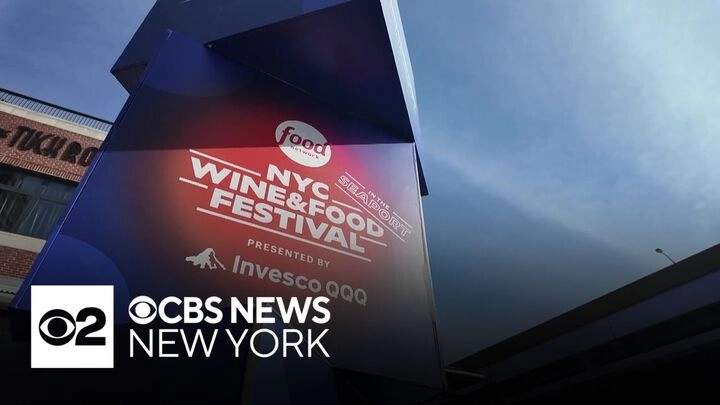
The 18th annual NYC Wine and Food Festival took place at the South Street Seaport, highlighting the effects of rising costs that both restaurant owners and customers are currently facing. Kristie Keleshian from CBS News New York interviewed the festival’s founder about these challenges during the event. The festival showcased a variety of wine and food experiences, reflecting the vibrant culinary scene of the city while serving as a platform for raising awareness of these economic pressures impacting the industry.
Decoding Spanish Wine Labels: The True Meanings of Crianza, Reserva, and Gran Reserva
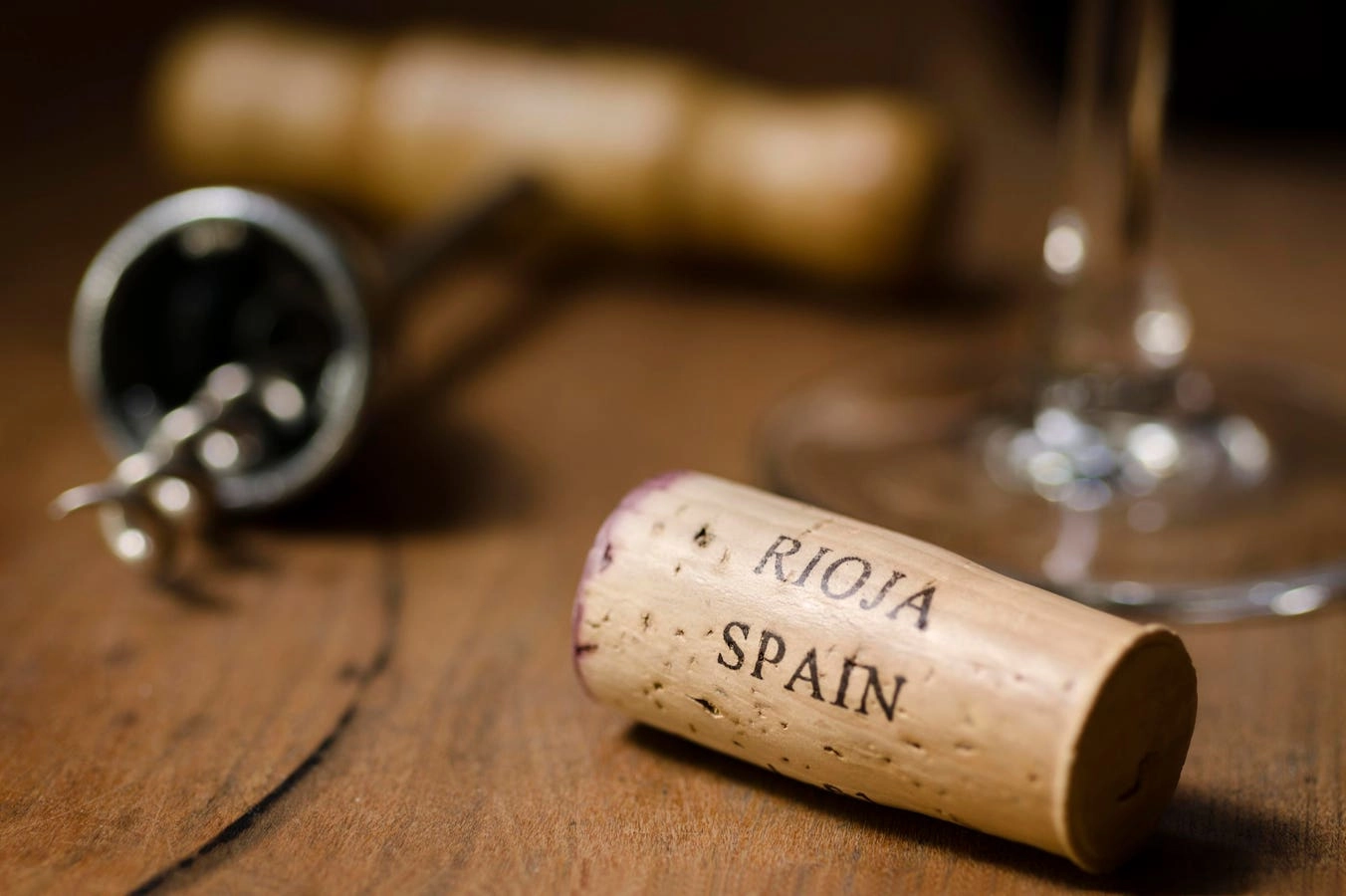
If you’ve ever found yourself confused by the terms Crianza, Reserva, or Gran Reserva on a Spanish wine label, you’re not alone. These labels indicate the aging process of the wine, which can provide valuable insight into what to expect from the bottle.
The Spanish System: Tradition in a Bottle
Spain goes beyond merely indicating where wines are produced; its regulations are tied to how long wines must age before release, all governed by the Denominación de Origen (DO) system. This not only serves as a guarantee of quality but also helps preserve the unique character of each region. The DO system stipulates grape varieties, production methods, and aging times, ensuring a consistent expression of each area’s climate, soil, and craftsmanship.
The hierarchy of aging for red wines typically follows this format: Joven (young wines), Crianza, Reserva, and Gran Reserva, with each designation reflecting more time and complexity in the wine’s development.
Crianza: Fresh and Approachable
A Crianza wine is aged for a minimum of two years, with at least six months spent in oak (one year in Rioja). These wines are designed to be enjoyed young, bursting with fruit-forward flavors like cherry and plum, and often feature gentle spices and smooth tannins. They pair well with everyday meals such as roasted chicken or chorizo pasta.
Reserva: Balance and Complexity
Reserva wines are aged for at least three years, including a year in oak and additional time in the bottle. This aging process allows them to develop a more complex flavor profile, characterized by notes of blackberry, leather, vanilla, and tobacco. They strike a balance between freshness and maturity, making them a smart choice for discerning wine lovers seeking value.
Gran Reserva: Time and Elegance
The top tier, Gran Reserva, consists of wines that have aged for a minimum of five years—two in oak and three in the bottle. Typically produced only in exceptional vintages from the finest grapes, these wines unfold rich aromas like dried fig and cedar, embodying sophistication and a sense of history.
What About Whites and Rosés?
While less common, the terms Crianza, Reserva, and Gran Reserva also apply to white and rosé wines, but with shorter aging requirements. For example, a white Reserva from Rioja may age for just two years total, six months of which is in oak, resulting in rich, nutty flavors akin to some fine Burgundian Chardonnays.
The Takeaway
Understanding these aging terms is akin to learning a second language within the context of Spanish wine. It can illuminate expectations around style and drinkability. Whether you’re enjoying a vibrant Crianza with tapas or savoring a refined Gran Reserva during a special occasion, knowing the story behind your wine enhances the experience and highlights the importance of patience in Spain’s winemaking journey.