Wine 1106
Exciting Weekend Adventures: Hardy, Al Green, Water Taxi Wine Cruise, and Coffee & DJs on Las Olas!

As the last vestiges of summer fade, South Florida gears up for a vibrant weekend filled with concerts, culinary experiences, and festive events that mark the transition into autumn. Here’s a guide to what’s happening across Palm Beach, Broward, and Miami-Dade counties from Friday, September 20, to Sunday, September 22.
Friday Activities
One of the highlights is the Wines of the Mediterranean Coast sunset tasting cruise hosted by the Small Wine Shop in Fort Lauderdale. Passengers will board the Fort Lauderdale Water Taxi at 6:30 PM for a two-hour journey featuring Mediterranean wines, concluding with an after-party at Olive & Sea. Tickets are $75. For reservation details, visit SmallWineShop.com.
Not to be missed is chef Michelle Bernstein’s pop-up at the Hard Rock in Hollywood. This event celebrates Hispanic Heritage Month with her latest culinary creations from La Cañita, available from 5 to 10 PM.
Fans of live music can enjoy Ordinary Boys, a tribute band, at Respectable Street in West Palm Beach, starting at 9 PM, and comedian Tom Segura at the Kravis Center for two performances. Tickets for Segura’s show may still be available, with options starting at $44.86.
Weekend Preview
On Saturday, Hardy, a rising star in country metal, will perform at the iTHINK Financial Amphitheatre in West Palm Beach. Early birds can enjoy Java & Jam, a coffee and DJ event at Java & Jam on Las Olas Boulevard from 3 to 7 PM.
Adam David, the latest winner of The Voice, will showcase his talents at Revelry in Pompano Beach at 8 PM. Tickets are priced at $30.52.
In addition, the Broward Center will host “Avatar: The Last Airbender in Concert” at 7:30 PM, combining a live orchestral performance with the animated series.
Sunday Highlights
Sunday will culminate with a performance from Al Green at Hard Rock Live in Hollywood. Known for his timeless hits, tickets start at $47.
In between, local favorites Spam Allstars will celebrate the birthday of percussionist Tomas Diaz with a special party in Miami, promising good vibes and great music.
For those interested in theater, Conundrum Stages will present short works by local playwrights at Savor Cinema at 6 PM, with tickets for just $10.
Ticketing and More Information
Be sure to check specific venue websites for ticket availability and additional details. Whether you’re looking to enjoy live performances or engage in community festivities, this weekend promises an array of options to celebrate the change of season in South Florida. Visitors can also participate in the Witches of Delray Beach charity bike ride, a fun costume event that supports local charities.
Related Links
- Wines of the Mediterranean Coast
- Michelle Bernstein Pop-up
- Hardy Concert Tickets
- Adam David at Revelry
- Avatar: The Last Airbender in Concert
- Al Green at Hard Rock Live
Make the most of this weekend filled with music, flavors, and community spirit as the summer sunsets give way to fall festivities.
Sip and Celebrate: Lynchburg Festival Showcases Beer, Cider, and Wine Delights This Saturday!

LYNCHBURG, Va. — The 16th Annual Lynchburg Beer, Cider, and Wine Festival is happening this Saturday, offering a wide selection of beverages and entertainment for attendees.
Event coordinator Kim Cheatham highlighted that guests can look forward to over 75 different options, including a variety of beers, wines, and ciders, with a special focus on Oktoberfest and fall-themed selections. Cheatham expressed enthusiasm about the event, stating, "We’ve got some great bands coming. There’s literally going to be something for everybody, from the artisans and crafters to the food vendors to the live music. It’s just going to be a fun day for everybody to come on out to the stadium and just enjoy this fall weather."
Tickets are currently available for purchase both online and at the gate. Each ticket provides attendees with ten complimentary beer samples and unlimited wine samples. Cheatham mentioned, "People love having the option of being able to have the wine or the beer, or even spirits," noting that three distilleries will also be present at the festival.
The festival will take place from 12 PM to 7 PM at the Lynchburg City Stadium.
10 Must-Try Recipes from Food & Wine’s October Issue
The latest issue of Food & Wine is out now, unveiling a delightful compilation of fall recipes that capture the season’s essence. Offering a mix of convenience and comfort, these dishes feature rich flavors and quick preparation times. This month also marks the annual restaurant issue, showcasing favorites from Food & Wine’s Best New Chefs, who have contributed their go-to recipes that can be made in a snap.
Here’s a roundup of ten must-try recipes that are perfect for cozy nights this fall:
-
One-Pot Chicken Arroz Caldo: A soothing Filipino chicken and rice porridge, this dish features creamy arborio rice infused with ginger and chicken fat. Get the recipe.
-
Chicken Thighs with Tomato-Pepper Sauce: This simple one-pan meal boasts crispy chicken thighs complemented by a creamy tomato and bell pepper sauce, highlighted with sherry vinegar. Get the recipe.
-
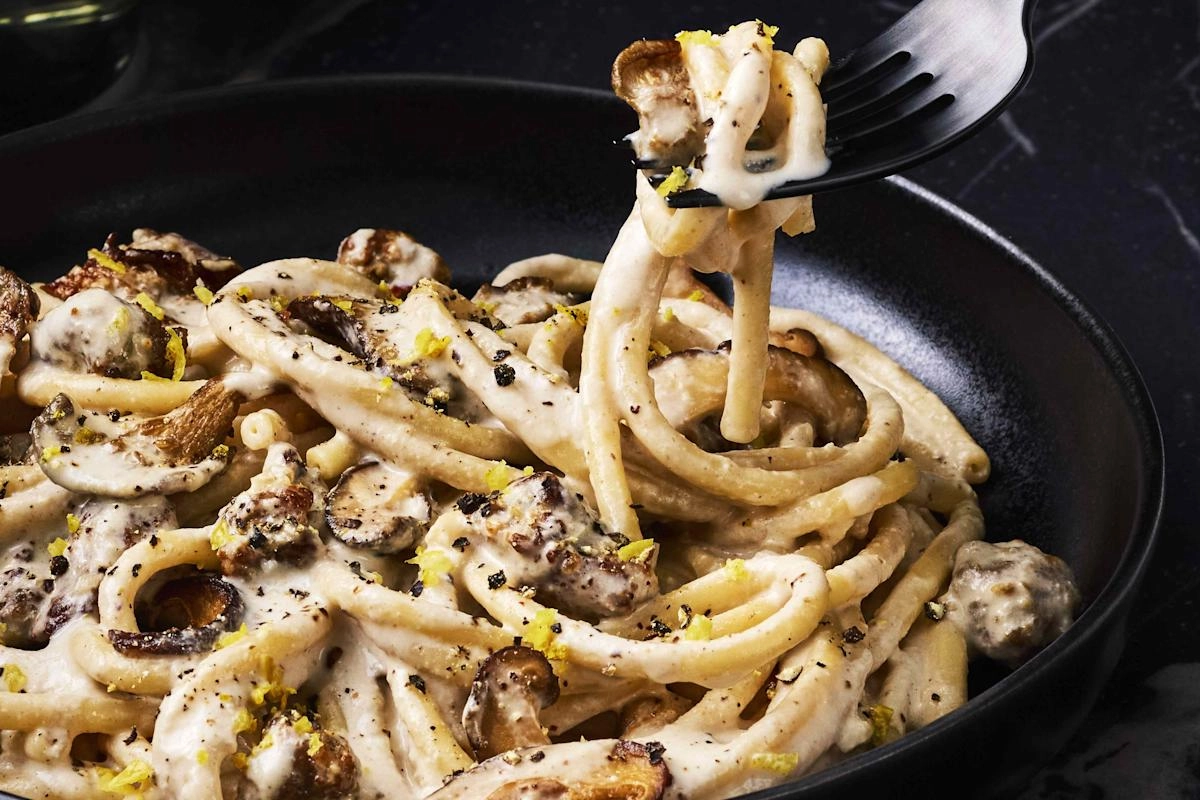
Bucatini with Shiitake Cream Sauce: Featuring an umami-packed mushroom sauce made with bucatini pasta, this dish also incorporates crumbled Italian sausage and sautéed mushrooms for a hearty meal. Get the recipe.
-
Double-Chocolate Brownie Cakes: A captivating dessert that combines the best of brownies and moist chocolate cake, perfect for entertaining or enjoying during the week. Get the recipe.
-
Cheese Tarts with Bacon and Fingerling Potatoes: This irresistible dish features a golden puff pastry crust topped with rich French cheese, crispy bacon, and caramelized onions. Get the recipe.
-
Roasted Squash with Spicy Nori Butter: Acorn squash is roasted to perfection and tossed with a spicy melted nori butter for a unique side dish bursting with flavor. Get the recipe.
-
Steak with Miso-Pistachio Romesco: Enjoy a perfectly cooked medium-rare steak served with a smoky, miso-infused romesco sauce that includes creamy pistachios. Get the recipe.
-
Flounder with Lemony Butter Beans: This elegant dish features delicate flounder poached in a zesty white wine sauce, served alongside butter beans. Get the recipe.
-
Choripán (Argentinian Chorizo Sandwich): A street food favorite, this sandwich includes juicy chorizo links, paprika, and toppings of chimichurri sauce. Get the recipe.
-
Coconut Banana Pudding: A delightful fusion of American banana pudding and Vietnamese chè chuối, this dessert features layers of coconut and pandan for added flavor and color. Get the recipe.
For more inspiration, you can read the original article on Food & Wine.
Savoring Sicily: A Guide to Exceptional Red Wines from the Island’s Vineyards
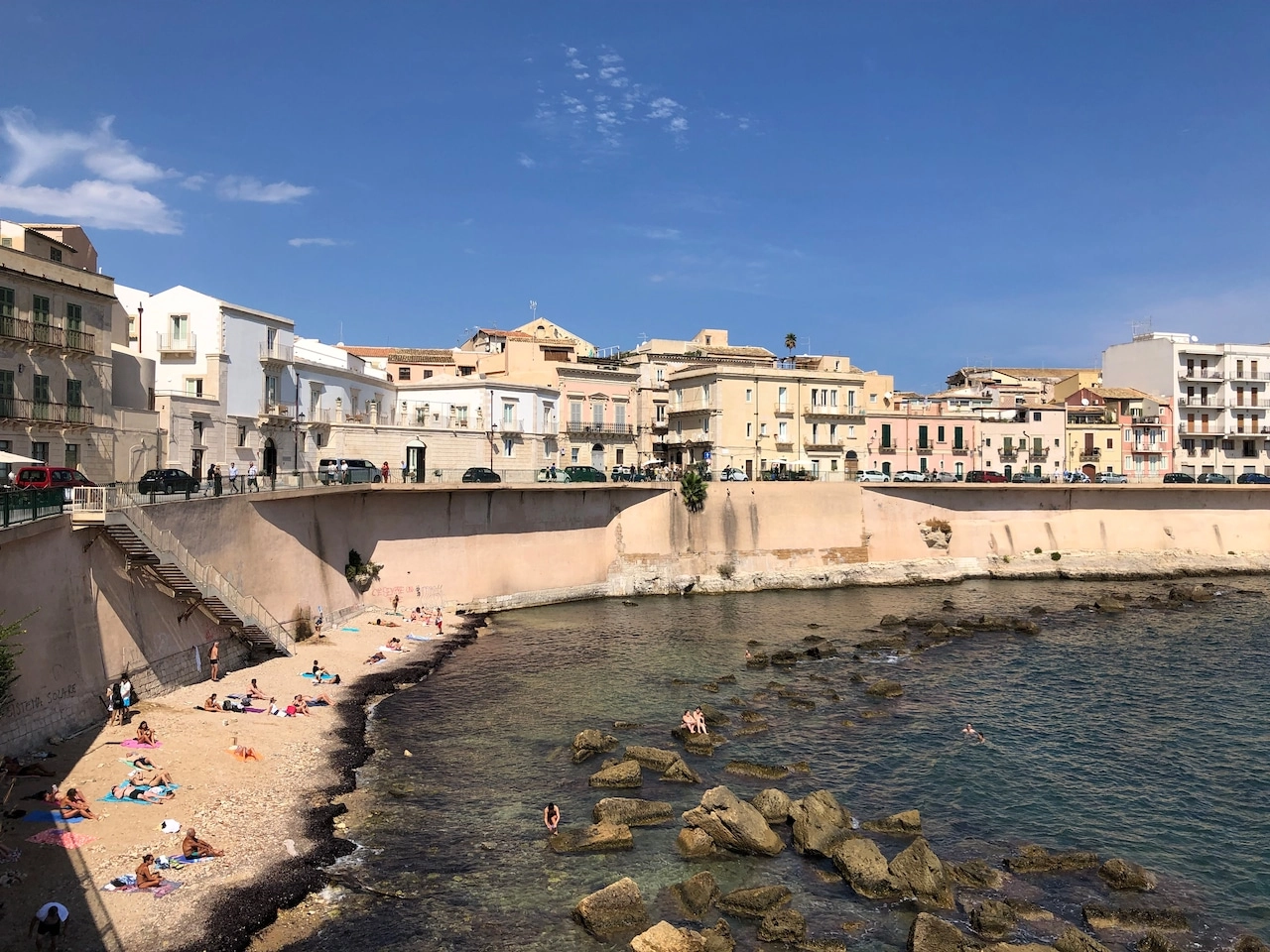
So many aspects of Sicily evoke a sense of enchantment. Picture winetasting dinners under the stars in a Catania courtyard, the bustling narrow streets of Siracusa by the waterfront, and the stunning limestone architecture in the hilly streets of Noto. Amidst these picturesque settings lies the undeniable quality of Sicilian wines, particularly its exceptional red varieties.
This week highlights some notable red wines from Sicily, including the celebrated Nero D’Avola grape and other prominent red varietals.
Sicilian Wine Statistics
- 242,000 acres of vineyards
- 7,200 wine growers
- 530 wine bottlers
- 30% of organic Italian wine is produced in Sicily
Historical Background
Wine production in Sicily has thrived for over 4,000 years, tracing its roots to the Greeks. Ideal conditions for winemaking abound due to its hot summers, mild rainy winters, diverse soils, and a rich variety of grape species—over 70 types flourish on the island.
Regions of Winemaking
Sicily’s four distinct climatic zones contribute to the richness of its wines:
- Coastal Climate: Milder and beneficial for grape growth.
- Mt. Etna Area: Features humidity and warmth in the east, transitioning to cooler northern slopes.
- Mountainous Areas: Colder regions compared to the island’s other areas.
- Inland Area: Hotter and more humid conditions prevail here.
Notable Sicilian Red Wine Grapes
Sicily showcases more than 70 red grape varieties, with three key players producing some of the island’s finest wines:
- Nero D’Avola: Indigenous to Sicily and recognized for its fruit-forward character. Gaining popularity since the 1600s and 1800s, it set the stage for Sicily’s wine renown.
- Frappato: Often blended with Nero D’Avola, this native grape lends a fresh, floral finish.
- Nerello Mascalese: Grown predominantly on Mount Etna’s volcanic slopes, it produces elegant wines reflecting the unique earthy qualities of the region.
Recommended Tasting Notes
The following wines offer an exciting glimpse into Sicily’s red wine offerings, all sampled by the author:
- 2022 Kaggera Nero D’Avola: A lush, dense wine with floral aromas, hints of dark chocolate and leather.
- 2022 Colosi Nero D’Avola: Delicate and fragrant, with lasting cherry and raspberry notes.
- 2021 Fondo Antico ‘Nene’ Nero D’Avola: An outstanding wine with notes of black licorice and raspberry, revealing elegant flavors over time.
- 2020 Eruzione 1614 Planeta (Highly Recommended): A lively red from Nerello Mascalese, it boasts bright, intense flavors reminiscent of Beaujolais.
- 2021 Donnafugata Sul Vulcano Etna Rosso DOC: A light, bright red with vivid fruit notes of cherry and raspberry.
Local Wine Events
For those interested in further exploring exceptional wines, a wine tasting class focusing on New Zealand wines is being held at Provisions in Longmeadow on September 23 from 6 to 8 PM. Tickets are available for $25.
Whether you’re indulging in an everyday wine or looking to splurge, Sicilian red wines offer a delightful experience, showcasing the island’s rich viniculture and flavorful grape varieties. Cheers!
Star-Studded Lineup: Celebrity Chefs Headlining the 2025 Walt Disney World Swan and Dolphin Food & Wine Classic
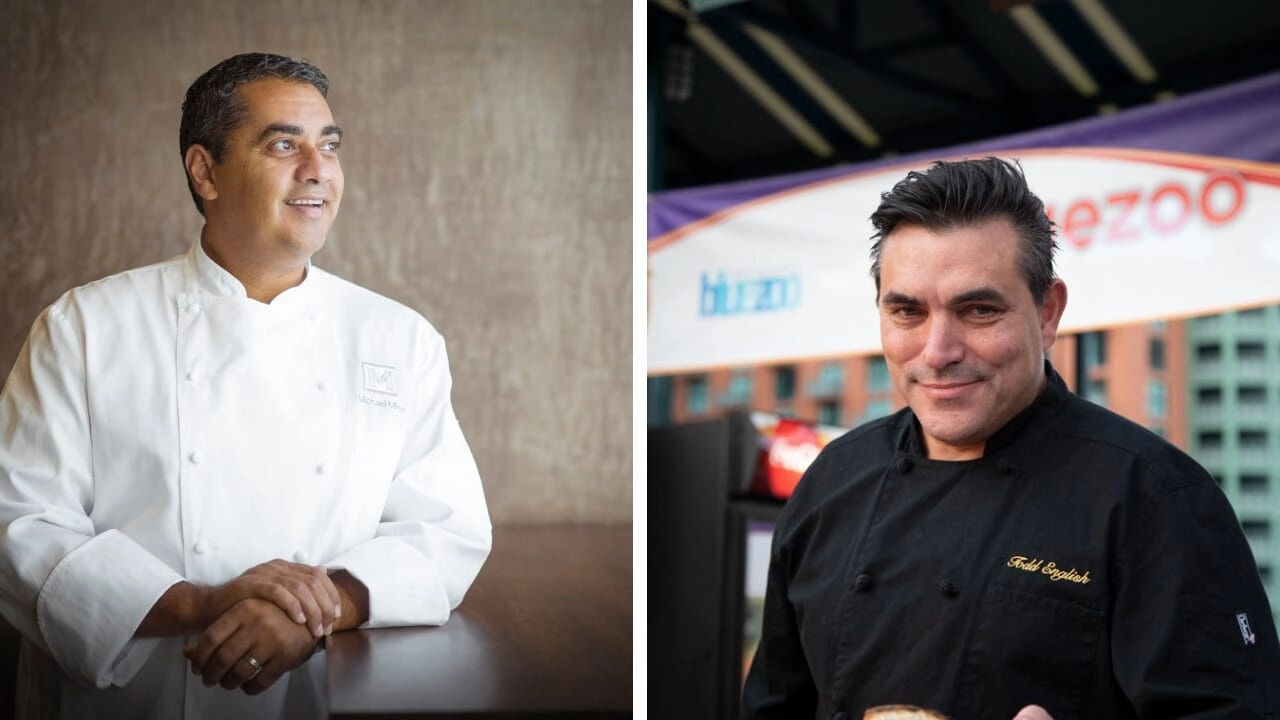
Renowned celebrity chefs Todd English and Michael Mina are set to headline the 2025 Walt Disney World Swan and Dolphin Food & Wine Classic. Both chefs will host their signature tasting experiences and participate in meet-and-greets during the event, which will take place on November 14 and 15, 2025.
About the Chefs
Todd English and Michael Mina are celebrated figures in the culinary world, each having won James Beard Awards. They are also known for their restaurants at the Walt Disney World Dolphin: Todd English’s bluezoo and Bourbon Steak by Michael Mina. Guests can expect a strong culinary presence and innovative cuisine from both chefs during the festival.
Signature Tasting Experiences
Guests attending the festival can participate in special tasting events:
-
On November 14, Chef English will present “A Culinary Journey Through Asia,” featuring a unique five-course menu with dishes like Bluefin Tuna trio and Koji-cured short rib, paired with wines and sake.
-
On November 15, Chef Mina will lead “A Global Inspired Tour With Flair,” a five-course dinner that includes bacon-wrapped scallop and slow-roasted prime rib, accompanied by specially selected wines and a dessert cocktail.
These experiences are scheduled for 3:30 p.m. each day, priced at $185 per person, plus taxes and fees. Tickets are available here.
Event Details
The Walt Disney World Swan and Dolphin Food & Wine Classic celebrates its 16th year with unlimited tastings of over 45 different dishes and more than 170 beverage selections each evening. The event runs from 5 p.m. to 9 p.m., encouraging guests to attend both days for the full experience.
One-day tickets are available for $210.68, and a bundle for both nights is offered at a discounted rate of $403.30. Tickets can be purchased via FoodAndWineClassic.com and guests can call 1-888-828-8850 for exclusive room rates with proof of ticket purchase.
Will you be attending the Swan and Dolphin Food & Wine Classic this year?
Costco Issues Urgent Safety Notice: Popular Sparkling Wine Affected by Shattering Risk
Costco has issued a warning regarding its Kirkland Signature Prosecco Valdobbiadene (item #1879870) after discovering a defect that poses a risk of the bottle shattering even when unopened. This safety notice applies to bottles sold between April 25 and August 26.
Customers are advised not to open any unopened bottles they may possess. Instead, they should safely dispose of them by wrapping the bottle in paper towels, sealing it in a plastic bag, and placing it in the trash to prevent injury from shattered glass. Costco has requested that customers do not return the bottles to the store.
For those who purchased this sparkling wine, Costco will send letters informing them of the issue and providing details on how to obtain a full refund when they return the letter to their nearest store.
If you have any concerns or need more information, you can reach out to Ethica Wines, the manufacturer, at customercare@ethicawines.com or by phone at 786-810-7132.
Sip, Sip, Hooray? Lady Gaga’s Red Wine Rituals and the Bad Romance Behind Them

The first encounter with mixing wine and soda often evokes vivid memories, like those from childhood, where a family matriarch might mix Chianti with cream soda. Though I initially disapproved of the taste, it opened the door to discussing the varying preferences that people, including celebrities, have for their beverages. Lady Gaga has recently faced some mixed reactions on social media for the way she enjoys her red wine, mixing it with Diet Coke and maraschino cherries.
This revelation came to light when USA Today shared a video of people trying and enjoying this unusual blend. The comments, however, were harsh, with critics mocking the drink. One user remarked, “They just make that s*** up to get y’all to drink nasty s***," while another cruelly dubbed it "Lady gag gag." Yet, TikTok users appear to have a more forgiving stance, with one describing the combination as "mayhem in a glass" but still palatable, even rating it a respectable seven out of ten.
It’s important to note that Lady Gaga isn’t setting a new trend with her preference. The combination of red wine and cola has historical roots in Spanish culture and is known as Kalimotxo, which dates back to the 1920s. The drink gained popularity in the 1970s as a way to mask the taste of spoiled wine during festivals, cleverly named after a festival organizer.
Beyond the Kalimotxo, there are other refreshing wine and soda concoctions, like tinto de verano, which blends red wine with lemon-lime soda for a summertime treat. These drinks are not only designed to be enjoyable in warm weather but also come in with lower alcohol content, making them perfect for casual gatherings. This lighter mix might be particularly appealing to health-conscious individuals like Lady Gaga.
For those wanting to explore unique drink recipes, there’s more culinary inspiration to discover.
Meghan Markle’s Wine: Crafted by Expert Marketers, Says Insider
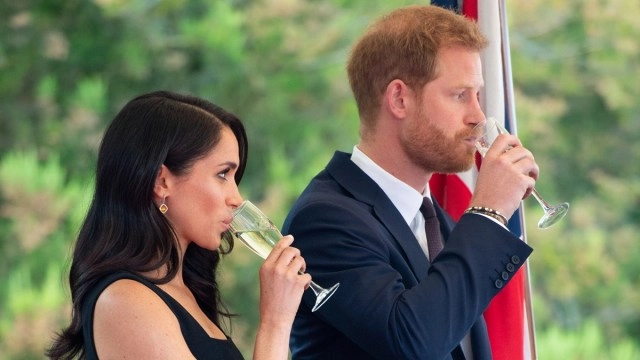
Meghan Markle’s Napa Valley Rosé, launched under her lifestyle label As Ever, has garnered mixed reviews from wine experts. The Duchess of Sussex, known for her love of cooking and winemaking, has expanded her brand to include various products alongside her wine. Recent evaluations from a tasting panel revealed differing opinions about the quality of her wine.
Dana Beninati, a classically trained chef and sommelier, rated the rosé a six out of ten. She described the initial sip as "hot on the finish," attributing this sensation to its high alcohol content. Beninati remarked that the wine doesn’t convey the essence of being made with care from family-owned vineyards, suggesting instead it feels like a product created by "expert marketers" rather than Markle herself.
Conversely, Crystl Faye Horton, former wine director at Del Frisco’s Double Eagle Steakhouse, praised the rosé. She noted the wine’s robust flavor profile and deemed it a good value at $30, indicating that it appears to be crafted with intention and seriousness.
The contrasting feedback highlights the ongoing debate about Markle’s foray into winemaking, with some experts questioning the authenticity of the product while others see potential and quality in her offerings.
Mendocino Wine Competition: A Harmonious Blend of Professional and Public Palates
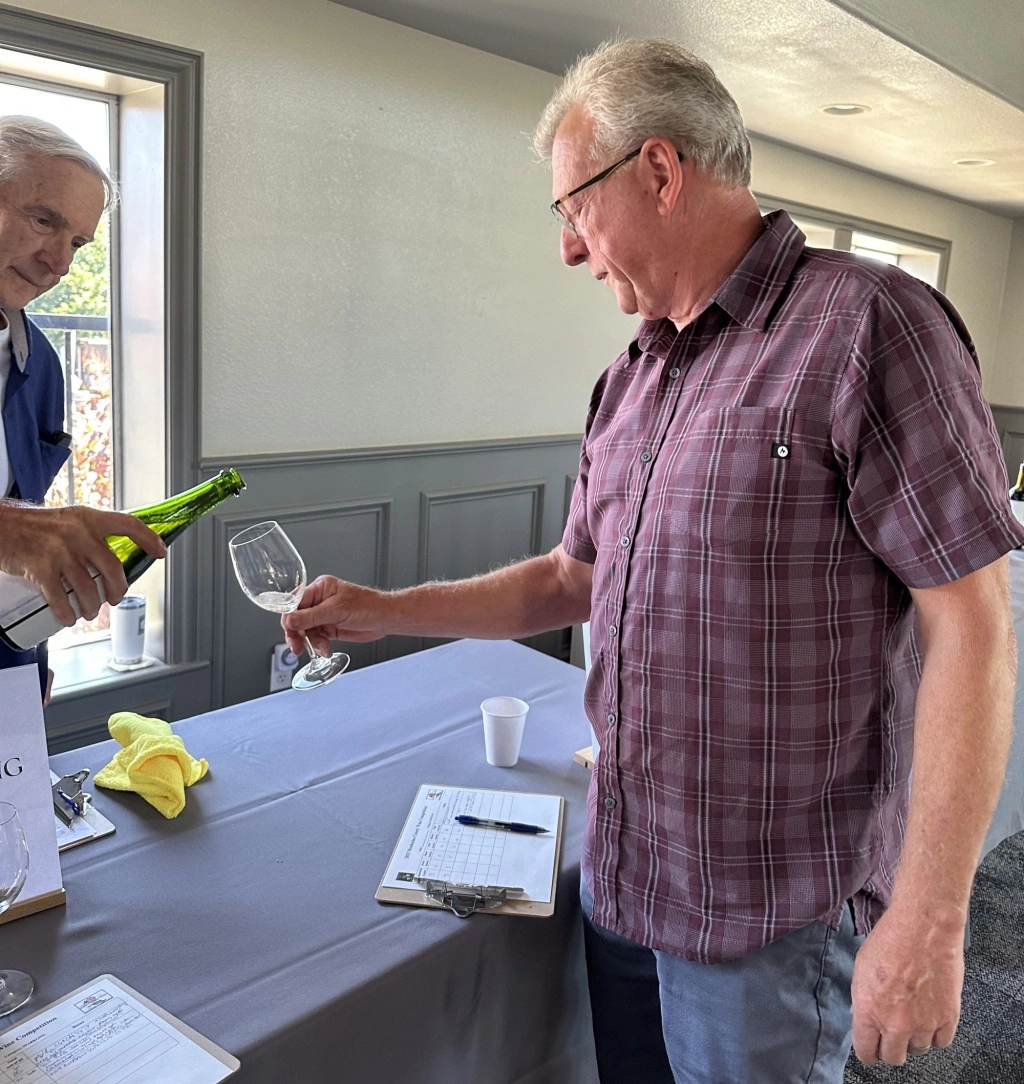
The 46th annual Mendocino Wine Competition took place on August 17 in Hopland, showcasing a unique blend of public and professional judges tasting the same wines. This format proved effective in aligning preferences, as significant agreement was found between industry experts and consumers on their favorite selections.
Among the standout winners, the NV Roederer Brut Rosé claimed the People’s Choice in the sparkling wine category, with the 2011 Terra Savia Blanc de Blanc closely following. Conversely, the industry judges awarded Best of Class to the Terra Savia.
For chardonnay enthusiasts, the 2024 Kalpela Chardonnay won over the public, while the industry favored the 2023 Barra Reserve Chardonnay, demonstrating some divergence in taste preferences yet still a shared admiration for quality wines.
From nine entries in the sauvignon blanc category, the 2024 Husch Vineyards was designated Best in Class by industry judges, while consumers opted for the 2024 Bonterra Organic Estate. This trend of nearly identical preferences continued in the pinot noir category, where both groups recognized the 2023 Girasole Vineyards Pinot Noir as Best of Class.
The rosé section saw the Handley Cellars 2024 Pinot Noir Rosé awarded Best of Class by industry judges, while the People’s Choice was the 2024 Navarro Vineyards Rosé of Sangiovese. A noteworthy consensus also emerged with the 2023 Rustic Ridge Zinfandel earning Best of Class recognition across both categories.
In the Syrah category, the People’s Choice was awarded to the 2021 Handley Cellars Syrah, Kazmet Vineyard, while the industry judges chose the 2024 Omen Syrah for Best of Class. The Petite Sirah category reflected close results as well, with the 2021 Graziano Petite Sirah being favored by consumers, but industry judges awarded the 2022 Barra Petite Sirah as Best of Class.
In dessert wines, both judges aligned, selecting the 2024 Husch Vineyards Late Harvest Gewurztraminer and recognizing the 2018 Terragena Riesling and 2018 Nelson Family Vineyards Ice Riesling with Gold medals.
As harvest season commenced, vineyards in the area, such as Alamitos in San Jose and Madson in Santa Cruz, began reaping the rewards of their labor with the anticipation of additional grapes coming in due to warm weather.
In the local wine scene, Melanie Bauer’s long-awaited Winston Champagne Bar opened in downtown Los Gatos, and longtime Testarossa winemaker Bill Brosseau officially launched his Brosseau Wines Studio in Marina. He invites wine lovers to experience his family’s vineyard offerings and his own unique creations. For a tasting experience, reservations can be made at Brosseau Wines with an upcoming Harvest Party scheduled for October 25.
25 Must-Try Foods and Drinks at the Epcot International Food & Wine Festival
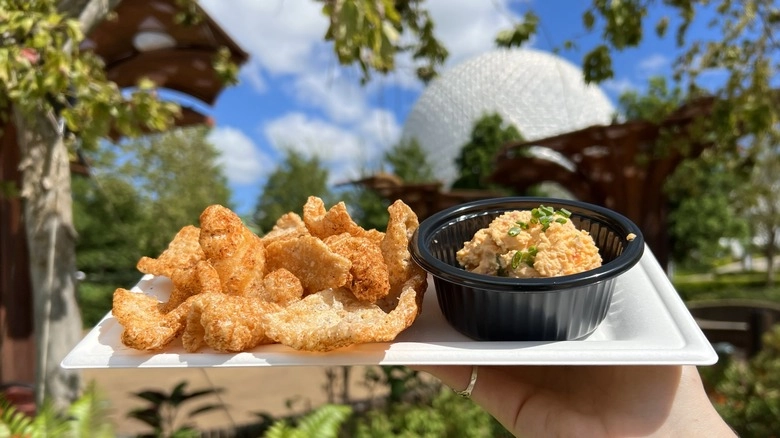
The Epcot International Food & Wine Festival at Walt Disney World is an annual celebration that showcases a vast array of flavors from around the world. This year, it features an exciting selection of both food and beverages that cater to a wide variety of palates, from classic American dishes to innovative international cuisine.
The festival runs alongside engaging activities like Emile’s Fromage Montage, a scavenger hunt for cheese lovers, and nightly entertainment, including the Eat to the Beat Concert Series and a spectacular fireworks display, Luminous: The Symphony Of Us.
Highlighted Foods and Drinks:
-
Chicago-Style Hot Dog: This classic dish at the Flavors of America booth is topped with vibrant green relish, pickles, tomato slices, and onions, served on a soft poppy seed bun.
-
Strawberry Basil Cocktail: Available at the U.K. Beer Cart, this cocktail is made with strawberry basil syrup, Beefeater Pink strawberry gin, St-Germain elderflower liqueur, and Seagram’s ginger ale, offering a refreshing summer flavor.
-
Braised Beef Poutine: A hearty option from the Refreshment Port that includes fries topped with braised beef, herbed Boursin cheese, and gherkin relish.
-
Poblano Margarita: This drink from the Mexico Booth features Lalo Tequila Blanco and Ancho Reyes Verde Chile Poblano Liqueur, providing a citrusy kick perfect for hot days.
-
Adobo Yuca Fries: Found at The Fry Basket, these delicious yuca fries come with garlic-cilantro aioli and are a crispy treat that’s quite addictive.
-
Pickle Milkshake: A unique offering at The Brew-Wing Lab, this quirky shake blends creamy goodness with a subtle pickle flavor, creating a conversation starter among festival-goers.
-
Korean BBQ Chicken Sandwich: Served at Connections Café and Eatery, this sandwich includes tender grilled chicken and a mountain of fries, making it a satisfying meal option.
-
Brioche Aux Escargots: A delightful twist on traditional escargots, this dish features sautéed snails inside a brioche bun at the France Booth.
-
Guava Cake: A plant-based dessert at Shimmering Sips, this guava cake topped with whipped cream and coconut is a tropical indulgence at an affordable price.
-
Kyoho Grape Sour: A refreshing cocktail from the Japan Booth, it blends black grape juice with shōchū and vermouth, making it a perfect choice for a hot day.
With so many culinary experiences, the festival truly offers an exquisite journey through diverse flavors, ensuring that attendees leave with full stomachs and happy hearts. For more details on the event, you can visit the Epcot International Food & Wine Festival page.