Wine 1106
Discover the Hidden Gem: Costco’s Sancerre – A Rare French Wine Bargain Under $20!

Sipping a glass of refreshing white wine is a delightful way to unwind after a long day. However, finding a quality wine that strikes the right balance between taste and affordability can be challenging, especially when you want something enjoyable without breaking the bank. One grocery chain has caught the attention of white wine enthusiasts due to its appealing offerings.
Sarah Zeiler, a North Carolina-based content creator, is not only known for her lifestyle vlogs but also for her wine reviews on social media. As a Costco member, she passionately searches for great white wines that won’t empty her wallet. Recently, she excitedly shared her find of Ronsard La Pleiade Sancerre, a French wine, during one of her Costco hauls.
The discovery of this "amazing" Sancerre, typically priced higher at other retailers, was a thrill for Zeiler, especially since it was available for just under $15 at Costco. While some locations may list it around $20 or $18 online, this bottle usually retails for at least $29 elsewhere, making it a fantastic deal. Comments from her followers echoed her sentiments, with one exclaiming that it’s hard to find Sancerre for less than $30!
Sancerre refers to an esteemed wine region in France’s Loire Valley, recognized for its mineral-driven Sauvignon Blanc wines. The only white grape allowed in this appellation, Sauvignon Blanc, typically commands higher prices due to its limited supply and high demand. The Sancerre from Domaine de Ronsard flaunts a crisp, citrusy profile, showcasing grapefruit notes and elegant floral aromas.
Zeiler was immediately taken by the wine’s flavor, declaring it "so good" and praising its dry, light profile and vibrant fruit notes. This wine not only pairs beautifully with food but also stands out for its invigorating acidity, making it a prime choice for those seeking a bright, energetic taste.
Impressed by Costco’s efforts to offer more approachable French wines, Zeiler voiced her optimism that the retailer is listening to customers who crave quality at a reasonable price. This discovery has many hoping to fill their carts with this delightful Sancerre during their next Costco visit.
For more information about this Sancerre and other Costco wine selections, check out the original article on Food & Wine.
The Ultimate Guide to Storing Wine at Home: Tips for Red, White, and Sparkling Varieties
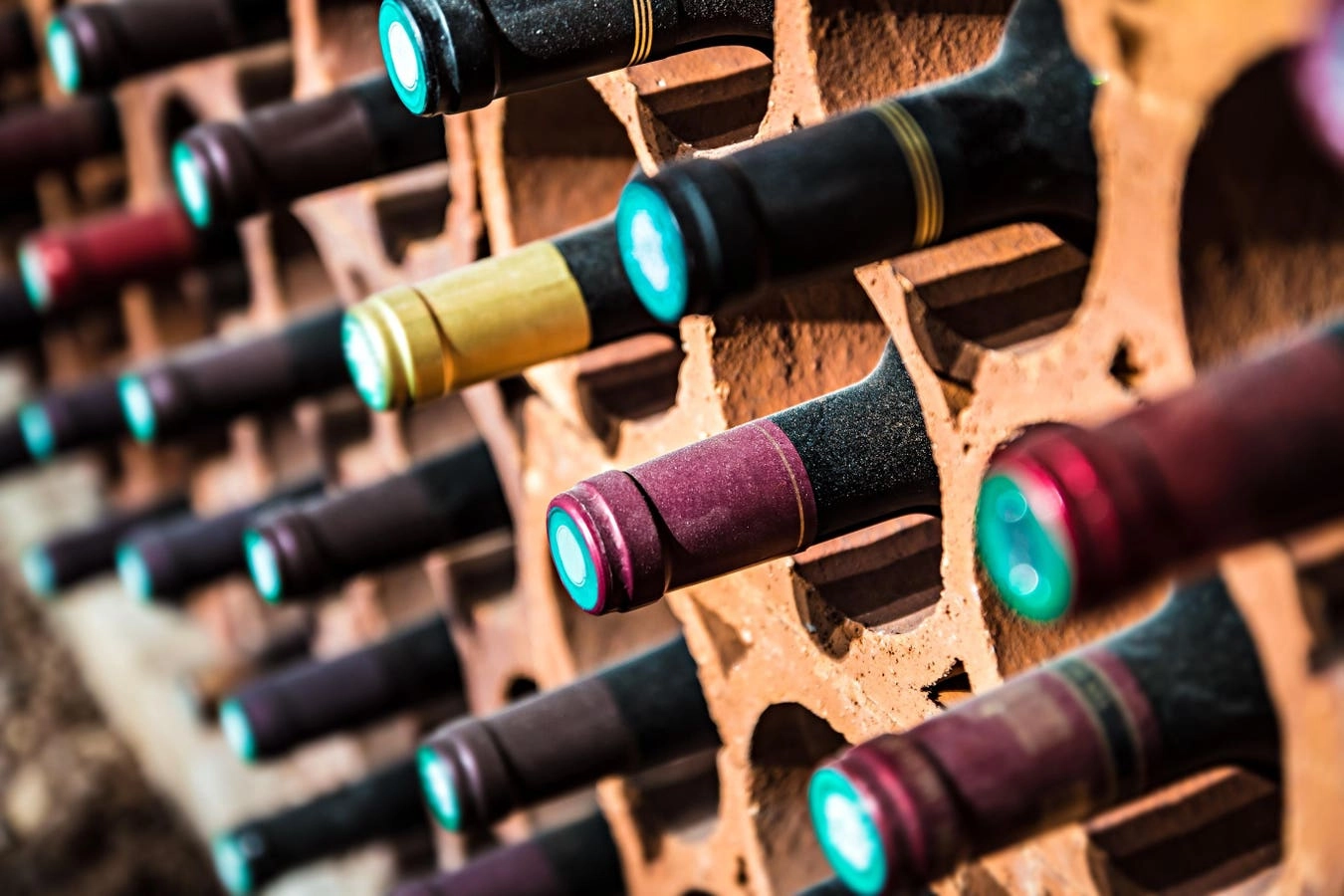
Wine storage might seem straightforward, but proper techniques play a crucial role in maintaining quality over time. Jessica Dukes, a sommelier at Grande Lakes Orlando, emphasizes that the integrity of wine relies on optimal conditions, including temperature, humidity, sunlight exposure, and bottle positioning.
Best Temperatures To Store Wine
Different types of wine thrive at specific temperatures. For example, Champagne is best stored between 40 to 50°F, white wine between 45 to 55°F, and red wine between 55 to 65°F. Camille Syren, brand director at Goguette, warns that temperature fluctuations can damage flavors, while Megan Brodie of Archer Roose Wines adds that warm conditions can lead to undesirable tastes—like cooked or flat flavors—while cold environments can dry out corks and create other issues.
Storing Canned Wine
Just like bottled wine, canned wine requires careful temperature management to prevent degradation of the can liner and off-aromas.
Serving Vs. Storage Temperatures
It’s crucial to distinguish between storage and serving temperatures. Red wines taste best between 57 and 64°F while white wines excel at 46 to 54°F, and sparkling wines shine at 43 to 50°F.
The Kitchen Fridge Dilemma
Regular refrigerators are not suitable for wine storage. They are too cold, too dry, and made for food rather than wine. Experts suggest using the fridge for short periods—ideally, no more than a month—because extended exposure can lead to cork spoilage.
Wine Fridges vs. Long-Term Storage
Wine refrigerators are ideal for short-term use, typically around one year. For longer aging, consider investing in dedicated long-term storage options. A three-zone fridge can help keep different wine types at their ideal temperatures, while a single-zone fridge requires you to adjust the temperature upon removal.
Storing Wine Bottles
Most wines should be stored horizontally to keep the cork moist, while screw-cap and canned wines can be stored vertically. This prevents corks from drying out, which can compromise storage integrity.
The Role of Humidity
Humidity impacts cork condition significantly. Ideal humidity levels for wine storage should be around 60 to 70 percent, which helps prevent cork drying or excessive wetness.
Importance of Darkness
Wine should be kept away from light to prevent chemical reactions triggered by UV rays. Dukes suggests storing wine in dark environments, like closets, to avoid spoilage caused by light exposure.
Kitchen Shelf Storage Limitations
Storing wine on a kitchen shelf for more than a week is ill-advised due to exposure to light, heat, and temperature fluctuations, which can spoil the wine.
By adhering to these expert guidelines, wine lovers can ensure that their collections remain in optimal condition for years to come.
Easy Storage Hacks to Keep Your Wine Fresh for Longer
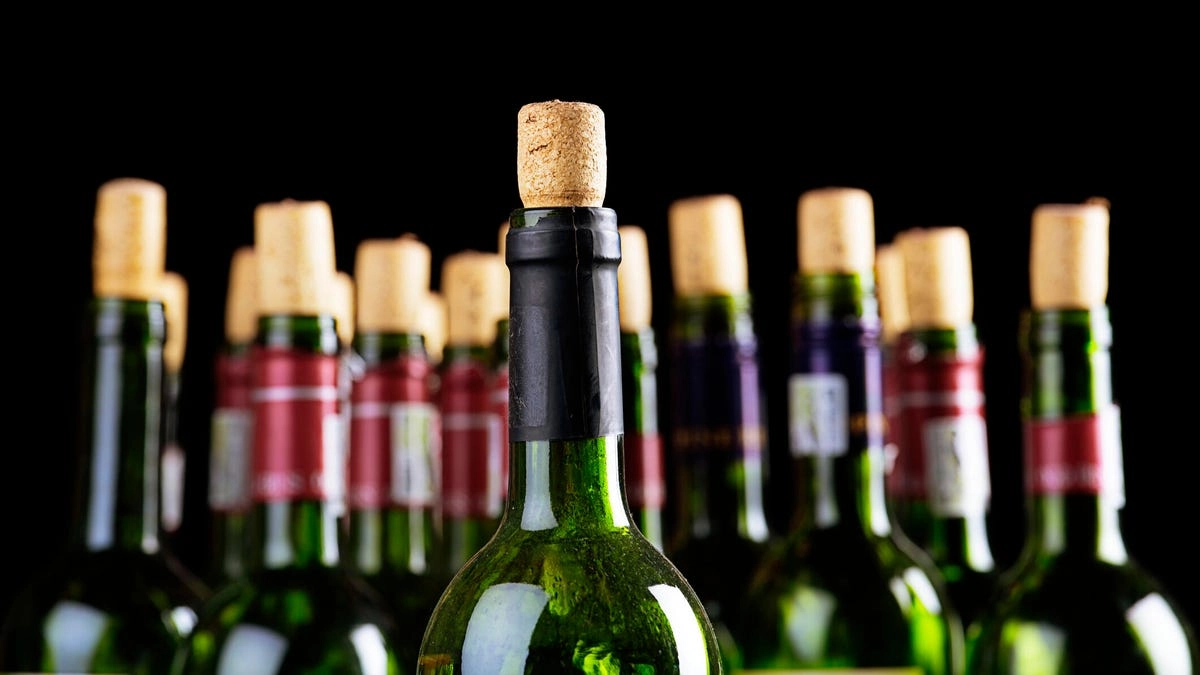
Don’t let a good bottle of wine lose its essence too quickly; with the right storage methods, you can keep it fresh for several days after opening. Here are the main guidelines to follow for different types of wine.
How Long Does Wine Last After Opening?
-
Red Wine: Red wines can last 3 to 5 days when stored properly in the fridge. While many circles believe red wine should be kept at room temperature, refrigeration slows oxidation and can sometimes enhance the flavor profile of the wine. For optimal taste, remove from the fridge roughly 10 minutes before serving to allow it to warm slightly.
-
Full-bodied White Wine: These wines typically last about 2 to 3 days in the fridge. Because full-bodied whites like oaked Chardonnays oxidize faster, it’s essential to keep them tightly corked and refrigerated after opening.
-
Light White, Sweet White, and Rosé Wines: These can usually hold up for 4 to 5 days when kept in the fridge. Like reds, they will start to lose their vibrant character but are still drinkable within a week.
-
Sparkling Wine: Sparkling wines have the shortest lifespan, lasting only 1 to 3 days. To preserve the bubbles, store these bottles with a special sparkling wine stopper or a product like Coravin that pumps carbon dioxide back into the bottle.
Storage Tips to Extend Freshness
-
Use a Wine Preserver: Investing in a vacuum wine preserver can help remove oxygen from the bottle, which is key to maintaining wine’s flavor and aroma.
-
Store in the Refrigerator: An open wine bottle, regardless of type, should go in the fridge. The cooler temperature slows down chemical reactions and keeps the wine from spoiling.
-
Avoid Light and Heat: Keep wine away from direct sunlight and heat sources, such as near the stove or above a refrigerator, to prevent ‘cooking’ the contents.
Ideal Serving Temperatures
- Sparkling Wine: 40 to 45 degrees Fahrenheit
- Light Whites and Rosés: 45 to 50 degrees Fahrenheit
- Full-bodied Whites and Light Reds: 48 to 56 degrees Fahrenheit
- Medium-bodied Reds: 55 degrees Fahrenheit
- Full-bodied Reds: 59 to 68 degrees Fahrenheit
By taking these precautions and understanding how to store your wine, you can savor every last drop rather than letting it go to waste. Cheers!
The Case Against Using Expensive Wine for Your Sangria: Here’s Why!
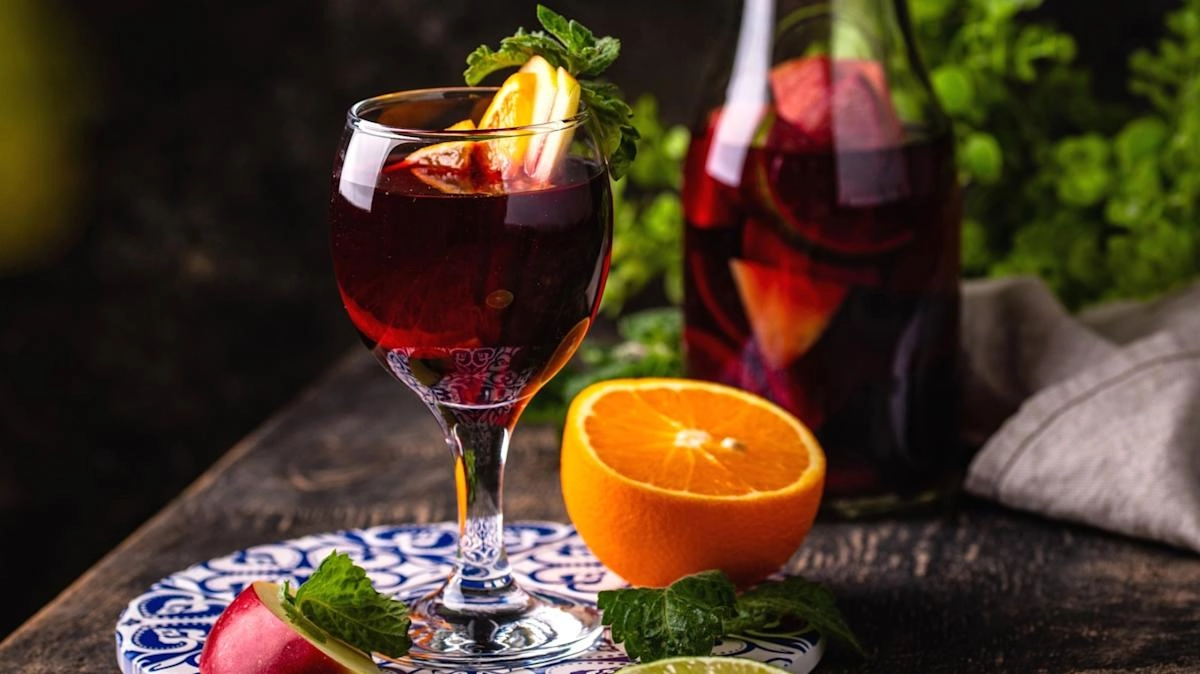
In the realm of wine enthusiasts, two distinct groups emerge: the educated sommeliers who appreciate the nuances of wine, and the casual drinkers who enjoy sipping a flavorful beverage in a relaxed atmosphere. Sangria, a refreshing fruity concoction, appeals to both groups. Celebrated for its lively flavor, making sangria doesn’t require a hefty financial investment.
Joe Mele, a sommelier and co-host of The Wine Pair Podcast, offers a straightforward perspective on the wine selection for sangria. He emphasizes that higher-quality wines do not enhance the drink’s flavor. Using an expensive wine in sangria is considered wasteful since the addition of fruit and sweeteners diminishes the importance of the wine’s quality. Mele notes, "Better wines do not make better sangria."
Sangria is intended for enjoyment and social gatherings, not for impressing wine aficionados. Instead of choosing a premium vintage, he suggests opting for cost-effective options available at local stores like Trader Joe’s.
When it comes to wines suitable for making red sangria, Mele recommends Spanish varieties such as Rioja and Garnacha, typically priced between $10 and $15. For white sangria, he suggests wines like Vinho Verde and Verdejo, easily found within the same price range. With the vibrant flavors introduced by fruits in sangria, the specific wine used becomes largely inconsequential to the overall experience.
Ultimately, whether serving red sangria alongside a charcuterie board or white sangria with lighter snacks, there’s no need to overspend on wine. The essence of sangria lies in its fun and approachable spirit, making it a perfect choice for gathering with friends.
Preserving Heritage: Keeping an Oregon Wine Brand True to Its Roots
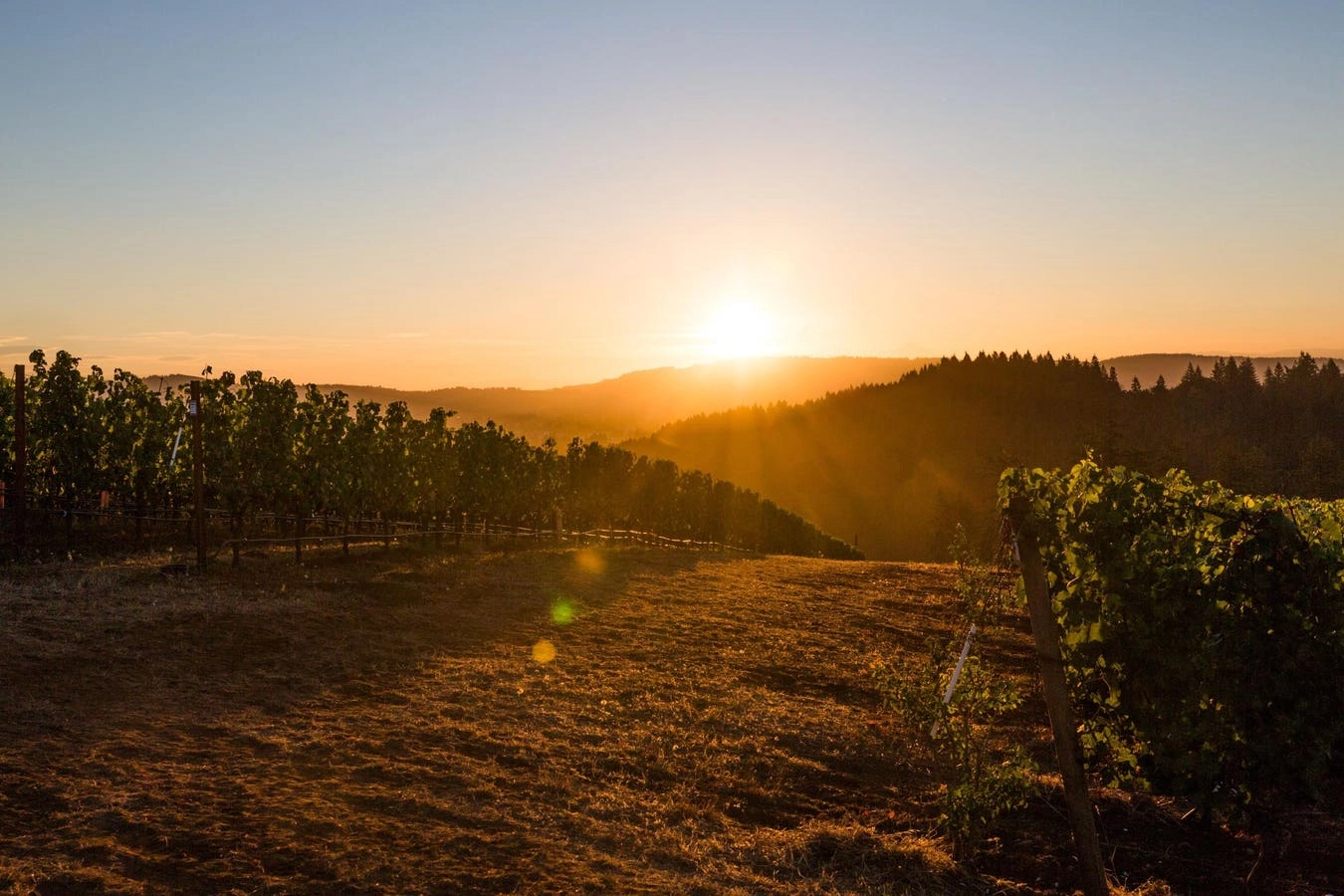
The wine industry, especially in Oregon’s northern Willamette Valley, has faced significant changes over the past few years. While the pandemic did not completely derail the industry, it struggled with declining interest from younger generations and an ever-evolving corporate landscape characterized by acquisitions and changing ownerships.
Among Oregon’s wineries, Archery Summit stands out for maintaining its distinctive style despite these challenges. Producing around 10,000 cases from its Dundee Hills Estates, the winery has seen various ownership, from Olympic skier Gary Andrus to the current Napa-based Crimson Wine Group. Despite these transitions, dedicated winemakers have worked diligently to preserve the winery’s unique taste profile.
Recently, Kim Abramson took on the role of winemaker at Archery Summit. After spending eight years with one of Oregon’s well-respected brands, Lingua Franca, she decided to seize the opportunity to contribute to Archery Summit’s rich history. Her mission is to nurture the winery’s legacy while guiding it into its next chapter.
Regarding her approach, Abramson emphasizes the importance of patience and understanding the brand’s nuances. She knows that maintaining Archery Summit’s identity requires a thoughtful process, where questions like "why" and "how" are crucial for the winery’s evolution. With five estate vineyards as her canvas, Abramson aims to raise their distinctive voice while drawing insights from past winemakers.
Her perspective on change is clear: staying stagnant is not an option. She aims to refine rather than completely reinvent the winery’s approach, believing that evolution is essential for continued relevance. Each winemaker inevitably brings unique shifts, whether in oak usage or picking dates, and Abramson intends to blend these subtle changes within the existing framework of the winery’s traditions.
In conclusion, while she respects the foundation laid by her predecessors, Abramson envisions a future where Archery Summit remains true to its roots while adapting to the evolving landscape of the wine industry. The goal is to ensure that every wine produced speaks to the heritage of the vineyard, with the winemaking team serving as a guide.
Sip in Style: Discover Dana Point’s New Oceanview Wine Experience

Wine Experience Dana Point has commenced its soft opening, providing exclusive tastings for wine club members and selected guests. Owner Michael Davis, reflecting on the realization of his dream, feels emotional about the launch of this hybrid wine retail shop and tasting room.
Davis, who holds a level three certification from the Wine and Spirit Education Trust, previously co-owned A Hidden Vine on the Lake in Mission Viejo. After ten years of nurturing a local wine community there, he sought to establish a second location with a stunning ocean view.
The search for the perfect seaside spot spanned a year and a half, during which Davis examined approximately 40 different potential sites. Just when he thought his dream was unattainable, a call from his real estate broker opened the door to a new opportunity: a brand-new building in Dana Point featuring breathtaking views of the ocean.
With the location secured, Davis recalled the enthusiasm of former wine club members Stephen Hines and Karla Clarke, who had expressed interest in collaborating on a wine venture. Their partnership came to fruition, and together they launched Wine Experience Dana Point, blending elements of a wine bar, retail shop, and dining experience. The establishment boasts a team of expertly trained wine stewards, including sommeliers at every front-of-house position.
The shop features an extensive selection of popular and rare wines suitable for both novices and aficionados. Patrons can enjoy any bottle purchased on-site, with innovative wine-by-the-glass dispensers allowing for precise pours. This technology keeps wines fresh post-opening, using food-grade argon gas for still wines and carbon dioxide for sparkling varieties. Customers can load a card with funds to activate the dispensers, offering choices ranging from 1-ounce tastings to full glasses.
Davis emphasizes quality over quantity, with about 60% of their offerings being domestic and 40% imports, all personally vetted for high standards. Wine director Wendy Robb, a certified sommelier, has curated a diverse selection of wines from various regions, ensuring an exciting array for guests.
In addition to wine, the establishment serves complementary menus of cheese boards and charcuterie, as well as heartier dishes like braised short ribs. The anticipatory grand opening is scheduled for September 5, featuring a ribbon-cutting and live virtual DJ set, promising an engaging experience as guests savor wine with the sunset view.
Wine Experience Dana Point is set to officially open at 34137 Golden Lantern in Dana Point on September 5. For more information and reservations, visit wineexperiencedp.com.
Regina King Launches ‘MianU’: A New Orange Wine Celebrating Love, Loss, and Connection

Regina King, the celebrated actress and director, recently shared insights into her life, artistry, and her new venture into the world of wine with her orange wine, MianU. King’s journey has been characterized by powerful performances and deep personal connections, and her latest project honors her son, Ian.
During a captivating discussion at the Food & Wine Classic in Aspen, King opened up about her childhood, revealing how she and her sister used to hold performances, reciting poems and acting out stories. She reminisced about her grandmother’s cherished pound cake recipe, which she proudly displays in her home. This connection to family and tradition is a central theme in her life.
Traveling solo to France has had a lasting impact on King, teaching her openness and adaptability. She emphasized the importance of being present and attentive to one’s surroundings, which allows for deep connections to new experiences. Reflecting on her unexpected path to acting, she noted that she never envisioned being a Broadway star; instead, she enjoyed the craft organically, thankful that it chose her.
King is passionate about creating new memories with Ian, seeking to honor him through her wine. The idea for MianU stemmed from a simple yet profound moment when Ian introduced her to orange wine. "This wine is in celebration of him," she said, explaining that incorporating Ian’s name into the wine was a way to keep his memory alive and ensure he is never forgotten.
Her philosophy on life emphasizes connection and authenticity, underscoring the importance of nurturing relationships and making lasting memories. Through MianU, she hopes to inspire others to appreciate the beauty in everyday moments, encouraging them to savor the connections that make life meaningful.
In her quest for joy, King aspires to be a source of fun and connection for those around her, nurturing an environment where memories are made, cherished, and shared. Her journey through grief and love reflects a deep understanding of life’s fleeting but precious moments, reminding us all of the importance of being present and showing gratitude for our connections.
For more about Regina King’s journey and her work with MianU, you can visit MianU Wines.
Delaware’s New Direct Wine-to-Consumer Shipment Law: Key Insights and What It Means for You

I’m sorry, but it seems that the content you provided only contains links and a logo without any narrative or story to rewrite. Please provide a complete text or details from an article, and I’ll be glad to help you rewrite it.
Miranda Lambert’s Wine Tasting Fun with Husband Sparks Fan Frenzy Over Cheeky Decor!

Miranda Lambert recently shared a delightful experience of wine tasting in Napa, California, with her husband, Brendan McLoughlin. Fans of the country music sensation were thrilled to see her enjoying some downtime from her hectic touring schedule. Amidst her visit, they caught a glimpse of her horseback riding and shopping, all while engaging with excited fans who had seen her perform.
On her Instagram, she posted about the trip with a cheerful greeting from a local fan, who expressed gratitude for her performance in Santa Clara. The engagement continued with comments from followers wishing her a fantastic time in Napa Valley.
What particularly stole the spotlight was a ceramic tray Lambert showcased in her post, inscribed with the cheeky phrase, "Ambitchous (adj.) The desire to become a better b**ch." Measuring 6×4 inches and priced at $36, the tray piqued the interest of fans who appreciated its humor.
Lambert captioned her post, "Cheers to being ambitchous 🍷," which resonated with her audience. Fans were quick to express their desire for the tray, with some joking about it inspiring new merchandise or even a potential song. One comment humorously proposed, "I feel a new song coming onnn 🔥," highlighting the tray’s catchy appeal.
Fans were not only inspired by Lambert’s words but were also delighted to see her embrace a fun and candid side to her personality, sparking a wave of admiration and support.
5 Exciting Wine Tourism Trends to Watch in 2025

With global wine sales plateauing, many wineries are finding innovative ways to boost consumer visits and increase direct-to-consumer (DTC) sales. Despite an overall decline in winery visitation rates, certain regions and wineries are successfully enhancing their appeal by embracing new trends in wine tourism. Here are five notable trends emerging in 2025 that are helping some wineries thrive.
1. Mobile Wine Tourism
Wineries are taking their offerings directly to consumers by setting up pop-up stands at events such as music festivals and farmers’ markets. For instance, Wölffer Estate in New York has employed a mobile wine stand and a wine tap truck to reach wine enthusiasts where they gather. This trend not only broadens their consumer base but also creates opportunities for personal connections through home and restaurant tastings.
2. Winery Owner Interaction
As technology dominates communication, many visitors are seeking authentic interactions with winery owners or winemakers. This personal touch enhances the tasting experience and fosters loyalty. Many smaller wineries that create a welcoming environment are seeing increased bookings and revenue, reinforcing the importance of human connection in tourism.
3. Unique Events & Tours
Offering attractive and distinctive experiences beyond the traditional tasting formats is crucial. Wineries are introducing events like yoga classes and unique tours that teach sustainable practices. Examples include participating in goat yoga before a tasting at Brandeberry Winery in Ohio or taking part in organic vineyard tours at places like Benziger Winery in Sonoma County.
4. Drop-in Tastings & Affordable Tasting Fees
The rigidity of appointment-only tastings is declining as more wineries adapt to the demand for drop-in visits. This approach not only makes wineries more accessible but also rekindles the casual, welcoming atmosphere that many visitors enjoy. Some wineries are even introducing more affordable tasting options to attract a broader audience.
5. Subscription Clubs to Supplement Wine Clubs
Responding to the demand for flexibility, some wineries are launching subscription clubs that allow consumers to sample wines before committing to traditional wine club memberships. This model offers a less expensive alternative that appeals particularly to younger consumers seeking variety and convenience.
Conclusion
By embracing these five trends, wineries are not only enhancing their consumer engagement but also addressing the evolving preferences of modern wine enthusiasts. As society becomes more disconnected from nature and personal interaction, these wineries are creating opportunities for individuals to reclaim those authentic experiences, whether directly at the vineyard or transported to their local area. For more insights, you can explore the annual SVB DTC Report here.