The Las Vegas Global Spirit Awards has declared the World’s Best Vodka.
Craft distillers are making waves in the vodka industry, as evidenced by the recent winners at the 2023 Las Vegas Global Spirit Awards. While major vodka brands still dominate sales, it is clear that craft distillers are gaining recognition and success in international competitions.
The Las Vegas Global Spirit Awards, now in its seventh year, holds significant influence in the industry. Las Vegas, with its vibrant restaurant and mixology scene, is at the forefront of innovation and national trends. Winning a medal at this prestigious competition often leads to distribution opportunities in Nevada, a crucial step for craft distillers looking to expand nationally.
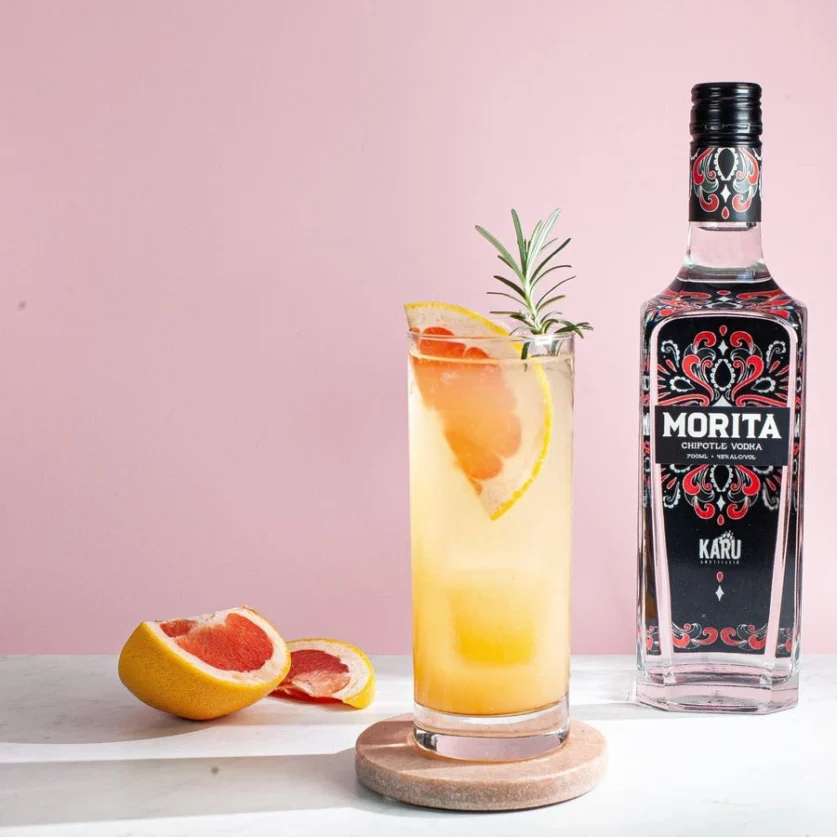
One standout brand at this year’s awards was Karu Distillery, whose Morita Chipotle Vodka took home the platinum medal and the Best Flavored/Infused Vodka award. Founded in 2018 by husband-and-wife team Nick and Ally Ayres, Karu Distillery is based in a suburb of Sydney called The Devil’s Wilderness. Known for their consistent success in international competitions, Karu Distillery’s Morita Chipotle Vodka offers a unique and complex flavor profile. Infused with Australian limes, Mexican chipotles, and agave syrup, this vodka stands out among the typical flavored vodkas with its smoky undertones and botanical infusion.
Another notable winner was Hawaii Sea Spirits, whose Ocean Organic Vodka claimed the top-ranked (neutral) vodka award. Founded by Shay Smith and his family, this family-owned craft distillery cultivates over 30 different species of Polynesian sugar cane on their 80-acre organic farm in Maui. What sets Hawaii Sea Spirits apart is their use of desalinated deep ocean mineral water obtained off the Kona coast. This distinct water source gives their vodka a clean and slightly mineral taste, with hints of lemon-lime and a touch of pepperiness.
Two other gold medal winners were recognized in the competition. The Hidgate’s Broken Clock Lingering Vodka, an English-style wheat vodka, stood out for its aromatic and fruity nose, with subtle notes of apples and rose petals. OVO Vodka, an American craft vodka, also impressed the judges with its commitment to ocean conservation. For every bottle of OVO Vodka purchased, the company funds the removal of 12 plastic bottles from the ocean.
These awards highlight the growing prominence of craft distillers in the vodka industry. With their dedication to innovation, unique flavor profiles, and commitment to social and environmental causes, craft brands are gaining recognition and market share. As consumers continue to seek out new and exciting spirits, it is clear that craft distillers have something special to offer. The Las Vegas Global Spirit Awards provide a platform for these talented distillers to showcase their craft and secure distribution opportunities, ensuring that their innovative creations reach a wider audience.
**Dive into the World of Vodka: An Exploration of the 2023 LVGSA Winners**
When it comes to vodka, there is a wealth of options available in the market for aficionados and cocktail enthusiasts alike. However, among the myriad of choices, one brand has consistently stood out and impressed both consumers and experts – an exquisite vodka made from a mash bill of corn and distilled in a column still. Its excellence has been recognized time and again in international spirit competitions, making it a persistent winner and a staple on many vodka lovers’ shelves.
Just recently, the 2023 Las Vegas Global Spirits Awards (LVGSA) took place, showcasing an outstanding array of craft vodkas that appealed to a variety of taste profiles. Among these exceptional spirits, our favorite brand once again surpassed expectations, solidifying its position as a top contender in the vodka realm. Described by the esteemed LVGSA Judging Panel as “neutral, spirity, with prominent lemon-lime notes,” this vodka provides a delightful sensory experience. Its smoothness and sweetness on the palate are followed by a long finish, leaving a slight, lingering pepperiness that adds a captivating twist to the overall taste profile.
For vodka enthusiasts who appreciate the simplicity of sipping their favorite spirit straight or those who prefer to experiment with cocktails, exploring the offerings from the 2023 LVGSA winners will undoubtedly be a delight. The curated selection of award-winning vodkas caters to a wide range of preferences, ensuring that there is something for everyone. Whether you enjoy the refreshing zest of citrus or prefer a more mellow, understated flavor, the winners of the Las Vegas Global Spirits Awards have got you covered.
To discover the full range of exceptional vodkas honored at the 2023 LVGSA, we encourage you to visit the company’s website. There, you will find a comprehensive listing that unveils a world of possibilities, waiting to be explored and savored. So why wait? Join us in raising a glass to the incredibly talented distillers who have poured their hearts and souls into crafting these award-winning vodkas. Cheers to innovation, excellence, and the magic that each bottle holds!
This acquisitive player in the wine industry aims for market leadership by adding to its offerings before the gifting season in Q4.

Join Splash Wines on its mission bringing wine to every door by investing in them here!
EAGLE, ID / ACCESSWIRE / October 25, 2023 /
In the vast landscape of the wine industry, one company is making huge strides towards becoming a market leader – Splash Wines. With a strategy of acquiring key competitors, Splash Wines aims to solidify its position as a dominant force in the industry. The current wine market is fragmented, with no clear leader, which presents an opportune space for Splash Wines to consolidate its presence and emerge as a frontrunner.
Founded in 2014, Splash Wines is a family business with three generations of experience in the wine industry. Over the past 15 years, the company has been at the forefront of the internet wine industry, establishing itself as a prominent player in the Direct-to-Consumer (D2C) space. By selling directly to consumers, Splash Wines eliminates the need for middlemen and offers wines at competitive prices.
With a customer base of over 800,000 and exceptional TrustPilot ratings, Splash Wines prioritizes customer satisfaction and loyalty. The company distinguishes itself from others by providing exceptional customer service. It values personal interactions and does not rely on chatbots or automated messages when communicating with customers.
Splash Wines has experienced significant growth in recent years, tripling its revenue in just three years. In 2022, the company reached $30 million in revenue and has set an ambitious goal of reaching $50 million by 2025.
In its quest for market consolidation, Splash Wines made its first major move by acquiring Wine Awesomeness last year. This acquisition not only added $1.5 million in annual revenue but also expanded Splash Wines’ reach into new markets, creating fresh opportunities for growth and innovation.
Building upon this success, Splash Wines recently announced the acquisition of Vine Oh!, a company specializing in wine gifting. This strategic partnership enhances Splash’s offerings by tapping into the lucrative gift subscription box space. With Vine Oh!’s expertise and connections, Splash can leverage its consumer-facing approach and integrate it with its operations, enhancing areas such as ready-made gifting.
Another significant acquisition by Splash Wines is JA Imports. By acquiring JA Imports, a company that is an importer, national wholesaler, and holder of a California Winery License, Splash Wines strengthens its compliance position and gains the flexibility to expand its production facilities within the United States. This highlights the company’s commitment to domestic growth in the upcoming year. Additionally, the acquisition unlocks various partnership opportunities, including potential collaborations with QVC and other partners, further expanding Splash’s network.
These acquisitions mark significant milestones in Splash’s journey towards becoming an industry leader. By integrating companies like Wine Awesomeness, Vine Oh!, and JA Imports, Splash aims to unlock new synergies, tap into untapped markets, and elevate its offerings to a wider customer base. The company’s commitment to making acquisitions a key focus of its Start Engine raise further emphasizes its vision for growth and innovation as it solidifies its position within the industry.
Splash Wines is trailblazing a path in the wine industry with its strategic acquisitions, consolidating the market, and positioning itself as a leading player. Each acquisition contributes unique value to the company, whether it’s in terms of revenue generation, market expansion, compliance strength, or the ability to unlock key partnerships. As Splash Wines integrates these companies into its operations, it strengthens its position as an innovative force in the wine industry.
If you’d like to be a part of Splash Wines’ growth journey, bringing wine directly to the doorstep, click here to invest in Splash Wines.
Featured photo by Hermes Rivera on Unsplash.
Contact:
Garrett Imeson
garrett@splashwines.com
SOURCE: Splash Wines, Inc
View source version on accesswire.com: https://www.accesswire.com/796258/consolidation-in-the-wine-industry–this-acquisitive-player-has-added-to-its-offerings-ahead-of-q4s-gifting-season-as-it-aims-for-market-leadership
Bardstown Bourbon Co. has joined Whiskey Row in downtown Louisville, and we have an exclusive preview of what’s inside.
**Introducing Bardstown Bourbon Company: A Full Bourbon Experience**
For months, the windows at 730 W. Main St. in downtown Louisville have been covered, hiding the anticipation and excitement that lay within. But finally, the day has come when Bardstown Bourbon Company opens its doors to the public, revealing a tasting experience like no other. Mark Erwin, the CEO of Bardstown Bourbon Company, expressed his excitement, stating, “Welcome in” to all who enter.
As the windows were uncovered for the first time, passersby were able to catch a glimpse of the posh details that await them inside. This new space, known as “Louisville Home Place,” is a testament to the hard work and dedication of Erwin and his team. The $5 million project has been in the making for over a year, made possible by House Bill 500, which allowed distillers to sell bottles at gift shops and open satellite tasting rooms.
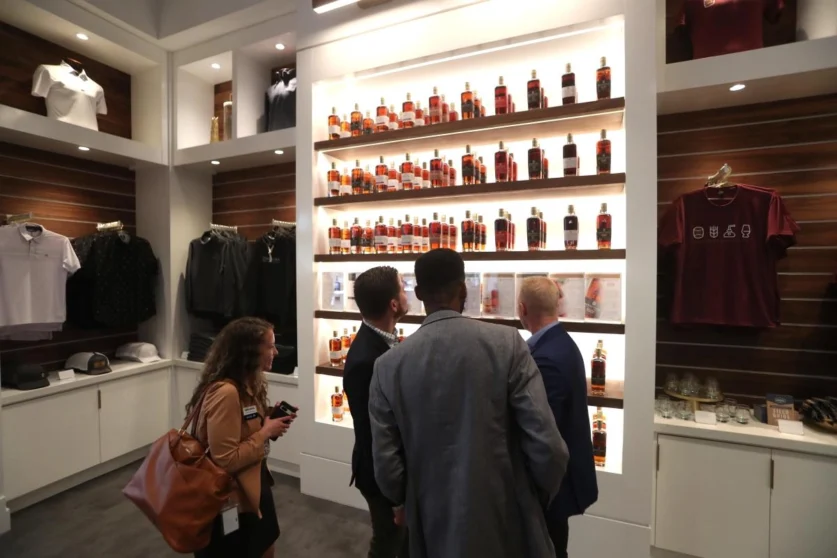
Upon entering the tasting experience, visitors will be greeted by an organized area displaying rows of bourbon bottles. The retail space showcases even more bottles, along with T-shirts, glassware, and other merchandise. To the right, a moss background serves as a backdrop for an impressive video wall, offering glimpses into the distillery’s process. And at the center of it all, a beautiful marble bar awaits, complemented by another moss background. The check-out area boasts a green and glossy rock climbing wall, providing a unique and memorable experience.
Erwin emphasizes that Bardstown Bourbon Company is more than just another downtown bar – it is a full bourbon experience. To enhance this experience, the distillery offers a classroom setting where guests can discover the intricacies of Bardstown Bourbon Company’s products. Tastings may even include unique pairings such as cacao or Pop Rocks to accentuate the flavors. Erwin believes that this opportunity will allow them to share the modern bourbon experience they offer in Bardstown with a wider audience.
Strategically located on Whiskey Row, Bardstown Bourbon Company aims to attract the growing crowd of whiskey enthusiasts in downtown Louisville. With neighboring attractions such as Buzzard’s Roost, Doc’s Bourbon Room, Expo Bar, Barrels & Billets, and an expanded Angel’s Envy distillery, Bardstown Bourbon Company is poised to make its mark. Dan Callaway, the vice president of product development, hopes that this new venture will help the brand gain more recognition and shed its status as a “well-kept secret.”
Now, the secret is out. Bardstown Bourbon Company’s tasting experience is open Tuesday-Saturday from 10 a.m. to 6 p.m. For more details and to plan your visit, please visit bardstownbourbon.com/plan-a-visit/. Prepare to be wowed and indulge in a truly immersive bourbon experience brought to you by Bardstown Bourbon Company.
For more information, reach out to food and dining reporter Amanda Hancock at ahancock@courier-journal.com.
*This article originally appeared on Louisville Courier Journal: Bardstown Bourbon Co. joins Whiskey Row in downtown Louisville*
Customers being hit by price hikes has resulted in a decrease in beer sales for Heineken.

Title: The Ups and Downs of Heineken’s Latest Quarter: Inflation, Weather and Growth
Introduction:
In a recent disclosure, Heineken, the renowned Dutch brewing company, shared its financial results for the third quarter of 2023. While the company witnessed a 2% increase in total revenues amounting to 9.6 billion euros (£8.4 billion), it also faced a decline in the sales volume of beer, resulting in a 4.2% drop for the quarter and 5.1% drop for the year-to-date period. Higher prices imposed by Heineken were cited as the primary reason behind this decrease in sales. However, company executives reassured stakeholders that inflationary pressures were diminishing as their own costs began to stabilize. In this blog post, we will delve deeper into the factors influencing Heineken’s performance and discuss their strategies for the future.
Inflationary Pressure and Price Increases:
Heineken acknowledged that the pricing of their products was driven by inflation. This caused an unfavorable response from customers, leading to a decline in beer volumes sold. However, the company reported that inflation-led pricing was slowly tapering off as their internal cost pressures began to ease. It is an encouraging signal for both the company and its customers, suggesting that the price increases are gradually stabilizing.
Declining Market Demand and External Factors:
Apart from inflation, Heineken identified various external factors affecting their sales performance. One of the key culprits was the unfavorable weather conditions experienced across Europe in July and August. The inclement weather significantly impacted sales volumes, particularly for premium beers. However, as conditions improved in September, sales trends exhibited signs of recovery. This highlights the influence of external factors and the European climate’s impact on beer consumption.
Performance of Heineken Brand and the UK Market:
Despite the challenges faced by Heineken, its eponymous beer brand still experienced a 2.3% increase in sales volumes for the quarter. This demonstrates the strength and enduring popularity of the renowned brand within the market. The UK, one of Heineken’s key markets, saw stable net revenues, wherein lower volumes of drinks were offset by a notable increase in prices. The company’s ability to maintain stable revenues in the face of declining sales volumes is a testament to their pricing strategies.
Future Strategy and Outlook:
Dolf van den Brink, chairman and chief executive officer of Heineken, acknowledged the relatively slower progress of the company’s overall business performance compared to their initial ambition. However, he expressed confidence in their ability to navigate through challenging macroeconomic conditions and focus on rebalancing their growth. Regardless of the various market pressures, Heineken remains committed to executing its strategy, being cost-conscious, and delivering on its profit guidance for 2023.
Conclusion:
Heineken’s latest financial results reflect a multifaceted landscape, influenced by inflation, weather conditions, and the macroeconomic climate. While the company experienced a drop in beer volumes due to higher prices driven by inflation, there are positive signs as these price increases begin to taper off. Simultaneously, external factors such as poor weather played a role in the decline, especially for premium beers. Heineken’s future strategy involves a steadfast commitment to their business execution, cost control, and growth rebalancing. By staying the course and focusing on their overarching goals, Heineken aims to overcome these challenges and maintain its position as a prominent player in the global brewing industry.
You have the opportunity to purchase this Wine Advent Calendar at a discounted price, and it consistently sells out every year.
Are you looking for a fun way to count down to the holidays? Advent calendars are not just for kids anymore. Forget about the traditional ones filled with candy or toys. This year, why not try something a little more sophisticated? How about a wine advent calendar?
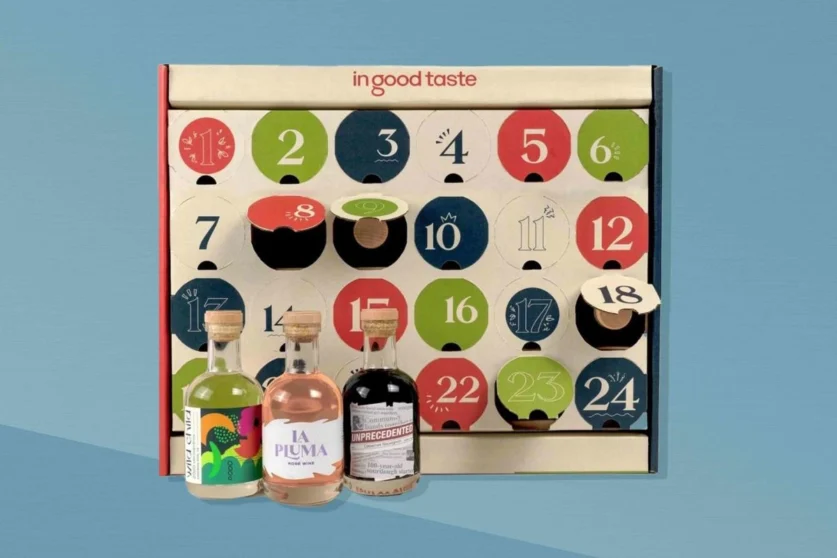
If that sounds appealing to you, then you’re in luck because the popular In Good Taste 2023 calendar is back in stock. And to make it even better, it’s currently on sale. With the code SPOOKYDEAL, you can get $18 off the regular price. But you need to act fast, as the sale only lasts until October 28.
What sets this advent calendar apart is the variety it offers. Each night, you get to try a different wine sourced from France, Italy, Spain, Portugal, or California. The regional differences and grape varieties make it a fun and educational experience. From light and crisp whites like Sauvignon Blanc to rich and dark varieties like Montepulciano, there is something for every palate.
Each bottle in the calendar contains 187 milliliters of wine, which is just a bit over a 6-ounce glass. And at just over $5 per bottle with the discount, it’s an affordable way to try a variety of wines. You can sip on them as a nightcap or even split them with loved ones for a daily tasting.
To enhance your tasting experience, the calendar also provides a daily email with information about each wine. This can help you pair the wines with snacks or meals or simply learn more about their characteristics.
Customers who have purchased the calendar in the past have raved about their experience. It’s a cute and fun way to try different wines during the holiday season. Some even gave it as Christmas gifts and it was a big hit with their friends and family. In fact, it was such a hit that everyone requested the calendar again this year.
So don’t miss out on this perfect 24-day wine tasting experience. Get your hands on In Good Taste’s advent calendar now while you can still take advantage of the discount. Not only will you secure your calendar before it sells out, but it will also ship out the first week of November, just in time for the holidays.
Cheers to a festive and delicious countdown to Christmas!
At a Lake Norman brewery, you can enjoy craft beer, grab a bite from a food truck, or participate in trivia.

“The Ultimate Guide to Lake Norman Breweries: A Haven for Craft Beer Enthusiasts”
When it comes to breweries, the Charlotte area is teeming with options. And Lake Norman, in particular, has witnessed its own share of this craft beer boom. Whether you’re on the hunt for a quick bite from a food truck or craving a savory pizza accompanied by some lip-smacking wings, this area has got you covered. But that’s not all! You can also indulge in various forms of entertainment like live music, bingo, and trivia nights. And for those fitness enthusiasts, there are run clubs, yoga classes, and other workout groups that perfectly complement your love for craft beer. With so much on offer, finding the perfect brewery that tickles all your taste buds becomes a thrilling adventure. And if you’re eager to explore even more options nearby, don’t forget to check out our interactive guide to 75+ Charlotte-area breweries.
Let’s start our journey by visiting the newest addition to the Lake Norman brewery scene: 760 Craft Works, opened in May 2023, in the heart of downtown Huntersville. Venturing into the former police administration building, this family-owned brewery, helmed by father and son duo Trey Ramsey and Wagner Ramsey, brings new life to the town. A unique aspect of 760 Craft Works is its family-friendly atmosphere, where kids and dogs are more than welcome.
Now, let’s venture to Cornelius, where we’ll find Ass Clown Brewing Company. This brewery proudly boasts the largest drink menu among its peers, offering a staggering selection of over 200 beer recipes and 31 rotating taps. But it’s not just about the brews; Ass Clown Brewing also offers live music and weekly trivia nights, making it a perfect spot for beer aficionados who appreciate a good laugh.
Next up, we have D9 Brewing, located in the heart of Cornelius. This Lake Norman gem tempts visitors with a wide variety of craft beer options to satisfy any palate. While here, be sure to sample their beloved Swell Rider Tangerine Session Ale or American Lager for an affordable $5 during Game Night on Tuesdays. And if you’re feeling daring, their award-winning German Chocolate Cake Imperial Stout is a must-try.
For those seeking a truly unique experience, Eleven Lakes Brewing in Mooresville is the place to be. Aside from being dog-friendly, they even have a dedicated Instagram page called “Dogs of Eleven Lakes,” showcasing their love for furry friends. In addition to their craft beer offerings, Eleven Lakes Brewing also provides wine, cider, and seltzers. Tuesday nights are the ideal time to visit, as you can enjoy flight samples of their beverages for only $7. And if you’re lucky, you might even catch a glimpse of their famous goat yoga sessions.
Moving along, Ghostface Brewing recently relocated to a new spot in Mooresville, right next to its Lake Norman Beer Lab. This strategic move transformed the area into what Mike Cuddy, the owner, referred to as a “one-stop entertainment district.” The new location boasts a wide range of food options, including pizza, wings, sandwiches, and other appetizing bar fare. Keep an eye out for upcoming concerts and the addition of a fabulous new patio.
Let’s head back to Mooresville for our next stop: King Canary Brewing Company. As a dog-friendly microbrewery, King Canary provides breathtaking views of Lake Norman for you to enjoy while sipping on their delightful brews. Make sure to join their Paddle Club for a truly memorable experience. And if that’s not enough, King Canary also hosts a rotating lineup of food trucks and live music events for added enjoyment.
Hidden away in the woods of Denver, Lake Norman Brewery offers a serene and family-friendly environment. This dog-friendly brewery is well-known for its extensive beer selection and hosts a variety of weekly events, including live music, cornhole leagues, and a run club. The owners themselves are beer connoisseurs, with one of them boasting over 20 years of home brewing experience and serving as a beer captain at large beer festivals. Taking a tour with them is an experience you won’t soon forget.
Lost Worlds Brewing, opened in Lake Norman in 2019 by Dave and Allison Hamme, takes you on a journey through time as soon as you step into their 40-seat taproom. Adorned with artifacts and photos from all over the world, this brewery provides a unique atmosphere for your drinking pleasure. Don’t miss out on their outdoor games, food truck offerings, and exciting clubs, including a cycling club and running club.
Finally, we have Neoteric Brewing, one of the newest additions to the local beer scene, opening its doors in fall 2022. Located in Huntersville, this brewery offers an array of beer and mimosa flights, allowing you to sample their creations. While you’re at it, take advantage of their patio area or engage in some friendly competition with a game of cornhole. And don’t forget to indulge in the fantastic food options from the visiting food trucks.
Last but not least, we must mention Primal Brewery, whose owner, Ray Steimal, and his team turned their beer-making hobby into a flourishing business. In 2022, Primal Brewery was voted by CharlotteFive readers as one of the best in the area. This well-deserved recognition is a testament to the quality brews produced here. So, make sure to swing by and see what all the fuss is about.
With such a diverse array of breweries to explore, Lake Norman has cemented itself as a haven for craft beer enthusiasts. Whether you’re a seasoned beer lover or just starting your journey, these breweries offer an experience that goes beyond sipping a cold one. So, gather your friends, family, and furry companions, and embark on an adventure through the delightful world of Lake Norman breweries. Cheers!
Are you a fan of craft beer? Do you enjoy sipping on a pint while engaged in delightful conversations with newfound friends? If so, then you’re in luck because I have just the place for you! Located at 7532 Royal Bliss Court, Denver, NC, Royal Bliss Brewing is without a doubt the best brewery in the area.
Steimal, the owner of Royal Bliss Brewing, highlighted that one of the exceptional aspects of the brewery is the opportunity it provides for patrons to connect and forge new relationships. Steimal explained, “It’s a great experience to be able to sit, chat, tip a pint, and just really get to know people.” And who wouldn’t want to be a part of such an enjoyable social atmosphere?
When it comes to the beer selection, Royal Bliss Brewing offers a wide range of craft beer styles. What sets them apart is their dedication to catering to all beer enthusiasts, including those with dietary restrictions. Some of their craft beers have been carefully crafted to remove gluten, ensuring that everyone can enjoy a cold one.
If you’re looking for a savory treat to accompany your brew, make sure to visit Royal Bliss Brewing on a Tuesday night for their famous Pizza & Wings night. Or, if you’re visiting during the rest of the week, you can indulge in their mouthwatering Bliss Burgers, nachos, and other delightful snacks that pair perfectly with their craft beers.
But wait, there’s more! The excitement doesn’t end there. Another brewery is set to join the scene in Charlotte. Located at 16912 Birkdale Commons Parkway, Huntersville, NC, Suffolk Punch Brewing is expanding its operations to meet the growing demand for their exceptional brews. With a recent opening of a second location in SouthPark, the brewery has announced plans for a new taproom in the bustling Birkdale Village development in Lake Norman, set to open its doors in early 2024.
The new Suffolk Punch Brewing location will be a sight to behold. Spanning two stories, the taproom will boast a rooftop with a partially covered bar and seating area that overlooks The Plaza. Downstairs, there will be a full-service bar, complete with an all-seasons patio. With a seating capacity for around 230 people, both indoors and outdoors, the new Suffolk Punch Brewing taproom will be a hotspot for beer enthusiasts looking for a one-of-a-kind experience.
So, whether you’re in the mood for a pint and some conversation at Royal Bliss Brewing or eagerly waiting for the grand opening of Suffolk Punch Brewing’s new location, craft beer lovers in Charlotte, NC, have plenty to look forward to. The city’s brewery scene continues to expand, offering more opportunities for beer enthusiasts to explore new flavors, make lasting connections, and have an unforgettable time. Cheers to that!
This wine connoisseur can’t get enough of the Sonoma Crest cabernet, according to Phil Your Glass.
An Affordability Surprise: A Wine That Keeps You Coming Back for More
In my recent quest to explore the world of wines, I stumbled upon a pleasant discovery that shattered my preconceived notions about price dictating quality. It all started when I had the chance to revisit the Sonoma Crest cabernet at the renowned Crave in downtown Akron.
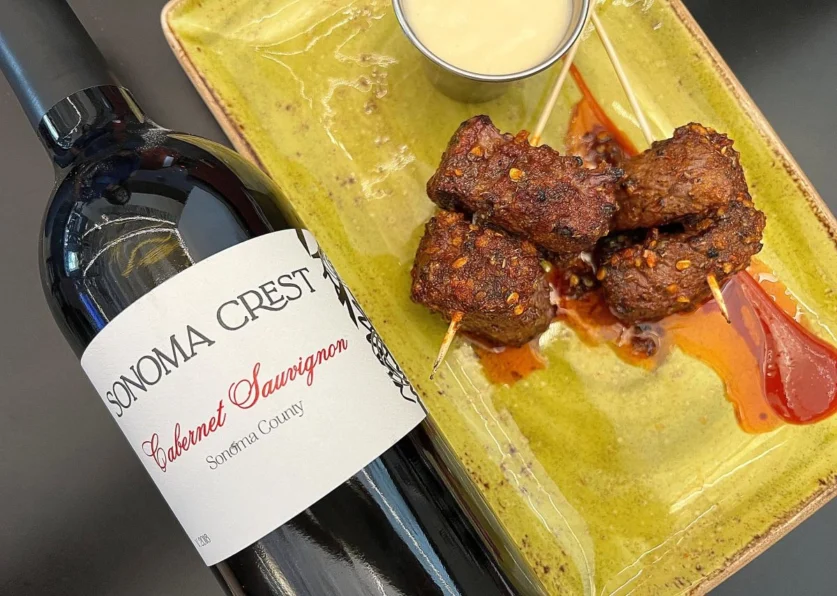
A month ago, I had a taste of this wine at a trade show in Cleveland, and its flavors lingered in my memory. Intrigued, I wanted to witness if it was truly as delectable as I had imagined. To accompany the wine, I opted for the $14.50 steak skewer appetizer, accompanied by an unbelievably delicious manchego cheese fondue dip.
While the fondue elevated the pairing experience, it was the wine itself that truly captivated me with its beautiful black raspberry flavors. And the best part? This remarkable cabernet only costs $16.99. It’s no secret that Sonoma delivers some incredible values, and this bottle is a testament to that fact. In a different setting, with the grapes sourced from the other side of the Mayacamas Mountains, it could easily command a price tag of $25 or more.
Keen on taking my taste test a step further, I conducted another round of sampling at my home office. I discovered that the rich, buttery flavor of Castelvetrano olives provided the perfect accompaniment while I sliced a few pieces of Parma Brand chorizo from the Market District in Cuyahoga Falls. Additionally, the Prairie Breeze cheese from Milton Creamery emerged as a delightful partner to this wine, especially if you managed to grab a chunk from Western Reserve Wines in Solon, as I recommended last week.
Feeling adventurous, I decided to experiment with the wine further. I fired up the barbecue and grilled a couple of cowboy chops from Al’s Quality Meats. To my delight, this combination emerged as the perfect encore pairing for the night, further enhancing my appreciation for the Sonoma Crest cabernet.
For those intrigued to try this wine themselves, you can find it at various locations, namely Crave in downtown Akron, Beau’s Market in Copley, Krieger’s Market in Cuyahoga Falls, Cornerstone Market in Munroe Falls, Mustard Seed Market in Montrose, Western Reserve Wines in Solon, Fishers Foods on Fulton Drive NW in Canton, and Buehler’s in Canton.
As a bonus, I have exciting news for wine enthusiasts in the area. The 7th annual Feast of the 7 Delicious wine tasting event will take place from 6-9 p.m. on December 7th at the Fairlawn Hilton. Chef Beau Schmidt will be creating small plates to perfectly complement the seven special wines featured. Attendees will also have the opportunity to sample Great Lakes Christmas Ale and explore 40 other select wines, along with a cash bar. The cost for this experience is $45, and more details will be available soon.
In conclusion, the Sonoma Crest cabernet has proven to be a delightful surprise. Its affordable price tag combined with its captivating flavors make it a wine worth revisiting time and again. I urge you to give it a try and discover the joys of a quality wine that doesn’t break the bank.
For more wine recommendations and insights, feel free to reach out to me at philyourglass@gmail.com or follow me on Instagram @pmasturzo_philyourglass.
More: [Sardinian Vermentino is perfect for shrimp boil and clambake season | Phil Your Glass](link)
More: [A great Hungarian red wine? You bet your sweet Tokaji | Phil Your Glass](link)
This article originally appeared on [Akron Beacon Journal](link): Sonoma Crest cab elevates a meat-and-cheese combo | Phil Your Glass
A man attacked his friend with a hatchet after beer was spilled.

Title:
Brutal Hatchet Attack Sends Shockwaves Through Escambia County
Introduction:
In the quiet town of Escambia County, a seemingly trivial altercation turned into a horrifying scene of violence. A dispute over spilled beer escalated into a vicious attack, leaving one man bloodied and in fear for his life. This shocking incident serves as a stark reminder of how quickly misunderstandings can spiral out of control in our society. In this blog post, we delve into the details of the incident, highlighting the events as reported by the Escambia County Sheriff’s Office (ECSO) from a unique storytelling perspective.
The Encounter:
Inside a nondescript tent, two men engaged in a casual conversation. Little did they know that their peaceful interaction was about to take a dark turn. The tension began to rise when Danny Tharp, a 56-year-old man from Greenville, South Carolina, accused the other man of spilling his beer. Without any concrete evidence, Tharp proceeded to level blame against his companion.
The Hatchet Emerges:
Fuelled by anger and frustration, Tharp’s emotions got the better of him. Searching for a weapon to use as a symbol of his perceived injustice, he seized a silver hatchet with a blue handle. This weapon would soon become the very tool of destruction that would haunt the victim’s nightmare for years to come.
The Unleashing of Fury:
With a newfound sense of power in his hands, Tharp launched into a frenzied assault upon his unsuspecting companion. Swinging the hatchet wildly, he relentlessly struck the victim multiple times, causing severe injuries. The force of the blows amplified the terror and chaos within the confined space.
Escape and Description:
Despite the shocking nature of the attack, the victim managed to free himself from the tent and make a desperate retreat. Blood poured from his eye and mouth, serving as gruesome evidence of the brutality he had endured. Determined to bring his assailant to justice, the victim provided a detailed description of Tharp to the responding deputies.
Discovery of the Scene:
As investigators arrived at the scene, they discovered a chilling tableau. A silver hatchet lay near the tent, splattered with blood. Both inside and outside the enclosure, blotches of crimson stained the ground, serving as a somber testament to the violence that had unfolded.
Arrest:
Through their vigilant efforts, law enforcement officers quickly identified two men who matched the description provided by the victim. One of the suspects was none other than Danny Tharp. Recognizing the gravity of the situation, the deputies apprehended Tharp without hesitation, preventing any further harm he may have caused.
Conclusion:
Amidst the relative tranquility of Escambia County, an act of unprovoked violence disrupted the peace. This brutal hatchet attack serves as a sobering reminder that conflicts, no matter how trivial they may initially appear, can escalate rapidly with devastating consequences. As we reflect on this disturbing incident, let us strive for a society that values open communication, empathy, and understanding; a society where conflicts can be resolved without resorting to such acts of brutality.
Chinese beer brand suffers damage from video of urine.

Title: The Quirky Side of Life: Unusual Tales and Peculiar News Stories
Introduction:
Life is often filled with eccentric and peculiar moments that leave us astounded. From a man urinating into beer vats to surprising dating preferences and the “rattiest” city in the US, here are some intriguing stories that showcase the stranger side of life.
The Beer Mishap:
In an unexpected turn of events, shares in the popular Chinese beer brand Tsingtao plummeted by 7.5% after a man was caught on camera relieving himself into their vats. The footage shows a man, dressed in a hard hat and blue overalls, climbing into a malt container at the factory in Pingdu. This incident left social media users with mixed emotions, with one individual humorously commenting, “I’ve always said the beer here is like horse pee. Turns out I was wrong.” The company responded by affirming their commitment to enhancing management procedures and ensuring product quality.
First Date Humor Myths:
Contrary to popular belief, a recent study revealed that women don’t necessarily prefer men who make them laugh on a first date. Researchers conducted a speed dating experiment, involving 350 heterosexual volunteers engaged in three-minute conversations. Surprisingly, the study discovered that regardless of gender, participants who laughed more at their partner or received more laughs did not rate their partner as more or less attractive. This finding challenges the notion that humor is the key to sparking romantic interest on a first date.
The “Rattiest” City in the US:
Chicago has earned the dubious distinction of being named the “rattiest” city in the US for the ninth consecutive year. A recent report highlighted the prevalence of rodent issues in the city, with locals making over 50,000 rat complaints in 2022 alone. However, there is a silver lining as the number of complaints slightly declined from the previous year. Los Angeles secured the second spot on the list, while New York fell to third place.
Conclusion:
Life is full of intriguing tales that often defy our expectations. Whether it’s a man urinating in beer vats, debunking dating myths, or ranking cities based on their rat population, these stories remind us that life is never dull. Embracing the stranger side of life can be a refreshing escape from our daily routines, providing us with a unique perspective on the world around us. So, let’s continue to be curious, open-minded, and ready to explore the quirks and oddities that make life so fascinating.
The rich Belgian beef stew known as Carbonnade is made with dark beer.

Few dishes provide the same level of comfort as a beef stew. Its savory and complex flavor, combined with tender pieces of beef, make it the perfect meal to enjoy on a cold winter night. This dish can be found in various forms around the world, including Ireland, Puerto Rico, and even Belgium. In Belgium, it is called carbonnade, a delicious and flavorful beef stew that owes its complexity to one key ingredient: beer.
Carbonnade is made by simmering beef in a dark brown-style beer, which gives it a uniquely Belgian character. The longer it simmers, the more intense the flavor becomes. This is why it is traditionally made in large batches to be shared with family and friends. It is a dish that has been enjoyed in Belgium for centuries, with each family putting their own twist on the recipe. Some even use offal or horse meat instead of beef chunks, and different types of beer can also be used.
The preparation of carbonnade is a slow and patient process. Boneless stewing beef is cooked until tender, and onions are caramelized to add a soft consistency. Some recipes even include bacon for extra flavor. The stew itself is primarily made with dark ale, such as Chimay or other strong and aromatic options. Beef stock or water can be added for more liquid, and herbs and spices like bay leaves, cloves, and thyme are used to enhance the flavor. Mustard and brown sugar are added for pungency and sweetness, and flour and bread are used to thicken the stew.
Carbonnade is typically served with potatoes, often in the form of french fries. The starchy carb is perfect for soaking up the delicious sauce. The stew is cooked to a relatively liquid consistency and garnished with parsley before being served.
Carbonnade is a true Belgian delicacy, combining flavors from German, French, and Dutch cuisines. Its rich and hearty taste makes it the ideal comfort food, especially during the colder months. Whether enjoyed with family or friends, carbonnade is a dish that brings people together and leaves them feeling satisfied. So why not give this delicious Belgian stew a try? You won’t be disappointed!