What is the distinction between Bourbon and Whiskey?

When it comes to brown spirits, they can all start to blend together. The flavors can seem similar, and it’s easy to assume that bourbon and whiskey are the same thing. However, there are some subtle differences that can make all the difference when it comes to finding the perfect bottle for your preferences.
Let’s start by defining what whiskey actually is. Whiskey is a spirit that is distilled from fermented cereal grains, such as barley, corn, rye, or wheat. It must be distilled at less than 190 proof and aged in an oak container, which gives it its distinct brown color. But within the broad category of whiskey, there are many different styles and variations.
Rye, bourbon, and Scotch are all types of whiskey, but bourbon is a specific type that is unique to the United States. “All bourbon is whiskey, but not all whiskey is bourbon,” says Gabe Sanchez, a Cocktail Expert. And what sets bourbon apart are the specific guidelines that govern its production. “Bourbon has more defined rules within the whiskey umbrella,” says Elizabeth McCall, Master Distiller at Woodford Reserve. These rules include a mash bill that is at least 51 percent corn, distilling at less than 160 proof, aging in new charred oak barrels, and only allowing water to be added. Plus, it must be made in the U.S.A, although it’s a common misconception that it must be made in Kentucky.
Woodford Reserve Bourbon is a prime example of the unique characteristics that bourbon can have. It is known for its sweet aromatics, spice, fruit, floral notes, grain character, and woodiness. “There’s a lot of variation in taste and texture based on the brand,” says McCall. “Since bourbon is required to use new charred oak barrels, it tends to have more oak and sweet aromatics.” With corn being the dominant grain in bourbon, it usually has a sweeter taste and a smooth, full-bodied texture.
Scotch, on the other hand, is specific to Scotland. It must be aged for a minimum of three years and is often made from 100 percent malted barley. “Typically, Scotch whisky is more grain-forward in flavor profile since the distillate is maturing in used barrels,” explains McCall. Scotch can also have a smoky flavor, thanks to the use of peat in the whisky-making process. However, Scotch isn’t for everyone, especially those who are new to brown liquors. It can have a malty flavor with pronounced smoke and minerality, depending on where it was produced.
When it comes to using whiskey or bourbon in cocktails or cooking, they can often be used interchangeably. “It all comes down to personal taste and how you want to enjoy it,” says McCall. “There is so much diversity in the whiskey category that there’s something for everyone. Different whiskeys shine in different cocktails based on their flavor profiles.”
So, whether you’re a fan of bourbon’s sweeter and fuller-bodied taste or enjoy the grain-forward and smoky flavors of Scotch, there’s a brown liquor out there that will suit your preferences. The important thing is to explore different brands and styles to find the one that speaks to you. Cheers!
The Great Debate: Whiskey vs Bourbon – Unmasking the Flavors
As the saying goes, “Life is short, drink whatever you like.” But when it comes to choosing between whiskey and bourbon, the decision isn’t always easy. Both spirits offer a rich and complex flavor profile, but there are some key differences that discerning palates may appreciate. So, let’s delve into this ultimate debate and uncover the truth about these beloved brown spirits.
First things first, let’s talk about cost. Bourbon tends to be more expensive than whiskey. Why, you may ask? Well, bourbon has certain specifications that it must meet to earn its name. These regulations ensure that bourbon is made in America, distilled from mash containing at least 51% corn, aged in charred oak barrels, and bottled at a minimum of 40% alcohol by volume. These strict guidelines contribute to the higher price tag.
On the other hand, whiskey is a more flexible term that encompasses various brown spirits. It can include scotch, rye, and even bourbon. Unlike bourbon, whiskey doesn’t have the same restrictions on what can be mixed in during the distillation process. This versatility can result in a wider range of flavors and prices to suit different preferences and budgets.
Now let’s explore the taste aspect. Is bourbon sweet? In general, bourbon tends to be sweeter compared to other whiskies or scotch. This sweetness comes from the high corn content in the mash, which gives bourbon its distinctive flavor profile. The natural sweetness of bourbon can make it an excellent base for spirit-forward cocktails like the classic mint julep or the timeless old fashioned.
But don’t be fooled by this sweetness. Bourbon also offers a complexity of flavors, with notes of caramel, vanilla, oak, and sometimes hints of spice. It’s this intricate combination that has made bourbon a beloved spirit for many connoisseurs who appreciate its depth and character.
In the end, when it comes to deciding between whiskey and bourbon, personal preference reigns supreme. Both spirits have their unique qualities and can offer a delightful drinking experience. Some may lean towards the smooth and subtly smoky taste of whiskey, while others may gravitate towards the sweeter and more robust flavor profile of bourbon.
So, the choice is yours. Whether you find solace in the comforting embrace of whiskey or indulge in the richness of bourbon, remember to savor each sip and appreciate the artistry that goes into crafting these exceptional spirits.
For more captivating articles, tips, and news, make sure to sign up for our newsletter. Stay tuned for more exciting content from Real Simple!
Original article published on Real Simple.
Non-alcoholic beer and wine are clearly gaining popularity year-round, as evidenced by the increase in sales during Sober October.

As the month of Sober October comes to a close, it doesn’t mean that non-alcoholic beverages are disappearing from the drink menu. With the holiday season approaching, mocktails and alcohol-free options are becoming increasingly popular. And let’s not forget about Dry January, which is just around the corner. The demand for non-alcoholic beers, wines, spirits, and cocktails has grown significantly, and sales reflect this trend. According to data firm NIQ, non-alcoholic beer, wine, and spirits sales have increased by 32% compared to the previous year, based on their tracking of sales in U.S. supermarkets, drug stores, and mass merchandise stores over a 52-week period ending on October 7th.
Kaleigh Theriault, the associate director of beverage alcohol thought leadership at NIQ, mentioned that non-alcoholic options are especially popular during holidays such as Thanksgiving, Christmas, New Year’s, and the Fourth of July. Weekly sales tend to spike during these occasions, indicating that consumers are seeking moderation in their drinking habits. While non-alcoholic sales have grown to approximately $524.3 million over the past 52 weeks, they still represent only a small fraction of the $67.6 billion total alcoholic beverage sales. It’s worth noting that most market trackers include non-alcoholic products within the category of alcoholic beverages.
However, the consistent climb of non-alcoholic sales over the past five years suggests that they will continue to make headway against their boozy counterparts. NIQ’s latest Non-Alcohol Report, covering a 52-week period ending on July 15th, 2023, revealed that 94% of those who purchase non-alcoholic products still buy alcoholic beverages. This data suggests that consumers are integrating non-alcoholic options into their drinking routines. Instead of choosing soda or water, they may opt for a non-alcoholic beer or another alcohol-free beverage after work or during social occasions.
Non-alcoholic beer, in particular, is gaining traction. It currently accounts for 2% of all beer sold in grocery stores. Dave Williams, the vice president of analytics for Bump Williams Consulting, states that non-alcoholic beer sales have been instrumental in driving growth within the beer industry, despite being relatively small in comparison. As existing players expand and new entrants emerge, the interest in non-alcoholic beer remains strong, indicating that consumers are incorporating non-alcoholic occasions into their lifestyles.
Surreal Brewing Co., founded by Donna Hockey and Tammer Zein-El-Abedein in Northern California in 2018, recognized the need for non-alcoholic craft beer options that didn’t sacrifice taste and variety. Hockey explains that there was a lack of choices in the market and a negative stigma surrounding non-alcoholic beverages, making it difficult for people to enjoy them socially. In response, Surreal Brewing Co. has developed a diverse lineup of non-alcoholic beers, including a West Coast IPA, hazy IPA, milkshake IPA, red IPA, Kolsch, and pastry porter. Additionally, their Chandelier Red IPA is sugar-free, Keto-friendly, low in gluten, and appeals to health-conscious drinkers.
According to Drizly, Surreal Brewing Co. has experienced significant growth as one of the fastest-growing non-alcoholic beer brands on their platform. Drizly also reports a 54% increase in overall non-alcoholic beer, wine, and spirits sales in the first half of 2023 compared to the previous year. During Sober October specifically, sales have risen by 73% compared to the same period last year. It is evident that consumers are prioritizing their health but still enjoy the experience of having a beer.
To sum it up, Sober October may be coming to an end, but the popularity of non-alcoholic beverages is here to stay. With the holiday season approaching and Dry January just around the corner, the demand for alcohol-free options will only continue to grow. Non-alcoholic sales have seen a consistent increase over the years and are gradually making an impact on the market. Whether it’s enjoying a mocktail on a special occasion or opting for a non-alcoholic beer after work, consumers are embracing moderation and seeking healthier choices.
Title: Embracing a New Drinking Culture: Exploring the Rise of Non-Alcoholic Beverages
Introduction:
In a world where beer, wine, and spirits have long reigned supreme, a shift is occurring among younger generations. While Generation X and millennials still account for a significant portion of alcoholic beverage purchases, the younger Generation Z is showing a growing interest in non-alcoholic alternatives. This trend highlights a changing drinking culture, with an increasing number of individuals opting for alcohol-free options. In this blog post, we will delve into the factors shaping this evolving landscape.
Generational Trends in Non-Alcoholic Consumption:
According to a recent report by NIQ, Generation Z – born between 1997 and 2012 – may not dominate the non-alcoholic market just yet, but they are overindexing compared to other generations. Approximately 6% of all beer, wine, and spirits purchased by Gen Z consumers are non-alcoholic. This finding suggests that while they may not consume as much alcohol as previous generations did at the same age, they possess a higher affinity for non-alcoholic options.
Changing Attitudes Towards Alcohol:
Gallup’s research reveals a significant decline in the percentage of young adults, aged 18 to 34, who claim to have occasion to use alcoholic beverages – from 72% to 62% over the past two decades. This decline can be attributed to multiple factors, including a belief among young adults that moderate drinking is detrimental to their health. Additionally, the increased use of marijuana among this demographic might also be contributing to the decline in alcohol consumption.
The Emergence of Non-Alcoholic Alternatives:
Regardless of generation, consumers now have a wide array of non-alcoholic offerings to choose from, both for enjoying at home or during social gatherings. Brands like De Soi, founded by pop star Katy Perry and award-winning distiller Morgan McLachlan (Amass), have introduced sparkling non-alcoholic aperitifs that are gaining popularity. These products have resonated so strongly with customers that many have continued purchasing them long after Dry January, making them a permanent addition to their drinking repertoire.
Exploring the Cultural Shift:
The rise of non-alcoholic beverages is perhaps best understood through the lens of evolving consumer preferences. People, especially younger generations, are seeking out options that are not only healthier but also more interesting and complex. Brands like De Soi, favored by Drizly customers, are continuously innovating and launching exciting new offerings. Their Très Rosé, released in June, has become a favorite among those looking for an appealing non-alcoholic option.
Conclusion:
As society’s relationship with alcohol continues to transform, the popularity of non-alcoholic beverages among Generation Z and younger adults is becoming increasingly apparent. With a decline in alcohol consumption among young adults and a growing preference for healthier alternatives, the non-alcoholic market is flourishing. Whether driven by health concerns, changing attitudes towards social drinking, or the desire for more exciting options, consumers today have a wealth of non-alcoholic choices available.
This weekend, make sure to visit 5 brewers and try 25 different beers at the Fall Beer Festival 2023 in Detroit.

Craft beer festivals are always an exciting experience for beer enthusiasts. There’s nothing quite like the thrill of trying new brews from the vast array of breweries that attend these events. As a self-proclaimed craft beer aficionado, I find myself eagerly scanning the list of breweries attending the next Michigan Brewers Guild seasonal beer festival, making mental notes of the beers I absolutely must try. However, no matter how much I think I know about the craft beer scene, there always seems to be a brewery that catches me off guard.
I can’t help but feel a bit embarrassed when I come across a brewery name that I don’t recognize. It’s like I’ve been living under a rock, unaware of the incredible work being done by these breweries. In an attempt to remedy this, I make it a point to visit their websites and social media pages. Sometimes, it turns out to be a brand-new brewery that has just opened its doors, or perhaps one that is expanding its reach. Other times, it’s a brewery that has been operating for years, and I can’t believe I haven’t heard of them before. This year’s festival lineup, taking place at Detroit’s Eastern Market, was no exception. I found myself in this state of awe multiple times, my excitement for the festival growing with each new discovery.
As a craft beer writer for the Free Press, one might assume that I have my finger on the pulse of all the new breweries popping up across the state. However, with over 400 microbreweries currently operating in Michigan, and new ones opening at an astonishing pace, it is nearly impossible to keep up. The craft beer market in the United States may have hit a plateau, but that hasn’t stopped the growth of breweries here. In fact, the metro Detroit area alone has several upcoming breweries worth mentioning.
Heights Brewing, set to open in Farmington, is a highly anticipated addition to the scene. Although its September opening was delayed, beer lovers are eagerly awaiting its arrival. Corktown will also soon be home to a new brewery called Six Spoke Brewery, while Stumblebum Beer Co. in Troy is set to open its doors in 2024. These breweries, among many others in Michigan, serve as a reminder of why I love attending beer festivals. They provide the perfect opportunity to connect with new brewers, savor unique beer offerings, and discover new destinations to explore on future journeys across the state.
In light of this, I have put together a list of five breweries that are a must-visit at the Fall Beer Festival. Additionally, I have compiled a selection of 20 beers to keep an eye out for based on the list provided by the Michigan Brewers Guild. While I cannot personally vouch for all of these beers, the information I have gathered about the breweries, their styles, and flavor profiles suggests that you are unlikely to be disappointed. However, if you do encounter a beer that doesn’t meet your expectations, don’t hesitate to move on to the next one. After all, a beer festival is all about making the experience your own.
I would be remiss not to mention that responsible drinking should always be a priority. Please enjoy these beers in moderation and make use of designated drivers or public transportation if needed. Safety should never be compromised in the pursuit of beer-tasting adventures.
Now, let’s dive into these exciting breweries that you won’t want to miss:
1. Great White Buffalo Brewing Co. (Northville) – Founded in 2023 by brothers Eric and Ryan Sokoloski, along with their business partner John Skrabal, Great White Buffalo has transformed a former yogurt shop space in downtown Northville into an elegant brewpub. With an impressive range of lagers and ales, their offerings at the Fall Beer Festival will include an amber ale, a chocolate mint stout, a coconut coffee blonde, and the People’s Champ American IPA.
2. Kognisjon Bryggeri (Marquette) – Long-time followers of the Upper Peninsula beer scene may be familiar with Cognition Brewing Co. What they may not know is that owner Jay Clancey has relocated his operation to Marquette’s Third Street under the new name Kognisjon Bryggeri. Showcasing some exciting creations, their tap list at the festival will feature the Cassephalopod Rocky Road Imperial Stout, Geist Boo Berry Cereal Sour (yes, you read that correctly), and The Hollow Pumpkin Spiced Amber.
3. River Trade Brewing Co. (Constantine) – As I mentioned earlier, stumbling upon unfamiliar brewery names is a common occurrence for me. River Trade Brewing Co. falls into this category. Established just last year, this brewery has already made its mark with its Untappd-rated beers. At the festival, they will be pouring their Well Known Ghosts American IPA, Anamorph New England IPA, Blackberry Sour, and Sunloather Dark Lager.
4. Schoolcraft Brewery (Livonia) – Among the 110 breweries participating in the Fall Beer Festival, Schoolcraft Brewery stands out. What sets them apart is that every single beer is brewed by students of Schoolcraft College’s unique Brewing & Distillation Technology program. I had the opportunity to try their Hefeweizen earlier this year, and it was nothing short of exceptional. While it won’t be available at the festival, you can look forward to tasting their 275 Kolsch, College Pale Ale, Haggerty IPA, and Schwarzbier.
5. Someday Brewing (Grosse Pointe Woods) – This brewery earns its name from the owner and head brewer, Anthony, who had a dream of opening his own brewery one day. Someday Brewing is one of the newest additions to the metro Detroit craft beer scene. Although they are still in their early stages, their dedication to quality and innovation has garnered attention. Keep an eye out for their offerings at the festival!
As you embark on your craft beer journey at the Fall Beer Festival, remember to take it all in at your own pace. With each sip, savor the craftsmanship and creativity that goes into every beer. Immerse yourself in the stories behind each brewery and appreciate the hard work put in by the brewers and their teams. Let this festival be your gateway to discovering the best of Michigan’s craft beer community.
So, raise your glasses, explore the flavors, and enjoy the magic of the Fall Beer Festival. Cheers!
Kilimas’s Long-Awaited Dream Comes True: Opening His Own Brewery
Since 2008, Kilimas has been passionately brewing beer, always answering with a hopeful “someday” whenever asked about opening his own brewery. Well, that “someday” has finally arrived, and Kilimas couldn’t be more excited. This Saturday, he will be presenting the world with five enticing beers, each one unique and crafted with the utmost care.
The first beer on the list is the Coffee at Midnight imperial stout. With its rich and bold flavor, it is certain to awaken the senses. Next up is the CzechMate pilsner, a classic Czech-style beer that showcases Kilimas’s dedication to traditional brewing techniques. For those celebrating Oktoberfest, a refreshing Oktoberfest beer will be available, perfectly embodying the spirit of the festival.
Beer enthusiasts will also have the pleasure of sampling the Stained Glass American IPA and the Riwaka Haze New England IPA. Both these beers offer a burst of hoppy goodness and are bound to leave a lasting impression.
But Kilimas’s brewery is not the only one showcasing its creations at this beer festival. Other notable breweries include Aberrant Ales, Arvon Brewing Co., Baffin Brewing Co., Blackrocks Brewery, Brew Detroit, and many more. With such a wide selection, there is guaranteed to be a beer to suit every palette and preference.
The Michigan Brewers Guild hosts seasonal beer festivals throughout the year, providing a platform for its member breweries to showcase their exceptional offerings. These festivals, including the Winter Beer Festival, Spring Beer Festival, Summer Beer Festival, and Fall Beer Festivals, offer attendees the chance to discover unique beers that often don’t reach distribution beyond their local market.
The Fall Beer Festival in Detroit is just one of these exciting events. Taking place at Eastern Market, this festival promises a memorable experience filled with great beer, lively conversations, and the opportunity to meet the passionate people behind each brew.
Tickets for the festival are available for purchase, and each ticket comes with 15 tokens, redeemable for 3-ounce beer samples. Additionally, MBG Enthusiast members have the privilege of entering the festival one hour before the general admission.
If you’re a beer enthusiast or simply looking for a fun and flavorful experience, mark your calendars for this Saturday and head over to the Michigan Fall Beer Festival. With a wide variety of breweries and beers to try, it’s an event not to be missed.
For more information, consult the FAQ section provided on the festival’s official website. Come and join Kilimas and his fellow brewers as they celebrate their craft and share their passion with beer lovers from all around.
This blog post was originally featured in the Detroit Free Press and showcases the Michigan Fall Beer Festival 2023 – an event that promises to leave you with a newfound appreciation for the world of craft beer. Cheers!
A dream for wine and food enthusiasts, this 12th-century Tuscan castle is a storybook experience.

Experience the Magic of Tuscany: Castello Banfi Wine Resort
Close your eyes and imagine the ultimate trip to Tuscany. What do you envision? Rolling vineyards, mouthwatering cuisine, and breathtaking views? Look no further than Castello Banfi Wine Resort, a destination that embodies the essence of Tuscany like no other.
Nestled on 7,000 acres of picture-perfect vineyards near Montalcino, Italy, Castello Banfi is a wine-lover’s paradise. The resort is set on a hill, overlooking undulating vineyards and olive groves, dotted with cypress trees. At the heart of this idyllic hamlet stands Banfi’s enchanting castle, a fairytale-like structure dating back to the 12th century, complete with a crenelated tower.
But Castello Banfi is more than just a beautiful facade. It is renowned for its world-class Brunello and Montalcino Super Tuscan wines. Founded in 1978 by Italian-American brothers John and Harry Mariani, Banfi is now headed by President and CEO Cristina Mariani-May, representing the winery’s third generation. The company is celebrated for its dedication to blending winemaking traditions with modern innovation.
Castello di Poggio alle Mura, the historic estate where visitors can now sip, dine, and stay, has centuries of rich history. Developed between the 9th and 13th centuries, the complex boasts artifacts that date back to the ancient Etruscans. However, after suffering damage during World War II, the estate fell into disrepair. In 1982, the Mariani family purchased the property and embarked on an ambitious restoration project. Today, Castello Banfi presides over 7,000 acres of land, making it the largest wine estate in Montalcino. With a third of the estate dedicated to vineyards and the rest encompassing groves of olive, plum, and other fruit trees, Banfi showcases its award-winning Brunellos, Super Tuscans, Pinot Grigio, and Chardonnay.
To fully immerse yourself in the magic of Castello Banfi, book a stay at the luxurious Il Borgo Hotel. Each of the 14 elegant rooms and suites is uniquely designed with sumptuous furnishings and decor by renowned Italian architect and interior decorator, Federico Forquet. I was lucky enough to stay in the exquisite Poggio all’Oro Suite, a 1,200 square-foot sanctuary housed in an 18th-century farm building. Featuring a spacious bedroom, a separate living room, and two oversized bathrooms with walk-in rain-fall showers, the suite exudes comfort and elegance. The shuttered windows in every room offer stunning views of the Tuscan countryside, while an exclusive list of rare vintages from the Poggio all’Oro Riserva collection allows guests to indulge in the region’s finest wines.
When it comes to dining, Castello Banfi spoils its guests with two exceptional restaurants. La Taverna serves traditional Tuscan fare, including Florentine steak and pinci pasta with wild boar ragu, in the atmospheric setting of the castle’s former wine cellar. For a truly refined culinary experience, visit the Michelin-starred La Sala dei Grappoli. Its serene dining room, adorned with wood-beamed ceilings, tiled floors, and frescoes featuring grapevines, showcases the best of Italian and Mediterranean cuisine. In the warmer months, guests can savor their meals on the picturesque terrace, surrounded by the beauty of the Tuscan landscape.
Castello Banfi Wine Resort offers more than just a luxurious escape; it invites visitors to explore the very essence of Tuscany. From its world-class wines and remarkable dining experiences to its panoramic views and rich history, the resort promises an unforgettable journey into the heart of Brunello country. So, if you’re ready to experience the magic of Tuscany, Castello Banfi Wine Resort awaits you.
Tucked away amidst the enchanting scenery of a bygone era, lies a majestic medieval castle. Here, amidst the rolling hills of Italy, guests have the extraordinary opportunity to embark on a unique adventure – horseback riding through the sprawling vineyards of the Banfi estate.
Picture yourself, perched atop a noble steed, as you meander through endless rows of lush green vines, basking in the warm glow of the Tuscan sun. The fragrant scent of ripe grapes permeates the air, evoking an intoxicating blend of excitement and tranquility.
But that’s not all that awaits you at Castello Banfi. After an exhilarating horseback riding experience, indulge in the culinary delights that the castle has to offer. From tantalizing wine tastings to mouthwatering meals, each bite tells a story of tradition and passion.
For those seeking a more immersive experience, consider extending your stay at the magnificent Castello Banfi Wine Resort. Immerse yourself in luxury as you awaken to breathtaking views of the vineyards from your window. Let the serenity of the surrounding countryside wash over you as you sample world-class wines and indulge in divine culinary creations.
To ensure an unforgettable visit, be sure to book your wine tasting, meal, or stay in advance at Castello Banfi Wine Resort. Whether you’re a wine enthusiast, a history buff, or simply someone seeking a unique and unforgettable experience, Castello Banfi is destined to captivate your heart and soul.
So come, wander with us in the shadow of medieval grandeur, where centuries of history and the art of winemaking harmoniously intertwine. Unleash your spirit of adventure, embrace the enchantment of the Italian countryside, and create cherished memories that will last a lifetime.
Any coffee drink can seriously be upgraded with hot buttered rum.

Jazz Up Your Morning Cup of Joe with Hot Buttered Rum
If you’re a coffee enthusiast, you know how easy it is to fall into a routine of drinking the same old cup day after day. Sure, coffee is terrific, but sometimes it can get a little boring. That’s where hot buttered rum comes in. This relatively uncommon but deliciously buzzy addition to your cup of joe can provide just the right boost to make your mornings more exciting.
Forget about syrups and flavorings; the pantry and liquor cabinet hold the secret ingredients for hot buttered rum. The process starts with an age-old baking technique known as creaming, where butter and brown sugar are combined with cinnamon, honey, nutmeg, cloves, and salt. This creates a light, sweet, and creamy mixture that acts as the base. The flavorful butter concoction is then added to a blend of rum and hot water, resulting in a unique cold-weather alcoholic drink.
A quick glance at the ingredients reveals why hot buttered rum can elevate your everyday coffee. Cinnamon, nutmeg, and cloves are commonly used to infuse coffee drinks with that characteristic fall flavor, just like pumpkin spice lattes. Butter, on the other hand, takes on a similar role to cream or milk, adding richness and a velvety texture. Brown sugar and honey provide the much-needed sweetness to balance out coffee’s inherent bitterness.
While rum may seem like a wildcard in this scenario, it has a rich history of being mixed into coffee cocktails. To make hot buttered rum, it’s best to opt for dark rums like Demerara or those from Jamaica. These varieties offer complex roasted, sweet, and caramel flavors that complement the other ingredients perfectly.
It’s important to note that hot buttered rum does pack quite an alcoholic punch. On average, a cup of hot buttered rum contains about one standard drink (1.5 ounces of liquor). Although this may not be a huge issue when adding a small amount to your coffee, it’s worth being mindful of if you need to drive or limit your alcohol intake.
One of the wonderful aspects of pairing hot buttered rum with coffee is the versatility it offers. You can add just a shot or two of the mixture to liven up your cup of joe, or mix them in equal proportions. If you’re feeling adventurous, you can even add a bit of coffee to a full glass of hot buttered rum and switch things up. The choice is yours!
As the weather cools down, why not give this combination a try? It might just be the trick to adding an extra dose of happiness to your mornings and creating a delightful experience for you and your guests this holiday season. Cheers!
An investigation is launched into Tsingtao beer orders after a video captures a man urinating into a tank.

Title: From Public Outrage to Brewery Remediation: The Impact of a Viral Video on Tsingtao Beer
Introduction:
In recent news, a Chinese brand, Tsingtao beer, has found itself at the center of a scandal after a shocking video went viral on social media. The footage showed a man urinating into a vat at a Tsingtao beer factory, sparking public outrage and raising concerns about product safety. In this blog post, we will delve into the details of the incident, the brewery’s response, and the consequences it had on Tsingtao’s business.
The Incident:
On October 19, a video emerged on social media showing a man dressed in blue overalls and a helmet climbing into a malt container at a Tsingtao beer factory in Pingdu, China. Shockingly, the man proceeded to urinate into the vat, leading to widespread condemnation and calls for immediate action. Tsingtao, determined to address the issue promptly, described the incident as a matter of utmost importance and reported it to the police without delay.
The Brewery’s Response:
Tsingtao Beer, the sixth-largest global beer maker and China’s second-biggest brewery, sprang into action following the incident. They took immediate steps to ensure the affected batch of malt was entirely sealed, emphasizing their commitment to maintaining product quality. The company expressed its dedication to the ongoing investigation, with the involvement of public security organizations, in order to hold responsible parties accountable.
Incident Clarification:
Tsingtao clarified that both the worker involved in the incident and the person who filmed the video were not direct employees of the brewery. This revelation shed light on the fact that the actions of these individuals did not represent the overall work ethic and principles of the company. It was an isolated incident that Tsingtao was determined to address promptly and decisively.
Public Reaction:
The release of the viral video on the Chinese microblogging platform, Weibo, triggered a variety of responses from internet users. While some made light of the incident, others were quick to show support for the brewery. The incident also led to concerns among consumers about the safety of Tsingtao beer, impacting the company’s reputation and subsequent business.
Business Consequences:
While Tsingtao assured the public that its production and operations remained fully functional, reports indicate that the video had a negative impact on its business. Local media reported that several Chinese restaurants requested reimbursements for Tsingtao beer shipments. However, the South Korean distributor of the beer declined these refund requests. China is the second-largest beer supplier to South Korea, adding to Tsingtao’s significance in the market.
Stock Market Impact:
Following the release of the viral video, Tsingtao Brewery’s shares experienced a notable decline at the Shanghai Stock Exchange. However, reports suggest that the company managed to recover during the afternoon session. It is worth noting that the Hong Kong Stock Exchange, where Tsingtao is also listed, remained closed on the day of the incident due to a public holiday.
Conclusion:
The emergence of a viral video depicting a man urinating into a Tsingtao beer vat has significantly affected the company’s operations. Tsingtao brewery responded quickly, sealing the contaminated batch and cooperating with authorities in their investigation. The incident’s impact on Tsingtao’s reputation and business, including refund requests and stock market fluctuations, highlights the importance of public perception and the brewery’s commitment to maintaining consumer confidence. Tsingtao’s focus on transparency and quality control will be crucial in regaining trust and revitalizing their brand in the aftermath of this controversy.
Guinness World Records states that the most valuable whiskey collection in the world belongs to…

If you consider yourself a whisky aficionado, then you probably already have a few dream destinations in mind for your next distillery tour. Scotland, Japan, and Kentucky are likely at the top of your list. But here’s a suggestion to add to that shortlist – Singapore. Yes, you read that right. Singapore is quickly making a name for itself as a great whisky destination, and The Grande Whisky Museum in Suntec City is a testament to that.
This museum is not your average whisky museum. It holds the world’s most valuable bottle of whisky, as well as the most valuable whisky collection, according to the Guinness World Records. The prized possession is a bottle of Laphroaig 40-year old from 1960, signed by none other than Prince Charles and Camilla, the Duke and Duchess of Rothesay, now King Charles III and Queen Camilla. During their visit to the distillery on the Isle of Islay in June 2008, they took a moment to sign this exceptional bottle. According to the Guinness World Records, the Laphroaig is valued at a staggering $2.56 million U.S. dollars.
But it doesn’t stop there. The Grande Whisky Museum’s entire collection is valued at a jaw-dropping $91.12 million US dollars. It holds more than 7,000 rare and vintage whiskies, making it one of the largest private whisky collections open to the public. The museum received official recognition from Guinness a year ago, but the certificates were formally awarded during a ceremony on Oct. 25, 2023.
Walking through the 8,000 square-foot museum is like stepping into a whisky lover’s paradise. The collection includes whiskies from distilleries all over the world, including some that have sadly closed down over the years. The museum prides itself on offering visitors a glimpse into the whisky traditions of various regions, with a particular focus on Scotland and Japan. Guided tours are available, led by knowledgeable ambassadors who regale visitors with tales of whisky production and the history behind famous distilleries.
After the tour, guests have the opportunity to indulge in a Whisky Tasting Experience. For VIP members, there is a luxurious Saint-Louis House lounge where they can savor their drams in style. For the general public, a cozy lounge overlooking the impressive Suntec City Fountain of Wealth awaits. This bronze fountain, which was once the largest in the world, puts on mesmerizing music and light shows, further enhancing the overall experience.
Manjit Gill, the group managing director of The Whisky Trust Group, which owns The Grande Whisky Museum, emphasizes that their collection is not just valuable for its financial worth, but also for its artistic appeal. Hand-blown glass bottles, hand-painted porcelain sets, and designer crystal bottles are just a few of the exquisite artworks that whisky lovers and art enthusiasts alike can admire.
Guinness World Records has recognized various records in the world of whisky, and their endorsement adds a level of prestige to The Grande Whisky Museum. The oldest whisky on record, according to Guinness, is a bottle of Baker’s Pure Rye Whiskey distilled in 1847.
So, if you find yourself in Singapore and have a love for whisky, The Grande Whisky Museum is a must-visit destination. With its unparalleled collection, knowledgeable guides, and impeccable surroundings, it offers an experience that is second to none. Singapore may not have been on your whisky radar, but rest assured, it deserves a spot on your list of whisky destinations.
Michigan will now have access to two types of canned vodka water as Kate Upton joins the company.

Introducing Kate Upton: Supermodel, Actress, and Now Co-Owner of Vosa Spirits
Exciting news has hit the beverage industry as Vosa Spirits, a renowned company known for its exceptional canned cocktails, announced that supermodel, actress, and entrepreneur Kate Upton has joined their team as a co-owner. This partnership marks a significant milestone for the Michigan-born Upton as she takes on an active role in the development and growth of the brand.
The announcement, made on Wednesday, revealed Upton’s enthusiasm for her new venture. “I love sharing a drink with friends and family, and ensuring that what I’m consuming is free of preservatives and made with high-quality spirits is important to me,” Upton said in a statement. “Vosa offers this opportunity in a variety of options, so I know there’ll be something for everyone. I’m excited to work with Vosa in expanding their range and providing consumers with an elevated drinking experience.”
Upton, who also shared the news with her Instagram followers, will play a crucial part in the creation of new flavors, packaging design, and marketing strategies, all while working towards expanding Vosa’s consumer base beyond its current reach of two states. Additionally, Vosa’s Michigan-made-packaged beverages will soon be launching in Florida through distributor Southern Glazer’s Wine & Spirits.
Spencer Bailey, Co-Founder & CEO of Vosa Spirits, expressed his admiration for Upton and her love for their cocktail offerings, stating, “Kate embodies the essence of our brand. We craft all Vosa products for an elevated, elegant cocktail experience as part of a relaxed and luxurious lifestyle. We welcome her and look forward to working together to grow Vosa Spirits.”
One of Vosa’s core values is simplicity, providing a full-flavored vodka cocktail for the expanding non-carbonated market. They encourage consumers to demand more from their beverage experiences and enjoy the finer things in life. Vosa Spirits offers two separate beverages: Vodka Water, a non-carbonated option with 5% ABV, and High Line, a lightly carbonated choice with 7% ABV. Both beverages are available in raspberry-lime, cherry, lemon, and peach flavors and are made with 6-times distilled vodka and preservative-free ingredients. They come in convenient 4-packs, with Vodka Water priced at $10.99 and High Line at $12.99. If variety is what you crave, 8-can variety packs are also available.
This partnership not only marks an exciting new business venture for Upton but also highlights her philanthropic efforts during the COVID-19 pandemic, for which she was recognized by Global Citizen in 2020. Upton’s impressive career includes appearing in campaigns for renowned brands such as Bobbi Brown, Express, Guess, and Sam Edelman. She has graced the covers of prestigious publications like Maxim, Vogue, Vanity Fair, GQ, and Health Magazine. Upton holds the esteemed title of being the first person to appear on the cover of the Sports Illustrated Swimsuit Issue three times (in 2012, 2013, and 2017). Her acting credits include films like “The Other Woman” alongside Cameron Diaz and Leslie Mann, as well as “The Layover” alongside Alexandra Daddario. Upton’s next endeavor is an upcoming indie film titled “Sweet Dreams,” directed by writer/director Luke Sarki, where she will star alongside Johnny Knoxville and Mo Amer.
In her personal life, Upton is happily married to former Detroit Tigers ace pitcher Justin Verlander. The couple welcomed their daughter into the world in 2018.
As we applaud this exciting collaboration between Kate Upton and Vosa Spirits, it’s important to note that if you choose to purchase a product or register for an account through the links on our site, we may receive compensation. By using this site, you consent to our User Agreement and agree that your clicks, interactions, and personal information may be collected, recorded, and/or stored by us, as well as social media and other third-party partners, in accordance with our Privacy Policy. Cheers to elevated drinking experiences and the continued success of Vosa Spirits!
UFC has announced that Bud Light will make a comeback as their official beer, while Apple plans to increase fees for streaming plans.

The return of Bud Light as the official beer of the UFC in the U.S. next year marks a significant milestone for the brand, as it strives to recover from a conservative backlash it faced during a promotion with a transgender influencer. In order to rebuild its reputation, Bud Light has entered into a new multiyear marketing deal with the UFC, solidifying its position as the “Official Beer Partner” in the U.S. commencing on Jan. 1. AB InBev, the parent company of Anheuser-Busch, will also become the UFC’s official global partner outside of the U.S.
While the financial details of the agreement were not disclosed, Bloomberg reports that this is the UFC’s largest sponsorship deal to date, surpassing the $175 million fight-kit deal signed with Crypto.com in 2021. The significance of this partnership should not be overlooked, as Bud Light and the UFC have a longstanding history together. UFC CEO Dana White highlighted this by stating that the two companies are aligned in their core values.
In a separate move, Apple Inc. has announced price increases for its AppleTV+ streaming, Arcade gaming plans, and Apple One service. AppleTV+ will now cost $9.99, up from $6.99, while Arcade will increase to $6.99 from $4.99. Additionally, Apple News+ will be priced at $12.99, up from $9.99. The Apple One service, which includes multiple subscriptions such as Apple Music, TV, Arcade, and 200 gigabytes of iCloud storage, will also face a price hike. The individual plan will increase to $19.95 from $16.95 per month, while the family plan will rise to $25.95 from $22.95 per month. Apple has stated that these price increases will impact the U.S. and select international markets.
Ultimately, both the Bud Light-UFC partnership and Apple’s price increases demonstrate the ever-evolving landscape of business and marketing. Bud Light’s return to the UFC signifies an opportunity for redemption, while Apple’s strategic price adjustments reflect the company’s commitment to maintaining competitiveness and delivering value to its customers. As these companies navigate challenging market dynamics, it will be fascinating to see how their respective strategies unfold and impact their future success.
Whisky traditionalists would not appreciate WhistlePig’s new Boss Hog Rye.
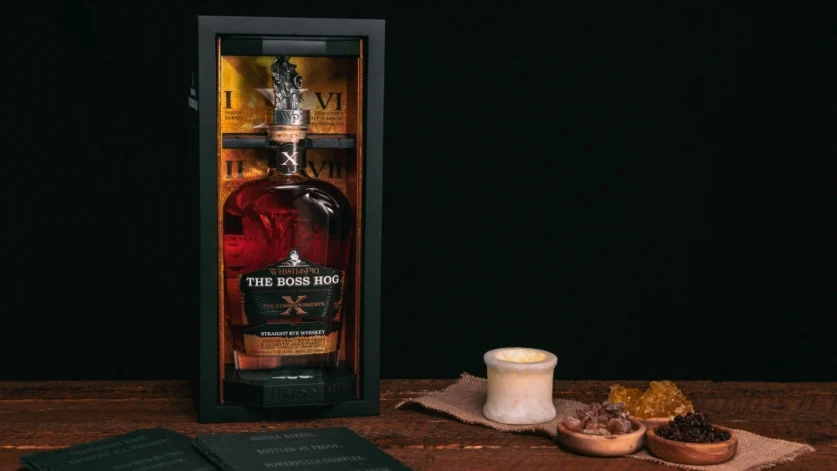
Do you ever wonder what unique cask finish the annual release of WhistlePig’s Boss Hog rye whiskey will have? Well, wonder no more. The newest edition, The Boss Hog X: The Commandments, has a completely one-of-a-kind finish, using mead barrels and casks seasoned with frankincense and myrrh-infused spirit. Now, before we dive into the details, let’s talk about the inconstant constants of the Boss Hog. There are 10 key points, ranging from marketing phrases to important facts. We’ve got the usual bottle being a single barrel release, bottled at barrel-proof, and even the promise of it being “Distinctly Unique From Anything We’ve Done Before.”
Now, let’s get into the nitty-gritty of The Commandments. It’s a sourced straight rye whiskey from Alberta Distillers in Canada, and although there is no age statement, the brand’s representative claims it’s one of their oldest age statements. The whiskey starts its maturation process in new charred American oak barrels. But here’s where things get interesting – it’s then finished in two “unorthodox” barrels for about a week each. The first barrels are seasoned with an experimental spirit made by WhistlePig using whey and rye infused with Boswellia and Commiphora resin, or frankincense and myrrh. The second set of barrels previously held mead, which is an ancient alcoholic beverage made from fermenting honey.
In the past, WhistlePig has played it relatively safe with cask finishes like rum barrels. But they’ve also dabbled in more adventurous finishes, such as tentura and fig nectar casks. The seventh release even had a secondary maturation in amburana casks, which seems to have garnered some hesitation from whiskey enthusiasts. But fear not, The Boss Hog X: The Commandments falls into the realm of the weirder side of WhistlePig without going completely overboard.
When we had the chance to sample The Commandments, we discovered a fascinating combination of scents and flavors. On the nose, we detected rye and honey aromas. As we took a sip, a delightful sweet and sour mix revealed itself on the palate. Notes of incense subtly came through without overpowering everything. The rye character was still present, but there were also flavors like baking spice, perfume, sweet cherry and grape, honeycomb, orange sherbet, molasses, bubblegum, and even a hint of balsamic vinegar. Head blender Meghan Ireland explained that the team experimented with the resins used for seasoning the finishing barrels, and she herself was unsure if it would work until they crafted the rye and whey spirit.
Now, it’s important to note that The Boss Hog X: The Commandments might not be everyone’s cup of tea. Traditionalists and those who have had their fill of WhistlePig’s lychee-infused whiskeys and sunglasses collaborations might want to skip this one. But if you’re looking to try something irreverent and truly unique, go ahead and grab yourself a bottle. You can purchase The Commandments from the WhistlePig website or check out the rest of their lineup on ReserveBar. Be warned though, it comes with a price tag of $600.
So, there you have it, the story remains the same, but the narrative is presented in a slightly different way.