Skip Vodka: Try the World’s Bestselling Spirit in Your Next Cocktail
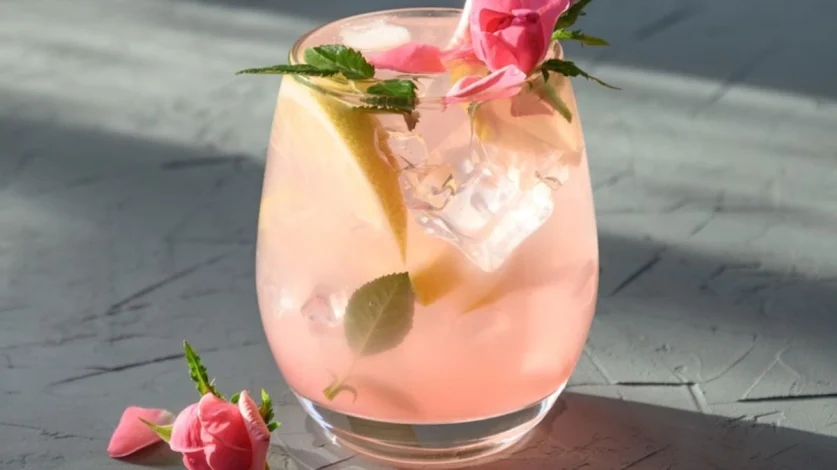
Vodka is a familiar, versatile choice for cocktails, but it isn’t the world’s top-selling spirit. That title belongs to baijiu, a traditional Chinese spirit whose popularity in China drives its enormous global sales.
Baijiu is made from grains such as sorghum, rice, wheat, corn, and millet. Its ingredients and production methods vary by region, creating a range of styles commonly described as strong aroma, light aroma, and sauce aroma—the last named for savory notes reminiscent of soy sauce. An estimated 10 billion liters are consumed each year, and baijiu production exceeds that of vodka and whiskey combined.
Traditionally, baijiu is served at room temperature and drunk neat, often in small shots shared after a toast. But bartenders are increasingly mixing it into cocktails. Milder versions can stand in for vodka, while more aromatic varieties bring a distinctive flavor to drinks such as an orange crush, lemon drop, Michelada, or Long Island iced tea.
Baijiu is made using solid-state fermentation: steamed grains ferment in a relatively dry mixture with a yeast-and-mold starter, then are steam-distilled. This differs from vodka production, which generally ferments ingredients in a liquid mash. Baijiu is matured and blended before bottling.
The spirit is becoming easier to find in the United States, with some national liquor retailers, Chinese grocery stores, and Asian specialty shops carrying it. Well-known producers include Moutai, Wuliangye, and Yanghe. If vodka cocktails are starting to feel repetitive, baijiu offers a distinctly different option—and an authentic taste of a spirit that leads the world in sales.
Meet the Chronicle’s New Wine Reporter
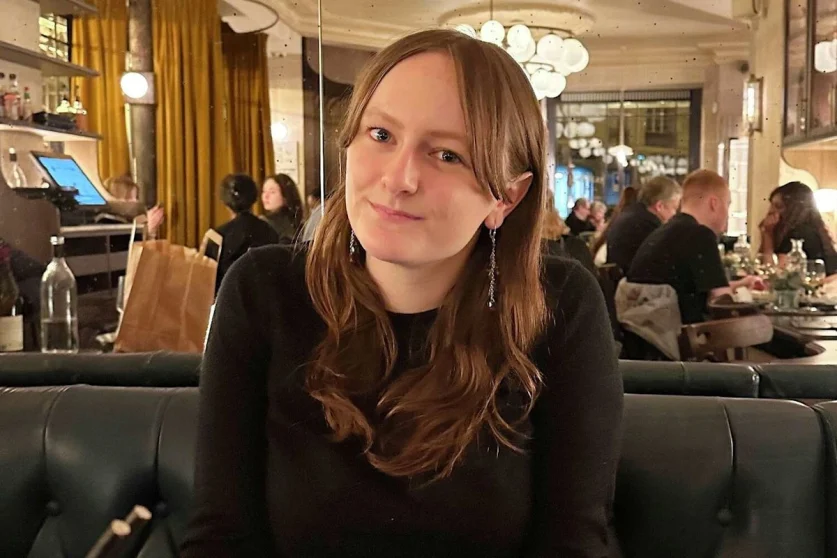
After nearly five years working alone on the San Francisco Chronicle’s busy wine beat, the paper’s wine reporter is welcoming a new colleague: Lucy Hodgman.
Hodgman has already covered a broad range of wine stories since joining the Chronicle several weeks ago. Her reporting has explored barriers to vineyard events under a new California law, vineyard robots designed to combat grape disease, and Caymus Vineyards’ opposition to a contested water-conservation plan. She has also reported on new San Francisco wine bars, a Silicon Valley-area winery’s new tasting room and the growing interest in Croatian wine around the Bay Area.
A Brooklyn native, Hodgman studied English at Yale, where she led the Yale Daily News as editor-in-chief. She began her journalism career through Hearst’s fellowship program, reporting on state government at the Times Union in Albany. She joined the Chronicle in 2025 and covered climate, homelessness and breaking news, including stories about housing policy, mountain lions, severe storms and a large pipe organ in need of a new home.
That range of experience will serve her well on the wine beat, which covers more than tasting rooms. The team also reports on land-use disputes, politics, climate change and farmworker rights, while following an industry experimenting with new ways to attract younger drinkers.
Hodgman and her colleague will share coverage of breaking news, new openings and features. Based in San Francisco’s Mission District, where she lives with her cat, Juno, Hodgman is expected to focus especially on stories from the city, the East Bay and the South Bay, while continuing to make trips to Wine Country.
She will also take over the Chronicle’s wine newsletter for a week. You can read more about her work in the San Francisco Chronicle.
Appleton Estate’s 26-Year-Old Hearts Collection Is the Best Rum of the Year So Far
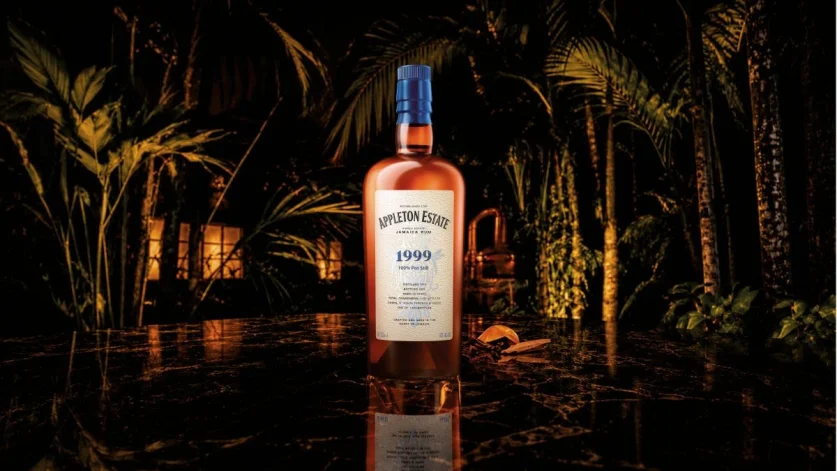
Appleton Estate’s latest Hearts Collection release is a 26-year-old Jamaican rum distilled in 1999—and a standout for both rum enthusiasts and whiskey drinkers exploring aged spirits.
The Hearts Collection debuted in 2020, with vintages selected by master blender Joy Spence and rum expert Luca Gargano. This release revisits the 1999 vintage, extending its aging by five years. It spent 26 years in ten ex-bourbon casks, was distilled on a Forsyth pot still, and bottled at 63% ABV.
A long tropical aging period intensifies the interaction between rum and oak. The result is a complex profile featuring caramel, banana, grilled pineapple, licorice, cinnamon, apple pie, brown sugar, and molasses. Despite its high proof, the rum’s warmth is described as controlled rather than overpowering. Its Jamaican “hogo”—the distinctive funky, savory character often associated with pot-still rum—may particularly appeal to longtime Jamaican rum fans.
Only 1,406 bottles are available worldwide, with a suggested price of $500. The limited release can be found at specialty retailers, though its price may rise on the secondary market.
7 Tea Cocktails to Try in Charleston Right Now
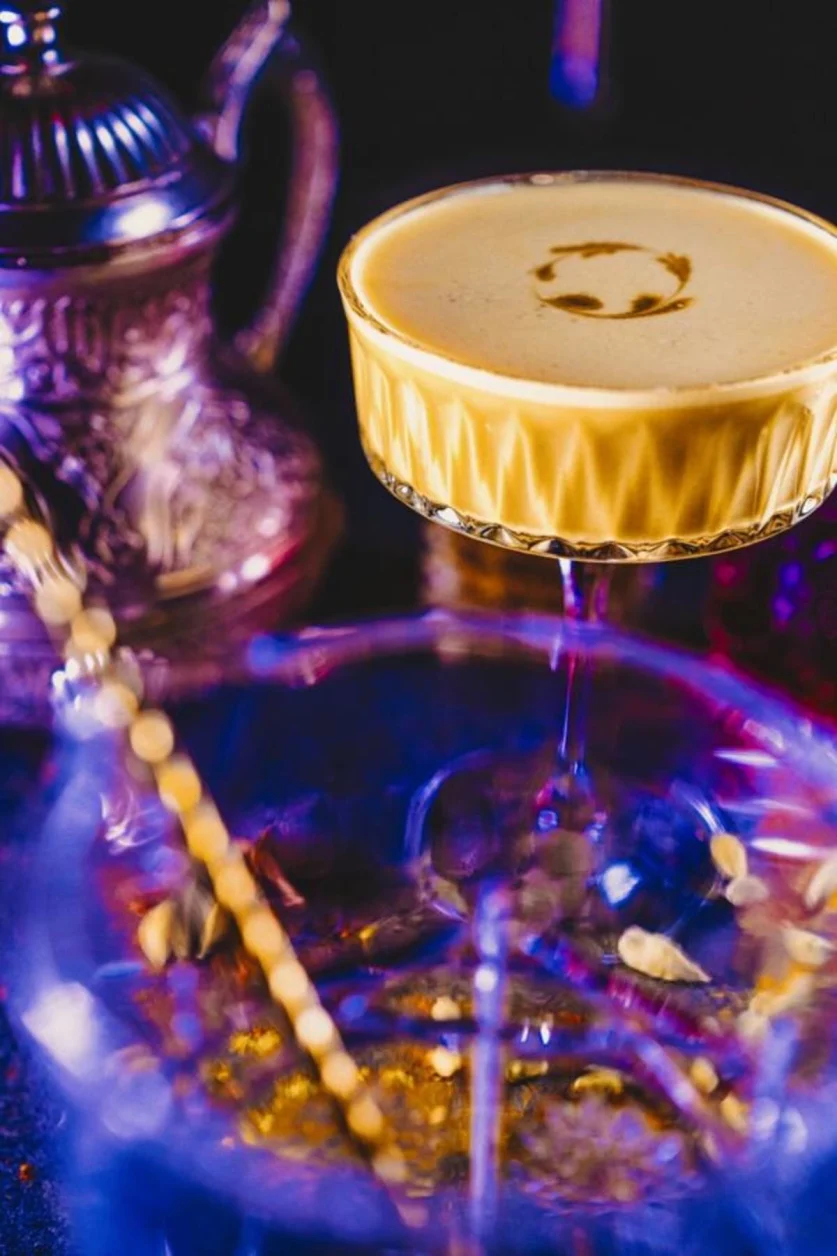
Tea is finding its way into more cocktails, adding everything from subtle floral notes to warm spice and a pleasant tannic finish. In Charleston, the trend draws on the city’s deep tea heritage and offers options ranging from spirit-forward drinks to alcohol-free sips.
Here are seven tea cocktails to try around town:
Chai No Lait at Coterie
A menu staple since Coterie opened in 2020, the dairy-free Chai No Lait combines chai-steeped gin with Angostura bitters and egg-white foam. Its creator, co-owner Jeremy Buck, designed it to bring the creamy, fragrant feel of a chai latte into a refreshing cocktail.
Coterie also serves the Laotong, made with chamomile-infused pisco.
The Mitchell at Camellias
Inspired by Southern peach tea, The Mitchell pairs English breakfast tea with bourbon. The result is a smooth, fruit-forward drink designed to be approachable. It fits naturally at Camellias, a bar inside Hotel Bennett known for its afternoon tea service.
Pluff and Proper at The Palmetto Hotel
Created with local tea company Oliver Pluff, this cocktail combines The Botanist gin with orange clove tea, lemon and bergamot notes. The tea adds warm tannins and complexity.
The hotel is also developing a Tea Tini Trio, with options that can be made using nonalcoholic spirits.
Nashpati No. 5 at Rivayat
This fall cocktail brings together reposado tequila, Earl Grey tea, black peppercorn, spiced pear liqueur, lemon, garam masala and jaggery. Beverage director Juleon Schneider drew inspiration from tea-poached pears, and says bergamot’s citrusy character pairs especially well with tequila.
Garden Fog at Sweatman’s Garden
Sweatman’s Garden offers several tea-based drinks, including the habanero fresca, which can be served as a mocktail or made with alcohol. A seasonal favorite, the Garden Fog, combines nonalcoholic fernet, pear and Earl Grey soda, topped with marshmallow fluff.
Divine Intervention at Ma’am Saab
This chai-spiced bourbon cocktail, finished with West Indies orange bitters, is Ma’am Saab’s take on an Old Fashioned. It has evolved through several versions over the years, with its current form introduced in fall 2025.
Karachi Wala at Ma’am Saab
Also built around chai, the Karachi Wala mixes vodka, warm spices and amaretto. Owner and executive chef Raheel Gauba created it as a nostalgic tribute to evenings with friends in Karachi, where cups of chai helped gatherings last a little longer. Sweeter and softer than the Divine Intervention, it’s intended as an after-dinner drink.
Uncle Nearest Whiskey Brings Fall Cocktails to Newfields’ Harvest Nights
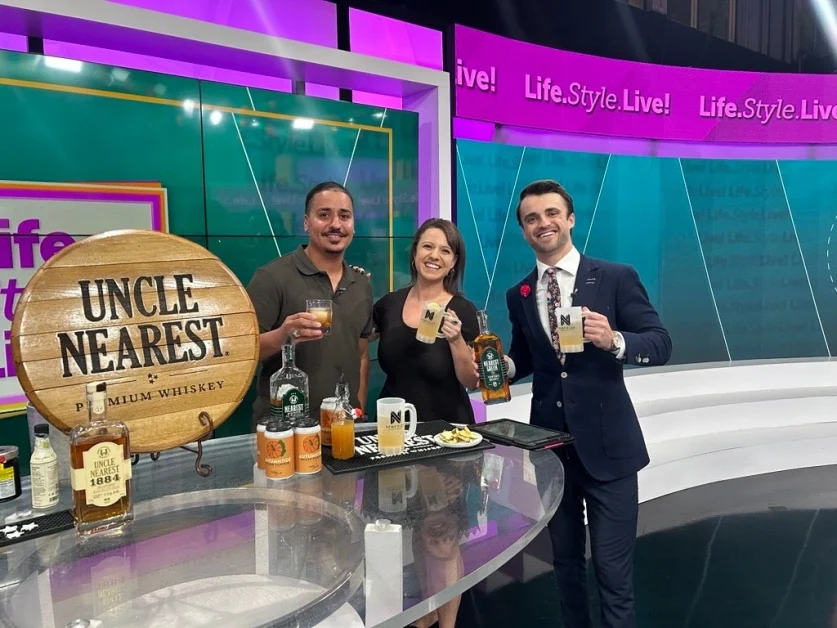
Uncle Nearest Premium Whiskey is bringing Tennessee whiskey and autumn cocktails to Newfields’ annual Harvest Nights celebration in Indianapolis.
At the event, Uncle Nearest’s director of emerging markets, Andrew Stein, and Newfields’ associate director of culinary arts, Lindsay Jo “LJ” Whirley, shared the brand’s history and demonstrated two seasonal drinks.
The whiskey honors Nearest Green, recognized as the first known African American master distiller in the United States. Since launching in 2017, the brand has grown nationally while highlighting Green’s legacy and contributions to Tennessee whiskey.
A partnership between Uncle Nearest and Newfields began with sponsorship of the venue’s Garden Party and later expanded to Harvest Nights. Stein, an Indiana native who lives in Fishers, said his local ties helped bring the collaboration together.
One popular offering is the Uncle Nearest Apple Jack, made with Nearest Green Tennessee Whiskey, apple cider and Autumn Tide beer from Ash and Elm Cider Co. About 1,500 were served during the event season by the time of the segment. Whirley said it’s simple to make at home and well suited to fall gatherings.
Stein also demonstrated a seasonal old-fashioned with Uncle Nearest 1884 Small Batch Whiskey. The recipe calls for 2 ounces of whiskey, ½ ounce of demerara syrup and a couple of dashes of black walnut bitters. Stir and strain into a glass, then garnish with a maraschino cherry and orange peel.
Harvest Nights allows Newfields to feature local and regional brands alongside seasonal food and drinks. The event draws tens of thousands of visitors throughout the season. Guests can find the Apple Jack in the beer garden near the large, light-decorated purple tree.
Harvest Nights runs through Nov. 1 at Newfields. Tickets are available through Newfields; members receive a 20% discount, and children under 5 are admitted free.
Cape Coral Oktoberfest: Beer, Live Bands, and Everything You Need to Know
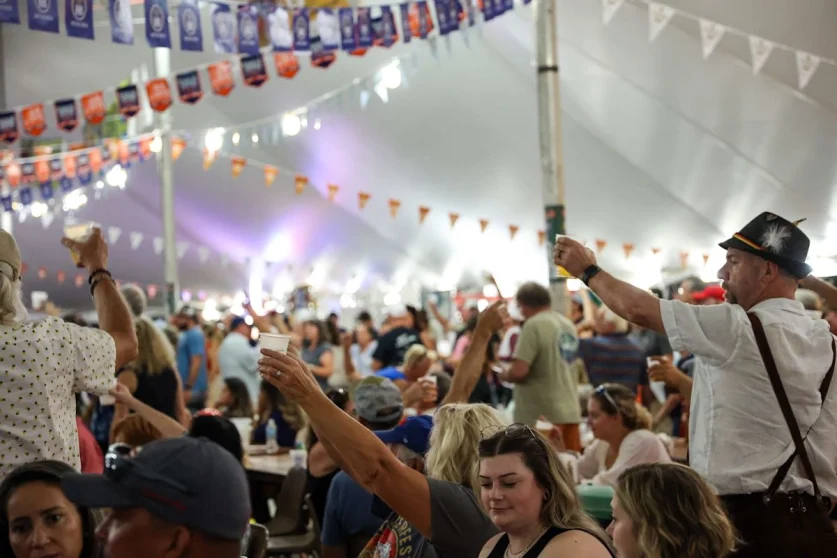
Cape Coral’s 41st Oktoberfest runs Oct. 16–18 and Oct. 23–25 at the German American Social Club, bringing together German food, live music, carnival rides and traditional festivities.
For Christine Blasses, this year’s Ms. Oktoberfest, the celebration is about more than beer and bratwurst. She describes it as a chance to share Gemütlichkeit—a German sense of warmth, togetherness and friendship. Blasses, who was born in Bavaria and now lives in Cape Coral, says she hopes to help connect the German and American communities and encourage younger people to get involved with the club.
The festival grew out of an Oktoberfest tradition that began in 1810 to mark the wedding of Crown Prince Ludwig of Bavaria. Cape Coral’s German American Social Club started hosting a private celebration in 1964 and later opened its event to the public. Organizers say it now draws around 40,000 visitors across the two weekends, making it Florida’s largest standalone Oktoberfest.
Guests can expect German bands, dancing, chicken dancing, carnival attractions and classic festival dishes, including bratwurst and potato pancakes. Blasses will represent the club and German culture, meet attendees and judge the stein-holding contest.
Dates, hours and tickets
The festival takes place at the German American Social Club, 2101 SW Pine Island Road, Cape Coral.
- Fridays: 4 p.m.–midnight
- Saturdays: noon–midnight
- Sundays: noon–8 p.m.
- Admission: $8 in advance or $10 at the gate; children 12 and under enter free
- VIP passes: $125–$150, with private seating, a bar and restrooms
- Parking: Free
For event details and tickets, visit the Cape Coral Oktoberfest website.
Ja Rule Delays 238-Store Whiskey Rollout to Strengthen His Team
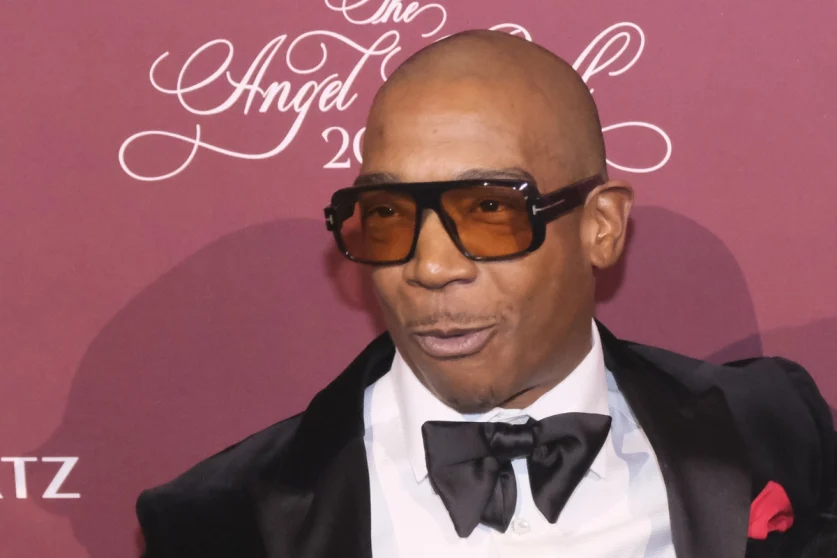
Ja Rule and his Amber & Opal co-founders are holding off on a potential 238-store rollout while they build the team and resources needed to support the whiskey brand.
In an interview with Inc., Ja Rule said the brand could expand into those stores now. But the four founders decided to concentrate on seven markets where they can personally visit retailers and help drive sales.
Co-founder Herb Rice said a nationwide launch could spread the team too thin. Store tastings and bar visits require time, and retailers may stop carrying bottles that do not sell. Ja Rule described the workload as “17 hats” that the founders are trying to divide among themselves.
The business began in 2021, when Ja Rule and Rice invested in barrels of whiskey they planned to sell after the liquor aged. As other members of their investment group began bottling whiskey for themselves, the pair saw an opportunity to create a brand. They later partnered with Rice, Sandy Sandiford and Kelvin Barton to launch Amber & Opal.
The whiskey from their original investment was not used in the brand’s blend. After consulting distillers, the founders chose Maryland rye for the recipe instead. The blend was developed to suit both Ja Rule, who was new to whiskey, and his more experienced partners, who paid close attention to details such as its smoky finish.
The team experimented with honey, spices and tea before settling on a blend featuring orange blossom honey, fig, ginger, cinnamon and lapsang souchong black tea.
Ja Rule has also promoted the whiskey in person. In early 2025, he visited a Miami Beach store to sign bottles, take photos and offer tastings. He said these appearances gave him a chance to connect with fans beyond his music.
The founders are seeking $5 million to $7 million in funding, which Ja Rule said would help them hire staff and expand into more markets over the next year or so.
Amber Ale vs. Pale Ale: What Are the Main Differences?
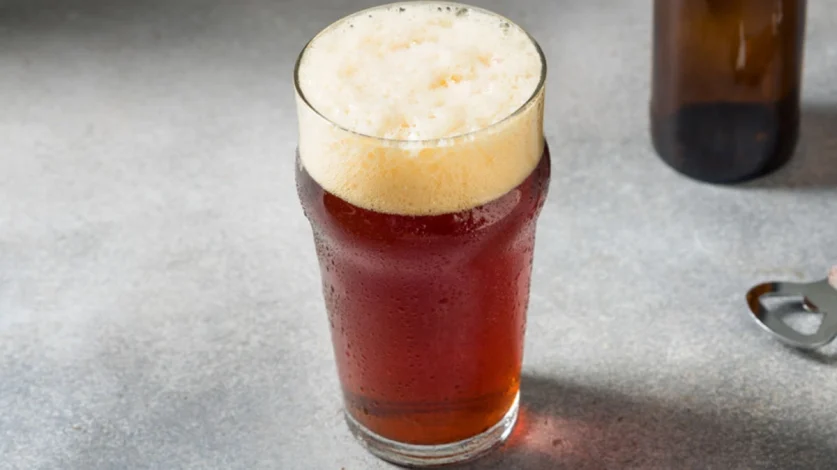
Amber and pale ales share a British heritage and are both top-fermented beers, but differences in color, malt, hops, and flavor make them distinct. Their alcohol levels are similar: pale ales generally range from 4% to 6% ABV, while amber ales are typically around 4.5% to 6.2%.
Color and malt
Pale ales are usually golden to light amber, while amber ales tend toward reddish-brown or copper. Their color ranges overlap on the Standard Reference Method (SRM) scale: pale ales generally fall between 4 and 16, and amber ales between 11 and 18.
Amber ales get their deeper color and richer character from toasted caramel or crystal malts. These malts lend sweetness and sometimes nutty or caramel notes. Hops balance that sweetness with mild bitterness and occasional citrus flavors, though amber ales are not usually considered especially hoppy.
Pale ales typically lean more on hops than malt. American pale ales, in particular, often feature citrus and pine notes, with a subtler malt sweetness. As a result, pale ales tend to taste lighter and more refreshing, while amber ales are often fuller-bodied and sweeter.
Styles and origins
Pale ale originated in 18th-century England, where the name distinguished lighter beers from dark styles such as porters and stouts. Pale ales now include several varieties. India pale ales (IPAs), for example, generally have more hops, stronger flavors, and higher alcohol content. Belgian pale ales tend to use more malt, while English pale ales often balance malt and hops more evenly.
Amber ales are related to British Isles styles such as Irish red and Scottish ales. American amber ale became a distinct style during the 1980s craft-beer movement. Amber and red ales are sometimes labeled interchangeably, though Irish red ales are typically maltier and less hoppy than American amber ales.
Serving and food pairings
Amber ales are generally served at 45–55°F, while pale ales are often served a little warmer, around 50–60°F. Tulip glasses suit amber ales; a standard pint glass is a good choice for pale ales. Tulip glasses also work well for IPAs, helping concentrate their aromas.
Pale ales pair easily with many dishes, including spicy foods, Asian cuisine, and rich meals such as cheesy pizza. Amber ales work well with sweet-and-savory foods, cheddar or Parmesan, cheesy pasta, and chocolate desserts. Both styles are good matches for barbecue and grilled meat.
How to Find Wine That Tastes Expensive for $20 or Less, According to Experts
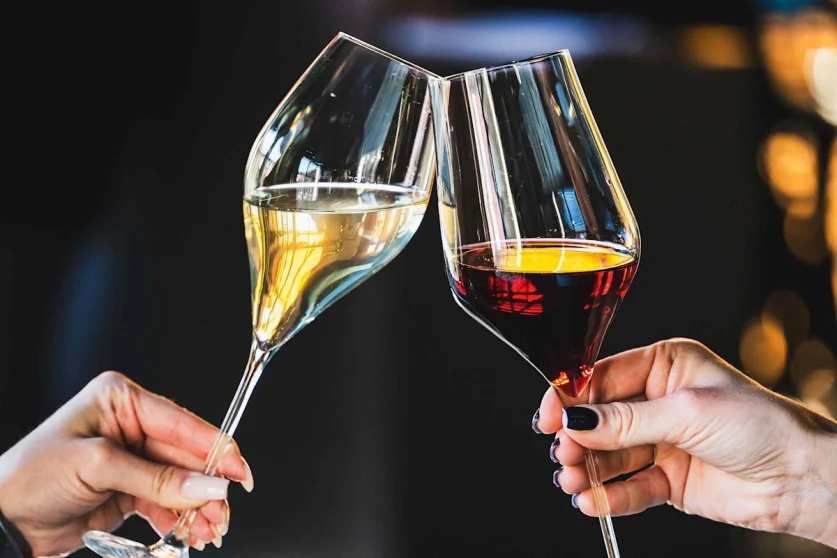
Finding an impressive bottle of wine for $20 or less is possible if you look beyond famous labels and premium regions. Wine experts recommend focusing on value, not price alone: costs can reflect land, labor, scarcity, and reputation as much as what’s in the glass.
1. Try less familiar grapes and regions
Popular grapes such as Chardonnay and Cabernet Sauvignon often carry higher demand. Look instead for options like Chenin Blanc, Tannat, or Gamay. You can also explore less expected styles from well-known wine countries—for example, German sparkling wine, Pinot Noir, or Chardonnay.
Labels that name a specific region, such as Sonoma rather than simply California, can offer a useful clue about where the grapes were grown.
2. Check for quality designations
European labels often include designations that indicate wines were made under defined standards. In Germany, look for the VDP eagle; in Italy, DOCG; in France, AOP; and in Spain, DOCa. These marks don’t guarantee you’ll love every bottle, but they can help narrow your search.
3. Explore neighboring regions and a producer’s other wines
A famous wine region’s less celebrated neighbors can deliver similar character at lower prices. For instance, Campo de Borja Garnacha can offer ripe fruit, spice, and smooth tannins for less than many Rioja Tempranillos.
You can also seek out alternatives to prestigious styles: Crémant instead of Champagne, Cru Beaujolais instead of red Burgundy, or Gigondas instead of Châteauneuf-du-Pape. Even renowned producers may make more affordable wines alongside their sought-after bottlings.
4. Ask a knowledgeable seller
Independent wine shops and experienced restaurant sommeliers can point you toward strong-value bottles. Share your budget, the kinds of wines you usually enjoy, and what you’re serving with dinner. Those details help them make a more tailored recommendation.
5. Match the bottle to the occasion
Think about what you want from the wine. More affordable bottles are often made to be enjoyed young, with generous fruit and an approachable style. Costlier, more complex wines may be designed to develop over many years in a cellar.
Wine is subjective, and a high price doesn’t automatically mean a better match for your tastes or your meal. A modestly priced bottle can be a satisfying choice for tonight—even if you admire the prestige of more expensive wines.
Food Network New York City Wine & Food Festival Returns This Week with an All-Star Lineup
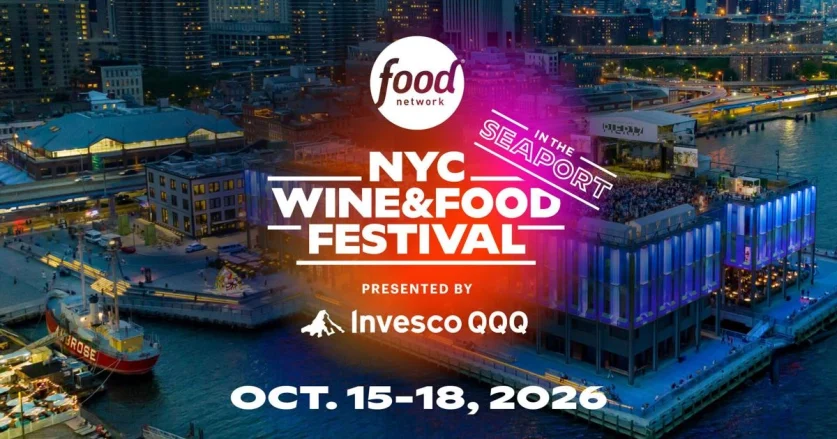
New York City’s Wine & Food Festival returns for its 19th year from October 15–18, 2026, bringing more than 50 events to venues across the city. The program includes tastings, cooking demonstrations, rooftop gatherings and special dinners. Some events have sold out, but tickets remain for select experiences through the festival website.
The festival’s lineup includes chefs, performers and other public figures such as Rachael Ray, Bert Kreischer, Machine Gun Kelly, Nigel Ng, Kwame Onwuachi, D-Nice, Method Man and Whoopi Goldberg. Luann de Lesseps, Dorinda Medley and Kelly Bensimon will also appear at a Friday event hosted by Bryan and Michael Voltaggio.
The festivities begin Thursday, October 15, with the Blue Moon Burger Bash, hosted by Rachael Ray and Bert Kreischer at The Rooftop at Pier 17. A celebrity panel will help judge the burger competition. That evening, chef Nobu Matsuhisa will host a Peruvian-inspired dinner, marking his festival debut.
Friday’s events include Best of the Best, featuring more than 15 James Beard Award winners, nominees and semifinalists, and the debut of Flavors of Bollywood, celebrating Indian cuisine and culture.
On Saturday, Kwame Onwuachi will host New York After Dark, a rooftop event pairing a chef-curated meal with music from D-Nice. Sunday begins with Morning Buzz, a new non-alcoholic event focused on the city’s coffee, matcha, tea and breakfast scene. The festival closes with The Cookout, hosted by JJ Johnson and Angela Yee, featuring a performance by Method Man and an appearance by Whoopi Goldberg.
The Grand Tasting at the Invesco QQQ Festival Campus in the Seaport remains a central part of the weekend, with restaurant tastings, wine and spirits, demonstrations and book signings. Hosts include Marcus Samuelsson, Andrew Rea, Ayesha Nurdjaja and Michael Symon.
Also returning is FoodieCon, a day of creator-focused conversations, challenges, tastings and meet-and-greets. Other events include Oyster Bash, Tacos & Tequila, chef collaboration dinners and the festival’s first non-alcoholic dinner, at The Maze NYC.
Net proceeds will benefit the Event Zero Foundation, which promotes sustainability and environmental responsibility in the events industry, and the James Beard Foundation, which supports excellence in the culinary community.