8 Cocktails to Toast Cooler Temperatures and Changing Leaves
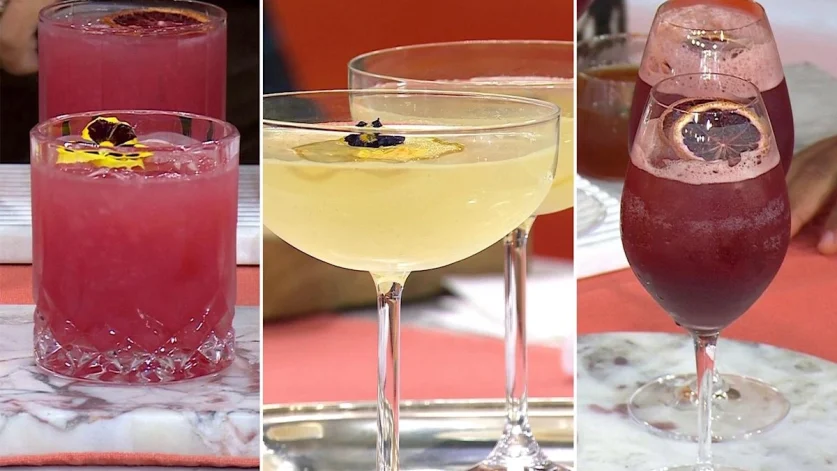
As autumn arrives, cooler weather and changing leaves offer a reason to gather over seasonal drinks. Jenny Megill, bar manager at Hudson Valley hotel and event venue Cedar Lakes Estate, shared four cocktail and mocktail recipes on TODAY, including a blood orange-pomegranate margarita.
The Reasons Behind Ongoing Trade Wars Impacting Your Whiskey Supply
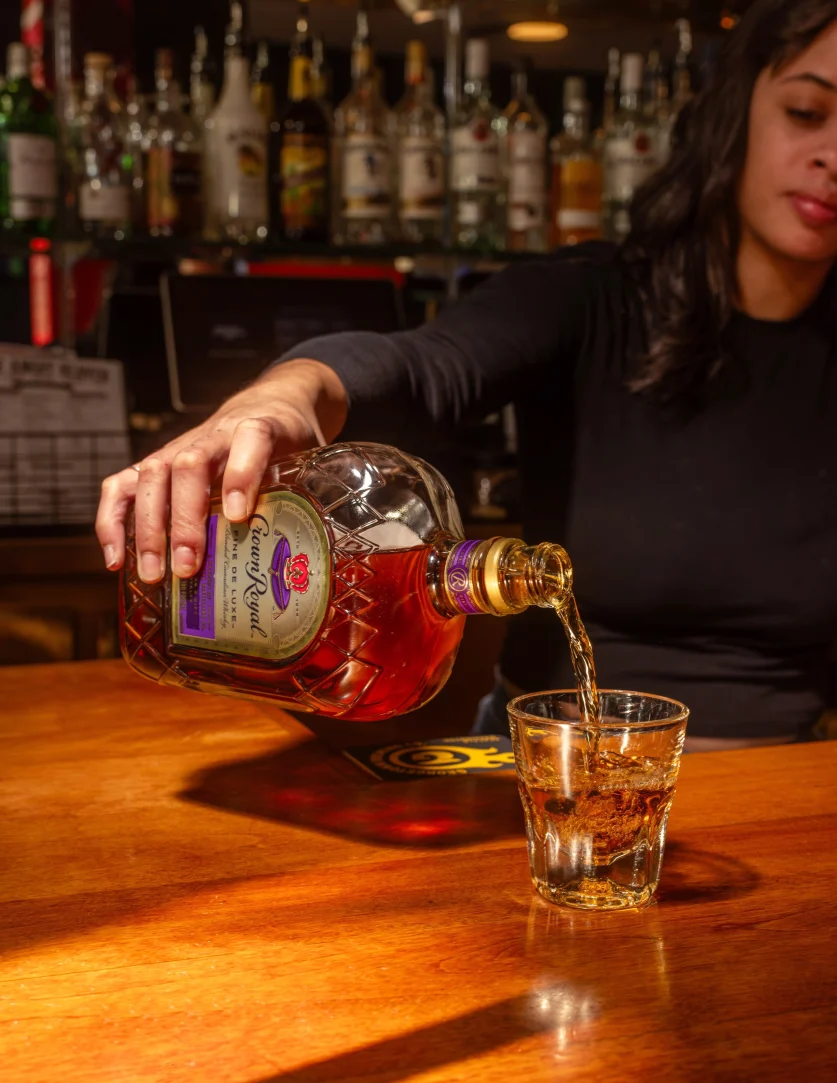
Whiskey has found itself at the center of trade tensions between the United States and Canada, drawing unexpected scrutiny amid ongoing trade disputes. While the total goods traded across the border exceeds $870 billion annually, whiskey represents less than a third of one percent of that volume. Nevertheless, it has become emblematic of escalating trade conflicts, particularly since the Trump administration’s tariffs spurred retaliatory actions from Canada.
In early 2025, eight Canadian provinces instituted bans on American whiskey, prompting the U.S. to respond with a hefty 50% tariff on Canadian whiskey. Recently, the Trump administration escalated the situation further by issuing a complete ban on Canadian whiskey imports, effective soon. However, the ban carries a significant loophole: Canadian whiskey imported in bulk and bottled in the U.S. is exempt, ensuring brands like Crown Royal remain untouched for consumers.
This peculiar focus on whiskey raises questions about its role in trade negotiations. While steel and aluminum may be critical for the economy, whiskey serves a symbolic function. Price changes in whiskey are more perceptible to consumers compared to broader economic metrics, making it an effective tool for political messaging.
Americans are clearly attuned to the implications of these tariffs. Bar owners report that their customers are very invested in discussions surrounding the availability and pricing of Canadian spirits. This stakes a claim on national identity, as whiskey production is bound to geographical restrictions—only bourbon can carry the name if made in the U.S., while Canadian whiskey must be produced in Canada.
As the trade dispute unfolds, it affects not only American consumers but also the Canadian liquor industry. The American bans have reportedly slashed U.S. exports to Canada by nearly 70%, translating into significant financial losses for distilleries on both sides. Canadian importers and distributors have also faced challenges, with anticipated increases in domestic sales failing to materialize.
Experts have noted that major distilling companies might circumvent the ban by moving bottling operations closer to the U.S. market, enabling them to continue selling without disruption. This presents a complex picture of trade where political proclamations can often mask underlying economic realities.
As the situation progresses, both governments continue to navigate a landscape where tariffs on whiskey not only influence commerce but also serve broader political narratives aimed at a domestic audience.
Are You a Wine Glass ‘Stem Snob’? Insights from Top Restaurateurs on the Perfect Glass Choice
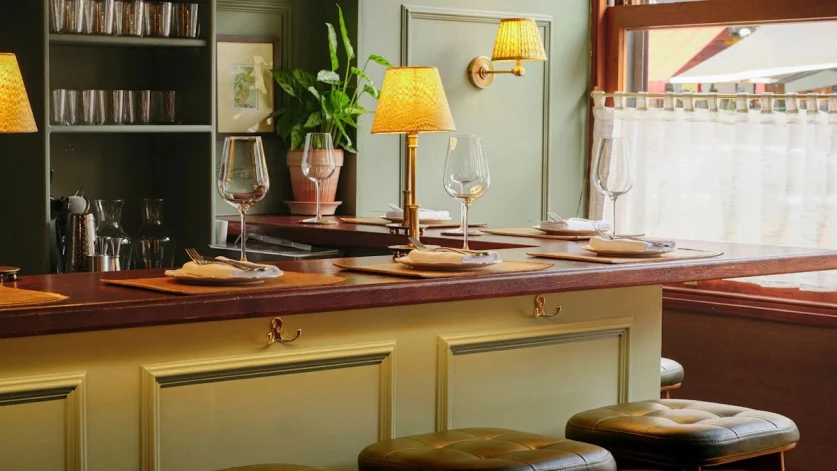
Wine snobbery often generates lively debate, especially in discussions about the ideal wine glass shape and style. Recently, I consulted leading restaurateurs with extensive wine backgrounds to understand what really matters when it comes to selecting the perfect glass for enjoying your favorite red, white, or rosé.
While many upscale dining spots favor thin-stemmed glasses, the consensus among the experts is that personal preference and the setting play crucial roles in this choice.
Understanding Wine Glass Selection
Shape Matters
The shape of a wine glass can profoundly affect the taste of the wine. Various experts emphasize that the size and curvature of the bowl are crucial. A well-designed wine glass should enhance the tasting experience without being a distraction.
Michael Mackenzie from Poon’s at Somerset House explains, “Balance in the design and proportions is essential not only for visual pleasure but also for tasting.” He notes that achieving the right blend of comfort in handling a glass and its visual appeal is key.
Personal Taste
Anna Patrowicz, sommelier at Akub, expresses a personal preference for thin-stemmed glasses, noting that they convey elegance and sophistication. However, she emphasizes that the choice should align with the restaurant’s decor and atmosphere. For her restaurant, slightly thicker glasses work better with their organic table surfaces.
Anna also highlights the significance of the rim’s thinness for a better drinking experience. A glass should ideally feel almost non-existent when sipping wine. “The size and shape should allow for sufficient aeration, accommodating a standard pour while enhancing the aromas,” she says.
Versatile Recommendations
Restaurateur Abe Drewery recommends the Richard Brendon x Jancis Robinson Universal Glass as a prime choice due to its versatility, suggesting it’s suited for all types of wines. Other favorites discussed include the Zalto Universal Wine Glass and the Schott Zwiesel Vina Burgundy Glass, both known for their refined shapes and suitable sizes.
Conclusion: Your Personal Choice
Ultimately, your selection of wine glasses should be a reflection of your personal taste and the ambiance of your dining experience. Whether you prefer slender stems or contemporary shapes with thicker bases, the choice is subjective. Experts agree that the right wine glass makes a significant difference in your overall enjoyment, emphasizing the importance of finding a glass that feels beautiful in your hand and highlights the delightful qualities of your wine.
Additional Reading
I Am Gruit: Rediscovering the Little-Known Botanical Beer of the Middle Ages
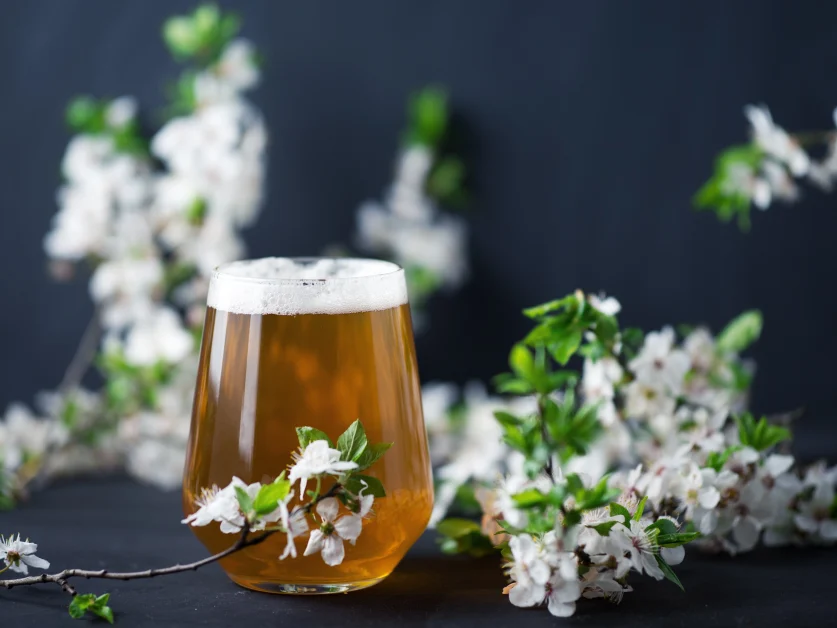
Beer has been a staple of civilization for millennia, with some researchers suggesting its role in the transition from hunter-gatherer societies to settled agricultural communities around 12,000 BCE. However, the beer we know today, defined by the four primary ingredients of malt, hops, water, and yeast, was not always the norm.
Historically, beer was flavored with a variety of herbs and plants, leading to the creation of what are known as gruit ales. Originating in the late 10th to early 11th centuries in regions such as the Netherlands, Belgium, and parts of western Germany, these ales lacked hops but drew upon local flora for their unique flavors. Communities often relied on proprietary herb mixtures, which were controlled by churches or local rulers, making the production of gruit ales a significant part of medieval life and culture.
While grains like barley or wheat, water, and yeast formed the basis of these ancient brews, hops were sporadically introduced into brewing around 736 CE in Germany but did not become widespread until the 12th and 13th centuries. Hopped beers, which provided a longer shelf life and a distinct bitter flavor, eventually took precedence over the sweeter, unhopped varieties.
In modern times, the gruit concept is experiencing a resurgence among craft brewers, who experiment with a mixture of herbs, spices, and plants to enhance their beers without using hops. These contemporary gruits can feature a multitude of ingredients, such as bog myrtle, wild rosemary, ginger, or elderberries, creating a wide range of flavors that change with the seasons.
However, finding a fresh gruit can be challenging as these beverages often have limited production runs. Some breweries in the Bay Area, like Alameda Brewing and Mad Fritz Brewing, produce gruits periodically, making it worthwhile for enthusiasts to seek them out for a unique taste of history.
Boo-tiful Brews: Elevate Your Halloween Cocktails with Black Vodka
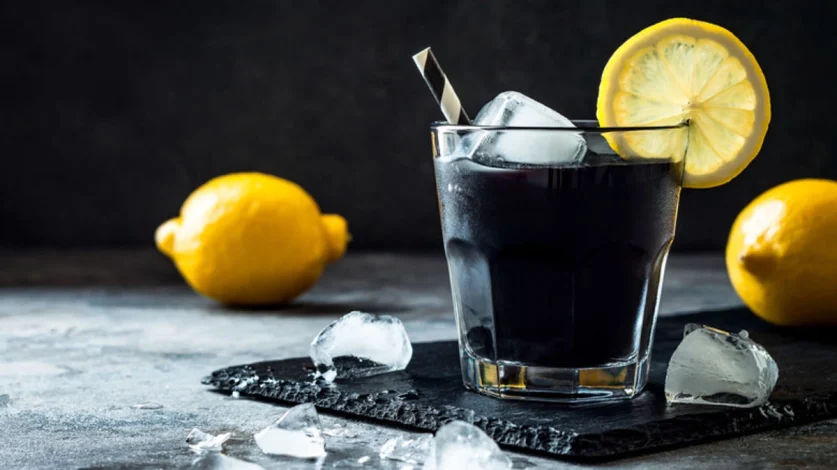
When it comes to Halloween cocktails, many mixologists opt for bright spirits and colorful liqueurs like Midori or grenadine to craft their spooky drinks. However, there’s a way to incorporate an enigmatic touch and sophistication into your Halloween beverages: homemade black vodka.
Creating black vodka may seem daunting, but it’s quite straightforward. Start with a high-quality, clear vodka as your base. The secret ingredient for achieving that stunning black color is likely lurking in your pantry: liquid food coloring. By blending red, blue, and green drops, you can transform your clear vodka into a deep, dark elixir.
To make your black vodka, add 10 drops of blue food coloring for every bottle you’re preparing. Follow that with 10 drops of red food coloring and eight drops of green. Shake the bottle vigorously to ensure the colors mix well. Once mixed, your black vodka is ready to elevate your cocktails all night long without any special storage needs.
With your homemade black vodka prepared, it’s time to dive into creative cocktail concoctions. You can use this versatile spirit in any vodka-based recipe, but consider a few festive options to match the Halloween theme.
-
Midnight Martini: Combine your black vodka with a dash of dry vermouth and garnish with an orange peel twist to add a splash of contrasting color.
-
Blackberry Potion: Muddle fresh blackberries with lime juice and simple syrup. Shake together with your black vodka and strain over ice for a deliciously eerie drink.
-
Witch’s Brew Fizz: Mix black vodka with elderflower liqueur and a squeeze of lemon juice. Shake over ice, strain into a glass, and top with sparkling water for a refreshing fizz.
For an added layer of visual appeal, try using edible glitter in your cocktails. Adding a sprinkle will mesmerize your guests, turning your drinks into dazzling potions suitable for any Halloween gathering.
Homemade black vodka is an intriguing ingredient that can transform your cocktails from mundane to magical. Whether conjuring up a spooky martini or a sparkling blackberry potion, these drinks are sure to enchant all who partake.
Chattanooga Whiskey Launches ‘Full Proof’ Tour Featuring a 4K-Gallon Barrel Experience

Chattanoogans have the opportunity to take a two-hour guided tour at the Chattanooga Whiskey distillery, an establishment that has gained significant recognition for its distinctive bourbons. The tour offers a behind-the-scenes look at the distillation process, showcasing how the distillery has built a reputation for its complex, toasty flavors.
With the recent opening of a new 4,000-gallon barrel, visitors can expect a thorough understanding of the craftsmanship involved in producing their beloved whiskey. The full-proof tours not only highlight the intricacies of whiskey-making but also celebrate the local craftsmanship that has put Chattanooga on the whiskey map.
For those interested in experiencing this unique production process firsthand, more information about the tours can be found here.
The Rise of Low-Alcohol Wine: Your Guide to Enjoying Moderate Drinking
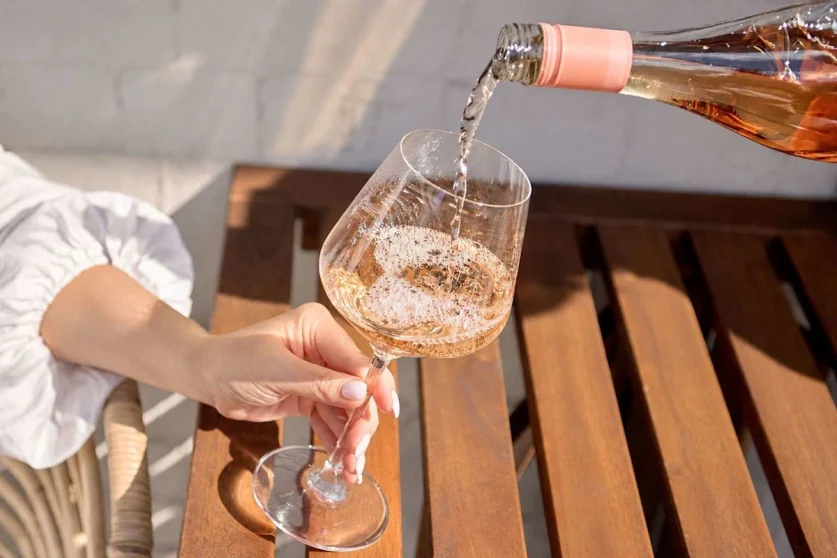
To address the growing demand for moderation in drinking habits, winemakers are increasingly adopting techniques from the nonalcoholic wine industry to produce low-alcohol wines. This shift allows them to create options that are not only lower in alcohol but also lower in calories while maintaining enjoyable flavors and aromas, appealing particularly to wellness-conscious consumers.
Perris Fiori, the senior vice president of marketing for Ste. Michelle Wine Estates, notes that the moderation trend has transitioned from a seasonal phenomenon to a year-round behavior, providing consumers with more alternatives for various occasions. For instance, Chateau Ste. Michelle has introduced its LIGHT series, featuring wines with 9% alcohol-by-volume (ABV) and 80 calories per serving, intentionally crafted to retain balance and flavor.
The focus on calorie content appears to resonate more with consumers than the alcohol level itself. Fiori explains that many consumers prioritize calorie counts over ABV, as the relationship between the two can be confusing. This insight has driven winemakers to ensure that their lower-calorie wines still deliver a high-quality experience.
The Duckhorn Portfolio’s recent launch of the Decoy Featherweight series incorporates this approach, removing a portion of alcohol from full-strength California wines to maintain the essence while lowering their ABV to 9% and calories to 80. Chanel Caplan, Duckhorn’s chief marketing officer, cites significant growth in the lower-calorie wine segment and highlights increasing popularity among women, millennials, and Gen Z drinkers.
Industry experts affirm that no- and low-alcohol wines create inclusivity within the traditionally exclusive wine industry. Sarah Tracey, a certified sommelier, appreciates the convenience of readily available lower-alcohol choices in grocery stores, enabling consumers to make informed selections without extensive research.
Additionally, wines such as the 7% ABV sparkling rosé Que Pop have gained traction, especially in contexts like music festivals where casual enjoyment is key. Rob Fischer, from Valkyrie Selections, emphasizes the noticeable trend of shifting consumer preferences towards lower-alcohol options.
Ultimately, the quest for enjoyable wines that align with health-conscious choices continues to influence production techniques. Experts like Peter Eastlake advocate for the quality of flavor in lower-alcohol wines, while Keyatta Mincey highlights the benefits of partial de-alcoholization, balancing expressiveness with lower alcohol content.
Recommended Low-Alcohol Wines to Try:
- 2025 Chateau Ste. Michelle LIGHT Columbia Valley Sauvignon Blanc ($12)
- 2025 Kim Crawford Illuminate New Zealand Sauvignon Blanc ($15)
- 2025 Liquid Light Wines Washington Rosé ($15)
- 2025 Que Pop Sonoma Coast Session Rosé ($20)
- 2024 Sunny With a Chance Of Flowers Monterey Chardonnay ($17)
- 2024 Wölffer Hamptons Light Low-Alcohol Rheinhessen Pinot Blanc ($24)
- 2023 Decoy Featherweight California Cabernet Sauvignon ($25)
Elevate Your Halloween Cocktails with the Intrigue of Black Vodka!
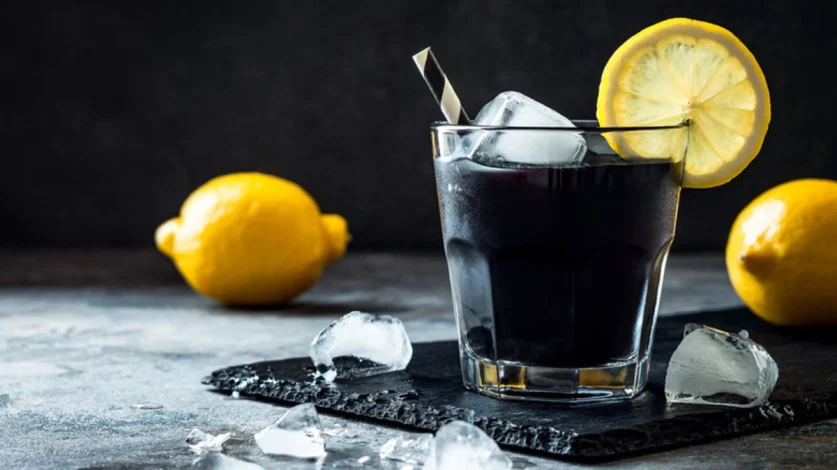
When it comes to Halloween cocktails, most mixologists reach for vibrant spirits like Midori or grenadine to craft spooky drinks. However, there’s a way to elevate your Halloween creations with a touch of mystery and elegance—homemade black vodka. This unique concoction can transform your cocktails into truly bewitching libations.
Making your own black vodka is easier than you might think. Start with a high-quality, clear vodka as your base. The secret to achieving that enigmatic black color lies in a simple pantry staple: liquid food coloring. With a mix of red, blue, and green food coloring, you can easily transform your clear vodka into a captivating dark hue.
To prepare your black vodka, add 10 drops of blue food coloring, 10 drops of red food coloring, and eight drops of green food coloring to each bottle of vodka you’re altering. Recap the bottle and shake it well to ensure the color is fully incorporated. Once mixed, your black vodka is ready to use for cocktails throughout the night without the need for frequent stirring or special storage.
Cocktail Ideas Using Black Vodka
Now that you have your black vodka, it’s time to get creative. Here are a few festive cocktail ideas that will impress your Halloween party guests:
-
Midnight Martini: Combine your homemade black vodka with a touch of dry vermouth. For a pop of contrasting color, garnish with an orange peel twist.
-
Blackberry Potion: Muddle fresh blackberries with a splash of lime juice and simple syrup. Shake this mixture with black vodka and strain it over ice for a hauntingly delicious drink.
-
Witch’s Brew Fizz: Mix black vodka with elderflower liqueur and a squeeze of lemon juice. Shake well with ice, strain into a glass, and top with sparkling water for an effervescent delight.
To add a touch of glamour to your black vodka cocktails, consider incorporating edible glitter. This enchanting addition will create dazzling elixirs that captivate your guests.
By embracing the dark allure of homemade black vodka, you can craft cocktails that range from spooky to sophisticated. Whether serving a sinister martini or a sparkling blackberry potion, your Halloween drinks are sure to enchant everyone who indulges.
Resilience in a Glass: How Ukrainians Continue to Pursue Their Passion for Wine Amidst Adversity

Winemakers often keep a watchful eye on the sky during the harvest season, hoping for favorable weather. While California’s vineyard managers face typical agricultural challenges, Giorgi Iukuridze, owner and CEO of SHABO wines in Ukraine, is fixated on a much graver concern: the threat of missile attacks.
Located around 120 miles from the frontlines of the ongoing war, Iukuridze’s winery has been subjected to bombings and drone strikes on seven occasions since the conflict began, with the last incident occurring last New Year’s Eve. Despite these harrowing conditions, he perseveres in the vineyards, maintaining hope amid the chaos.
Iukuridze’s journey into winemaking was unexpected; he initially pursued degrees in politics and international relations, only discovering his passion while working in vineyards across France. His vineyards in southern Ukraine bask in an ideal climate similar to that of Bordeaux, benefiting from dry winters and cooling breezes, though the current war complicates matters immensely.
Despite these adversities, Iukuridze is optimistic about the vintage quality this year, stating that his father, a veteran winemaker, believes it to be exceptional. The winery, founded in 2003 and named after the local village, has seen its share of tumultuous history, from Swiss winemakers establishing it in 1822, to nationalization during the Russian revolution, and later privatization.
Iukuridze takes great pride in cultivating grape varieties, especially saperavi and rkatsiteli from Georgia, and a unique native variety called telti-kuruk, which dates back to the Ottoman era. Yet, while the harvest itself remains a challenging yet feasible task, distributing the wines is fraught with danger and complexity due to the war.
International shipments now reroute through Moldova, and U.S. deliveries must pass through Romania, all while maintaining safety amid ongoing attacks. Personnel shortages due to military enlistment further complicate operations; numerous staff members have joined the military, while the company even resorts to sending accountants into the vineyards.
As the war has escalated, Iukuridze’s team has adapted by providing bottled water to hospitals and schools when water infrastructure was destroyed. He takes pride in these efforts, declaring that despite the rampant destruction, Ukrainians continue to indulge in wine.
Iukuridze recalls a wine fair in Kyiv that attracted no attendees during its first year but saw him sell out all his wine within hours during the second year. The demand for high-quality wines remains robust, as they are highly regarded next to traditional spirit options like vodka.
Although wine sales are crucial for SHABO, brandy production is where the company sees higher profits. Among 250 wine producers in Ukraine, SHABO stands out among the few large-scale operations that survive, despite losing two significant competitors to bombings.
At 28, Iukuridze has prioritized his winery over military duty, as it plays a vital role in generating substantial tax revenue for Ukraine’s economy. He is determined that this winery is just as important in the fight for victory and independence.
Moreover, supporting winemakers like Iukuridze goes beyond just taste; it becomes a testament to resilience amid adversity. SHABO wines are available online at SHABO’s official website, and offer unique varieties such as:
- SHABO Original Collection Rosé 2023 ($20): A refreshing blend of pinot noir and merlot with bright fruit notes.
- SHABO Original Collection Chardonnay 2023 ($20): Exhibiting varietal apple and tropical flavors with balanced acidity.
- SHABO Telti-Kuruk Reserve 2023 ($30): A distinctive white grape with fresh fruit and floral aromas.
- SHABO Saperavi Reserve 2023 ($30): A signature Georgian red with rich berry flavors.
- SHABO Grand Reserve Cabernet Merlot 2023 ($65): A robust blend with a strong tannin structure and aged in French oak for depth.
Winemakers like Iukuridze exemplify courage and adaptability, showcasing how the love for wine persists even amidst the backdrop of conflict.
Exploring the Key Differences Between Lager and Stout Beer: A Comprehensive Guide
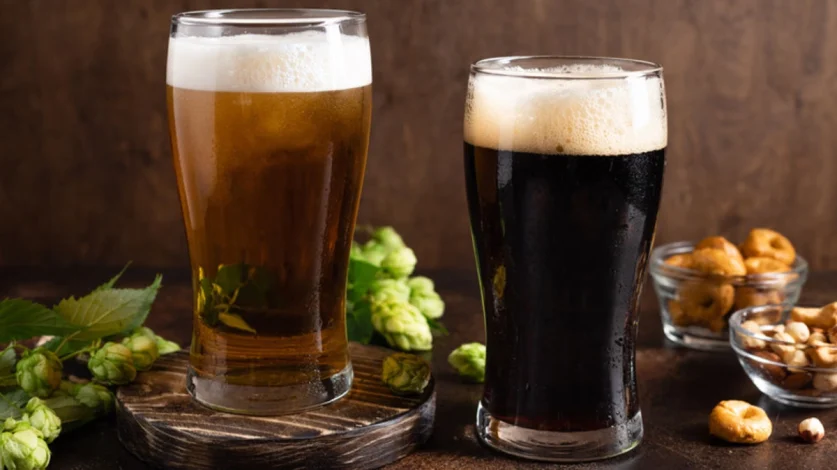
Beer offers a rich diversity, with various brewing techniques, flavor profiles, and alcohol content. Despite the numerous varieties available, all beers fall into two primary categories: ales and lagers. The main difference lies in the fermentation process: ale yeast ferments on the surface, while lager yeast sinks to the bottom.
Among ales, stouts stand out as a significant subcategory known for their darker color and robust flavors. One of the most recognized stouts is Guinness, a staple in the U.S. beer market and even deemed the signature beer in states like Oklahoma and Virginia. Conversely, lagers, which dominate North America’s beer scene, have a lighter and crisper flavor.
The Fermentation Process
Stout and lager fundamentally differ in fermentation methods. Stouts utilize top-fermenting yeast, which operates at warmer temperatures (64-68°F), leading to fruity and spicy flavor profiles. Lagers employ bottom-fermenting yeast, which ferments at cooler temperatures (32-36°F), resulting in a cleaner, crisp taste that many find more refreshing.
Malt and Flavor Variations
Malt plays a crucial role in defining flavors in beer. Stouts often use roasted malts, lending their dark color and deeper flavors reminiscent of chocolate and coffee. While Guinness famously incorporates unmalted roasted barley, other stouts like oatmeal stouts mix in oats for a distinctive nuttiness.
Lagers, typically lighter, also feature malts but focus more on the crisp taste characteristic of the style. Darker lagers, such as bock, do leverage malts extensively, achieving richer flavors while maintaining the refreshing quality of lagers.
Serving Temperatures
The serving temperature of these beers complements their unique characteristics. Stouts are best served at warmer temperatures (50-60°F) to highlight their complex flavors. Conversely, lagers are ideal when chilled (39-45°F), which enhances their clean and crisp qualities.
Alcohol By Volume (ABV)
A general guideline in the beer world is that darker beers usually have a higher ABV. Stouts, with their rich flavors and heavier texture, often have a more substantial ABV, especially Imperial stouts that can reach 10% or more. Lagers, however, typically range from 4.5% to 6%, suitable for more casual drinking and accompanying a wider array of foods.
From their fermentation differences to serving suggestions, the distinction between lagers and stouts reveals much about the art of brewing and what makes each style unique.