Taste Test: An Espresso Martini-Inspired Whiskey That’s Rich, Decadent, and Made for Sipping
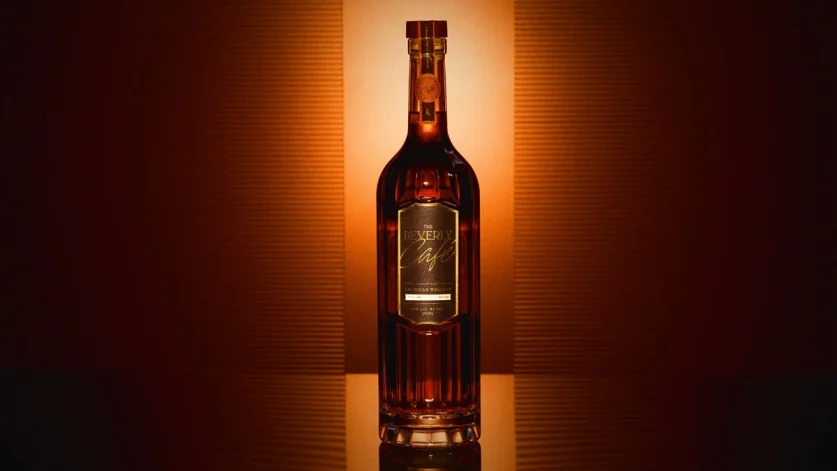
Beverly Spirits’ new Beverly Café is an unusual whiskey inspired by the Espresso Martini. Rather than being a flavored whiskey, it’s a blend of bourbon and rye finished in coffee liqueur barrels.
The whiskey was developed after founder Andrew Borenzweig tried a cocktail made with Beverly High Rye at a bar in Osaka. He later created a whiskey inspired by the drink, combining the brand’s bourbon-and-rye blend with straight bourbon and rye from Indiana. Its final mash bill is 54% rye, 38% corn, and 8% malted barley.
The blend spent six months in barrels that had held Laurel Canyon Spirits’ coffee liqueur, followed by six months in barrels previously used for its blood orange coffee liqueur. The finished whiskey is bottled at 110 proof.
Coffee is the first flavor that comes through, followed by dark chocolate, maple, brown sugar, cinnamon, and molasses. A subtle citrus note appears at the finish. While it doesn’t taste exactly like an Espresso Martini, its bold, rich character makes it a good choice for sipping after dinner or pairing with dessert.
Beverly Café costs $140 and is a limited release of 550 bottles, available from the brand and select retailers. It received a score of 86, placing it in the “Very Good” category.
What Happens to Your Blood Sugar When You Drink Beer?
Beer can affect blood sugar in two opposite ways: its carbohydrates may cause an initial rise, while alcohol can lead to a delayed drop. The later dip may be especially risky for people with diabetes who use insulin or certain glucose-lowering medications.
Why beer can raise and lower glucose
Beer is made from ingredients such as malted barley, which contains starch. The body converts carbohydrates into glucose, so beer may raise blood sugar. The effect depends on the beer’s carbohydrate content, how much you drink and what you’ve eaten.
Alcohol can have the opposite effect. The liver normally helps keep glucose steady by releasing stored sugar and making more, particularly between meals and overnight. When alcohol is present, the liver prioritizes breaking it down, which can temporarily limit its ability to release glucose. As a result, blood sugar may fall hours after drinking—even during the night.
Low blood sugar can cause shakiness, dizziness and confusion, symptoms that may be mistaken for intoxication.
Ways to reduce the risks
If you choose to drink beer, a few steps may help you make more informed choices:
- Keep portions in mind. In the U.S., one standard drink is about 12 ounces of regular beer at 5% alcohol by volume. A larger serving or a higher-alcohol beer may contain more than one standard drink.
- Compare beer labels. Lighter beers often have fewer carbohydrates and calories, but this varies by brand. Lower carbohydrate content does not necessarily mean lower alcohol content.
- Have beer with food. A balanced meal containing protein, fiber-rich carbohydrates and healthy fats may help reduce the risk of alcohol-related low blood sugar. Food does not eliminate alcohol’s effects on the liver.
- Monitor glucose if you have diabetes. Watch for patterns before and after drinking, and consider checking your blood sugar before bed. A rise at first does not rule out a later drop.
- Ask about medication risks. Alcohol can increase the risk of hypoglycemia with some diabetes medications. Don’t change or skip prescribed medication unless your health care provider advises you to.
- Consider nonalcoholic beer. It avoids alcohol’s delayed effects, but check the label because it may still contain carbohydrates.
U.S. dietary guidance has traditionally described moderate drinking as up to one drink per day for women and up to two for men. These are limits, not daily targets; drinking less or not at all can reduce alcohol-related health risks.
Beer does not necessarily have to be completely off the table for everyone managing blood sugar, but the effects vary. People with diabetes should discuss drinking and appropriate precautions with their health care team or a diabetes educator.
8 Fall Dishes That Taste Even Better With Beer
As the weather cools, beer can add warmth and complexity to fall favorites. Depending on the style, it can contribute roasted, malty, sweet, or slightly bitter notes—deepening savory flavors or balancing rich ingredients.
Chili
Stouts, porters, and dark lagers pair well with chili. Stouts bring roasted coffee and chocolate notes that complement beef and smoky spices; porters add caramel-like sweetness that can offset pepper heat. Dark lagers offer a milder toasted-malt flavor. Add the beer early enough to let it blend with the tomatoes and seasonings as the chili simmers.
Stews and pot roasts
Beer enriches the cooking liquid in both slow-cooked stews and braised pot roasts. Guinness and other stouts add roasted depth, while porters often bring softer caramel and toasted-malt flavors.
For pot roast, add about half a cup of beer after browning the meat, scraping up the browned bits before adding stock until it reaches about halfway up the meat. For stew, add beer with the stock, using enough liquid to cover the ingredients. Cook slowly until the meat is tender and the liquid is flavorful.
Cabbage
Braising mellows cabbage’s sharp, peppery bite, and beer adds another layer of flavor. A lager offers a light contrast to cabbage’s earthiness, while an amber ale’s caramel notes complement the vegetable’s natural sweetness. For a bolder result, try a porter or stout with deeper roasted flavors.
Fondue
Beer offers a tasty alternative to the white wine traditionally used in Swiss cheese fondue. Its acidity helps balance the cheese’s richness, while malty flavors add a toasty, nutty dimension. Lagers and pilsners work especially well because their crisp, mild bitterness complements rather than overwhelms the cheese.
Warm the beer gently, then add freshly grated cheese a handful at a time, stirring until each addition melts. Keep the heat low to help prevent the cheese from separating.
Short ribs
Slow-braising short ribs in beer adds depth to the cooking liquid and creates a savory sauce. Stouts and porters make a bold, hearty braising liquid; brown ales offer a milder alternative. Amber ales bring noticeable malt flavor, while pale lagers keep the beer’s taste subtle.
Soup
Beer can add bitterness, sweetness, or roasted notes to soup. Citrus-forward wheat beers can brighten creamy chicken or seafood soups, while porters and stouts pair well with the deeply browned onions in French onion soup.
If you’re experimenting, replace only a small portion of the broth or stock at first. Beer can also stand in for wine, though it will change the soup’s flavor.
Brisket
The cut of brisket can help guide your beer choice. The fattier point pairs well with porters or stouts, whose roasted malt flavors stand up to the meat’s richness. For the leaner flat, choose an amber ale for more malt character or a pale lager for a lighter, more neutral taste. Either cut benefits from a long, slow cook.
Risotto
Beer can replace the white wine traditionally used in risotto, adding flavor as well as acidity. Pale lager is a subtle starting point; brown ale contributes caramel-like malt notes, and pale ale adds a little bitterness to balance the butter and cheese.
After toasting the rice, stir in one-third to one-half cup of beer. Let it simmer until mostly reduced before gradually adding stock or broth, which helps the beer cook into the dish without leaving a raw taste.
Garrison Brothers to Launch Its Second Bottled-in-Bond Whiskey This Month
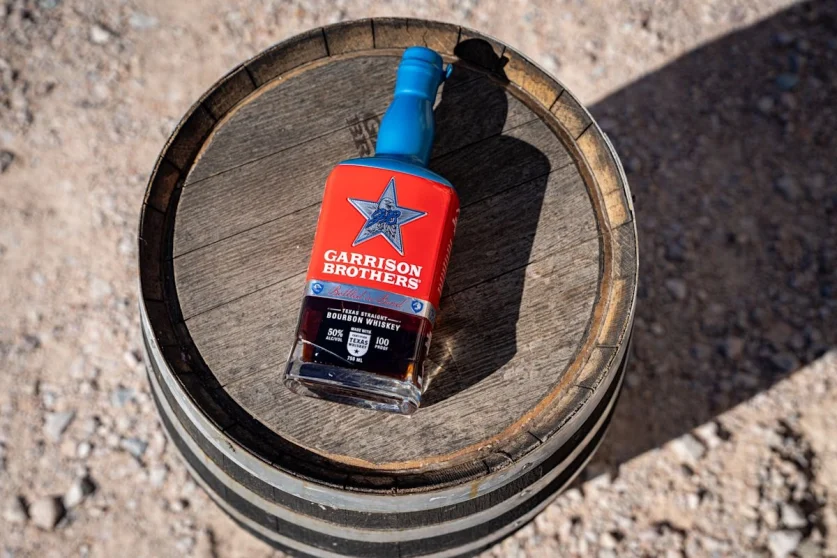
Garrison Brothers Distillery in Hye, Texas, is preparing to release its second bottled-in-bond whiskey this month.
Made from Texas-grown grains and proofed with Hill Country rainwater, the bourbon was distilled in autumn 2020 and aged for at least six years in charred American white-oak barrels. It meets the requirements of the Bottled-in-Bond Act of 1897: it was made in a single distilling season by one distiller, aged in a bonded warehouse, and bottled at 100 proof.
The distillery describes the whiskey as layered, with notes of brown sugar, cinnamon candy, black pepper, and oak. Its long, warm finish includes leather, toasted vanilla, baking spices, nutmeg, and licorice. It can be enjoyed neat, over ice, or with a little water.
Master Distiller Donnis Todd said he selected 102 barrels, each holding 53 gallons and filled on October 2, 2020, for the release.
The first 1,000 bottles will go on sale November 14 at the Red, White & Bourbon fundraiser for the National Museum of the Pacific War. The event begins at 11 a.m., with gates opening at 8 a.m.; sales will be first come, first served. Remaining bottles will be available at the distillery’s gift shop beginning November 16, as well as online and at select retailers, restaurants, and bars. The suggested retail price is $89.99.
More details are available on the Garrison Brothers website.
10 Best Aldi Wines Under $12, According to a Former Wine Buyer
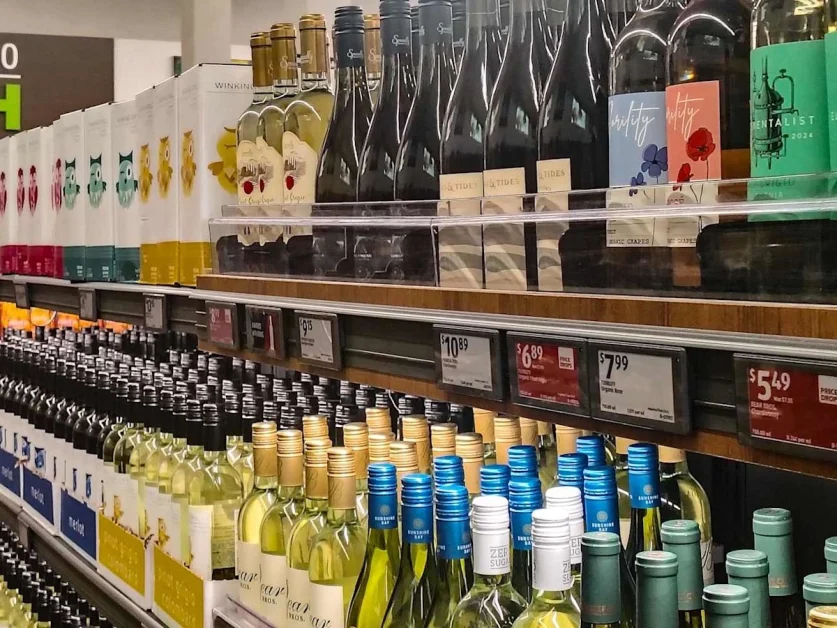
A former wine buyer who has sampled more than 100 grocery-store wines says Aldi offers plenty of good bottles at affordable prices. Her picks stand out for their flavor, drinkability and value, with most costing less than $10. Prices and availability may vary by location.
-
Bear Bros Cabernet Sauvignon — $8.69
Made with California grapes, this full-bodied red has notes of blackberry, currant and plum. It won bronze at the Sommeliers Choice Awards and earned an 88-point score from Wine Enthusiast. -
Specially Selected Pinot Noir — $11.99
A seasonal holiday release, this store-brand Pinot Noir is praised for its fruity, lively flavor. It may be a good choice for holiday meals or as a hostess gift. -
Sunshine Bay Sauvignon Blanc — $7.99
This New Zealand white is crisp and citrusy, with tropical notes of passion fruit and guava. Its bright, refreshing character makes it an easygoing warm-weather pick. -
Specially Selected Côtes de Provence Rosé — $9.99
From Provence, a well-known rosé region, this wine is crisp and dry, with more body than many rosés. Its fruity flavor is reminiscent of ripe strawberries and makes it well suited to picnics. -
Outlander Meritage — $7.79
A blend of Merlot, Petit Verdot, Malbec and Cabernet Sauvignon, this bold red offers clove, berry and vanilla notes. Its cozy, fruit-forward character makes it an appealing choice for a night in. “Meritage” refers to a blend of grape varieties. -
Specially Selected Prosecco Superiore DOCG — $10.99
From Valdobbiadene in Italy, this Prosecco has fine bubbles and flavors of almond, cherry and lightly yeasty brioche. Serve it on its own or use it for a spritz or mimosa. -
Intermingle Red Blend — $6.99
A blend of Zinfandel, Cabernet Sauvignon and Merlot, this approachable red has soft tannins and a hint of fruity jamminess. It pairs well with pizza, barbecue and cheese boards. -
Landshut Riesling — $6.99
This medium-sweet Riesling balances honeysuckle sweetness with refreshing acidity. Its light, lively style may appeal to both sweet- and dry-wine fans. -
Elementalist Pinot Grigio — $7.99
Floral peach tea gives way to chilled melon and green apple. It’s a refreshing option for a day at the beach or other casual summer gatherings. -
Grande Alberone Rosso Red Wine — $9.99
Made with Primitivo, Merlot and Teroldego, this Italian red blend has concentrated fruit, earthy notes and a chocolate-covered-cherry richness. Its easy-drinking style offers a budget-friendly take on the depth associated with Amarone.
DC Beer Fest Returns to Nationals Park with 200+ Craft Beers from 80 Breweries
DC Beer Fest returns to Nationals Park on Saturday for its fall edition, featuring more than 200 seasonal craft beers from over 80 breweries.
Guests can enjoy unlimited beer tastings alongside live music, a dueling piano bar and food from local food trucks. The festival offers two sessions: noon to 3 p.m. and 5 p.m. to 8 p.m.
General admission costs $55 and includes beer samples and access to the entertainment. Food is sold separately. The event is for guests 21 and older, who must show valid ID. It will take place rain or shine, and all ticket sales are final.
Tickets are available through the Washington Nationals. Capacity is limited for each session, so advance purchase is encouraged.
Who Makes Kirkland Signature Malbec? Uncovering the Winery Behind Costco’s Wine
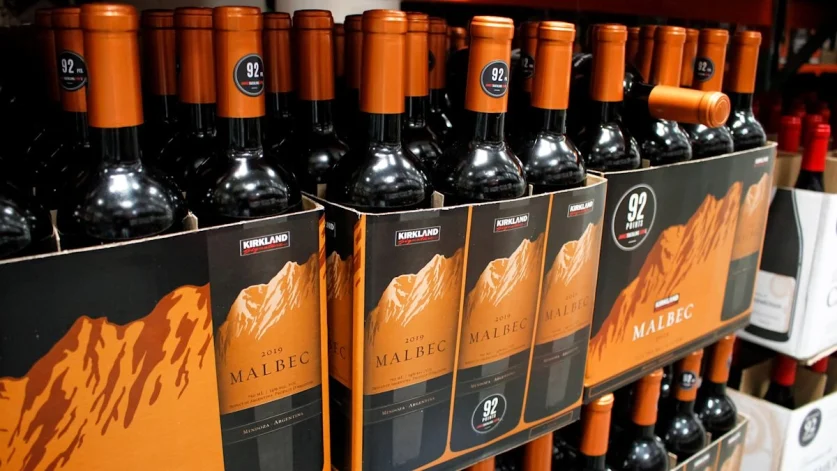
Costco’s Kirkland Signature Malbec is made by Broquel Winery, a wine label from Argentina’s Trapiche Winery. The bottle’s back label also names Trapiche chief winemaker Sergio Casé, who has held the role since 2000.
The grapes grow in Mendoza, a major Malbec-producing region near the Andes, at elevations of about 2,800 to 3,300 feet. The wine is aged for a year in French oak barrels before being bottled under the Kirkland Signature label.
The resulting red is described as full-bodied, with ripe plum and cherry notes, a smooth finish, and hints of cocoa, oak, and spice. Despite its Mendoza origins and oak aging, it remains inexpensive: a 750-milliliter bottle typically costs around $8 at Costco. Broquel Malbec sold at liquor stores is reported to run roughly $15 to $20.
Costco shoppers have praised the wine online for its flavor and value; some say they buy it by the case. Commenters have also suggested using it for cooking, following the principle that it’s best to cook with wine you’d be happy to drink.
3 Whiskey Cocktails Everyone Should Know How to Make, According to Our Distillers of the Year
Ashley and Colby Frey, the husband-and-wife team behind Nevada’s Frey Ranch Distillery, bring a farm-to-glass approach to cocktails: use fresh, seasonal ingredients whenever possible. Ashley Frey, whose distillery was named Food & Wine’s 2026 Distillers of the Year, recommends three whiskey drinks that are easy to make and suit different occasions.
Old Fashioned
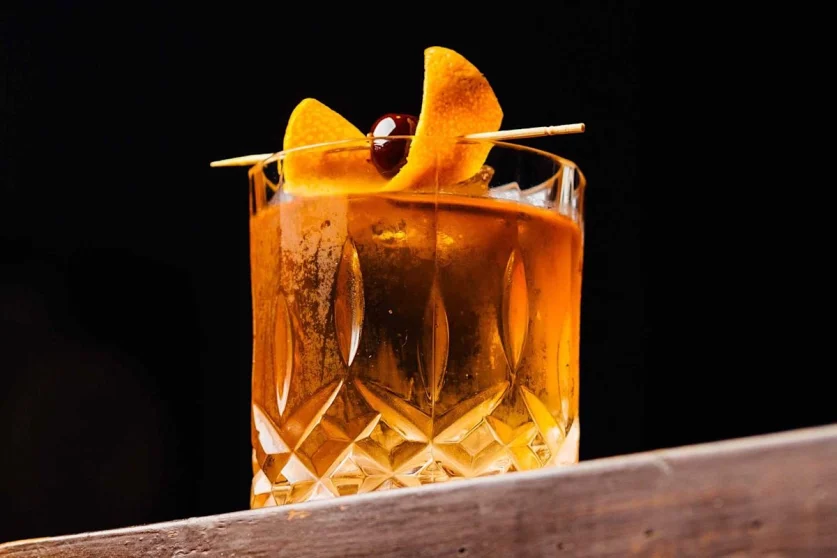
The Old Fashioned combines whiskey, sugar and bitters. Its simple recipe lets the spirit shine, and it can be made with either bourbon or rye. Bourbon gives the drink a rounder, sweeter flavor, while rye makes it drier and spicier.
The Freys like to add local touches, such as fresh garnishes and locally made bitters. Because the drink is so adaptable, it’s a year-round favorite.
Paper Plane
Created by bartender Sam Ross in 2008, the Paper Plane is made with equal parts bourbon, Aperol, Amaro Nonino and fresh lemon juice. The result is a bright, citrusy drink balanced by bittersweet Italian liqueurs.
It’s Colby Frey’s favorite, and Ashley says it works especially well as an evening drink in fall and winter.
Gold Rush
The Gold Rush, a modern take on the Whiskey Sour, combines bourbon, fresh lemon juice and honey syrup. At Frey Ranch, it’s known as the “Farmer’s Lemonade.”
Freshly squeezed lemons and local honey give the drink its farm-to-glass character. The honey’s flavor can vary depending on which flowers bees pollinated, adding floral, herbal or earthy notes. Ashley says the refreshing cocktail is ideal for a hot, sunny day outdoors.
This Old-School Drink Is Back in Style—and It’s Perfect for Cozy Winter Cocktails
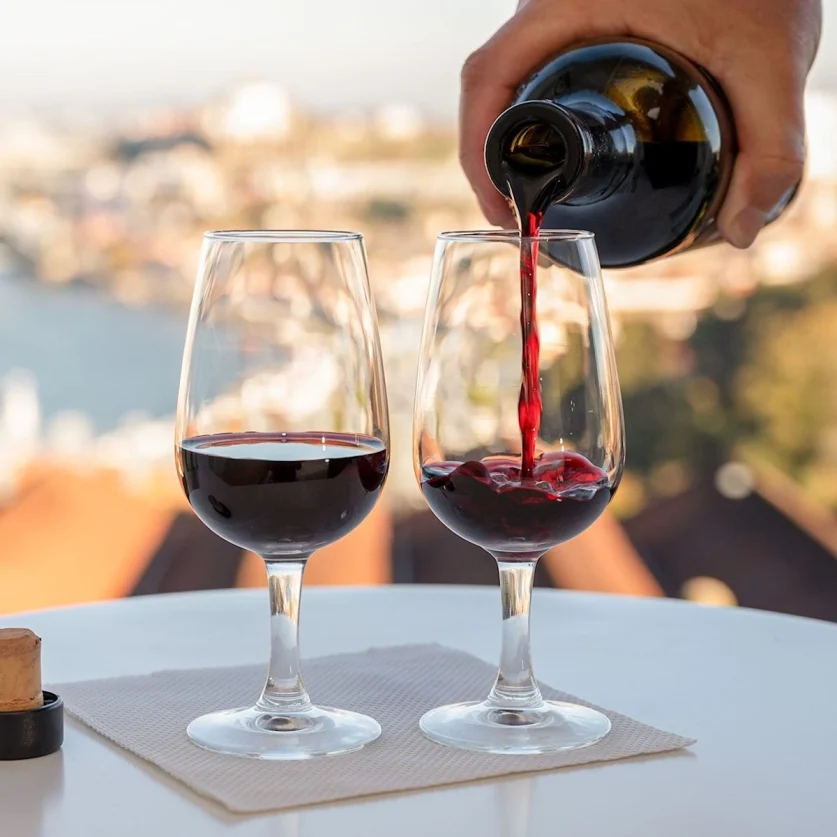
Port is finding a fresh place in winter cocktails, adding rich fruit, sweetness and complexity to seasonal drinks. Though it may seem like a traditional after-dinner wine, it’s versatile enough for everything from aperitifs to simple spritzes.
Port is a fortified wine from Portugal’s Douro Valley. During fermentation, grape spirit is added to preserve some of the grapes’ natural sweetness, creating a concentrated wine with deep flavor. Styles range from bright, berry-forward ruby ports to aged tawnies with notes of dried fruit, nuts and caramel.
That variety makes port useful behind the bar. It can complement or stand in for vermouth and other sweet ingredients, bringing depth without requiring a long list of additions. Its fruit and spice notes also pair naturally with winter flavors such as cranberry, orange, cinnamon, ginger and chocolate.
An easy way to try it is a port spritz: pour port over ice, top with sparkling water or tonic, and add a slice or twist of citrus. The proportions can be adjusted to taste.
For cocktails, there’s no need to splurge on a vintage bottle. A good-quality, fruit-forward reserve ruby port has enough character to hold its own alongside other ingredients. Save exceptional vintage ports for sipping on their own.
10 Must-Try Wines Recommended by the Pros at Charleston’s Food & Wine Classic
The Food & Wine Classic in Charleston will bring together chefs, sommeliers, winemakers, and beverage experts for tastings and seminars. Four wine professionals shared the bottles they’re especially eager to pour and explore at the event, from Champagne and Burgundy to Grenache, Riesling, and Chardonnay.
June Rodil’s picks
Master Sommelier June Rodil is looking forward to wines with compelling histories and distinctive winemaking stories.
- NV Laurent-Perrier Grand Siècle Iteration Nº27 Champagne: Made from the 2015, 2013, and 2012 vintages, this new release continues the house’s effort to blend wines toward an ideal expression. Rodil is curious to see how it balances depth with freshness, and how it compares with the previous release.
- NV Domaine Les Monts Fournois Côte Avize Grand Cru de Luxe Champagne: This 100% Chardonnay comes from two grand cru parcels in Avize. Rodil describes notes of mandarin, orange zest, and pastry, followed by a taut, chalky finish. She’s also excited to share the work of winemaker Juliette Alips, whose thoughtful approach made a strong impression on her.
- 2022 Frescobaldi Castello Nipozzano Montesodi Chianti Rùfina Riserva: Made from Sangiovese grown in a stony, schist-rich vineyard around 400 meters above sea level, this wine reflects the Frescobaldi family’s long history in winemaking. The estate’s first cru, Montesodi combines structure and a sense of place with elegance and energy.
Femi Oyediran’s picks
Advanced Sommelier Femi Oyediran plans to spotlight the range of styles and character that Grenache can offer.
- 2024 Yalumba The Tri-Centenary Barossa Valley Grenache: This single-vineyard wine comes from a two-acre Barossa Valley block planted in 1889.
- 2024 Pax Wines Castelli-Knight Ranch Russian River Valley Grenache: Sourced from a steep western slope grafted to Grenache in 2003, the vineyard was originally planted to Pinot Noir. The wine had not been bottled on its own for 11 vintages.
Oyediran hopes the tasting will inspire attendees to discover the grape’s different expressions—and perhaps become Grenache enthusiasts.
Ray Isle’s picks
Food & Wine executive wine editor Ray Isle has a Burgundy-and-pimento-cheese pairing in mind, along with a Pinot Noir to feature in a lively chefs-versus-sommeliers competition.
- 2023 Faiveley Gevrey-Chambertin Vieilles Vignes: Isle describes this old-vine red Burgundy as both seductive and powerful. At his Low Country/High Living seminar, he’ll put it to the test with pimento cheese on a cracker.
- 2023 Hirsch Vineyards San Andreas Fault Sonoma Coast Pinot Noir: This Pinot Noir will be one of the options in the event’s Chefs vs. Somms pairing challenge. Isle believes the team that chooses it may have an advantage.
Andy Chabot’s picks
Andy Chabot, a food-and-beverage leader at Blackberry Farm and Blackberry Mountain, will explore how wines pair with different dipping sauces.
- 2023 Kühling-Gillot Nackenheim 1G Rheinhessen Riesling: Made by a husband-and-wife team, this dry German Riesling is among Chabot’s choices for demonstrating wine’s versatility at the table.
- 2023 Domaine de la Janasse Châteauneuf-du-Pape: Grenache is the dominant grape in this Rhône wine. Chabot says it works well with a broad range of flavors, making it a promising match for the seminar’s chicken bites and sauces.
- 2023 Peay Vineyards Maritima Estate West Sonoma Coast Chardonnay: Chabot hopes to show how this Chardonnay can pair with many different flavors, while highlighting the work of the small West Sonoma Coast winery.
The wines reflect the Classic’s wide-ranging program: bottles chosen not only for their quality, but also for the stories, places, and pairing possibilities behind them. The Food & Wine Classic in Charleston will feature them across tastings and seminars.