Breckenridge Distillery Unveils Peach Whiskey: A Taste of Colorado’s Palisade Peaches in Every Sip!
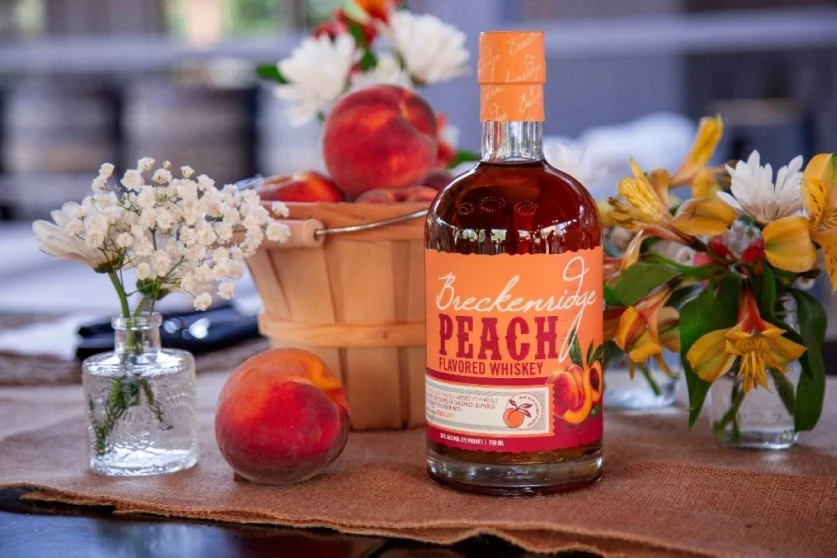
Breckenridge Distillery has unveiled its latest offering, Breckenridge Peach Whiskey, which embodies the essence of Colorado’s famous Palisade peaches. The new whiskey is designed to celebrate the region’s late-summer harvest while delivering a vibrant flavor experience.
Founded in 2008, Breckenridge Distillery is recognized as one of the most awarded craft distilleries in the U.S. The Peach Whiskey, available in 750ml bottles, has an alcohol content of 36% ABV (72 proof) and will first be available in Colorado, eventually expanding to national retailers by Fall 2026.
This new flavored whiskey builds upon the success of Breckenridge’s previous products, particularly the Honey Whiskey, and incorporates locally sourced Palisade peaches. The aroma features ripe white peaches accompanied by subtle hints of vanilla and orchard fruits. On the palate, the whiskey is described as smooth and juicy, balancing fresh peach flavors with soft vanilla sweetness, culminating in a tangy-fruit finish.
Bryan Nolt, the founder of Breckenridge Distillery, emphasized the significance of using exceptional local ingredients, declaring that the whiskey represents a true taste of a Colorado summer, honoring the farmers and craftsmanship involved in its creation.
Consumers interested in trying Breckenridge Peach Whiskey can find it in local retailers or opt for home delivery where allowed. For more information, visit Breckenridge Distillery.
Whiskey House of Kentucky Celebrates Fourth ISO Certification in Just Two Years!

Whiskey House of Kentucky has recently announced a significant milestone by achieving ISO/IEC 17025 accreditation through A2LA for its laboratory testing. This marks the fourth ISO certification the distillery has gained in just two years since its production began, establishing it as a pioneer in the distilling industry.
The ISO/IEC 17025 standard is renowned globally for testing and calibration laboratories, ensuring they operate with immense technical control, qualified personnel, and validated methods to produce consistent and accurate results. David Mandell, co-founder and CEO of Whiskey House, highlighted the importance of this accreditation in solidifying customer confidence and ensuring the technical robustness of their operations.
Leading the laboratory team is Senior Chemist Alexandra Martin, who has been instrumental in establishing the lab’s technical foundation and operational discipline. Referring to the achievement, Martin expressed pride in their team’s dedication to accuracy and quality.
Prior to this, Whiskey House of Kentucky secured ISO 9001, ISO 14001, and ISO 45001 certifications, further showcasing its comprehensive commitment to quality, environmental responsibility, and employee safety. The integrated approach adopted by Whiskey House greatly enhances its ability to support clients with reliable testing and high-standard production practices.
Whiskey House operates as a fully integrated, custom whiskey production facility, strategically designed to prioritize quality and transparency without conflicts of interest. This accreditation is seen as a pivotal moment, as it reflects the company’s culture of precision and accountability.
Looking ahead, the distillery plans to undergo its next NSF ISO certification audit for FSSC 22000, aimed at reinforcing its commitment to food safety and product quality. Achieving this certification would add another layer to Whiskey House’s integrated management system, ultimately benefiting customers through enhanced operational control and continual improvement.
More info can be found at Whiskey House.
Wine, Beer, or Spirits? A Groundbreaking Study Reveals Health Impacts of Alcohol Choices

A recent study conducted over a decade involving over 340,000 adults has revealed significant differences in the health impacts of various alcoholic beverages at low-to-moderate levels of consumption. While heavy drinking is universally linked to increased mortality, the effects of consuming beer, cider, spirits, and wine differ markedly at lower consumption levels.
The research, presented at the American College of Cardiology’s Annual Scientific Session, found that while heavy drinkers (defined as those consuming more than 40 grams of pure alcohol daily for men and 20 grams for women) had a 24% higher risk of death from all causes, a startling distinction emerged for moderate drinkers. Moderate wine consumption correlated with a lower risk of cardiovascular death—21% less—compared to non-drinkers. In contrast, even low levels of beer, cider, or spirits consumption led to a 9% increase in cardiovascular death risk.
These findings were drawn from data collected through the UK Biobank study between 2006 and 2022, where participants were categorized based on their self-reported alcohol intake. Interestingly, the study revealed that spirits, beer, and cider were linked to a higher mortality risk, while wine was associated with benefits, suggesting that the type of alcohol consumed plays a crucial role in dictating health outcomes.
Various factors may explain the differing health implications of these beverages. For one, wine, particularly red wine, is rich in polyphenols and antioxidants that could support heart health. Additionally, wine is often consumed with meals, which may encourage healthier eating behaviors, unlike spirits, which tend to be consumed in social settings that may not promote a balanced diet.
Despite the strengths of the study, including its large sample size and prolonged follow-up, it is important to note that it was observational. This means it cannot definitively establish causation between types of alcohol and health outcomes. Changes in drinking habits over time or selection bias within the study’s notably healthier UK Biobank participants could also influence the results.
The study underscores the necessity for re-evaluating public health guidelines concerning alcohol consumption, emphasizing not only the quantity but also the type of alcohol consumed.
Bombay High Court Requests Government’s Response on FSSAI’s Flavoured Rum Ban
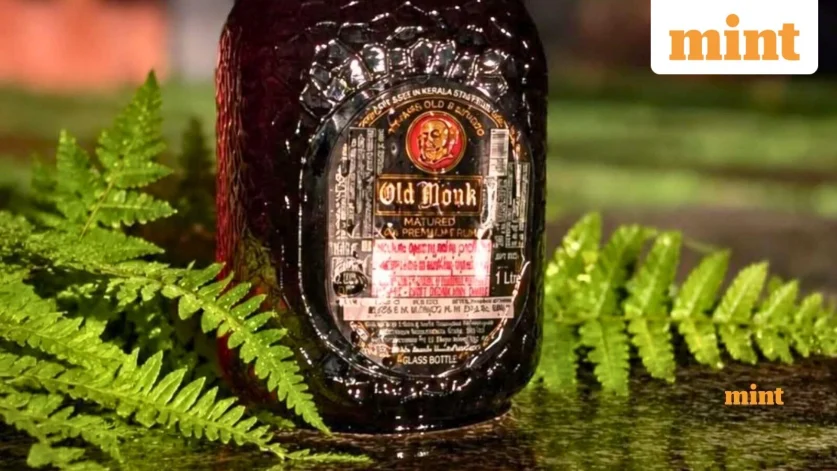
The Bombay High Court has requested a response from the Centre regarding a challenge made by beverage manufacturers against the Food Safety and Standards Authority of India (FSSAI). The challenge pertains to the FSSAI’s ban on flavored variants of certain rums and whiskies, where the regulator raised concerns over the use of added flavoring in products marketed as standardized spirits.
Representing Mohan Rocky Springwater Breweries Pvt. Ltd, which produces Old Monk Rum, senior counsel Navroz H. Seervai argued in court that the product has been sold for over fifty years and the ban was causing daily losses of nearly ₹1 crore. He emphasized that altering the label would imply admitting to a long-standing incorrect practice, asserting there have been no consumer complaints or health issues related to their products.
The division bench, led by acting chief justice Ravindra V. Ghuge, has asked the Centre to respond to the manufacturers’ plea by August 19, with the next hearing set for August 24. This follows a petition from both Mohan Rocky Springwater and United Spirits, the latter challenging the ban on its whiskey variants.
The FSSAI’s objections arose from laboratory tests that detected artificial or nature-identical flavoring substances in the drinks, claiming these masked the natural attributes of the products. Following their findings, the FSSAI prohibited sales of select rums and whiskies, including products from United Spirits and Mohan Rocky Springwater.
The core of the controversy involves the FSSAI’s regulations which mandate that standardized alcoholic beverages maintain their characteristic taste and aroma, arguing that the addition of flavoring misrepresents these products. In earlier hearings, United Spirits underscored that the practice of adding flavoring has been an industry norm for decades, questioning the regulator’s sudden enforcement of the ban without demonstrating any health risks.
The Unexpected Health Divide: Insights from a Massive Study on Wine, Beer, and Spirits

A comprehensive study involving over 340,000 adults in Britain has revealed that the type of alcoholic beverage consumed can significantly impact health outcomes, especially concerning longevity and heart health. Conducted by the American College of Cardiology, the research highlighted a clear distinction between the effects of wine and other types of alcohol—specifically beer, cider, and spirits—on mortality risk.
The decade-long research tracked participants from the UK Biobank, analyzing data from 2006 to 2022. Heavy drinking was consistently linked to increased mortality regardless of the drink type. However, lower consumption levels presented a more complex picture. While beer, cider, and spirits were associated with higher mortality, moderate wine consumption was linked to a 21% reduction in the risk of cardiovascular death compared to non-drinkers or occasional drinkers.
Moderate drinking was categorized as follows:
- Low consumption: Men (20 g/week to 20 g/day), Women (20 g/week to 10 g/day)
- Moderate consumption: Men (20 g to 40 g/day), Women (10 g to 20 g/day)
- Heavy consumption: Men (over 40 g/day), Women (over 20 g/day)
The study found that those who drank heavily had a 24% greater likelihood of dying from any cause, a 36% higher risk of dying from cancer, and a 14% increased risk of heart disease compared to non-drinkers. In contrast, moderate wine drinkers exhibited lower cardiovascular risks while low levels of spirits, beer, or cider consumption were associated with heightened cardiovascular death risks.
Researchers attributed the different health impacts of wine to its unique composition, particularly polyphenols and antioxidants that can promote heart health. Additionally, drinking habits appeared to vary; wine is often consumed with meals, aligning with healthier lifestyle choices, whereas spirits and beer are typically enjoyed outside meals and correlate with poorer dietary habits.
Despite the significance of the findings, the researchers acknowledged some limitations. The study was observational, and thus cannot definitively establish causality. It also relied on self-reported data regarding alcohol intake, which might not reflect changes over time. Considering these factors, the study offers valuable insights into the relationship between the type of alcohol consumed and associated health risks, suggesting a need for updated public health guidelines.
For more detailed health-related topics, explore:
Exploring the Distinct Differences Between Bourbon and Rye Whiskey
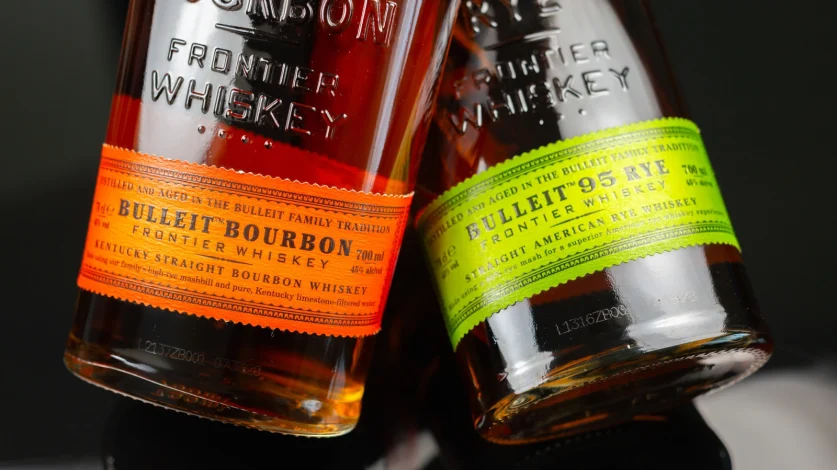
If you’re looking to enhance your whiskey knowledge, understanding the distinction between rye and bourbon is a great place to start. Both are classic American spirits with a rich history, holding a significant share of the American whiskey market. While they may seem similar at first glance, they actually have key differences defined by U.S. law.
The primary distinction between rye and bourbon lies in their mash bills, which dictate the specific recipes of grains used in production. Rye whiskey must be made from a mash containing at least 51% rye grain, giving it a herbal and spicy profile. Conversely, bourbon must contain at least 51% corn, resulting in a sweeter and rounder flavor. Although both spirits share similar production processes, this essential ingredient difference shapes their final tastes.
Historically, rye whiskey began to flourish among European settlers in the Northeast and Mid-Atlantic during the mid-18th century, while bourbon emerged later in the late 18th century among Kentucky settlers who utilized the region’s abundant corn. Rye was one of the first grain whiskeys in America, yet, unlike bourbon which is confined to U.S. production, rye whiskey is made globally, in countries like Canada, Germany, and the Netherlands.
In terms of aging, rye whiskey tends to be bottled younger than bourbon since its assertive flavors can be balanced with the oak at a shorter maturation period. Bourbon’s sweeter, fuller character typically requires more aging to develop.
Currently, bourbon makes up around 49% of the U.S. whiskey market, vastly overshadowing rye, which holds a mere 16% market share. While bourbon’s popularity has steadily increased, rye is experiencing a resurgence after a long decline that began during Prohibition.
Legally, bourbon must use at least 51% corn in its mash, with the remainder often featuring grains like malted barley, rye, or wheat. Interestingly, Tennessee whiskey shares similar production standards with bourbon but is recognized as a distinct product, requiring filtering through maple charcoal.
To explore more about whiskey, consider checking out the resource links provided above.
The Ultimate Ranking of Every Trader Joe’s Coastal Wine
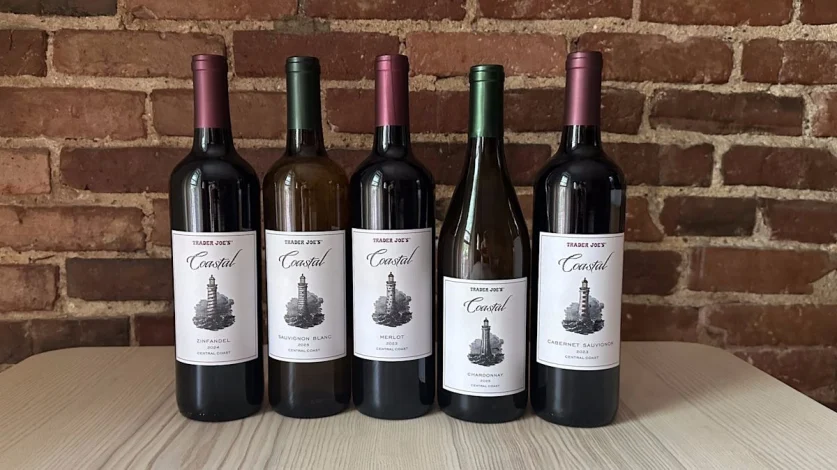
Trader Joe’s is well-known for providing a diverse selection of affordable wines, and their Coastal wines line is often regarded as a step above the iconic "two-buck Chuck" (Charles Shaw). These wines are slightly pricier than the budget options but offer a more complex tasting experience. Here’s a review and ranking of Trader Joe’s Coastal wines based on flavor and overall quality:
5. Cabernet Sauvignon
While not the best representation of cabernet, it features notable black fruit flavors, with an intense oak presence that’s somewhat overpowering. It’s decent for those seeking a red that’s not too light, but there are better options in the lineup.
4. Zinfandel
This Zinfandel surprised with its plush mouthfeel, despite being generally heavy. However, the flavor is marred by bitterness and aggressive tannins that overshadow the fruit. Nonetheless, it’s an acceptable choice considering its price.
3. Chardonnay
This unoaked Chardonnay showcases brighter notes of green apple and lemon but is ultimately an unremarkable offering. It’s inoffensive and can serve as a base for drinks like homemade white sangria.
2. Sauvignon Blanc
A popular choice for its refreshing and zesty flavor, this Sauvignon Blanc is accessible and offers pear and stone fruit notes, making it a reliable option for warm days. While it may not be the highest quality, it remains solid for its value.
1. Merlot
Topping the list is the Coastal Merlot, which brings excellent value for the quality it delivers. The wine features a medium body with hints of green bell pepper, slight oakiness, and acidity. It’s versatile and a good choice for both red wine enthusiasts and novices alike.
Conclusion
These rankings reflect personal tastes and experiences, but they can guide your next buying decision when you visit Trader Joe’s. Whether you’re a seasoned wine drinker or starting to explore this world, there’s a Coastal wine suitable for your palate and budget.
Elevate Your Cranberry Vodka Cocktail: The Ultimate Twist with One Special Ingredient!
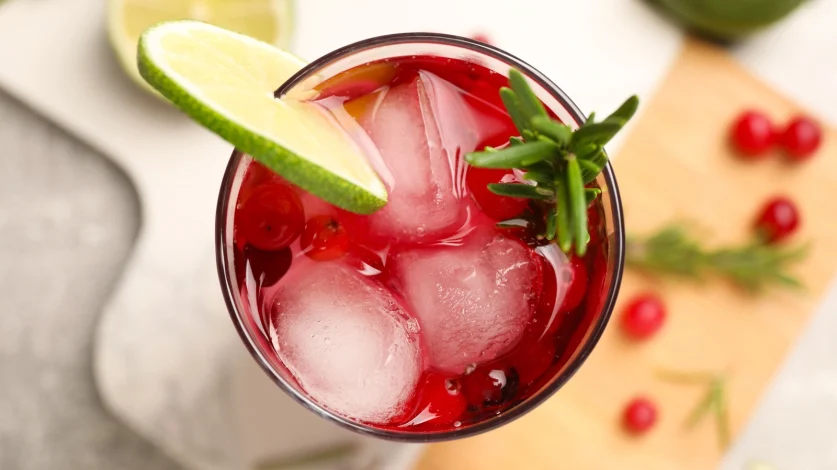
Vodka and cranberry juice form a classic cocktail that’s enjoyed year-round, whether it’s fresh and fruity during summer or festive and warm in winter. If you’re eager to mix things up, master mixologist Justin Lavenue suggests a unique addition to elevate your vodka cranberry experience.
Lavenue recommends adding pimento dram, a rum-based liqueur infused with allspice berries, which brings complex flavors of warmth and spice. He explains that cranberry blends wonderfully with winter spices, and the addition of allspice can make the drink feel more intentional and seasonal without overwhelming it.
To modify your vodka cranberry, simply mix in ¼ oz of pimento dram to a standard recipe of 1.5 oz vodka and 3 oz cranberry juice. For an extra layer of brightness, consider a squeeze of fresh lime juice.
Beyond vodka cranberries, pimento dram is versatile and can also enhance cocktails like the Lion’s Tail, a Prohibition-era bourbon drink, or be used in whiskey sours for a cozy twist. This simple ingredient can add rich notes and elevate a variety of cocktails, perfect for the upcoming holiday season or just a regular get-together.
For further cocktail inspiration, check out additional tips to elevate your vodka cranberry.
The Ultimate Guide to the Best Irish Single Malt Whiskey: Insights from the Global Spirits Masters
Irish single malt whiskey has gained a reputation for sophistication as it embraces innovative cask maturation and independent bottlings. The 2026 Global Spirits Masters showcased this evolution by awarding Master Medals to standout entries, illustrating the diversity and quality present in Ireland’s premium single malt sector.
Among this year’s notable winners were a unique single-cask offering from Bushmills, an avant-garde release by The Donn Craft Irish Whiskey, and an impressively aged rum-cask-finished whiskey from Teeling. Each of these entries reveals distinct characteristics that make them worthy of attention.
That Boutique-y Whisky Company Bushmills Single Cask (48.9% ABV, 500 ml)
This limited-edition single cask release, selected by That Boutique-y Whisky Company, exemplifies Bushmills’ iconic triple-distilled malt whiskey. The whiskey delivers a pure expression of the distillery’s character, showcasing aromas of ripe orchard fruits, honey, vanilla, and citrus peel, combined with toasted oak and floral notes. On the palate, it reveals flavors of baked apple, pear tart, caramel, and malt biscuits, all encased in a rich, creamy texture. The long finish leaves hints of vanilla, oak spices, and sweet orchard fruit.
The Donn Craft Irish Whiskey (46% ABV, 700 ml)
Produced in small batches, The Donn Craft offers a modern take on Irish single malt that emphasizes quality cask selection. It is bottled without chill filtration to enhance mouthfeel while retaining the bright fruit notes characteristic of Irish malt whiskey. Its inviting aromas of honey, peach, and vanilla meld with toasted oak, while the palate features stone fruit, butterscotch, and subtle spices, culminating in a clean, lingering finish.
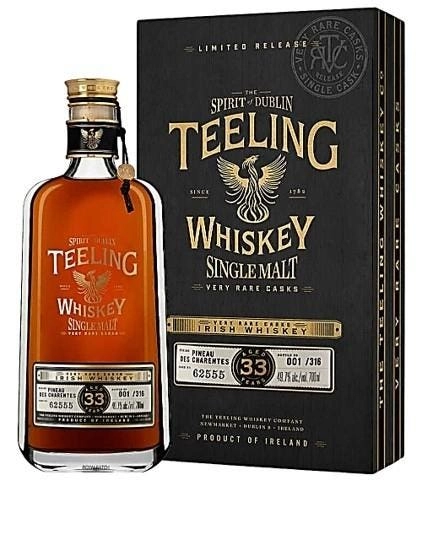
Teeling 33-Year-Old Single Malt Rum Cask (46% ABV, 700 ml)
Teeling’s 33-year-old offering stands out as one of the oldest Irish single malts available. It was initially matured in traditional oak before being finished in rare rum casks, which adds a tropical fruit complexity. Its aroma is intensely rich, exhibiting tropical fruits, honey, and seasoned oak, with supporting notes of coconut and orange zest. On the palate, it boasts flavors of crème brûlée, baked banana, and dark chocolate, balanced by the light sweetness of the rum cask. The finish is long, elegant, and complex.
These remarkable entries reflect the progress of Irish single malt whiskey. Bushmills continues to set high standards, while newer producers like The Donn and respected brands like Teeling are reshaping the landscape through innovation and creativity, all while honoring the tradition of smooth, triple-distilled single malts.
For those interested in exploring some of the best Irish single malts, the award winners from the Global Spirits Masters provide an excellent starting point.
Exploring Unique Estates: Where Wine, Wheat, and Art Flourish Together
Very much off the beaten path, productive farms and vineyards around the world are evolving into cultural hubs that blend agriculture with contemporary art. While often situated far from typical cultural circuits, these sites offer unique experiences for art lovers willing to make the journey.
Tippet Rise Art Center in Fishtail, Montana
Located on a 10,260-acre working sheep and cattle ranch, Tippet Rise showcases monumental sculptures against the stunning backdrop of the Rocky Mountains. Open to the public since 2016, the center features works by renowned artists including Alexander Calder and Mark di Suvero. The ranch was once the home of Modernist painter Isabelle Johnson and is now owned by Cathy and Peter Halstead, who have seamlessly integrated art into the landscape.
Kultivator in Färjestaden, Sweden
Nestled on the island of Öland, Kultivator merges organic farming with visual art through collaborative projects with local artists and farmers. Established in 2005 by artists and local farmers, Kultivator has hosted nearly 40 exhibitions focused on sustainability and ethics in food production. The dairy farm setting has welcomed over 80 artists and researchers who contribute to creative dialogues.
Donum Estate in Sonoma, California
Launched in 2011, Donum Estate has transformed the Sonoma landscape by marrying art, wine, and land stewardship. The estate is home to over 60 outdoor sculptures, making it one of the largest private collections of its kind. The estate continues to evolve, showcasing contemporary art while enhancing the wine experience.
Quinta do Quetzal in Vidigueira, Portugal
Founded by Dutch art collectors Cees and Inge de Bruin, Quinta do Quetzal sits on diverse microclimates ideal for winemaking. Their estate, launched in 2006, is both a vineyard and an art gallery, featuring rotating exhibitions of contemporary works alongside traditional winemaking techniques.
Hauser & Wirth Somerset in Bruton, England
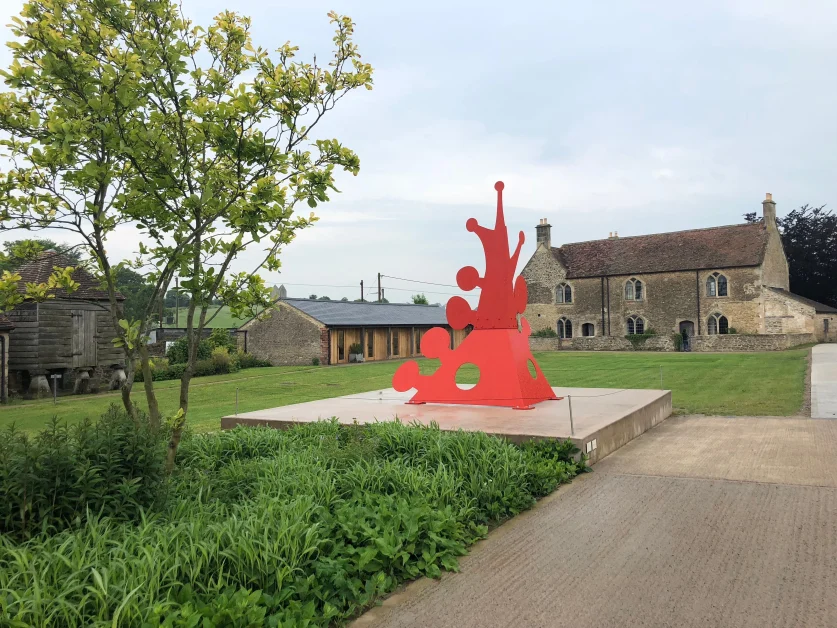
Set in an 18th-century farm, Hauser & Wirth Somerset combines contemporary art with agricultural heritage. The venue includes galleries and restaurants within a renovated farming complex, offering visitors exhibitions as well as locally-sourced dining experiences.
Paradise Ridge Winery in Santa Rosa, California
Since 1994, Paradise Ridge has showcased sculptures in its gardens, including installations created for the Burning Man festival. This winery has become a venue for large-scale artistic expressions that reflect the surrounding landscape.
Château La Coste in Le Puy-Sainte-Réparade, France
This 500-acre estate features biodynamic vineyards alongside artworks from renowned contemporary artists. Each year, Château La Coste invites artists to create permanent installations among the vineyard’s lush gardens, enhancing its status as a cultural destination.
Castello di Ama in Tuscany, Italy
Blending wine production and contemporary art, Castello di Ama offers a seamless experience in the Chianti region. Curator Philip Larratt-Smith describes the estate as capturing the essence of the land, hosting installations that change regularly to reflect the beauty of the surroundings.
These unique estates prove that art and agriculture can harmoniously coexist, enhancing cultural appreciation in breathtaking settings. For those willing to explore beyond traditional venues, these sites present rich opportunities to engage with both the land and contemporary creativity.