The Best Proof Vodkas for Cooking: Elevate Your Culinary Creations
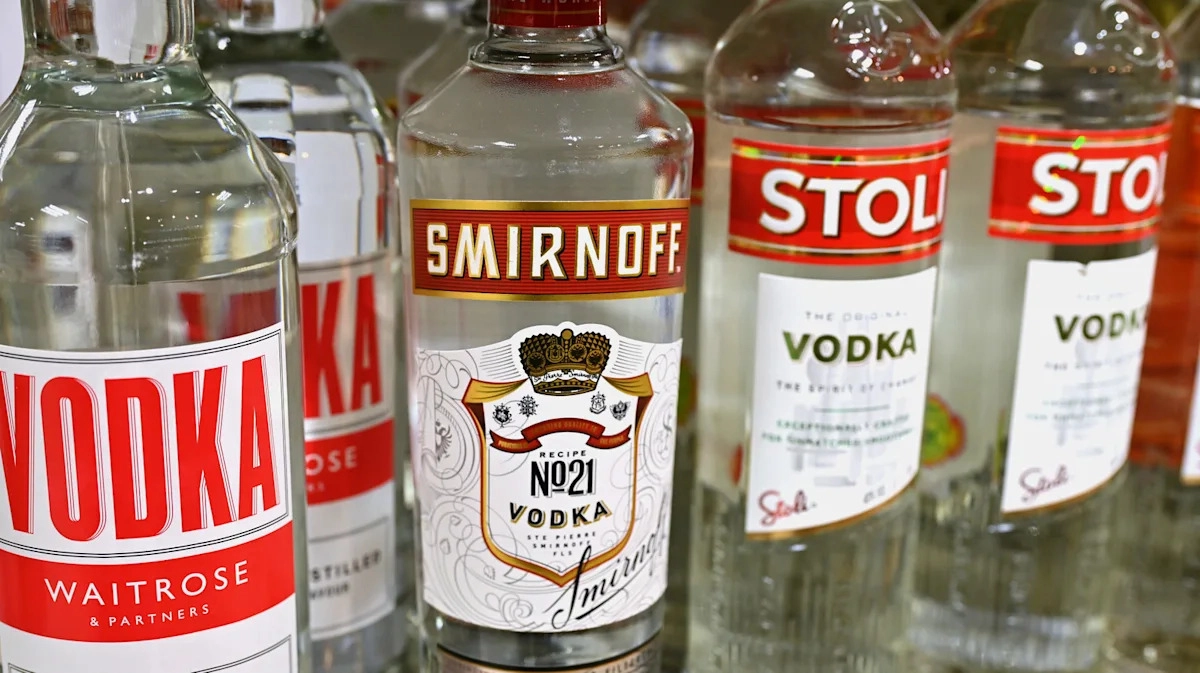
Vodka is not just a popular spirit for cocktails but also serves as a versatile ingredient in cooking. It enhances flavors in dishes like pasta sauces and soups, tenderizes meat, and contributes to the flakiness of baked goods. However, when selecting vodka for culinary purposes, the proof or strength of the vodka plays a crucial role.
In the United States, vodka must be at least 80 proof (40% alcohol by volume) to be labeled as such. While there are higher proof options available, using standard 80-proof vodka is typically sufficient for cooking needs. This is because its primary role is not to impart a significant alcoholic flavor but to enhance the overall taste of the dish.
While it’s acceptable to use 80-proof vodka, choosing a good quality brand is essential, regardless of proof. Lower-quality vodkas can negatively impact the taste of your food. Even though the alcohol may evaporate while cooking, the vodka’s flavor can linger, influencing the dish’s final taste, especially in recipes where vodka is a prominent ingredient, such as in homemade vanilla extract.
Moreover, be cautious of lower-proof beverages labeled as vodka. Many have significantly reduced alcohol content, which can affect both the chemistry of cooking and the flavor profile due to their higher water content. These should be reserved for light cocktails rather than culinary applications.
In summary, for most cooking needs, standard 80-proof vodka is your best choice, providing the necessary benefits without breaking the bank on premium brands. Remember to prioritize quality and avoid any low-proof alternatives to achieve the best results in your cooking.
For more culinary tips and advice, consider joining newsletters focused on cooking and recipes.
Why Rum Deserves a Place in Your Kitchen, Not Just in Your Glass

My liquor cabinet is in the den, but I often find myself rushing to it from the kitchen, especially now that summer is in full swing. Rum has a special place in my culinary routine, extending beyond its typical use in cocktails.
Not only is rum a beloved spirit for mixed drinks, but its versatility enhances various dishes, enriching flavors from sweet to savory. Its applications are vast: from macerating fruits for refreshing salads, infusing sorbets, soaking sponge cakes, to adding depth to pancake batter and traditional dishes like savarin and sabayon.
Historically, rum has been associated with warmer climates, being distilled in tropical regions where sugarcane is abundant. This spirit became a popular alternative to beer for sailors in those parts of the world. The roots of the word "rum" are believed to stem from multiple sources including the Latin "saccharum" for sugar, the Spanish "ron," or the English “rumbullion,” a term for strong liquor.
Once known for its potency and less palatable flavor, rum underwent significant refinement in the 1800s, leading to more consistent production techniques. It can be found in a spectrum of colors, with some bottled with caramel for a rich amber hue, while others remain clear.
Cooking with rum unlocks delightful pairings with tropical fruits like bananas and pineapples, and it elevates meat dishes, making it an excellent marinade or finishing sauce for pork and chicken. Remarkably, once opened, the flavor profile of rum remains stable; it doesn’t mature or improve in the bottle like red wine does.
For those looking to explore fresh culinary ideas, rum is a valuable ingredient to keep on hand in the kitchen, adding warmth and richness to both standard and innovative recipes.
Unraveling Wine’s Mystery: Why Consumer Expectations Are Key to Enjoyment
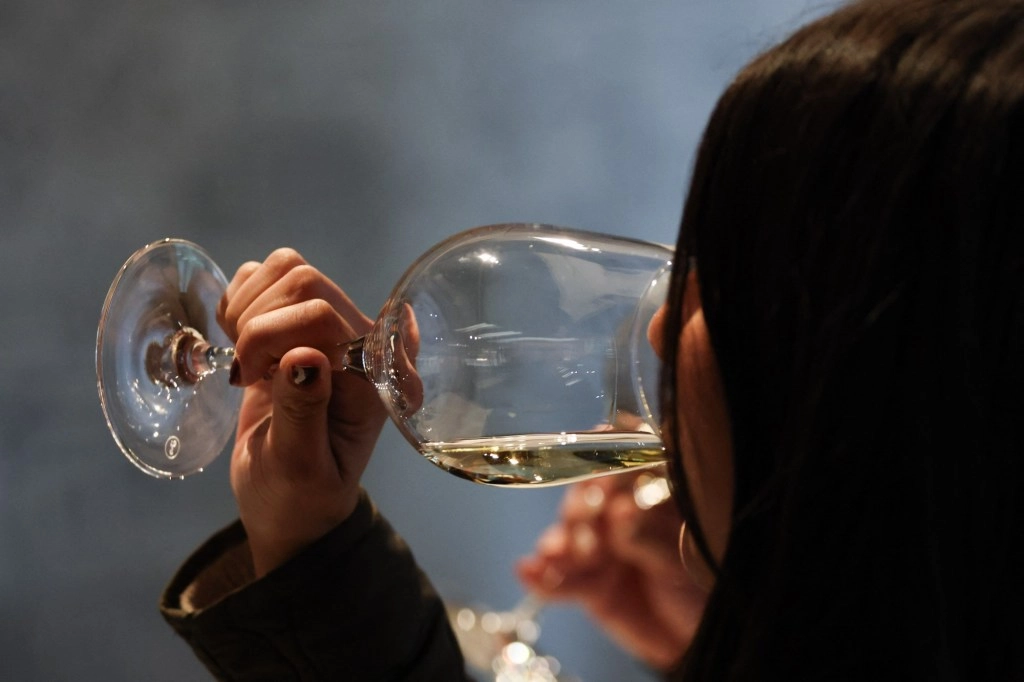
Fresh studies are revealing that the struggle of the wine industry to attract younger consumers may not stem from the quality of the wine itself, but rather from a lack of consumer understanding regarding the expected taste profiles.
Data shared by the Wine Market Council during a webinar on May 27 indicates that many potential wine drinkers abandon the product after only a few negative experiences. Christian Miller, the research director, emphasized that "the primary problem here … is not the taste of wine per se, but a failure of communication." This highlights that while there are wines available for a variety of preferences, consumers often find themselves mismatched due to inadequate guidance or information.
The survey findings reveal that many "wine-hesitant" consumers fail to sample enough wines to gain familiarity, tasting an average of fewer than ten wines over a decade. With many desiring greater clarity on flavor expectations, 23% reported dissatisfaction after expecting a wine to meet their taste preferences. This misunderstanding is not present with other alcoholic beverages, where nearly half of the respondents feel comfortable predicting flavors.
Research conducted by Quini, a Canadian company specializing in wine tasting, further explored these challenges. Participants in their tastings utilized a mobile app to rate wines based on various sensory attributes. The analysis stressed the importance of the wine’s "finish," or aftertaste, for generating positive responses, particularly among hesitant drinkers.
Moreover, a balanced flavor profile significantly impacts consumer acceptance. The presence of sweetness was favored, but the overall experience, including smoothness and balance, proved to be more crucial than individual sweetness levels alone.
Quini’s findings showed that simplified, consumer-oriented communication could significantly enhance wine adoption rates. This may involve using straightforward flavor descriptors and creating accessible tasting opportunities. Miller and Noujeim from Quini recommend that vintners tailor their marketing strategies to address the diverse preferences found among consumers. They advocate for clear labeling that prioritizes sweetness, acidity, and mouthfeel—attributes consumers can easily understand over complex terminology like terroir.
In conclusion, the research underpins that the key to revitalizing the interest in wine lies in improving how wines are presented and understood, paving the way for better consumer experiences and potentially broadening the market.
For more insights on consumer preferences and industry recommendations, visit Wine Market Council and Quini.
11 Refreshing Grapefruit Cocktails to Savor All Summer Long
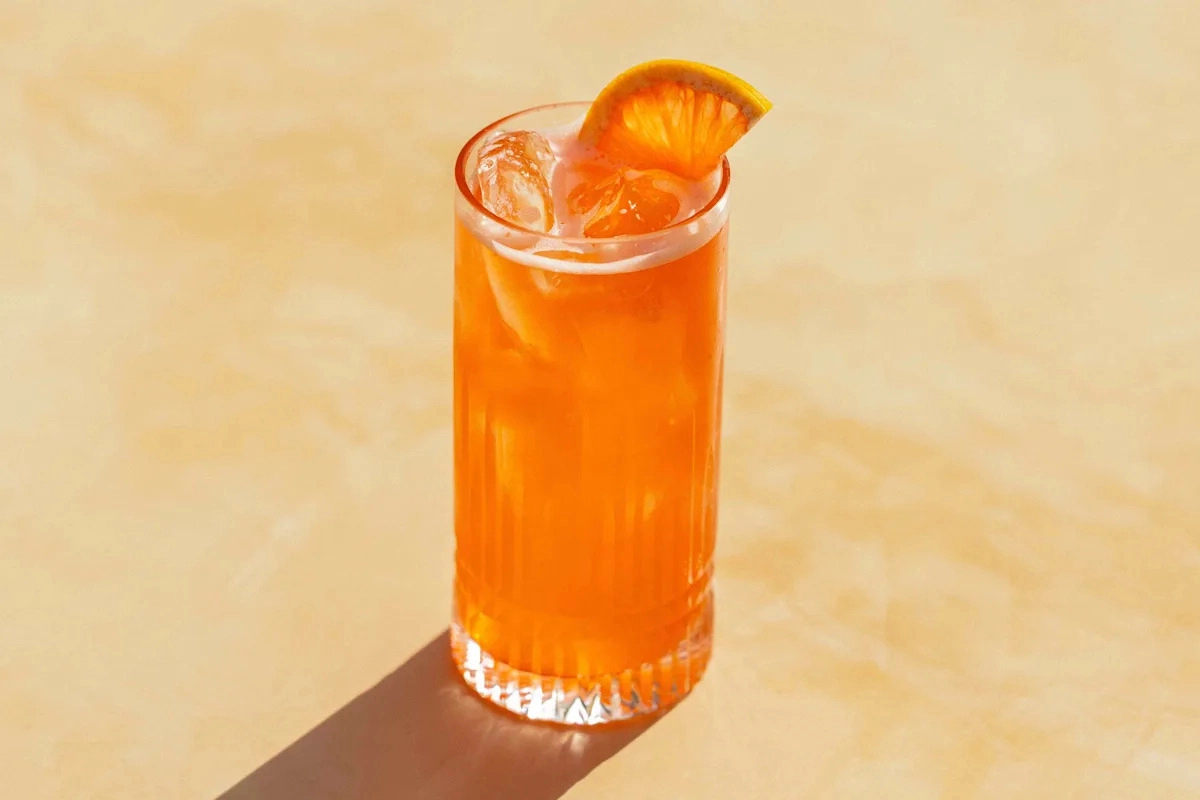
Grapefruit has emerged as a popular ingredient in cocktails, bringing its distinctive tartness and refreshing quality to various drinks. Originating as a hybrid between sweet oranges and pomelo, grapefruit has made a significant impact on the cocktail scene since the 18th century.
As the temperature rises, grapefruit becomes an essential mixer, combining acidity and bitterness with a hint of sweetness. This citrus has proven to be versatile, pairing beautifully with spirits like tequila, gin, rum, mezcal, and bourbon. It adds complexity and brightness to classic and contemporary cocktails alike.
Here are some standout grapefruit cocktails to enjoy during the warmer months:
-
PalomaA quintessential tequila cocktail that fuses grapefruit with citrus notes and bubbles, the Paloma remains refreshing and easy to craft for summer gatherings. Serve well chilled for the best experience. Get the Recipe
-
Hemingway DaiquiriHonoring the famous writer, this variation incorporates rum, grapefruit, maraschino liqueur, and lime juice. It boasts a vibrant flavor profile ideal for hot days. Get the Recipe
-
GreyhoundSimple yet effective, this cocktail highlights the interaction between vodka or gin and fresh grapefruit juice. Its minimalist approach shines a spotlight on grapefruit’s natural flavors. Get the Recipe
-
French BlondeWith floral and herbal nuances, this drink combines grapefruit with Lillet Blanc, gin, elderflower liqueur, and lemon bitters for a sophisticated spin. Get the Recipe
-
Bicycle ThiefAn aperitivo-style drink, the Bicycle Thief combines grapefruit with other bittersweet ingredients for a refreshing pre-dinner sipper. Get the Recipe
-
Brown DerbyThis classic cocktail mixes bourbon with grapefruit juice and honey syrup, yielding a well-balanced drink that embraces fresh grapefruit’s brightness. Get the Recipe
-
Salty DogEnhancing the Greyhound with a salty rim, this cocktail contrasts salinity with the grapefruit’s tang, presenting a refreshing and enjoyable drink. Get the Recipe
-
SiestaCombining tequila, grapefruit, and aperitivo flavors, this drink balances brightness with herbal notes, making it perfect for summer. Get the Recipe
-
Mezcal PalomaA twist on the Paloma, this cocktail incorporates mezcal for a smoky dimension while still retaining the refreshing quality of grapefruit. Get the Recipe
-
UffiziThis cocktail mixes grapefruit juice with Bonal Gentiane-Quina and Cocchi Americano, making it suitable for pre-dinner occasions with its complex balance of flavors. Get the Recipe
-
Jet PilotPart of the tiki culture, the Jet Pilot layers rum with spices and citrus to create a drink with impressive depth, enhanced by grapefruit’s brightness. Get the Recipe
These recipes exemplify grapefruit’s versatility and brightness, offering refreshing options for any summer gathering.
Uncovering the Secrets: What Your Beer Taps Say About a Brewery
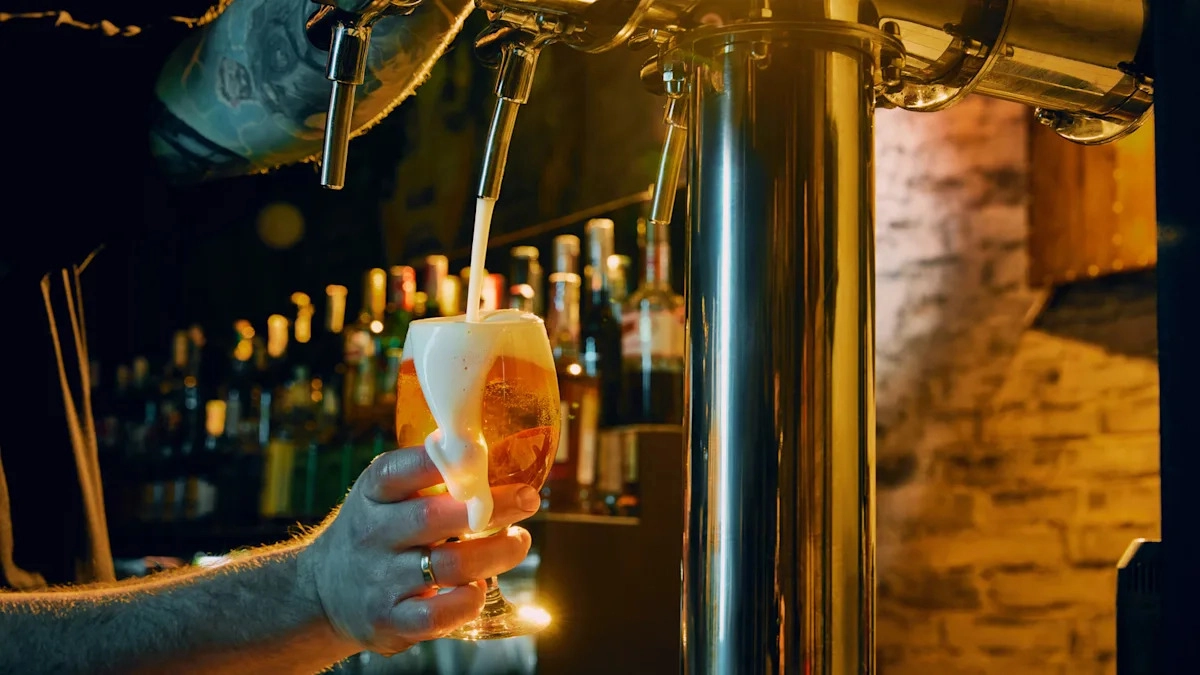
Beer taps are a brewery’s signature, showcasing its personality and most prized offerings. A well-maintained tap can entice patrons and encourage them to explore new drinks, while a dirty one can deter customers and ruin the flavor of the beer. Understanding how to assess a tap can aid in avoiding selection anxiety and potential health risks.
Choice Overload
Many breweries now offer a vast array of draft choices, like the Raleigh Beer Garden, which boasts 369 taps. While some find this exciting, others may feel overwhelmed. As Matt Storm, a Seattle restaurant owner, explains, too many options can lead customers to stick with what they know rather than trying something new. A user poll from Reddit supports this, suggesting that 10 to 11 taps are ideal to avoid “choice fatigue” and maintain fresh beer.
Pouring Technique Matters
The way a bartender pours beer is crucial. If they dip the tap faucet into the glass, it risks bacterial contamination. Bartenders generally learn to pour at a 45-degree angle without allowing the tap to touch the glass. Observing this practice can protect you from potential health issues. If you see the tap dipping into the glass, don’t hesitate to ask for a fresh pour.
Cleanliness Is Key
Visible grime, residue, and overflowing drip trays are signs that a brewery isn’t maintaining clean tap lines, which should be cleaned every two weeks. If you spot these issues, proceed with caution. A Reddit user shared a cautionary tale about a customer who discovered a gelatinous slug in their beer, an indication of severely neglected tap lines. Signs like “little white floaties” can be early warnings of bacterial build-up.
Understanding these aspects can enhance the brewery experience and ensure a safer drinking environment. For more tips on enjoying your visit to breweries, consider keeping track of cleanliness and pouring practices.
Parking Restrictions Announced for Sunday’s Locust Street Festival and Beer Run
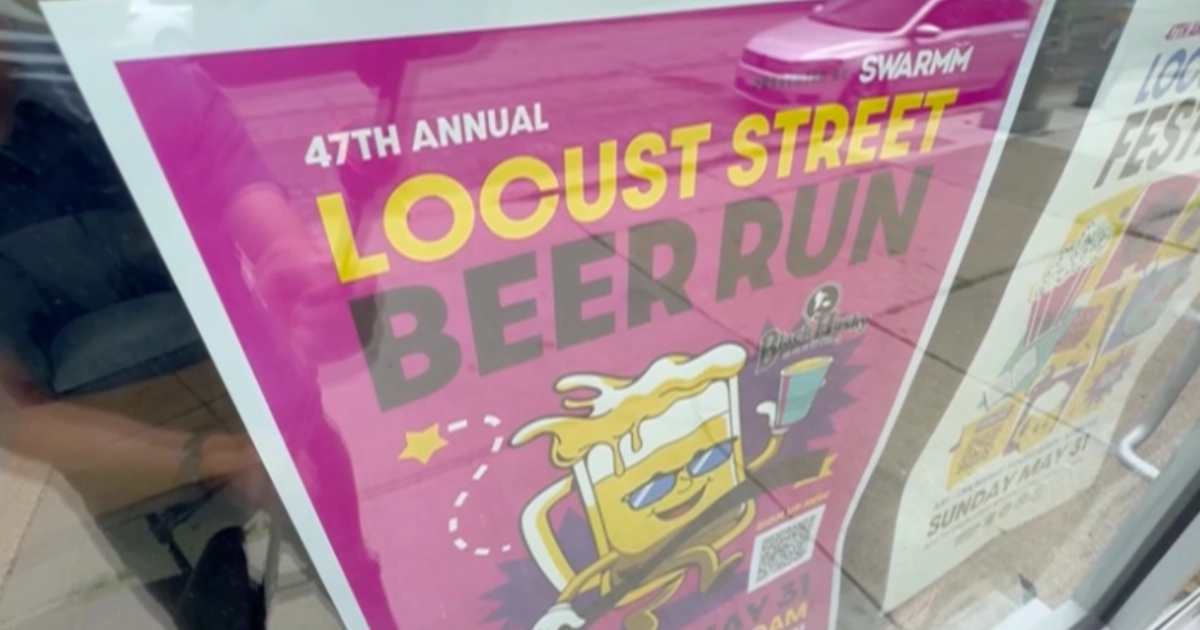
The 47th Annual Locust Street Festival is scheduled for Sunday, and organizers are urging residents in the vicinity to check the parking signs to prevent their vehicles from being towed.
Taking place from 12 p.m. to 8 p.m. on May 31, the festival will feature five stages of live music. Residents living on or near E. Locust Street must ensure that a 100-foot clearance is maintained on all streets leading off of Locust. Towing enforcement will begin at 7 a.m.
Participants in the festival can also take part in the Locust Street Beer Run, which starts at 11:30 a.m. at the intersection of Locust and N. Booth Street, winding through Riverwest before finishing near Locust and N. Bremen Street.
According to the festival’s organizers, any vehicles parked within the inner track of the run’s route will also be towed starting at 7 a.m. Notices have been distributed to local households to inform them of the parking restrictions, and signs have been posted throughout the area since the start of the week.
If residents need to park for the festival or the beer run, they are advised to use the opposite side of Locust Street. Police will be present at the beer run from 11 a.m. to 12:30 p.m. to maintain safety and may not allow vehicle traffic on the route during this time.
Historic Production Halt: One of Ireland’s Most Renowned Whiskey Distilleries Pauses Operations
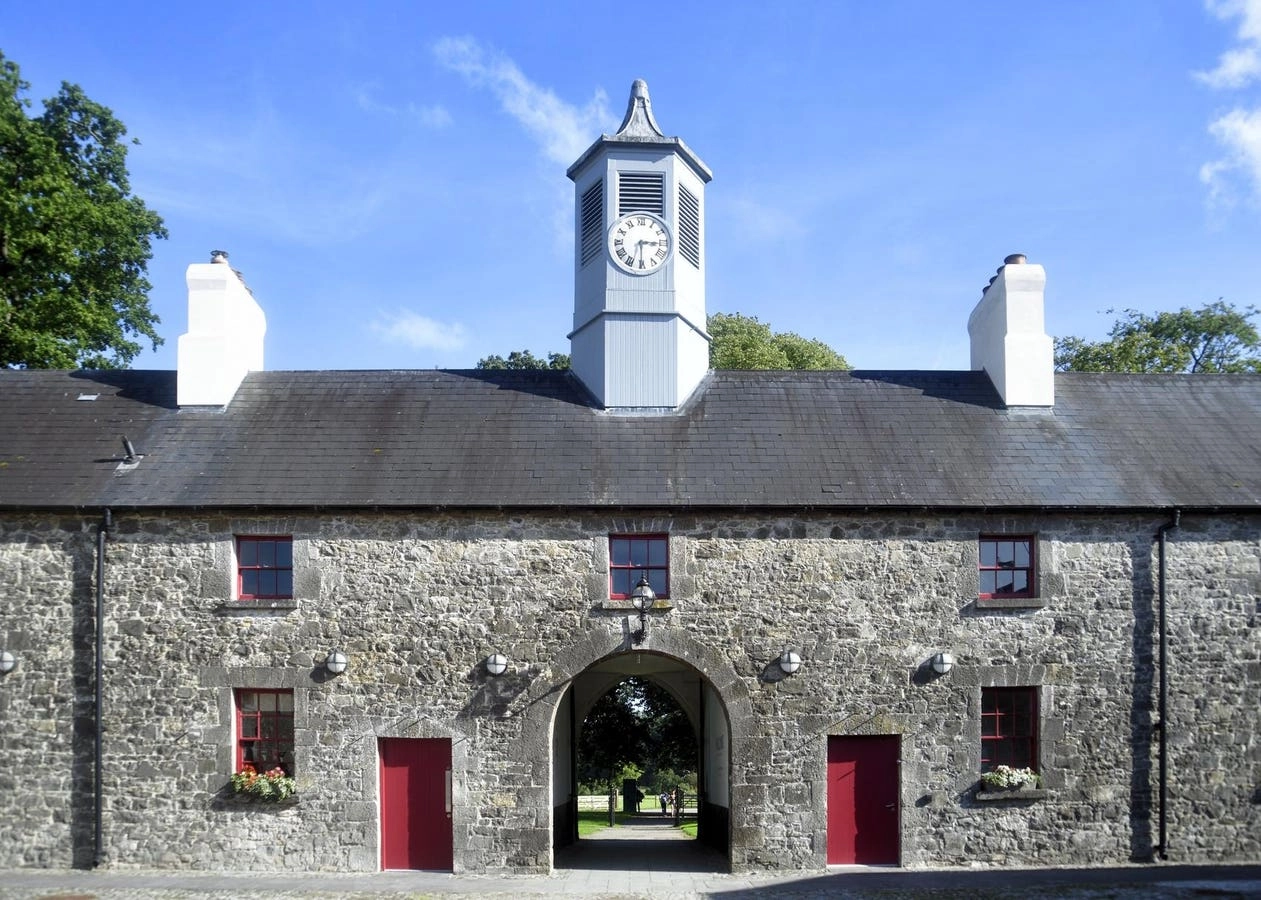
Brown-Forman, the owner of the Slane Irish Whiskey Distillery, has announced a temporary halt in production at the facility located in County Meath, Ireland. This decision reflects a broader trend in the whiskey market, where even prominent brands are feeling the effects of declining sales and shifting consumer demand.
The announcement was initially reported by Robb Report, which noted that the company emphasized the need for demand planning and production adjustments in line with market conditions. Despite the temporary closure, a spokesperson assured that there is a robust supply of aging whiskey, ensuring that Slane products will remain available to customers around the globe. The visitor center at Slane will stay open for tours and trade visits.
This pause in production coincides with a turbulent period for Brown-Forman. The company has faced challenges, including layoffs and lower spirits sales across its portfolio, which includes the well-known Jack Daniel’s brand. There have also been acquisition rumors surrounding the company, which has recently reduced operations at other distilleries including Scotland’s Glenglassaugh.
Slane Irish Whiskey has been a significant player in the Irish whiskey surge. Acquired by Brown-Forman in 2015, the company invested around $50 million in constructing a state-of-the-art distillery at the historic Slane Castle Estate. This estate is famous for its large concert events featuring global artists.
While the company has indicated that the current shutdown is temporary, it has also raised speculation about the duration. An employee’s LinkedIn post suggested that the distillery could be closed for several years, creating uncertainty about its future.
The whiskey industry as a whole is experiencing a cooling trend after years of rapid expansion. Companies are recalibrating production strategies as consumer preferences shift, inflation impacts spending, and sales of premium spirits decline. Even as Slane whiskey remains available for now, its production halt signals a significant moment for the brand and the overall Irish whiskey market, which was once characterized by unprecedented growth.
For enthusiasts of Irish whiskey, the continuation of Slane bottles in the market offers some comfort, but the future availability will be influenced by how the market stabilizes in response to evolving consumer preferences.
Discover Hidden Gems: Under-The-Radar Italian Wine Appellations You Must Explore

Italy’s wine landscape is expansive, with over 2,000 indigenous grape varieties and more than 600 established appellations. While wines from renowned regions like Piedmont and Tuscany steal the limelight, several lesser-known appellations deserve attention for their quality and value.
Erbaluce di Caluso DOCG, Piedmont
Located in the Canavese area of northern Piedmont, Erbaluce di Caluso is a hidden gem that produces a naturally high-acid white wine. This grape was the first in Piedmont to achieve DOC status in 1967, later promoted to DOCG in 2010. The wine exhibits three distinct styles: a dry version with floral and mineral notes, a sparkling variant with brisk acidity, and a sweet Caluso Passito that boasts complex flavors of honey and candied citrus.
Alta Langa DOCG, Piedmont
Though Franciacorta has long been Italy’s go-to for premium sparkling wines, Alta Langa is emerging as a formidable competitor. This appellation mandates only Pinot Noir and Chardonnay grapes, which must undergo vintage-dating, bottle fermentation, and a minimum 30 months of aging. Alta Langa offers small-grower offerings characterized by crisp acidity and a mineral backbone, making it a promising alternative to more established bubbles.
Custoza DOC, Veneto
Nestled by the southern shores of Lake Garda, the Custoza appellation is revitalizing its reputation with wines composed of blends like Garganega and Trebbiano. Historically overshadowed by nearby Soave and Lugana, Custoza is witnessing a revival as producers adopt higher quality practices that showcase their unique terroir. Notable entries include ‘Campo del Selese’ by Albino Piona and ‘Amedeo’ by Cavalchina.
Orvieto DOC, Umbria
With origins tracing back to the Etruscans, Orvieto DOC is making strides with its white wines crafted from Grechetto and Trebbiano. Recent vintages highlight the region’s potential through lower yields and meticulous aging processes. Look out for Palazzone’s ‘Campo del Guardiano’ and the distinctive amphora-aged ‘Primo d’Anfora’ by Argillae.
Morellino di Scansano DOCG, Tuscany
The coastal Maremma has proved that Sangiovese can thrive in maritime climates, producing wines that are accessible yet complex. Morellino di Scansano has seen a significant increase in quality since earning DOCG status in 2007. Leading producers include Fattoria Le Pupille and Roccapesta, both of whom embody the region’s character.
Romagna DOC Sangiovese Predappio, Emilia-Romagna
The Sangiovese from Predappio is gaining recognition, showcasing a distinct freshness and fragrance. Producers like Chiara Condello are focusing on lower yields and careful site selection, elevating this regional specialty and transforming it into a notable expression of Sangiovese.
Montefalco DOC, Umbria
While Sagrantino is Montefalco’s flagship grape, the Sangiovese-led ‘Rosso’ is earning a serious reputation. The blend, which incorporates Sangiovese and a touch of Sagrantino, offers a depth that stands out against Tuscan counterparts. Producers like Antonelli San Marco and Tabarrini are beginning to redefine the region’s offerings.
Piceno DOC, Le Marche
The red wines of Piceno are often overlooked despite being the largest red denomination in the Marche region. Built upon a blend of Montepulciano and Sangiovese, this category produces wines that balance richness and freshness. Keep an eye on producers such as Saladini Pilastri and Velenosi for standout examples.
Pantelleria Passito DOC, Sicily
Renowned for its unique sweet wines, Pantelleria’s Passito made from Zibibbo grapes captures the essence of the island’s volcanic soils and climate. Notable producers include Ben Ryé by Donnafugata and Bukkuram by Marco De Bartoli, known for their remarkable balance of richness and acidity.
These under-the-radar Italian wine appellations offer enthusiasts an array of high-quality selections worth exploring.
The Ultimate Guide to the World’s Best Flavored Vodka: Insights from the 2026 ADI International Spirits Competition
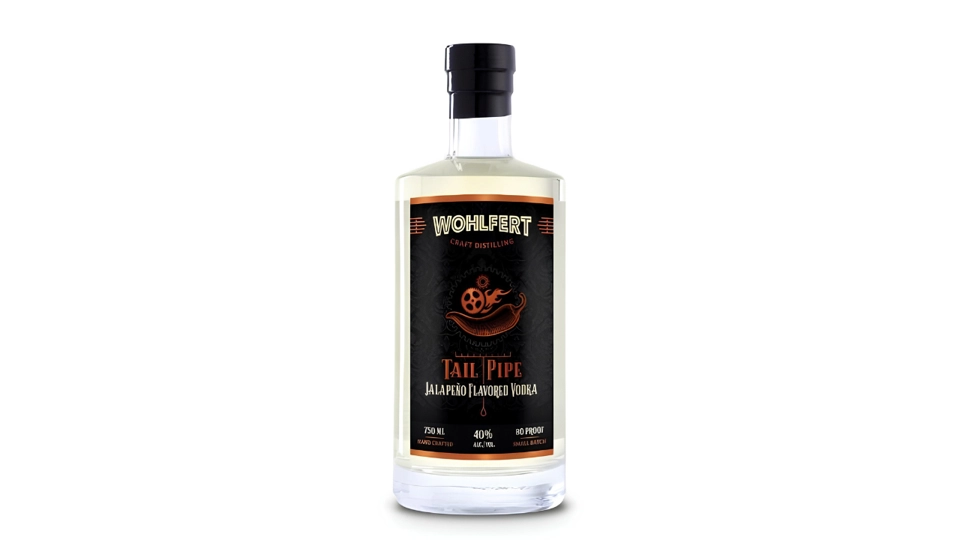
The 2026 ADI International Spirits Competition recently crowned TAIL PIPE Jalapeño Flavored Vodka from Wohlfert Craft Distilling as the World’s Best Flavored Vodka. This small-batch, 80 proof vodka, priced at $28.99, hails from Snohomish, Washington.
The American Distilling Institute hosted the competition, which featured over 1,000 entries evaluated by expert judges. TAIL PIPE not only won Double Gold but also earned Best of Category, showcasing its superiority in a fiercely competitive market.
Judges praised the vodka for its vivid jalapeño aroma and balanced flavor, highlighting its “delicate and well-managed” spice and a smooth texture. The reviews noted the vodka’s versatility; it’s ideal for crafting cocktails like Bloody Marys and espresso martinis, as well as pairing with tropical fruits, which complement jalapeño’s heat.
John Wohlfert, the distiller and owner of the craft distillery, expressed pride in this recognition, indicating it solidifies their reputation for producing bold and distinct spirits. Wohlfert Craft Distilling operates from the family’s property, creating an intimate atmosphere that is rare in the industry.
The influence of family history is significant in their products. The signature cocktail, Helluva Cocktail, combines CLUTCH Coffee Liqueur with TAIL PIPE Jalapeño Vodka and espresso, creating a unique drink with roots in the family’s Prohibition-era traditions.
Wohlfert attributes their success to the care and precision in crafting flavorful vodkas that stand out in a crowded industry. Winning such a prestigious title marks a pivotal achievement for the small distillery, ensuring they gain the attention of spirit enthusiasts globally.
Related Links:
The Best Aged Rums: Top Picks from the San Francisco World Spirits Competition
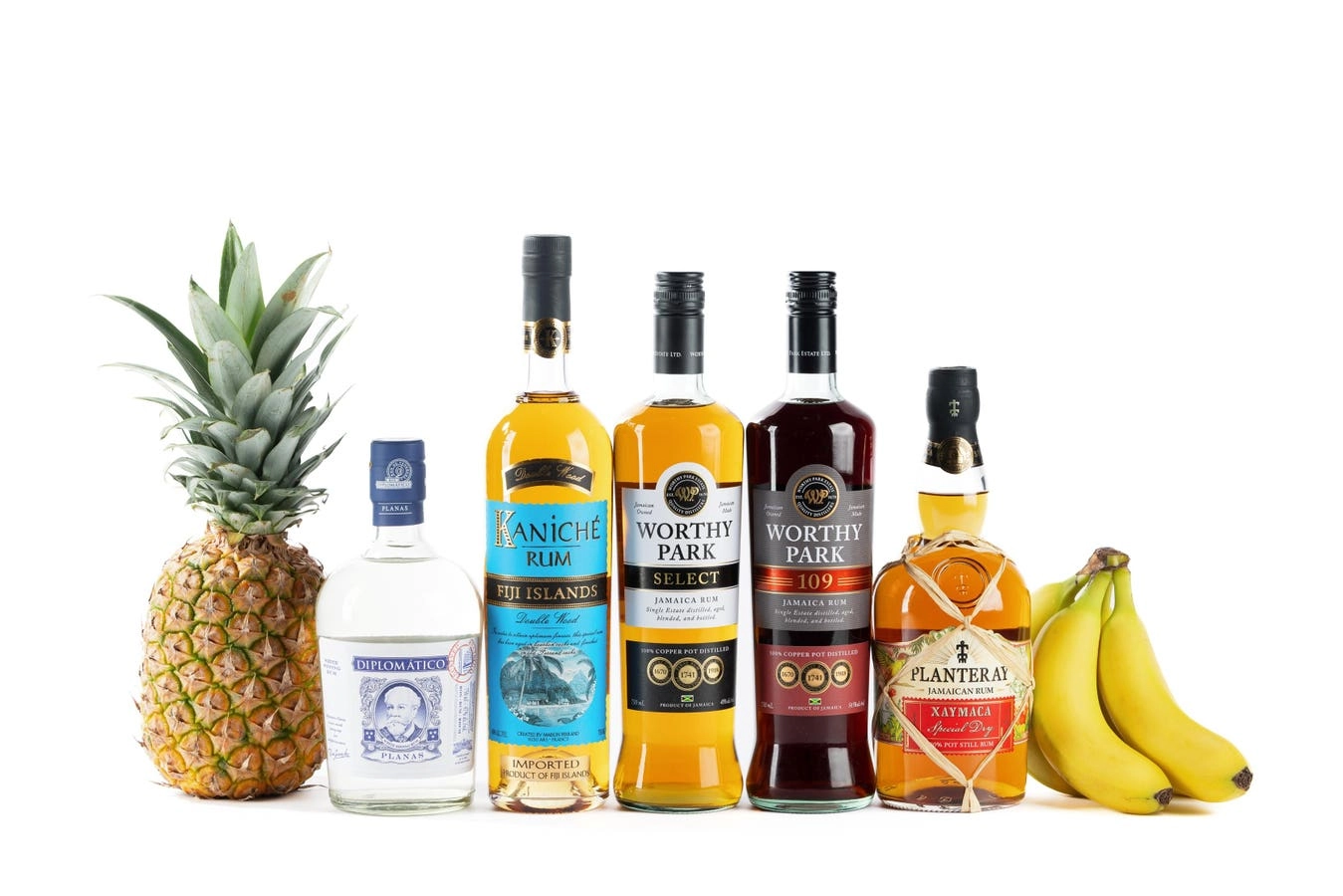
Five exceptional rums have been nominated for the title of World’s Best Aged Rum at the 2025 San Francisco World Spirits Competition (SFWSC), a key event in the spirits industry that garners much attention. Here’s a closer look at these notable contenders and their unique flavors.
1. Worthy Park, Select Rum (40% ABV, 750 ml. $31)
Worthy Park Estate in Jamaica has a rich history of rum production dating back to 1741. The Select Rum, typically aged for 4-6 years in ex-bourbon barrels, is celebrated for its vibrant profile. It features aromatic notes of ripe banana, molasses, baking spices, and hints of overripe mango. On the palate, it presents layers of tropical fruit, vanilla, caramel, and charred oak, finishing with a dry, fruity essence reminiscent of banana bread and clove.
2. Worthy Park, 109 Rum (54.5% ABV, 750 ml. $30)
A modern reinterpretation of overproof rum, the 109 Rum blends pot-still rums aged between 4 to 10 years. Its rich mahogany color indicates significant oak influence. The aromatic notes include molasses, cola syrup, and dried pineapple, combined with flavors of dark caramel and grilled banana. The intense high-proof character is balanced, providing a lasting finish with notes of nutmeg and black tea.
3. Diplomático, Planas Rum (47% ABV, 750 ml. $28)
Despite its clear presentation, Planas aged for up to 6 years in a mix of ex-bourbon, malt whisky, and sherry casks. The transparency is achieved by charcoal filtering for clarity. Aromatically, it delights with coconut cream, vanilla, and citrus zest. The tasting experience features white chocolate, toasted coconut, and caramelized sugar, culminating in a refined finish that lingers with sweet floral notes.
4. Kaniché Rum, Fiji Islands (40% ABV, 750 ml. $37)
Originating from Fiji, Kaniché Rum undergoes a unique aging process in ex-bourbon barrels followed by finishing in cognac casks in France. The result is a spirit rich with tropical aromas, displaying notes of banana, honeycomb, and spices. Its full-bodied profile includes flavors of vanilla, caramelized pineapple, and seasoned oak, leading to a long finish with hints of fig and leather.
5. Planteray Rum, Xaymaca Special Dry (43% ABV, 750 ml. $30)
Named after the indigenous term for Jamaica, Xaymaca is a tribute to 100% Jamaican pot still rum. This blend of distillates showcases the quintessential funky character associated with Jamaican rums. The aroma is dominated by green banana and grilled pineapple, delivering a robust palate with notes of citrus, burnt sugar, and leather, while finishing complexly with spice and tropical fruit.
These five rums, each with unique strengths, demonstrate the robust flavor profiles and oak influences from their aging processes. They can elevate both cocktails and sipping experiences, appealing to a wide range of rum enthusiasts.