RUM Stock Soars: Rumble Achieves 85% Support for Northern Data Deal as Closure Approaches

Rumble, Inc. (RUM) has reported a strong advance in its stock during the overnight session on Monday, driven by news of its significant progress in acquiring Northern Data AG. The company secured 85.2% of Northern Data’s outstanding shares through an exchange offer, which is a crucial step towards completing the deal.
This acquisition marks a strategic shift for Rumble, as it transitions from primarily a video-sharing platform to a more diversified company focused on artificial intelligence (AI) and high-performance computing infrastructure. By acquiring Northern Data, Rumble will gain access to advanced computing assets and a network of European data centers.
Key Details of the Acquisition
On Monday, Rumble announced that Northern Data shareholders had tendered over 8.1 million shares in its recent exchange offer. This involvement translates to approximately 46% of the shares not already committed under existing agreements. The final acceptance period for the exchange proposal concluded on June 1, which means investors can no longer tender shares into the offer. The acquisition is expected to finalize by mid-June.
Impact on Rumble’s Business
This acquisition will greatly enhance Rumble’s cloud computing capabilities. Rumble is set to incorporate about 22,400 Nvidia AI chips, including the latest H100 and H200 GPUs, which will bolster its competitive edge in the computing space. Additionally, the deal with Tether includes a commitment for up to $150 million in GPU computing services over two years, further diversifying Rumble’s revenue streams.
In a separate development, Rumble secured a multi-year agreement with Together AI to implement Nvidia’s HGX B300 Blackwell systems, situating the company to serve enterprise customers who require robust computing power.
Retail Sentiment and Market Reactions
The market has reacted positively, with RUM stock seeing a 0.4% rise overnight, and retail sentiment on platforms like Stocktwits remains bullish. The stock has experienced a significant increase in message volume, indicating strong interest among investors. Many users expressed optimism about the potential revenue growth from new cloud contracts post-acquisition, underscoring their excitement for Rumble’s future.
The stock has shown a notable year-to-date increase of over 24%, indicating that investor confidence is growing as the company expands its offerings and market reach.
Rumble’s evolution represents a significant opportunity in the intersection of media and technology, promising not only to reshape its own brand but also to influence the broader landscape of artificial intelligence and high-performance computing solutions.
Uncorking Success: The Best-Selling Wine Brand in the US Revealed
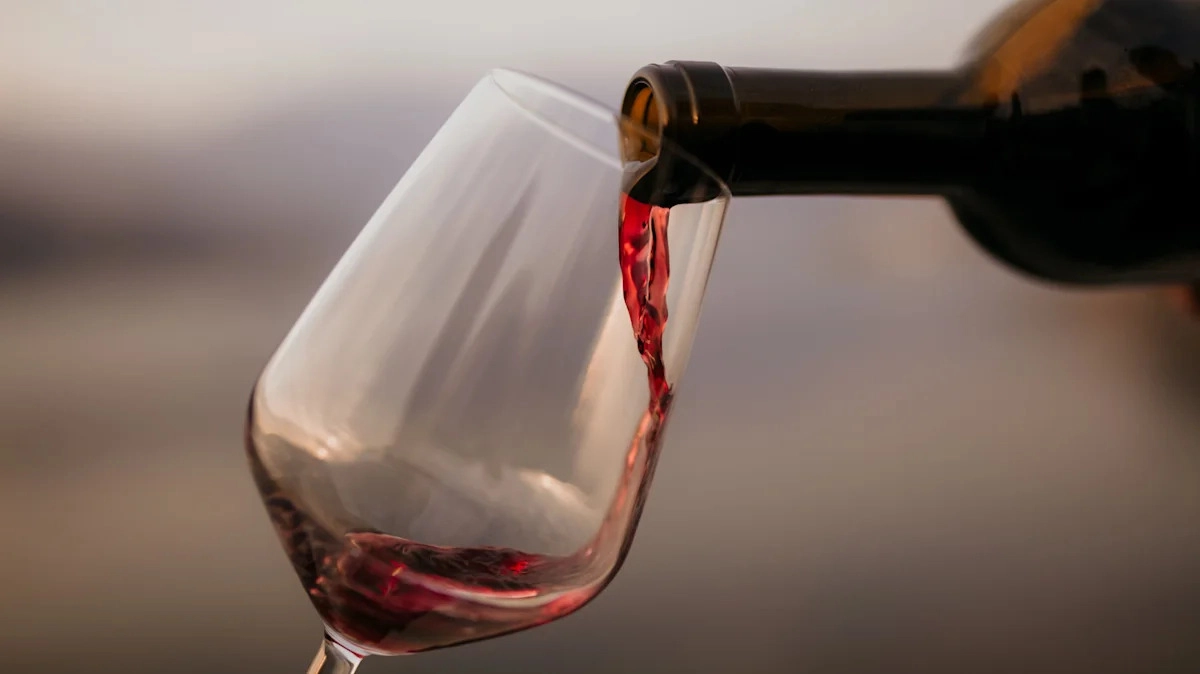
The United States ranks as the fourth-largest wine producer globally and holds the title of the world’s largest wine consumer. This makes it a significant milestone for any brand to become the best-selling wine in the country. That honor currently belongs to Barefoot, which sold nearly 19.5 million nine-liter cases in 2023 according to the American Association of Wine Economists.
Barefoot is known for its affordability, priced between $5 and $10 per bottle, making it easily accessible and widely distributed. The brand, owned by E&J Gallo Winery, features an iconic footprint logo and offers around 30 unique still and sparkling wines. Its diverse portfolio includes classic varietals like cabernet sauvignon and merlot, alongside sweet blends like Barefoot Fruitscato, which combines wine with fruity flavors such as strawberry and peach. This variety caters to both casual wine drinkers and those looking for a more traditional option.
Humble Beginnings
Barefoot’s journey began in 1965, shortly after the repeal of Prohibition, which rejuvenated the American wine market. Initially produced in the garage of Davis Bynum as "Barefoot Bynum Burgundy," the label underwent a significant transformation in 1986 when business partners Michael Houlihan and Bonnie Harvey acquired the rights to the name and established Barefoot Cellars. They marketed their wines creatively using
"Worthy Cause Marketing," donating bottles to charitable events, which helped to build a positive reputation.
The brand achieved remarkable growth and eventually attracted the attention of E&J Gallo Winery, which acquired Barefoot and expanded its reach across six continents. Today, it stands proud as both the leading wine brand in the U.S. and one of the best-selling wine brands worldwide.
Big Grove Brewery Launches New Beer to Champion Iowa Athletics
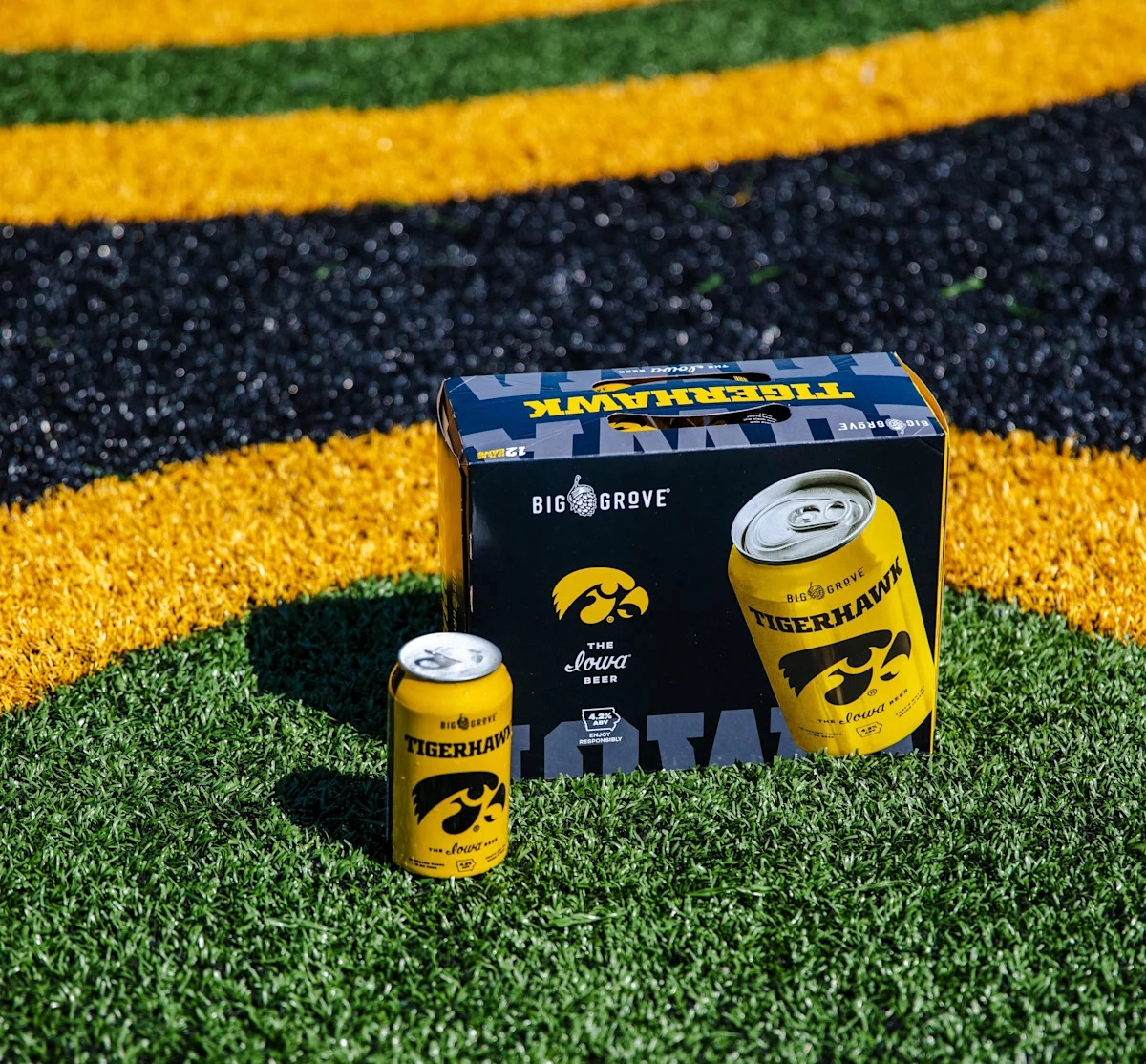
The Iowa Athletics Department has partnered with Big Grove Brewery to introduce "TIGERHAWK," a new beer aimed at supporting the university’s sports teams. A portion of the sales from this beer will directly benefit Hawkeye athletics, providing critical funding to ensure the university’s success in various sports amid the changing landscape of collegiate athletics.
Matt Swift, co-founder and CEO of Big Grove Brewery, emphasized the unique nature of this beer, stating, "We wanted to create a beer that Iowans are proud to hold—not just because it looks amazing and tastes great, but because every sip helps the Hawks win." The beer celebrates Iowa’s sport heritage and is designed to be broadly appealing, catering to all fans, whether they be farmers, alumni, or lifelong supporters of the Hawkeyes.
Matt Henderson, Deputy Director of Athletics at the University of Iowa, expressed excitement about this partnership. He highlighted that "TIGERHAWK" not only enhances the experience for fans but also provides a direct way for them to support Iowa’s athletic programs while enjoying a locally crafted beer.
Starting June 8, "TIGERHAWK" will be available year-round across the state, with expanded distribution expected as football season approaches. It will be offered in various formats, including draft, 12-pack, and 24-pack options, along with individual cans available at Kinnick Stadium and Carver-Hawkeye Arena during games.
Transform Your Shortbread Cookies: The Magic of Just 2 Tablespoons of Vodka
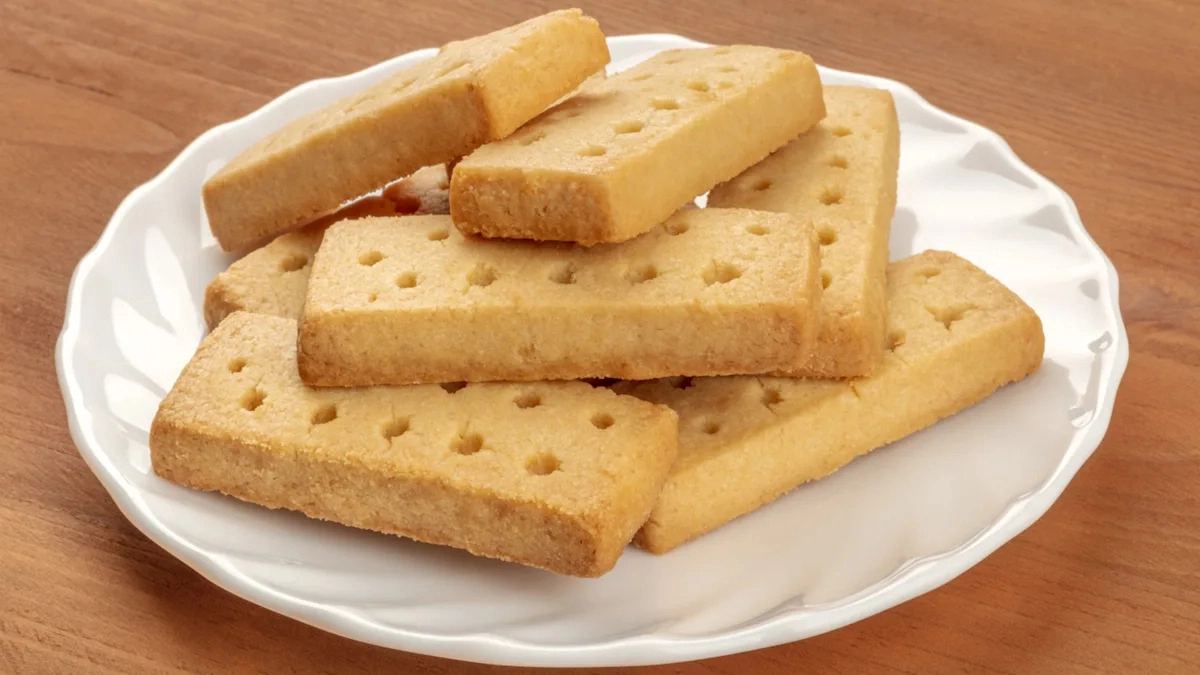
Adding vodka to shortbread cookie dough can elevate its texture and taste without an alcoholic flavor. According to Lisa Lotts from the food blog Garlic & Zest, incorporating just 1 to 2 tablespoons of vodka into the dough makes it more manageable and enhances the final baked good.
The science behind this clever trick lies in vodka’s unique properties. Unlike water, vodka hydrates the dough without developing gluten, which is what can make baked goods tough. As a result, the cookies end up being light, flaky, and melt-in-your-mouth delicious. During baking, most of the alcohol evaporates, leaving behind only moisture and steam, which also contributes to their light texture.
For best results, use a moderately priced vodka, as quality isn’t crucial for baking. You could even use a less expensive brand, considering the small amount needed. If you’re following a shortbread recipe, simply replace half the required liquid with vodka, capped at 1 to 2 tablespoons, to ensure optimum softness and flavor.
In summary, using vodka in shortbread cookies is a simple yet effective method for achieving a bakery-quality treat right at home.
11 Timeless Bourbon Cocktails You Need to Try
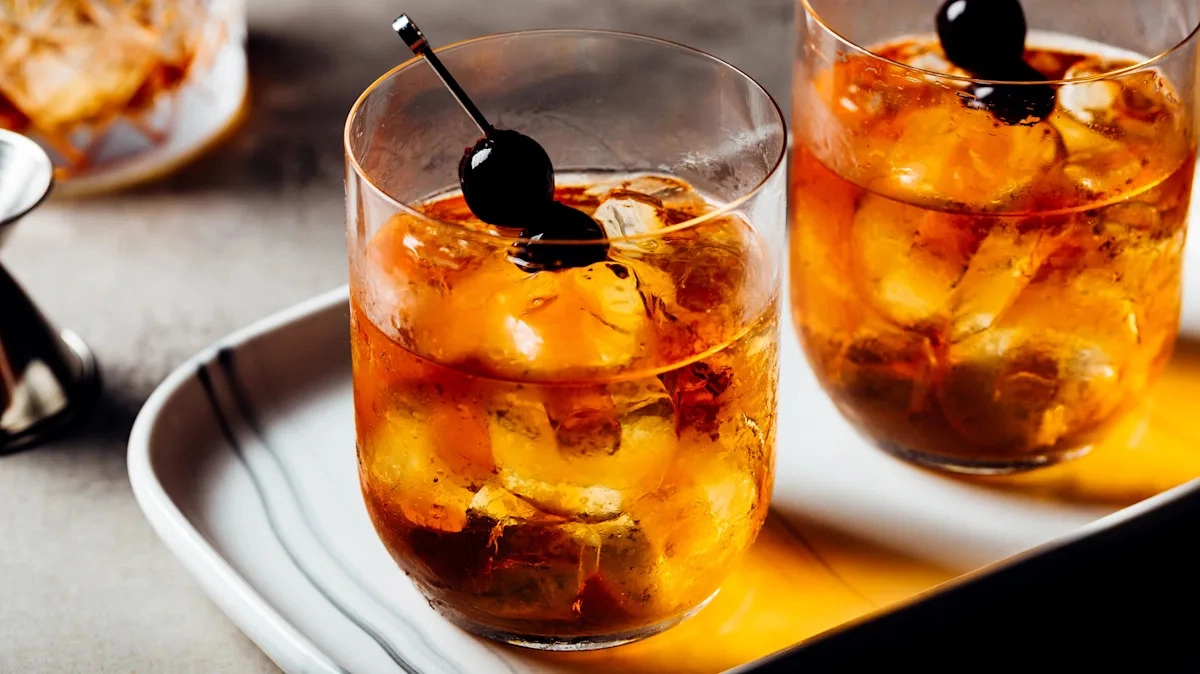
Whether you’ve chosen a premium bourbon or you’re working with something more standard, crafting a cocktail is always a great idea. Classic bourbon cocktails hold a timeless appeal; their simplicity allows the whiskey to shine while achieving a perfect balance with other ingredients. Here are eleven old-school bourbon cocktails that have stood the test of time.
-
Old Fashioned
The Old Fashioned is a quintessential bourbon cocktail with origins dating back over 100 years. This drink combines bourbon, bitters, and sugar, served over ice. Traditionally, a sugar cube is muddled with bitters and a bit of water to dissolve, making it slightly sweeter. Its history traces back to the earliest cocktails, which were defined as spirit, sugar, water, and bitters, leading to the term "old-fashioned" by the late 1800s. -
Boulevardier
A Boulevardier is a bourbon-to-Negroni transformation. Instead of gin, it uses bourbon, making it rich and smooth. This cocktail mixes bourbon, sweet vermouth, and bitters, served over ice, often garnished with an orange twist. The Boulevardier’s history goes back to the 1920s, attributed to Erskine Gwynne, who named it after his magazine. -
Manhattan
Held in high regard, the Manhattan is an iconic cocktail featuring bourbon, sweet vermouth, and bitters. Recognized for its simplicity, this drink celebrates the bourbon flavor. The first known Manhattan recipe emerged in 1882, highlighting its longevity in cocktail culture. -
Whiskey Sour
Often mistaken for a contemporary concoction, the Whiskey Sour’s roots extend over a century. This cocktail typically consists of bourbon, lemon juice, sugar, and bitters. Known for its balance of sweet and sour, bourbon adds a unique smoothness. The first mentions trace back to the 1860s. -
Brown Derby
A muted, yet refreshing cocktail, the Brown Derby offers a bright alternative with bourbon, grapefruit juice, and a sweetener like maple syrup or honey. Originating in the 1930s, it’s believed to be created in homage to a Hollywood restaurant brimming with celebrity patrons. -
Fancy Free
This lesser-known cocktail utilizes ingredients like bourbon, maraschino liqueur, and bitters. Its rise in popularity appears in a 1940s cocktail guide, evolving from an original recipe that was shaken and served in a sugar-rimmed glass. -
Lion’s Tail
The Lion’s Tail sets itself apart with allspice liqueur (pimento dram), which brings a spicy depth to the bourbon base. The cocktail features bourbon, allspice liqueur, lime juice, sugar syrup, and bitters. Its history is tied to a 1937 cocktail book, hinting at American origins during the Prohibition era. -
Kentucky Colonel
A two-ingredient cocktail that highlights bourbon, the Kentucky Colonel pairs it with Bénédictine for a herbal twist. The simplicity is noteworthy, as it thrives on high-quality bourbon. This drink first appeared in a 1914 bartender’s manual, showcasing its classic charm. -
Mint Julep
Famous in the southern U.S., the Mint Julep is a refreshing mix of bourbon, fresh mint, sugar syrup, and bitters. Its precise origins are blurred, though it can possibly be traced back to Persian roots. The first hints of its presentation in America were found in writings from the early 1800s. -
Man O’ War
A nod to the legendary racehorse, the Man O’ War cocktail melds bourbon with Triple Sec, sweet vermouth, lemon juice, and sugar syrup. This fruity yet balanced drink emerged in the mid-1900s and reflects the era’s mixology creativity. -
Whiskey Daisy
The Whiskey Daisy is part of a family of drinks with roots in the 1800s. Characteristically composed of bourbon, lemon juice, and a sweetener, this cocktail typically incorporates an orange liqueur and is topped with soda water, giving it a lighter finish.
These cocktails, rooted in history and simplicity, maintain their appeal for both new and seasoned drinkers. Whether you mix them at home or order one at a bar, they promise a delightful experience steeped in tradition.
Rediscovering a Creamy Classic: The Best-Selling Beer from the ’80s
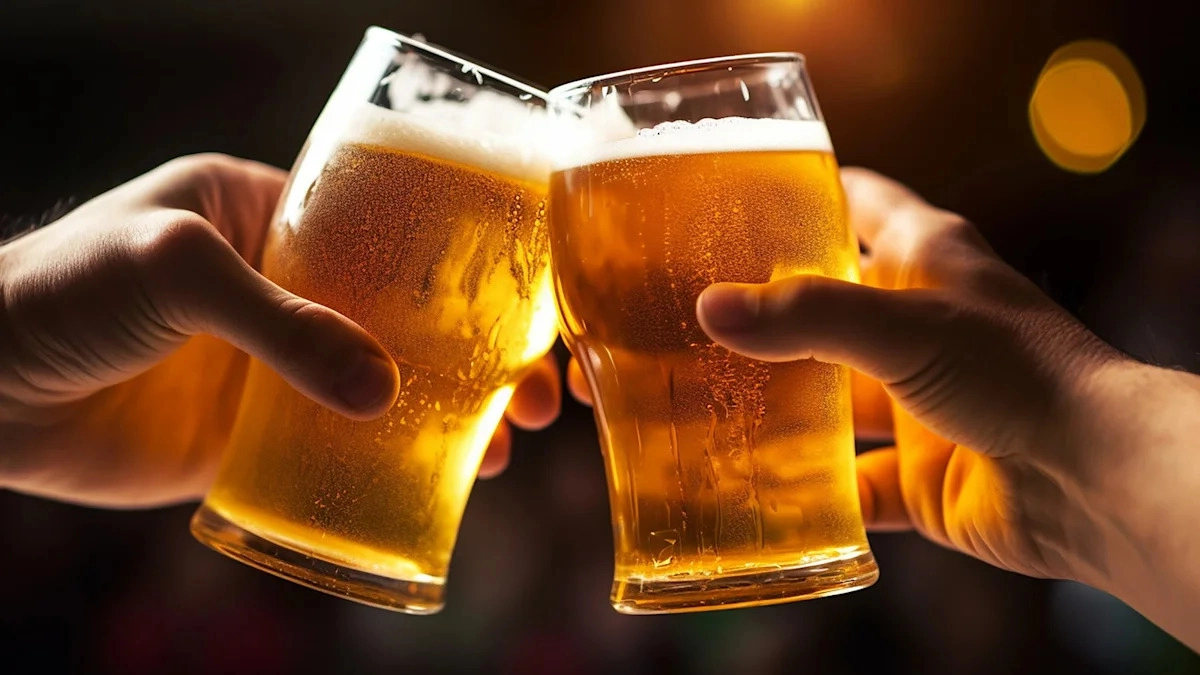
During the 1980s, American beer culture experienced significant changes. Though beer consumption was at an all-time high, the market was evolving. Brands like Schlitz fell out of favor, overshadowed by major players such as Anheuser-Busch and Bud Light. Light lagers remained popular, while imported beers like Heineken and Corona started gaining traction.
This decade also marked the emergence of craft brewing, as small-scale American breweries began making their mark with distinctive styles. Iconic names such as Sierra Nevada, Bell’s Brewery, and Samuel Adams entered the scene, coinciding with the rise of Genesee Cream Ale, a best-seller that gained prominence from the late 1970s to the mid-1980s. Though Genesee Cream Ale originally launched in 1960, its success during the ’80s highlighted a broader renaissance in American brewing.
Cream ales had been around since the 19th century but dwindled during Prohibition. Genesee Brewery in Rochester, New York, revitalized this style, appealing to beer enthusiasts who sought alternatives to standard lagers. The brewery cultivated a strong regional following, positioning Genesee Cream Ale as both a local favorite and a national success.
What distinguishes this cream ale? Unlike lagers, cream ales are ales, meaning they ferment with yeast at warmer temperatures, yielding a fuller-bodied drinking experience. Genesee Cream Ale has a slightly higher alcohol content of 5.1% ABV, compared to the typical 4% of light lagers. The use of the term "cream" may be misleading; while it offers a hint of bitterness, it is not primarily creamy. Genesee’s appeal lies in its balance of character and drinkability.
Since its introduction, Genesee Cream Ale has garnered several awards and continues to be a staple in many markets. Though it wasn’t the first cream ale—Krueger’s Cream Ale predated it, debuting in 1935—few have managed to maintain a presence like Genesee, especially in the context of the craft beer explosion.
For more insight on food culture and culinary trends, consider subscribing to relevant resources.
New Real Estate Brokerage Specializes in Sonoma-Napa Wine Properties

A Napa Valley luxury real estate brokerage has unveiled a new advisory and brokerage platform focused exclusively on vineyard, winery, and ranch real estate in Napa Valley, Sonoma County, and similar wine-producing regions. Engel & Völkers St. Helena recently launched Benchland Wine Advisors amid significant challenges facing the wine industry, such as stagnant demand, excess grape supplies, and increasing operational costs.
The inception of Benchland was driven by the need for expert guidance for sellers and to leverage potential opportunities for qualified buyers interested in premium vineyard and winery properties. The team behind Benchland combines extensive expertise, boasting a combined history of over $1.1 billion in transactions within wine and agricultural real estate.
Currently, Benchland represents more than $400 million in private, off-market listings available exclusively to qualified buyers through a confidential process. The firm’s goal is to offer strategic insights for clients navigating the complex real estate landscape of the wine market. Benchland brings together skills in various areas including appraisal, agronomy, finance, brand strategy, and vineyard management.
Will Densberger, co-founder and a real estate veteran, highlighted the firm’s commitment to collaboration, stating that their combined experience provides an unparalleled service to clients. Densberger has an extensive background, overseeing portfolios worth over $2 billion and closing significant deals like the Robin Williams Vineyard Estate and Kelly Fleming Winery.
His co-founder, Pavi Micheli, has been part of the Napa Valley community since the mid-90s, where she started her own wine brand and built a successful real estate career. The leadership team includes Michael Crain, known for his transactions with prominent wineries, David Carciere, a certified appraiser, and Ashley McMullen, who brings over a decade of real estate experience.
Engel & Völkers started in Germany in 1977 and has expanded to a global network with 300 offices and around 6,000 advisors across the Americas, totaling over 16,000 professionals worldwide. For more information, you can visit Benchland Wine Advisors or Engel & Völkers’ site here.
The American Whiskey Commission’s Picks: Discover the World’s Best Bourbon
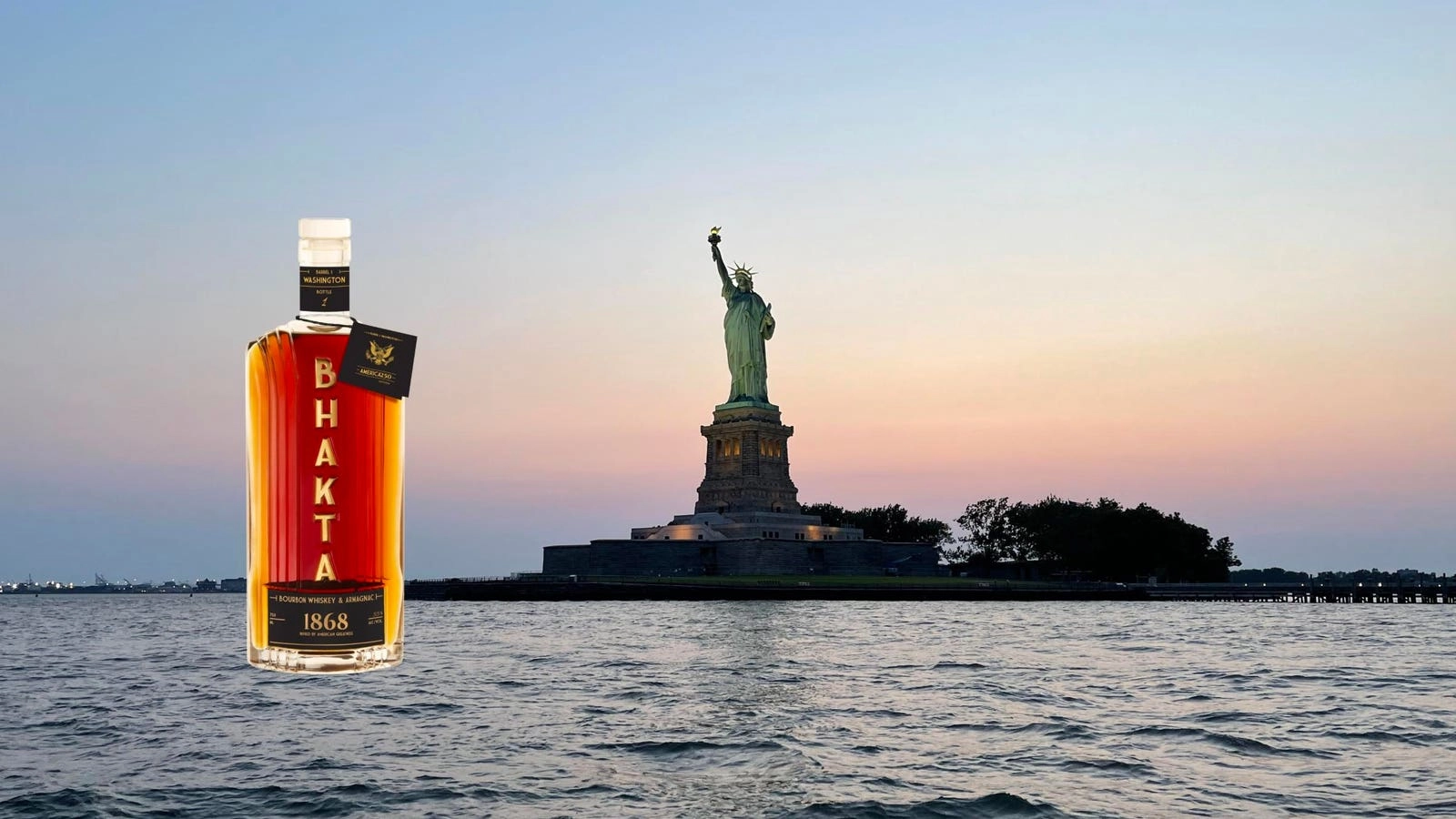
As America readies for its 250th anniversary, the prestigious American Whiskey Commission has declared Bhakta 1868 America250 Edition – Barrel 1 Washington the “Best In Show” bourbon. Scoring an impressive 19 out of 20 points during a blind tasting, this bourbon boasts complex flavors including notes of marmalade, pepper, quince, and apple pie.
Priced at $250, this unique offering is an "American Blended Bourbon," made up of 60% 21-year-old bourbon complemented by 40% 19th-century French Armagnac. Founder Raj Bhakta emphasizes that this blend reflects the Franco-American collaboration critical to securing independence. With only five barrels produced, this limited-edition release is available exclusively online, promising enthusiasts a rare taste of history as the country approaches its semiquincentennial celebrations.
In anticipation of this milestone, a panel of experts from the American Whiskey Commission evaluated various bourbons to ensure that the finest spirits grace celebratory events. Their assessment culminated in the recognition of Bhakta 1868, which showcases not just bourbon but a blend that also incorporates historic French brandy.
This release marks a departure from conventional bourbon offerings, illustrating Bhakta’s innovative approach to whiskey production. His portfolio demonstrates a flair for blending distinctive spirits, resulting in award-winning concoctions that fuse American heritage with French craftsmanship. The America250 Edition is emblematic of this endeavor, embodying a collaboration that Bhakta asserts is reflective of the historic bonds that helped secure American independence.
The select limited edition is available for purchase directly from the brand’s website, presenting a chance to own a piece of bourbon history as the nation prepares for its anniversary celebrations.
If You Love Daiquiris, You’ll Adore These Delicious Cocktails!
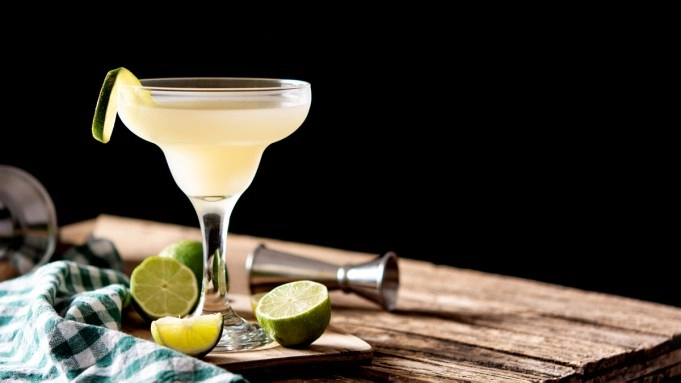
For the past six years, cocktails have been a focal point, guided by bartender Jason O’Bryan, now the lead mixologist at Michelin three-star Addison. Through this journey, an extensive library of cocktail recipes has been assembled, tracing the history and evolution of classic drinks. A prime example is the Daiquiri, a simple blend of rum, lime, and sugar, considered both a benchmark for aspiring bartenders and the foundation for many variations.
Classic Daiquiri
The true Daiquiri stands apart from the common misconception of a neon, slushy drink. A proper Daiquiri is a harmonious blend of the following:
- 2 oz. Plantation 3-Star White Rum
- 1 oz. fresh lime juice
- 0.75 oz. simple syrup
Method: Add ingredients to a shaker with ice, shake vigorously for 10 to 12 seconds, strain into a stemmed coupe glass, and garnish with a lime wheel.
Brooklynite
Originating from the Stork Club in New York, this cocktail is a blend of cultural prestige and creativity. It’s a simple yet satisfying cocktail that showcases:
- 2 oz. Jamaican rum
- 0.75 oz. lime juice
- 0.75 oz. honey syrup
- 1 dash bitters
Method: Shake all ingredients with ice for 8 to 10 seconds, then strain into a cocktail glass.
Captain’s Blood
Differing from a classic Daiquiri, this drink employs Jamaican rum and a generous dash of bitters, creating a rich and complex taste. Required ingredients include:
- 2 oz. Jamaican rum
- 1 oz. lime juice
- 0.75 oz. simple syrup
- 2-3 dashes of Angostura bitters
Method: Shake all ingredients on ice and strain into a coupe glass.
Old Cuban
Often described as a cross between a French 75 and a Mojito, the Old Cuban incorporates:
- 1.5 oz. aged rum
- 0.75 oz. lime juice
- 0.75 oz. simple syrup
- 6-8 mint leaves
- 2 dashes Angostura Bitters
- 2 oz. sparkling wine
Method: Shake ingredients (excluding wine) with ice, strain into a flute glass, top with sparkling wine, and garnish with mint.
Hush & Wonder
This cocktail combines the simplicity of a Daiquiri with a floral touch, achieved by mixing:
- 2 oz. rum
- 0.75 oz. lime juice
- 0.75 oz. simple syrup
- 0.25 oz. crème de violette
- 2 dashes grapefruit bitters
Method: Shake all ingredients with ice, rinse a glass with crème de violette, strain the cocktail in, and garnish with a lime wheel.
Hemingway Daiquiri
Named after the famed author who loved it during his time in Havana, this variation features:
- 2 oz. white rum
- 0.5 oz. lime juice
- 0.5 oz. grapefruit juice
- 0.25 oz. Luxardo Maraschino liqueur
Method: Combine ingredients over ice or blend, serving in a stemmed glass.
Daisy de Santiago
This vibrant cocktail includes:
- 1.5 oz. aged rum
- 1 oz. lime juice
- 0.5 oz. simple syrup
- 0.5 oz. Yellow Chartreuse
- 1 oz. soda water
Method: Mix ingredients in a tall glass, chill with crushed ice, stir lightly, and garnish with mint.
Royal Bermuda Yacht Club
A blend of rum with a few surprises:
- 1.5 oz. aged rum
- 0.25 oz. Cointreau
- 0.25 oz. falernum
- 0.25 oz. demerara syrup
- 0.75 oz. lime juice
Method: Shake with ice and strain into a cocktail glass.
Frozen Strawberry Daiquiri
Reviving an old favorite, this drink is crafted with:
- 2 oz. rum
- 0.75 oz. lime juice
- 1 tbsp. sugar
- 60 g frozen strawberries
- Pinch of salt
- 0.25 tsp. xanthan gum
Method: Blend all ingredients until smooth and serve in a chilled glass, garnished as desired.
The diverse cocktails stemming from the classic Daiquiri provide endless opportunities for enjoyment and creativity, ensuring this drink remains a favorite in bars and homes alike.
Adapting to Climate Change: Innovative Practices in the Wine Industry
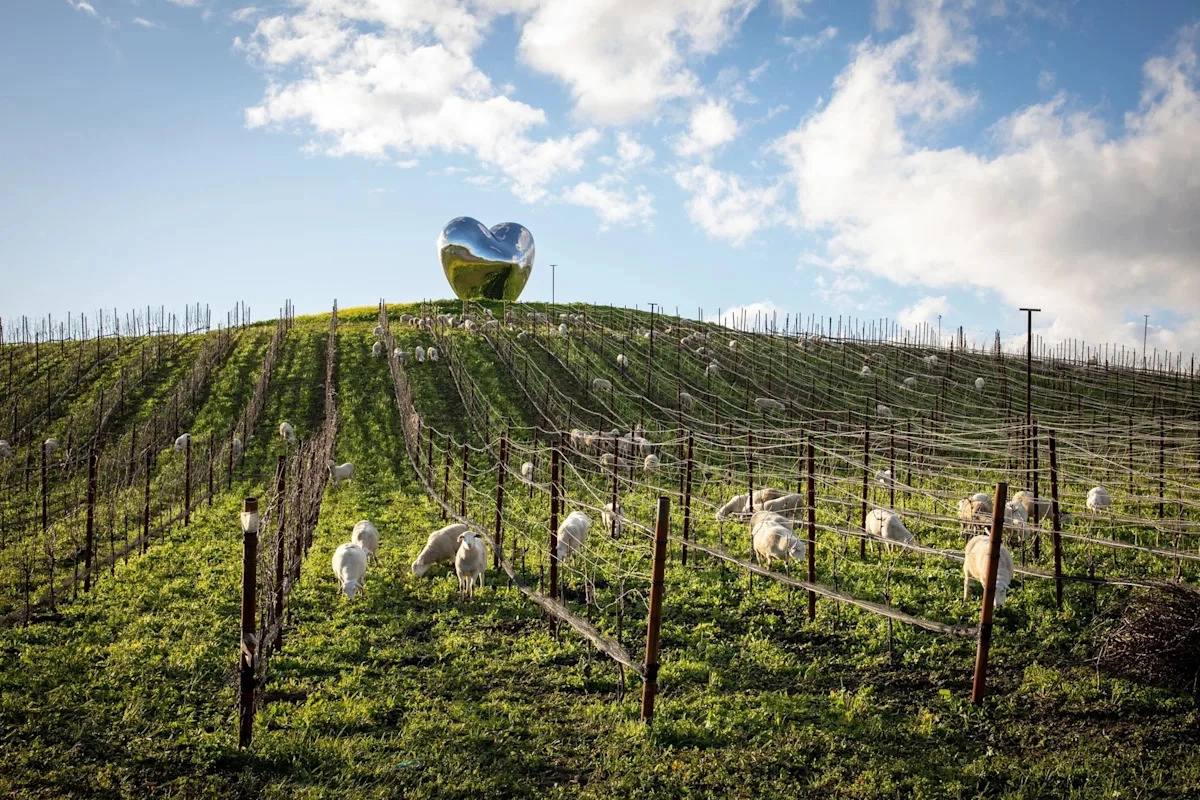
The wine industry is adapting to the pressing challenges posed by climate change, with winemakers employing various innovative strategies to ensure the longevity and quality of their products. Across the country, vintners are witnessing significant shifts in grape cultivation due to extreme summer heat and drought conditions, which threaten to alter the flavor profiles and quality of wines.
As global temperatures rise, many winemakers are changing their agricultural practices to mitigate these impacts. Research shows that warmer growing seasons lead to faster ripening of grapes, fundamentally shifting their chemistry and taste. A study indicated that if temperature increases continue, around 70% of the world’s wine-growing regions could become unsuitable for grape production.
Notably, some winemakers are exploring methods to enhance the resilience and health of their vineyards. For example, at Abbott Claim vineyard in Oregon’s Willamette Valley, the preservation of native Oregon white oak trees is integral to their farming practices. These trees support mycelium networks that enrich the soil, benefiting both the oaks and the grapevines.
In Northern California, another winery, Elusa, faced devastating losses from wildfires, prompting it to implement soil-enhancing strategies. The Donum Estate, also in Sonoma, has adopted regenerative farming by maintaining living roots to combat climate change impacts. They utilize cover crops to cool the soil and improve vine resilience.
Moreover, the move towards sustainability is becoming crucial in viticulture. Wineries increasingly recognize the need to reduce their carbon footprints and adapt to the long-term impacts of climate change. Enhanced biodiversity, innovative farming techniques, and sustainable practices are now standard in many vineyards, bolstering their ability to thrive amid changing environmental conditions.
Collectively, these practices signify a profound shift in the wine industry’s approach to production, both to preserve their traditional flavors and to respond proactively to the inevitabilities of climate change.