Uncorking the Benefits of Dry Low-Alcohol Wine: Discover the Best Grapes for a Lighter Sip
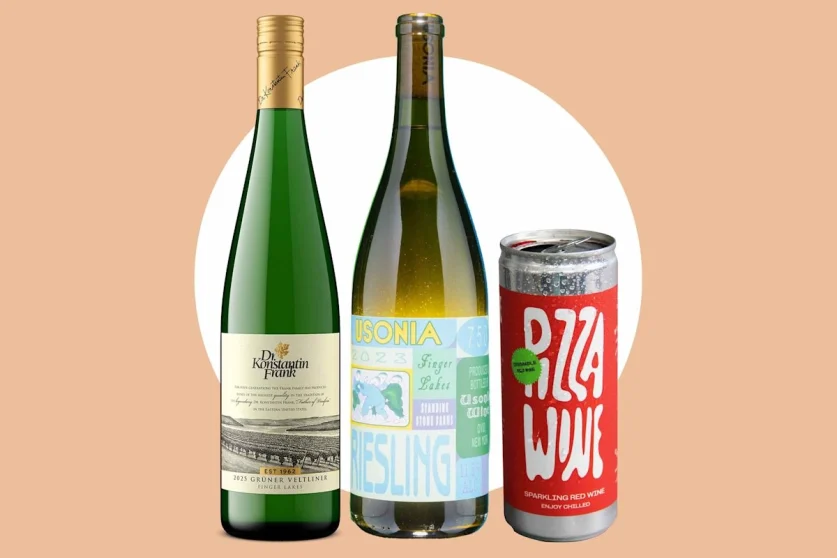
Low-alcohol wine is enjoying a surge in popularity, particularly during warm weather when refreshing drink options are in high demand. This article explores the rise of dry low-alcohol wines, which are typically defined as those with an alcohol content of 12% ABV or lower and up to 10 grams of residual sugar per liter. Sommeliers praise these wines for their crisp, clean flavors that harmonize well with various foods.
Experts emphasize that low-alcohol wines, while rewarding in complexity for those who wish to delve deeper, can also be enjoyed casually. They are seen as an excellent choice for social gatherings, as they allow for prolonged sipping over meals without overwhelming the palate.
Grapes for Dry Low-Alcohol Wines
Several grape varieties stand out for producing exceptional low-alcohol wines:
Riesling
Riesling is renowned for its bright acidity and can range from dry to sweet. In its dry form, it is light-bodied, making it perfect for warmer weather. Look for labels that specify "dry" or "trocken" to ensure you’re getting the less sugary versions.
Grüner Veltliner
This Austrian variety delivers racy wines characterized by spicy notes and vibrant citrus flavors. Like Riesling, it thrives in cooler climates, which help retain acidity while minimizing sugar levels.
Pét-nat (Pétillant Naturel)
Pét-nat wines undergo natural fermentation in the bottle, producing a lightly sparkling, easy-drinking wine. They can be made from various grape varieties, offering exciting flavor profiles.
Lambrusco
While often associated with sweet wines, dry Lambrusco options can showcase diverse flavors like sour cherry and earthy notes. These wines are excellent when slightly chilled, making them a great pairing with Italian dishes.
Recommendations
If you’re looking to explore dry low-alcohol wines, consider trying:
-
Rieslings:
- 2023 A. Christmann Gimmeldinger Kapellenberg Pfalz Riesling Trocken (Germany)
- 2023 Usonia Wine Standing Stone Farms Finger Lakes Riesling (New York)
- 2022 Left Foot Charley Terminal Moraine Old Mission Peninsula Riesling (Michigan)
-
Grüner Veltliners:
- 2025 Dr. Konstantin Frank Finger Lakes Grüner Veltliner (New York)
- 2025 Illahe Estate Willamette Valley Grüner Veltliner (Oregon)
- 2023 Loimer Lois Grüner Veltliner Niederösterreich (Austria)
-
Pét-nats:
- 2025 Sinor-LaVallee San Luis Obispo Coast Ancestrale Pét-Nat of Pinot Noir (California)
- 2024 Grosgrain Les Collines Vineyard Walla Walla Valley Sparkling Sémillon Pétillant Naturel (Washington)
- 2024 Quady North Chelsea Rose Applegate Valley Pet-Nat Sparkling Vermentino (Oregon)
-
Lambruscos:
- 2025 Cleto Chiarli Lambrusco di Sorbara Metodo del Fondatore Brut (Italy)
- 2025 Medici Ermete Lambrusco Reggiano Concerto Organic (Italy)
- Pizza Wine Sparkling Red Wine (New York)
Embracing low-alcohol wines not only aligns with social drinking trends but also opens up new avenues for enjoyment without the heavy weight of traditional high-ABV wines. Whether at a casual get-together or during a quiet evening at home, these selections provide a refreshing alternative for wine lovers.
Discover the World’s Best-Selling Vodka: Why It’s Not Grey Goose or Ketel One but More Affordable!
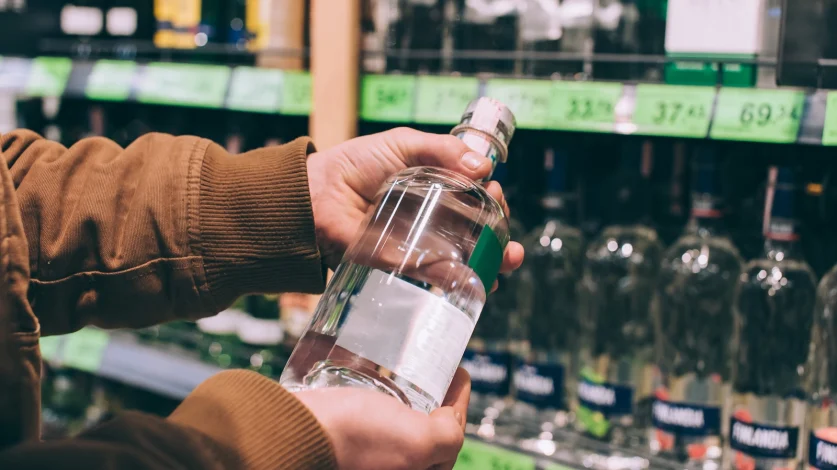
Vodka remains a dominant spirit around the world, often becoming a staple in various cocktails that have defined the recent beverage landscape. While premium brands like Grey Goose, Ciroc, and Skyy may come to mind as popular choices, the title of the best-selling vodka globally belongs to a much more accessible brand: Smirnoff. This ubiquitous vodka can be found in liquor stores, bars, and restaurants from the suburbs to airports, known for its reasonable pricing and compatibility with a variety of mixers.
Smirnoff’s success is attributed not only to its affordability—typically around $12 for a 750-milliliter bottle—but also to the sheer volume of sales. According to industry reports, Smirnoff sold approximately 23.4 million nine-liter cases last year, significantly outpacing its nearest competitor, Absolut. In contrast, Grey Goose bottles are priced nearly twice as high, making Smirnoff a go-to option for many consumers.
The brand’s versatility is a key factor in its popularity, positioned as an excellent mixer for various cocktails, from Moscow Mules to Cosmopolitans. Smirnoff not only offers its classic vodka but also a range of flavored options and products like Smirnoff Ice, appealing to a wide audience of drinkers.
With a global reach facilitated by its parent company, Diageo, Smirnoff is available in over 130 countries. Despite its massive sales, not everyone views Smirnoff as a top-tier vodka; some mixologists prefer other brands for quality. Still, its status as a reliable mixer makes it a staple in bars and events, cementing its position in the spirits market.
For more insights on beverages and culinary knowledge, consider subscribing to articles that explore similar topics.
5 Easy Cocktails to Enjoy with Costco’s Kirkland Signature Bourbon
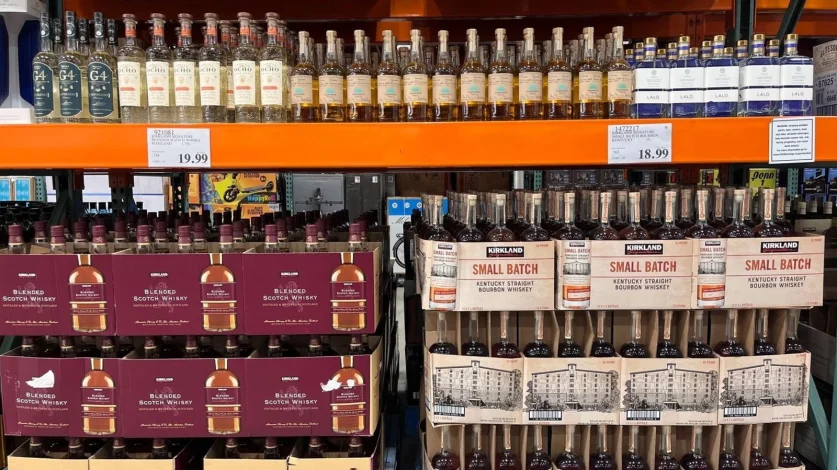
If you have a Costco with a liquor department nearby, you might have discovered the versatility of Kirkland Signature bourbon. Each 1.75-liter bottle offers a superb balance of taste, price, and quality, making it a pleasant option for both sipping straight and mixing into cocktails.
Unlike sweeter bourbons, Kirkland’s variant tends to be drier, featuring subtle notes of vanilla and a hint of sugariness that pairs well with sharper flavors. This characteristic allows for creative cocktail combinations that utilize citrus juices, bitters, or botanical elements to enhance the drink’s complexity. The affordable price makes it ideal for batch cocktails, and its quality, marked by its "Kentucky Straight" label, promises an enjoyable experience.
Classic Cocktails with Kirkland Bourbon
John Collins
A timeless choice, the John Collins serves as a spiked lemonade that’s refreshing in the summer. Utilizing Kirkland bourbon enhances the flavor profile, while balancing the sweetness with fresh lemon juice. Club soda can be added to individual glasses to maintain the drink’s fizz without going flat.
Lion’s Tail
For those seeking something a little different, the Lion’s Tail cocktail shines with its unique blend of flavors. It includes an allspice dram, creating a drink reminiscent of mulled beverages but with a bourbon backbone. The combination of spices and sweetness can intrigue both casual drinkers and cocktail enthusiasts.
French 95
This cocktail merges elements of several classics, utilizing Kirkland bourbon as a substitute for gin in a French 75. Combining champagne and elderflower liqueur, it results in a sophisticated drink perfect for those attending special occasions. The bourbon’s balanced sweetness stands up against the bubbles without overwhelming them.
New Orleans Milk Punch
For dessert lovers, New Orleans milk punch provides a luxurious take on bourbon cocktails. This delicious blend incorporates ingredients like whole milk and vanilla extract, resulting in a creamy drink that echoes the flavors of eggnog without being overly heavy.
Pineapple Bourbon Cocktail
The perfect poolside delight, this cocktail requires just three ingredients: pineapple juice, lemon juice, and Kirkland bourbon. The play between the citrus and the bourbon yields a fruity yet flavorful balance, making it a go-to summer drink.
With these cocktails in your repertoire, Kirkland Signature bourbon proves to be a delightful ingredient for both casual and crafted drinks alike. Whether hosting a gathering or simply unwinding after a long day, these cocktails promise to elevate your experience.
The Resurgence of Tiki Cocktails: Uncovering Their Modern Popularity
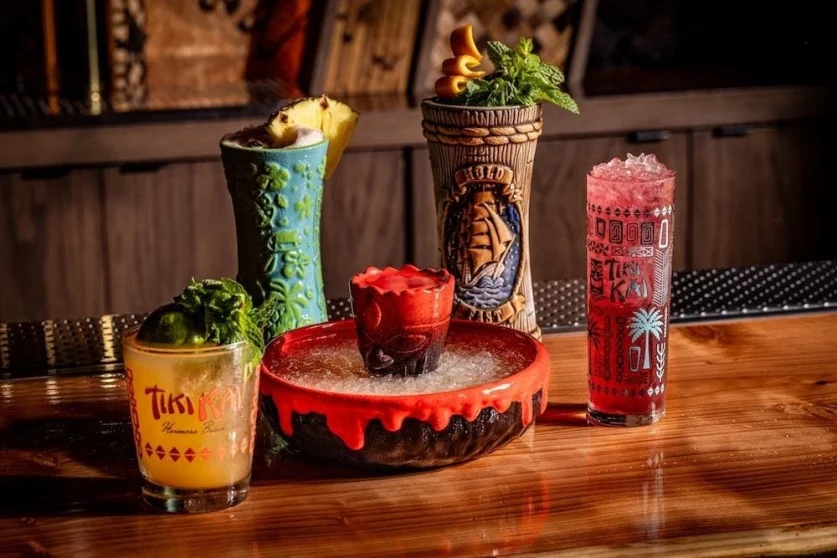
Tiki culture, which began in the 1930s, is seeing a revival that extends beyond traditional rum drinks. The modern tiki experience emphasizes community and shared moments, with larger cocktails encouraging social interactions. Venues like Tiki Kai in California are showcasing this trend with drinks designed for sharing, such as the Púca Punch and Scorpion Death Bowl. Beverage consultant Kyle Rioux highlights this communal aspect, emphasizing that tiki bars address a social need to gather and create shared stories.
As this trend grows, the environments in which tiki drinks are served play a crucial role. Locations like the Rum Room at Rosewood Little Dix Bay offer immersive settings that enhance the escapist experience of tiki culture. With over 100 rare rums, the focus is on crafting elevated tiki drinks that embrace artisanal ingredients and modern flavors.
Tiki culture has also found homes in unexpected places, such as Brooklyn’s Sunken Harbor Club and Phoenix’s UnderTow. These venues transport patrons to a tropical paradise through decor and unique cocktails. UnderTow’s Mat Snapp notes that the tiki concept appeals to a broad audience, melding rich history with modern updates while fostering a playful environment.
This resurgence of tiki drinks and bars likely signifies a lasting trend, adapting to the tastes of newer generations who seek both enjoyment and an escape from their daily lives. As the tiki movement continues to grow, it captures the imagination of both enthusiasts and novices, ensuring that this vibrant culture remains an integral part of the drinking landscape.
Jack Daniel’s Unveils High-Proof Whiskey: A Toast to the Angel’s Share
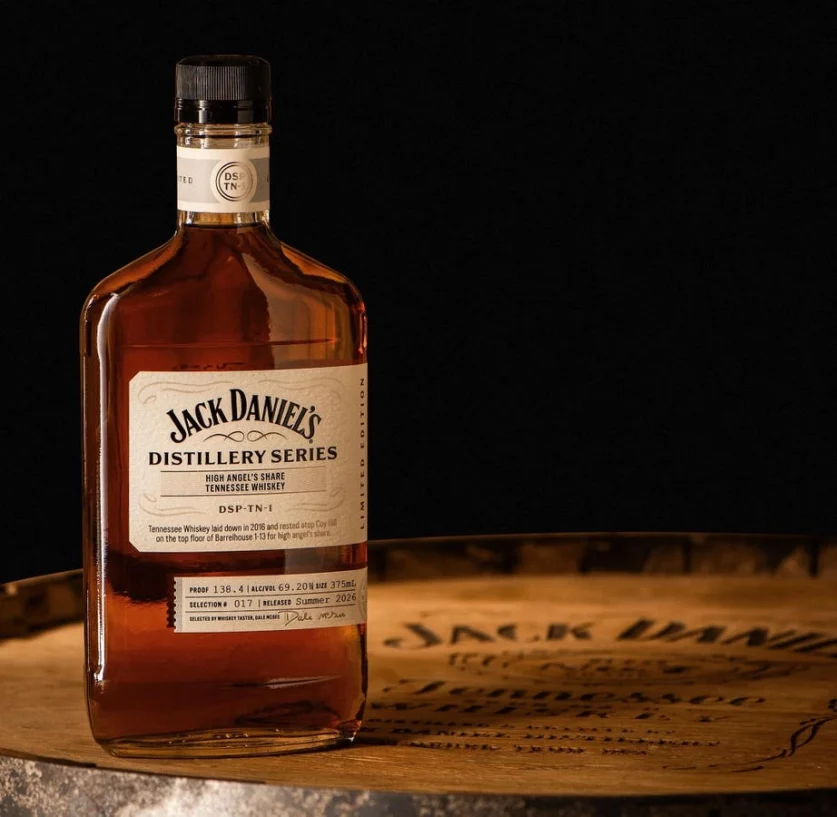
Jack Daniel’s has unveiled its latest expression, the "High Angel’s Share Tennessee Whiskey," as part of its Distillery Series. This bottling, announced on August 4th, showcases a unique and powerful whiskey distilled in 2016, coming from a mash bill of 80% corn, 8% rye, and 12% malted barley.
What sets this release apart is its aging process. It matured on the highest level of Barrelhouse 1-13 at the distillery in Lynchburg, Tennessee. The heat in these top-floor barrels can reach temperatures exceeding 120 degrees Fahrenheit during hot summers, significantly leading to evaporation known as the "Angel’s Share." This process results in a whiskey that is not only higher in proof but also richer in flavor.
Chris Fletcher, Jack Daniel’s Master Distiller, emphasizes that this whiskey exemplifies the impact of natural aging conditions. The intense heat concentrated the flavors left behind after the evaporation, yielding a "beautifully concentrated profile" that offers a different take on the classic Tennessee whiskey character.
Jack Daniel’s selected the barrels for this batch through their Whiskey Taster Dale McGee, producing a batch that clocks in at an impressive proof of 138.4. Tasting notes suggest a rich palate featuring flavors of brown sugar, banana nut bread, and hints of maple syrup – classic Jack Daniel’s notes elevated by the higher proof.
As with all releases from the Distillery Series, "High Angel’s Share Tennessee Whiskey" is available exclusively from select retailers in Tennessee and at the distillery itself, priced at $44.75 for a 375mL bottle.
Appleton Estate Invites Jamaica to Celebrate ‘On the Rum’ This August
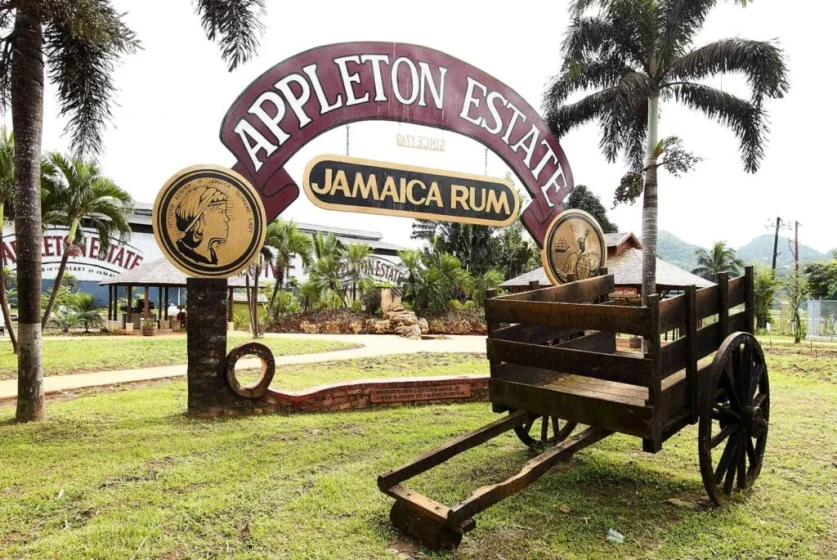
Appleton Estate Jamaica Rum is calling on both locals and tourists to partake in its Rum Month festivities this August. The celebrations are themed "On The Rum" and will showcase a variety of engaging activities, focusing on the craftsmanship, heritage, and versatility that have established Appleton Estate as a global premium rum icon for over 250 years.
During this month-long celebration, consumers are invited to embark on a journey through a series of immersive tastings, live entertainment, and rum education sessions, all while highlighting the limited-edition Appleton Estate Sherry Cask Expression.
The centerpiece of these activities will be the Appleton Estate On The Rum Tour, which will feature 21 island-wide stops. This initiative aims to bring Appleton Estate directly to its audience, making the joys of National Rum Month accessible to rum enthusiasts across the island.
Dominic Bell, Communications Manager for Appleton Estate, emphasized that Rum Month is about more than just showcasing the spirit; it is an homage to Jamaica’s rich rum heritage. He noted, "Throughout August, we want consumers to experience everything Appleton Estate represents," offering exceptional cocktails, nightlife, and educational opportunities on rum culture.
Exciting signature events are also being planned, promising premium lifestyle experiences that blend quality rum, music, and vibrant nightlife, with live performances from local bands including Tower Band and DMG Band.
In addition to the fun, there will be chances for consumers to win exclusive prizes when purchasing the limited-edition Appleton Estate Sherry Cask at participating locations. Additionally, the brand will highlight local mixology talent through its anticipated Bartenders Competition, focusing on creativity and innovation while promoting responsible drinking.
Appleton Estate encourages everyone to follow them on social media for updates about Rum Month festivities, positioning this event as a truly special and unique celebration.
For more information on the activities and offerings during Rum Month, check out the Appleton Estate website and their social media profiles.
Jack Daniel’s Unveils New High-Proof Whiskey: A Tribute to the Angel’s Share
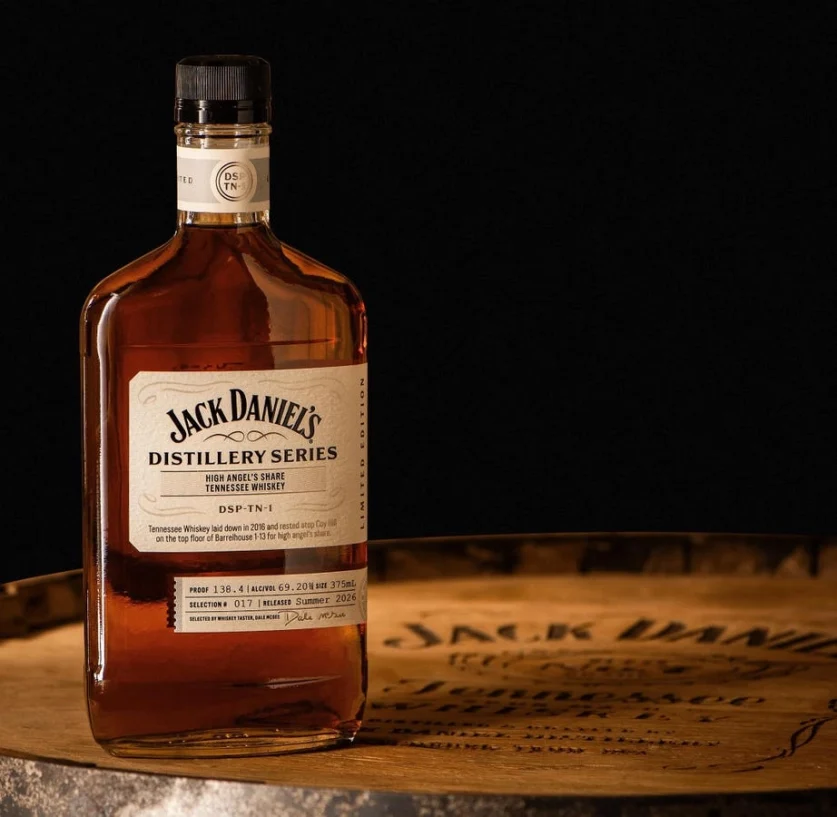
Jack Daniel’s Tennessee Whiskey has introduced its latest release, the “High Angel’s Share Tennessee Whiskey,” as part of the Distillery Series. Announced on August 4, this bottling is notable for its distinctive high-proof character and represents a tribute to the flavorful essence left after the evaporation known as the "Angel’s Share."
This whiskey, distilled in 2016 from the classic Jack Daniel’s mash bill of 80% corn, 8% rye, and 12% malted barley, has spent years aging on the top floor of Barrelhouse 1-13 at the distillery. This upper level is renowned for its extreme heat during summer months, often reaching over 120 degrees Fahrenheit, which results in significant evaporation—sometimes over 50%—after many years in the barrel.
Chris Fletcher, Jack Daniel’s Master Distiller, elaborated on the release, stating, “This release is a perfect example of what happens when we let nature take the lead. By resting these barrels on the very top floor of our Coy Hill barrelhouse, the intense heat increased the angel’s share over the years.” This natural process ultimately leads to a concentrated and distinct flavor profile.
Selected by Jack Daniel’s Whiskey Taster Dale McGee, the final product boasts a robust batch proof of 138.4. Tasting notes highlight flavors of brown sugar, banana nut bread, and a hint of maple syrup, all likely intensified by the high proof.
High Angel’s Share Tennessee Whiskey is available in a half-size, 375mL format at select retailers in Tennessee and at the White Rabbit Bottle Shop at the distillery, with a suggested retail price of $44.75. This release is part of a continuing trend of special bottlings that showcase the unique aging environment at Coy Hill, which includes previous releases from 2021, 2022, and 2024.
5 Festive Ways to Celebrate International Beer Day in the Tri-Cities

Do you know where most of the world gets the hops needed to produce beer? It’s the Yakima Valley, renowned for growing 75% of hops in the U.S. With both the U.S. and Germany competing for the title of top hop producer, local celebrations for International Beer Day on Friday, August 7, can be enjoyed right in the Tri-Cities area.
Celebratory Events for Beer Day
Moxee Hop Festival
Taking place from Thursday, August 6 to Saturday, August 8 at Moxee City Park, the Moxee Hop Festival combines fun activities for all ages. The festival, which started in 1948, includes games, a dunk tank, and a parade on Saturday morning. For those who enjoy competition, Friday features an apple pie baking contest, while Saturday hosts a 5K Fun Run/Walk. Attendees aged 21 and older can explore the Budweiser Beer Garden, featuring musical acts and more. The festival hours are 5-10 p.m. on August 6, 4 p.m.-midnight on Friday, and 7 a.m.-midnight on Sunday.
Brewery Events in the Tri-Cities
Sage Brewing Co.
Located at 8425 Chapel Hill Blvd., Pasco, Sage Brewing will celebrate by serving craft beers along with La Bahía Mexican food from 4-8 p.m. on Friday. Saturday includes a collaboration with Smokin’ Boar Sausages for a delicious pairing of sausages and cold beer from 1-8 p.m., followed by a daylong Happy Hour on Sunday.
Moonshot Brewing
Found at 8804 W. Victoria Ave., Kennewick, Moonshot Brewing is set to host a pinball tournament on Saturday, August 8, to celebrate the launch of a new Transformers pinball machine. The food truck for the night is Gray’s Wings and Things, and both the tournament and food will commence at 5 p.m. Fridays and Sundays are designated as bring-your-own-food days.
Last Call
Opening its doors on Saturday, August 8, this new establishment at 213 W. Kennewick Ave. promises a lively night with live music from Badlandz.
Bombing Range Brewing Company
Located at 2000 Logston Blvd., Richland, this brewery invites patrons to enjoy live music from their local Beer Choir chapter on Saturday evening. With pints offered at $5, it’s a great spot to wind down.
Whether you’re interested in family-friendly activities at the Moxee Hop Festival or brewery experiences around the Tri-Cities, there are plenty of ways to join in the festivities for International Beer Day.
FSSAI Takes Action: Old Monk Rum Faces Ban for Flavored Alcohol Violation
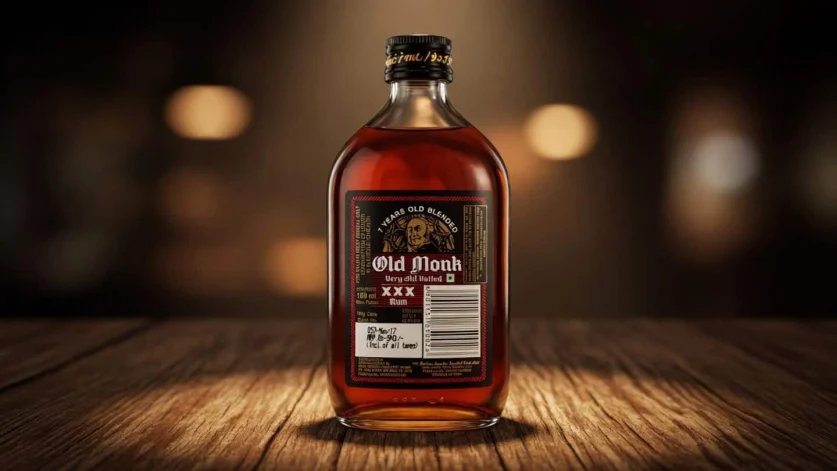
The Food Safety and Standards Authority of India (FSSAI) has imposed a ban on three variants of Old Monk rum: The Legend, Gold Reserve, and XXX Matured Rum. This ban extends to several other well-known brands, including McDowell’s No 1 Rum, Bagpiper Deluxe Whisky, and Royal Challenge Whisky.
Flavor Controversy
The FSSAI has raised alarms regarding the use of artificial flavors in alcoholic beverages instead of employing authentic aging methods. While natural flavoring substances are permitted, the authority found that some manufacturers were adding flavors that originated from the drinks themselves. This practice was deemed misleading, as there is no accepted global manufacturing standard that allows for rum or whisky flavors to be added to their respective spirits.
Testing Results
Laboratory tests conducted on rums and whiskies from various manufacturers revealed that these products lacked quality due to the inclusion of external artificial or nature-identical flavors. The FSSAI stated, "the addition of artificial flavors is masking its natural flavor and making the product substandard." The regulator emphasized that such beverages should be labeled as "flavored/premix rum" rather than their current labels.
Age Claim Concerns
Additionally, the FSSAI criticized Old Monk’s claims regarding the age of its XXX Rum variant, labeling it as "deceptive." The main component of this product is neutral spirit, with the matured rum spirit being a minor ingredient. This violates existing regulations which stipulate that the age claim must refer to the youngest spirit in the blend, as specified by the FSS (Alcoholic Beverages) Regulations, 2018.
Azamara Partners with American Wine School to Offer Wine Certification Onboard
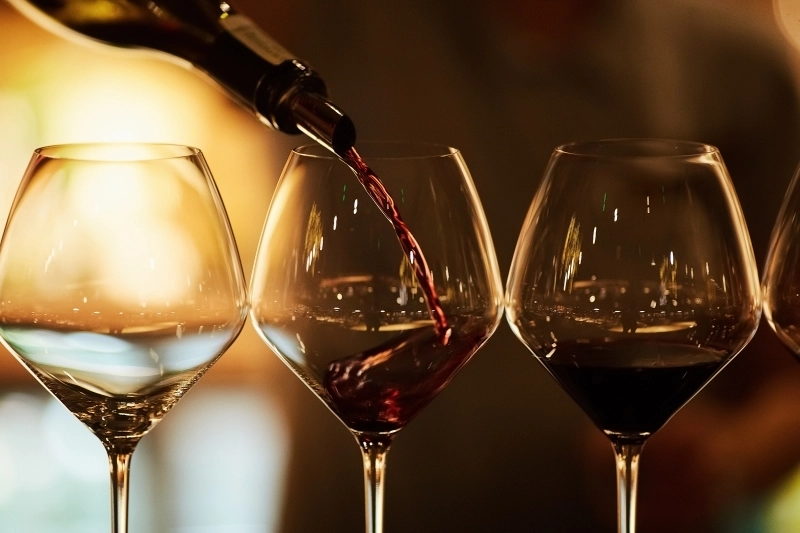
Azamara Cruises is excited to announce a new collaboration with the American Wine School, which will provide an opportunity for guests to earn the WSET Level 1 Award in Wines during select sailings starting December 2026.
This immersive course, led by Marianne Frantz, the founder of the American Wine School and a certified educator, will feature expert instruction alongside guided tastings. The price for this certification is $275 per person, with a limit of 24 participants per sailing. Reservations will be available in advance.
Wayne Fannon, corporate director of food & beverage operations at Azamara, expressed that their goal is to enhance destination immersion through culinary experiences that connect guests to the local culture. The program aligns with Azamara’s commitment to offer enriching experiences that make travel both enjoyable and educational. Guests can deepen their wine appreciation while earning an internationally recognized qualification.
The first courses will take place aboard:
- Azamara Quest during the Panama Canal Holiday & New Year’s Eve Cruise on December 18, 2026
- Azamara Journey on the South America Cruise starting March 10, 2027
Participants will explore major grape varieties, various wine styles, proper service and storage methods, and food pairing techniques, culminating in the official WSET Level 1 Wine exam onboard.
In addition to the certification course, there will be destination-inspired wine programming, including curated tastings and food pairing experiences to complement the flavors and traditions of the regions the cruises will visit.